Knowledge sharing, change and implementation of ICT in
education in a university.
SCHIMMEL, Herman.
Available from Sheffield Hallam University Research Archive (SHURA) at: http://shura.shu.ac.uk/20674/
This document is the author deposited version. You are advised to consult the publisher's version if you wish to cite from it.
Published version
SCHIMMEL, Herman. (2013). Knowledge sharing, change and implementation of ICT in education in a university. Doctoral, Sheffield Hallam University (United Kingdom)..
Copyright and re-use policy
See http://shura.shu.ac.uk/information.html
Sheffield Hallam University Research Archive
« «>> « - ...
Adsetts Centre, City Campus Sheffield S1 1W P
102 100 355 7
Sheffield Hailam University Learning and Information Sen/ices
Adsetts Centre, City Campus Sheffield S1 1WD
ProQuest Number: 10702759
All rights reserved INFORMATION TO ALL USERS
The quality of this reproduction is dependent upon the quality of the copy submitted. In the unlikely event that the author did not send a com plete manuscript and there are missing pages, these will be noted. Also, if material had to be removed,
a note will indicate the deletion.
uest
ProQuest 10702759
Published by ProQuest LLC(2017). Copyright of the Dissertation is held by the Author.
All rights reserved.
This work is protected against unauthorized copying under Title 17, United States C ode Microform Edition © ProQuest LLC.
ProQuest LLC.
789 East Eisenhower Parkway P.O. Box 1346
Knowledge Sharing, Change and
Implementation of ICT in
Education in a University
Herman Schimmel
Thesis submitted in partial fulfilment of the
requirements for the award of the degree of
Doctor of Philosophy of Sheffield Hallam University
Abstract
This thesis explores processes of knowledge management in a Dutch university, focusing on the development of knowledge to support the
transformation of education with ICT, and more specifically to enhance the pedagogical use of ICT. The study explores the factors that hindered and facilitated the development of a knowledge network of ICT coaches to develop such knowledge.
The study draws on theories and concepts relating to the transformation of education with ICT, organisation structure and leadership, and the
management of change in universities. Particular attention is given to the social construction of knowledge within communities of practice and knowledge networks.
A mixed method approach was chosen for this single-university case study in which constructivist and positivist methods were combined. The quantitative methods encompassed a baseline survey, a density analysis of the social network, and a virtual community analysis. Individual and focus group interviews were used as qualitative methods.
A number of factors were identified which influenced why the ICT coach network did not develop in the way that was originally intended by the university. The coaches perceived too little or no management support and some coaches were inappropriately chosen as participants in the network. The findings showed that the ICT coach network was not a community of practice, and the development of the knowledge network was hindered by inadequate communication and social interaction. The ICT coaches in this case study showed a preference for face-to-face communication above the use of a virtual environment, and the coaches mainly had an instrumental rather than pedagogical focus towards the use of ICT in education.
A change model for the implementation of ICT in education was developed from the findings. This model presents knowledge as a key determinant of attitudes and behaviour. The social construction of knowledge in networks, based on prior knowledge and practice-based knowledge makes it possible to evaluate this knowledge and determine a person’s negative or positive
attitude towards and instrumental or pedagogical use of ICT in education. The model suggests that that in order to change the behaviour of teachers in the use of ICT in education, teachers need to develop a knowledge domain about the pedagogical use of ICT in such a way that it w ill change their beliefs in a positive way.
A number of implications are identified for universities when considering the professional development of teachers in the use of ICT and learning.
Knowledge Sharing, Change and Implementation of ICT in Education in a University.
Contents
Ab s tr a c t...2
Co n te n ts...3
LIstoffIg u r e s...7
LIstofta b le s...8
De d Ic a t Io n... 9
Acknow ledgements...10
Au th o r’sdeclaratIon...11
CHAPTER 1 IntroductIon to theresearch...12
1.1. Introduction...12
1.2. ICT and change in teaching and learning in higher education...12
1.3. The role of ICT in education in The Netherlands...14
1.4. Otto University...15
1.5. Aim o f the study...22
1.7. Research Design...24
1.8. Outline o f the thesis...25
CHAPTER 2 ... 27
TransformIng educatIonIn unIversItIesthroughthe useof IC T... 27
2.1. Introduction...2 7 2.2. Transforming education with IC T...2 7 2.3. Professional development in the use of ICT in education...30
2.4. Transformation o f education with ICT in the Netherlands...33
2.5. Organisation structure and leadership in universities...37
2.6. Managing and leading change in universities...41
2.7. Closing rem arks...46
CHAPTER 3 ... 48
Knowledgeand knowledgesharIng IncommunItIesandnetworks...48
3 .1. Introduction...48
3.2. Social constructivism...49
3.3. Knowledge and the relation to attitude and behaviour...51
3.3.1. Defining knowledge...51
3.3.2. Knowledge, attitude and behaviour... 55
3.4. Defining knowledge netw orks...61
3.4.1. Characteristics of a network... 61
3.5. Defining Communities o f Practice...65
3.5.1. Introduction... 65
3.5.2. Learning Communities...65
3.5.3. Defining a Communities of Practice... 67
3.5.6. Development of a CoP...70
3 .6 . Criticism o f the concept of Communities o f P ractice...72
3.6.1. The downside and limits of Communities of Practice...72
3.6.2. Critical Success Factors for Communities of Practice...73
3 .7 . Face to face versus virtual netw orking... 76
3.7.1. Characteristics of Online networks...76
3.7.2. Main aspects of differences between face-to-face and online networks...77
3.7.3. Other aspects of online networks... 79
3.8. Closing rem arks...81
CHAPTER 4 ... 82
Research Methodologyand Me t h o d s...82
4.1. Introduction to the methodology...82
4.2. The Case Study...84
4.2.1. Case Study... 84
4.2.2. Types of case study... 85
4.2.3. Strengths and Weaknesses of a case study... 86
4.2.4. Case Study Design... 87
4.3. Research Methods...88
4.3.1 Baseline Survey...89
4.3.2. Social Network Analysis...92
4.3.3 Virtual Community Analysis...96
4.3.4 Interviews... 98
4.3.5 Focus Group Interviews...103
4.3.6 Interviews with the Network Managing Group... 105
4.3.7 Field notes of face-to-face meetings...106
4.4. Validity and R eliab ility...107
4.5. Ethics...110
4.5.1 General ethical considerations... 110
4.5.2 Practical ethical issues in this study...110
4.6. Closing rem arks...111
C H A P T E R S ...112
DIgItalteachersanddIgItal ICT coaches...112
5.1. Introduction...112
5.2. Teachers skills in the use o f computer programs...112
5.2.1. Specific use of computer programs...113
5.3. Knowledge sharing...118
5.4. Attitudes to the use o f ICT in education...120
5.5.M aturity Levels...121
5.6. Strengths and Weaknesses in the development o f IC T...124
5.7. Digital coaches...126
5.7.1 Expectations of the ICT coaches...128
5.8. Closing rem arks...129
CHAPTER 6 130
Resultsof QualItatIve Methods... 130
6 .1. Introduction...130
6.2. Interviews with ICT coaches...130
6.2.1. The appointment of the coaches (how and why)... 130
6.2.2. The assignment of the coaches...132
6.2.3. Coaches' knowledge about ICT and learning...135
6.2.4. Coaches’ perceptions of the motivation of teachers...135
6.2.5. Coaches' attitudes towards participation in the network...138
6.3. Field notes o f the network meetings...143
6.3.1. ICT coach Training Meetings... 143
6.3.2. ICT coach Evaluation Meetings... 146
6.4. Focus Group Interviews with ICT coaches...148
6.4.1. Introduction... 148
6.4.2. The ICT coaches’ knowledge about their task as ICT coach...149
6.4.3. The ICT coaches perceptions about the university’s policy and management support...151
6.4.4. The attitude of the ICT coaches towards the use of ICT in education...153
6.4.5 The behaviour of the ICT coaches in sharing knowledge... 157
6 .5 . Interviews with the Network Managing Group...160
6.5.1 Individual interviews with NMG... 160
6.5.2 Group Interview with NMG... 162
6.6 . Closing rem arks...165
CHAPTER 7 ... 166
Resultsof QuantItatIve Me th o d s... 166
7.1. Social Network Analysis o f the ICT coach netw ork...166
7.1.1. Identifying key members of the network...166
7.1.2. Example of horizontal and vertical differences... 168
7.1.3. Findings on the density of the total network...172
7.1.4. The graphic density of the total network... 173
7.1.5 The density and deviation per faculty... 176
7 .2 Analysis o f the ICT coach virtual com m unity...179
7.2.1 The online community of the ICT coaches... 179
7.2.2 Moderation of the online community of the ICT coaches...180
7.2.3 Code of conduct of the online community of the ICT coaches...181
7.2.4 Analysing the online community of the ICT coaches...181
7.2.5 Members, activity and postings in the online community... 183
7.2.6 Themes discussed in the online community of the ICT coaches... 185
7 .3 . Closing rem arks...188
CHAPTER 8 ...190
AnalysIngthec a s e...190
8.1. Introduction...190
8.4. What happened in the ICT coach network?...200
8.4.1 A model with seven themes...200
8.4.2. Theme 1: Leadership and management support... 204
8.4.3. Theme 2: Identifying change agents...206
8.4.4. Theme 3: Communicating the change... 209
8.4.5. Theme 4: Building the network... 212
8.4.6. Theme 5: Creating new knowledge through social interaction...218
8.4.7 Theme 6: Face-to face versus virtual networking...223
8.4.8. Theme 7: Changing behaviour...225
8.5. Closing remarks...228
CHAPTER 9 ... 229
DIscussIon... 229
9.1. Introduction... 229
9.2. Factors hindering the development of the network... 229
9.3. Changing pedagogy with the use of IC T...233
9.3.1. Behavioural use of ICT in education... 235
9.3.2. Understanding the usefulness of ICT in education ... 237
9.3.3. Internalisation of practice-based knowledge... 240
9.4. Preconditions for a knowledge network to change pedagogy with IC T...246
9.4.1. A domain of knowledge... 246
9.4.2. Teachers as key players in the network...247
9.4.3. Strong leadership to manage and lead change...249
9.4 Closing remarks...250
CHAPTER 10...252
ConclusIons...252
10.11ntroduction... 252
10.2 Reflection...252
10.3 Key findings of this case study...253
10.4 Key issues about the change of pedagogy with ICT... 256
10.5 Implications for practice...257
10.6 Contribution to knowledge... 260
10.7 Implications for future research...261
REFERENCES...264
APPENDICES... 291
Appendix 1: Individual Interview questions for ICT coaches...291
Appendix 2: Coding scheme for first analysis of interviews...294
Appendix 3: Coding scheme for second analysis of interviews... 295
Appendix 4: Pre-questionnaire Focus Group Interviews...297
Appendix 5: Example of field notes...298
Appendix 6: Questionnaire Baseline survey - Teachers... 299
Appendix 7: Questionnaire Baseline survey - ICT coaches...303
Knowledge Sharing, Change and Implementation of ICT in Education in a University.
L
ist of figures
Figure 1: The organisation of the ICT coach network, Otto University, 2006 ...18
Figure 2: E-learning Excellence Model, Otto University, 2005...20
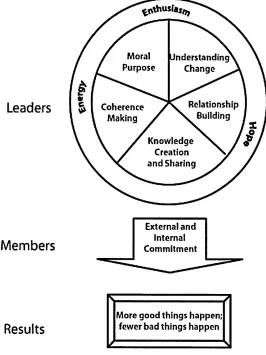
Figure 3: A Framework for Leadership, Fullan, 2001 ...43
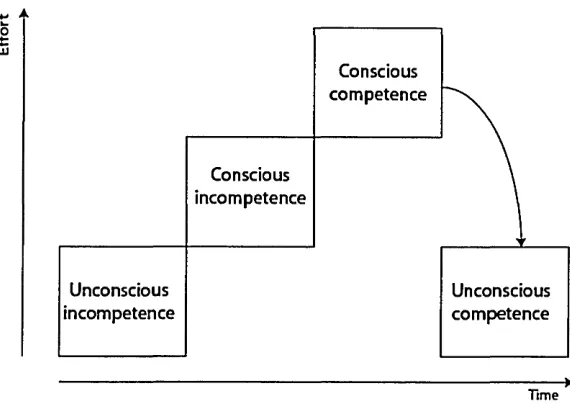
Figure 4: Competence Model, Collisson St Parcell, 2001 ... 54
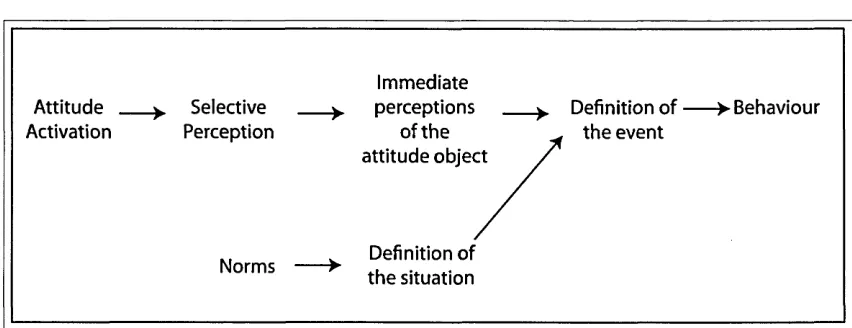
Figure 5: The MODE Model, Fazio, 1986 ... 57
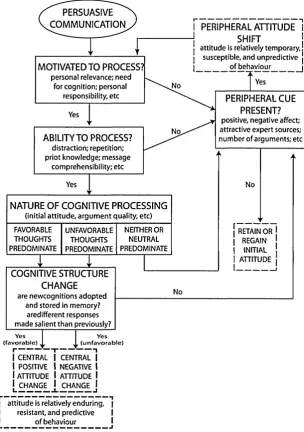
Figure 6: The Elaboration Likelihood Model, Petty and Cacioppo, 1986 ... 58
Figure 7: Model of Reasoned Action, Fishbein and Ajzen, 2010... 59
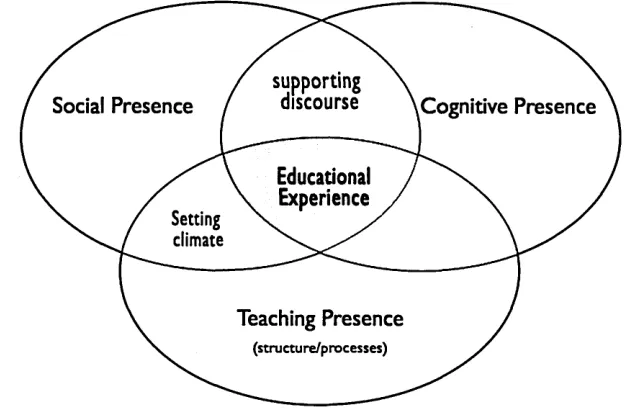
Figure 8: Community of Inquiry, Garrison and Anderson, 2003... 66
Figure 9: Doughnut Model of Knowledge Management, Wenger, 2004 ... 69
Figure 10: Case Study Research Design, Schimmel, 2012...88
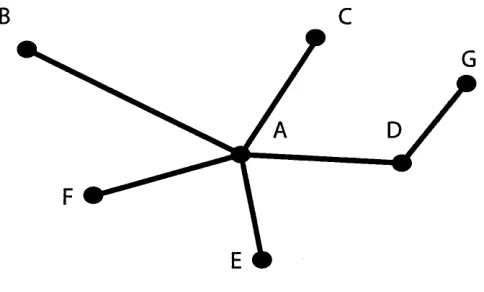
Figure 11: Example of Sociogram, Scott, 1988 ... 93
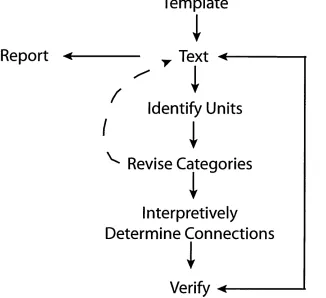
Figure 12: Template Analysis Style, Crabtree and Miller, 1998...101
Figure 13: Density of the total ICT Coach Network... 173
Figure 14: Density of the total ICT Coach Network without question 1 ...174
Figure 15: Density of the total ICT Coach Network without question 1 and 2 ... 174
Figure 16: Density of the ICT Coach Network of faculty A... 176
Figure 17: Density of the ICT Coach Network of faculty B... 177
Figure 18: Density of the ICT Coach Network of faculty C... 177
Figure 19: Density of the ICT Coach Network of faculty D ...178
Figure 20 The homepage of the virtual community of the ICT coaches... 179
Figure 21: the Change Process in the University, Schimmel, 2013...201
Figure 22: the Change of Knowledge, Attitude and Behaviour, Schimmel, 2013 ...202
Figure 23: Change Model, Schimmel, 2012...203
L
ist of tables
Table 1: Phases Model of instructional Transformation (Riber and Welliver, 1989), versus
Phases of Change (Itzkan, 1994) - a comparison by Weistra (2005)...37
Table 2: Main components of the four pillars of a CoP, Scarso et al, 2009...74
Table 3: Number of participants baseline survey...92
Table 4: Spreadsheet of density analysis... 96
Table 5: Example of code label... 102
Table 6: Experience in the use of computers per faculty... 113
Table 7: Percentage of teachers with experience with Microsoft Messenger... 114
Table 8: Teacher’s use of e-learning environments...115
Table 9: Percentage of teachers per faculty that said they were digitally experienced 116 Table 10: Percentage of teachers that attended an ICT training course... 117
Table 11: Teacher's interest in subjects for training... 118
Table 12: Teacher's consulting for knowledge and information about ICT and learning 119 Table 13: Teacher's motivation to use ICT or ICT applications for learning...121
Table 14: The use of ICT in the teaching practice of the teachers... 122
Table 15: Results of Thesis A ... 123
Table 16: Results of Thesis B... 123
Table 17: Example of spreadsheet for Density Analysis...166
Table 18: Example of scores in spreadsheet for Density Analysis... 168
Table 19: Explanation of Density analysis, Scores ICT coaches...169
Table 20: Total Score of Density Analysis of the ICT Coach Network... 171
Table 21: Density and average scores per faculty...178
Table 22: Number of posts ICT coach community... 183
Table 23: Number of posts in ICT coach community per coach, per them e...184
Table 24: Activities in the ICT Coach community... 184
Table 25: Number of posts in ICT coach community per them e... 186
Dedication
Acknowledgements
To Dr. Alison Hudson and Professor Tim Simkins who have helped me during the seven years of this research. They were always willing to discuss themes and answer questions, and they kept me motivated.
To Dr. Klaas van Veen who supported me many times, and advised me about Dutch educational issues.
To Professor Brian Hudson who motivated me to start this PhD research and who was willing to advise me in the early start of this research.
To Frank Little who was willing to proofread my thesis.
Last but not least to my loving wife Sipkje who supported and encouraged me and made it possible to complete my thesis.
Knowledge Sharing, Change and Implementation of ICT in Education in a University.
Author’s declaration
The work submitted in this thesis is the result of my own work, except when otherwise stated.
Any errors or inconsistencies that appear in the thesis are those of the author. This thesis has not and is not being submitted for any other comparable
academic award.
Herman Schimmel
Signature
CHAPTER 1
Introduction to the research
1.1. Introduction
This thesis is about knowledge management in higher education, more specifically about the objectives of a Dutch university to use a teachers’ network to develop knowledge about the use of Information and
Communication Technology (ICT) as a key element in pedagogy, and to share this knowledge within the network creating new knowledge in order to enhance the use of ICT in education. To make the name of this university anonymous, the name Otto University is used. This first chapter will provide an overview and comprehensive introduction to the research and the context of the case study. The chapter will highlight the main theorists who have contributed to the framework of the study. The chapter ends with a brief outline of this thesis.
With the introduction of ICT in the workplace in the last twenty-five years, the way we work and learn has considerably changed. We can contact people almost any time and any place we want. Most of us are able to find a diverse range of information on the Internet. The rapid change in the use of ICT in daily life has also influenced approaches to teaching in higher education. Conventional teaching has emphasised content; courses were written around textbooks (Oliver, 2002), but today learning is supported by the widespread availability of ICT. This has had an impact on how, when and where students learn and the way teachers teach. In a strategic plan of the Dutch Surf Foundation (SURF, 2006) it was argued that digitally-facilitated education places new demands on teachers who must use integrated digital teaching systems for blended learning. Such teachers need training, not only in ICT skills, but also in the pedagogical use of ICT in education.
1.2. ICT and change in teaching and learning in higher education
Students today own a variety of information and communication technologies and almost every minute of the day they are connected online to friends via Facebook, You Tube and other Internet-based social networks. For young
Knowledge Sharing, Change and Implementation of ICT in Education in a University.
people, the use of computers and the Internet is like breathing oxygen or like getting water from the tap (Oblinger, 2005). A recent study of the use of ICT by students shows that the choice of a student's academic major is associated with perceived skills in certain IT applications and his or her reported
preference for technology in courses (Smith et al, 2009:7). Students today have been raised with computers and cannot imagine a life without them while a lot of older people still prefer the use of pencil and paper to write. Those people are what Prensky (2001) refers to as “ Digital Immigrants” . Most teachers were not raised with computers and that means that teachers have to shift their view of teaching. The use of ICT in education requires teachers to interact in different ways with their students (Ramsden, 1998:18). For this reason a lot of universities have taken measures to enhance the use of ICT inside and outside the classroom. However it takes time to transform
education from a traditional way of transmitting knowledge from teachers to students to a more ICT-integrated educational system where students find their own way and the teacher becomes a mentor and advisor (Shephard, 2004).
about the use of ICT in education and interaction between teachers is an important means of gaining knowledge (Kwakman, 1998, 2003). Recent
research from Kemper (2011) showed that teachers will share more knowledge when they get more support from the organisation, receive more feedback from colleagues and managers, and are satisfied with ICT infrastructure. In a study by Weistra (2005) it was found that 90% of the teachers in Dutch
universities use ICT in education and that 65% of them are positive about the usefulness of ICT. A distinction can be made between the technical use of ICT, that is where teachers know how to use e-learning environments and ICT application, and a pedagogical use of ICT where teachers integrate ICT into their curriculum. However is higher education ready to offer a curriculum that is based on the use of ICT?
1.3. The role of ICT in education in The Netherlands
The attitude towards the usefulness and ease of use of ICT in education are important factors for teachers to determine whether they will change their teaching practice (Weistra, 2005). The Surf Foundation, a Dutch national organisation, developed a strategy for the implementation of ICT in higher education. 99 percent of the Dutch higher educational institutes are members of SURF (Boezeroy et al, 2007). In a strategic paper “ Thinking Ahead” (Surf Foundation, 2006) a vision of the role of ICT in education was developed. It was argued that flexible and digitally-facilitated education required new skills of teachers. Higher education institutes were advised to develop integrated digital teaching systems for blended learning. The possibility of interaction among students and between students and teachers is an important condition for the development of digital teaching systems for blended learning. The strategic plan of the Surf Foundation also emphasised the condition of such a system for monitoring, testing and feedback on the progression of the
student. Instrumental training for teachers in how to use ICT is needed, but training in the pedagogical use of ICT is needed too. To develop ICT in education teachers expect a flexible, integrated and digitally-facilitated teaching system and sufficient training facilities for educational innovation. In a scenario for the Surf Foundation, Liebrand et al (2009) questioned whether students in the year 2020 will still be dependent on the ICT infrastructure of
Knowledge Sharing, Change and Implementation of ICT in Education in a University.
the educational institute or that they w ill be able to choose their own way of working and use their own facilities. Will universities still invest in digital learning environments? A policy paper about the use of ICT in education (Otto University Document 4, 2008) showed that teachers felt uncertain about the use of an e-learning environment and that more professional development of the teacher was needed. In 2008 the Ministry of Education in the Netherlands initiated programs that stimulated increased use of digital learning material in education. These public platforms with digital learning materials were easily accessible for teachers ( Ten Brummelhuis and Wijngaards, 2010). A range of programs was initiated to stimulate the use of digital learning platforms and digital learning environments for teachers. Surf Foundation initiated more than 20 projects to enhance the use of ICT in education http://w w w .surf.nl (assessed July 2012) and the projects were used by more than 22,000 teachers from universities and ‘hogescholen’ . In the Netherlands, as in Germany, there is a difference between universities and “ Hogescholen” . A university offers education that focuses on subjects with a scientific orientation and research. A “ Hogeschool” offers education that is orientated on more practice based vocational training. Because this distinction is not made in some other countries in 2008 the Dutch Government decided to speak of Universities of Applied Sciences where a “ Hogeschool“ is meant. This thesis is about Otto University, a University of Applied Sciences in the Netherlands, where a
project was started to change the use of ICT in education with the help of ICT coaches.
1.4. Otto University
Otto University is a University of Applied Sciences that offers courses in the domains of education, a wide range of social studies, business administration, Information and Communication Technology, Economics, Engineering.
develop the university to be the most important educational institute and knowledge partner in the region. The university aimed to focus on
competency based education in order to meet the requirements of the
companies and organisations in the region where the university is located. The strategic plan underpinned the importance of ICT: “The growing influence of ICT in our life and in education makes it important to guide students in
finding, selecting, and processing information” (Otto University Document 1,
2004:9). In a strategic note (Otto University Document 2, 2004, translated from Dutch) the authors stated that e-learning environments, online
communication, digital portfolios, and digital assessments are necessary to develop a more flexible and competency-based education. The education of students too should fit into the experiences and perceptions of the
environments in which the students live.
With this in mind Otto University launched a strategy to change the educational and organizational framework with the basic premise that students are responsible for their own learning processes. The university offers students courses that are tuned to the individual objectives of the students, and focuses on the students to match their needs with the expectations and needs of the vocational practice in society. In western
society today we live in an age where we no longer focus on the production of goods alone but also we emphasize the knowledge, which people possess, and their contribution to the objectives of the organisation. In this knowledge society (Wigg, 1997) more applied vocational knowledge is now needed in college and universities. Where the apprentice in past ages learned his job, skills and craftsmanship in guilds and from masters, now learning to master specific knowledge in a profession is is the hands of these universities. Therefore Otto University developed a strategy to move from being just an educational institute to a regional knowledge partner with a broad variety of courses, educational forms, training, and research in applied sciences.
Offering education that is self-organised and self-planned by students changes the role of the teacher. The teacher must serve as a moderator, a facilitator and a coach for the student. To encourage teachers to become proficient in the new technologies and ‘keep up’ with the students, the Educational
Knowledge Sharing, Change and Implementation of ICT in Education in a University.
Service Centre of Otto University took the initiative to train teachers in the use of ICT in education.
Such a scenario implies the use of a blended approach, where on the one hand online activities are used and on the other hand face-to-face meetings are held with students and tutors. It is the task of the teacher to create learning environments which motivate students and to facilitate activities that
generate meaningful and worthwhile learning. “ The teacher who designs the
right balance and blend of collaborative and individual learning activities is the key ingredient” (Garrison and Anderson, 2003:24). It was argued in this university that teachers, administrators, IT-specialists and even students should work together to exchange knowledge and experience and learn to speak the same language so that educators can ask the right questions to ICT specialists to develop ICT in education (Otto University Document 2, 2004).
The growing use of technology also has its effect on the way e-learning
environments are built and thus also affects the way teachers involve ICT and e-learning in their curriculum. Being in the middle of a change process to enhance the use of ICT and e-learning in the educational system, the university tried to make this change process happen by creating awareness through some early use of ICT and learning. Faculty Management asked teachers, and some learning technologists with a more than average knowledge of the instrumental use of computers to become ICT coaches. Faculty Management of each faculty was responsible for the appointment of ICT coaches in their faculty, responsible for assignments, roster and support of the ICT coaches. The main task of the ICT coaches was to bring the
teachers at the university to a higher level in which they used computers to design the structure of their educational process.
teachers. ICT coaches gave training to colleagues in the use of ICT in education. The diagram below gives an overview of the place of the
Educational Service Centre, The Network Managing Group and the ICT coaches within the University.
Faculty A .Faculty Management ^
Faculty B Faculty Management^
Faculty C Faculty Management^
Faculty D Faculty Management^
ICT coaches ICT coaches ICT coaches ICT coaches
Teachers
Administrators AdministratorsTeachers AdministratorsTeachers
Teachers Administrators Educational
Service Centre
Network Managing
Group
University Executive Board
ICT coach network
Figure 1: The organisation of the ICT coach network, Otto University, 2006
Coaches specialised in different ICT applications such as the new e-learning environment, digital portfolios, Student Information System and Digital Assessment tools. The knowledge of the ICT coaches was brought together in a network. Knowledge sharing was one of the main objectives of the network. In 2006 the university also decided to transform the whole university from the e-learning environment Blackboard to a new e-learning environment which was developed in the university and based on Microsoft Sharepoint. At the same time a new Student Information System (SIS) was introduced and two faculties started to use Digital Portfolios. All ICT coaches were trained in the use of the new e-learning environment and the use of the Student Information System (SIS) which was launched in the same period.
The main objective of the Network Managing Group (NMG) was to establish the network of ICT coaches and to support these ICT coaches with advice and training material. The NMG consisted of three staff members, all educated in pedagogy, and was a part of the Educational Service Centre at the university. The NMG organised 4 -6 meetings per year to discuss pedagogical themes around ICT and learning. In each faculty ICT coaches were appointed to train the teachers in the university in the use of ICT in their teaching practice. In a manual (Otto University Document 5, 2005) the main objectives of this
training were described:
• Teachers have knowledge how to use ICT in their teaching practice.
• Teachers have a positive attitude in the use of ICT in education.
• After the training teachers should independently be able to develop the use of ICT in their teaching practice.
A training plan was written (Otto University Document 3, 2005) to meet the requirements of teachers to work with ICT in their daily practice, and to transform the teachers to work in a curriculum with a fully integrated ICT component.
The ICT coaches are important to support the training in the institutes of the university. They are the linking pin between the demand of the institutes and the offer of the Educational Service Centre. A systematic and coherent support can only be given by the
effort of the ICT coaches With a strong support of the ICT
coaches the institutes w ill benefit. Commitment from the institutes to the work of the ICT coaches is paramount.
Otto University Document 3, 2004:10
Otto University (Otto University Document 2, 2004:23) identified five
Otto University had a strategy that teachers should have enough ICT skills and should show a positive attitude towards the use of digital resources. The aim was to train teachers in the integration of ICT into education, not only in how to use ICT applications.
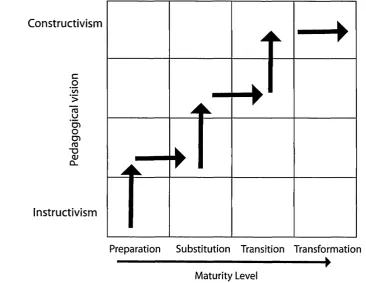
The plan was based on the educational vision displayed in the Otto University Document 2 (2004), which was derived from the E-learning Excellence Model of van Hooff (2003) (figure 2). The maturity levels of van Hooff build on the maturity levels articulated by Rieber & Welliver (1989) and Itzkan (1994) to define stages in the level of computer use in the development of education. These models are described in section 2.4.1 of this thesis.
Constructivism
c
o
V i >
15u
‘ct>
o CD
ro
~ oa> CL
Instructivism
Preparation Substitution Transition Transformation
►
Maturity Level
Figure 2: E-learning Excellence Model, Otto University, 2005
In these maturity levels the level of ICT in education goes from a Preparation level, where no ICT is integrated, to a fully integrated level of ICT in which teachers have pedagogically-integrated ICT in their teaching. In their view, teachers should go through these maturity levels to grow to flexible and competency-based education (Otto University Document 3, 2005:12).
The training was planned to cover four levels. The levels were:
Knowledge Sharing, Change and Implementation of ICT in Education in a University.
[image:23.614.64.431.249.532.2]Maturity level 1: Preparation and skills training. The main objective of this first level was to teach teachers how to work with a certain ICT application. The teachers learn basic skills to start to use the applications in an
instrumental way. The training was designed around an ICT application and not around the work field of the teacher.
Maturity level 2: Substitution. This training was designed around the role of the teacher. The objective was to make the teacher digitally competent to integrate ICT in the curriculum.
Maturity level 3: Transition. In this level the teacher is digitally competent and learns how to share his knowledge with colleagues and disseminate and advocate the use of ICT in learning.
Both levels 2 and 3 were aimed at the same teachers but in level 3 training the focus was on different aspects. Four ways of using ICT were built into the third training component. Firstly teachers were trained on how to moderate the process and guiding of students in a digital environment. Furthermore, it was aimed to train them in the use of a digital assessment application. Secondly curriculum developers were trained to “develop digital learning
objects based on new digital pedagogical competences” (Otto University
Document 3, 2005:22). Thirdly it was aimed to train assessors how to use a digital portfolio and how to develop digital assessments. The fourth way was for the student mentor. Mentors should not only learn how to use a digital portfolio but also how to link the course catalogue and the portfolio to guide and advise students to choose the right education.
Maturity level 4: Transformation. In level 4, the ICT coaches were to be trained. The role of the coach was to give pedagogical support to teachers in the development of ICT in education. The ICT coaches were supposed to be a linking pin between the needs of the institutes and the training that the NMG could offer. In the handbook, which was provided by the NMG, the ICT
1.5. Aim of the study
In the previous sections we have seen that universities need to develop activities for the implementation of e-learning and the change of pedagogy with the use of ICT. Teachers have to be trained in their new role as domain expert, coach and mentor of students. Knowledge about the domain of ICT in education has to be shared in order to create a positive attitude to the
usefulness of ICT in education if behaviour is to change. The aim of this study was to explore the development of knowledge, attitude and behaviour of teachers who are tasked with supporting changes of pedagogy with the use of ICT in higher education. In order to investigate this, a group of teachers in the Netherlands, who were appointed as ICT coaches to train their colleagues in the use of ICT in education, was followed for three years. The study examined the role of face-to-face and virtual networking in the development of the knowledge of these coaches about the use of ICT in education. The difference between those networks was investigated in terms of their potential effects on knowledge sharing and knowledge creation. The research has explored how this knowledge in the domain of ICT and learning was shared and created in the university.
The objective to change pedagogy with the use of ICT in higher education made it worthwhile to explore the perceptions of the ICT coaches about the role of leadership and management in this university. From that perspective, the literature of initiating and leading change in universities was explored. The ICT coaches were brought together in a network and the aim of the university was to create a community of practice. Structural elements and characteristics of both communities of practice and networks were analysed in relation to the ICT-coach network in this university. The original aim of the study was to explore knowledge creation and sharing aimed at a change in pedagogy in higher education. More specifically, the role that the ICT coaches played in the development of knowledge through networking, both virtually and face-to-face, was examined. This research draws on existing literature in social constructivism (Vygotsky 1978), the practice-based perspective of Knowledge Management (McElroy, 2003, Hislop, 2005), Communities of
Knowledge Sharing, Change and Implementation of ICT in Education in a University.
Practice (Wenger, 1998), and the Model of Reasoned Action from Fishbein and Ajzen (1975, 2005, 2010).
The main research question was:
“What is the role of face to face and virtual networking in relation to creating and sharing knowledge for the development of ICT use in teaching?”
Within the specific context of this study the following additional questions were considered:
• How does the knowledge of the ICT coach develop in face-to-face and virtual networks with regard to the use of ICT in teaching?
• How does the practice of the ICT coach develop in face-to-face and virtual networks with regard to the use of ICT in teaching?
• How is knowledge created and shared with regard to the use of ICT in teaching?
The objective of the network was that the ICT coaches use their shared and created knowledge to train their colleagues in the use of ICT in their teaching practice. However the findings of the study showed that not much knowledge sharing and exchange of practices about the use of ICT took place during the three years of investigation. In order to make a contribution to knowledge about educational change in higher education with the use of ICT the focus of the analysis was on the factors that determine the development of knowledge networks. The research question was rephrased to:
“ What factors facilitate and hinder the development of knowledge
networks in the development of ICT use in teaching in an organisation such as this one?”
1.7. Research Design
In this research a mixed method approach was taken. For an in-depth
exploration of the context of the ICT coach network, the research was set up as a case study. A baseline survey, a density analysis of the ICT coach network and an analysis of the virtual network were used as quantitative methods. Qualitative methods were face-to-face interviews with the ICT coaches and members of the NMG, focus group interviews with ICT coaches and the field notes of meetings attended.
First Stage
A baseline survey was undertaken at the start of the research. The objective of this survey was to describe the current status of knowledge, attitude and behaviour of teachers and ICT coaches with respect to ICT and learning. Besides their practical knowledge about ICT and learning, the survey
investigated the use of knowledge resources about ICT and the motivation to use ICT in their teaching practice. ICT coaches used the same questionnaire as the teachers; however six additional questions were asked about their
motivation to participate and expectations from their participation in the ICT- coach network.
Second Stage
Semi-structured interviews were held with 31 ICT coaches who were active in the network at that time. The interviews formed the main part of the data collection in this study. The aim of the interviews was to answer the main original research questions. At the end of each interview a density analysis of each ICT coach’s relationships was made to map how actively the respondents were involved in the discourse and the level of engagement in the network. During this second stage seven face-to-face meetings between ICT coaches were attended to obtain knowledge about the network, about the issues discussed, and about the attendance of the coaches.
Third Stage
The goal of the third stage was to identify the development of the knowledge, attitude and behaviour of the ICT coaches with regard to the creation and sharing of knowledge in the network between the time the interviews were
Knowledge Sharing, Change and Implementation of ICT in Education in a University.
held and the time of the focus group interviews. To do this, focus group interviews were held in each of the four faculties of the university and with the staff of the Network Managing Group.
Fourth Stage
In the interviews and focus group interviews, coaches stated their
contribution and activity in the virtual network. During the academic year of 2008/2009 this virtual network of the ICT coaches was analysed in order to measure the activity level of the coaches and to value their activity in relation to their statements in the interviews and focus group interviews.
1.8. Outline of the thesis
This thesis consists of ten chapters.
Chapters 2 and 3 contain the literature review. Chapter two explores the transformation of education with the use of ICT in general and in the
Netherlands. The literature is discussed in relationship with the organisational structure of universities and managing and leading change.
In chapter 3 the creation and sharing of knowledge from a social constructivist perspective is explained. Furthermore, theories of knowledge management and communities of practice are explored in relationship to this epistemology. Networks and communities are defined and analysed and consideration is given to the main differences between face-to-face and virtual networking.
Chapter 4 describes the design and procedures of this case study, and the methodology and methods that were used. The strengths and weaknesses of the approach are explored.
Chapters 5, 6 and 7 describe the findings of the study. Chapter 5 describes the results of the baseline survey, which was used to explore the current state of the use of ICT in the university. Chapter 6 describes the findings of qualitative methods that were used: the personal interviews, reflections on the field notes made from the meetings of the coaches, and the focus-group
Chapter 7 explores the results of the quantitative methods used, namely a density analysis of the network of the ICT coaches and an analysis of the virtual network of the ICT coaches.
Chapter 8 discusses the themes that emerged from the analysis of the data. Seven themes were found that are important in the development of this network of ICT coaches.
In chapter 9 the concept of double-loop learning is used to develop a model for the change in the use of ICT in education. In the final section in this
chapter, preconditions for a knowledge network to change education with ICT are discussed.
Chapter 10 gives a comprehensive discussion, bringing together the
theoretical framework and all the findings in this research. This chapter also gives an answer to the original research questions.
Knowledge Sharing, Change and Implementation of ICT in Education in a University.
CHAPTER 2
Transforming education in universities through the use
of ICT.
2.1. Introduction
This case study is about how a university is changing and innovating education
with the help of Information and Communication Technology (ICT). The
university wishes to transform education through the use of ICT. E-learning is seen as a new paradigm of modern education and has influenced the
organizational structure of universities and the workplace of teachers and students (Wang, 2011:191). This chapter will explore what the implications of this transformation are for the professional development of university
teachers in the use of ICT, and in Dutch higher education in particular. Furthermore the organizational structure of universities is explored and how change in universities can be managed.
2.2. Transforming education with ICT
In the last decade, the role of the student in higher education has changed. From passive reception of knowledge in classroom-based lectures, students are now confronted with digital learning where they are offered asynchronous work as individuals or in groups. Asynchronous working in online
online environments and they may experience frustration about how to develop patterns of study and activity (Sharpe and Benfield, 2005:6).
This changing paradigm has implications for the university teacher. The
introduction of ICT into the university has meant that university teachers have been expected to develop new ways of teaching. Prensky (2001:3) describes teachers as “ Digital Immigrant Teachers who assume that learners are the
same as they have always been” , using the same methods as they themselves
have used. Molenaar (2005) states that there is already a generation gap between people from 30 years and younger and the older generation because of the use of new technology. Ramsey (2007: 31) notes that learning is a change of relations between tutor and student; the control of learning is no longer in the hands of the tutor but it becomes a more student-tutor relation where they learn together. The role of the teacher has been identified as changing from transmitter of knowledge to that of facilitator, mentor, advisor, counsellor and designer of learning (Jones and Lau, 2009, Peters, 2000; de Laat, 2006, De Laat 2006a, Koper, 2000). Stijnen (2003:44) argues that this change has often brought resistance in teachers because they perceive that their role of transmitting specific knowledge in their domain was put into another perspective. Teachers have chosen to be a teacher in the first place because of the knowledge they have in that specific domain.
The introduction of ICT into the workplace and the implementation of e- learning are probably the most radical changes in the last twenty years in higher education. Working in online environments has made tutors aware of their new role. Peters (2000:12) suggests that ICT offers opportunities for autonomous learning and that hypertext is a convincing vehicle for such autonomous learning. The document 'One World, One School’ (Vision 2020 Executive, 2000:8) suggests that the curriculum in higher education should be more creative, and aim at developing skills of analysis, critical thinking, problem solving and group collaboration. Is also suggests that students should negotiate with their teachers on the curriculum they should follow. To
facilitate this, higher education institutions have developed the use of
e-Knowledge Sharing, Change and Implementation of ICT in Education in a University.
learning in the last twenty years and this has had an impact on the student- teacher relationship.
Adams and Morgan (2007) suggest that ‘first-generation’ e-learning was mainly technology driven with a major role for the teacher as instructor, and theory and practice were separated. In ‘second generation’ e-learning the
environment is more pedagogy-driven, learning is more flexible and knowledge creation and knowledge sharing are integrated more in the curriculum. Collis and Moonen (2002:217) distinguish four components of flexible learning: technology, pedagogy, implementation and institution. By the technology component the authors mean a combination of the use of information and communication technologies. The component pedagogy is defined as
...the art and science of teaching, the knowledge and skills that practitioners of the profession of teaching employ in performing
their duties of facilitating desired learnings in others. De Boer and Collis (2002: 88)
In relation to the use of ICT in teaching, Collis and Moonen (2002) define the term pedagogy as
... the manner in which the teaching and learning processes and settings in a course is organized and implemented by an instructor.
Collis and Moonen (2002: 224).
Collis and Moonen (ibid) state that the pedagogical component has to be implemented in practice with the use of new technologies. Pedagogy is seen as a critical component to move forward to flexible learning in an institution. The institutional framework refers to the professional climate of the institute, the management style of its leaders, experiences with technology-related change and the vision of the leaders and key persons to change the education with ICT (Collis and Moonen, 2002: 228)
These four components; technology, pedagogy, implementation and
pedagogy through the use of technology was one of the objectives of the ICT coach network. Implementation of ICT applications in Otto University was another important objective of this network. To enhance the implementation of ICT in teaching practice, a training program for the professional
development of teachers was set up.
With the introduction of ICT in the classroom in the last fifteen years, many initiatives have been taken for the professional development of teachers in higher education. The next section describes the role of learning technologists in helping teachers to use ICT in their teaching practice.
2.3. Professional development in the use of ICT in education
When the Dearing Report was published in 1997 (NCIHE 1997) a wide-range of efforts in education in the UK were started to implement learning
technologies in a useful way (Brown and Currier, 2001). Traditionally in HE, there have been only two categories of staff: ‘academics’ and everyone else (Gornall, 1999:44). In many cases the introduction of new technology was put in the hands of non-academics. In the Dearing Report (NCI HE 1997) the term ‘support staff’ arose, a general term for non-teaching staff. Most of them were employed in roles clustered around changing forms of support for
teaching and learning (Gornall, 1999: 45), and were given names ranging from Flexible Learning Coordinator to Distance Learning Officer, and from Project Teaching Tutor to Project Officer. Many authors (Oliver, 2002; Browne and Beetham, 2010; Gornall, 2009; Shurville et al, 2009; McPherson et al, 2004) described the roles of these ‘learning technologists’ . The Association for Learning Technology (http://www.alt.ac.uk/about-alt/what-learning- technology) define learning technologists as people “who are actively
involved in managing, researching, supporting or enabling learning with the
use of learning technology”. Oliver (2002:246) distinguishes three groups of
Learning Technologist: 1) New specialists who tend to be multiskilled and peripatetic, but with learning technologies as the core of their professional identity; 2) Academics and established professionals who have incorporated an interest in or formal responsibility for learning technologies into their
Knowledge Sharing, Change and Implementation of ICT in Education in a University.
existing professional identity; 3) Learning support professionals who are staff in non-academic roles (including technical support and library professionals).
The learning technologists support teachers by introducing them to the new technologies in education. These 'new professionals', as Gornall (1999) named them, were involved in ad-hoc and unassessed tutoring (or training) to staff and/or students. A survey by Browne et al (2008) found Technology Enhanced Learning (TEL) to be provided by a wide range of units, mostly by a technical support unit and in a lower degree by an educational development unit. It was found that post-92 institutions in the UK have larger Educational Development Units with greater numbers of academically-oriented support staff.
The question of how learning support should be organized is discussed by Browne and Beetham (2010) who argue that
...educational technology staff could be regarded as pioneers of a new way of working: team-based, project- or problem-focused, multi-dimensional, collaborative, inter-disciplinary, and with a focus on the student experience and learning journey rather than on the curriculum, though with strong links to academic curriculum teams to whom they become a source of expertise.
Browne, and Beetham (2010:15)
McPherson and Nunes (2004) identify four main types of roles for educational technologists: a pedagogical role, which focuses on guiding learners in
discussions and developing critical concepts; a social role, which involves the creation of social environments; a managerial role, which includes setting of learning objectives and establishing agendas for learning activities; and a technical role, which involves the familiarisation and enhancement of skills with the ICT systems. Shephard (2004:67) writes that professional
development of staff involves a dichotomy between helping teachers to develop and use learning resources and helping them to develop skills which are needed to find, develop and use these learning resources. Hudson (2009: 212) states that academics and practitioners struggle over job titles of
establish identity. She argues that, in contrast to other academics, there is little sense of belonging to an overall culture or academic discipline.
It is necessary for institutions to establish a framework within which
educational technologists can flourish to overcome the barriers to successful deployment of Technology Enhanced Learning (Browne and Beetham, 2010:8). Structural changes can only be made by staff with a long term and secure status within the institute (Browne and Beetham, 2010:7).
Duderstadt et al (2003) give a number of recommendations to help leaders shape a strategy on the use of technology. These recognize the fact that the rapid evolution of information and communication technology w ill stimulate strategic transformation in their institutions. It is recommended not to delegate these important issues to faculty committees or chief information officers. In their opinion transformation should come from the president and the provost. Staff with responsibility to change the use of ICT in universities thus need to understand the unique features of digital technology and how these affect people in their activities. Faculty roles and work patterns are changing and teachers w ill place more emphasis on facilitating the learning process than on lecturing (Duderstadt et al 2003:51).
Shephard (2004:70) describes some phases in the professional development of teachers in the use of ICT in learning. It begins with becoming familiar with technology and creating some confidence in the use of ICT. It is important that teachers develop experience in a range of possibilities that e-learning provides, are aware of the amount of the resources that are available on the Internet, and are willing to experiment with them. After learning to use specific software, teachers need to understand the pedagogic model to be used. After learning how to use the programs and the Internet resources, teachers can develop their own e-learning resources and embed them in a learning program. Learning resources can be piloted with colleagues and students and after evaluation expanded to full use. Constant evaluation and constant updating of skills is necessary to improve the e-learning programs.
Knowledge Sharing, Change and Implementation of ICT in Education in a University.
There are several groups which provide a combination of direct support and support for professional development of teachers. According to Shephard
(2004:72) academic colleagues are often considered to provide the most reliable and independent direct support for training and development. However sometimes teachers struggle with their own needs and those of the organisation, particularly in academic institutions where research time for publications and time for teaching preparation and practice are competing interests (de Freitas and Oliver, 2005: 89). In the survey carried out by Browne et al (2008) about the enhancement of e-learning in UK universities, lack of time was identified as the main barrier to further developments to promote Technology Enhanced Learning TEL for all types of university.
In the Netherlands, the Ministry of Education (1992) distinguished three forms of ICT use as a part of the learning process: ICT as object, as aspect and as
medium. As object ICT is seen as learning about information technology.
Aspect refers to specific ICT applications that are used in education. The third
form, medium, refers to ICT as tools for teaching and learning itself (Plomp et al, 1997). To start it is necessary to teach educators object knowledge of ICT, which is knowledge about the technical issues of ICT. In the first phase of exploring the technical issues of the use of ICT in education teachers use substitution to implement new technologies (Itzkan, 1994).After substitution of learning objects into digital environments, teachers need to understand how to use ICT in a pedagogical way, and transform their teaching in such a way that they develop their own learning resources. The transformation of the use of ICT in the Netherlands and how in particular this implementation was planned in the university in this study, is described in the next section.
2.4. Transformation of education with ICT in the Netherlands
strategic objectives of universities and the actual change of education in the workplace (Geloven et al, 1999) because not all strategic plans defined clear choices on how education should be transformed with the use of ICT. Collis and van der Wende (2002, p.8) identified three stages in the transformation of universities in the use of ICT. The first stage is the implementation of the technological infrastructure, the second stage is the pedagogical use of this infrastructure and the last and third stage is the strategic use of ICT for different target groups of higher education. Where many universities focus on their traditional target group (high school leavers) it is necessary in this third stage to develop policies that focus on different target groups (traditional and lifelong learners).
In a large university of Applied Sciences in the Netherlands, a study was carried out in order to identify whether the implementation of ICT was a problem for teachers (Verhoef, 2003). Verhoef (ibid, and translated from Dutch) states: “Teachers work in isolation in their own course and they hardly take any notice of what is going on in other courses. They are hardly stimulated by their administrators and managers to work together with
teachers from other courses” . Verhoef (2003) also found that teachers
experienced a lot of pressure in changing their teaching practice with the use of ICT. One of the reasons was that teachers in this new educational era had to work together with their colleagues. More community building is this respect was appreciated but sometimes this also led to confrontations and took a lot of time.
In first-generation e-learning, courses were built online and presented with classroom-based instructional content (Singh, 2003). However the need for universities to move from ‘first-generation’ e-learning (the substitution phase) to ‘second-generation' e-learning (transformation phase) is necessary in order to innovate in pedagogy (Itzkan, 1994). According to Koper (2002) the
innovation of education was mainly focused on the availability of a large number of computers and ICT infrastructure. Koper (2000: 2) says: ” I think that in education quite a lot of energy is wasted on chasing solutions that have everything to do with technical possibilities, and nothing to do with
Knowledge Sharing, Change and Implementation of ICT in Education in a University.
fundamental renewal” . The change from first-generation e-learning to a more integrated use of ICT in education demands a new role for the teachers. In their strategic plan Thinking Ahead’ the Dutch SURF foundation (2007) stated that teacher training should not only focus on the enhancement of ICT skills but also needs pedagogical components on how to employ ICT in the
curriculum of courses. Educational innovation projects were launched such as the Grassroots program (www.surf.nl) and websites such as “ Good Practices” and “ Digitale didactiek” (www.digitaledidactiek.nl). The objective of these programs was to improve the expertise of teachers in higher education.
The university in which this study is set had recognised that transforming higher education into more competence-based learning requires a new curriculum and a new way of teaching (Otto University Document 2, 2004). The authors of the University policy document argue that teaching of the competences should be based on the social-constructivist principles:
knowledge is developed by the students themselves; knowledge is subjective; knowledge is developed in relation to the context that it is used for;
knowledge is developed together; and knowledge should connect to personal meaning to sustain in long-term memory.
Vocational practice is not the “serving-hatch” to pass on knowledge, but plays an active role in the development of knowledge, knowledge transfer and use of knowledge in the vocational context.
Otto University Document 2 (2004:20)
To implement competence-based education, ICT is used to make teaching more flexible, to enhance peer-to-peer review and the communication
between teacher and student. Learning should connect to the experience and context of the students (Otto University Document 2, 2004)
For the development of innovation in education Itzkan (1994) distinguished three maturity levels, which he called ‘the three phases of change’:
and (3) a transformation phase. In the substitution phase, the technology replicates or automates existing practices. It does what people already know how to do, but better. It does not challenge existing paradigms. In the transition phase, new methodologies begin to evolve. The technology is now doing things that it wasn't necessary brought in to do and is challenging old models. In the transformation phase, the technology has created completely new methodologies and proven the old one obsolete. The task for which it was originally acquired, may no longer be desired.
Itzkan (1994:62)
Itzkan (in Weistra, 2005) summarises the levels as: Substitution is new technology, Transition is new methodology and Transformation is a new
paradigm. Weistra (2005,p 13) compares this model with the model of
Instructional Transformation (Riber & Welliver, 1989). This model describes five stages that teachers go through: Familiarization: a teacher becomes familiar with computers; Utilization: the teacher uses computers in teaching;
Integration: the computer has become critical to the teaching; Reorientation:
the teacher pursues an expansion and fine-tuning of the computer-teacher- student relationship; Evolution: (more a suggestion than a condition) continue practising and learning about how to improve instruction through systematic implementation of computer technology. Weistra (2005) argues that the first stage of the Model of Instructional Transformation (familiarization) is written from the teachers' perspective and that the last stage (evolution) is not a real stage but more a reminder. He argues that the stages of Itzkan and the stages of the Model of Instructional Transformation show great similarities.
Knowledge Sharing, Change and Implementation of ICT in Education in a University.
U tilization
- Teacher tries out
If technology were taken away, hardly anyone would notice
Substitution
- no interference in the structure of the educational process
Integration
Designate certain tasks and responsibilities to technology If technology is unavailable, the teacher cannot proceed with the instruction as planned
Transition
-ICT induces new didactics
- With ICT processes are organized and performed in a different way
Reorientation
Reconceptualise the purpose and function of the classroom
- The learner becomes subject rather than object of education
Transform ation
An entirely new educational process Student controls the own learning process.
Table 1: Phases Model of instructional Transformation (Riber and Welliver, 1989), versus Phases of Change (Itzkan, 1994) - a comparison by Weistra (2005)
In order to integrate new technologies in education, the structure of
universities must be ‘ changeable’ and universities that are not willing or able to change their structure may face serious competition from other
educational institutes such as virtual universities (Scott, 2000:102). In the next section the nature of organisational structure in universities is explored, and the factors which have to be considered when implementing educational change.
to higher education (Hannan and Silver, 2000:77-8). Jensen (2009:13) states that a university, as a teaching institution has the characteristics of a
professional bureaucracy (Mintzberg, 1983). Mintzberg defines a professional bureaucracy as a type of knowledge organisation with emphasis on authority of a professional nature, the ‘power of expertise’. In a professional
bureaucracy highly-trained individual experts form the formal ‘embrained
knowledge’ of the organisation (Lam, 2000:494). The formal knowledge in such organisations forms an important basis of internal work rules, job
boundaries and status (Lam, ibid). Examples of professional bureaucracies are universities, hospitals, lawyers’ offices and insurance companies in which we may find parallel hierarchies, such as universities administration or university libraries (Jensen, 2009:14). Universities are often differentiated, complex organisations segmented into several subunits that isolate professionals from one another (de Lima, 2007:295)
Jensen (2009:8) states that Western European universities are mixed organisations (project organised and line/staff organised) and that those universities have ‘organised anarchy’ or are ‘loosely coupled’ . Weick (1976) introduced the concept of ‘loosely coupled systems’ by giving an example of a soccer match where the field is round, and there are several goals scattered around the field. In the game, every player can play as he wants, enter or leave the game whenever they want to and the player can claim the goal they want. The author suggests that if one replaces the referees into principals, the coaches into teachers and players into students the pictu