Faculty Publications
Nursing
2015
A Mixed Method Study of the Impact and
Outcomes of Graduates of the CSU Northern
California Consortium Doctor of Nursing Practice
Program Class of 2014
Lori Rodriguez
San Jose State University, [email protected]
Follow this and additional works at:
https://scholarworks.sjsu.edu/nursing_pub
Part of the
Nursing Commons
This Article is brought to you for free and open access by the Nursing at SJSU ScholarWorks. It has been accepted for inclusion in Faculty Publications by an authorized administrator of SJSU ScholarWorks. For more information, please [email protected].
Recommended Citation
Lori Rodriguez. "A Mixed Method Study of the Impact and Outcomes of Graduates of the CSU Northern California Consortium Doctor of Nursing Practice Program Class of 2014"Faculty Publications(2015).
A Mixed Method Study
of the Impact and Outcomes of Graduates of the CSU Northern California Consortium
Doctor of Nursing Practice Program Class of 2014
Lori Rodriguez
Lori Rodriguez, Professor in the Nursing Department a San Jose State University and Co-Director, California State University Northern California Consortium Doctor of Nursing Practice Program, a consortium led by Fresno State University with San Jose State University as the partner campus. Contact the author at [email protected]
Sponsorship: This report would not have been possible without the support of San Jose State University by awarding a sabbatical for spring of 2015 to the author.
Contents Preface ... 4 Sponsorship: ... 1 Figures ... 5 Tables ... 5 Appendices ... 5 Summary ... 6 Acknowledgements ... 7 Abbreviations ... 8 Operational Definitions ... 8 Background ... 9
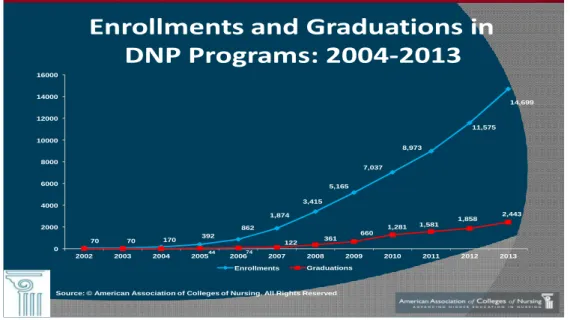
Figure 1 Enrollments & Graduations Nationally ... 9
The rationale for DNP programs and this study ... 10
About the Program ... 10
The Study ... 11
The Problem ... 11
Description of Study ... 11
Methods ... 11
Population and Sample ... 11
Procedures ... 12
Materials and Instruments ... 12
Demographics ... 13
Table 1. DNP Class of 2014 Demographics ... 13
Figure 2. Participants Location ... 14
Table 2. Primary Role, Secondary Role and Job Change by Individual ... 15
Table 3. Identified Job Titles ... 16
Figure 3: Salary Survey ... 17
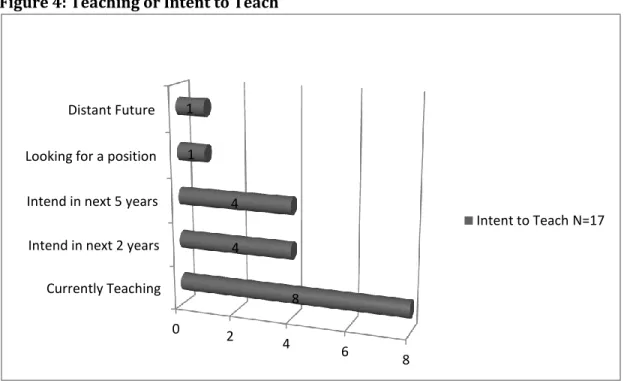
Figure 4: Teaching or Intent to Teach ... 17
Additional findings from survey ... 18
Qualitative Findings ... 18
Newly found credibility ... 18
Increased confidence ... 20
Newly found expertise with teaching in academic and clinical settings ... 23
Are our DNP graduates prepared to educate? ... 23
Teaching Methods... 24
Innovative Education Projects ... 25
A Call to Lead ... 26
Are our graduates prepared to lead? ... 27
Integrated Leadership and Leadership Concepts ... 27
The DNP as a Role Model ... 31
The integration of evidence into practice, education, and the community ... 32
Dissemination of Evidence ... 33
The Importance of Continuous Lifelong Learning ... 34
Discussion... 35
Conclusion & Recommendations ... 36
References ... 37
Appendices ... 38
Appendix A Capstone Projects ... 38
Appendix B Qualtrics Survey Questions ... 40
Appendix C Qualitative Interview Questions ... 43
Appendix D Degree to which Essentials were met ... 44
Appendix E What would you like to tell the legislators about the program? ... 45
Appendix F How do you influence practice? ... 47
Preface
In 2010, in response to a demand for advanced practice nurses to meet the burgeoning needs of the state's population, the California legislature passed AB 867 which called for a pilot project to institute the Doctor of Nursing Practice program in the California State University campus system (Nava & Arambula, 2010). Two programs, one based in Southern California and the other in Northern California, opened in fall of 2012. In Northern California, Fresno State was chosen as the base campus with San Jose State University as the partner campus for the CSU Northern California Consortium of the Doctor of Nursing Practice Program. The goal of this DNP program is to produce leaders and advanced practice nurses to serve in the increasingly complex California health care system as well as produce faculty capable of teaching nursing in colleges and universities.
This report describes the results of a research study undertaken by the Co-Director of the CSU Northern California Consortium of the Doctor of Nursing Practice Program (CSUNCCDNP) program from February 2015 to May 2015 that sought to understand the impact and the outcomes of the program on recent graduates from the Class of May 2014.
This report will present both qualitative information and quantitative data on the impact and outcomes of the class of 2014 of the (CSUNCCDNP) program. Because the program is new in the California State University system, evaluation of the DNP program is critical to curricular and program development, and measuring program success. The California state legislature is requesting specific information that can be collected in survey form regarding where DNP graduates are working, what kinds of positions they are holding, and if their employment has changed since their graduation (Nava & Arambula, 2010).
Figures
Figure 1 Enrollments and Graduations Nationally Figure 2 Map of Participants Location
Figure 3 Salary Survey
Figure 4 Teaching or intent to teach
Tables
Table 1 DNP Class of 2014 Demographics
Table 2 Primary role, secondary role and job change by individual Table 3 Identified Job Titles
Appendices
Appendix A Capstone Projects
Appendix B Qualtrics Survey Questions Appendix C Qualitative Interview Guide
Appendix D Degree to which Essentials were met Appendix E Messages from Participants to Legislators
Appendix F How Participants intend to Influence the Practice of Others Appendix G Presentations, Posters, Publications, and Publicity
Summary
Most study participants agreed that they had increased personal and professional confidence
Credibility was enhanced by the appropriate use of the term "Dr".
Credibility was also effected through behaviors demonstrated to others which included (but not necessarily limited to) advocacy, the ability to articulate, the ability to engage in high level discourse, the ability to take a global approach, the ability to influence policy, the ability to actively apply evidence-based practice, the ability to influence others, and the ability to make an impact.
There is a fairly wide salary discrepancy between academia and clinical practice, with faculty at the lower end of the salary scale, which has implications for future recruitment and availability of the DNP to work full time as faculty.
Participants reported an increased interest and motivation in teaching.
Participants were prepared to teach and are teaching.
Participants were prepared to lead and are leading.
Participant use of evidence-based practice.
Using evidence-based practice adds to credibility.
Participants translated evidence into practice; knew how to find, interpret, and disseminate evidence.
The CSUNCCDNP graduate is disseminating information, research, and evidence through presentations, posters, publications, and media.
Participants continue lifelong learning in formal and informal programs.
Participants model to others what it is to be a professional nurse who holds the terminal degree in nursing.
Acknowledgements
Thank you to
The California legislature for mandating the program, requesting evaluation of the program and being specific about what results they wanted.
The California State University Chancellor's office for identifying the consortiums, selecting the universities, guiding the process, and providing support.
Dr. Christine Mallon, Assistant Vice Chancellor CSU, for her dedication to the success of Doctor of Nursing Practice programs within the state system.
Dr. Margaret Brady, Special Consultant to the California State University, who provided and continues to provide support to the leadership of the programs.
Dr. Kathy Abriam-Yago, Director SJSU School of Nursing, for providing encouragement to pursue this project and providing the required software for qualitative analysis.
Dr. Susan McNiesh, Dr. Ruth Rosenblum, and Dr. Dorothy Moore for providing encouragement, support and proof-reading skills.
The DNP Leadership team who all work very hard to make this program a success.
Ms. Sylvia Ruiz, our administrative specialist, who provides continuous direction, support and encouragement to our students and the entire leadership team.
The graduates of the class of 2014, who stepped forward and took the time for the
interview and to fill out the survey. For sharing their insights regarding impact and outcomes and who constantly serve as an inspiration to those around them.
My husband, who proofread and suggested, learned more about qualitative research than he wanted to know, and who thought that people who are on sabbatical have time to travel and put their feet up.
Abbreviations
AACN: American Association of Colleges of Nursing
CSUNCCDNP: California State University, Northern California Consortium Doctor of Nursing Practice DNP: Doctor of Nursing Practice
DNPs: Doctors of Nursing Practice
DNP's: belonging to a Doctor of Nursing Practice IOM: Institute of Medicine
Operational Definitions
Blooms Taxonomy: a system of categorizing learning objectives from lower order thinking to higher order thinking
Nursing: A community of practices aimed at improving health, alleviating suffering, increasing health literacy, that is theoretically, scientifically, and practically based.
Practice: The "doing" of nursing. The continuous performance of a nurse from novice gaining their first experiences to expert nurses. Includes the building of knowledge, skills, and attitudes over time and requiring experience, choices, learning, and application. A nurse's practice will vary based on his/her education, motivation, specializations, preferences, and context in which the nurse performs. STEMI: a type of myocardial infarction where on EKG examination the ST segment is elevated
Background
Doctor of Nursing Practice (DNP) programs began eleven years ago. In 2004, the American Association of Colleges of Nursing, acting on guidance from selected member schools determined that the most appropriate terminal degree for advanced practice nurses would be a practice degree at a doctoral level (AACN, 2014). A position statement was published (AACN, 2004). The position statement launched a great change in graduate nursing education. In 2006 there were 20 DNP programs nationally. By 2013 there were 251 programs with the number still growing (Auerbach et al., 2014). Student enrollment increased between 2012 and 2013 from 11,575 students to 14,688 students nationally (AACN, 2014 Figure 1).
Figure 1 Enrollments & Graduations Nationally
Source: © American Association of Colleges of Nursing. All Rights Reserved
Enrollments and Graduations in
DNP Programs: 2004‐2013
70 70 170 392 862 1,874 3,415 5,165 7,037 12000 11,575 10000 8,973 14,699 44 74 122 361 660 1,281 1,581 1,858 2,443 0 2000 4000 6000 8000 14000 16000 2002 2003 2004 2005 2006 2007 Enrollments 2008 2009 Graduations 2010 2011 2012 2013In California there was no DNP program in either the UC or CSU systems. Assembly Bill 867 provided for creation of three Doctor of Nursing Practice Programs in California (Nava & Arambula, 2010). Two CSU programs opened in the fall of 2012. One consortium was in Southern California. In Northern California, Fresno State was chosen as the base campus and San Jose State University as partner campus becoming the CSU Northern California Consortium of the Doctor of Nursing Practice Program. Northern and Southern California were separated with a demarcation at the Kern County line (area can be seen on Figure 2).
With the roots of the DNP in "advanced practice nursing", a category made up of only nurse
practitioners, clinical nurse specialists, nurse anesthetists, and nurse midwives, a few national factions believed that the DNP programs should be clinically based only. Through the direction of the
Chancellor's office and the State Legislature, the California programs admitted post-Masters nurses with related graduate degrees including but not limited to advance practice degrees, nursing education, nursing administration, public health, and healthcare administration. Many existing programs
terminal degree. As the nation's programs multiply and mature, DNP programs have admitted post-baccalaureate nurses and post-masters nurse graduates who want to lead, manage, educate, administer and improve clinical practice; or some combination of these. The history of the inception contributes to public and professional uncertainty about what a DNP is and what a DNP does. By examining a small recent graduate sample of DNPs, this project will demonstrate the impact of this single program, which is only one of 125 accredited programs in this country.
The rationale for DNP programs and this study
The rationale for creating DNP programs nationally has been well documented. Several evidence based Institute of Medicine (IOM) reports call for change in the delivery of care and in the performance of healthcare professionals. From the first report in 2000, the IOM reports called for strong leadership and strengthening healthcare workers knowledge base (IOM, 2000). The Quality Chasm rallies providers to bridge the chasm between the health care system that we have and the health care system that we need (IOM, 2001). This second report calls for healthcare organizations and professional groups to work together to create safe, effective, patient centered, timely, efficient, and equitable healthcare. It additionally points out the need for the application of evidence to practice and restructuring the way the clinical education is done. The recent IOM report, The Future of Nursing (IOM, 2010) recommends changes to the healthcare system and the profession of nursing for the 21st century. One of the many recommendations that the Future of Nursing Report makes is that evidence must be gathered on the impact of the DNP. Few studies have looked at the impact by examining the experience of the impact and outcomes as perceived by the graduates of a DNP program. Members of the Future of Nursing committee felt that they could not even discuss the potential role of DNP nurses because there is not enough evidence on outcomes (IOM, 2010, p.195).
In a recently published editorial in the Journal for Nurse Practitioners, Waldrop (2015) laments that while outcome studies were recommended by the RAND Corporation (Auerbach et al., 2014), very few have been published. Waldrop reminds DNP educational leadership that they must take "responsibility for documenting and disseminating" how having a DNP makes a difference.
About the Program
The CSUNCCDNP program is a hybrid, but largely online program for obtaining a Doctor of Nursing Practice degree. The boundaries for the program were the Kern County line to the south and the Oregon border to the north. Subsequently that has changed because the Southern California program does not offer an online option and has therefore referred several students to the northern program. The
program accepts only California licensed postmaster's nurses. The mission of this program is to improve healthcare delivery and provide leadership in the healthcare system. It began in the fall of 2012 and the first graduating class was in May 2014. Forty-six students were accepted into that cohort. On the first day of class there were 36 students. By the end of the first semester there were 31 students. Thirty out of 31 students graduated. The program is designed for full-time workers and is five semesters long. A cohort model is used to promote retention. There is no part-time option. The Class of 2015 completes
the program in May of 2015. The Class of 2016 completes the program in May of 2016. The admission cycle for the class of 2017 is closed and students are being interviewed and selected. The class of 2018 will begin the admission process in the fall of 2015. It will be the last cohort admitted to the pilot program mandated by the Nava bill.
A cornerstone of the program is the DNP project, nationally titled "DNP Capstone". The student enters the program with a project in mind and immediately begins to develop it early in the curriculum. These projects are to be the focus of the student throughout the program and the student emerges with expertise in a specific area that they have chosen. A list of capstone projects can be found in Appendix A. Since each student has a different background in nursing and may have a master's degree from a related field, the potential trajectories of the student are varied. The characteristics of DNP students create an array of possibilities of trajectories also. Some differing identifying characteristics include but are not limited to: area of practice, role, age, ethnicity, geographic location, job title, and salary.
The Study
The Problem
The state legislature, the public, and manyprofessionals don't know what the DNPs are doing and what impact the DNPs potentially or actually have on healthcare. While DNPs have become more visible and valuable in healthcare settings, the impact and value are known only to those who come in contact with them and understand the role and training of the DNP. This is partly due to the historical antecedents that led to current DNP practice and the relatively new status of DNP programs.
Description of Study
This project articulates findings about the impact and outcome of CSU Northern California Doctor of Nursing Practice program on the Class of 2014, the first graduating class. The study explores what the CSUNCCDNP graduate is doing and how the CSUNCCDNP graduate is changing the healthcare
environment in Northern California and beyond. It does this by exploring the impact and outcomes of the CSUNCCDNP program.
Methods
Both qualitative and quantitative methods were used to gather information and data for this study. The multi-method study was conducted in stages with Interviews from February 7, 2015 to April 2015. The survey was available on February 7, 2015 and was left open until April 1, 2015. Additional information was obtained from surveys conducted previously in the program.
Population and Sample
Procedures
A survey was set up in Qualtrics, an online survey program, and made available to the 30 graduates from the class of 2014. The survey was made up of 16 questions (Appendix A). Twenty-eight graduates
responded either in part or fully to the survey questions. Of those, there were 27 usable responses. Additionally, all graduates were invited to participate in an interview. All interviews focused on the perceived and actual impact and outcomes of the program and used the same interview guide (Appendix B).
The interviews were recorded onto devices: an iPad using QuickVoice Pro app and a laptop computer using Audacity, free online recording software. They were subsequently transcribed from the iPad by the researcher. Using Dragon Naturally Speaking the researcher used a method of repeating the words in the interviews and transcribed the words into a word processing program. Coding and analysis using NVIVO, qualitative research management software began in March 2015, when over 70% of the interviews had been completed. Coding, analysis, and interpretation are ongoing.
Materials and Instruments
Materials included software programs and an app: Qualtrics, NVIVO, QuickVoice Pro for iPad, Audacity, and Dragon Naturally Speaking.
Qualtrics is online survey software that is free to faculty at Fresno State and San Jose State. It allows researcher an opportunity to create surveys and collect and analyze data.
Audacity is free, open source software that allows for recording and converts files into .wav format.
Dragon Naturally Speaking is voice recognition software that was used for transcription. NVIVO is qualitative data analysis software. It allows for organization and analysis of qualitative information.
Findings
Demographics
Thirty people graduated from the Class of 2014 CSUNCCDNP program. Twenty-eight responded to the anonymous survey of those 27 had data complete enough to include and of the 30 who were asked to interview, 2 declined, 1 did not respond, and 27 granted interviews. Of the 27 qualitative interviews, 17 were done in person and 10 over the telephone. The in-person interviews provided the value of sitting face to face and seeing the response of the DNP. The telephone interviews were more convenient for the DNP participant and the interviewer.
Table 1 shares responses from the participants and includes gender, age average and range, ethnicity, employment status, primary employment setting, primary employment role, and number of people who are working in multiple roles (dual role).
Table 1. DNP Class of 2014 Demographics
Participants N=27 Category # % Gender Male 1 4% Female 26 96% Age Average 50.5 Range 38-59
Ethnicity Asian American 1 4%
Hispanic 2 7% African American 5 19% Caucasian 16 56% Pacific Islander 1 4% Filipino 1 4% Portuguese American 1 4% No response 1 4%
Employment Full time 23 85%
Part time 4 15%
Setting Acute care 14 52%
Community 6 22%
Academia 5 19%
Private Practice 2 7% Primary Role Advanced Practice 8 30%
CEO 1 4% Staff Nurse 3 11% Student 1 4% Coordinator or Director 11 41% Faculty 3 11% Dual role 13/27 60%
Faculty (Part time) 8 44%
CEO 1 4%
The map below shows the home location of participants of the study.
Sixteen participants reported that their job had changed since completion of the program. Thirteen were in two or more roles. Faculty has been bolded for easier recognition.
Table 2. Primary Role, Secondary Role and Job Change by Individual
Participant Primary Job/Role Secondary Job Job change or job title change after program
1 Faculty Yes
2 Faculty Yes 1
3 Faculty No
4 Program Coordinator PT Faculty PT NP Yes 5 Program Coordinator PT Faculty No 6 Program Coordinator PT Faculty Yes 7 Staff Nurse PT Faculty Yes2
8 Staff nurse PT Faculty Yes
9 Staff Nurse PT Faculty No
10 Charge Nurse/Educator Regional Organization President
No
11 Director Yes
12 Director Yes
13 Director PT Faculty Yes3
14 Director Statewide Organization President
No
15 Director Large Entity4 No
16 Director Large Entity Yes5
17 Community NP PT Faculty Yes6
18 Community NP No
19 Community NP Adjunct Faculty No
20 Clinic NP No
21 Clinic NP Yes
22 Clinic NP CEO & Founder of non-profit Yes7 23 Inpatient CNS (hospitalist) Yes 24 Inpatient CNS (hospitalist) Yes
25 Maternal Child CNS No
26 CEO No
27 Nurse Practitioner Student Staff Nurse, Consultant Yes
1
Changed from private university to CSU
2 Increased time in part time position 3
Primary role did not change, faculty role is new
4
Large entity indicates regional or multi- site responsibilities
5 Went from Interim to Director, probably not a result of program 6
Primary role did not change, faculty role is new
7
Table 3. Identified Job Titles
Advanced Practice Manager
Adjunct professor
Assistant professor
Chief Executive Officer
Coordinator, Medication Safety Program
Clinical Nurse Specialist, Maternal Child Health
Clinical Nurse Specialist, Neonatal
Community Campus Chair for the College of Health Services and Nursing
Community College Educator
Deputy Director of Public Health, Nursing Services
Director, Center for Nursing Excellence
Director of Clinical Education, Nursing Practice and Informatics
Family Nurse Practitioner, Pediatric Focus
Family Nurse Practitioner Coordinator
Lead Clinician and Quality Management Coordinator
Magnet Program Director
Nurse Practitioner – Maternal Fetal
Nurse Practitioner – Cardiology
RN III Charge Nurse and Department Educator
Staff Nurse (3)
Twelve of the respondents answered the question regarding salary (Figure 3). Reported salaries ranged from $90,000 to $193,000. Average reported salary was $140,000. Median reported salary was
$125,000. In the CSU system the average salary for a tenure/tenure track nursing professor is $86,364.
Figure 3: Salary Survey
Figure 4 indicates participants who are current teaching or intend to teach sometime in the future.
Figure 4: Teaching or Intent to Teach
0 50,000 100,000 150,000 200,000 250,000 Nurse Practitioners
Acute Care Management Role Public Health CNS/Inpt Ed Faculty
Currently Teaching Intend in next 2 years Intend in next 5 years Looking for a position Distant Future 0 2 4 6 8 8 4 4 1 1
Intent to Teach N=17
Additional findings from survey
Ten reported that they have a desire to work in underserved communities.
Question 14 was an open ended question and asked, "What would you like to tell the state legislature about this program?" Responses can be found in Appendix C.
Question 15 was an open ended question asking, "How will you influence the practice of others?" Responses can be found in Appendix D.
Qualitative Findings
The interviews of participants were coded into nodes. The nodes were later combined into categories using NVIVO. The findings led to an identification of themes. The narratives help to give meaning to the experiences of the participants and help to illustrate the impact of the program.
Themes
The emergence of newly found credibility
The newly found expertise with teaching in academic and clinical settings
The integration of multiple leadership skills into daily performance
Projects that have led to changes in practice
Innovative education projects
The application of evidence to practice and teaching
The modeling of professionalism, action, leadership, and expertise to patients, high school students, nursing students, graduate students, medical students, interns, and other professionals.
Each theme is explicated here with analysis of interviews and attempts to make what it means to be a DNP more evident. Quotes from the study participants are included.
Newly found credibility
Across the board, participants reported a perceived increase in their credibility. They reported that patients, peers, and colleagues responded to them differently. In some cases the other individual knew that they had obtained their DNP through an announcement, a nametag change, or an introduction. The study participants noted that they were recognized, people took them more seriously, they no longer felt "marginalized" in professional meetings, and they generally felt more respected. Participants attempted to explain this by talking about the reactions that others had to them. In the following quote the response is likened to the silence when something important is announced. She alludes to a well known television commercial to help explain.
It's like EF Hutton, when you say "Doctor", it becomes silent, and they say, "Really? You got a doctorate?" Yes, I did. Now suddenly you are in this whole other category of importance. I don't know how else I could say it.
Title or Performance?
Was newly found credibility due to the title? Were they performing differently? Or were others responding to behaviors that they saw in the DNP?
Some responded that the title brought others to regard them differently. As one said, "The room becomes silent". There were a few participants who felt it was the title alone. Those who did were frustrated noting that they were finally getting the respect they deserved. They were finally seen as credible although they may have been saying the same thing for years. As one stated,
It's almost like people perked up and said, "Oh, Doctor Jones (name changed) said that about child abuse". To me it's a little bit frustrating. I've been saying it all along. What I have said about child abuse has not changed other than my title has. I've use that to my favor. And that's okay as long as it protects children, I'm okay with that.
While the DNP may have felt frustration, there was also a sense of relief about finally being heard and recognized. Another spoke about a classmate who has been doing important work for years. As she said, "If it takes doctor in front of her name to be recognized for what we are all trying to do then, it is worth its weight in gold 10 times over".
Controversy exists in the medical community about healthcare professionals other than medical doctors using the title doctor (Chism, 2010). Participants in this study were cautious, respectful, and responsible about its use. All respondents stated that the situation determined whether or not they use the title of "Doctor". Their responsibility as a professional dictated use of the title. Those from a nurse practitioner background were concerned about confusing their ambulatory and hospitalized patients. In some cases they have been seeing these patients for years and use their first names when communicating. Yet they did not hesitate to use it when they want to motivate or demonstrate credibility with their patients. An example of this was when stressing the importance of taking medicines or following a particular regimen.
Some were relieved that they no longer had to correct patients who had been calling them "Doctor" before they went into the program.
Participants readily used the title when speaking at conferences or with peers in academia, at board meetings and community meetings. Many said in these settings they took the time to differentiate who they were and felt it was their professional responsibility to explain.
Being a doctor has its own distinction. I know I worked hard on it, but moving forward it has a responsibility. So, at this moment I kind of put it up front. Yes, I'm a Doctor I'm not a medical doctor but I have my own specialty of nursing.
As Chism (2010) asserts, the controversy will continue in this rapidly changing health care environment.
Since many don't use the title and yet report an increased perception of credibility, it raises questions regarding the source of the increased credibility. If patients and colleagues are not responding to the title, are they responding to some change in the DNP's behavior or performance as one DNP suggested.
You carry yourself differently. I don't know if it's more confident, perhaps speak differently, or perhaps you feel that you are on more of a peer level [with physicians] than before. I'm not 100% sure what it is.
In another section of this report where participants discussed their skill set, there is performance demonstrated in the areas of leadership, informatics, clinical expertise, teaching, and applying evidence based practice.
Where did it affect credibility?
The participants saw changes in behavior in meetings with staff, physicians, and management. They found themselves at conferences with politicians and were able to articulately state their position using appropriate and persuasive knowledge. They could engage others in discourse and in settings where policies were changed. They found they were being invited into more elite settings such as formerly physician-only meetings, high level management meetings, state and national hearings and conferences, where they found they were "treated as peers" and felt "part of the club". They found that they could now improve the delivery of patient care, influence policy changes, influence management decisions and work on interdisciplinary teams with a sense of equal footing. Those working in academia also felt that being a "doctor" helped to influence students about increasing their education.
Increased confidence
Confidence and credibility were linked, and both were recognized as part of becoming a DNP. They felt more confident and reported a variety of abilities where the confidence manifested. These areas included advocacy, the ability to articulate, the ability to engage in high level discourse, the ability to take a global approach, the ability to influence policy, the ability to actively apply evidence-based practice, the ability to influence others, and the ability to make an impact.
It gives you a foundation... I have been told that I'm projecting that in a sense. My speech and presentations are better.
Increased confidence was recognized by most participants as a personal outcome of the program that affected professional outcomes. It was surprising that some mentioned fear, nervousness, feeling less important, and having less influence prior to getting their degree. They now spoke about courage, possibilities, and opportunities.
But because of what I learned and because I had the project to implement this program, it's almost like I'm transformed into a different person... But I'm not really a different person. It's just, I matured. Now I'm quite confident in what I do. And I don't feel like anymore, "Okay, nobody wants to hear what you have to say". I don't marginalize myself anymore. You're just a nurse practitioner and when you're working with all doctors and PhD's and you just have your Masters you feel so inadequate sometimes. I
don't feel that anymore. I feel I am a doctor, not a medical doctor, but a doctor and I belong here. Not to be cocky about it or anything, it is just a confidence that I belong.
In this quote the DNP says that she previously marginalized herself. The program and the process of the completion of the final project were transformational for her. Being at the highest level of her
profession allows her to feel that she is on a more level field. The chasm between physicians and nurse providers whether real or perceived has the potential to influence patient outcomes. If a nurse feels inadequate or marginalized it is difficult for him or her to take the risk to advocate and intervene. Being a Doctor of Nursing Practice provides confidence and a sense of belonging. This confidence helps our graduates know what they are good at and further develop their expertise. It helps to motivate them toward action. This confidence is opening doors by allowing them to relate and deal with other experts.
It is really amazing to see my personal growth and the confidence that I now bring to my work. The confidence that really enables me to relate with other experts and in
situations which three or four years ago I very likely would've said I'm not equipped to do this.
Confidence to act and to take risks is required if our healthcare system is to change. In the following quote, the DNP points out that she now stands in the context of the degree that allows her to go beyond the traditional boundaries and take ownership of her thoughts and ideas.
But what the DNP [degree] did, it did something for not only my education but it did something for my confidence. I think that I really have no boundaries to what I can research, and what I want to do, and what I can think; and I've got a doctorate to back that up. I can say, "These are my thoughts". And I don't think people would've taken me as seriously had I not had that behind me. So it's been fantastic.
Self-confidence can be seen by others and is a valuable trait in a teacher. When this DNP went to an interview, armed with the knowledge that she was the right person for the job, the interviewing panel agreed.
I went in and answered the questions and was able to speak at a level that they wanted. Obviously because they give me the job. I felt totally different when I went to these interviews because I felt like I almost had the upper hand.
Confidence empowers Voice
With credibility and confidence, many of the participants talked about finding their voice, having a voice, and being a voice. Courage to advocate for others and speaking up for what is right requires self
confidence (Porter O-Grady & Malloch, 2016). In one of the early interviews, one participant summed up her feelings about her classmates and an outcome of the program by saying, "We found our voice". Having a voice allowed the participants in the study to speak up and out for themselves, their patients, their patient's families, their colleagues, and for such things as equity in health care. It allowed them to speak to others who they did not feel they could have spoken with prior to the program.
Speaking up for the homeless
One of our DNP students is committed to improving the lot of the homeless population. She does by working with a group that she affectionately calls "her people".
I feel good about that and then my patients benefit, because I am more of an advocate. People want to hear what my patients need. "What do your patients need?" My patients need this or need that. It's interesting how it has happened since I graduated. Because I feel like I'm a better provider because I have a voice for my patients.
Notably, she is now advocating on a national level by disseminating information about her backpack medicine program, which was her DNP capstone project. She is speaking at local, statewide, and national conferences. She feels she is the voice of her people.
Advocating for a vulnerable patient and then educating others
In another situation, a DNP in the emergency department was working with a mother suspected of substance abuse and recognized that her baby was being neglected. While the doctor capitulated to the patient's demand for drugs, the DNP called the social worker to investigate the situation. The DNP subsequently developed and disseminated a poster on the American College of Emergency Physicians guideline on managing substance abusers in the emergency department. This two-step approach is an exemplar of the DNP. First there is taking care of the individual as demonstrated in her interventions with the patient and her daughter. But second, is recognition that there is a systems problem and that she must do something about it.
Finding a voice to improve staff safety
Another DNP works in a large health care system and is responsible for decreasing medical errors. He does this by finding new ways to detect errors in the system and also eliminating redundancy in nursing workload, which prevents distraction and can lead to error reduction. This DNP has also taken on a leadership role to improve staff safety.
Multiple examples show the connections between credibility, confidence, and advocacy.
The study participants agreed that confidence was impacted by their involvement in the DNP program.
Credibility was enhanced by both the appropriate use of the term "doctor" and behaviors demonstrated to others which included (but not necessarily limited to) advocacy, the ability to articulate, the ability to engage in high level discourse, the ability to take a global approach, the ability to influence policy, the ability to actively apply evidence-based practice, the ability to influence others, and the ability to make an impact.
Newly found expertise with teaching in academic and clinical settings
Are our DNP graduates prepared to educate?
In order to address the looming state faculty shortage, the California legislature made it clear that one of the program's goals should be to produce faculty capable of teaching nursing in colleges and universities (Nava & Arambula, 2010). Providing courses in education improves the DNP's likelihood and ability to teach (Grey, 2013). Contrarily, the accrediting body, the American Association Colleges of Nursing emphasized that teaching education courses would not be well received in the accrediting process
.
However, since our program was state mandated we created a curriculum that included a 3 unit course on Curriculum Development, a 3 unit course on Curriculum Evaluation, and a 2 unit elective which was a practicum in the student's choice of educational settings.
The participants in this study reported a greater interest and motivation to teach than they had before going through the DNP program. Some had Masters Degrees in nursing education but still felt they lacked a number of foundational skills and knowledge. The DNP program provided them with
foundational skills, teaching skills, pedagogic skills, and presentation skills. Some were able to reconnect with their love of teaching. Some, who had not previously considered teaching, now know what it takes to teach and are looking forward to it in the future.
Of the 27 participants in the study, 12 are working as faculty. Six of those are in the CSU system, 3 are at Fresno Pacific University, 1 at the University of Phoenix, 1 at Shasta Community College, and 1 as adjunct faculty at UCSF. One participant is actively seeking a job in the CSU system (Table 2 and Figure 4). Seventeen intend to teach or continue to teach at the university level (Figure 4). Six are doing either full time or part time work in acute care staff development and while not faculty, they make a large contribution to the growth and development of the workforce. The remaining 8 are in clinical positions such as nurse practitioners or executives and salaries in those positions range from $100,000 to
$193,000 (Figure 3). The high range is nearly two times as much as the average CSU nursing faculty salary, a fact that may affect recruiting faculty in the future. This is a potential issue in the future that may need to be addressed.
Courses being taught by the participants teaching in colleges or universities included: Research, Informatics (2), Health Economics, Nursing Theory, Clinical Nursing and Simulation, and Nursing Leadership. Many stated that they felt prepared to teach. A few have been hired to lead educational programs. Alumni repeatedly discussed the value of the Curriculum Development, and Curriculum Evaluation courses, as well as the teaching practicum. These classes helped existing teachers to see and understand curriculum in a different way and gave them a sense of mastery. New teachers explained how they were able to work on curriculum immediately.
But as far as the teaching, I had Danette Dutra. She really, really pushed the envelope with us and really made us open our eyes to curriculum planning. She even had us do some revisions for projects. I took that immediately and started applying the first day I was starting my new job. It was fantastic.
The instructor for the two curriculum classes was repeatedly singled out as being instrumental in preparing the DNPs to understand, review, and revise curriculum. Many reported that they now excel in curriculum design and evaluation. Along with learning about curriculum they pointed to the rigor of the class, the introduction and application of Bloom's taxonomy*, the varied teaching methods that they replicated in their own teaching, and the need for high level objectives. Some discussed that they had changed their former lecture type of teaching to an active format like flipping the classroom or avoiding content saturation with two hour lecturing.
Almost everything I teach, I know where to go. I know why we're teaching this. And then Danette Dutra's classes for me were really, really useful. She has a lot of ideas that were at least innovative to me. Maybe they aren't, but they were to me, like flipping the classroom, a lot of things, but that's the one that comes to mind. Active learning has made my teaching so, so much richer.
The participants in the study facilitated the learning of others. They pointed out breakdowns in their own teaching and in the teaching of others. This led to coaching others, particularly in the staff development arena. One noticed that the learning objectives were too basic for classes taught in an acute setting where staff should be able to evaluate, synthesize, and apply. DNPs readily took on coaching and mentoring of clinical educators and staff nurses in order to improve the educators' and nurses' teaching skills. One acknowledged that she keeps a copy of Bloom's Taxonomy on her desk and refers to it often. She recognizes the importance of having higher level objectives applied in clinical teaching.
And I do correct learning objectives now when I see them at work. If they are, you know, dummied down, I try to integrate evaluation and synthesis. And in terms of the kind of coursework that we're providing just using the language actually ensures that the content meets the intent.
Teaching Methods
The DNPs linked the level of objectives to the teaching/ learning activities. They demonstrated using a variety of teaching methods. Active learning and creating learning activities that stimulated thinking rather than recalling or identifying were mentioned by nearly all who were in a teaching role. Once the right objective was identified it pointed to the most useful type of activity. Simulation was used by some participants in both the clinical and academic setting. Those in the clinical setting created simulations in on-the -job settings so that the staff did not have to leave their units to attend lecture classes in order to learn skilled performance that was more appropriately taught at the bedside, called "in situ simulation". Another pedagogy employed was using social media, movies, and other media for nursing students to review and critique individually or in groups. TED talks were integrated into the classroom and also used by the DNPs for personal development. To break the monotony of lectures pair and share activities were used. Prezi, narrated Power Points, and Weebly were employed as presentation tools. The DNP's own backgrounds and clinical experiences shine in stories that provide rich teaching tools from experienced nurses to help students have a realistic understanding of the context and job-setting when solving
clinical problems. In this quote where she is describing her transition from being an emergency department nurse to becoming a teacher she says,
With students you can know the outcome and for somebody to come up to you and say I did this because of what you said. They listen to everything you say. I just taught a class that I'm pulling from that. They are inspired by you because you tell them your story. Then I would tell them about my experiences as a nurse and what it means and my first comment to them is, "I want you to love nursing as much today as you will 30 years from now, as I do. And now I'm teaching it and I love it.
Besides the shift toward active learning the DNPs identified other teaching competencies that they use. One emphasized the importance of using a needs assessment with staff when planning programs. Another discussed doing a classroom assessment prior to teaching. The ability to present materials in poster form was part of an assignment during the program and DNPs mentioned that they now used posters in clinical areas where everyone could see and hopefully learn the same information. A DNP working as a manager discussed how she used a PDSA or fishbone to teach on the job problem solving to her staff.
Innovative Education Projects
The following is a sample of vignettes from four graduates, demonstrating how they have applied their teaching skills to have an impact in California.
Dr. Laura Brunetto, the Nursing Director of the Santa Clara County Health Department is partnering with San Jose State University lecturer, Dr. Tamara McKinnon, and a team to put together group simulation classes around transitions of care and working with chronically ill adults. These simulations can be used by both health department employees and nursing students.
Dr. Maxine Rand, Director of Clinical Education, Nursing Practice and Informatics at Kaiser Foundation Hospital in Redwood City, created a presentation about opening the new hospital. It is a 10 to 15 minute presentation on what inspires technology in the healthcare industry. It includes the causative factors that result in technology innovation and then snapshots of the new hospital opening in Redwood City. Additionally, she has become faculty in the CSU system, teaching informatics to DNP and master's students at Fresno State.
Dr. Carel Mountain has been faculty at Shasta College for 17 years. Her DNP capstone project was to integrate the electronic medical record into the nursing programs simulation hospital. She started with the senior semester and now has a goal to move it through all semesters. Her work on this project was recently published in a nursing education journal. Since the completion of the program, she has served as a mentor Shasta's nursing faculty as they tackle curriculum revision. She has motivated others in her work setting to get their national certification in education.
Dr. Cindy Mekis, Maternal Child Health Clinical Nurse Specialist at a community hospital, recognized that nursing staff needed more skill in handling postpartum hemorrhage. Postpartum hemorrhage is rarely
seen and yet its management is complex enough that nursing skills needed regular updating. For her capstone project Cindy used drills to discover active and latent threats on the unit to proactively
mitigate risk. Doing the drills not only addressed high risk low volume clinical situations, but additionally the drills were used to discover the "weakness" in the systems and fix them before those potential catastrophes reached the patients. This met the time management needs of the staff as well as allowing the staff to participate in mock situations for this high risk, low frequency occurrence.
Yes, the DNP graduates are prepared to teach
We are grateful to the state legislature for mandating that we prepare nurses to educate. The text and examples presented are proof that the educational curriculum portion of the DNP program is essential in paving the way for future projects, innovations, and in providing educators for the state of California. Our DNPs demonstrate foundational skills, teaching skills, pedagogic skills, and presentation skills.
The DNP's reported increased interest and motivation in teaching.
They met several competencies set forth in National League of Nursing's Nurse Educator Competencies (Halstead & 2007).
They reported an improvement in all aspects of curriculum design and revision.
They facilitated learning by creating interactive learning environments, used a variety of
teaching techniques, designed courses, curriculum, and education projects using learning needs assessments, appropriately leveled objectives, and shared their content expertise.
Coaching and mentoring others and using evidenced based practices briefly introduced here are covered in depth in other sections.
They were striving to use high level objectives of synthesis, evaluation and creation.
They are capable of designing innovative education projects.
They are prepared to teach and make a difference in nursing education.
A Call to Lead
Recommendation 2 of the IOM 2010 Future of Nursing report calls for more opportunities for nurses to lead and diffuse collaborative improvement efforts. Additionally, it recommends development of skills in nurses to allow them to initiate projects and start entrepreneurial businesses that will contribute to the improvement of health (IOM, 2010). Recommendation 7 of the IOM 2010 Future of Nursing report is to "prepare and enable nurses to lead change to advance health" (2010). This is further elaborated to include being personally and professionally responsible for continuing education, and seeking new opportunities for exercise and application of leadership skills. It calls nursing education to integrate leadership at all levels of education. And finally it calls for more representation of nurses in decision making bodies (IOM, 2010).
Leadership is a dynamic process. This research uncovered applied leadership skills imbedded in performance. The stories of the individual DNPs reveal leadership skills within the context of their practice. Whether that leadership is in clinical practice, in administration, in academia, or in the community, it was recognized as the demonstration of leadership.
Leadership requires continuous improvement. Every leader is a work in progress. The participants in this study are no exception. They entered the program with varying levels of confidence, self-awareness, accomplishment, motivation and more. They were motivated to continue their education and were willing to be the first class in a new program. Some were already leaders in their practice, while others aspired to take on more leadership. They left the program with increased confidence, improved self- awareness, a new skill set, and solid accomplishments.
Leadership is taught at all levels of nursing education, however the amount and depth of the education is affected by curricular time limitations, experience levels of the nurse, and being in a setting where new leadership skills can be applied. In associate degree programs leadership skills are briefly
introduced, baccalaureate programs have a minimum of 3 units of leadership as well as application of leadership into group projects (McNiesh, Rodriguez, Goyal, & Apen, 2013). By graduate school, nurses take leadership classes and leadership is more a part of that curriculum. They can apply content and new skills because they have worked in the healthcare environment and have context for learning. In the DNP program, students focus on multiple aspects of leadership. It is appropriate that most doctoral programs share a common goal of producing leaders (J. Newland, 2015). In some cases, entering students are already leaders in some way. By the end of the program, as the text will show, they are living in the question, "How can I lead?" Possibility becomes reality and they seek opportunities to lead.
Are our graduates prepared to lead?
The text here presents evidence of various applied leadership skills in a variety of settings as well as the perceptions of the DNPs about their own growth in leadership. The student in the DNP program focuses on improving leadership skills and competencies throughout the program and is typically in a position where they can apply those skills immediately in their own work setting. There are hundreds of
leadership books in nursing, each sharing what each author believes to be the essential characteristics of leaders. Some characteristics are restated in every source, while others are unique out of the box
thinking about leadership. While no one person could possibly embody this wide-range of positive leadership qualities, the following excerpts showcase how the DNP graduates improved leadership skills were applied to practice.
Integrated Leadership and Leadership Concepts
Concepts of leadership are integrated into the entire program. The nursing theory class allows for the exploration of several theories. Among those are leadership theories from inside and outside of nursing. Many of the participants' interviews reflected on the application of multiple concepts as illustrated in the following excerpt from an interview. The theory class provided knowledge of theoretical frameworks of leadership.
I loved the theory class. It's made me always go back to what is the theory of why we're doing this....It has really been helpful to have a feminine [theoretical] perspective. That is totally who I am and why I've never fit as a traditional leader because leadership is not traditionally taught from a feminine perspective. My leadership group [in her work setting] is not coming from a feminine perspective. So again [I am the] lone voice, but
again confident that what needs to happen in healthcare more, is that perspective of caring and acknowledging other people's situations.
One of the first things that a leader must have is knowledge about him/her self and who they are (Porter O-Grady & Malloch, 2016). Through study of feminist theory the student discovers something about herself. Her skills fit with feminist leadership theory. She does not characterize herself as someone who leads with fanfare. Instead she sees herself as a quiet leader and often a lone voice, one who advocates for those who are vulnerable or oppressed. Feminist leaders use relational skills and create emotional ties with people. The feminist perspective gives her courage to confront a healthcare system that has lost its way (IOM, 2001, 2000).
Opportunities for advocacy are plentiful in all healthcare settings. Examples abound from acute care, academia, and the community. In the following excerpt a community leader in public health describes being in a strategic planning meeting and discovering that a group of planners believe that there is no social injustice in the local healthcare system. She recognizes that she is in a system where some
professionals share and operate from the same values, while others may frame things in a very different way. The importance of advocacy and getting people to work on the agreed upon problem can make solutions team-based and successful.
We have been looking as a department at our strategic plan and updating that. One of the areas that we wanted to make sure that we included was our values and some concepts around health inequities....We do have in our public health system, emergency medical services. They oversee all of the ambulances in the County. It is a very different culture in that group compared to the rest of public health. They are much more coming from a paramedic or military or law enforcement type background. They really found the words "social injustice" [incorrect]. "Oh, we don't have social injustice in our County". There was a lot of reaction to it. It was very interesting to me. There is different subculture within our Public Health Department. Some just don't see it that way.
Leaders recognize the importance of teamwork in strategic planning (Berwick, 2011; Porter O-Grady & Malloch, 2016). They know how to create an environment where their team members may express different opinions. In this case, the differing opinion was an understanding of the basic problem issues in the County. The belief by some that social injustice does not occur in a large, multicultural urban county in this country indicates a breakdown between these team members. Leaders are prepared to introduce evidence and education that can bring the team together.
Some DNPs came into the program with a stated goal to improve their leadership skills and increase their voice and credibility. This clinical manager describes the need to complete the classes and then get the degree as it will provide her with the knowledge and perhaps increase her credibility so that she can improve patient care in her area. Multiple leadership skills are mentioned in an integrated way.
My focus on doing the DNP was to increase my voice and presence in particular meetings that would improve our STEMI* program and improve delivery of patient care. It has allowed me to attend County based EMS meetings in a role as a clinical expert and I'm
recognized in those settings. It also allows me to deliver current evidence-based research directly to my staff and implement the new changes into those our current policy and procedures. So it's given me the opportunity to really expand my role in a critical care setting. Rather than just a primary nurse working as a critical care RN, I get the opportunity to be in advanced settings where policy changes are made.
Newly gained leadership abilities and credibility create new possibilities. Some participants went into the program with this very specific goal in mind because they wanted to change policies and procedures. Clinical experts often know what needs to be done, but unfortunately decision-makers may not be listening. Being able to speak up for a group, an idea, or a change creates new professional
opportunities. Advocacy like this requires courage and confidence. Also, the credibility that comes with the title "doctor" aids in providing courage and confidence.
In another situation but also with a public health DNP nurse practitioner there is ample opportunity to advocate.
People [now] want to hear what I have to say. It's a good feeling. I feel good about that and then my patients benefit, because I am more of an advocate.
Many have considered participation or actually participate at a statewide and national level. Three will be going to Washington, D.C. either to present or meet with policymakers about homelessness, transitions of care, or leadership. Some participate in conference planning for national organizations, thus influencing the flow of information to other professionals.
Some use their newly found systems thinking and problem solving skills in local problems. One used her leadership skills to address a department wide problem that was impacting care delivery. The systems process included identifying stakeholders, identifying the breakdowns that led to department
inefficiencies and affected patient care outcomes and setting new agreed upon goals. The project required planning, a timeline, and group agreement that the problem wasn't going to be solved that day.
The goals were to have more time to give better patient care, so that you feel better about your job and not wasting- a bunch of things. We got the group together and very systematically went through and used a lot of things, like different nursing theories, the leadership class, even from the finance class. We were just kind of looking at things like bang for your buck. Does this really make sense and return on investment? ... [We identified] workflow and barriers, things to make them feel better, and also we engaged the staff....There are a lot of things that I felt like I learned in the DNP program that helped. For a group to gather in a cohesive way and actually have some outcomes that they were very happy with changed the morale on the unit.
Complex problems abound in healthcare requiring multiple integrated, dynamic leadership skills especially systems thinking. Systems thinking requires recognition of complexity and using complex relational models to provide new ways of seeing a bigger picture and gaining a broader perspective
(Porter O-Grady & Malloch, 2016). One student mentioned the ecological theory that helps her to see how systems impact different areas, an essential part in solving community health problems. Computers and informatics are instrumental in helping leaders to identify and solve problems. Systems thinking requires that you know your job, you know your profession, and you know the variables that may be involved. In this quote, the participant understands the impact of systems thinking. Her knowledge of the system allows her to facilitate dialogue between staff, physicians, and directors. She doesn't solve the problem herself but links the stakeholders so that they solve the problem for themselves.
Understanding a bigger picture of how things work that you can really have an impact. It was about "holds" in our ER our pediatric psych patients. I'm like, "Okay, let's look at this. What's the problem? Let's drill down". So I was able to kind of help them think through what would be the best way to work with the city for our patients. It's an ongoing process plus I'm on that board which has... psych services for allotment. Some psych services for children in Santa Cruz County. And so I was able to say, "Oh, I have this resource here and you can talk to them". Not that I was the expert in the field, I think that community wise it has helped me to help the community in that way with different things that are related to the work.
She readily admits that she is not an expert in the field but realizes that she doesn't need to be if she can communicate and connect the right people. She uses her problem-solving skills to help them "drill down" on the problem. She then gets them to determine the desired goal that would work for their city and for their patients. She recognizes the value of having involvement in the big picture allows her to direct stakeholders to the right resources to solve the problem.
Yes, our DNP graduates are prepared to lead
The DNP Class of 2014 graduates are not only prepared to lead, but are leading. The program contributes to at least two of the IOM Future of Nursing recommendations. It develops skills in our students that support project management and empowers them to start innovative projects and even become entrepreneurs. And it provides them with the required attributes to lead change and advance health in the state of California.
Notably our leaders work across systems, in the community, in acute care, in academia, and in local and state organizations.
The following examples demonstrate who our DNP graduates are as leaders. Only six examples are presented here, but most of our graduates are leading in some way.
Dr. Praba Koomson, Director of Advanced Illness Management (AIM) at Sutter Health Northern
California, is one of three leaders for a new program which manages the transition of the patient out of acute care, into chronic care, and appropriate follow through including the use of palliative care, long term care, and hospice. The program reaches into many parts of northern California.
Dr. Sharon Castellanos, a nurse practitioner, founded and leads a non-profit, Brandon's Crossroads, Inc. This is an educational project that grew from her DNP capstone project. Working in the San Jose
Eastside Union School District, Sharon and her team increase awareness around organ and tissue
donation. She provides a culturally sensitive educational program directed at Hispanic youth, so they can make informed choices around organ and tissue donation when they apply for their driver's license. Sharon performed a pilot project at three high schools. Upon completing her degree, officials from the school district asked her if she could expand her program into the additional 10 high schools. Her vision is to expand this program statewide.
Dr. Christopher Patty coordinates the medication safety program at Kaweah Delta Medical Center and its affiliates. In that role he routinely works with multiple disciplines to solve medication safety issues. His DNP project was on using a unique method of identifying ICD-9 codes that would indicate adverse medicine events. He is constantly looking at ways to improve processes. He now speaks locally, statewide, and nationally on the use of coding to identify events and also on methods of decreasing nursing workload and distractions through improvement of processes. He also holds a part-time faculty position. Whether he is with his students in a classroom, online, giving presentations, displaying posters, publishing, or sharing information with community members, he has learned the skill of disseminating information.
Dr. Lisa Radesi is the Campus College Chair for the College of Health Sciences and Nursing for the University of Phoenix. She oversees three learning centers in Fresno, Bakersfield, and Visalia. She is responsible for three different nursing programs and two health administration programs. Following the program she moved from practice into academia and now feels that she can influence more people into nursing leadership than she ever did. Her love of teaching and ability to engage students through her stories and role modeling instills the best of the profession in her students.
Dr. Susan Herman is the Magnet Program Director at Lucile Packard Children's Hospital and is also President of the Association of California Nurse Leaders. She entered the DNP program as a recognized leader in the profession. Her doctoral project was on transformational leadership. She is committed to empowering nurses in her organization to be leaders. She continues to apply evidence-based practice, publish, and do podium presentations, all with the goal of improving patient outcomes.
Dr. Diana Cormier is a neonatal clinical nurse specialist who works at Community Regional Medical Center in Fresno. She has been instrumental in transitioning a 19 bed special care unit to an 84 bed level III nursery over the last five years. The transition provided multiple opportunities to educate and to establish strong multidisciplinary relationships. Her DNP project on cue-based feeding led to a practice change in her unit.
The DNP as a Role Model
Role modeling has been described as an attribute of leadership (Chisholm, 2013) and is associated with mentoring and motivating. The participants in the study recognized the responsibility of being a model for the profession. With so many graduates connected to practice and academia, they have multiple opportunities to demonstrate what it means to be a nurse.
And we're setting a precedent for these new nurses that are coming through even my BSN students that I teach, they need to be good at what they're doing, they need to be