Eastern Kentucky University Eastern Kentucky University
Encompass
Encompass
Online Theses and Dissertations Student Scholarship
January 2019
A Qualitative Investigation Of Clinical Mental Health Counseling
A Qualitative Investigation Of Clinical Mental Health Counseling
Interns’ Experiential Reflections On The Popular Film, Moonlight:
Interns’ Experiential Reflections On The Popular Film, Moonlight:
An Intersectional Activity In Multicultural Counselor Education
An Intersectional Activity In Multicultural Counselor Education
Joshua ElliottEastern Kentucky University
Follow this and additional works at: https://encompass.eku.edu/etd
Part of the Counseling Psychology Commons, and the Counselor Education Commons
Recommended Citation Recommended Citation
Elliott, Joshua, "A Qualitative Investigation Of Clinical Mental Health Counseling Interns’ Experiential Reflections On The Popular Film, Moonlight: An Intersectional Activity In Multicultural Counselor Education" (2019). Online Theses and Dissertations. 606.
https://encompass.eku.edu/etd/606
This Open Access Dissertation is brought to you for free and open access by the Student Scholarship at
A QUALITATIVE INVESTIGATION OF CLINICAL MENTAL HEALTH COUNSELING INTERNS’ EXPERIENTIAL REFLECTIONS ON THE POPULAR FILM, MOONLIGHT: AN INTERSECTIONAL ACTIVITY
IN MULTICULTURAL COUNSELOR EDUCATION
BY
JOSHUA A. ELLIOTT
THESIS APPROVED:
A QUALITATIVE INVESTIGATION OF CLINICAL MENTAL HEALTH COUNSELING INTERNS’ EXPERIENTIAL REFLECTIONS ON THE POPULAR FILM, MOONLIGHT: AN INTERSECTIONAL ACTIVITY
IN MULTICULTURAL COUNSELOR EDUCATION
BY
JOSHUA ALLEN ELLIOTT Master of Arts
Eastern Kentucky University Richmond, Kentucky 2010 Bachelor of Arts Transylvania University Lexington, Kentucky 2007
Submitted to the Faculty of the Graduate School of Eastern Kentucky University
in partial fulfillment of the requirements for the degree of DOCTORATE OF EDUCATION
Copyright © Joshua Allen Elliott, 2019 All Rights Reserved
DEDICATION
This dissertation is dedicated to my family members who have always made me feel like I could conquer the world. To my mother, who sacrificed immensely to ensure that my childhood was filled with inspiration and happiness even in times of despair, your love and encouragement has contributed to the self-esteem that I needed to complete this journey. I love and appreciate you more than I can express. To my late mamaw, who provided me with unwavering love, devotion, and prayers, your impact on my life I will forever cherish. To my late father, who would boast that I would be someone someday, this accomplishment is for you. I hope that you are proud of the person I strive to be.
ACKNOWLEDGEMENTS
First, I would like to express my sincere gratitude to my committee for their investment in the success of this study and of me as an emerging counselor educator. I value the patience, guidance, and encouragement each of you have provided to me during this doctoral journey. The time and effort each of you have contributed to my
professional development is very much appreciated.
Secondly, I would like to thank my husband, Nathan, for his overwhelming support and love during these last five years. Your encouragement inspired me to pick myself up during times that I wanted to quit and for that I will always be grateful.
Without you, this accomplishment could not have been achieved at this time in my life. I am so proud to have you by my side and appreciate all that you do to build me up. I love you, sugar bear!
I would also like to thank my best friend, Amanda. Your commitment to checking on my well-being and prompting me to take care of myself during this process has meant more than you will ever know. You’re the best friend a guy could have!
Finally, I would like to express my immense gratitude to my “professional wifey,” Lauren. We have connected so much on this journey together and I appreciate the strong bond we have formed through the ups and downs of our professional development. You inspire and encourage me to be the best counselor educator I can be. You are the true definition of resilience and I cannot overstate the profound impact you have had on my identity as a counselor educator. Thank you for everything!
ABSTRACT
Counselor educators and supervisors have the incumbent responsibility to ensure that CITs are sufficiently prepared to engage in counseling work with clientele from diverse backgrounds. Extant literature has demonstrated the use of film to teach CITs about racism and antiracism, promote exploration and awareness of racial attitudes, and
examine the interactions of culturally diverse individuals. Films have also been utilized to assist CITs with acquiring knowledge about certain categorical cultural and social
populations. Despite the recognition of popular film as a beneficial media to facilitate cultural learning in counselor education, there exists a gap in the literature regarding the experiences and understandings of CITs exposed to media, specifically film, that
explicitly portray the dynamic interactions of intersectional identities through a lens of development. Additionally, no studies in the counselor education field have focused on the experiences of more advanced counseling students enrolled in clinical courses such as practicum and internship who have been exposed to multicultural or intersectional films. In this study, a basic interpretative qualitative approach was employed to explore the experiences and perceptions of mental health counseling interns exposed to the popular film, Moonlight. Five final themes emerged as a result of this study. 12 master’s level counseling interns engaged in a focus group interview, completed written reflection responses, and participated in member checks to discuss their experiences and
perceptions of the film. Interpretations of themes were presented to conceptualize and discuss implications for counselor education and supervision, suggestions for integrating
Moonlight, or other similar films, into curriculum, and directions for future research.
TABLE OF CONTENTS
CHAPTER PAGE
I. Introduction ………1
Multicultural and Social Justice Counseling Competencies ... 2
Intersectionality Theory ... 3
Experiential Pedagogy as “Best Practice” in Counselor Education ... 5
Pedagogical Approaches to Multicultural and Diversity Education ... 6
Methodology Overview ... 8
Purpose of Study and Grand Research Question ... 9
Significance of the Study ... 9
Design of Study ... 9
Recruitment and Study Sample ... 10
Protocol Questions ... 11
Data Analysis ... 12
Writer’s Voice ... 13
Researcher’s Lens ... 14
Limitations of the Study ... 19
Conclusion ... 19
II. Literature Review ... 21
Historical Overview of Forces in Counseling and Psychology ... 21
The Evolution of Multicultural Counseling Competencies ... 26
Operationalizing the MCC ... 32
The Multicultural and Social Justice Counseling Competencies ... 34
Intersectionality Theory ... 45
The Influence of the Black Feminist Movement and Women of Color . 46 The Influence of the Queer Theory Movement ... 48
Basic Tenets ... 51
Interdisciplinary Applications ... 55
Pedagogical Approaches to Multicultural Counselor Education ... 56
Critical Pedagogy ... 58
Intersectionality as a Pedagogical Framework ... 62
Experiential Learning Theory ... 64
Affective Domain of Learning ... 75
The Use of Film as a Pedagogical Device in Experiential Multicultural Education ... 77
The Power of Films as a Teaching Tool ... 78
Current Literature on the Use of Film in Multicultural Counselor Education ... 80
Potential Challenges and Suggestions for Incorporating Film-Based Pedagogy ... 82
Moonlight: A Film that Illuminates Intersectional Identities ... 84
Conclusion ... 87
III. Methodology ... 89
Philosophical Assumptions ... 91 Ontology ... 91 Epistemology ... 92 Axiology ... 92 Rhetoric ... 93 Methodology ... 94
Preferred Research Paradigm: Social Constructivism with Critical Paradigmatic Influence ... 96
Preferred Research Traditions: Basic Qualitative Study ... 99
Role of The Researcher ... 101
Sample ... 102
Data Collection and Procedures ... 105
Data Analysis ... 112
Reflexivity ... 117
Confidentiality and Ethical Considerations ... 120
Conclusion ... 122
IV. Findings ... 123
Background of Participants ... 124
Analysis ... 126
Theme 1: Participants Suggested That Their Experiences of Moonlight Were Characterized by Emotional Turbulence ... 130
Theme 2: Participants Suggested That Their Experiences of Moonlight
Were Informed by Their Subjective Levels of Exposure to and
Identification with Aspects of Diversity ... 39
Theme 3: Participants suggested that Moonlight has the Potential to Influence Counseling Interns to Monitor and Manage Their Emotional Reactions to Clients’ Stories ... 151
Theme 4: Participants Suggested That Moonlight has the Potential to Promote Empathy and Understanding of Clients’ Diverse Experiences ... 158
Theme 5: Participants Suggested That Moonlight has the Potential to Promote Counselor Self-awareness ... 165
Trustworthiness ... 169
V. Discussion ... 174
Interpretation of Findings ... 174
Participants Suggested That Their Experiences of Moonlight Were Characterized by Emotional Turbulence ... 175
Participants Suggested That Their Experiences of Moonlight Were Informed by Their Subjective Levels of Exposure to and Identification with Aspects of Diversity ... 178
Participants Suggested That Moonlight has the Potential to Influence Counseling Interns to Monitor and Manage Their Emotional Reactions to Clients’ Stories ... 182
Participants Suggested that Moonlight has the Potential to Promote
Empathy and Understanding of Clients’ Diverse Experiences ... 184
Participants Suggested That Moonlight has the Potential to Promote Counselor Self-Awareness ... 186
Implications for Counselor Education and Supervision ... 188
Implications for Counselor Educators ... 188
Implications for Supervisors ... 195
Study Limitations and Considerations ... 197
Future Research ... 201
Conclusion ... 204
References ... 206
Appendices ... 233
A. Recruitment Effort: Mini-Lecture Outline ... 234
B. Participant Informed Consent Form ... 236
C. Participant Demographic Form ... 241
D. Interview Protocol ... 243
E. Written Reflections of Moonlight ... 245
F. Table 1: Participant Demographics ... 248
G. Table 2: Emergent Themes and Sub-Themes ... 250
LIST OF FIGURES
FIGURE PAGE
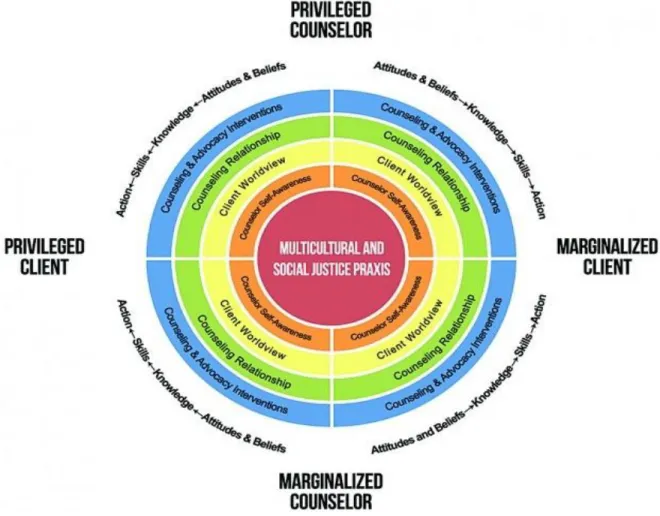
Figure 1. Multicultural and Social Justice Praxis ... 38
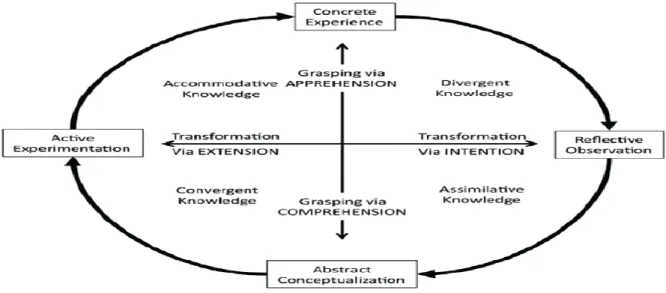
Figure 2. Model of Experiential Learning Process ... 72
Chapter I: Introduction
Identity has always been a core concept in the helping professions, as both the helper and client have distinct identities that influence their perception and experience of the world and of others. This notion has had a tremendous impact on the counseling profession and was instrumental in the development and progress of the multiculturalism movement, which many scholars refer to as the fourth theoretical force in the counseling field. Furthermore, the counseling profession is currently considering the emergence of the fifth-force, social justice counseling, as a theoretical model that should be used to inform how counselors understand, treat, and advocate for clients. The established necessity of multiculturalism within the counseling profession coupled with the
progressive movement towards integrating tenets of social justice practice warrants the attention of all licensed counselors, counselors-in-training (CITs), and, most arguably, counselor educators and supervisors.
Counselor educators and supervisors have the incumbent responsibility to ensure that CITs are sufficiently prepared to engage in counseling work with clientele from diverse backgrounds. The task of preparing CITs is not a static endeavor, nor is it entirely achieved by professing and teaching the tenets and principles of theories relevant decades ago. Human identity, interaction, and socialization are constantly evolving with the shifts and transformations of modern society and culture, whether they be local, national, or global. Just as the professional associations and credentialing bodies that represent the counseling community must routinely assess standards and best practices considering new knowledge and the context of cultural change, so too must counselor education programs. For this reason, counselor educators are called to stay abreast of multicultural
and social justice developments within the profession and carefully consider their implications on pedagogical and supervisory practice. Additionally, counselor educators must convey these ideas to their students. The purpose of this qualitative study was to explore and examine the experiences and perceptions of CITs exposed to an experiential activity utilizing a popular film, Moonlight (Jenkins, 2016), as a means of investigating its pedagogical potential in multicultural counselor education. What follows is a brief overview of the literature relevant to this study and an introduction to the methodology utilized for executing the research process.
Multicultural and Social Justice Counseling Competencies
The complexity of identities and their societal implications are at the crux of the recently developed Multicultural and Social Justice Counseling Competencies (MSJCC; Ratts, Singh, Nassar-McMillan, Butler, & McCullough, 2016). The MSJCC were
developed as a revision to the Multicultural Counseling Competencies (MCC) created by Sue, Arredondo, and McDavis (1992) and have been formally endorsed by the American Counseling Association (ACA). The MSJCC provide a conceptual framework aimed at implementing multicultural and social justice competencies into counseling theories, practices, and research (Ratts et al., 2016). The MSJCC emphasize the intersections of identities and the interplay of how power, privilege, and oppression influence the counseling relationship (Ratts et al., 2016). Ratts, Singh, Nassar-McMillian, Butler, & McCullough (2015) presented the following developmental domains in competency attainment: (1) counselor self-awareness, (2) client worldview, (3) counseling relationship, and (4) counseling and advocacy interventions. Within the first three developmental domains lie aspirational competencies that impact a counselor’s ability to
effectively work with diverse clients, including attitudes and beliefs, knowledge, skills, and action (Ratts et al., 2015; 2016). Further exploration of the MSJCC and its
implications for counselor educators will be presented in the literature review.
The MSJCC not only reinforce the significance of the aspirational competencies regarding attitudes and beliefs, knowledge, and skills, which were originally included in the conceptual framework proposed by Sue et al. (1992), but also introduce the
importance of a fourth aspirational competency: action (Ratts et al., 2016). The language and directives of the MSJCC illuminate the notion that pluralistic identities exist in all individuals (both counselors and clients) and that the human experience of intersecting identities is socially influenced by power, oppression, privilege, and marginalization. The recognition and emphasis that systems of power and oppression affect the day-to-day experiences, beliefs, opportunities, and interactions of humans has remarkable implications for counselor education. Perhaps the most noteworthy is the direct
connection that the MSJCC have to intersectionality theory and the subsequent need for counselor educators not only to understand its tenets but also be well-prepared to instruct CITs on its origins, applications, and implications for practice.
Intersectionality Theory
Intersectionality theory has its historical origins in social justice and human rights movements and is characterized by its motivation to combat marginalization and
oppression (Bowleg, 2008, 2012, 2013; Carbado, Crenshaw, Mays, & Tomlinson, 2013; Cho, 2013; Collins & Bilge, 2016). Historically, intersectionality theory was
conceptualized through the confluence of Black feminism and critical race theory (Carbado et al., 2013). More specifically, intersectionality manifested from the works of
Crenshaw (1988, 1989, 1991) and Collins (1986, 1990, 2004) each of whom are recognized for their revolutionary work in their respective disciplines of legal and sociological scholarship (Chan, Cor, & Bland, 2018). More about the contributions of Crenshaw and Collins and their impact on the historical development of intersectionality theory are explored in the review of literature.
More recently, intersectionality theory has expanded its applications to interdisciplinary fields (Bowleg, 2012; Warner, 2008) such as law, sociology,
psychology, counseling and education (Chan et al., 2018). Although intersectionality is comprised of and espouses multiple perspectives, perhaps its most foundational
intentions are to 1) challenge the notion that cultural identity can be reduced to one set of values associated to one identity; 2) address the impact of multiple cultural identities (e.g., race, ethnicity, gender, sexual identity, ability, social class, spirituality); and 3) address social inequalities that are perpetuated by institutional oppression (Shields, 2008; Walby, Armstrong, & Strid, 2012).
The guiding principles of intersectionality theory have also been noted for their applicable influence on the counseling relationship and conceptualization of cultural and social identities of the counselor and client (Ratts & Pedersen, 2014; Ratts et al., 2015; 2016). These developments in diversity and multicultural counseling research naturally beget developments in diversity and multicultural counseling practice, which is informed by standardized curriculum. The Council for Accreditation of Counseling and Related Educational Programs’ (CACREP) primary mission is to develop and enforce standards that ensure students develop a professional counselor identity and master the knowledge and skills necessary to practice effectively. A brief overview of how the CACREP
standards have transformed to include and emphasize the influence of intersectionality is provided in the literature review.
Experiential Pedagogy as “Best Practice” in Counselor Education Before delving into pedagogy specific to multicultural and social justice counseling courses, it should be noted that there has also been much professional dialogue among counselor educators about what constitutes “best practices” in teaching counseling curriculum. In 2016, the Association for Counselor Education and
Supervision (ACES) Teaching Initiative Taskforce released their report titled “Best Practices in Teaching in Counselor Education.” This living document provides
suggestions to instructors and program administrators based in the current literature and research while focusing the student, or learner, at the forefront of the discussion (ACES, 2016). One specifically suggested model and theory for adult learning contained within this report serves as a nice entry point for conceptualizing what constitutes teaching practices that benefit the CIT. The taskforce identified and presented the most recognized and influential adult learning theories (ACES, 2016). Perhaps the most relevant to this particular study is experiential learning theory (ELT).
Experiential Learning Theory (ELT) is an approach to learning that is grounded in the works of Dewey, Piaget, and Lewin. Reduced to its core, experiential learning is focused on “learning through reflection on doing” (Felicia, 2011, p. 1,003). ELT posits that experience serves as a key role in creating knowledge (Bergsteiner, Avery, &
Neumann, 2010) and rejects the notion of students playing a passive role in the education experience (Monk, 2013). Kolb (1984) typified experiential learning as a process that constantly changes with new experiences that requires reconciliation of conflict between
two opposing views of the world. ELT is also distinguished as a holistic process that encompasses human adaptation to all aspects of life, including education (Kolb, 1984). Counselor educators have access to a wide range of teaching strategies which exemplify ELT (ACES, 2016) such as case studies, role plays, fishbowl exercises, media exposure, and fieldwork. Greater access to such teaching strategies may contribute, in part, to the wealth of research that has been conducted in the counselor education field on the effects of experiential learning activities (Collins & Pieterse, 2007; Fawcett & Evans, 2012; Greene, Barden, Richardson, & Hall, 2014; Shen, 2015; Villalba & Redmond, 2008).
ELT is a valuable pedagogical model that may be used by educators to affirm the role that experience has in the learning process. This emphasis on experiential learning as a “best practice” in counselor education (ACES, 2016) is elucidated by its practical use with CITs and validates it as a method worthy of inquiry in this study. The use of the film
Moonlight (Jenkins, 2016) in this study served as an experiential learning activity; however, its context is unique as the portrayal of the protagonist, Chiron, is one that presents an opportunity for counselor educators to engage CITs in an experience with an overtly intersectional character. Experiential pedagogy utilized in this manner may prove beneficial for promoting the multicultural competence of CITs. Yet to fully assess its potential in this endeavor, an understanding of pedagogical approaches to multicultural and diversity education is helpful and is briefly discussed in the following section.
Pedagogical Approaches to Multicultural and Diversity Education As documented by the emergence of the 2016 CACREP standards (CACREP, 2015) and the endorsement of the MSJCC by the ACA, ensuring that CITs have foundational cultural and social competency is a targeted objective of the counseling
profession that is reflective of contemporary culture itself. Ever-changing global and cultural demographics necessitate that informed citizens possess more than a superficial understanding of cultural differences, because they inform and influence our experiences as pluralistic beings. As ethical and respected members of the helping profession,
counselors are surely not exempt from integrating such an evolved understanding of differences into their practice – conversely, counselors have a greater responsibility to do so as it is now an inherent theoretical component of the professional counselor identity. Whether emerging counselors are aware of and internalize this component of professional counselor identity is crucially dependent upon the education and training they receive as CITs.
Pedagogical approaches for developing multicultural sensitivity and competency in counselor education has been an area of research interest (Arthur & Achenbach, 2002; Cheshire, 2013; Greene et al., 2014; Haskins & Singh, 2015; Malott, 2010; Priester, Jones, Jackson-Bailey, Jana-Masri, Jordan, & Metz, 2008; Sammons & Speight, 2009; Seward, 2014; Sommer, Rush, & Ingene, 2011). There is much consensus in the counselor education literature to support the use of experiential learning theory as an effective means of promoting counselor self-awareness in relation to cultural identity and experience (Collins, Arthur, & Wong-Wylie, 2010; Fawcett, Briggs, Maycock, & Stine, 2010; Kim & Lyons, 2003; Pierce & Wooloff, 2012; Pieterse, 2009; Sammons & Speight, 2009; Villalba & Redmond, 2008). In Priester et al.’s (2008) analysis of instructional strategies, they discovered that experiential activities, such as reaction papers to a work of art, a book, or a film (p. 35) were among the most utilized didactic interventions in multicultural counseling courses.
As research and practice suggests, the use of media, specifically film, is no longer a novel pedagogical device in the field of multicultural counselor education. However, the concepts, theories, and foci illuminated in multicultural counselor education is very much dependent upon the content of the films chosen for viewing. Extant literature has demonstrated the use of film to teach CITs about racism and antiracism (Pieterse, 2009), promote exploration and awareness of racial attitudes (Soble, Spanierman, & Liao, 2011), and examine the interactions of culturally diverse individuals (Villalba & Redmond, 2008). Films have also been utilized to assist CITs with acquiring knowledge about certain categorical cultural and social populations (Shen, 2015; Walters & Rehma, 2013).
Despite the recognition of popular film as a beneficial media to facilitate cultural learning in counselor education, there exists a gap in the literature. Little has been published in counselor education research regarding the effects of utilizing popular film to illuminate the intersection of identities, privilege, and marginalization. More narrowly, few published articles in counselor literature have explored the use of film to assist CITs with conceptualizing the experiences of individuals who are characterized by two or more marginalized identities.
Methodology Overview
The following section commences with a brief overview of the purpose and significance of the research study, recruitment efforts and sampling procedures, as well as a synopsis of the qualitative methods integrated into the research design. The grand research question, as well as protocol questions utilized to guide the study, and data analysis methods are described. The section ends with discussion of the writer’s voice
and analytical framework, as they were integral and influential components of the study and subsequent analysis of data.
Purpose of the Study and Grand Research Question
The purpose of this basic qualitative study was to explore and examine the experiences and perceptions of CITs exposed to the popular film Moonlight (Jenkins, 2016). It was my intent to uncover their perceptions of Moonlight (Jenkins, 2016) as a pedagogical tool. The grand research question and overall goal of the study was to identify, “What are the experiences and perceptions of counseling interns exposed to the film Moonlight in a multicultural context?”
Significance of the Study
The study addressed a gap in research regarding the experiences and
understandings of CITs exposed to media, specifically film, that explicitly portray the dynamic interactions of intersectional identities through a lens of development. Also, uniquely this study was focused on the experiences of more advanced CITs enrolled in a clinical mental health counseling internship course. This study has the potential to inform counselor educators and supervisors of the possible affects, experiences, and perceptions
Moonlight (Jenkins, 2016) elicits in one group of CITs in their clinical phase of training. This information may be helpful for those counselor educators and supervisors interested in assessing the pedagogic power of popular films as a means of facilitating CITs’ awareness of their own intersectional identities, as well as those of their clients. Design of Study
The design of this basic qualitative study integrated the use of various qualitative research methods. The research process was comprised of three specific points of data
collection, including a focus group interview, written reflection forms, and member checking activities that elicited additional participant data. The focus group interview was conducted after participants jointly viewed the film, Moonlight (Jenkins, 2016), in order to facilitate the reflection and sharing of their experiences and perceptions of the film. Each participant completed a written reflection form that provided an opportunity to personally reflect upon their experiences in relation to the film’s protagonist. This specific data collection point permitted participants to share information they may not have wanted to disclose within the focus group. The last data collection point was the member checking process, where participants were able to review, revise, and expand upon their responses in the focus group interview. Trustworthiness was established through multiple strategies, including the regular use of a reflexive journal, creation of memos, production of an audit trail, peer debriefing, and member checks. The
significance of these strategies and how they were employed within this study are detailed in the chapter on methodology.
Recruitment and Study Sample
The selection of participants for this study was accomplished through a
purposeful sampling process. Participants were sampled from a clinical counseling course within a CACREP accredited program at a medium-size regional university in the
southeastern portion of the United States. Recruitment efforts were comprised of three strategies. First, I met with potential participants enrolled in a clinical mental health counseling internship course at this university and delivered a mini lecture on the
multicultural and social justice counseling competencies and intersectionality theory. For a detailed outline of this mini-lecture please see Appendix A. Following the mini-lecture,
I orally described the purpose and design of this study and answered any questions that the potential participants had regarding the study. I then passed out copies of the informed consent form (see Appendix B) for their review and answered questions they had about the benefits and risks of the study. I then directed potential participants who may be interested in the study to contact me by using the contact information provided on the informed consent form.
A recommended number of participants for a focus group interview is between six and 12 (Litchman, 2013), so the minimum number of participants for this study was set at six. A sample consisting of less than six participants is not desirable as having too few participants may inadvertently cap or limit the data production of the study. I did not include more than 12 participants in the focus group interview as to do so would have increased the risk of reduced participant engagement and increased distraction (i.e., side-conversations) (Hays & Singh, 2012). The sample was comprised of 12 participants who had already completed a course in multicultural counseling, were enrolled in a clinical course, and were willing and able to express their experiences and perceptions of the film
Moonlight (Jenkins, 2016). I was intentional about recruiting participants of diverse social and cultural backgrounds to the level that was possible provided the demographics of potential participants enrolled in clinical courses during the 2019 spring semester. Protocol Questions
The focus group interview is an applicable method to use when researchers desire to understand a group of participants’ reactions to a shared experience (Hays & Singh, 2012). The questions posed by the researcher are essential to yield interactive participant expression of feelings, thoughts, and perceptions. The interview protocol utilized in the
focus group interview was derived in an attempt to gather information that would help the researcher to attend to the grand research question. The protocol questions were also informed by the nature of the multicultural and social justice counseling competencies developmental domain areas of counselor self-awareness, client worldview, and
counseling relationship. The interview protocol for the focus group interview contained six questions: 1) “How would you describe your experience during the film?”; 2) “What do you believe informs your experience of the film?”; 3) “How do you perceive Chiron’s experiences in the film?”; 4) “Please describe any changes in feeling or emotion that you experienced during the film.”; 5) “How do you perceive the film in relation to your role as an intern?”; and 6) “How do you perceive the use of this film in counselor education?”
Reflection forms also contained questions that prompted participants to reflect upon how their experience with the film affected them and how they perceived
themselves in relation to the film’s main character. The questions outlined on the written reflection form were as follows: 1) “How do you perceive your personal experiences are like Chiron’s, based on your intersecting identities?”; 2) “How do you perceive your personal experiences are different from Chiron’s, based on your intersecting identities?”; and 3) “How has your experience in this study affected you?” Additionally, demographic information was gathered from participants (see Appendix C).
Data Analysis
Traditional qualitative methods were utilized to analyze the data for themes. I critically reviewed and coded the focus group interview transcript and participants’ written reflection forms. I engaged in the three-step process of open coding, analytical coding, and theme construction as I assessed the data elicited from the first two data
collection points. I analyzed the data with both the grand research question and interview protocol in mind. I also evaluated data from my unique researcher lens, which is
influenced by my own intersectional experiences, philosophical underpinning,
paradigmatic proclivity, and preferred methods of qualitative research. Additionally, as warranted for qualitative inquiry, reflexive strategies were employed throughout data analysis to understand the impact that I had on the research, as well as the impact that the research process had on me.
Writer’s Voice
My connection to this study is of a personal nature and has prompted the use of the first-person singular perspective to discuss and analyze the data. Not only is this a permissible form of researcher voice as detailed in the Publication Manual of the
American Psychological Association (2010), but is also encouraged in certain situations. The suggestion of using personal pronouns is particularly important when considering attribution and its potential to be ambiguous. The APA (2010) manual cautioned, “Inappropriately or illogically attributing action in an effort to be objective can be misleading” (p. 69) and explicitly recommended, “To avoid ambiguity, use a personal pronoun rather than the third person when describing steps taken in your experiment” (2010, p. 69). In the process of joining participants in the creation of knowledge, the qualitative researcher must develop as a research instrument (Xu & Storr, 2012).
Accepting this role as a research instrument necessitated that I engage in critical thinking and reflexivity to accurately gauge the extent of my influence and conscientiously
describe contributing factors in a personal and transparent manner. To approach this important process from a third person perspective felt disjointed and potentially
deceptive; therefore, I decided to remain committed to my first-person approach to analysis.
Researcher’s Lens
Much like the way counselors’ and counselor educators’ own personal histories, worldviews, and attitudes have the potential to influence their conceptualization and delivery of counseling services, a researcher’s lens is also colored by his or her own ideas, experiences, and philosophical underpinnings. My subjective researcher’s lens is influenced by several factors, including my own subjective intersectional identity, philosophical assumptions about reality and knowledge, constructionist and critical research values, and aspirational multicultural and social justice counseling
competencies. Each of these dimensions are instrumental in the way that I conceptualize counseling, counselor education, and scholarly inquiry and therefore warrant further exploration, as they surely influenced how I analyzed the data.
Subjective intersectional identity. My experience within and in interaction with the world is influenced by my cultural and social positionalities. As a White male, I recognize that I have identities that are characterized by an inherent privilege that shape my existence with others in not only American, but global society. I understand that these identities and their associated social locations of power have been systematically
established by the historical perpetuation of dominant group normalization and
oppression of non-dominant cultural norms. Although my racial identity development has progressed with experience, reflexivity, and critical introspection, I was not always aware of the privileges my visible identities afford me – even as I started my career as a
inadvertently resulted in actions that left clients feeling misunderstood or further oppressed. This realization also encourages my motives as a counselor educator and researcher who hopes to facilitate greater identity development in my students so that they do not find themselves pondering the potential effects of their own deficient self-awareness.
I do believe that my experience with my own marginalized identities contributed, in part, to my openness to explore my privileged identities because I was able to
recognize that I did not have the same advantages regarding my identity as an effeminate boy who was raised in poverty by working class parents. The feelings of rejection and judgment that I experienced as a child and teenager left me feeling misunderstood, insufficient, and broken.
My vocational identity is also of importance. After completing my master’s program in mental health counseling, I became a Licensed Professional Clinical Counselor in the commonwealth of Kentucky, as well as a Nationally Certified
Counselor. I have also worked in both private and nonprofit sectors and held positions as an outpatient counselor and a home-based counselor. A significant portion of my clinical hours required for independent licensure were obtained during my time providing home-based counseling services, in which I had the opportunity to counsel many clients whom were socially and culturally different than myself.
I have always stated that my leaning towards qualitative methodology has been directly influenced by my identity as a counselor. As a mental health counselor, I am invested in understanding my clients on a deeper level – one that considers their histories, meanings, and contexts in totality. This desire to know and understand an individual’s
experience as thoroughly and in-depth as possible not only colors my researcher’s lens, but directs the research that I desire to conduct. I believe that qualitative differences of perception and experience illuminate the complexities of humanity, which cannot simply be reduced to generalizable knowledge. Even within homogenous groups there exists heterogeneity and I firmly believe those nuances are worthy of exploration.
Philosophical assumptions. A researcher’s philosophical views on ontology, epistemology, and axiology are important to consider in the context of the research process. These personal assumptions shape how a researcher develops their research questions and design and influence the frame through which data are analyzed. My understanding of reality is that there are many realities, each of which is uniquely and subjectively constructed by an individual’s experiences with themselves, others, and their cultural and social milieus. I do not adhere to the notion that there is one objective truth or reality. As it relates to knowing and knowledge, my views are similar. I do not believe that individuals inherently possess preprogrammed knowledge, but rather that the process of knowing is characterized by interaction and construction. It is my assumption that interactions with one’s history, perceptions, surroundings, culture, group statuses, and social affiliations produce experiences of phenomenon. The meanings of these
experiences are then constructed by the experiencer. This philosophical stance infers the possibility of unlimited knowledge that is contextual, rather than universal. Considering my allegiance to these lines of thinking, the idea that my axiological assumptions are also rooted in subjectivity may not be a surprise. I do not believe that the thoughts,
experiences, biases, or worldviews of the qualitative researcher can or should be
& Storr, 2012) and a co-constructor of knowledge; and, that my subjectivities would have a profound influence on how I attend to those roles.
Constructionist and critical research values. Constructionist ideas also affect how I conceptualize research. Humans are diverse beings with subjective experiences. I conceive individuals’ realities to be as subjective as their experiences and inherently influenced by the self-created narratives individuals produce to make sense of those experiences. Considering these assumptions are fundamental to my personal and
professional identity, they also manifest in my role as a researcher. For this reason, I am particularly drawn to phenomenological and narrative lines of thought. I perceive the participants of this study as more than mere subjects to be assessed, but as learners with experiences and stories to share. I am humbled that I was able to utilize this study as a platform to showcase their voices.
Values inherent in critical education and research also resonate with me
personally and accentuate my focus as a researcher. I personally believe and recognize that privileged individuals within society and, more narrowly, affiliated with academic institutions have been granted much power when identifying topics worthy of
investigation and presenting analytical narratives of participants’ experiences or attestations. I believe that some of this exercised power by privileged and powerful academics has been at the expense of participants, who have had unique aspects and contexts of their voices muted in research literature, specifically in the findings of quantitative inquiries. As a researcher, I value efforts aimed at balancing the researcher-participant relationship and engaging researcher-participants in the co-construction of knowledge to ensure that research findings authentically represent their voices.
Multicultural and Social Justice Counseling Competencies. As a counselor educator who continually seeks out opportunities for professional growth and cultural awareness, I have become a strong proponent of the Multicultural and Social Justice Counseling Competencies (MSJCC). The MSJCC’s nuanced and emphasized approach to generating cultural and social awareness of ourselves, as counselors, and our clients encapsulates my views on the importance of considering identity in totality. I strongly believe that in order to move towards understanding and empathizing with another individual - a primary responsibility of counselors, that one must strive to know how situations, relational-dynamics, cultural heritage, and social positionalities affect and inform that individual’s experiences and perceptions. Unfortunately, it is my belief that this type of understanding cannot be truly achieved with a purely cognitive approach to learning. To exist is to feel and to feel is to know, so per my own views one cannot know or understand cultural and social experience without experiencing it. For this reason, I believe that CITs must be engaged affectively with cultural and social stimuli to develop multicultural competence. Additionally, I firmly support the professional view that counselors should be advocates for clients in many instances, but especially when individual and systemic levels of oppression, perpetuated by societal and cultural standards and resultant disenfranchisement, attribute to clients’ problems. However, I believe that before a counselor’s identity as an advocate can effectively develop, they must first have foundational awareness, knowledge, and skills related to the provision of multicultural counseling. This stance unquestionably influenced my decision to design a research study that subjects CITs to the intersectional experiences of a character via the use of film and influenced my analysis of the data.
Limitations of the Study
As mentioned previously, the participants in this study were recruited using purposeful sampling strategies and were master’s level internship students located within the primary researcher’s university. The nature of qualitative research is not conducive to the goal of producing generalized results, so this study did not yield conclusive findings about a particular population. Rather, this qualitative study produced an understanding of counseling interns’ experiences and perceptions of the film Moonlight (Jenkins, 2016). The findings contain thick descriptions of these experiences so that others may have sufficient information about this context to discern if these results will be transferable to similar contexts. Other limitations were detailed as they became apparent throughout the research process and are presented in the final chapter.
Conclusion
The information contained within this chapter has provided a brief overview of the topics foundational to the construction of this research design and has introduced the methodology that was utilized in executing the study. The field of counseling undeniably must evolve with the societal and cultural environments in which it exists if counselors desire to be effective with clients. For this reason, counselor educators have the
responsibility of integrating pedagogical strategies that promote the development of multicultural counseling competence in their CITs. Experiential pedagogy is a “best practice” teaching method that could be contextualized for multicultural counselor education. The purpose of this basic qualitative study was to understand the experiences and perceptions of counseling interns exposed to the film Moonlight (Jenkins, 2016) via their involvement in a focus group interview and member-checks, as well as completed
written reflections forms. The data was analyzed through the researcher’s lens and with the use of traditional qualitative methods. The purpose of this chapter was to give the reader a “snapshot” of the study design and highlight concepts from which the study topic emerged; however, to gain full insight into the rich foundations that inform the research topic, a review of the literature will prove helpful and is provided in the next chapter.
Chapter II: Literature Review
Multicultural competence in counselor education has not always been as explicitly defined and promoted as it is today. As with any evolving educational field, counselor education programs exist on a continuum where future knowledge, events, theoretical development, and inquiry inevitably influence the present quest for understanding and application. Modern research and development in social and educational sciences
produce a socio-temporal understanding of information and contribute to the foundational knowledge base of a field or subfield. New understanding emerges by posing inquiries related to the contemporary cultural milieu; however, to truly conceptualize the trajectory of novel inquiry one must have a solid recollection of historical underpinning related to the topic, and subtopics, at hand. As the ageless adage goes, “you cannot know where you are going until you know where you have been.” In order to best conceptualize the contemporary multicultural counselor education themes, their influence, and
implications, it is necessary to survey the historical development of multiculturalism in counselor education and its impact on the present.
Historical Overview of Forces in Counseling and Psychology
Considering their status in the society at the time, racial and ethnic minorities were not represented in the counseling movement during its inception and early
development (Jackson, 1995). The social and professional exclusion of racial and ethnic minorities meant that the counseling field was developed from the point of view of early practitioners whose perspectives were influenced by Anglo-Eurocentric culture and experience. Without representation not only did the needs and concerns of minorities go
unheard, but the theories, techniques, and interventions developed reflected, and arguably reinforced, a narrowed approach to counseling (Speight, Myers, Cox, & Highlen, 1991).
The Anglo-Eurocentric foundation of early psychology and counseling
development went relatively unquestioned regarding the first two major theoretical forces in the mental health professions. The first (psychodynamic) and second
(cognitive-behavioral) forces, although instrumental in conceptualizing foundational premises and implications of human nature and behaviors of individuals, did not attend to the
pronounced and far-reaching effects that culture has on the counseling relationship and clients’ perceptions of self and the world.
In the 1970s and 80s, the emergence of the third-force, existential and humanistic, began a conversation about and acceptance of the influence that subjective experience has on an individual. This force also rejected both psychoanalytic and cognitive-behavioral explanations of human development and questioned the stability of improvements clients experienced from these treatments (Ratts & Pedersen, 2014). The renowned American psychologist, Carl Rogers (1951), argued that “such methods are, in my experience, futile and inconsequential. The most they can accomplish is some temporary change, which soon disappears, leaving the individual more than ever convinced of his inadequacy” (p. 33). The humanistic perspective perceives an egalitarian therapeutic relationship between client and counselor as central, and emphasizes the importance of self-awareness,
believing in the potential of every human being, personal responsibility, the innate good in people, freedom, and personal insight (Ratts & Pedersen, 2014).
The humanistic-existential perspective although widely accepted by many psychologists and counselors was not exempt from criticism. Humanistic-existential
counselors who operate from an intrapsychic perspective have been accused of making a fundamental attribution error (Prilleltensky, 1994). Staunch humanist practitioners may place too much emphasis on internal and personal explanations for behaviors without regard to how culture shapes client experiences (Ratts & Pedersen, 2014). Additionally, the humanistic tradition does not consider external factors which presents a limitation. External factors, such as cultural and sociopolitical forces, influence client experiences and how clients construct meaning (Ratts & Pedersen, 2014).
Although the first three forces may have dominated professional attention and debate, there were other movements and challenges behind the scenes. In the United States, the 1960s were a time of social unrest, political turbulence, and racial tension. White establishment was openly questioned by Black and White Americans, and racist political beliefs, institutions, and policies were challenged. This historical period in American society served as the impetus for the emergence of the multicultural counseling perspective (Arciniega & Newlon, 2003; Jackson, 1995; Robinson & Morris, 2000).
During this period, counseling professionals became critical of White racist policies and practices within the profession (Pope-Davis, Coleman, Liu, & Toporek, 2003; Sue & Sue, 1977). Many African American counseling professionals called for the end of racist counseling theories and practices that dehumanized racial and ethnic
minority clients (Robinson & Morris, 2000). In 1969, William Banks, a professor at the University of California, Berkley, spearheaded the formation of the Association of Non-White Concerns in Personnel and Guidance (Jackson, 1995). The association’s primary purpose was to ensure that minority issues were being addressed in the counseling profession and in 1972 it launched the Journal of Non-White Concerns (McFadden &
Lipscomb, 1985). In 1985, the association was renamed the Association for Multicultural Counseling and Development (AMCD) and the journal was renamed the Journal of Multicultural Counseling and Development (Parker & Myers, 1991). These changes reflected the growing need for multicultural counseling to be more inclusive of other underrepresented racial and ethnic groups such as Asians, Latino/as, and Native Americans (Lee, Blando, Mizelle, & Orozco, 2007).
In the late 1980s and early 1990s, psychology and counseling scholars noticed that trends in the fields indicated that change was occurring. Adler and Gielen (1994) highlighted some of global trends that suggested that the monocultural emphasis in psychology would likely be shifting:
Following a brief review of global society, it is argued that (a) at present American psychology routinely neglects perspectives and findings developed in other countries; (b) this is true even if foreign contributions appear in English; (c) this state of affairs differs from the situation prevailing in the hard sciences; and (d) in response to the multicultural movement and global developments, mainstream psychology in the United States and elsewhere will become less ethnocentric in the near future. (p. 26)
The recognition of such global changes, along with the efforts of AMCD, helped to facilitate movement towards more culture-centered perspectives and theories (Ratts & Pedersen, 2014). Thompson, Ellis, and Widavsky (1990) purported that cultural theory may be a solid basis for a new force in psychology and counseling. Specifically,
Thompson et al. (1990) critiqued social science for its adherence to dualism and advised that “Although sometimes useful as analytic distinctions, these dualisms often have the unfortunate result of obscuring extensive interdependencies between phenomena” (p. 21). Overall, multicultural counselors do not condone the “one size fits all” approach to counseling that psychoanalytic, cognitive-behavioral, and humanistic-existential forces
promote. This reductive approach does not effectively attend to the cultural variables ever present in all human beings’ experiences.
The purview of the multicultural movement also encouraged dialogue regarding the counseling relationship which is affected by the client’s and counselor’s unique histories, backgrounds, and cultural influences. The need to be mindful of a client’s culture and worldview was professionally formalized by the creation and adoption of the multicultural counseling competencies (Sue et al., 1992). This aspirational framework highlighted the importance of counselors developing cultural awareness, knowledge, and skills to efficiently work with diverse clients. The multicultural counseling competencies decreed that counselors must be aware of their values, beliefs, biases, and worldviews as well as those of their clients; knowledgeable about their cultural background as well as that of their clients; and skilled using culture-specific counseling strategies (Sue et al., 1992).
Despite being currently recognized as an important component of counseling that must be routinely infused into counselor education curriculum, multiculturalism has been met with some resistance in the profession (Goodman, 2001; Pedersen, 1991; Ponterotto, Casas, Suzuki, & Alexander, 2010; Ratts & Pedersen, 2014; Weinrach & Thomas, 2004). Some believed that multiculturalism was competing with already established
psychological theories in ways that threatened the counseling and psychology professions (Weinrach & Thomas, 2004). The universalist perspective countered the notion that cultural differences should warrant subjective treatment considerations and favors one practice of counseling and therapy that apply equally to all populations (Weinrach & Thomas, 2004). Others asserted that multiculturalism is too complicated (Ratts &
Pedersen, 2014) and that more research is needed on multicultural competencies, standards, methods, and approaches (Ponterotto et al., 2010).
Although some professionals criticized the arrival of multiculturalism as too complex, other professionals welcomed multiculturalism as a necessary theoretical model especially because cultural and social demographics continued to expand in the United States. The discussion and study of humans as cultural beings, distinct from one another, highlighted some of the primary differences that influence experience with the world and self. Clients’ problems are not without context and understanding the subjective
experiences of diverse individuals has resulted in a much-needed conversation about social positionality and the influence of oppression on lived experiences. However, multiculturalism attends to the cultural differences in the counseling relationship and the need to employ culturally appropriate counseling strategies; the philosophical and practical foci are not extended beyond the confines of the counseling office.
Social justice counseling, on the other hand, addresses the societal and cultural contexts that create, exacerbate, and perpetuate some client problems and is considered the fifth force in counseling and psychology (Ratts, D’Andrea, & Arredondo, 2004). In part, the current force also reconciles the critique of multiculturalism being too focused on racial and ethnic concerns over other dimensions of identity such as sexual orientation, gender, social class, religion, and disability (Pope-Davis, Ligiero, Liang, & Codrington, 2001).
The Evolution of Multicultural Counseling Competencies
Multicultural competence in the field of counseling has been an ever-developing area of interest for practitioners and educators alike for decades. Throughout the passage
of time and the associated theoretical forces, there has been a steady movement toward defining baseline standards of practice that ensure that all counselors are adequately equipped to provide ethical and sensitive treatment. Such standards are useful in not only protecting client welfare, but also in legitimizing counseling as a helping profession suitable to assist all clients with their subjective needs considering their unique
experiences and presenting identities. In order to truly understand the relevancy of the Multicultural and Social Justice Counseling Competencies (MSJCC) (2015), a historical survey of the evolution of multicultural counseling competencies is needed.
Multicultural Counseling Competencies as the Foundation
The predecessor to the MSJCC, The Multicultural Counseling Competencies (MCC) (1992), were developed per the request of Thomas Parham, then president of the Association for Multicultural Counseling and Development (AMCD). The taskforce consisted of Derald Wing Sue, Patricia Arredondo, and Rod McDavis (1992) who cited the increasing diversification of the United States population as the most compelling rationale for the development of the MCC. Arredondo (1999) elaborated on the motivation to pursue such an ardent task, by highlighting their concern that, “at best, counselors-in-training had only one course in multicultural counseling with little to no consideration of race, culture, and ethnicity in the other required course work. In effect, the profession was preparing individuals for unethical and potentially harmful behavior” (p. 102).
The MCC was also characterized by five operating premises (Arredondo, 1999). First, counseling is inherently cross-cultural (Arredondo, 1999). The counselor and client are both cultural beings and the process of counseling is an intersectional relationship
influenced by both parties’ cultural and social selves. The second premise is that all counseling happens in a context influenced by institutional and societal biases and norms (Arredondo, 1999). Arredondo (1999) also advised that the relationships described are primarily between a White counselor and clients of ethnic racial identity status, which constitutes the third premise. The fourth operational premise is that clients of Asian, Black/African American, Latino, and Native American heritage are most often
marginalized and represent demographics for which counselors have been least prepared to serve (Arredondo, 1999). Lastly, Arredondo (1999) emphasized the notion that counseling is a culture-bound profession.
The MCC supports a three-stage developmental sequence of beliefs and attitudes, knowledge, and skills (Sue et al., 1992). Each of the three stages is equally important, and underemphasizing or overemphasizing one of these three areas of multicultural
competence can impede counselors’ abilities to provide culturally competent counseling (Sue & Sue, 2013). Ratts and Pedersen (2014) recommended a three-stage developmental sequence from beliefs and attitudes (commonly referred to as awareness) to knowledge to skills and provided the following rationale:
Counselors who lack awareness will find it difficult to develop knowledge and culturally appropriate interventions and skills. Similarly, an overemphasis on awareness in the absences of knowledge and skill can lead to awareness becoming an end in itself, which is nonproductive. There is also a danger when counselors overemphasize obtaining knowledge and facts to the point where they are not able to connect their gained knowledge with awareness and skills to see how all the information is relevant. Just as risky is when counselors attempt to develop skills without the necessary awareness and knowledge needed to determine whether their skills make things better or worse. (p. 90)
The relevancy of the three developmental stages espoused by the MCC may be even more apparent when the stages are operationalized.
Awareness equips counselors with the basis for accurate opinions, attitudes, and assumptions. Awareness also presumes an ability to correctly compare alternative viewpoints, relate or translate priorities in a variety of cultural settings, recognize
constraints and opportunities in each cultural context, and ascertain a clear understanding of one’s own limitations (Ratts & Pedersen, 2014). Knowledge represents the factual information necessary to expand beyond awareness toward effective change in multicultural settings. A primary objective of the knowledge stage is to understand cultures in their own terms, based on appropriate assumptions. This stage also represents the ability to identify and locate reliable sources of information to understand unfamiliar cultures (Ratts & Pedersen, 2014). Lastly, Ratts and Pedersen (2014) asserted that
“multiculturally competent counselors are skilled in planning, conducting, and evaluating the multicultural contexts in which they work” (p. 91). Assessment skills are imperative to adequately identify the needs of other cultures. Counselors are also expected to interact, counsel, interview, advise, and manage their tasks with effectiveness in multicultural settings (Ratts & Pedersen, 2014).
Within the three developmental stages, previously discussed, the MCC detailed three specific competencies that should be developed. The first competency was referred to as counselor awareness of own assumptions, values, and biases. Attitudes and beliefs within this competency mandated that counselors be aware of and sensitive to their own cultural heritage, as well as emphasized the need for the counselors to respect and value differences (Ratts & Pedersen, 2014). Counselors’ knowledge and understanding about how oppression, racism, discrimination, and stereotyping affected them personally, and in their work, was central to the knowledge stage of this competency (Sue et al., 1992).
Also, explicit in the knowledge domain was that White counselors specifically understand how they may have directly or indirectly benefited from individual, institutional, and cultural racism as suggested by White identity development models (Sue et al., 1992, p. 482). In regard to the skills stage for this competency, Sue et al. (1992) advised that culturally skilled counselors constantly seek to understand themselves as racial and cultural beings and are actively seek a nonracist identity (p. 482).
The second competency detailed in the MCC was understanding the worldview of the culturally different client. Counselors’ understanding of how their own cultural backgrounds, experiences, attitudes, values, and biases influence psychological and counseling processes (Ratts & Pedersen, 2014). Specifically, Sue et al. (1992) suggested that culturally skilled counselors are aware of their stereotypes and preconceived notions that they may hold toward other racial and ethnic minority groups. This was deemed imperative as biases can negatively skew the counselor’s attempt to understand client worldviews. In regards to cultural knowledge, counselors are not only expected to seek out information about a particular group they are working with, but also to understand how race, culture, ethnicity and so forth may affect personality formation, vocational choices, manifestation of psychological disorders, help-seeking behaviors, and
appropriateness or inappropriateness of counseling approaches (Sue et al., 1992, p. 482). Skills related to this dimensional competency required counselors to familiarize
themselves with the latest findings regarding mental health and mental disorders of diverse groups and to seek out educational experiences to augment their knowledge, understanding, and cross-cultural skills. (Sue et al., 1992). Additionally, counselors were
encouraged to engage with minority communities outside the counseling setting (Sue et al., 1992).
The final competency area of the MCC was developing appropriate intervention strategies and techniques. Attitudes and beliefs conducive to this competency included respect for clients’ religious and/or spiritual beliefs about physical and mental
functioning, respect for indigenous helping practices and minority community intrinsic help-giving networks, and value for bilingualism (Sue et al., 1992, p. 482). Knowledge relevant to this competency included recommendations for an understanding of how generic characteristics of counseling may clash with the cultural values of various groups and an awareness of institutional barriers that prevent minorities from using mental health services. Foundational knowledge of minority family structures, hierarchies, values, and beliefs and awareness of discriminatory practices at the social and community levels that may be affecting the psychological welfare of the population being served were also suggested (Sue et al., 1992, pp. 482-483). The skills competency area, unsurprisingly, purported numerous objectives for the culturally skilled counselor. Included in this area was an emphasis on engaging in a variety of verbal and nonverbal helping responses, using institutional intervention skills to assist client with determining whether a “problem” stems from racism or bias in others, and seeking out consultation with
traditional healers or religious and spiritual leaders when appropriate (Sue et al., 1992, p. 483). Culturally skilled counselors were also expected not only to understand the
technical aspects of traditional assessment and testing instruments, but also their
limitations in terms of cultural transferability. Counselors were also encouraged to work to eliminate biases, prejudices, and discriminatory practices, as well as assume
responsibility in educating their clients to the processes of psychological intervention (Sue et al., 1992, p. 483).
Operationalizing the MCC
After the publication and dissemination of the original MCC, a noted work in progress, there was criticism from the profession (Arredondo, 1999). Namely, there was concern that the White population was not included as a cultural group nor were other social-identity groups who have been under-represented in the profession and
marginalized in society, including sexual minorities and people with disabilities
(Arredondo, 1999). Furthermore, questions were raised about contacts other than White counselor and ethnic minority client pairings, such as White counselors with White clients, counselors of Color with clients of Color, and counselors of Color with White clients (Arredondo, 1999).
In response to these critiques, the 1994-1995 AMCD president, Marlene Rutherford-Rhodes, requested that the Professional Standards and Certification
Committee provide additional clarification to the competencies and to specify enabling criteria. In the revision, Arredondo et al. (1996) established a distinction between the terms “multicultural” and “diversity” whereas “multicultural” focused on ethnicity, race, and culture and “diversity” referred to other individual, people differences including age, gender, sexual orientation, religion, physical ability or disability, and other characteristics by which someone may prefer to self-define (p. 44).
The revised MCC were also accompanied by explanatory statements aimed to advance the definition and clarity of the domains of awareness, knowledge, and skills (Arredondo, 1999). The explanatory statements were also intended to “take the
profession further along in the process of institutionalizing counselor training and practices to be multicultural at the core” (Arredondo et al., 1996, p. 56). To illustrate the impact of an explanatory statement, consider the two samples that Arredondo et al. (1996) provided for the competency related to the culturally skilled counselor believing that cultural self-awareness and sensitivity to one’s own cultural heritage is important:
Can identify the culture(s) to which they belong and the significance of that membership including the relationship of individuals in that group with
individuals from other groups institutionally, historically, educationally, and so forth.
Can identify the specific cultural group(s) from which counselor derives fundamental cultural heritage and the significant beliefs and attitudes held by those cultures that are assimilated into their attitudes and beliefs. (Arredondo et al., 1996, p. 57)
Arredondo et al. (1996) utilized the Dimensions of Personal Identity Model (DPIM; Arredondo & Glaurner, 1992) as a key reference in the conceptualization and discussion of human diversity in relation to the MCC. The DPIM communicates serval premises including: a) we are all multicultural individuals, b) that we all possess personal, political, and historical culture, c) that we are affected by sociocultural, political, environmental, and historical events; and that (d) multiculturalism also intersects with multiple factors of individual diversity. The DPIM articulates multiple dimensions that may contribute to an individual’s sense of identity and worldview within a sociopolitical context and shines light on the fact that individuals can be oppressed for more than one dimension of their personal identity (Arredondo, 1999).
The DPIM is comprised of three dimensions. The “A Dimension” lists
characteristics that serve as a profile for all people, with most characteristics being ones that an individual is born with or into, thus making them fixed or unchangeable