Durham E-Theses
The Interconnection of Supervisor-subordinate guanxi
and Psychological Contract Processes in the Context of
Chinese Banking Call Center
XIANG, YUHow to cite:
XIANG, YU (2017) The Interconnection of Supervisor-subordinate guanxi and Psychological Contract Processes in the Context of Chinese Banking Call Center, Durham theses, Durham University. Available at
Durham E-Theses Online: http://etheses.dur.ac.uk/12220/
Use policy
The full-text may be used and/or reproduced, and given to third parties in any format or medium, without prior permission or charge, for personal research or study, educational, or not-for-prot purposes provided that:
• a full bibliographic reference is made to the original source • alinkis made to the metadata record in Durham E-Theses • the full-text is not changed in any way
The full-text must not be sold in any format or medium without the formal permission of the copyright holders. Please consult thefull Durham E-Theses policyfor further details.
Academic Support Oce, Durham University, University Oce, Old Elvet, Durham DH1 3HP e-mail: [email protected] Tel: +44 0191 334 6107
http://etheses.dur.ac.uk
The Interconnection of Supervisor-subordinate
guanxi
and
Psychological Contract Processes in the Context of Chinese Banking
Call Center
By
Yu Xiang
Thesis submitted in fulfillment of the requirement for the degree of
Doctor of Business Administration (DBA)
Durham University Business School
ABSTRACT
The broad aim of this study is to understand and model the nature of the psychological contract and its breaches within the relatively un-researched context of the Chinese banking call center industry, and uses the results to arrive at recommendations for improving supervisor-subordinate relationships in these and similar situations, with a particular focus on responding to the questions regarding how employee work attitudes remain positive when negative experience arise (i.e., breach of psychological contract) within high-quality of social exchange relationship. The thesis builds upon two studies, each having its own objective: Study one seeks to investigate the contents and the structure of the psychological contract of banking call center employees in China; Study two contains two parts. In the first part, it first redefines the indigenous concept supervisor-subordinate guanxi (SSG) in the context of Chinese banking call center, and then to examine the relationship between SSG quality and its effects on employee work attitudes. Based on this, it develops and tests a mediation model in which perceived breaches of psychological contract (PCB) is hypothesized as partially mediating such a relationship; The second parts of Study two intends to investigate the moderating effect of SSG quality in the relationship between perceived PCB and employee work attitudes.
The main results of this investigation suggest that the structure of psychological contract in Chinese banking call center employees exhibits three-dimensions, namely, interpersonal, development, and normal. Moreover, perceived PCB is found to partially mediate the effects of SSG quality on affective commitment, organizational identification, job satisfaction, and turnover intention. Our results also reveal that SSG quality moderates the relationship between contract breach and employee work attitudes. The findings of the present study highlight the interconnection of SSG quality and psychological contract processes. Additionally, this study also shed light on several important issues for managerial practice in the same or similar contexts.
DECLARATION
I confirm that no part of the material contained in this thesis has previously been submitted by me for a degree in this or in any other institution. This research has been independently conducted by the author. All sources of material from the work of others has been acknowledged and appropriately referenced.
STATEMENT OF COPYRIGHT
The copyright of this thesis rests with the author. No quotation from it should be published without the author’s prior written consent and information derived from it should be acknowledged.
ACKNOWLEDGEMENTS
First and foremost I want to express my highest gratitude to my supervisors, Dr. Peter Hamilton and Dr. Nigel van Zwanenberg for all their continuous vigorous support for my DBA research. Their encouragement motivated me greatly even during the toughest periods of my study.
I would also like to express my deepest thanks to Mr. Hongwu Wang in Agriculture Bank of China, who encouraged me to embark on this long journey and offered me tremendous and continuous support in data collection.
I dedicate this thesis to my loving parents and family for their understanding, steadfast encouragement and patient support through this process.
TABLE OF CONTENTS
LIST OF APPENDICES ...9
LIST OF FIGURES...9
LIST OF TABLES...9
Chapter One – Introduction ...12
1.1. Prologue...12
1.2. Call centers in China...14
1.3. Organizational context...19
1.4. Summary of current research gaps...24
1.5. Aims of the thesis...25
1.6. Structure of the thesis...28
Chapter Two – Study 1: Patterns in Psychological Contract Obligations in a Chinese Context ...30
2.1. Introduction...30
2.2. Theoretical Position...31
2.2.1 Psychological contracts ...31
2.2.1.1 Development and definition...31
2.2.1.2 Major theoretical issues on definitions...35
2.2.1.3 Definition adopted in the thesis...41
2.2.2 Contents of psychological contracts ...43
2.2.3 Structures of psychological contracts...46
2.2.4 Individual demographic characteristics of psychological contracts ...52
2.3. Research Design and Hypotheses...56
2.3.1 Hypotheses for the proposed psychological contract concept model...56
2.3.2 Hypotheses for the demographic characteristics of psychological contracts ...59
2.4. Research Method...60
2.4.1 Research setting, participants and procedures...60
2.4.2 Measures...61
2.4.3 Analytical strategy...63
2.5. Analyses and Results...64
2.5.1 Preliminary analyses...64
2.5.2 Organizational obligations as perceived by employees...65
2.5.2.1 Validation of reliability...65
2.5.2.3 Confirmatory factor analysis...72
2.5.2.4 Importance of organizational obligations...74
2.5.3 Employee obligations as perceived by employees ...75
2.5.3.1 Validation of reliability...75
2.5.3.2 Exploratory factor analysis...76
2.5.3.3 Confirmatory factor analysis...80
2.5.3.4 Importance of employee obligations...82
2.5.4 Psychological contracts of different employees ...82
2.6. Discussion of Model 1...84
2.6.1 Summary of hypotheses results ...84
2.6.2 Contents and structures of psychological contracts...84
2.6.3 Psychological contracts and demographic variables ...87
Chapter Three – Study 2: Linking Supervisor-Subordinate Guanxi to Attitudinal Outcomes: The Mediating Role of Perceived Psychological Contract Breach ...91
3.1 Introduction...91
3.2 Theoretical Position...93
3.2.1 Psychological contract breach (PCB)...93
3.2.1.1 Definition of PCB...93
3.2.1.2 Consequences of PCB in work attitudes...95
3.2.2 Leader-member exchange (LMX) ...97 3.2.2.1 Development of LMX...97 3.2.2.2 Definition of LMX...99 3.2.3 Guanxi...100 3.2.3.1 Origins of guanxi...100 3.2.3.2 Intricacies of guanxi...101 3.2.3.3 Classification of guanxi...103 3.2.4 Supervisor-subordinate guanxi (SSG)...104
3.2.4.1 LMX and Chinese supervisor-subordinate relationship...104
3.2.4.2 Definition of SSG...106
3.2.4.3 Consequences of SSG in work attitudes...110
3.2.4.4 SSG in the context of call centers...111
3.3 Research Design and Hypotheses...113
3.3.1 Hypotheses for SSG and its effects on work attitudes ...113
3.3.3 Hypotheses for PCB and its effects on work attitudes ...115
3.3.4 Perceived PCB as a mediator ...116
3.4 Research Method...118
3.4.1 Research setting, participants, and procedures...118
3.4.2 Measure ...118
3.4.2.1 Independent variable...118
3.4.2.2 Proposed mediating variable...122
3.4.2.3 Dependent variables...123
3.4.2.4 Control variables...124
3.4.3 Analytical strategy...124
3.4.3.1 Current practices for mediation analysis...124
3.4.3.2 Effect size measures for mediation models...129
3.4.3.3 Procedures for proposed hypothesis-testing...130
3.5 Analyses and Results...134
3.5.1 Preliminary Analyses...134
3.5.1.1 Test on reliability...134
3.5.1.2 Test on common method variance...134
3.5.1.3 Discriminant validity...135
3.5.1.4 Descriptive statistics...137
3.5.1.5 Test on multicollinearity...138
3.5.2 Hypotheses Testing ...138
3.5.2.1 Results of first-step analysis...138
3.5.2.2 Results of second-step analysis...141
3.5.2.3 Results of third-step analysis...146
3.6 Discussion of Model 2...149
3.6.1 Summary of hypotheses results ...149
3.6.2 SSG quality and work attitudes ...149
3.6.3 SSG quality and perceived PCB...150
3.6.4 Perceived PCB and work attitudes ...151
3.6.5 Perceived PCB as a mediator ...153
Chapter Four – Study 2: The Moderating Role of Supervisor-Subordinate Guanxi in the Relationship between Perceived Psychological Contract Breach and Attitudinal Outcomes...155
4.2 Research Design and Hypotheses...156
4.2.1. SSG as a moderator ...156
4.2.2. Hypothesis ...158
4.3 Analytical Method...159
4.3.1 Differences between moderation and mediation ...159
4.3.2 Simple moderation model...159
4.3.3 Analytical procedures...161
4.4 Analyses and Results...162
4.5 Discussion of Model 3...166
4.5.1. Summary of the hypothesis results...166
4.5.2. Moderating role of SSG quality ...166
Chapter Five – Conclusions ...169
5.1 Introduction...169
5.2 Review of the Main Results...170
5.2.1 Model 1: Contents and structures of psychological contracts ...170
5.2.2 Model 2: The mediating role of perceived PCB...174
5.2.3 Model 3: Moderating role of SSG quality...176
5.3 Research Limitations and Future Research Directions...176
5.3.1 Limitations of the research ...176
5.3.2 Recommendations for future research...178
5.4 Theoretical Contributions...181
5.5 Implications for Managerial Practice...184
References...188
LIST OF APPENDICES
Appendix 1: Contents of Psychological Contracts...212
Appendix 2: PCB, SSG and Work Attitudes ...216
LIST OF FIGURES
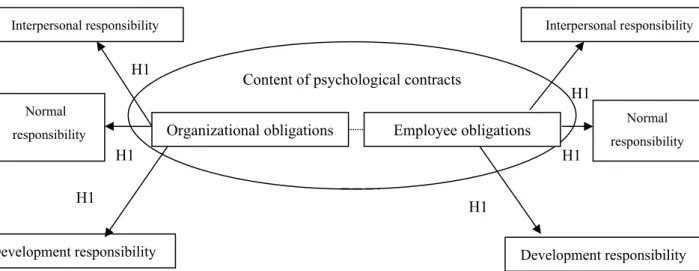
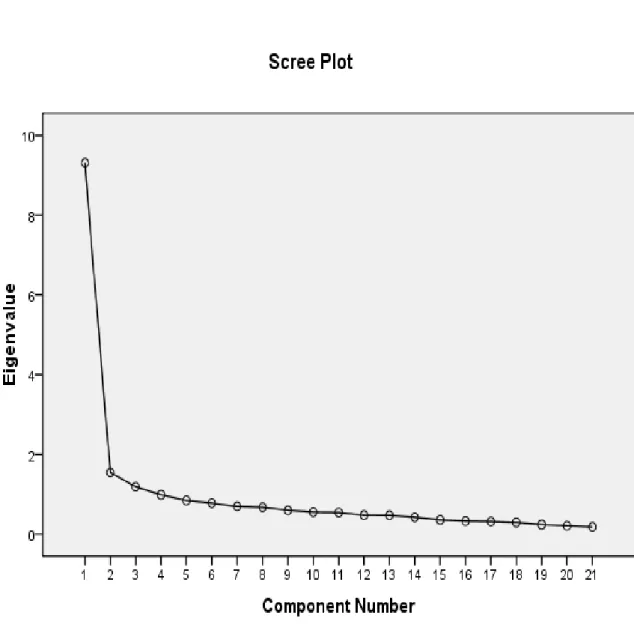
Figure 2.1: Proposed psychological contract concept model...59Figure 2 2: Factor analysis scree plot: organizational obligations ...68
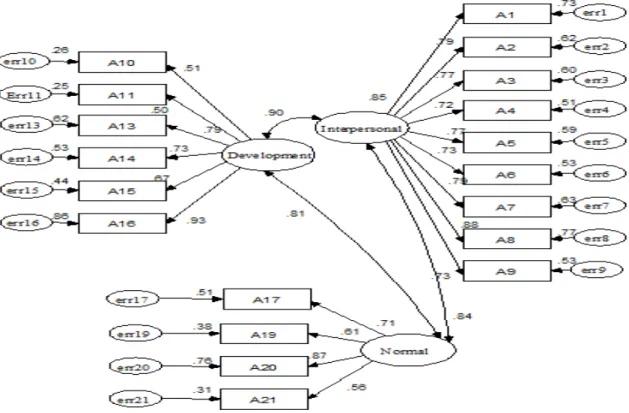
Figure 2.3: Confirmatory factor analysis results for organizational obligations ...73
Figure 2.4: Factor analysis scree plot: employee obligations ...77
Figure 2.5: Confirmatory factor analysis result of employee obligations...81
Figure 3.1: Hypothesized mediation model of perceived PCB...117
Figure 3.2: Schematic of a simple mediation model...124
Figure 3.3: Model 1 – path diagram of the nonmediation model...141
Figure 3.4: Model 2 – path diagram of the full mediation model ...142
Figure 3.5: Model 3 – path diagram of the partial mediation model ...143
Figure 4.1: Hypothesized moderating model of SSG ...158
Figure 4.2: Basic moderation model ...159
LIST OF TABLES
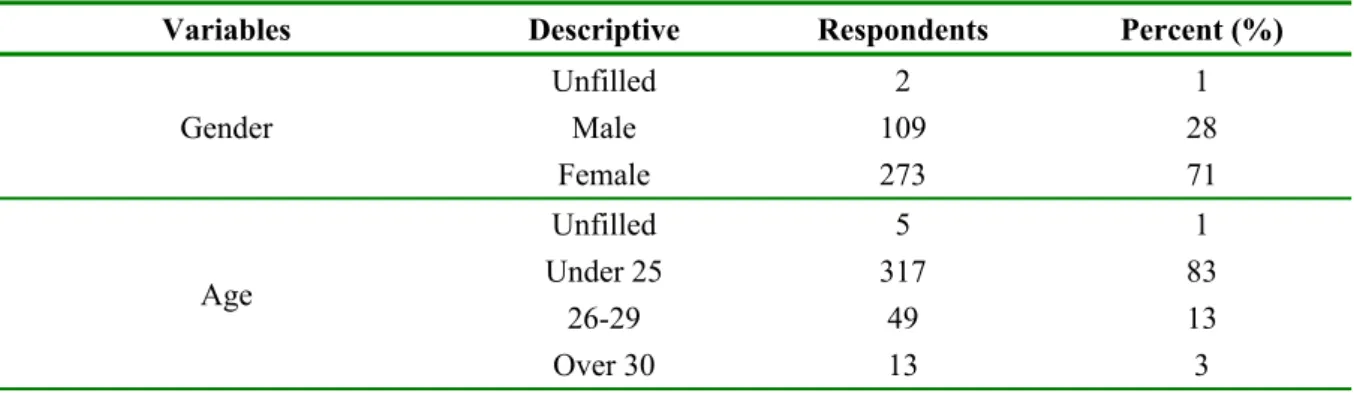
Table 2.1: Demographic analysis of sample (N=384) ...64Table 2.2: Reliability analysis of organizational obligations (N=384) ...66
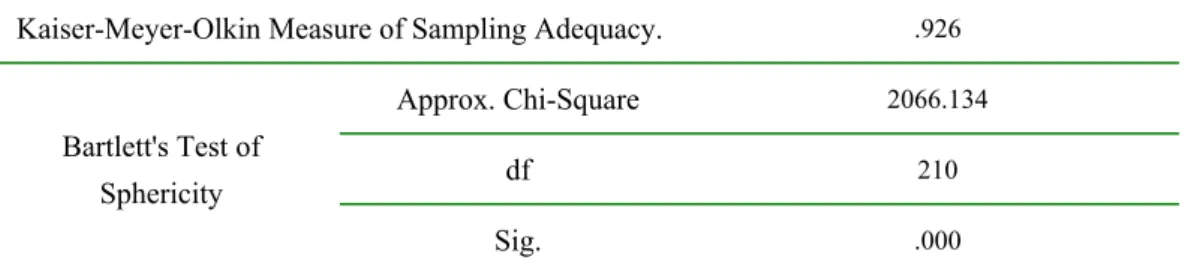
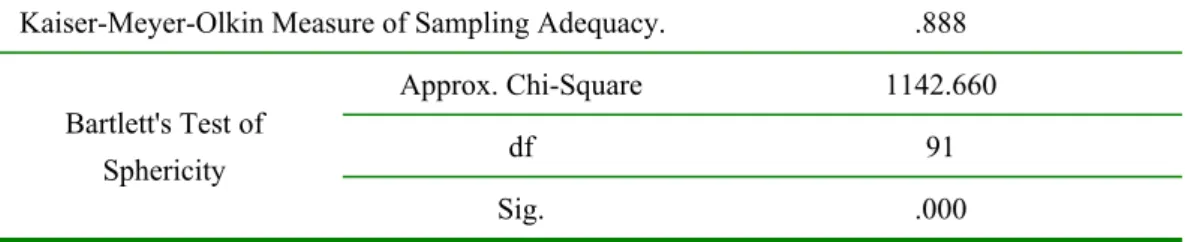
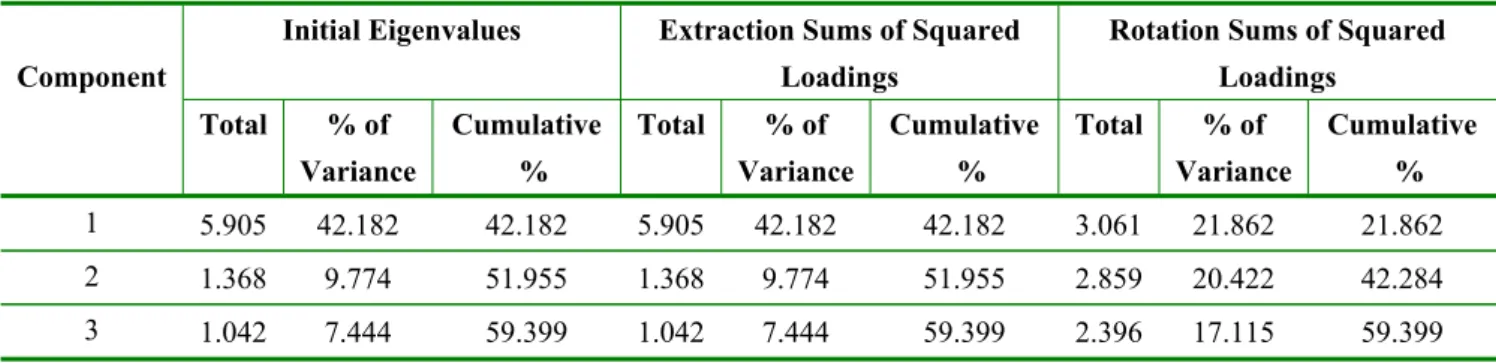
Table 2.3: Results for the KMO measures and Bartlett’s test for organizational obligations 67 Table 2.4: The total variance explained by organizational obligations ...68
Table 2.5: Factor loading of items for assessing organizational obligations (initial analysis) ...69
Table 2.6: Factor loading of items for assessing organizational obligations (final analysis) .70 Table 2.7: Summary of factor analysis results for organizational obligations...72
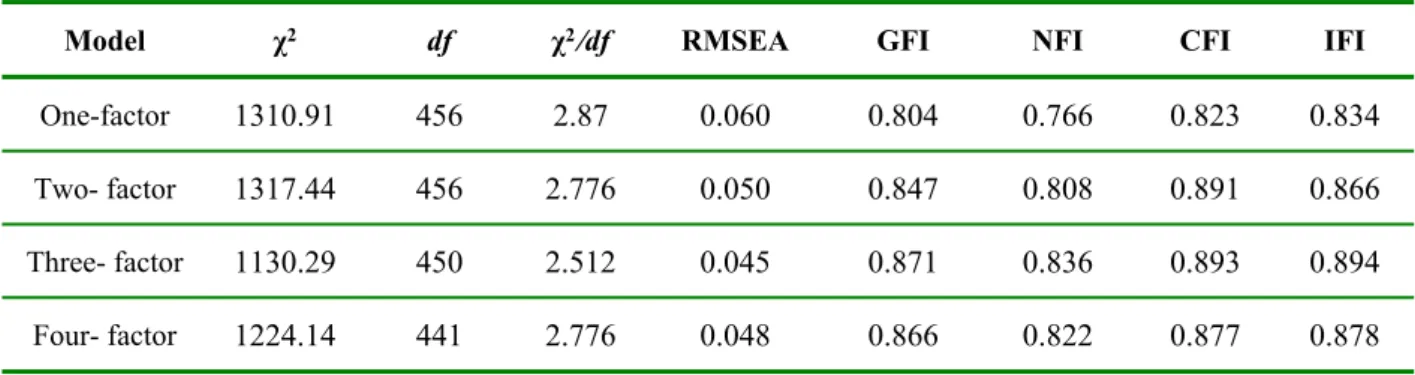
Table 2.8: Fitting indices of confirmatory factor analysis of organizational obligations ...72
Table 2.10: Reliability Analysis of Employee Obligations (N=384)...75
Table 2.11: Results for the KMO measure and Bartlett’s test on employee obligations ...76
Table 2.12: The total variance explained by employee obligations...77
Table 2.13: Factor loading for items assessing employee obligations (initial analysis)...77
Table 2.14: Factor loading of items assessing employee obligations (final analysis) ...79
Table 2.15: Summary of factor analysis results for employee obligations ...80
Table 2.16: Fitting indices of confirmatory factor analysis of employee obligations ...80
Table 2.17: Importance of employee obligations (N=384)...82
Table 2.18: Regression results for each dimension of psychological contract (N=384) ...82
Table 2.19: Summary of hypotheses for Model 1...84
Table 2.20: Contingency table analysis: Educational attainment and contract type (N=377) 89 Table 3.1: Reliability levels of studied variables ...134
Table 3.2: Assessment of common method variance...135
Table 3.3: Results of confirmatory factor analysis of SSG and outcome variables...136
Table 3.4: Results of confirmatory factor analysis of dependent variables ...136
Table 3.5: Means, standard deviations, and correlations among study variables ...137
Table 3.6: Regression results of the first-step analysis ...138
Table 3.7: Path coefficients of the nonmediation model...141
Table 3.8: Path coefficients of the full mediation model ...142
Table 3.9: Path coefficients of the partial mediation model ...142
Table 3.10: Comparison of the structural equation model fits...143
Table 3.11: Results of significance test on mediation effect (refined causal inference method) ...146
Table 3.12: Results of the significance test on the full mediation effect (SEM) ...147
Table 3.13: Results of the significance test on the partial mediation effect (SEM)...148
Table 3.14: Results of the effect sizes of the partial mediation model ...148
Table 3.15: Summary of hypotheses for Model 2...149
Table 4.1: Hierarchical regression analysis for testing the moderating role of SSG ...162
Table 4.2: Summary of hypotheses for Model 3...166
Table 5.2: Review of hypotheses (Model 2) ...174 Table 5.3: Review of hypotheses (Model 3) ...176
Chapter One – Introduction
1.1.
Prologue
Individual employees behaving differently at the workplace are probably one of the most noteworthy problems in organizational psychology. The reasons behind this situation may vary in complexity and take numerous forms. One approach to the issue entails looking at the organizational context (e.g., job characteristics). Another approach requires focusing on the characteristics of individuals within the organization (e.g., personality of an individual). Still another approach involves combining the organizational context and the characteristics of the individual to establish how the combination affects various employee attitudes and behaviors. With this mind, this thesis uses the psychological contract as the entry point to make an in-depth exploration.
The concept of a psychological contract is rooted in the notion of social exchange (Blau, 1964). Such a contract is a powerful determinant of employee behaviors and attitudes in an organization (Schein, 1980). At the same time, it offers an alternative perspective and gives genuine insights into the relationship between an individual employee and the organization, where the individual works (Conway & Briner, 2005). The concept of a psychological contract sheds light on the following: (1) the implicit nature of individual beliefs or perceptions surrounding this exchange-based relationship with the organization, (2) how these beliefs or perceptions are shaped by the organization, and (3) the ways by which the relationship may go wrong. Thus, the concept is widely studied in the field of organizational psychology to gather insights into the behavioral and attitudinal responses of employees toward their employment relationship (Guest, 1998). Such knowledge is particularly important because organizations are keen to predict employee reactions in the employment relationship in order to improve their understanding of complex organizational behavior topics, such as turnover intention, affective commitment,
organizational identification, and job satisfaction (Grant, 2010; Sparrow, 1998). As opposed to a legal contract, which contains a formal agreement and is often written down or explicitly verbalized between two parties (Cullinane & Dundon, 2006), a psychological contract concerns an exchange relationship and is based on subjective perceptions and beliefs of the individual about mutual obligations between themselves and the other party (e.g., the employer) (Rousseau & Tijoriwala, 1998). In other words, while some part of this exchange relationship may be explicit and agreed on, most of it remains implicit. As indicated by Yuan and Dejun (2002), the psychological contract has considerable effects on the behaviors and attitudes of the employee. It can likewise be considered a form of mental bond that maintains employment relationships within organizations. Moreover, it is very personalized and can vary across people, organizations, and time, with little agreement on the terms of the exchange relationship between an individual employee and the organization (Petersitzke, 2009). When employees believe their organization has met its obligations and kept the promises they perceive were made to them (i.e., perceived fulfillment of psychological contract), then positive responses are possible consequences, such as satisfaction with current jobs, high commitment to the organization, and a desire to stay. By contrast, if such promises are broken or mutual obligations are violated (i.e., perceived breach of psychological contract), negative responses may follow (Conway & Briner, 2005). Clearly, the effective management of the psychological contracts of employees is a significant practical challenge to organizations.
Given the importance of the notion of a psychological contract, in the past two decades, a great number of theoretical and empirical investigations have emerged to take the psychological contract as a key analytical device in conceptualizing, exploring, and understanding the employment relationship and, more generally, the employee attitudes and behaviors. However, despite a surge of interest in psychological contracts, limited studies have been conducted in the Chinese context.
As numerous researchers have pointed out, owing to the cultural difference between China and western countries, the employment relationship between employees and their employers, as well as the psychological contracts of Chinese employees and their response in employment relationships, are likely to differ greatly from the west (Lu et al., 2015). Therefore, this thesis attempts to narrow down the current research gap by conducting a series of empirical project studies in a typical Chinese banking call center and examining the psychological contract of employees. Although the banking call center industry in China has a big slice in the labor market with its rapid growth in the recent year, it remains under-researched because of the difficulty in obtaining access to conduct in-house research. A brief introduction on call centers in China and the organizational context of the studied banking call center are in the next sections.
1.2.
Call centers in China
A call center, also called customer interaction center, emerged in the US in the late 1970s. It is a centralized office where the customer service representatives (CSRs) interact with customers and provide them with inbound (e.g., information inquiries) or outbound (e.g., telemarketing) services via telephone, email, fax, or online chat (Sadien, 2010). As an industry with global proportions, call centers have been developing at a very fast pace in the past two decades. The global annual growth rate of call centers is estimated at 45% (Schalk & Rijckevorsel, 2007). The Global Call Center Report by Holman et al. (2007) covers over 2500 call centers in 17 counties may provide some evidences about the development of this industry. Thus, the rapid development of the industry results in a growing number of organizations that use call centers as a cornerstone for establishing a solid relationship with their current and potential customers. Call centers have emerged as a key player in the service industry across the world, with approximately two-thirds (more than 10 million) of employees in the industry working within these units (Das et al., 2012). In particular, 3% of the workforce in the USA and 2.5% of the
workforce in Europe are employed in call centers (Schalk & Rijckevorsel, 2007). The call center, nowadays, has become a part of an organization’s strategic customer relationship management (CRM) system for managing the current and future customers of a typical organization. In general, a call center is operated in an extensive and open workplace, in which work stations are equipped with computers, display screens, and telephone sets. Such work stations typically have instant access to information. A great number of call centers are open 24 hours a day, 365 days per year, and they can be operated independently or networked with other centers in an organization through its computer network or a set of new technology systems called computer telephony integration (CTI). For example, a typical call center can be located in China, but serve clients in the US. Thus, a modern call center can be regarded as a special business that integrates advanced technologies and specific management practices.
In China, call centers constitute a relatively new phenomenon with less than 16 years of history. However, the last 10 years have witnessed the rapid growth of call centers, with an annual growth rate estimated at over 60%, according to the China Financial Call Center League (CFCCL) (2014). CFCCL’s report estimates that 2000 call centers in existence in China by the end of 2014, and they have employed more than 1.2 million CSRs in total. The cumulative investment in the call center industry has been more than 115 billion RMB (roughly 12 billion pounds) Specifically, banking call centers in China posted an annual growth rate of over 95% in the last five years, according to the 2014 study of the CFCCL. Such rapid growth can be attributed to the continual opening up of the Chinese banking industry and the recent reforms in Chinese finance policies. Banking call centers in China have recruited over 60% of the total employees in the Chinese call center industry (Huang et al., 2010).
Despite its rapid growth, problems continue to exist in the Chinese call center industry. In defining aspects of the work process, high turnover, repetitive tasks, shit
work, stress and burnout, low autonomy in work tasks, psychological aggression from angry customers, and reading out scripted questions and answers have been remarked on by the Chinese media. This has led to the public impression that call center employees are like “human answering machines.” In particular, the rate of employee turnover is considered as the most serious problem faced by the industry in China. For example, several empirical studies have reported annual turnover rates ranging from 35% (Yao, 2010) to 70%. Banking call centers, traditionally recognized by most Chinese as a stable and decent workplace, have an average annual turnover rate of as high as 36% (CFCCL, 2014). Therefore, attracting and retaining a talented workforce have become top priorities for many Chinese call centers. Finding an effective solution to the high turnover rate in call centers remains a difficult task, but academic researchers have underscored some causal factors. Two primary causes that affect the decision of call center employees to leave are high work-related strain and different employment types.
(1) High work-related strain - Work stress results from perceived pressure that exceeds one’s perceived ability to cope with the demands of the job (Sadien, 2010). The majority of call centers is highly standardized, disciplined, monitored and controlled, and typically employs a wide range of information technology (IT) applications, such as interactive voice response systems (IVR), automated call distribution systems (ACD) and electronic performance-monitoring systems (EPM). The wide use of standardized information software results in low levels of employee discretion, job scope, and job autonomy. In addition, call center work, regarded by some people as “assembly lines in the head” (Deery et al., 2002), is repetitive in nature, such that call center employees typically experience low levels of intrinsic motivation.
Varying customer demands require call centers to operate 24 hours a day and seven days a week (Schalk & Rijckevorsel, 2007), in order to deliver high-quality and effective customer service. However, many call center managers not only emphasize service quality but transaction speed as well. Such dual focus on customer
service and productivity (i.e., answering calls quickly) tends to create a rather unique high-pressure call center environment (Das et al., 2012). Frontline employees (i.e., CSRs), the major labor force in call centers, are often required to offer excellent and extensive customer service within a relatively short time; moreover, they are required to enhance their capability to self-develop specific attributes (Batt, 1999), including good customer relations, excellent interpersonal skills, adaptation to work shifts and long calls, and proficient use of different IT applications. Thus, the unique work environment causes call center employees to experience great workplace-related physical and mental stress.
(2) The existence of different employment types in call centers - Call centers typically have a relatively high number of contingent employees with flexible employment contracts (Schalk & Rijckevorsel, 2007). This flexibility manifests in such things as differences in work hours (i.e., full-time versus part-time), employment contracts (i.e., permanent versus temporary), and length of work hours (i.e., maximum working hours versus minimum working hours per week), among others. According to Kalleberg (2000), call centers use these nonstandard employment relations for two reasons, namely, low-cost and flexible scheduling.
(1) Low-cost strategy - One very important professional characteristic of call center work is finding a balance between the need to be cost-efficient and the desire to be customer-orientated (Deery et al., 2002). These needs result in call centers with a large number of employees who have nonstandard contracts and earn, on average, lower wages than regular employees.
(2) A need for flexible scheduling - The peaking of inbound calls is unpredictable and can differ across months, seasons, or years. Consequently, call centers use nonstandard contracts in order to maintain flexibility in deploying CSRs.
However, many empirical studies (e.g., Guchait & Cho, 2010; Sadien, 2010; Schalk & Rijckevorsel, 2007) have indicated that employees with nonstandard
employment contracts are likely to experience high levels of emotional pressure owing to the lack of growth opportunities, bad wages and low organizational identification, thereby causing high turnover rate and poor performance (Huang et al., 2010).
The situation in China has both similarities and differences with call center scenarios described above. Although Chinese call center employees also experience high levels of work-related strain and emotional pressure, they are different from others in several ways listed below.
(1) The majority of Chinese call center employees, especially those in Chinese banking call centers, are highly educated. The CFCCL report shows that nearly 45% of banking call center employees in China holds at least a university bachelor’s degree, with over 50% of the rest having at least a university diploma. Fewer than 1% do not have a university level qualification. One possible reason for the presence of so many highly educated young people in Chinese call centers is the Chinese economy, which is unable to generate good professional jobs for the highly educated young adults, despite the robust growth of the economy. The non-utilization of skills of educated adults in the call center environment leads to high turnover rates (Das et al., 2012).
(2) Most of the Chinese call centers have a significant number of temporary employees. However, the definition of “temporary employee” in Chinese call centers is slightly different from their Western counterparts. Temporary workers in the USA are employed and sent out by temporary help agencies to work on an hourly basis (Kalleberg, 2000). In comparison, temporary workers in China are recruited either by temporary work agencies or by call centers to work under contract for a minimum of one year and a maximum of two years. The Chinese government does not allow call centers to utilize an employee on an hourly basis. Permanent employees, by contrast, often have at least five-year or open-ended contracts. Moreover, temporary employees in Chinese call centers have lower average wages and less career
development opportunities than permanent employees. One empirical study (Yao, 2010) indicated that temporary employees receive approximately 30% to 50% of the annual income of permanent workers, and less than 0.5% of these temporary employees are promoted to middle management positions. Thus, the relatively poor benefits that Chinese call center employees receive and the lack of growth opportunities can also lead to high turnover rates.
In conclusion, research on Chinese call center employees is still in the exploratory stage. Studies conducted on Chinese banking call centers are very limited, possibly because the vast majority of Chinese commercial banks are state-owned enterprises. Thus, it is difficult to gain access to data from those banking call centers for use in any research. However, banking call centers in China are worth studying, which is discussed in the next section.
1.3.
Organizational context
Banking call centers in China are worth investigating not only because they have recruited most of the employees in the industry, but also because they are knowledge-, technology-, labor- and capital-intensive and possess some specific features that distinguish them from those in other industries. In particular, the Big Four Chinese state-owned commercial banks have long been considered as one of the most bureaucratic sectors in China. Call centers in the Big Four thus tend to show the deep imprint of hierarchical cultures (Richard et al., 2009). The proposed study was taken at an in-house call center of one of the Big Four state-owned commercial banks, which is briefly described in the subsequent sections.
1.3.1 Overview
The studied banking call center, founded in 2005, is one of the largest and most well-established service providers in the country and has five sub-centers (in Shanghai, Tianjin, Chongqing, Hefei, and Chengdu). These sub-centers have the same organizational structure, recruitment criteria, performance evaluation standards,
and business management process, but have a slightly different pay scale to reflect the cost of living in different locations. The call center has been developing fast since its establishment. The call center started with less than 100 employees and currently has more than 4000, with a plan of increasing to 5000 in the next few years. Such rapid growth is partly catalyzed by the Chinese Central Government dominated reform of state-owned commercial banks in 2003. Since then, Chinese state-owned commercial banks entered into the “Golden Decade” development period, which lead to a large increase in banking clients, as well as the derived demand for call center services and employees. Moreover, the annual call volume has been recently increasing dramatically from less than 2 million to more than 500 million, with approximately 70% processed by interactive voice response systems and 30% manual handled.
The studied call center runs for 24 hours, throughout the entire year. It provides multi-functional online financial services and customer care to the 480 million clients of the bank. These services range from requests for information to investment suggestions, personal finance, e-banking services, insurance selling, bank loans, and customer satisfaction investigation. Similar to other major banking call centers in China, the call center is highly standardized, disciplined, monitored, and controlled, with extensive system applications of electronic performance monitoring, service quality inspection, automated call distribution, and knowledge base.
The organizational structure of the call center is divided into three offices, namely, front, middle and back offices. The front office contains approximately 85% of the total employees and provides inbound and outbound service supports to clients. The middle office is in charge of service innovation, data mining, service quality control, training, and business supports. The back office includes human resource management, finance, and administrative support. The hierarchy of the front office within the call center is similar to its counterpart in other banks, with the lowest rank occupied by CSRs, who are in turn supervised by team leaders, group heads, front-line managers, and department general managers to oversee information
flows and work processes. By contrast, the hierarchy of the middle and back offices are relatively simple, with general employees managed by section heads and department general managers.
1.3.2 Recruitment
Many Chinese people desire to have the opportunity to work in a state-owned commercial bank and enjoying its stable income and benefits. Thus, the competition for a position in a state-owned commercial bank is fierce. In particular, finding a job in the headquarters can be extremely competitive. A master’s degree from a prestigious Chinese university is almost the minimum requirement. In 2013, the studied bank attracted 75,642 applications, but recruited only 68 university graduates to its headquarters.
However, the recruitment requirement in Chinese banking call centers is different because of the existence of temporary employees (mainly CSRs), as mentioned previously. For CSRs, having a university diploma is the minimum requirement, and age must not be more than 30 years old. The recruitment process is often performed by temporary work agencies and banks. The temporary work agencies perform psychometric and personality tests, and the banks interview candidates individually. From the point of the view of the banks, both stages demonstrate the ideal characteristics that candidates should possess to be eligible for the position. By contrast, a bachelor’s degree from a prestigious university is the minimum requirement for a permanent position in call centers. In addition to the basic educational attainment requirement, candidates are required to meet other various criteria, such as banking-related majors, English proficiency test results, and social practice proofs. The banks are in charge of the entire recruitment process. Candidates are usually asked to attend two formal writing tests (i.e., psychometric and administrative aptitude) followed by two rounds of individual interviews.
In contrast to general call centers, banking call centers are knowledge-intensive. Although CSRs can handle different client inquires with the help of an electronic knowledge-based system, they are still required to be familiar with various financial products to meet client requirements immediately. Therefore, training is vital for call centers. The two types of banking call center training are pre-job and on-the-job trainings. First, the complete pre-job training process for new recruits usually takes two months. In the first month, the bank gives new recruits a brief introduction to its business and to various information technology applications, which they will use subsequently in their work, and provides them with intensive training on business knowledge. In the subsequent month, the new recruits become interns and the bank arranges senior CSRs to pretend to be clients and inquire various questions to the interns through inbound calls. During the pre-job training period, new recruits also get acquainted with their colleagues. Their exchange of experiences is important because it is through such informal interaction that they learn how to be a good call center employee. Second, on-the-job training often takes place once a week after work and mainly focuses on service skills and business knowledge. Occasionally, such training is organized twice a week or more when the bank issues new financial products. In addition, permanent employees are often provided management trainee programs, which are designed and organized by the headquarters.
1.3.4 Income gap
Similar to other major banking call centers in China, the gap of personal annual income is large between permanent and temporary employees in call centers. In the studied call center, this gap can be as large as three times, which may be attributed to two main reasons. First, as indicated previously, recruitment requirements for permanent positions are significantly higher than those temporary positions. In other words, permanent employees are desired to have a higher income because they obtained their job through more intense competition. Second, temporary employees are often trained to be CSRs, whereas permanent employees are usually management trainees.
1.3.5 Self-discipline
The common features of the work environment in Chinese call centers have been identified as repetitive, problem-oriented, restrictive, and having a high control level and process standards, which are similar to that of other call centers worldwide. Similarly, general employees in the studied call center not only experience a high level of work-related strain (e.g., working at night) and emotional pressure (e.g., reassuring angry clients), but also have to follow specific rules concerning modes of conduct and behavior in the workplace strictly. Examples of the Code of Conduct in the studied call center are: “You are not permitted to bring mobile phones and USBs in the workplace,” “You are not allowed to eat and drink inside the workplace,” “You should be at work on time, allowing five minutes before the start of your shift to turn on the computer and open the applications,” and “You should not skip work, and if there are occasions when you have to, you should inform your team leaders on the day before. You should be aware that if you skip work without advanced notice for three times in a year, you are at risk of losing your job.” Moreover, every time CSRs answer a call, they must follow a grid established by the call center, which molds the transaction between CSRs and clients. This grid determines the form and content of conversations. Then, the CSRs will be evaluated according to this grid by quality control groups. These evaluations are made once a month and are divided into three different groups. The first group is related to “speed in resolution”, such as accompanying clients while performing the operations. The second group is concerned with “technical competence”, such as presenting alternatives to clients before presenting limitations. The final group is focused on “amiability and sympathy”, such as having a friendly voice. CSRs regarded these evaluations as one of the most difficult aspects of the job since they are required to display specific emotions in their voices at the same time to control negative emotions.
In summary, although the overall impression in the studied call center is that employees, particularly CSRs, work in a high-pressure environment and are likely to experience job burnout, the situation may not look as dire. Similar to other major
banking call centers in China, the studied call center is rich in social activities. The first type of activities is organized by the call center, such as special holiday parties, sports meetings, singing contests, painting competitions and exhibitions, and lectures beyond work. The other type of activities is run by the teams. Team leaders may organize a dinner after work or take a holiday and travel together with their members. Incurred fees in such team-based activities are usually partly paid by the call center to encourage team leaders to conduct more activities in the future.
1.4.
Summary of current research gaps
Over the past few years, the psychological contract of Chinese call center employees and its interconnection with various factors has attracted considerable academic interest. However, it continues to face three major theoretical shortcomings.
First, current empirical Chinese studies rely heavily on Western measurement scales (e.g., Herriot et al., 1997). This reliance may be partly due to data-collection restrictions in China, that make it difficult to gain access to collecting large-scale data from Chinese enterprises, especially those state-owned. However, one of the major weaknesses of Western scales is that they neglect the culture value of employee orientation when analyzing an individual psychological contract. This disregard is inappropriate because people with different culture values are argued to typically hold different viewpoints towards the same thing (Hui et al., 2004; Wang et al., 2009).
Second, although the role of individual characteristics in employment relationships have long been acknowledged as important (Bellou, 2009), current research that focuses on identifying the relationship between individual demographic variables and their psychological contract has not been sufficiently considered in China (Zhang, 2011).
supervisor – subordinate relationship have significant impact on the work attitudes of employees (Cable, 2008; Han & Altman, 2009). Therefore, many existing empirical studies in China attempt to link these three factors together to explore the relationships among them. However, most scholars simply adopt the concept of the leader-member exchange (LMX) from Western literature to indicate the relationship between supervisor and subordinate in Chinese organizations. Nevertheless, the supervisor-subordinate relationship in the Chinese context has far broader meaning than LMX, which is characterized by communal sharing and is based on sentimental ties deeply influenced by guanxi (Cheung & Wu, 2011).
1.5.
Aims of the thesis
In order to fulfill abovementioned research gaps, the present study occurred at a call center of one of the Big Four state-owned commercial banks, which is directed toward three main research aims.
Objective 1: The study intends to understand the content and structure of the psychological contract of employees working in the Chinese banking call center. Based on this, it seeks to explore the demographic characteristics of the psychological contracts of those employees.
Rousseau (1995) asserts that the psychological contract is the terms of exchange agreement between employees and their organizations. As indicated previously, banking call centers in China are commonly knowledge, technology, labor and capital intensive. Daily work in the call center is characterized by high levels of discipline, bureaucracy, routinization, isolation, monitoring, and control. Employees are typically young, female, highly educated, and under temporary working contracts. Those industry characteristics and employee peculiarities make Chinese banking call center employees likely to exhibit different patterns of psychological contract than employees elsewhere. However, based on the reviewed literature and available knowledge, limited studies have been conducted in the context of Chinese
banking call centers. This deficiency may be attributed to two reasons. First, the bureaucracy of Chinese banks, especially state-owned commercial banks, makes call center managers often reluctant to allow in-house researchers to obtain sensitive data (e.g., actual turnover rate) that may disgrace the supervisors and affect their promotion negatively. Second, despite its rapid development, the banking call center industry in China remains relatively new, with less than 16 years of history. This industry entered a period of high-speed development just after 2004 (Wei, 2012). Therefore, the first objective is to examine the precise relationships between the perception of Chinese banking call center employees regarding what the organization should offer them and what they would offer in return (i.e., the contents). The contents of the psychological contract were also categorized for further analyses. Moreover, in order to address current research gap in measurement scales, the constructs for this study are developed through Li’s (2006) well-established measurement scales to reflect culture factors.
Objective 2: This study seeks to redefine the indigenous Chinese guanxi relationship between subordinates and their supervisors in the context of Chinese banking call centers, and to examine the supervisor-subordinate guanxi (SSG) relationship and its effects on various employee work attitudes. On the basis of such definition and examination, it intends to develop and test a mediation model in which a perceived breach of psychological contract (PCB) is hypothesized as partially mediating such a relationship.
First, guanxi is ubiquitous and extremely important in almost all aspects of Chinese life. Within the supervisor-subordinate relationship, guanxi has been commonly defined as the quality of non-work-related personal exchange relationship between a supervisor and a subordinate through informal social interactions (Chen & Tjosvold, 2007). The present thesis argues that LMX is not suitable in this study, and the SSG in the context of Chinese banking call centers contains a broader meaning than the traditional LMX. Therefore, this thesis will first redefine the construct of SSG.
Second, existing empirical studies show that the quality of SSG effectively shapes various employee work attitudes (Chang, 2014; Cheung et al., 2009). This thesis will focus on the effect of SSG quality on four attitudinal variables, namely, affective commitment, organizational identification, job satisfaction, and turnover intention. The main reason is because high employee attrition rate is a significant business problem for call center managers in terms of the loss of talent and its direct effect on substantial financial costs associated with recruitment, screening, training, loss of investment in human capital, and loss of productivity of new employees (Guchait & Cho, 2010). Therefore, employee turnover rate is considered by numerous Chinese banking call centers as the most important assessment indicator. Nevertheless, measures to retain employees are often too late once they have decided and actually resigned (Elansin, 2014). Considerable research shows that the work attitudes of employees toward the organization have the greatest impact on their turnover (Das et al., 2012; Eagly & Chaiken, 1993; Zhang, 2011). Therefore, this thesis will concentrate on employee work attitudes. Moreover, based on discussions with many HR managers in Chinese banking call centers, they asserted that affective commitment, organizational identification, job satisfaction, and turnover intention are the four most closely watched indicators by them. Thus, this thesis will choose to focus on these four attitudinal variables.
Finally, as a vital component of psychological contract theory, PCB provides the primary explanations for why the psychological contract may negatively affect the attitudes of employees. Most associated studies have investigated employee reactions to PCB (e.g., Kickul & Lester, 2000; Robinson & Morrison, 2000), and have found it to be significantly related to turnover intention (Lo & Aryee, 2003), affective commitment (Johnson & O’Leary, 2003), job satisfaction (Gakovic & Tetrick, 2003), and organizational identification (Ngo et al., 2012). Although the cognition of employees that their supervisors have failed to keep promises leads to negative employee responses given that broken promises undermine the trust and support in a social exchange relationship (Tekleab et al., 2005), prior empirical
research suggests that individuals who perceive a high social exchange relationship tend to experience a low level of breach (Dulac et al., 2008). Therefore, the current thesis anticipates that PCB partially mediates the relationship between SSG quality and the four proposed attitudinal variables in the context of Chinese banking call centers.
Objective 3: This study intends to develop a competing model and investigate the moderating effect of SSG quality in the relationship of PCB–employee work attitude in the context of Chinese banking call centers.
It is note that the reaction of employees to PCB depends on the strength of SSG quality. Existing research suggests that the quality of SSG affects the perception of employees that the information conveyed by their supervisors is supportive and credible or manipulative and self-serving (Lu et al., 2015). Employees in high-quality SSG relationships are provided with various supports that may shape their interpretation or attribution processes following negative work experiences. Communications by supervisors from high-quality SSG are likewise considered as having greater credibility and a more positive effect on employee attitudes compared with those by supervisors from low-quality SSG. Various prior studies also suggest that the quality of the supervisor-subordinate relationship moderates PCB–employee outcomes (e.g., Restubog et al., 2010). Thus, this thesis expects SSG quality to moderate the relationship between PCB and affective commitment, organizational identification, job satisfaction, and turnover intention in the proposed moderation model in the context of Chinese banking call centers.
1.6.
Structure of the thesis
This thesis comprises five chapters that report on how the studies have been conducted, their empirical findings, as well as the theoretical and practical contributions of the study. Below is a brief summary of the contents of each chapter.
contains a description of the research aims. It also discusses the reason for focusing on the psychological contract of Chinese banking call center employees and highlights the organizational context.
Chapter 2 (Study 1 – Model 1): This chapter explores the contents and structure of the psychological contracts of employees in Chinese banking call centers and examines the influence of various demographic variables on the perspectives of employees with regard to desirable psychological contents. These variables include gender, age, educational attainment, type of employment contract, and tenure. Exploratory factor analysis (EFA), confirmatory factor analysis (CFA), and ordinary least squares regression are used in this chapter.
Chapter 3 (Study 2 – Model 2): Based on the results of Model 1, this chapter links the quality of SSG relationship with affective commitment, organizational identification, job satisfaction, and turnover intention. On this basis, this chapter explores the mediating role of PCB in the SSG–employee work attitude relationship in the context of Chinese banking call centers. Various statistical methods, such as ordinary least squares regression and structural equation modeling (SEM) analysis, are applied for mediation testing.
Chapter 4 (Study 2 - Model 3): As an extension of Model 2, this chapter constructs a moderation model to investigate the moderating effects of SSG quality in the PCB–employee work attitude relationship. Hierarchical regression analysis is used to test the moderated hypothesis.
Chapter 5 (Conclusions): This chapter revisits each of the three study aims and reviews what the author believes are empirical and theoretical contributions to the literature. It also discusses the potential limitations of the study and presents suggestions for further academic research.
Chapter Two – Study 1: Patterns in Psychological
Contract Obligations in a Chinese Context
2.1.
Introduction
In recent years, there has been considerable growth in the interest in the psychological contract from both academics and practitioners, partly due to the change in employment relationships because of fundamental shifts in the working environment and the nature of work (Turnley et al., 2003). These changes have resulted in a demand for both theoretical and empirical studies on contemporary employment relationships in different working environments. One such example is the call center industry. In many countries, the emergence of call centers has changed the service sector (Cross et al., 2008). As a new thriving industry, there are a number of significant issues surrounding it. For example, Taylor and Bain (1999) described call center employees as “emotional labor” who works in a labor- and knowledge-intensive sector. Bain and Taylor (2000) and Cross et al. (2008) indicated that call centers generally suffer difficulties, for example, because of the high percentage of contract workers, high employee turnover rates and, low levels of employee loyalty and commitment. Many of these issues can be regarded as being attributable to a lack of understanding of call center employees’ psychological contracts. Moreover, a review of literature on the psychological contract suggests that the contents and structure of such contracts can differ significantly between national cultures and industries (Zhang, 2011).
With this in mind, as the first study of this DBA thesis, the purpose of Study 1 is to explore the current state of the psychological contracts of call center employees in the context of the Chinese banking sector. Specifically, it has two major objectives. First, it investigates the contents of the psychological contracts of the participants and as such, delves into the precise relationships between employee perceptions on what the organization should offer them and what they should offer in
return. Second, it examines how those contract contents can be categorized. That is, it identifies the structures of the psychological contracts. Upon satisfying these objectives, the intention is to conduct supplementary analysis and explore potential variations in the participants’ perceptions of a desirable psychological contract on the basis of individual demographic characteristics (i.e., gender, age, tenure, educational attainment, and type of employment contract).
2.2.
Theoretical Position
2.2.1 Psychological contracts
2.2.1.1 Development and definition
It is widely recognized that Rousseau’s (1989) seminal work provides a key demarcation in the psychological contract’s conceptual and empirical development. As such, the historic evolution of the psychological contract research can be divided into two main phases: Pre-Rousseau period and Post-Rousseau period, which are further discussed as follows (Kutaula, 2014).
Pre-Rousseau period
The term psychological contract has evolved since it was first introduced by Argyris (1960) to describe a series of implicit understanding between a group of employees and their foreman, and argued that the employment relationship between the two parties might be developed by exchanging employees’ higher productivity and lower grievances in return for job security and acceptable wages (Taylor & Tekleab, 2004). Significantly, this first definition indicated that the employment relationship can be shaped as much as by both social and economic exchanges between the two parties.
Developing this idea further, Levinson et al. (1962) saw the psychological contract as a series of unwritten mutual expectations held by an individual employee
and the organization. These mutual expectations could arise from completely unconscious and thus each party may not even realize their own expectations as well as the expectations of the other party (Coyle-Shapiro & Parzefall, 2008). As indicated by Taylor and Tekleab (2004), one of the main contributions of Levinson et al. (1962) was that their work captured the dynamic nature of the psychological contract and viewed it as subject to the changing needs of each party.
Another commonly cited work in the pre-Rousseau period is by Schein (1965). Although Schein’s definition of the psychological contract resembles the definition by Levinson et al. (1962), he placed a strong emphasis on matching expectations between the employee and the organization and reported that these mutual expectations include not only concrete issues (e.g., pay and working hours) but also a whole set of privileges, obligations, and rights.
Following Schein’s work, his student, Kotter (1973), conducted an important empirical study based on quantitative survey from middle managers in MIT’s Sloan School of Management. This study was the first to measure the content of the psychological contract by using questionnaires, which will be further discussed in section 2.2.2. The results indicated that matches between expectations of employees and their organization were related to greater job satisfaction, productivity and reduced turnover. Moreover, Kotter’s research also made contributions by differentiating the psychological contract from legal contract (Kutaula, 2014). Another key empirical study in this period was conducted by Portwood and Miller (1976). They developed the first model on psychological contract. Their longitudinal study was designed with three questionnaires over a period of nine months. The results revealed that the individual’s overall job satisfaction and the evaluations of that employee’s work performance were positively correlated with the measure of organizational contract compliance.
In brief, only a few studies were active after the concept of the psychological contract was introduced by Argyris (1960) in the pre-Rousseau period. Among those
studies, most of them conceptualized the psychological contract as exchange-based and encompassing mutual expectations. In other words, these expectations are assumed to bind two parties together and need to be addressed jointly to reflect the sources of agreement and disparity (Cullinane & Dundon, 2006). Thus, if either party’s expectations changes so does the psychological contract. More specifically, the psychological contract is “a dynamic one which must be constantly renegotiated” (Schein, 1988). However, the work forming in this period is still marked by divergences (Coyle-Shapiro & Parzefall, 2008) and ambiguous (Conway & Briner, 2009). For instance, Levinson et al. (1962) considered these expectations as being based on needs rather than on promises. Schein (1965) mainly focused on the matching of expectations between the two parties and reinforced the importance of the organization’s perspective along with the employee view. Yet, those studies in the pre-Rousseau period are critical in providing solid foundations for the development of the psychological contract during the Rousseau period.
Post-Rousseau period
Post-Rousseau period is marked with Rousseau’s seminal article on the psychological contract research in 1989, which is widely acknowledged as a turning point where the early understanding of the concept moved to that which is prevalent in contemporary research on the psychological contract literature (Coyle-Shapiro & Parzefall, 2008; George, 2009). Rousseau (1989) conceived the psychological contract to be:
“An individual’s beliefs regarding the terms and conditions of the reciprocal exchange agreement between that focal person and another party. Key issues here include the belief that a promises has been made and a consideration offered in exchange for it, binding the parties to some set of reciprocal obligations.” (Rousseau, 1989, p.123).
The psychological contract under Rousseau’s definition has the following characteristics. First, it is an individual’s belief in some set of reciprocal obligations between the focal person and another party. Second, there is an offer of consideration
by the focal person in exchange for promises that another party will reciprocate. Third, both promises and considerations are predominantly subjective, which may only exist “in the eye of the beholder” (Rousseau, 1989).
The key differences between Rousseau’s re-conceptualization of the psychological contract and previous researches are discussed as follows: First, she introduced the cognitive-perceptual definition of the psychological contract, which focuses on the unilateral and singular level of the individual rather than a bilateral relationship. In other words, previous studies emphasized the nature of the contract involving two interconnected parties (i.e., “matched” expectations), whereas for Rousseau the focus moves to the individual employee’s idiosyncratic perceptions. Second, in contrast to the early definition of the psychological contract that emphasized expectations between two parties and considered some deep level motives (e.g., basic human needs) as driving forces that formed those expectations (Conway & Briner, 2005), Rousseau’s definition placed greater emphasis on the promissory nature of the psychological contract and asserts that a psychological contract is formulated solely in the mind of an individual employee and, as such, should reflect the individual’s beliefs, shaped by the employer, in terms of a reciprocal exchange agreement between the focal employee and the employer (Rousseau & Tijoriwala, 1998). Finally, early studies sought to find a reasonable “match” between the inputs contributed by two parties, and irrespective of what had actually been promised between them. Rousseau, on the other hand, proposes the idea of “violation” as the main mechanism to link the psychological contract with its various outcomes (George, 2009).
Rousseau’s (1989) paper has triggered numerous follow-up studies in this field. Agarwal (2014) claimed that there were roughly 702 studies relating to psychological contract in the period 1972 to 2013 (July), with only less than 10 studies were conducted before Rousseau period. For instance, David E. Guest and Neil Conway published various reports on Chartered Institute of Personnel Development (CIPD)
publishing to investigate different constructs linked to the psychological contract, such as motivation (1997), fairness (1998), organizational change (2001a) and employee wellbeing (2004). Rousseau (2001) was among the first scholars to investigate the formation of the psychological contract. Morrison and Robinson (1997) developed a theoretical model to distinguish between the two distinct concepts of psychological contract breach and violation. Conway and Briner (2005) published their book Understanding Psychological Contract at Work. This is considered as the most extensive review of the psychological contract research to date. Moreover, interest in the field of psychological contract also expanded to other fields such as marketing (e.g., Wu & Zhang, 2013), hospitality management (e.g., Lub et al., 2012), and service management (e.g., Deery et al., 2006).
All in all, although Rousseau’s work is regarded as having had the greatest influence on contemporary psychological contract research (Freese, 2007), it does not imply that all scientific choices Rousseau made in re-conceptualization of the psychological contract are widely accepted. In fact, the introduction of Rousseau’s definition was the start of fierce academic arguments, which will be discussed in more details in the next section.
2.2.1.2 Major theoretical issues on definitions
Rousseau’s (1989) paper has triggered a vigorous debate in the literature about how to appropriately define the concept of the psychological contract. Among those debates, there are two major issues that need to be addressed: one is concerned with expectations, obligations and promises; the other with agents and mutuality.
Issue one: expectations, obligations and promises
As discussed previously, the psychological contract was first defined as beliefs based on expectations (e.g., Levinson et al., 1962; Kotter, 1973), but later these beliefs changed to obligations and promises (e.g., Rousseau, 1989; Guest & Conway,
2002). As such, the three concepts are sometime used interchangeably and in some cases used in conjunction with others in the literatures (Dadi, 2012). This has led to a great deal of confusion and raised a major challenge for new researchers (Coyle-Shapiro & Parzefall, 2008). Rousseau (1995) refers to this issue as the “currency” issue of the psychological contract. That is, which of these three concepts can be considered as part of the psychological contract? Unfortunately, there is still a lack of consensus in the existing research.
Rousseau (1989; 1995; 2001) made a clear distinction between psychological contracts and expectations. She argued that all psychological contracts involve expectations that an employer should act in some ways, but not all expectations are contractual. That is, promises can be considered as a special type of expectations (Robinson & Rousseau, 1994). Although perceived promises may include expectations, not all expectations necessarily involve a promissory element (Grant, 2010). Expectations may come from past experience about the future whereas promises may arise as one observes another party’s behavior that leads the focal person to believe that promises has been made to him or her (Coyle-Shapiro & Parzefall, 2008). In this sense, expectations are a far broader concept than psychological contracts, includes not only beliefs based on promises but also other expectations arising out of an exchange agreement that was made or from descriptive beliefs (Dadi, 2012).Moreover, Rousseau (2001) also divided the psychological contract-related promise into two types: (1) promises conveyed in words (i.e., explicit promises) and (2) promises derived from the interpretation of actions or indirect statements (i.e., implicit promises). For example, “Based on my experience, I’m probably going to get a pay rise after New Year” (expectations based on past experiences). “I think that if I do well I can get promoted” (expectations based on descriptive beliefs). “I will get promoted soon because my boss told me last month” (explicit promises). “I believe I will get pay rise if my performance appraisal is Excellence level since I saw my colleague getting pay rise in similar situation” (implicit promises). In comparing these workplace examples, the impression is that