Nursing Theses and Capstone Projects Hunt School of Nursing
7-2016
Outcomes of Peer Mentoring at an Associate
Degree Nursing Program
Melissa B. Harper Gardner-Webb University
Follow this and additional works at:https://digitalcommons.gardner-webb.edu/nursing_etd
Part of theMedical Education Commons, and theOccupational and Environmental Health Nursing Commons
This Thesis is brought to you for free and open access by the Hunt School of Nursing at Digital Commons @ Gardner-Webb University. It has been accepted for inclusion in Nursing Theses and Capstone Projects by an authorized administrator of Digital Commons @ Gardner-Webb University. For more information, please seeCopyright and Publishing Info.
Recommended Citation
Harper, Melissa B., "Outcomes of Peer Mentoring at an Associate Degree Nursing Program" (2016).Nursing Theses and Capstone Projects. 243.
i
Outcomes of Peer Mentoring at an Associate Degree Nursing Program
by
Melissa B. Harper
A thesis submitted to the faculty of
Gardner-Webb University Hunt School of Nursing in partial fulfillment of the requirements for the
Master of Science in Nursing Degree
Boiling Springs, North Carolina 2016
Submitted by: Approved by:
______________________________ ______________________________
Melissa B. Harper, BSN, RN Cindy Miller, PhD, RN
______________________________ ______________________________ Date Date
ii
Abstract
Nursing students have described clinical experiences as being stressful, yet the application of classroom knowledge to the clinical health care setting is a requirement. The purpose of this mixed-method study is to compare students’ perceptions of the peer mentoring leadership experience (PMLE) and the student charge nurse experience (SCNE). The PMLE was piloted at a southeastern community college’s associate degree nursing (ADN) program. Hand-selected PMLE second-year nursing students (n=5) were paired with hand-selected PMLE first-year nursing students (n=5) for medical/surgical clinical rotations. The ADN program’s purpose for these clinical rotations was to provide a mutually beneficial mentoring experience. The remaining second-year nursing students (n=25) registered in the health system concepts course participated in the SCNE in which one-on-one time was spent with an on-duty designated floor charge nurse during
medical/surgical clinical rotations. These second-year student participants spent
additional time in a student charge nurse role meeting course management and leadership objectives while overseeing first-year students’ (n=37) patient care with clinical faculty as resources. Students voluntarily completed a survey indicating their perceptions of how learning objectives for the clinical experience were met for client advocate, educator, and caregiver, prioritization of client care, time management, communicator, leader, multi-disciplinary team relationship builder and self-confidence. Descriptive analysis was completed for the quantitative data and qualitative data was reviewed with grouping of themes. Results from the study indicated that the PMLE respondents perceived their experience met the individual course objectives more than the compared SCNE respondents. Keywords: Peer mentoring, student charge nurse
iii
Acknowledgements
I would like to convey my appreciation to Dr. Suzanne Zentz, Dr. Kurtz, and Dr. Alverson for allowing the use of modifying their survey tool to conduct this study. I express my gratitude to the participants of this study for their willingness to participate in my research. I would like to thank my nursing friends and coworkers that have assisted in guiding and emotionally supporting me during my nursing education. I would like to express my deepest gratitude to my husband, Craig Harper for his loving support. Thank you to my son and daughter-in-law, Nick and Deven Neal, and my daughter, Natalie Harper, for their sacrifices that allowed me to pursue my educational goals. Thank you to all my extended family for helping with child care, encouragement and reminding me to not give up along with a special thank you to my parents, Pat and Wayne Kluttz; my cousin, Lori Johnson; and Mister Mike Cole. Without all of you, my educational goals would not have been accomplished.
iv
© Melissa B. Harper 2016 All Rights Reserved
v Table of Contents CHAPTER I: INTRODUCTION Significance...1 Problem Statement ...2 Purpose ...2
Theoretical or Conceptual Framework ...3
Research Question ...7
Definition of Terms...7
CHAPTER II: RESEARCH BASED EVIDENCE Literature Related to Statement of Purpose ...11
Strengths and Limitations of Literature ...30
Summary ...31
CHAPTER III: METHODOLOGY Study Design ...33
Setting and Sample ...33
Design for Data Collection ...36
Measurement Methods ...37
Data Collection Procedure ...37
Protection of Human Subjects ...37
Data Analysis ...38
CHAPTER IV: RESULTS Sample Characteristics ...40
vi
Summary ...59
CHAPTER V: DISCUSSION Implication of Findings ...61
Application to Conceptual Framework ...63
Limitations ...64
Implications for Nursing ...64
Recommendations ...64
Conclusion ...65
REFERENCES ...66
vii
List of Figures
viii
List of Tables
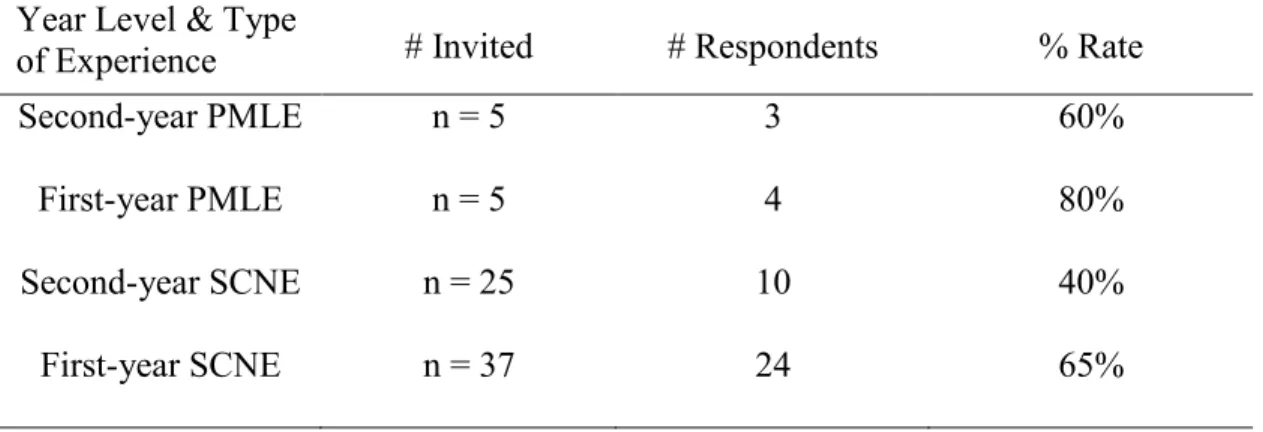
Table 1: Survey Distribution and Return Data ...40
Table 2: Participation Numbers per Student Year Level and Clinical Experience ...41
Table 3: Second-year PMLE Individual Item Mean Scores and Overall Mean Score ...42
Table 4: First-year PMLE Individual Item Mean Scores and Overall Mean Score...44
Table 5: First- and Second-year PMLE Aggregate Mean Scores and Overall Mean Score ...46
Table 6: Second-year SCNE Individual Item Mean Scores and Overall Mean Score ...48
Table 7: First-year SCNE Individual Item Mean Scores and Overall Mean Score ...50
Table 8: First- and Second-year SCNE Aggregate Mean Scores and Overall Mean Score ...52
CHAPTER I Introduction
Nursing students have expressed one aspect of the nursing program that causes the most apprehension is the clinical experience (Sharif & Masoumi, 2005). Clinical experience involves nursing students taking academically learned knowledge from the classroom and putting it into practice within a health care setting. One strategy utilized to aid nursing students in the clinical experience has been peer mentoring, also called peer mentored learning. Peer mentored learning can be strategically planned, but often times it happens spontaneously (Henning, Weidner, & Marty, 2008). A study conducted during a nursing clinical experience found that nursing students reported feeling less anxious and were able to increase interactions and collaboration more when taught by peers (Iwasiw & Goldenberg, 1993). Whitman and Fife (1988) found another benefit to peer mentored learning was the mentor’s knowledge was reinforced through the process of teaching to a peer. A third benefit to peer mentored learning was relief from faculty burden (Zentz, Kurtz, & Alverson, 2014; Peer, 2015).
Significance
The National League for Nursing’s (NLN) Annual Survey of Schools of Nursing Academic Year 2011-2012 indicated nursing programs continue to be impeded by the shortage of nursing faculty, and this continues to compound the shortage of nurses. In the fall of 2012, associate degree nursing (ADN) programs rejected 45% of qualified applications (NLN, 2013). While the nursing faculty shortage remains burdensome, the nursing program instructors are expected to provide clinical experiences to enhance learners’ education by bringing health concepts and professional roles out of the
classroom and into the clinical environment. Ammon and Schroll (1988) found peer assisted learning (PAL) reduces the workload on clinical instructors, and improves the overall clinical experience for students.
Problem Statement
The problem remains that there is little research on the outcomes of peer mentoring, specifically in ADN programs. Many authors have presented studies of the implementation of peer mentoring in undergraduate or graduate degree nursing programs (Aston & Molassiotis, 2003; Isaacson & Stacy, 2004; Peer, 2015; Li, Wang, Lin, & Lee, 2011; Zentz et al., 2014; Sims-Giddens, Helton, & Hope, 2010; Rapaport, 2014;
Christiansen & Bell, 2010; Jacobs, Atack, Ng, Haghiri-Vjeh, & Dell’Elce, 2015; Joseph, 2009; Riley & Fearing, 2009; Roberts, Vignato, Moore, & Madden, 2009; Joubert & de Villers, 2015; Iwasiw, Goldenberg & Andrusyszyn, 2009; Sprengel & Job, 2004). These studies include the implementation of peer mentoring as resources to enhance the
learning experience of both the mentor and mentee, but none of them focus on peer mentoring of ADN students.
Purpose
The purpose of this study was to compare students’ perceptions of the peer mentoring leadership experience (PMLE) and the student charge nurse experience (SCNE). Findings from this Outcomes of Peer Mentoring Study could assist nurse educators in ADN programs to determine whether to include PMLE and/or SCNE as part of the curriculum.
Theoretical or Conceptual Framework
The framework for this study was based on Kirkham and Ringelstein’s (2008) conceptual framework of the student peer assisted mentoring (SPAM) model. The researchers used the SPAM model as an approach for supplemental instruction with students involved as the peer mentors.The SPAM model’s main objectives were to increase student performance and to increase retention rates. The objectives were accomplished through developing a feeling of community through participation in networking leading to the creation of study groups; providing a non-intimidating
atmosphere which was advantageous to learning; providing study and erudition strategies that could be utilized in other areas of learning; and avoiding the formation of a remedial program that might produce negative implications.
Requirements for Mentoring
The student mentors were chosen based on the individuals’ proficiency in several areas. Requirements for student mentors included being able to demonstrate an
understanding of the academic course content and being able to communicate problem-solving skills. The student mentors were also chosen based on having a commitment to the concept of mentoring, a positive academic standing, strong relational abilities, strong computer knowledge, ability to teach knowledge, patience and reverence for the
educational needs of another person, willingness to promote the development of another person’s educational advancement, being an active member of the mentoring network team, and having effective communication skills (Kirkham & Ringelstein, 2008).
Benefits
The SPAM program was beneficial not only to the student mentee, but also to the student mentor. For the student mentee, the program was focused on the individual’s learning needs and encouraged active problem solving. A benefit for the mentor included reinforcement of nursing education through teaching peers strategies for problem solving. Mentors also learned to develop skills for communicating, leadership, and
multi-disciplinary team relationship building (Kirkham & Ringelstein, 2008).
Principles
SPAM’s program had four main principles that were helpful in determining the success. These principles were described as the four ‘Cs’ because they included commitment, clarity of purpose, communication, and confidentiality. The first ‘C’, commitment, referred to the student mentor being willing to take on the role of assisting another student so that the academic leader who has time constraints involved with aspects of the program could be less burdened. The second ‘C’, clarity of purpose, referred to making sure the outcomes were identified so the objectives could be well developed and evaluated. The third ‘C’, communication, referred to the information being provided for both the mentor and mentee about what to expect throughout the program’s process. The fourth ‘C’, confidentiality, referred to a clear understanding of the importance to safeguard the mentor-mentee relationship (Kirkham & Ringelstein, 2008).
Objectives
Objectives gave structure to the SPAM program. In order to develop the
needs of the individual student prior to beginning the student peer assisted mentoring program. The objectives werecreated with three specific goals in mind: (1) Direction to provide guidance of where learning was to be directed and to develop a clear
understanding of what the mentee wanted to achieve, (2) Motivation to provide both student mentor and student mentee with goals to aim at accomplishing, and (3)
Reinforcement was accomplished during development of feelings of success. In order to determine that the SPAM program was proceeding appropriately in order that it allowed for objectives to be met there were feedback and evaluation processes in place throughout the semester. The feedback and evaluations were required to be completed by both the mentor and mentees (Kirkham & Ringelstein, 2008).
Measurement of Success
Success of the SPAM program was demonstrated with the mentee passing the course while developing deep learning and problem solving skills all the while increasing self-confidence. The peer mentor’s success was demonstrated by the recognition they gained by being an active participant, developing deep learning skills, and expanding on their skills of communication, leadership and relational abilities. The SPAM program was created to increase student performance and indirectly to have a positive influence on student retention by increasing motivation (Kirkham & Ringelstein, 2008).
Utilization of Concepts
The key concepts from the SPAM model that were relevant to the Outcomes of Peer Mentoring Study included the utilization of peer mentoring to increase the first-year student mentee’s deep learning of being a client advocate, educator and caregiver;
self-confidence. Key concepts from the SPAM model that peer mentoring benefited the second-year student mentor includedreinforcement of nursing education through teaching peers strategies for problem solvingdefined as prioritizing client care and time management. They also learned to develop skills for communicating, leadership, and multi-disciplinary team relationship building. Key concepts of the peer mentoring are outlined through a Conceptual-Theoretical-Empirical (CTE) structure in Figure 1.
Figure 1: Key Concepts for Peer Mentoring. CTE diagram of Kirkham & Ringelsteins’ SPAM model key concepts related to peer mentoring.
2nd-year Mentor 2nd-year Mentor
•Determined how to explain stategies for problem-solving •Developed skills for
communicating, leadership, & multi-discplinary team relationship building sd ad s sd ad s 1st-year Mentee 1st-year Mentee •Developed deep learning & problem solving skills •Increased
Research Questions
What advantages did the participating students report concerning the PMLE?
What advantages did the participating students report concerning the SCNE?
What disadvantages did the participating students report concerning the PMLE?
What disadvantages did the participating students report concerning the SCNE?
What suggestions did the participating students report for a possible future student PMLE?
What suggestions did the participating students report for future SCNE?
What are the students’ perceptions of the outcomes of a peer mentoring leadership experience compared to a student charge nurse experience?
Definition of Terms
Throughout this thesis, specific terms were used in describing Kirkham and Ringelstein’s (2008) conceptual framework of the SPAM model. The key concepts from the SPAM model that were relevant to the peer mentoring pilot study included the utilization of peer mentoring to increase student performance and was a supplemental instruction strategy with students actively involved as the mentors. Additional terms utilized in this thesis to describe important aspects of this study are health care setting and student charge nurse.
Peer mentor The noun ‘peer’ was stated as “one of the same rank, quality, endowments, character, etc.; an equal; a match; a mate” ("Peer," n.d.).
“Mentoring is just-in-time help, insight into issues, and the sharing of expertise, values, skills, and perspectives” (Educause, 2016). The terms mentor and mentee were also utilized throughout this thesis. Mentee was defined as “one who is
being mentored” ("Mentee," n.d.). Mentor was defined as “someone who teaches or gives help and advice to a less experienced and often younger person”
("Mentor," n.d.).
Performance The word “performance” was derived from the Late Middle
English-Middle French parfourmaunce ("Performance," 2016). Performance was defined as “the act of performing; of doing something successfully; using
knowledge as distinguished from merely possessing it” ("Performance," 2016).
Supplemental The word “supplemental” was derived from “supplement” which
was from the 1350-1400; Middle English and Latin supplēmentum, which meant, “that by which anything is made full” ("Supplement," 2015). “Supplemental” is defined as “added to something else to make it complete” ("Supplemental," 2016).
Strategy The word “strategy” derived from the Greek word stratçgos; which derived from two words “stratos” which meant army and the word “ago” which was ancient Greek for leading, guiding, or moving. Strategy was the means by which outcomes were deliberatelyand methodically pursued and obtained over time. (El-Kadi, n.d.). The SPAM model was a strategy put into place specifically as a supplemental instruction to increase student performance. The SPAM model was beneficial not only to the student mentee, but also to the student mentor. Mentors’ benefits included reinforcement of learning through teaching mentees strategies for problem solving. Mentors also learned to develop skills for communicating, leadership, and multi-disciplinary team relationship building. SPAM worked on two distinct levels, one for the student mentees and the other
for the student mentors. For the student mentees, success was translated into (a) achieved passing grade (or better); (b) developed deep learning and problem solving skills; and (c) increased levels of confidence and motivation. The peer mentor’s success was demonstrated by the recognition they gained by being an active participant, by the development of deep learning skills, and by expansion on their skills as a communicator, leader and interpersonal skills.
Health care setting Another specific term utilized throughout this thesis included “health care setting”. René Dubos stated, “Health is primarily a measure of each person's ability to do and become what he wants to become” (as cited in The Free Dictionary, 2016). Care referred to “the services rendered by members of health professions for the benefit of a patient” ("Care," 2016). Setting was defined as the place and conditions in which something happens or exists ("Setting," n.d.).
Student charge nurse The last term utilized throughout this thesis was “student charge nurse”. Student was defined as “a person who studies something”
("Student," n.d.). Strategies for Nurse Managers (2016) described the skills the charge nurse must possess included being technically proficient, knowing other staff and looking out for their welfare, being proficient in communication toward staff, ensuring staff understand tasks and accomplish them while being
supervised. The charge nurse also must make sound and time conscious decisions, be a good role model and help the nursing staff develop a sense of responsibility (Strategies for Nurse Managers, 2016).
Conducting this pilot study on the outcomes of peer mentoring at an ADN program was focused on utilization of key concepts from Kirkham and Ringelstein’s (2008) conceptual framework of the SPAM model to identify students’ perceptions of a PMLE in comparison to students’ perceptions of a SCNE. Findings from this study could assist nurse educators in ADN programs to determine whether to include PMLE and/or SCNE as part of the future curriculum, modify or discontinue the experience(s).
CHAPTER II Research Based Evidence
Literature Related to Statement of Purpose
The requirements of nursing programs have been described as stressful by students. The clinical aspect of the nursing program is no exception to this anxiety-producing time in nursing students’ education. Studies have shown that peer mentoring has been one strategy to benefit both mentors and mentees. Studies have also shown student charge nurse experiences to be beneficial, while providing opportunities to apply leadership and management theory in the clinical health care setting.
A systematic literature review of health-related electronic databases was conducted including Cumulative Index for Nursing and Allied Health Literature (CINAHL) Plus, ProQuest, ProQuest Educational Journals, ProQuest Dissertations & Theses, and Science Direct College Edition-Health & Life Sciences Collection to obtain articles. Peer mentoring had similar terminology used by other authors such as peer assisted learning (Zentz et al., 2014), peer coaching (Peer, 2015), peer tutoring (Joseph, 2009) or peer teaching (Secomb, 2008). Single words, phrases or a combination of the key words ‘peer assisted learning’, ‘peer learning’, ‘peer mentoring’, ‘peer coaching’, ‘clinical’, ‘clinical setting’, ‘clinical teaching’, ‘nursing students’, ‘student nurse clinical experience’, ‘student charge nurse’, and ‘nursing student leadership’ were utilized to search the literature. Inclusion criteria required the articles to be published between 2004-2016 in full-text English and from peer-reviewed articles. Twenty-four peer reviewed journal articles were retrieved from the literature review. Twelve articles were selected for the purposeof this study. Seven articles related to peer mentoring strategy,
yet there was no specific literature on PMLEs for ADN programs. Two articles related to SCNEs for undergraduate nursing degree programs. One article related to a clinical experience that included peer mentoring and student charge nurse leadership. Two systematic review journal articles were also utilized. Review of written nursing instructional textbook indexes was conducted searching for sections related to this study’s defined research terminology and two were used for the purpose of this literature review.
Peer Mentoring
Li et al. (2011) explored the advantages of peer mentoring strategy on reducing students’ stress level by having mentors guide peer students at the same grade level during medical/surgical clinical practice. This quasi-experimental study was conducted in southern Taiwan at a university’s undergraduate program and involved 66 junior level nursing students, with 34 of those students in the experimental group (17 mentors and 17 mentees), and 32 students in the control group that were all enrolled in the same
medical/surgical nursing class. The mentors each held a junior nursing college degree and a registered nurse (RN) license with prior clinical experience. The purpose of the study was to have mentors guide peer students at the same grade level during
medical/surgical clinical practice to explore the advantages of the peer mentoring strategy on reducing the students’ stress level. Two clinical teachers involved as participants were individually assigned to a clinical group of eight to ten students. The clinical course was three days per week for four weeks. In the experimental group, the mentors and mentees were allowed to pair themselves during the first week of clinical orientation. The
one patient each. Mentor and mentee had to learn each other’s patients through discussions about care issues and sharing their experiences. The mentors could assist mentees in basic skills and nursing skills such as tube or mouth care. There were further objectives required such as having conversations at least once a week during the clinical rotationand then communicating with each other after rotation via telephone or e-mail. Researchers met with the mentors and mentees once a week also. The Perceived Stress Scale (PSS) for nursing students in clinical practice was used to collect data at, before, and after clinical practice. The PSS included 29 items, six scales, ranked on a 6-point rating scale for stress levels. Mentors and mentees alike provided advantages and disadvantages as part of the feedback. Advantages mentioned by mentees included feeling supported with an increased sense of security when working with a mentor. Mentors also expressed advantages of the experience such as while observing mentees the mentors themselves learned foundational nursing techniques. Disadvantages expressed included from a mentor that the mentee displayed a lack of initiative and motivation to problem solve. Results from the study showed there were no significant differences in the stress scores between the experimental and control group. Limitations mentioned in this study included not having enough students with prior clinical practice experience (each class had five to ten students with the experience) and having students from only one nursing school restricted the sample size. Cross-school collaboration is suggested for further studies. Another limitation mentioned was the personal
characteristics such as motivation, self-confidence, enthusiasm, and openness may have been possessed by all the students and could have skewed the results. A suggestion in the conclusion is to have a clinical instructor with experience to support and encourage
mentor and mentee students. Review of this study showed use of peer mentoring by the same year level of students in an undergraduate degree nursing program and revealed no significant difference in anxiety between the control and experimental groups.
Zentz et al. (2014) evaluated the effectiveness of peer assisted learning (PAL) in the clinical health care setting and determined students’ perceptions of fulfilling the roles of professional nurse and perceived effect related to anxiety. Over a two-year time frame, 342 students participated in a PAL model at a private university. Senior Bachelor of Science in Nursing (BSN) students were paired to assist sophomore BSN students during their fundamentals clinical experience. During this mixed-method study that was conducted during several semesters over a two-year period, all senior students registered in the capstone course and all sophomore students involved in the clinical portion of the fundamentals course were invited to participate. The mentoring experience included the senior mentors assisting for two sessions: one being in the virtual nursing learning center and one being in the clinical health care setting. The virtual nursing learning center session consisted of two senior mentors assisting a group of approximately 25 sophomore mentees. During the clinical health care setting, one to two senior mentors were assigned to each clinical group, which contained eight to 10 sophomore mentees. The senior mentoring objectives included for them to journal about their experience. They were also to help sophomore students with physical assessments, hygiene care, and procedures plus attend pre- and post-conferences. The survey conducted included items rated using a 5-point Likert-type scale, and items requiring an open-ended response. Quantitative data was analyzed using Statistical Package for Social Sciences (SPSS)software version 18 while experts in the field of nursing education reviewed qualitative data. Advantages
provided by the majority of sophomore mentees were a reduction in anxiety (79.6%), increased self-confidence (78.1%), and increased learning (74.2%). Additional feedback from the sophomore mentees included their perceptions that senior mentors demonstrated the professional roles of caregiver (82%), teacher (79.1%) lifelong learner (68.4%), manager (56.8%), and research consumer (48.5%). Advantages provided by the senior mentors included the PAL experience allowed them to demonstrate their professional roles of teacher (94.8%), lifelong learner (86%), caregiver (85.3%), manager (69.1%), and research consumer (46.3%). Sophomore student mentees (80%) perceived that senior student mentors were given an opportunity to act as caregivers and teachers
through the PAL experience. The student senior mentors (95%) perceived that during the PAL experience they were demonstrating teaching role, which reinforced their own knowledge. The study supported PAL as an operative teaching strategy for learning nursing skills and applying the roles of the professional nurse. Weakness of preparation of the students and faculty for the PAL program was pointed out through the sophomore and senior students’ reflection comments. Recommendations from the researchers of this study included examination of diversity and learning styles on the PAL model. They also suggested examination of faculty perception of PAL as to whether the model achieved learning objectives and relieved faculty burden. Research was focused on peer mentoring in an undergraduate degree nursing program with a lack of attention on ADN programs.
Sims-Giddens et al. (2010) assessed the outcomes from a pilot project that included using student peer mentoring as one strategy to provide a network of support to students placed in community-based agencies to work with vulnerable populations. This was a 16-week student-to-student peer mentoring teaching project with nursing students
from three different levels of education participating. The first level involved a Master of Science in Nursing (MSN) student that worked in collaboration with the second level of student, which included Registered Nurse-to-Bachelor of Science in Nursing (RN-to-BSN) students in a grant-funded community-based agency. This agency was staffed with social workers and counselors, but not RNs due to a lack of funds. The agency had a long-standing collaboration with the department of nursing to provide nursing needs for the agency, for example home visits to supply health education and assessments of the family members. There were no policies and procedures in place for the nurses providing these services in the agency, but nursing faculty were serving as clinical supervisors for those students. The graduate student in the MSN nurse educator program was hired by the university (via an internal grant) to serve as facilitator for the peer mentoring group and as liaison between the community-based clinical agency and the nursing faculty. The MSN student’s objectives included to increase knowledge about mentoring and to gain insight into the mentoring method. There were two RN-to-BSN students completing their capstone leadership/management course involved in this project. These two RN-to-BSN students designed and implemented organizational policies and procedures for nursing care of clients served by the community agency. There were two additional RN-to-BSN students completing their community health course involved in this project. These two RN-to-BSN students were tasked with performing community assessments for an at-risk population and their health care needs. They also made home visits that
included implementing health care interventions, teaching, and making referrals to other health care providers when deemed appropriate. Advantages and disadvantages of this model were discussed based on feedback from student journals, reflective comments, and
pre- and post-test evaluations. Quantitative and qualitative methods were used to evaluate the project. A peer mentoring evaluation tool was developed by a researcher and administered as pre- and post-project experience. The evaluation tool contained 26 statements, with a Likert scale format, related to mentoring and mentoring experiences. In addition, the course instructors conducted qualitative interviews of the group post experience. The interview notes were recorded by the researchers and examined for similar themes. The graduate student provided feedback through a reflective journal with the major take-away being that mentoring was mutually supportive, mutually educational, and provided a nurturing relationship that included respect, role modeling, commitment, collegiality, and encouragement. The outcomes were positive for this peer mentoring project and led the faculty to expand the project to include an additional agency servicing the high-risk homeless population and lacking a nursing presence. They have expanded the level of students involved in the project to include fourth-year baccalaureate students in addition to the RN-to-BSN and master’s students. Suggestions for future examinations were to evaluate the student-to-student peer-mentoring process with a study including the difference between self-selected and hand-selected assigned mentoring groups. A
longitudinal study for examining the outcomes of peer-mentoring relationships on students’ professional nursing careers was also suggested. They also suggested a refinement of tools for the effective measurement of mentoring outcomes. This study was focused on a variety of student degree levels, but did not include ADN level students.
Rapaport (2014) evaluated the outcomes from peer mentoring in a nursing program that consisted of licensed practical nursing (PN1) students and RN students at a
community college. The faculty randomly paired first semester PN1 students with RN students. The pairs met for the first time at a social event hosted with the objective to allow time for interaction and becoming familiar with one another prior to clinical or lab experiences. The RN student mentors had objectives to meet for leadership skills classes such as having designated time with the mentee in fundamentals skills lab, gerontology clinical, and also one-on-one meetings periodically throughout the semester.
Confidential surveys were given to both the mentors and mentees to evaluate the peer mentoring experience. There were both advantages and disadvantages provided as feedback. An advantage mentioned by 70% (17 of 24) of the RN student mentors was the benefit from working with a novice student and over 80% (20 of 24) stated they would probably utilize their mentoring experiences in future career experiences. ‘Time and scheduling’ was the biggest issue listed as a disadvantage. Suggested modifications to the peer mentoring program included using social media tools to increase student engagement and interactions along with development of biweekly mentoring gatherings to support collaboration and open dialogue. This study’s peer mentoring focused on randomly paired PN1 students with RN students, but did not research ADN peer mentoring.
Christiansen and Bell (2010) examined the outcomes of a peer learning initiative created to facilitate mutually supportive learning relationships between undergraduate student nurses in the practice setting. In this interpretive qualitative designed study conducted in the United Kingdom, focus group interviews were utilized to collect interactive and situated discourse from nursing students who had recently participated in peer learning partnerships (n=54) within the past six months. Data was collected over an
18-month time frame. The participants were assigned to a focus group of between nine to 16 participants and were facilitated to focus on their experience of acting as a senior mentor or junior mentee. Findings suggested active support from peer senior student mentors reduced the feelings of social isolation for the novice junior student mentees involved with first time clinical rotation experiences. The results also indicated the experience with peer mentors assisted the mentees to cope more effectively with the challenges faced and reduced the factors that have an impact on attrition. This study pointed out some limitations as being the fact that the participants had self-selected for participation in the peer learning partnership initiative and were invested in the
experience. Additional limitations of this study included a lack of seeking the
perceptions of the mentors and mentees. This study focused on undergraduate degree nursing students that were self-selected for participation, but not ADN nursing students.
Joubert and de Villers (2015) conducted a qualitative descriptive design study using the nominal-group technique for data collection with a facilitator and 67 members interested in or involved with a specific section of the problem being examined. The mentoring program was conducted for a year, involved 12 undergraduate post-basic critical care mentors along with 55 third-year undergraduate nursing students in the critical care clinical setting. The final participants included in the research study were five (5 of 12) mentors and fourteen (14 of 55) mentees that were placed in separate nominal groups, but participants could choose an Afrikaans or English group. Participants were given time to contemplate and transcribe their responses as the
facilitator asked the questions which included transcribing the participants’ experience of the mentoring program along with how it could be improved. Using MindManager
Software from Mindjet, a consensus method to obtain feedback from the participants was obtained regarding the learning experiences. The five categories the mentors expressed as important were allocation, correlation and application of theory in practice, mentee attitude, learning experience, and reassurance and trust. The five categories the mentees expressed as important were availability, knowledge and competency, mentor attitude, mentor support, along with theory and practice integration. Findings included that mentors, mentees, critical care nursing staff, and managers should be prepared and oriented to the mentoring program. Other feedback gleaned included mentees requesting the ratio of mentors to mentees be changed to two mentors per mentee, yet mentors had suggested one mentor to three mentees per month per critical care unit. Mentees also requested a change for full-time mentoring for a week. In addition, both the groups of mentors and mentees provided feedback that they benefited from the mentoring program. Limitations were related to the number of topics and problems that could be included in the feedback session; the restricted opportunity for participants to contemplate the problems; and the absence of anonymity. Historically, research has focused on peer mentoring involving undergraduate or graduate degree nursing programs with either randomly selected or self-selected participants.
Another study focused on peer mentoring was Roberts et al. (2009) examination of the perceived results reported by nursing students after review of skills and practice in a simulation laboratory with peer mentors. Freshman nursing student mentees were mentored by senior nursing student mentors in four-hour “Skills-a-Thon” sessions conducted in the simulation laboratory at an ADN nursing program at a community college in southern California the first week of return from summer or winter breaks.
The purpose was to facilitate skill-building reacquisition and to boost confidence in mentees while assessing and improving the skills of mentors over three sessions. The mentees had learned the skills in the first semester during the beginning four weeks of school and were able to apply this training to actual patients in a health care setting during the following 12 weeks. Prior to beginning the “Skills-a-Thon”, seniors were instructed on mentoring and skill competencies with review from a course textbook that utilized evidence-based practice criteria. Skill examples included in the “Skills-a-Thon” were indwelling catheterization, nasogastric tube insertion and feedings, injectable medications, physical assessments, and sterile dressing changes. After the first two sessions of the “Skills-a-Thon”, faculty designed the third simulation differently for inclusion of more difficult skills to recall. Mock health care setting stations were
prepared with hospital beds, Manikins for patients, supplies, and physician order sheets. Since this was not a testing of skills format the mentees were accustomed to, they were allowed to refer to textbooks for procedure clarifications. Each station had one faculty member as a facilitator and one of ten senior mentors while allowing a maximum of 20 mentees to rotate through with allowance of 20 minutes per station. The skills mock sessions took an estimated three of the four allotted hours. Mentors assisted the mentees to work through the procedures and to use critical concepts while being checked off on the skills. The mentees and mentors completed an evaluation at the end of the mock skills session that included focus on available time, helpfulness of seniors, and conduciveness of the environment to learning. Positive feedback from participants included improved performance and increased confidence with the hands-on application provided in a non-threatening environment. Senior mentors’ feedback for improvement
included a more in-depth training prior to mentoring. Negative feedback included environmental issues, specifically the noise level and crowded space. Peer mentoring was shown as helpful in the simulation setting. Further investigation into the effects of peer mentoring in both the clinical health care setting and simulation setting would help nurse educators to determine direction of modifications needed to the curriculum.
Sprengel and Job (2004) conducted a study with the purpose of examining the perceived effects of peer mentoring on stress in an undergraduate degree nursing
program. Thirty sophomore mentors were paired with 30 freshmen mentees in their first clinical course and all were oriented to their respective roles and responsibilities for working together in the clinical health care setting. Prior to the first clinical experience, the mentees were administered the Kleehammer, Hart, and Keck Clinical Experience Assessment which included 16 items, eight of which were related to anxiety. After the clinical experience, both mentors and mentees completed an evaluation that the
researcher prepared. Positive feedback was gleaned from both groups. In particular, the mentees’ positive feedback included feeling at ease and the mentors’ feedback included having gained self-confidence.
Iwasiw et al. (2009) referred to peer teaching briefly as a contemporary teaching-learning strategy. The authors stated that group size should be small and that the cost was low for this teaching strategy. Instructor preparation time was medium with a learning curve of moderate for students. Learning curve referred to the rate that learning should occur to reach the desired outcome. Learner engagement was defined as the extent to which students are required to participate in the learning process for a particular teaching strategy. The learner engagement was considered active with a learning curve
of steep. A steep learning curve was described as possibly needing a different teaching strategy to be considered under certain circumstances. The intent of peer teaching was described to help students develop understanding. Peer teaching has been just one strategy for helping students during their education.
Student Charge Nurse
Isaacson and Stacy (2004) conducted a study examining management curriculum with junior and senior undergraduate nursing students involved in a medical/surgical clinical rotation. The seniors’ curriculum included a 90-hour management-focused clinical course. The senior nursing students performed expanded charge nurse duties and responsibilities while during the same clinical experience the junior baccalaureate
students functioned as the medical/surgical floor staff. The senior nursing students were overseeing the junior nursing students with a ratio of one to four. Clinical instructors functioned in a supervisory role with faculty-to-student ratio being one to 10. The senior nursing students’ duties included creating an orientation plan and patient assignments for the junior nursing students. The seniors would create the client assignments by following instructions to keep the junior students’ individual specific clinical needs and abilities in mind, reviewing client charts, having discussions with the nursing staff and the instructor, and including multiple medication, procedures and co-morbidities. The juniors were instructed to pose any questions regarding client assignments directly to the senior nursing students. During the medical/surgical clinical rotations, Benner’s concepts of novice to advanced beginner were utilized. The junior nursing students were novice as they were exposed to nurse management theory and practice when the seniors mentored them. Once these same juniors become seniors, and thus advanced beginners, they could
apply management theory as they themselves performed the senior expanded charge nurse role. The seniors were required to participate in an extensive project that the hospital’s department of continuous quality improvement could utilize. Another part of the curriculum included the seniors being assessed on their ability to evaluate the junior nursing students’ clinical performance. Requirements included weekly write-ups related to the management process, the clinical experience with case studies on particular clients, observations about nursing staff and students during clinical with problem-solving
critique along with constructive feedback, and evidence-based research and management journals to support management concepts. As part of the curriculum, the seniors were responsible for determining nursing staff education needs and creating in-service
education. They presented this education to the nursing staff with junior nursing students in the audience, too. The seniors also were required to present evidence-based clinical research to the juniors. A benefit to this curriculum noted by the faculty was that
students learned various leadership styles. Those students who became most proficient in the role of manager learned that assessing situations, learning staffs’ individual abilities and their own leadership skills were instrumental in their leadership success. Other benefits to this clinical experience included junior/senior collaboration prepared the junior students to communicate with the instructor without feeling as intimidated. Seniors expressed benefits such as more confidence, increased self-esteem, improved time management, and reciprocal relationship development with medical/surgical staff along with clinical instructors. Instructors voiced being able to provide more time to assist juniors with educational dispensation, and stated benefits were basically non-existent. Due to the requirement of supervising two levels of students, there was a
suggestion to not place new faculty in this clinical role. This study revealed the use of another teaching strategy that focused on undergraduate degree nursing programs.
Gore, Johnson and Wang (2015) conducted a comparison study of senior level BSN nursing students’ perceptions of learned nursing leadership in a simulation setting versus traditional acute-care inpatient clinical setting. A descriptive, correlational study was conducted using a convenience sample of nursing students in leadership classes over three semesters. The participants included fifth clinical semester BSN students at a southeastern university who were in a leadership instructional and clinical course. All nursing students enrolled in the course were required to participate in both the leadership simulation setting and traditional clinical experiences held in a medical/surgical health care setting. The order in which the students participated in either setting was randomly selected. All the students that consented to participate in the study completed Leighton’s (2015) Clinical Learning Environments Comparison Survey (CLECS) that examined students’ perceived learning effectiveness at the end of each clinical course and the completion of curriculum for each group for simulation as clinical time. The CLECS is a 29-item self-report survey that utilized a Likert scale of 1-4 and a not applicable choice. Data analysis was completed using SPSS version 22.0 to determine students’ perceptions of how well their learning needs were met in both settings. There was no statistically significant difference between demographics of gender and age amongst the groups of participants. The findings of this study were linked to the objectives for delegation, prioritization, time management, and conflict resolution. There was not a significant statistical difference in the overall scores between settings. However, there was a
were noted as being necessary for students to participate to have the students’ learning needs met. Limitations recognized for this study included a need for multiple sites with more diversity and a larger sample size. Potential for bias amongst participants’
responses could have been related to the order in which the students participated in the simulation setting and clinical setting. Furthermore, research was suggested to
objectively measure both clinical settings. Participants were seniors from an
undergraduate degree nursing program and randomly selected to groups. Research on utilization of simulation and clinical settings focusing on perceived learning about time management and prioritization in ADN programs was not part of this study.
Kling (2010) examined the results of a senior-sophomore student curriculum that included a clinical component with dual strategies as part of the leadership and
management course in a BSN program. Three hours of classroom and six hours of clinical per week were required. The project experience involved 20% of the senior students’ clinical hours, with participants completing the remaining clinical hours with a preceptor nurse manager in a health care setting. The project experience involved senior students in the role of charge nurse and nurse educator, directing client care for
hospitalized clients and overseeing sophomore nursing students. The senior student nurses worked for two clinical days as peer mentors and leaders assisting sophomore student nurses with time management, prioritization, skill technique, task completion, and necessary documentation. Additional roles the senior student nurses performed were making client assignments for the sophomore student nurses; leading pre-and post- briefing; and guiding, instructing, correcting, and assessing sophomore students’ client care. Thirty-four of the 36 senior nursing students completed the three broad question
category evaluation surveys that included each category having four Likert-type scale statements. The three broad question categories included students’ perception of the project in general; project meeting course objectives such as delegation, problem solving, and time management; and the encouragement to demonstrate the role of nurse educator. Of the senior student nurses that participated in the survey (n = 34), a few questions were not completed. By the end of the clinical project, 91.2% of respondents (n = 34) reported the overall perception as somewhat positive or extremely positive, with 8.8% reported as being unsure about their feelings regarding the clinical experience. Regarding the question about whether the clinical project met course objectives, respondents perceived this to be true at least a little bit, with 50% rating this as very much so. Respondents perceived the experience improved their problem-solving ability at least a little bit, with 64.7% rating it as very much so. Respondents perceived their critical thinking skills improved at least a little bit (93.8%), with 71.9% rating very much so. After the clinical experience, respondents stated having at least some (85.2%) interest in the role of nurse educator, with 35.2% having extreme interest. The researcher stated the clinical
leadership project exceeded expectations. Historically, research on the perception of utilization of leadership and management theory is not focused on results from ADN programs.
Systematic Review
Secomb (2008) conducted a systematic review for providing the framework of peer mentoring and learning in the clinical setting in an undergraduate nursing program along with providing advantages and disadvantages to such an educational strategy. A review search of health science and educational databases with the inclusion of the terms
‘peer’, ‘clinical education’, and ‘undergraduate’ was conducted. Publication dates after 1980 (2005 inclusive), English language and research papers were the set limitations. Twelve articles met the inclusion criteria which were from five countries and four allied health disciplines with research revealing mostly positive feedback about peer teaching and learning (Aston & Molassiotis, 2003; Bos, 1998; Cortazzi, Jin, Wall & Brunel, 2001; Currens & Bithell, 2003; DeClute & Ladyshewsky, 1993; Erikson, 1987; Faure, Unger & Burger, 2002; Iwasiw & Goldenber, 1993; Ladyshewsky, 1995; Martin & Edwards, 1998; Schwab & Robinson, 1991; Yates, Cunningham, Moyle, & Wollin, 1997). Advantages reported included an increase of student’s confidence in the clinical setting and improvement in learning psychomotor skills and cognitive skills. A disadvantage reported included poor student learning if personalities or learning styles clashed between mentee and mentor. An additional disadvantage reported was mentees not having
individualized time with the clinical instructor. The articles hosted various forms of methodology that included quantitative studies, but the majority used descriptive and qualitative methods. Limitations discussed in many of the articles included sample and design issues.
Stone, Cooper, and Cant (2013) conducted a systematic literature review also related to peer learning in undergraduate nursing programs. Healthcare databases were strategically searched for peer-reviewed articles, with research that involved peer learning and students in BSN courses (in both clinical and theoretical settings) with the defining terms of, a variation of, or a combination of ‘student nurse’, ‘undergraduate nurse’, ‘peer learning’, ‘peer tutoring’, ‘peer mentoring’, ‘education’, and ‘opinion leaders’. Set limitations included English language and the dates of 2000-2010.
Eighteen studies with various research methodologies were included (Broscious & Saunders, 2001; Christiansen & Bell, 2010; Christiansen & Jensen, 2008; Cooke and Moyle, 2002; Daley, Menke, Kirkpatrick & Sheets, 2008; Feingold, Cobb, Givens, Arnold, Joslin & Keller, 2008; Goldsmith, Stewart, & Ferguson, 2006; Higgins, 2004; Hughes, 2004; Hughes, Romick, Sandor et al., 2003; Horne, Woodhead Morgan, Smithies, Megson & Lyte, 2007; Lin, Lu, Chung & Yang, 2010; Loke & Chow, 2007; Morris & Turnbull, 2004; Ozturk, Muslu & Dicle, 2008; Rideout, England-Oxford, Brown et al., 2002; Roberts, 2008; Siu, Spence Laschinger & Vingilis, 2005; Tiwari, Lai, So & Yuen, 2006). The number of term variations affected reliability of the study for peer learning and the various study methodologies. The articles included for review had studied first to final year undergraduate nursing students with the majority of participants being of the female gender and ranged from having 15 participants over a three-year study to 365 participants over two-years. Methodologies ranged from eight being qualitative, six quantitative, and four mixed methods. A comparison group was used by eight of the studies. Sixteen of the 18 studies resulted in positive findings for peer learning that included objectives being meet; encouragement of critical thinking and problem solving along with autonomous study; increased communication skills;
improvement of cognitive and motor skills; and mutually beneficial interactions. There was a difference noted for the interacting benefits for the mentors, which included an increase in experience of leadership, reinforcement of prior knowledge, and recognition of capabilities to be able to mentor or teach. Conclusion from the systematic review included that supervision from faculty was stressed as an absolute for academic and clinical learning. Recommendations for future research included larger sample sizes, and
more versatile curricula, courses, and settings to allow for an increase in the validity. Through review of prior research, investigators can determine what changes are needed to peer learning to advance students’ experiences and education.
Strengths and Limitations of Literature Strengths
The literature review presented strengths of the peer mentoring strategy that included a reduction in mentee’s anxiety and an increase in confidence (Zentz et al., 2014; Roberts et al., 2009; Secomb, 2008), a reduction of feeling social isolation expressed by the mentees (Christiansen & Bell, 2010), and mentors had confidence strengthened and facilitation of transition into the role of professional nurse including developing the role of manager (Zentz et al., 2014). Both mentors and mentees expressed mutual support and increased education (Li et al., 2011; Sims-Giddens, et al., 2010). Nurturing of relationships was noted as a result of peer mentoring (Sims-Giddens, et al., 2010). The literature review presented strengths of the student charge nurse strategy that included perception of more confidence, increased self-esteem, improved time
management, and reciprocal relationship development with medical/surgical staff along with instructors, and exposure to various leadership styles.
Limitations
The literature review presented limitations related to a lack of hand-selection and pairing of students for the peer mentoring experience (Li et al., 2011; Rapaport, 2014; Christiansen & Bell, 2010), an examination of diversity and learning styles on PAL along with faculty perception of PAL as to whether the model achieved learning objectives and relieving faculty burden (Zentz et al., 2014), evaluation of student-to-student
peer-mentoring process with inclusion of the difference between self-selection and hand-selected assigned mentoring groups (Sims-Giddens et al., 2010), and a lack of seeking the participants’ perceptions related to the peer mentoring experience (Christiansen & Bell, 2010). Other limitations included not having enough students with clinical practice experience (Li et al., 2011) and lack of study on the outcomes of ADN programs
implementing peer-mentoring strategies (Li et al., 2011; Zentz et al., 2014; Sims-Giddens et al., 2010; Rapaport, 2014; Christiansen & Bell, 2010). The limitations the literature review presented of the student charge nurse strategy included the need for multiple sites for health care settings along with a more diverse and larger sample size. Gore et al. (2015) suggested further research was needed for objective measurement in both simulation and clinical settings.
Summary
Peer mentoring and student charge nurse experience strategies have been presented in the literature review. Seven articles have presented studies conducted on peer mentoring experiences and two articles on student charge nurse experiences with summarization of strengths and weaknesses. One article presented a study for both strategies; two articles were systematic reviews, and two were written textbook reviews. Further research ideas were suggested such as hand-selection and pairing of participants in peer mentoring, examining diversity and learning styles on PAL, examining sample size and design issues, examining faculty perception of PAL in regards to achievement of objectives, assessment of faculty perception of PAL in relieving faculty burden and examination of participants’ perceptions of peer mentoring experience. Further research into peer mentoring and student charge nurse experiences could assist nurse educators
particularly in ADN programs to produce more advantageous outcomes.
CHAPTER III Methodology
Nursing students have expressed that both the academic and clinical aspects of the nursing program are mentally strenuous and anxiety producing. Literature has shown peer-assisted learning (PAL) to be perceived as beneficial to mentors and mentees alike. Literature has also shown student charge nurse experiences to be a beneficial strategy for clinical education. The purpose of this study is to examine the post-clinical experience perceptions of participants in an ADN program following a peer mentoring leadership experience (PMLE) compared to the participants’ perceptions following a student charge nurse experience (SCNE).
Study Design
The study was a mixed-method design and compared second-year PMLE (n = 3) and first-year PMLE (n = 4) perceptions to second-year SCNE (n = 10) and first-year SCNE (n = 24) perceptions of respective clinical experiences. The quantitative data was analyzed with a descriptive analysis. Copies of the course objectives and instructions related to the PMLE and the SCNE were obtained.
Setting and Sample
A PMLE, funded by a grant, was piloted at a southeastern United States
community college’s ADN program. The participants for the PMLE were hand-selected by four nursing instructors and approved by the Dean of Nursing, Natural, and Health Sciences. The nursing instructorschose to pair second-year nursing students (n=5) that were registered in a health system concepts course with first-year nursing students (n=5) that were registered in a health illness concepts course. The second-year students were
chosen based on personalities and whether the second-year students had leadership skills. The five pairs were also chosen based on specific, individual rationales. The specific rationale for one of the pair chosen was because both were English as second language students. The second pair was specifically chosen based on gender; a male paired with a male. The third pair was specifically chosen based on one of the students having a strong clinical basis, but not as strong with academics and the one paired with this student was strong academically, but weaker clinically. The fourth pair was chosen based on the second-year student having an outgoing manner during client interactions and the first-year student having a reserved manner during client interactions. The fifth pair was chosen based on the second-year student’s academic and personal situation being comparable to the first-year student’s academic and personal situation. This fifth pair both had additional classes they took congruently outside of the ADN program and they both started the nursing program the fall of the same year they graduated high school. The peer mentoring leadership experience was carried out during medical/surgical clinical rotations. All ten of the students completed six medical/surgical clinical experiences for the PMLE. Three of the experiences were on a health care
medical/surgical unit and three were spent in the simulation laboratory at the community college. The ADN program’s purpose for the clinical rotations was to provide a mutually beneficial mentoring experience. The PMLE objectives were to provide students with an understanding of the course concepts, assessment, documentation, communication, delegation, collaboration, prioritization, and time management. These 10 participants were the ones invited to participate in the survey for the outcomes of the PMLE.
The comparison group for the Outcomes of Peer Mentoring Study was comprised of the non-PMLE remaining students in the nursing program. The comparison group invitees consisted of the remaining second-year nursing students (n=25) registered in the health system concepts course who participated in a charge nurse experience in which they spent one-on-one time for eight hours with an on-duty designated health care unit charge nurse during medical/surgical clinical rotations. These second-year student participants spent five hours in a student charge nurse role meeting course management and leadership objectives while overseeing first-year students’ patient care with clinical faculty as resources. Another portion of the comparison group to be invited to participate in the survey were the ones the second-year students oversaw during their charge nurse role, the first-year students not involved in the PMLE (n=37).
Demographics
A total of 72 students were recruited for this study, which were five second-year students and five first-year students in the PMLE along with 25 second-year students and 37 first-year students in the SCNE. The mean age of second-year students in the PMLE was 26.4 years and of the first-year students was 26.8 years. The mean age of the first- and second-year students in the PMLE was 26.6 years. The mean age of the second-year students in the SCNLE was 30.16 years and of the first-year students was 34.89 years. The mean age of the first- and second-year students in the SCNE was 32.53. Students in the PMLE included eight females and two males. All 62 students in the SCNE were females. The race of the students in the PMLE included Hispanic (n = 2), Russian (n = 1), and white (n = 7). The race of the students in the SCNE included African-American (n = 4) and white (n = 58).
Design for Data Collection
Data collection was conducted by preparing envelopes with a copy of the informed consent for participants, the appropriate confidential survey tool based on participants’ clinical experience, and a return pre-addressed stamped envelope. The data collection prepared envelope was mailed to the students with a statement included on the informed consent requesting the survey be returned within one week.
The appropriate confidential survey tool to deliver was based first on whether the participant was a mentor or a mentee, then second on whether the participant was
involved in the PMLE or the SCNE. Zentz et al. (2014) granted permission to utilize and modify the original student mentor experience survey tool. Three nursing education content experts reviewed the tool for face validity. The five mentors involved in the
PMLE received a modified confidential survey tool titled Peer Mentoring Experience Survey NUR 212: Health System Concepts, the informed consent,and a return pre-addressed stamped envelope. The five mentees involved in the PMLE received a modified confidential survey tool titled Peer Mentoring Experience Survey NURS 112: Health Illness Concepts, the informed consent, and a return pre-addressed stamped envelope. Items addressed the experience from either the mentor or mentee perspective. The 25 second-year students involved in the SCNE received a modified confidential survey tool titled Student Charge Nurse Experience Survey NURS 212: Health System Concepts,the informed consent,and a return pre-addressed stamped envelope. The 37 first-year students involved in the charge nurse experience received a modified survey titled Student Charge Nurse Experience Survey NURS 112: Health Illness Concepts,the informed consent, and a return pre-addressed stamped envelope. Items addressed the
experience from either the first or second year perspective.
Measurement Methods
The data collection tools were confidential modified surveys. The modifications included having four survey tools adapted from the two original ones. Each survey tool contained a 5-point Likert-type scale with 1= strongly disagree, 2 = disagree, 3 = neutral, 4 = agree and 5 = strongly agree as well as items requiring open-ended responses. There was one specific survey for each group of participants. The data was collected within months of the completion of all respective clinical experiences of the PMLE and SCNE.
Data Collection Procedure
The researcher conducted the data collection for the Outcomes of Peer Mentoring Study. The data collection procedure included the researcher mailing via the United States postal service the envelopes containing the informed consent and the confidential survey tool based on clinical learning experience to the applicable participant of the PMLE or the SCNE. The informed consent included a request to return the survey tool within one week.
Protection of Human Subjects
Ethical consideration included obtaining approval from the Dean of Nursing, Natural, and Health Sciences from the designated college and Institutional Review Board approval. The participants of this study were provided an informed consent form.The
participants were protected throughout the implementation of the study. Included on the informed consent was information that explained their participation in the study was voluntary and they were under no obligation to participate. The completion and return of the survey implied the participant’s consent to participate. The participants were
informed they had the right to withdraw at any time from the study and the decision would not affect their current or future relationship with the community college. Explanation on the informed consent also included information stating the study data would not include the participant’s name and their identity would not be revealed while the study was being conducted or when the study results were reported or published. The demographics of age, gender and race were obtained from the community college and were reported as aggregate data, with no individual information shared. All study data was stored in a locked area with data entered into a password-protected computer. At the completion of the study, all surveys were turned into Gardner-Webb University where they are stored in a locked area for three years and then destroyed.
Data Analysis Quantitative Data
Quantitative data was entered into International Business Machines(IBM)® SPSS software version 24for descriptive analysisto obtain mean scores as well as the
individual item scores.
Qualitative Data
The researcher reviewed qualitative data from the open-ended responses and identified common themes.
Second-year Students’ PMLE Open-ended Responses
Second-year students that responded to the PMLE open-ended response portion of the survey completed the following statements:
The most positive part of being a second-year student peer mentor was… The most difficult part of being a second-year student peer mentor was…