ABSTRACT
BROOKS, ASHLEY MEREDITH. Allelopathy in Rye (Secale cereale). (Under the direction of David A. Danehower.)
Allelopathy in Rye (Secale cereale)
by
Ashley Meredith Brooks
A thesis submitted to the Graduate Faculty of North Carolina State University
in partial fulfillment of the requirements for the Degree of
Master of Science
Crop Science
Raleigh, NC
2008
APPROVED BY:
______________________________ ______________________________ David A. Danehower J. Paul Murphy
Chair of Advisory Committee
BIOGRAPHY
Ashley Brooks was born in Pensacola Beach, FL and has lived within the southern United States her entire life. Whether imagining ways to fix the hole in the ozone layer or trying to influence other neighborhood kids to meet under the park picnic table every Saturday to study leaves, her focus has always leaned towards interest and concern for the environment. Towards the end of her undergraduate study at the University of North Carolina at
Greensboro, an anthropology course entitled ‘The Globalization of the Agro-Food Sector’ exposed her to new ways of thinking about agriculture and opened a world of interests. A few years after graduating, a rye allelopathy project was designed in the Crop Science Department at North Carolina State University which managed to encompass both of her passions: the environment and agriculture.
ACKNOWLEDGEMENTS
I thank David Danehower, Paul Murphy, Chris Reberg-Horton, Mike Burton and Jeff
Thompson for sharing their knowledge and time with me during the course of my research at NC State. I thank my father, Clark Brooks, for his support and encouragement throughout all of my educational endeavors. I thank Peter Eure and Princess Valentine for their dependable research assistance.
TABLE OF CONTENTS
PAGE
LIST OF TABLES………. v
LIST OF FIGURES……… vi
Chapter I - Allelopathy in Rye (Secale cereale) Cover Crops……… 1
Introduction……… 1
Rye Allelopathy……….. 8
Allelopathy Screening……… 19
References……….. 30
Chapter II - A Greenhouse Bioassay to Assess Variation in Rye (Secale cereale) Allelopathic Activity……….. 46
Abstract……….. 46
Introduction……… 48
Materials and Methods………... 53
Results……… 56
Discussion……….. 57
References……….. 68
Chapter III – Estimation of Genetic Parameters for Rye (Secale cereale) Allelopathy. 74 Abstract……….. 74
Introduction……… 75
Materials and Methods………... 79
Results……… 82
Discussion………... 85
References……….. 98
APPENDICES……… 105
Appendix A. Greenhouse bioassay reproducibility………... 106
Appendix B. Greenhouse bioassay ANOVA……… 114
Appendix C. Greenhouse bioassay genetic parameters………. 115
Appendix D. Petri dish bioassay ANOVA……… 119
Appenidx E. Petri dish bioassay genetic parameters………. 121
LIST OF TABLES
PAGE
A GREENHOUSE BIOASSAY TO ASSESS ALLELOPATHIC ACTIVITY IN RYE (SECALE CEREALE)
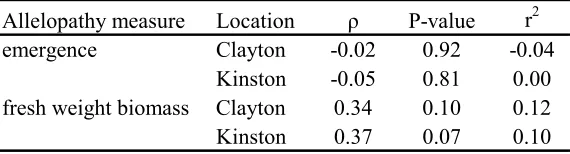
Table 1. Pearson correlation coefficient, ρ, and associated P-values, indicating the
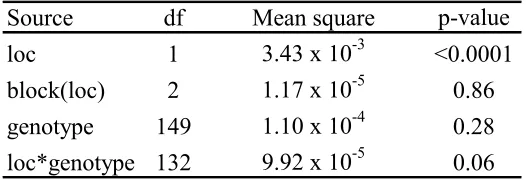
relationship between results of two greenhouse bioassays………... 60 Table 2. Analysis of variance table for the across location analysis of
redroot pigweed (Amaranthus retroflexus) fresh weight biomass………. 61
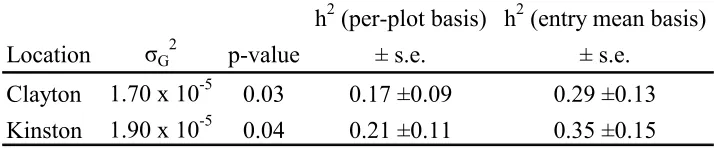
Table 3. Estimates of variance components1 and heritabilities (h2) and standard errors for rye (Secale cereale) allelopathy based upon redroot pigweed
(Amaranthus retroflexus) fresh weight biomass……… 62
Table 4. Mean and range of redroot pigweed (Amaranthus retroflexus) fresh weight
biomass. Data are presented as percent of control……… 63
ESTIMATION OF GENETIC PARAMETERS FOR ALLELOPATHY IN RYE (SECALE CEREALE)
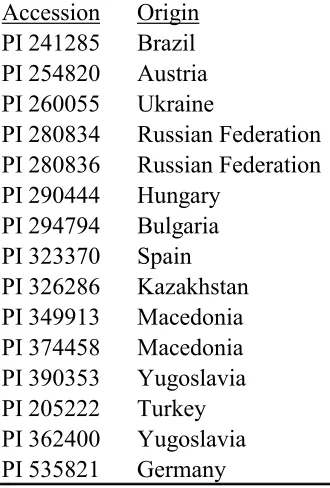
Table 1. List of highly allelopathic USDA accessions utilitized to develop the
population of rye (Secale cereale) half-sib families……….. 87
Table 2. Analysis of variance for allelopathy in rye (Secale cereale) half-sib
families grown at Kinston and Clayton , NC, in 2006. Redroot pigweed (Amaranthus retroflexus) growth parameters were utilized to assess rye
allelopathy………. 88 Table 3. Estimates of variance components1 and heritabilities (h2) and standard
errors for rye (Secale cereale) allelopathy based upon redroot pigweed
(Amaranthus retroflexus) growth parameters……… 89
Table 4. Coeffecients of variation and R2 values associated with the within location analyses of rye (Secale cereale) allelopathy. Redroot pigweed
(Amaranthus retroflexus) growth parameters were utilized to assess rye
allelopathy………. 90 Table 5. Mean and range of rye (Secale cereale) allelopathic activity against
redroot pigweed (Amaranthus retroflexus). Data are expressed as percent
of control……… 91 Table 6. Correlation and (in parentheses) p-values of redroot pigweed
(Amaranthus retroflexus) growth measures indicating rye (Secale cereale)
allelopathy……… 92
LIST OF FIGURES
PAGE LITERATURE REVIEW
Figure1. Benzoxazinoids in the Poaceae……… 29
A GREENHOUSE BIOASSAY TO ASSESS ALLELOPATHIC ACTIVITY IN RYE (SECALE CEREALE)
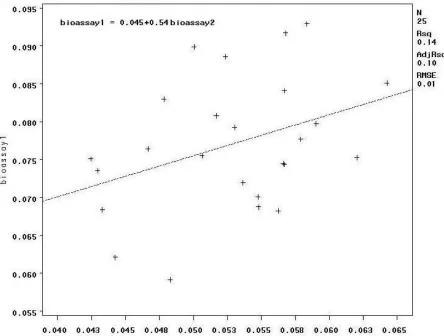
Figure 1. Correlation between the two greenhouse bioassays based on
25 genotypes grown at the Clayton location………. 64 Figure 2. Correlation between the two greenhouse bioassays based on
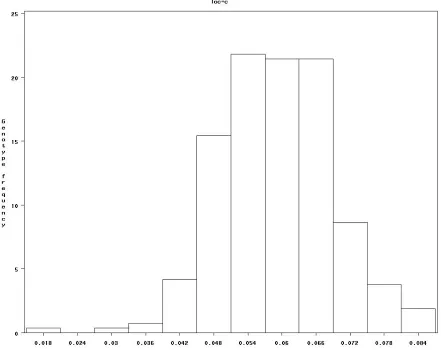
25 genotypes grown at the Kinston location………. 65 Figure 3. Frequency distribution displaying allelopathic effects of rye
(Secale cereale) half-sib families on redroot pigweed (Amaranthus retroflexus)
fresh weight biomass. The distribution represents genotypes grown at the
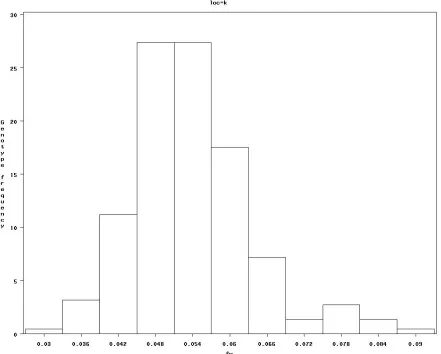
Clayton location………. 66 Figure 4. Frequency distribution displaying allelopathic effects of rye
(Secale cereale) half-sib families on redroot pigweed (Amaranthus retroflexus)
fresh weight biomass. The distribution represents genotypes grown at the
Kinston location………. 67
ESTIMATION OF GENETIC PARAMETERS FOR ALLELOPATHY IN RYE (SECALE CEREALE)
Figure 1. Frequency distribution displaying allelopathic effects of rye
(Secale cereale) half-sib families on redroot pigweed (Amaranthus retroflexus)
germination. The distribution represents genotypes grown at the Kinston
location……….. 93 Figure 2. Frequency distribution displaying allelopathic effects of rye
(Secale cereale) half-sib families on redrood pigweed (Amaranthus retroflexus)
root length. The distribution represents genotypes grown at the Kinston location.. 94 Figure 3. Frequency distribution displaying allelopathic effects of rye
(Secale cereale) half-sib families on redroot pigweed (Amaranthus retroflexus)
fresh weight biomass biomass. The distribution represents genotypes grown
at the Clayton location………... 95
vii Figure 4. Frequency distribution displaying allelopathic effects of rye
(Secale cereale) half-sib families on redroot pigweed (Amaranthus retroflexus)
fresh weight biomass. The distribution represents genotypes grown at the
Kinston location………. 96 Figure 5. Correlation between redroot pigweed (Amaranthus retroflexus)
germination and root length measured in the half-sib population of rye
Chapter I
Allelopathy in Rye (Secale cereale) Cover Crops
Introduction
Weed Control with Cover Crops
Weeds are an important threat to agriculture because they compete with crops thereby reducing yield and causing significant economic losses. The most dependable source of weed control for over 50 years has been synthetic herbicides. Some of the reasons for this are that herbicides are effective, easy to apply, relatively cheap and they reduce the need for mechanical means of weed control which enhance soil erosion (Gianessi and Reigner 2007).
Despite growth in the use of herbicides over the past 50 years, there are nevertheless, drawbacks to heavy dependence upon them. A key problem is the shift in weed population structure resulting in the increased presence of herbicide-resistant weed biotypes (LeMerle 2001; Owen and Zelaya 2005). The International Survey of Herbicide Resistant Weeds (2008) reports 318 resistant species worldwide. Proliferation of these biotypes has been amplified by the development of herbicide resistant crops such as glyphosate-resistant cotton, maize, soybean and canola (Owen and Zelaya 2005). Currently, there are nine resistant weed biotypes in North Carolina, six in South Carolina, 11 in Tennessee and nine in Virginia (International Survey of Herbicide Resistant Weeds 2008). Heap (1997) pointed out that herbicide-resistant weeds pose the greatest threat to farmers when there are few or no other alternatives to control them.
Negative impacts on human, wildlife and environmental health are additional concerns related to the heavy use of synthetic herbicides (Bertholdsson 2005). The release of Rachel Carson’s book, “Silent Spring” in the 1960s alerted the public to the potential risks
associated with herbicide use. By the 1980s public concern over their use pressured
regulatory agencies to develop more strict protocols (Carson 1962;Foley 1999; Dayan et al. 1999). The FDA reported in 1989 that 97% of the public was concerned about the use of pesticides. The Food Quality Act of 1996 requires that alternatives to synthetic herbicides be
developed and that agriculture adopt integrated management strategies for weed control (USEPA 1996).
One such alternative is the use of cover crops. Traditionally, cover crops have been used in rotation with food crops or in polycultural systems as an integrated component of small scale agriculture (Singh et al. 2003). Many plant species are used as cover crops around the world, depending upon geographical location, choice of management strategies and the needs of the cropping system. Historically, as farming shifted towards reliance on external inputs and monoculture, cover crop use declined. Agricultural scientists are beginning to re-evaluate the importance of diversity in agriculture and the potential for use of cover crops. Cover crops offer many advantages besides the ability to suppress weeds. They are known to increase the overall environmental health of agricultural systems (Lal et al. 1991). Soil moisture levels are improved due to reduced evaporation and improved soil structure, which allows more infiltration of water. Nutrient recycling is improved and, in the case of legume crops, cover crop can contribute nitrogen to the soil (Worsham 1991). Cover crop residues can reduce leaching of chemicals through soil and water (Barnes and Putnam 1983). They contribute organic matter, thereby improving soil fertility. They can reduce chemical inputs into surface and groundwater by reducing or eliminating the application of herbicides and fertilizers. This is important in areas of intensive farming where soil nutrients become depleted and in areas of the world where organic matter decomposes quickly, such as in the tropical lowlands. In addition, cover crops protect soil from wind and water erosion,
important factors in soil loss (Anderson et al. 2001).
The use of cover crops for weed control is a weed management strategy that is particularly useful in organic farming systems where synthetic herbicides cannot be used (Olofsdotter 1998; Gawronska et al. 2006). Based on USDA estimates, organic cropland increased from 161,600 ha to 565,600 ha from 1992 to 2003. Walz (1999) stated that organic farmers rely most heavily on mechanical and hand-weeding methods for weed management. She reported that of 30 research areas, weed control is of the highest concern among organic farmers. The
demand for alternatives to herbicides, such as the use and improvement of cover crops, will continue to increase as organic farming increases (Olofsdotter 1998).
Whether the focus is on organic or conventional agricultural production systems, cover crops can be used as a part of an integrated weed management system. Integrated systems of weed control do not attempt to eradicate weeds but instead employ one or more biological,
chemical, preventative or physical methods for long term weed management (Grundy and Froud-Williams 1997; Olofsdotter 1998; Mortensen et al. 2000). While cover crops cannot eliminate all competition from weeds, they might be useful in a reduced herbicide
management system (Ateh and Doll 1996).
One mechanism of weed suppression by cover crops is through competitive effects imparted by the physical presence of the cover crop. Live cover crops compete with weeds for space, sunlight, moisture, nutrients and water (Shilling et al. 1985; Lehman and Blum 1997). Cover crop residues can control weeds through production of mulch (Bhowmik and Inderjit 2003). Once the crop is mowed, ploughed or dessicated, the residues provide mulch which can physically impede weed seedling emergence and can interfere with light interception (Teasdale and Mohler 2000).
In addition to physical competition with weeds, some cover crops are allelopathic. The term allelopathy was first defined in 1937 by Dr. Hans Molisch as “the biochemical interactions between all types of plants including microorganisms”. This phenomenon includes the stimulation or suppression of germination and/or growth of a plant species, the receiver, by chemicals produced in and released from another plant, the donor. It is possible that allelopathic cover crops can also be used as an alternative to herbicides or in conjunction with reduced inputs of herbicides (Putnam and Duke 1974; Singh et al. 2003).
What is Allelopathy?
As previously stated, allelopathy is an ecological process in which a chemical released by a “donor” plant has some effect upon the germination or growth of a “receiver” plant. For experimental purposes, a “receiver” species is often referred to as an “indicator” because there is some measureable effect upon the species that is indicative of an allelopathic
interaction. To begin a discussion of allelopathy, is helpful to explain some of the terms used describing plant-plant interactions. Competitive, allelopathic and indirect effects can be categorized as “interference” (Muller 1969). A competitive effect (i.e. “competition”) is physical interference in which one plant has reduced or removed factors such as nutrients, light, water and space, rendering them less available to a neighboring plant (Fuerst and Putnam 1983). An allelopathic effect (i.e. “allelopathy”) is chemical interference of one plant by another plant (Muller 1969; Fuerst and Putnam 1983). The effect can be positive or negative. An indirect effect is the result of interference with the surrounding environment of a plant. (Muller 1969; Fuerst and Putnam 1983). An indirect effect is interference which cannot be attributed to physical or chemical interactions. They are usually related to soil biotic factors such as mycorrhizal associations and nematode activity or abiotic factors such as soil organic matter or hydrological conversions (Kobayashi 2004; Anaya 1999). For example, a fungus may have a symbiotic relationship with a host plant but may be parasitic to another plant. If the host and the susceptible plant grow near each other the fungus can attack the susceptible plant. In this case, the host plant has interfered, albeit passively or indirectly, with the health of the susceptible plant.
Though there is extensive literature on allelopathy, the phenomenon is still somewhat controversial among some scientists. Scientists have struggled to prove its existence and have often incorrectly attributed plant-plant interference to allelopathy when interference could actually be explained by competition or indirect effects (Willis 2007; Kobayashi 2004). Much of the controversy surrounding allelopathy is based upon lack of well thought out methodologies for detecting and measuring allelopathic effects and the fact that most
allelopathic bioassays are in vitro systems while relatively little work has been done using in vivo bioassay systems and even less than that in field studies. Some scientists argue that allelopathy cannot be proven but as Willis (2007) states “the same can be said of most ecological phenomena”.
Although the concept of allelopathy is not new, it has yet to be exploited to any extent. The potential to utilize allelopathy rests upon our ability to understand the complex relationships that exist between plants and to then manipulate that relationship through genetics and agronomic practices. In developing this understanding, it is important to bear in mind that allelopathic relationships are often species specific, concentration dependent and
environmentally influenced. Ignoring any of these considerations can hinder research and lead to faulty interpretation of results.
Exploitation of Allelopathy
Scientist discussed several possibilities for the exploitation of allelopathy for weed control. A possible exploitation is the use of allelochemicals as herbicides (Duke et al. 2000). This approach is, however, somewhat limited for reasons including toxicity to non-target species (plant and animals), high costs associated with synthesis and manufacturing and short half-lives in the environment.
Allelochemicals have served as template molecules in herbicide development. For example, the herbicide Cinmethylin was developed based upon structure of the allelochemical, 1,4-cineole, a compound often found in aromatic species (Bhowmik 1988). Mesotrione, a hydroxyphenylpyruvate (HPPD) inhibiting herbicide, is an analog of leptospermone, an allelochemical produced by lemon bottlebrush (Callistemon citrinus) (Bhowmik and Inderjit
2003).
Another area of interest is the genetic manipulation of allelochemical biosynthetic pathways via biotechnology. The use of biotechnology to improve allelopathic potential is limited
because gene sequencing is often incomplete for the enzymes involved in the allelochemical biosynthetic pathways (Duke et al. 2002). An exception to this is sorgoleone, the primary allelochemical produced in sorghum which is known to inhibit photosystem II and HPPD. Yang et al. (2004) identified and associated the SOR1 gene with sorgoleone production in
sorghum root hairs. Understanding gene regulation of the biosynthetic pathway may enable scientists to manipulate gene expression and allelochemical production.
Allelopathic cover crops are another way that allelopathy can potentially be exploited to suppress weeds. Rye (Secale cereale), sorghum (Sorghum spp.), buckwheat (Fagopyrum
esculentum), clovers (Trifolium spp.), alfalfa (Medicago sativa), hairy vetch (Vicia villosa)
and velvet bean (Mucuna pruriens) are all cover crops which are known to be allelopathic
(Singh et al. 2003).
The use of conventional breeding to improve crop allelopathy was suggested by Putnam and Duke (1974) after they discovered significant variation among 538 accessions of the Cucumis
genus for allelopathic activity against white mustard (Brassica hirta Moench.) and wild
proso millet (Panicum miliaceum L.). The presence of variation led to the conclusion that a
gene pool exists for allelopathy and therefore, development of allelopathic cultivars should be possible. Selection for an allelopathy trait could give crops a competitive advantage over weed interference (Putnam and Duke 1974). Since that time, the germplasm of some crop species has been assessed for variation in allelopathic activity (Wu et al. 1999). For example, Macias (1999) reported that significant variation in allelopathy existed among 26 cultivars of sunflower (Helianthus annuus). Xuan and Tsuzuki (2002) showed that significant variation
for allelopathic activity existed in eight varieties of Japanese alfalfa (Medicago sativa L.).
Genetic Improvement in Cereal Crops
It has been suggested that cereal crops are more allelopathic and have better application potential in agriculture (Sánchez-Moreiras et al. 2004). Studies within the last few decades have found that cereal species including rice, wheat, barley, oats and sorghum contain
significant genetic variation for allelopathy (Olofsdotter et al. 2002; Wu et al. 2000a; Bertholdsson 2004; Nimbal et al. 1996).
Rice (Oryza sativa) allelopathy is the most extensively studied of all crop plants. Research
into rice allelopathy began over two decades ago and significant progress has been made toward the development of a cultivar with high weed suppressive ability. Dilday et al. (1994) evaluated nearly 10000 USDA-ARS rice accessions for allelopathic activity against duck salad (Heteranther limosa), a problematic aquatic weed in U.S. rice fields. Through a series
of experiments they identified 12 accessions of rice that were capable of 80-90% weed control within a 0.18-0.20m radius of the rice plants and another 12 accessions with 50-85% weed control within a 0.13-0.18m radius (Dilday et al. 1994). In developing molecular markers for allelopathy in rice, Jensen et al. (2001) mapped four main-effect and epistatic quantitative trait loci (QTL) on three chromosomes that are correlated with a reduction in barnyardgrass (Echinochloa crus-galli) root growth. The QTL accounted for 35% of the
phenotypic variation in the population. Epistatic effects explained much less of the phenotypic variation which supports quantitative genetic control of the trait. The
identification of the QTL indicates that marker assisted selection could be utilized for genetic enhancement. The broad sense heritability for barnyardgrass root inhibition was estimated to be 0.85, which is moderately high (Olofsdotter 2001). This estimate indicated that 85% of the variation in root length could be explained by genetic effects and supports that the allelopathy trait is under genetic control (Bernardo 2002). Subsequently, Ma et al. (2006) developed a rice line, K21, which was highly allelopathic against barnyardgrass and displayed desirable agronomic traits. K21 was derived from a cross between
Kouketsumochi, an allelopathic cultivar with poor agronomic traits, and Dongjinbyeo, a non-allelopathic cultivar with desirable agronomic traits. This was the first reported attempt at developing an allelopathic rice cultivar (Ma et al. 2006).
Wheat has also been evaluated for variation in allelopathic activity. Spruell (1984) found differential activity among 286 wheat accessions against (Bromus japonicas) and common
lambsquarters (Chenopodium album). Wu et al. (2000a) screened 453 wheat (Triticum
aestivum) genotypes and reported variation in control of ryegrass shoot length varied up to 11
fold. Analysis of 15 wheat accessions commonly grown in the Loess Plateau in China resulted in a mean heritability estimate of 0.83 and significant genetic variation (Zuo et al. 2007). Wu et al. (2003) examined a wheat population derived from a cross between a cultivar with low allelopathic activity, Suncov, and the highly allelopathic cultivar, Tasman. Using restriction fragment length polymorphism (RFLP), amplified fragment length
polymorphism (AFLP) and simple sequence repeat (SSRs) markers, they uncovered two QTL associated with the allelopathic effects of wheat on ryegrass (Lolium rigidum).
Allelopathic activity, as measured by root length of ryegrass relative to a control, was
normally distributed, indicating that allelopathy is likely a quantitative trait (Wu et al. 2003).
Progress has been made in estimating genetic parameters associated with barley allelopathy. Based on a study with 127 barley cultivars, Bertholdsson (2004) reported that estimates of heritability and genetic variation for allelopathic potential in barley are sufficient to permit a breeding program. Lin et al. (2005) screened 65 barley accessions for allelopathic activity against lettuce. Results indicated significant variation among the accessions for lettuce root growth inhibition. Inter-simple sequence repeat (ISSR) analysis detected genetic
polymorphisms in the barley accessions that indicated that accessions of the same
geographical origin could be grouped together based on allelopathic activity (Lin et al. 2005).
Fay and Duke (1977) studied the allelopathic activity of scopoletin, an allelochemical produced by oats (Avena sativa), against the annual weed species Italian ryegrass (lolium
multiflorum Lam.), barnyardgrass, redroot pigweed, and wild mustard. They found that at
concentrations of 1.0mM and 0.5mM, scopoletin resulted in significant reduction in radicle growth of all species. The grass species tended to be more suspectible to the toxic effects
than the broadleaf species. They also screened 3000 USDA accessions and found that 25 accessions exuded higher levels of scopoletin from the roots and four accessions exuded as
much as three times the rate exuded by the common variety, ‘Garry Oats’ (Fay and Duke 1977).
Rye Allelopathy
Rye (Secale cereale) is a cereal cover crop known to be allelopathic to many weed species.
There is evidence that the weed suppressive ability of rye is comparable to standard herbicide treatments (Shilling et al. 1986; Fujii 2001). Both the living cover crop and mulch of rye have been shown to suppress many broadleaf and grass weeds in crops such as maize, tobacco, snap beans cabbage and other vegetable species (Shilling et al.. 1986; Dhima et al. 2006; Masiunas et al. 1997; Creamer et al. 1997).
This species is a particularly good candidate for genetic improvement of allelopathy for several reasons which will be discussed in more detail throughout this paper. First, rye is already a successful cover crop utilized in the southern United States. Prolific biomass, which impart a competitive advantage over weeds, and allelochemical activity are two reasons for rye success. Additionally, rye is easy to grow, has high germinability and is winter hardy. The second reason that rye should be considered for allelopathy improvement is that rye allelochemicals have been isolated, identified and their phytotoxicity proven in bioassays. The genetics underlying control of the allelochemical biochemical have been elucidated in other species which may improve selection ability. The final reason for the interest in rye is the finding that rye was allelopathic to three triazine resistant biotypes of barnyaradgrass, willowherb (Epilobiumciliatum) and horseweed (Conyza canadensis)
(Przepiorkowski and Gorski 1994). This supports the idea that rye allelopathy could be applicable as an integrated approach to weed control where herbicides have failed.
Competitive Ability of a Living Cover of Rye
Barnes and Putnam (1983) found 98%, 42% and 90% reductions, respectively, in early season biomass production of common lambsquarter (Chenopodium album), large crabgrass
(Digitaria sanguinalis (L.) Scop.) and common ragweed (Ambrosia artemisifolia) when
grown with a living rye cover. A study by Perez and Ormeno-Nunez (1993) found that dry-weight of several broad-leaved weed species were 94% less in fields planted with rye than with wheat and 77% less than in fields planted with forage oats. The dry weight of wild oats (Avena fatua L.), a grass weed in cereal crops, was 81% less in fields planted with rye than
with wheat and 86% less than in field planted with forage oats. Weed biomass represented 19.4% of the total biomass in a field of wheat, 14.3% in oats and only 3.7% in rye. Ateh and Doll (1996) investigated the control of weeds by a living cover crop of rye in soybean
(Glycine max). In 1992, 1993 and 1994, total weed shoot biomass was reduced by 90, 82 and
60%, relative to a no-rye weed control, respectively (Ateh and Doll 1996).
Competitive Ability of Rye Debris
Shilling et al. (1986) evaluated rye, wheat, barley and oats debris for control of broadleaf and grass species. They found that rye was the most suppressive of the cover crops, controlling broadleaf weeds by 85% and grass species by 70%. Masiunas et al. (1997) compared a conventional system of fall-tillage using the herbicide trifularin to hairy vetch mulch, a rye mulch and a living perennial ryegrass cover, in cabbage and snap beans. The fall- planted rye residues were found to be the most promising for weed suppression. Results were similar to those obtained with the conventional system which utilizes herbicides (Masiunas et al. 1997). They also reported that the control of late season weeds is less effective with cover crop residues and may require the use of conventional herbicides. Nagabhushana et al. (2001) found that rye mulch with no tillage resulted in 76% control of several early season annual broadleaf weeds compared to only 43% weed control in no tillage with rye mulch removed. They also report 80-95% control of broadleaf weeds including sicklepod (Cassia
obtusifolia L.), cocklebur (Xanthium strumarium), prickly sida (Sida spinosa), common
purslane (Portulaca oleracea L.) and pigweed (Amaranthus spp.). A study was performed to
compare growth of several weed species in nine vegetable crops between traditional cultivation (rotary tillage) and no-tillage cultivation using plant residues from a rye cover crop (Jelonkiewics and Borowy 2005). Averaged over a three year period, a total of 41 weeds were present in the no-tillage rye plots compared to 664 weeds in the traditional tillage
plots, three weeks after vegetable planting. Ninety seven weeds were present in rye covered plot compared to 235 weeds in conventional plots seven weeks after planting (Jelonkiewics and Borowy 2005).
Allelopathic Activity of Rye
In field, greenhouse and laboratory studies, the use of proper controls can allow weed
suppression to be attributed to allelopathic activity as opposed to physical interference caused by rye cover crop residues. One way to account for the physical effects is through the use of chemically inert mulches. Using an inert mulch of poplar excelsior as a control,Barnes and Putnam (1983) found up to a 74% reduction in barnyardgrass and a 55% reduction in
pigweed (Amaranthus retroflexus) relative to the control. Lehman and Blum (1997) studied
the effects of rye residues at various levels on the emergence of ivy-leaf morning glory (Ipomoea hederacea L.) and redroot pigweed seedlings. Weed suppression of both species
was significant and suppression of weed seedling emergence followed a typical dose-response curve (Lehman and Blum 1997). The use of chemically inert mulches to support allelopathic activity also applies to greenhouse and laboratory studies.
Aqueous extractions can be used in bioassays to separate the physical effects of plant debris from allelopathic chemical effects on weed growth. Aqueous extracts of rye inhibited goosegrass (Eleusine indica) and pigweed root length and have inhibited root length,
seedling fresh weight and germination of barnyardgrass and bristly foxtail (Setaria
verticillata) in petri dish bioassays (Reberg-Horton et al. 2005; Dhima et al. 2006). Bioassays
using rye aqueous extracts, in conjunction with chemical analyses, also support the
phytoxicity of the aqueous extracts (Burgos and Talbert 2000; Reberg-Horton et al. 2003).
Rye Allelochemicals
Several compounds implicated in rye allelopathy have been identified. The benzoxazinoids are the primary group of compounds believed to impart allelopathic activity to rye and other members of the Poaceae including wheat and maize. The derivatives of the benzoxazinoids
can be subdivided into the hydroxamic acids and their methyl derivatives, lactams and benzoxazolinones (Figure 1) (Villagrasa 2006). The specific benzoxazinoids in rye are: benzoxazilin-2-one, ‘BOA’ (hydroxamic acid); 2-hydroxy-1,4-benzoxazin-3-oneHBOA (lactam); 2,4-Dihydroxy-1,4-benzoxazin-3(4H)-one, ‘DIBOA (benzoxazilinone); and 2-(2,4-dihydroxy-1,4(2H)-benzoxazin-3(4H)-one)-β-D-glucopyranoside, ‘DIBOA-glycoside’ (benzoxazilinone). The specific benzoxazinoids in wheat and maize are: 6-methoxy-benzoxazolin-2(3H)-one ‘MBOA’ (hydroxamic acid);
2-hydroxy-7-methoxy-1,4-benzoxazin-3-one ‘HMBOA’, (lactam); 2,4-Dihydroxy-7-methoxy-2H-1,4-benzoxazin-3(4)-one, ‘DIMBOA (benzoxazilinone); and 2-(2,4-dihydroxy-7-methoxy-2H-1,4-benzoxazin-3(4H)-one)-β-D-glucopyranoside, ‘DIMBOA-glycoside’ (benzoxazilinone) (Villagrasa 2006; Macías et al. 2006; Morant et al. 2008).
Hydroxamic acids accumulate in the vacuole of cereal plants as glycosides:
DIBOA-glycoside in rye and DIMBOA-DIBOA-glycoside in maize and wheat. Upon injury, the vacuole and other compartments of the cell are disrupted and a β-glucosidase is released, cleaving the glucoside and resulting in the production of the more toxic aglycones, DIBOA (rye) and DIMBOA (wheat and maize) (Fomsgaard 2004; Hofman and Hofmanová 1971). Cuevas et al. (1992) reported that the β-glucosidase enzyme present in maize has a high affinity for hydroxamic acid-glycosides. The same group later found that in wheat, rye and maize seedlings, this enzyme is present in epidermal cells of the roots. Activity of the root enzyme was significantly higher in maize than in wheat or rye. In wheat and rye, the enzyme was found in the epidermal cells of the shoots. The glucosidase was observed in vascular bundles of all three species. The coleoptiles of all species exhibited the highest β-glucosidase activity although it was not detected in the vascular bundles of the rye coleoptile (Nikus and Jonsson 1999). Once DIBOA or DIMBOA are liberated by the glucosidase they immediately degrade to their respective benzoxazilinones, BOA and MBOA (Nikus and Jonsson 1999). The transformation of the aglycone to the benzoxazilinone is the result of non-enzymatic
hydrolysis (Virtanen and Hietala 1960). In aqueous solutions, DIBOA and DIMBOA have a half-life of less than 24 hours (Bredenberg et al. 1962).
Experiments utilizing High Performance Liquid Chromatography (HPLC) and Gas Chromatography (GC) have shown that hydroxamic acids are exuded from rye roots and above ground tissue (Pérez and Ormeńo-nuńez 1991). Nikus and Jonsson (1999) used an immunohistological experiment to investigate the location of β-glucosidase in seedling tissues of rye. Results of their study indicated that the enzyme was located in the epidermal cells of the roots (Nikus and Jonsson 1999). Further research indicated that the enzyme was located within the cortical cells of rye roots (Nikus et al. 2001).
In the shoots, the enzyme was localized in the vascular bundles and in the epidermal cells of rye (Nikus and Jonsson 1999). Investigation at the sub-cellular level revealed that the
enzyme was primarily localized in cells walls and the cytoplasm but it was also present in the plastids and proplastids (Nikus et al. 2001). Wheat displayed the same localization trends as rye but the enzyme was more likely to be found in the plastids and protoplastids in maize (Nikus et al. 2001).
Once released from the plant, BOA, MBOA and HBOA are subjected to microbial conversions. There are three major transformation groups: aminophenoxazinones, malonamic acids and acetamides (Understrup et al. 2005). Gagliardo and Chilton (1992) showed that BOA is transformed into 2-amino-3H-phenoxazin-3-one (APO) which contradicted earlier reports that 2,2’-oxo-1,1’-azobenzene (AZOB) was a transformation product of BOA (Chase et al 1991). They also reported that APO was more toxic to barnyardgrass than BOA. The most likely route for the conversion is that BOA is
hydrolyzed to o-aminophenol and then oxidation of o-aminophenol leads to APO (Gagliargo and Chilton 1992). This conversion took place in the presence of the fungal pathogen G.
graminis var. tritici but BOA was not transformed in sterile soil (Fomsgaard et al 2004).
Further research indicated that APO was further degraded to 2-acetylamino-(3H)-phenoxazin-3-one (AAPO) (Understrup et al. 2005). BOA transformation to HPMA, a malonamic acid, took place in the presence of G. graminis var. tritici and G. graminis var.
graminis (Understrup et al. 2005). Acetamides were formed in the presence of fungal pathogens P. tabacinum and G. cibotti when incubated with the lactam HBOA but not with
BOA. However, in the pathway leading to the acetamides from HBOA, 2-aminophenol was an intermediate which suggests that BOA could be transformed to an acetamide (Fomsgaard et al. 2004).
Evidence for Allelochemical Activity
Isolation of benzoxazinoid allelochemicals and subsequent test in bioassays has provided direct evidence for their toxicity. Bioassays using rye aqueous extracts, in conjunction with chemical analysis, support the phytoxicity of BOA and DIBOA (Burgos and Talbert 1999; Reberg-Horton et al. 2005). After isolating BOA and DIBOA from rye shoot tissue, Barnes et al. (1987) provided evidence for the phytotoxicity of these compounds against cress (Lepidium sativum L. ‘Curly’) root growth. Singh et al. (2005) used multiple bioassays to
investigate the activity of BOA on mung bean (Phaseolus aureus). BOA interfered with
primary metabolism resulting in reduced germination and inhibition of early root growth and development (Singh et al. 2005). Pérez and Ormeño-Núñez (1993) used a petri dish bioassay to test toxicity of BOA, DIBOA and DIBOA-glycoside to wild oats (Avena fatua L). All
compounds resulted in a reduction of root length at 0.25mM concentrations. Suppression increased with increasing concentrations of the compounds. Reberg-Horton et al. (2005) reported that levels of DIBOA were correlated with phytoxicity levels of aqueous extracts of 10 rye cultivars. Chase et al. (1991) investigated the activity of DIBOA and BOA against two weed species, garden cress (Lepidum sativum L.) and barnyard grass and two vegetable
crop species, cucumber (Cucumis sativas L.) and snap beans (Phaseolus vulgaris L.). They
found that DIBOA and BOA reduced barnyardgrass, garden cress and cucumber root and shoot length. Root and shoot length reduction increased as DIBOA and BOA concentrations increased (Chase et al. 1991).
Yenish et al. (1995) studied the rate of rye residue decomposition and the rate of decline of the benzoxazinoids. They found that the rate of allelochemical disappearance coincided
more closely with a decline in weed suppressive ability than did the decomposition of rye residue. Rye residues decayed by 50% in 15 weeks and benzoxazinoid concentrations declined by 50% in only 10-12 days. Rye is known to suppress weeds for about 4 weeks following cutting. These results indicate that chemical interference is more important than physical interference, and are supported by Barnes and Putnam (1986, 1987). Using aqueous extracts from eight winter rye cultivars, Burgos et al. (1999) found that high levels of
DIBOA and BOA correlated with high levels of goosegrass inhibition and low levels of the allelochemicals correlated with low inhibition.
Wolf et al. (1985) extracted BOA and DIBOA from Acanthus mollis and DIBOA-glycoside
from rye seedlings. These compounds were then utilized in petri dish bioassays to measure inhibition of velvetleaf (Abutilon theophrasti) seed germination. DIBOA completely
inhibited velvetleaf germination at higher concentrations (2mM). There was a decline in germination inhibition with lower concentrations of DIBOA. BOA (5 mM) was less effective and stimulated germination of velvetleaf at lower concentrations. DIBOA-glycoside was the least active with velvetleaf germination reaching 89% two days after treatment. In an experiment to study the effect of kill date, cultivar and nitrogen rate on the weed suppressive ability of rye, Reberg-Horton et al. (2005) also found a correlation between DIBOA levels and weed suppressive ability.
The activity of DIMBOA and MBOA, allelochemicals primarily produced by wheat and maize, has also been demonstrated in experiments. Root growth of wild oats (Avena fatua)
was inhibited by 50% when treated with DIMBOA and MBOA at 0.7mM and 0.5mM concentrations, respectively (Perez 1990). Seed germination was also inhibited by MBOA (Perez 1990). A study by Blum et al. (1992) indicated that MBOA was more toxic than DIMBOA. They also demonstrated suppression of germination, and radicle and hypocotyl growth of ivy-leaf morning glory (Ipomoea hederacea), a troublesome weed in the U.S.
Genetic control of Allelochemicals
The genetic control of hydroxamic acid production in rye has not been well studied.
However, the genetics underlying the biochemical pathways producing hydroxamic acids in other cereal species have become clearer in recent years. Niemeyer and Jerez (1997)
suggested that the biosynthesis of hydroxamic acids in hexaploid wheat (Triticum aestivum,
2n=6x=42) is under multigenic control. The biosynthesis of benzoxazinones in hexaploid wheat is controlled by five homoeologous genes, TaBx1-TxBx5, from each of the three
genomes (Nomura et al. 2005). Studies using monosomic lines indicated that chromosomes 4A, 4B, 5B and 4D were involved in differential accumulation rates of DIBOA and
DIMBOA (Niemeyer and Jerez 1997). Nomura et al. (2005) reported that the B-genome in wheat contributes more than the A or D genomes to benzoxazinoid biosynthesis. These genes are orthologous to barley genes, HlBx1-HlBx5, and maize genes, Bx1-Bx5 (Nomura et al.
2005). In maize, BX1 is the branch enzyme which converts indole-3-glycerol phosphate to indole. The genes Bx2-Bx5 take part in the synthesis of DIBOA from indole (Frey 1997). A
strong homology is shared between the HlBx1-HlBx5 genes of barley and the Bx1-Bx5 genes
of maize - 72%,80%, 76%, 81%, and 78%, respectively (Grün et al.. 2005).
The accumulation of DIMBOA in maize has been studied by several researchers.
Quantitative inheritance of DIMBOA production was suggested by Klun et al. (1970) while Dunn et al. (1981) proposed a monogenetic model. In a diallel breeding experiment to study the relationship between European corn borer and DIMBOA levels, Klun found that 90.8% of maize hybrid variance in DIMBOA levels could be attributed to general combining ability (GCA) and that specific combining ability was also significant. The high GCA indicates that production of DIMBOA might be controlled by additive or additive x additive effects (Klun et al. 1970).
Genetic Variation in Benzoxazinoids
Evidence exists for the differential production of the benzoxazinoids within cereal species (Villagrasa et al. 2006). Burgos et al. (1999) found that total hydroxamic (DIBOA) content
ranged from 137 to 1469µg/g dry tissue among eight cultivars of rye. Niemeyer et al. (1988) screened 55 accessions of wheat for production of hydroxamic acids (DIMBOA) and found that concentrations ranged from 0.2 -16.0 mmol/kg fresh weight. A study of 52 Chilean accessions of wheat found that DIMBOA levels ranged from 1.4 to 10.8mmol/kg fresh weight (Copaja et al. 1991). Nicol et al. (1992) screened 47 Triticum accessions from
international sources and found that DIMBOA concentrations ranged from 0.99 to 8.07 mmol/kg fresh weight. The similarity in results between the Chilean and the international germplasm screening indicates that the range of DIMBOA levels may not exceed these concentrations (Nicol et al. 1992). Wu et al. (2001b) found significant variation in root and shoot production of DIMBOA among 58 wheat accessions. DIMBOA levels ranged from 39.3-730.4 mg/kg dry weight in shoot tissue and 48.3-734.1mg/kg dry weight in root tissue. DIMBOA was not detected in shoots of two accessions and roots of one accession (Wu et al. 2001b). Burgos et al. (1999) reported significant variation in DIBOA levels among eight rye cultivars. The differential production of hydroxamic acids in the cereals supports arguments that selection for genotypes producing higher levels could lead to more highly allelopathic cultivars as has been achieved for pest and disease resistance.
Variability in Rye Allelopathy Reports
There is conflicting evidence in the scientific literature on the levels of rye allelopathic activity (Reberg-Horton et al. 2005). This is due, in part, to the genetic make-up of varieties as well as environmental influences (Burgos et al. 1999; Foley 1999). Further compounding the confusion is the differential accumulation of allelochemicals in various plant parts at different developmental stages (Burgos et al. 1999; Copaja et al. 1999; Wu et al. 2001b; Mogensen et al. 2006; Villagrasa et al. 2006). To study maturity effects on allelochemical
production, Burgos et al. (1999) quantified shoot levels of hydroxamic acids in a rye cultivar (e.g. Bates) at 30, 45, 60 and 75 days after planting (DAP). Hydroxamic levels increased from 30 days until peaking at 60 days, and then declined. These results contrasted with other studies which showing hydroxamic levels peaking at early seedling growth stages before declining (Argandona et al. 1980). Reberg-Horton et al. (2005) found that DIBOA
concentrations declined at varying rates among 10 rye cultivars. DIBOA levels differed within individual cultivars depending upon plant age and developmental stage.
Effect of Developmental stage on Benzoxazinoid Production
Copaja et al. (1999) studied production of DIBOA and DIMBOA over time in three wheat cultivars. They reported that the highest levels of the compounds in all three cultivars
occurred within the first week of germination and began to decline after seven days. DIBOA levels were lower than DIMBOA levels in the leaves of the three cultivars and were lower in the roots of two of the three cultivars (Copaja et al. 1999). Mogensen et al. (2006) reported that concentrations of Bx derivatives in the roots remained relatively constant while
concentrations steadily declined in the shoot tissue at later growth stages.
Wu et al. (2001b) studied the accumulation of DIMBOA in roots and shoots of 17 day old seedlings of 58 wheat accessions. Fifty of the 58 accessions had higher levels of DIMBOA in their roots than in the shoots with an average of 643.0mg/kg in roots and 439.4mg/kg in shoots. In contrast to these results, Mogensen et al. (2006) found that DIMBOA levels among three winter varieties of wheat were higher in leaf tissue than in root during early growth stages. Only one of several studies has reported the detection of benzoxazinoid derivatives in ungerminated wheat seed (Argandona et al. 1980; Copaja et al. 1999; Villagrasa et al. 2006).
Allelochemical Mode of Action
Different modes of action in plants have been suggested for the hydroxamic acids. In Avena
sativa and Vicia faba, DIBOA and BOA inhibited H+-ATPase activity in the plasma
membrane at concentrations ranging from 0.25 to 2.0 mM. This inhibition was correlated with reduced radicle elongation in A. sativa. Friebe et al. (1997) hypothesized that radicle
length was reduced due to altered nutrient uptake through the plasma membrane. Sanchez-Moreiras et al. (2004) found that growth inhibition of L. sativa seedlings by hydroxamic
acids could likely be attributed to mitotic interference. Singh et al. (2005) reported that BOA
interfered with respiratory and photosynthetic processes within mung bean (Phaseolus
aureus). The same group reported that BOA generated reactive oxygen species, which
induced oxidative stress, in the roots and shoots of mung bean (Batish et al. 2006). If this class of chemicals does indeed have such diverse modes of action, their utilization as an in vivo weed control agent could make it more difficult for weed species to develop resistance to these allelochemicals.
Non-allelopathic Activity of Benzoxaxinoids
In addition to herbicidal bioactivity, the benzoxazinoids are known to have insecticidal, anti-bacterial and anti-fungal properties (Rice 1984; Barnes et al. 1987; Niemeyer 1988).
Virtanen and Hietala (1955) identified BOA as the compound extracted from rye seedlings which had anti-fungal properties against a strain of the pathogen Fusarium nivale. BOA was
isolated and experiments confirmed that it was most likely the compound responsible for the inhibition of Fusarium nivale growth and Sclerotinia trifoliorum, or clover-rot fungus. The
hypothesis that DIMBOA was involved in maize resistance to the European corn borer was confirmed through experiments which correlated resistance and hydroxamic acid levels (Klun et al. 1970). Principal component analysis, a multivariate statistical approach, found a correlation between fusarium head blight resistance and levels of benzoxazinoids in winter wheat varieties (Søltoft et al. 2008). Based on this knowledge, Rice (1984) pointed out that breeding for increased weed suppressive ability using these chemicals should be possible just as breeders select for pest resistance.
Allelopathy Screening
Analytical Chemistry Screening
As discussed above, chemical screening has been used to assess the quantity of allelopathic components in plants (Wu et al. 1999). A benefit of quantitative chemical analysis is the ability to measure the purely chemical characteristic associated with allelopathy without the confounding aspects of competition or indirect interference and the variability associated with field and bioassay systems. Direct quantification of allelochemicals is a measure that
can also be used to estimate genetic variability of allelopathy among genotypes
(Bertholdsson 2004). When allelochemicals content is correlated to field performance, it may be possible to reduce expensive and lengthy field experiments (Wu et al. 1999). Of course, the use of chemical analysis requires the identification and isolation of the purported allelochemicals (Fay and Duke 1977).
As Fuerst and Putnam (1983) point out, allelochemicals must first be characterized, isolated and synthesized to provide evidence of their phytotoxicity before large scale analysis. Evidence for differential accumulation of benzoxazinoids among the Poaceae indicate that selection for this allelochemical trait could be successful. Allelopathy, by definition, is based upon the production of allelochemicals and their activity upon receiver species. This implies that allelochemical concentrations within a plant could be indicative of the potential of allelopathic activity, i.e. plants with higher levels of allelochemicals should have better weed suppressive ability than plants with lower levels (Wu et al. 1999).
Most allelochemical analyses utilize high performance liquid chromatography (HPLC) or gas chromatography (GC) to quantify chemical content. Recently, Finney et al. (2005)
developed a GC method which allowed simultaneous analysis of benzoxazinoids and two other compounds implicated in rye allelopathy, β-hydroxybutyric acid and β-phenyllactic acid. While quantification of allelochemicals can be a useful tool, the interactive or
cumulative effect of the multitude of allelochemicals present in a plant may not be realized through analytical techniques (Inderjit and Nilsen 2003). It is important to keep in mind that how allelochemicals affect neighboring plants depends not only upon their concentration in the donor plant but also upon the complex interactions after they are produced (Einhellig 1989; Blum 1993). Plants exude numerous compounds. Understanding the behavior of the chemicals in nature will allow a better analysis of chemicals. The best approach for chemical analysis is to demonstrate that strong relationships exist between the quantity of
allelochemical measured analytically and the effectiveness of plant extracts containing the chemical in bioassays and ultimately in field experiments (Wu et al. 2001c).
Bioassay Screening
Before genetic parameters can be estimated for allelopathy, it is important to identify a phenotypic screen which captures the bioactivity ascribed to the allelochemicals. To date, no such bioassay exists for rye. In the development of a bioassay, it is important to address challenges such as choice of indicator species, transport of allelochemicals to the species, mechanism of inhibition, importance of environmental factors and allelochemical
conversions by the environment or by microbes.
In its early years, allelopathy research lacked solid methodologies. Much improvement has been made in the development of sound, reproducible methods for study of the phenomenon. Bioassays are the most commonly employed techniques to screen for allelopathic potential within a species. A bioassay can be defined as a “determination of the relative strength of a substance (such as a drug) by comparing its effect on a test organism with that of a standard preparation” (http://www.merriam-webster.com). Several different bioassays have been employed to assess allelopathy including such systems as petri dish-based (in vitro) systems, the plant-box method, the relay-seeding technique and the equal-compartment-agar method (Fuji 1992; Navarez and Olofsdotter 1996; Wu et al. 2000b). There is no “best” bioassay to assess allelopathy so ideally researchers should employ a combination of laboratory, growth chamber, greenhouse and field designs for study (Gawronska 2006).
Bioassays to evaluate allelopathy are complicated by many factors. Despite awareness of flaws in early research, the most difficult task is still the proper demonstration that effects on receiver species can be attributed to allelopathy instead of some other plant-plant interaction (Romeo and Weidenhamer 1998). To effectively study allelopathic effects, competitive and indirect effects of interference should be controlled or minimized so that weed suppression can be attributed primarily or exclusively to chemical activity (Fuerst and Putnam 1983; Rice 1984; Weidenhamer 1996, Foley 1999; Kobayashi 2004).
Proper controls can be useful in distinguishing between physical and allelopathic effects. For example, mulch from a cover crop has a competitive, physical effect on weed seed
germination and seedling growth through light interception and/or lowering of soil
temperatures (Williamson and Richardson 1988). The use of an inert mulch in a control plot can account for physical effects that might be present in the treatment plots (Barnes and Putnam 1983). Barnes and Putnam (1983) found that poplar (Populus) excelsior, which has
mulch properties similar to that of rye, could be used as a control in rye allelopathy studies. Indirect effects can be related to soil biotic factors such as mycorrhizae associations and nematode activity (Kobayashi 2004; Anaya 1999). For the purpose of a bioassay, it might be useful to reduce these effects through the use of sterilized soil or soil-less planting media. Importantly, these biotic components may play and important role in suppression or
enhancement of plant growth and therefore may be essential for an ecologically meaningful bioassay (Romeo and Weidenhamer 1998).
In addition to separation of interference effects from allelopathic effects, there are other key tenets to consider in the development of an allelopathy bioassay. The study should simulate the release of the allelochemicals from the donor plant and the subsequent mode of transport to the receiver plant. Some of the ways in which allelochemicals are excreted into the environment include tissue leaching, root exudation, volatilization and release of allelochemicals from plant debris (Rice 1984). A bioassay which mimics the natural
mechanism of release of allelochemicals as it occurs in a nature is more meaningful than one that uses extracts of plant material or isolated allelochemicals to test activity. For example, plant debris of sorghum may not be indicative of the allelopathic potential because
sorgoleone, the primary allelochemical in sorghum, is released from the roots. Transport is an important consideration to bioassay development because of the wide array of
allelochemical conversions that can occur due to microbial, chemical and phytolytic indirect effects. If the suspected mode of transport is through the soil then an appropriate bioassay would utilize soil as the media because of the known biochemical transformations that can occur and may result in more or less toxic derivatives of the chemicals (Romeo and
Weidenhamer 1998; Fomsgaard et al. 2006). There is another school of thought, which is that all indirect effects should be eliminated. In this case the scientist(s) may choose to use sterilized soil or media. The bioassay should also consider the flux of allelochemicals into the environment. Allelochemicals released from roots (e.g. sorghum) are continually released into the soil. On the other hand, allelochemical levels in soil may decline rapidly after they are released from plant debris (e.g rye straw) (Wickcliffe 1999; Nagabhushana 1993).
Choice of an indicator species varies widely among bioassays (Inderjit and Dakshini 1995). Some studies utilize indicator species, such as tomato and lettuce, that tend to have
dependable, high germination rates and are readily available, which is useful for preliminary screening for allelopathic activity (Leather and Einhellig 1986). On the other hand, scientists have argued that these species have minimal ecological relevance (Injderjit and Nilsen 2003). More ecologically relevant indicator species include those which co-occur with the donor species. This approach can be difficult because it difficult to obtain sufficient amounts of clean weed seed with high germinability. Ultimately, it is necessary to confirm the laboratory results with the weed species of interest (Inderjit and Dakshini 1995). The scientific literature is full of field and laboratory evidence for allelopathic activity on weed species. In utilizing weed species as indicators, consideration should be give to the agro-ecological significance of the species in the system under study. In some cases it may be desirable to develop bioassays for specific problematic species such as invasive weeds or weeds showing resistance to herbicides.
The mechanism of absorption of allelochemicals into the receiver species could prove to be a useful adjunct to bioassay systems. In addition to absorption, it is beneficial to understand the mode of action of the allelochemicals in weed species (Romeo and Weidenhamer 1998). Knowledge of the mode of action could make it easier to distinguish between allelopathic and competitive effects. For example, investigation of sorghum allelochemicals has uncovered sorgoleone whose structure is related to important quinones in plants. It has a
higher affinity for (ubi/plasti) quinone binding sites and therefore disrupts electron transport during photosynthesis, leading to chlorosis in susceptible plants (Nimbal et al. 1996). Since sorgoleone can induce chlorosis and allelochemical effects are dose dependent the degree of chlorosis in a susceptible species might be a useful phenotypic response parameter to
quantify in a sorgoleone bioassay system (Belz et al. 2005). Response parameters to be used as measures of allelopathic activity in a bioassay are another important consideration (Inderjit and Nilsen 2003). Seed germination rate, relative to a control, is commonly employed to assess allelopathic potential (Leather and Einhellig 1986). Measures of plant growth are also useful response parameters and include can include seedling root, coleoptiles and radicle length, and seedling fresh weight (Gawronska 2006).
A meaningful bioassay should consider the influence of environmental factors upon
allelopathic effects (Romeo and Weidenhamer 1998). The response of indicator species can vary depending upon abiotic environmental conditions such as moisture, nutrient levels, and temperature. Environmental conditions can also impact production of allelochemicals in the donor species (Rice 1984; Einhellig 1996; Romeo and Weidenhamer 1998).
This brings us to a frequently disregarded aspect of allelopathy. Most reported research is based upon the inhibition of growth of one plant by another. However, allelopathy can also refer to the stimulation of plant growth. The phenomenon of allelopathy is concentration dependent and stimulation of growth can occur when the chemicals are at relatively low concentrations. For example, the effects of aqueous extracts of alfalfa at different
concentrations upon lettuce growth were investigated using a serial dilution bioassay (Xuan and Tsuzuki 2002). Fresh and dry tissue of eight varieties of alfalfa were extracted, diluted to various concentrations and transferred to petri dishes. Lettuce germination and hypocotyl and radictle elongation were recorded as measures of allelopathic activity. The most dilute concentration resulted in a promotion of hypocotyl elongation for all varieties, reaching a maximum of 210% promotion of hypocotyl elongation did not occur with the higher
concentration treatments. Lettuce radicle length was promoted by four varieties at the lowest
extract concentration (1/20) and by three varieties at next to lowest concentration (1/10).
Lettuce seed germination increased under the lowest concentration treatment for five
varieties (Xuan and Tsuzuki 2002). Leather (1983) found that aqueous extracts of sunflower (Helainthus annus L.) leaf tissue inhibited wild mustard (Brassica kaber) seed germination
by 75%. At 10 and 100 fold dilutions, germination was stimulated by as much as 15% (Leather 1983). The same pattern was observed in a physiological study of the activity of DIBOA and DIMBOA against Avena sativa and Vicia faba growth. Plasma membrane
H+-ATPase activity in the roots was suppressed at high concentrations of DIBOA and DIMBOA but stimulated at lower concentrations (Friebe et al. 1997).
The Genetic Exploitation of Rye: Strategies and Considerations
Breeding for increased allelopathic crops holds potential and is deserving of further investigation. An important component is the identification of highly allelopathic parental germplasm (Belz and Hurle 2004). Once parental lines have been identified, mating designs can be utilized to develop appropriate study populations. If significant genetic variation for allelopathy does exist then enhancement of the trait through selection could be successful (Wu et al. 1999a). Bertholdsson (2005) discusses the use of molecular markers for selection of allelopathy. Marker assisted selection could save time and money, often associated with exhaustive field screening methods. Phenotypic screening for the allelopathic effect can assist researchers in the identification of QTL (quantitative trait loci). Linkage maps for rye have been created and should be useful in identifying QTL.
The importance of accurate and quantifiable measures of allelopathy at the beginning of a selection experiment cannot be overstated. The ability to discern performance of genotypes will allow selection to progress. It is best to include both bioassay and chemical assay data so that direct correlations can between made between weed suppressive ability and
allelochemical levels. Data from such studies are used to estimate genetic parameters such as genotypic variance, genotype x environment interaction and heritability. These parameters help the breeder identify suitable selection methods for the allelopathy trait and are also an
indication of expected gain through breeding (Bernardo 2002). An estimate of genetic variance explains how much of the variation in weed suppressive ability is actually due to genetic variation for the trait in the population. The effect of environment on weed
suppressive variability observed in the population can be assessed by the significance of the genotype x environment interaction. Finally, the heritability of the allelopathy trait in rye will be useful to predict the ease with which progress will be made using selection.
Allelopathic cultivar development should include long terms goals to sustain genetic enhancement. Once identified, it will be necessary to monitor cultivars for decline or
changes in performance of allelopathic activity. Weed population shifts and development of allelopathy resistant weeds are important topics to address for future progress. Another consideration is the critical weed free period in crops which might utilize rye allelopathy. Yenish et al. (1995) carried out a field study to determine the rate of rye residue and
allelochemical decline after cutting. They found that 50% of rye residue declined after 105 days. However, benzoxazinoid levels declined by 50% of day 0 levels after only 10-12 days. This suggests that, in addition to allelopathy, other methods of weed control may be
necessary for control of late season weeds.
Screening of rye germplasm should not be limited to cultivated accessions. Scientists have suggested that older or uncultivated germplasm might contain more variation for allelopathic activity than cultivated accessions. (Putnam and Duke 1974; Bertholdsson 2004). There may be some benefit to use of uncultivated parental germplasm in the development of rye
populations to be screened for potential allelopathic variation. For example, Bertholdsson (1994) reported more allelopathic variation in older races of barley and wheat than those which have been cultivated. Escobar and Niemeyer (1993) found that modern high yielding cultivars of Swedish wheat cultivars exuded less of the allelochemical, DIMBOA, than older cultivars. Hashem and Adkins (1996) screened 19 wild wheat (Triticum speltoides)
accessions and found allelopathic variation againstwild oats (Avena fatua) and Indian
hedgemustard (Sisymbrium orientale). Czarnota et al. (2003) screened seven accessions of
sorghum for sorgoleone concentrations. They found that the lowest and highest levels were found in two weedy accessions, Shattercane (0.50 mg/g freshweight) and Johnsongrass (14.75 mg/g fresh weight). There was less variation in sorgoleone levels among the five cultivated accessions (1.33-1.85 mg/g fresh weight) (Czarnota et al. 2003). There is concern that allelopathy has a negative correlation with plant biomass yield which is another
component of a successful cover crop. It is possible that selective breeding for agronomic traits over time may have reduced the genetic variability for allelopathy in crops (Putnam and Duke 1974; Bertholdsson 2004; Olofsdotter 2002).
Rye is an obligate out-crossing, diploid species with 14 chromosomes (2n=14). It is believed to have originated in southwestern Asia as did wheat, oats and barley (Bushuk 2001). The rye genome is homologous to all three wheat genomes (A, B, D) and there is a high level of synteny between rye and wheat chromosomes. Among two rye, four barley and seven wheat maps, there were only 12 inconsistencies between loci in the group one chromosome linkage group (Bushuk 2001). The significance of this is that the extensive knowledge of wheat genetics could be useful for identification of loci for the allelopathy trait in rye. The recent development of rye genetic maps will also be useful for identifying loci (Devos et al. 1993). Rye inbred lines became available during the 1980s and since then, genetic analysis of the rye genome has improved (Bushuk 2001). Before this development, the self-incompatible nature of rye has made it difficult to work with without the use of special breeding
techniques.
Perhaps to fully exploit the use of in vivo natural products for weed control through allelopathy we could take a lesson from the methods used to develop and evaluate new herbicides. Before herbicides are released, intensive screening trials must occur. Absorption, translocation and mode of action are determined for variety of weeds and susceptible or resistant species are identified. Performance in various environments is evaluated. Often the performance of herbicides is based upon very specific criteria including proper choice of environment and target species. It is difficult to distinguish between
allelopathy and resource competition. One can argue that all plants produce toxic chemicals and are therefore “allelopathic” (Harper 1994). Instead of thinking in terms of an
‘allelopathic plants’ we should think more holistically in terms of ‘allelopathic relationships’. Understanding this relationship between crop plants and the weeds with which they compete under various environmental conditions will allow the exploitation of allelopathy.
Figure 1. Allelochemicals identified in the Poaceae.
References
Anaya, A.L., 1999. Allelopathy as a tool in the management of biotic resource in agroecosystems. Critical Reviews in Plant Science 18:697-739.
Anderson, S., S. Gündel, B. Pound and B. Triomphe. 2001. Cover Crops in Smallholder Agriculture: Lessons from Latin America. ITDG Publishing, London, UK.
Argandona, V.H., H.M. Niemeyer and L.J. Corcuers. 1981. Effects of content and
distribution of hydroxamic acids in wheat on infestation by the aphid Schizaphis graminum.
Phytochemistry 20:673-676.
Ateh, C.M and J.D. Doll. 1996. Spring-planted winter rye (Secale cereale) as a living mulch
to control weeds in soybean (Glycine max). Weed Technology 10:347-353.
Barnes, J.P. and A.R. Putnam. 1983. Rye residues contribute weed suppression in no-tillage cropping systems. Journal of Chemical Ecology 9(8):1045-1057.
Barnes, J.P., A.R. Putnam, B.A. Burke and A.J. Aasen. 1987. Isolation and characterization of allelochemicals in rye herbage. Phytochemistry 26(5):1385-1390.
Belz, R.G. and K. Hurle. 2004. A novel laboratory screening bioassay for crop seedling allelopathy. Journal of Chemical Ecology 30(1):175-198.
Belz, R.G., K. Hurle and S.O. Duke. 2005. Dose-response – a challenge for allelopathy. Nonlinearity in Biology, Toxicology, and Medicine 3: 173–211.
Bernardo, R., 2002. Breeding for Quantitative Traits in Plants. Stemma Press, Woodbury, MN.
Bertholdsson N.O., 2004. Variation in allelopathic activity over 100 years of barley selection and breeding. Weed Research 44:78-86.
Bertholdsson, N.O., 2005. Early vigour and allelopathy – two useful traits for enhanced barley and wheat competitiveness against weeds. Weed Research 45:94-102.
Bhowmik, P.C. and Inderjit. 2003. Challenges and opportunities in implementing allelopathy for natural weed management. Crop Protection 22:661-671.
Blum, U., T.M. Gerig, A.D. Worsham, L.D. Holappa and L.D. King. 1992. Allelopathic activity in wheat-conventional and wheat-no-till soils: Development of soil extract bioassays. Journal of Chemical Ecology 18:2191-2221.
Burgos, N.R., R.E. Talbert and J.D. Mattice. 1999. Cultivar and age differences in the production of allelochemicals by Secale cereale. Weed Science 47:481-485.
Bushuk, W., 2001. History, world distribution, production, and marketing. In: Rye
Production, Chemistry, and Technology, pp. 1-7.
Carson, R., 1962. Silent Spring. Houghton Mifflin, Boston, MA.
Chase, W.R., M.G. Nair and A.R. Putnam. 1991. 2,2’-oxo-1,1’-Azobenzene: selective toxicity of rye (Secale cereale) allelochemicals to weed and crop species: II. Journal of Chemical Ecology 17(1):9-19.
Copaja, S.V., H.M. Niemeyer and S.D. Wratten. 1991. Hydroxamic acid levels in Chilean and British wheat seedlings. Annals of Applied Biology. 188:223-227.