ValpoScholar
Evidence-Based Practice Project Reports
College of Nursing and Health Professions
4-26-2018
Effects of Incorporating Patient Acuity into the RN
Assignment Process
Melissa L. Forton
Valparaiso University, [email protected]
Follow this and additional works at:
https://scholar.valpo.edu/ebpr
Part of the
Health and Medical Administration Commons
,
Human Resources Management
Commons
, and the
Nursing Administration Commons
This Evidence-Based Project Report is brought to you for free and open access by the College of Nursing and Health Professions at ValpoScholar. It has been accepted for inclusion in Evidence-Based Practice Project Reports by an authorized administrator of ValpoScholar. For more information, please contact a ValpoScholar staff member [email protected].
Recommended Citation
Forton, Melissa L., "Effects of Incorporating Patient Acuity into the RN Assignment Process" (2018).Evidence-Based Practice Project
Reports. 116.
Copyright © 2018 by Melissa L Forton
This work is licensed under a
I would like to dedicate this project to my mother, Sherri Mckinley, who passed away just after I was accepted into an MSN program to become a nurse practitioner. She always had great faith in my abilities, and her belief in my potential encouraged me to reach further than I’d imagined.
I would also like to dedicate this project to my family. Thank you, Sean, for your constant love and support, even when I was frustrated and unappreciative. Elena and Derek, thank you for encouraging me when I was feeling down. Your willingness to sacrifice time with me over the past year has not gone unnoticed. I love you.
This work would not have been possible without the support of my Valparaiso instructors, who not only educated me, but kept me on task. I am especially indebted to my advisor, Suzanne Zentz, DNP, RN, CNE. Dr Zentz showed unwavering patience and guidance throughout my project. I lack the ability to fully express how important her encouragement has been, and hope to one day pay it forward by emulating her as I mentor other nurses.
I am grateful to Brenda Demerrit, MSN who supported this project, and the staff of A6NS at Cincinnati Children’s Hospital Medical Center, who agreed to participate. Without their
support, this project would not have been possible. In addition, Lisa Herrmann, MD, who acted as a mentor during many aspects of the project, gave advice and counsel that proved
invaluable.
ChapterPage
DEDICATION………iii
ACKNOWLEDGMENTS………..…………iv
TABLE OF CONTENTS ……….…….v
LIST OF TABLES………...vi
LIST OF FIGURES ………..….……..vii
ABSTRACT……….………..……viii
CHAPTERS
CHAPTER 1 – Introduction ……….1
CHAPTER 2 – Theoretical Framework and Review of Literature …..……..8
CHAPTER 3 – Implementation of Practice Change ……….33
CHAPTER 4 – Findings………..39
CHAPTER 5 – Discussion………...………..50
REFERENCES………..………..………58
AUTOBIOGRAPHICAL STATEMENT………..…………..……….64
ACRONYM LIST………..………..……….65
APPENDICES
APPENDIX A – Nurse Assignment Worksheet………..66
Table Page
Table 2.1 Studies Obtained from Databases………..16
Table 2.2 Evidence Summary………18
Table 4.1 Demographics of Participating Nurses………41
Figure Page
Figure 4.1 Pre intervention Pain Reassessment………..47
Figure 4.2 Post intervention Pain Reassessment………47
Figure 4.3 Pre intervention Medication Administration………48
As the largest sector of healthcare, nurses are the primary providers of patient care. By 2025, it is estimated that there will be a shortage of over 250,000 registered nurses (RNs) (American Association of Colleges of Nursing, 2011). Factors contributing to the nursing shortage include increased complexity of patients and decreased staffing that leads to decreased job satisfaction (Fox & Abrahamson, 2009). Over half of neonatal intensive care nurses reported missing at least one nursing task per shift when staffing was inadequate or patient acuity was high (Tubbs-Cooley, Pickler, Younger, & Mark, 2015). The purpose of this evidence-based practice (EBP) project was to evaluate the effects of incorporating patient acuity into nursing assignments on nursing satisfaction and workload measures over a 3-month period. Kanter’s (1996) theory of structural empowerment and the Iowa model (2015) were used to guide the project on two medical units at a large pediatric hospital. Assignments for RNs were made by charge nurses who considered total patient acuity and each nurse’s proficiency level when making
assignments. Nurses were surveyed using the Nurse Workload Satisfaction Questionnaire (NWSQ) pre- and post-implementation. In addition, two workload measures – pain
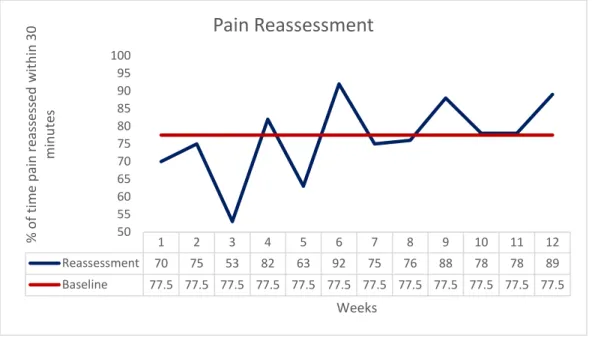
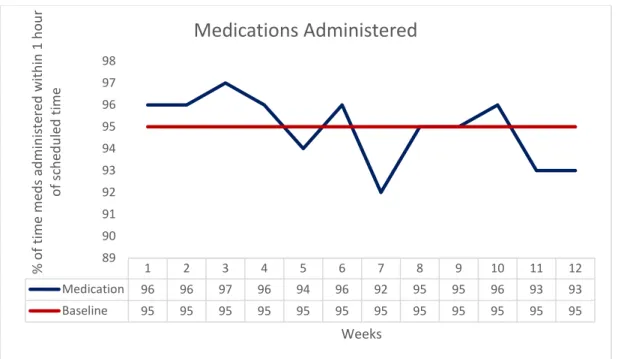
reassessment within 30 minutes and medication given within 1 hour of scheduled time – were monitored throughout the study. Using paired t-tests, NWSQ scores showed a statistically significant increase in overall RN satisfaction. The mean pre-intervention NWSQ scores (M = 35.14, SD = 8.245) were compared to the mean post intervention NWSQ scores (M = 29.23, SD = 6.195, t = 2.833, p = .014). Other statistically significant improvements were found in the relational portion of the NWSQ, which gauges colleague relationships. There were no changes in the success rate of the two workload measures. Findings from this project support the incorporation of patient acuity into the nursing assignment process.
CHAPTER 1
INTRODUCTION
Background
The world of healthcare is ever-changing. Some diseases have vanished, while others have emerged. Technology has advanced so that many illnesses and diseases are no longer fatal. Medical interventions have improved the lives of many. One thing that has remained stable throughout all of the changes is that nurses have remained consistent providers, although their practice has become much more complex. Regardless of the illness, disease, or
treatments, patients require the expertise provided by nurses.
Nurses remain the largest sector of healthcare. As the largest component of hospital staff, they are the primary provider of patient care. As the complexity of patients grows, the demand for nurses will continue to rise, and is estimated to increase 36% by 2020. By 2025, it is estimated that there will be a shortage of over 250,000 registered nurses (RNs) (American Association of Colleges of Nursing, 2011). Factors contributing to the nursing shortage include increased complexity of patients and decreased staffing that leads to decreased job satisfaction (Fox & Abrahamson, 2009).
The population that has the highest need for health care services, those greater than 65 years of age, continues to grow, and is expected to double by 2050 (Ortman, Velkoff, & Hogan, 2014). In addition, greater numbers of complex patients using higher technological support have increased the workload for bedside staff (Nooney & Lacey, 2007). These patients put a strain on the healthcare system, as they often require more frequent, high cost care. While the number of increasingly complex patients continues to grow, the cost of healthcare treatment also increases (Amadeo, 2017). The changing reimbursement structure has resulted in healthcare
organizations cutting costs by decreasing support staff (Carayon & Gurses, 2008). With the decrease in support staff, this workload falls to nurses.
While it is challenging to determine the amount of direct RN care individual patients require, nurse workload can be quantified based on patient needs. This measurement is referred to patient classification or patient acuity, terms that are often used interchangeably (Harper & McCully, 2007). The higher a patient’s acuity, the more nursing care required. As acuity increases, the RN workload increases accordingly. The increased workload associated with higher acuity is a significant stressor for nurses (Demerouti, Bakker, Nachrener, &
Schaufeli, 2000), and may decrease retention (Hairr, Salisbury, Johannsson, & Redfern-Vance, 2014).
When nurses leave an organization, hospitals are tasked with finding and training replacements. This process can be time consuming and quite costly. The costs incurred to train a single specialty nurse can top $80,000 (Burr, Stichler, & Poeitler, 2011). If the number of nurses leaving the organization are sufficient, the annual nurse turnover can be affected. The average hospital will lose about $300,000 each year for each percentage increase in annual nurse turnover (Hunt, 2009). Job satisfaction influences hospitals’ success at recruiting and retaining nurses (Pitkaaho, Ryynanen, Partanen, & Vehvilainen-Julkuned, 2011; Zangaro & Soeken, 2007). One study showed that 83% of nurses felt that retention could be increased if workload was improved (Ebright, Patterson, Chalko, & Render, 2003). To improve staffing and workload, researchers agree patient acuity must be taken into consideration (Tevington, 2011). To decrease hospital costs, workload should be considered when allocating resources and staffing to increase satisfaction and improve retention.
Increased workload is also associated with increased patient mortality. As the workload increases, the RN has a decreased ability to adequately surveille patients, increasing the risk of adverse events. One study (Needleman et al., 2011) that evaluated staffing determined there was an increased risk of death when staffing was inadequate. The authors noted that the risk of
Another unintended consequence of increased workload is missed patient care. As workload for nurses’ increase, they may be too busy to do all tasks, and may overlook care they deem less important. Tasks most often missed include oral care, turning the patient, and
teaching to patients and families. Over 70% of nurses reported missing tasks with increased patient acuity and lack of staffing being factors (Kalisch, Landstrom, & Williams, 2009). A later study revealed that 52% of NICU nurses reported missing at least one nursing task, and that inadequate staffing and patient acuity were significant factors (Tubbs-Cooley, Pickler, Younger, & Mark, 2015).
The charge nurse must be aware of individual patient needs when making patient assignments. Efficiently allocating nurses to meet the demands of patient care will effectively balance the workload, allowing for consistent care among all patients (Brennan et al, 2012). Given that workload can be somewhat objective, to assess demands of patient care in a quantitative manner use of an acuity tool is recommended (Brennan et al., 2012).
Statement of the Problem
Increasing patient complexity has contributed to the increased workload of bedside nurses. Furthermore, increased workload decreases RN satisfaction and retention. Given that RNs make up the largest sector of the healthcare industry, there are significant financial consequences to organizations. Taking the acuity of patients into account when making nurse assignments balances workload and increases staff satisfaction.
Data from the Literature Supporting Need for the Project
Nurses are the largest sector of healthcare personnel. Given the ongoing nursing
shortage, and the high costs associated with low retention, organizations must make changes to increase RN satisfaction and improve retention. The literature indicates that patient acuity and nursing workload play a role in nurse satisfaction.
Patient acuity has been identified as a factor in nursing workload (Khademi,
2014). Khademi et al. interviewed nurses about factors influencing their workloads. One factor identified was increased patient load. The RNs noted that because they were caring for a greater number of patients, they were often unable to meet the expectations of patients and families, and they were not always able to complete all of their nursing tasks. Further, van Oostveen et al. (2014) performed an integrative review that examined the characteristics associated with increased need for hospital services. The results of the study supported that patient acuity plays a role in nursing workload.
Inadequate staffing leads to nursing dissatisfaction. When RNs are unhappy with their jobs, they are more likely to resign. Hairr et al. (2014) explored relationships between staffing, nurse satisfaction, and retention. The study revealed that, with decreased staffing, nurses were more likely to be dissatisfied with their jobs, and more likely to leave. This study supports that increased dissatisfaction results in poorer retention.
When acuity tools are used to assist in making nurse assignments, RNs report increased satisfaction. Studies reveal not only that nurses find an acuity tool favorable, but acuity tools are also associated with improved patient outcomes, such as decreased length of stay, costs, and medical complications (Jie, X., Weiquan, L., Minghao, F., Sufang, H., Hui, W., & Xiuyun, L, 2013; Kidd, Grove, Kaiser, Swoboda, & Taylor, 2014).
One study that was undertaken to assess the validity and reliability of an oncology acuity tool, revealed unexpected results (Brennan et al., 2012). The study not only determined the tool was valid and reliable, but also showed that increased acuity was associated with greater need for rapid response team involvement. Patients who require the rapid response team often have more direct care needs than those who have lower acuity.
Joanna Briggs Institute (JBI) evidence summary (Slade, 2017) reflects that patient acuity should be considered when making RN assignments. The summary further states that nurses should be made aware of, and educated about, the particular acuity tool used at their
organization. These guidelines were developed after examining two systematic reviews and numerous other studies.
Data from the Clinical Agency Supporting Need for the Project
The project took place on two 24-bed medical units in an urban tertiary care pediatric hospital. The units care for a mix of patients with acute illnesses and those with complex chronic diseases. When the units are at full capacity, seven nurses are scheduled per shift per unit. On average, each nurse cares for three to four patients. Both units use a patient classification tool for budgeting purposes. According to the results of the classification tool, the average admitted patient requires about 13.3 hours per patient day (HPPD), which translates to about 13.3 hours (out of 24) of direct nursing care. The HPPD has remained stable over the past year, but is expected to increase due to the addition of a particularly medically complex patient population. Prior to this project, the classification score was not considered when making nurse
assignments.
On the two units, there is a mix of experience and education levels among the nursing staff. The majority of RNs have bachelor’s degrees – about 55%. One nurse has a diploma. The remainder have an associate’s degree. About fifty nurses work full time, which is defined as greater than 32 hours per week. Twenty-five nurses work part time. A small subset of the staff work a flexible schedule that allows part time hours during the summer months when there is typically a lower patient census and full time hours during the fall and winter months. About 60% of the RNs are certified pediatric nurses.
Over the past year, there has been an increase in staff turnover. Of approximately 99 nurses who staff the two units, there have been many resignations. For fiscal year 2017, the combined turnover rate for the two units was 16.5%, up from 8.9% in 2016. The director of both units reports an increased number of complaints from staff regarding unfair workload and missed nursing care. Missed nursing care carries over to the next shift and increases workload
for subsequent nurses. Given the increase in new graduate hires, and the addition of another complex patient population, there is concern that turnover may continue to be a problem.
Purpose of the Evidence-Based Practice Project
Due to the continued nursing shortage, increased nurse turnover, and increasing patient complexity, extensive research has been performed to determine ways to balance nursing workload and improve nursing satisfaction. The purpose of this project was to examine the effect of incorporating the patient acuity score into the nurse assignment decision making process on nursing satisfaction. The charge nurse determines an acuity score for each patient twice daily via a classification tool that is already in place. Additionally, the effect on nursing workload indicators such as reassessment of pain and number of medications given in a timely manner were examined. It was anticipated that the use of the acuity tool would balance the workload and have a positive effect on nursing satisfaction and workload indicators.
The PICOT question designed to guide this project and develop a systematic approach to obtaining the best evidence was – “When incorporating a patient acuity tool into the RN assignment process, what is the effect on nursing job satisfaction and workload indicators as compared to RN assignments made without incorporation of patient acuity over a three month period?”
Significance of the EBP Project
Patient acuity has been recognized in the literature as an important indicator in allocating hospital resources. Best practice indicates that acuity should be taken into account when
making nurse assignments. Not only will this improve RN satisfaction, it may have positive influences on workload indicators and patient outcomes. The results of this EBP project may be beneficial to bedside nurses, nurse managers, patients, and the healthcare organizations. Healthcare organizations may be able to use these results to further investigate ways to improve nursing satisfaction and patient outcomes. This project was designed to balance RN
patient care. Results from this study may be utilized hospital-wide to improve nursing satisfaction and provide more efficient patient care.
CHAPTER 2
THEORETICAL FRAMEWORK, EBP MODEL, AND REVIEW OF LITERATURE
Evidence based-practice (EBP) utilizes guidelines developed through evidence gained from multiple research and non-research literature. This chapter reviews the theoretical framework and EBP model that guided the development of the EBP project. The systematic literature search process is also explained and appraisal and synthesis of evidence are presented.
Theoretical Framework
Overview of Kanter’s theory of structural empowerment. The theory used to guide
this project is Rosabeth Kanter’s theory of structural empowerment. The theory is based on the assumption that employee satisfaction, level of burnout, and organizational commitment are directly related to job empowerment (Laschinger, 1996). Nurses associate job empowerment with being able to complete patient tasks (Miller, Goddard, & Laschinger, 2001). Because the theory addresses staff satisfaction and burnout, it was determined to be appropriate for this project.
Kanter states that there are three organizational sources of power. The sources of power are access to information, resources, and support. If nurses do not have access to these
sources, they feel powerless, increasing the risk of job dissatisfaction. When nurses do have access to these sources of power, they feel empowered, and are more highly motivated to do their jobs (Laschinger, 1996).
Kanter affirms both formal and informal sources of empowerment in organizations. Formal empowerment stems from jobs that are highly visible, central to the purpose of the organization, and allow flexibility for employees to complete work. Informal empowerment comes from relationships among peers, subordinates, and superiors. Job characteristics
associated with empowerment include flexibility, autonomy, adaptability, and communication (Orgambídez-Ramos & Borrego-Alés, 2014).
Because staff satisfaction is closely linked to feelings of empowerment, Kanter endorses that managers must create conditions for work effectiveness by ensuring employees have access to information, resources, support, and ongoing opportunities for development.
Managers within the organization should actively engage with staff with the intention to promote growth. Empowerment will increase over time as employees gain greater control and
increasingly take part in decisions that affect them (Larkin, Cierpial, Stack, Morrison, & Griffith, 2008).
Application of theoretical framework to EBP project. Because this project used an
acuity tool to assist in making RN assignments, Kanter’s theory of structural empowerment was an appropriate theoretical framework. When nurses lack the resources needed to complete their tasks, they are more likely to feel powerless in their jobs. Powerlessness may be caused by lack of resources, inability to complete tasks, poor communication, and feeling unsupported by management. Feeling powerless is associated with decreased job satisfaction. Allowing staff to use an acuity tool to balance the workload allows nurses to disperse their time more equally amongst patients, decreasing unfinished tasks, and increasing job satisfaction.
This project stemmed from the staff belief that the nurse workloads were unbalanced. By initiating this project, management acknowledged an area of staff dissatisfaction. Using the acuity tool to assist with balancing the workload ensured staff that the organization was actively engaging in an attempt to solve this problem. By forming a team to assist with implementation, front line staff were incorporated in decision making. Surveying staff for their opinions regarding the implementation further involved nurses in making decisions that directly affect their ability to do their jobs.
Strengths and limitations of theoretical framework for EBP project. Encouraging
turnover, and lead to improved patient outcomes. Using an acuity tool to balance the RN workload can lead to increased staff satisfaction, as it shows institutional support and more appropriate resource allocation. Upenieks performed a study in 2002 that revealed that staff who feel their managers are powerless report feeling powerless themselves. The results of that study show that Kanter’s theory of empowerment may not be effective for staff who feel their immediate supervisors are powerless.
A study done by Armstrong and Laschinger (2006) evaluated structural empowerment and patient safety. The results of the study endorsed that access to empowerment created a culture of patient safety. Specific characteristics that increased empowerment were strong alliances, effective communication, shared decision making, and timely access to information. Another study in which nursing educators were surveyed revealed that increased feelings of empowerment were correlated with lower levels of burnout and increased job satisfaction
(Sarmiento, Laschinger, & Iwasiw, 2004). Nedd (2006) performed a survey of nurses to evaluate their sense of empowerment and intent to stay in their current jobs. All of the empowerment structures noted by Kanter were significantly related to intent to stay, indicating a positive relationship between nurses’ perceptions about their access to opportunity, support, and resources and their intent to stay within the organization.
Kanter’s theory states that employees who have empowered managers feel more empowered themselves. However, employees who feel their managers do not have power feel less empowered. Smith (2008) surveyed project managers about their feelings of
empowerment. The results showed that the majority of managers did not feel empowered in all aspects of their jobs. Regardless of the characteristics of an organization, front line staff do not feel empowered when their managers do not have power.
According to Kanter’s theory, incorporating staff input into the decision making process increases the power of front line staff. By allowing staff to provide input into processes that
affect patient care, the organization is relaying a message that front line staff are valuable. When staff feel as though their opinions are valued, job satisfaction will improve.
Conversely, when an organization makes decisions without the input of staff, it conveys a message that the opinions of staff are unimportant. In addition, when staff have complaints that are not addressed by management, they may believe that managers have little or no power. Even if the manager is attentive to staff concerns, if no change occurs, staff may feel that their manager has no power, and therefore, staff have no power. Feeling powerless may increase staff dissatisfaction and increase turnover.
Evidence-based Practice Model
Overview of EBP model. Evidence-based practice is used to incorporate the best evidence into clinical practice. EBP models are utilized as guides throughout the EBP process. For this project, the Iowa model was chosen as the EBP model. This model was developed by Marita Titler, a nurse scientist, and originated with her own experience with nurse-led research. It is most often used in the hospital setting. The model was developed in the 1990s as a way to introduce evidence-based practice to the bedside (Melnyk & Fineout-Overholt, 2015).
The Iowa model consists of five steps: (a) identify a trigger, (b) review and critique literature, (c) identify research evidence that supports a change in practice, (d) implement a change, and (e) monitor outcomes. According to the Iowa model, EBP must be a part of the organizational culture. The commitment should involve multiple system levels – from front line employees to managers (Dontje, 2007).
Titler describes a trigger as either problem focused or knowledge focused. A problem focused trigger is typically derived from data obtained by the institution. Examples of problem focused triggers include risk management data or benchmarking data. A knowledge focused trigger consists of identifying a lack of knowledge. Examples of this may include new research findings or new guidelines (Dang et al., 2015). The trigger will initiate the need for change (Dontje, 2007).
Determining whether investigating the problem is a priority for the organization is an important step of the Iowa model. Some triggers may be considered very important to the organization and thus there is a need for immediate action, while others might be determined to have a lower impact. If the organization cannot support investigation of the problem and
potential process change associated with evidence, the project may be delayed until a later date (Dontje, 2007).
Once a problem is considered a priority, a thorough literature review must be performed in order to compile the best evidence. One of the most efficient ways to begin a search is to start with a PICOT question (Brown, 2014). Once the best evidence has been identified, it is necessary to analyze the evidence using critique tools to determine the strength of the studies. The results of this analysis will determine whether the strength of the evidence supports a change in practice (Rossworm & Larrabee, 2007). Finally, the evidence will be synthesized, in which elements from all the sources will be combined, to determine best practice
recommendations.
Once the evidence has been analyzed and synthesized and the literature supports a change in practice, the project leader and team will need to design an intervention for implementation. The team will need to be as specific as possible when determining how this intervention will be applied. This will need to include how information will be disseminated, what will be measured, and how it will be measured. It is recommended that changes be
implemented on pilot units as opposed to throughout the organization.
During implementation, the project leader and team members must be available to answer questions and act as a resource for staff. After the pilot study is complete, the project leader will evaluate data to determine if there has been an outcome improvement. Once this information is available, the team can determine whether the intervention should continue, be altered, or be discontinued.
If the pilot study is determined to be beneficial, it will need to be integrated into practice. For this to be successful, the results need to be compiled in a simple manner to present to key stakeholders. Maintaining staff education about the practice change and continuous monitoring of the initiative must be determined (Rossworm & Larrabee, 2007). It is also imperative to continue measuring outcomes to determine any further needs for change.
Application of EBP model to EBP project. For this project, results of an employee survey indicated dissatisfaction of nurses on both medical units of the hospital – a problem focused trigger. Upon discussion with staff and managers, it was determined that the staff felt the workload was unbalanced. Nurses who felt the workload was unfairly divided reported feelings of stress and burnout. For this project, staff satisfaction was considered important by the leaders of the organization and the project was approved.
For this project, the Iowa model guided the EBP process. After discussion with staff, it was determined that the RN assignment process was unsatisfactory and led to a perceived imbalance in the workload. Next, a thorough literature review was performed, and best evidence was obtained for leveling nurse workload. The research was analyzed, synthesized, and supported a practice change. To include multiple system levels, a team was formed to assist in the remainder of the project. The team consisted of bedside nurses on the medical units, an outcomes manager, a nurse educator, a manager, the director of both units, and a project leader. The team determined the intervention that would incorporate the patient
classification score (PCS) into the nurse assignment process, and the pilot study was initiated. Evaluation of staff satisfaction pre and post implementation was evaluated.
Strengths and limitations of EBP model for EBP project. The Iowa model was an
ideal EBP model for this project, as it served as a guide for implementation from start to finish. Each step must be taken in a sequential manner for success. Because the Iowa model was developed for use within the hospital system, and involved the use of a team that included front line staff, it was ideal for this project. Developing a team of stakeholders to assist with the
project ensures buy-in from front line staff. Brown (2014) discussed the use of the Iowa model while implementing a fall protocol and found that the step-wide guide of the model was ideal for staff with little experience implementing EBP. Kidd et al (2014) reported that the team members felt empowered by involvement in the EBP process.
While the Iowa model has many strengths, there are a few limitations. The model provides no guidance regarding methods of data collection. The model has several feedback loops that allow for alterations, but because the model is not linear, this may increase confusion among users. One study, focused on umbilical blood sampling, found that the organization did not find the problem a priority, and the project leaders were forced to find support to complete their study (Gordon, Bartruff, Gordon, Lofgren, & Widness, 2008). Withholding approval to proceed can be frustrating for staff and may lead to feelings of lack of organizational support. A study evaluating the transition from gavage feeding to breastfeeding for NICU babies noted that, despite following the Iowa model, some nurses resisted the change due to personal beliefs despite the education offered (Ziadi, Heon, Aita, & Charbonneau, 2016).
Literature Search
A search for relevant evidence based literature was initiated to find the best available evidence related to how workload and patient acuity impact staff satisfaction. Databases searched included (a) The Cochrane Library, (b) Joanna Briggs Institute, (c) Cumulative Index to Nursing and Allied Health Literature (CINAHL), (d) MedLine via EBSCO, (e) Proquest, and (f) National Guideline Clearinghouse. The following terms were used: “nurse”, “patient acuity”, “inpatient classification”, “assign”, and “allot”. To maintain consistency, the same keywords and phrases were used in all databases. Citation chasing was also performed.
Inclusion criteria included studies that were (a) peer reviewed, (b) written in English, (c) published between 2010 and 2017, and (d) focused on bedside nursing assignments. Studies were excluded that involved (a) interventions used in the operating room or emergency
department, (b) interventions used in community health, home care, or nursing home settings, (c) use of acuity only to justify financial needs, and (d) failure to include results.
Search results. Search results from all databases are depicted in Table 2.1. CINAHL revealed a total of 29 results, and after review of 9 articles, none was selected for inclusion. Forty results were obtained from MedLine, and after removal of duplicates, 12 articles were reviewed, and 3 were determined to be appropriate for inclusion. Proquest yielded the most results at 444. After exclusion of duplicates and review of 54 articles, 4 were chosen to be included. National Guideline Clearinghouse yielded no results. A relevant search in Cochrane revealed a total of 4 results, and after review of 2 articles, neither was determined to be appropriate for the project. Joanna Briggs Institute revealed 6 results, and, after review of 5 of the articles, one was selected to be included in the body of evidence. A detailed review of the literature yielded a total of 9 studies.
Levels of evidence. Evidence for this EBP project was assigned levels based on a leveling system designed byMelnyk and Fineout-Overholt (2015). Authors describe level I evidence as systematic reviews or meta-analyses of randomized control trials (RTC). Level II includes well-designed single RTC. Level III is comprised of well-controlled trials that are not randomized. Level IV is made up of a single case control studies and cohort studies. Level V evidence includes systematic review of single descriptive or qualitative studies. Level VI evidence encompasses single descriptive or qualitative studies. Level VII evidence consists of results from expert opinions or authorities on the subject (Melnyk & Fineout-Overholt, 2015).
Appraisal of relevant evidence. Critical Appraisal Skills Progamme (CASP) (2014) was utilized during the appraisal of evidence from each research article. CASP consists of 8 tools to assist with appraising various types of research. This tool allows a person to determine if studies are of high or low quality by guiding the reader to look for specific information within the report, such as whether the study is valid and if the results are applicable. The CASP tool does
Table 2.1
Studies obtained from Databases
Database
Initial
Articles for
Review
Duplicates Abstracts
Reviewed
Articles
Included
for Review
CINAHL
21
0
9
1
MedLine
40
3
12
2
Proquest
444
13
54
3
National
Guideline
Clearinghouse
0
0
0
0
Cochrane
4
0
2
0
JBI
6
0
5
1
Citation Chasing
2
Total
9
not include a quality rating. Due to this lack of rating, a grade was assigned to each study. For studies that met 76 to 100% of the CASP criteria, a grade of A was given. Studies that included 50 to 74% of the criteria were assigned a grade of B. For studies with less than 50% of criteria met, a grade of C was given. The following section will discuss the analysis and quality rating of each piece of evidence (See Evidence Summary, Table 2.2).
Level II Evidence. Jie et al (2013) performed a randomized control trial at an Intensive Care Unit (ICU) in China to evaluate the use of the intensive care nursing scoring system (ICNSS). The authors describe the inclusion criteria, and used a stratified randomization method to place patients in either the control or intervention group. There was no statistical difference in the sex, age, type of disease, and illness situation between patient groups. There was also no statistical difference in the seniority, professional ability, title, or qualities in the nurses caring for the patients in each group. In the intervention group, the RN assignment was made based on the ICNSS acuity scores in an effort to balance the workload, while the control group did not use acuity scores to make nurse assignments. ICU duration, medical charge, and incidence of complications were significantly lower in the intervention group (p=0.032, 0.024, and 0.006 respectively). The nursing satisfaction rate was 92.9% in the intervention group, and 57.1% in the control group, which was statistically significant (p=0.004). The study was well written, included the more than 75% of information on the CASP tool, and was assigned a grade of A. Study results indicate that assessment of the nursing workload is necessary for the
reasonable allocation of nurses. The use of the acuity tool could improve the nursing quality and satisfaction.
Level IV Evidence. Sir et al (2015) conducted a study evaluating the RN perception of workload, after testing 4 types of RN-patient assignment models. The authors used AcuityPlus PCS, a validated patient classification tool to assign a total acuity rating to each patient on an oncology unit and a surgical unit. In addition, 36 nurses from the oncology and surgical units
Table 2.2 Evidence summary
Citation, Level of Evidence
Study Design
Setting, Sample Purpose Measurement Results Limitations Conclusion, Recommendati ons
Brennan, C., Daly, B., Dawson, N., Higgins, P., Jones, K., Madigan, E., & Van Der Meulen, J. (2012). The oncology acuity tool: A reliable, valid method for
measuring patient acuity for nurse assignment decisions. Journal of Nursing Measurement, 20(3), 155-184. Level VI Grade A Descriptive correlational Non-experimental Oncology unit, 117 patients over one month period Staff nurses > 6 month experience and routinely used tool: n=49 Oncology nurse experts: n=15 Assess the validity and reliability of the oncology acuity tool, which was already in use on the unit OAT – 64 item acuity tool measuring 10 domains of patient care, total acuity score ranges from 0-27, higher scores = higher acuity Interclass correlation coefficient: .95 (.91, .97, p<.001) Scale level context validity score: 0.82. Kappa statistics tool: 4 items poor (k* <0.40), 6 items fair (k* 0.40-0.59), 9 items good (k* 0.60-0.74), and 45 excellent (k* 0.60-0.74) Predicative validity: patients with rapid respond team consult had statistically significantly higher scores (7.00 vs. 5.43, Took place on one oncology unit at one hospital, limiting generalizability Fall event sample size small and limits predictive validity
IRR used case studies formats, which may not be reliable among raters No EB guidelines for assessing reliability and validity - further testing with other tools may result in dissimilar results OAT is reliable and valid Acuity was a statistically significant predictor of the need for rapid response consults.
p<.001), versus shift prior (6.70 vs. 5.43, p=.001). Patient with falls had higher acuity Pearson r correlation: 0.58 (p=.01) Hairr, D., Salisbury, H., Johannsson, M., & Redfern-Vance, N.
(2014). Nurse staffing and the relationship to job satisfaction and retention.
Nursing Economics, 32(3), 142-147. Level: VI Grade A Descriptive correlational Non-experimental 70 nurses recruited via nursing listservs, Myspace, Facebook, allaboutnurses.c om Actively working RN’s in acute care hospital with > 6 months experience, n=70 Most RN’s female and > 50% had ADN, average of 2-5 yrs or >16 years RN experience Explore connections between nurse staffing, job satisfaction, and retention. Control Over Practice (COP) subscale of Nursing Work Index-Revised (NWI-R)- job satisfaction measured via Likert scale Patient load for last shift M= 5.6, M=5.3 at Magnet hospitals Weak positive correlational relationship between nurse staffing and job satisfaction (p=0.01) Strong negative correction was demonstrated between job Small sample size Convenience sample over a 30 day period Revealed negative correlation between staffing and job satisfaction, and positive correlation between satisfaction and retention, indicting in order to improve retention, it is important to improve staffing, which will in turn increase
satisfaction and retention (p=0.01)
Jie, X., Weiquan, L., Minghao, F., Sufang, H., Hui, W., & Xiuyun, L. (2013). Application value of ICU nursing scoring system in nurse allocation. Minerva Medica, 104, 325-332. Level II Grade A RCT Hospital in China, 12 bed ICU N=105, observation group n=55, intervention group n=50 – no statistical difference between groups 28 RNs – 14 RNs in each group, no statistical differences between RN groups Determine whether use of an ICU acuity tool (ICNSS) would affect ICU duration, complication rates, and nursing satisfaction Intensive Care Unit Nursing Resources Allocation (ICNSS)- measures workload of 16 nursing problems with total score 16-64 Length of ICU stay, medical charge, and rate of complications significantly lower in the intervention group (p=0.032, p=0.024, p=0.006) compared to control group (p=0.045). Satisfaction rate was higher (92.9%) in intervention group versus control group (57.1%). Study performed on only one small ICU.
The use of the acuity tool to make nurse assignments resulted in increased staff satisfaction, but also showed decreased complications and length of stay for patients.
Khademi, M., Mohammadi, E., & Vanaki, Z. (2015). Resources-tasks
imbalance: Experiences of nurses from factors
Qualitative study Two hospitals in Tehran, 15 RNs with > 6 months experience Evaluate via interviews what factors influenced RN workload 26 interviews lasting 15 minutes to 2 hours 4 themes appeared to influence workload: insufficient staff As a study conducted via interviews, the results are context-dependent and Factors increasing the RN workload include increased number of patients in assignments. In addition, due to
influencing workload to increase. Iranian Journal of Nursing and Midwifery Research, 20(4), 476-483. Level: VI Grade A resources, knowledge deficit for some tasks, obligation to do tasks that offer no value to patient care, and unrealistic family/patient expectations may not be generalizable
additional work with an increased patient load, RNs are unable to spend time necessary to offer non-clinical care to patients and families. Kidd, M., Grove, K., Kaiser, M., Swoboda, B., & Taylor, A. (2014). A new patient-acuity tool promotes equitable nurse-patient assignments.
American Nurse Today, 9(3), 1-4. Level VI Grade C Quality Improve-ment Project Progressive care unit at regional hospital, all RNs Development and implement-ation of a nursing acuity scale to assist in RN assignments. Newly developed acuity tool which rates 5 categories, scores from 1-60 1 month post- intervention, staff satisfaction increased from 7% to 55% Tool was used consistently 89% of the time, up from 21% of consistent use of previous tool Took place on only one unit, and results may not be generalizable to other units or populations Use of an acuity tool in balancing the workload amongst nurses was received favorably. Staff involved in developing and testing tool, and reported feeling valued by being involved in the process.
Padilha, K., de Sousa, R., Garcia, P., Bento, S., & Finardi, E. (2010). Nursing workload and staff allocation in an Descriptive correlational Non-experimental ICU in a private hospital in Brazil, 25 beds To evaluate nursing workload using Nursing Activities NAS is 23 item tool used to predict amount of RN care needed Average LOS was 12 days NAS score M = 63.7. , bed occupation M Because this study took place in a private hospital with a large Excess of RN staff for the workload measures identified – indicates the need for another
intensive care unit: A pilot study according to
Nursing Activities Score (NAS). Intensive and Critical Care Nursing, 26(2), 108-113. Level VI Grade A 68 patients admitted over a one month period Inclusion criteria hospital stay >48 hours and age > 18 years > 50% female, M= 66 years old 72.4% of surgical patients had undergone elective procedure Score (NAS), and to analyze the adequacy of the nursing staff per shift
= 22.7 - showed excess nursing staff of 2.6 nurses per shift percentage of elective admissions, the results are likely unable to be generalized
tool for acuity measurement, or may indicate a need to re-allocate nursing staff.
Sir, M., Dundar, B., Barker Steege, L., & Paupathy, K. (2015). Nurse-patient assignment models considering patient acuity metrics and nurses' perceived workload. Journal of Biomedical Informatics, 55, 237-248. Level IV Grade B Mixed method Study 2 units (oncology and surgery) at one hospital 45 RNs To use conventional patient acuity systems along with workload perceived by the RN to evaluate 4 different tools for making patient assignments AcuityPlus – uses patient indicators to evaluate acuity Survey – RNs rated patient indicators on their perceived workload via Likert Scale Rating of patient acuity indicators varied per nurse- showing that impact on workload may be perceived differently per nurse Of the four assignment models tested, only 2 take
This study was had a relatively small sample size and only took place on two units. Incorporating patient acuity scores and perceived workload make an ideal model for RN assignments. Important to periodically evaluate how quality indicators may increase an RN’s perceived workload.
perceived workload into account Slade, S. (2017). Nursing
care: Patient acuity. Retrieved from Joanna Briggs Institute Level V Grade C Evidence Summary Incorporated data from 2 expert opinions, 2 systematic reviews, and 8 observation studies Determine best practice guidelines for patient acuity rating and implication for nursing care and assignments 2 expert opinions Systematic review that included 17 studies Systematic review that examined minimum RN-patient ratios and determined minimum nurse-patient ratios are inadequate to ensure quality of care 8 observational studies Hospitals should use a valid patient acuity tool Nurses should be aware of the tools available in their institution Nurses should be properly educated about the proper use of the tool Acuity assessments should be completed by the RN caring for the patient. Acuity should be used in staff assignments There is limited research regarding the validity and reliability of acuity tools. The studies used may have had potential bias or lack of generalizability. Use of a patient acuity tool is beneficial for determining staffing and assigning patients.
van Oostveen, C., Ubbink, D., Huis in het Veld, J., Bakker, P., & Vermeulen, H. (2014). Factors and models associated with the amount of hospital care services as
demanded by hosptialized patients: A systemic reivew. PLOS ONE, 9(5), 1-15. Level V Grade A Integrative review 17 studies – 12 retrospective and 5 prospective 10 conducted in US, 5 in Europe, 2 in Canada Data obtained from hospitalization on pulmonary, med/surg, OB/GYN, ICU, pediatrics, orthopedics, geriatric, and cardiology units Study sizes ranged from 206 patients to 298,691 patients To determine the factors associated with the hospital care services demand. Multiple studies looking at correlation between diagnoses, nursing workload, costs with patient characteristics such as age, diagnosis, gender, race, and BMI. Patient characteris-tics considered: age, race, gender, BMI 2 studies showed lower cost in women 1 study reported increased cost for BMI>30 Diagnosis and case mix contributed to 10% of resource consumption, 18% to nursing hours, and 26.3% to workload Severity of illness contributed to 48% of the RN workload Some studies had incomplete data. No standard definition for ‘use of hospital services’. Some of the aims were different as they were done in countries with different healthcare costs. Some studies used dated methodology. Several patient characteristics are associated with increased demand for healthcare resources, including age, gender, patient acuity, illness severity, medical and nursing diagnoses, comorbidities, and complications. Complete models should include patient characteristics, diagnoses, organizational factors, and staffing characteristics.
completed a survey rating the perceived workload of particular patient characteristics. Based on the results of the patient acuity and the perceived workload surveys, authors developed four models of nurse-patient assignments aimed at balancing the workloads. The nurses’ responses on the perceived workload of patient acuity indicators exhibited large standard deviations and ranges, indicating that perceived workload may be very different among nurses. The AcuityPlus patient type and average survey based workload had a positively correlated linear relation, indicating the proposed survey-based workload is able to predict the patient type, which is a validated acuity metric. Simple linear regression analysis confirmed a statistically significant linear relationship, for the oncology unit (p= .001) and the surgical unit (p= .003). This confirms that the RN perception of workload is similar to the AcuityPlus determination of acuity on both units. The variance of workload was different for all four tested models, so each was statistically significant. The authors address a specific aim, methods, research design, limitations, and review results which is more than 50% of the information on the CASP tool, and the evidence was given a grade of B. Researchers concluded using models that incorporate both acuity scores and perception of workload may balance RN workload.
Level V Evidence. Slade (2017) developed an evidence summary for the use of patient
acuity tools in the hospital setting after performing a systematic review of the literature. Evidence was compiled from two expert opinions, seven observational studies, and two systematic reviews. One systematic review included 17 retrospective and prospective studies exploring factors related to increased need for hospital services, while the other review examined minimum nurse-patient ratios for acute care hospitals and whether nurse staffing is associated with patient, nurse, or hospital outcomes. The search methodology and strength of the evidence was not discussed. Best practice recommendations were listed, but did not include statistical evidence. Each recommendation was assigned a grade, from A to B, regarding the strength of the recommendation. Best practice recommendations were:
• Nurses should be aware of the specific patient acuity system available in their setting (Grade A)
• Healthcare organizations should use validated and reliable patient acuity instruments such as the tool developed by the Indiana University Health Ball Memorial Hospital (Grade A)
• Nurses should be involved in the development of the acuity instrument if a new patient acuity instrument is developed by a healthcare organization (Grade A)
• Education about the content of the acuity tool and its use should be provided to nurses as necessary for the correct use of the tool (Grade A)
• The patient acuity assessments should be completed for each patient by direct care nurses (Grade A)
• The results of the patient acuity assessment should be documented (Grade A)
• The results of patient acuity assessments should be used when determining nurse staffing and in assigning patient loads (Grade A)
• The nurse-patient assignments should be based not only on patient acuity assessments for all nurses involved but also on the geographic location of rooms on the unit, need for continuity of care, and congruency between nurses’
expertise and patient needs (Grade A) (Slade, 2017, p 3-4).
This study did not include search methodology, strength of included studies, potential bias, or statistical information. Due to lack of information, the evidence was given a grade of C.
Van Oostveen et al (2014) conducted a systematic review of the evidence according to the Preferred Reporting Items for Systematic Reviews and Meta-analysis statement (PRISMA) to explore which patient related characteristics or models could predict the need for medical and nursing care in general hospital settings. The inclusion criteria was well defined, and included studies (a) exploring association between health status parameters or patient characteristics
and the demand of hospital services, (b) focusing on hospitalized patients in general (non-ICU) units, and (c) using regression or correlation analysis to explore the association between the two variables. The authors note their research methods, eligibility criteria, literature search, sources, selection of studies, quality appraisal tools, and analysis. The review included a total of 17 studies. The quality of the studies were evaluated using Strengthening the Reporting of Observational Studies in Epidemiology (STROBE) that includes methodological aspects of the appraisal for cohort studies. The systematic review revealed several patient characteristics which are significantly associated with the need or demand for healthcare service. These characteristics include age, gender, medical diagnosis, nursing diagnosis, severity of illness, patient acuity, comorbidity, and complications. This evidence was given a grade of A due to inclusion of nearly all CASP criteria. The results of this systematic review reveal that, while many patient characteristics should be taken into consideration when predicting healthcare needs, a complete model would include patient acuity and staffing characteristics.
Level VI Evidence. Brennan et al. (2012) performed a descriptive correlational study to determine the validity and reliability of an inpatient oncology acuity tool. The background
information and methods were clearly stated. Twenty randomly selected RN’s were chosen to use the oncology acuity tool to rate six different acuity patient case studies. The inter-rater reliability was 0.95 (0.91, 0.98), p< 0.001. Content validity was rated by 15 RNs and kappa statistics results were: four items were poor, six items were fair, nine items were good, and 45 items were excellent. Validity was assessed in relation to patient falls and rapid care team response. Eleven patients had a fall and 26 had rapid response team involvement. Mean acuity scores for the shift prior to the incidents were significantly higher than the mean acuity scores for patients who did not have rapid response team involvement (7.00 vs 5.38 with p=.001).
Concurrent validity included 128 independent measurements of the patient acuity collected on the Visual Analog Scale from 49 RNs and generated a Pearson’s r correlation score of 0.58 (p=.01). Descriptive analysis portion of the study revealed that the bone marrow transplant
patients had significantly higher acuity scores than the hematology/oncology patients (6.30 vs 5.29, p=.001). This article was well written and organized and included all information on the CASP list except for the study design, and was graded A. Results of this study indicate the use of an acuity tool can be both valid and reliable, and patient acuity scores may help predict which patients will demand the most care from RNs. Using an acuity tool may facilitate a balanced workload, allowing staff to spend more time with patients who have higher acuity.
Padilha et al (2010) performed a descriptive correlational study in an ICU in Brazil to evaluate daily nursing workload. Using Nursing Activities Score (NAS), researchers collected data on 68 consecutive patients over a one month period. NAS is a 23 item acuity tool in which the total score shows the percentage of time the nurse will provide direct care to a patient – a score of 100% would indicate that the patient needed direct nursing care for 24 hours in a 24 hour period. The authors included patients who were at least 18 years of age and had a minimal length of stay in the ICU of 24 hours. Over half of the patients were male (52.9%), and the mean age was 66 years. The majority of patients were admitted for medical reasons (57.4%). Of the patients admitted from surgery, 72.4% had undergone elective surgery. The average length of stay was 12 days. The mean NAS was 63.7%, and there was a mean bed occupation of 22.7 (of 25 beds), resulting in excess staff by 2.6 RNs per shift. This study was well written and included the aim, methods, literature review, and results, earning a grade of A. Performed in a country with minimal staffing ratios, this study confirms that without the use of additional data, such as an acuity scoring tool, staffing may be inappropriate for patients.
Hairr et al (2014) performed a quantitative research study to evaluate the relationship between nurse staffing, job satisfaction, and retention. Interviews were conducted with 70 nurses, all of whom were employed in an acute care hospital, and had at least 6 months of work experience. Most of the participants were women (84.3%), and had 2-5 years of work
Nursing Work Index – Revised (NWI-R) the Control of Practice (COP) was used to determine job satisfaction. When job satisfaction was compared to RN assignments, a weak negative relationship (p=0.01) was present, indicating that job satisfaction decreased when the nurse workload increased. When comparing job satisfaction and nurse retention using the COP subscale, there was a strong positive correlation (p=0.01), indicating that as staff satisfaction decreased retention decreased. This article was well written and included all components of the CASP tool, and was given a grade of A. Study results confirmed increased patient load is correlated with decreased job satisfaction, which leads to poorer retention. Accounting for nursing workload when staffing or making assignments may result in greater job satisfaction and retention.
Khademi et al (2015) performed a qualitative study to explore factors influencing workload. The sample included RNs working in 2 hospital settings in Iran. The research methods and design were well documented. Authors noted the participants were objectively selected but did not include criteria for inclusion/exclusion. Demographic information was provided, and the analysis process is explained within the study. Results of unstructured interviews revealed four main themes that increased workload in nursing: (a) insufficient resources, such as inadequate staff; (b) assignments that required interventions or procedures the RN did not feel competent to complete; (c) amount of non-clinical tasks, such as
documentation; and (d) inability to meet the patient or family’s expectations. Researchers found that RNs feel many factors increase their workload, resulting in an imbalance between
resources and abilities and expectations. This indicates appropriate resource allocation may decrease workload, and that the use of an acuity tool may be beneficial in predicting each patient’s needs. This study was well written and included all content on the CASP tool, and was given a grade of A.
Kidd,et al (2014) described a quality improvement project that included the
of EBP and was initiated after RN complaints about unbalanced workload. While the authors mention their literature review, they do not discuss methodology or databases searched. An acuity tool was selected and adapted to the unit, with inter-rater reliability noted to be 85%. Authors do not describe the tool, nor how it was altered to fit the unit population. After
implementing the tool, 55% of RNs reported satisfaction with equity of the workload, as opposed to 7% prior to the use of the acuity tool. The new acuity tool was used consistently 89% of the time, while the old tool was used consistently only 21% of the time. Results indicate that the use of an acuity tool can improve staff’s perception of balanced workload. Additionally, staff reported appreciating being included in choosing and testing the new tool. Due to lack of information mentioned above, a grade of C was given.
Construction of Evidence-based Practice
Examining and appraising the literature regarding patient acuity and nursing workload led to the foundation of this EBP project. Synthesis of the evidence allowed for the formation of best practice recommendations. The following paragraphs will discuss the synthesis of the literature and best practice recommendations for incorporating patient acuity into the nursing workload.
Synthesis of critically appraised literature. Appraisal of the relevant literature allowed for an in depth and detailed understanding of the importance of incorporating patient acuity into nurse assignments to balance workload and improve staff satisfaction. The literature provided evidence-based strategies to promote a balanced workload based on patient acuity.
Overall, review of the literature revealed four main objectives examined by researchers. These objectives included to evaluate (a) acuity tools already in place, (b) use of a new acuity tool, (c) the relationship between workload, staff satisfaction, and retention, and (d) the role of acuity tools in staffing decisions. Three studies evaluated acuity tools already in place (Brennan et al., 2012; Jie et al., 2013; Padilha et al., 2010). Two studies examined the relationships
studies discussed the introduction of a new acuity tool (Kidd et al, 2014; Sir et al, 2015). Three studies examined the use of acuity tools to make staffing decisions (Padilha et al, 2010; Sir et al, 2015; Slade, 2017).
Two studies looked at the association between workload and staff satisfaction (Hairr et al, 2014; Khademi et al, 2015). Hairr et al. (2014) found that increased patient workload was associated with decreased RN satisfaction. In turn, decreased RN satisfaction is associated with decreased retention. Khademi et al. (2015) found that an increase in the number of patients each RN cared for increased the workload of that RN. These studies indicate that increased workload can cause dissatisfaction amongst RN staff, which may result in poor retention.
Two studies investigated the association between acuity and use of hospital resources (Brennan et al., 2012; van Oostveen et al, 2014). The findings of the studies indicate that patients with higher acuity require more nursing care and more hospital resources. The results of these studies suggest that higher patient acuity scores put a greater demand on healthcare resources, including nursing tasks.
Two studies examined the association between the use of acuity tools and staff
satisfaction (Jie et al., 2013; Kidd et al, 2014). Incorporating the ICNSS into consideration when making staff assignments increased staff satisfaction to 92.9% from 57.1% prior to the project (Jie et al., 2013). After implementing a custom acuity tool on a progressive care unit, 55% of staff felt the workload was equitable, as opposed to 7% prior to its use (Kidd et al, 2014). The results of these studies support that the use of patient acuity tools to make RN assignments results in increased staff satisfaction.
Three studies concluded that the use of an acuity tool is beneficial for staffing and patient assignments (Padilha et al, 2010; Sir et al, 2015; Slade, 2017). In an ICU where there was a mandated minimum number of RNs per shift, evaluation of acuity showed an excess of nursing staff per shift, indicating that ratios are not adequate to address patient needs (Padilha et al, 2010). Sir et al. (2015) developed and tested four assignment models, each incorporating
different data and found that an ideal model would include not only patient acuity, but also perceived workload. Slade (2017) produced clinical guidelines that recommend the use of a valid acuity tool in making staffing and RN assignments decisions. Results of these studies indicate that the use of an acuity tool should be included in making nurse assignments.
Best practice model recommendation. The best practice model recommendation
developed for this project ensued from the evidence found in the relevant literature. Increased workload contributes to staff dissatisfaction, which may result in poor retention. Higher acuity scores put a higher demand on healthcare resources, increasing nurse workload. Patient acuity is an important determinant in nursing workload and should be taken into account when making patient assignments. Balancing workload can increase staff satisfaction. Therefore, an acuity assessment tool was incorporated into the nurse assignment process. It was proposed that implementing the acuity tool in nursing assignments would balance the workload and increase staff satisfaction.
How the best practice model will answer the clinical question. Based on the best
available evidence, patient acuity must be regarded when considering nursing assignments. Increased acuity correlates to increased nursing workload. If the nursing workload is
unbalanced, staff dissatisfaction increases. Utilization of a patient acuity tool as a means to create a balanced workload will increase staff satisfaction. Incorporating an acuity tool, as suggested by the evidence based model, was used to answer the clinical question: “When incorporating a patient acuity tool into the RN assignment process, what is the effect on nursing job satisfaction and workload indicators as compared to RN assignments made without
CHAPTER 3
IMPLEMENTATION OF PRACTICE CHANGE
The evidence presented in Chapter 2 supports the link between staff satisfaction and the use of an acuity tool to balance the workload. The following section discusses step D of the Iowa model – implementation of the change in practice (Melnyk & Fineout-Overholt, 2015).
Setting and Participants
This EBP project took place on two medical units at a large Midwestern urban non-profit academic medical center with approximately 600 inpatient beds. Given that the hospital is tertiary care, patients come from all over the country for care. The hospital takes all types of insurance, including Medicare/Medicaid, and self-pay. The hospital has an academic affiliation with a local medical university. Due to this relationship, most of the staff are familiar with EPB and research participation.
Participants for this EBP project were RNs who work on one of the two medical units. The 74 RNs work either eight or twelve hour shifts, and typically care for three to four patients per shift. There is one certified nurse assistant (CNA) for each unit, caring for 24 patients each. The CNA also works either eight or twelve hour shifts. The two units are budgeted for 36
patients per day (out of 48 beds) and common diagnoses include: pneumonia, asthma, cellulitis, fever in newborn, apnea, bronchiolitis, dehydration, failure to thrive, and urinary tract infections in infants.
Outcomes
The primary outcomes for this project were nurse satisfaction and workload indicators. Nursing satisfaction was obtained via survey pre and post implementation. Survey results were evaluated to determine if the intervention had any effect on nursing satisfaction. Workload indicator data was evaluated prior to intervention and weekly during the project. The mean prior
to implementation and post implementation was compared to determine any changes. Secondary outcomes consisted of nursing satisfaction related to demographics.
Intervention
Because the literature revealed workload as an influence in staff satisfaction and patient outcomes, and patient acuity is a factor in nursing workload, patient acuity scores were
incorporated into the patient assignment process. The charge nurses continued to assign acuity scores using the current patient acuity rating system. This was performed for each patient twice daily. This patient classification tool evaluates patient care needs in several categories,
including medications, airway management, respiratory care, feeds, and skin care needs. Each patient’s total acuity score ranged from 1-60. Based on those scores, the patient was assigned an acuity rating of 1 to 4. Level 1 encompassed scores from 1-8. Level 2 acuity scores ranged from 9-12. Patients with a total score of 13-30 had a Level 3 rating. Patients whose total scores were 31 and over were considered Level 4.
The director and managers assign a proficiency rating for each nurse on the medical unit. Based on Patricia Benner’s theory, each RN is assigned a proficiency rating of advanced beginner, competent, proficient, or expert. The charge nurse uses guidelines regarding ranges of total patient acuity scores based on the RN proficiency rating and an assignment worksheet to allocate patients appropriately. Assignments were then made in such a way as to keep the variance in total acuity scores low among nurses with the same proficiency rating. See
Appendix A. When making assignments, the charge nurse also considered continuity of care and geographic location of patients.
Planning
This project began after the director of the medical units noted an increase in staff complaints about unfairness in the nursing patient assignments. Discussions with RNs revealed comments about uneven workload and complaints about feeling ‘burned out’. Further