nursing registration.
Margaret Anne Lascelles
Submitted in accordance with the requirements for the degree of
Doctor of Education
The University of Leeds
School of Education
Intellectual Property/Copyright
The candidate confirms that the work submitted is her own and that appropriate credit has been given where reference has been made to the work of others.
This copy has been supplied on the understanding that it is copyright material and that no quotation from the thesis may be published without proper acknowledgement.
The right of Margaret Anne Lascelles to be identified as Author of this work has been asserted by her in accordance with the Copyright, Designs and Patents Act 1988. © 2010. The University of Leeds. Margaret Anne Lascelles.
Conference Presentations
Lascelles, M. A. (2010) Learning in Practice: Are postgraduate students' needs any different? Education in Clinical Practice (Theme paper). International Networking
Education in Healthcare Conference 7 th-9th September. Fitzwilliam College, University of Cambridge.
Lascelles, M. A. (2010) Students' experiences of Mentoring. Poster presentation. Education Partners in Practice Conference. RCN 26th-27th February. Blackpool. Lascelles, M. A. (2008) Mentorship and Learning: preliminary findings. CERIG (LUBS) Postgraduate PHD Student seminar 14th May. University of Leeds.
Lascelles, M. A. (2007) Mentorship in Nursing: Gaining approval and issues to consider in interviewing. School of Education Research Students' Annual Conference 14th
Acknowledgements
I would like to thank my two supervisors Dr Jean Gardiner and Professor Phil
Hodkinson for their guidance and ongoing support whilst undertaking this research. am deeply grateful to the six students and their mentors who participated in this research. I wish the students every success in their future careers.
I would like to thank Ruth Allcroft for secretarial support and Dr Joe Cortis and
Professor Andrew Long for support in the final stages of the preparation of this thesis. I would also like to acknowledge the support and encouragement from my family and friends during this journey.
Abstract
The aim of the research is to explore the nature of the student-mentor relationship within practice settings in an accelerated nursing programme and to understand the
impact of the student mentor relationship on learning.
Graduates are increasingly entering pre-registration nursing programmes. Research related to accelerated programmes is limited within the UK (Halkett and McLafferty, 2006). Mentorship focuses on the importance of a supportive student-mentor relationship and the need for focused time in facilitating learning.
Using an instrumental case study design and a qualitative approach a convenience sample of six graduate students undertaking a postgraduate pre-registration
accelerated nursing programme and eighteen mentors participated in the study over a calendar year during 2007-2008. Ethical approval was obtained. Data collection
strategies involved semi-structured interviews with both students' and their mentors' over four clinical settings. Data analysis adopted an eclectic approach drawing upon Ritchie et al.'s (2003) framework analysis, Wolcott's (2001) analytical process and Stake's (1995) case study approach. Data were first scrutinised to generate key categories. The data were further explored to draw out a set of themes and issues. These themes were then re-examined in the context of the literature review to identify differences or similarities that this study highlighted.
Graduate students were motivated, assertive and utilised their initiative. They were self directed in their approaches to learning and were able to quickly analyse and
synthesise knowledge and consider how this linked to clinical practice. Graduates valued mentors who were able to challenge and stretch their thinking. Positive student-mentor relationships facilitated learning. The relationship between confidence,
challenge and support was central to learning. A workplace which is welcoming and that supports students to engage and participate in care from an early stage of the programme encourages students to learn. The contribution that experienced
Contents
INTELLECTUAL PROPERTY/COPYRIGHT I CONFERENCE PRESENTATIONS II ACKNOWLEDGEMENTS 111 ABSTRACT IV GLOSSARY OF TERMS/ABBREVIATIONS IX PART I1
CHAPTER 1:INTRODUCTION 1CHAPTER 2:BACKGROUND AND LITERATURE REViEW 7
2.1 Chapter overview 7
2.2 Background '" 7
2.3 Search strategy 8
2.4 Nursing Education Programmes 10
2.4.1 Accelerated programmes 10
2.5 Mentorship 13
2.5.1 Mentor Preparation programmes 13
2.5.2 Mentorship reviews 14
2.5.3 Mentorship relationships and qualities 16
2.5.4 Student mentor dyads 18
2.6 The Learning environment.. 20
2.6.1 Nature of placements 21
2.6.2 Resources 22
2.7 Learning to Nurse '" 22
2.7.1 Learning and teaching strategies 23
2.7.2 Reflection 24
2.7.3 Feedback and Assessment 25
2.8 Learning at work 26
2.8.1 Knowledge 26
2.8.2 Learning as participation 27
2.8.3 Support and guidance 29
2.9 Critical synthesis of the evidence 31
2.10 Chapter summary '" 33
PART II 34
CHAPTER 3: METHODOLOGY AND THE METHODS 34
3.1 Chapter overview 34
3.2 Introduction 34
3.3 Theoretical stance 35
3.3.1 Ontology 35
3.3.2 Epistemology 35
3.4 Methodological approach: Case Study 37
3.4.1 Longitudinal study 41
3.5 Study Design 42
3.5.1 Context and length of study 42
3.5.2 Sample 43
3.6 Ethical issues 45
3.6.1 Informed consent, confidentiality and anonymity 45
3.6.2 Role of the Researcher 47
3.7 Data Collection Methods 48
3.7.2 Documents 54
3.8 Data analysis 54
3.9 Data Management. 55
3.9.1 Familiarisation and identifying a thematic framework/description 55
3.9.2 Indexing/description/categorical aggregation 56
3.9.3 Sorting and summarising data 57
3.9.4 Mapping and interpretation establishing patterns and naturalistic
generalisations 60
3.10 Rigour and Trustworthiness 62
3.11 Chapter summary 64
PART III 65
CHAPTER 4: BACKGROUND AND EXPERIENCE: THE STUDENT-MENTOR DyADS 65
4.1 Chapter overview 65
4.2 The student- mentor Dyads 65
4.2.1 Students 65
4.2.2 Mentors 66
4.2.3 Sequence and nature of placements 74
4.3 Chapter overview 75
CHAPTER 5: UNDERSTANDING MENTORSHIP 78
5.1 Chapter overview 78
5.2 Understanding of mentorship 78
5.2.1 Being approachable 78
5.2.2 Time with their mentor 79
5.2.3 Using their initiative 82
5.3 Chapter summary 84
CHAPTER 6: THE IMPACT OF THE CLINICAL ENVIRONMENT ON MENTORSHIP AND LEARNING.85
6.1 Chapter overview 85
6.2 Community care 85
6.3 Continuing care 91
6.4 Acute care 97
6.5 Chapter summary 104
CHAPTER 7: STUDENT-MENTOR INTERACTIONS AND RELATIONSHIPS 105
7.1 Chapter overview 105
7.2 Interactions and relationships with mentors 105
7.2.1 Learning opportunities 106
7.2.2 Teaching 110
7.2.3 Gaining confidence/trust and independence 111
7.2.4 Feedback 115
7.3 Interactions and relationships with patients/clients and carers 118 7.4 Interactions and relationships with other members of the team 121
7.5 Chapter summary 124
PART IV 126
CHAPTER 8: CONCLUSION: MENTORSHIP AND LEARNING 126
8.1 Chapter overview 126
8.2 Context of care/Learning environment 126
8.3 Student mentor relationships/ interactions 129
8.4 Students on the accelerated nursing programme 133
8.5 A framework for mentorship 134
8.6 Researcher reflections 136
8.6.1 Strengths 136
8.6.2 Limitations 137
8.7.1 Education 139 8.7.2 Practice 140 8.7.3 Policy 141 8.8 Contribution to Knowledge 141 8.9 Conclusion 142 REFERENCES 143 ApPENDiCES 153
Appendix I: Search strategy: Mentorship search terms 1990-2010 154 Appendix II: Programme plan sample Mental Health Branch 156
Appendix III: Information Sheet - Students 157
Appendix IV: Student Consent Form 159
Appendix V: Mentor Consent Form 160
Appendix VI: Sample interview guide -students 161
Appendix VII: Interview guide mentors 162
Appendix VIII: Sample student interview 163
Appendix IX: Sample Initial Student Index 167
Appendix X: Sample Initial Mentor Index 169
Appendix XI: Sample index-Rosemary CFP second placement. 170
Appendix XII: Sample Mentor 5 Index 171
Appendix XIII: Conceptual map of categories, sub themes and themes from student
interviews 173
Appendix XIV: Conceptual map of categories, sub-themes and themes from mentor
List
of
Tables
TABLE I: SAMPLE OF MENTORS 45
TABLE II: INTERVIEW SCHEDULE 52
TABLE III: RESEARCH QUESTIONS AND THEMES 53
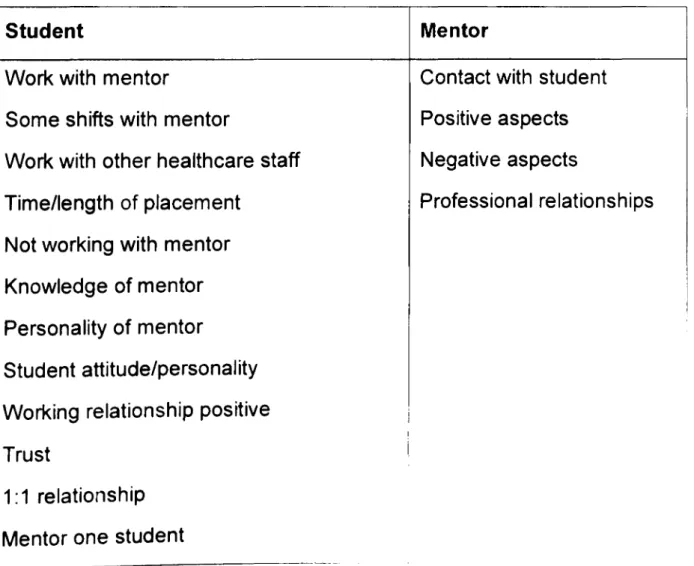
TABLE IV: SAMPLE INITIAL INDEXING STUDENT -MENTOR RELATIONSHIPS 56
TABLE V: STUDENT CHART: COMMUNITY CARE 59
TABLE VI: CHART OF STUDENT THEMES 61
TABLE VII: CHART OF MENTOR THEMES 61
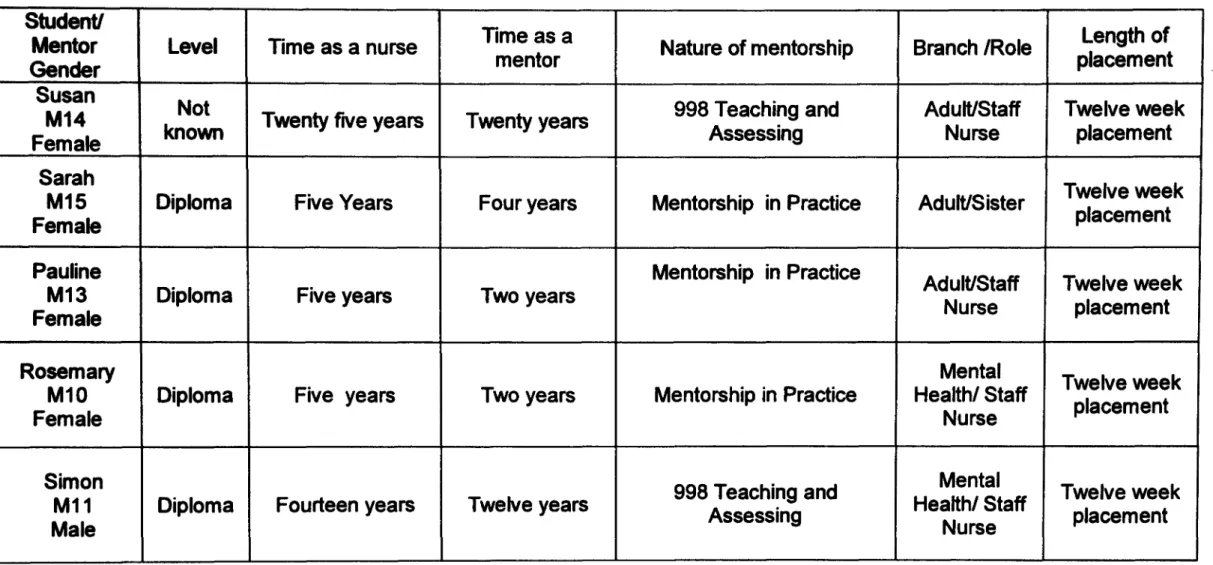
TABLE VIII: BACKGROUND AND PRIOR EXPERIENCE OF STUDENTS 66
TABLE IX: BACKGROUND OF MENTORS IN THE COMMUNITy 68
TABLE X: BACKGROUND OF MENTORS IN CONTINUING CARE FIRST PLACEMENT 70 TABLE XI: BACKGROUND OF MENTORS IN CONTINUING CARE THIRD PLACEMENT 71
Glossary
of
Terms/Abbreviations
A P (E) L Process of awarding credit for formal or experiential learning mapped against learning outcomes of programmes. (NMC, 2008 p45).
Associate Mentors Qualified nurses who have met stage one of the standards to support learning and assessment in practice (NMC, 2008 p46). They act in a supportive role to the named mentor in assisting students to learn.
Competency. The skills and abilities to practice safely and effectively without the need for direct supervision. Competencies are achieved incrementally throughout periods of practice experience during a programme (NMC, 2008 p45).
CPN Community Psychiatric Nurse. ENB English National Board.
ESC Essential Skills Clusters.
European Directives Specific theoretical and clinical instruction required by Adult nurses undertaking pre-registration nursing programmes (Directive2005/36/EC).
Graduate student HEI
Mentor
NMC
Student who has completed a previous degree programme. Higher Education Institution.
A registrant who has met the outcomes of stage two and who "facilitates learning, and supervises and assesses students in a practice setting" (NMC, 2008 p45). They vary in both their experience as a mentor and as a nurse
Parts of the register The NMC register, which opened in 2004 has three parts: nurse, midwife and specialist community public health nurse. A mark on the register identifies the field of practice, i.e. adult, children. mental health and learning disability nurse (NMC, 2008 p46). Preceptorship The process through which existing registrants provide support
to newly qualified registrants (NMC, 2008 p46).
Pre-registration The educational programme that students take in order to become a registered nurse.
Proficiencies These are within the standards of proficiency for each of the three parts of the register. Fitness for practice is demonstrated by meeting all NMC proficiencies and other requirements by the end of the programme (NMC, 2008 p46).
Registrants Nurses, midwives and specialist community public health nurses currently entered in the NMC register (NMC, 2008 p46).
Sign off mentor makes judgements about whether a student has achieved the required standards of proficiency for safe and effective practice for entry to the NMC register (NMC, 2008 p47).
Standards The NMC is required by the Nursing and Midwifery Order 2001 to establish standards of proficiency to be met by applicants to different parts of the register. These are set out in the standards of proficiency for each part of the register (NMC, 2004).
Part I
Chapter
1:
Introduction
Traditionally in the UK an apprenticeship approach to training nurses was the norm before 1986, with students being essentially members of the workforce and learning occurring "on the job". As Andrews and Wallis (1999) argued:
lIeducating nurses by apprenticeship is beset with difficulties and if
learning is to occur in practice then just placing them in practice environments on their own is insufficient" (Andrews and Wallis, 1999 p202).
From the late 1980s the majority of nurse education moved into universities from
hospitals, which was the signal for a major change to the preparation and education of nurses. Project 2000 programmes were introduced in the 1990s (United Kingdom Central Council, 1986), whereby students were predominately supernumerary to the workforce, followed shortly afterwards by "Making a Difference" (DH, 1999)
programmes to address concerns about fitness to practice at the point of registration. Students were no longer members of the workforce.
Alongside this change, the professional body, the Nursing and Midwifery Council (NMC), also introduced new ways to support students in clinical practice. The mentor role was redeveloped, moving away from just an advisor to the role involving support, guidance but also assessment, and this has continued to evolve (NMC, 2006, 2008). Mentorship in nursing is the cornerstone of support in clinical practice and despite the introduction of new roles to complement mentoring this remains the main focus of support for nursing students today.
The mentor role in nursing is largely focused upon the NMC competencies (NMC, 2006); however this role is complex and multifaceted. Qualified nurses who undertake this role vary in both their experience as a mentor and as a qualified nurse and
therefore the knowledge and skills they bring to the role will vary. There may be a tension for mentors in fulfilling this role if they are fairly new to mentoring and they are adjusting to the complexity of their own responsibilities as a qualified nurse.
Students are viewed as novices in relation to learning to nurse. The majority of
students entering nursing programmes are studying at undergraduate level and this is their first experience of degree level study. However, graduate students undertaking
an accelerated pre-registration nursing programme bring prior knowledge of learning and skills from their original degree and therefore their expectations of mentorship and learning may be different to many undergraduate students. There is little published research in the United Kingdom (UK) of the experiences of existing graduates undertaking nursing programmes, let alone accelerated programmes (Halkett and McLafferty, 2006).
As a nursing lecturer within a university I have been involved with pre-registration nursing education for over twenty years in the preparation and support of students to become registered nurses. The importance of workplace learning and the role the mentor has in supporting students in the practice environments has been a growing area of interest of mine over the years. Part of the role as a lecturer involves
discussions with students about both their positive and negative experiences of
learning in practice and the support they receive. Likewise I have worked with mentors in clinical practice and discussed curricula changes and some of the challenges they experience. Sometimes as a lecturer my role would be to support mentors who may be working with a student who is struggling, and to support them in their decision-making process about the student's fitness to practice.
With the above changes in programmes' and mentors' roles, I was interested in firstly, exploring mentorship more broadly, and how this supports learning in practice settings. Secondly, to explore mentorship for a group of graduate students (and their mentors) undertaking an accelerated pre-registration postgraduate nursing programme whereby students with a health related degree can complete the programme in two years as opposed to three years. I chose this group as there is limited research on graduate students needs and expectations within clinical practice. Thirdly, to consider the impact of the interactions and relationships students develop with their mentors upon their learning. Finally, I was interested in understanding the underpinning educational theory to support workplace learning and mentorship.
The aim of the research was to explore the nature of the student-mentor relationship within practice settings in an accelerated nursing programme and to understand the impact of the student mentor relationship on learning.
The research addresses the following questions:
2. How and to what extent does the context in which students gain their experience influence their perceptions of learning in practice?
3. How and to what extent do the interactions between students and mentors influence a student's learning experience?
4. How and to what extent do students' experiences of the mentoring process change as they progress through the programme?
The argument and organisation of the thesis will be developed in four parts: Part I:
Part II: Part III:
Part IV:
Chapter 1 Introduction.
Chapter 2 Background and Literature review. Chapter 3 Methodology and the Methods.
Chapter 4 Background and experience: The student-mentor dyads. Chapters 5, 6, 7 Findings.
Chapter 8 Conclusions and Implications.
This thesis starts with Part I, Chapter Two providing some background to mentorship in nursing and the role. A detailed literature search was undertaken and aspects of the mentor role explored from both students and mentors perspectives including the
professional body requirements (NMC, 2006, 2008). This is then followed by a review of the literature in relation to learning to nurse, followed by a critique of elements of workplace pedagogy which provides some underpinning theory to support learning in different contexts. This provides a justification for the focus of this study upon
mentorship and learning with a group of students over a calendar year in a variety of different contexts. The literature review identified a dearth of research in the UK with graduates with a health related degree undertaking a pre-registration accelerated nursing programme.
Within this study it is important to clarify how I am using terms related to the rnentorship role. There is an absence from much of the literature on mentorship about the
experience and expertise of mentors. Within this study mentors refer to all qualified nurses who have successfully completed an approved NMC mentorship programme. However, this does not adequately address the complexity of mentoring as some
mentors may only have been qualified as nurses and as mentors for a few years and mentored a few students on nursing programmes. At the other end of the continuum there are nurses who may have worked in a speciality for a number of years and have vast range of knowledge and understanding of the speciality and be viewed as
"experts" by their colleagues. In addition they may have being mentoring a variety of students from different programmes over many years, for example; community
practitioners. The first group includes individuals who are novices in both their
experiences of nursing and mentoring and the second group are experienced nurses and mentors. Some mentors will be at different stages in this continuum and therefore each student's mentor will bring different knowledge and experience to the mentorship interaction. As mentors are "allocated" to a student by a senior member of clinical staff then this allocation may depend on availability of mentors as opposed to their level of knowledge and experience as a mentor. Not all mentors are graduates. The mentors allocated to these students reflected a range on this continuum in relation to
experience as nurses and mentors.
Associate mentors are qualified nurses who act in a supporting role to students. They have not undergone any recognised training and do not carry out the formal
assessment of students learning.
Graduate students in this study refer to students who have an existing health related degree and are undertaking an accelerated pre-registration nursing programme in this case at postgraduate level. They are novices in learning the craft of nursing.
Part II, Chapter Three developed my justification for the research methodology and methods I employed. As I was interested in the students' perspectives of mentorship and learning then the argument I developed was for a qualitative approach to answer the research questions. The choice of a case study approach within one institution is justified along with the rationale for the longitudinal design of the research. An
ontological approach drawing on the perspective of the social reality being subjective and influenced by individuals views and meaning of this world led to an intrepretivist approach to this study. From an epistemological perspective the interpretive paradigm focuses upon the subjective experience and personal, unique nature of this knowledge for individuals. The focus is about understanding individuals' meaning of phenomena in situations to be able to understand their action. This is therefore unique to these students. This study had drawn upon social constructivism a philosophical approach which views truth as relative and dependent on one's perspective. Social
this is also influenced by interaction with me as the researcher and subsequently by my interpretation. This would provide a perspective to illustrate how graduate students relate and engage with their mentors in a variety of different clinical environments and the impact this has on their learning. I was also keen to understand this relationship and interaction with mentors. The justification of utilising student-mentor dyads as the sample selected for the research is provided. The rationale for the use of data
collection and analysis strategies are given along with details of context, sample,
theoretical stance and ethical issues. This is followed by an iterative analytical process drawing on elements of Ritchie et al.'s (2003) framework analysis and Wolcott's (2001) analytical approach of description, analysis and interpretation. This also incorporates Stake's (1995) case study approach to data analysis including; description, categorical aggregation, emerging patterns and naturalistic generalisations.
Part III will focus upon the findings. Chapter Four will provide the background to the participants in this case study together with the sequence of clinical placements over their first year of the postgraduate nursing programme. A brief summary is provided of the following three chapters of research findings.
Chapter Five presents the students' and their mentors' interpretation of mentorship which begins to answer research question one i.e. what do students and mentors understand by the term "mentorship"?
Chapter Six then explores the different contexts where students gained their clinical experience over the year in both hospital and community settings. This highlights the nature of mentoring within the different contexts and how these graduate students learn within the "messiness" of daily clinical practice. This addresses question two which is; how and to what extent does the context in which students gain their experience
influence their perceptions of learning in practice?
Chapter Seven discusses the interactions and relationships that students develop with their mentors and others and the impact this has on their learning. Students were keen to learn and factors which enhanced their learning included; using their initiative,
drawing upon learning from their prior degree, opportunities to critically analyse care decisions and be challenged and stretched by mentors. This addressed questions three and four; how and to what extent do the interactions between students and mentors influence students' learning experience and how and to what extent do students' experiences of the mentoring process change as they progress through the programme?
The longitudinal nature of the study over a year enabled the data to capture students' views about their mentoring experiences over a number of placements.
Part IV, Chapter Eight draws together the findings and the impact mentorship had on the students' practice learning. The argument developed is that mentorship and learning in clinical practice is complex but is influenced by the nature of the
environment and the quality of the relationships students develop with their mentors. Graduate students' approaches to learning require mentors to facilitate a critical approach to learning, building upon their prior experience, and enabling engagement and participation in care from an early stage in the programme. These graduates were keen to learn, self directed and they learn in different ways. They adopted a deep approach to learning due to their cognitive abilities and they valued mentors who could facilitate a high level of critical analysis. The social learning theory, particularly around workplace learning (Billett, 2002a), provides a framework to underpin mentorship and learning in nursing which recognises the significance of engagement and participation in practice to support practice learning. Strengths and limitations of the research are considered as well as reflections on this study. The conclusion will include the
contribution this case study has to knowledge on mentorship and learning and the unique experiences of graduate students and how they learn in clinical practice. Recommendations and implications for education, practice and policy and possible areas for future research are provided.
Part I
Chapter
2:
Background and Literature Review
2.1 Chapter overview
The literature review will provide a critical overview and analysis of the academic literature related to mentorship and learning within clinical practice focusing
predominately on nursing literature to underpin the rationale for this case study on mentorship. The review highlighted that the relationship between students and their mentor is crucial to their learning experience. There is a dearth of literature on the needs of graduate students on an accelerated pre-registration nursing programme in relation to mentorship and support in practice. In addition the increasing complexity of the different learning environments identified the need for ongoing research on the impact this has on student learning experiences. Learning within the workplace is difficult due to the increasing demands of patient care, however exploring the
workplace as participatory practices can aid understanding and support for learning.
2.2 Background
In 2004, "Making a Difference" programmes were introduced with a specific focus on "fitness to practice" (DH, 1999; UKCC, 1999). This saw the introduction of equal time devoted to theory and practice and an extension of the supemumerary status to cover the whole programme. Despite this change, supernumerary status was beset with confusion following its implementation. The intention had been that as students were not part of the workforce they would be able to learn and engage in a variety of learning opportunities without the focus on the student being a member of the workforce. In reality this changed their role and students were observing rather than participating in care and as a consequence not obtaining the necessary knowledge and skills. The NMC subsequently clarified what they meant as supernumerary status:
"Supernumerary status means that the student shall not as part of their programme of preparation be employed by any person or any body under
a
contract of service to provide nursing care" (NMC, 2004 p19)."whilst giving direct care at least 40% of
a
student's time must be spent being supervised directly or indirectly bya
mentor/practice teacher" (NMC, 2008 p33).Nursing students undertake a series of practice placements over the course of their programme and this is designed to provide the necessary clinical skills and
proficiencies to become a registered nurse. The mentor role in nursing remains the main focus for support and supervision of pre-registration nursing students in clinical practice (NMC, 2008). Despite the importance of this role, there has been growing concern over the years as to how well existing mentorship programmes prepare mentors for their role (Phillip, Davies and Neary, 1996; ENB, 2001 b; Duffy, 2004b). The professional body, the NMC, provided new guidelines and standards in 2006, updated in 2008 for the support, learning and assessment of practice (NMC, 2006, 2008). As well as changes to the nature and content of the programmes the NMC also requires ongoing updating of mentors and more recently the development of "sign off' mentors, for those nursing students on their final placement, who will make judgements about fitness to practice (NMC, 2008). Arguably the professional body are providing increasing regulation to mentorship, with the rationale to ensure "fitness to practice" at the point of registration.
The literature on mentorship in nursing has been wide ranging over the last twenty years addressing aspects such as mentor preparation programmes, experiences of mentors and students, support, but few addressing the effectiveness of the role. A search of the literature was undertaken to explore the existing evidence in more detail but also to identify areas for potential future research.
2.3
Search strategyA number of searches of the literature bases were undertaken covering 1990 to 2006 and subsequently updated to 2010. These included CINAHL, PubMed, EBSCO host, Medline, Science Direct, PsyclNFO and ERIC and British Education Index, as well as the Nursing and Midwifery Council and Department of Health websites. The search strategy included predominately studies since 1990, reflecting the major changes in both educational programmes and mentorship in the UK, but also has considered the wider international perspectives on mentorship/preceptorship. A hand search was also undertaken of nursing journals to supplement the electronic search. Search
words/terms employed when searching electronic databases included, student- mentor relationships; mentorship and nursing: mentorship and learning; mentorship and
workplace learning and nursing students; shortened/accelerated nursing programmes: and graduates, nursing and mentorship. In addition due to the different terminology utilised internationally for mentorship a search also included preceptorship and nursing students in order to include relevant articles. The search identified 2548 articles of which 74 were identified as relevant which included empirical studies and reviews of mentorship and learning (see Appendix I). The inclusion criteria were Project 2000 programmes onwards, studies between 1990-2010, predominately focused upon nursing. In addition articles and studies related to learning and the workplace were included. Relevant articles from Australia, America, Canada and Europe were considered. Exclusion criteria were if studies were prior to Project 2000, not related predominately to healthcare and not focused on pre registration programmes. It is clear that the literature on mentorship and learning is vast and to aid the process of critically reviewing the literature two critical appraisal tools were utilised. The first was drawn from Polit and Hungler (1993) which includes a critique of theoretical,
methodological, ethical, interpretative and presentational dimensions, particularly appropriate for quantitative studies. The second incorporated a critical appraisal skills programme (CASP), (2006) to review the qualitative studies which focuses upon rigour, methods, credibility and relevance.
The search strategy identified concepts and synonyms linked to each search word/term identified in appendix 1. Concepts were further refined by both key word and subject searching using Boolean logic which resulted in the development of themes but I recognised there was some overlap between themes. Finally, seven core themes emerged from the detailed search which were: accelerated nursing programmes; student-mentor relationships; learning strategies and workplace learning; learning environment; mentors' perceptions of mentorship; students' perceptions of mentorship; professional body requirements of mentorship. The search identified predominately primary sources and these were then identified as high priority or low priority. For example, if mentorship relationships were briefly mentioned then low priority given to this as opposed to if it was the main focus of the paper then a high priority given. The search strategy provided a large source of data concerning mentorship and learning but by more in depth searching this demonstrated a more robust picture of the quality of research studies on mentorship in nursing.
This review will begin by examining the nature and changes of nursing education programmes and the subsequent development of mentorship programmes in the UK,
followed by a critical review of the mentorship and learning literature in nursing and identify gaps which have supported the rationale for this case study.
2.4 Nursing Education Programmes
Since the late 1990s Higher Education Institutions (HEls) have been providing pre-registration nursing programmes at a variety of academic levels ranging from diploma to degree and predominately these are three year programmes. Collaboration between HEls and healthcare providers ensure that students have access to practice learning environments for 50 percent of the programme to develop the necessary competencies to become a registered nurse (NMC, 2004). The NMC set specific requirements and guidelines in relation to the nursing programmes and these are contained within two documents related to Standards of Proficiency (NMC, 2004), and more recently the Essential Skills Clusters (NMC, 2007). These include aspects such as; the length of the programme, balance of theory and practice, content, teaching and learning strategies and clinical skills and are prescriptive in nature.
Increasingly, a number of graduates are entering nursing programmes with the majority opting to take either diploma or degree programmes to gain nursing registration
(Daiski, 2004). A few HEls in the UK introduced separate accelerated programmes for graduates with a health related degree in the mid to late 1990s (UKCC, 1999).
2.4.1 Accelerated programmes
Accelerated programmes enable students to accredit prior (experiential) learning (AP(E)L), from their previous health related degree and thus undertaking the
programme in a shorter period of time; up to a maximum of two years as opposed to three years but still meeting the practice hours required by the NMC of 2,300 hours. These programmes may be incorporated into existing three year programmes or delivered as a separate programme for these graduates.
A review of the literature identified a number of studies which have explored issues for students undertaking accelerated nursing programmes since 1990 (Carpenter, 1990; Wu and Connelly, 1992; Jasper, 1994; O'Mara, Byrne and Down, 1996; Youssef and Goodrich, 1996; Bentley, 2006; Halkett and Mc Lafferty, 2006; Cangelosi, 2007; Ouellet et al. 2008; Pen prase and Koczara, 2009). Much of the literature is American and Canadian and highlights the rationale for these programmes being predominately to address the recruitment crisis (O'Mara, Byrne and Down, 1996; Youssef and Goodrich. 1996; Cangelosi, 2007; Penprase and Koczara, 2009). The findings are predominately
focused on issues related to academic achievements compared to the alternative traditional programmes. The American and Canadian educational and healthcare
systems are different to the UK as students spend less time in practice and support arrangements are different. Cangelosi (2007) conducted a phenomenological study with nineteen students through in depth interviews. Findings identified that faculty play a role and teaching strategies that recognise their prior learning should be utilised. Penprase and Koczara (2009) in a review of the literature of second degree
programmes in America identified that these students are adult learners and
programmes need to cater for their need to be autonomous and independent. The review identified a need for more research to understand the effectiveness of these programmes and to ensure they meet the graduate students' needs.
Within the UK few studies have examined accelerated programmes and the experience of students with Jasper (1994) being one of the earlier studies followed more recently by Halkett and Mc Lafferty (2006). The focus of accelerated programmes in the UK has been to widen the range of people coming into nursing and this group of graduates with a health related degree were considered an untapped resource.
In exploring the UK studies in more detail they all identified that these students bring with them a wealth of experience including both academic and life skills (Jasper,1994; Halkett and McLafferty, 2006). Many are students who have families and may be undertaking nursing as a second career. Most accelerated programmes are part of existing three year graduate provision and the design of these programmes recognised that students were independent learners and therefore adopted more of a self-directed approach to learning.
The majority of the research on accelerated programmes in America and Canada has adopted a quantitative methodology, but Jasper (1994), and more recently Halkett and McLafferty (2006), utilised qualitative approaches to explore the experiences of these students. Although Jasper's study was conducted in the early 1990s it was an
evaluation of a nine month common foundation programme (as opposed to eighteen months) and focused upon "student-centredness" for both theoretical and practice based learning.
Halkett and McLafferty (2006) in a qualitative study with purposive sampling recruited twenty one students out of thirty nine existing students. They utilised interviews and focus groups to explore their experiences of the accelerated degree programme, however it is not clear if the sample of students was from the same year of the
programme. Despite this, it does recognise some of the specific issues for this group of students and highlights the importance of their learning in practice. A number of recommendations were identified including:
"ifthe award should be at degree or postgraduate level, the potential
benefits ofvisits by personal teachers into practice, the nature ofthe theoretical content and the need for more clinical skills and shorter placements" (Halkett and McLafferty, 2006 p 167).
Although not an accelerated programme a recent longitudinal study by Stacey, Felton and Joynson (2010) explored the experiences of students on a unique undergraduate Masters course in the UK undertaking the mental health branch of nursing. As with Halkett and McLafferty (2006) they utilised a purposive sample and eight out of fourteen students who met their criteria participated in the study. The students had been qualified for between two and five years. They utilised a narrative approach and unstructured interviews to explore the students' experiences. The findings identified themes about the professional socialisation process the students went through during the programme. Of particular concern in this study was the conflict and disillusionment some of these students experienced upon qualification as they entered the workforce and this is similar to the dissonance experienced by students who undertook the first degrees in nursing in the 1970s (Luker,1984). On a more positive note students identified that the programme "fostered a critical approach to practice" (Stacey, Felton and Joynson, 2010 p336).
Writers have identified that an essential characteristic of graduates undertaking
postgraduate study is the promotion of deeper learning and the ability to demonstrate critical thought (Whyte, Lugton and Fawcett, 2000; Gerrish, McManus and Ashworth, 2002; Longley, Shaw and Dolan, 2007; Stacey, Felton and Joynson 2010). Whyte, Lugton and Fawcett (2000) and later Gerrish, McManus and Ashworth, (2002)
highlighted that masters level education improves the integration of theory and practice and increases confidence and commitment to nursing, although it needs to be
recognised that these studies referred to qualified staff studying for a masters qualification. Longley, Shaw and Dolan, (2007) considered the importance of the development of the future healthcare workforce and that this needed practitioners who took an analytical and critical approach to practice.
These studies offer some insight into the experiences of existing graduate students undertaking mainly accelerated nursing programmes. There appears to be a dearth of research which has explored accelerated programmes per se offered at postgraduate level across all branches of nursing in the United Kingdom and the impact this has on
their support in practice. This thesis will set out to explore this gap in more detail in this case study on mentorship by drawing on a sample of nursing students undertaking a specific accelerated postgraduate pre-registration nursing programme.
This review will now consider two interrelated aspects of mentorship and learning within clinical practice which the researcher believes are the basis for this case study on mentorship. Firstly the role of mentorship and support in practice and secondly the learning environment will be explored and then how students learn within the
complexity of these environments.
2.5 Mentorship
It is well documented that the origin of the concept of mentorship goes back to Greek mythology when Mentor, a friend of Odysseus, was asked by the king to guide and advise his son, Telemachus, while Odysseus was away fighting in the war (Carroll, 2004). The concept suggests a wiser older person guiding and advising a novice. Nursing and Midwifery have adopted this term, although it is beset by a lack of
consensus of the role over the years (ENB, 1989; Wilson-Barnett et a1.1995; Wilkes, 2006). An added complication within the nursing literature is that different terms are utilised in the UK as opposed to internationally in relation to the role. These range from supervisor, preceptor, mentor, facilitator and assessor. Within the UK the term
"mentor" is used to denote the qualified nurse/midwife who supports pre-registration nursing/midwifery students, however in Ireland and internationally this person is termed a "preceptor". Preceptor within the UK is a qualified practitioner who supports qualified nurses (Wilson-Barnett et aI.1995). It is unsurprising therefore that the lack of
clarification of the term and the role has resulted in an inconsistent approach to the implementation of the role within clinical practice in nursing. Although, this review will largely draw on the UK literature, reference will be given to an international perspective where relevant.
2.5.1 Mentor Preparation programmes
To become a mentor for nursing has undergone many changes over the years, but recently this has become even more structured with the NMC identifying criteria and requirements of the mentor to ensure protection of the public (ENB, 1987; NMC, 2006; NMC, 2008). Qualified nurses within the UK need to pass a recognised mentor
programme which involves both academic and practice learning (NMC, 2008). In the 1990s this was the 997/998 English National Board (ENB) Teaching and Assessing programme, which included taught content related to teaching strategies and
assessment. Since Project 2000 and "Making a Difference" programmes were
introduced the mentorship programmes were redesigned to reflect the changing nature of the pre-registration nursing programmes to be able to support and supervise
students (DH, 1999).
Nevertheless, the quality and adequacy of the training for mentors has continued to be a growing area of concern over the last twenty years (Wilson Barnett et a1.1995; Phillip, Davies and Neary, 1996; Andrews and Wallis, 1999; Pulsford, Bolt and Owen, 2002; Watson, 2003; Duffy, 2004b). New guidelines and standards were introduced in 2006, updated in 2008 for the support, learning and assessment in practice (NMC, 2008). As well as changes to the nature and content of programmes the NMC also now require annual updates of mentors and triennial reviews. More recently the development of "sign off" mentors has been introduced for those nursing students on their final placement, and these mentors will make judgements about the student's fitness to practice (NMC 2008). Mentors who are assessing competence must have met the NMC outcomes defined in stage 2 of the standard, or be supervised by a mentor who has already met these outcomes (NMC, 2008). Qualified nurses must also have been qualified for a minimum of one year before they can undertake the programme. The NMC identified eight domains/competencies expected of mentoring which are:
"establishing effective working relationships; facilitation of learning; assessment and accountability; evaluation of learning; creating an environment for learning; context of care; evidence based practice and leadership" (NMC, 2008 p20).
The role involves facilitating, supervising, monitoring and assessing students with the assessment function taking a much greater significance within the role over the last few years. This in itself presents challenges for mentors and students with the relationship involving both learning and assessing (Edmond, 2001; Nettleton and Bray, 2008). It is evident that the role is complex and multifaceted and before exploring aspects of the role in more detail it is useful to consider existing reviews of mentorship.
2.5.2 Mentorship reviews
Four reviews have been undertaken in nurse education in the UK on mentorship in the last few years by Andrew and Wallis (1999), Pellatt (2006), Wilkes (2006) and Jinks (2007), and these predominately focused on the mentor role except for Wilkes (2006) who reviewed the student-mentor relationship. The most recent and detailed work was undertaken by Jinks (2007) which I will draw upon within this review. Jinks (2007) in a review of nineteen reports on mentor research primarily focused on mentors, identified
that most of these studies utilised postal survey approaches to collecting data (Phillip, Davies and Neary, 1996; Andrews and Chilton, 2000; Lloyd Jones, Walters, and
Akehurst, 2001; Pulsford, Bolt and Owen, 2002; Watson, 2003), and then some form of statistical approach was utilised to analyse these findings. A number of the larger scale studies employed mixed methods such as questionnaires, interviews and/or diaries (Wilson-Barnett et al. 1995; Phillip, Davies and Neary, 1996; Thomson et al. 1999), and also involved mentors and students but not necessarily dyads. In the three studies utilising qualitative methodologies the interview technique was the main
approach with this being analysed using a content analysis approach (Atkins and Williams, 1995; Twinn and Davies, 1996; Watson, 1999). Jinks (2007) concluded that there was a need to have more in-depth research related to mentors and particularly the area around perceptions and experiences utilising qualitative methodologies.
Andrews and Wallis (1999), Pellatt (2006) and Wilkes (2006) likewise have all reviewed the literature on mentorship. They largely found similar results, recognising that the mentor role has changed since "Making a Difference" programmes were introduced with the increasing expectation focusing not only upon supporting but also upon assessment and accountability. Andrew and Wallis (1999) and more recently Pellatt (2006) in their reviews mainly from the mentors' perspective, identified that there was still a lack of consistency in understanding the role. Andrews and Wallis (1999)
highlight the importance of the mentorship relationship in supporting learning and the personal characteristics of the mentor as being crucial. Pellatt (2006) mirrors the
findings of Andrews and Wallis (1999) in relation to the importance of the mentor role in supporting students in practice but identified that "better training, support and
evaluation of their performance" is needed (Pellatt, 2006 p339).
At the same time Wilkes (2006) conducted a literature review but this focused on the student-mentor relationship, and identified that the relationship is complex and students wanted a mentor who was supportive and was caring for patients and students (Cahill, 1996; Papp, Markkanen and Von Bonsdorff, 2003; Pearcey and Elliott, 2004).
Mentors felt they had multiple roles and it was difficult to mentor students due to these competing expectations. There was a need for a greater acknowledgement of the demands of the role particularly with the increasing focus upon both teaching and assessing competence (Duffy, 2004b). A review of research of mentorship in
education by Ehrich, Tennet and Hansford (2004) found similar results in that a lack of time for mentoring was persistently raised by mentees. There is evidence that issues still remain despite all these studies recognising the importance of the role. The
introduction by the NMC (2008) of further regulation presents challenges for mentorship and it remains to be seen how effective this will be.
The reviews highlight the need for research which focuses on the perceptions and experiences of both students and their mentors in light of the changing nature of
healthcare practice and competing demands on mentors' time. However, it is important to critique the research base in relation to mentorship skills and the role of mentorship further to identify why these relationships seem to be central to effective mentorship.
2.5.3 Mentorship relationships and qualities
A number of writers have highlighted that the onus seems to be on the student to develop a relationship with his/her mentor and students argue that this can be quite emotionally draining on them (Cahill, 1996; Gray and Smith, 1999). The psychological aspects of this relationship are crucial as students go through a variety of stages in building up this relationship. Earnshaw (1995) and subsequently Morton-Cooper and Palmer (2000) describe these as starting with an initial settling in period during which they get to know each other, followed by a more relaxing stage which is more open when friendship and trust develops. Cahill (1996) argued that the essential aspects of the student-mentor relationship should be one of partnership and respect from both parties.
Some studies have focused specifically on the students' perspectives of mentorship since Project 2000 and "Making a Difference" programmes were introduced and these provide some useful insight into the experiences of students and the importance of supportive relationships (Earnshaw, 1995; Cahill, 1996; Andrews and Wallis, 1999; Gray and Smith, 2000; Spouse, 2001; Webb and Shakespeare, 2008; Newton, Billett and Ockerby. 2009). All these studies are consistent in identifying positive qualities summarised by Gray and Smith (2000), as friendly and approachable and having a positive and supportive approach to students. They wanted "quality time" with their mentor on a one- to-one basis as well as "consistent, genuine feedback" (p1547). Spouse (2001) in a naturalistic qualitative study of six students during their four year degree programme claimed that the mentoring role was crucial and identified the importance of the mentor "befriending" students to enable access to learning
opportunities. If students developed a good relationship and they showed enthusiasm, confidence and assertiveness then this seemed to be viewed positively by mentors. Despite the importance of establishing positive relationships there is still much
of "toxic mentors" to refer to mentors who ignored, criticised and did not form
effective relationships (Darling, 1984,1985; Mamchur and Myrick, 2003; Hunter, 2004; Pearcey and Elliott, 2004). Mamchur and Myrick (2003), in a rnultidisciptinary study explored the nature of conflict in preceptorship experiences. They utilised a modified, quantitative/qualitative method and data revealed the degree to which conflict affected relationships and factors contributing to conflict. The main reasons for conflict
identified by students seemed to focus on expectations being different, personality, but crucially they identified the effects this can have on the student as an individual. These ranged from impeding learning to destructive of their self-image. Although Pearcey and Elliott (2004) argue that students can turn these negative experiences into learning opportunities for the future and how not to practice, this would not be the type of
relationship and learning to be encouraged. From the students' perspectives a positive relationship with their mentor is central to their learning but they also highlight the
emotional and psychological demands on them in developing effective relationships. For mentors mentoring can be both stressful and emotionally draining particularly if managing a difficult relationship or a struggling student alongside competing demands within the placement (Duffy, 2004b; Bray and Nettleton, 2007; Webb and Shakespeare, 2008). Mentors particularly found it difficult to fail a student as this suggested they were poor mentors (Duffy, 2004b). This seems to be a similar situation in midwifery with Hunter (2004) also raising issues concerning the "emotional work" but critically suggesting that the institutional demands and client care requirements create
difficulties. The mentor needs to facilitate learning opportunities and focus on the individual student needs and if this occurs then often it will be a productive mentorship relationship (Morton-Cooper and Palmer, 2000). Finally for mentors having time and recognition for this role is required (Pulsford, Bolt and Owen, 2002).
This thesis will argue that an essential aspect for students to learn is not only the student's motivation to learn but the relationships they develop with their mentor. However, if mentorship is viewed as a dyadic relationship then fundamentally this
requires a commitment from both parties for it to work. Much of nursing literature refers to the importance of the student-mentor relationship as key to supporting learning in practice settings, however this literature largely focuses on this relationship from either the student's perspective or the mentor's, with few studies addressing both the student and mentor perspectives over a period of time.
2.5.4 Student mentor dyads
The literature review identified that where studies have considered student mentor dyads these studies have predominately focused on short periods of time (Wright. 1990; Watson, 1999; Andrews and Chilton, 2000; Lloyd-Jones, Walters and Akehurst, 2001; Higgins and McCarthy, 2005), except for Ockerby et al. (2009) being a recent study in Australia. However, even the studies which focused upon one module or short time period highlight the value students placed upon the role of their mentor.
Wright (1990) introduced an elective module for final year students on a diploma nursing programme in Australia whereby they were mentored by experienced
practitioners who had specific training for the role. This was a multi-method evaluation study and students had a seven week placement and through the use of individual learning contracts they worked alongside their mentor identifying their learning needs. All students identified that this committed time with their mentor enabled them to
increase their competence in practice. They valued the independent learning approach with the use of the learning contracts. Through an analysis of the evaluation
questionnaire four themes emerged as important for students and these were; "the quality of the relationship, professional role acquisition, and socialisation in the work role and the need to promote mentorship" (Wright, 1990 p355). Mentors felt the learning relationship was successful and that the learning contract worked well.
Although this is an Australian study in the early 1990s it does provide insight into both the importance of the student-mentor relationship but also the focus on independent learning. However, there is a lack of detail on the methodology, sample size and what they meant by experienced practitioners and therefore caution is needed with these findings.
Watson (1999) carried out a case study on one theory practice module in the common foundation programme within Project 2000 diploma and degree programmes in the UK utilising a qualitative ethnographic design with thirty five students and fifteen mentors through semi- structured interviews. Clinical placements were in two acute settings in hospitals. Students' understanding of the role was similar to previous studies including "assessor, facilitator, role model, planning and support in the clinical setting" (Watson, 1999 p259); however mentors included all these except for planning. Mentors felt they needed management support for the role as all students had interrupted periods of mentorship due to shift patterns, sickness or holidays. Although adding to the body of knowledge about student-mentor dyads this study focused only upon hospital
Andrews and Chilton (2000), in a small study in two wards in one hospital utilised questionnaires to ascertain the views of mentors and students of the effectiveness of mentoring. They developed the questionnaire from Darling's (1985), Measuring Mentoring Potential (MMP) scale. Twenty two mentors and eleven students
participated in the study. Mentors who had a teaching qualification (998 Teaching and Assessing) were more confident in relation to the role than those who did not.
However, it needs to be recognised that since this study more formalised preparation for all mentors is now evident.
Lloyd-Jones, Walters and Akehurst, (2001) in an exploratory study examined the extent to which named mentors were available to Project 2000 students. This was part of a larger scale mixed methods study on the cost benefits of clinical placements. A sample of 125 students from their second and third year participated and 117 mentors. There were 81 dyads who recorded activity over a week when they worked the same shift as their mentor in a diary. Results identified that students frequently worked shifts with their mentors. However, if their named mentor was absent then students had less interaction and less time in direct care. The level of direct and indirect supervision varied. The response rate was low and this only covered one week in time.
Higgins and McCarthy (2005) explored mental health nursing students' experiences on a three year diploma programme in Ireland of having a preceptor (mentor) during their first placement experience. Semi-structured interview of six students suggested that the mentor was important in contributing to their learning. The initial encounter with patients was quite anxiety provoking for these students, due to the nature of the patients' illness. The students valued having an identified member of staff who was their "just for them". The success of the student-mentor relationship was supported by a friendly, supportive but professional relationship.
These five studies although providing a useful insight into the student and mentor perspectives are limited due to short duration of the studies focusing predominately on one module and only considering one placement. None of these studies identified what they meant by experienced mentors, a factor missing from much of the literature on mentoring.
Ockerby et al. (2009) provides some insight in a more detailed research study
exploring students' experiences of mentorship over their nursing programme drawing on preceptors' views to support this study. Ockerby et al. (2009), explored
with registered and novice nurses in a longitudinal study in Australia within a degree nursing programme. Thematic analysis identified six key themes; "workplace
socialisation, empathy, individuality, willingness to engage, changing support and a realisation" (p369). The strength of this research is its longitudinal nature and its focus upon workplace learning drawn from the work of Billett (2001) and the students' journey to independence. In particular this study highlighted the importance of the student engagement and active participation and the role of the workplace preceptor in affording this learning experience. Nevertheless the preparation of students and mentors is different in the UK from Australia so exploring these issues from a UK perspective will enhance the research evidence in this area.
The nature and quality of mentorship research in nursing involving student- mentor dyads is therefore limited within the UK with none of the studies focusing on
accelerated postgraduate programmes over a sustained period of time. This thesis can address this gap by providing a useful insight into issues of relationships and learning in a variety of contexts of care for students and their mentors. It can also add to the body of knowledge about how students learn in practice as a more diverse range of students are entering nursing with higher academic qualifications. The second dimension of this review is the nature of the learning environment and how students learn within the variety of placements.
2.6 The Learning environment
Much literature has been provided since the 1990s on the importance of a positive clinical learning environment and as identified earlier much of this focuses on hospital based environments (Earnshaw, 1995; Andrews and Chilton, 2000; Gray and Smith, 2000; ENB, 2001 a; Papp, Markkanen and Von Bonsdorff 2003; Henderson et al. 2006; Midgley, 2006; Pellatt, 2006; Wilkes, 2006). Increasingly students are also gaining experience within the community and there is a growing evidence base of the role of these placements upon student learning (Luker et al. 2000; Carr, 2001; Gopee et al. 2004; Kenyton and Peckover, 2008; Baglin and Rugg, 2010). However, regardless of the environment there are a number of characteristics which have been identified as creating a positive learning environment. Dunn and Hansford (1997) developed a clinical learning environment inventory (CLE) which identified the importance of staff student relationships and attitudes and these included rapport, teaching and access to learning opportunities. Midgley (2006) subsequently developed this further and
highlighted the importance of interactions with staff on the ward. Students seek respect, support and acknowledgement from their mentors and other members of the
team. If the focus is on task orientation to gain clinical skills then Midgley (2006) argues that many learning opportunities may be missed. The CLE has increasingly been utilised in an international context to review the quality of placements, and viewed as a robust instrument for quality assuring placement learning (Saarikoski, Leino-Kilpi, and Wame, 2002; Papastavrou et al.2010).
2.6.1 Nature
ofplacements
As highlighted above in section 2.6 much of the early literature concerning the clinical environment is focused upon hospital settings. Philpin (1999) identified that the nature of socialisation within hospitals differed in relation to experiences across acute and chronic areas of healthcare. The culture within chronic care had a greater focus upon caring with patients taking on a more active role in their care. In contrast, within acute care areas with its emphasis on curing and technological interventions students found this more difficult to manage. Higgins and McCarthy (2005) as identified in section 2.5.4 identified the anxiety students face on their first placement and this has also been reported in other studies (Smith and Gray, 2001; Bray and Nettleton, 2007). Hartigan-Rogers et al. (2007) did highlight within specialised units such as critical care mentors were supportive of student learning and in contrast to general wards they were well staffed and were more able to facilitate student learning.
The nature of work in the community means that often practitioners are caring for people in their own homes and this can range from short episodes of care to long term care needs. Care practices are shifting towards the community, for example, Walk in Centres, "hospital at home", rapid response services' (Hallett, 1997; Carr, 2001; DH, 2002a, 2002b; Kenyon and Peckover, 2008). Baglin and Rugg (2010) identified that community placements provide students with varied experience but that the quality of this may depend on where and who they are placed with and the support they
received. Predominately pre-registration nursing students in the primary care settings have had one-to-one mentorship which Kenyton and Peckover (2008) believe results in a positive student-mentor relationship but impacts on mentors' workload. The c1ient-nurse relationship is different with the client being in control and deciding who has access to them. Studies in the community have focused predominately on students' or mentors' experiences with limited evidence of both perspectives. There is a need to explore both hospital and primary care environments and the nature of mentorship from both the students' and their mentors' perspectives and their impact upon student
2.6.2 Resources
One of the real dilemmas for mentors in the literature was the competing expectations in trying to deliver service needs as well as providing support and assessing students and this does not appear to have changed over the years (Atkins and Williams, 1995: Twinn and Davis 1996; Gray and Smith, 2000; Watson, 2000; Lloyd-Jones, Walters and Akehurst, 2001; Carnwell et al. 2007). Where mentors saw mentoring as part of their job they were less concemed about the time factors, however, if it was regarded as an additional responsibility then this did impact on their view (Atkins and Williams, 1995; Phillip, Davies and Neary, 1996). The danger is if staffing levels are reduced, or workloads are high, then students will have little supervision (Gray and Smith, 2000; Brodie et al. 2004; Andrews et al. 2006; Nettleton and Bray, 2008).
The demands on mentor's time are great and the staffing ratios, shift patterns and length of the placement can have an impact on the effectiveness of the mentoring experience. The impact that resources play on student learning will be examined in this study with a focus upon mentorship across a variety rather than one specific environment. This will add to the richness of the data missing from single clinical environment studies.
2.7 Learning to Nurse
How students learn in the practice setting has been an area of much debate over the years but with the changing nature of programmes and students no longer apprentices how and who supports them has become even more critical (Spouse, 2001). In
addition, with graduates increasingly accessing nursing programmes then it is important to understand how they learn and if this is different to undergraduates studying their first degree. Practical clinical skills are the foundation for becoming a registered nurse and this has remained largely unchanged over the years (Nicol and Freeth, 1998). Part of learning to nurse involves interactions with patients/clients at a vulnerable period of their lives. As Burnard and Chapman (1990) identified:
"the basis of clinical learning should be the process of carrying out care with patients ... " (Burnard and Chapman, 1990 p48).
However, what is clear from the above discussion in section 2.6.1 is that the nature of care has changed. Students need to be provided with opportunities to acquire these skills and to develop the proficiencies required to become a qualified nurse (Chan, 2002). Spouse (1998a) and other authors have argued that students need
the communication and affective skills. As they progress through the programme then this included organisational and management skills (May and Veitch, 1998; Spouse, 2003; Hartigan-Rogers et al. 2007; Ockerby et al. 2009). The role mentors play in supporting students to learn will briefly be considered and these include; learning and teaching strategies, reflection and assessment/feedback as well as identifying gaps which this thesis will seek to address.
2.7.1 Learning and teaching strategies.
Mentors utilise a variety of learning and teaching strategies to support learning in
practice. Cope, Cuthbertson and Stoddart (2000) argue that qualified staff, in particular the mentor, use intentional strategies such as modelling, coaching, scaffolding and reflection within a degree programme in Australia. Coaching involves working with a student and guiding and directing them under close direct supervision. Direct
supervision is a critical element in supporting students to learn, however it is important to have some opportunity to discuss this care.
Scaffolding extends this further but the student is working with their mentor or other qualified staff in care activities. At this stage the student does not have the knowledge and skills to undertake this activity on their own (Spouse.1998a). This involves
assessing students' "zone of proximal development". Vygotsky (1978) referred to this as developing their existing knowledge and what they need to learn, and then talking through the aspect of care and assessing their understanding. It is the opportunity to discuss with an expert that is important. Once the mentor feels they are competent then they will "fade" and offer more indirect supervision.
Indirect supervision may involve students carrying out care and reporting back to their mentor, or the mentor checking out with the student how care is progressing. The crucial aspect is that the mentor is available to support the student if required. Spouse (1998) demonstrated how these approaches were utilised in her study of nursing
students' development to become registered nurses by drawing upon situated cognition, that is learning occurs within the context in which a person is situated.
Teaching techniques whereby mentors utilise questioning to ascertain basic knowledge and understanding is the most commonly utilised strategy (Myrick, 2002; Profetto-McGrath et al. 2004), however Carlson, Wann-Hansson and Philhammar (2009) argue that reflective questioning stimulates higher level reasoning skills. In addition the use of cues allows students to develop skills similar to "talk aloud" and subsequently to