EVALUATION OF NES AND NNES STUDENTS’ PERCEPTIONS OF NES AND NNES INSTRUCTORS IN ENGINEERING
BY
CARRIE N. WELLS
THESIS
Submitted in partial fulfillment of the requirements
for the degree of Master of Arts in Teaching of English as a Second Language in the Graduate College of the
University of Illinois at Urbana-Champaign, 2016
Urbana, Illinois Advisers:
Professor Randall Sadler, Chair Professor Bruce Litchfield
ABSTRACT
In response to the continually growing population of internationals at the University of Illinois in Urbana-Champaign, the population of international Engineering students has also grown, with it, the number of international TAs/instructors. The previous literature on native English speaking students’ perceptions of Non-Native-English-Speaking instructors has shown that language barriers and accents have been a cause for difficulties within the class between instructors and students. Thus, this paper aims to look at the relationship between students and instructors, specifically Non-Native-English-Speaking instructors who come to the university as professors and TAs and determine if there are similar difficulties within the Engineering
department between its students and instructors. The method of research for this study included surveying as well as interviewing Engineering students, past and present, to determine if these students have had any difficulties in learning due to accent/language barriers. Thus, this research looks at the perceptions that Native-English-Speaking students (NES) as well as Non-Native-English-Speaking students (NNES) have towards Native-Non-Native-English-Speaking teachers (NEST) and Non-Native-English-Speaking teachers (NNEST). In comparing these two groups of students and instructors, the results showed that both NES and NNES students within the Engineering department have a preference for NESTs due to language barriers/difficulties both among Native English speakers as well as Non-Native English speakers. This paper also recommends solutions to these language barriers such as workshops or classes for instructors who have been rated lower among student rating, more intentional pairing between Native and Non-Native English speaking TAs with professors, as well as more intentionality from the instructor at the beginning of the semester to alleviate some of the problems that may arise due to language
misunderstanding. More research should follow that focuses specifically on Native and Non-Native English speaking instructors and their perceptions of how language has impacted their instruction as well as the students’ comprehension.
TABLE OF CONTENTS
TABLES AND FIGURES ... iv
CHAPTER 1: INTRODUCTION ... 1
CHAPTER 2: LITERATURE REVIEW ... 7
CHAPTER 3: METHODS ... 27
CHAPTER 4: ANALYSIS OF STUDENT SURVEY ... 31
CHAPTER 5: ANALYSIS OF STUDENT INTERVIEWS ... 48
CHAPTER 6: DISCUSSION ... 57
CHAPTER 7: CONCLUSIONS ... 68
REFERENCES ... 76
APPENDIX A: STUDENT SURVEY ... 79
APPENDIX B: STUDENT INTERVIEW QUESTIONS ... 86
TABLES AND FIGURES
Figure 1: Number of International Students in Attendance at University of Illinois ... 1
Figure 2: Number of International Graduates and Undergraduates at University of Illinois ... 3
Figure 3: Distribution of International Students by Department at University of Illinois ... 4
Table 1: NES Students’ Perceptions of NESTs’ Effectiveness (n = 44) ... 35
Figure 4: NES Students’ Responses Regarding Problems with NESTs (n = 17) ... 35
Table 2: NES Students’ Perceptions of NNESTs’ Effectiveness (n = 44) ... 37
Figure 5: NES Students’ Responses Regarding Problems with NNESTs (n = 24) ... 37
Table 3: NNES Students’ Perceptions of NESTs’ Effectiveness (n = 124) ... 40
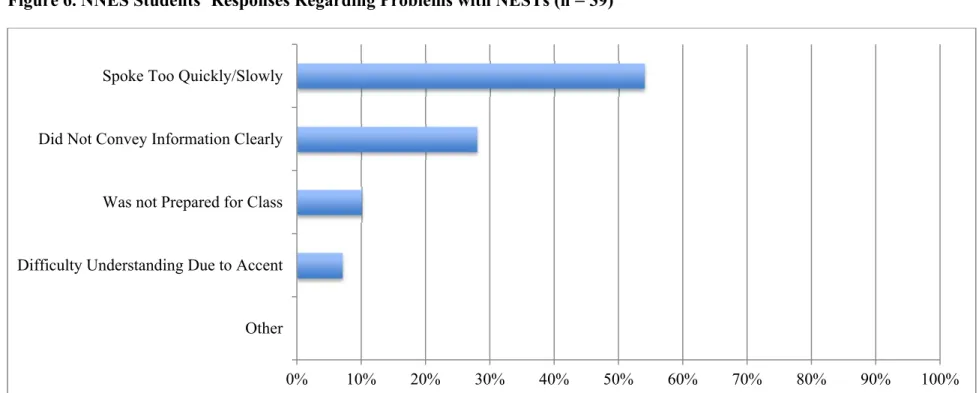
Figure 6. NNES Students’ Responses Regarding Problems with NESTs (n = 39) ... 40
Table 4: NNES Students’ Perceptions of NNESTs’ Effectiveness (n = 117) ... 42
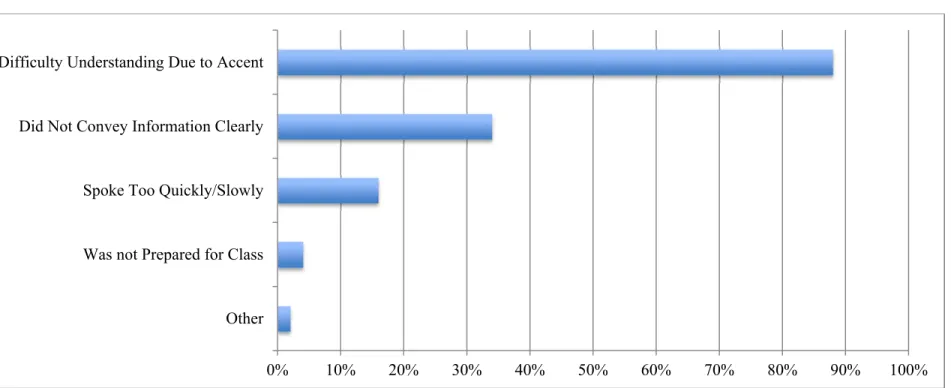
Figure 7. NNES Students’ Responses Regarding Problems with NNESTs (n = 56) ... 42
Table 5: NES vs. NNES Students’ Frequency of Travel Outside of the United States ... 45
Table 6: NES vs. NNES Students’ Year in School ... 45
Table 7: NES vs. NNES Students Who Have Lived in a Country Not Their Home Country ... 46
Table 8: NES vs. NNES Preferences to Be Taught by NESTs or NNESTs ... 47
Table 9: NES and NNES Students’ Perceptions of NESTs’ and NNESTs’ Effectiveness (n = 168) ... 61
Figure 8. NES and NNES Students’ Perceptions of NESTs’ and NNESTs’ Effectiveness (%, n = 168) ... 62
CHAPTER 1: INTRODUCTION
At the University of Illinois, the number of international students has been rising
continually on a yearly basis, with the number of international students equaling over 10,000 in the year 2015, which is more than doubled from 2006, as seen in Figure 1 (Division of
Management Information, 2015). The increasing numbers of international students equates to an equally large number of non-Native-English-Speaking (NNES) students who are joining the campus, in addition to Native-English-Speaking (NES) students who already attend. Over the course of five years, with the number of international students attending this university doubling, as well as the number of students who come from NNES backgrounds also increasing, this means that those students who are coming to the University of Illinois (Illinois) are not only attending traditional courses, but many of these NNES students are receiving grants and funding through various programs, such as Teaching Assistantships (TA) and/or Research Assistantships (RA).
Figure 1: Number of International Students in Attendance at University of Illinois
0 2000 4000 6000 8000 10000 12000 2006 2007 2008 2009 2010 2011 2012 2013 2014 2015 5146 5288 5794 6562 7271 8057 8583 9421 9824 10208 Enrollment
Thus, a large number of international students are receiving teaching assistantships and being put into positions of authority within classrooms; combined with the rising number of international professors who are entering the University of Illinois, this begets a greater number of Non-Native-English-Speaking teachers (NNESTs) who are teaching in University of Illinois classrooms (Division of Management Information, 2015). The number of Chinese students (5,196) as of fall 2015 was over half of all international students at the University of Illinois. This number was divided between graduates and undergraduates with 3,070 undergrads and 2,126 graduates among Chinese students (Figure 2).
Looking at the second greatest number of international students, the number of Indian students, whose native language is Hindi, equaled 1,237. South Korean students comprised the third largest group of international students. The number of South Korean students, whose native language is Korean, equaled 1,168 students. These were the three major international groups in attendance at the University of Illinois in fall 2015. For the remainder of international students in attendance, the numbers were not as substantial as for the above three major groups; there were only 275 Taiwanese students; 136 Indonesians, 118 Singaporeans, and 103 Brazilian students in attendance. The remainder of the other countries had smaller and smaller numbers of total students who attend, although there were students from 113 countries outside of the United States at Illinois.
Figure 2: Number of International Graduates and Undergraduates at University of Illinois
Thus, the greatest number of international students in attendance at the University of Illinois were from China, India, and South Korea as the majority. These students’ majors were significantly represented in the College of Engineering, which Figure 3 shows has the greatest number of international students, with a total of 3,884 students, both graduate (2,062) and undergraduate (1882), among all the programs (International Student & Scholar Services, 2015). These majors are significant in regards to this study, for they show the great number of
international students who are majoring in engineering. Also, in looking at the number of
international students in graduate positions within Engineering, the number of students who have received TA-ships in order to pay for their education has risen among international graduate students. China, 5196 South Korea, 1168 India, 1237 Taiwan, 275
Malaysia, 83 All Other
Countries, 1825 China
South Korea India
Taiwan Malaysia
Figure 3: Distribution of International Students by Department at University of Illinois
In addition, by looking at the international faculty and staff, although it includes both TAs and non-students, such as professors and instructors, the number of international staff and faculty among internationals is represented within the College of Engineering at almost 22% of the staff and faculty, the largest percentage among all the colleges on campus. Overall, among the 2,032 international faculty and staff on campus, 451 of those faculty and staff are represented in the College of Engineering, again, with the top three major countries representing the highest number within the College of Engineering, with 798 faculty and staff from China, 195 from
3884 3005 1318 561 450 144 101 71 142 78 33 18 15 13 9 366 0 1000 2000 3000 4000 5000 College of Engineering College of Liberal Arts & Sciences College of Business College of Fine & Applied Arts College of ACES College of Law College of Education School of Labor and Employment Relations College of Media College of Applied Health Sciences Graduate School of Library & Information…
College of Veterinary Medicine Graduate College School of Social Work Center Innovation in Teaching & Learning Division of General Studies
By looking at the percentage of TA-ships among international students, specifically Chinese, Indian, and Korean students, one can see the great influence that Non-Native-English-Speaking students have in engineering classrooms on the University of Illinois campus.
Obviously, engineering classrooms have exposure to more than just persons from these three major countries, but by observing the large number of students represented from these countries, one can see the immense influence that NNES have within the College of Engineering.
Obviously, there are a great number of NES international students as well as NNES international students who are instructors within Engineering, yet the majority who will be discussed within this study come from countries where the national language is not English.
Therefore, in looking at this focus of international instructors within Engineering, one will be able to determine the perceptions that students (both NES and NNES) have of their international instructors. When studies research NES and NNES instructors, they often gather their research from English as a Second Language (ESL) students (Kelch & Santana-Williamson, 2002, Moussu, 2010,) and often have focused on ESL students’ perceptions of Native-English-Speaking Teachers (NESTs) and Non-Native-English-Native-English-Speaking Teachers (NNESTs) in an English as a Foreign Language (EFL) context (Al Omrani, 2008; Alseweed, 2012; Kasai, Lee, & Kim, 2011; Ma & Ping, 2012; Meadows & Muramatsu, 2007). Research has been done in the field looking at NNES students’ perceptions of instructors as well as NES students’ perceptions of instructors (Dewaele & McClosky, 2015, Rubin & Smith, 1990), specifically within a second-language-learning English classroom; many students have responded in regards to instructors’ accents and how that affects their instruction. Of NES students who have been surveyed, many perceive NNESTs as lacking in proficiency, fluency, and cultural knowledge (Todd & Mousso, 2006; Pojanapunya, 2009; Mousso, 2010); however, these responses are all surrounding
instructors within ESL classrooms; there is a lack of research from Non-Native and Native students alike who are not in ESL classrooms, but instead, find themselves in a field where many of the instructors may come from diverse backgrounds, specifically, engineering.
Thus, this research aims to look at the gap regarding NES and NNES students’
perceptions of both NESTs and NNESTs within the College of Engineering at the University of Illinois. In looking at students’ perceptions of their instructors based on their field, I want to determine if NES students who are more often exposed to NNESTs will have a more positive or negative experience in their classroom compared with students who are exposed less/rarely exposed to NNESTs in their classroom experience. I also seek to determine if NNES students have a more positive or negative outlook towards their instructors who are also NNES. In addition, I want to determine if NES students who, over time, have had a greater exposure to NNESTs in their engineering courses have a more positive or negative outlook towards their instructor/instruction. Also, I want to determine if students, NES and NNES, have different receptions (both positive and negative) regarding NESTs compared to NNESTs; by determining if both types of students they have had different reactions, this could what solutions will
effectively meet the needs of the students.
CHAPTER 2: LITERATURE REVIEW
In looking at the previous literature that has focused on this type of work, the focus of the literature has primarily been on NNES students’ perceptions of native and non-native instructors within ESL/English classes. The students have most often been within the context of a language-learning classroom either in an ESL (English as a second language) context or within an EFL (English as a Foreign language) context. Thus, the following is a review of relevant literature that takes into consideration several different facets of positive and negative relationships between Native-English-Speaking and Non-Native-English-Speaking students and their instructors.
NNES Students’ Perceptions of NES Instructors in an EFL Context
When looking at students within an EFL context, the students’ responses towards their instructors have varied based on the country in which the research has been done. NESTs have traditionally been perceived as the most desirable type of teacher within an EFL context.
Medgyes (1994) states that native speakers’ linguistic competence represents an “advantage...so substantial that it cannot be outweighed by other factors prevalent in the learning situation, whether it be motivation, aptitude, perseverance, experience, education, or anything else” (1994, p. 342). Thus, regardless of the actual effectiveness of their instruction, native English speakers are the most sought-after instructors, for they are believed to be the best. The bias that surrounds this belief is so intense that “expertise is assumed to extend to the teaching of the language. They not only have a patent on proper English, but on proper ways of teaching it as well” (p. 388).
Rao (2010) looked at Chinese students’ perceptions of their Native-English-Speaking teachers in an EFL context at the University of JXNU, interviewing 20 third-year students who
were majoring in English at JXNU University. Through an open-ended questionnaire, the students discussed their “perceptions of EFL teaching offered by NES teachers, the benefits that NES teachers bring to EFL classrooms, conflicts in NES teachers’ EFL teaching, and
improvements that NES teachers could make in their classroom performance” (p. 59). It must be noted, however, that the majority of the teachers within this study were novice teachers (87%), which may have impacted the students’ responses. Yet this is important to also observe in comparison with the study that I have done, for many of the instructors within the College of Engineering may also be novice teachers; as Teaching Assistants, they may be teaching for the first time in their own careers.
In general, the students’ responses regarding their NES teachers was positive, appreciating benefits such as native language authenticity, authentic pronunciation and
intonation, critical information about the usage of the language, a communicative environment, NES’s instruction about cultural familiarity and cultural knowledge, as well as new
methodological insights that NES instructors introduced to the students, such as advanced teaching methods, initiating classroom interaction, and the use of visual aids and pictures. The study also highlighted the negatives of having NES instructors, such as the instructors’
insensitivity to students’ linguistic problems, ignorance towards the students’ mother tongue, conflict in teaching—the difference between the NES’ teaching style and the students’ learning style, unfamiliarity with local cultural and educational systems, too casual of a behavior in the classroom with the students, as well as failure to match their instruction with the school’s expectations (p. 60).
Alseweed and Daif-Allah (2012) came up with similar conclusions when looking at students of Saudi Arabia within an EFL context, yet this study had a greater population of
students (169) in the Preparatory Year Program (PYP) between the ages of 18–22 at Qassim University; they responded through use of a questionnaire, interviews, and classroom visits. The questionnaire was given to students on a basis of 14 statements dealing with “listening, speaking, pronunciation, reading, vocabulary, writing, and grammar” (para. 27). The second part focused on the students’ preference towards NESTs or NNESTs within the university; students were asked to choose the answer of either an NEST or an NNEST.
When looking at the results, the students responded to various elements within the study; when observing language skills, the majority of students revealed a preference for NESTs when dealing with listening, pronunciation, and speaking, with the percentage of students being 88%, 86%, and 81%, respectively. So, many studies reveal students’ beliefs that NNEST cannot compare in regards to listening, speaking, and pronunciation (Moussu and Braine, 2006); NESTs far outweigh NNESTs in regards to the above stated skills. Yet, when looking at writing and grammar at the university level, students had a greater preference for NNESTs, remarking that NESTs were not as fervent about writing out everything on the board and seemed to downplay certain grammatical rules if it did not influence direct communication (para. 31). Arva and Medgyes (2000) observed that the mechanisms within language acquisition were more greatly understood by NNESTs and thus, they had a deeper knowledge of effective writing as an NNEST rather than NESTs did.
However, the pendulum swung back over to a preference for NESTs when it came to reading and vocabulary. This preference stems from the Saudi students’ belief that NESTs could help them to improve their vocabulary as they provide a greater scope of synonyms and
antonyms than an NNEST might be able to provide. Also, NESTs are able to provide additional cultural background information that could assist these students in their learning and
advancement in more than simply language, but a holistic understanding of the culture behind the language. This can be attributed to the number of students who want more than to simply learn a language. They want to be able to communicate with their Native-English-Speaking professors in different classes other than their language courses, thus showing a complete grasp of the language rather than just the performance of language. This was also proven through observations as Alseweed and Daif-Allah noted that NNESTs were “product-oriented in their teaching where mastery of language structure is always given more importance than language usage” (2012, para. 41). They also noted certain advantages that NESTs held within the classroom:
“They could stimulate students’ curiosity to learn about the English-speaking people and their culture. Secondly, they always welcome students’ questions and appreciate their input for the purposes of encouraging them to practice the language, establishing effective rapport with students and developing cross-culture awareness. Thirdly, they caused the students to be highly motivated for students were forced to use the foreign language as a means of communication. Finally, they could help students develop linguistic competence as well as linguistic self-assurance by giving them the chance to speak without being interrupted or blamed for any grammatical mistakes” (2012, para. 43).
The students were also appreciative of the relaxed manner in which many of the instructors dealt with classroom management issues within the classroom, as well as their instructors being friendly, inviting, and informative. Unfortunately, the authors also noted that many times, although the NEST instructors created a positive, natural environment, they would oftentimes make grammatical errors and/or ignore grammatical questions that they didn’t seem to hold the
answer to. Within this study, with every piece of language (grammar, pronunciation, writing, etc.) involved the overwhelming majority of students (78%) still holding a higher preference for NESTs, regardless of the faults that NESTs showed, such as their lack of thorough grammatical instruction, avoiding grammatical questions they didn’t hold the answers to, and making
grammar errors while teaching. This is worth considering in regards to my research, for I will be able to see if engineering students also have similar positive and negative viewpoints towards NESTs and NNESTs in regards to their own instruction as it applies to engineering.
Kourieos and Evripidou (2013) also studied students’ perceptions within an EFL context; however, this study focused mainly on the effective instructional practices by EFL teachers as viewed by Cypriot students, rather than looking at both positives and negatives.
The findings of this study revealed three major sections: 1) personal and interpersonal skills, 2) subject-matter knowledge, and 3) approach to language teaching. Within the
interpersonal skills, the major characteristics that students shared were vital for an EFL teacher included (in order of their ranking): being friendly to their students, being eager to help students in and outside of the classroom, taking into consideration students’ difficulties with Foreign Language, treating students fairly regardless of achievement, and their effort to show praise to the students (Kourieos & Evripidou, 2013, p. 4). When asked about subject-matter knowledge, the students responded that the important elements included: having a broad vocabulary in the foreign language, having a sound knowledge of grammar, using the foreign language
competently, and being familiar with language learning theories (p. 5). And, lastly, when asked what was considered integral in teacher’s language teaching, the most significant elements were: frequently using other materials, exposing students to real-life topics, allowing students to work in pairs and small groups, and creating activities that require students to interact in the foreign
language (p. 6). Overall, this study showed students who desire instructors who are capable, yet incredibly caring and very conscientious of the needs of the students and are able to meet those needs through real -life conversation and topics.
In relation to the previous study, students not only have viewpoints about the characteristics they find most valuable within an instructor, but they also have specific preferences in regard the instructor’s accent in an EFL context. Arboledo and Garces (2012) investigated the significance of having a foreign accent within an EFL classroom context, deeming the impact that an accent has on students within the classroom. In this article, Arboledo and Garces studied the impact of having an accent, which insinuates that the speaker is not a Native-English speaker (although that, in itself, is a big assumption, since accents abound within the United States) and thus, did not learn English as their first language and maintain some type of accent that bursts forth when said person speaks. Many of the subjects interviewed who were EFL instructors with an accent (even places where the native language is English, such as Australia) were turned down for positions as an EFL instructor due to the fact that they were not Native English speakers. As one can imagine, this causes greater consternation and frustration amidst those who have a passion and a drive to teach English, yet may not necessarily have had English as their first language.
The study consisted of a very small population of participants: 16 EFL instructors (8 Colombian instructors and 8 foreign instructors) and 16 EFL students who were of various levels of language learning, various nationalities (8 Colombian and 8 foreign students) and various first languages, many of which were not English. The study was a 5-scale questionnaire that students were asked to complete, asking the perceptions that ESL students have towards non-native or accented ESL instructors. (2012, p. 51). The responses of the students in regards to
characteristics that they were asked were important of an EFL teacher were comparable to the Saudi students’ characteristic list (Alseweed and Daif-Allah, 2012), including: easygoing,
language knowledge, teaching to the needs of the students, knowledge of the students’ L1 (native language), and a love for what they did. When surveyed, the students’ responses varied based upon the question being asked; when asked for an overall preference of having a NEST versus a NNEST, 7 out of 8 of the foreign students preferred an NEST, whereas all 8 of the Colombian students preferred an NEST (Arboledo & Garces, 2012, p. 58). Thus, in looking at the overall preference, the overwhelming majority of students surveyed found that they preferred a Native-English-speaking teacher, yet when asked a different question, the responses shifted. The students were told to “circle the characteristics you consider important in an EFL teacher,” and among the foreign students, the main responses were good pronunciation (100%), speaking with a native-like accent (although “native-like” does give the impression that having English be the native language is not necessary in this case; 25%), as well as knowing the language no matter the accent (37.5%). When surveying the eight Colombian students, the main responses included good pronunciation (100%), speaking with a native-like accent (75%), and knowing the language no matter the accent (12.5%). Therefore, although some of the percentages were somewhat low, this question gives the impression that students would prefer NESTs, yet if they don’t have the option, they would at least prefer that the pronunciation of the instructor is good.
Also, when surveyed on the question “Would you prefer a native English teacher for the beginning levels of your instruction?” over 80% said yes, while the other 20% did not deem it necessarily vital for the beginning levels of classes. Overall, the students’ responses to this study seem to show that they felt pronunciation was critical, and they did believe that having an NEST
greatly enhanced their learning experience. So, although meaningful, the accent of the instructor should not be the main measurement in regards to an instructor’s proficiency.
Just as important as the accent, one must also consider the teaching methodology and approach an EFL instructor brings to his/her classroom. By looking at the pedagogy of
instructors, one may also see how some EFL instructors can aid their own instruction within the classroom and, in some ways, “supplement” their accented teaching through quality teaching methods. Thus, the next survey takes note of the necessity of vital pedagogy by looking at the approaches of EFL teachers among Thai and Serbian students. Radić-Bojanić, Topalov and Sinwongsuwat (2015) completed a comparative study between these two sets of students to determine the teaching methods found most valuable within an EFL context. The authors noted initial differences between NESTs and NNESTs simply based on their native language; when one views a native English teacher in an EFL classroom, more confidence exudes from that instructor simply based on the fact that they can use the language more spontaneously, which translates into being more flexible and innovative, and focus more on fluency in the classroom rather than accuracy (Alseweed, 2012). Their language proficiency gives them a “superior position when it comes to providing learners with increased exposure to comprehensible input in the target language” (Radić-Bojanić, Topalov & Sinwongsuwat, 2015, p. 754). Thus, the
comparison initially shows the confidence with which one uses the language.
This study was composed of over 500 students from both Prince of Songkla University in Thailand as well as University of Novi Sad in Serbia. These students were not English majors, which is a major draw, for it may provide implications to findings that may reflect the students here at the University of Illinois, as the majority of students being surveyed are also not English majors, but instead Engineering majors. The overwhelming majority of students researched
(81%) were females, which reveals limitations within the study due to the fact that women may focus on certain attributes among an EFL instructor that males may not particularly care to focus upon. The questions that were given the highest ratings on the survey showed great statistical differences between Serbian and Thai students, which could have implications towards what are considered to be valuable assets between varying cultures among EFL instructors.
However, even taking the statistical differences into consideration, the assets that students found most significant among their EFL instructors included the following:
The teacher provides sufficient authentic examples of spoken English for real-life communication.
I find the frequency of the class teacher speaking in English appropriate. I find the frequency of the class teacher speaking in Serbian/Thai appropriate. The teacher gives me plenty of opportunities to speak English in class.
The teacher always creates learning opportunities in class for me, which I would miss otherwise.
The teacher provides an appropriate, accurate assessment of my performance. The teacher helps me learn how to learn to communicate effectively in English. I like my teacher’s style of teaching and giving feedback.
I like my teacher’s English pronunciation.
My teacher understands well what he/she is teaching.
The teacher’s teaching styles are well adaptive to my needs, wants and class situations. The teacher knows me and provides input I can handle.
These attributes were the most highly regarded in connection with both sets of students, although the greatest differences between the two sets of students was “I find the frequency of the class teacher speaking in Serbian/Thai appropriate,” where the Serbian students agreed to this statement, yet was almost double the number of Thai students who agreed to this statement. This was attributed mostly to the fact that the majority of Thai instructors were Native-English-speaking instructors and few knew how to speak Thai, which led to the other response that caused the most discord between the two groups of students, which was “I find the frequency of the class teacher speaking in English appropriate” where the Serbian students deemed the amount appropriate, yet the Thai students felt that the instructors were not speaking enough in
their native language, which we can often attribute to the students who were in the beginning levels of English proficiency, who very often depend upon explanation in their native language in order to better understand the foreign language.
The last item that yielded the most differentiation between the two groups of students was the opportunities students were given to speak English in the classroom (p. 759). The Serbian students produced a high mean, which displays their overall satisfaction with the amount of English they were given the opportunity to speak, whereas the Thai students gave a much lower rating for this question. This could also be connected with the high yield of NEST within their classrooms, which not only affected the frequency of English being used in class, but also the number of opportunities they were given to speak English. Again, because they have Native-English-Speaking instructors, Radić-Bojanić, Topalov, and Sinwongsuwat remarked that “they [the students] opt not to volunteer and not to speak out in order to save face and avoid a
threatening situation and public assessment, preferring to become involved in group work rather than individual speaking and to rely on peer help rather than teacher help” (p. 759). Students preferred to save face rather than be embarrassed in front of a Native-English-speaking instructor whose language is ahead of theirs.
Overall, this study found the students’ responses to the survey emphasized teacher
involvement (methodology), speech and communication (versus writing and grammar) as well as the informal (versus formal) environment. In looking at these attributes within these two
classrooms, one can purport that EFL teachers are valued for more than just their methodology, but also the environment they create in the classroom, the emphasis they give to their students’ needs, and the number of opportunities instructors give to their students to speak English within the classroom.
NNES Students’ Perceptions of NNES Instructors in an ESL Context In conjunction with NNES students’ perceptions of their Native-English-Speaking instructors in their home countries, a great deal of research has been done studying Non-Native-English-Speaking students’ perceptions of Non-Native-Non-Native-English-Speaking instructors in an EFL context. Many assumptions have been previously made in the EFL context that NNES students prefer NESTs in their home country for they provide a relaxed environment, a wide knowledge of the language, a greater amount of real-life communication within the classroom, and authentic language spoken in the classroom (Alseweed, 2012; Kelch & Santana-Williamson, 2002; Radić-Bojanić, Topalov & Sinwongsuwat, 2015; Rao, 2010). However, research for NNES students who have NNESTs in an ESL context pales in comparison; there simply has not been as
thorough coverage for NNES students’ perceptions of NNESTs in an ESL context. This could be attributed to the fact that many English programs within the United States seem to have a small number of NNESTs hired within these Intensive English Programs (IEP). A study by Mahboob, Uhrig, Newman, and Hartford (2004) showed that less than 8% of IEP instructors were NNESTs, thus giving cause for such little research being conducted on this specific group. Also, many of the programs here in the U.S. reflect the hiring practices of English Institutes internationally: the hiring practices include the criterion of “native English speakers” only need apply, which is yet another setback in regards to this study group.
Of the research that is present for NNES students, or as I shall now call them, ESL students’ perceptions of NNESTs, the opinion overall at the beginning of the semester seems positive (Moussu & Braine, 2006, Medgyes, 1994) where the majority of students believe they can learn just as well from an NNEST as an NEST (Moussu, 2010, Alseweed, 2012). Also, most
students disagree with the belief that NNESTs have difficulty understanding and responding to their students (Moussu, 2010; Moussu & Braine, 2006) and view having an NNEST as a positive experience that will provide better understanding of various cultures of the world. Plus, many expressed a positive view of their NNEST, showing respect and admiration for what they do. Other students expressed the viewpoint, however, that although their NNEST may know a great deal about another culture, there is no comparison regarding the degree that a NEST knows about U.S. culture as opposed to an NNEST. Also, when looking across cultures (Braine, 2006;
Medgyes, 1994), students who seemed to score their NNESTs the lowest pre-semester were Korean and Chinese students, whereas Brazilian and Spanish students rated their NNESTs a great deal higher. At the conclusion of the semester, the NNEST students seemed to rate the NNESTs just as high if not higher when asked the same questions about their instructors. There are several factors that may play into this outcome of the results. This could be attributed to the students already entering the class with a positive outlook and, thus, it was easy for the instructor to maintain that positive outlook throughout the remainder of the semester. Additionally, the students may have had positive experiences with their NNESTs in their home countries and, it follows that they expected to have just as positive an experience here in the states when being instructed by an NNEST. Lastly, one may attribute the positive experience to students being instructed by someone from their home country and, thus, they might already have a positive outlook simply because their instructor originates from the same country.
Students also have remarked that NNESTs are beneficial in an ESL context because they can have more empathy towards ESL students since they have been in their shoes. They
understand the struggles that come with learning a language and are intrinsically cognizant of the needs of the students, simply because they have also dealt with the same struggles as they
learned the language (Kelch & Santana-Williamson, 2002; Medgyes, 1994; Moussu, 2010). NNESTs are also seen as incredibly advantageous for they exemplify for the students that they, an NNEST, who also had the same struggles when learning the language, have now mastered the language, thus their students will have the ability to do the same thing. For other students,
NNESTs are positive because they create an almost “symbiotic” relationship where the student knows that they and the instructors can be learning new ideas, new language, and new skills together. They have now become a team in some senses, for they are “fighting in the trenches” together (Kelch & Santana-Williamson, 2002, Medgyes, 1994).
NNESTs Perceptions in an EFL/ESL Context
In addition to the students’ perceptions of their instructors, one is cognizant of the perceptions the instructors have within their own classrooms, both in an EFL/ESL setting, as well as in other classrooms (such as in Engineering), where the focus is not specifically on their linguistic ability, as they may not be teaching English, yet they are still held to a certain standard when it comes to communicating the specific information to their students. However, one must also take into account the personality of the instructor, the personality of the students, the context of the instructor, the education of the instructor, as well as many other factors which must be taken into consideration when looking at the instructors’ perceptions of their instruction (we are all our own greatest critic).
Ates and Eslami (2012) reported on Liu’s (2005) study, which focused on four graduate teaching assistants (GTAs) and their perceptions of their own instruction within the classroom, revealing findings that are none too surprising. The instructors stated that they were “unable to demonstrate linguistic advantage over NESs in the areas of vocabulary, idioms, accuracy, and fluency in speaking” (Ates & Eslami, 2012, p. 101) Thus, the GTAs lost confidence within their
own classroom and were intimidated by their own students. This feeling of fear and intimidation seems to be a continual theme found among International Teaching Assistants (ITAs), who find themselves in a classroom teaching for perhaps the first time and surrounded by a room full of NES students who most likely know more about the English language than the ITA does. One of the participants in the study implied that ITAs also have a more difficult time teaching in any context, for many of the students come with a pre-disposition towards the efficacy of the instructor and have already decided whether this instructor will give quality instruction or not. Also, due to the students’ predisposition to have a difficult time understanding their instructor, this provides a greater amount of frustration, anxiety, and feelings of inadequacy within the instructor, which will, undoubtedly, amplify any difficulties they are having in the classroom. Other instructors believe that students may use their linguistic ability as an excuse for lack of preparation for class and incomprehension in regards to assessments (Ates & Eslami, 2012)
NNESTs may also run into issues of classroom management, as students may have less patience with them and therefore be willing to disrespect their instructor in the classroom. Also, NNESTs noted that their classroom management may stem from their method of instruction in regards to language. For example, as some instructors have noted that they speak more slowly in order to ensure that they are speaking correctly and clearly, their students may quickly become bored within the lecture. Also, as some instructors may have particularly thick accents while lecturing, students may consistently be asking for their instructor to repeat certain parts of the lecture, thus, wasting even more time in the classroom. Thus, the communication factor is not difficulty understanding a concept in class but, instead, difficulty understanding the actual language used in class (Gan, 2013).
However, NNESTs are also cognizant of what advantages they can bring to the table. Although they may not be as confident or relaxed as an NEST may be, NNESTs can empathize very well with their students’ learning difficulties (as they have also been through them) and understand the homesickness that many of their students may be facing. NNESTs can also relate to their NNES students because they also have experienced “culture shock” and can help
students to deal with the this culture shock in practical ways. NNESTs also have the benefit of being admired and respected by their NNES students, for the instructors are prime examples of ESL students who have faced similar difficulties, yet are now successful role models who have become “successful” second language users (Medgyes, 1994; Moussu, 2006).
Unfortunately, this is not something with which NES students can connect, so the advantages of an NNEST working with NES students may not be as significantly beneficial at first glance. Although the NES students may not connect with the NNEST in regards to culture shock or language learning, NNESTs are beneficial for NES students as well, for they bring with them a cultural knowledge that their NES students may not have previously had. For example, NES students can benefit not only from NNESTs in regard to cultural awareness but,
additionally, students can learn how to adjust to non-native accents and fill in “syntactic gaps” (Kim, 1996). Yet, even with these advantages, one can see the various struggles that NNESTs must deal with to be able to effectively teach their students.
Overall Implications & Limitations
Overall, the rating and perception of students regarding both NESTs and NNESTs have several influencing factors: many ESL students’ perceptions are influenced before they even meet their teacher, for they have general assumptions about both NNESTs, as well as specific countries. For example, students from certain countries, specifically Korean, Japanese, Thai, and
Chinese students possessed more negative viewpoints of their NNESTs, yet they also possessed more negative viewpoints towards NESTs as well, giving both groups of instructors less positive ratings. Conversely, students from other countries, for instance Portuguese, French, Spanish, Arabic, and Turkish students, gave both NNESTs and NESTs higher ratings overall. It is unknown if this acceptance of, or prejudice against NNES ESL teachers may have been influenced by a traditional view of language teachers in different countries.
Luksha and Solovova (2006) remark that NESTs and NNESTs have “certain intrinsic advantages and disadvantages” that are influenced by their personalities as well as their abilities in the classroom. Classroom subjects also seem to influence students’ viewpoints towards their instructors, with a preference for NNESTs among grammar and writing classes, whereas NESTs were given preference when it came to listening and speaking classes (Cheung, 2002; Mahboob, 2003.) Although students’ preferences towards specific types of teachers (NESTs or NNESTs) for specific subjects may be leaning away from that trend, many students still connect NESTs with better instruction for pronunciation and speaking, whereas NNESTs are known for their writing and grammar instruction. Additionally, any preferences for NESTs or NNESTs by students seem to shift once they have had exposure to those specific types of teachers, both positively and negatively. Moussu (2010) introduced the variable that time presents as students have more exposure to their instructor. The study revealed that, among students who had an NEST, the percentage of students who, at the beginning of the semester had answered in the affirmative to the statement, “I can learn English just as well from a NON-NATIVE English teacher as from a NATIVE English teacher” (15%) was nearly the same at 18% agreeing by the end of the semester. An even stronger increase in the affirmative to this question came from students who had an NNEST at the beginning of the semester, with 29% agreeing at the
beginning of the semester; the percentage had increased to 42% agreeing by the end of the semester (p. 760–761).
Thus, based upon the research, one can see that there is not as intense of a preference for NESTs. Students seem to be aware of the attributes and disadvantages that both groups of instructors bring to the table. Thus, one can reflect that students may be more positive towards NNESTs than they may have been in previous studies. However, although there is a great deal of research focusing on students who are learning languages in both EFL and ESL contexts, the research is quite limited in regards to the opinions and viewpoints of students who are not studying English. Therefore, the responses may vary when researching engineering students on their perceptions and viewpoints towards their NES and NNES instructors, for they are not looking for their instructors to teach them linguistic skills, but are focused much more greatly towards STEM (science, technology, engineering, mathematics) skills, which may have different variables when dealing with those whose native language is English and those for whom it is not.
Although there has been a great deal of time and effort spent towards the research of NNES students about both NES and NNES instructors, a significantly smaller amount of time has been devoted to Native-English-Speaking students’ perceptions of instructors and, more specifically, their accents. When using the word “accent,” one must be aware that a person’s accent does not automatically put them into the NNEST group, for there are several countries, such as India or Nigeria, where English is one of the official languages. Thus, when I research students’ perceptions of NNEST, one must acknowledge and continually be aware that some of the instructors who are being viewed by their students as Non-Native English speakers, are, in fact, Native English speakers. However, because of the style or the thickness of their accent, they are essentially put into the same grouping as someone whose Native language is not English. So,
for the sake of this study, those different groups will be put together and considered to be one group: NNES.
When looking at the research that surrounds Native-English-Speaking students’
perceptions of Native vs. Non-Native-English-Speaking instructors, the research is still new and continually being developed. There is a smaller pool of research from which to gather
information, yet from the research that has been conducted, one must consider both sides of the coin; up to this point, we have only focused on NNES’ viewpoints towards both NESTs and NNESTs, due to the fact that Native-English-Speaking students are not being taught English as a second language and, thus, are not being researched when dealing with students’ perceptions towards NESTs and NNESTs. Additionally, the research is incredibly limited in regards to engineering students’ perceptions of their NESTs and NNESTs. Thus, this research will continue the conversation amidst international instructors and engineering departments in regards to the needs of students (as well as instructors) and if those needs are being met both from their NESTs, as well as their NNESTs. Hopefully, we can begin to discuss the specific needs that both
engineering students and instructors have in regards to the most optimal education for everyone involved.
Research Questions
There are several questions that this research hopes to answer. Due to the lack of research conducted specifically towards engineering students and their perceptions of both native and non-native instructors within engineering, the questions given to the students were fairly specific, yet the questions given during the interviews were a great deal more broad, allowing students to respond openly and honestly, and allowing the future questions to be directed based upon the
The first major question this research hopes to answer is: 1) What are students’ perceptions towards their NNESTs specifically within Engineering in comparison with their NESTs within Engineering? In other words, how effective have they found their instruction to be? Has the presence or lack of an accent influenced their perception of their instructor? Has their instructors’ English proficiency had any influence on their reception of the content within the class? It can be expected that many Native-English-Speaking students tend to have a preference for Native-English-Speaking instructors (Moussu, 2006). Thus, gaining insights towards NES students’ views towards their NESTs/NNESTs can help explain deeper cultural needs within the University that may not yet have been met previously.
The second major question this research hopes to answer is: 2) Are there solutions to any cultural disparities between the teacher and the student that impact the learning environment within Engineering? To elaborate, are there certain methods that can create deeper cultural understanding and awareness from both the students and instructors within Engineering that will produce a more effective learning environment? Specifically, can NES students become more receptive towards NNEST through cultural awareness programs, projects, or even cultural awareness classes/conversations?
Also, a third question that this research wants to delve into is the reception of NNESTs by NNES students. 3) Although many international students have a deep understanding of being a second language learner within an EFL context, do they give deference towards international instructors who find themselves in that very same context? Or, as Luksha and Solovova (2006) suggest, are they unwilling to give consideration towards NNESTs because they are in a Native-English-Speaking institution, and therefore, would prefer to have NESTs that are a reflection of the native language of the institution?
The final research question this research hopes to look into is the solutions to any problems that may arise between NNESTs/NESTs and NNES/NES students. 4) What are the solutions to problems that may arise due to the lack of thorough communication between instructor and student? More specific queries related to this question are: Would cultural awareness classes be a benefit for the student, the instructor, or both the student and the
instructor? What can we create/produce/develop that will change the cultural tension that is often found between NESTs/NNESTs and NNES/NES students and bring about cultural understanding from both sides? All these questions help to bring understanding to the research in regards to the language difficulties that may be evident to engineering students and instructors, but perhaps have not been fully addressed through previous research. This comparison between the two groups could be valuable to help analyze the reasons for their perceptions. Overall, it is hoped that the responses to the questions this research will address will help to provide an outline of the language and culture problems as well as solutions regarding its relation to education within engineering.
CHAPTER 3: METHODS Methodology
The methodology for this research project was based upon the following items: the type of problem being researched, the purpose of the final research, and the basis of the data. The problem being researched involves several variables, including student attitudes, instructors’ self-perceptions, as well as other variables which may or may not influence the outcome of the research, such as the participating students’ first language, their country of origin, their level of English proficiency, their expected grade within the class, and their level of multi-cultural experience. Other variables that might affect the results of this study may include the location of the survey, the time when the students filled out the questionnaire, the language of the researcher who administers the questionnaire, as well as the amount of experience students have had with instructors of both native and non-native backgrounds.
Thus, in order to accommodate the number of variables and attempt to create an unbiased and fair survey, many groups of people were included within this research: students of both Native and Non-Native-English-Speaking backgrounds, students of both undergraduate and graduate levels, Native-English-Speaking and Non-Native-English-Speaking engineering instructors, as well as participants who have had greater and lesser degrees of experience with Native and Non-Native-English-Speaking instructors.
Thus, the greater the number of participants, the better, for it allowed the resulting statistics to be compelling, discernable, and allowed for a more normalized distribution of results. A mixed-methods research project with both a questionnaire and focus groups were determined to be the most effective for answering the questions to the problem being investigated.
Instruments and Procedure
The first portion of this study consisted of a questionnaire-based survey (c.f. Appendix A: Questionnaire) administered to 1911 current and former engineering students at the University of
Illinois at Urbana-Champaign. Participants had the option of taking either a paper-and-pencil survey or an online-based survey. The students surveyed consisted of both domestic and
international undergraduate and graduate students. The questionnaire consisted of two sections: one section inquired about the students’ background information, including gender, nationality, native language, major, department of study, and year of study. The second section consisted of 35 questions focused on the effectiveness of their teachers’ instruction within Engineering classes at the University. The questions inquired about both the effectiveness of Native-English-Speaking instructors they currently have or have had within Engineering at the University, as well as the effectiveness of Non-Native-English-Speaking instructors they currently have or have had within Engineering. Three questions queried the amount of travel each student has done on a personal level (the frequency of their travel outside of the United States, as well as the purpose behind the travel). The final questions gave the students a chance to remark on their past (or potential) grade received from their Native and/or Non-Native instructor, as well as their preference in general towards a Native or Non-Native instructor within their Engineering courses. Before the questionnaire was completed by the students, the researcher had given brief instructions that there were no wrong or right answers. The researcher also emphasized that the students should answer all questions based on their own personal beliefs, opinions, and ideals. The students were given ample time to complete the survey, which took each student
The second portion of this study emphasized a qualitative approach; data were collected via a number of personal interviews, whose aim was to go into deeper interpretations of
responses made to the survey, painting a clearer picture of individuals’ feelings and perspectives, provide additional anecdotal evidence, provide qualitative data, and possibly add to the
quantitative findings. Seven interviews were carried out among a specific group of current and past engineering students. The interviews lasted between 30 minutes to an hour and were
conducted face-to-face, via telephone, or via email. Face-to-face interviews were conducted in a private location, allowing students to share their perceptions and opinions freely; all interviews were done during a convenient time and a place compatible with their schedules.
The interviews (c.f. Appendix B: Interview) included questions related to the research questions. These questions paralleled the student questionnaire, but also gave students a chance to clarify or elaborate on the perceived quality or shortcomings of their engineering instructors, as well as gave them a chance to remark on the opinions and beliefs that engineering students hold towards instructors due to their Native or Non-Native-English-Speaking instructor status, as well as the type of instruction they give/gave within their Engineering classes and the value of the education received.
All interviews were conducted in spring 2016, with a total of seven participants interviewed. All responses and information provided by the participants were recorded or documented, and the researcher assured interviewees that there were no clear-cut answers being sought during the interviews. In addition, the interview format allowed the interviewer to probe for further clarification, giving the interviewees the opportunity to elaborate on their perceptions related to the effectiveness or value added of NEST/NNEST instructors and the impact they had on their education as a whole. Once the interviews had been completed, the researcher viewed
the qualitative data in a global sense and explored any common themes or trends throughout the responses in order to connect with the quantitative results given by the students.
CHAPTER 4: ANALYSIS OF STUDENT SURVEY Introduction
For this project, the sample surveyed consisted of 1912 engineering students at the
University of Illinois at Urbana-Champaign, both graduate and undergraduate level, plus a few students who graduated within the past several years. The students also varied in their cultural backgrounds; many were native English speakers, while others were Non-Native-English-Speaking international students. Those who were both Native English speakers and not
American were grouped into the Native English speaking category in regards to responses. While students’ levels of experience with both NESTs and NNESTs within the College of Engineering varied, their responses contained many similarities. This chapter documents the perceptions these students—both graduate and undergraduate, male and female, domestic and international, Native and Non-Native-English-Speaking—had towards their Native and Non-Native-English-Speaking instructors in Engineering.
Student Background Information
The students who participated in the study came from various levels of their education, various levels of language proficiency, as well as various cultural backgrounds. Of the students interviewed, all had experience with instructors in their major from both Native and Non-Native-English-Speaking backgrounds. The following summarizes the participants within the study.
The final sample consisted of 191 participants, including 80 males and 81 females (30 participants did not report their gender), of which 44% were Chinese (n = 71), 21% American (n = 34), 9% Korean (n = 15), 4% Indian (n = 7), 2% Middle Eastern (n = 4) 19% other (n = 30), as well as 30 participants who did not disclose their cultural background. Forty-four percent of the
students’ native languages were Mandarin (n = 71), while for 27% of the students, their native language was English (n = 44); 9% spoke Korean (n = 14), while 20% reported speaking other native languages (n = 32). In regards to education, the participants who responded were Master’s students (45%, n = 72), while 38% (n = 62) were undergraduates, 10% (n = 16) Ph.D. students, and 7% (n = 11) were post-docs or had already graduated. Again, 30 participants did not choose to acknowledge their level of educational experience.
Student Survey Responses
Participants answered a number of questions in regards to their perceptions about both their Native-English-Speaking instructors as well as their Non-Native-English-Speaking instructors for engineering courses at the University. The following responses have first been separated by NES students’ responses, then NNES students’ responses, followed by a
comparison of NES and NNES students’ responses. Thus, through the various responses given by Native English speakers and Non-Native English speakers, males and females, and even specific international groups with one another, we are able to get an idea of what the perceptions are within the College of Engineering towards various types of instructors.
NES Students’ Responses Regarding Native-English-Speaking Instructors Students were asked to make an appraisal of their instructors overall and give a general rating (on a 7-point Likert scale, where Very Ineffective = 1 and Very Effective = 7) of all their instructors during their time at Illinois. Many students acknowledged that their overall ratings included some quite effective professors/instructors, while others were very ineffective. Yet, while considering the overall effectiveness of NESTs in Engineering (see Table 1), Native-English-Speaking students’ attitudes and responses reflected a view of NESTs in a fairly positive
Ineffective, or Somewhat Ineffective. Students’ ratings began at the midpoint with 14% (n = 6) of students rating NESTs as “Neither Effective nor Ineffective,” 18% (n = 8) giving the rating of “Somewhat Effective,” a majority (64%, n = 28) rating instructors as “Effective,” and 5% (n = 2) rating instructors as “Very Effective.” Students were given a follow-up, open-ended question, “Why did you rate your instructor that way?” to which many responded that their instructors were “engaging, clear, easy to follow.” One student said instructors were “always thorough on their explanations and engaging in their presentations and clear delivery.”
Although the ratings were holistically positive, a few students remarked that some
instructors were effective, while others were lacking in their ability to provide quality instruction and that it “had nothing to do with speaking.” Student responses varied greatly regarding the relation between the instructors’ overall teaching pedagogy (ability to convey information effectively, style of instruction, etc.) in comparison to their language proficiency. For example, a small percentage (11%, n = 5) acknowledged that language efficiency does not necessarily equate with effective pedagogy, while the majority of students believed proficiency of language impacted instructors’ effectiveness of instruction (88%, n = 39). There was little to no difference between the ratings of males’ responses compared to those of females.
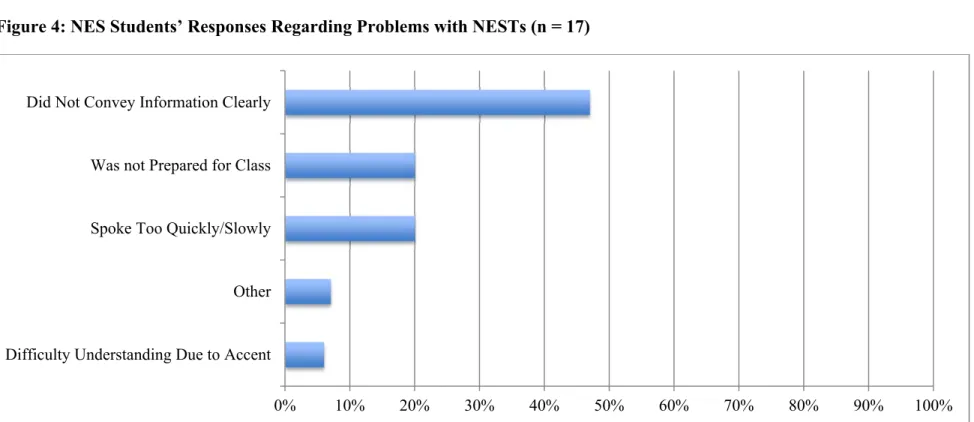
When NES participants were asked if they had any problems with their NES instructors, 61% (n = 27) of participants indicated that they had had no problems with their instructors overall, while 38% (n = 17) replied that they did have problems with their instructors. In a follow-up question, students who had responded, “Yes,” were instructed to select all issues that applied to their instructor. Almost half (47%, n = 8) of respondents indicated that the main difficulty was that their instructor “did not convey the information clearly,” stating that many instructors had too lofty ideas and were not able to effectively transfer those ideas into an
instructional method that the students could understand, they were not effective in their teaching pedagogy, and at times did not seem prepared for class (see Figure 4). The rest of the problems encountered with NES instructors were attributed to “speaking too quickly or slowly” (21%, n = 3), “difficulty understanding due to accent” (7%, n = 1), “was not prepared for class” (14%, n = 2), and the remaining (7% n = 1) giving other reasons for their difficulty.
Table 1: NES Students’ Perceptions of NESTs’ Effectiveness (n = 44) Gender Very Ineffective (1) Ineffective (2) Somewhat Ineffective (3) Neither Effective nor Ineffective (4) Somewhat Effective (5) Effective (6) Very Effective (7) M SD n % n % n % n % n % n % n % Males 0 0 0 0 0 0 3 12 4 16 16 64 2 8 5.7 .802 Females 0 0 0 0 0 0 3 16 4 21 12 63 0 0 5.5 .772 Overall 0 0 0 0 0 0 6 14 8 18 28 64 2 5 5.6 .787
Figure 4: NES Students’ Responses Regarding Problems with NESTs (n = 17)
0% 10% 20% 30% 40% 50% 60% 70% 80% 90% 100%
Difficulty Understanding Due to Accent Other Spoke Too Quickly/Slowly Was not Prepared for Class Did Not Convey Information Clearly
NES Students’ Responses of Non-Native Instructors
The next question was regarding the effectiveness of NNESTs in Engineering (see Table 2). Their responses were slightly different than their responses towards NESTs (n = 44; M = 4.7; SD = 1.31). A few students (5%, n = 2) rated their NNESTs’ teaching as “Very Ineffective,” 2% (n = 1) rated their instructors “Ineffective,” 7% (n = 3) rated them “Somewhat Ineffective,” while 18% (n = 8) were neutral, rating NNESTs as “Neither Effective nor Ineffective.” Conversely, 34% each rated NNESTs’ teaching as “Somewhat Effective” (n = 15) and/or “Effective” (n = 15). No participants ranked instructors “Very Effective.” When asked to submit open-ended responses as to why they rated their NNESTs in this way, many students indicated their instructors were “very hard to understand,” and provided “terrible communication.” A few participants gave positive ratings, stating that their NNESTs were “very well educated in their field of study,” and possessed “strong content understanding.” However, although these positive remarks were provided, with every positive remark, an equally negative remark was provided: while one participant remarked that their NNESTs possessed “strong content understanding,” another stated the NNESTs had “difficulty in explaining complex concepts in an understandable way.”
Again, a few students maintained that their instructors’ skill was not determined by their language proficiency, but instead by their teaching skillset and content knowledge. However, the percentage of participants who gave overall positive responses towards their NNESTs decreased, plus a fewer number of participants differentiated between teaching pedagogy and language proficiency as being determining factors to teaching effectiveness. In regards to male and female participants, a greater number of males (44%, n = 11) gave the rating of “Somewhat Effective” as opposed to females, who tended to lean towards “Effective (53%, n = 10), which translates
Table 2: NES Students’ Perceptions of NNESTs’ Effectiveness (n = 44) Gender Very Ineffective (1) Ineffective (2) Somewhat Ineffective (3) Neither Effective nor Ineffective (4) Somewhat Effective (5) Effective (6) Very Effective (7) Mean SD n % n % n % n % n % n % n % Males 2 8 0 0 2 8 5 20 11 44 5 20 0 0 4.5 1.358 Females 0 0 1 5 1 5 3 16 4 21 10 53 0 0 5.1 1.197 Overall 2 5 1 2 3 7 8 18 15 34 15 34 0 0 4.8 1.309
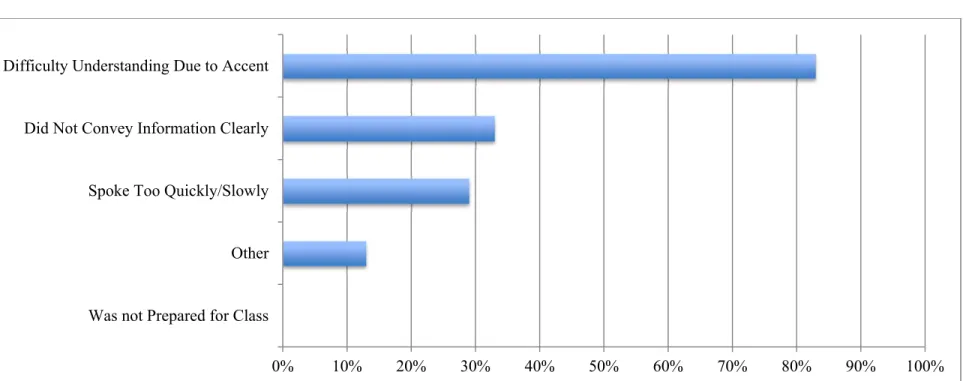
Figure 5: NES Students’ Responses Regarding Problems with NNESTs (n = 24)
0% 10% 20% 30% 40% 50% 60% 70% 80% 90% 100%
Was not Prepared for Class Other Spoke Too Quickly/Slowly Did Not Convey Information Clearly Difficulty Understanding Due to Accent
When participants responded to the question of problems with NNESTs in the classroom, 55% (n = 24) admitted to having problems with an instructor while he/she was teaching, while 45% (n = 20) responded that they had encountered no problems with NNEST instructors in the classroom. Of those who affirmed having a problem with an instructor, in a follow-up question (see Figure 5 above), 82% (n = 18) stated their issue was “difficulty understanding due to
accent,” while 32% (n = 7) stated the problem was that the instructor “spoke too quickly/slowly,” and 27% (n = 6) responded that their difficulty was the instructor “did not convey information clearly,” 14% (n = 3) responded with “other” problems towards the instructor, namely that there were cultural differences between the instructor and the students, instructors mumbled, and the instructors thought too loftily in their concepts, leaving the students behind. Thus, the major difference between NEST and NNEST being that more students rated difficulty in understanding due to accent as a factor for having a problem with their NNEST rather than their NEST.
NNES Students’ Responses Regarding Native-English-Speaking Instructors
In regards to Non-Native English speakers’ ratings of NESTs’ effectiveness, on a 7-point Likert scale, where Very Ineffective = 1 and Very Effective = 7, NNES students’ ratings of NESTs (see Table 3 below) had a wider range of responses (n = 124, M = 5.5, SD = 1.272) throughout the scale compared to those of NES students. While NES participants didn’t rate any instructors in the first three (lowest) categories, a few NNES participants put NESTs in those categories, with 3% (n = 4) rating NESTs as “Very Ineffective,” 2% (n = 2) marking them as “Ineffective” and 3% (n = 4) rating their instructors as “Somewhat Ineffective.” Although a small number of respondents responded in those categories, they made a great difference in the standard deviation of responses (SD = 1.272) compared to the responses NES participants