University of Tennessee, Knoxville
Trace: Tennessee Research and Creative
Exchange
Masters Theses Graduate School
12-2010
Developing Comic Book and Graphic Novel
Collections in Libraries
Sara Dianne Ray
University of Tennessee - Knoxville, [email protected]
This Thesis is brought to you for free and open access by the Graduate School at Trace: Tennessee Research and Creative Exchange. It has been accepted for inclusion in Masters Theses by an authorized administrator of Trace: Tennessee Research and Creative Exchange. For more information, please [email protected].
Recommended Citation
Ray, Sara Dianne, "Developing Comic Book and Graphic Novel Collections in Libraries. " Master's Thesis, University of Tennessee, 2010.
To the Graduate Council:
I am submitting herewith a thesis written by Sara Dianne Ray entitled "Developing Comic Book and Graphic Novel Collections in Libraries." I have examined the final electronic copy of this thesis for form and content and recommend that it be accepted in partial fulfillment of the requirements for the degree of Master of Science, with a major in Information Sciences.
Edwin M. Cortez, Major Professor We have read this thesis and recommend its acceptance:
Kimberly L. Black-Parker, Cindy C. Welch
Accepted for the Council: Carolyn R. Hodges Vice Provost and Dean of the Graduate School (Original signatures are on file with official student records.)
To the Graduate Council:
I am submitting herewith a thesis written by Sara Dianne Ray entitled “Developing Comic Book and Graphic Novel Collections in Libraries.” I have examined the final electronic copy of this thesis for form and content and recommend that it be accepted in partial fulfillment of the requirements for the degree of Master of Science, with a major in Information Sciences.
Edwin M. Cortez, Major Professor
We have read this thesis and recommend its acceptance:
Kimberly L. Black-Parker
Cindy C. Welch
Accepted for the Council:
Carolyn R. Hodges
Vice Provost & Dean of the Graduate School
DEVELOPING COMIC BOOK AND GRAPHIC
NOVEL COLLECTIONS IN LIBRARIES
A Thesis Presented for the
Master of Science
Degree
The University of Tennessee, Knoxville
Sara Dianne Ray
December 2010
ABSTRACT
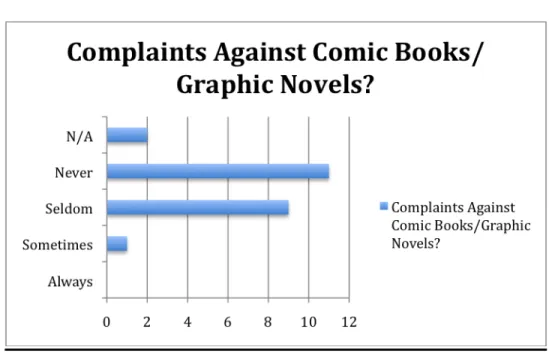
This research study has several objectives. The first is to research graphic novels and comic books, their history and the issues this visual and literary medium has had with censorship, with preconceived notions that the medium is only meant for a juvenile audience, and with the development of rating standards. The second objective is to study current literature that has been written by scholars and librarians on this medium. This exploration of graphic novels and comic books and the scholarship and collection development efforts related to them provides a foundation for considering the issues and challenges which current and future librarians may have to face, in maintaining this literary form in library collections. The third objective is to conduct a focus group and to survey librarians in Tennessee from a range of backgrounds in order to consider a number of questions, including: if these librarians have encountered patrons who
challenged having these books included in their institutions’ collections, what age range the surveyed librarians believe this medium is meant to appeal to, and how the librarians would rate content in comic books and graphic novels; such as, violence, language, sexual activity, etc.; including terms used by publishers in their rating standards to describe different levels of content.
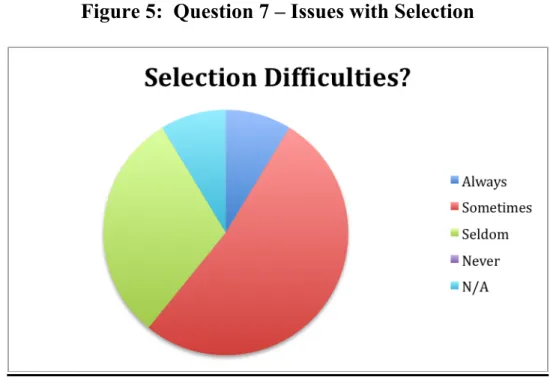
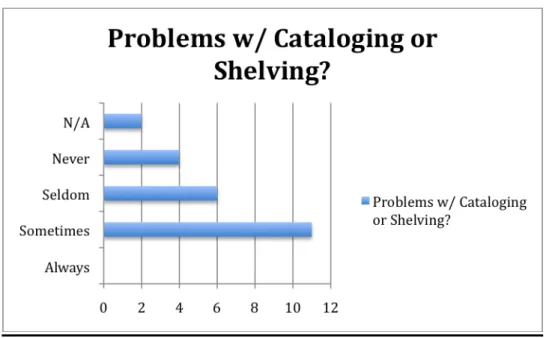
The results from this study showed there was quite a difference between what librarians feel is appropriate for the levels they were given and the types of content; with there being usually at least a 2 - 3 year age difference between the top two to three options chosen or there being a difference between the participants selecting an age range and selecting either “All Ages” or “None” as appropriate. The literature research and the data obtained from the survey along with the responses received from the focus group indicate that, since the majority of participants stated they “sometimes”
experienced selection difficulties and problems with cataloging and shelving these books, picking an appropriate age range for a comic book or graphic novel is very subjective and librarians and publishers are still a long way away from agreeing on the appropriateness of the content.
Table of Contents
Chapter 1 Introduction 1 - 26
Chapter 2 Literature Review 27 - 73
Chapter 3 Methodology 74 - 81
Survey & Focus Group Questions 82 – 87
Chapter 4 Findings 88 -141
Chapter 5 Conclusion 142 - 181
Reference List 182 - 189
Appendix A – Production Code 190 - 202
Appendix B – MPAA Code 203 - 204
Appendix C – ACMP Code 205 - 205
Appendix D - 1954 Comic Book Code 206 - 209
Appendix E - 1971 Comic Book Code 210 - 213
Appendix F - 1989 Comic Book Code 214 - 216
Appendix G – Present Marvel Code 217 - 217
Appendix H – Marvel Code Before June 2005 218 - 218
Appendix I – DC Rating System 219 - 219
Appendix J – Viz Rating System 220 - 220
Appendix K –Tokyopop Rating System 221 - 221
Appendix L – 2005 ALA Survey 222 - 222
Appendix M – Library Bill of Rights 223 - 223
Appendix N – Free Access to Libraries for Minors 224 - 225
Appendix O – Freedom to View Statement 226 - 226
Appendix P – Labeling and Rating Systems 227 - 228
Appendix Q – Research Question with Variables 229 - 229
Appendix R – Breakdown of Variables 230 - 230
List of Tables
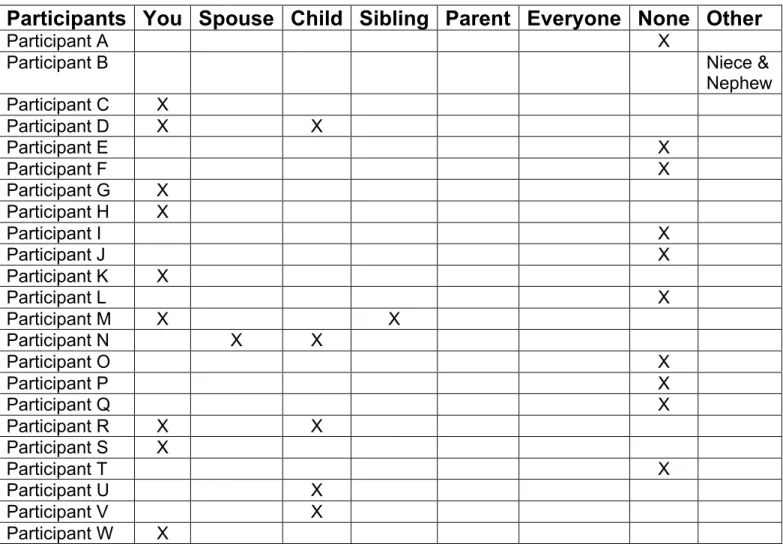
Table 1: Question 4 – Interest in Format 97
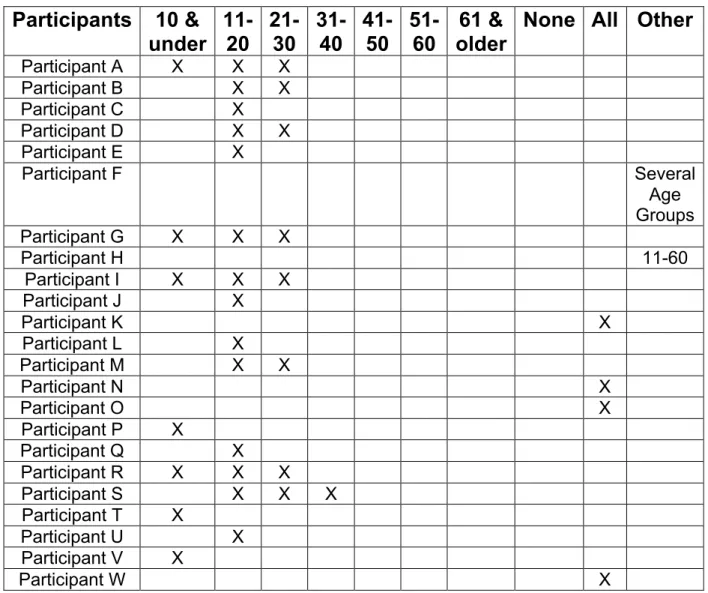
Table 2: Question 5 – Target Audience 99
Table 3: Question 11 – A Violent Crime Content 106
Table 4: Question 11 – B Violent Horror Content 108
Table 5: Question 11 – C Violent War/Battles Content 110
Table 6: Question 12 – A Sexual Content – Embracing 113
Table 7: Question 12 – B Sexual Content – Kissing 115
Table 8: Question 12 – C Sexual Content – Nudity 117
Table 9: Question 12 – D Sexual Content – Sexual Activity 120
Table 10: Question 13 – Language Content 123
Table 11: Question 14 – A Children Heterosexual Relationships 126
Table 12: Question 14 - B Teenage Heterosexual Relationships 129
Table 13: Question 14 – C Adult Heterosexual Relationships 132
Table 14: Question 14 – D Children Homosexual Relationships 135
Table 15: Question 14 – E Teenage Homosexual Relationships 138
List of Figures
Figure 1: Question 1 - Ages of Participants 94
Figure 2: Question 2 - Gender of Participants 95
Figure 3: Question 3 – Occupations of Participants 96
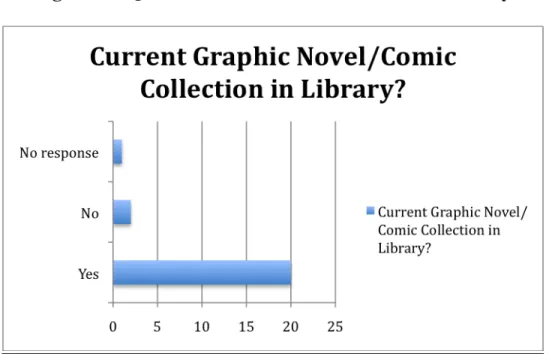
Figure 4: Question 6 – Current Collection in Library 100
Figure 5: Question 7 – Issues with Selection 101
Figure 6: Question 8: - Usefulness of Rating Standards 102
Figure 7: Question 9 – Issues with Cataloging and Shelving 103
Chapter 1 - Introduction
There has been concern from librarians and other groups about the content in comic books and graphic novels and whether that content is suitable for young children. Several articles discuss the mature content in graphic novels and comic books, but also note that the view that these materials are meant solely for children and teen audiences still persists among a significant majority of people (Ellis and Highsmith 21; Lavin 41; Highsmith 60; Micciche 5; Raiteri 58). Comic books have been denied the respect that the medium deserves and have been relegated to only being of interest to juvenile audiences; at the same time there has been concern that these books are corrupting America’s youth. This medium is deemed by many as targeted to children and teens, possibly because it is misconstrued with comic strips, the pictorial aspect of the medium, etc. Furthermore, graphic novels and comic books have frequently been viewed as corrupting their youth audiences with violent, sexual or other types of mature content. However, the problem should not be with the content contained in these books, but rather with expanding people’s understanding of the complexity of the medium. By looking at the content of these materials and at the current rating standards used by publishers, this research will hopefully help to diminish the misconception that this medium should be limited to only children and teenage audiences among library professionals and demonstrate the value of keeping these books in libraries. Librarians need to make sure they are providing these materials for all of their patrons and not just a select age group. Libraries should focus not only on providing these popular fiction items for children and young adults, but also must look into titles for mature audiences; in order to provide these books for their entire community.
In recent years, while there are still an abundant number of comic books and graphic novels published which are targeted at children and teen audiences, there are also many American, European comics, and the popular Japanese manga (Japanese word for comic) published aimed at drawing interest from adult audiences. Librarians must take extra care to identify comics and graphic novels that are aimed at older audiences, in order to keep those titles in sections separate from juvenile titles. In considering the difference between juvenile, teen/young adult and adult titles; Steve Raiteri published an article in Library Journal regarding graphic novels and the issue of maintaining young adult and adult collections in libraries. Raiteri mentions there can be some overlap between these collections, in that some titles can have appeal to both juveniles and young adults and some to young adults and adults. He clarifies the difference between “young adult” and “adult” collections by making the statement that young adult
collections are usually meant for teens between the ages of 12-18, therefore indicating that adult collections would be books meant to appeal to adults 18 and up and juvenile titles would be anything meant for children under the age of 12 (Raiteri 94). A graphic novel such as Watchmen by Alan Moore is not meant for the same audience as a comic book released from the DC Kids line of comics, even though they are both the same medium, so these books should be kept in separate sections of a library. If these books were not kept in separate sections of the library, it could lead to challenges from patrons.
Due to the explicit content that can sometimes appear in these books, some librarians have been concerned about where to keep comic books and graphic novels in their institutions, and how to determine which books are created for adult audiences, which for juvenile audiences, and which might draw the interest of both. One source
that librarians can use to help determine the placement of these books in their collections are the rating standards placed on the books by publishers. Understanding these ratings, librarians can then better determine if those rating standards match local community standards.
While American publishers have taken steps to put ratings and age appropriate guides on graphic novels and on some comic books, there is still prevalent belief
throughout the country that comic books and graphic novels only appeal to children and teen audiences. There are also questions about whether the rating standards publishers have created match the rating standards that librarians, educators, and even parents would apply to certain texts. By noting how closely (or how differently) publishers’ standards match the standards of librarians’, this research will help librarians to compare mature and young adult graphic novel and comic books to help them when developing these collections and determining their placement in their institutions. Comparing publishers’ rating standards to librarians’ standards will determine how closely these align; thereby, providing helpful data for librarians to follow when developing adult and juvenile graphic novel and comic book collections, in other words, librarians will know how closely they can rely on the ratings provided by publishers. To provide a context for understanding the relationship between libraries, collection development, and graphic novels and comic books, this research project first discusses the history of the medium and of rating standards for it.
Comic Books and Graphic Novels – Terminology, Genres
Many people have trouble distinguishing between a comic book and a graphic novel. During the course of my research, I found several definitions for comic books
and graphic novels. Doug Highsmith defines a comic book as “a
story-telling/communications medium; one which traditionally combines graphic art with narrative prose” (Highsmith 60). Katy Foster’s definition of a comic book is similar. According to Foster, “Stories told in both pictorial and word form are considered comics. Comic books are episodic stories” (Foster 30). Jane Griffin defines a graphic novel as “a self-contained story, printed with a heavy paper cover and better quality paper.” Lila Christenson’s definition for graphic novels are “stand-alone stories told in comic book format” (Christenson 227). From these definitions, it seems that both comic books and graphic novels are stories told with text and pictures, but comics tend to be ongoing stories, while graphic novels are usually “self-contained.” Another format that can be confused with the other two terms is a trade paperback, which is defined by Griffin as, “a collection of reprinted stories, rarely original stories. It can be an anthology or a series that encompasses one story line” (Griffin 73).
The genres for comic books and graphic novels are also varied. Many librarians and experts on this form listed several different genres, some of those being superhero stories, manga, war, romance, horror, crime, jungle stories, sci-fi, western, adventure and nonfiction graphic novels. The two most well-known of these genres are superhero stories and manga.
American Comic Book Eras
In order to understand comic books today, it is important to study the
development of the medium. Fans and historians of comic books have created their own era system to describe the significant changes in both content and art that have taken place in these books from their beginnings to now. Though the beginning and ending
points for the comic book eras may be a point of dissension between comic book fans (as discussed below), there are significant factors that distinguish these comic book eras from each other. According to the different sources that were reviewed, the Superhero genre is sorted into the Platinum Age, the Golden Age, the Silver Age, the Bronze Age (though there is some debate on whether this age exists) and the Modern Age,
sometimes also referred to as the Iron Age. According to David Serchay, author of The Librarian’s Guide to Graphic Novels for Children and Tweens, the “Platinum Age” refers to the period of comic book publishing from 1842 to 1933, though Terrence Wandtke, author of The Amazing Transforming Superhero! Essays on the Revision of characters in Comic Books, Film and Television, does not even mention this age in his book (Serchay 3). The Golden Age has several different beginning and ending points, depending on which source is consulted. Terrence Wandtke refers to the Golden Age as lasting from the late 1930s and ending in the late 1950s, also claiming that the Golden Age “represents Superman, Batman, Wonder Woman, and a wide array of others created or purchased by the company that would come to be known as DC Comics” (Wandtke 28). In comparison, Serchay said the Golden Age lasted from 1935 to 1949. According to David Serchay, the beginning of the Silver Age was in 1956 when the character Flash appeared in the comic book Showcase # 4 until this age ended “anywhere between 1969 and 1985” (Serchay 4, 84). Arie Kaplan, author of From Krakow to Krypton: Jews and Comic Books, agreed with Serchay on the beginning of the Silver Age being in 1956 with the arrival of the “new Flash” (Kaplan 213). Wandtke refers to the Silver Age as representing “Spiderman, the Hulk, and The Fantastic Four, and a wide array of others owned by Marvel Comics” (Wandtke 28). According to Serchay, “the names and
periods of the other ages have been debated among comic fans and historians” (Serchay 4). Wandtke refers to a third era, which he calls the Modern Age, and which he states are the comics of the 1980s. He does mention that this may sometimes be referred to as the Bronze Age, as well as, the “Dark Age” (Wandtke 28). Kaplan refers to the Bronze Age as starting in 1978 with the publication of A Contract with God, by Will Eisner, “considered by many to be the first modern graphic novel. The creation of the graphic novel officially puts the lid on the Silver Age of Comics and beckons the Bronze Age of Comics, which is still underway” (Kaplan 214). However, as Serchay said there is some debate on whether or not comic books are still in the Bronze age. According to
RandomHistory.com, the Bronze Age lasted from 1971-1980 and there have been two other ages following it; “Iron (1980-1987), and Modern (1987-present)”
(RandomHistory.com).
Manga Formats
Manga has become very popular in recent years, so it is important that librarians become familiar with this type of comic and its appeal to people of all ages. While manga is sometimes referred to as a genre, it is actually the Japanese word for comic. According to Frederik Schodt, it is “the most common form of Japanese comic today is the story-comic. It is first serialized in comic magazines and then compiled into books, and in its entirety may be thousands of pages long” (Schodt 12). According to Paul Gravett in his book, Manga: Sixty Years of Japanese Comics, he states that:
“Manga are not comics, at least not as most people know them in the West. The Japanese have liberated the medium’s language from the confining formats and genres of the daily newspaper strip or the 32-page
American comic book, and expanded its potential to embrace long, free-form narratives on almost every subject, for both sexes and almost every age and social group” (Gravett 10-12).
Adam Schwartz and Eliane Rubinstein-Avila wrote an article Understanding the manga hype: Uncovering the multimodality of comic-book literacies about the growing popularity of this medium and the need for educators to recognize this trend. The authors provide two reasons why educators’ should note this trend, which included “the comics’ sheer popularity – evident by the sale of manga across the United States” and “the unique multimodal reading that manga seem to demand” (Schwartz and Rubinstein-Avila 41). There is a mixture of manga genres and they include ninjas, romance,
science-fiction, mystery, magical girl, and more. In her discussion of manga genres, Robin Brenner stated, “in Japan the elements of genre are so regularly broken apart and recombined in new ways that it’s rare to find a title that remains purely one genre. For new readers, this shift from genre to genre, and attitude to attitude, feels uncomfortable and confusing; for manga readers it is all part of the appeal” (Brenner 107-108). The genres of manga are so vast and varied, it would be difficult to go into complete details on each of them, especially since so many of them coincide. However, Brenner
provides a very informative section in her book on anime and manga explaining the way that the Japanese create manga specifically for girls and boys and also for juvenile and adult audiences. According to Brenner, there is Kodomo Manga for children, Shonen Manga for boys 12-18 yrs of age, Seinen Manga for men, Shojo Manga for girls 12-18 yrs of age, Josei Manga for women, and finally there is Ero or Hentai Manga, which are pornographic comics (Brenner 31-38).
American – History
Concerns regarding the content found in comic books and the medium’s possible influences on young people occurred almost from their founding. As Paul Lopes notes in his article, Culture and Stigma: Popular Culture and the Case of Comic Books, “Comic books have been stigmatized since their introduction in the mid-1930s, and this stigma has affected comic books as well as artists, readers, and fans of comics” (Lopes 388). Modern American comic books (modern referring to its format) did not make an appearance until Funnies on Parade was published in 1933, though American comic strips had been around since the Yellow Kid was published in the New York World in the 1890s (Daniels 2). It was soon followed by Action Comics in 1938, which featured the first appearance of Superman (Kaplan 212). At this time, there were no restrictions on the content of these books, so violence and sexual themes were prevalent in many comic books. There were comic books available in numerous genres, from romance, to
western, science fiction, war comics and more. According to Allen Ellis and Doug Highsmith in About Face: Comic Books in Library Literature, comic books reached “the peak of comics’ Golden Age popularity” around the time of World War II and at this time it was “very much a part of the fabric of daily life for most American families – voraciously consumed by boys and girls of all ages, as well as by a fair number of adults” (Ellis and Highsmith 23).
Many researchers in this field have identified factors that explain why comic books came under fire and why the Comic Code Authority was eventually established. Most critics of comic books at this time could not find any redeeming qualities in comic books. According to Bradford Wright, “Critics charged that comic books caused
eyestrain, promoted illiteracy, celebrated bad taste, and encouraged anti-social behavior in children” (Wright 86). Cultural elites derided this new form of popular culture and this battle against comic books also occurred on a generational level. As Ellis and Highsmith note in their study on the library literature written about comic books from the 1940s to the 1990s, “A dismissive, often actively hostile, attitude toward the comics medium was accepted as a matter of course by many members of the academic
community – with a substantial number of librarians among them” (Ellis and Highsmith 21). The chief assumption about comic books that led to the creation of the Comic Code Authority was that these books were children’s’ reading material. Many of the genres for comic books that had become popular in the years prior to the establishment of the code, such as crime and jungle stories, had content that was of a more mature nature. Bradford Wright, in his book Comic Book Nation, discusses the comic book industry’s superhero beginnings and its expansion into other genres such as jungle stories and crime stories. In his discussion of crime stories, the author mentions the excessive violence that was featured in these books. However, he stated, “Whatever might be said about their moral values, these crime comic books marked an important stage in the evolution of the industry and youth culture. By demonstrating that successful comic books need not be confined to juvenile adventure stories, fatuous teen humor, and talking animals, they expanded the creative possibilities of the medium considerably” (Wright 84). However, because of the escalation in violence and sexual content that occurred in the years leading up to the establishment of the Code, critics of the medium argued that comic books were not appropriate for children and were the reason for the rise in juvenile delinquency.
The American public at this time was afraid of change and afraid of the effects that certain media would have on America’s youth. Comic books were not the first media that was targeted by educators, librarians, and parents. Amy Nyberg in her book,
Seal of Approval: The History of the Comics Code, discusses how dime novels, comic strips and film also were targeted by certain audiences for fear that they were a
corrupting influence on the youth of America. Criticism from the public and the Catholic Church led the film industry to create its own rating system, the Production Code Administration in 1934, in order to prevent federal censorship or religious groups from attempting to target certain films for boycotting (Nyberg 3). This Code, which was established to censor content in movies, stayed in force until 1968 when the Motion Pictures Association of America (MPAA) discontinued the code in favor of the MPAA rating system still in effect today (MPAA.org). The establishment of this code set a precedent for the government to take steps later to censor comic book publishers and also led publishers to establish their own guidelines in order to prevent interference from the government. Comic publishers first established the Association of Comics Magazine Publishers Comics Code (ACMP) on July 1,1948, due to pronounced criticism of the medium and its content. Some major publishers already had their own codes, established by advisory committees, such as the ones used by National Comics Publications and Fawcett Publications (Nyberg 106-107).
Fredric Wertham, a psychiatrist, beyond writing the book Seduction of the Innocent, also wrote several other articles that claimed that comic books were
books. David Park, points out in his article discussing the hearings against comic books, that:
“It is important to note that these condemnations of the comics were not based on scientific evidence. Instead of stating what effects such material could have on children, most critics in the popular periodicals allowed descriptions of indecent content to speak for themselves. Implicit in their arguments was a presumed consensus of disgust. The problem with comics could be exposed by merely describing the content; there was no need to establish a relationship between this content and the reader’s behavior” (Park 263).
As the uproar against comic books grew, the federal government finally stepped in and in spring 1954 the Senate Subcommittee to Investigate Juvenile Delinquency met to study the comic book industry and its effects on America’s youth. Though there were specialists called in who defended comic books, with detractors such as Fredric
Wertham in the majority comic book publishers were forced to create their own “decency” guidelines for the content in comic books (Nyberg 53).
After ACMP’s code failed due to lack of participation by major publishers and lack of funds and the Senate hearings, comic publishers formed the Comics Magazine Association of America, which established the Comics Code Authority on September 16, 1954 and started enforcing the new code on October 26, 1954 due to pressure from the government and also further criticism from several sources – the most notable of them being Fredric Wertham in his book Seduction of the Innocent (Kaplan 77;
limited the content that would be portrayed in comic books and many genres (e.g. horror comics) and publishers disappeared because of its creation. The 1954 Comic Code was revised in both 1971 and 1989 and specifics of the code will be discussed in more detail later on in this chapter. Once the Comic Code was established, mainstream publishers focused mostly on the superhero or super-heroine genre, though there were alternative or underground comic book publishers that still printed titles outside of this genre without the stamp of approval of the Comic Code Authority. William Savage, in his book,
Comic Books and America, 1945-1954, describes the history and reasons behind the creation of the Comic Code Authority. He admits that critics like Wertham, while not using scientific means to justify their derision for the comic book medium; were “on target with regard to the excesses of comic-book publishers.” However, he states later that, “Industry compliance with the provisions of the Comics Code ended what has since come to be known as the “golden age” of the comic book and, some have claimed, destroyed the creativity of the medium” (Savage 96, 99-100).
Outside of these mainstream comic book publishers, there are independent comic book publishers, such as Image, Dark Horse and Acclaim, although Image Comics has become so successful that it is slowly becoming thought of as a mainstream publisher. Between 1968 and 1975, a genre of underground comics referred to as commix emerged. The spelling change was made “both to set them apart, and to
emphasize the ‘x’ for X-rated” (Sabin 128). This movement in America later inspired a similar movement to take place in Britain. This movement mainly evolved as a form of protest against the established Comic Code Authority. As Sabin states in his book
“Where the Code had stipulated ‘no violence’, ‘no sex’, ‘no drugs’, and ‘no social relevance’, the underground comix would indulge themselves to the maximum in every category. If the Code meant, essentially, that a comic was prevented from saying anything meaningful about the real world, then by defying it this possibility was reawakened” (Sabin 128). These books took their content to extreme levels, featuring explicit sexual activity, horror, violence, but also addressing women’s political issues such as sexism and abortion. While underground comics eventually lost their appeal in the late 1970s, from them sprang the new alternative comics. According to Sabin, “The underground had shown that a comic need not be restricted to any particular age group, art style or subject matter, and had established a completely new economic rationale for creators. Both these achievements revolutionized comics, alternative and, to an extent,
mainstream, forever” (Sabin 128). After the revisions of the Comic Code in 1971 and 1989, some publishers began establishing lines for adult comics and started breaking away from the Comic Code. One of the two major comic book publishers, Marvel Comics , broke away from the Comic Code entirely in 2001and established their own rating system (Dean archives.tcj.com; Yarbrough comicbookresources.com; Weiland comicbookresources.com). Now, only a few publishers still submit comic books for Comic Code approval and only for their juvenile lines.
Since their creation, American comic books have faced disdain from the general public and the academic community, censorship from the government and publishers, and many genres have come and gone, but the comic book format has survived, evolved into other forms, such as the graphic novel, and has begun to be recognized for all its
literary, cultural, and artistic characteristics. There was a belief in the past that comic books are a bad influence on youth, have no literary or artistic benefit, and condone and even encourage violent behaviors and criminal tendencies. Many studies have been conducted to establish this supposed “harmful” effect that comic books have on our youth. This will be looked at in more detail later in this paper.
Japanese History
Another issue that librarians are facing is that comic books and graphic novels from other countries are now being translated and released in America. However, unlike their American counterparts, although European and Asian comic books and graphic novels may have faced derision and censorship in the past they have been widely accepted for years as appealing to adult, teen and juvenile audiences (Raiteri 58; Reitberger and Fuchs 185; Schodt 51, 56). When these materials are brought over to America, are publishers rating them based on our cultural standards or on the countries’ of origins rating standards? Because of foreign titles possibly being more mature than what American audiences are used, they may need to be carefully considered before determining their placement in libraries to make sure that they are placed in the appropriate audience section based on the maturity of the content. Paul Gravett in his book, Manga: Sixty Years of Japanese Comics discusses some of this mature content and notes that, “(manga) can indeed be ‘irresponsible’, irredeemably so, often the
products of largely unfettered individual minds allowed to respond to the moment and to their readers’ desires” (Gravett 9). Gravett also talks about the audience for these books in Japan where these books are not only written for children and young adults, but also for adult men and women (Gravett 116 – 119). Japanese manga publishers make a point
to publish titles in genres that will appeal to adult readers. There is also a difference in the maturity of the content between American, European and Asian comics/manga. Because other countries have different ages of consent and cultural standards, aspects of their content may be more explicit than what is acceptable in American comic books and graphic novels. In her book, Understanding Manga and Anime, Brenner comments on those cultural differences and states, “In some ways, Japanese age ranges may not fit U.S. standards. The nudity or sexual humor and slapstick the Japanese consider appropriate for younger readers would be considered vulgar or risqué here. In Japan, such incidents are considered part of human nature, not to be ashamed of, and often provide ripe targets for jokes” (Brenner 38).
The Japanese people have had a long history of expressing themselves with visual art. From Bishop Toba’s first work of cartooning in the 12th century on scrolls, the Japanese moved on to other forms of visual art such as Zen pictures and woodblock prints and then finally into more comic book forms of art (Schodt 28, 36). Some of these styles involved expanding on the idea of woodblock prints by binding many pictures together with thread and then in the 18th century, the creation of kibyoshi
“yellow-cover” booklets, which consisted of “monochrome prints and captions that told stories, often published as a series” (Schodt 37), Toba-e which refers to “collections of pictures showing comical situations using visual humour and minimal text,” and finally the ukiyo-zoshi, which “featured pictures containing additional dialogue not found in the main text” (Gravett 20). While Katsushika Hokusai, a print artist, actually invented the word “manga” in 1814 (he meant the term to describe “looser, unself-conscious sketches in which he could lay with exaggeration, the essence of caricature” (Gravett 21), the
kind of manga that is present today really had its beginnings from work created by artists during the Meiji period from 1868-1912 (Gravett 21).
The Japanese were introduced to European cartooning and comic art techniques by two men. The first was Charles Wirgman (1835-91), an English artist and
correspondent in Japan for the Illustrated London News, who created The Japan Punch
in 1862, which was a humor magazine published for foreigners living in Yokohama. The second man was George Bigot (1860-1927), who was a Frenchman who not only taught art in Japan at an army officer’s school, but also, like Wirgman, started his own satirical magazine named Tobae focused on issues related to both Japan’s society and government. American comic strips and political cartoons also influenced the Japanese, with some actually becoming serialized later in Japan. However, Japan’s own comic industry was flourishing, so while foreign publications did draw interest, they in no way matched the popularity of Japanese comics. Some of the Japanese comic strips and comics became so popular they were later released in book form. Starting in the 1930s, comic magazines began releasing longer comic stories and then re-releasing these comics in book form and this is how Japanese manga in still released today (Schodt 38– 54). After World War II, Osamu Tezuka (1928-89) created his first comic,
Shintakarajima (“New Treasure Island”), that at the same time created a new comic style and started a comic revolution. As Schodt describes it in his book Manga! Manga!, “Shintakarajima was 200 pages long. Its creative page layout, clever use of sound effects, and lavish spread of frames to depict a single action made reading
Shintakarajima almost like watching a movie” (Schodt 62). This style of comic became so popular, that Tezuka released several more comics in this style and it was adopted by
several other aspiring comic artists. This new style caused a boom in the comic industry in Japan and is a major reason why manga became and still is so popular in Japan today. According to Gravett, Osamu Tezuka is known as the “God of Manga.” “He led the way in transforming manga’s image through the sheer range of genres and subjects he tackled, his nuanced characterizations, his kinetic layouts and above all his emphasis on the need for a compelling story - one that was unafraid to confront the most basic human questions of identity, loss, death and injustice” (Gravett 24).
Censorship and government interference with the content contained in comic strips and comic books was also something that Japanese comic artists and publishers faced along with their American counterparts. During the late 1920s and early 1930s, some artists were threatened with jail time and publishers were forced to close, if they released comics that were considered to contain “subversive” ideas. Some publishers folded under this pressure from the government or practiced self censorship, while some artists abandoned political drawing to write either children’s comics or ero-gur-nansensu (erotic, grotesque, and nonsensical) comics for adults (Schodt 51). During the years that Japan was involved in World War II, 1937-1945, the Japanese government persecuted comic artists they considered to be dissidents, but also recruited artists to draw comics that supported the war effort. As Schodt writes, “cartoonists who were not banned from working or off fighting on the front were active in one of three areas: producing family comic strips that were totally harmless or promoted national solidarity; drawing single-panel cartoons that vilified the enemy in Manga (cartoon magazine published
military service creating propaganda to be used against the opposing troops” (Schodt 56).
Since the war, there have been other instances of censorship of media in Japan. One such instance was when stories about samurais, judo, karate, sumo wrestling, and other sports were banned in the years following the war by the American forces to prevent “belligerency” (Gravett 54). However, this restriction on content in media was shortly lifted by General MacArthur in 1950. There was also the founding of the Youth Policy Unit in 1967. This government agency “placed any suspect manga on a ‘Harmful Designation List’” (Gravett 54). Despite the freedom Japanese comic artists and
publishers have experienced since these times, they do have a history of censorship like America.
Issues with Censorship in Other Countries
Many European countries also have a long history with comic books and censorship. In Europe, comic books developed from children’s picture stories in books and magazines, so for many years just as in America, comics were seen as a children’s medium. Each country’s comic book industry developed differently and, like Japan, have their own format & style for comics.
According to Roger Sabin in his book, Adult Comics, there were two different outlooks on comics in Britain when they first were released. The first was that they were “jolly, lightweight, gag-oriented entertainment,” the second outlook was that they were a “threat to literacy” (Sabin 21). He goes on to say that they were “considered to be base ephemera: working-class, mass-produced, often shoddy-looking and essentially flippant. At best, they were ‘railway literature’, mildly diverting lowbrow entertainment
to read between stops on a train” (Sabin 21). Though there were some protests against American comics being distributed in Britain, due to a prejudice against America and its customs, American crime and horror comics began to arrive in Britain in the 1940s and 1950s. Just as in America, many British people who considered comics to be a child’s medium, began to strive to have them banned and were finally successful with the 1955 Children and Young Person’s Harmful Publications Act. However, this did not hamper the importation of American comics to Britain for long, because once the Comic Code was established in America, many of the titles and the genres that the British people had found necessary to protest and ban disappeared, so that by 1959, American comics were readily being distributed in Britain (Sabin 30-31). The prejudice against comics still persisted in Britain as it did in America, though the thoughts behind the prejudice differed. According to Roger Sabin, in Britain comics were a ‘threat to literacy’, but in America they could “seduce the innocent into delinquency” (Sabin 34).
Germany experienced its own censorship movement in the 1950s, inspired by the
American movement. Their movement, named Books for Young People in Exchange for
Rubbish focused on adventure comics. There were also instances where imported American and Italian comics were censored before being published in Germany. Reitberger and Fuchs give several examples of this in their book Comics: Anatomy of a Mass Medium, such as weapons being taken out of certain pictures or violent actions being removed and replaced with text passages. As the authors state,
“In view of the concern of the guardians of culture (comic critics), it should be remarked that in these paperbacks more and more text passages were inserted in order to invalidate the reproach of picture illiteracy. In
the end, two comics pages were always followed by two pages of text - and the magazines were passed over to other people: a glorious success for voluntary self-control” (Reitberger and Fuchs 179).
Another example of censorship in Germany occurred when the German Democratic Republic (GDR) banned comic strips because it was determined that they served as “vehicles of imperialistic propaganda” (Reitberger and Fuchs 180).
Just as in Germany, France had a movement develop against American comic strips. However, the reason for this movement was not only due to American comic books’ excessive content, but also due to political reasons, according to Reitberger and Fuchs, because “they stressed an individualism which was incompatible with Marxist teachings” and the country’s own comic industry’s interest in removing any sort of competition (Reitberger and Fuchs 185). This movement against American comics led to a law approved in 1949 which entailed a control board that monitored production of French comics and has led to updated additions to this law in 1958 creating penalties for not complying with the 1949 law and finally in 1960 to the establishment of a European Federation. According to Reitberger and Fuchs, the European Federation “laid down directives similar to those of the American Code Authority. “The Moral Code issued by Europress Junior places even greater emphasis on protecting the young than the
American code” (Reitberger and Fuchs 185).
American comics were in high demand in Italy in the 1930s and though they were banned from 1938 until the end of the Fascist regime, there were protests against the ban due to their extreme popularity (Reitberger and Fuchs 193). After the Second World War, comics for both children and adults were established and extremely popular.
Just like in America, Italian comics began to contain excessive violence and sexual content and these comics perhaps even exceeded what was found in their American counterparts. As Reitberger and Fuchs note, “Everything which Dr. Wertham saw and thought he saw in comics, before the Comics Code was introduced, is shown here” (Reitberger and Fuchs 199). Some examples of this excessive content that they note in their book were sadistic violence, severed limbs, torture, homosexual and heterosexual relationships, and bestiality. Due to this there was an attempt in 1966 to ban some of this excessive content from being published, but this ended in failure mainly because of the guaranteed freedom of the press, according to judges that oversaw the proceedings (Reitberger and Fuchs 200).
Graphic Novels
Graphic Novels can be considered an offshoot of comic books and have been defined as “a sophisticated story told between two covers, usually a 64-, 128-, or 176-page book” (Weiner 55). What usually sets these novels apart from comics is that they usually involve a stand-alone story whereas comic books are usually long-running series. Many of them have mature stories meant for older audiences, though there are many graphic novels being published for juvenile audiences now as well. Douglas Wolk comments in his article, Comics: Not Just For Specialty Stores Anymore, “While the business of selling monthly, saddle-stitched pamphlets flails, its companion, the graphic novel market, especially in traditional bookstores, is booming” (Wolk 36). Most comic researchers agree that the first real graphic novel was Will Eisner’s A Contract with God and Other Tenement Stories, which was originally published in 1978. Stephen Weiner, in his book Faster than a Speeding Bullet: The Rise of the Graphic Novel, discusses
Eisner’s graphic novel and states that there were several aspects to the work that made it different from anything that had ever come out before.
“Not only was the subject matter new to comic book readers, the presentation was fresh as well. Rather than crowding the pages with panels detailing character movements, the drawings were large, focusing on facial expression, and the panels opened outward, almost beyond the page” (Weiner 20).
There were three graphic novels that came out after Eisner’s which really impacted the growth in this medium. The first was Art Spiegelman’s Maus, which is a historical graphic novel based around the Holocaust that was published in 1986 and won a Pulitzer Prize. The other two books were both released by the comic book publisher DC comics. The first was Frank Miller’s Batman: The Dark Knight Returns which was published in 1986. This Batman story is set in a potential, dark future where a 55 year old Batman is forced to come out of retirement in order to fight crime again in a Gotham that has been nearly taken over by the criminal element. The second influential graphic novel released by DC is Watchmen by Alan Moore, which was released as a 12-issue limited series from 1986 to 1987 and then released together in book format in 1987.
Watchmen is a story that focuses on a group of costumed heroes that reunite and come out of retirement, though they were banned by the law from being superheroes, in order to save the world. Graphic novels are now growing in popularity due in part to many of them now being released as films, such as A History of Violence, Sin City, Road to Perdition and Watchmen (Tabachnik 24; O’English, Matthews, & Lindsay 173; Thompson 40-42; Weiner 17-20, 32-38).
Development of Rating Standards
Though attitudes toward comic books and graphic novels continue to change, there is still confusion over the intended audiences for these books and how to rate them appropriately. Fans of comic books and graphic novels are people of all ages,
nationalities and of both genders. As Anne Behler writes in her article, Getting Started with Graphic Novels: A Guide for the Beginner, “the fact that academic librarians are paying attention to the form simply strengthens the argument that this particular type of reading experience has far exceeded its day as a boyhood pastime (if indeed that
perception was ever true)” (Behler 16). Comic book and graphic novel publishers, having recognized this trend, have been publishing more content of a mature nature to appeal to a wider audience. This makes collection development librarians’ jobs harder, because it becomes more difficult to determine the appropriate audience for these titles as well as to determine their placement in the library. “The Second World War had a brutalizing effect on the output of all the mass media, including comics. Things that would have been judged sadistic in 1940 were deemed accurate reporting in 1945; but later some comics went too far and what weighed most heavily against them was the fact that they could be bought by anybody, including children” (Reitberger and Fuchs 19). As previously mentioned, a few publishers tried to create their own rating standards, while the Association of Comic Magazine Publishers tried to establish a code in 1948. The ACMP code established in 1948 had basic guidelines against comics featuring sexually explicit scenes or nudity, sympathy for criminals or showing youth committing crimes or incompetent law enforcement officials, scenes of sadistic torture, use of foul language, portraying divorce as good, and finally it had a guideline against making fun
of or harassing any religious or racial groups (Nyberg 165 - See Appendix). The ACMP code failed in 1948, but another code was established in 1954 by the Comics Magazine Association of America (CMAA) and the Comics Code Authority. This new comic code was much stricter and more detailed than the previous code that was established and this code also censored all terror and horror comics and actually prevented the use of the words “weird,” “horror” or “terror” from being used. The fear that comic books would lead to corruption led to the creation of the Comic Code Authority, which led to years of self-censorship by the industry. Not only did the 1954 Comic Code ban horror and terror comics, it also gave detailed restrictions on the use of crime, dialogue, religion, costume, marriage and sex, and the advertising allowed to be displayed. For instance, while obvious items like liquor and tobacco were included on the list of items not to be advertised in comic books, other products such as fireworks and “questionable” medical, health or toiletry items were also prohibited (Nyberg 166-169, See Appendix).
Now, though a few publishers still use the Code on some of their juvenile titles, the majority of publishers have created their own rating standards. This has led to a flurry of new, creative stories that stretch beyond the boundaries that American comic books and graphic novels were relegated to in the past that interest not only the juvenile audiences that have been considered the medium’s main audience, but also have drawn the interest of mature audiences. Each comic book or graphic novel publisher has created their own rating standards and librarians must understand these different rating standards in order to effectively collect these books for intended audiences.
Purpose of the Study
This research study has several objectives. The first is to research graphic novels and comic books, their history and the issues this visual and literary medium has had with censorship, with preconceived notions that the medium is only meant for a juvenile audience, and with the development of rating standards. The second objective is to study current literature that has been written by scholars and librarians on this medium. This exploration of graphic novels and comic books and the scholarship and collection development efforts related to them provides a foundation for considering the issues and challenges which current and future librarians may, in maintaining this literary form in library collections, face in the present and in the future. The third objective is to conduct a focus group and to survey librarians from a range of backgrounds in order to consider a number of questions, including: if these librarians have encountered patrons who challenged having these books included in their institutions’ collections, what age range the surveyed librarians believe this medium is meant to appeal to, and how the librarians would rate content found in comic books and graphic novels; such as, violence,
language, sexual activity, etc.
The aim of this study is to be a helpful resource for librarians, both those with and those without graphic novel and comic book collections at their institutions. This study, by providing librarians with an improved understanding of the graphic novel and comic book medium may assist librarians in more appropriately placing these books in their library collection. Moreover, the results from the focus group and survey are intended to help librarians become more aware of the various contents featured in comic books and graphic novels. The goal is not only to provide librarians with an improved
understanding and awareness of this medium’s potential, but also to help librarians be more skilled in choosing both mature and juvenile titles for their collections and in determining where those items should be placed in these collections. In this way, libraries can better provide reading material for their whole community, not only for a portion of the community.
Chapter 2 - Literature Review
HistoryThere were several sources that consulted in order to get background on the history and terminology of comic books and graphic novels, as well as to see how comic books and graphic novels have been regarded from their conception up to now.
Censorship & Challenges/Stigma/Appropriateness
Censorship has been a major concern of comic book artists and publishers since early on. One form of self-censorship occurred through the establishment of the Comic Code Authority, which was implemented in order to avoid greater government
censorship. This code was created in reaction to harsh criticism of comic books in the 1950s. This Comic Code Authority still exists today, though most comic book
publishers have moved away from using these standards and have created their own. Phoebe Gloeckner discusses this period in her brief article Comic Books: A Medium Deserving Another Look. As she states, “the intellectual Puritanism of America in the 1950s found comic books an easy target and a case brought to The Senate Subcommittee on Juvenile Delinquency resulted in the censorship of many titles and the formation of the Comic Book Code, which sought to restrict horrific elements and sexual innuendo in comic books” (Gloeckner 246). This has mainly been an issue for the American comic book industry. In Europe and Japan, these books and their creators are held in much higher esteem according to the author. As Gloeckner states, “Although comics are
beginning to get more serious attention in the United States, they are still regarded by many as “just so much fluff” (Gloeckner 247).
In Graphic Novels in Libraries: An Expert’s Opinion, Katy Foster refutes arguments for keeping graphic novels out of libraries; stating that they are an
“invaluable literary form” and that they are very popular with patrons. She discusses the fact that the violence in some graphic novels being is used as an excuse for keeping them out of libraries, but counters that there are non-violent novels as well and that “it is simply a matter of selection” (Foster 32, 30-32). Michael Lavin provides AGuide for Librarians on comic books and graphic novels on the University of Buffalo’s library website. Lavin discusses the five main concerns that librarians have regarding acquiring comic books and graphic novels in their collections. The last two concerns Lavin
identifies involve the durability of the books along with their availability to patrons; stating librarians have expressed concerns that the books are not sturdy enough to be in libraries and, if they are included, they will be in danger of being stolen. The first three concerns that Lavin identifies in this guide reflect the concerns against the content and medium of comic books and graphic novels themselves, which has led to censorship and prejudice against these kinds of materials. Those concerns included worry that parents or members of the community would protest the inclusion of graphic novels and comic books in libraries, belief from many librarians that these books have no redeeming value, that they are in fact “junk literature,” and belief that these books contain stories only featuring “violence, sexism, anti-social behavior, and other inappropriate messages
or themes” (Lavin library.buffalo.com). Lavin comments that in most cases, librarians will not have any complaints from patrons against having comic books and graphic novels in a library collection, however, he does warn they should be careful in their selection practices regarding these books, because they must make sure that the books are appropriate additions that will not offend their community. They must be prepared to defend the books if there are any concerns expressed. Lavin warns there will also be many patrons who will consider these books as “junk reading,” but there are still patrons who enjoy these kinds of materials and many comic books and graphic novels have won awards and contain more serious content, so librarians should not hesitate to add these popular culture items to their institutions. Finally, regarding the content of comic books and graphic novels, Lavin states that while there are some of these books that will have
“questionable material, including raw language, extreme violence, sexual activity, the objectification of women, and flagrant disrespect for authority,” there are also many of them, including the superhero titles, that present “positive messages, such as using one’s abilities to help others, the value of perseverance, and striving to be the best one can be” (Lavin
library.buffalo.edu).
Lavin also writes a section about censorship in his guide, discussing from what sources it can start and also giving librarians ideas of how to fight against it. Lavin warns that censorship can come from the library’s community, such as from specific religious groups, and there are some particular genres that may have higher risk for
complaints; such as horror and supernatural, crime, science fiction and fantasy, satire and dark humor, and realistic or autobiographical genres. He also states that some librarians will have a prejudice against these kinds of materials and will not acquire them for their selections because of their own dislike for the books. Lavin suggests that libraries prepare for prejudice and complaints against comic books and graphic novels by having a set of procedures ready to fight against such censorship in their collection development policies and that they should be familiar with organizations that will help libraries defend such censorship attempts, such as the American Library Association Office for Intellectual Freedom and the Comic Book Legal Defense Fund (Lavin library.buffalo.edu).
Keith DeCandido’s article, Picture This: Graphic Novels in Libraries is slightly dated, since it was published in 1990, but it does give a brief history of graphic novels and discusses the importance of including graphic novels in libraries. The article briefly mentions the Comics Code Authority and how it was considered mainly “useless” even then (Decandido 50). Decandido also discussed the audience for graphic novels and according to him, “Graphic novels capture a higher age group, mid 20s, due to their generally greater sophistication” (Decandido 52). Stephen Weiner confirmed
Decandido’s statement in his article Beyond Superheroes: Comics Get Serious in which he comments that the main distributor of these books in the United States has done some research into the audience for these books and “the average graphic novel reader is 29 years old” (Weiner 56). Devon Greyson discusses the issue of how comics and graphic
novels are perceived and the problems faced with having comic books in libraries in his article GLBTQ content in comics/graphic novels for teens. As Greyson states, “Because of the pervasive (albeit mistaken) idea that comics are a children’s genre, comic books with more mature themes are potential fertile ground for material challenges in our libraries” (Greyson 130). According to this article, which was published in 2007, there have been 14 challenges for comic books; at least that is what has been reported by the ALA (Greyson 130). According to an article written by the Associated Press and featured on the First Amendment Center website, some of these challenges were against books like The Watchmen by Alan Moore, which was challenged in Florida and
Virginia; Akira, Volume 2 by Katsuhiro Otomo, challenged in Texas; New X-Men Imperial by Grant Morrison, challenged in Maryland; and Maus and its sequel Maul II, challenged in Oregon. These books were challenged for a variety of reasons which included being unsuitable for younger readers, offensive language, nudity, violence and for being anti-ethnic. As Carrie Gardner, a spokeswoman for the ALA’s Committee for Intellectual Freedom and a professor at Catholic University in Washington, D.C. stated in the article, “Some people find graphical depictions of things more offensive than text” (Associated Press firstamendmentcenter.org). However, as Laura Micciche comments in an essay published in Rhetoric Review, “precisely because they (comic books)
combine visual and verbal textual strategies, comic books have the potential to deal with complex ideas on multiple levels” (Micciche 8). Challenges are a major concern for librarians in dealing with comic books and graphic novels. In 2005, the Denver Public
Library canceled subscriptions to some of their books that were in a comic format. These books were fotonovelas or Spanish-language adult books that are published in a comic format. The reason that some of these types of books were removed was because of complaints from the public because of nudity, sexual content, and violence against women found in the books. The Denver Public Library did release a statement regarding the removal of these books where they said that, while the books did not overstep the library’s policies, they determined that “in looking at each series as a whole, staff have determined that four of the 14 series are inappropriate for the collection because of their consistent portrayal of sexually explicit content”
(Blumenstein and Oder 16). In April 2006, the book, Manga: Sixty Years of Japanese Comics by Paul Gravett, was pulled from all the San Bernardino County, CA libraries due to a complaint from Cynthia Jones, whose 16-year old son had checked out the item. The book is a history of Manga and therefore, shows images from many types of
different Manga stories, including some that showed sexually explicit content. Because of these images, Bill Postmus, the chair of the San Bernardino County Board of
Supervisors, deemed the book inappropriate and decided to have it removed (B.G. 21; Oder 14). In 2006, a patron of the Marshall Public Library, MO made a complaint regarding two graphic novels contained in the library’s collection. These books were
Fun Home: A Family Tragicomic by Alison Bechdel and Blankets by Craig Thompson. According to Louise Mitchell, the source of the complaint, “My concern doesn’t lie with the content of the novels, rather my concern is with the illustrations and their availability
to children and the community” (ALA ala.org). While the books were removed from the library’s shelves for a time due to their sexually explicit images while the board assessed the books, they were eventually re-admitted to the library and the board approved a new policy on materials selection to try to prevent such complaints from occurring in the future. One of the books, Blankets by Craig Thompson, was originally shelved in the young adult area of the library, but with the new selection policy in place, it was
determined that it would be more appropriate to have the book shelved in the adult book section along with Fun Home: A Family Tragicomic by Alison Bechdel (ALA ala.org; Associated press firstamendmentcenter.org; B.G. 21; Oder 14).
Devon Greyson, writer of GLBTQ content in comics/graphic novels for teens, also does a section in this article for librarians discussing how to handle these books at their institutions. After all, librarians need to make efforts to add these materials to their collections, but it is difficult to do so when you are concerned about whether the materials will offend your patrons. Greyson discusses the difficulty in determining a book’s appropriateness. “The fact that most comics in North America have no labels at all guiding readers to the type of content makes it difficult to select materials for a youth collection, especially in a controversial area such as GLBTQ content for teens”
(Greyson 132). Greyson stresses the importance of keeping these materials in libraries and also warns librarians to be prepared to defend their inclusion in their libraries (Greyson 130-134).
In A Librarian’s Guide to Graphic Novels for Children and Tweens, David Serchay agrees with Decandido’s and Greyson’s assessment that the average age of comic book readers are people in their twenties. According to Serchay, that is why there may be some mature content even in books rated for younger audiences. David Serchay
comments on issues that arise from having graphic novel collections in libraries; such as adults assuming all graphic novels are meant for children, “Even if adult-level titles are located in a separate area of the library, there is a chance that an adult will complain even if children do not find them. They may be under the mistaken impression that all comics and graphic novels are for children, and if the library has this book in the collection then obviously they intended it for children despite it being both catalogued and shelved as an adult title” (Serchay 131). However, Serchay also acknowledges that parents may not be the only group that may find some of these books objectionable. Library staff and even students in school libraries have made complaints and had issues with having these kinds of books in a collection. As Serchay states, “Of course,
complaints about comic books are nothing new. Similar to movies, rock and roll, video games, Dungeons and Dragons, Myspace, and whatever this year’s controversial item is, comic books have been something that adults have had to “protect” children from” (Serchay 134, 131-134). Mary Jane Heaney, in her article Graphic Novels: A Sure Bet For Your Library, suggests that because graphic novels are not only words or text, but pictures, that this is the reason why there are more objections expressed about these books because of their content (Heaney 72). According to Heaney, one of her two main
reasons why some libraries and people have problems with these books is because “it is sometimes difficult to find age appropriate material” and “the comics that some might find personally thrilling or entertaining are beyond what is comfortable in a school library” (Heaney 73). She also suggests that along with considering graphic novels’ “genre, quality, artistic merit, and the reputation and style of the author and illustrator” before acquiring it for your collection, the “target audience” for the book must also be considered (Heaney 74). The author maintains that, despite any problems that might arise with having a graphic novel collection, there are more benefits than drawbacks from having these books in libraries (Heaney 72-76). Steve Raiteri discussed the
perception of graphic novels in his article titled Graphic Novels, which was published in Library Journal in November 2003. Raiteri commented that graphic novels are still seen as immature and only meant for juvenile audiences. As he states in the article, “there is still some resistance to the idea that graphic novels can and should be included in adult collections. The notion that comics are strictly for kids lingers on, though it simply isn’t true” (Raiteri 58). He explains some of the history of comic books and why these perceptions still exist, such as the nature of the content that came out while the Comics Code was still firmly in place. He mentions both Japanese and French comic books as having many adult titles available and how graphic novel collections for adults in those other countries are widely accepted. He does caution librarians that some of the titles available will have “explicit images, and decisions on including such books need to be made in accordance with local community standards” (Raiteri 58). Overall, he presents
several arguments for adult graphic novel collections to be established in libraries (Raiteri 58). Allen Ellis and Doug Highsmith studied the library literature that was published concerning comic books from the 1940s to the 1990s and wrote a paper discussing their findings titled About Face: Comic Books in Library Literature. They showcased how this medium was given harsh criticism by librarians for many decades, but how this has slowly changed and this medium is finally beginning to obtain the respect that it deserves. They observed in their study of the related literature that comic books have progressed from being seen as possibly harmful to readers as to now being naturally accepted as an important part of library collections that needs to be studied to provide librarians with matter-of-fact information regarding its use and care (Ellis and Highsmith 39, 21-43). Hollis Margaret Rudiger and Megan Schliesman in their article,
Graphic Novels and School Libraries, discuss the issue of how graphic novels are sometimes perceived as always having more mature or violent content than other kinds of books due to them being called “graphic” (Rudiger and Schliesman 57). Rudiger and Schliesman comment in defense of graphic novels that just as graphic novels may have some questionable content, “some novels have dialogue, violence, or sexual situations that may be upsetting; some picture books have images that may be distressing; and some nonfiction contains information that may be shocking” (Rudiger and Schliesman 57). These authors state that as long as librarians make an effort to promote the
usefulness of graphic novels, such as by holding graphic novel discussions, they should not experience as many protests from patrons and educators regarding their presence in