Letters & Laws: How Literary Genre Shaped 18th-Century Clubs
Daniel Lupton
A dissertation submitted to the faculty of the University of North Carolina at Chapel Hill in partial fulfillment of the requirements for the degree of Doctor of Philosophy in the
Department of English.
Chapel Hill 2012
ABSTRACT
DANIEL LUPTON: Letters & Laws: How Literary Genre Shaped 18th-Century Clubs (Under the direction of Thomas Reinert)
As private social clubs overtook public coffeehouses as the key venue for intellectual exchange in mid-18th-century Britain, these clubs’ members looked to literature for models of how to speak, interact, and, of course, write. Literature provided clubs not only practical advice about how members should behave, but also a set of aesthetic touchstones and allegiances that were vastly important in a world that conceived of sociability—like literature—as a “fine art.” This project locates social clubs within their literary, historical and philosophical contexts, tracing the development of the wider club phenomenon and examining how clubs shaped 18th-century British philosophers’ theories of sociability. Arguing against the widely held notion that clubs were an
Table of Contents
List of Illustrations ...v
I: Introduction ...1
II: The Liberty of the Club: Club Culture and Philosophical
Discourse in Britain, 1650-1780 ...55
III: Parody, Imitation and the Robin Hood Society’s Quest
for Intellectual Legitimacy ...87
IV: The Soul of the Soil: English Georgic Poetry and the
Mid-Eighteenth-Century Agricultural Society ...144
V: Freedom, but from What? 18th-Century Libertines
and Anti-Clubs ...194
Epilogue ...246
List of Illustrations
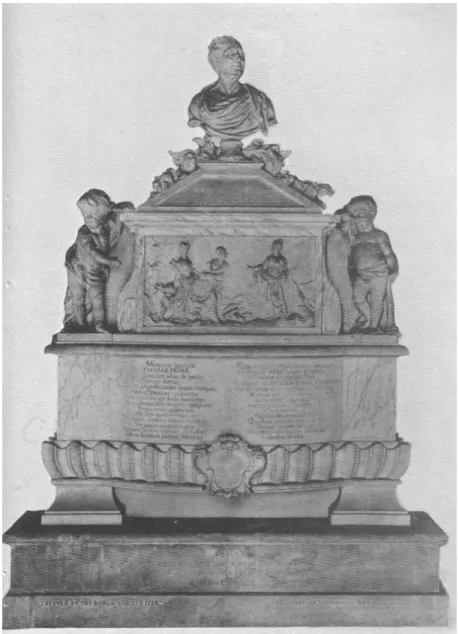
Fig. 1: Monument to Thomas Prior in Christ Church, Dublin ...185
Fig. 2: First Medal of the Royal Society of Arts ...188
I: Introduction
I am writing to you in defense only of the liberty of the club, and of that sort of freedom which is taken amongst gentlemen and friends, who know one another perfectly well. And that ‘tis natural for me to defend liberty with this restriction, you may infer from the very notion I have of liberty itself.
-Anthony Ashley Cooper, Third Earl of Shaftesbury1
As the third Earl of Shaftesbury wrote these lines in 1714, the practice of gentlemen forming themselves into private clubs was well established among Englishmen, but it had not yet become the monolithic (yet extremely variegated) social institution that it would become later in the 18th century. Indeed, modern readers might be surprised to find Shaftesbury championing the private social club as consonant with “the very notion… of liberty itself” when that prototypical institution of British intellectual freedom—the public coffeehouse—still enjoyed ascendancy over private social clubs as the key venue for intellectual exchange, particularly in London. However, it would be wrong to assume that Shaftesbury’s argument was borne out of a conservative impulse to restrict who might enter the marketplace of ideas. As Shaftesbury’s comment indicates, as British
1
Anthony Ashley Cooper, Third Earl of Shaftesbury, Characteristicks of Men, Manners, Opinions, Times, ed. Philip J. Ayres (Oxford: Oxford UP, 1999), 45. Emphasis in
intellectual culture moved gradually, in the decades from the 1720s through the 1740s, out of the coffeehouses and into the clubs, it was generally—if mostly tacitly—agreed that this shift in venue garnered the modern British gentleman more, not less, freedom. 18th-century British gentlemen, by and large, viewed the private social club as the ideal social institution for the modern age, free from the awkward and inefficient social conventions that characterized the private, personal visit, the effeminacy and affectation that defined the fashionable new French institution of the salon, and the heated party allegiances for which the coffeehouses were known. Clubs were idealized as spaces where ideas (whether they be serious, silly, learned, or debauched) could not only be introduced, but where they could also be refined, honed, and propagated. As such, clubs enjoyed a close connection with Britain’s ever-growing literary sphere. Whereas one finds Dryden displaying his wit at Will’s Coffeehouse and Addison meeting at Button’s Coffeehouse early in the 18th century, one finds literary production gradually moving out of the coffeehouses and into clubs after 1720. The Scriblerians, the Nonsense Club, Johnson’s Literary Club, and other examples abound of writers creating for themselves a private society that could aid in the development and appreciation of their work.
This study aims to investigate these deep connections between club culture and literary culture as both ascended to cultural prominence in the English-speaking world during the first half of the 18th century. While literary production would continue to be closely linked to club culture at least until the 19th century (when, gradually, the
examples of clubs dating back further than this), but these decades mark the era when British gentlemen—particularly men of letters—revised their model of public intellectual sociability such that clubs gained the upper hand over coffeehouses as their most valued site for intellectually substantive social interactions. The reasons for these revisions are various, and will be addressed at length in the first two chapters of this study.
To summarize quickly, though, there were both practical and theoretical reasons why clubs came to dominate the English gentleman’s social life during this period. As for the former, coffeehouse discussions had become stigmatized as having been paralyzed by the narrow-minded concerns of party politics. During the “rage of party” in the first two decades of the 18th century, when changes in power were frequent and party tensions ran high, coffeehouses provided the perfect civic venue for playing out these high political dramas. As the political regime stabilized under the Walpole ministry in the 1720s, however, writers came to look scornfully on debates that bore any resemblance to party conflict, and as such coffeehouses quickly became less fashionable. As for the theoretical reasons why gentlemen, on the whole, came to prefer clubs to coffeehouses, these
and prestige among other men were understood as fundamental to what it meant to be human.
The 18th century is remembered both as an age of sociability and as an age of remarkable scientific discovery. The fashion for private social clubs, one might say, resulted from the confluence of these interests. Clubs were, at their core, social
experiments. By creating these microcosmic societies, the members of 18th-century clubs manipulated the variables that controlled typical social interaction. In the “real world” status was conferred by money or title; in clubs, one could achieve status based on his ability in oratory, the strength of his ideas, his capacity for ingesting alcohol, or even the ugliness of his face. Indeed, clubs were the canvas on which 18th-century men and women painted their portrait of an ideal social world, and as one might expect, these portraits differed widely. Some of these worlds were characterized by leisure, others by productivity; some were highly refined, others deliberately crass; some theatrical, some staid. Clubs were united, however, by the assumption that a group of individuals could deliberately fashion a social order that did not organize the world solely according to title, wealth, or political power, even if that order could be maintained only for a few hours every fortnight.
The club culture of the 18th century encompassed a broad range of models, from small, informal social circles to large, complex institutions such as the Royal Society. Indeed, as Peter Clark has argued convincingly,2 by the latter half of the 18th century, clubs and societies dominated the social lives of most men, particularly those who spent
2
all or most of their time in London. As Clark argues, late 18th-century Britain was an “associational world” in which men—and, to a lesser extent, women—defined
themselves by the organizations to which they belonged. Another aim of this study is to investigate the historical, cultural, and theoretical underpinnings of 18th-century club culture, with particular attention to how these groups’ members relied on the institutional character of clubs to fashion both individual and collective identities. Central to this investigation is the general reassertion in the English-speaking world of the inherent value of sociability during the early 18th century. Particularly since the English
translation of Jürgen Habermas’s influential study, The Structural Transformation of the Public Sphere,3 scholars have been increasingly apt to see social connections—including those offered by clubs and societies—as pathways to social, economic, and political advancement. I argue, however, that the 18th century saw a turn toward the appreciation of sociability for its inherent worth, and that this turn was one of the key factors
contributing to the rise of club culture. To see the primary goal of club culture as the creation of connections that members could then exploit in the political or economic spheres is to miss much of what made 18th-century club culture unique. By valuing social interaction for its own sake, 18th-century clubs and societies, in essence, turned sociability into a form of art, and like painting, sculpture, or literature, sociability offered the imaginative artist near-limitless potential for self-expression.
The confluence between social and aesthetic experience is another of this study’s key theoretical underpinnings. As I argue in chapter 2, in the work of 18th-century Britain’s key social theorists—primarily Shaftesbury, Smith, and Hume—we find a
3
distinct resonance between social and aesthetic experience. This is in stark contrast to 17th-century theorists such as Hobbes and Locke, both of whom understood social relationships as being determined primarily—if not exclusively—by power, and judgment (i.e. reason) as the most useful tool for navigating these social relationships. Shaftesbury, Smith, and Hume, on the other hand, sought to explain more complex social phenomenon such as style, grace, wit, and empathy, all of which required an appeal to a different conception of power and the postulation of a different basis for social
interaction. While neither philosopher says so explicitly, I argue that all three turn to aesthetic experience as an analogy—if not a basis—for humanity’s sociable impulses. Just like art, social interaction can stimulate the intellect or the ego, but it can also provide its own unique, inherent sources of pleasure and aversion.
This conception of sociability as something akin to aesthetic experience is borne out by my historical examination of 18th-century club culture. As a wealth of recent scholarship has established, self-fashioning was a matter of much consequence in the 18th-century social world. Clubs and societies provided not only a venue for exhibiting these exquisitely crafted identities, but also a member’s club affiliations were often a key part of those identities. If sociability, particularly clubbing, was conceived as an aesthetic enterprise, then one’s aesthetic allegiances were extremely important. Thus, we find countless clubs based on the members’ shared aesthetic allegiances: the Society of Dilettanti, whose members poured over collections of ancient coins and statuary, the Royal Society of Arts, which worked to secure exhibition space and educational opportunities for Britain’s young artists, and the many literary clubs such as Dr.
literature. These aesthetic allegiances were phenomenally important in shaping groups’ institutional identities as well as the individual identities of their members, a pattern I explore at length in chapters 3-5.
bureaucratic structure likewise limited members’ ability to participate actively in managing the group’s public and private identities. Third, the groups that interest me most employ some sort of simple episcopacy or bureaucratic structure in order to distinguish and honor certain members and/or distribute duties and privileges. This process of organization not only gave groups another venue for creative self-fashioning, but also separated them from more informal social groupings in which
distinction was either assumed based on outside criteria such as social rank or determined on an ad-hoc basis. While most of the groups I examine in this dissertation meet all three of these criteria, I am not interested so much in establishing a taxonomy for identifying and categorizing clubs as I am interested in finding the clubs whose members were interested in creating and managing a club, not simply belonging to one.
coal, goose club, etc.” In other words, this definition describes clubs whose primary aim is not sociability, but some other objects such as playing cricket or football (this sports-related usage persists in modern-day Britain and America, where our professional sports teams are still referred to as clubs), bird-watching, jogging, etc. Though, in this study, I deal with clubs that might fall under either definition, I focus on clubs that emerged in the 1730s and 1740s—a period between the emergence of these two definitions—for a
reason. The difference between these two definitions reflects a significant change in British culture in the late 18th and 19th centuries. While the early 18th century may have borne residual traces of the showiness and flair of early modern court culture, this model of sociability was increasingly viewed as vain and superficial later in the 18th century, when one can see the beginnings of a Victorian culture that valued productivity and professionalization over the kinds of “leisure” activities that were based on aesthetic appreciation.4 One can see the beginnings of this shift in the clubs I study, all of which struggled, to one degree or another, to strike a particular balance between leisure and productivity. By the middle of the 18th century it becomes increasingly difficult to find institutions that devote themselves purely to conviviality, though conviviality and sociability, I would argue, were no less integral to the success of later groups whose members insisted they had a higher purpose. Over the course of the 18th century it became necessary to frame one’s social interaction with some other purpose, whether professional or amateur. Clubs, which accommodated just this kind of self-fashioning, were the perfect venue for creating this type of frame, particularly for those who could
4
not find a way to insert themselves into a professional community. Indeed, the fashion for clubbing may even have contributed to this need to do more than simply socialize. By uniting people with shared interests, backgrounds, and resources, clubs created optimal conditions for those who would put their collective energy toward some higher purpose.
While these contrasting definitions give a rough indication of changes in practices of sociability across the period, they hardly give a vivid picture of the club phenomenon as a whole. In this study I will take care to emphasize how individual clubs fashioned a unique identity, but there are also a few material characteristics that are common to most clubs. First, clubbing tended to be an exclusively male phenomenon, at least until near the turn of the 19th century. 18th-century Britain was still very much a chauvinistic society, and there is no known British club from the period where women and men met one another as intellectual equals, as they did in the French salons that met during the same period. Indeed, women, as a rule, did not belong to clubs and societies, with the exception of so-called “box clubs,”5 though sociability was at best only a passing concern for these types of groups. When women did participate in clubs, their presence tended to be, as Clark describes it, “decorative,”6 rather than substantive. In terms of class
heterogeneity, with some exceptions clubs tended to be rather homogenous; though clubbing was a widespread phenomenon and nearly every Englishman, no matter how poor or rich, belonged to one or more clubs, individual clubs tended to pull their
membership from a relatively small cross-section of the social spectrum. Few groups had
5
For more on Box Clubs, including gender dynamics within these clubs, see Chapter 10 of Peter Clark, British Clubs and Societies, 1580-1800: The Origins of an Associational World (Oxford: Clarendon, 2000).
6
formal rules banning potential members based on social class or occupation, though “token” representation from outside a club’s principal social stratum was not
uncommon.7 In regards to the material conditions of club meetings, by and large clubs tended to meet in taverns. Some larger and/or wealthier clubs had purpose-built houses or rooms (sometimes within taverns) and some smaller clubs met at members’ homes (though this was uncommon given the mental and financial burden this could put on members), but most clubs found drinking establishments convenient since they provided large and open spaces and the necessary refreshments. Indeed, many tavern-keepers courted clubs since the bills they incurred could comprise a significant portion of their establishment’s business. By mid-century most clubs met weekly or fortnightly, beginning their meetings in the early evening, often around seven or eight o’clock.
If these were the ways in which clubs tended to be similar, there were far more ways in which clubs differed from one another. Members’ costs differed widely. Many clubs that courted a working-class audience worked to keep their prices low; the Robin Hood Debating Society charged sixpence for entry, a price which both allowed the patron to participate in the evening’s debate and entitled him to a forty-ounce tankard of beer or lemonade. Some elite clubs placed a much heavier financial burden on their members; in addition to regular fees, members of the Society of Dilettanti were required to pay to have their portrait painted by the Society’s official “Limner” (a post held by George Knapton and, later, Sir Joshua Reynolds), no small expense. Every year that a member let pass without having his portrait painted, he was forced to pay a substantial fine the group
7
referred to as “face money.”8 Clubs also differed considerably in their approach to the accouterments of club life such as officers, costumes, and rituals. Though many clubs were rather Spartan in this regard, the Freemasons’ more baroque approach was clearly influential. The Freemasons, famously, created not so much an aesthetic for their group but rather an entire mythology, one that placed the group’s origin in the building of Solomon’s temple a millennium before Christ. Many groups followed this example, creating fictional and even mythological origin stories for their groups; the Society of Bucks, for instance, claimed to have been founded by Nimrod in ancient Babylon.9 Other groups were more influenced by the visual impact of the Freemasons’ often-impressive costumes. Sir Francis Dashwood—an enthusiastic proponent of “fancy dress” —managed the costumes for many of the groups with which he was involved, including the Divan Club, the Society of Dilettanti, and the Medmenham Monks. Many groups also invested a great deal of energy in internal offices and other honoraria for their clubs. Nearly every club named a president who presided over meetings and a treasurer who managed the group’s purse, but more imaginative posts were not uncommon. Another identifying feature for many clubs was their initiation rituals. As Clark notes, many of these rituals were extremely stylized, almost to the point of making no sense at all; the Oxford Free Cynics, for example “required newcomers to learn ‘a symbolical set of words and grimaces.’”10 In the sex-obsessed Scottish club the Beggar’s Benison, new members had
8
Bruce Redford, Dilettanti : The Antic and the Antique in Eighteenth-Century England (Los Angeles: The Getty Research Institute, 2008), 13.
9
Peter Clark, British Clubs and Societies, 1580-1800: The Origins of an Associational World (Oxford: Clarendon, 2000), 76.
10
to prove themselves by participating in group sex acts.11 Along with managing the topic and tenor of conversation at their meetings, these aspects of club life offered the clubman near-limitless opportunity for creative self-expression.
Though British voluntary institutions’ explosion in popularity can be dated
precisely to the early-to-middle decades of the 18th century, no scholar has yet ventured a satisfactory explanation for why clubs exploded in popularity just when they did. It stands to reason that 18th-century clubs evolved from other, earlier forms of organized social interaction such as bell-ringing societies, trade guilds, academic societies, or medieval fraternities, though in practice clubs share little in common with these earlier institutions of sociability. In this section I will examine clubs’ relationship to other (predominantly older) forms of organized public sociability.
As I noted above, the etymology of the word “club” is complex and, at times, unclear. The OED’s first citation of the term “club” as “an association or society of persons of like sympathies, of a common vocation, or otherwise mutually acceptable, meeting periodically (under certain regulations) at some house of entertainment, for social intercourse and cooperation” is from 1670. The origin of this meaning, however, is obscure, as is its relation to earlier senses of the word “club” as a “thick stick” or the suit in a deck of cards. Geoffrey Ashe has argued that clubs arose from the practice of
“clubbing,” or combining, expenses among groups of associates who frequented the same tavern,12 but the OED only dates this use of the term to about a decade earlier, appearing
11
Evelyn Lord. The Hell-Fire Clubs: Sex, Satanism and Secret Societies (New Haven: Yale UP, 2008).
12
in various sections of Pepys’s diary in 1659 and 1660. There are also other
contemporaneous usages of the term that could offer a tenable origin for the term “club” in its modern sense; the OED argues that it is unclear whether the modern sense of the term derives from “a knot or association of persons, or a ‘clubbing’ of the expenses of an entertainment, or of contributions towards it.” Indeed, there are several related definitions that date to the late 17th and 18th centuries, including the sense of the term as the
building where a private club met (first appearing in 1776), as well as dozens of derivations and combinations from the word “club,” including “clubster” (1734), “clubbable” (1783), “clubbist” (1793), and “clubical” (the OED dates the term to 1800, though Alexander Hamilton uses the term frequently in his History of the Ancient and Honorable Tuesday Club, which he composed in the 1750s13). This complex
etymological history hints at both the strength and suddenness of how this sense of the term “club” garnered its cultural currency.
This muddled origin of clubbing is reflected in Peter Clark’s examination of early modern institutions of sociability. Clark attempts to establish a genealogy for the 18th-century club, examining numerous forms of sociability that were popular in 16th- and 17th-century Britain, including county feast societies, bell-ringing societies, academies and academic societies, fraternities, and professional guilds. Ultimately, though, Clark argues that this is a futile enterprise, and that it is impossible to establish precisely how early clubmen combined elements from other types of social institutions to create the
13
18th-century club’s recognizable form.14 Indeed, this approach seems flawed from the start, as the 18th-century club was not a Frankenstein monster that cobbled together the most serviceable elements from other, already existing social institutions. Club culture was ultimately a response to the fact that the conditions under which men socialized— where, when, how often, and to what purpose—were changing rapidly, and the older venues for sociability listed above no longer fulfilled their purpose under these new conditions. Thus, rather than examining older forms of sociability for clues as to club culture’s origins, it seems more pertinent to examine the social, intellectual, and cultural conditions of early 18th-century London, since this is where and when the fashion for clubs really got going, and establish how club culture filled the unique needs of that time and place better than any other social venue.
Numerous important historical and cultural trends laid the foundation on which club culture would be built during the first half of the eighteenth century. Chief among these trends was the slow and gradual process, beginning in the early 17th century, whereby the focus of British intellectual culture shifted away from the clearly defined hierarchies of the court and the country house and toward the metropolis. This entailed not only a shift in the venues for intellectual culture, but a shift in the very ways in which social connections were conceived and valued in 18th-century Britain. As befitting such an important change, numerous social, literary, and philosophical historians have studied these changes in values, though no definitive account—or even a definitive set of terms
14
with which to discuss this shift—has emerged. In her study, From Courtesy to Civility,15 for instance, Anna Bryson characterizes this change as a movement from the values of “lordship” to the values of “urbanity.” Bryson explains:
Very abstractly, the modes of urbanity are those of an elite whose members tend to vest their sense of social identity in their possession of a shared culture principally expressed and elaborated in the conduct of social relations with each other; the city is the obvious and pre-eminent, but not the only milieu in which such modes can be developed. The modes of lordship are, by contrast, those of an elite whose
individuals vest social identity in the separate, if structurally similar, hierarchies of services and networks of allegiance in which they enjoyed commanding positions.16 As Bryson argues, the move from a culture of “lordship” to one of “urbanity” signals more than simply a change in the types of public courtesy people displayed to one another (e.g. doffing their caps, bowing, etc.); rather, this move indicates a fundamental change in how social networks were both understood and valued. In a culture of
“lordship,” the value of one’s social connections is gauged according to an external, legible—and theoretically stable—system. Social status in a culture of “urbanity,” however, was a moving target; what might be valued in one venue or among one set of connections might not be valued somewhere else. While this system of values was not exactly relativistic, there was no central authority to which one could appeal to assess the value of one’s social connections or one’s self among his or her connections. In other
15
Anna Bryson, From Courtesy to Civility: Changing Codes of Conduct in Early Modern England (New York: Oxford University Press, 1998).
16
words, this culture of “urbanity” provided no universally acknowledged social ladder to climb; one who wished to make his mark in society had not only to cultivate desirable social connections, but also frame those connections in a way that emphasized their value and exclusivity. To complicate matters even further, this culture of “urbanity” did not completely displace the waning culture of “lordship”; as Bryson argues, the nobility hardly abandoned their interest in ritual displays of rank and hierarchy in the 17th and 18th centuries.17
While Bryson’s account highlights the destabilization of traditional social
hierarchies engendered by the culture of lordship, Lawrence Klein centers his account of this trend on the changing role of the gentleman in late-17th- and early-18th-century British culture. In his study of the Third Earl of Shaftesbury’s social and political philosophy,18 Klein argues that as traditional social institutions such as the clergy, the country gentry, court, and the monarchy were divested of much of their power over the course of the 17th century, that power fell to a class of “gentlemen” who came to
dominate London’s (and, by extension, the English-speaking world’s) social and political scenes. These self-styled “gentlemen” invoked a discourse of “politeness” in which one’s social value was assessed according to an index of “agreeability.” It was this quality of “agreeability” rather than mere birth or background that accorded one social standing, though of course the gentleman of breeding was ideally situated to embody this emerging ideal. As I will explain more fully below, the notion of “agreeability” was central to how
17
Ibid., 119, 136. 18
Lawrence Eliot Klein, Shaftesbury and the Culture of Politeness: Moral Discourse and Cultural Politics in Early Eighteenth-Century England (New York: Cambridge
this new style of gentleman approached discourse; in other words, it was agreement—and not disagreement or debate—that was the focus and ultimate goal of polite discourse. As Klein goes on to argue, this discourse of “politeness” extended not only to conversation and social interaction, but also extended other acts: “the spread of ‘politeness’ to different discourses is the process of gentlemen taking over those discourses and appropriating them into the world of ‘polite’ social, intellectual, and literary creation.”19 Klein
interprets Shaftesbury’s moral philosophy as an attempt to codify the norms of this new gentlemanly culture, but in practice no acknowledged standard of what constituted “politeness” or even a “gentleman” existed. As with Bryson’s model of “urbanity,” the discourse of politeness articulated by Klein replaced a relatively stable and universally acknowledged system of valuing a person’s social merits with a system that was at best dynamic, and at worst relativistic.
In his treatise on clubs, Peter Clark, somewhat less systematically, describes this shift as a move toward an “associational world” in which not only social status but social definition is comprised by one’s voluntary associations: friends, family, colleagues, and, perhaps most importantly, club affiliations. For Clark, the fashion for voluntary
association in 18th-century Britain is part of a broader fashion for self-improvement that spreads steadily across the century. While the displacement of Britain’s old ruling class can seem, in Bryon’s and Klein’s accounts, as a move toward a murky kind of social relativism, Clark puts a positive spin on the dynamism of club culture, which evolves considerably over the course of the century to accommodate shifting notions of what constituted improvement. The history of clubs, for Clark, is a movement toward an ever
19
greater degree of organization and more clearly defined aims,20 a genealogy that strains to connect the heavily bureaucratic philanthropic and scientific societies that thrived in 19th-century Britain (many of which would eventually transform into part of the state bureaucracy) with the looser, more anarchic social and drinking clubs that dotted early 18th-century London. Though Clark does not say so explicitly, implicit in his emphasis on improvement is the idea that earlier clubs, which focused on sociability, offered their patrons a prospect of improvement by allowing them to associate themselves with members of a higher social standing (and, indeed, many 18th-century clubs sought to validate themselves by cultivating an aristocratic membership) while later clubs sought to improve their members by focusing their energy toward ventures—including, most prominently, philanthropy and scientific research—whose social and economic utility was acknowledged by the larger populace. As this evolution confirms, because club culture was so malleable—so responsive to cultural shifts whether they were abrupt or gradual—their importance to British culture, particularly in the metropolis, only
increased with each passing decade as more and more types of human interaction began to fall under the scope of clubs’ operations. Thus, for Clark, this gradual move toward more decentralized and dynamic patterns of sociability is a function of British culture’s gradual adoption of the values of capitalism; in other words, as productivity becomes an ever-more-important index, voluntary association’s ties to that culture of productivity (and, by contrast, the country squierarchy’s ties to obsolete forms of technology) provided a compelling argument for voluntary association’s general utility.
20
While the broad shifts described by Bryson, Klein, and Clark identify some of the large-scale changes in cultural and social values that made club culture not only possible, but indeed necessary, these slow cultural movements on their own do not adequately explain the rather sudden rise of club culture in the early 18th century. I argue that two other, narrower, historical developments—in conjunction with the broader shifts in social values outlined above—provided the impetus for club culture’s sudden rise to
prominence in the first half of the eighteenth century. These events were the rapid growth in London’s population—in particular the establishment of the winter season during which members of the gentry increasingly were compelled to spend most of their time at a London residence—and the consolidation of political power under Robert Walpole’s Whig ministry in the early 1720s. The combined effect of these two patterns was to bring ever-increasing numbers of well-to-do gentleman to London and take away the political engagement that might have otherwise occupied their attention. While clubs became such an important part of London social life that eventually nearly everyone—from all
political affiliations, economic classes, etc. —was compelled to participate, I argue that it was these politically disaffected gentlemen who pushed London’s intellectual culture out of the contentious public space of the coffeehouse and into the more restrictive, private, and exclusive space of the private social club.
While it is well established that London’s population grew exponentially
the years after the Restoration.21 While some may have migrated to the capital out of professional or economic necessity (as Bryson notes, enrollment figures at the Inns of Court increased exponentially over the period, indicating that more and more well-to-do young men were preparing for the bar22), the primary draw of London was social. Indeed, one can find the anxiety about this newly important clash of country and city cultures played out in numerous Restoration comedies, including William Wycherly’s The Country Wife and George Farquhar’s The Beaux’ Strategem. While these conservative moralists tended to focus on the ways in which the vicious and self-absorbed values of the city corrupted the supposed moral purity of country life, London itself was changing as well, undergoing a transformation from a center of professional and governmental life to Britain’s social and cultural center, a shift which only increased the capital’s
attractiveness to the fashionable gentry. In other words, as more and more gentry flocked to London, the city became more fashionable, which, in turn, made it attract even more fashionable (and would-be fashionable) gentry. This cycle played no small part in the explosion in London’s population across the 18th century, as members of the middling and lower orders filed into London, attracted by these patrons of consumer culture.
Thus, we find that patterns of migration helped to define 18th-century London as the nation’s social and cultural center; however, the changing political climate during the first half of the 18th century also served, ultimately, to underscore London’s status as a social center for the well-to-do and de-emphasize its (still formidable) status as a political
21
Anna Bryson, From Courtesy to Civility: Changing Codes of Conduct in Early Modern England (New York: Oxford University Press, 1998), 129-130.
22
center. A side effect of the consolidation of political power under Robert Walpole’s ministry during and after the 1720s was that broad-based political engagement was more or less discouraged. As W.A. Speck explains, the scope of the political arena became distinctly narrower after 1714 as the intense party political feuds that characterized Queen Anne’s reign faded and political power gradually moved into the hands of a small group of Court-oriented Whig politicians.23 These politicians, with Walpole at their head after 1721, not only controlled the House of Commons (which was, by this point, the more powerful and important of the two houses24), but also controlled the distribution of powerful and lucrative ministerial appointments. The consolidation of these powers among Walpole and a few others effectively crushed the opposition for the next two decades. This pattern, along with the passage of the 1715 Septennial Act, which required parliamentary elections every seven years instead of every three, had the effect of cooling the intense political feuds of the early part of the century. Further, because there were fewer elections and, hence, fewer candidates begging for the attention of their
constituents, the nation’s inner political workings moved out of the public’s immediate line of sight.
The broad chronology of these political events—i.e. intense party-political argument and strife during the first two decades of the 18th century and a period of consolidation and stabilization following after 1720—maps onto a similarly broad shift in patterns of social interaction among the gentry during the same period. As I will argue
23
W. A Speck, Stability and Strife: England 1714-1760 (Cambridge: Harvard UP, 1977), 4.
24
more fully below, during the period of dramatic and contentious action in the political arena around the turn of the 18th century and continuing until the end of Queen Anne’s reign, well-to-do men preferred to congregate in public coffeehouses. While, rather famously, certain coffeehouses tended to attract a certain clientele, these spaces were characterized by their open, public nature and the comparatively heterogeneous
population that tended to congregate there. These sorts of spaces were well-suited to the type of public critical discourse described by Jürgen Habermas, and because the unstable political arena offered would-be politicians and intellectuals the hope of quick social and professional advancement, there was no shortage of well-to-do gentlemen willing to engage in this discourse. By contrast, the species of private social club I described above surged in popularity beginning in the 1720s (at virtually the same time Walpole came to power) and, unlike coffeehouses, these clubs tended to meet in private and to restrict their membership. Further, while many clubs explicitly decided upon a general topic for their conversation, very few clubs included current political issues among these topics; many more explicitly banned political debate because it incited the passions of faction and impeded the natural flow of sociable conversation. While neither the consolidation of power under Walpole nor the retreat from political engagement constituted by club culture could be said to cause the other, these two patterns no doubt compounded one another and helped to define the decades between the 1720s and 1760s as a period in which—for most well-to-do Englishmen—social pursuits superseded political ones.
coffeehouses. Though their periods during which they were in fashion overlapped considerably, I will argue here that coffeehouses began to wane in popularity during the 1710s, particularly among more fashionable and learned Londoners, while clubs’ popularity grew steadily during the same period, and indeed continued to grow
throughout the rest of the century. Of course it is impossible to identify a point at which clubs’ popularity overtook that of the coffeehouses, but were one to choose such a date it would undoubtedly be during the 1710s or, at the latest, in the early 1720s. The first known coffeehouse in Britain opened its doors in Oxford in 165025, spreading to London soon after; by 1700 coffeehouses existed all over London.26 Appearing in London around the time of the Restoration of Charles II in 1660 and growing in popularity and social importance during the years of political near-catastrophes such as the Exclusion Crisis and the Glorious Revolution, coffeehouses would remain, at least until the end of the 18th century, associated in the British cultural memory with an unstable and unpredictable political climate. This association results not simply from a chronological accident, but because coffeehouses themselves were one of the most important, if not the most
important, venue in which political negotiations took place. As Brian Cowan notes in his study of 18th-century coffeehouse culture, “many of the early coffeehouses fulfilled the functional equivalent of what we would today call office space.”27 Indeed, most business (political and otherwise) was conducted in public houses of one sort or another—taverns,
25
Brian William Cowan, The Social Life of Coffee: The Emergence of the British Coffeehouse (New Haven: Yale UP, 2005), 25.
26
Ibid., 29. 27
alehouses, inns, etc. —but the coffeehouse benefited from coffee’s association with sobriety and productivity (as contrasted, for instance, with ale’s associations with torpor and dullness).28 However, these were still very much public spaces; more popular coffeehouses could easily attract 40 or 50 patrons at any given time,29 and most coffeehouses sat all of these patrons together at 3 or 4 long tables. With so much important business so easily overheard, coffeehouses became centers for gossip, and many keepers of coffeehouses cleverly capitalized on this pattern by stocking the latest newspapers, making their businesses centers for legitimate news as well. As Cowan explains:
The early coffeehouses were most notable as centers for news culture. The coffeehouses bundled news and coffee together as a means of attracting their customers. News could be consumed in a variety of different forms: in print, both licensed and unlicensed; in manuscript; and aloud, as gossip, hearsay, and word of mouth.30
Given the coffeehouse’s deep connections with the emerging culture of news and information, it seems like no coincidence that the period generally acknowledged as the golden age of the coffeehouse—the first decades of the 18th century, under the Whig ascendancy led by fashionable coffeehouse patrons such as Joseph Addison and Richard Steele—is also remembered as an age characterized by the “rage of party.”31
28
Ibid., 44. 29
Ibid., 83. 30
Ibid., 87. 31
One of the primary reasons why, in the early 18th century, clubs replaced
coffeehouses as the primary venue for Britain’s intellectual culture was an irresolvable tension between the idea of coffeehouse culture as articulated by Addison and Steele in their Tatler and Spectator essays and the reality of coffeehouse conversation, which was clearly more democratic than the polite patrons would have liked. As Cowan argues, for Addison and Steele the coffeehouse was ultimately more of an ideal than an actual place:
In its ideal form, the public sphere envisioned by the Spectatorial periodical essay was a carefully policed forum for urbane but not risqué conversation, for moral reflection rather than obsession with the news of the day or the latest fashions, and for temperate agreement on affairs of state rather than heated political debate. In other words, it was not envisioned as an open forum for competitive debate between ideologies and interests, but rather as a medium whereby a stable sociopolitical consensus could be enforced through making partisan political debate appear socially unacceptable in public spaces such as coffeehouses or in media like periodical newspapers.32
Cowan’s characterization of the Spectatorial public sphere, much like Anna Bryson’s ideals of “urbanity” and “civility” and Klein’s notion of “agreeability” described above, are marked not by debate and disagreement, but by the kind of natural and
easily-achieved consensus that results from a shared background and culture, an ideal that finds perhaps its most eloquent expression (as Lawrence Klein notes) in the Earl of
Shaftesbury’s philosophy. As is evidenced by Shaftesbury’s defense of clubs quoted at the beginning of this chapter, private clubs were much better equipped than coffeehouses
32
to achieve this ideal of easy consensus, since those who fostered disagreement could be excluded. One can see these assumptions at work in Swift’s Journal to Stella. When Swift arrives in London in the fall of 1710 he resumes his relationships with his Whig political contacts, and as such he is obliged to spend much of his time in coffeehouses, particularly St. James Coffeehouse where Addison held court. However, as Swift’s relationship with Addison sours, he resolves to change his behavior: “Pr'ythee, do not you observe how strangely I have changed my company and manner of living? I never go to a coffee-house; you hear no more of Addison, Steele, Henley, Lady Lucy, Mrs. Finch, Lord Somers, Lord Halifax, etc. I think I have altered for the better.”33 As Swift
extricates himself from his coffeehouse connections, he invariably turns to private clubs for his new connections, forming a club with 12 of his new Tory friends. As Swift explains, “The end of our Club is, to advance conversation and friendship, and to reward deserving persons with our interest and recommendation. We take in none but men of wit or men of interest; and if we go on as we begin, no other Club in this town will be worth talking of.”34 As we can see in Swift’s account, exclusivity and like-mindedness are they key reasons he prefers his club over the coffeehouses. Despite their political and personal disagreements, Swift and Addison shared the assumption that social and
intellectual stimulation are compromised when participants’ ideas and assumptions are too heterogeneous; true wit is the result of minds working comfortably and harmoniously. Given this assumption, it seems inevitable that clubs—which meticulously curated their membership—would be more attractive than the coffeehouse, where the best
33
Jonathan Swift, The Journal to Stella (Middlesex: Echo Library, 2007), 274. 34
conversations would invariably be disrupted by other patrons who were not of a similar mind.
Under this account, the rise of club culture seems, at its core, like a conservative movement, a backing away from the more open and democratic exchanges that took place in the coffeehouses. While modern readers might choose to judge club culture in this way, this is certainly not the way that the typical urbane gentleman of the early 18th century would have understood the matter. Clubs did represent a retreat into the private sphere, but the primary goal of this retreat was not simply to cultivate exclusivity, but to create social spaces that were not defined by political allegiances. Club culture was a product of an era of consolidated political power, and a close examination finds that political passions were merely repressed, not eliminated. Most clubs took great pains to present themselves as bi- or post-partisan, but many of these same clubs came to an end over political disputes; Sir Francis Dashwood’s Medmenham Monks, for instance, were a private club devoted to debauchery, but they ultimately parted ways due to an
irresolvable political feud between the Earl of Sandwich and John Wilkes. While
coffeehouses reveled in their patrons’ political identities, members of clubs, by and large, worked to order their microcosmic societies by just about any criterion other than
knowledge, or make bawdy puns. The patrons of 18th-century clubs likely would have argued that a pure democracy—or even a natural meritocracy—cannot function
adequately without an explicitly-defined and externally visible social structure that ensured that each person knew exactly where he stood, and clubs provided this type of structure in a way that the more open and anarchic environment of the coffeehouse could not.
In its attempt to curate and control social interaction, the 18th-century club bears a striking resemblance to another emerging venue for conversation, the French salon. To create a comprehensive list of the ways in which the French salon culture of the 17th and 18th centuries resembled and differed from 18th-century British club culture would be a rather quixotic quest, since such a list would, at some point, almost certainly devolve into a list of the ways in which French and British cultures differed during this period. That being said, French salons and British clubs shared, I argue, a devotion to sociability as an art and as an end in itself. Though both are often identified as institutions of Habermas’s bourgeois public sphere, neither devoted themselves drily to the mere pursuit and
development of ideas. Indeed, scholars who have sought to highlight the social and political significance of these groups have a habit of making both clubs and salons seem less fun than they often were.
mid-afternoon, when a meal would be served, with discussion continuing late into the evening. Salons usually met once or twice a week, and a salonnière might choose to devote certain hours of the day or certain days of the week to particular topics of conversation. Those topics were, by and large, extremely diverse, though they were almost always serious: literature, science, and political theory were but a few of the disciplines explored by the patrons of France’s salons. Another defining feature of the French salon was its temporary suspension of social rank inside its doors. While the salonnière was the group’s undisputed head, different social groups—particularly the nobility and the bourgeoisie—mixed freely at the salon, relating to one another as equals and giving primacy to the strength of ideas themselves rather than the social rank or standing of the person who articulated those ideas. Salons were, thus, the perfect place to make or break one’s reputation as a writer or a thinker, since one’s social rank and background were, ostensibly at least, ignored once one entered the salon.
Somewhat counter-intuitively given its defiantly egalitarian internal structure, many scholars have understood salons as the nobility’s attempt to maintain their social
relevance as a class in the wake of changing political and economic realities in early modern Europe. Both Benedetta Craveri35 and Steven Kale36 argue that, as the nobility’s role as organizers of local military power declined in late medieval and early modern Europe, the nobility was forced to find new ways to justify their class identity and social
35
Benedetta Craveri and Teresa Waugh, The Age of Conversation (New York: New York Review of Books, 2005), 6.
36
utility. The salon, then, served to recast the nobility as a class defined by style rather than by military might or wealth. The internalization of the salon’s rather baroque, and always unwritten, social codes then served as evidence of good breeding. Kale also suggests that, thanks to its origins as a venue for performing the nobility’s class identity, the salon reached its peak in social importance during times when “French politics was open enough to allow for a certain degree of debate and association, but closed enough to restrict active participation to a narrow elite.”37 Thus, while the salon sought to make room for marginalized voices within its doors, the institution’s influence in the outside world was fundamentally tied to the nobility’s constantly fluctuating level of influence in wider French culture.
Scholars have also seen the French salon as a historically important social institution because of the unique role women played in salons’ conception and
management. Undoubtedly, the salon was one of the few venues in which intellectually curious women could reveal their desire for knowledge, to say nothing of the unique opportunity to discuss intellectual matters with men as relative equals. How, then, did women’s power within the peculiar social milieu of the salon translate to political and social power outside the salon’s doors? While the evidence seems clear that women had near-absolute dominion over the structure of the salon itself, and, hence, could be said to serve as the architects of the social world that undergirded the Enlightenment, it is
37
difficult to trace definitively the influence this structure had on more recognizable literary, political, and cultural products of the Enlightenment.38
While British clubs did not, in general, share the salon’s gynocentrism, its relatively serious intellectual character, or its traditional ties to the nobility, clubs did share the salon’s emphasis on the inherent joy of sociability. In recent decades, scholars have downplayed this clearly fundamental tenet of salon culture as they traced how salons impacted women’s place in wider French culture or how salons related to the political clubs that contributed so directly to the French Revolution. However, the English publication of Benedetta Craveri’s fascinating book, The Age of Conversation,39 has served to refocus scholars’ attention on the aesthetic delights of the salon. For all of the great literature and profound philosophical and political ideas that resulted from salon culture, the institution itself was founded on the joy of interpersonal communication, and the anecdotes that Craveri relates recall, for more anglophilic readers, the vibrant social world described by James Boswell in his Life of Johnson. In describing the differences between the salon and our own social world, Craveri notes that:
It is the art of conversation—society's art par excellence—that we miss most and that most demands our admiration, just as it commanded the appreciation of La Bruyere and Talleyrand, developed as an entertaining end in itself, as a game for shared pleasure, conversation obeyed strict laws that guaranteed harmony based on
38
For more on this argument see Dena Goodman, "Enlightenment Salons: The
Convergence of Female and Philosophic Ambitions," Eighteenth-Century Studies 22, no. 3 (1989): 329-50 and Steven D. Kale, French Salons: High Society and Political
Sociability from the Old Regime to the Revolution of 1848 (Baltimore: The Johns Hopkins University Press, 2004), 8.
perfect equality. These were laws of clarity, measure, elegance, and regard for the self-respect of others. A talent for listening was more appreciated than one for speaking. Exquisite courtesy restrained vehemence and prevented quarrels.40 In describing the salon, Craveri’s mix of legal and aesthetic language is telling. Within the salon, conversation is an “art,” yet it is still defined by “strict laws.” It is not,
however, the mere strictness of the social code that shapes the space, but this possibility of making art out of human behavior, a possibility betrayed by the evocative phrase “exquisite courtesy.” It is this elevation of human behavior to the level of art, this wholehearted acknowledgement of the importance of aesthetic experience to feelings of sociability, in which French salon culture and British club culture most resemble one another.
As I will argue later in this dissertation, however, not all British clubs shared the salonnières’ tenet that conversation was an end in itself. In reading about French salon culture, one often wonders how those who attended salons found the time to write the works of literature for which they are now best remembered. Though, as scholars such as Dena Goodman41 and James Van Horn Melton42 have argued, the French salon was fundamentally tied to the world of French letters. The oppressive censorship of French totalitarianism meant that much of what was said at salons could not appear in print, at
40
Benedetta Craveri and Teresa Waugh, The Age of Conversation (New York: New York Review of Books, 2005), xiii.
41
Dena Goodman, "Enlightenment Salons: The Convergence of Female and Philosophic Ambitions," Eighteenth-Century Studies 22, no. 3 (1989): 329-50.
42
least within France’s borders. It is for that reason, perhaps, that French salons can often seem like floating islands, all but detached from the wider currents of French culture. Many British clubs, on the other hand, had a far more intimate and transparent
relationship to print culture, publicizing their proceedings and membership lists, buying and reading texts together, and even directly sponsoring publications. While salons had to keep print culture (particularly of the political variety) at arm’s length lest they attract the attention of government spies and censors, British clubs were relatively free to fashion their relationship to print on an individual basis, and while many groups affirmed the salonnières’ belief in conversation as an end in itself, many others looked to print to validate and enshrine for posterity the most productive and interesting parts of their conversations.
own history, and as a result authors often perpetuate the very myths they try to dispel. In the interest of avoiding these scholarly mis-steps, my remarks on freemasonry itself will be limited to verifiable and widely acknowledged facts and the swirl of rumors that surrounded the group will be treated as just that: rumors. That said, freemasonry emerged in Scotland around the turn of the 17th century, evolving from the professional guilds that structured much of medieval life in the British Isles. The most likely explanation for how freemasonry evolved from these guilds is as follows: in many Scottish towns during this period members of guilds devoted to professions such as masonry, carpentry,
blacksmithing, etc., enjoyed the “freedom of the city,” a set of special rights that allowed them to hold events such as public parades and marches and society feasts (this is the origin of the word “free” in “freemasonry”). Eventually these events became fashionable, and some gentlemen unconnected with the guild desired entrance to them. These
gentlemen were made members of the masons’ guild despite the fact that they had no connection to the profession of masonry. For reasons that remain unclear (perhaps simply because of the influx of Scotsmen into London during the 17th and 18th centuries), this practice gradually spread outside Scotland into England and Ireland and, eventually, throughout the world.
require that masons believe in a “supreme being.” Within masonic ritual, this “supreme being” is referred to as the “Grand Architect of the Universe,” and familiar Judeo-Christian moral tenets are recast under this ornate architectural allegory. Masons’ commitment to exploring this allegory through their self-mythology, iconography, and ritual is, perhaps, the group’s defining feature for outsiders, as masonic ritual can seem obscure, bizarre, and suspect, particularly to those unfamiliar with this over-arching metaphor. Indeed, from its inception until the present day, religious conservatives and conspiracy theorists have accused freemasons of propagating occult beliefs and rituals. While one can argue that it is these extremists themselves who have propagated the associations between freemasonry and the occult in the popular imagination, one must also acknowledge that masons themselves have cultivated the aura of mystery
surrounding their group, with their penchants for closed-door meetings and participating in public marches and parades while wearing unusual regalia.
rituals also seem inconsistent with the values of urbanity and civility that club culture tended, more generally, to uphold. Undoubtedly, though, many clubmen were attracted to the air of eroticized mystery that surrounded masonic ritual and sought to cultivate a similar mystique around their own clubs. The Scottish Beggar’s Benison society, for instance, was a secret club devoted to the pleasures of sex and the power of the phallus. In a parody of the freemasons’ use of arcane and antiquated architectural instruments, the group curated a collection of erotically-charged objects such as phallically-shaped glasses and a wig purportedly made from the pubic hair of one of Charles II’s mistresses. The group also possessed a dish that was said to be central to the group’s initiation rituals, which climaxed with all of the present members ejaculating into the vessel. It is impossible to determine whether or to what extent these objects were used for their intended purposes, but it seems clear that much of the power of these objects was
symbolic; they gave the gossip’s imagination a starting point from which he or she could develop a spectacularly lurid picture of what might be happening behind the group’s closed doors. The freemasons’ rituals and garb also seemed to capture the imagination of Sir Francis Dashwood. As one historian notes, Dashwood was an “enthusiastic fancy-dresser,”43 and indeed it seems clear that the oriental flair in dress practiced by the groups Dashwood helmed—including the Divan Club and the Society of Dilettanti—must have been inspired, at least to some degree, by the masons’ fetching robes and headgear. Dashwood’s most notorious riff on freemasonry, however, was his Medmenham Monks, a private club of elite rakes who met at Dashwood’s estate in West Wycombe. Just as the masons’ closed-door meetings allowed the more paranoid members of the public to
43
speculate so wildly about what transpired behind those doors, Dashwood cultivated an air of mystery around the Medmenham Monks. The existence of the group itself was
something of an “open secret,” but what actually transpired at their meetings remains, even now, impossible to ascertain. Stories about the group abound, including tales of group sex, prostitution, occult ritual, satanism, black magic, and (most mildly)
superhuman feats of alcohol consumption. Nearly all of these reports, however, are mere rumors; most are traceable back to Charles Johnston’s fictionalized account of the group in his 1760 novel Chrysal; or, the Adventures of a Guinea, or are merely speculation based on other known facts about the members. Dashwood’s collection of occult and erotic reading material, for instance, has convinced many writers that the Medmenham Monks experimented with the actions described in Dashwood’s library.44 No matter what actually transpired at the Monks’ meetings, however, it seems clear that a major part of their appeal was that they were not only a society, but a “secret society,” and freemasonry served, to some extent, as a workable model for how secrecy paired with hints of the occult could be used both to capture and to manipulate the public’s imagination.
Along with secrecy and exclusivity, freemasonry’s organizational structure also influenced 18th-century clubs, even if most clubs did not fully adopt the masons’ baroque internal organization. Freemasonry’s distinctions of ranks—its degrees, and its offices such as “Grand Master” —clearly influenced many clubs that used these offices either as honoraria or as ways to distribute the group’s administrative and financial
responsibilities. Nearly every club had a president and treasurer. In Swift’s club, for instance, president was a rotating office, and the member who held it was responsible for
44
settling the tavern bill (excluding wine) for the next meeting.45 Dashwood’s Society of Dilettanti elected an “Archmaster” who, Society historian Bruce Redford argues,
resembled the masonic grand master and presided over an initiation ceremony resembling the freemasons’.46 Less serious societies often manipulated this idea of rank, title and office to aid in their mockery. One is again reminded of the Oxford Free Cynics’ “symbolical words and grimaces,”47 which must have made the initiates appear rather ridiculous in front of the existing members, as well as Dr. Alexander Hamilton’s Tuesday Club, whose members intentionally elected their dullest member president to make him a more visible target of the others’ ridicule. In most cases, this light hazing was good-natured; Hamilton even undercut his own authority as secretary of the Tuesday Club by referring to himself in his history of the club as “Loquacious Scribble.”
While clubs clearly were influenced by the freemasons’ penchant for making their social organization explicit through rank and title, the unique ways in which clubs adapted this pattern ultimately served to separate clubs from the masons. The masonic approach was decidedly pseudo-political; not only did masonic rules and regulations dictate the distribution of power and authority within a lodge in much the same way that ministerial positions distribute responsibility throughout a government, but freemasonry also evolved a set of what can only be called diplomatic conventions whereby lodges officially recognized and established diplomatic relations with one another. These
45
Jonathan Swift, The Journal to Stella (Middlesex: Echo Library, 2007), 283. 46
Bruce Redford, Dilettanti : The Antic and the Antique in Eighteenth-Century England (Los Angeles: The Getty Research Institute, 2008), 8.
47
relationships were mediated through the Grand Lodge, which controlled the charters of new lodges and negotiated the rules that would define and govern freemasonry. Most clubs, on the other hand, were far less organized, and very few clubs sought to evolve into franchises. Most clubs had a goal beyond simply establishing and managing a club— they wanted to engage in stimulating conversation, or debate seriously, or discuss their latest science experiments—and for these clubs the formal social apparatus was useful only insofar as it aided the members in achieving their primary aims. For those who were interested in the mock-politicizing that was so essential a part of freemasonry, joining the masons themselves obviously would have been a far more gratifying and expedient choice than attempting to start a large, federated organization from scratch. Further, the prospect of creating his own club from scratch would have appealed to creative and entrepreneurial 18th-century gentlemen in a way that freemasonry’s strictly federated structure could not. If freemasonry was, like club culture, a sort of social experiment, then it was one whose parameters were dictated by the largely unseen hand of the Grand Lodge. Put a different way, the mason was following someone else’s rules; clubmen could create those rules for themselves. With such a clear division in character between the clubs and the masons, both types of group were able to grow, largely unimpeded, throughout the 18th century.
its spread throughout the globe, particularly since freemasonry was embraced early on by Britain’s merchant seamen. These seamen aided in the spread of masonic lodges not only in the well-known British colonies in America, the West Indies, and India, but also across eastern and western Europe and throughout the Ottoman Empire, these lodges often serving as a connection to British culture for Englishmen who were, in geographical terms at least, very far from home. Freemasonry’s federated structure meant that
individual lodges—no matter their physical location—had a consistency that would have been extremely attractive to travelers who missed Britain’s unique take on sociability. While modern scholars have argued, more or less convincingly, that the spread of freemasonry aided the spread of British political ideals such as freedom of the press and democracy throughout the world,48 the spread of freemasonry inarguably influenced the spread of other British-style social institutions such as clubs throughout the English-speaking world, and indeed further. Nowhere is this clearer than in America, where clubs made a belated but powerful appearance on the social scene in the 1740s and continued, along with freemasonry, to grow rapidly in popularity over the course of the century.
Thus, we find that clubs’ relationship to other forums for sociability during the 17th and 18th centuries was extraordinarily complex, with clubs both adopting useful
characteristics of other institutions and deliberately reacting against other aspects of those institutions. The ideal of easy, productive sociability posited by most patrons of club culture is important, though, not only because of its place in the histories of politics and sociability, but also because club culture was an articulation of a new kind of social theory. As I have argued (and as I will argue more extensively in chapter 2), men of the
48
18th century sought to join clubs because their notions of how and why human beings socialize were changing. As I will argue in the next section, the new social theories that found their expression in club culture continue to interest and influence 20th and 21st-century social theorists.
As the numerous references above indicate, the past three decades have seen no shortage of scholarly interest in the nature of 18th-century sociability. Even given all this attention, though, no single work has emerged as authoritative. The only near-universal scholarly touchstone remains Jürgen Habermas’s The Structural Transformation of the Public Sphere, a work that, particularly since its first English-language publication in 1989, has been cited in nearly every serious scholarly discussion of 18th-century social institutions, including clubs as well as coffeehouses, salons, and freemasonry. Despite its ubiquity, however, nearly every critic who invokes Habermas’s text does so with a host of qualifications. The main problem with Habermas’s text is that it is not what many scholars would like it to be: a definitive and convincing historical account of how changes in patterns of sociability in 18th-century England influenced the period’s rapidly-evolving political climate. While Habermas clearly views his own project as historical—the book is organized as a history of the concepts of the “public sphere” and “public opinion” from the 17th century until the middle of the 20th century—his