Adolescent Immunizations: Can School-Based Programs Increase Immunization Coverage Rates?
By
Cynthia Simmons
A Master’s paper submitted to the faculty of the University of North Carolina at Chapel Hill
in partial fulfillment of the requirements for the degree of Master of Public Health in
the Public Health Leadership Program.
Chapel Hill 2012
Abstract
Adolescent immunization rates in North Carolina fall below the state average and in Brunswick
County the rates fall significantly lower than those of North Carolina. In an effort to improve the
adolescent immunization rates within the county, the health department researched efforts based
on previous evidence-based school immunization initiatives to determine if utilization of these
resources would improve the rates of adolescent immunizations. Significant collaborative efforts
were necessary in order to achieve this goal within the community. The purpose of this paper is
to review the evidence based practices in the literature for increasing adolescent immunization
rates. This paper will also explore leadership principles and how their applications in Brunswick
County’s local public health system led to improved immunization rates.
Introduction
Can the utilization of schools as immunization clinic sites improve adolescent immunization
rates? Brunswick County, NC Health Department viewed this as a priority, especially in a large
rural county which has 65% of its children eligible for Medicaid. According to United States
Census records, 19.45% of Brunswick County families are below the poverty level (United
States Census Bureau, 2000) and transportation is a significant problem based on United States
Census data which indicates that Brunswick County has 1,746 occupied units with no available
vehicle. The average travel time to work within the county is 24.6 minutes (United States Census
Bureau, 2000). The county has started a bus system but services are limited and appointments
Schools offer a unique opportunity to vaccinate children who may not otherwise have
opportunity to receive these preventative health services (Findley, Sanchez, Mejia, Ferreira,
Pena, & Matos, 2009). In order for such a program to be successful at the local level, school and
health priorities must be created in collaboration with one another. Partnering with the schools
requires soliciting buy-in from stakeholders at district and school levels and signifies the
commitment to further the partnership that will be responsible for program implementation
which includes principals, teachers, school health staff, health advisory councils, and parent or
community organizations (Lindley, Boyer-Chu, Fishbein, Kolasa, Middleman, & Wilson, 2008).
Compulsory or mandated vaccinations for school entry have been credited with helping the US
achieve high childhood vaccine coverage rates which subsequently translates to low rates of
vaccine-preventable diseases among children. Although school mandates prove to be an effective
public health tool, they have also generated a great deal of concern and much debate about
parental choice. In 1996, the Advisory Committee on Immunization Practices (ACIP)
recommended a preventive visit for adolescents to encourage parents to visit their primary care
so that adolescents may receive the recommended vaccines -- Tetanus-diphtheria (Td) booster,
the second dose of measles vaccine, three doses of Hepatitis B, and one varicella given no
history of disease (National Vaccine Advisory Committee, 2008 ).
Since that time, many new vaccines have been licensed and recommended including tetanus and
diphtheria toxoid with acellular pertussis (Tdap), tetravalent meningococcal conjugate vaccine
well. The preferred age for adolescent vaccinations is 11-12 years of age. Catch up vaccinations
are recommended for older adolescents that were previously unvaccinated (National Vaccine
Advisory Committee, 2008).
Literature Review
Adolescents and young adults make up 21% of the population of the United States. The leading
causes of death and illness in this age group are largely preventable (Centers for Disease Control
and Prevention, 2012). Many parents are unaware that childhood vaccine protection wears off
and adolescents may need booster vaccinations. As a child gets older,they are more at risk for
contracting certain diseases such as meningitis due to sharing drinks, food, or kissing
(Middleman, A.B., 2006). The recommended vaccine schedule is updated every six months and
parents and providers should know the current information that is available. Increasing
vaccination rates of adolescents helps prevent disease and helps to achieve the Healthy People
2020 goals of decreasing school absenteeism and increasing the proportion of adolescents who
have had a wellness checkup in the past 12 months (Centers for Disease Control and Prevention,
2012). School-based health initiatives can be an effective way to immunize students who would
not otherwise have an opportunity due to funding or lack of a medical home (Lindley, et. al.,
2008).
Effective strategies to increase rates of adolescent immunizations include: educating parents and
adolescents about the need for the vaccines, implementing reminder/recall systems, reducing out
entry (Humiston & Rosenthal, 2005). During the transition from childhood to adulthood,
adolescents establish patterns of behavior and make lifestyle choices that affect their current and
future health.” These choices are often influenced by family members and friends as well as
community, school and work environments” (Centers for Disease Control and Prevention,
2012).This is an excellent time to include these adolescents in the education and decision making
processes to promote their own positive health behaviors. Despite progress in nationwide
immunization coverage, disparities still persist for children in communities of color. The most
effective strategies for reducing immunization disparities are multifaceted programs that include
provider reminders, tracking, and community outreach (Findley, Sanchez, Mejia, Ferreira, Pena,
Matos, Stockwell, & Irigoyen). Community or school programs are shown to be widely accepted
by lower income groups and minority communities. This may be due to a lack of resources for
these families, such as a medical provider, or transportation.
Parental trust in their health care provider plays a vital role in the decision making about
vaccines. Recommendations from healthcare providers help increase patient and parent
acceptance of vaccines (Dorell, Yankey, & Strasser, 2009). Incentives are highly effective and
efficient at motivating students to participate in the immunization program, particularly in the
lower income area studied (Luthy, Thorpe, Dymock, & Connelly, 2011).
For population-focused services, Rogers diffusion of innovation theory or the resulting increase
or curve will be evident if the population adopts a new behavior which is part of the effect
theory. The rate will be variable depending on the acceptance of the service and the audience
services by contracting with an external workforce. Their study survey results show preference
for continuing to provide the immunization services with the external workforce instead of
progressing to providing services themselves or digressing and not offering the service
(Westrick, S., 2010).
The influenza program that was conducted in Japan in 1957 during the H2N2 pandemic was an
effective school-based immunization program. Japan experienced the largest death toll in its
history which reached 8,000, by far the largest number of attributed deaths to influenza in its
history. In the aftermath, official policies were changed for influenza vaccination which
prompted the start of their school-based flu vaccination program. “Because schoolchildren are
disseminators of the disease, they should be immunized (Reichert, Sugaya, Fedson, Glezen,
Simonsen, &Tashiro, 2001, p.889).” In 1962, school vaccination programs began and in 1977
legislation was enacted that made vaccination mandatory. From the mid 1970s to the 1980s the
influenza coverage rates among Japanese school children ranged from 50 to 85 percent. In 1987,
new legislation allowed parents to refuse to vaccinate their children; and in 1994, the
government discontinued the program due to growing doubts about the effectiveness of the
vaccine and concern about side effects. The coverage rates of influenza vaccine fell to very low
rates (Reichert, et. al., 2001). The study showed that the vaccination of Japanese children
prevented about 37,000 to 49,000 deaths per year, or about 1 death for every 420 school children
immunized. Vaccination of the school children stopped the spread of influenza to the elderly
population (Tran, McElrath, Hughes, Ryan, Munden, &Castleman, 2010). When the Japanese
government discontinued the mandatory immunization program, coverage rates fell to very low
the United States this rate was constant over time. With the initiation of the school vaccination
program in Japan, mortality rates dropped from values three to four times those in the United
States to values similar to those of the United States. As the vaccination program was
discontinued in Japan, the mortality rate increased (Reichert, et. al., 2001).
Although school-required immunization laws have generally increased compliance and have
decreased the occurrence of vaccine-preventable diseases, immunization compliance remains
difficult for adolescents since they rarely visit a health care provider (Luthy,Thorpe, Dymock,
&Connely , 2011). School-located immunization programs take immunizations to the place that
adolescents spend most of their waking hours. Successful Hepatitis B programs immunized
many children in the mid 1990s and included improving school level factors to improve program
success such as teacher involvement, especially in the enrollment and the returning of consent
forms during immunization initiatives. Student involvement also empowered students to
encourage others to participate in the program (Tung & Middleman, 2005).
More recently noteworthy programs have implemented school-based immunization programs,
such as in Knox County, Tennessee. The public health department was able to administer either
live attenuated influenza vaccine (LAIV) or inactivated influenza vaccine to the public school
system. The coverage rates achieved for students were 56% for the elementary school, 45% for
the middle school, and 30% at the high school level. Coverage rates were only collected for
students and no previous data existed on coverage rates for this group. The schools district
consists of 81 schools with a total enrollment of 53,420 students. Questionnaires were sent out in
recommend vaccination to their client (Carpenter, Lott, Lawson, Hall, Craig, & Schaffner, 2007).
Current surveys conducted by a group of physicians at Baylor College of Medicine determined
that parents of primarily lower income, Hispanic middle school adolescents indicate 47% were
willing to utilize school-located immunization programs , despite parents lack of exposure to
such things in the past (Middleman, Guajardo, Sunwoo, & Sansaricq 2002). A study of
elementary school parents indicated 75% would allow their child to be vaccinated at school
(Allison, Reyes, Young, Calame, Sheng, & Weng, 2010).
The most effective strategies vaccinating adolescents were published in studies conducted by the
Community Preventive Task Force and were funded by the Centers for Disease Control and
Prevention (Humiston & Rosenthal, 2005). The recommendations from the Task Force include
reducing out of pocket costs, expanding access to immunizations, and implementing vaccination
programs in schools. Effective provider-based interventions include immunization rate
assessment with feedback to staff, patient reminders, and standing orders. Client recall
reminders, education, and school entry requirements are also effective ways to improve
immunization rates (Humiston & Rosenthal, 2005). Participating in registries and implementing
clinical practice guidelines to use reminder/recall systems to prompt parents, patients, and
providers when immunizations are due also increases series compliance rates. Recall systems
can be an effective strategy in improving quality assurance within a practice. Practices that use
an immunization recall system had error rates of 1-6% as compared to practices that did not
initiate the recall system and had error rates of 2-44% (Saville, Albright, Nowels, Barnard,
The 2008-2009 National Immunization Survey – Teen analyzes data to estimate human
papilloma virus (HPV) vaccination coverage among girls age 13 to 17 years of age. The survey
reported that <1% of parents reported concerns about increased sexual activity after vaccination
(Dorell,et. al., 2011) This is important because some believe that this vaccination gives
adolescents permission to engage in sexual activity since it prevents several types of HPV that
cause genital warts and cervical cancer. However, among unvaccinated adolescent girls, 40% of
parents reported that they were unlikely to have their daughters vaccinated in the next 12 months
and 10% were unsure (Dorell, et. al., 2011). The lack of knowledge about the HPV vaccine and
reports of daughters not being sexually active demonstrate the need for parental education on
adolescent risks for HPV infection, stressing the benefits of vaccination and promoting the
importance of vaccination before exposure.
In the early 1990s, the state of North Carolina sought to improve its childhood immunization
rate by addressing financial barriers to vaccines. To accomplish this goal, the state established a
Universal Purchase (UP) vaccine program under which the state purchases vaccine for all
children and distributes it free to all participating providers. Providers may not charge for the
vaccine itself, but are permitted to charge a state-determined administration fee (Freed,G.L.,
1999). The North Carolina UP program is effective in decreasing patient immunization charges
and reducing referrals to public clinics. However, UP does not eliminate cost as a barrier to
immunization, nor does it enable all children to remain in their medical homes. Underinsured
adolescents still may face considerable barriers to immunization (Freed, Clark, Pathman,
In 2010, North Carolina changed status from being a UP state, but still provides vaccines to
providers at no cost for children who have Medicaid, are uninsured or underinsured, are Alaskan
native, or American Indian (North Carolina Department of Health and Human Services, 2012).
The change made by North Carolina to no longer be a Universal Provider state for childhood
immunizations will require parents to rely on individual insurance coverage for vaccines that
often requires a co pay, coinsurance, and deductibles that can make costs significant. Health
departments that previously offered free immunizations, often do not do so now unless it is a
mandated vaccine or the state has a universal vaccination program for that particular vaccine
(Freed,et al., 1997). These are all barriers, financial in nature, to the adolescents receiving the
vaccines. The mean costs of adolescent vaccines, according to one study, reports the following
costs: HPV is $120.06 per dose, meningitis is $86.61 per dose and Tdap is $34.52 per dose. A
wide range of prices is paid for the same vaccine product and reimbursement for vaccines
administration fees by payers also varies significantly. The variation underscores the need for
practices to be cognizant of their own costs and reimbursements for vaccines and to actively seek
opportunities to lower expenditures and increase reimbursements (Freed, Cowan, Gregory, &
Clark, 2009). Some ideas to assist practices to have the best financial outcome is to have the
practice set rates based on reimbursement rates of the top three most common non-medicaid
payers. The office managers may also be able to negotiate a higher rate with particular insurance
companies. The cost of vaccines should be closely examined to reduce costs, such as ordering
the lowest cost vaccine, Tdap. The practice would have a choice between brands.
Medical homes is defined as the “approach to providing comprehensive primary care for
physicians, and when appropriate, their family”(American Academy of Family Physicians,
American Academy of Pediatrics, American College of Physicians, American Osteopathic
Association, 2007). The lack of a medical home is one barrier that adolescents face in obtaining
immunizations. More problems can be attributed to adolescents having fewer office visits than
younger children, scheduling difficulties posed by school and extracurricular activities, and the
lack of transportation (Painter, Sales, Pazol, Grimes, Wingwood, DiClemente, 2010). Additional
barriers that may lead to delays or refusal by parents to immunize their adolescent age children
include missed opportunities by providers who fail to mention vaccinations during sports
physicals, lack of providing adolescent immunizations within a practice, or misunderstood
contraindications which lead to failure to immunizations during sick visits (Smith, Humiston,
Marcuse, Zhao, Dorell, & Howes, 2011). Other provider visits include lack of time during visit,
reimbursement concerns, not seeing enough adolescents, difficulty accessing and verifying past
immunizations, (Cawley, Hull, &Rousculp, 2010) and lack of confidence in addressing
adolescent issues (Kia-Keating, Dowdy, Morgan, &Noam , 2011).
Adolescence is the transitional period between childhood and adulthood and is a time when
young people develop the skills to lead responsible lives, including taking charge of their own
healthcare (Humiston &Rosenthal, 2005). Ten to twelve year olds are making developmental
transitions including physical development, identity and self concept, establishment of health
habits, and increased autonomy from parents and family. This age group is beginning to have a
more sophisticated view of health, and school still influences and shapes beliefs. Based on
Piaget’s theory of cognitive development, preteens are undergoing the transition from concrete
Connell Jones, 2004). By age 14, adolescents have been shown to have decision-making skills
similar to those of adults. In the past, age-related vaccinations, which are those that are
recommended for all adolescents within an age group, recommendations have been more
effective than risk-related vaccinations. Risk-related vaccinations,which are specific vaccines
offered to adolescents with high risk behaviors, often do not work, because people may choose
not to be identified with the target group i.e.: sexually active, IV drug user, or may not
conceptualize themselves as belonging to the targeted group ( Humiston & Rosenthal, 2005).
Age-based recommendations are less socially stigmatizing and may increase vaccination of
individuals that may have otherwise been exposed. If a vaccine is offered to all adolescents
within an age group then coverage is generally accepted, and no one group feels singled out and
protection is provided for those at risk as well as those who may not be at risk now. It also allows
the protection of an entire cohort prior to risk exposure, such as the Hepatitis B program for 6th
graders; it was given hopefully before these adolescents engaged in risky behaviors.
Consent can pose as a barrier to immunizing the adolescent population, especially considering
the variance of state laws allowing minors to consent for their own treatment. In North Carolina,
a minor may consent to all vaccines that protect against reportable communicable diseases and
sexually transmitted infections (North Carolina General Assembly, 2010).However, the provider
should strive to educate the adolescent and the parents on the risks of the vaccine preventable
diseases which are often underestimated, and obtain mutual consent (Clevenger, Pyrzanowski,
Curtis, Bull, Crane, & Barrow, 2011). The vaccine provider should also be able to overcome
issues which reduce vaccination rates such as lack of confidence in the vaccine, misperceptions
2001).To adequately respond to parental concerns, providers should be aware of the historical
impact of vaccine safety issues and vaccine-related fears that are common at the present time.
Scientifically accurate information should be communicated to families so that accurate risk –
benefit concerns can be addressed, informed decisions made, and barriers overcome (Blackford,
J.K., 2001).
Data from the National Immunization Survey Teen, which determines coverage in US
adolescents age 13 to 17, were analyzed for 2006-2009. The results showed that Tdap (tetanus,
diphtheria, and pertussis) and Meningococcal (MCV4) increased from 11% to 56% and 12 % to
54% respectively. Between 2007 and 2009 human papilloma virus (HPV) coverage for girls
increased from 25% to 44%; between 2008 and 2009 the third dose of HPV coverage increased
from 18% to 27%.The survey indicates the increase in coverage rates may be due to physician
recommendations, increased access to care for the survey participants, and parent attitudes
toward immunizations have improved (Dorell, Yankey, Santibanez, & Markowitz, 2011). In
2009, vaccination coverage rates could have been >80% Tdap and meningococcal and as high as
74% for the first HPV dose if providers administered all recommended vaccines during the same
vaccination visit.
For all years, the top reported reasons for not vaccinating against Tdap, MCV4, and HPV:
Lack of knowledge about the vaccine,
Provider did not recommend,
Adolescent is not sexually active
o Child does not have risk factors
o Parents do not believe in vaccinations
o Parental denial about child being at risk
(Stokley,Cohn, Dorell, Hariri, Yankey, & Messonnier, 2011).
Collaboration with key stakeholders within a community is vital within a community in
establishing plans to protect the public’s health, such as establishing school-located vaccination
clinics for use in mass clinics. Collaboration should involve a broad-based section of the
community with all demographics represented, each member must be engaged and understand
the processes, the decisions must be grounded in good science, barriers must be identified and
possible solutions, and a resilient community is one that carries out activities that is least
disruptive to the society(Gupta, R., 2011).The history of collaboration in some communities can
influence resources and interpersonal and organizational connections available for planning and
implementation. Community politics and history can affect which segments which segments of
the community participate in the planning process, what is prioritized, and which partners are
willing to help. Some community norms bring people together and others limit involvement from
certain groups. Community demographics and economic conditions may shape priorities and
strategies. Geography can play a role in assessment methods, priority selection, partners
available, and participation in events. Results suggest that community context plays a substantial
role in how community based health promotion unfolds (Kegler, Rigler, &Honeycutt, 2011).
The Institute for Healthcare Improvement uses the Model for Improvement as the framework to
guide improvement work. The fundamentals of the Models for Improvement and testing change
setting aims, establishing measures, selecting changes, testing changes, implementing changes,
and spreading changes(Institute for Healthcare Improvement, 2012). A project manager should
have leadership skills. While a manager is only concerned with systems and control, a leader has
vision which guides growth and change, while motivating and inspiring others (Dignam,
Duffield, Stassa, Gray, Jackson, & Daly, 2012). A tenet of the Model of Improvement is after the
generation of ideas for changes, uses rapid PDSA cycles to test a change or group of changes to
see if they result in improvement. If they do, expand the tests and gradually incorporate larger
samples until you are confident the changes should be adopted more widely. Establishing key
measures will help your team determine if the changes you are implementing are leading to
improvement (Langley GL, Nolan KM, Nolan TW, Norman CL, Provost LP, 2012).
The increased knowledge in medicine and technology in the last 60 years has led to the
adaptation of total quality management (TQM) approaches from industry. CQI was applied in the
1980s in several healthcare settings. CQI is simultaneously two things: a management
philosophy and a management method. It is distinguished by the fact that customer requirements
are the key to customer quality and the requirements will change over time due to education,
economics, technology, and culture. Such changes require continuous improvements in that
affect the quality of patient care. In CQI terms, “customer” is a generic term referring to the end
user of a group’s product or output, and can be internal or external in nature. Health care
literature indicates several benefits for the use of continuous quality improvement (CQI). These
benefits include customer satisfaction, profitability, employee satisfaction, reduced costs,
improved patient survival, and better continuity of care (McLaughlin,C.P., &Kaluzny, A.D.
profitability for the provider can be passed on to the patient thus reducing their out of pocket
costs, better continuity of care assures that the adolescent will get the needed vaccinations on the
recommended schedule, not receive extra doses, or have missed opportunities. Employee
satisfaction will result in well trained staff that knows the adolescent vaccination schedule and
the reminder recall system to assure that patients get the needed vaccines.
Brunswick County, NC Experience
Implementing school-based immunizations required collaboration between public health and the
school nurses who work for the local school system. The federal recommendation for ratio of
students to school nurses is 1:750, but the North Carolina average is 1:1200 (North Carolina
Department of Health and Human Services, 2011). Brunswick County now has a ratio of 1:1100
and each school nurse serves two schools. Communication between the school system and the
health department is excellent which allows for collaboration and sharing of resources and
knowledge. Some examples of the collaboration between the school nurses and the health
department include:
Training and implementing a program to include school nurses on the North Carolina
Immunization Registry;
Distributing and educating of supplies of potassium iodide (KI) for all schools that are
within a 10 mile radius of the nuclear power plant to keep in stock;
Offering of continuing education classes including diabetes education for school staff;
Attending school health advisory committee meetings;
Implementing head lice policy
Establishing staff vaccination clinics.
The table below gives a comparison of North Carolina immunization rates to the rates of the
United States. NC falls below the US rate with Tdap and Meningitis, but is above the US rate
for HPV.
Table 1: Immunization Rate Data 2010
NC Coverage Rates* US Coverage Rates*
Tdap 77.8% 81.2%
Meningitis 52.4% 62.7%
1 dose of HPV 51.9% 32%
3 doses of HPV 80.2% 69.6%
*Centers for Disease Control, 2010
Several evidence based strategies were implemented in the school-based adolescent initiative in
Brunswick County. The literature was reviewed and based on the research; the following ideas
were incorporated into the Brunswick County initiative:
a. Schools offer a unique opportunity to vaccinate children because it allows for
students to not miss school and school is where adolescents spend the majority of
their day. Based on the statistics which indicate that 1 in 5 Brunswick County
families live below poverty level(United States Census Bureau, 2000), and that
transportation is a significant issue within the county for many families, schools
offer an excellent alternative to these families. Creating the school-based
immunization program for Brunswick County offered an excellent alternative.
visits, and that lower income and minority families are accepting of the program
(Middleman, et. al., 2002).
b. Brunswick County Health Department educates parents and adolescents about the
need for the vaccines by creating a packet of information that goes home with every
middle school and high school student and includes the vaccine information statement
(VIS) for each vaccine. Packets are also available at PTA meetings and provide
school nurses with information to hand out to any student or parent with any
questions. The Health Department nurses contacted all local providers and informed
them about the schedule of the school-based immunization program so that they can
inform their clients and be sure to give their recommendations.
c. Brunswick County Health Department implemented a reminder/recall system by
keeping forms in binders divided by schools, sending letters home to parents about
the Health Department’s return to the school for vaccine series completion, and the
use of the North Carolina Immunization Registry (NCIR) to assist with
Reminder/Recall for parents. Each immunization given was entered into the registry,
and the permission form was retained in the binder for the school.
d. Brunswick County reduced out of pocket costs to parents for vaccines by providing
the vaccine to students without charging the insurance and office visit or requiring
co-pay.
e. Brunswick County did not specifically lobby for immunizations to be required for
school entry, but does follow all of the state recommendations and encourages parents
f. Brunswick County includes adolescents in the education and decision making, by
encouraging students to read the packet sent home from the Health Department, and
discuss with parents so decisions can be made at home. School nurses also go to
classrooms to educate the students on the need for the vaccines.
As reported in the literature, collaboration fosters coordination and shared decision making
among a wide range of stakeholders within the community (Gupta, R., 2011). The Brunswick
County Health Department collaborated with Brunswick County Schools on implementing the
state 6th grade Hepatitis B program which was offered at the middle schools. Following the end
of the program, positive relationships developed and ongoing collaboration which resulted in
expansion of the program into other needed vaccinations within the school setting. Collaborating
to improve immunizations across the school and public health system was a challenge since the
health department does not employ the school nurses and does not have a school based health
center. Once the school-based immunization idea was approved by the health director and the
superintendent, the program needed the support of school staff including the school nurses. This
program proved to be successful as evidenced by the improved rates of immunizations in
Brunswick County and participant numbers which have improved every year. In order to
encourage participation, the classroom teacher with the most returned forms was given the
incentive of a gift card to use for classroom supplies since budgets have been restrictive for
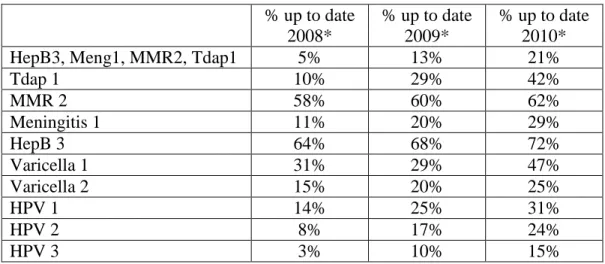
Table 2: Brunswick County Immunization Rates for Adolescents
% up to date 2008*
% up to date 2009*
% up to date 2010*
HepB3, Meng1, MMR2, Tdap1 5% 13% 21%
Tdap 1 10% 29% 42%
MMR 2 58% 60% 62%
Meningitis 1 11% 20% 29%
HepB 3 64% 68% 72%
Varicella 1 31% 29% 47%
Varicella 2 15% 20% 25%
HPV 1 14% 25% 31%
HPV 2 8% 17% 24%
HPV 3 3% 10% 15%
*North Carolina Immunization Registry Benchmark Reports
Leadership is essential to the Brunswick County immunization program. The project manager
displayed clear leadership skills by creating and convincing the Health Director and
Superintendent that this program was needed due to the influenza-like illness rate in North
Carolina. Starting this program could decrease absences during flu season. This was
demonstrated by providing them with the results from the Japanese Influenza School Program
which showed them how successful school programs could be. Along with this data, the
program manager provided them with a concise plan on how the project should be developed.
The Health Director and Superintendent also have leadership ability by the willingness to accept
a new program, each having governing boards to whom they must answer. Each leader
empowered their staff by serving as democratic style leaders and change agents to allow the
ideas to be created, developed, and brought to the team, which facilitates innovative ideas such
as the school-based immunization program. All levels of an organization can have leaders; they
do not always need to be at the top. Several school nurses were leadership “champions” of the
project, made multiple calls to parents to inform them of the program, and tracked down
servant leadership which in this situation could be overlooked but is an integral part of the team
and which helped to make this program successful. Many local physicians directly
recommended to their patients the need for the vaccinations which is another form of leadership
by supporting the program.
Managing and understanding change is an important part of a successful improvement initiative.
In Rogers’ Diffusion of Innovations Model the four main elements include:
innovation-- such as the new immunization program;
communication channels-- such as the permission forms, PTA meetings, telephone calls
to parents, written communication to parents, fliers in the community;
time-- this would include the planning phase of the project, time with which parents and
adolescents accepted the program,
implementation and social system-- this includes the community that involves families
and key stakeholders needed to make the program successful and to assist families in
making informed choices.
(Rogers, E.M. (1962)).
The diffusion of innovation theory was utilized to guide the development of study of community
pharmacists in Washington State. The study sought to determine the best plan for providing
immunization services to the customers within the pharmacy setting. The innovation theory
states that adoption decisions are not made once and for all; instead, organizations regularly
review and make decisions to continue or reject an innovation after having previously adopted it.
According to Rogers, organizations may reject a previously adopted innovation because of two
an idea as a result of dissatisfaction with the innovation’s performance. In contrast, replacement
discontinuance is a decision to reject an idea to adopt a better idea that supersedes it. After
adopting a new idea such as outsourced services, the community pharmacies must decide to: 1)
continue offering outsourced services, 2) reject outsourced services without adopting in-house
services, or 3) replace outsourced services with a superior innovation, in this case, in house
services. In this model, pharmacies that continue to offer outsourced services are considered
“fence sitters”. Fence sitters are reluctant to make significant commitments to the new services.
Next, pharmacies in the next group are considered “backward movers”. Backward movers are
those that abandon outsourced services and do not engage in in-house services. Finally, “forward
movers” describe pharmacies that replace outsourced services with a superior innovation,
in-house services. This transition to in-in-house services is considered to be a forward movement
because in-house services signify the commitments to the new services (Westrick,S.C., 2010).
The Diffusion of Innovation Theory is applicable to the school-based immunization program that
was implemented in Brunswick County. There are five stages within the Diffusion of Innovation
Theory. The stages include knowledge, persuasion, decision, implementation, and confirmation.
During the knowledge phase, nurses and school staff educated parents about the program, PTA
meetings were held, written materials including letters and vaccine information statements went
home to parents, and phone calls reminded parents how to obtain more information. During the
persuasion phase the parents or students had ample opportunity to ask the school nurse or faculty
questions, call the health department, or go to the website for either agency to obtain more
information. During the decision phase parents or guardians make the decision about signing the
immunization clinic. To eliminate a potential barrier, late consent forms were accepted. The
period in which a person finalizes the decision is the confirmation phase, and for some it may be
a final question first or others simply once signed it is confirmed (Rogers, E. (1962)).
Understanding the phases of innovation is helpful because this process is a type of decision
making which occurs over a period of time among the members of a similar social system. An
individual may reject an innovation at any time before or after the adoption process. The Health
Department implemented a new service in providing immunizations on-site at the schools. The
immunizations that are offered include all of the recommended adolescent vaccinations, as well
as the Tdap vaccination which is a 6th grade school entry requirement. This program is
continually under review by the department’s Management Team who make decisions based on
the program costs, number of vaccinations given, and effectiveness of the effort. Decision about
whether the program should continue on an annual basis is also considered and is the case for all
nonessential health department services. Providing immunizations to everyone is an essential
part of public health, however providing vaccines in a school setting is not required and is
therefore non-essential. The customers are considered in the decision making process and can be
internal or external to the system, such as in the school-based program where the customers were
the adolescents being vaccinated, the parents that signed consent for their children, the school
that hosted the immunization clinic site, the colleagues that participated in assuring that the clinic
happened, the vaccine payers, the state VFC program, and the citizens of Brunswick County.
Roger clearly defines the roles in which an agency can be categorized: innovators, early
reviews the needs of the community. In the beginning of our program, the health department
utilized some contract staffing to achieve necessary goals which would make Brunswick staff
“fence sitters”. As the program and needs flourished, resources had to be allocated specifically
for school-based immunizations which would eliminate outsourcing and is considered more in
line with “forward movers” (Westrick,S.C., 2010).
In 2008 the overall up to- date vaccine coverage rate of adolescents in Brunswick County, was
5%. The following increases in immunization rates contributed to the overall increase. In 2011
after the implementation of the school based adolescent immunization program, the
immunization coverage rate increased to 33%. The rate of human papilloma virus (HPV)
coverage rates in 2008 for girls who received dose one was 14%, but had increased to 31% by
2011. In 2008 girls that had completed the HPV series coverage rate for Brunswick County was
a dismal 3%. By 2011, this rate has increased to 20 % (North Carolina Immunization Registry,
2008-2011). This is clearly a significant increase and proof that great strides have been taken to
improve the adolescent access to care. However, there is still much work to be done to improve
these rates.
The Institute for Healthcare Improvement uses the Model for Improvement as the framework to
guide improvement work. The fundamentals include: introduction, forming the team, setting
aims, establishing measures, selecting changes, testing changes, implementing changes, and
spreading changes .When forming the team, it is critical to include the right people on the
improvement team. The Brunswick Team included members of the Brunswick County Health
allowed access to expert advice from both agencies while maintaining a singular project
manager. The aim that was established was the creation of a school-based immunization program
for adolescents which was clear and concise for all involved. The measures were reported in a
run chart to track progress of the number of immunizations given at each school. (Chart 3 and 4)
Chart 3: Adolescent Immunizations in 2010
Customer satisfaction surveys were distributed at the conclusion of each program to participants
including school staff if they chose to participate (see appendix A). The results were tallied and
discussed with the SHAC team so that changes could be proposed and implemented if needed.
Based on the results of the “Satisfaction Survey” the BCHD implemented a letter that was sent
home after vaccines were given, reviewed immunization records on NCIR and rewrote our cover
letter explaining possible out of pocket costs. Any changes made by and established by this
council must be approved by the Health Department Management Team before implementation
since the funding and resources mainly involve health department staff and supplies. After each
immunization initiative, the council reviews the process to discuss successes and improvements
in a PDSA cycle.
Improvements that have been suggested and implemented as a result of SHAC reviews include
the need to print triplicate forms for the Tdap vaccine so that one copy can be given to the
student to take home to the parent, one copy can be placed in the student record, and one can be
retained by the health department for entry into the North Carolina Immunization Registry.
Another suggestion that was implemented was the creation of a notebook for each school to keep
permission forms decreasing possible errors that may occur, and helping staff answer questions
from parents as to what occurred the day of clinic. These are retained even if the immunizations
are declined. Each grade is alphabetized and a form is kept in the front with a log of calls from
parents in case they call to ask questions or change their minds about vaccinations. This prevents
errors i.e.: student getting a vaccine when parent did not authorize, keeps forms in one place,
school as one unit and assures that subsequent doses are not missed Another change is to have
private vaccine in one cooler and VFC vaccine in another to prevent errors.
Recommendations/Conclusions
School-based health initiatives can be an effective way of immunizing adolescents since the
current immunization schedule has dramatically changed within the past few years. Many
parents are not aware of the need to vaccinate their adolescent children and this population does
not go to the physician as often as younger children do. The literature clearly shows that
school-based immunizations are effective at increasing immunizations, but many other factors make
adolescents a more challenging group. Some of the more challenging factors include the lack of
medical visits made by this age group, lack of a medical home, scheduling conflicts due to
extracurricular activities, and lack of parent and adolescent knowledge of need for the vaccine.
Some recommendations from the experiences that our program has had include: education of the
parents and adolescents about the vaccines and importance of receiving them, simultaneous
administration of all vaccines, reduced costs to parents by not charging office visits or co-pays,
utilizing the NCIR as a recall/reminder system for future vaccinations, and preparing all nurses
to have a reassuring attitude to reduce fear and needle phobia which can be common with this
age group.
In order to reach these parents, it is important to hold parent meetings, send home information,
and even call parents who are ultimately the decision makers for these children to let them know
their child can be vaccinated. The role of the nurse can be vital in maintaining immunization
compliance among school age children. While the task of contacting parents and guardians to
promote immunization compliance may encompass many hours of work, the process of
contacting responsible adults regarding a child’s immunization compliance versus excluding
children from school due to noncompliance contracting vaccine preventable disease is an
effective alternative (Luthy,et al., 2011).
Physician recommendations are an important factor in decision making for parents in deciding
what is best for their children. The ACIP recommendations clearly state the immunizations that
are recommended for children, but some providers’ perceptions of disease risk for their patients
may be a barrier to vaccinating. Some providers delay recommending the HPV vaccine,
preferring to vaccinate only the older female adolescents, perceiving that younger girls are not
sexually active. Additionally, some providers support waiting until older adolescence to
vaccinate against meningococcal disease believing that risk is more likely after college entry and
because of concerns of waning immunity. Continued education of health care providers on
recommendations is needed to further influence provider decisions to recommend adolescent
vaccines (Dorell,et. al. 2011).
In the US, school mandates for immunization are created and enforced at the state level either
through legislative or regulatory mechanisms. The first vaccine mandates in the United States
were in 1809 and required the general public of Massachusetts to be vaccinated for smallpox.
Several years later school mandates appeared since it was noted that frequent and close contact
vaccine preventable disease. Since that time, other mandates have been added would clearly have
a dramatic affect on the increase in immunization coverage rates of adolescents much as the 6th
grade Tdap vaccine which states that all rising 6th graders or those who will reach 12 years of age
on or after August 1 to receive a dose of Tdap (National Vaccine Advisory Committee, 2008).
Parents and concerned citizens should contact legislators to encourage funding for vaccine
programs related to school mandates that would increase rates of immunization coverage.
In the United States, vaccines are funded with a combination of federal state and private money.
For children through 18 years of age, there are usually five sources of funding: the federally
funded VFC (Vaccines for Children) program, state budget allocations, federal budget
allocations made under 317 of the Public Health Service Act (known as “Section 317” funds),
private insurance, and out of pocket expenses. It is estimated that 46% of US children receive
vaccine funded through the VFC program, and 45% receive vaccine paid by insurance or out of
pocket spending. However, the remaining 9% is dependent on variable levels of section 317
funding, appropriated through congress every year (National Vaccine Advisory Committee,
2008).
Incentives can be effective at increasing compliance rates for vaccination according to a study
that was done in Utah. The study was done for the Tdap program and all of the students that
received the vaccination or an approved exemption received a pencil and an eraser. The students
were also entered in a drawing to receive a Rip stick or an iPod. The teacher with the highest
percentage of returned forms received a $50 gift certificate for school supplies. The compliance
providing ice cream and pizza parties for the highest class participation. The important part is to
involve the teachers, students, nurses, and school staff with the program and make them want to
be a part. If there is incentive in some way for them to participate and they can understand what
benefit they will receive, then the program will be more successful(Painter, Sales, Pazol,
Wingwood, Windle, &Orenstein, 2010).
The school-based program eliminated existing barriers by taking the vaccinations to the schools,
educating parents to reduce fears, educating and informing local MDs about initiative, and
conducting clinic in a group so that peer group will be a support group for one another.
School-based immunization initiatives have proven to be effective evidence-School-based practice that has
increased immunization rates in other settings and this plan has addressed all of the necessary
components to assure a successful program. It has been wonderful to work in collaboration on a
public health goal at the population level, and to feel that the work will truly make an impact.
With appropriate resources and partnerships, every school has the potential to carry out some
form of vaccination activity, whether it is educating parents, students, and communities about
adolescent immunizations, or to serve as a site for immunization clinics. Although many parents
are becoming more accepting of school-located clinics, we should use every opportunity to
educate adolescents and to not allow any of them to fall between the cracks. (Middleman, A.B. ,
2011).
With the introduction of the North Carolina Immunization Registry (NCIR) in North Carolina, it
citizens of North Carolina. It is extremely helpful in assuring that those in the adolescent
population are properly immunized and will also assist them in maintaining their documentation.
When trying to obtain immunization records for children, it is often a challenge since many
families have difficulty in locating their copy which is another reason these registries is such an
excellent idea. The schools serve as an excellent resource in obtaining the last known record or
the last medical home for the child Issues have arisen when school records have been combined
so that the immunizations are with the health and school records which make it subject to
FERPA (Family Educational Rights and Privacy Act) law and require a parent signature for a
release This is a potential barrier which slows down the process since immunization records are
exempt from HIPAA (Health Insurance Portability Accountability Act) law and can be sent to
any health department in North Carolina without the parental consent. This process can be
difficult to explain and get buy in from all schools when you are trying to conduct clinics and
immunize children(Lindley,et al. 2008).
A significant strategy that would eliminate barriers to obtaining immunization records for
students that are enrolled in the public school system would be a NCIR-NCWISE (North
Carolina Window Student Education) computer interface. If this software were created and
implemented it would allow all of the children enrolled in a public school in North Carolina to be
in the Immunization Registry, which would give the state and county a more accurate assessment
of coverage criteria as well as ability to track those with exemption. If an outbreak were to occur,
this would be the ideal situation because the records would be computerized and accurate and
would be available to the school system, health department, and the state immunization branch.
have access to these records; this would just modernize and update the processes (North Carolina
General Assembly, 2002).
The state mandates that make an immunization necessary such as the 6th grade Tdap requirement
clearly increase compliance rates. If states would consider making additional vaccinations
mandatory, it would be much easier to assure that the adolescents received the vaccines and
decrease the incidence of disease within these communities. This of course would require
additional funding for immunizations in order to undertake the challenge of immunizing an
entire segment of a community. Funding for immunizations would clearly allow and encourage
many to immunize their children since cost can be prohibitive to many parents.
If physicians make clear recommendations to their clients that they should receive the adolescent
vaccinations and the community collaborates on assuring that the adolescents receive these
vaccinations at the best site for the family, whether that is in the physician’s office or at a
school-based clinic, adolescent immunization rates should improve dramatically. The most important
thing is to assure that the adolescent receives all of the needed doses of the vaccine, the doses are
entered into the NCIR and the medical providers are working collaboratively to protect the
public health of the community.
Establishing health partnerships with schools requires going through proper channels and
obtaining buy in from local authorities such as district superintendents and school principals.
Partnerships also require collaboration with key stakeholders with school staff that will be
responsible for program implementation including school nurses, teachers, administrative and
rates are effective for school-based immunization programs. Some programs that have
previously been used include ice cream and pizza parties for the most participation or school
supplies and gift cards for teachers that have returned the most completed forms. One program
entered immunized students in a drawing for a rip stick and a bicycle. The rate of returned forms
that year increased so incentives clearly are an effective way to increase immunization rates in
this setting (Luthy,et al., 2011).
Since our school-based program began, we have started receiving calls from other counties in
North Carolina for assistance to implement their immunization program and requests for several
speaking engagements in which groups were interested in implementing immunization programs.
The University of North Carolina at Chapel Hill is documenting our immunization model in a
white paper as a training model for utilization by others that desire to implement similar
programs. Several school-based health centers were starting to implement some programs, and
since the requirement for Tdap, many counties have started working more closely with the
school systems. This is an excellent opportunity while immunizing for one vaccine to offer the
entire adolescent series.
School-located vaccinations have been shown to be cost effective and cost saving, and represent
a promising way to achieve the Advisory Committee on Immunization Practices (ACIP)
expanded recommendation for adolescent vaccinations. This paper serves to show the
effectiveness of school-located immunization programs, as is the case with Brunswick County
which was able to increase adolescent immunizations from 5% to 33% for the years 2008 to
program. Strategies that can be included in the efforts to improve the best practices include
incentives, education, and follow-up that can increase parental consent and number of forms
received. Minimizing out of pocket costs and using reminders can increase vaccination coverage
among those whose parents consented. Finally, organization, communication, and planning can
minimize logistical challenges. Adhering to lessons from the scientific literature can assist public
health officials and schools provide the greatest benefit for the lowest cost.
Ahmed, S. M., Size, T., Crouse, B., Patterson, L., Gass, E., Karon, S. L., et al. (2011). Strong
rural communities initiative (SRCI) program: Challenges in promoting healthier lifestyles.
WMJ : Official Publication of the State Medical Society of Wisconsin, 110(3), 119-126.
Allison, M. A., Reyes, M., Young, P., Calame, L., Sheng, X., Weng, H. Y., et al. (2010).
Parental attitudes about influenza immunization and based immunization for
school-aged children. The Pediatric Infectious Disease Journal, 29(8), 751-755.
doi:10.1097/INF.0b013e3181d8562c
American Academy of Family Physicans, American Academy of Pediatrics, American College
of Physicians, American Osteopathic Association. (2007). Joint principles of the
patient-centered medical home. Retrieved March 7, 2012, from
http://www.medicalhomeinfo.org/downloads/pdfs/jointstatement.pdf
Blackford, J. K. (2001). Immunization controversy: Understanding and addressing public
misconceptions and concerns. The Journal of School Nursing : The Official Publication of the
National Association of School Nurses, 17(1), 32-37.
Britto, M. T., Schoettker, P. J., Pandzik, G. M., Weiland, J., & Mandel, K. E. (2007). Improving
influenza immunisation for high-risk children and adolescents. Quality & Safety in Health
Care, 16(5), 363-368. doi:10.1136/qshc.2006.019380
Carpenter, L. R., Lott, J., Lawson, B. M., Hall, S., Craig, A. S., Schaffner, W., et al. (2007).
Mass distribution of free, intranasally administered influenza vaccine in a public school
Cawley, J., Hull, H. F., & Rousculp, M. D. (2010). Strategies for implementing school-located
influenza vaccination of children: A systematic literature review. The Journal of School
Health, 80(4), 167-175. doi:10.1111/j.1746-1561.2009.00482.x
Centers for Disease Control. (2010). Retrieved February,2, 2012, from
http://www2a.cdc.gov.libproxy.lib.unc.edu/nip/coverage/nisteen/nis_iap.asp?fmt=v&rpt=tab0
1_iap&qtr=Q1/2010-Q4/2010
Centers for Disease Control and Prevention. (2012). Adolescent health. Retrieved March 30,
2012, from http://www.cdc.gov.libproxy.lib.unc.edu/healthyyouth/adolescenthealth/index.htm
Ceraso, M., Gruebling, K., Layde, P., Remington, P., Hill, B., Morzinski, J., et al. (2011).
Evaluating community-based public health leadership training. Journal of Public Health
Management and Practice : JPHMP, 17(4), 344-349. doi:10.1097/PHH.0b013e318212c67e
Chen, M. F., Wang, R. H., Schneider, J. K., Tsai, C. T., Jiang, D. D., Hung, M. N., et al. (2011).
Using the health belief model to understand caregiver factors influencing childhood influenza
vaccinations. Journal of Community Health Nursing, 28(1), 29-40.
doi:10.1080/07370016.2011.539087
Clevenger, L. M., Pyrzanowski, J., Curtis, C. R., Bull, S., Crane, L. A., Barrow, J. C., et al.
(2011). Parents' acceptance of adolescent immunizations outside of the traditional medical
home. The Journal of Adolescent Health : Official Publication of the Society for Adolescent
Coelho, F. C., & Codeco, C. T. (2009). Dynamic modeling of vaccinating behavior as a function
of individual beliefs. PLoS Computational Biology, 5(7), e1000425.
doi:10.1371/journal.pcbi.1000425
Committee on Infectious Diseases. (2011). Meningococcal conjugate vaccines policy update:
Booster dose recommendations. Pediatrics, 128(6), 1213-1218. doi:10.1542/peds.2011-2380
Cyrus, S. S. (2011). Protecting the world against meningitis: New recommendations from the
CDC's advisory committee on immunization practices. The Journal of the American
Osteopathic Association, 111(10 Suppl 6), S17-9.
Dignam, D., Duffield, C., Stasa, H., Gray, J., Jackson, D., & Daly, J. (2012). Management and
leadership in nursing: An australian educational perspective. Journal of Nursing Management,
20(1), 65-71. doi:10.1111/j.1365-2834.2011.01340.x; 10.1111/j.1365-2834.2011.01340.x
Dorell, C., Yankey, D., & Strasser, S. (2011). Parent-reported reasons for nonreceipt of
recommended adolescent vaccinations, national immunization survey: Teen, 2009. Clinical
Pediatrics, 50(12), 1116-1124. doi:10.1177/0009922811415104; 10.1177/0009922811415104
Dorell, C. G., Yankey, D., Santibanez, T. A., & Markowitz, L. E. (2011). Human papillomavirus
vaccination series initiation and completion, 2008-2009. Pediatrics, 128(5), 830-839.
doi:10.1542/peds.2011-0950
Edmonstone, J. & Western, J. (2009). Leadership development in health care. Journal of
Findley, S. E., Sanchez, M., Mejia, M., Ferreira, R., Pena, O., Matos, S., et al. (2009). Effective
strategies for integrating immunization promotion into community programs. Health
Promotion Practice, 10(2 Suppl), 128S-137S. doi:10.1177/1524839909331544
Freed, G. L., Clark, S. J., Pathman, D. E., Konrad, T. R., Biddle, A. K., & Schectman, R. M.
(1997). Impact of a new universal purchase vaccine program in north carolina. Archives of
Pediatrics & Adolescent Medicine, 151(11), 1117-1124.
Freed, G. L., Clark, S. J., Pathman, D. E., Schectman, R., & Serling, J. (1999). Impact of north
carolina's universal vaccine purchase program by children's insurance status. Archives of
Pediatrics & Adolescent Medicine, 153(7), 748-754.
Freed, G. L., Cowan, A. E., Gregory, S., & Clark, S. J. (2009). Variation in provider vaccine
purchase prices and payer reimbursement. Pediatrics, 124 Suppl 5, S459-65.
doi:10.1542/peds.2009-1542E
Friedman, L. S., Kahn, J., Middleman, A. B., Rosenthal, S. L., Zimet, G. D., & Society for
Adolescent Medicine. (2006). Human papillomavirus (HPV) vaccine: A position statement of
the society for adolescent medicine. The Journal of Adolescent Health : Official Publication
of the Society for Adolescent Medicine, 39(4), 620. doi:10.1016/j.jadohealth.2006.07.013
Glik, D., Macpherson, F., Todd, W., Stone, K., Ang, A., & Connell Jones, M. (2004). Impact of
an immunization education program on middle school adolescents. American Journal of
Grijalva, C. G., Zhu, Y., Simonsen, L., Mitchel, E., & Griffin, M. R. (2010). The population
impact of a large school-based influenza vaccination campaign. PloS One, 5(11), e15097.
doi:10.1371/journal.pone.0015097
Gupta, R. (2011). Enhancing community partnerships during a public health emergency: The
school-located vaccination clinics model in kanawha county, WV during the 2009 influenza
A (H1N1) pandemic. The West Virginia Medical Journal, 107(6), 28-34.
Horlick, G., Shaw, F. E., Gorji, M., Fishbein, D. B., & Working Group on Legislation,
Vaccination and Adolescent Health. (2008). Delivering new vaccines to adolescents: The role
of school-entry laws. Pediatrics, 121 Suppl 1, S79-84. doi:10.1542/peds.2007-1115I
Hull, H. F., & Ambrose, C. S. (2011). Current experience with school-located influenza
vaccination programs in the united states: A review of the medical literature. Human
Vaccines, 7(2), 153-160.
Hull, H. F., & Ambrose, C. S. (2011). The impact of school-located influenza vaccination
programs on student absenteeism: A review of the U.S. literature. The Journal of School
Nursing : The Official Publication of the National Association of School Nurses, 27(1), 34-42.
doi:10.1177/1059840510389182
Humiston, S. G., & Rosenthal, S. L. (2005). Challenges to vaccinating adolescents: Vaccine
Hunsaker, J., Veselovskiy, G., & Gazmararian, J. A. (2009). Health insurance plans and
immunization: Assessment of practices and policies, 2005-2008. Pediatrics, 124 Suppl 5,
S532-9. doi:10.1542/peds.2009-1542M
Indyk, L., & Indyk, D. (2006). Collecting data along the continuum of prevention and care: A
continuous quality improvement approach. Social Work in Health Care, 42(3-4), 47-60.
doi:10.1300/J010v42n03_04
Institute for Healthcare Improvement. (2012). How to improve. Retrieved march 12, 2012, from
http://www.ihi.org/knowledge/Pages/HowtoImprove/default.aspx
Kegler, M. C., Rigler, J., & Honeycutt, S. (2011). The role of community context in planning and
implementing community-based health promotion projects. Evaluation and Program
Planning, 34(3), 246-253. doi:10.1016/j.evalprogplan.2011.03.004
Kegler, M. C., & Swan, D. W. (2011). An initial attempt at operationalizing and testing the
community coalition action theory. Health Education & Behavior : The Official Publication
of the Society for Public Health Education, 38(3), 261-270. doi:10.1177/1090198110372875
Kia-Keating, M., Dowdy, E., Morgan, M. L., & Noam, G. G. (2011). Protecting and promoting:
An integrative conceptual model for healthy development of adolescents. The Journal of
Adolescent Health : Official Publication of the Society for Adolescent Medicine, 48(3),
King, J. C.,Jr, Stoddard, J. J., Gaglani, M. J., Moore, K. A., Magder, L., McClure, E., et al.
(2006). Effectiveness of school-based influenza vaccination. The New England Journal of
Medicine, 355(24), 2523-2532. doi:10.1056/NEJMoa055414
Lancaster, C. J., Mauldin, M. P., Gilbertson, B. O., Darden, P. M., & Kittredge, D. (2005). How
we changed from paper to online education: Teaching immunization delivery and evaluation.
Medical Teacher, 27(8), 682-685. doi:10.1080/01421590500271191
Langley GL, Nolan KM, Nolan TW, Norman CL, Provost LP. (2012). The improvement guide: A
practical approach to enhancing organizational performance. Retrieved March 10, 2012,
from *Langley GL, Nolan KM, Nolan TW, Norman CL, Provost LP. The Improvement
Guide: A Practical Approach to Enhancing Organizational Performance (2nd edition). San
Francisco: Jossey-Bass Publishers; 2009.
Leighton,A., O'Malley, B., Entzel, P., Brewer, N., Smith,. (2011). Guidance on opportunities for
increasing HPV vaccine provision in north carolina school health centers (Research to
Practice. University of North Carolina Gillings School of Public Health: Cervical Cancer Free
North Carolina. (Summary report on a survey of North Carolina school health center
representatives)
Lindley, M. C., Boyer-Chu, L., Fishbein, D. B., Kolasa, M., Middleman, A. B., Wilson, T., et al.
(2008). The role of schools in strengthening delivery of new adolescent vaccinations.
Pediatrics, 121 Suppl 1, S46-54. doi:10.1542/peds.2007-1115F
Luthy, K. E., Thorpe, A., Dymock, L. C., & Connely, S. (2011). Evaluation of an intervention
Nursing : The Official Publication of the National Association of School Nurses, 27(4),
252-257. doi:10.1177/1059840510393963; 10.1177/1059840510393963
McLaughlin, C. P. &. K., A.D. (2006). Continuous quality improvement in healthcare (3rd ed.).
sudbury, MD: Jones and Bartlett.
Middleman, A. B. (2006). Immunization update: Pertussis, meningoccocus, and human
papillomavirus. Adolescent Medicine Clinics, 17(3), 547-63; abstract ix-x.
doi:10.1016/j.admecli.2006.06.012
Middleman, A. B. (2007). Adolescent immunizations: Policies to provide a shot in the arm for
adolescents. The Journal of Adolescent Health : Official Publication of the Society for
Adolescent Medicine, 41(2), 109-118. doi:10.1016/j.jadohealth.2007.04.004
Middleman, A. B. (2007). New adolescent vaccination recommendations and how to make them
"stick". Current Opinion in Pediatrics, 19(4), 411-416. doi:10.1097/MOP.0b013e3281e72cd2
Middleman, A. B. (2011). Coordinating the delivery of vaccinations and other preventive health
care recommendations for adolescents. Preventive Medicine, 53 Suppl 1, S22-8.
doi:10.1016/j.ypmed.2011.08.016
Middleman, A. B., Guajardo, A. D., Sunwoo, E., & Sansaricq, K. M. (2002). Parent knowledge
and attitudes about school-based hepatitis B immunization programs. The Journal of School
Health, 72(8), 348-351.
Middleman, A. B., Rosenthal, S. L., Rickert, V. I., Neinstein, L., Fishbein, D. B., D'Angelo, L.,