Increasing Indigent Patients’ Utilization of Ambulatory Surgical Centers in North Carolina
By: Meagan W. Cannady
A master’s paper submitted to the faculty of The University of North Carolina at Chapel Hill
in partial fulfillment of the requirements for the degree of Master of Science in Public Health in the Department of Health Policy and Management,
Gillings School of Global Public Health
Chapel Hill
5/8/17
Approved by:
__________________________
First Reader: Dr. Sandra Greene
___________________________
1
Table of Contents
Executive Summary ………2
Introduction……….….2
Specific Aims……….5
Conceptual Model……….5
Methods……….….6
Results………...9
Discussion………...14
Conclusion………25
Limitations……….….25
Acknowledgements……….….26
References……….…….27
2 Executive Summary
In 1970, the first Ambulatory Surgery Center (ASC) opened in the United States. The intention of ASCs was to provide Americans with an alternative to having surgery in the hospital. This new option would cost less and offer a different patient experience, potentially a better one. Today, ASCs remain high both in popularity and utilization and are experiencing continued growth and expansion. To control rapid growth, improve access to care particularly for the underserved, and contain costs, some states utilize Certificate of Need laws. North Carolina, a strong Certificate of Need state, has increasingly received petitions for new operating rooms to accommodate new ASCs. In response, North Carolina introduced the Single Specialty Ambulatory Surgery Facility Demonstration Project in 2010. The project set a required percentage of indigent care to be achieved by three participating facilities in North Carolina’s metropolitan service areas. For the purposes of this study, indigent is defined as Medicaid and self-pay patients. By September 2016, only one of the three centers was consistently reaching the required percentage. The objective of this paper is to identify gaps and areas for improvement that would allow new Ambulatory Surgery Centers in North Carolina the opportunity to successfully achieve an indigent patient care requirement. This paper explores current Medicaid and self-pay patient utilization of ASCs in North Carolina through examining payer mix percentages of freestanding and hospital affiliated ASCs. This paper also explores current practices at the demonstration facilities and examines what role safety net referral partnerships may have with Ambulatory Surgery Centers. It was found that there may be indigent patient access opportunities at not only freestanding ASCs but also hospital affiliated ASCs. Suggested amendments to the demonstration project included expanding the definition of indigent, creating specialty specific requirements, generating incentives, increasing transparency, and altering perceptions of ASCs. Suggested considerations for future partnerships included increasing sensitivity and understanding of the indigent population, examining perceived barriers, maximizing state resources, and increasing awareness of community opportunities. All study participants reported referral partnerships between safety net providers and ASCs to be a feasible concept in North Carolina.
Introduction
Ambulatory Surgery Centers (ASCs) were designed to provide patients with a high quality and
cost effective alternative to inpatient surgery (Ambulatory Surgery Center Association, 2015). The first
ASC in the United States opened in 1970. Prior to this, essentially all surgeries were performed in a
hospital (Ambulatory Surgery Center Association, 2012). Fueled by lower costs and higher patient
satisfaction, ASCs are growing in popularity. Today, nearly half of all nationwide outpatient procedures
are performed in ASCs and increasingly so in freestanding, or hospital independent centers (Suskind, et
al., 2015).
Traditionally, ASCs enter markets that are economically advantaged and less competitive which
3 centers treat more disadvantaged patients than freestanding centers (Gabel, et al., 2008). Most ASC
patients are White, Non-Hispanic, middle class, and privately insured. Consequently, some of North
Carolina’s most vulnerable populations may not be accessing care at ASCs. (Gabel, et al., 2008). Medicaid patients in North Carolina have known limitations in accessing outpatient care (Patterson, et
al., 2014). Strategies for promoting utilization of ASCs by non-traditional patients are explored in this
paper.
Regulation
In order to regulate and control healthcare facility growth and expansion, some states utilize
Certificate of Need (CON) laws. CON laws prohibit new healthcare facilities or services in an area unless
a demonstrated need for those facilities and services is made clear to state officials. North Carolina
currently requires a Certificate of Need for all new Ambulatory Surgical Centers. Unless there is a
published need in the North Carolina State Medical Facilities Plan, no organization may submit a CON
proposal.
The objectives of CON regulation are to improve access to care and to contain costs.
Regardless of the economic theories supporting or discouraging CON laws, CON regulation is considered
pivotal in encouraging access to care. The CON process may be used by the state to set conditions on
approval of new facilities or services which in turn may increase access to lower income populations.
State officials may be able to secure an obligatory level of care to indigents by requiring CON applicants
to provide a specific percentage of care to these vulnerable populations (Harris, 2014).
North Carolina’s Response
North Carolina has experienced an increase in petitions for additional operating rooms to
accommodate new ASCs. In response, the North Carolina State Health Coordinating Council
implemented a Single Specialty Ambulatory Surgery Facility Demonstration Project in 2010. The
4 Piedmont Outpatient Surgery Center in Winston Salem, 2.) Triangle Orthopaedics Surgery Center in
Raleigh, and 3.) Mallard Creek Surgery Center in Charlotte.
Under the demonstration project, each of the facilities is required to provide care to the
indigent population over a duration of five years. In this project’s context, indigent is defined as
Medicaid and self-pay patients. Per the demonstration project’s criteria, at least seven percent of each
facility’s total revenue must be attributable to Medicaid and self-pay patients (State Health Coordinating
Council, 2010). As of September 2016, only one of the three demonstration facilities was achieving the
seven percent requirement (Acute Care Services Committee, 2016). Can a closer look help bridge the
gap and achieve North Carolina CON initiatives?
Significance
North Carolina may benefit from requiring ASCs to be more available to socioeconomically
vulnerable patients such as Medicaid beneficiaries and self-pay patients. In 2015, NC House Bill 200 was
introduced. Though it was only passed in the House, it would have removed existing Certificate of Need
approval processes but required all new single specialty ambulatory surgical centers to reach the seven
percent indigent population requirement (North Carolina General Assembly, 2016). Regardless of
existing legislative action, issues of CON and the indigent population in North Carolina are likely to
continually surface and would become especially relevant in the events of Medicaid and CON reform.
Outside of CON regulation, no state action exists to increase access to ASCs for Medicaid
beneficiaries or self-pay patients specifically. On the federal level, action has occurred to increase
transparency of surgical options at ASCs for Medicare beneficiaries in Section 4012 of the 21st Century
Cures Act signed into law on December 13th 2016 (Ambulatory Surgery Center Association, 2016).
Best practices for indigent surgical care and its potential engagement in population health
models, such as collaboration between safety net providers and ambulatory surgical centers, are
5 policy decisions and topics for further study to increase indigent patient access and utilization of
ambulatory surgical centers in North Carolina. The results of this paper are intended for the audience of
North Carolina state government and health policy makers. Findings may be relevant to ambulatory
surgical centers, health systems, safety net providers, and the patients they serve.
Specific Aims
Aim 1
Assess patterns in indigent patient utilization of ambulatory surgical centers in North Carolina (i.e. hospital owned vs. free-standing)
Aim 2
Identify current practices regarding indigent patient utilization at the three demonstration site facilities
Aim 3
Assess what role safety net referral partnerships may have with single specialty ambulatory surgical centers in North Carolina
Conceptual Model
The conceptual model for this study is the Andersen and Newman Framework of Health Services
Utilization (Figure 1). Predisposing factors of ambulatory surgical center utilization such as being White,
Non-Hispanic, privately insured, and middle class are well published and accepted (Gabel, et al., 2008).
Enabling factors and real or perceived need are less understood for indigent populations and are
explored in this paper’s specific aims.
6 Methods
Aim 1: Assess patterns in indigent patient utilization of ambulatory surgical centers in North Carolina
(i.e. hospital owned vs. free-standing)
• Method: North Carolina Hospital Discharge Data: Hospital by Payer All Visits - Hospital
Outpatient and Ambulatory Surgery Non-ED Only (October 1st 2013 – September 30th 2014)
The 2014 North Carolina Hospital Discharge Data was accessed online via the Cecil G. Sheps Center
for Health Services Research at UNC Chapel Hill. The data used were publicly available descriptive
statistics listing payer mix percentages for the following categories: commercial/HMO, Medicaid,
Medicare, other government, other, and uninsured. Only Medicaid and uninsured data were utilized in
the analysis for the purposes of this project. Facilities were identified as being Ambulatory Surgical
Centers by consulting the Department of Health and Human Services - Division of Health Service
Regulation’s Ambulatory Surgical Facilities list. This list includes all current Ambulatory Surgical Centers
licensed by the State of North Carolina (Division of Health Service Regulation, 2017).
Centers were categorized as being free-standing or hospital/health system affiliated according to
their licensee or reported designation on their public website. Percentages of Medicaid and self-pay
patients served at the centers was calculated and categorized into multi-specialty or single-specialty.
Centers were identified as multi-specialty or single-specialty based on their self-reported designation on
their website. A designation of multi-specialty included centers that reported more than one surgery
service line.
Descriptive statistics were calculated in Excel to determine if hospital affiliated or free-standing
centers held a higher percentage of Medicaid and uninsured or self-pay patients. The three
demonstration project sites were not included in the total percentage calculation due to their required
7 not considered Ambulatory Surgery Centers under licensure laws. In addition, one center, Carolina
Gastroenterology Specialists in Wilson County, was not included in the total percentage calculation due
to only having five reported patients at the time of data collection.
The objective of this aim was to determine where and how many indigent patients in North Carolina
are receiving ambulatory surgical care; traditionally, hospital based ambulatory surgical centers treat
more Medicaid beneficiaries and self-pay patients than free-standing, or physician-owned centers
(Gabel, et al., 2008). Prior to this effort, it was currently unknown if more indigent patients are being
treated at hospital affiliated centers specifically in North Carolina. The results of this aim would be
utilized in determining the most appropriate facilities to target for future interventions or policies.
Aim 2: Identify current practices regarding indigent patient utilization at the three demonstration site
facilities
• Method: Key informant interviews
The purpose of this aim was to assess how Medicaid beneficiaries and self-pay patients are enabled
to access care at an ASC as well as current perceptions surrounding the treatment of these patients at
an ASC specifically at the three demonstration project sites. This aim evaluated whether there are
perceived or actual barriers to receiving treatment at an ASC as an indigent patient and was designed to
capture recommendations or changes to the project per key insights of participants.
Interviews were conducted with providers, administrative, and clinical staff. Multiple perspectives
were sought in order to decrease potential response bias that may result from only obtaining responses
from individuals with a particular role. The interviews were uniform in content and de-identified.
Questions were open ended in format and were conducted in-person at the individual three
8 The interviews consisted of 11 questions, see Appendix Attachment 2.A. The questions were
grouped by topics consisting of the following: Awareness of Demonstration Project (Question 3), the
Seven Percent (Questions 4, 5), Receiving Surgical Care – Current Practices (Questions 6, 7), Indigent
Patient Barriers (Question 8), Attitude Towards Partnership (Question 9), and Increasing ASC Access for
Indigent Patients (Question 10). Questions 1 and 2 were not used in analysis and question 11, if
answered, was absorbed into the appropriate topic. Interviews were transcribed into a word document.
Responses were then analyzed using qualitative software, NVivo 11, to determine shared insights, most
common perceptions, concerns, and suggestions. These insights were identified as nodes. A concept
map was exported by NVivo to display the nodes.
Aim 3: Assess what role safety net referral partnerships may have with single specialty ambulatory
surgical centers in North Carolina
• Method: Key stakeholder interviews
Traditionally, referral partnerships involving safety net health providers, such as Federally Qualified
Health Centers (FQHCs), are based on collaboration with public or academic hospitals (Fortier, et al.,
2015). At the time this paper was written, safety net referral partnerships with ambulatory or
outpatient centers were a novel concept with little to no knowledge regarding perception and
feasibility. This aim’s objective was to collect key stakeholder’s and subject matter expert’s perceptions
and opinions of this potential paradigm shift.
Interviews were reflective of multiple perspectives of targeted stakeholders and subject matter
experts involved in North Carolina community health centers and care for the indigent. Questions were
open ended in format. Interviews were conducted both in-person and via phone. The interviews
consisted of eight questions, see Appendix Attachment 2.B. The questions were grouped by topics
9 Towards Partnership (Questions 5, 6), Indigent Patient Barriers (Question 7), and Increasing ASC Access
for Indigent Patients (Question 8). Questions 1 and 2 were not used in analysis.
Interviews were transcribed into a word document. Responses were then analyzed using qualitative
software, NVivo 11, to determine shared insights, most common perceptions, concerns, and
suggestions. These insights were identified as nodes. A concept map was exported by NVivo to display
the nodes. This aim’s output is to guide next steps in innovation strategy and piloting in regards to
increasing access for Medicaid and self-pay patients to ambulatory surgical care.
Results
Aim 1
Table 1. Medicaid and Uninsured Payer Mix Descriptive Statistics of Ambulatory Surgical Centers in NC
From October 1st 2013 to September 30th 2014, hospital or health care system affiliated
Ambulatory Surgical Centers in North Carolina collectively had higher mean percentages of Medicaid
patients for both multi-specialty (8.0% vs. 5.4%) and single specialty centers (4.4% vs. 3.9%) when
10 higher mean percentages of uninsured patients for both multi-specialty (0.7% vs. 0.6%) and single
specialty centers (0.9% vs. 0.6%) when compared to freestanding centers.
Freestanding single specialty centers included the following service lines: Gastroenterology (16
centers), Ophthalmology (7 center), Orthopedics (2 centers), Ear Nose Throat (1 center), Plastic (1
center), and Podiatry (1 center). Affiliated single specialty centers included the following service lines:
Gastroenterology (2 centers), Ear Nose Throat (1 center), and Orthopedics (1 center). A minimum of 0%
likely represents facilities that do not participate in Medicaid. Percentages are based on the total
number of patients treated at the facility.
Aim 2
Awareness of Demonstration Project
All interview participants from the demonstration Ambulatory Surgery Center sites reported
having a high level of understanding of the demonstration project, its purpose, requirements, and
mission.
The Seven Percent
Most interview respondents reported that the magnitude of seven percent, which is the
required percentage of total revenue that must be attributable to Medicaid and self-pay patients, was
too high. Two participants reported the magnitude was appropriate for their facility given their
specialty and perceived efficiency.
Receiving Surgical Care – Current Practices
Interviewees reported that Medicaid and self-pay patients become patients at their facility
through the avenue of referral by a physician practicing at the ASC. Patients may come from the
Emergency Room, community health center, Patient Access, nonprofit center, or other safety net
provider. Commonly, physicians who practice at the ASC may also practice or volunteer at a safety net
11 facility. Physician networks and established patient populations significantly affect the quantity of
indigent patients referred for care by a physician at the demonstration ASC. Provider networks are
typically cyclic, and because of this, not all facilities required each individual physician to participate in
referring Medicaid or self-pay patients.
Indigent Patient Barriers
Transportation was the primary barrier reported by interviewees. Though qualified Medicaid
patients may receive transportation through non-emergency medical transportation, many indigent
patients have significant issues securing reliable transportation to and from the ASCs. In addition,
barriers also may include indigent patients not arriving on time for their surgery, not following
preoperative instructions such as not eating or drinking, or unattainable accommodation requests asked
of the ASC. Other reported barriers included medical history, not being a candidate for surgery at that
particular facility, and voluntarily choosing to have the surgery at another location. All respondents
were fervent that their respective practices did not participate in cherry picking, or selecting the most
lucrative patients based off predicted payer reimbursement.
Attitude Towards Partnership
Two of the three demonstration facilities reported having established partnerships with local
community health centers or safety net providers. The one facility that did not have an established
partnership reported not needing one as their natural flow of indigent patients was sufficient to meet
the required percentage. All facilities reported having some connection to community health centers or
safety net providers outside of formal partnerships. All centers were open to the notion of engaging in
more partnerships within the local communities or surrounding counties.
Increasing ASC Access for Indigent Patients
Most interviewees felt their facility had exhausted known avenues of increasing the number of
12 health centers and public health departments to be the most feasible path for increasing access to
surgical care for indigent patients. These partnerships would include both direct and indirect referral
avenues and special care should be taken to prevent violating any state or federal regulations regarding
referrals. One interviewee suggested expanding the notion of indigent care partnerships past traditional
safety net providers such as nonprofits, community health centers, and public health departments.
Expansion was suggested to include urgent care and primary care facilities, especially pediatric facilities.
Participants reported there are many underserved individuals with a demonstrated need for surgical
care that may not fall within a Medicaid or self-pay designation. Furthermore, another interviewee
suggested exploring operational changes such as later hours or weekend hours to accommodate
indigent patients. These patients may otherwise be limited by external factors such as unforgiving work
schedules or family obligations during normal operating business hours.
Aim 3
Receiving Surgical Care – Current Practices
Stakeholder interviewees were asked to describe their understanding of how indigent patients
receive surgical care. Responses varied, though a public or academic hospital was reported to be the
primary setting in which an indigent patient would receive surgical care; this was true for both Medicaid
and self-pay patients. It was noted that some public medical centers have tightened how many indigent
patients they will accept due to financial constriction and increasingly lower reimbursement rates
regardless of payer source. This has resulted in a few patients being forced into the system through the
Emergency Department. Some safety net providers such as community health centers do have surgeons
on staff and can perform routine and minor surgical procedures. Otherwise a provider who is willing to
do the surgery, particularly for self-pay patients, would be identified and the patient may be given an
13 One community health center reported contracting with surgeons at nearby Ambulatory Surgery
Centers to provide services at reduced rates.
Attitude Towards Partnership
All respondents expressed that referral partnerships between safety net providers and
Ambulatory Surgery Centers are a feasible and needed initiative in North Carolina. Some respondents
verbalized that partnerships may be viewed negatively and hindered by hospitals within the partnership
service area. Respondents also expressed that introducing a new referral path may invite reluctance to
participate, particularly from providers. Respondents explained that referring to a non-hospital setting
would be a paradigm shift in provider and staff referral patterns, understanding, and routine practices.
Indigent Patient Barriers
Most respondents felt there are significant barriers for indigent patients seeking surgical care in
settings outside of hospitals. The perception of indigent patients was of particular concern. In addition
to cherry picking, respondents felt classism and structural discrimination are present among treating
Medicaid and self-pay patients. This opinion was felt to be especially true for the visibly poor, African
Americans, immigrants, and the undocumented. In the event of partnership, safety net providers
expressed the need to confirm that their patients would be treated in a respectful manner that is
defined in cultural sensitivity, empathy, and complete understanding of the patient population. Some
centers self-reported instances of discrimination of their patients at ASCs that resulted in termination of
the referral partnership.
Increasing ASC Access for Indigent Patients
All respondents suggested that ASCs, in the beginning, should initiate communication with
safety net providers in their CON service area as opposed to safety net providers initiating
communication with ASCs. One respondent felt that ideally this initiation should occur during the
14 are present. Some respondents suggested language be added to Ambulatory Surgery Center CON
applications to make contact with area safety net providers a requirement for CON approval especially if
the proposed ASC is to be located in a geographically affluent area or saturated market.
This contact should include details such as the capacity for charity care at the ASC and any
sliding fee scales in addition to the goals and mission of the organization. It was also suggested that if
ASCs were to contact safety net providers, they should identify and list practicing surgeons and their
relevant specialties to initiate referral pathways for patients who may be appropriate for surgery at their
facility. ASC access for indigent patients was felt to be critical for community health improvement and
achievement of population health goals.
Discussion
Aim 1
Literature suggests that health care system affiliated Ambulatory Surgery Centers traditionally
see more Medicaid patients than freestanding centers (Gabel, et al., 2008). In North Carolina, this
national statistic holds true based on the 2014 fiscal year data. Percentages of Medicaid patients seen
at some single specialty affiliated ASCs closely resembled the percentages of Medicaid patients seen at
single specialty freestanding ASCs. The percentages of the uninsured were nearly the same for all
centers regardless of single or multi-specialty or affiliation status.
Some freestanding ASCs had much higher percentages of indigent patients than others, as
represented by the maximums. This may reflect on centers that have underlying missions or programs
to serve the poor or strong physician referral bases to indigent patients. The issue of low indigent
patient utilization of ASCs in North Carolina may not be confined to single specialty freestanding centers,
but may also be present in some single specialty health system affiliated centers despite the lower
15 Aim 2
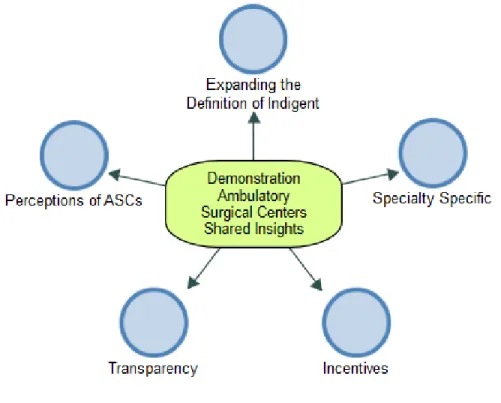
Figure 2. Demonstration ASCs Shared Insights by Node
The above nodal concept map represents shared terms, frequent responses, and novel concepts
reported by the demonstration facilities’ interviewees in Aim 2 interviews.
Reflections and Recommendations for Change
• Expanding the definition of indigent
The demonstration project specifications were written before the passage of the Affordable
Care Act (ACA). After the advent of the ACA, centers reported seeing far fewer self-pay patients.
Though, the centers did not feel this alleviated the burden of pay for patients who may now be
technically insured, but now face barriers such as high deductibles. The difference is these patients
cannot be included in the seven percent indigent requirement, though before the ACA, and when the
16 the seven percent. This likely decreased the quantity of self-pay patients that the demonstration project
may have expected the centers to encounter.
All centers discussed the narrowness of what cases could be included in the seven percent. The
centers felt that limiting the inclusion criteria to Medicaid and self-pay patients does not encompass the
true need of the poor in North Carolina, and in fact may limit access further for patients who are not
uninsured or covered by Medicaid. It should be noted that since North Carolina did not expand
Medicaid, many poor North Carolinians fall into the gap of coverage, but fall out of the classification of
indigent or charity care by the definition of this project.
Specific suggestions included considering patients with high deductible marketplace plans and
Medicaid gap patients who may not qualify for marketplace subsidies. Two demonstration facilities
discussed the exhaustive surgical need in the military and veteran patient population. Facilities
expressed concern that some surgical procedures covered by Tricare receive less reimbursement than
Medicaid, causing this patient population to also have an access barrier despite being insured. North
Carolina, particularly with the presence of large military operations such as Fort Bragg and Camp
Lejeune, has a present opportunity to expand access to patients who may be concealed as insured but
face issues traditionally associated with the indigent.
• Specialty specific
A repeated concern for some and a benefit for others was the specialty of the facility. The
demonstration project included one Ear, Nose & Throat (ENT) facility and two orthopedic facilities. It
was evident the orthopedic facilities had different perceptions of achieving the magnitude of the
required percentage when compared to the ENT facility. The ENT facility found it much easier to
achieve the required percentage. Some specialties, like ENT, have an organic matriculation of indigent
patients due to the nature of their patient population. This is especially true when the specialty has an
17 The demonstration project, intentional or not, was broad based. Percentage requirements
could be over or underwhelming depending on the specialty of the facility in addition to the surrounding
makeup of the population. A one size fits all approach is not recommended. While exploration of
appropriate required indigent care percentages per specialty was not surveyed in this paper,
suggestions were made by interviewees to consider three to five percent as suitable for facilitates that
naturally may see less indigent patients due to their specialty.
• Incentives
All centers expressed a need for ASCs to be presented with incentives for increasing the
percentageof indigent care at their facilities. This need was expressed not only for the demonstration
centers but recommended for all ASCs in North Carolina. Suggested incentives included tax shelters and
the ability to add service lines. The intent of providing incentives would be to entice more ASCs to
participate in, or at least explore, serving the indigent, as some ASCs in North Carolina serve little to no
indigents a year. It was suggested that increasing the number of service lines at an ASC would provide
the facility the opportunity to reach more patients and therefore further patient access. This notion
originated from suggesting Certificate of Need vetting to be less restrictive on current single specialty
ambulatory surgical centers that are looking to add service lines.
Providing incentives, such as tax write offs or tax shelters, is expected to mitigate the fear of
financial loss from providing indigent care. It should be understood that providing indigent care will
result in some financial loss for the facility, and mitigations for the loss may result in more ASCs
participating in indigent care in North Carolina. Expecting ASCs to service the indigent without some
operational benefit may lead to the perception of all stick, no carrot, and may inflame the issue by
resulting in centers avoiding servicing the indigent altogether. Interviewees reported that some centers
voluntarily have an interest in serving the underserved, but refrain from doing so due to the fear of
18
• Transparency
All participating facilities were concerned with the future of the Single Specialty Ambulatory
Surgery Facility Demonstration Project. What happens after the five years of required participation is
over? Do the centers resume operations as normal Ambulatory Surgery Centers or do they remain
attached to the indigent percentage requirement? Some centers expressed grave concern over
remaining attached to the requirement, and felt that it may risk their financial stability and ultimately
lead to closure. Other centers felt content with remaining attached and had no concerns of viability.
“Since day one, this has been a daunting task.”
– Demonstration ASC Interviewee
The concern of facility closure, whether a real or perceived risk, should not be taken lightly and
should initiate an analysis of financial performance of the facilities at the end of their five-year
obligation. If the center is performing poorly, a gap analysis should be considered to determine if
certain aspects of the facility, such as specialty, potentially affected the overall success of the facility in
meeting the seven percent requirement. The results from the financial performance and gap analysis
could shape future recommendations on required indigent care by ASCs in North Carolina, especially if
requirements were determined per specialty.
Furthermore, all facilities questioned the origin of the seven percent and how the decision was
reached. It is not understood why the percentage does not seem to be derived from evidence based
literature or best practices. This lack of transparency seemed to demoralize the teams. All facilities
reported that the calculation of the seven percent does not include the true cost of care and therefore
may be underrepresenting the financial total of the case, causing the seven percent of total revenue to
feel much larger and in some cases unattainable. For example, significant effort from staff is required
19 In addition, centers reported that some cases performed are not reflective of the Medicare
reimbursement rate and do not include any overhead costs, this is especially true for uninsured patients.
Some centers felt that the seven percent calculation should reflect the rate that would have been
received if the patient was commercially insured in order to offset their loss. All centers viewed the
calculation of the seven percent as flawed and confusing. There is reason to believe that some
demonstration facilities are calculating the percentage differently than others. The methodology of the
calculation should be revisited to provide clarity.
• Perceptions of Ambulatory Surgical Centers
Demonstration facilities were repulsed by the idea of cherry picking, or selecting patients based
off their expected reimbursement. While it is likely that some ASCs in North Carolina do cherry pick, it
was suggested that these centers are likely financially vulnerable, and therefore selecting their payer
mix for the purposes of remaining in operation.
“Cherry picking likely starts when financial trouble begins.”
– Demonstration ASC Interviewee
The demonstration facilities also verbally confronted the connotation of discrimination. They
were aware of published reports that suggested ASCs have undertones of racism, xenophobia, and
classism. While patient demographics may suggest ASC’s patient population to primarily consist of white, non-Hispanic, middle class, privately insured patients, no evidence of conscious or unconscious
discrimination was found at the demonstration facilities. Appropriate resources such as translators for
non-English speaking patients were present, and all facilities stated they have never turned a patient
away from care for any non-medical reason. In fact, most respondents reported the budding concern of
reverse cherry picking, or discrimination of commercially paid patients, due to their obligation of
meeting the indigent care requirement.
20 – Demonstration ASC Interviewee
There are suspected undertones of tension between ASCs and hospitals within the service area.
Respondents also confronted this issue by specifying the need for open communication between local or
community hospitals and the ASC. The chief concern between ASCs and hospitals was suggested to
result from the fear of hospitals losing paying patients, including Medicaid, to ASCs. This would leave
the hospitals with sick patients that are uninsured or offer minuscule reimbursement. Respondents
described a need for providers in the community, regardless of practice location, to move towards
presenting choice of services to patients through transparency of price and health outcomes, and thus
offering the patient the autonomy to make an informed choice.
“We are not anti-hospital, we just feel that hospitals are too expensive for the system.”
– Demonstration ASC Interviewee Aim 3
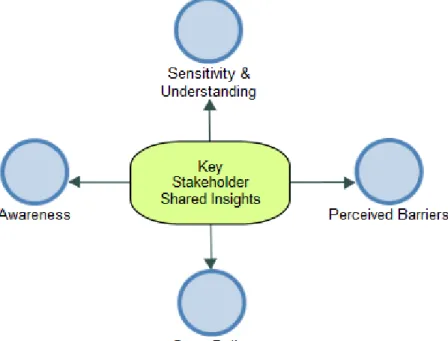
21 The above nodal concept map represents shared terms, frequent responses, and novel concepts
reported by key stakeholder interviewees.
Reflections and Recommendations for Change
• Sensitivity & Understanding
“Indigent patients have significant barriers outside of our control that we as providers must humbly accept.”
– Stakeholder Interviewee
ASC facilities who currently do not see many indigent patients may need to incorporate external
factors into their business model. External factors may include expecting late arrivals, expecting no
shows, double booking, arranging transportation, repeated pre-and post-surgery communication, and
facilitation of follow-up care. Malleable practice models are one piece of accommodating the indigent
patient population.
The population is multi-faceted and often includes more challenging patients not just from a clinical
standpoint. Psycho-social issues are prevalent in the Medicaid and self-pay populations according to
stakeholders; there is a behavioral component embedded when caring for these patients. It is felt that
not all ASCs understand the conglomeration of clinical, psycho-social, and behavioral facets in treating
an indigent patient. This may lead to an unwelcoming environment for the patient in addition to a
perceived barrier in referring patients to providers at ASCs.
Unfortunately, even if a referral partnership is established between an ASC and safety net provider,
there is possibility of failure internally due to lack of cultural understanding and sensitivity. ASCs are
sometimes felt to need gratitude or appreciation from the indigent patient, which may not appear to be
present in ways they are accustomed to recognize.
There are also real concerns of racism and discrimination that may range from the color of the
22 discriminated consciously or subconsciously, we cannot ignore the fact that is does happen, and it can
create a ripple effect of destruction on population health initiatives. It is equally important to not
assume ASCs are not willing and able to care for the poor despite incidences of discrimination at some
ASCs in North Carolina.
“I would rather them not see my patient if they are not going to be accommodating culturally or have undertones of discrimination. We take them off our referral list when this happens.”
– Stakeholder Interviewee
• Perceived Barriers
There is an assumption among safety net providers that ASCs do not want to partner with them.
This assumption is built on various logics including ASCs do not want low or no reimbursement patients,
do not want the risk of late or no show patients, do not want clinically riskier patients, do not want poor
or minority patients, and do not want to hurt the image of their facility. These logics likely originate
from judging the fundamentals of a freestanding ASC, which is a private business, assumingly seeking
profit maximization.
“A rare person will go into private business and participate in an initiative that would cause them to make less money.”
– Stakeholder Interviewee
Interestingly, it was noted that there may be increasing observatory behavior among ASCs regarding
indigent care and a potential required percentage in future CON policy in North Carolina. Stakeholders
felt this may increase some interest in ASCs partnering with safety net providers but stakeholders also
felt such interest would not happen naturally outside of changes in CON policy.
Some interviewees reported feeling hesitant to use ASCs because they are afraid their patients
would not be given priority or would not receive a timely appointment, thus delaying their care. This
23 There is also a concern that the patient would not understand they are receiving a reduced rate or
charity care if they are referred to an ASC or that the ASC would not explain it thoroughly to the patient.
Interviewees admitted hesitation is sometimes due to knowing that Medicaid and self-pay patients do
have trouble following pre-and post-surgical instructions, may arrive late or no show, and have little to
no reimbursement to offer the ASC.
• State Dollar
Stakeholders reported being increasingly confused at why there is not more of a movement towards
utilizing ambulatory surgery, particularly for Medicaid patients, for the sole reason of cost savings.
There are currently no economic reasons for ASCs to see indigent patients, only ethical or professional
reasons.
“To protect the Medicaid dollar, regulations should protect the state taxpayer.”
– Stakeholder Interviewee
There is a prediction among stakeholders that the issue of rising costs at hospitals is only going to
get worse and lead to unsustainability. It is understood and respected that hospitals have charity care
requirements and they also receive benefits for doing so. Stakeholders feel that rising health care costs
and the movement towards value based care and population health should nudge the state to look at
requiring ASCs to also share in the responsibility of caring for the indigent. Regardless of how indigent is
defined, this responsibility may be in the form of ASC partnerships with safety net providers.
• Awareness
Some interviewees reported not knowing what options were available in their community in regards
to current or potential partnerships. Most community health centers reported some experience in
24 safety net providers and vice versa, though it was noted that ASCs reach out to safety net providers
much less often.
“We have worked with ambulatory surgery centers that have reached out to us, but they are the exception.”
– Stakeholder Interviewee
Safety net providers outside of community health centers, such as public health departments,
reported not knowing if partnership with entities outside of the public hospital was an option for their
patients needing surgical care. This was mainly due to not knowing if local ASCs participated in charity
care type programs, Medicaid, or offered sliding fee scales. There is also a perception that indigent care
at ASCs is only an option for urban communities.
“The mechanism for a sliding fee scale isn’t known at ambulatory surgical centers. Do they have charity care? Do they have discounts? For our purposes, we are willing to send people where they can get what
they need and get it cheaper. We would like to explore that here.”
– Stakeholder Interviewee
In addition, Medicaid and self-pay patients were reported to be generally unaware of different
settings within surgical care and particularly the cost, time, or outcome differences between surgery at a
hospital versus an ASC. Patients are also generally unaware they may have a choice regarding their
surgery setting. There could be a space for opportunity realization among indigent patients through
patient empowerment and education in regards to choice and access.
Furthermore, one stakeholder noted that even if referral partnerships are established, there should
be no assumptions made that suggest providers are aware of cost savings opportunities and benefits
that may exist for the patient if they are referred to a ASC provider versus a hospital provider.
Therefore, opportunity may also exist in the realm of provider and staff education.
“Physicians are creatures of habit; show that there is benefit to changing referral patterns.”
25 Conclusion
It is unlikely that the challenge of serving the surgical needs of the indigent in North Carolina will
recede. Regardless of the definition of indigent or the role of Certificate of Need in North Carolina, the
state may benefit from facilitating access to surgical care options for the underserved. Focus should not
be limited to increasing access at single specialty freestanding ASCs alone, but should also include single
specialty hospital affiliated ASCs. Indigent surgical care may be best approached through risk sharing
and population health based models that are inclusive of all surgical care settings within the service
area. The suggested model is referral partnerships between safety net providers and Ambulatory
Surgery Centers in North Carolina. The model may be expanded to provider settings that are not
traditionally considered safety net resources such as urgent care and pediatrics.
The Single Specialty Ambulatory Surgery Facility Demonstration Project revealed crucial
components of encapsulating the surgical needs of Medicaid and self-pay patients through a required
percentage of total revenue. The future of required percentages of indigent care should consider the
following topics: expanding the definition of indigent, creating specialty specific requirements,
generating incentives, increasing transparency, and altering perceptions of ASCs. In moving forward
with safety net provider partnerships with Ambulatory Surgery Centers, the following concepts should
be explored: ensuring sensitivity and understanding of the indigent population, examining barriers that
safety net providers may perceive, maximizing the efficiency of the state dollar, and confirming
awareness of partnership opportunities and resources already present in the community.
Limitations
There are known limitations to consider in this paper. The 2014 North Carolina Hospital
Discharge data used in Aim 1, though the most recent data available, is still considerably dated and may
not be representative of today’s Ambulatory Surgery Center payer mix and environment. At the time of
26 an established patient base which may have not accurately represented their payer mix percentages.
Though not widely explored in this paper, current utilization of indigent patients broken down by
specialty may be helpful in setting expectations and feasibility standards for single specialty centers. It
also may be helpful to explore non-demonstration ASCs that have high percentages of indigent patient
utilization to determine best practices.
Little previous research existed at the time this paper was written that directly addressed
methods of increasing Medicaid and/or self-pay patients in ASC patient populations in the United States.
In Aim 2, perceptions were based only on opinions of ASCs that were currently participating in the
demonstration project and therefore may not be applicable to all ASCs in North Carolina.
Non-response and no show incidences attributed to a small sample size for Aim 3 interviews and
therefore responses, particularly partnership feasibility and patient barriers, could be limited both in
scope and stakeholder assumptions. Aims 2 and 3 utilized qualitative interviewing and therefore may
have issues of recall bias, selective reporting, and both conscious and unconscious personal bias. This
research project is exploratory in nature and is intended to provide groundwork research for exploring
avenues that may be capable of increasing indigent patient utilization of Ambulatory Surgery Centers in
North Carolina.
Acknowledgements
I would like to thank the following individuals for contributing to this project: Dr. Morris Weinberger, Dr.
27
References
Acute Care Services Committee. (2016). Summary: Care to Self-Pay and Medicaid-Funded Patients Single-Specialty Ambulatory Surgery Facility Demonstration Project. Raleigh: Department of Health and Human Services. Retrieved from
https://www2.ncdhhs.gov/dhsr/mfp/pdf/2016/acs/0906_ssascare.pdf
Ambulatory Surgery Center Association. (2012, May 23). Ambulatory Surgery Centers. Retrieved from A Positive Trend in Health Care:
http://www.ascassociation.org/HigherLogic/System/DownloadDocumentFile.ashx?DocumentFil eKey=2e3fb5b2-0332-4af2-9537-86b8ba077a38&forceDialog=0
Ambulatory Surgery Center Association. (2015). History of ASCs. Retrieved from What is an ASC: http://www.ascassociation.org/advancingsurgicalcare/whatisanasc/historyofascs
Ambulatory Surgery Center Association. (2016, December 13). President Barack Obama Signs 21st Century Cures Act. Retrieved from
http://www.ascassociation.org/Go.aspx?MicrositeGroupTypeRouteDesignKey=58bca98b-df0d-4f7c-80a2-cd4115751332&NavigationKey=5b50b30d-b80a-40a9-b46a-740a6a161396
Andersen, R., & Newman, J. (1973). Societal and Individual Determinants of Medical Care Utilization in the United States. Milbank Memorial Fund Quarterly - Health and Society, 51(1), 95-124. Division of Health Service Regulation. (2017, April). Ambulatory Surgical Facilities. Retrieved from
Department of Health and Human Services: https://www2.ncdhhs.gov/dhsr/data/aslist.pdf
Fortier, M., Fountain, D., Vargas, M., Heelan-Fancher, L., Perron, T., Hinic, K., & Swan, B. (2015). Health care in the community: Developing academic/ practice partnerships for care coordination and managing transitions. Nursing Economics, 33(3), 167-175,181.
Gabel, J. R., Fahlman, C., Kang, R., Woznlak, G., Kletke, P., & Hay, J. W. (2008). Where Do I Send Thee? Does Physician-Ownership Affect Referral Patterns To Ambulatory Surgery Centers? Health Affairs, 27(3), 165-174.
Harris, D. M. (2014). Contemporary Issues in Healthcare Law & Ethics (4 ed.). Chicago: Health Administration Press.
North Carolina General Assembly. (2016). House Bill 200. Retrieved from Amend Certificate of Need Laws: http://www.ncleg.net/gascripts/BillLookUp/BillLookUp.pl?Session=2015&BillID=H200
Patterson, B., Draeger, R., Olsson, E., Spang, J., Lin, F., & Kamath, G. (2014). A Regional Assessment of Medicaid Access to Outpatient Orthopaedic Care: The Influence of Population Density and Proximity to Academic Medical Centers on Patient Access. The Journal of Bone and Joint Surgery, 96(156), 1-8.
28 Suskind, A., Zhang, Y., Dunn, R., Hollingsworth, J., Strope, S., & Hollenbeck, B. (2015). Understanding the
Diffusion of Ambulatory Surgery Centers. Surgical Innovation, 22(3), 257-265.
Appendix
1.)
Acute Care Services Committee MemoTo: Acute Care Services Committee
From: Meagan Cannady
Date: May 8th, 2017
Subject: Review of Single Specialty Ambulatory Surgery Facility Demonstration Project
Issue
Some of the demonstration centers participating in the Single Specialty Ambulatory Surgery Facility Demonstration Project have struggled to consistently reach the required 7% of indigent care.
Background
In 2010, the Single Specialty Ambulatory Surgery Facility Demonstration Project was
implemented in response to an increase in petitions for additional operating rooms to accommodate new ASCs. The project consists of three participating facilities: 1.) Piedmont Outpatient Surgery Center in Winston Salem, 2.) Triangle Orthopaedics Surgery Center in Raleigh, and 3.) Mallard Creek Surgery Center in Charlotte. Per the criteria, at least seven percent of each facility’s total revenue must be attributable to Medicaid and self-pay patients.
Based on the demonstration project, a Master’s paper was undertaken by a graduate student at the UNC Gillings School of Global Public Health. The paper’s objective was to identify gaps and areas for improvement that would allow new Ambulatory Surgery Centers in North Carolina the opportunity to successfully achieve an indigent patient care requirement.
Methods
The project had three specific aims:
1.) Assess patterns in indigent patient utilization of ambulatory surgical centers in North Carolina (i.e. hospital owned vs. free-standing)
Method: Payer mix percentages were analyzed from 2014 North Carolina Hospital Discharge Data 2.) Identify current practices regarding indigent patient utilization at the three demonstration site facilities
Method: Qualitative interviews were conducted on site at the three demonstration facilities
3.) Assess what role safety net referral partnerships may have with single specialty ambulatory surgical centers in North Carolina
Method: Qualitative interviews were conducted with area key safety net stakeholders
Findings
29 project include: expand the definition of indigent, create specialty specific requirements, generate incentives, increase transparency, and alter perceptions of ASCs. Suggested considerations for future safety net partnerships include: increase sensitivity and understanding of the indigent population, examine perceived barriers, maximize state resources, and increase awareness of community
opportunities. All study participants reported referral partnerships between safety net providers and ASCs to be a feasible concept in North Carolina.
Potential Recommendations
The following recommendations were reported by the demonstration sites.
• Expand the definition of indigent:
o Consider patients with high deductible marketplace plans and Medicaid gap patients who may not qualify for marketplace subsidies.
o Explore need within the military and veteran patient population; Tricare reimbursement was reported to be lower than Medicaid in some instances.
• Create specialty specific requirements:
o Some specialties, like ENT, have an organic matriculation of indigent patients due to the nature of their patient population. A 3-5% requirement was considered suitable for facilitates that may see fewer indigent patients due to their specialty.
• Generate incentives:
o Offer tax shelters and the ability to add service lines to ASCs that participate in indigent care.
• Increase transparency:
o What happens after the five years of required participation is over? o What is the origin of the 7% and how was the decision reached?
o Centers felt the calculus of the 7% does not encompass all of the expenses that are associated with treating indigent patients.
• Alter perceptions of ASCs:
o Centers were repulsed by the connotation of cherry picking and discrimination. o Expressed need for open communication between hospitals in the area and the ASC.
The following recommendations were reported by safety net stakeholders.
• Increase sensitivity and understanding of the indigent population:
o ASCs that currently do not see many indigent patients may need to incorporate external factors into their business model (i.e. late arrivals, no shows, additional follow-up). o It is felt that not all ASCs understand the conglomeration of clinical, cultural,
psycho-social, and behavioral facets in treating an indigent patient.
• Examine perceived barriers:
o Assumption among safety net providers that ASCs do not want to partner.
o Hesitation among safety net providers to use ASCs due to fear of patients not being given priority or not receiving a timely appointment, thus delaying care.
• Maximize state resources:
30 o Prediction among stakeholders that surgical costs at hospitals are only going to rise and
lead to unsustainability for the state.
• Increase awareness of partnership opportunities within the community:
o Some interviewees did not know what options were available in their community in regards to current or potential partnerships.
o Lack of awareness if ASCs participated in charity care programs, Medicaid, or offered sliding fee scales.
For questions or comments or to request a copy of the full report please contact Meagan Cannady at [email protected]
2.) Interview Guides
A. Interview Guide for Specific Aim 2
Specific Aim 2: Identify current practices regarding indigent patient utilization at the three demonstration site facilities.
Will utilize key informant interviews from the three ASCs currently participating in the pilot project: Piedmont Outpatient Surgery Center – Winston Salem, NC, Triangle Orthopaedics Surgery Center – Raleigh, NC, Mallard Creek Surgery Center – Charlotte, NC
Introduction (verbal): Hello, thank you for meeting with me today to discuss the care of indigent patients at your facility. For this project’s purpose, indigent will be defined as Medicaid and self-pay patients. I am a current graduate student at UNC Chapel Hill where I am studying Health Policy & Management at the School of Public Health. I am pursuing this project as part of my Master’s Paper which will be presented in April. I am working under the direction of Dr. Sandra Greene, who is a faculty member at UNC Chapel Hill and also a member of the North Carolina State Health Coordinating
Committee. Your facility is one of the three facilities participating in the NC Single Specialty Surgery Facility Demonstration Project that I am speaking to over the next several weeks. Your answers will remain confidential in that your name will not be identified. This conversation will be audio recorded. All audio recordings will be destroyed by May 13th 2017. Do I have your consent to audio record this session?
Question 1: Can you briefly describe your role here?
Question 2: How long have you been here at ________?
Question 3: What is your level of awareness of the Single Specialty Ambulatory Surgery Facility Demonstration Project that your facility is participating in?
Question 4: The Demonstration Project requires 7% of this facility’s total revenue to be attributed to self-pay and/or Medicaid patients, what do you think of the magnitude of this requirement?
Question 5: How do you think your facility is doing in meeting the 7% requirement?
Question 6: What is your understanding of how Medicaid patients become patients here at ______?
31 Question 8: Do you think there is anything that hinders Medicaid and/or self-pay patients from
becoming patients here? (probes: specific health conditions, transportation, or issues that collectively hinder or benefit)
Question 9: Do you feel your center would be open to the notion of forming referral partnerships with safety net providers, such as community health centers, to increase its number of indigent patients?
Question 10: Do you have any other ideas of how to increase the number of indigent patients being seen at your facility?
Question 11: Is there anything else of relevance I should know about your facility?
B. Interview Guide for Specific Aim 3
Specific Aim 3: Assess what role safety net provider referral partnerships may have with single specialty ambulatory surgical centers in NC.
Will utilize key stakeholder interviews that target stakeholders and subject matter experts involved in NC community health centers, Medicaid, and healthcare regulation/planning
Introduction (verbal): Hello, thank you for meeting with me today to discuss the care of indigent patients in North Carolina. For this project’s purpose, indigent will be defined as Medicaid and self-pay patients. I am a current graduate student at UNC Chapel Hill where I am studying Health Policy & Management at the School of Public Health. I am pursuing this project as part of my Master’s Paper which will be presented in April. I am working under the direction of Dr. Sandra Greene, who is a faculty member at UNC Chapel Hill and also a member of the North Carolina State Health Coordinating
Committee. You are included in this project because you have been identified as a key stakeholder or subject matter expert in caring for the indigent. Your answers will remain confidential in that your name will not be identified. This conversation will be audio recorded. All audio recordings will be destroyed by May 13th 2017. Do I have your consent to audio record this session?
Question 1: Can you briefly describe your role here?
Question 2: How long have you been here at ________?
Question 3: What is your understanding of how indigent patients receive surgical care?
Question 4: Traditionally, indigent patients in need of surgical care are routed to hospitals versus ambulatory surgical centers, why do you think this is so? (Note: Question 4 may not be asked if topic is covered in Question 3.)
Question 5: Do you think it is feasible for safety net providers, such as community health centers, to form referral partnerships with ambulatory surgical centers?
Question 6: What do you think would be the largest barrier in forming such a partnership?
Question 7: Do you feel there is a perception surrounding treating Medicaid or self-pay patients in the ambulatory surgical setting?
32 3.) IRB Exemption
To: Meagan Cannady
Health Policy and Management Operations
From: Office of Human Research Ethics
Date: 2/23/2017
RE: Notice of IRB Exemption
Exemption Category: 2. Survey, interview, public observation,4. Existing data, public or deidentified
Study #: 17-0225
Study Title: Increasing Indigent Patients' Utilization of Ambulatory Surgical Centers in North Carolina
This submission has been reviewed by the Office of Human Research Ethics and was determined to be exempt from further review according to the regulatory category cited above under 45 CFR 46.101(b).
Study Description:
Purpose: Some of North Carolina’s most vulnerable populations may not be accessing care at Ambulatory Surgery Centers despite lower costs and higher patient satisfaction as most Ambulatory Surgery Center patients are White, Non-Hispanic, middle class, and privately insured. Strategies for promoting utilization of Ambulatory Surgery Centers by non-traditional patients will be explored. This project stems from North Carolina's Single Specialty Ambulatory Surgery Facility Demonstration Project.
Participants: Key informants from the following three Ambulatory Surgical Centers that are currently participating in the demonstration project: Piedmont Outpatient Surgery Center – Winston Salem, NC, Triangle Orthopaedics Surgery Center – Raleigh, NC, Mallard Creek Surgery Center – Charlotte, NC in addition to stakeholders and subject matter experts involved in NC community health centers, Medicaid, and healthcare regulation/planning.