Georgia State University
ScholarWorks @ Georgia State University
Business Administration Dissertations Programs in Business Administration
Spring 5-3-2015
The Role Of Industry Structure On Customer
Value In Robotic Surgery
Berkley Baker
Follow this and additional works at:https://scholarworks.gsu.edu/bus_admin_diss
This Dissertation is brought to you for free and open access by the Programs in Business Administration at ScholarWorks @ Georgia State University. It has been accepted for inclusion in Business Administration Dissertations by an authorized administrator of ScholarWorks @ Georgia State University. For more information, please [email protected].
Recommended Citation
PERMISSION TO BORROW
In presenting this dissertation as a partial fulfillment of the requirements for an advanced degree from Georgia State University, I agree that the Library of the University shall make it available for inspection and circulation in accordance with its regulations governing materials of this type. I agree that permission to quote from; to copy from, or publish this dissertation may be granted by the author or, in his/her absence, the professor under whose direction it was written or, in his absence, by the Dean of the Robinson College of Business. Such quoting, copying, or publishing must be solely for the scholarly purposes and does not involve potential financial gain. It is understood that any copying from or publication of this dissertation which involves potential gain will not be allowed without written permission of the author.
ii
NOTICE TO BORROWERS
All dissertations deposited in the Georgia State University Library must be used only in
accordance with the stipulations prescribed by the author in the preceding statement.
The author of this dissertation is:
Berkley Baker
J. Mack Robinson College of Business Georgia State University
Atlanta, Georgia 30303
The director of this dissertation is:
Daniel Robey
Computer Information Systems
J. Mack Robinson College of Business Georgia State University
iii
The Role Of Industry Structure On Customer Value In Robotic Surgery
By
Berkley Baker
A Dissertation Submitted in Partial Fulfillment of the Requirements for the Degree
Of
Doctorate of Business
In the Robinson College of Business
Of
Georgia State University
GEORGIA STATE UNIVERSITY
ROBINSON COLLEGE OF BUSINESS
2015
iv Copyright by Berkley Baker
v
ACCEPTANCE
This dissertation was prepared under the direction of the BERKLEY BAKER’S
Dissertation Committee. It has been approved and accepted by all members of that committee,
and it has been accepted in partial fulfillment of the requirements for the degree of Doctoral of
Philosophy in Business Administration in the J. Mack Robinson College of Business of Georgia
State University.
Richard D. Phillips, Dean
DISSERTATION COMMITTEE
Daniel Robey
Patricia Gregory Ketsche
vi
TABLE OF CONTENTS
LIST OF TABLES ... XII LIST OF FIGURES ... XV
I HEALTHCARE AND CAPITAL-INTENSIVE MEDICAL INNOVATIONS ... 1
I.1 Introduction ... 1
I.2 Literature Review ... 3
I.2.1 Robotic Surgery. ... 3
I.2.2 Industry Structure. ... 6
I.2.3 Taxonomy of Customer Value. ... 12
II CUSTOMER VALUE AND INDUSTRY STRUCTURE: AN INTEGRATED & INTERACTIVE APPROACH ... 18
II.1 Research Methodology ... 18
II.1.1 5-Forces ... 18
II.1.2 Threat of New Entrants. ... 20
II.1.2.1 Economies of Scale. ... 20
II.1.2.2 Demand-side Benefits of Scale. ... 20
II.1.2.3 Government Policy. ... 20
II.1.2.4 Capital Requirement. ... 21
II.1.2.5 Switching Costs. ... 21
II.1.2.6 Access to distribution. ... 22
II.1.2.7 Incumbency Advantages Independent of Size. ... 22
II.1.2.8 Expected Retaliation. ... 22
II.1.3 Intensity of Rivalry: Current Competitors. ... 23
vii
II.1.3.2 Fixed/Storage Costs. ... 23
II.1.3.3 Differentiation. ... 23
II.1.3.4 Overcapacity. ... 24
II.1.3.5 Competitive Diversity. ... 24
II.1.3.6 Strategic Stakes. ... 24
II.1.3.7 Exit Barriers. ... 24
II.1.4 Pressure from Substitutes. ... 25
II.1.4.1 Price-performance Trade-off. ... 25
II.1.4.2 Buyer’s Cost of Switching to Substitute. ... 25
II.1.5 Buyer Bargaining Power. ... 26
II.1.5.1 Buyer Concentration. ... 26
II.1.5.2 Product or Service Differentiation. ... 26
II.1.5.3 Industry Purchases. ... 26
II.1.5.4 Backward Integration. ... 27
II.1.5.5 Switching Costs. ... 27
II.1.5.6 Buyers Margins. ... 27
II.1.5.7 Product or Service Importance. ... 27
II.1.5.8 Full Information. ... 28
II.1.6 Supplier Bargaining Power. ... 28
II.1.6.1 Concentration. ... 28
II.1.6.2 Dependency. ... 29
II.1.6.3 Switching costs. ... 29
II.1.6.4 Differentiation. ... 29
viii
II.1.6.6 Forward Integration. ... 30
II.2 Customer Value ... 30
II.2.1 Clinical value. ... 31
II.2.2 Financial value. ... 32
II.2.3 Strategic value. ... 33
II.3 Data Collection ... 34
II.4 Data Analysis ... 34
II.5 Limitations and Key Assumptions ... 35
III ROBOTIC SURGERY INDUSTRY ANALYSIS ... 36
III.1 Period 1: The Introduction of Robotic Surgery (1999-2004) ... 36
III.1.1 Period Synopsis ... 36
III.1.1.1 Key Events. ... 36
III.1.2 5-Forces ... 38
III.1.2.1 Threat of new entrants. ... 38
III.1.2.2 Threat from Substitutes. ... 46
III.1.2.3 Buyer Bargaining Power. ... 48
III.1.2.4 Supplier Bargaining Power. ... 51
III.1.2.5 Overall Industry Structure (5-Forces). ... 54
III.1.2.6 Predicted Role of Industry Structure on Customer Value. ... 55
III.1.3 Customer Value ... 55
III.1.3.1 Clinical Value. ... 55
III.1.3.2 Financial Value. ... 59
III.1.3.3 Strategic Value. ... 63
ix
III.1.3.5 Hospital Value Predicted vs. Hospital Value Assessed. ... 69
III.2 Period II: The Rapid Adoption of Robotic Surgery (2005-2009) ... 71
III.2.1 Period Synopsis ... 71
III.2.1.1 Key Events. ... 71
III.2.2 5-Forces ... 73
III.2.2.1 Threat of new entrants. ... 73
III.2.2.2 Industry Rivalry. ... 76
III.2.2.3 Threat from Substitutes. ... 78
III.2.2.4 Buyer Bargaining Power. ... 82
III.2.2.5 Supplier Bargaining Power. ... 85
III.2.2.6 Overall Industry Structure (5-Forces). ... 87
III.2.2.7 Predicted Role of Industry Structure on Customer Value. ... 88
III.2.3 Customer Value ... 88
III.2.3.1 Clinical Value. ... 88
III.2.3.2 Financial Value. ... 92
III.2.3.3 Strategic Value. ... 97
III.2.3.4 Overall Customer Value. ... 100
III.2.3.5 Hospital Value Predicted vs. Hospital Value Assessed. ... 101
III.3 Period III: The Establishment of Robotic Surgery (2010 -2014) ... 103
III.3.1 Period Synopsis ... 103
III.3.1.1 Key Events. ... 103
III.3.2 5-Forces ... 105
III.3.2.1 Threat of new entrants. ... 105
x
III.3.2.3 Threat from Substitutes. ... 108
III.3.2.4 Buyer Bargaining Power. ... 113
III.3.2.5 Supplier Bargaining Power. ... 115
III.3.2.6 Overall Industry Structure (5-Forces). ... 117
III.3.2.7 Predicted Role of Industry Structure on Customer Value. ... 117
III.3.3 Customer Value ... 118
III.3.3.1 Clinical Value. ... 118
III.3.3.2 Financial Value. ... 122
III.3.3.3 Strategic Value. ... 125
III.3.3.4 Overall Customer Value. ... 128
IV IMPLICATIONS OF INDUSTRY STRUCTURE ON CUSTOMER VALUE ... 131
IV.1 Discussion ... 131
IV.1.1 5-Forces Findings. ... 131
IV.1.1.1 Customer Value Findings. ... 133
IV.1.1.2 Hospital Value Predicted vs. Hospital Value Assessed Findings. ... 136
IV.1.1.3 Integrated Approach Findings ... 137
IV.2 Contributions ... 140
IV.2.1 Contribution to Theory on Porter’s 5-Forces and Customer Value. ... 140
IV.2.2 Contributions to Theory on Customer Value. ... 141
IV.2.3 Contributions to Practice. ... 143
IV.3 Conclusion ... 144
IV.3.1 Limitations. ... 145
IV.3.2 Future Research. ... 145
xi
APPENDIX ... 172
APPENDIX 1: INDUSTRY STRUCTURE DEFINITIONS ... 172
APPENDIX 2: CUSTOMER VALUE DEFINITIONS ... 173
APPENDIX 3: GLOSSARY ... 174
BIOGRAPHICAL SKETCH ... 180
xii
LIST OF TABLES
Table 1 Industry Structure and Related Topics ... 7
Table 2 5-Forces and Microeconomic Constructs ... 9
Table 3 5-Forces Definitions and Criteria ... 19
Table 4 Value Framework Definitions and Criteria ... 31
Table 5 Procedural Approvals ... 37
Table 6 Industry Participants ... 37
Table 7 Threats to New Entrants Assessment ... 41
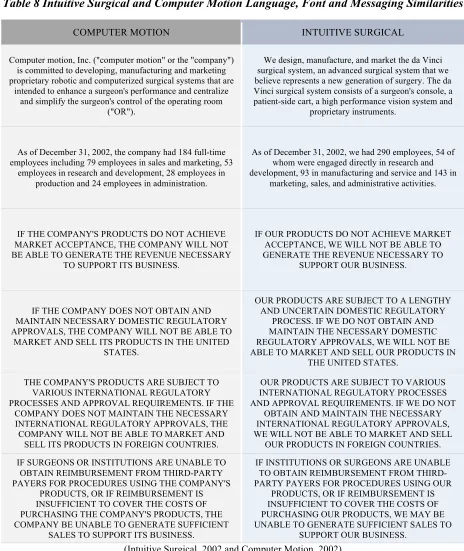
Table 8 Intuitive Surgical and Computer Motion Language, Font and Messaging Similarities ... 44
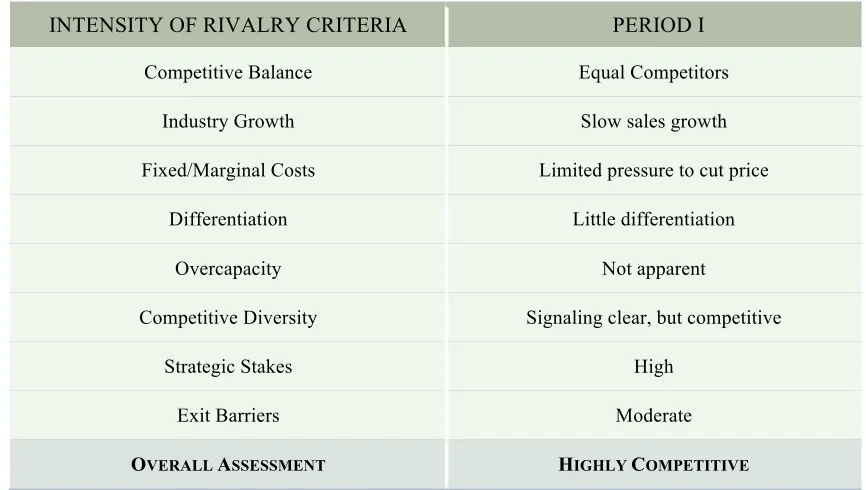
Table 9 Intensity of Rivalry Assessment ... 45
Table 10 Pressure from Substitute Assessment ... 47
Table 11 Buyer Bargaining Power Assessment ... 51
Table 12 Supplier Bargaining Power Assessment ... 53
Table 13 5-Forces Overall Assessment ... 54
Table 14 Clinical Value Assessment ... 59
Table 15 Period I: Acquisition and Operational Costs ... 62
Table 16 Financial Value Assessment ... 63
Table 17 Strategic Value Assessment ... 66
Table 18 Customer Value Overall Assessment ... 69
Table 19 Period I: Integrated Industy Structure and Customer Value ... 70
Table 20 Procedural Approvals ... 72
Table 21 Industry Participants ... 73
xiii
Table 23 Intensity of Rivalry Assessment ... 78
Table 24 Pressure from Substitute Assessment ... 82
Table 25 Buyer Bargaining Power Assessment ... 85
Table 26 Suppliers Bargaining Power Assessment ... 87
Table 27 5-Forces Overall Assessment ... 88
Table 28 Clinical Value Assessment ... 92
Table 29 Financial Value Assessment ... 97
Table 30 Strategic Value Assesments ... 99
Table 31 Costumer Value Overall Assessment ... 101
Table 32 Period II: Industry Structure and Customer Value ... 102
Table 33 Procedural Approvals ... 104
Table 34 Industry Participants ... 105
Table 35 Threat to New Entrants Assessment ... 107
Table 36 Intensity of Rivalry Assessment ... 108
Table 37 Robotic Procedural Cost Comparison ... 112
Table 38 Pressure from Substitutes Assessment ... 113
Table 39 Buyer Bargaining Power Assessment ... 115
Table 40 Supplier Bargaining Power Assessment ... 116
Table 41 5-Forces Overall Assessment ... 117
Table 42 Clinical Value Assessment ... 122
Table 43 Financial Value Assessments ... 124
Table 44 Strategic Value Assessment ... 128
Table 45 Costumer Value Overall-Assessment ... 129
xiv
Table 47 Value Predicted vs. Value Assessed ... 136 Table 48 CART Model ... 138
xv
LIST OF FIGURES
Figure 1 Laparoscopic Surgery ... 4
Figure 2 Robotic Surgery System ... 6
Figure 3 Forces ... 8
Figure 4 Robotic Surgery Program Value Triangle ... 16
Figure 5 Research Model ... 17
Figure 6 Period I: Event and Proceural Approval Timeline ... 56
Figure 7 Robotic Surgery Systems and Procedural Growth ... 75
Figure 8 Industry Revenue Growth ... 77
Figure 9Mean Utilization Rates ... 91
Figure 10 Period II: Repeat Systems Sales ... 94
Figure 11 Average Sales Price ... 96
Figure 12 Year over Year Procedural Growth ... 125
Figure 13 Industry Structure by Forces ... 132
Figure 14 Customer Value ... 134
Figure 15 CFS Value Matrix ... 135
xvi ABSTRACT
The Role Of Industry Structure On Customer Value In Robotic Surgery
BY
Berkley Baker
May 2015
Committee Chair: Daniel Robey
Major Academic Unit: Computer Information Systems
Spending on robot surgery is expected to increase by $17 billion in the next 6 years. This
new surgical treatment has challenged hospitals with higher costs and varying performance.
Healthcare executives struggle balancing the adoption of medical innovations with managing
healthcare costs. This dilemma can be further complicated by industry structures relative to
capital-intensive medical innovations. This research explores the interaction between industry
structure and customer value. Specifically, how can hospitals apply an understanding of supplier
industry structure and customer value to improve the value of a robotic surgery program (RSP)?
This industry study represents an exhaustive longitudinal review of over 15 years of public data
relative to robotic surgery, across three distinct time periods. Within the research, industry
structure is evaluated using Porter’s 5-forces model. A framework based upon contributions
from Grönroos as well as Menon, Homburg, and Beutin is introduced to assess customer value
based upon clinical, financial and strategic (CFS) value. The implications of periodic industry
structure on customer value were examined to identify opportunities for hospital executives to
xvii
There were several empirical and theoretical findings from this research. First, in the
face of increasing industry structure the identification of favorable forces may create
opportunities to increase RSP value. Secondarily, exploring customer value through the lens of
core, add-on, relational and transactional benefits in the sub-context of CFS value aids in the
identification of market power influences on customer value. The implications of the absence of
high levels of relational and transactional benefits without high levels of core and add-on
benefits may influence avenues of pursuit in improving RSP value overall. The research also
suggests that clinical and strategic value was present despite varying degrees of industry
structure. Finally, this study represents an empirical joint analysis of industry structure and
customer value in robotic surgery. Some proponents may find the introduction of an integrative
model for measuring customer value in robotic surgery, applicable to other capital-intensive
medical innovations or disruptive technologies at large.
1
I HEALTHCARE AND CAPITAL-INTENSIVE MEDICAL INNOVATIONS
I.1 Introduction
At present, the United States healthcare system consists of about 6,500 hospitals with a
combined annual revenue exceeding $700 billion (First Research, Inc. 2009). America’s 76
million surviving baby boomers began turning 65 in 2011, while the life expectancy of seniors is
growing (Plunkett Research, Ltd., 2013). Meanwhile, healthcare costs continue to increase,
outpacing inflation. In the United States, healthcare spending is expected to reach nearly five
trillion dollars by 2022 (Munro, 2014). Changes in healthcare have pressured hospital executives
to decrease infections and shorten patients’ length of stay. Healthcare executives struggle to
design solutions for a growing aging patient population, improve clinical outcomes, reduce the
cost of care, and remain competitive in a hypercompetitive industry. This industrial environment
is representative of a VUCA environment, volatile, uncertain, complex, and ambiguous (Casey,
2014), as defined by General Casey, retired Army Chief of Staff and Commanding General of
Multinational Force in Iraq. Faced with an increasing amount of change, many hospital
executives are considering robotic surgery to address their multifaceted needs.
Largely regarded as a capital-intensive medical innovation, robotic surgery created a new
market while muddling the existing markets of traditional and laparoscopic surgical techniques.
Today hospital stakeholders are investing and re-investing in robotics to solve problems related
to patient demand, physician retention, recruiting, and brand imaging, among other concerns.
Many hospital executives have chosen robotic surgery as an advanced technology to improve
patient outcomes, address surgical shortcomings, and to develop competitive advantages. As a
result, robotic surgery systems have become one of the fastest growing medical devices in the
2
In 2000, Intuitive Surgical introduced the first immersive robotic surgery platform, the da
Vinci® Surgical System, which enables surgeons to perform complex surgical procedures in a
minimally invasive fashion (Kalan et al., 2010). This surgical technique provides surgeons with
increased dexterity, improved vision, and augmented control through a series of technological
innovations. Many of these benefits have been heralded as advantages over other surgical
techniques, such as conventional open and laparoscopic surgery (Kalan et al., 2010). As one of
the most successful medical device success stories in the history of U.S. healthcare, industry
sales were reported in excess of $2 billion annually in 2014 (Intuitive Surgical, Annual Report
2014). In December 2002, there were approximately 12 da Vinci® Surgical Systems (Intuitive
Surgical, Annual Report 2000). Today there are almost 3,000 da Vinci® Surgical Systems
operating in healthcare institutions across the world (Intuitive Surgical, Annual Report 2014).
Despite its initial market success, many consumers question the value of robotic surgery
programs (RSPs). This new surgical treatment has challenged hospitals with higher surgical costs
and varying performance. As new RSPs further penetrate the marketplace, many question robotic
surgery’s impact on improved patient outcomes, surgeon performance, and value to hospitals.
This research suggests that this questioning is rooted in the role of industry structure on the
creation of customer value.
Industry structure is the configuration of a company’s industry, which influences
competition and profitability (Magretta, 2013). A competitive environment contains an element
of struggle between multiple parties striving for similar goals. Industry structure or market power
allows organizations to see themselves within the context of the big picture and to competitively
position themselves toward increased value and profitability, demystifying the behavior of
3
applied Michael Porter’s 5-Forces model to evaluate the strength of the robotic surgery
manufacturer’s market power. A comprehensive analysis of the robotic surgery industry may
contribute to understanding the ways in which industry structure influences customer value.
Moreover, the adoption of a capital-intensive medical innovation by hospitals absent an
understanding of supplier industry structure may detract from the benefits of the innovation. The
purpose of this research is to explore the role of supplier industry structure on the creation of
value for hospital RSPs. I accomplished this by analyzing robotic surgery industry structures and
the resulting implications for customer value. Specifically, this study will be based upon an
exhaustive review of over 15 years of secondary data relative to robotic surgery.
I.2 Literature Review
I.2.1 Robotic Surgery.
Conventional surgery is generally associated with an incision made by a surgeon to gain
access to targeted anatomy. The invasiveness of traditional surgery is typically more pronounced
because the surgeon uses either his hands or surgical tools to directly manipulate the anatomy.
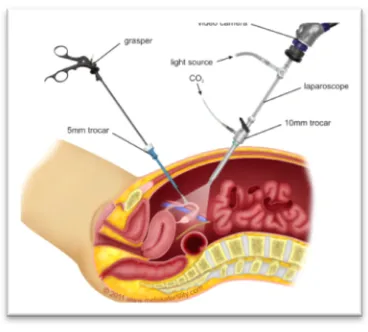
By the early 1990’s, laparoscopy began to gain traction in the surgical community. In a
laparoscopic surgical approach the surgeon gains access to the target anatomy through multiple
4
Figure 1 Laparoscopic Surgery
© 2014 www.melakafertility.com
This less invasive surgical approach generally offers patients a faster recovery time with
equivalent or better clinical outcomes. Laparoscopic procedures require instrumentation designed
to manipulate key anatomy with specialized instruments that replicate many of the tools designed
for the traditional surgical approach. Although laparoscopic surgery presented limitations, as
surgeons were no longer able to palpate tissue and tumors with their hands, physicians quickly
adapted to this less invasive surgical method.
Nonetheless, this approach offered new challenges. The surgeon now observed the
procedure using a camera, which provided a 2-D image. This two-dimensional viewing made
judging depth extremely difficult. Surgeons became more dependent on staff, as surgical
technicians and nurse practitioners frequently controlled the camera directing the surgeon’s line
of sight. Occasionally, operating with longer, non-wristed instruments made it difficult for
surgeons to manipulate target anatomy. These new instruments also exacerbated surgeon tremor,
as small movements from surgeons’ hands were heightened at the tips of the instruments.
Consequently, these limitations in surgeon adaptability and procedural complexity disrupted the
5
In spite of these challenges, many procedures once performed exclusively in an open
surgical environment are now performed laparoscopically as standard of care. This trend is very
Schumpeteresque in its application, exemplifying ‘creative destruction’ demonstrated by
surgeons as they innovated beyond the limitations of traditional surgery (Schumpeter, 2013). As
a result of this trend in creative destruction, surgeons are once again exploring technology
beyond the innovations of traditional laparoscopic surgery, potentially expanding the population
of physicians practicing minimally invasive approaches to a broader surgeon population across
an extended segment of simple and complex procedures.
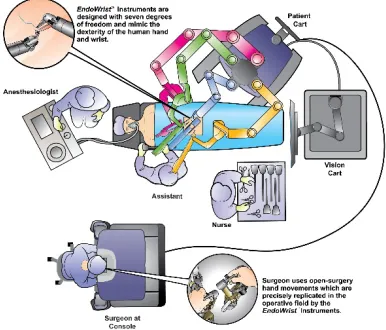
Specifically, the da Vinci® Surgical System translates the surgeon’s hand movements on
instrument controls at a console into micro-movements of instruments positioned inside patients
through miniature incisions (Intuitive Surgical, Annual Report 2013). The console provides the
surgeon with a 3-D stereoscopic view in high definition, replicating the traditional open surgeon
view, while operating with a minimally invasive surgical technique (Intuitive Surgical, Annual
Report 2013). From the console, the surgeon is able to control 3-4 robotic arms located on the
patient cart, giving the surgeon control over the camera and 2-3 instrument arms (Intuitive
Surgical, Annual Report 2013). Overall, this robotic system provides surgeons with immersive
3DHD visualization, precise and tremor-free endoscope control, intuitive instrument movements,
EndoWrist® instruments, scaled-tremor free instrument movement, improved surgical
ergonomics, a multi-specialty platform, and advanced training tools (Figure 2:Robotic Surgery
6
Figure 2 Robotic Surgery System
©[2014] Intuitive Surgical, Inc
While global laparoscopy annual sales are expected to grow from $8.1 billion in 2012 to
$12.3 billion by 2018, the annual global robotic surgery expenditure is expected to outpace that
growth, from $3.2 billion in 2012 to $19.9 billion by 2019 (WinterGreen Research, 2013).
Robotic procedures have catapulted from less than 25,000 in 2005 (Kowalczyk, 2013) to over
570,000 procedures performed in 2014 (Intuitive Surgical, Annual Report 2014). The popularity,
and resulting growth, of robotic surgery is a result of the clinical, financial and strategic (CFS)
value it affords. By driving minimally invasive benefits to patients across multiple surgical
specialties, this technological innovation is poised to expand and greatly influence patient
demand, surgical techniques, product usage, and purchasing patterns in the future.
I.2.2 Industry Structure.
Warren Buffet indicated that industries demonstrate distinct economic characteristics
(Williams, 2014), which influence the profitability of industry participants, and Jack Welch
utilized industry structure in divestiture decisions as the CEO of General Electric (Suutari, 2000).
Analysts tend to understand the influence of industry structure as it relates to competitive
7
industry structure on profitability, firm performance, strategic choices (Porter, 1980), and even
how firms can influence industry structure to improve their own profitability (Makadok, 2013).
In many cases, researchers have utilized the constructs of industry structure in conjunction with
other frameworks or topics of interest (Table 1: Industry Structure and Related Topics).
Table 1 Industry Structure and Related Topics
SOURCE RELATED TOPIC
Datta, D. K. and Rajagopalan N. (1998). Industry Structure And CEO Characteristics: An Empirical Study Of Succession Events. Strategic
Management Journal19.9 (833).
CEO Characteristics
Nohria, N. and Garcia-Pont, C. (1991) Global Strategic Linkages And Industry Structure Strategic Management Journal12, 105-124.
DOI: 10.1002/smj.4250120909.
Global Strategic Linkages
Gong, J., & Srinagesh, P. (1996). Network competition and industry structure.
Industrial and Corporate Change, 5(4), 1231-1241. Network Competition
Jamison, M. (1999). Industry structure and pricing: the new rivalry in
infrastructure (Vol. 22). Springer. Pricing Strategy
Erhemjamts, O., Raman, K., & Shahrur, H. (2010). Industry structure and
corporate debt maturity. Financial Review, 45(3), 627-657. Corporate Debt Hunt, R. M. (2004). Patentability, industry structure, and innovation. The Journal
of Industrial Economics, 52(3), 401-425. Patents and Licensing
Flaherty, M. T. (1980). Industry structure and cost-reducing investment.
Econometrica: Journal of the Econometric Society, 1187-1209. Cost Reductions
Demsetz, H. (1973). Industry structure, market rivalry, and public policy.
Journal of Law and economics, 1-9. Public Policy
In 1980, Harvard University professor Michael Porter introduced the 5-Forces model,
which explored the forces driving industry competition (Porter, 1980). A survey of the leading
Strategic Management textbooks found the inclusion of Porter’s model in each one (Dobbs,
2012). According to Google Scholar, Porter’s work regarding competitive advantage and
industry structure has been cited almost 240,000 times. As language influences the behavior of
individuals subjected to cultural context, industry structure influences the behavior of firms that
8
competition (Baumol, Panzar, Willig and Bailey, 1982) and profitability (Makadok, 2013), but it
also impacts the nature of strategic choices available to firm participants (Porter, 1980). Through
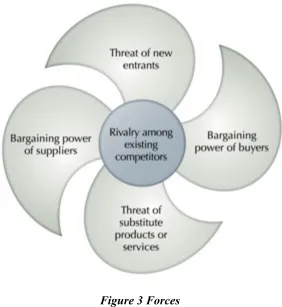
the introduction of the 5-Forces framework (Figure 3: 5-Forces), Porter explored industry
influencers beyond economic structure (Porter, 1980). The 5-forces are captured as the threat of
new entry, industry rivalry, threat of substitution, bargaining power of buyers and bargaining
[image:26.612.166.448.238.545.2]power of suppliers (Porter, 1980).
Figure 3 Forces
(Porter, 1980)
As an economist, Porter’s work largely simplified areas of microeconomics into a
template of terms for practical usage (Recklies, 2001). See Table 2: 5-Forces and
Microeconomic Constructs. This template enables decision makers to apprehend competitive
influences that go beyond typical competitors to a broader set of participants. Given the
9
(Bowen, Daigle, Dion, and Valentine, 2014), marketing strategies (Renko, Sustic and Butigan,
2011), and even the delivery of vascular surgery (Sumpio, 2013). In most cases, the theoretical
and practical application of Porter’s model is a measure to assess the current status of an
industry.
Table 2 5-Forces and Microeconomic Constructs
(Source: Recklies, 2001)
5-FORCES MICROECONOMIC CONSTRUCTS
Threat of New Entry Market entry barriers
Industry Rivalry Market structures, number of players, market size and growth rates
Threat of Substitution Substitution effect
Bargaining Power of Buyers Supply and demand theory, customer behavior, price elasticity
Bargaining Power of
Suppliers
Supply and demand theory, cost and production theory, price elasticity
Despite its widespread application, the 5-Forces model has frequently come under fire.
Critique of the model surfaced during the growth of the Internet and the dotcom era, arguing that
5-Forces does not account for dynamic changes that have influenced many industries (Dälken,
2014). Others derided the retrospective nature of the model, citing its ability to explain but its
ineptitude in the area of prediction (Stewart, 2009). Some critiqued the model as too
macroeconomic in focus, noting poor linkages to management options based upon assessment,
and criticized its excessive fixation on industry boundaries (Grundy, 2006). In 2008, Michael
Porter critiqued the lack of quantitative measures to bolster the model (Dobbs, 2012). Porter also
conveyed disappointment regarding the application of the model solely as an assessment of
industry appeal as opposed to a method of gaining strategic insight (Dobbs, 2012). Some have
10
so many disruptive innovations (Raina, 2014). In essence, the model’s focus on strategic
initiatives, profitability, and minimizing competition engendered some of the harshest criticism.
One author stated, “In the theoretical landscape that Porter invented, all strategy worthy of the
name involves avoiding competition and seeking out above-average profits protected by
structural barriers. Strategy is all about figuring out how to secure excess profits without having
to make a better product or deliver a better service” (Denning, 2012).
Without a focus on delivering better service or enhancing customer value, the value of
the 5-forces model has been limited. This limitation of value is, in part, due to the model’s
application within the context of the industry; the other limitation is related to the lack of depth
and rigor in its application in creating customer value. Thus far, there have been relatively few
contributions seeking to extend the application of the 5-force model in either direction. However,
there have been a few attempts worth exploring.
There have been extensions of the model within the context of industry structure analysis.
“Rethinking and reinventing Michael Porter’s five forces model” is an article that explores
enhancing the practical application of the 5-Forces model (Grundy, 2006). Grundy considered
expanding the use of the 5-forces model to map competitive force variations, explore competitive
dynamics, prioritize the forces, and examine force interdependencies (Grundy, 2006). The point
of his work was to develop the 5-Forces model to “improve its analytical power and increase its
range of application” (Grundy, 2006:216). A few interesting potential applications from
(Grundy, 2006) were as follows:
• Combining the use of the 5-forces model with the PEST factors model to explore the
interdependencies between industry structure and political, economic, social and technological factors.
• Extending evaluation of the 5-forces from favorable, neutral, and unfavorable to a
11
• Evaluating each force not simply independently, but relative to the others.
• Exploring, at a macro level, how the forces impact longitudinally (Grundy, 2006).
One of the most notable evolutions of the model originated from Michael Porter
himself, who, in 2011, co-authored an article in the Harvard Business Review titled, “Creating
Shared Value” (Porter, 2011). In the article, Porter assesses the problem with modern day
capitalism as, “They [Companies] continue to view value creation narrowly, optimizing
short-term financial performance in a bubble while missing the most important customer needs and
ignoring the broader influences that determine their longer-term success (Porter, 2011:4).”
Critics declare that a narrowly focused view is an outgrowth of an overly strategic one (Denning,
2012). Some conclude that this is an example of Porter’s own evolution and adaptation as he
weighed the effectiveness of an evaluation of industry structure without connecting the resulting
assessments into a conversation regarding the creation of customer value.
In 2006, Porter and Teisberg (2006) introduced “Redefining Health Care”, which sought
to improve healthcare through the application of competitive principals in order to influence
patient value (Porter, 2006). This evolution in Porter’s thinking is further evident when
comparing Michael Porter’s discussion of the structural analysis of industries in his book,
“Competitive Strategies: Techniques for analyzing industries and competitors," published in
1980, with the same discussion in his book, “On Competition,” updated and published in 2008.
In the later edition, Porter concludes a chapter with a discussion of competition and value
(Porter, 2008). He further builds on the topic in the end of the book with a discussion on
corporate social responsibility (Porter, 2008). It is appropriate to incorporate shared value into
the discussion, because it is based upon the “premise that both economic and social progress
must be addressed using value principles” (Porter and Kramer, 2011:6). Does this accurately
12
surgery is irrelevant and inadequate without addressing the context of societal value creation.
The literature review of robotic surgery and industry structure provides the basis for attempts to
expand customer value through an understanding of industry structure.
I.2.3 Taxonomy of Customer Value.
Many business researchers have contributed to the classifications of business or customer
value. Christian Grönroos’ (1997) work explored the impact of relational and transactional intent
on customer value. Both behaviors can bring value, but relational intent carries a long-term focus
on value, while transactional intent has more of a short-term focus (Grönroos, 1997). Menon,
Homburg, and Beutin (2005) contributed a rare look at customer value within the context of the
business-to-business environment. Their research pursues an understanding of the topic of
customer value by equating it to the summation of core benefits and add-on benefits minus
purchase price, acquisition costs, and operational costs. In the face of high (purchase, acquisition,
and operational) cost in robotic surgery (Menon, Homburg, Beutin, 2005), this exploration is
especially relevant to the topic of value.
Smith and Colgate (2007) first approached the topic of value creation by exploring much
of the previous research conducted on the topic. They furthered that research by suggesting a
new conceptual framework for customer value creation. Their framework evaluates the tenets of
customer value based upon functional/instrumental value, experiential/hedonic value,
symbolic/expressive value, and cost/sacrifice value (Smith and Colgate, 2007). The intent of this
framework was not simply to identify what customers get in contrast to the cost of those benefits,
as present in the previous three equations; rather, the intent of this framework was to identify
13
Research on customer value also hinges on the contributions of Jay Barney related to
resource-based view (Barney, 1991). Similar to Porter, Barney built on the discussion of value as
being unique, but he added the constructs of rarity, imitability, and substitutability (Barney,
1991). To date, Michael Porter has produced the preponderance of the work regarding the
creation of value through the use of value propositions, value chains, and value systems. Porter
details strategic opportunities that will result in superior economic performance based on the
following five assessments: 1) unique value, 2) activity differentiation, 3) trade-offs, 4)
organizational fit, and 5) sustainability (Magretta, 2013). These considerations provide the
outline for a company’s value proposition, value chains, and overall value system. Competitive
advantages, or value proposition, have been defined as the unique value a company may create
for its customers (Porter, 1998). The contributions of the RBV not only complement and
reinforce the discussion of competitive advantage (Porter, 1980), but they also introduce the
importance of heterogeneity and immobility relative to customer value (Barney, 1991).
As early as 1993, the logic regarding value systems began to progress. Researchers
understood the advent of value propositions built upon competitive advantages, and value chains
were heavily discussed as firms endeavored to identify their value activities and associated costs.
The predominant viewpoint towards improving customer value included either increasing the
value proposition or reducing costs within the value chain. In their article, “From Value Chain to
Value Constellation: Designing Interactive Strategy,” Normann and Ramirez (1993) attempted to
alter that thinking. While prior thinking regarding value systems focused on attempts to
influence the value equation by altering either the value proposition or the value chain, Normann
and Ramirez focused attention on neither component individually, but rather on the collective
14
framework based upon the following propositions: 1) the goal of business is not to provide
something valuable for customers, but rather to enable customers to create value for themselves;
2) the most attractive offerings are no longer produced by a single company, but rather by new
combinations of customers, suppliers, and business partners; and 3) the only true source of
competitive advantage is the ability to construct the entire value-creating system (Normann and
Ramirez, 1993). This contribution is significantly relevant to robotic surgery in that it encourages
firms to maintain more of a systematic approach to value, with a concentration on enabling
customers to experience new and customized streams of value. This viewpoint suggest that there
is value enclosed not only in the individual value components, but in the system – which, in our
example, is represented by the interactions between patients, surgeons, hospitals, robotic
manufacturers, robotic substitutes, and others.
Vandenbosch and Dawar (2002) also found that much of the previous value system
research focused primarily on the “levers of cost and risk,” which reference the cost related to
the value chain and the risk of not actualizing the value proposition (Vandenbosch and Dawar,
2002). They suggested a systematic approach of value to 1) unlock economies of interaction; 2)
simplify the route to benefits; 3) integrate activities; 4) be the nexus; and 5) form the future.
This approach suggests the reinforcing relationship between a transactional and relational view
of value.
Consider next the progression of views relative to the creation of value as examined by
Stanley Slater, who discussed the neoclassic view of the firm, which focuses on the impact of
labor and capital on the production of product to maximize profits (Slater, 1997). The behavioral
view seeks to account for goals dispersant from profit maximization by introducing a framework
15
may, in part, contribute to local optimization and the problem of latent value. The transactional
cost view emphasizes the opportunities relative to firms in the creation of value due to scaled
economies (Slater, 1997).
Lastly, Barney found these views inadequate since they focused predominantly on value
creation relative to the firm, to the exclusion of the customer. Slater’s approach was a
customer-oriented view in which the firm’s existence was to satisfy the customer (Slater, 1997). This view
introduced the concept of a more customer-centric “market orientation,” with the constructs of
value nestled in 1) continuous learning about the customer, 2) a commitment to innovation, and
3) a customer value process-focused organization (Slater, 1997).
This customer-oriented value approach, with the inclusion of a feedback loop, continued.
In 2013, Moryosseff Gertner cited the work of Normann and Ramirez but added a crucial
component to their work: the inclusion of a feedback loop to identify and satisfy consumers’
fluctuating needs (Gertner, 2013). This contribution was essential in that it identified the need for
the value system to enhance collective value through the exchange of information (Gertner,
2013). These contributions add to the conversation by highlighting the delineation between
one-time foundational approaches to value and more iterative and interactive approaches to creating
value.
These constructs are of particular importance to value within the conversation of robotic
surgery. Many hospitals have approached RSPs assuming that the value is inherent in the
implementation of the program or the initial purchase of the robotic system. This transactional
view fails to consider the impact of heterogeneity and immobility, both of which greatly
16
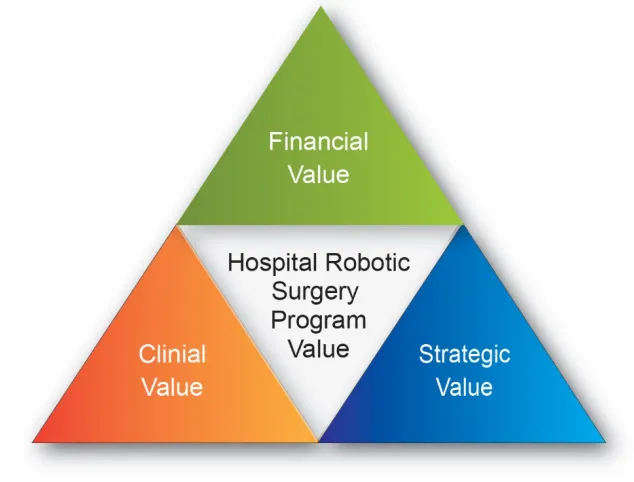
customer value. These taxonomies will prove useful in exploring the dynamics of clinical,
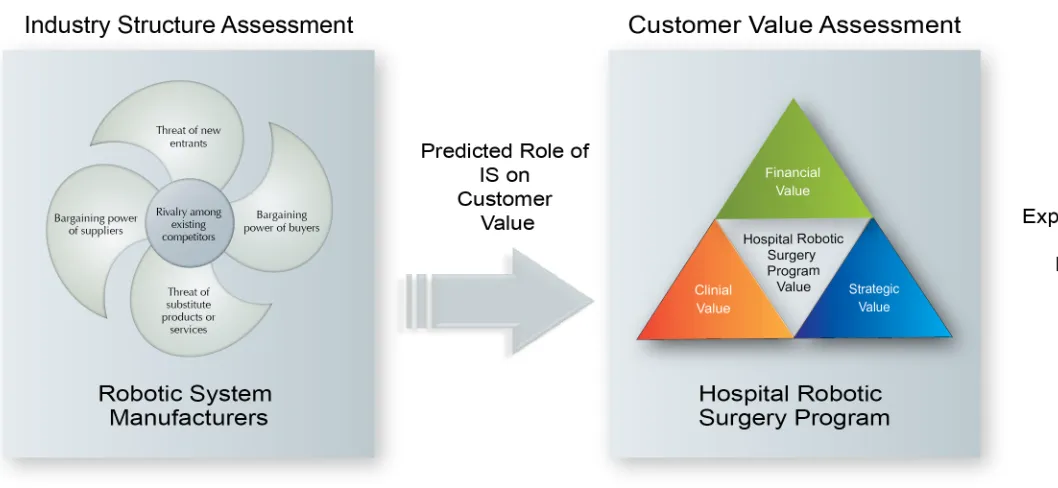
[image:34.612.147.464.132.373.2]strategic and financial (CSF) value within RSPs. (Figure 4: RSP Value Triangle).
Figure 4 Robotic Surgery Program Value Triangle
The literature review included an introduction to the robotic surgery industry, a
discussion of industry structure using Porter’s 5-forces framework, and a culminating look at the
topic of customer value creation. Taken together, the results provide a basis for exploring a new
approach to studying the role of industry structure and customer value in robotic surgery. The
key research question for this proposal is: How can hospitals apply an understanding of supplier
industry structure and customer value to improve the customer value of a RSP? I approached this
proposal by evaluating the industry structure using 5-forces, predicting the role of the industry
structure on customer value, appraising customer value based upon CFS value, and exploring the
interactions between industry and customer value to discover new ways for value creation
17
18
II CUSTOMER VALUE AND INDUSTRY STRUCTURE: AN INTEGRATED & INTERACTIVE APPROACH
II.1 Research Methodology
This research is designed as a process study with the objective of understanding how
industry structure influences the customer value of a RSP. To that end, I conducted a
longitudinal study of the robotic surgery industry formation and the process in which that
formation influenced customer value. In addition to industry structure, I examined associated
customer value across three distinct time periods: 1999 – 2004; 2005 – 2009; and 2010 – 2014. I
have chosen these periods to capture the introduction of robotic surgery, the adoption of robotic
surgery, and the establishment of robotic surgery. For the purpose of this research, the customer
will be defined as hospitals. The design of this research is an industry study with a focus on
showing how industry structure can impact value attained by various customers in the robotic
surgery industry. The unit of analysis will be at the industry level, which includes physicians,
hospitals, and industry participants.
II.1.1 5-Forces
I conducted the research from the industry vantage point of robotic surgery
manufacturers. Analysis was conducted by examining each force and sub-component and
aggregating the appraisal to determine the overall influence of each force. Each force influences
profitability and competitiveness. In order to account for each force, I utilized the definitions and
criteria included in Table 3:5-Forces Definitions and Criteria and Appendix 1: Industry Structure
19
Table 3 5-Forces Definitions and Criteria
(Source: Porter, 2008)
THREAT OF NEW ENTRY
INDUSTRY
RIVALRY SUBSTITUTIONS
BUYER BARGAINING POWER SUPPLIER BARGAINING POWER De fi ni ti on s The likelihood that a new firm will enter the industry to compete with existing firms.
The current level of competitive intensity among existing firms.
The applicability of using similar products that perform the same functions.
The ability of buyers to demand lower prices, more expensive services, higher quality, and/or other terms that increase manufacturer costs.
The ability of suppliers to demand higher prices, and/or other terms that increase manufacturer costs. Cr it er ia • Economies of Scale • Demand-side Benefits of Scale • Government Policy • Capital Requirement • Switching Costs
• Access to
Distribution • Incumbency Advantages Independent of Size • Expected Retaliation • Competitive Balance • Industry Growth • Fixed/Margina l Costs • Differentiation • Overcapacity • Competitive Diversity • Strategic Stakes
• Exit Barriers
• Price-performance Trade-off
• Buyer’s Cost of Switching to Substitute
• Buyer Concentration
• Service Differentiation • Industry Purchases • Backward Integration • Switching Costs • Buyer Margins • Service Importance • Full Information
• Concentration
• Dependency • Switching Costs • Differentiation • Substitutes
20
II.1.2 Threat of New Entrants.
As described by Porter, the threat of new entrants can impact industry profitability due to
increased capacity, price pressures, increased cost to compete, and higher rates of reinvestment
(Porter, 1980). The results, when analyzed, question the likelihood that a new manufacturer will
enter the robotic surgery industry to compete with existing firms (Porter, 1980).
II.1.2.1 Economies of Scale.
Porter describes economy of scale as larger volumes leading to lower cost per unit, which
can appear in almost every activity in the value chain including sales, marketing, research, etc.
(Porter, 1980). Economy of scale serves to improve profitability and improve competitive
positioning by reducing marginal costs (Porter, 1980). I utilized statements related to production
costs, sales volumes, and employee resources to evaluate the deterrence capability of robotic
manufacturers based upon economy of scale.
II.1.2.2 Demand-side Benefits of Scale.
Porter identifies demand-side benefits of scale by the presence of network effects,
generally described as increasing the buyer’s willingness to pay as the number of like buyers
increases (Porter, 1980). Demand-side benefits of scale serve to increase profitability and
strengthen competitive positioning as the size of the network increases (Porter, 1980). Within the
robotic industry, I utilized installation base, pricing, procedural volumes, and clinical
publications data to evaluate the deterrence capability of network effects.
II.1.2.3 Government Policy.
Government rules and procedural formalities can negatively or positively impact
profitability and competitiveness, especially in highly regulated industries like healthcare (Porter,
21
can also affect profit margins via operational costs of government compliance. I utilized
narratives regarding compliance with the Food and Drug Agency (FDA) in the United States, as
well as international equivalents, to evaluate the deterrent capability of government policy
related to robotic surgery (FDA, 2014).
II.1.2.4 Capital Requirement.
Capital requirement can be summed up simply as the funds necessary to compete (Porter,
1980). Industries such as aerospace and robotic surgery may have fewer manufacturers because
of the capital necessary to enter the industry. These capital requirements can impact
competitiveness based upon the size of competitive firms and may impact profitability given the
investment position necessary to produce a viable product and operate within the industry. To
evaluate the presence of capital requirements as deterrence, I utilized current available research,
development funding, and accumulated debt as my primary measurements.
II.1.2.5 Switching Costs.
Switching costs are used in various contexts throughout Porter’s evaluation. In the
context of threat of new entrants, they are the costs buyers face when changing providers, in this
case robotic system providers (Porter, 1980). If hospitals can easily switch between robotic
manufacturers, there is limited deterrent capability presented by the robotic surgery offering.
Moreover, ease of switching has a mitigating impact on pricing and profitability. I considered
installed base and the amount of robotic surgery units in the market as measures of market
penetration that might make switching cost more influential. I also utilized implementation
capital costs, average annual recurring costs, estimates of customer inventory levels, on-going
22
II.1.2.6 Access to distribution.
Access to distribution relates to the ability of the sales and distribution channel to
generate more customers, or, in this case, the ability to implement or expand hospital RSPs.
Current competitors are rewarded with the opportunity to occupy current channels, which is
enhanced if sales channels are limited (Porter, 1980), thereby influencing competitiveness.
Differing sales channels are also characterized by varying cost, and some sales channels may
offer reduced cost of sales. In order to evaluate these factors, I utilized the number of sales and
marketing personnel as well as narratives related to sales and distribution.
II.1.2.7 Incumbency Advantages Independent of Size.
As opposed to economy of scale advantages, incumbency advantages independent of size
are related to advantages such as proprietary technologies, preferential access, raw materials,
experience curve, etc., which may exist regardless of the size of the organization (Porter, 1980).
These advantages influence product competitiveness and profitability. I examined the number of
patents and procedural experience (by volume) to evaluate the deterrent capability of these
advantages.
II.1.2.8 Expected Retaliation.
This sub-construct relates to ways competitors are expected to retaliate based upon
competitive moves (Porter, 1980). This is often related to industry precedent, means to retaliate,
openness of price slashing, or presence of slow industry growth (Porter, 1980). In this industry, I
utilized cash available and legal action as measures to evaluate the deterrence of expected
23
II.1.3 Intensity of Rivalry: Current Competitors.
Competition typically drives down price, diminishing industry participant growth and
profitability. Industry rivalry explores the current level of competitive intensity among existing
firms (Porter, 1980).
II.1.3.1 Competitive Balance.
Porter describes competitive balance as relating to the intensity of rivalry based upon size
and power. Rivalry is greater between firms when they are similar in size and power within an
industry (Porter, 2008). I utilized company revenue, market cap, sales, employee base, and
accumulated deficit to compare manufacturers’ competitive balance.
Industry Growth. This sub-component is simply the rate of growth for the overall
industry. Industries experiencing slower growth rates typically experience intensified rivalry, as
slow growth makes it harder to stay in business (Porter, 1980). I used the overall industry growth
rate to demonstrate this measure.
II.1.3.2 Fixed/Storage Costs.
A high fixed and storage cost creates pressure on manufacturers to cut prices, which
intensifies industry rivalry (Porter, 1980). I considered total assets as a measure to evaluate fixed
and storage costs.
II.1.3.3 Differentiation.
How unique is the product or service offered by each manufacturer? The lack of
differentiation between offerings will reduce switching costs and increase industry rivalry
(Porter, 1980). I utilized product characteristics to evaluate the differentiation between product
24
II.1.3.4 Overcapacity.
If economies of scale require capacity to be added in large increments, overcapacity and
subsequent price-cutting may result (Porter, 1980). I utilized comments regarding production
levels and evidence of price-cutting to evaluate overcapacity.
II.1.3.5 Competitive Diversity.
A robotic manufacturer with different goals or business methods may confuse fellow
competitors in the market (Porter, 1998). When firms cannot read competitors’ actions and
signals well, competitive diversity is broad and industry rivalry may intensify (Porter, 1980). I
compared corporate goals, objectives, and strategies to evaluate the diversity of industry
competitors.
II.1.3.6 Strategic Stakes.
Rivalry intensifies if firms have a high need to achieve success in a particular industry
(Porter, 1980). In some cases, the importance of the industry may not only increase
competitiveness but also sacrifice profitability (Porter, 1980). I utilized language from annual
and quarterly reports to gauge corporate aspirations and evaluate the importance attached to the
industry.
II.1.3.7 Exit Barriers.
What are the factors that prevent an industry participant from exiting the industry?
Sometimes there are assets, costs, or strategic relationships that create high exit barriers, holding
some industry participants captive (Porter, 1980). I utilized an estimation of assets, inventories,
25
II.1.4 Pressure from Substitutes.
Substitutes are similar products that perform the same functions (Porter, 1998). In robotic
manufacturing, substitution consists of alternative minimally invasive surgical treatments,
minimally invasive non-surgical treatments, and traditional surgical approaches. Substitutions
generally limit industry profitability by placing a ceiling on potential returns when compared to
the cost of the next best alternative (Porter, 1998). I determined the threat level of industry
substitutes by examining the sub-constructs of price-performance trade-off and the buyer’s cost
of switching to the substitute.
II.1.4.1 Price-performance Trade-off.
This sub-component is the relative value of a substitute product or service (Porter, 1998).
In the robotic industry, price-performance trade-off is the relative value provided through
alternative surgical techniques, like laparoscopy, in comparison to robotic surgery. I used clinical
comparison data to evaluate the comparative value of open surgery and laparoscopy to robotic
surgery.
II.1.4.2 Buyer’s Cost of Switching to Substitute.
As opposed to exploring relative value, this sub-component focuses on the cost for the
buyer to switch to or from the substitute. Within the robotic surgery industry, this involves the
cost for hospitals to switch to or from alternative surgical techniques to robotic surgery. I utilized
capital cost, instrument cost, and procedural cost data to evaluate the deterrence of buyer’s cost
26
II.1.5 Buyer Bargaining Power.
Buyers compete with manufacturers for profitability within the value chain. Formidable
buyers reduce industry participants’ profitability by demanding lower prices, more expensive
services, higher quality, and other activities that increase manufacturer costs (Porters, 1998). To
understand buyer influence, eight factors must be examined: concentration of buyers, service
differentiation, industry purchases, backward integration, switching costs, buyer margins, service
importance, and full information (Porter, 1980 and 2008).
II.1.5.1 Buyer Concentration.
This sub-group relates to the quantity of buyers or the aggregation purchases (Porters,
1998). Buying in volume affords buyers influence over price, quality, or alternative terms. I
utilized data regarding hospital purchasing, groups purchasing organizations, and the hospital
industry to evaluate buyer concentration.
II.1.5.2 Product or Service Differentiation.
Similar to the discussion of industry rivalry, differentiation relates to uniqueness of
products or services for each hospital customer. The lack of customization increases buyer power
as buyers play one vendor against another for improved terms (Porter, 1998). I utilized product
characteristics to evaluate the differentiation between product offerings.
II.1.5.3 Industry Purchases.
What percentage does the cost of product purchases in the robotic industry represent in
relation to total cost structure, or specifically, to operating room cost structure (Porter, 1998)?
Buyers tend to be less cost sensitive if industry purchases represent a small fraction of total
27
cost, procedural cost, and recurring operating cost were used as a measure of industry purchases
in this study.
II.1.5.4 Backward Integration.
This concept represents the ability of a customer to credibly provide the product or
service produced by the industry manufacturer (Porter, 1998). Can hospitals manufacture and sell
robotic surgery systems? To answer this question, competitive activity and narrative information
were used to evaluate the ability of customers to create and distribute robotic surgery systems.
II.1.5.5 Switching Costs.
Similar to the evaluation of switching costs within threat of new entries, here I evaluated
switching costs involved with changing vendors (Porter, 1998). How well does the purchase
commit a buyer to a particular vendor (Porter, 1980)? In the case of robotic surgery, the purchase
of a robotic system locks a hospital into an instrument vendor and service contract. I utilized
instrument and system cost information to evaluate the strength of switching costs to influence
buyer behavior.
II.1.5.6 Buyers Margins.
When buyers experience tight profit margins or pressure to reduce costs, they tend to be
more price sensitive (Porter, 1998). Within the healthcare industry, hospitals are seeing
reimbursements decrease while cost of care is increasing. Consequently, the industry tends to be
price sensitive. I utilized hospital industry data and narratives to evaluate cost pressures of buyer
margins.
II.1.5.7 Product or Service Importance.
This construct evaluates the impact of the product or service on the buyer’s offering when
28
tend to be less cost sensitive (Porter, 1980). In the robotic surgery industry, this is a measure of
robotic surgery’s effect on a hospital’s ability to deliver care or particular outcomes. I utilized
clinical data and narrative information to assess the importance of robotic surgery to a hospital’s
clinical offerings.
II.1.5.8 Full Information.
The more information the buyer has regarding the product offering, the greater his ability
to influence price and negotiated terms (Porter, 1980). In the robotic industry, manufacturers
largely drive disclosure. I estimated industry disclosure based upon published secondary reports.
II.1.6 Supplier Bargaining Power.
Suppliers also compete with industry participants to increase margins and profitability
through higher supply costs, quality of goods and services, labor costs, and other more favorable
terms (Magretta, 2013). To evaluate supplier bargaining power I considered the following six
factors: supplier concentration, supplier group dependency, supplier switching costs, supplier
differentiation, supplier substitution, and supplier credibility to integrate forward (Magretta,
2013).
II.1.6.1 Concentration.
If the supplier industry is less fragmented than the industry it is supplying, then suppliers
exhibit increased bargaining power (Porter, 1980). In the robotic surgery industry, this measure
fluctuates between necessary materials. For example, the 3D endoscope manufacturing industry
is more concentrated than the paper or medical drapes industry. I utilized product knowledge
specific to the robotic surgery industry and its limited manufacturers to estimate supplier
29
II.1.6.2 Dependency.
Greater supplier dependency on a particular industry weakens the bargaining power of
suppliers within an industry (Porter, 1980). If endoscope manufacturers only produced robotic
endoscopes, for example, they would have limited negotiating power. Since supplier volumes are
greater in general laparoscopy than in robotic surgery, bargaining power with robotic
manufacturers is enhanced. I utilized robotic surgery industry product knowledge, as well as the
importance of those products based upon product contributions, to estimate supplier dependency.
II.1.6.3 Switching costs.
In this case, switching costs measure the cost of robotic manufacturers switching
suppliers. As with other switching costs, the higher the cost of the switch, the weaker the
bargaining power of the entity contemplating the switch (Porter, 1998). I utilized robotic
manufacturer statements regarding alternative suppliers to evaluate the presence of switching
costs.
II.1.6.4 Differentiation.
In this context, differentiation refers to the uniqueness of supplier parts or services
(Porter, 1980). Higher levels of customization result in higher supplier bargaining power. I
utilized robotic manufacturer statements regarding customized parts and services to evaluate the
influence of differentiation.
II.1.6.5 Substitution.
Here, substitution relates to whether there is an alternative product or service for what the
supplier provides (Porter, 1980). The more applicable the substitute, the lower the supplier
bargaining power. I utilized robotic manufacturer statements regarding supplier alternatives
30
II.1.6.6 Forward Integration.
Can the supplier realistically create the end product? Can the endoscope manufacturer not
only manufacturer the vision system, but also manufacture and sell a robotic surgery system? I
estimated the likelihood of supplier ability to forward integrate based upon supplier core
competencies, demonstrated capabilities, and corporate statements.
The topics of robotic surgery and healthcare are both contemporarily and socially
complex. The industry analysis not only supports the practicum of our recommended use for
practitioners, but this format also affords increased boundary flexibility to explore issues of
context based upon the vast and extensive nature of publically available information on the
industry.
II.2 Customer Value
In order to assess the customer value of robotic surgery, one must define the customer
and specify ‘what value is’ for that particular customer. As previously discussed, this research
defines ‘customers’ as hospitals. Although patients and surgeons could also be included, value to
hospitals inherently reflects perception of value to patients and/or surgeons. Representative value
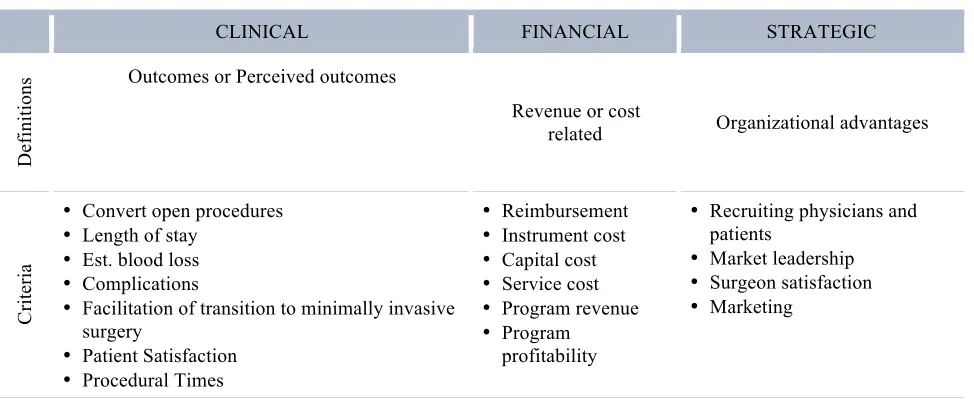
for these stakeholders has been defined as clinical, financial, and strategic value (Table 4: Value