ABSTRACT
BROWN, SETH NICHOLAS. The Role of the Professional Learning Team (PLT) in the Planning, Teaching, and Assessment of Inquiry-based Learning in Social Studies. (Under the Direction of Dr. John K. Lee).
This case study explored the role of a Professional Learning Team (PLT) in the planning, teaching, and assessment of inquiry-based learning in social studies with a single high school, world history PLT consisting of four teachers. Theories of constructivism and pedagogical content knowledge provided a framework for the study. Data were analyzed in a two-stage eclectic coding process. Three data sources were used, including interviews, observations of PLT meetings and classes, and teacher and student created documents.
The implications from the findings from this study indicate that teachers who plan to implement inquiry as a new instructional practice should consider working with a PLT. When designing an inquiry, teachers should choose a topic with which they are familiar and have appropriate sources available. The lack of teacher content knowledge on the content topic made it difficult for these teachers to find the appropriate sources to support student learning. The findings also imply that teachers should design pedagogy so students are able to actively collaborate with peers. Finally, because the assessment was woven throughout the inquiry, teachers need to be clear and deliberate with regards to planning the assessments and be careful if any modifications are made to the assessments.
The Role of the Professional Learning Team (PLT) in the Planning, Teaching, and Assessment of Inquiry-based Learning in Social Studies
by
Seth Nicholas Brown
A dissertation submitted to the Graduate Faculty of North Carolina State University
in partial fulfillment of the requirements for the degree of
Doctor of Philosophy
Curriculum and Instruction
Raleigh, North Carolina 2018
APPROVED BY:
_______________________________ _______________________________
John K. Lee Meghan M. Manfra
Committee Chair
_______________________________ _______________________________
DEDICATION
BIOGRAPHY
Seth Nicholas Brown began his career in education as a North Carolina Teaching Fellow. After serving as a middle and high school social studies teacher for five years, he became a North Carolina Principal Fellow and served as the principal of a middle and a K-8 school. He then became the Teacher Support Coordinator and is currently the Director of Educator Support and Leadership Development with Pitt County Schools, where he taught his entire career. He currently co-directs a $16M federal grant and a $5M state grant focused on Recruiting, Retaining, and Rewarding
excellent educators to stay in the classroom working with students and teachers.
ACKNOWLEDGMENTS
I would like to acknowledge my advisor, Dr. John Lee, who worked continuously with me over the last several years on the IDM process. I have learned a great deal from your writing style and how to more efficiently communicate my points. Your guidance was invaluable.
I would like to acknowledge my colleagues and graduate student friends. You all inspired me on the way to National Conference to keep moving forward by taking small steps. You coached me and guided me. You listened to me and I’m pretty sure we learned from each other.
Thomas Feller deserves particular mention. Having the opportunity to learn from and with him has been an honor. He is a writer and an editor. A thinker and a researcher. He can ask pointed questions and has mastered APA, so it’s part of how he does things. His careful eye and time was invaluable.
The PLT that invited me into their rooms are an amazing group of women. They are strong and independent. They are masters of their craft and constantly push each other to learn and grow. It was an honor to observe the learning process and I so appreciate them being vulnerable enough to allow me to document how and what they learned so others can learn from them.
To my family, especially mom and dad, who were there with all kinds of support and needed phone calls on long rides home. You have been with me all the way.
TABLE OF CONTENTS
LIST OF TABLES ... vii
LIST OF FIGURES ... viii
CHAPTER ONE: INTRODUCTION ... 1
Statement of Purpose and Research Questions ... 4
Significance of Study ... 5
Research Methods Summary ... 7
Chapter Summary ... 8
CHAPTER TWO: LITERATURE REVIEW ... 9
Theoretical Framework ... 10
Constructivist Theory ...10
Pedagogical Content Knowledge (PCK) ...12
Assessing Student Understanding ... 13
Assessment in the IDM ...17
Inquiry in Social Studies ... 20
Constructivism and Inquiry...22
The Inquiry Design Model ...26
Professional Learning Teams (PLT) ... 29
Professional learning in teams ...30
Summary of the Literature ... 33
CHAPTER THREE: METHODOLOGY ... 35
The Research Problem ... 35
Case Study Design ... 37
Sample Selection ... 37
Single-case, Embedded Design ... 39
Embedded units of analysis ...40
Data Sources and Collection ... 43
Principles of data collection ...43
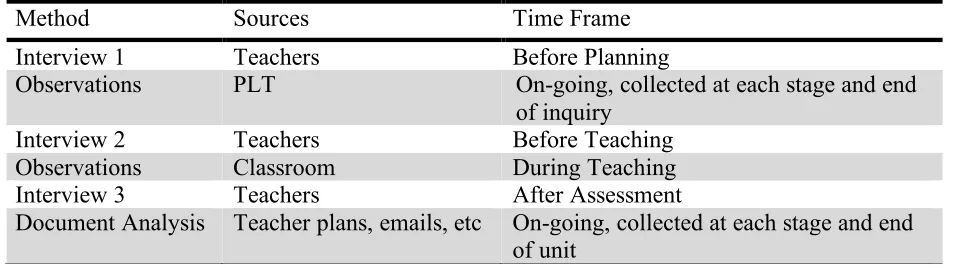
Multiple data sources ...44
Data Analysis ... 48
Coding ...50
Case Study Quality ... 54
Internal validity or credibility ...55
Reliability or consistency...56
External validity or transferability ...57
Ethics ...57
Role of the researcher ...58
Subjectivity statement...59
Summary of Methodology ... 60
CHAPTER 4: FINDINGS ... 61
Structure of the Findings...67
Planning an Inquiry as a PLT ... 69
Learning the IDM Pedagogy ...70
The Impact of Teacher Content Knowledge ...78
Using Individual Strengths to Help the Team ...84
Individually Teaching a Co-Planned Inquiry ... 88
Independent Pedagogical Strategies ...90
Encouraging Student Engagement ...94
Skills Students Need in Order to Inquire ... 103
Assessing Learning during an Inquiry ... 111
Assessing While Teaching the Inquiry ... 111
Assessing Understanding through Formative Task ... 112
Wide Range in the Summative Performance Task ... 119
Conclusion ... 126
CHAPTER 5: DISCUSSION ... 129
Summary of Findings ... 129
Planning an Inquiry ... 131
Implementing an Inquiry ... 132
Assessing an Inquiry ... 135
Recommendations for Future Research ... 138
Limitations ... 139
Conclusion ... 140
APPENDICES ... 141
Appendix A ... 153
Appendix B ... 154
Appendix C ... 155
Appendix D ... 156
Appendix E ... 157
Appendix F ... 158
Appendix G ... 159
Appendix H ... 160
Appendix I ... 162
Appendix J ... 177
Appendix K ... 178
Appendix L ... 183
Appendix M ... 187
Appendix N ... 188
Appendix O ... 189
Appendix P ... 193
Appendix Q ... 199
Appendix R ... 205
LIST OF TABLES
LIST OF FIGURES
Figure 3.1. Single-case, Embedded Design Diagram ... 42
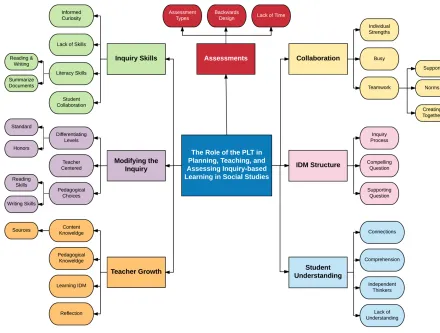
Figure 3.2. Mind Map of the Seven Coding Themes ... 52
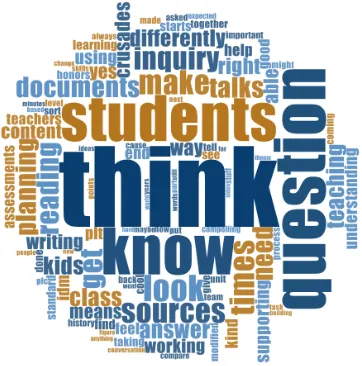
Figure 3.3. Word Cloud of Stemmed Words ... 53
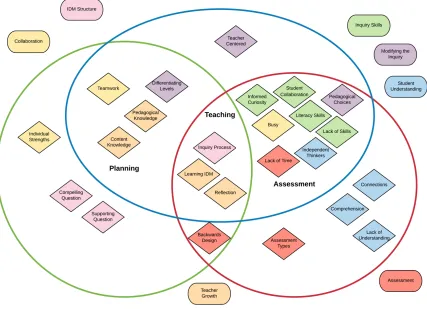
Figure 3.4. Venn Diagram of Coding Themes ... 54
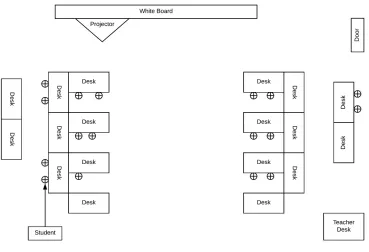
Figure 4.1. Ms. Dae’s classroom map on Day 1 ... 63
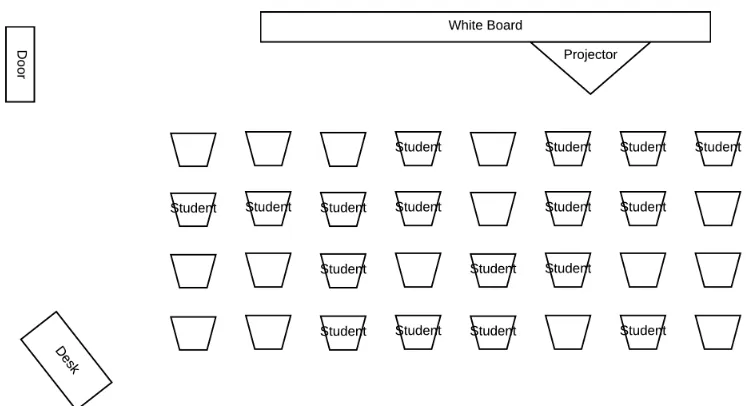
Figure 4.2. Ms. Green’s classroom map on Day 1... 65
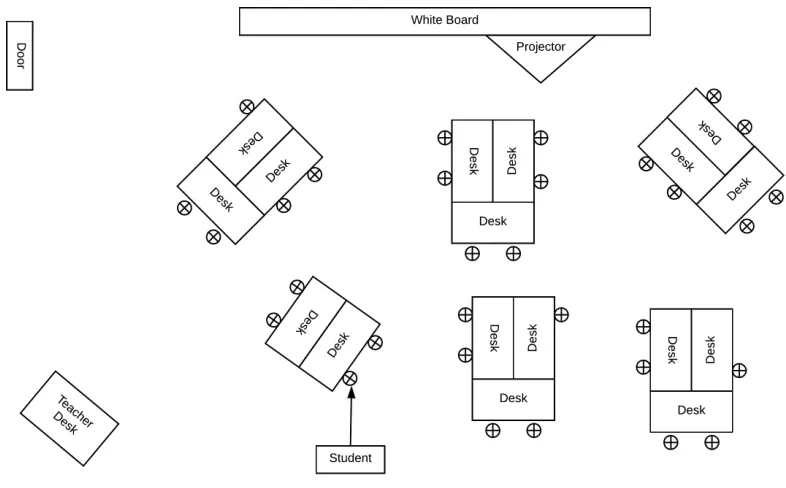
Figure 4.3. Ms. Kagel’s classroom map on Day 1 ... 66
CHAPTER ONE: INTRODUCTION
The Professional Learning Team (PLT) is a useful structure for supporting teachers as they plan, teach, and assess student understanding. Louis and Kruse (1994) and later DuFour and Eaker (1998) described five characteristics of school-based PLTs including shared values, reflective dialogue, derivatization of practice, focus on student learning, and collaboration. In a PLT teachers collaborate on the right issues to impact child and adult learning (DuFour, 2013). When teachers work together to improve student achievement, the PLT can be a powerful framework to organize how teachers impact student understanding and learning.
The political structure of social studies education and the climate of testing have had a profound impact on what and how social studies is taught in public schools. The No Child Left Behind Act (2002) (NCLB) established national rules and procedures that focused on the tested subjects and left social studies in a tenuous situation as a core subject (Fitchett & Heafner, 2010). Researchers and scholars have noted that after the implementation of NCLB, social studies was deemphasized in schools in favor of tested subjects, impacting curriculum time devoted to social studies in the early grades and administrative support for social studies (Anderson, 2014;
Patterson, Chandler, & Dahlgren, 2013; Rock et al., 2006). Through NCLB, legislators set a goal that all public education students would be proficient in reading and math by 2014, with
students focusing on the skills they would need to be successful in careers and working with others to solve problems (Richardson, 2017).
In this context, the College, Career, and Civic Life (C3) Framework for Social Studies State Standards was published by the National Council for the Social Studies (NCSS) (2013) in an effort to unify social studies academic disciplines and emphasize skill-based civic oriented inquiry. The C3 Framework and the associated emphasis on inquiry aimed to reinvigorate social studies and reclaim the ground that social studies lost in the preceding decades (Lee & Swan, 2013). However, asking teachers to change instructional practices is a daunting task (Hall & Hord, 1987; Herczog, 2014). This study is situated in the wake of the C3 Framework given the difficulties of curriculum change.
learning and teaching is difficult to achieve when teachers focus more on transmitting factual knowledge than helping students construct a deep understanding of the content through the use of primary sources (Newmann, 1995; Newmann & Wehlage, 1993). Inquiry serves as a way to move beyond transmitting a canon of knowledge to creating academically rigorous and authentic instruction grounded in students’ experiences.
Planning and implementing inquiry-based instruction can be difficult given that inquiry emerges from encountering challenges characterized by doubt, difficulty, conflict, and mystery. As a result, this style of pedagogy represents a major theoretical shift for teachers (Barell, 2008; Short et al., 1996). Dewey (1916) explained that, “all thinking involves risk” (Dewey, 1916), so planning and teaching with inquiry and the thinking that is involved with it can be an
unpredictable path for a teacher. Working together with other teachers is one way to lessen teachers’ risk and it underscores the importance of a study on the process of how teachers plan, teach, and assess an inquiry as a team.
Arthur Koestler (1972) developed the term holonomy to describe the symbiotic
need to adopt new practice in an active way while having a positive impact on student
understanding (Hord, 2009). Each teacher in a PLT supports the other teachers and, therefore, the overall learning outcomes for students are important to the PLT as well as to the individual teachers.
Teachers’ expertise and autonomy is honored in IDM by providing a different model of designing engaging inquiry-based learning for students (Grant, Lee, & Swan, 2015; Swan, Lee, et al., 2015). The IDM is not a step-by-step set of directions for instructors to follow, but rather provides over-arching goals for teachers to make professional, pedagogical decisions based on what is best for their students tolearn in the process of answering the compelling question. IDM was designed to be different in each classroom and the expectation is that even in a co-planned inquiry, the implementation of a specific inquiry may not look the same in each class.
Statement of Purpose and Research Questions
This study investigated how individual teachers planned, taught, and assessed inquiry-based instruction as autonomous instructors in their own class as well as the role of collaboration when working in a PLT. The research questions for this study were:
1. Planning - How do teachers in a high school, world history PLT collaborate when planning for inquiry-based instruction?
2. Teaching - How do teachers in a PLT individually implement a co-planned inquiry in their classes?
a. What are some conscious decisions made by individual teachers as they teach the inquiry in their class?
3. Assessing - How do teachers in a PLT assess student understanding in their individual classes when teaching a co-planned inquiry?
a. How do teachers in a PLT reflect on their teaching based on the assessments? A group of high performing high school teachers in a world history PLT participated in this research. Individually, each of the teachers demonstrated their effectiveness on standardized assessments. The teachers created and shared innovative practices on the county and state level on several occasions. They redesigned their world history class for the 2015-16 school year based on major themes rather than chronology and designed an entire course packet of sources to support the redesign. However, when introduced to the concept of inquiry in social studies, specifically the IDM, they did not initially embrace it as a PLT. Instead of designing inquiries, they redesigned the world history pacing guide using the structure of IDM for creating thematic units. In 2016, one teacher in the PLT won an award from C3 Teachers (c3teachers.org), for an inquiry designed for an elective class on the Holocaust. As an individual, she planned, taught, and assessed the inquiry, but did not bring the inquiry to her PLT.
If this innovative, creative, and effective group of teachers was hesitant to teach an inquiry, the question remained why that was the case. The C3 Framework and Inquiry Design Model embraced by the NCSS was, by design, a decentralized, grassroots curriculum initiative. If the concept was to spread among teachers, it is important to understand how teachers plan, teach, and assess inquiries as a PLT and to know the challenges and benefits of why this model might be shared among teachers.
Significance of Study
acknowledge that often change is “laid on” teachers who then have to address the challenges of the change on their own (Hall & Hord, 1987, p. 17). Hall and Hord (1987) further explained that when teachers implement a new curriculum initiative it is important that the change be organized towards a shared vision. To implement a change, teachers need to feel supported in adopting, collaborating, and refocusing the change. IDM was created to honor teachers’ knowledge and expertise as well as to enable access through open source platforms encouraging collaboration and support among teachers (Swan, Lee, et al., 2015). The open source format through which inquiry-based curriculum materials were shared by organizations such as C3 Teachers as well as on district websites encourages individual teachers to take an inquiry and personalize it to meet the individual needs of their students. This makes the process of sharing, planning, teaching, and assessing inquiries in social studies a grassroots process. By design, there is no one central curriculum authority developing inquiries.
IDM has also been supported by formal efforts, including $3 million in funds from Race to the Top to develop the New York Social Studies Toolkit Project (Swan, Grant, & Lee, 2015a). Inquiries from the New York Social Studies Toolkit Project were written by practicing teachers, which again placed an emphasis on grassroots and teacher-centered activities. After New York’s formal initiative ended, teachers were encouraged to continue creating and implementing
inquiries in their classrooms. This research examines how teachers continued the process. PLTs are one way to support teachers as they use inquiry in their classroom.
understanding that comes from reflective dialogue about opening up classroom practice, and could in turn provide teachers the support that may be needed to adopt inquiry in social studies (Louis & Marks, 1998).
This study examined three stages of how a PLT implemented an inquiry. It examined how individual teachers were able to plan an inquiry as part of a PLT, how teachers scaffolded the learning to meet the needs of the students they taught in their individual classes, and how teachers in a PLT assessed both student learning as well as how they engaged in reflection on their own learning. Both the PLT and the individual teachers were examined to determine the role of the PLT in the implementation of the inquiry.
Research Methods Summary
This study used a single-case, embedded design to explore how a high school, world history PLT planned, taught, and assessed student understanding using inquiry-based learning. The case was bound by a world history PLT consisting of four teachers at a high school. The case followed the PLT from the planning stages through the assessment stages of one inquiry during the 2017 fall semester.
Methods from Merriam (1998), Merriam and Tisdell (2016), and Yin (2014) were used in the design of the study as well as when collecting and analyzing the data. The research methods chosen aligned to a constructivist epistemological stance and provided an efficient way to answer the research questions. Three interviews were conducted with each of the four teachers: one before the planning started, one before teaching the inquiry, and one after the assessment
Data were collected using a variety of contact sheets, protocols, and memos in a research journal. The interviews were audio recorded and the observations were video recorded. All audio and video data collected were transcribed as well. Eclectic coding was used during the first stage of coding before determining which second stage of coding is most appropriate (Saldana, 2016).
Chapter Summary
CHAPTER TWO: LITERATURE REVIEW
In the era of high-stakes testing and accountability, it has been imperative that systemic changes foster a culture of inquiry and continuous improvement at all levels to transform schools (Darling-Hammond, Wilhoit, & Pittenger, 2014). Therefore, the way teachers plan, teach, and assess student understanding needs to be aligned from the theoretical framework to the actual assessment used to determine what is being learned. Constructivism provides teachers who adopt an inquiry-based pedagogy with a framework that aligns to how they teach their students. Instead of simply listening to a teacher lecture on an historical event, students actively engage in and construct their understanding. The Inquiry Design Model (IDM) provides teachers with a practical structure to build inquiries that aligns to constructivist theory (Grant, Swan, & Lee, 2017). With IDM, teachers aim to engage students with a compelling question and then structure the lesson using supporting questions and historical sources to provide students with the
evidence they need to construct their individual answer to the compelling question. That structure allows students to complete the summative assessment task of communicating an informed action based on what was learned. Likewise, in order to learn how to teach students using inquiry, professional learning teams (PLT) have allowed teachers to collaborate with other teachers as they construct their own professional learning about how to plan, teach, and assess student understanding. PLTs enable teachers to learn in a fashion similar to how they taught their students.
This chapter contains a review of the literature that framed the study and provided a research foundation for key concepts and topics through four sections. The first section on the theoretical framework provides an overview of constructivism and pedagogical content
assessing student understanding outlines the construct of student understanding and the role assessment plays in the process of planning, teaching and assessing understanding. The concept of inquiry is reviewed in the next section, consisting of an examination of inquiry in social studies, a review of the C3 Framework’s Inquiry Arc, and a review of the Inquiry Design Model (IDM). Finally, the section on professional learning teams (PLTs) outlines the research on the impact of how teams of teachers impact student and teacher understanding.
Theoretical Framework
Constructivism and pedagogical content knowledge frame this research. Constructivism is a theoretical guide for how students and teachers learn while teaching inquiry. Pedagogical Content Knowledge provides a way to examine the professional knowledge of the teachers in the PLT and how they learned and taught content and pedagogy.
Constructivist Theory
Constructivism is a theory of learning focused on the learner’s construction of meaning and thinking both through individual cognitive and social activities (Bruning, Schraw, & Norby, 2011; Fosnot & Perry, 2005). Learning is viewed as a constructive process, not a receptive one (Bruning et al., 2011; Dewey, 1916; National Research Council, 2000; Newmann, 1995; Piaget, 1970), so constructivist teachers believe students learn best when they actively experience learning rather than passively listening and absorbing the expertise of teachers. A student’s experiences in the world is key to their understanding of the world. Therefore, the role of the teacher in constructivist classrooms is to allow students to ask and find answers to questions, to ponder contradictions, to generate hypotheses based on evidence, and to communicate
plan, teachers need to be familiar with, respect, and use students’ prior knowledge and
experiences to help them connect current ideas to the new ideas being learned (Brooks & Brooks, 1999). Deep reflections, struggling with difficult concepts and questions, and dialogue with others help students develop the connections and self-organization needed to learn (Dewey, 1916; Fosnot & Perry, 2005). Constructivist learning also involves assessing students’ higher-order thinking and deep knowledge that requires multiple opportunities for students to learn, think through, fail, and reconstruct understanding (Newmann, 1995). So, instead of a single summative assessment, constructivist teachers use formative assessments to create opportunities to learn from prior misconceptions (Wiggins & McTighe, 2005).
Constructivist teachers believe that individuals construct understanding through cognitive and social processes based on prior experiences using internal, external, and social processes (Bruning et al., 2011; Costa, Garmston, Hayes, & Ellison, 2016; Newmann, 1995; Vygotsky, 1978). As individuals construct their own meaning through a lived experience, constructivist teachers aim to study the multiple realities and implications of those on people’s lives and interactions (Patton, 2002). Learning is socially constructed and individually integrated (Costa et al., 2016). Therefore, constructivists do not seek a single truth or point of view. Instead of seeking a right or wrong reality, constructivists use another’s view of the world to unpack their own view and how that impacts their commitments (Bruner, 1990). Therefore, teachers planning an inquiry should consider the different ways students see and understand a concept embedded in a compelling question.
built on a foundation of cognitive development and deep understanding because learning is non-linear and complex (Fosnot & Perry, 2005). Knowledge construction based on authentic task-based learning allows students to gain real world experiences that are worthwhile, significant, and meaningful while encouraging thoughtful reflection in constructivist classrooms (Archbald & Newmann, 1988; Newmann, Brandt, & Wiggins, 1998; Newmann, Marks, & Gamoran, 1996). Scholars such as Vygotsky (1978) focused on the social processes of constructing learning between the teacher and students, specifically using the Zone of Proximal Development (ZPD) to help scaffold understanding beyond what learners might individually accomplish (Bruning et al., 2011; Fosnot & Perry, 2005).
Rather than receiving a canon of factual history, constructivists believe that students need to construct cognitive links with what they learn because thinking the use and application of knowledge, not acquisition of knowledge (Bruner, Goodnow, & Austin, 2009). Students acquire knowledge by inquiring, struggling, thinking, and discussing factual knowledge to make
meaning as individuals and with the teacher. Wiggins and McTighe (2005) describe the process of students building understanding as reading the agreed upon facts while “reading between the lines” to infer the connections. As they teach, teachers are able to help students push the limits of their individual understanding by scaffolding support which allows them to comprehend
information beyond individual capacity (Vygotsky, 1978). All of this is done because understanding happens best when individuals construct and then apply thinking. Pedagogical Content Knowledge (PCK)
provides a useful way to examine not only the specific subject matter content teachers need to possess, but also the required knowledge of how best to transfer that subject knowledge to learners as teachers plan, teach, and assess understanding (Ormond & Cole, 1996). The connection between knowing the appropriate content to teach along with how best to help learners understand it is critical for teaching effectiveness (Ormond & Cole, 1996; Shulman, 1987).
Shulman (1986) explains that the focus on content knowledge serves to enhance pedagogical knowledge to properly blend the two aspects of teaching. The intersection of pedagogical content knowledge is important because it recognizes the dual importance of not only knowing how to teach, but also having a deep understanding of the content to make what is being learned a deep, rigorous, and authentic experience. Even though inquiry-based learning is a student-centered pedagogy, teacher comprehension of the content is even “more critical for the inquiry-oriented classroom than for its more didactic alternative” (Shulman, 1987, p. 7). Teachers serve as the source of understanding with regards to content knowledge in inquiries, because they are often the ones finding and selecting historical sources. Shulman (1987) argues that comprehension of the content on its own is not enough because that understanding has to be linked to the judgments and action that lead to pedagogical decisions. In order to plan, teach, and assess an inquiry, a teacher must have a balance of pedagogical content knowledge.
Assessing Student Understanding
& McTighe, 2005). Parker, Lo, Yeo, Valencia, Nguyen, Abbott, Nolen, Bransford, and Vye (2013) analyzed the difference between simply covering the curriculum for students who plan to take an Advanced Placement (AP) test versus aiming for true understanding of the material, which results in engagement, deep conceptual learning, and the ability to transfer concepts. Students can learn facts or dates that apply in one historical context, yet still not understand how to transfer that knowledge to another context; understanding a concept allows students to transfer what was learned in one situation and apply it when faced with something new (Wiggins & McTighe, 2005). Wiggins and McTighe’s (2005) Understanding by Design (UbD) described the importance of student understanding and the process teachers use to plan, teach, and assess understanding.
The pattern of planning, teaching, and assessing is common throughout education. “All purposeful and effective teachers follow a cycle of plan-revise-teach-assess-reflect-adjust many times” (Wiggins & McTighe, 2005, p. 8). This process is something that is familiar to all teachers, yet it can follow different patterns with varying levels of effectiveness. Within the planning, teaching, and assessing process, powerful assessments are what brings everything together towards students’ understanding (VanSledright, 2013). One common misconception among teachers that may cause student misunderstanding is a belief that expert teaching automatically leads to understanding (Wiggins & McTighe, 2005). That misconception is
referred to as the Expert Blind Spot. Just because a teacher understands a concept does not mean that their teaching of it leads to student understanding. To combat the Expert Blind Spot,
places more emphasis on the assessment as a way of ensuring that teachers are reliably achieving understanding in their students, so that learning (rather than teaching) remains the focus.
Assessment is the process teachers use to determine how much students understand about the overall learning outcomes, achievement targets or performance standards (Wiggins &
McTighe, 2005). Understanding is a construct that is central to producing deep student learning and helps to differentiate between lower level knowledge of facts and a lasting comprehension of concepts using higher-order, critical thinking skills. Assessment is crucial in the effort to form understanding and is used as part of instruction to redirect misunderstanding into understanding. It is also central in determining if students understand what is being taught. The backwards part of backwards design is most evident in the role that assessment plays in planning. Stage 2 -- determining acceptable evidence -- is where the UbD process departs from standard practice of many teachers (Wiggins & McTighe, 2005). In this move, teachers determine what evidence needs to be collected before determining the activities used to collect it. This process places assessment in a key role in the planning process instead of being used as an afterthought.
In order to measure understanding, an assessment needs to clearly align with a curriculum goal and be a valid measure of the desired outcome (Wiggins & McTighe, 2005). In planning an assessment, Wiggins and McTighe (2005) pointed to the importance of three basic questions: 1) What kind of assessments of student learning do we need?; 2) What specific characteristics in student responses, products, or performances should we examine?; 3) Does the proposed
(Wiggins & McTighe, 2005). VanSledright (2013) explained how well-planned assessments can guide students to understanding while conducting an inquiry. This requires assessments to move from a summative ranking of students towards a process of learning from misunderstanding as students construct their own understanding. It is also important to vary assessments so there are different measures of understanding over time using different types of assessments (Wiggins & McTighe, 2005). This allows for different snapshots to be taken to more fully determine
understanding.
A rigorous and relevant assessment can be framed by answering an essential or
compelling question or through a performance assessment. Wiggins & McTighe (2005) used the six facets of understanding to provide a helpful scaffold of the types of understanding to collect evidence. The six facets that can be used to measure an assessment are 1) Explanation; 2) Interpretation; 3) Application; 4) Perspective; 5) Empathy; and 6) Self-Knowledge.
It is also important that an assessment accurately measures what it is intended to measure. Wiggins & McTighe (2005) suggested that an assessment may not be valid if a student who does not possess understanding could still perform well or, conversely, if the student could perform poorly despite understanding the topic. An assessment is thought to be valid when
understanding and assessment are aligned.
Assessment in the IDM
A compelling question provides the foundation for what is to be assessed during an inquiry. It engages students in seeking answers to historical problems across the social studies disciplines that are based on historical evidence, reflect their interests, and help them learn potential new and controversial curriculum (Bain, 2005; Grant, Lee, & Swan, 2014; Grant, Lee, et al., 2015). In crafting the compelling question, teachers must provide students with a choice to make on a historical problem based on the evidence provided in the sources. This requires students to tap into the various disciplines of the social studies and provides a focus throughout the inquiry that students can loop back to as their understanding evolves instead of simply choosing a quote from a textbook to fill in a bubble on a test (Parker, 2012). A compelling question does not lead students to a pre-determined answer, but instead allows students to think by using disciplinary skills to examine primary sources to create conclusions and informed action. This process of wrestling with the question to find an answer is the way students learn the civic skills of thinking and reasoning through social problems (Dewey, 1916). The compelling question serves a similar purpose as Wiggins and McTighe’s (2005) essential question in that: it is an overarching focus for the IDM; it is open-ended while leading to specific understanding; and it is essential for developing successful citizens and learners.
The IDM uses supporting questions to build and construct understanding. The supporting questions are framed to allow students to become curious about a topic and then to use
understanding so the acquisition of factual knowledge is woven into the process of learning-doing-reflecting with opportunities for higher order thinking and in-depth understanding (Grant, 2013; Newmann, 1995; Newmann & Wehlage, 1993; Wiggins & McTighe, 2005). That concept is similar to the Revised Bloom’s Taxonomy that allows students to understand and apply knowledge and skills in the early supporting questions so they can then analyze, evaluate, and create arguments in the latter supporting questions (Krathwohl, 2002).
The structure of supporting questions lends itself to allowing students to be active learners who construct their knowledge rather than simply receive it (Brooks & Brooks, 1999; Dewey, 1916; National Research Council, 2000; Newmann, 1995; VanSledright, 2010, 2013). Dewey (Dewey, 1916) explains that invention and discovery happen when learners use doubt to start the process of inquiry to guide their explorations. This requires teachers to plan the scaffold support for students based on their instructional needs and the difficulty of the primary sources. Supporting questions contain formative performance tasks teachers use to demonstrate student mastery of the content. The supporting questions serve as the formative assessment which allow teachers to use student’s construction or misunderstanding of a concept to modify how they teach. This helps to spread the assessment out while teaching the inquiry so the assessment becomes more than one single event. Instead of simply assessing student knowledge as right or wrong, the supporting questions, featured sources, and formative task are designed to guide students over time as they construct their understanding which is demonstrated through an evidence-based argument (Grant, Swan, et al., 2015; Wiggins & McTighe, 2005).
during an inquiry (Grant, Swan, et al., 2015; VanSledright, 2013). The IDM seeks to find the sweet spot in the Zone of Proximal Development to use the best pedagogical resources available to help students comprehend beyond what they could do on their own (Grant, Swan, et al., 2015; Vygotsky, 1978).
The summative performance task is the informed argument students create as a synthesis of what they learned in completing the inquiry. The task provides students with an authentic performance task used to answer the compelling question based on the evidence they constructed while answering the supporting questions (Swan, Lee, et al., 2015; Wiggins & McTighe, 2005). Because the summative performance task requires students to make an informed decision about the evidence and is driven by the compelling question, it is necessary that the compelling
question is written in a way that requires students to make a choice based on evidence that could lead them either way based on their point of view. For example, “Are Bystanders Guilty, too?” (Piner, 2016) is a compelling question in an award-winning inquiry about the Holocaust. The inquiry takes evidence that could support either side of that argument and ask students to communicate a conclusion they reached based on the evidence. That question does not force students to choose one argument over the other. Therefore, the summative performance task allows students to argue completely different answers in a logical way supported by evidence and prior experiences.
inquiry. It is one of the key attributes of the IDM that provides authentic learning that Newmann (1995) described.
The IDM is not designed to be an inclusive lesson plan. Instead, it serves as a curricular direction grounded in student- and teacher-developed questions rather than serving as a simple transcript (Grant, 2013; Grant, Lee, et al., 2015). This process is summarized in a one-page Blueprint that is part of each IDM. The IDM Blueprint shares many similar features with the Understanding by Design (UbD) Template (Wiggins & McTighe, 2005). The Compelling Question, Standards and Practice, and Staging the Questions sections of the IDM mirror the Stage 1 Desired Results of the UbD template. The Supporting Questions and Formative
Performance Task sections of the IDM provide the Stage 2 Assessment Evidence from the UbD template and the Summative Performance Task and Taking Informed Action sections of the IDM outline the overarching desired learning results from the UbD Stage 3 Learning Plan. Although elements of the UbD template were changed and customized in the IDM Blueprint, there is a clear link between the IDM and accepted best practices in designing units that maximize understanding.
Inquiry in Social Studies
Inquiry is not asking a series of questions to test a student’s knowledge of an event. That is an interrogation. Instead, inquiry is a method of teaching and learning that uses engaging questions and scaffolds disciplinary thinking to guide students through experiential
teaching (Brown, Roberts, & Greiner, 2015; Grant, 2013; Hmelo-Silver, Duncan, & Chinn, 2007; VanSledright, 2013).
Inquiry learning is a “powerful and effective model of learning” (Hmelo-Silver et al., 2007, p. 99). However, there are many different versions of inquiry in various disciplines including the sciences and elementary education as well as various critics of inquiry as a pedagogy. Even though inquiry could be defined simply as “the pursuit of open questions” (Edelson, Gordin, & Pea, 1999, p. 393) the pedagogy involved with inquiry requires that teachers skillfully understand and plan how to scaffold support so students learn how to use content specific skills to engage in collaborative investigations and apply newly constructed
understanding in a real world setting (Herczog, 2014; Hmelo-Silver et al., 2007). However, these participatory practices of active learning, like discussions, small group work, hands-on activities, and research projects, can be conducted with very shallow understanding and without meeting high intellectual standards if they are not planned with a clear understanding of the learning outcome (Newmann, 1995; Newmann & Wehlage, 1993; Wiggins & McTighe, 2005). One of the keys to inquiry is using facts and evidence to ground conclusions and aid in the application for understanding, so an inquirer then is tasked with comprehending the evidence that will support the answer to a question at a high intellectual level (Dewey, 1910; National Research Council, 2000).
facts, which quickly fade from working memory, to a process of teaching and learning that accesses long term memory and produces deep understanding that students can recall and use later in their education and as citizens (Wiggins & McTighe, 2005).
Constructivism and Inquiry
Inquiry is a broad term that is sometimes grouped together with other teacher-facilitated and student-driven pedagogies, such as constructivist, discovery, and problem-based learning (Hmelo-Silver et al., 2007, p. 99). One of the conceptual foundations on which the IDM was built is that “students are active learners within an inquiry” (Grant, Swan, & Lee, 2015). The theoretical framework of constructivism is woven throughout the IDM conceptual foundation (DuFour, 2013; Hattie, 2009).
Newmann (1995) described active learning, like inquiry, as a progressive, student-centered, constructivist approach that allows students to construct meaning and is grounded in students’ experience. The concerns with active, student-centered pedagogies are reflected in the limitations and differences in curriculum gatekeeping that social studies teachers experience today in an atmosphere of high-stakes testing (Patterson, Chandler, & Dahlgren, 2013). Twenty years ago, Newmann (1993, 1995) explained that educators would be skeptical about adopting pedagogies that require such a paradigm shift unless it was grounded in high intellectual standards that enhance student performance. This is especially true today in the age of high-stakes testing accountability and the IDM is grounded in those high intellectual standards.
As teachers plan inquiries, it is important to consider whether the structure of supporting questions lends itself to active learning by students who construct their knowledge rather than simply receive it (Dewey, 1916; National Research Council, 2000; Newmann, 1995;
happens when learners use doubt to start the process of inquiry to guide their explorations. This requires that teachers plan to scaffold support for students based on their instructional needs and the difficulty of the primary sources. If compelling questions provide the framework for the inquiry, the supporting questions provide the stairwells and hallways students use to move along as they gather evidence from sources.
The formative task in this component of the IDM allows teachers to make sure students are actually understanding the key content as they teach the inquiry; they will later use that understanding to construct an argument. Instead of simply testing student knowledge, the supporting questions, featured sources, and formative tasks are designed to guide students as they construct an understanding that is demonstrated through an evidence-based argument (Grant, Lee, & Swan., 2015).
the social studies, the Inquiry Arc is what the C3 Framework has used to define how to teach students using inquiry. Grant (2013) has described the four dimensions of the Inquiry Arc in the C3 as: 1) developing questions and planning inquiries; 2) applying disciplinary tools; 3)
evaluating sources and evidence; and 4) communicating conclusions and taking informed civic action.
Dimension 1 – Developing questions and planning inquiries. One of the first steps for teachers to take in planning an inquiry is to develop questions that will then frame the entire learning process. The IDM uses questions to drive inquiry in social studies and engage students in understanding that is both rigorous and relevant for the learner (Swan, Lee, & Grant, 2015).
Compelling questions. Compelling questions drive inquiry in social studies by hitting the
sweet spot of being both challenging and engaging for students (Swan, Lee, et al., 2015). Compelling questions reflect an enduring concern, issue, or debate, reflect the core ideas of a discipline, are “intellectually meaty”, (Grant, 2013, p. 325; Wiggins & McTighe, 2005) and are relevant and friendly to students. Creating compelling questions that “are provocative, engaging, and worth spending time on” (Grant, 2013, p. 325) is what teachers need to focus on when teaching with the C3 Framework.
Supporting questions. Supporting questions are the underlying scaffold from which the
discipline, or signature pedagogies (Shulman, 2005; Wiggins & McTighe, 2005; Willingham, 2009).
Dimension 2 – Applying disciplinary concepts and tools. Disciplinary tools engage students in the pedagogies that they may need to apply in a discipline instead of simply learning about it, so it’s important for teachers to teach students how to think, act, and learn using
disciplinary tools in an inquiry (Newmann, 1995; Shulman, 2005). Social studies, like science, is a field based on evidence and Dimension 2 provides students the solid footing of factual
knowledge to build understanding (Grant, 2013). Grounding students in the disciplinary concepts provides another way to prepare them for civic life because students can’t understand without subject matter knowledge (Croddy & Levine, 2014; Wiggins & McTighe, 2005). As teachers plan and then teach an inquiry, it is important for the disciplinary tools and concepts to remain visible, so students use them to construct meaning.
Dimension 3 – Evaluating sources and using evidence. Where past social studies teachers sought out evidence to supplement their textbooks, today’s teachers must help students to analyze and critique historical evidence found in a variety of online resources and compare it through multiple vantage points to fully comprehend the historical meaning of the source (Wineburg et al., 2012). In planning an inquiry, a teacher must use their pedagogical content knowledge to ensure important sources are accessible to students as they build their
understanding. This includes evaluating the source of the data as well as helping students
learning. Dimension 3 of the C3 Framework is a tool for teachers to use to help students learn how to evaluate sources.
Dimension 4 – Communication conclusions and taking informed action.
Communicating conclusions and taking informed action is key to the Inquiry Arc, even though it can be a difficult component to implement based on time constraints in an environment of high-stakes testing (Newmann, 1995; Swan, Lee, et al., 2015). This dimension in the C3 Framework is crucial to making inquiry work in the social studies. It helps bring the educational purposes of the inquiry together with the actual experience of the students to clarify the purpose of the learning (Dewey, 1938). This dimension of the Inquiry Arc boils down to the primary purpose of social studies, “to help young people make informed and reasoned decisions for the public good as citizens” (National Council for the Social Studies, 2010). There are many ways beyond multiple choice tests to assess student understanding and this dimension in the inquiry arc provides teachers with more authentic ways to assess understanding and have students apply their new skills based on academically quality work (Newmann, 1995).
The Inquiry Design Model
suggestions (C3 Teachers, 2015). This, however, means that the IDM requires buy-in and understanding from teachers because teachers must construct each inquiry rather than simply receive a curriculum from some higher authority.
The IDM provides an outline to scaffold the learning of teachers to create engaging inquiries. Instead of simply doing or teaching inquiry by having students answer questions, the role of a teacher should be to help students learn the skills of inquiry in a way that allows students to embrace the identity of a skillful inquirer (Parker, 2012, p. 2). The C3 Framework and Inquiry Arc ask social studies teachers to question some deeply held and long standing practices by designing understanding around compelling questions (Grant, 2013). This means that the way teachers learn how to support students in becoming inquirers needs to be different, while remaining familiar enough for teachers to try it out.
The IDM was designed as a way to make the C3 Inquiry Arc practical for teachers as they structure learning in the classroom that moves away from traditional textbook coverage (Grant, 2013). It is the praxis between the theory of the Inquiry Arc and what happens in real classrooms. IDM inquiries are not comprehensive nor are they individual lesson plans (Swan, Lee, et al., 2015). Instead the IDM is an approach to making teaching, learning, and assessment decisions about the curriculum standards in a student-centered, engaging learning experience (Grant, Lee, et al., 2015).
Swan, et al., 2015). There are six main components to the IDM, represented on the first page of the blueprint of an inquiry (C3 Teachers, 2015): 1) Compelling Question to frame the inquiry; 2) Standards and Practices to ground the content; 3) Staging the Question to build interest; 4) Supporting Questions with Formative Performance Task and Featured Sources to develop key content and demonstrate emerging understanding; 5) Summative Performance Task to build evidence based arguments; and 6) Taking Informed Action to provide a chance to practice civic engagement (Grant, Lee, & Swan, 2015).
Limitations of inquiry. There are some limitations to inquiry that need to be explored and
examined with regards to the impact of inquiry on memory. Kirschner, Sweller, & Clark (2006) used long-term memory as the measuring stick to determine what students learned. However, Kirschner et al. (2006) explained that the sheer amount of data coming at students conducting a minimally guided inquiry can overwhelm a student’s working memory. The limited capacity of the working memory to handle large amounts of data requires that students should practice applying information before they lose it. Kirshchner et al. (2006) were concerned that if an inquiry is minimally guided, understanding may be limited.
Inquiry, however, is not a minimally guided pedagogy. Inquiry learning scaffolds disciplinary thinking and makes strategies explicit (Hmelo-Silver et al., 2007). One of the ways to scaffold student’s investigations is to use supporting questions to guide their exploration into the ideas and issues behind an overarching compelling question (Grant, 2013). Instruction is provided as just-in-time mini-lectures or direct instruction (Hmelo-Silver et al., 2007).
involves teachers planning a deliberate and structured lesson format to help students learn (Hmelo-Silver et al., 2007, p. 102).
Professional Learning Teams (PLT)
The Professional Learning Team (PLT) is an organizing structure among teachers who teach the same subject, grade, or students and who are committed to working together to learn about and enhance their professional knowledge and effectiveness by planning and reflecting on practice with the aim to improve student achievement (Darling-Hammond & Richardson, 2009; Hord, 1997, 2009). PLTs, Professional Learning Communities (PLCs), and Communities of Practice are all terms that have been used for similar organizations of teachers in schools. For this study, the term PLT will be used because the specific group of teachers being studied is a team of teachers who teach the same subject at the same school rather than a community of teachers brought together intrinsically. They refer to their team as a PLC and value their collaborative professional relationship.
practices (Parker et al., 2013). By working together on new pedagogies, teachers are able to reflect together and in the process produce a deeper understanding of intellectually challenging concepts (Saye & The Social Studies Inquiry Research Collaborative, 2014). As a PLT, teachers can plan and assess the lessons they teach to try new teaching strategies to assess student
understanding from those strategies. It takes a group of individuals to impact change in a school. DuFour, DuFour, Eaker, and Many (2010) similarly described PLTs as:
an ongoing process in which educators work collaboratively in recurring cycles of
collective inquiry and action research to achieve better results for the students they serve. PLTs operate under the assumption that the key to improved understanding for students is continuous job-embedded learning for educators. (p. 11)
The PLT model uses teachers’ collective inquiry as the basis for reflection and collaboration to improve student understanding. Well-functioning PLT’s create a symbiotic relationship between the individual teachers and the entire PLT. Individuals bring resources to the team and the team is able to produce better student understanding by combining the skills of the individuals. This is in stark contrast to the private and isolating profession teaching has been in the past (Lytle, 1993).
Hord (1997) further explained that organizations don’t change, individuals change and therefore, the organization changes through the individuals’ change. The PLT is an organizing structure that exists in a symbiotic relationship with the humans that make it up. Without the humans, there is no PLT. The way to change a PLT is to examine and influence the humans in that organization to determine how they impact the PLT.
PLTs provide teachers with a job embedded constructivist way to learn new things. PLTs are designed to provide the setting and collaboration that aligns to constructivist learning, such as: shared beliefs and values; shared leadership; supportive structures and times; supportive relationships to build trust; collective learning; and shared practice (Hord, 2009; King &
Newmann, 2001). PLTs structure teacher learning given a constructivist framework that aligns to inquiry-based learning so that professional learning is aligned to instructional implementation expectations. Teachers learn by doing, reading, and collaborating with other teachers, so a teacher’s prior experiences as well as their lived experiences are key in deciding whether or not to adopt a new pedagogy (Grant, 2014). Grant (2014) further argued that, “standard in-service program is weakly conceived and poorly delivered” (p. 200). The process of curriculum development and planning in a PLT is a collaborative process where teachers eliminate what does not need to be taught and then reduces content to what is most important to learn so students and teachers can focus on essential and significant understanding (DuFour & Eaker, 1998; Schmoker, 2001). Everything is tied to student learning and understanding.
King and Newmann (2001) described four principles related to student learning and understanding as impacting professional growth among teachers. First, King and Newmann (2001) argued that the focus should be on student understanding and outcomes. They go on to suggest that student learning should be continuous with opportunities to experiment and receive feedback. Third, King and Newmann (2001) said that student learning happens in a collaborative process. Finally, they argue that teachers have a say over what is being learned (King and
structure of PLTs allows teachers to engage in an inquiry process that impacts collaboration as well as classroom practice (Stoll & Louis, 2007). The collaborative reflection among a PLT on the impact of different teaching strategies is important to the focus on improving student understanding.
Teams of teachers who explore the meaning of concepts and terms they will study take risks as they share their experiences and open up their classrooms to other teachers about their success and failures with regards to student understanding. When working in groups that ask each other risky questions, teachers become vulnerable. That’s why in many schools, teachers are most comfortable teaching in their own rooms behind four walls (Lytle, 1993). In order to develop the critical mass needed for pedagogical methods to change a school, working
collectively in trusting environments is key for inquiry and reflection to happen (Darling-Hammond & Richardson, 2009). Often, when PLTs are implemented in schools, they are not fully implemented and therefore, the results are not as effective (DuFour & Reeves, 2016). Partially implemented PLTs are often not focused on the four focusing questions centered around student understanding and look more like department meetings centered around data rather than reflection. One of the biggest challenges to fully implementing PLTs is that of time (Wilson, 2016) and that lack of time can impact what happens during the meeting. PLTs are often seen simply as one more meeting.
Whether or not it takes the form of a PLC, PLT or community of practice, the
PLT can function as the context for teachers to become lifelong learners and ultimately improve their teaching and student learning beyond what they could do independently (Carroll, Fulton, Doerr, & National Commission on Teaching and America’s Future, 2010; Cuenca, Schmeichel, Butler, Dinkelman, & Nichols Jr., 2011).
The PLT process used in K-12 schools across North Carolina and the United States is a structure that is designed to promote efficient reflection. Teacher reflection must be based on evidence of student understanding and that reflection is most powerful when it is collaborative (DuFour, 2013; Hattie, 2009). The PLT process allows for that reflection based on data from assessing student understanding which is the very heart of learning in the PLT.
Summary of the Literature
The process of planning, teaching, and assessing student understanding in an inquiry seems like common sense. However, just as Wiggins and McTighe described the UbD process as common sense that is not common, examining how a professional learning team of teachers plans, teaches, and assesses an inquiry is not yet common. Inquiry -- specifically the Inquiry Design Model -- is still a new concept for many social studies teachers, so one of the dynamics that still needs to be researched is how teachers plan, teach, and assess an inquiry as a team.
Constructivism provides an overall framework for this study. Not only does
deep understanding of disciplinary tools and concepts to use as evidence in their informed argument.
As teachers plan an inquiry and develop a compelling question to be used in creating an informed argument, they do so with an idea of what they would like students to understand. This means that the compelling question informs the types of formative and summative assessments teachers would use in the course of the inquiry. This process of designing an assessment based on a compelling question is a new concept that requires support for teachers as they learn to teach using inquiry.
CHAPTER THREE: METHODOLOGY
The goal of this case study was to explore how members of a high school social studies professional learning team (PLT) planned, taught, and assessed inquiry-based instruction both as a team and as individuals. Not only did the teachers focus on implementing an inquiry in their individual classrooms for their students, they also managed their relationships with others, as they learned, created, and reflected on what was for them a new pedagogy. The interactions among the teachers, both as members of a team of professionals and as individuals responsible for the student achievement in their own classrooms, made the process of planning, teaching, and assessing an inquiry complex.
The Research Problem
In 2013, the National Council for Social Studies published the College, Career, and Civic Life (C3) Framework for Social Studies State Standards as an effort to provide states a
framework to strengthen standards and teachers a model for teaching with inquiry (National Council for the Social Studies, 2013). Following the adoption of the C3 Framework, a primary goal was to help teachers engage students in practical ways to bring the ideas within the C3 Framework to life in the classrooms. Early efforts to support teachers in creating and
implementing inquiry in social studies included the development of the Inquiry Design Model (IDM) (Swan, Grant, et al., 2015b). Efforts to implement IDM and other inquiry-based
Specifically, this research examined how a PLT worked together in planning an inquiry as a team and then individually taught and assessed student understanding. The research
questions for this study were:
1. Planning - How do teachers in a high school world history PLT collaborate when planning for inquiry-based instruction?
2. Teaching - How do teachers in a PLT individually implement a co-planned inquiry in their classes?
a. What are some conscious decisions made by individual teachers as they teach the inquiry in their class?
b. What factors influence modifications made by individual teachers to the inquiry? 3. Assessing - How do teachers in a PLT assess student understanding in their individual
classes when teaching a co-planned inquiry?
a. How do teachers in a PLT reflect on their teaching based on the assessments?
Merriam (1998) explained that questions about process (how or why) as well as questions about understanding (what) commonly guide qualitative research. The research questions for this study were designed to understand the process of how members of a high school world history PLT planned, taught, and assessed inquiry-based instruction, both as a team and as individuals who compose the team.
their own classrooms are complex and dynamic in nature. The embedded case study design allowed the individual teachers to be studied within the entire PLT.
A case study “is an in-depth description and analysis of a bounded system” (Merriam & Tisdell, 2016, p. 37). This embedded single case study examined a single high school world history PLT in a large high school in the mid-Atlantic region of the United States. According to Merriam and Tisdell (2016) the defining characteristics of case study research are the choices the researcher makes to define and bound the case, instead of the methods used, because a case study researcher may utilize many different techniques to gather and analyze data as long as a unit of analysis is clearly defined. The uniqueness of a case study can be found in the questions asked, specifically when researchers want to answer how and why questions (Merriam, 1998; Yin, 2014).
The case study approaches of Merriam (1998) and Merriam and Tisdell (2016) provided focus for this research because they aligned with the constructivist theories framing the research. According to Merriam (1998), case studies recognize the multiple realities that are constructed by individuals through a lived experience. Constructivism provided the framework for how students learned through inquiry and provided a framework for how inquiry could be studied.
Case Study Design
The case study methodology for this study was drawn from Merriam & Tisdell and offered an opportunity for the analysis of a PLT as a bounded system (Merriam & Tisdell, 2016). Given that the research questions focused on how teachers in a PLT planned, taught, and
In considering the unit of analysis for this study, the decision to use a single case of one PLT aligned to the purpose of qualitative research given that generalizations were not a goal (Merriam, 1998). Instead, a sample was selected for this research study based on purpose and convenience. There were three PLTs in a single school district that provided access to the researcher, two in high schools and one in a middle school. In his capacity as an administrator and instructional coach, the researcher had prior relationships with some members of each PLT which all offered advantages and challenges. The middle school and one high school PLT included teachers who all taught world history while the other PLT had teachers who taught various subjects. This multiple subject PLT was eliminating from consideration given that those teachers do not always plan, teach, and assess the same content. The remaining two PLTs (one middle school and the other high school) were centered around a single subject. The driving factor for the final selection was whether the teachers in the PLT were interested in teaching inquiry-based lessons. The members of the middle school PLT use primary sources in their teaching but were not particularly interested in teaching with inquiry. The members of the high school PLT were interested in inquiry and had some experience with the Inquiry Design Model. Therefore, the high school PLT was selected as the case. This PLT provided a purposeful sample which enabled insight and understanding into the research questions. According to Patton (2002), the logic of a purposeful sample is to gain an in-depth understanding of the phenomena from an information-rich case. The PLT was unique within the school and information rich because of the prior innovative work they developed previously and presented at local and state conferences.
be studied. The case was bound by a six-week period of time during the fall semester of 2017 when an inquiry was planned, taught, and assessed. The world history curriculum and school culture served as additional boundaries for this case.
Single-case, Embedded Design
Merriam and Tisdell (2016) explained that the number of cases examined in a research project, whether it be a single, multiple, or embedded case study, should be a factor of the number of units it takes to answer the research questions. Merriam left the specific construct of defining a case up to the researcher, so Yin’s (2014) definition of an embedded single-case guided the design of this research study. Yin (2014) acknowledged that, although a case study may be done without a formal design, ultimately a case study that is well designed is stronger and easier to do.
make their decision IDM. Their process may provide insight into why other PLTs might also choose to adopt new teaching methods. The unique context and previous experiences of the PLT also provides an opportunity to examine how team dynamics may impact the adoption of a new pedagogy. This case provided invaluable information into the factors that lead teachers to plan, teach, and assess an inquiry and the role of the PLT in that decision.
Embedded units of analysis
Individual teachers were embedded within the single case of the world history PLT. The fact that these teachers functioned individually as well as a team was suited for embedded case design. The PLT’s unique method of functioning enabled the examination of individual teachers as participants in the PLT as they planned, taught, and assessed instruction. Recognizing the individual teachers was crucial because the inquiry-based lessons were planned as a PLT but the lessons were individually taught by the teachers in their classes. The teachers were open to changing how the inquiry was taught in their classes given individual students’ needs. This reality made it necessary to recognize and analyze data related to each teacher in the PLT as a part of the overall PLT as a unit of analysis. One caution that Yin (2015) offered was to make sure that as a researcher, the focus of the study returned to the overall PLT as a holistic unit of analysis. Yin’s caution was addressed through a recursive process of collecting and analyzing data.
of several high schools in the eastern part of the state to be classified 4A, the largest
classification. Built in 2002, BHS was also the newest high school in the district situated next to a large, middle class neighborhood. BHS was listed as a “priority school” by the state for the 2012-2017 school years, meaning that school performance as measure by a range of indicators include students test score was below peer institutions. It was classified it as one of the 77 lowest performing schools in the state (Public Schools of North Carolina, 2017).
As the site for the research in this study, the school met other criteria needed in order to answer the research questions. The teachers in the PLT were willing to participate in the study and some of the teachers had exposure to using inquiry, yet the PLT as a whole had not taught an inquiry. The PLT was an established team despite having one beginning teacher. Having worked together for more than four years, three experienced teachers already had a culture of collaboration. Finally, the teachers in the PLT were effective teachers as measured by state teacher evaluations, having met or exceeded growth in the value-added student assessment model for the state.
Planning, Teaching, and Assessing Student Understanding in an Inquiry-based Lesson W. Byrum High School World History PLC
Teacher B Teacher A
Teacher C Teacher D
Figure 3.1. Single-case, Embedded Design Diagram (Yin, 2014). This figure shows the make-up of the PLT with teachers embedded within it.
The participants were all females who had only taught at BHS. Their preparation as teachers was also similar, with all four having graduated from social studies education programs and three having graduated from a university within thirty miles of BHS. The teachers in this PLT taught a wide range of courses and had varying experience in the classroom as reflected in table 3.1.
Table 3.1. Participant Summary
Pseudonym Years of Experience Courses Taught (Spring 17)
Ms. Kagel 7 WH, HWH
Ms. Dae 7 WH, HWH
Ms. Warren 5 WH, HWH, AA
Ms. Green 0 WH, Am1
Note. Participants are listed by the alphabetical order. Years of Experience reflects the number of
Data Sources and Collection
Merriam (1998) explained that data collection is an interactive and holistic process which aligns with a constructivist framework arguing that knowledge is constructed through experience and reflection. Data collection in this study was informed by suggestions from both Merriam (1998) and Yin (2014) to efficiently collect relevant data to answer the research questions. Principles of data collection
Yin (2014) proposed four principles of data collection that helped guide the procedures in this study: use multiple sources of data, create a case study database, maintain a chain of
evidence, and exercise care using electronic sources of data. Yin (2014) suggests using multiple sources of data to strengthened construct validity through triangulation of the different data sources. Merriam’s (1998) ideas about sources of data guided the data collection in this research related to how teachers in a PLT planned, taught, and assessed inquiry-based lessons. The
multiple sources of data are described in detail below. Creating a case study database also helped organize data in this study. Field notes were kept which allowed data to be captured quickly and enabled real-time analysis of that data in an organized way. Instead of viewing data analysis as a separate step that happened after data collection as Yin (2014) proposed, the data collection and analysis procedures in this study were interwoven following recommendations of Merriam (1998). The Contact Summary Form (Miles & Huberman, 1994) (See Appendix E) served as the framework for field notes as well as the interview and observation protocols, Analytical memos captured in the moment allowed formative analysis of data as it was gathered. Case study