EFFECTS OF RELAXATION EXERCISE AND SLEEP ENVIRONMENT MODIFICATION ON STRESS, BLOOD PRESSURE AND SLEEP AMONG
INSTITUTIONALIZED ELDERLY IN NAIROBI CITY, KENYA
JULIAH WAMBUI GITHANG'A (MSc) H87/20016/2010
A THESIS SUBMITTED IN FULFILMENT OF THE REQUIREMENTS FOR THE AWARD OF DEGREE OF DOCTOR OF PHILOSOPHY (PHYSICAL
EDUCATION) IN THE SCHOOL OF APPLIED HUMAN SCIENCES OF KENYATTA UNIVERSITY
DECLARATION
This thesis is my original work and has not been presented for a Degree or for any other award in any other university.
Signature……… Date………..
Juliah Wambui Githang’a - H87/20016/2010 Department of Physical and Health Education
SUPERVISORS
We confirm that the work reported in this thesis was carried out by the candidate under our supervision.
Signature……… Date………..
Gitahi Theuri (Ph.D)
Department of Recreation Management and Exercise Science Kenyatta University
Signature……… Date………..
Hannington Bulinda Mugala (Ph.D)
Department of Physical and Health Education Kenyatta University
Signature……… Post Humus Date……….. Robert Muniu Kang’ethe (Ph.D)
DEDICATION
ACKNOWLEDGEMENT
It is with profound appreciation to the Almighty God, the source of all wisdom, knowledge and understanding with his immense grace in bringing this study to a successful completion.
I wish to acknowledge the treasured help of my university supervisors, Dr. Gitahi Theuri, Dr. Bulinda Hannington and the late Dr. Muniu Robert. My gratitude goes to Dr. Jane Kamau and my chairman, Dr. Yasmin Goodwin for their steadfast encouragement and guidance in bringing the study to fruition.
My indebtedness to National Commission of Science, Technology and Innovation and Kenyatta University for their research grants that made this work a reality. I also register my appreciation to Mji wa Huruma administrators, nurse Josephine, physiotherapists and participants who crowned the study with accomplishment.
I recognize the love, support, patience and prayers made by my dear husband, Luka together with the love and inspiration from our precious children, Ryan Boro and Rianne Boro. To my loving parents, siblings especially Lucy Githang’a and very dear friends Grace Mwangi and Evelyn Khatenje for their encouragement and prayers, may our dear Lord bless you immensely.
TABLE OF CONTENTS
DECLARATION………..…... ii
DEDICATION………..…... iii
ACKNOWLEDGEMENT………... iv
TABLE OF CONTENTS………..………... v
LIST OF TABLES……….………. ix
LIST OF FIGURES……….…... x
ABBREVIATIONS AND ACRONYMS………...…… xi
OPERATIONAL DEFINITION OF TERMS………... xiii
ABSTRACT………. xv
CHAPTER ONE: INTRODUCTION……….…….. 1
1.1 Background to the Study……….….. 1
1.2 Problem Statement……….….... 8
1.3 Purpose of the Study……….……. 10
1.4 Objectives of the Study………..…... 10
1.5 Research Hypotheses………. 10
1.6 Significance of the Study………... 11
1.7 Delimitations of the Study……….….... 12
1.8 Limitations of the Study………..….. 13
1.9 Assumption of the Study……….….. 13
1.10 Conceptual Framework……….…... 13
CHAPTER TWO: REVIEW OF LITERATURE………... 19
2.1 Progressive Muscle Relaxation (PMR) Exercise………... 19
2.1.1 Beneficial Effects of Progressive Muscle Relaxation Exercise to the Elderly 21 2.2 Stress among the Elderly………...….. 23
2.2.1 Sources and Symptoms of Stress………. 24
2.2.2 Stress Management: The Effect of PMR and Use of Sleep Masks on Stress Level, Blood Pressure and Sleep Quality………..………... 25
2.2.3 Measuring Stress Level………..…… 28
2.3.1 High Blood Pressure in the Elderly………..…..…. 30
2.3.2 Blood Pressure and Sleeping in Darkness………... 31
2.3.3 Blood Pressure and Stress Management………..… 32
2.3.4 Blood Pressure and Lifestyle Changes………...……….. 34
2.4 Sleep Difficulties in the Elderly………... 36
2.4.1 Dangers of Poor Sleep Quality………..…….. 38
2.4.2 Sleep and Darkness………..……… 40
2.4.3 The Role of Sleep Masks in Sleep Hygiene………...……….. 41
2.4.4 Measuring Sleep Quality in the Elderly………...……… 46
2.5 Other Related Studies………...……... 47
2.5.1 Summary of Related Literature………..…………..… 51
CHAPTER THREE: METHODOLOGY………..………... 54
3.1 Research Design………... 54
3.2 Measurement of Variables……….……….. 54
3.3 Location of the Study………..………. 54
3.4 Target Population………..…………... 55
3.4.1 Inclusion Criteria………..…………... 55
3.4.2 Exclusion Criteria……….…………... 56
3.5 Sampling Technique……….………... 56
3.6 Sample Size………..……….... 57
3.7 Research Instruments………...……… 57
3.8 Recruitment and Training of Research Assistants……….….. 59
3.9 Pretesting of Research Instruments……….. 60
3.10 Pilot Study ………...……….... 60
3.11 Reliability of Research Instruments………..……..……. 61
3.12 Data Collection Procedures ………..…... 64
3.13 Data Analysis and Presentation ……….…..…… 64
3.14 Logistical and Ethical Considerations………....64
CHAPTER FOUR: FINDINGS………..……... 66
4.1 Demographic Profiles of the Elderly………...……… 66
4.1.2 Exposure of Participants to Daylight …………...……….. 67
4.2 Stress Level Scores at Pre-test, Mid-test and Post-test………..……..… 69
4.2.1 Differences in Stress Level at Pre-test, Mid-test and Post-test…..………….. 71
4.3 Blood Pressure Ranges at Pre-test, Mid-test and Post-test………..…... 74
4.3.1 Differences in Systolic Blood Pressure at Pre-test, Mid-test and Post-test…. 76 4.3.2 Differences in Diastolic Blood Pressure at Pre-test, Mid-test and Post-test… 79 4.4 Sleep Quality at Pre-test, Mid-test and Post-test………..…… 82
4.4.1 Differences in Sleep Quality at Pre-test, Mid-test and Post-test……….. 83
CHAPTER FIVE: DISCUSSION OF FINDINGS……….….. 87
5.1 Comparisons of Stress Level at Pre-test, Mid-test and Post-test………..…... 87
5.2 Differences between Stress Level at Pre-test, Mid-test and Post-test……….. 88
5.3 Comparisons of Blood Pressure Range at Pre-test, Mid-test and Post-test… 93 5.3.1 Differences between Systolic and Diastolic Blood Pressure at Pre-test, Mid-test and Post-Mid-test……….…. 96
5.4 Comparisons of Sleep Quality at Pre-test, Mid-test and Post-test…………... 103
5.4.1 Differences between Sleep Quality at Pre-test, Mid-test and Post-test…..….. 107
CHAPTER SIX: SUMMARY, CONCLUSIONS AND RECOMMENDATIONS……….. 115
6.1 Summary of Findings……….….. 115
6.1.1 Stress Level of the Elderly………... 115
6.1.2 Systolic and Diastolic Blood Pressure Measures of the Elderly……….. 117
6.1.3 Sleep Quality of the Elderly………...….. 119
6.2 Conclusions………...…. 120
6.3 Recommendations for Practice………... 123
6.4 Recommendations for Further Research………. 124
REFERENCES……… 126
APPENDIX A: Research Authorization From Kenyatta University……… 140
APPENDIX B: Kenyatta University Ethical Approval………...…… 141
APPENDIX C: Research Authorization From NACOSTI………..…… 142
APPENDIX D: Research Permit From NACOSTI………. 143
APPENDIX F: Progressive Muscle Relaxation Protocol……… 145
APPENDIX G: Perceived Stress Scale………..……. 147
APPENDIX H: Blood Pressure Assessment Protocol………....…… 151
APPENDIX I: Blood Pressure Record……….…….. 152
APPENDIX J: Pittsburgh Sleep Quality Index (PSQI)………..…… 153
APPENDIX K: Sleep Diary……… 157
APPENDIX L: Introductory Letter………..……….…… 160
APPENDIX M: Introductory Letter………...……. 160
APPENDIX N: Subject Information And Consent Form………...……… 162
APPENDIX O: Map Of The Home For The Aged ………..………. 164
APPENDIX P: Estimated Research Budget ……… 169
LIST OF TABLES
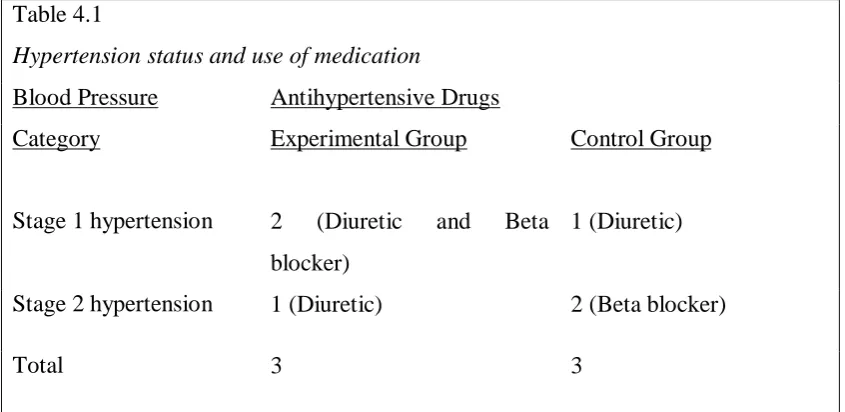
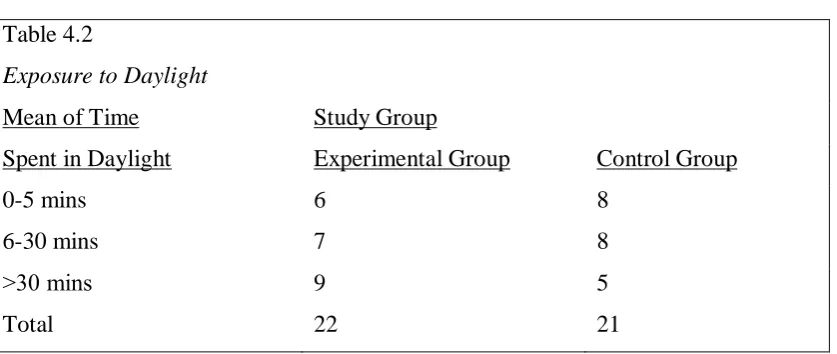
Table 2 : Blood Pressure Ranges……….…..………30 Table 4.1: Hypertension Status and Use of Medication ……….68 Table 4.2: Exposure to Daylight ………...….68 Table 4.3: Stress Level For Experimental Group At Pre-test, Mid-test and Post-test
………...……….….………...70 Table 4.4: Stress Level For Control Group At Pre-test, Mid-test and Post
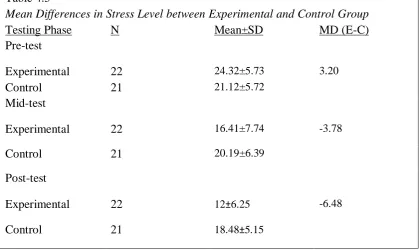
test………..…….70 Table 4.5: Mean Differences In Stress Level At Pre-test, Mid-test and
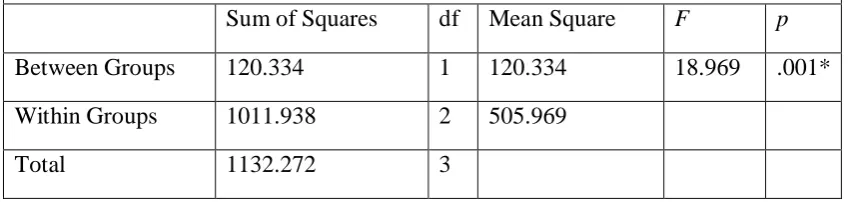
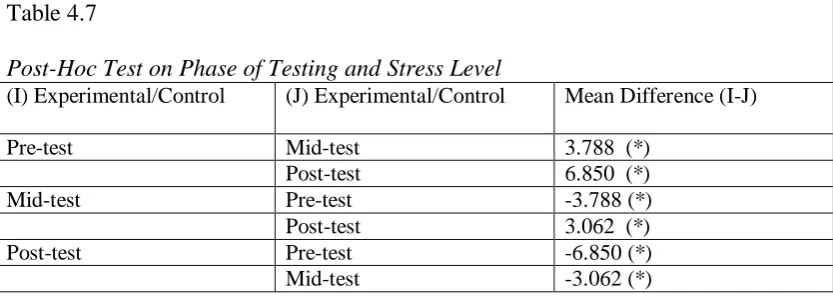
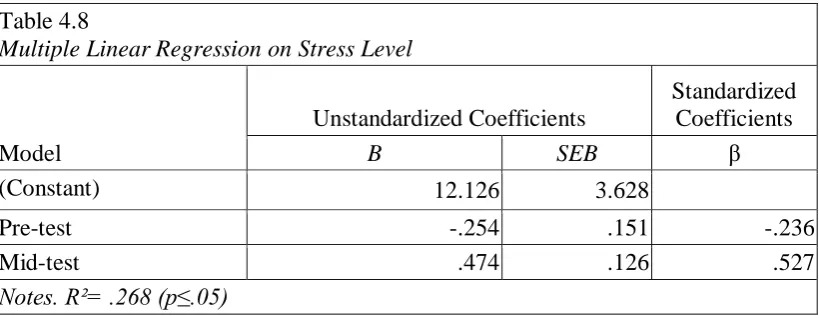
Post-test……….………..72 Table 4.6: ANOVA On Stress Level At Pre-test, Mid-test and Post-test………...7 2 Table 4.7: Post-Hoc Test On Phases Of Testing and Stress Level……...…...73 Table 4.8: Multiple Linear Regression Test On Stress Level………...…...74 Table 4.9: Blood Pressure Category For Experimental Group At Pre-test, Mid-test and Post-test………..75 Table 4.10: Blood Pressure Category For Control Group At Pre-test, Mid-test and
Post-test……….76 Table 4.11: Mean Differences In Systolic Blood Pressure Between Groups ……...77 Table 4.12: ANOVA On Systolic Blood Pressure At Pre-test, Mid-test and Post-test……….78 Table 4.13: Mean Differences In Diastolic Blood Pressure Between Groups ……79 Table 4.14: ANOVA On Diastolic Blood Pressure At Pre-test, Mid-test and Post-test……….80 Table 4.15: Multiple Linear Regression On Blood Pressure ………...81 Table 4.16: Sleep Quality For Experimental Group At Pre-test, Mid-test and Post
LIST OF FIGURES
ABBREVIATIONS AND ACRONYMS AHA American Heart Association
ADLs Activities of Daily Living
AHRQ Agency for Healthcare Research and Quality
BP Blood Pressure
CVDs Cardiovascular Diseases DBP Diastolic Blood Pressure
ESH European Society of Hypertension HHP Harvard Health Publications
HR Heart Rate
ISH Isolated Systolic Hypertension JNC Joint National Committee LAN Light at Night
LTCFs Long Term Care Facilities mmHg millimeters of mercury
NHANES National Health and Nutrition Examination NPS National Prescribing Service
NSF National Sleep Foundation NFK Neem Foundation Kenya
NICE National Institute for Clinical Excellence NIH National Institutes of Health
NCCIH National Center for Complementary and Integrative Health OSA Obstructive Sleep Apnea
PSS Perceived Stress Scale RLS Restless Legs Syndrome SAD Seasonal Affective Disorder SBP Systolic Blood Pressure SCN Suprachiasmatic Nucleus SSA Sub- Saharan Africa
OPERATIONAL DEFINITION OF TERMS
Aged/ Elderly/ Old Person/ Old Adult: The individuals who are 60 years and above.
Average Stress: Global scores on PSS between 0 and 13.
Blood Pressure (BP): The force applied against the walls of the arteries as the heart pumps blood through the body in the elderly.
Chronic Insomnia: The inability of an elderly to sleep for 30 days consecutively. Diastolic Blood Pressure: The lower figure which is the measurement of force as the heart relaxes to allow the blood to flow into the heart in the elderly.
Digital Automatic Blood Pressure Upper Arm Monitor: Measuring equipment used to assess blood pressure of the elderly.
Elderly Homes/ Long Term Care Facilities: Those homes where the elderly citizens reside in Nairobi County, Kenya.
Good Sleep Quality: Global score on PSQI of ≤ 5.
High Stress: Global scores on PSS between 14 and 20.
Hypertension/ Elevated Blood Pressure/ High Blood Pressure: Blood pressure is greater than or equal to 150 mm Hg (systolic) or greater than or equal to 90 mm Hg (diastolic) in this population.
Insomnia: Inadequate sleep in the elderly that is less than 7½ - 9 hours every night. Modified Sleep Environment: A modification of the sleep environment of the elderly in terms of creating a state of pure darkness with the use of sleep masks. Normal blood pressure: Blood pressure below 120/80 mm Hg for systolic and diastolic pressures respectively in the elderly.
Progressive Muscle Relaxation (PMR) Exercise/Technique: Physical exercises carried out by the elderly that involves tensing and relaxing specific muscle groups to create awareness of tension and relaxation. It helps a person to relax, attain a state of increased calmness or otherwise reduce levels of anxiety, stress or anger.
Pulse Pressure: The difference between the systolic and the diastolic readings from the elderly.
Relaxation Response: The ability of the individual to invoke the body to produce chemicals and brain signals that direct the muscles to relax and increase blood circulation to the brain.
Sleep Hygiene: Measures employed to help capitalize on the hours spent when the old adults are sleeping.
Sleep Masks: Blindfolds used by the elderly to cover eyes and block out light during sleeping time at night.
Sleep Quality: The total amount of time spent by the elderly in the bed sleeping. Stress/Stress Level: The elderly’s stress index calculated from the Perceived Stress Scale.
Systolic Blood Pressure: The top figure which measures the force that blood exerts on the artery walls as the heart contracts to pump out the blood in the elderly.
ABSTRACT
Stress is a key factor in reducing the efficacy of the treatment of high blood pressure and poor sleep quality in the elderly. Yet, high blood pressure and poor sleep quality are important preventable contributors to disease and death. Inadequate sleep is one of the most common side effects of stress resulting in reduced sleep quality. To effectively manage stress, the ability to relax and create a sleep inducing environment is paramount. Given the negative impact of stress on human health, many types of stress management therapies have been put forward for the elderly in order to decrease stress and promote well-being. The purpose of this study was to assess the effectiveness of Progressive Muscle Relaxation (PMR) exercise and sleep environment modification on stress, blood pressure and sleep quality of residents 60 years and above in Mji wa Huruma home for the aged in Nairobi County, Kenya. The study aimed at highlighting the benefits of PMR together with the modification of the sleep environment by use of sleep masks in management of stress, normalizing blood pressure and enhancing sleep quality of both male and female elderly citizens. The study adopted an experimental pre-test post-test control group design. A total of 46 participants were randomly selected from the home to create experimental and control groups with 23 participants in each group. After ethical clearance and research permit approval, data was collected using Perceived Stress Scale (PSS), Pittsburgh Sleep Questionnaire Index (PSQI) questionnaires and a sleep diary. Systolic and diastolic blood pressure data collected using a digital automatic blood pressure upper arm monitor was recorded. The physiological and psychological variables were assessed on both experimental and control groups at pre-test, mid-test and post-test. A total of 43 (93.5%) participants successfully completed the two months intervention programme. In the experimental group, PMR exercise was performed in 45 minutes sessions, three times weekly for two consecutive months and the participants used sleep masks during the entire intervention period. The control group, however, continued with their normal routine activities throughout the intervention period. For the purposes of comparison, data was collected in both experimental and control group. The data was coded and analyzed using Statistical Package for Social Sciences (SPSS) version 20. The results of repeated measures ANOVA and Post Hoc tests between experimental and control groups showed that there were statistically significant differences at p ≤ 0.05 between the pre-test, mid-test and post-test scores on stress level and sleep quality, F
= 18.969, p = 0.001; F= 10.902, p=.002 respectively. Multiple linear regression showed a significant regression equation, F= 7.321, p ˂0.002 for stress level and
F=27.408, p ˂ 0.001 for sleep quality. The repeated measures ANOVA and Post
Hoc tests on systolic and diastolic blood pressure showed that there were no statistically significant differences at p ≤ 0.05 between the pre-test, mid-test and post-test scores, F = .371, p = .546; F=1.744, p=.194 respectively. Multiple linear regression on blood pressure showed a significant regression equation, F= 85.52, p
CHAPTER ONE: INTRODUCTION
1.1 Background to the Study
In conformity with African Union definition, Kenya has adopted the definition of elderly people as those aged 60 years and above (United Nations International Children Education Fund [UNICEF], 2013). It is projected that by the year 2050, about 20% of the world’s population will be aged 60 years and above, twelve percent of whom will be in Sub-Saharan Africa (SSA) (HelpAge International, 2007 [HAI]; World Health Organization [WHO], 2011). In Kenya, various estimates put this age bracket at about 4% (Thumbi, 2005). As the quality of life in Kenya improves, more people are living longer such that the country currently has 1.2 million individuals aged 60 and above. The number is expected to reach 2.2 million in the next 10 years (Matt, 2009).
Although health care for the elderly in Kenya, and specifically Nairobi has been improving for decades, many are still detrimentally affected by chronic diseases leaving them physically and financially unstable and therefore, dependent on caregivers (Acieno et al., 2010). In addition, with the waning of family support and the prevailing economic downturn in Kenya, they lack alternative sources of income, thereby increasing their vulnerability in society (Olum, 2014).
In Olum (2014), elderly in Kenya are faced with stress emanating from a host of problems that vary from economic, health, social to personal problems. It is highlighted that 43% of adults experience hostile health effects from stress. This outcome contributes to 75-90% of hospital visits associated with stress-related conditions and complaints including high blood pressure and poor sleep (Bruno, 2013; Harvard Health Publications [HHP], 2009; Olum, 2014). As the population ages, cardiovascular diseases (CVDs) becomes increasingly prominent as the leading cause of death among the elderly (Zoler, 2014).
A study by Githang’a (2008) on the use of physical activities to ameliorate functional capacity for the elderly in homes, established that Kenya’s accelerated aging may pose a challenge. Consequently, the study recommended that the stakeholders in gerontology should undertake research to establish the nature and extent of their physical, social and mental health needs. The study stressed on the need to factor promotive, preventive and rehabilitative health strategies to improve functional independence. While the number of elderly persons is on the rise, few doctors are prepared to attend to their needs (Mabadeje, 1999; South Africa Hypertension Society, 2002). One of the main problems the healthcare industry faces is the management of high blood pressure in elderly patients which represents a management dilemma to cardiovascular specialists (Lionakis, Mendrinos, Sanidas, Favatas & Georgopoulou, 2012; Mabadeje, 1999).
Hypertension is often asymptomatic requiring optimal control and persistent adherence to prescribed medication (Mundan, Muiva & Kimani, 2011). In addition, lifestyle modification should be recommended to reduce the risks of cardiovascular, cerebrovascular and renal diseases (Hamilton, 2003; Mundan et al., 2011). Grander, Sands-Lincoln, Park and Garland (2013) suggest that there is demonstrated evidence of association between sleep quality and elevated cardiovascular risk. This has consequently led to sleep being progressively acknowledged as a major public health concern particularly for the elderly population.
than 150/90 mmHg, a major break from the long-standing practice of treating such patients to a target systolic pressure of less than 140 mmHg (James et al., 2014). When high blood pressure has been confirmed, appropriate lifestyle changes are advocated with emphasis on behavioral therapy that include relaxation exercises and sleep enhancement (Shinde, N., Shinde, K., Khatri, Hande, D. & Bhushan, 2013; WHO, 2011). By inducing relaxation responses, blood pressure is regulated and this reduces the risk of detrimental health complications like CVDs and stroke resulting from high blood pressure (Shinde et al., 2013).
Relaxation techniques for the older persons include a number of practices such as progressive relaxation, autogenic training, guided imagery, biofeedback, self-hypnosis, and deep breathing exercises (Benson, Casey & Dadoly, 2008; HHP, 2009; National Center for Complementary and Integrative Health [NCCIH], 2016). One of the most effective techniques is the Progressive Muscle Relaxation (PMR) exercise, which is not only simple to perform but also has better reported results oriented towards managing distress and poor sleep quality associated with stress in this population (Barnes, Powell-Griner, McFann & Nahin, 2004; Muriungi & Ndetei, 2013; Shinde et al., 2013).
Among other positive health effects in elderly individuals including those with limited mobility is that relaxation response induces sleep, reduces pain, and calms emotions (NCCIH, 2016; Sayed & Gehan, 2014). In the long-term, the overarching benefit is that whenever the body becomes tense, it will prompt the muscles to relax (Bonnet & Arand, 2016; Kyeng et al., 2016; Shinde et al., 2013).
Stress has been identified as a major contributing factor to hypertension and sleep disturbance amongst the elderly because of the stress response characterized by increased heart rate, blood pressure, metabolism and respiratory rate (Bruno, 2013; Kyeng et al., 2016). As people grow old, sleep quality becomes a concern because of inadequate sleep as a result of normal changes in sleeping patterns (National Sleep Foundation [NSF], 2016). This is because the elderly either sleep early, fall asleep late, wake up early or experience frequent awakenings throughout the night (Smith, Robinson & Segal, 2016). However, poor sleep due to sleep disturbances are not normal part of the aging process. This has, consequently, led to pharmacological interventions that harbor established side effects (Qaseem, Kansagara & Forciea, 2016). For example, sleep medications are associated with residual daytime sedation, lightheadedness, lack of motor coordination causing falls and functional dependence resulting in poor quality of life among the elderly population (Buscemi, Vandermeer & Friesen, 2007; National Institutes of Health [NIH], 2005; Smith et al., 2016).
2004). In addition, inappropriate sleep environment due to lighting in the room has been found to interfere with melatonin synthesis. Researchers recommend that the bedroom should be kept as dark as possible with the help of blackout drapes or sleep masks (Bonnet & Arand, 2016; Healthwise Staff, 2015; The Alternative Daily, 2016). Fulghum (2007) asserts that melatonin as a factor in sleep restoration also extends its powerful antioxidant effect to the enhancement of the brain and nervous system. This helps to protect against age-related damage and consequently leading to a tremendously improved quality of life among this significant population (Figueiro, 2015; Obayashi, Saeki, Iwamoto, Ikada & Kurumatani, 2013).
In conjunction to this, scholars state that melatonin levels are also affected by the amount of daylight exposure the elderly received in the previous day (Figueiro, 2015; Healthwise Staff, 2015). Consequently the elderly are advised to get adequate exposure to daytime brilliant sunshine to promote melatonin synthesis (Figueiro, 2015; Healthwise Staff, 2015). Approximately thirty minutes of sun exposure between 10 am and 3 pm at least twice a week to the face, arms, legs, or back without sunscreen is a standard treatment for circadian rhythm sleep disorders as well as reducing hypertension (British Broadcasting Corporation [BBC] News, 2013; Holick, 2002, 2007; Ward, 2013). Based on evidence that modest amount of daily daylight assists in preserving sleep and wake cycles, the elderly are encouraged to relax in the sun (Healthwise Staff, 2015).
2016). Nonpharmacological behavioral interventions are used to manage stress, poor sleep quality and other chronic problems. They are healthy interventions that involve the use of relaxation exercise and sleep hygiene which help the old adult in not only falling asleep faster but also waking up feeling refreshed and relaxed (Agency for Healthcare Research and Quality [AHRQ], 2005; Anspaugh, 2011; Bonnet & Arand, 2016; Neem Foundation Kenya [NFK], 2014; NIH, 2015; Yang, Ho, Chen & Chios 2012). One of the pivotal goals of relaxation exercises and good sleep hygiene is to reduce anxiety over good sleep quality. Studies have shown that relaxation exercise and sleep hygiene are two healthy, nonpharmacological interventions that not only help the older adults fall asleep faster but also to awaken feeling refreshed and relaxed (AHRQ, 2005; Yang et al., 2012).
Anspaugh (2011), Benson et al., (2008), Freeman (2009) and NCCIH (2016) all concur that while muscle tension and inadequate sleep can also be associated with backaches and tension headaches, the relaxation response induced by relaxation exercises have been helpful in reducing these aches and pains. These relaxation inducing skills not only enable the elderly to sleep more soundly but also assist the body in alleviating the damaging consequences of stress.
healthy stress coping routines can make the difference between restlessness and restful sleep. It is from this standpoint that the elderly are encouraged to seek professional help, particularly over stress related issues such as, sleep impairment and elevated blood pressure (Durán-Cantolla, Aizpuru, Martínez -Null & Barbé-Illa, 2009; Hamidizadeh, Ahmadi & Falahi, 2005; NFK, 2014; Walters & Rye, 2009).
1.2 Problem Statement
Nairobi County’s population currently stands at over three million (UNICEF, 2013). It is emerging that with the complexities in living caused by modernization, a number of families have absconded the responsibility of taking care of their elders (Olum, 2014). Consequently, they are now being taken care of in existing homes for the elderly. Nairobi County typifies the current urban elderly population explosion and its associated stress, sleep and hypertension management, characteristic of many SSA cities (Olum, 2014). This population is at a phase in life that faces prolonged and precarious health problems (Opie & Seedat, 2005; Ramakrishnan & Chandran, 2013). There is little doubt that both physical and mental stress can cause significant elevations of blood pressure and poor sleep quality (Bruno, 2013).
sleep debt (Dvorsky, 2014). Biochemical response of sleep produced under pitch darkness at night is responsible for restful sleep while reducing blood pressure, metabolism, glucose levels and body temperature (Dvorsky, 2014).
Stress and LAN, both inhibit adequate sleep in this population. Sleep loss is deemed to impair the elderly from living a healthy, safe and focused life and ironically the ability to enjoy good sleep may be under their control (Engle-Friedman, 2014). As a possible solution, the elderly are encouraged to access bright light in the morning and during the day preferably from the sun and avoid LAN in the evening by sleeping in a completely dark bedroom (Stevens, 2015). In the event sedatives are prescribed, there is likelihood of them causing side effects including headaches, dizziness, nausea, fatigue and impaired cognition (Bonnet & Arand, 2016; Buscemi, Vandermeer & Friesen 2007). Research has established that the quality of sleep in the elderly can be improved by the mere adjustment of their sleeping habits to create an environment conducive for sleep (AHRQ, 2005; Dvorsky, 2014; Mercola, 2012; NCCIH, 2016; Yang et al., 2012). Sleep hygiene education sensitizes old adults by helping them sleep more peacefully without the experiencing fragmented sleep.
1.3 Purpose of the Study
The purpose of the study was to assess the impact of Progressive Muscle Relaxation exercises and the use of sleep masks on stress level, blood pressure and sleep quality of the elderly citizens residing in homes for the elderly in Nairobi City County.
1.4 Objectives of the Study
The objectives of the study were to:
i. Determine changes in pre-test stress levels of the elderly following administration of treatment at mid-test and post-test.
ii. Assess changes in pre-test blood pressure both systolic and diastolic of the elderly following administration of treatment at mid-test and post-test.
iii. Measure changes in pre-test sleep quality of the elderly following administration of treatment at mid-test and post-test.
1.5 Research Hypotheses
The study tested the following hypotheses from the observations:
H01: There would be no significant differences in stress levels of the elderly at
pre-test, mid-test and post-test.
H02: There would be no significant differences in blood pressure of the elderly both
systolic and diastolic at pre-test, mid-test and post-test.
H03: There would be no significant differences in sleep quality of the elderly at
1.6 Significance of the Study
In view of the significant rise in the population of the elderly in many African countries including Kenya, it is imperative for measures to be put in place to improve the quality of their lives. This is because many are now accommodated in homes for the elderly. The change in demographics suggest that the demand for such facilities will continue to grow and as such, there is great need for cheaper effective ways of managing age-related conditions due to late-life stressors. Since the study aims at ameliorating the quality of life of the institutionalized individuals, the findings are hoped to optimize opportunities for their physical, physiological and mental health, to enable them actively take part in stress, hypertension and sleep management and to enjoy an independent life.
The findings of this study may not be limited to use by just the institutionalized elderly. The easy and simple to perform PMR exercises and use of sleep masks to block out sleep-hindering light seepage can be practiced by anyone at home. Therefore, the findings of this study could, in conjunction with or without prescribed medication, be a breakthrough in providing a relatively cheap but effective management technique for age-related conditions of stress, high blood pressure and sleeplessness among the elderly.
The execution of PMR exercises does not require any special training or equipment or clothing; and has no known side effects. It is a technique which can be engaged in the home for the aged without restrictions as it is a simple method that can be used to lower stress level, blood pressure and sleep disturbances. Since the goal of PMR exercise is to elicit a relaxation response, this practice could promote a habit of relaxation whenever the elderly are prone to distress and the body will learn to automatically respond by initiating lowered blood pressure, breathing rate, reduced muscle tension and improved sleep at night.
The learning and participation of this relaxation technique will demand a lot of patience and practice on the part of the elderly. This could help cultivate functional independence by promoting self-confidence, self-esteem, self-image and ability to make decisions by themselves and for their own good. Once the elderly become part and parcel of managing their treatment intervention, there is a better chance of long-term adherence to the treatment plan for stress, blood pressure and sleep disorders.
1.7 Delimitations of the Study The study was confined to:
i. One home of the elderly in Nairobi County.
ii. The assessment of PMR technique as an intervention measure in managing stress levels, blood pressure and sleep quality.
iv. The assessment of sleep quality as a psychological measure of stress index. v. The evaluation of blood pressure as a physiological measure of stress index.
1.8 Limitations of the Study
The findings of this study were interpreted in light of the researcher’s inability to control the medical condition and/ or history, diet, sleep patterns and environment; and sunlight exposure of the participants. However, one home where the residents lived under similar conditions was investigated. In addition, the study could not rule out information bias because of validity limitations associated with self-report in the use questionnaires.
1.9 Assumption of the Study
The study assumed that the respondents would be honest throughout the entire intervention period.
1.10 Conceptual Framework
response otherwise known as “fight-or-flight” response (McEwen, 2007; Wilson, 2016). Heart rate and breathing rate rise and blood vessels narrow (Wilson, 2016). When the body remains in a stressful state for a long time, psychological and/or physiological damage can occur due to stress response (Wilson, 2016).
Another factor that induces stress response is exposure to LAN in the sleeping environment because at night, bright light upholds stimulation of the body. Sleep researchers believe older persons may be susceptible to disrupted sleep patterns due to the decline in melatonin levels associated with aging and LAN (Drake et al., 2004). Simply because, with less melatonin in their blood, the stimulus to fall asleep, stay asleep, and wake up feeling rested can potentially be compromised. This is why some may benefit from the use of sleep masks to enhance production of melatonin (Mercola, 2012). The timing of sleep is controlled by the hypothalamus, which responds to light and causes sleepiness at night when it is dark (Bowman, Beck & Luine, 2003; Wilson, 2016).
These scholars explain that PMR is characterized by slower breathing, lower blood pressure, decreased levels of stress hormones and a rise in feeling of calmness and well-being, which in turn, induce relaxation and enrich sleep. Since relaxation is the opposite of stress, it is conceptualized that voluntarily created regular relaxation responses could counteract the negative effects of stress (HHP, 2009; NCCIH, 2016). This promotes quality sleep through induced physical and mental relaxation. Regular relaxation exercises early in the day for over two weeks promote more consistent sleep and wake patterns as well as relieve stress (HHP, 2009; Healthwise staff, 2015; NCCIH, 2016).
There is evidence that PMR and pure dark state of the sleeping room can help chronic poor sleep quality as a relaxed mind and body tends to sleep more and better (Dvorsky, 2014; Mercola, 2012). Relaxation exercises and reduction of the exposure to light at night have been attested as good sleep habits that create an environment conducive for sleep hence beneficial to nearly all old persons (Dvorsky, 2014; Mercola, 2012; NCCIH, 2016). It is acknowledged that restful sleep is possible when an elderly person prepares for it both mentally and physically in the course of the day and in the evening before sleeping through relaxation and sleep hygiene (Blumenthal, Babyak & Hinderliter, 2010; Bonnet & Arand, 2016; Muriungi & Ndetei, 2013; Unbehaun, Spiegelhalder, Hirscher & Riemann, 2010).
Sleep hygiene are measures employed to help capitalize on the hours spent when the old adults are sleeping. According to Agency for Healthcare Research and Quality, (2005) and Yang et al., (2012), the old adults who practice relaxation exercise and block out all bright LAN, tend to worry less about sleeping adequately which plays a role in them falling asleep somewhat more quickly. The faster they fall sleep the more hours they get in sleep, which allows them to enjoy more restful sleep (AHRQ, 2005; Yang et al., 2012).
reducing psychological stress are recommended before starting drug therapy for reducing elevated blood pressure (Nagele et al., 2014). Further, NCCIH (2016) states that relaxation exercises can be combined with use of sleep masks to promote sleep quality. These non-pharmacological approaches have been shown to significantly reduce blood pressure in people with hypertension (Blumenthal et al., 2010) as well as modulate sleep problems (NCCIH, 2016). Their potential effectiveness is similar to using medication. However, if hypertension is high enough to justify immediate use of medications, lifestyle changes are still recommended (Giuseppe, 2013). More to this, gerontologists advice that for any effective and appropriate management of such convoluted health concerns, primary care givers and physicians need to evaluate the sleep and stress status of the elderly in the institutions (Duthie, Katz & Malone, 2007; Ebersole, Hess, Touhy & Jett, 2005; Eliopoulos, 2001).
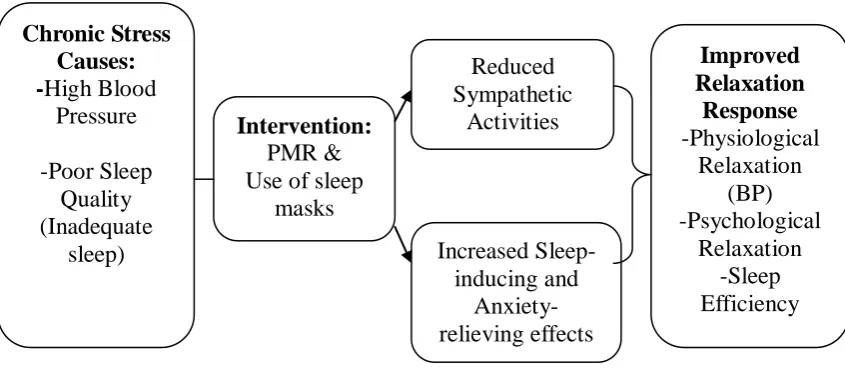
preventive rather than curative approach in managing high blood pressure, poor sleep and high stress to this vital populace (Olum, 2014; WHO, 2002; Shinde et al., 2013). This convoluted approach in mitigating the factors affecting stress level, blood pressure and sleep quality in the elderly is depicted in Figure 1 below.
Figure 1: Relationship between Progressive Muscle Relaxation exercises and use of sleep masks on stress, blood pressure and sleep (Adapted from Anderson & Seniscal, 2001; AHRQ, 2005; Pawlow & Jones, 2002; Sheu et al., 2003; Wilk & Turkoski, 2001; Yang et al., 2012).
Chronic Stress Causes: -High Blood Pressure -Poor Sleep Quality (Inadequate sleep) Intervention: PMR & Use of sleep
CHAPTER TWO: REVIEW OF LITERATURE
2.1 Progressive Muscle Relaxation (PMR) Exercise
Progressive Muscle Relaxation (PMR) is a technique for reducing stress. It involves alternate conscious tensing and relaxing groups of muscles in turn, throughout the body by creating distinctive awareness of tension and relaxation (Ramakrishnan & Chandran, 2013). In the context of therapy, progressive refers to a systematic, alternate contraction-relaxation of 16 large skeletal muscle groups, each group at a time until total muscle relaxation is achieved throughout the body (Bonnet & Arand, 2016; Kyeng et al., 2016; Ramakrishnan & Chandran, 2013).
Developed by an American physician, Edmund Jacobson in 1934, the technique trains a person to voluntarily relax individual muscles to induce both physiological and psychological relaxation by reducing the response to stress and skeletal muscle contractions; and decreasing the sensation of pain (Field, 2009). Jacobson argued that since muscle tension accompanies anxiety, one can reduce anxiety by learning how to relax the muscular tension.
According to Pawlow and Jones (2002), PMR entails both, a physical and mental component in which, physical involves conscious tensing and relaxing of muscle groups of the legs, abdomen, chest, arms and face. In a sequential pattern, with eyes closed, the individual generates tension in a given muscle group purposefully for approximately 10 seconds and then releases it for 20 seconds before continuing with the next muscle group (Bonnet & Arand, 2016; Kyeng et al., 2016). The technique begins with the face muscles then the rest of the muscle groups would follow in the order of jaw, neck, arms, fingers, chest, stomach, buttocks, thighs, calves and finally the feet. This sequence is repeated as many times as necessary (Bonnet & Arand, 2016; Kyeng et al., 2016). The mental component requires the individual to focus on distinguishing between the feelings of tension and relaxation (Pawlow & Jones, 2002).
2.1.1 Beneficial Effects of Progressive Muscle Relaxation Exercise to the Elderly
During stress, the body activates the stress response otherwise known as the “fight or flight” defense mechanism. Consequently, muscles become tense, heart and respiratory rates increase and physiological systems become taxed. In the event that the body is not able to relax, the chronic effect of such stress response is among burnout and medical problems. However, when the body is allowed to deeply relax the stress response is counteracted (HHP, 2009; Ramakrishnan & Chandran, 2013).
The progressive muscle contraction and relaxation induces a relaxation response in the body. A relaxation response is the ability of the individual to invoke the body to produce chemicals and brain signals that direct reduction in heart and respiratory rates; decrease blood pressure, muscle tension and muscle activity (HHP, 2009; Kyeng et al., 2016; Williams & Carey, 2003). This type of relaxation response is natural and without significant side effects as compared to adverse side effects induced by pharmacological drug use (NCCIH, 2016; Williams & Carey, 2003).
According to Vargogli and Darviri (2011), relaxation must be attempted in order to reduce pain, fatigue and tension, create a pleasant mental state, reduce anxiety as a response to stress and increase parasympathetic activities. The absence of relaxation in the elderly is associated with mental and physical tension that comes along with distress (Benson et al., 2008). Gerontologists argue that unmanaged chronic stress in the elderly contributes to a myriad of health complications which includes high blood pressure, sleep problems, chest pain, headaches, digestive problems, poor concentration, anxiety and depression (Benson et al., 2008; Kessler et al., 2011; Kyeng et al., 2016; Schoenborn, Adams & Perogoy, 2013).
It is through relaxation that the body produces ‘feel good hormones’ which include serotonin, prolactin, endorphins and oxytocin. These hormones benefit the body by reducing fatigue, decreasing anxiety, lowering the level of cortisol (stress hormone), blood pressure and heart rate thereby leaving the body more relaxed, calm and composed (Bonnet & Arand, 2016; Garber et al., 2011). Research has established that habitual deep relaxation relieves muscle tension and pain, increases motivation, boosts energy and sleep quality, moderates irritability, reduces blood pressure, while improving the immunity and decision-making ability of an elderly person, hence, enhancing productivity (Benson et al., 2008; Kessler et al., 2011; Schoenborn et al., 2013).
and anxiety, decreased blood pressure, heart rate, and headaches, better management of cardiac rehabilitation and improvement of quality of life (Dehdari, Heidarnia, Ramezankhani, Sadeghian & Ghofranipour, 2009; Ghafari et al., 2009; Pawlow & Jones, 2002; Sheu et al., 2003; Wilk & Turkosi, 2001).
However, caution should be observed because exercises will only help sleep if done several hours before bedtime. It is recommended that exercises should be performed earlier during the day to avoid anxiety and hyperactivity that may follow when the activity is done at night consequently delaying onset of sleep in the elderly (Benson et al., 2008). Furthermore, for better and long-term benefits through relaxation training the elderly should engage in Progressive Muscle Relaxation at least twice a week for six to ten sessions (Bonnet & Arand, 2016).
2.2 Stress among the Elderly
Acute stress is a short term stress and as a result, does not have enough time to do the damage that long term stress causes (Johansson, Hassmén & Jouper, 2011; Seo, Tsou, Ansell, Potenza & Sinha, 2014). On the other hand, chronic stress which is excessive continued stress has a wearing effect on physical and mental wellness that can become a very serious health risk (McEwen, 2007). It can lead to burn out, memory loss, impaired daily functioning, reduced self-esteem, damaged spatial recognition, decreased appetite, clinical depression, disrupted social interactions in the elderly among other consequences (Benson, Casey & Dadoly, 2008; HHP, 2009; Rueggeberg, Wrosch & Miller, 2012; Seo et al., 2014). The severity varies from person to person, with gender an underlying differentiating factor. Women are able to take longer durations of stress than men without showing the same maladaptive changes (Bowman, Beck & Luine, 2003). Men can deal with shorter stress duration better than women; but once males hit a certain threshold, the chances of them developing mental issues increase drastically (Bowman, Beck & Luine, 2003).
2.2.1 Sources and Symptoms of Stress
frequently exposed to stressful events without adequate measures to dissipate the chronic stress, then the elderly succumb to the symptoms of stress physically, behaviorally, emotionally and cognitively (HHP, 2009).
According to Harvard Health Publications (2009), the physical symptoms of stress include muscle tension, neck and back pain; and fast heart and respiratory rates. In terms of behavior, the elderly may exhibit substance abuse, oversleeping or under-sleeping (HHP, 2009). Emotionally, the elderly may seem pretty nervous, depressed, moody, and angry or overwhelmed by the pressure (HHP, 2009). The cognitive symptoms of stress include characteristics such as poor concentration, impaired focus and memory, indecisiveness, chronic worry and pessimism (Aldao, Mennin, Linardatos & Fresco, 2010; HHP, 2009; Seo et al., 2014; Shah, Hassan, Malik & Sreeramaleddy, 2010; Shinde et al., 2013; Ward, 2013). Since these symptoms of stress can lead to medical problems, the elderly are advised to be wary of them and initiate a management plan once they start to recognize them (Bonnet & Arand, 2016; Muriungi & Ndetei, 2013).
2.2.2 Stress Management: The Effect of PMR and Use of Sleep Masks on Stress Level, Blood Pressure and Sleep Quality
tension. Not only does the body lose tension, PMR also elicits a relaxation response. In the Mosby’s Dictionary of Complementary and Alternative Medicine (2005) a relaxation response in which a deep state of physical, psychological and physiological relaxation may be achieved, is the physiological opposite of the “fight-flight” response. These physiologic relaxation responses of reduced heart, metabolic and respiratory rates provide adequate counterbalance and protection against stress.
During the PMR procedure, the muscles are forcibly contracted as one breathes in and relaxed when breathing out (Garber et al., 2011; Sigfusdottir et al., 2011). This successive contraction and relaxation of the major muscle groups leaves the entire body physically and mentally relaxed without anxiety (Garber et al., 2011; Sigfusdottir et al., 2011). This skill, acquired in a relatively short time allows the elderly to manage stress effectively overtime, creating an environment conducive for sleep allowing the person to fall asleep easily (Healthwise Staff, 2015). Regular relaxation enables the body to relieve symptoms of stress, fortifying self-esteem, confidence and physical relaxation while promoting health and wellbeing (Garber et al., 2011; HHP, 2009; Sigfusdottir et al., 2011).
al., 2013). To promote better sleep, sleep hygiene should be practiced regularly in conjunction with relaxation exercises (Anspaugh, 2011; Freeman, 2009; Healthwise Staff, 2015). Sleep of seven to nine hours every night, considered adequate for the elderly, is associated with many physical, physiological, behavioral and cognitive health benefits (Benson et al., 2008; HHP, 2009). According to Harvard Health Publications (2009), good sleep quality boosts the cognitive ability of memory consolidation. Good sleep also assists the brain in the learning of tasks and memory of new information. Consequences of lack of sleep are felt in metabolism and weight control (HHP, 2009). Weight gain may result because Sleep debt affects the body’s ability to process carbohydrates and causes hormonal disturbances affecting appetite. Consequently, weight gain is often associated with sleep debt (HHP, 2009).
2.2.3 Measuring Stress Level
One way that the levels of stress can be measured is through psychological testing by use of the Perceived Stress Scale (PSS) to rate stressful life events (Kumutha, Aruna & Poongodi, 2014; Spira et al., 2012). The PSS is a short and easy-to-use questionnaire with established acceptable psychometric properties in comparative studies (Eun-Hyun, 2012).
Other methods of measuring stress can be through changes in blood pressure and galvanic skin response; and use of digital thermometer to evaluate changes in skin temperature, which can indicate activation of the “fight-or-flight” response which draws blood away from the extremities. In addition, cortisol which is the main hormone released during a stress response, can be and measured giving a 60-90 baseline stress level of an individual (Susic, 2013).
2.3 Blood Pressure
eyes depending on whether systolic or diastolic pressure (or both) is elevated (Smith et al., 2006). The systolic pressure is the force that blood exerts on the artery walls as the heart contracts to pump out the blood. High systolic pressure is known to be a greater risk factor and is known to cause brain, heart, kidney, and circulatory complications and death, particularly in middle-aged and elderly adults (AHA, 2016).
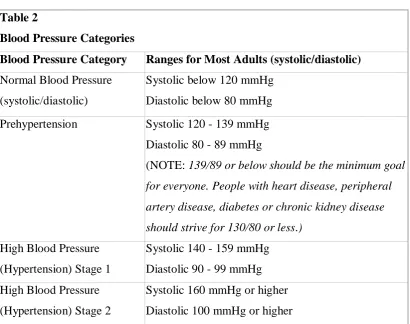
Table 2
Blood Pressure Categories
Blood Pressure Category Ranges for Most Adults (systolic/diastolic) Normal Blood Pressure
(systolic/diastolic)
Systolic below 120 mmHg Diastolic below 80 mmHg Prehypertension Systolic 120 - 139 mmHg
Diastolic 80 - 89 mmHg
(NOTE: 139/89 or below should be the minimum goal for everyone. People with heart disease, peripheral
artery disease, diabetes or chronic kidney disease
should strive for 130/80 or less.)
High Blood Pressure (Hypertension) Stage 1
Systolic 140 - 159 mmHg Diastolic 90 - 99 mmHg High Blood Pressure
(Hypertension) Stage 2
Systolic 160 mmHg or higher Diastolic 100 mmHg or higher Source: American Heart Association (2016)
2.3.1 High Blood Pressure in the Elderly
Isolated Systolic Hypertension (ISH) is the predominant category of untreated high blood pressure in the elderly according to the National Health and Nutrition Examination III (NHANES) in Aronow (2013). Worse still is the fact that ISH poses a significant health care concern as the target BP is very challenging to achieve by antihypertensive therapy (Aronow, 2013). However, numerous ISH studies have exhibited beneficial effects of other treatment interventions beyond drug therapy. With this discovery, cardiologists stress on the need to commence the management of ISH with lifestyle modifications similar to those used by old adults with other types of high blood pressure before antihypertensive medications (Blumenthal et al., 2010; Calhoun & Harding, 2010; European Society of Cardiology, 2013; Giuseppe, 2013; Gooneratne, Tavaria & Patel, 2011; Mundan et al., 2011; Shinde et al., 2013) .
These lifestyle changes that not only assist in lowering blood pressure as part of the treatment programme but also positively affect other risk agents like obesity and diabetes, include stress coping mechanisms such as regular relaxation exercises and sleep hygiene (Blumenthal et al., 2010; Calhoun & Harding, 2010; European Society of Cardiology, 2013; Giuseppe, 2013; Gooneratne et al., 2011; Mundan et al., 2011; Shinde et al., 2013). Progressive Muscle Relaxation exercises on most days of the week for 30 minutes lower SBP by 4-9mm Hg (Aronow, 2013; Mayo Clinic Staff, 2016; National Institute for Clinical Excellence [NICE] Clinical Guidelines, 2011).
2.3.2 Blood Pressure and Sleeping in Darkness
The instances when the body has unnatural reduction of melatonin have been shown to be a factor underlying cardiovascular illnesses because this hormone has antioxidant and anti-inflammatory regulatory functions (Dominguez-Rodriguez et al., 2010).
It is, therefore, recommended that the elderly make arrangements to keep their sleeping environment in total darkness and avoid bright light before bedtime by switching off all light emitting devices, using heavy curtains or black out shades, closing the blinds, or by wearing sleep masks (Fulghum, 2007; Mercola, 2012). Bright light signals the body to wake up while darkness tells the body to sleep; both of which have consequences on blood pressure (Dominguez-Rodriguez et al., 2010; Fulghum, 2007; Mercola, 2012; Siebenhofer et al., 2011).
2.3.3 Blood Pressure and Stress Management
At the same time, the temporary rise in blood pressure during distress in the long run exposes the old adult to potential risk of developing long term hypertension (Blumenthal et al., 2010; Bragg, 2015; BBC News, 2013; Bruno, 2013; Calhoun & Harding, 2010; Grander et al., 2013; Lange & Born, 2011; Unbehaun et al., 2010; Ward, 2013). Research admits that there is a challenge in linking stress to hypertension in the elderly and studies have tried to explain this possible association through a number of ways (Mayo Clinic Staff, 2016). It is possible that worry, anxiety and depression, which are conditions associated with stress are linked to cardiovascular diseases. In addition, it is probable that hormonal surge during emotional distress causes vascular damage leading to cardiovascular conditions. It could also be that depression elicits self-destructive behavior such as lack of adherence to the treatment regime that controls high blood pressure or prevents other cardiac problems (Blumenthal et al., 2010; Bruno, 2013; Grander et al., 2013).
The conscious sequential contraction and relaxation of muscles through PMR concomitant with deep breathing, helps in lowering blood pressure (Bonnet & Arand, 2016; Siebenhofer et al., 2011). Relaxation technique is a natural stress buster as it counteracts the effects of cortisol in the blood (Bonnet & Arand, 2016; Siebenhofer et al., 2011). Apart from the deep relaxation achieved through PMR, it also decreases systolic blood pressure by 5 mm Hg or more (Aronow, 2013). Also, the elderly can practice sleep hygiene that promotes restorative sleep which boosts the immune response thereby lowering the risk of hypertension because sleep debt tends to amplify the stressors (Leblanc et al., 2015a, 2015b). Lifestyle changes to reduce stress level in both, normotensive and hypertensive elderly should include relaxation exercises at least 3-5 times a week for thirty minutes to elicit a long term difference in reducing blood pressure (Aronow, 2013; Mayo Clinic Staff, 2016).
2.3.4 Blood Pressure and Lifestyle Changes
Lifestyle changes are recommended to lower blood pressure before starting drug therapy (James et al., 2014). The first line of treatment for hypertension is identical to the recommended preventive lifestyle changes and includes sleep hygiene, dietary changes, physical exercise and weight loss (Blumenthal et al., 2010; James et al., 2014; Siebenhofer et al., 2011). These have all shown to significantly reduce blood pressure in elderly people with hypertension (Blumenthal et al., 2010; Siebenhofer et al., 2011). Their potential effectiveness is similar to using medication (Giuseppe, 2013). In hypertensive elderly, the replacement of melatonin has been reported to lower blood pressure through the reduction of catecholamine in the blood, relaxation of smooth muscle wall and because of its antioxidant properties (Dominguez-Rodriguez et al., 2010).
The old adults with blood pressure in the normal ranges experience modest changes in blood pressure at rest or with exercise (Brown, 2013). This can be attributed to the drop in total peripheral resistance in the artery with improved elasticity of the smooth muscle in the arterial lining (Brown, 2013). Reduction of blood pressure by 5 mmHg can decrease the risk of stroke by 34% and ischemic heart disease by 21% (Law, Wald & Morris, 2003). It can also reduce the likelihood of dementia, heart failure and mortality from cardiovascular disease (Law, Wald & Morris, 2003). The aim of treatment should be to reduce blood pressure to <150/90 mmHg for elderly. Relaxation together with appropriate sleep routine can be highly beneficial in reducing anxiety and coping with stress-related problems if practiced routinely in daily life (Blumenthal et al., 2010; Calhoun & Harding, 2010; Mundan et al., 2011; Shinde et al., 2013).
2.4 Sleep Difficulties in the Elderly
awakenings (Smith et al., 2016). The melatonin hormone which makes one feel sleepy is also impaired by lack of sunlight during the day, the case mostly observed in old adults (Figueiro, 2015). At the same time, the elderly become sensitive to factors such as light, noise and temperature in their sleeping environment, thus hindering sleep efficiency (NSF, 2016; Smith et al., 2016).
Advanced age is characterized by higher prevalence of sleep disorders such as Obstructive Sleep Apnea, Restless Leg Syndrome, insomnia and prostrate conditions all of which contribute to inadequate sleep (Leblanc et al., 2015a, 2015b; Mihai & Noor, 2010; Unbehaun et al., 2010). These sleep disorders, compounded by increased incidences of neurological disorders like Parkinson’s disease and stroke, affect parts of the brain controlling sleep (Leblanc et al., 2015a, 2015b; Mihai & Noor, 2010; Unbehaun et al., 2010). In addition, some medical conditions like arthritis induce chronic pain. The side effects of the medication could affect the duration and quality of sleep (NSF, 2016; Smith et al., 2016). Other conditions such as asthma, diabetes, osteoporosis, nighttime heartburn, post-menopause and Alzheimer’s also disrupt restful sleep (NSF, 2016; Smith et al., 2016).
for the old adult to fall asleep (Rueggeberg et al., 2012; Smith et al., 2016). At the same time, the loss of functional capacity makes the elderly more prone to sedentary lifestyle that reduces their need for sleep most of the time (Rueggeberg et al., 2012; Smith et al., 2016). Regardless of the outcome, lack of exercise is a hindrance to a good night’s sleep (Blumenthal et al., 2010; Giuseppe, 2013; Leblanc et al., 2015a, 2015b). It is, therefore, noteworthy that the most common reasons for sleep problems in this population are poor sleep habits, pain, medical conditions, medication, lack of exercise, stress and emotional disorders (American Psychiatric Association, 2008; Canadian Sleep Society, 2005).
2.4.1 Dangers of Poor Sleep Quality
It is evident that sleep is just as important as water and food. During sleep and rest, the body reinvigorates and rejuvenates as body cells are regenerated (NSF, 2016). There is compelling research showing that when the body is habitually exposed to impaired sleep in old age, there is an increased vulnerability and or worsening of health conditions like anxiety, depression, obesity, cardiovascular diseases, falls, accidents and balance problems (NSF, 2016).
Schutte-Rodin). This therapy includes interventions like sleep hygiene education and relaxation exercises that facilitate improved sleep (Bonnet & Arand, 2016). According to Neubauer (2013), any elderly person experiencing sleep problems should implement good sleep habits and keep up daily physical activity to help create an environment conducive for restive sleep.
Other recommendations for better sleep include limited drug and stimulant intake (caffeine, nicotine, alcohol), and limited fluid intake just before bed to avoid need for frequent urination (Ebrahim, Shapiro, Williams & Fenwick, 2013). According to Figueiro (2015), Mihai and Noor (2010) and Engle-Friedman, (2014), the elderly are advised not to go to bed hungry, to avoid spicy foods prior to sleeping and to create an optimum environment for sleep (quiet and dark room in comfortable ambient temperature). In addition, they should adapt a regular sleep-wake cycle and sleep a sufficient number of hours every night, to diminish worries at bedtime as much as possible, to be active, eat well and exercise (good health is strongly associated with good sleep), and avoid eating too much or exercise near bedtime (Canadian Sleep Society, 2005; Healthwise Staff, 2015; Neubauer , 2013).
(drinking coffee and smoking), reduced ADLs (Blumenthal et al., 2010; Bruno 2013; Grander et al., 2013). These consequences further complicate the association between poor sleep, stress and blood pressure (Bonnet & Arand, 2016).
2.4.2 Sleep and Darkness
The sleep/wake cycle is controlled by a group of cells that react to light and dark signals found in the hypothalamus referred to as the Suprachiasmatic Nucleus (SCN) in the brain (Dvorsky, 2014). At night when there is darkness, the eyes send a signal to the pineal gland in the brain to produce melatonin hormone, which is the sleep hormone brain (Dvorsky, 2014; Fulghum, 2007; The Alternative Daily, 2016). This hormone is responsible for regulating the sleep/wake cycle by slowing the metabolism, lowering the blood pressure, glucose levels and body temperature which are essential factors in promoting a good night’s sleep (Bonnet & Arand, 2016; Dvorsky, 2014; Fulghum, 2007; Healthwise Staff, 2015; Stevens, 2015; The Alternative Daily, 2016).
performance of ADLs (Figueiro, 2015; Mihai & Noor, 2010; Shinde et al., 2013). However, these natural occurrences in the body become disrupted when the sleep/wake cycle is interfered with by environmental factors like exposure to bright light at night or lack of it during the day (Dvorsky, 2014; Figueiro, 2015). Light At Night unnaturally raises the level of stress hormones (cortisol) at night thereby disrupting sleep (Bonnet & Arand, 2016; The Alternative Daily, 2016).
To counteract this problem, the sleeping environment should ideally be kept in absolute darkness by promoting sleep hygiene like use of sleep masks or blackout curtains that encourage total and continuous darkness (Bonnet & Arand, 2016; Dvorsky, 2014; Fulghum, 2007; Healthwise Staff, 2015; The Alternative Daily, 2016). The removal of artificial sources of LAN means that there is no optic sensation to the SCN enabling the body to secrete the much needed melatonin hormone (Bonnet & Arand, 2016; Dvorsky, 2014; Fulghum, 2007; Healthwise Staff, 2015; The Alternative Daily, 2016).
2.4.3 The Role of Sleep Masks in Sleep Hygiene
2014; Johansson et al., 2011; Leblanc et al., 2015a, 2015b; Smith et al., 2016). One practical measure for inducing relaxed sleep is for the elderly to limit the use of sleeping pills as they have side effects. Ideally, sleeping pills are only recommended for a short term (Qaseem et al., 2016; Smith et al., 2016).
These sleeping aids do not treat the root cause of sleep problems and can even exacerbate the situation in the long haul (Qaseem et al., 2016; Smith et al., 2016). Regular relaxation exercise also contributes to a good night’s sleep because it triggers the release of chemicals in the body that facilitate refreshing sleep (Blumenthal et al., 2010; Smith et al., 2016; Unbehaun et al., 2010). Relaxation prepares the body for a refreshing sleep as it diffuses the daily stress which disrupts sleep at night (Blumenthal et al., 2010; Smith et al., 2016; Unbehaun et al., 2010).
negative effects on their natural sleep cycle (Dvorsky, 2014; The Alternative Daily, 2016). Research emphasizes that exposure to room light prior to bed time as well as during sleep hours decreases melatonin duration significantly by 90 minutes (Dvorsky, 2014; The Alternative Daily, 2016). Artificial sources of LAN that pierce through bedroom darkness could be from security lights, street lamps, alarm clocks, mobile phones, passing headlights and hall way lights (Bonnet & Arand, 2016; Engle-Friedman, 2014; Figueiro, 2015; Mihai & Noor, 2010; Shinde et al., 2013) .
In the Alternative Daily (2016), it has also been noted that a bedroom that has too much light at night makes true darkness, paramount in the lives of the elderly, impossible. This results in altered melatonin regulation and synthesis (The Alternative Daily, 2016). This is because LAN works as a drug disrupting the circadian rhythm and interfering with sleep/wake cycle which is the body’s natural clock (Dvorsky, 2014). A state of absolute darkness in the bedroom is important to the sleep wake cycle because when the sun sets and darkness sets in, the body automatically secretes more of the melatonin hormone (Dvorsky, 2014; Wilson, 2016). This hormone signals to the body that it is time to sleep and in the event this craving is hampered, the “fight-flight” stress mechanism is activated. In the morning when the sun rises, the level of melatonin reduces in the body signaling the body to awaken (The Alternative Daily, 2016).
lead to irritability, lack of concentration, visual and auditory hallucinations, impaired mood and learning, depression, facial wrinkles and acne. In the long term, there is a heightened risk of obesity, cardiovascular diseases, Alzheimer’s disease and cancer (Benson et al., 2008; Dvorsky, 2014; Kessler et al., 2011; Schoenborn et al., 2013; The Alternative Daily, 2016).
The interventions employed in sleep hygiene education include modification of the bedroom environment by reducing stimuli in the form of sleep masks to reduce ambient light and relaxation exercises (Hartescu et al., 2015; Stepanski & Wyatt, 2003). According to Bonnet and Arand (2016) and Espie (2011), sleep masks are one of the simplest and most effective tools that can be used to overcome sleep problems and obtain restful sleep by gaining the ability to fall and stay asleep. Sleep masks are devices applied during sleep hygiene behavioral therapy (Kyle, 2014). They are made of fabric intended to cover both eyes, with an elasticized strap that holds the mask on the head (Kyle, 2014). They are designed to keep all incoming light spilling through the curtains away from eyes and to induce a state of absolute darkness (Kyle, 2014). When the brain senses pure darkness, it signals the production of melatonin, the chemical of sleep (Espie, 2011). The quality and quantity of sleep is severely affected by the absence of true and continuous darkness which hinders the night hormone from being produced (Wilson, 2016).