University of South Carolina
Scholar Commons
Theses and Dissertations
6-30-2016
The Influence of Wait Time Units on Patience in
Intertemporal Choice
Rafay A. Siddiqui
University of South Carolina
Follow this and additional works at:https://scholarcommons.sc.edu/etd
Part of theBusiness Administration, Management, and Operations Commons
This Open Access Dissertation is brought to you by Scholar Commons. It has been accepted for inclusion in Theses and Dissertations by an authorized administrator of Scholar Commons. For more information, please [email protected].
Recommended Citation
Siddiqui, R. A.(2016).The Influence of Wait Time Units on Patience in Intertemporal Choice.(Doctoral dissertation). Retrieved from
THE INFLUENCE OF WAIT TIME UNITS ON PATIENCE IN INTERTEMPORAL CHOICE
by
Rafay A. Siddiqui
Bachelor of Science
Lahore University of Management Sciences, 2008
Master of Business Administration University of Alabama, 2010
_____________________________________________________
Submitted in Partial Fulfillment of the Requirements
For the Degree of Doctor of Philosophy in
Business Administration
Darla Moore School of Business
University of South Carolina
2016
Accepted by:
Ashwani Monga, Major Professor
Eva Buechel, Major Professor
Tom Kramer, Committee Member
Priyali Rajagopal, Committee Member
ii
ACKNOWLEDGEMENTS
I am incredibly lucky to have Ashwani Monga and Eva Buechel as my
co-advisors. I thank Ashwani for being instrumental in my development as a researcher from
the very first day that I joined the doctoral program. His invaluable guidance has not only
allowed me to learn the intricacies of doing good research, but to also be well prepared
for the next step in my academic career. I thank Eva for providing unwavering support
and guidance for both my current and future aspirations, which has been pivotal towards
my progress.
I would like to thank my committee members Tom Kramer and Priyali Rajagopal.
Tom and Priyali have given me valuable advice throughout, which has not only improved
this work, but has also made me a better researcher.
I also owe a lot to the current and former faculty, and students, of the marketing
department. Collectively they shaped an environment that was conducive to learning, and
to the fostering of new ideas. I look forward to continue working with them, and to
learning from them, in the years to come.
Finally, I would like to thank my parents Anwar and Amna, and my brother
iii
ABSTRACT
Patience is important for consumers. It allows consumers to forgo immediate
desires and instead reap greater benefits in the future. We can see a conflict between
immediate and future benefits in our everyday decisions, such as when we decide
whether to spend money on frivolous products while shopping at the mall, or to set
money aside for the future.
In this dissertation I study patience through the context of intertemporal choice.
These choices are commonplace in the marketplace, and involve choosing between a
smaller-sooner (SS) and a larger-later (LL) reward. SS and LL are separated by a wait
time period. If consumers are willing to endure the longer wait time for LL, then they are
able to receive the greater benefits of the larger reward. Thus, choosing LL reflects
greater patience, and choice of LL should increase when the wait time feels short. The
wait time for the rewards can be described in different units of time. For example, 3
months can just as easily be described as 90 days. I investigate how describing the wait
time in different units of time can impact patience. I argue that expressing wait time in
larger time units (e.g., months rather than days) shrinks wait time perceptions, and
consequently boosts patience. Importantly, I argue that this effect emerges more strongly
iv
My predicted effects are based on what we know about the numerosity heuristic
and the hedonic utilitarian distinction between rewards. The numerosity heuristic is the
tendency to equate smaller numbers with smaller magnitudes while not fully considering
the associated units. Thus, a wait time expressed as 3 months rather than 90 days should
feel shorter when the influence of the numerosity heuristic is strong, since ‘3’ is less than
‘90’. I argue that numerosity’s influence will remain strong only when rewards are
hedonic, and diminish when they are utilitarian. This is because utilitarian rewards in
intertemporal choice should lead to a more calculative mindset when compared to
hedonic rewards, which should decrease reliance on the numerosity heuristic.
I find evidence for my proposed interactive effect between time units and reward
types in six studies. Also, in line with numerosity, I show that this effect is mediated by
larger time units shrinking wait time perception. Finally, in line with my theory about
utilitarian (vs. hedonic) rewards leading to a greater reliance on calculation, I show that a
primed calculative mindset, or a simple individual tendency to be more calculative in
decisions, diminishes the effect of units even for hedonic rewards, and thus eliminates the
hedonic-utilitarian asymmetry. These results contribute to research on numerosity,
intertemporal choice, and hedonic-utilitarian differences; and offer a simple tool for
v
TABLE OF CONTENTS
ACKNOWLEDGEMENTS ... ii
ABSTRACT ... iii
LIST OF FIGURES ... vii
CHAPTER 1: INTRODUCTION ...1
CHAPTER 2: PATIENCE IN INTERTEMPORAL CHOICE ...7
CHAPTER 3: THE NUMEROSITY HEURISTIC ...11
CHAPTER 4: HEDONIC VS. UTILITARIAN CONSUMPTION ...15
CHAPTER 5: HYPOTHESES DEVELOPMENT ...19
CHAPTER 6: STUDIES ...24
6.1 STUDY 1 ...25
6.2 STUDY 2 ...29
6.3 STUDY 3 ...33
6.4 STUDY 4 ...37
6.5 STUDY 5 ...42
vi
CHAPTER 7: GENERAL DISCUSSION ...67
REFERENCES ...79
APPENDIX A: STUDY 1 STIMULI ...88
APPENDIX B: STUDY 2 STIMULI ...90
APPENDIX C: STUDY 3 STIMULI ...91
APPENDIX D: STUDY 4 STIMULI ...92
vii
LIST OF FIGURES
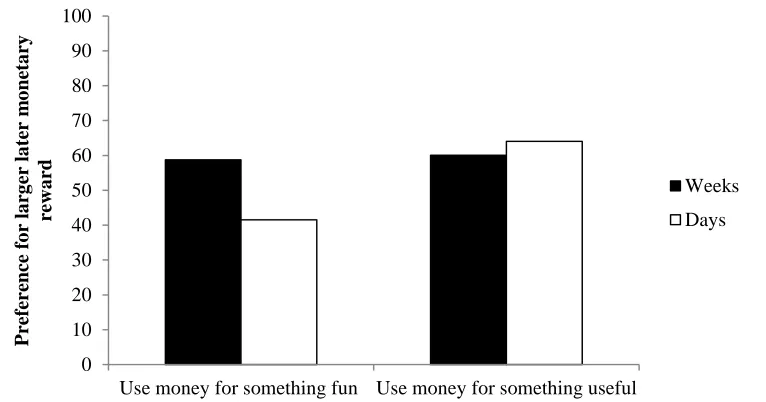
Figure 6.1 Study 1 results (choice) ...55
Figure 6.2 Study 2 results (choice) ...56
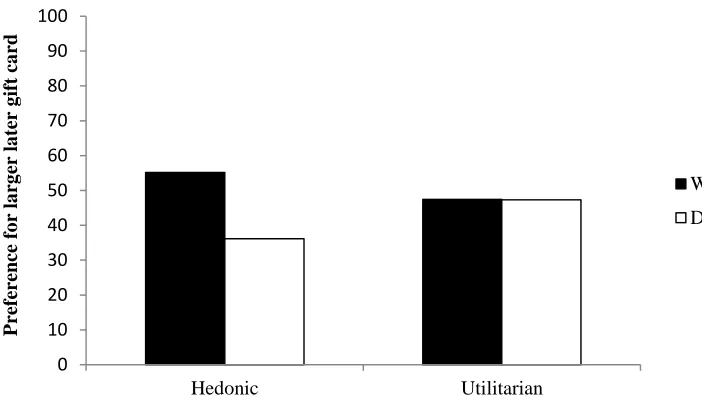
Figure 6.3.1 Study 3 results (preference) ...57
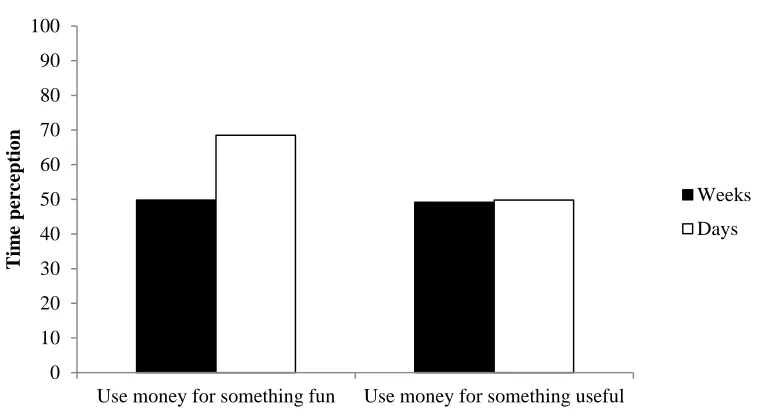
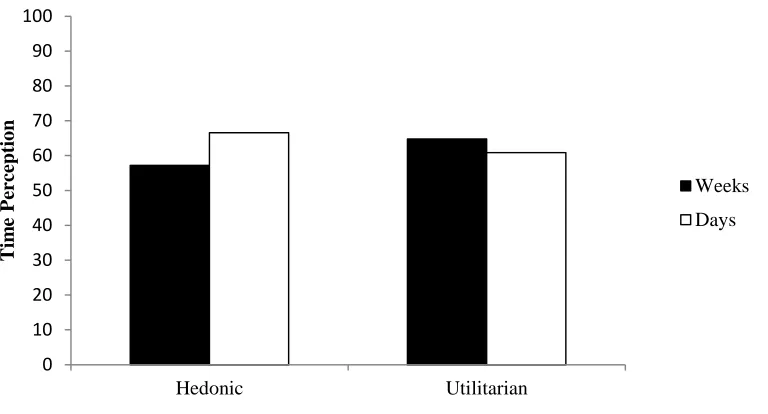
Figure 6.3.2 Study 3 results (time perception) ...58
Figure 6.4.1 Study 4 results (choice) ...59
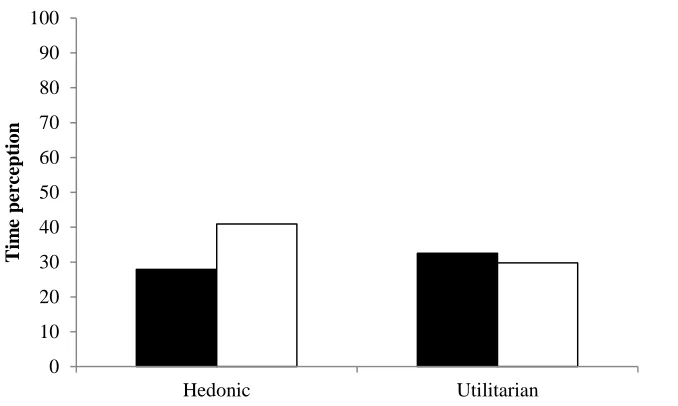
Figure 6.4.2 Study 4 results (time perception) ...60
Figure 6.5.1 Study 5 results (preference) ...61
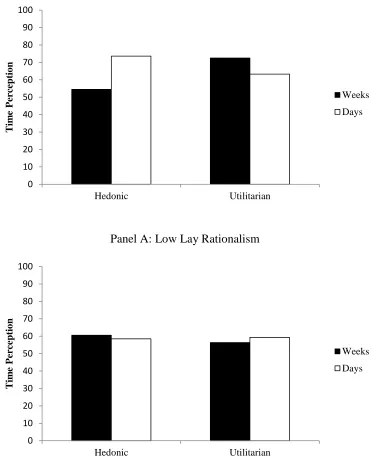
Figure 6.5.2 Study 5 results (preference when lay rationalism is low vs. high) ...62
Figure 6.5.3 Study 5 results (time perception) ...63
Figure 6.5.4 Study 5 results (time perception when lay rationalism is low vs. high) ...64
Figure 6.6.1 Study 6 results (choice when calc. prime present vs. control) ...65
1
CHAPTER 1
INTRODUCTION
Consumer choice often involves a conflict between immediate and future benefits.
This can be seen in everyday choices involving tradeoffs between the present and the
future. When consumers receive a paycheck, they can either put some money in a savings
account, or splurge on new purchases. Putting money in a savings account might not
bring immediate pleasure, but provides more money in the future. Splurging on a new
television will give immediate pleasure, but will provide less money in the future. Thus,
choosing to save money rather than splurging means a consumer has chosen future
benefits over immediate benefits.
The conflict between immediate and future benefits is exhibited in plenty of
consumer scenarios. One such scenario is when consumers decide whether or not to wait
for something better. For example, consumers in the market for an iPad have two choices.
On the one hand they can go to the store and buy the currently available one immediately.
This would provide immediate benefits. On the other hand, they can wait for a better
iPad. Much like many technology products, consumers know that a new and improved
2
aversive, it will result in better benefits in the future. If one does choose to wait for the
better reward, i.e., the better iPad, then it reflects patience. In this situation, the
immediately available iPad can be characterized as a smaller-sooner reward (SS), while
the new version as a larger-later reward (LL). Such choices between SS and LL rewards
are known as intertemporal choices, as people are choosing between two rewards
separated by a wait time in between. If consumers choose to endure the wait time, then
they get something better than what is immediately available. Thus choosing LL reflects
patience. It is important to explore intertemporal choice, so that we can determine how
consumers can be made to overcome their immediate desires, and thereby become patient
for better rewards in the future.
One of the key determinants of patience in intertemporal choice is the perception
of wait time. Since SS and LL rewards are separated by wait time, one may be more
likely to pick the LL reward if the wait time is perceived to be short. That is, the shorter
the wait time feels the more patient one becomes. Prior research has identified several
variables which can impact wait time perception (Ebert and Prelec 2007; Kim and
Zauberman 2013; Kim, Zauberman and Bettman 2012; LeBoeuf 2006; May and Monga
2014; Read 2001; Read et al. 2005; Scholten and Read 2006; Zauberman et al. 2009).
One variable which has received considerably less attention is the unit used to express the
wait time. Let’s again consider the example of consumers in the market for an iPad. They
know that they can buy the currently available version, or wait for the new version. Let’s
assume the consumers are informed that the new version will release in 3 months. That is,
the wait time for the LL reward, the new version of the iPad, is 3 months. The time unit
3
chooses to use the unit of ‘days’, or as 3 months if one chooses to use the unit of
‘months’.
In my dissertation, I explore how using different wait time units in intertemporal
choice can impact consumer patience. I predict that using a larger unit of wait time (e.g.,
months rather than days) shrinks wait time perception and consequently increases
patience, but more so when the rewards are hedonic rather than utilitarian in nature.
Research on the numerosity heuristic documents how a change in unit impacts
magnitude perceptions. The numerosity heuristic refers to the tendency to equate smaller
numbers with smaller magnitudes (Pelham, Sumarta and Myaskovsky 1994). Consider an
individual evaluating the quantity of pizza that is available at a dinner. According to the
numerosity heuristic, the quantity of 1 whole pizza may seem less relative to when the
same pizza is cut into 8 slices. This occurs because the magnitude of the numbers (1 < 8)
is used as a cognitive short-cut to judge quantity, and the magnitude of the units (whole >
slice) is not fully considered. Hence, numerosity is a heuristic, essentially a quick rule of
thumb, which guides an individual’s perception of magnitude.
If the numerosity heuristic is relied upon when evaluating an intertemporal
choice, then the length of the wait time should feel shorter when it is described as 3
months rather than 90 days, resulting in more patience for the LL reward. Again, this
effect should occur since individuals will tend to use the numerical comparison (3 < 90)
as a short-cut to judge the length of the wait period and not fully consider the unit
comparison (months > days). Because of this, if the influence of the numerosity heuristic
4
patience for the LL reward. In other words, use of the numerosity heuristic should result
in greater patience when the wait time is expressed in large vs. small time units.
I expect this effect of units on wait time perception to weaken when the rewards
are utilitarian rather than hedonic in nature. That is, I expect the nature of the rewards to
impact the effect of units on wait time perception. My expectation follows from the
unique context of intertemporal choice. This context involves not only consideration of
the wait time but also a consideration of the SS and LL rewards. That is, a consumer must
consider whether the benefits that LL brings in comparison to SS are worth the cost of
waiting. For example, a consumer who is considering waiting for the new version of the
iPad would consider how much better the new version is than the current one. The
consideration of certain types of rewards may induce a calculative mindset and thus
diminish reliance on quick heuristics such as numerosity. I theorize that consideration of
utilitarian rather than hedonic rewards will lead to more careful calculation.
Consequently, the numerosity heuristic will be relied upon less when an intertemporal
choice involves utilitarian rewards.
Utilitarian and hedonic rewards vary along many dimensions. One of the main
differences between the two is that utilitarian rewards are less affectively intense and
involve consideration of functionality, while hedonic rewards are more affectively
intense and involve consideration of sensory experiences (Dhar and Wertenbroch 2000;
Hirschman and Holbrook 1982; Khan, Dhar and Wertenbroch 2005; Okada 2005; Pham
1998; Strahilevitz and Myers 1998). Thus, an intertemporal choice involving utilitarian
5
involving hedonic rewards would lead to an evaluation focusing on affective
considerations.
Affect has been found to promote the use of heuristics and lead to the occurrence
of biases in decision making rather than the use of careful calculation (Hsee and
Rottenstreich 2004, Pham 1998, Pham 2004; Schwarz and Clore 2007). For example, it
has been shown that willingness to pay for affectively intense products is based more on
feelings rather than calculative processes (Hsee and Rottenstreich 2004). Similarly, Pham
(1998) showed that when individuals have purely consummatory (hedonic) motives for
watching a movie, they tend to base their decision of whether to watch it or not on a ‘how
do I feel about it’ heuristic rather than reason. Thus, an intertemporal choice involving
hedonic rewards should lead to less calculative decision making, while that involving
utilitarian rewards should lead to more calculative decision making.
In summary, I predict that larger (vs. smaller) units should shrink wait time and
thereby boost patience in the case of hedonic rewards, while this effect should diminish
in the case of utilitarian rewards. This prediction is based on two key theoretical links: 1)
Since numerosity is an effortless heuristic (Pelham et al. 1994), its effects should
diminish when individuals rely more on calculation, and 2) An intertemporal choice
involving utilitarian (vs. hedonic) rewards should lead to a greater reliance on calculation,
since the affective nature of hedonic consumption lessens reliance on calculation (Hsee
and Rottenstreich 2004, Pham 1998).
Six studies reveal this interactive effect across a diverse range of time units
6
rewards, such as technology products and purely monetary rewards. In line with my
proposed process, I observe mediation for the interactive effect via wait time perception.
I also observe moderation, such that when individuals have a chronic tendency to engage
in more calculative processing, or are manipulated to use calculative processing, the
hedonic-utilitarian asymmetry is eliminated. The results are robust. They emerge for
choice and preference measures, for hypothetical and real rewards, and regardless of
whether hedonic versus utilitarian perceptions are measured or manipulated.
My first contribution is to the literatures on intertemporal choice and numerosity.
I address the lack of research with regards to when numerosity effects will be expected to
replicate in intertemporal choice. I show that the influence of numerosity on wait time
and consequently patience depends on whether the rewards are hedonic or utilitarian.
And specifically for intertemporal choice, while it is known that both rewards and wait
time can influence patience through separate pathways, I reveal a new interactive effect:
the nature of the reward makes wait time perception more susceptible to changes in units,
thus influencing patience. My findings also augment research on the hedonic-utilitarian
distinction by connecting this literature to time perception, and revealing a new
asymmetry. I show that hedonic rewards make time perception more malleable (i.e.,
perception changes more easily with time units), and such malleability can extend to
patience. I also show that this hedonic-utilitarian asymmetry dissipates in the face of a
calculative mindset, and among individuals who have a natural tendency to be more
calculative in their decisions. Finally, my results have implications for managers and
7
CHAPTER 2
PATIENCE IN INTERTEMPORAL CHOICE
In this section, I review past work on intertemporal choice. Research in this area
has outlined several factors which influence consumer patience for a larger later reward.
In order to explore how a change in wait time units might impact patience in
intertemporal choice, it is important to first look at factors which are known to impact
patience in these choice situations.
Individuals often encounter choices between two options where one offers
immediate gratification and the other delayed gratification. When a child is offered a
choice between having one marshmallow now versus two marshmallows later, the child
finds it hard to resist the temptation of eating a marshmallow immediately, and thus
forgoes the larger reward of having twice as many marshmallows (Mischel and Ebbesen
1970; Mischel, Ebbesen and Zeiss 1972; Mischel, Shoda and Rodriguez 1989).
Children’s tendency to wait for the larger reward of two marshmallows can increase
when they are distracted from thinking about the marshmallow (Mischel et al. 1972). In
the marketplace, consumers face choices similar to these, and in these cases certain
8
Choices where consumers are choosing between a smaller sooner reward (SS) and
a larger later reward (LL) have been characterized as intertemporal choices. Consumers
considering the purchase of an iPad now versus waiting for a superior version arriving in
three months are faced with a choice between SS (currently available iPad) vs LL (better
version arriving in three months). A similar choice happens when one chooses between
shipping options. When shopping online, consumers often have to choose between an
expensive expedited shipping option and a cheaper standard shipping option. In this case,
expedited shipping is the SS reward, since one pays more in order to receive a product
sooner. Standard shipping on the other hand is the LL reward, since one pays less in
exchange for waiting for a longer period of time. In all of these of consumer contexts,
whether it is waiting for more food vs. less, waiting for a better technology product, or
waiting longer in order to pay less for shipping, waiting for the LL reward reflects
patience. Patience in intertemporal choice has been shown to be dependent on two
factors: 1) the nature of the rewards and 2) perception of the wait time.
The nature of the rewards in intertemporal choice can influence patience since
rewards may vary in terms of certain characteristics, such as perceived size. Consider a
consumer who has the option between receiving $100 right now (SS) versus $150 in 4
weeks (LL). If the size of LL were to increase to $200, without any change in the 4 week
wait period, then we can expect the consumer to be more patient for LL. Thus, given no
change in the wait time, when the LL option is perceived to be much larger, it results in
greater patience (Mischel and Ebbesen 1970; O’Donoghue and Rabin 1999; Thaler
1981). Other changes in the perception of the reward can also impact patience. For
9
marshmallows later, the way the marshmallows are presented to the children can
significantly impact patience. When the marshmallows are depicted in pictures rather
than put in a plate in front of them, children become more patient (Mischel et al. 1989).
The perception of wait time in intertemporal choice can influence patience since
patience increases when the wait time feels short. If we decrease the wait for a LL reward
from 4 weeks to 3 weeks, the consumer will be more patient. Research has shown that
wait time periods do not need to change in absolute terms to influence patience. That is,
the same wait time period can seem subjectively shorter in certain circumstances. Several
extraneous factors can make a given wait time seem subjectively shorter (Ebert and
Prelec 2007; Kim and Zauberman 2013; Kim, Zauberman and Bettman 2012; LeBoeuf
2006; May and Monga 2014; Read 2001; Read et al. 2005; Scholten and Read 2006;
Zauberman et al. 2009). For example, the perceived wait time for LL rewards has been
shown to be impacted by prior exposure to large spatial distances (Kim, Zauberman and
Bettman 2012). In one of their studies, Kim et al. (2012) presented participants with the
map of a neighborhood. When participants were asked to focus on the distance between a
building that was close to their current location (vs. further away), participants rated a
subsequent wait time period as shorter as well. That is, simply thinking about shorter
spatial distances led participants to perceive temporal distances as shorter as well.
Similarly, exposing people to sexual cues prior to an intertemporal choice also impacts
subjective perceptions of wait time (Kim and Zauberman 2013).
Wait time perceptions in intertemporal choice may also be impacted by the
framing of the wait time. Thus, in addition to extraneous factors such as spatial distances
10
perception. For example, let’s assume that the next version of Apple’s iPad is slated to
come out on October 1st, which is 3 months away. Apple can describe the wait time to the
consumer either in terms of dates (receive it on October 1st) or in terms of a length
expressed in time units (receive it in 3 months). LeBoeuf (2006) and Read et al. (2005)
demonstrated that describing the wait time for an LL option as a date rather than a length
results in shortened perception of wait time and thereby greater patience for the LL. In
order to predict how describing wait time in different units may impact intertemporal
11
CHAPTER 3
THE NUMEROSITY HEURISTIC
In this section, I review prior work on numerical biases, and particularly that
related to the numerosity heuristic. This work provides insight into how perception of
time might be impacted once the unit used to express time is changed.
Numbers are a convenient, absolute and objective way to describe quantities, and
yet, researchers have documented many peculiar ways in which they may bias our
judgments. For example, research on anchoring reveals how judgments are affected by
arbitrary numbers (Brewer et al. 2007; Tversky and Kahneman 1974; Wilson et al. 1996).
Tversky and Kahneman (1974) conducted a study in which they assigned a random
number between 0 to 100 to every participant. After this assignment, the participants
were asked to estimate the percentage of African nations in the United Nations.
Surprisingly, participants’ estimates were heavily influenced by the random number that
they had received. The median estimate of the percentage of African nations in the
United Nations was 25% when participants encountered the number 10, while it was 45%
12
where simple random encounters with supposedly meaningless numbers can influence
our judgments in subsequent decisions.
In addition to anchoring, another example of numerical biases is the ratio bias.
Researchers in this line of research investigated people’s preference for lotteries and
found that people preferred a winning chance of 9 out of 100 over a chance of 1 out of
10. This effect happens because the larger number (i.e., 9 rather than 1) makes them feel
that they have a better chance of winning, even though 9 out of 100 should clearly be
considered a lower chance than 1 out of 10 (Pacini and Epstein 1999). Related to such
effects is the numerosity heuristic: the tendency to equate larger units with smaller
magnitudes because larger units are naturally associated with smaller numbers (Pelham et
al. 1994).
Numbers are often a valid means to assess magnitudes, but individuals tend to
weigh numbers much more than they should in decision making. This tendency is known
as the numerosity heuristic. For instance, 8 slices of pizza do denote a greater quantity
than 1 slice. However, people seem to over-extend this notion for quantities that are
expressed using numbers with different units. Specifically, they use numbers as a
heuristic to assess quantities while not adequately taking the associated units into
consideration. Thus, the quantity of 1 whole pizza may seem less relative to when the
same pizza is cut into 8 slices because the magnitude of the numbers (1 < 8) is used as a
cognitive short-cut, and the magnitude of the units (whole > slice) is not fully considered.
Pelham et al. (1994) found evidence of this in one of their studies. They asked
participants to judge the area of a circle. However, in one condition the circle was one
13
though both circles were of the exact same area, participants rated the area of the circle to
be larger when it was divided into multiple sectors rather than presented as a whole
circle. Thus, participants relied more on the numerical comparison of many sectors vs. 1
circle, and did not fully consider the difference in units (sectors vs. circle).
The numerosity effect has been found in consumer contexts as well. For example,
when consumers engage in currency comparisons, numerosity effects are likely. Given
the currency exchange rate of Yen vs. Won (1 Japanese Yen = 10 Korean Won), 1,000
Yen should appear equivalent to 10,000 Won. However, 1,000 Yen are perceived to be of
much lower value because people once again rely more on the numerical comparison
(1,000 < 10,000) than on the comparison between the currency units (Raghubir and
Srivastava 2002; Wertenbroch et al. 2007). Other research has revealed that numerosity
effects extend to a variety of quantities, including time (Burson et al. 2009; Pandelaere et
al. 2011). Pandelaere et al. (2011) presented participants with two dishwashers. In one
condition, the two dishwashers were said to have a warranty period of 7 years and 9 years
respectively, while in another condition the warranty period was expressed as 84 months
and 108 months. Thus the warranty periods were the same in both conditions, but just
expressed in different units. They found that participants rated the difference between the
two warranty periods as shorter when they were expressed in terms of years rather than
months.
Given the robust evidence of numerosity effects in past research, we can see how
it can impact wait time. According to numerosity, the same quantity of wait time should
be perceived to be smaller in the case of larger (vs. smaller) time units because people
14
expressing wait time in terms of larger time units (e.g., as 3 months instead of 90 days)
should shrink wait time perception. Past work has only peripherally explored these
effects. As discussed in the last section, LeBoeuf (2006) and Read et al. (2005) focused
on how expressing wait time in dates versus lengths impacts patience in intertemporal
choice, and thus did not fully explore how using different units of time (e.g., months
rather than days) to express the wait time can impact wait time perceptions, and
consequently patience. In one study each, they do manipulate wait time units (e.g.,
months versus weeks), but do not find any significant effects on patience. Monga and
Bagchi (2012) also conducted a study in which they vary wait time units in an
intertemporal choice, but in their study participants were induced to be in specific
mindsets before they faced the intertemporal choice. Thus, the default effect of units on
patience (i.e., when no specific mindsets are induced) was not explored. Given the
robustness of numerosity effects found in contexts other than intertemporal choice, the
lack of significant effects found by LeBoeuf (2006) and Read et al. (2005), which are the
only works to examine an effect of units on patience, is surprising. This suggests that
there may be a boundary condition that determines when numerosity effects may emerge,
one which is yet to be explored. We know from past research that intertemporal choices
can be influenced not just by wait time perception, but also by the nature of the rewards.
Thus, it is possible that the nature of the rewards can impact the effect of units on
patience. In the next section, I discuss how the hedonic vs. utilitarian nature of rewards
15
CHAPTER 4
HEDONIC VS. UTILITARIAN CONSUMPTION
In this section, I review how past research has distinguished hedonic consumption
from utilitarian consumption. Further, I also review how the distinction between hedonic
and utilitarian consumption may impact a consumer’s mode of thinking when making a
decision.
Consumers’ motives for seeking products and experiences can vary. Buying a
computer to stream movies is a different motive when compared to buying a computer to
work on school projects. When one intends to stream movies, the computer is evaluated
based on all the fun and joy that it will bring, while when one intends to work on school
projects, the computer is evaluated based on all the usefulness that it will bring.
Fundamentally, in the former case, the computer serves hedonic gratification, while in the
latter, it serves utilitarian fulfillment (Batra & Ahtola 1991; Dhar and Wertenbroch 2000;
Khan et al. 2005). Utilitarian goods are associated with characteristics such as cognition,
goal orientation, functionality, and practicality while hedonic goods are associated with
characteristics such as affect, sensory experiences, aesthetics, fantasy, and fun
16
less affectively intense because their primary purpose is to fulfill an instrumental goal,
such as necessary tasks that one must complete, while hedonic goods are more affectively
intense, since they fulfill a consummatory goal such as fun and pleasure (Dhar and
Wertenbroch 2000; Khan et al. 2005; Okada 2005; Pham 1998, Strahilevitz 1999).
The differences between hedonic and utilitarian consumption can lead to strong
differences in decision making. For example, compared to utilitarian consumption,
hedonic consumption can lead to a sense of guilt, since fun and enjoyment is seen as a
luxury that one cannot afford when compared to the more functional purpose of
utilitarian consumption (Kivetz and Simonson 2002; Okada 2005; Strahilevitz and Myers
1998). Because of this associated guilt, people find it hard to justify the consumption of
hedonic goods when compared to the consumption of utilitarian goods (Kivetz and
Simonson 2002; Okada 2005; Okada and Hoch 2012). Utilitarian goods tend to evoke
thoughts of goal achievement, efficiency and functionality, which are important factors to
consumers as opposed to the thoughts of fun and enjoyment that hedonic goods evoke.
Given these differences, utilitarian and hedonic goods may lead to different modes of
thinking when making a decision.
Past work has theorized that decisions may be guided by two modes of thinking:
intuition and reason (Epstein 1994, Kahneman 1973; Kahneman 2003; Schwarz and
Clore 2007, Stanovich and West 2000). The intuitive mode of thinking is fast and
effortless, and tends to be more emotional, while the reasoning mode is slow and
effortful, and tends to be more deliberative. Thus, use of effortless heuristics like
numerosity should be more likely when the intuitive mode is active, such as when
17
model, also similarly points to two modes of thinking: one based on heuristics, and the
other more on careful calculation (Chaiken 1980, Chaiken, Liberman and Eagly 1989,
Chaiken and Maheswaran 1994, Petty and Cacioppo 1984). Certain decisions situations
can motivate individuals to use more calculative (systematic) processing rather than
heuristic processing, such as when individuals decide based on conflicting information
(Chaiken and Maheswaran 1994, Petty and Cacioppo 1984). For example, Chaiken and
Maheswaran (1994) tested the persuasiveness of messages. When the messages involved
two pieces of information that contradicted each other, participants were more likely to
be careful and calculative in their evaluation of how persuasive the message is. When the
two pieces of information were not contradicting each other, participants were more
likely to be careless and instead rely on heuristics in their evaluations of message
persuasiveness. Thus, the greater feelings a decision situation evokes, or the less carefully
one thinks about a decision, the more likely it should be that heuristics such as
numerosity are relied upon.
Consumption that signals affect has also generally been found to shift decision
makers away from calculative decision making (Hsee and Rottenstreich 2004, Pham
1998, Pham 2004, Schwarz and Clore 2007). For example, Pham (1998) conducted a
study where participants’ hedonic and utilitarian motives were manipulated. In one
condition, participants were told that they need to go watch a movie because it’s
enjoyable, while in another condition they were told that they need to go watch a movie
because it’s part of a school assignment. Pham (1998) found that participants’ incidental
mood, whether it was positive or negative, affected their decision of whether to go watch
18
Thus, participants were using a ‘how do I feel about it’ heuristic when they evaluated the
movie as being hedonic, but did not use this heuristic when they evaluated the movie as
being utilitarian.
Affect can also influence decision processes when people simply evaluate
affectively intense vs. less intense stimuli. Work by Hsee and Rottenstreich (2004)
suggests that when participants evaluate stimuli based more on affect, their decisions are
based less on careful calculative processes and more on their feelings. Hence, given the
affective nature of hedonic consumption, it is likely that an intertemporal choice
involving hedonic (vs. utilitarian) rewards will lead to lesser reliance on a calculative
mindset, and thus a greater use of heuristics such as numerosity. In the next section, I
develop my theoretical predictions for how a change in wait time units may impact
intertemporal choice differently, depending on whether the rewards are hedonic vs.
19
CHAPTER 5
HYPOTHESES DEVELOPMENT
In this section, I now formulate my predictions. In the previous sections, I
outlined a number of key findings from past literature: Firstly, in an intertemporal choice
between a smaller sooner reward (SS) and a larger later reward (LL), the shorter the wait
time feels for the LL reward, the more likely one is to wait for the LL reward. That is,
shortened wait time perceptions boost patience. Secondly, according to the numerosity
heuristic, using larger (vs. smaller) units of wait time should shorten wait time
perception. However, given past work on numerosity and intertemporal choice, it is not
clear whether a change in units impacts patience in intertemporal choice. Lastly,
compared to hedonic rewards, utilitarian rewards should lead to a more calculative
mindset, which should reduce the use of heuristics in decision making. I now bring these
key findings together and formally state my predictions.
If consumers rely on the numerosity heuristic when evaluating an intertemporal
choice, the wait time for the larger later reward (LL) should appear smaller in the case of
larger (vs. smaller) time units, because people will use the smaller (vs. larger) numbers as
20
days) should shrink wait time perception, which should then result in higher patience for
the LL option. Given the robust evidence on numerosity effects provided by past work,
one would expect this effect of units to influence intertemporal choice. That is, one can
expect the numerosity heuristic to be relied upon in intertemporal choice. However, given
that an intertemporal choice involves not only the perception of the wait time but also an
evaluation of a smaller reward and a larger reward, the strength of the numerosity effect
may vary with the type of rewards under consideration.
Since numerosity is a heuristic which involves overweighing numerical
comparisons and underweighting unit comparisons, numerosity effects should weaken
when individuals are being more careful and calculative in their decision making. Thus
far, numerosity effects related to time have generally not been observed in situations akin
to intertemporal choice. For example, making a simple judgment of how long the
difference between 7 days and 14 days feels as opposed to that between 1 week and 2
weeks might not involve a careful and calculative evaluation. People may well use a
heuristic to decide on how long the time period feels in such evaluations. An
intertemporal choice on the other hand involves not only an evaluation of a magnitude,
i.e., the wait time, but also a comparison between SS and LL rewards, as one must choose
whether to wait for the LL reward. The nature of these rewards might influence people’s
decision making. Thus, while numerosity effects should be expected to replicate for wait
time perception in intertemporal choice, this might not always be the case. If the rewards
under consideration promote the use of calculation, rather than heuristics, numerosity
effects might not emerge. This possibility is exemplified by the fact that there have been
21
at in intertemporal choice, which I discussed earlier in the literature review. I theorize
that the type of rewards in intertemporal choice can heavily influence the strength of
numerosity effects.
Given the hedonic-utilitarian distinction in consumption, we can see that an
intertemporal choice involving utilitarian rewards would lead to a comparison between
SS and LL based on functional properties, while that involving hedonic rewards would
lead to a comparison based on affective properties. For example, consider a consumer
who is thinking about whether to get the current version of the iPad or wait for the new
one. The consumer may intend to use the iPad for either more utilitarian purposes (use it
to become efficient and organized) or for more hedonic purposes (use it to listen to music
and watch videos). In the utilitarian case, the consumer would be comparing SS (current
version of the iPad) and LL (new version of the iPad) on the basis of functional properties
(i.e., the new version will allow me to achieve my goals better). In the hedonic case, the
consumer would be comparing SS and LL on the basis of affective properties (i.e., the
new version will bring me more pleasure).
Since utilitarian (vs. hedonic) rewards evoke a greater sense of function (vs.
feeling), and are less affectively intense, it is likely that they also lead to a more careful
and calculative mindset rather than one based on feelings. This is supported by past
research which has linked affect with a greater use of feelings rather than calculation
(e.g., Pham 1998, Hsee and Rottenstreich 2004). Hence, an intertemporal choice
involving hedonic rewards should lead to a lesser use of calculation, and a greater use of
the numerosity heuristic, while that involving utilitarian rewards should lead to a greater
22
larger (vs. smaller) units should shrink wait time and thereby boost patience in the case of
hedonic rewards, while this effect of units should diminish in the case of utilitarian
rewards. Formally:
H1: Using larger (vs. smaller) units of wait time in intertemporal choice will lead to an increase in patience when the rewards are hedonic. This effect of units will
diminish when the rewards are utilitarian.
An increase in patience will occur because participants will perceive the wait time
for the LL reward to be shorter when the wait time units are large (vs. small). Thus, the
interactive effect of reward type and time units on patience should be mediated by wait
time perception. Formally:
H2: The interactive effect of wait time units and reward type on patience (H1) will be mediated by wait time perception.
Given my theorizing that reliance on the numerosity heuristic should decrease
when rewards are utilitarian due to a shift towards a more calculative mindset, if
individuals are made to rely on a more calculative mindset then numerosity effects should
be diminished for hedonic rewards as well. Thus, for individuals who chronically engage
in more careful calculation, or who are primed to be in a calculative mindset, the effect of
units in the case of hedonic rewards should diminish, while there should be no effect on
utilitarian rewards, since in that case individuals are already more likely to be in a
calculative mindset. Consequently, the asymmetry in how numerosity influences time
perception, and patience, for hedonic versus utilitarian rewards should diminish when
23
H3: The interactive effect of wait time units and reward type on patience (H1) will be moderated by reliance on a calculative mindset such that greater (vs.
lesser) reliance on a calculative mindset will eliminate the hedonic-utilitarian
asymmetry predicted by H1.
In the next section I discuss the studies I conducted in order to test the predictions
24
CHAPTER 6
STUDIES
To test my hypotheses, I conducted six studies. Study 1 examines an
intertemporal choice situation between SS and LL rewards, with wait time being
described in either small or large units. In support of H1, larger (vs. smaller) units of wait
time boost patience in the case of hedonic rewards, but this effect is not observed in the
case of utilitarian rewards. I replicate this interaction in study 2 by employing a study that
involves a choice between monetary rewards that are real rather than hypothetical. The
same interaction emerges for preference in study 3 when I measure rather than
manipulate hedonic versus utilitarian rewards. Hence, I once again find support for H1.
Additionally, I find support for H2 in study 3 as well, where I measure time perception. I
find that my results are indeed due to the numerosity of time units; the effect of units on
patience is mediated by how long the wait time is perceived to be. In study 4, I find
further evidence for H1 and H2 while using a different intertemporal choice context. In
this context, the LL product is the same as the SS product, but involves cheaper product
25
In studies 5 and 6, in addition to support for H1 and H2, I find support for H3. I
use moderation to verify my argument about the effect of units emerging for hedonic (vs.
utilitarian) rewards due to utilitarian rewards shifting individuals towards a more
calculative mindset. Specifically, in study 5, I show that for those more inclined to be
calculative in their decisions, the effect of units on time perceptions for hedonic rewards
is diminished, and thus the hedonic-utilitarian asymmetry is erased. And in study 6, I
show that when individuals are primed to use more calculation in decision making, the
effect of units on time perception and patience for hedonic rewards is diminished, and
thus the hedonic-utilitarian asymmetry is once again erased.
6.1 STUDY 1
In the context of a new version of an electronic device, I test H1, in order to see
whether time units interact with reward type to influence patience. This study involves a
hypothetical scenario of a choice between buying a tablet computer right away (SS) or
buying an improved version that would be available at the same price at a later date (LL).
The time until the release date of the new, improved, version is expressed in either days
or months. The tablet is manipulated to have a hedonic or a utilitarian purpose. I expect
participants to be more patient (i.e., more likely to opt for the new version) when the time
units are large (vs. small), provided the tablet is framed as hedonic. This effect should be
26 Method
Two hundred and twenty three undergraduate students (Mage = 21, female = 60%)
successfully participated in the study. This is the number of participants left after five
responses were excluded based on incorrect answers to an attention-filter question: “This
question is just to make sure that you are paying attention to this survey. Please mark ‘2’
as your response.”
Participants were randomly assigned to a 2 (time unit: small, large) X 2 (reward
type: hedonic, utilitarian) between subjects design. Those in the hedonic [utilitarian]
condition read the following scenario:
“Imagine that you do not have a tablet computer at this point, but would
like to buy one. Your friends have told you great things about one
particular tablet. This tablet is not really for making life more efficient and
organized, but simply for making it more fun and enjoyable [This tablet is
not really for making life more fun and enjoyable, but simply for making it
more efficient and organized]. You cannot wait to get this tablet. You head
on over to a retail website with the intention of buying it. You search for
the tablet and arrive at its product page. You see the following price
information: ‘Get this tablet now for $299!’”
Then, in the small [large] time unit condition, participants read:
“However, you also notice the following on the same page: ‘A new
27
will have upgraded hardware and software.’ You are now faced with the
decision of whether to buy the tablet right now, or to hold off and get the
new version. What is your decision?”
All participants then indicated whether they would choose to buy the tablet right
now or hold off and get the new version. Participants then answered the following
question as a manipulation check for the hedonic-utilitarian manipulation: “While
deciding to get it now or later, did you anticipate using the tablet for fun or for work?” on
a 0 to 100 slider scale with 0 = work and 100 = fun. (For all 0-100 scales that I employed
in this dissertation, the numerical values on the slider scale were not visible to
participants.) Finally, participants answered standard demographic questions and the
attention-filter question described earlier.
Results
Check for hedonic-utilitarian manipulation. A 2-way ANOVA confirmed that the
manipulation worked. There was a significant main effect of reward type such that
participants rated the tablet to be more hedonic in the hedonic condition (MHedonic = 62.50)
than in the utilitarian condition (MUtilitarian = 50.09; F(1, 219) = 13.95, p < .001). There
was no significant main effect of time unit, and no significant interaction (ps > .1).
Choice. I conducted a binary logistic regression with time unit (large = -1, small =
1) and reward type (hedonic = -1, utilitarian = 1) as the independent variables and choice
28
emerged between time unit and reward type (β = .72, z = 2.40, p < .05). The main effect
of time unit was significant (β = -.61, z = -2.05, p < .05), while that of reward type was
not (β = -.42, z = -1.42, p > .10). As predicted, when the tablet was hedonic, participants
chose the superior version significantly more in the large unit condition (98.15%)
compared to the small unit condition (78.95%, β = -1.32, z = -2.50, p < .05). However,
when the tablet was utilitarian, there was no significant difference in patience between
the large unit (84.48%) and the small unit conditions (87.04%, β = .10, z = .39, p > .5; see
figure 6.1). Hence, for the hedonic tablet, participants were more patient when the delay
was described as 4 months, as opposed to 120 days, but this pattern did not extend to the
utilitarian tablet.
Discussion
In a choice context, this study provides support for H1. I had presented
participants with a choice between the current version of a computer tablet vs. a new and
improved version of the tablet which was to release after a certain period of time. I had
also manipulated the tablet to be either hedonic in nature or utilitarian. For the hedonic
tablet, participants were more patient for the newer version when the wait time for it was
expressed in terms of large (vs. small) units. For the utilitarian tablet, participants were
equally patient in the large and small time unit conditions. Thus, participants were
influenced by a change in time units (in line with the numerosity heuristic) when the
29
6.2 STUDY 2
Having found evidence for my predicted effect in study 1, in this study I sought to
establish whether time units and reward type can interact to influence patience in a
consequential choice involving real money (a bonus payment to mTurk participants).
That is, I now test H1 in a real choice scenario. I also used different units of time than in
study 1, and a shorter objective wait time. Also, in study 1, I had changed the nature of
the reward (i.e., tablet) to make it seem hedonic versus utilitarian. Now, I keep the reward
(i.e., amount of money) constant, and ask participants to think of hedonic versus
utilitarian products that they can purchase with money. The choice participants make is
whether to receive a small monetary bonus sooner, or a large monetary bonus later. I
predict that participants will be more patient for the larger bonus when the time unit is
large (vs. small), provided they think of money as a means to acquire hedonic products.
Method
One hundred and forty six respondents from the mTurk online panel (Mage =
33.57, female = 42.5%) successfully participated in the study (four responses were
excluded because participants incorrectly answered the attention-filter question described
in study 1). Participants were randomly assigned to conditions in accordance with a 2
(time unit: small, large) X 2 (reward type: hedonic, utilitarian) between subjects design.
30
with money. In the hedonic [utilitarian] condition, participants engaged in the following
task:
“Money can be spent on many different products. We want you to think
about all the fun products that you can buy with money. For example,
think about products that can bring you sensory pleasure, or products that
can be used for your enjoyment. [We want you to think about all the
useful products that you can buy with money. For example, think about
products that are functional, or products that can be used to accomplish a
practical task.] Below, please write down the names of three fun [useful]
products that you can buy with money.”
After participants completed the task, they moved on to the next section of the
study. In this section they were informed that they have the opportunity to receive a
bonus payment for completing the study (in addition to their regular payment of 30
cents). In the small [large] time unit condition, they were presented with the following
two options for their bonus payment:
Option A: Receive a $25 bonus in 48 hours [2 days]
Option B: Receive a $30 bonus in 96 hours [4 days]
Participants were told that one randomly selected participant will receive the
bonus that they choose. After choosing between the two options, they answered a
manipulation check for the hedonic versus utilitarian manipulation. Specifically, they
indicated the extent to which they were thinking about using money to buy something fun
31
participants answered standard demographic questions and the attention-filter question.
One randomly selected participant was then paid the bonus according to what they had
chosen.
Results
Check for hedonic-utilitarian manipulation. A 2-way ANOVA confirmed that the
manipulation worked. There was a significant main effect of reward type; participants
indicated that they were thinking about buying something hedonic relatively more in the
hedonic condition (MHedonic = 33.46) than in the utilitarian condition (MUtilitarian = 25.44;
F(1, 142) = 5.23, p < .05). There was no significant main effect of time unit, and no
significant interaction (ps > .1)
Choice. I conducted a binary logistic regression with time unit (large = -1, small =
1) and reward type (hedonic = -1, utilitarian = 1) as the independent variables and choice
(smaller sooner bonus = 0, larger later bonus = 1) as the dependent variable. A marginally
significant 2-way interaction emerged between time unit and reward type (β = .43, z =
1.77, p = .07). The main effect of time unit was significant (β = -.57, z = -2.33, p < .05),
while that of reward type was not (β = .13, z = .54, p > .10). As predicted, participants in
the hedonic condition chose the LL bonus significantly more when the time unit was
large (92.5%) versus small (62.5%, β = -1.00, z = -2.85, p < .01). However, in the
utilitarian condition, there was no significant difference in the large (87.10%) versus the
32
participants were more patient for the larger-later bonus when the delay was described as
4 days as opposed to 96 hours, but only when thoughts about the purchase of hedonic (vs.
utilitarian) rewards were activated.
Discussion
This study builds on the findings of study 1 by replicating my predicted effect
when the rewards pertained to real rather than hypothetical rewards. Thus, I was able to
show that H1 holds for real choices as well. I first manipulated participants to view
money as either a means to acquire hedonic rewards or utilitarian rewards. Then, I
presented participants with a choice between a smaller monetary amount which was
available sooner and a larger monetary amount which was available later. The choice had
real consequences, since participants had a chance of receiving the option that they chose.
Participants were found to be more patient when the wait times were expressed in large
(vs. small) units of time, but only when money was seen as a means to acquire hedonic,
rather than utilitarian rewards.
I found these results when participants were told that they have a chance of
winning the reward that they choose. To ensure that my effects replicate even when
everyone has a 100% chance of receiving the reward they choose, I conducted a follow
up study. In this study, one hundred and twenty three respondents from the mTurk online
panel (Mage = 32, female = 39%) went through a similar procedure as in study 2, but the
33
available in 2 weeks. In the small time unit condition the wait time for LL was described
as 14 days instead. All participants were guaranteed to receive the bonus that they chose.
My results replicated. A significant 2-way interaction emerged between time unit and
reward type (β = .38, z = 2.10, p < .05). Participants in the hedonic condition chose the
LL bonus significantly more when the time unit was large (65.52%) versus small
(38.71%, β = -.55, z = -2.05, p < .05). However, in the utilitarian condition, there was no
significant difference in the large (45.45%) versus the small time unit condition (56.67%,
β = .23, z = .89, p > .3). Hence, whether participants only had a chance of receiving their
chosen reward, or were guaranteed to receive their chosen reward, patience for a larger
later monetary reward increased when a larger time unit was used to describe the wait
time.
6.3 STUDY 3
Having found evidence for H1 in studies 1and 2 using both hypothetical and real
choices, the objective of this study is to build upon these findings in three ways. First, I
seek to extend the effect from choices (studies 1 and 2) to participants’ subjective
preference between the SS and LL options. Second, rather than inducing participants to
think about spending money on buying hedonic versus utilitarian products (study 2), I
measure the extent to which participants are, on their own, inclined to spend their money
on hedonic versus utilitarian products. Lastly, I now test H2. I measure participants’
34
shrinking of wait time that mediates the effect of larger units boosting patience.
Method
Two hundred and thirteen undergraduate students (Mage = 21, female = 44.1%)
successfully participated in the study (eight responses were excluded because participants
incorrectly answered the attention-filter question). I employed a study design in which
one variable was manipulated (time unit: large, small) and another one was measured
(reward type: hedonic, utilitarian). Participants were told the following:
“Imagine that you have just won a $100 Visa gift card as a prize. We
would like to know what kind of goods you would spend the money on.
So please take a moment to think about what you would spend the money
on.”
On the next screen, participants randomly assigned to the small [large]
time unit condition read the following:
“Now imagine that you were offered the following deal: If you wait for 14
days [2 weeks] before receiving your prize, you can get a $110 Visa gift
card instead of a $100 Visa gift card.”
All participants then indicated their preference between the two gift cards on a 0
to 100 slider scale with 0 = ‘$100 card now’ and 100 = ‘$110 card later’. Participants
35
wait time for the $110 card feel?” (0 = very short, 100 = very long). To measure whether
participants intended to use the money for something hedonic rather than utilitarian, they
were asked: “When you thought about whether or not to wait for the $110 card, did you
think about using the money you won for something useful or something fun?” (0 =
something useful, 100 = something fun). Finally, participants answered standard
demographic questions and the attention-filter question.
Results
Preference. To investigate the 2-way interaction between time unit (large = -1,
small = 1) and reward type (hedonic vs. utilitarian; continuous), I used the
Johnson-Neyman floodlight analysis technique (Johnson and Johnson-Neyman 1936; Spiller et al. 2013).
The 2-way interaction with preference as the dependent variable was significant (β = -.18,
t = -1.98, p < .05; figure 6.3.1). The main effect of time unit was not significant (β = 7.55,
t = 1.24, p > .10), while that of reward type was significant (β = -.19, t = -2.11, p < .05).
As predicted, for participants leaning toward using the money for something hedonic
(who were at, or higher than, .46 SD above the mean on the useful-fun scale), preference
to wait for the $110 card was significantly higher in the large unit condition compared to
the small unit condition (βJN = -5.69, p = .05). For those leaning toward spending on
something utilitarian, there was no significant difference between the large and small
time unit conditions in their preference to wait for the $110 card (no Johnson-Neyman
36
Mediation. The pattern of results for the proposed mediator, wait time perception,
was similar to what I observed for the preference measure. Specifically, a significant
2-way interaction emerged between time unit and reward type (β = .16, t = 2.47, p < .05;
figure 6.3.2). The main effect of time unit was not significant (β = -4.62, t = -1.08, p >
.10), while that of reward type was significant (β = .16, t = 2.52, p < .05). As predicted,
for participants leaning toward using the money for something hedonic (who were at, or
higher than, .25 SD below the mean on the useful-fun scale), the wait time felt much
shorter in the large (vs. small) unit condition (βJN = 3.76, p = .05). However, for those
leaning toward spending on something utilitarian, there was no significant difference
between the large and small time unit conditions (no Johnson-Neyman significance
region).
To explore if, in fact, time perception was responsible for the interactive effect of
time units and reward type on preference, I ran a mediation analysis using the PROCESS
SPSS macro (Model 8; Preacher and Hayes 2004; Hayes 2013). In the regression model,
the dependent variable was preference while the independent variables were time unit
(large vs small), reward type (hedonic vs. utilitarian), time unit x reward type, and time
perception (how long did the wait time feel). The effect of the mediator, time perception,
was significant (β = -.99, t = -13.96, p < .001). The interactive effect of time unit and
reward type was not significant (β = -.02, t = -.36, p > .6). A bootstrap analysis showed
that the indirect effect of the highest order interaction with time perception as the
mediator was significant (β = -.16, 95% CI = -.30 to -0.03). Thus, these results confirm
37 Discussion
Once again I observed evidence for H1. Complementing the choice results
observed in the first two studies, the current study established the interactive effect of
time units and reward type on preference for a larger later reward. I measured
participants’ preference between two gift cards of monetary value that were separated by
a wait time. Participants showed greater preference for the larger-later gift card over the
smaller-sooner gift card when the wait time was expressed in large (vs. small units). But
this effect only happened when they thought about using the money from the gift card
towards something hedonic rather than utilitarian.
This study also augments my earlier findings by demonstrating that my results
replicate even when I rely on participants’ natural inclinations toward spending on
hedonic versus utilitarian products (i.e., when I measure rather than manipulate the
reward). Finally, I find evidence for H2 by showing that my process chain is consistent
with my theorizing about reliance on the numerosity heuristic when the rewards are
hedonic: Large (vs. small) units shrink wait time perception and boost patience.
6.4 STUDY 4
Choosing a shipping speed represents an intertemporal choice. Consumers must
38
an LL option (pay less for standard shipping; get product later). In the current study,
participants imagine purchasing a pair of headphones online. After the headphones are
manipulated to have either a hedonic or utilitarian purpose, participants choose between
standard and expedited shipping.
This study denotes a departure from my previous studies in which a larger benefit
was associated with the LL rather than the SS option (i.e., better version of tablet, or
more money). In the current study, I examine whether my results replicate when I keep
the benefits identical in the SS and LL options (i.e., the same pair of headphones) but
introduce a higher cost associated with the SS relative to the LL option (i.e., more
expensive product shipping). Hence, I once again test H1 and H2, but now in a different
type of intertemporal choice.
Method
Two hundred and thirty four undergraduate students (Mage = 21, female = 61%)
successfully participated in the study (six responses were excluded because participants
incorrectly answered the attention-filter question). Participants were randomly assigned
to conditions in accordance with a 2 (time unit: small, large) X 2 (reward type: hedonic,
utilitarian) between subjects design. Participants in the hedonic [utilitarian] condition
read the following scenario:
“Imagine that you are shopping online for a pair of headphones. You are
39
musical notes [that would function reliably, and offer good clarity of
voice]. Your goal is to have a pleasurable experience when listening to
your preferred music over the Internet (when using Pandora and similar
services) [Your goal is to have an effective conversation when
interviewing for your preferred jobs over the internet (when using Skype
and similar services)]. You find a good pair available for $40. You then
head on over to the checkout page where you are presented with a couple
of shipping options.”
Participants were then informed that they had two shipping options for their
headphones: Expedited for $4 or standard for $2. In the large (small) unit condition,
standard shipping was said to take 3 days (72 hours) and expedited shipping to take 1 day
(24 hours). Participants made a choice and then answered the question: “How long did
the time period between now and the time at which you would receive your headphones
through standard shipping feel?” They provided their answers on a 0-100 scale with 0 =
very short and 100 = very long. Finally, participants answered a manipulation check for
the hedonic versus utilitarian manipulation (as in study 1), standard demographic
questions, and the attention-filter question.
Results
Check for hedonic-utilitarian manipulation. A 2-way ANOVA confirmed that the
40
participants rated the headphones to be more hedonic in the hedonic condition (MHedonic =
84.49) than in the utilitarian condition (MUtilitarian = 54.72; F(1, 230) = 90.2, p < .001).
There was no significant main effect of time unit, and no significant interaction (ps > .1)
Choice. I first conducted a binary logistic regression with time unit (large = -1,
small = 1) and reward type (hedonic = -1, utilitarian = 1) as the independent variables and
shipping choice (expedited = 0, standard = 1) as the dependent variable. A significant
2-way interaction emerged between time unit and reward type (β = .26, z = 2.00, p < .05;
figure 6.4.1). The main effect of time unit was not significant (β = -.22, z = -1.66, p =
.10), while that of reward type was also not significant (β = .05, z = .34, p > .10). As
predicted, when the headphones were hedonic, participants chose to go with standard
shipping significantly more in the large unit condition (62.50%) compared to the small
unit condition (38.60%, β = -.49, z = -2.52, p < .05). Hence, participants were more
patient for the hedonic headphones when the delay was described in the larger unit of
days, as opposed to hours. However, when the headphones were utilitarian, there was no
significant difference in participants’ choice of standard shipping between the large
(51.72%) and small unit conditions (53.97%, β = .05, z = .25, p > .7).
Mediation. The pattern of results for the proposed mediator, wait time perception
for the later option (i.e., standard shipping), was similar to what I observed for the choice
measure. Specifically, a significant 2-way interaction emerged between time unit and
reward type (β = -3.94, t = -2.40, p < .05; figure 6.4.2). The main effect of time unit was
not significant (β = 2.57, t = 1.57, p > .10), while that of reward type was also not
significant (β = -1.62, t = -.99, p > .10). As predicted, in the hedonic condition, subjects