CSEIT1831387 | Received : 12 Feb 2018 | Accepted : 25 Feb 2018 | January-February-2018 [(3) 1 : 1574-1580]
International Journal of Scientific Research in Computer Science, Engineering and Information Technology © 2018 IJSRCSEIT | Volume 3 | Issue 1 | ISSN : 2456-3307
1574
A Study of Mobile Computing with a Green Initiative
1
Komal Aman Singh,
2Dr. G. Kalpana
1Student, Department of Computer Science, SRM Institute of Science and Technology, Chennai, Tamil Nadu, India 2Assistant Professor, Department Of Computer Science, SRM Institute of Science and Technology, Chennai, Tamil Nadu,
India
ABSTRACT
Mobile Computing is fast becoming an intriguing technological advancement in the world of mobile Development. In today's day and age, it is mostly independent on networking factors such as cellular calling a and data packs such as edge and 2-G to 4-G networking on various computing systems, such as phones, PC‟s and tablets. Mobile computing ranges from any WIFI or Bluetooth enabled PDA‟s to wireless sensor networks such as GPS and has become a major need and want in almost every household, business or industry to function. Mobile computing is an ever-evolving system and in this abstract, we shall incorporate the function, need and advancements of it going forward as this is major developing area of most developing nations and those already developed in advancements of this field. There is also a need for a green initiative to move forward and to help fight the ever-growing problem of global warming through the use of stable renewable energy and function of it thereof. Analyze the difference in energy consumption and come up with a possible outcome of improving stability and energy consumed.
Keywords: Mobile Computing, Renewable Energy, Mobile Networking And Solar Energy.
I.
INTRODUCTION
Mobile Computing is defined as a computer device „that permits the flow of transmission of data from one computer to another‟but hasnot been incontact with the Physical layers involved (physical links). Mobile computing has a large distribution of services and administration that it has do before a subscriber gets the required services, but these are only a few things that are required before completion.
The use of a green initiative such as solar energy (renewable energy) will help improve the versatility and mobility of mobile computing. This added along with mobile computing is a great initiative for the future.
Mobile computation examples can include:
Voice communicationsis the connection of one or many to one another and hearing of their voice, can
include messaging communication. This is in demand all over the world and is having a great affect for many of its users.This is one of the major principles of the mobile computing,this is the growth of the technology and this is what allows the users to transmit the details of its related data. [1]
The various protection attributes of mobile computing are many but this also includes, user authentication which checks and adjusts accordingly the identity of the user who subscribed to this service provided. In this case, user anonymity is a major concern in mobile computing.
for the prevention of hackers who attack the sites and the protection of the user. [2]
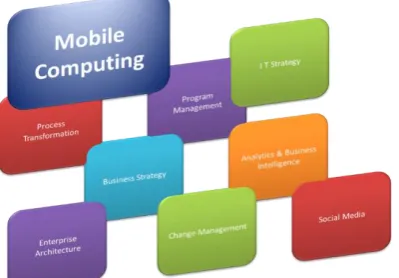
Figure 1: The role mobile computing plays in everyday life.
Mobile computing consists of:
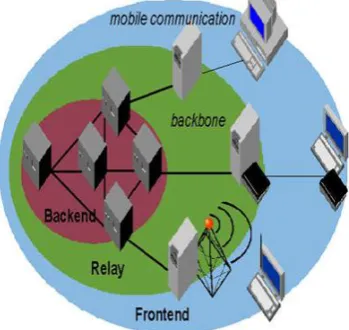
Figure 2 : components of mobile computing
Fig. 2 depicts The existing networks of cellular architecture includes mobile phones with the introduction of its technology that allowed the utilization of various frequencies enabling a large connection of users to the network.
1.1 Mobile End User Interface:
Using a single device such as a PDA or personal computer which has been connected to a frequency (RF) and its Modem with aspecially adapted antennae that is required to transmit data on the network, the mobile end user can transmit both data
and voice signals. Voice signals are transmitted via a mobile phone connected to the RF Modem Unit. RF Modems transfer data in both forward and reverse channels using Gaussian Minimum Shift Keying (MSK) modulation, a modified form of Frequency Shift Keying (FSK) at modulation index of 0.5. [2]
1.2 Mobile Data Base and its station:
In each cell of the cellular reception area, there is a mobile data base station which is responsible for detection of idle time in voice channels, for relaying data between the mobile units and the mobile data intermediate systems (MDIS), sending of packets of data onto the appropriate unoccupied frequencies as well as receiving data packets and passing them to the appropriate mobile end user within its domain. [2]
1.3 Mobile Data Intermediary Systems:
Groups of mobile data base and it‟s station that control each cell in the cellular network reception area are connected to a higher-level entity in the network hierarchy, the Mobile Data Intermediate Systems. Connection is made via a wide-band trunk cable. Data packets are then relayed by MDBS to and from mobile end users and MDIS. These MDIS use a Mobile Network Location Protocol (MNLP) to exchange location information about Mobile end users within their domain. The MDIS maintains a database for each of the M-ES in its serving area. Each mobile unit has a fixed home area but may be located in any area where reception is available. [2]
1.4 Intermediate Systems (IS):
network. They can be connected to routers that support Internet and Open Systems Interconnection Connectionless Network Services (OSI-CLNS), thisallows access to other cellular carriers/ service providers and external land- based networks. [2]
Figure 3: How mobile computing occurs.
Figure 4: the seven key domains of developing in mobile computing.
II.
GREEN INITIATIVE
Let us discuss about solar energy and its advancements (its usefulness in everyday life). As discussed in an earlier abstract the use of solar energy is fast becoming in need as this energy is free, direct and has little disadvantages beside the fact that developing solar energy is expensive and difficult to maintain on a regular basis.
With the implementation of solar technology on mobile computing, it will be a great success as it would speed up the delivery of services from mobile providers and also stability in the running of internet speed and connectivity with little hassle.
Solar energy is fast developing into one of the world‟s best source of renewable energy and imagines a solar powered cell tower.
Energy consumption used by computing power had more than tripled over the last decade, more and more people are becoming dependent on mobile computing and to improve their overall lifestyle in our technologically advanced world, from automobiles to sending a simple message requires large amount of computational power.
Implementation of renewable energy on mobile devices, on service providers tools and hardware, we can be able to reduce the overall energy consumed and reduce the average power reliability on harmful heat or fossil fuels used to produce the required energy.
By going green in the computing front, we can reduce the carbon footprint used by computers. This can in turn aid in the reduction of harmful gases being released by large energy creation power stations still running by fossil fuels. The initiative of going green is evident and major companies are taking the stand of reducing global warming by implementing energy efficient strategies such as the reduction of energy consumed by computers, the reuse of recyclable material and the reduction of water usage.
With green computing very evident in everyday computing, why not implement some of its components into mobile computing.
Some telecommunications companies such as“Vodafone” are looking into creating a cleaner environment in terms of using renewable energy. [6]
To be able to generate energy using the sun is the suitable and reliable way but development of solar
panels is expensive and not easy by any stretch to incorporate distinctive instructions for hardware and software's of computers. The development of efficient cores and processors is needed for the overall reduction of energy reliance and a way forward to use renewable energy. Extensive research is needed in solar development but it can be achieved, it can simply be done and also in the field of implementing solar panels on laptops to improve sustainability via reading more about the ways green computing is trying to improve in all areas to reduce carbon footprint. [4]
The implementation of solar devices along with improvement of infrastructures in the field of mobile computing, we can harness a more than capable mobile computing device that can improve efficiency, reduce in the costs and also improve reliability.
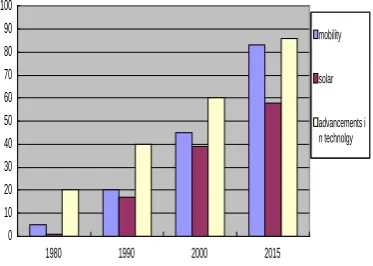
Figure 5: This graph shows the changes in mobile, solar and the advancements in technology.
0
Figure 5: Advancements in technology
According to the above graph, each decade
has major improvements in the technological world and it is seen that it is almost similar in the development of the way solar technology is advancing.
Table 2, will discuss CDPD (circuit switching
cellular digital packet data).
Types ofenergy:
Positives: Negatives:
Solar Solar energy is available
Wind Renewable as its widely generate any form of power from hydro
Cellula r Digital Packet Data
Circuit Switched Cellular
Specialized Mobile Radio
Proprietary Wireless Data Networks Speed and
continuity
best Best good good
Security and analysis
best Better good better
Ubiquity best Best good better
Cost of Service provided
best Better better good
Cost of
Deployment and maintenance
best Best better good
Mobility and dependability
best Good better good
Operability best Good good better
III.
PROPOSED METHODOLOGY
Cellular mobile computing has seen a boom in the number of mobile computing devices is being used. This increases the power and energy consumed by large computers to keep each person satisfied with the services they are provided. This energy is being used by the power grid, the national power grid provides majority of the energy requirements to these computers and surrounding environments, this in turn consuming about 17% of the national energy consumption in a developing nation such as India.
With the implementation of CDPD, cellular companies are creating faster internet through mobile receivers such as mobile towers, mobile transmitters placed almost on every square radius of 100km on earth. [6]
Thus, by implementing renewable energy on on-going network and mobile computing advancements, it can reduce the carbon foot print of technological advancements and improve the services. Using renewable energy on these towers and transmitters, we can decrease the reliance on the national grid and take steps to make each part of the computer network use green initiatives such as solar energy to power the tower etc. this in turn can also reduce the
take on fossil fuel reliance and thus curbing the release of harmful gases such as CO2.
Ongoing mobile computing advancements are looking into creating super mobile computers, on where it is capable of running and storing its data by itself.
Major companies such as “intel” have pledged their support for greener mobile computing: “Intel is committed to innovation in Mobile Edge Computing, and by positioning intelligent, programmable platforms closer to mobile devices, we are enabling richer, more customized user experiences."
"With Nokia Networks, we are accelerating development of Mobile Edge Computing applications and enabling a diverse and vibrant ecosystem to address the requirements of multiple operators." [7]
With this in mind, improvements in any form for mobile computing are going to ultimately improve the reliability and sustainability in everyday life of mobile computing.
with the help of various solar technologies being developed and put onto these mobile devices, we can stretch the human imagination and provide something unique in the field of mobile computing. This will enable a mobile workforce and easy access to information on any device, secure, affordable ways to understand how mobile computing can change the world and thus enhance work and personal lives of many.
With implementation of end to end integrated mobile systems, we can come up with solutions for executing mobility and to empower the human race. Thus, directly improving many occupations and improving the IT industry greatly, cuttingcosts, reducing carbon releases, improving the way of living for many and increasing the power consumed to a greener environment. [8]
The energy consumed was calculated using a lab test calculated using watts.
Watts X hours used / 1000 = kWh
E.g. computer energy consumed 200 watts for 8 hours a day,
200*8/1000= 1.6 kilowatts of energy consumed per hour using a computer.
We can reduce that by implementing a greener initiative such as implementing solar generating power panels (using a greener energy source such as wind etc) or we can maximize the output by using the available energy consumed to generate better computing power and improve existing mobile technologies by developing energy efficient hardware.
IV.
THE FUTURE LOOKS BRIGHT
There are currently rapid technological advancements in Artificial Intelligence, Integrated systems and the increase in the processing speed of computers, whether it‟s mobile devices or a normal PC. The rapid advancements can lead to greater development in the field of mobile computing and contributing to more energy efficiency. This in turn
will aid the load of energy consumed by the national power grids, thus, reducing the reliance of fossil fuels and promoting renewable energy resources to be used by computer industries and their study of providing faster, more efficient hardware.
Many technological advancements are increasingly becoming compact and being rather efficient. This provides better efficiency to the user and more useful mobile devices with supercomputing advancements such as artificial adaptability. [9] The working lifestyle of many of today's population already changed due to the much technological advancement and will continue to change. Today, majority of the population are working from their mobile devices, rather than sitting behind a desk with large computers. This may be beneficial to the environment and also affect the way lifestyles will change. This will promote a greener initiative and promote the need for renewable energy. This mobility aspect may be carried further in that, even in social spheres, people will interact through mobile means and thus continuing in the development of mobile computing and green initiatives will be needed to continue to help the environment in a great and positive manor. By understanding the affect, a simple mobile computing device and its energy consumed can go a long way in reducing our carbon footprint.
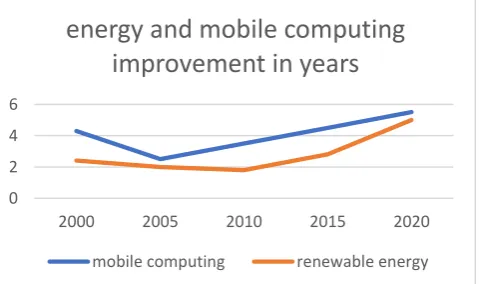
Figure 6 depicts the advancement of mobile computing and the improvement of renewable energy and its efficiency over the last 15 years or so:
Figure. 6 : Improvement of energy and mobile computing in future.
0 2 4 6
2000 2005 2010 2015 2020
energy and mobile computing
improvement in years
V.
CONCLUSION
Mobile computing is one of the most advanced technological fields and it is continuing to advance thanks to the area of telecommunications and the need for it, reliable networks in internet and cellular. Although the future looks bright, it can cause major disruptions in everyday life and can actually cause some to lose their jobs leading to a bit of uncertainty. Many telecommunications and governments are working hand in hand to develop and to try and make as many people involved in projects as this leads to job creations. With this in mind, green computing relying heavily on energy efficiency and green energy will be an ideal complement to mobile computing. Thus, providing a controlled environment in mobile computing. Solar panels installed on to existing mobile computers will increase productivity of telecommunications companies but it has a negative effect as it is still costly to install. With this in mind, the field of mobile computing will continue to develop into well suited advancements for humans. Thus, creating sustainability and creating more technological advancements. By taking into account agency needs, user need and addressing the seven key points such as security, services and data management amongst many others have reached a point of thinking about which can be more effective to provide maximum gain to people alike and businesses.
VI.
REFERENCES
[1]. Telkom South Africa, Interview with Karabo Seate,
a telecommunications expert.
[2]. Fall 2005: Volume 38 Number 1 Copyright ©
2005, ISTE (International Society for Technology in Education), 800.336.5191 (U.S. & Canada) or 541.302.3777 (Int’l), www.iste.org.
[3]. Adapted from various journals with mobile
computing concepts and with the following references:
*Interview with Mr EleftheriosKoudounas, Assistant
Commercial Services Manager atCyprus
Telecommunications Authority
* Interview with Dr Leonidas Leonidou, Mobile Services, Cyprus telecommunications Authority
* Interview with Dr ZinonasIoannou, Mobile Services, Cyprus Telecommunications Authority
* Network Switching Techniques-Circuit, Packet and Datagram: Halsall, Fred. Data Communications, Computer Networks and Open Systems. 4th edition 1996. pp 424-459.
* Asynchronous TransferMode, Solution for Broadband ISDN, Third edition 1993, By Martin de Prycker
[4]. Network Switching Techniques-Circuit, Packet and
Datagram: Halsall, Fred. Data Communications, Computer Networks and Open Systems. 4th edition 1996. pp 424-459. et al.
[5]. Komal Aman Singh and M.R. Sudha, article on
green computing. (International Journal of New Technologies in Science and Engineering, Vol 2, Issue 3, Sep 2015, ISSN 2349-0780).
[6]. https://www.google.co.in/search?q=mobile+comput fordata-center environmental monitoring," Sensing Technology (ICST), 2011 Fifth International Conferenceno :pp.533,537, Nov. 28 2011-Dec. 1 2011
[11]. B. Damien, M. Michael, D.-C. Georges, P.
Jean-Marc, and B. Ivona,"Energy-efficient and SLA-aware management of IaaS clouds," in3rd
International Conference on Future Energy
Systems: WhereEnergy, Computing and
Communication Meet, Madrid, Spain, 2012. [12]. P. Mell and T. Grance, "The NIST definition of