
Assessing Injury and Violence Prevention Programs in North
Carolina Local Health Departments: Capstone Summary Report
Capstone Team:
Capstone Partner:
Laura Bach
Injury & Violence Prevention Branch,
Jennifer Counts
North Carolina Division of Public Health
Corinne Fordham
Capstone Preceptor:
Molly Francis
Scott Proescholdbell, MPH
Mary Sherwyn Mouw
Capstone Faculty Advisor:
Suzanne Maman, PhD
UNC Honor Code:
Abstract
Background: Injury and violence comprise the leading causes of death amongst North Carolinians ages one to 65. Ensuring that effective programming occurs at the local level is critical to reducing this burden. There is significant unmet need for successful injury and violence prevention (IVP) programming,
particularly in motor vehicle crash, suicide, homicide, falls, and unintentional poisoning. The Injury and Violence Prevention Branch (IVPB) of the North Carolina Division of Public Health conducts
surveillance, provides statistical reports, technical support and training in IVP, and is a networking hub for IVP stakeholders. Although most IVP programming is carried out at the local level, IVPB lacked a comprehensive statewide assessment of local health departments’ (LHD) work in IVP. The primary aims of this Capstone project, therefore, were to fill this knowledge gap for IVPB, identify targets for
improving programming, and promote effective initiatives. To this end, the team mapped the IVP work conducted by NC’s 85 LHDs, assessed LHDs’ priorities, partnerships and readiness to implement evidence-based IVP projects, and compiled case studies to share lessons from successful initiatives.
Methods: To assess the state of IVP, the Capstone team conducted key informant interviews (KIIs) and a survey of NC LHDs, and compiled results into a final report and model program case studies. First, the team utilized formative research strategies by conducting a literature review of LHDs’ work in IVP, and drafting an evidence table that categorized and summarized best practices for each of the five prioritized areas. Next, the team conducted KIIs with leaders in IVP about their perspectives on successful and evidence-based programs, program selection, and implementation. The team drew on interview findings to develop the online survey assessing NC LHDs’ IVP work. The team then identified model programs, conducted interviews with program staff, and developed case studies, which will be shared with NC IVP practitioners to inform their programming. The team compiled findings in a report for IVPB.
Results: About half of LHDs reported conducting programs that are evidence-based. In the literature and in the KIIs, the team found varying definitions of evidence-based IVP programs; however, there was consensus across the evidence table, KIIs and case studies on criteria for successful IVP programs: those which meet an identified need, have some evidence of effectiveness, involve community members, demonstrate positive change, and are sustainable. Findings across deliverables highlighted three key themes in NC IVP efforts: capacity, partnerships, and program priorities. Capacity: Most LHDs in NC were active in IVP; however, interviewees and survey respondents recognized a need for technical assistance and staff training in evidence-based interventions (EBIs), specifically in program selection and implementation. Additionally, funding constraints limited their capacity. Partnerships: LHDs played a key role in building community support for IVP, and partnerships they formed were important to program success. Collaboration with hospitals, governmental and non-governmental organizations, and academic institutions expanded LHDs’ capacity and potential sustainability of initiatives. Programming: Survey findings confirmed key informants’ insight that capacity limitations and conflicting community priorities can outweigh community health assessment (CHA) data, resulting in a misalignment between local burden and local programming. Nearly half of issues identified by survey respondents as the most burdensome injury and violence problems in their respective service areas were not targeted in their programming. LHDs conducted programming most frequently in sudden infant death syndrome (SIDS), unintentional poisoning, and child maltreatment. None addressed homicide specifically; however, several had programs targeting interpersonal violence. The six case studies provide models for LHDs going forward. Exemplifying successful partnerships, sustainability and community engagement, these replicable programs leverage local interest to address high-burden outcomes.
Acknowledgments
The Injury & Violence Prevention Branch Capstone team would like to extend its sincere
appreciation to its preceptor, Scott Proescholdbell, MPH, for his guidance, mentorship, and expertise
throughout the year. The team would also like to thank the staff at the North Carolina Injury and Violence
Prevention Branch, including Alan Dellapena and Margaret Vaughn, for their support and feedback on
deliverables.
The team would also like to extend its gratitude to the Health Behavior Department at the UNC
Gillings School of Global Public Health for its resource contributions and support of the Capstone
experience. In particular, the team would like to thank the Capstone teaching team of Megan Ellenson
Landfried, Christine Agnew-Brune and Melissa Cox for their support, wisdom, and feedback throughout
the Capstone process. The team would also like to thank our faculty advisor, Suzanne Maman, PhD, for
her expertise.
Finally, the Capstone team would like to acknowledge the participation of our key informants
across the country, local health department directors and staff across North Carolina who participated in
the statewide survey, and case study key informants. These participants provided invaluable information
that has contributed to further understanding of the state of injury and violence prevention in North
Acronyms
Acronym Term
CDC Centers for Disease Control and Prevention EBIs Evidence Based Interventions
IVP Injury and Violence Prevention
IVPB Injury and Violence Prevention Branch KIIs Key Informant Interviews
LHDs Local Health Departments MVC Motor Vehicle Crash
NACCHO National Association of County and City Health Officials NCIPC National Center for Injury Prevention and Control NC North Carolina
NCALHD North Carolina Association of Local Health Directors NC DPH North Carolina Division of Public Health
Table of Contents
Abstract ... ii
Acknowledgments ... iii
Acronyms ... iv
Introduction ... 1
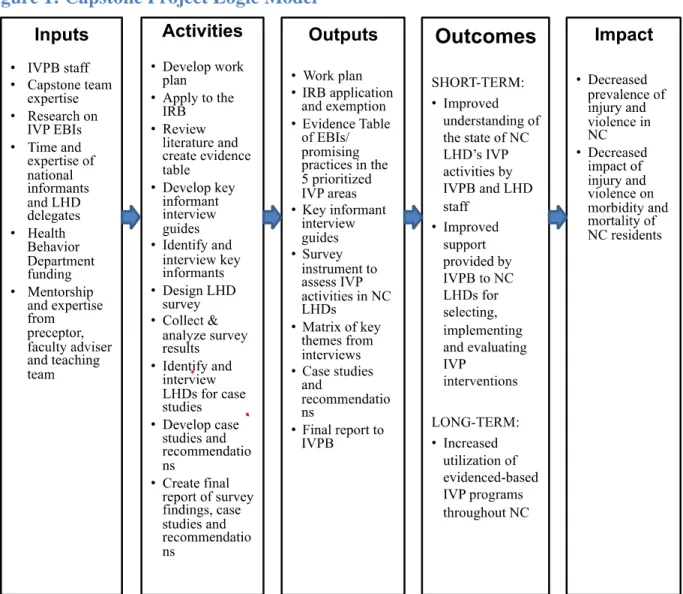
Figure 1: Capstone Project Logic Model ... 2
Background ... 3
Methods ... 8
Results ... 12
Discussion... 14
Conclusion ... 20
References ... 21
Appendix A: Summary of Deliverables ... 25
Introduction
This Capstone Summary Report provides an overview of a two-semester service-learning
experience with the Injury and Violence Prevention Branch (IVPB), North Carolina Division of Public
Health (NC DPH). The Capstone experience provides hands-on practical experience for students in the
final year of the Masters’ program in the Health Behavior Department at the UNC Gillings School of
Global Public Health. This report details the need for sound prevention measures to reduce the burden of
injury and violence in North Carolina (NC), the methods the Capstone team used to assess injury and
violence prevention (IVP) efforts in local health departments (LHDs), findings discovered throughout the
course of this project, and implications for future IVP research and program implementation.
The vision of the NC IVPB, located in Raleigh, NC, is “a North Carolina free from injuries and
violence where people can live to their full potential” (North Carolina Injury & Violence Prevention
Branch [NC IVPB], 2014). To accomplish this goal, NC IVPB’s mission is to facilitate the development
and implementation of the statewide strategic plan for IVP and encourage statewide collaboration. IVPB
promotes statewide IVP efforts through data collection, surveillance, education, and promotion of
effective prevention strategies (NC IVPB, 2014). NC IVPB recognizes the critical role that local health
departments (LHDs) play in implementing IVP activities. Prior to this Capstone project, there had been
no formal assessment of IVP activities at the local level. Thus, NC IVPB requested the expertise of this
Capstone team to conduct a year-long project to assess IVP work across the state, identify the greatest
areas of need, inform future resource allocation and, ultimately, promote effective programming in LHDs.
To meet the aforementioned needs, the Capstone team developed the following deliverables: 1)
IVP evidence table; 2) key informant interview (KII) guides; 3) IVP LHD survey; 4) final report and
recommendations; and 5) six case studies of successful local IVP programs. The Capstone team
conducted a literature review of IVP evidence-based interventions (EBIs) and KIIs with state and national
IVP experts to inform the development of a survey to assess IVP capacity, activities, resources and gaps
NC IVPB. Additionally, the team used the survey to identify case studies of NC communities that have
excelled in IVP. The case studies provide lessons for other communities to implement successful IVP
programs as well as lend qualitative data to enrich survey findings. The Capstone project logic model (see
Figure 1) illustrates the planned Capstone project work and its intended results. By assessing IVP work in
NC LHDs and providing recommendations to the NC IVPB, this Capstone project will help to facilitate
implementation of effective IVP work across NC and ultimately, reduce the statewide burden of injury
and violence.
Background
Overview of Injury and Violence in North Carolina
Injury and violence present an enormous public health burden to the state of NC, with morbidity
and mortality rates that exceed national averages (Runyan, 2010). Injury and violence comprise the
leading cause of death among North Carolinians ages 1-65 (NC IVPB, 2013). The NC IVPB has
prioritized five key areas for prevention in IVP: falls, suicide, homicide, motor vehicle crashes and
unintentional poisonings. In 2011, there were 1,210 deaths due to motor vehicle crash; 1,196 to suicide;
1,140 to unintentional poisonings; 883 to falls; and 519 to homicides, with marked increases in the rates
of falls and unintentional falls in the past decade (NC IVPB, 2013). Further, these five areas accounted for
158,830 hospitalizations and 880,724 emergency department visits in 2012 (NC IVPB, 2013). However,
underestimation and lack of data on outpatient visits and medically unattended (i.e., unreported) injuries
likely vastly underestimate the total burden of injury and violence (Proescholdbell & Harmon, 2010).
Experts in the field do not consider injury and violence to be “accidents,” but rather predictable and
preventable events with known risk factors, which range from individual level factors (e.g., alcohol use,
balance, physical activity, depression) to societal level factors (e.g., seat belt policies, gun license
restrictions) (Proescholdbell & Harmon, 2010). The tremendous health and societal burden of injury and
violence points to the need for sound prevention strategies.
History of Injury & Violence Prevention Research
Decades of investment in research have created a large body of evidence for many health
behavior interventions, such as those for smoking and cancer screenings (Brownson, Gurney, & Land,
1999). However, evidence is more limited for newer fields like IVP, which has only recently been
conceptualized as a public health problem. The scientific study of IVP has only occurred within the past 50 years, resulting in a less robust research base (Sleet et al., 2012). It was not even until 1986 that
Congress formed the CDC’s Division of Injury Control, which later become the National Center for
The creation of the NCIPC served as the start of research, policy and practice of IVP (Gielen et al., 2012).
Finally, the CDC did not create its first research agenda for IVP until 2002 (Greenspan & Noonan, 2012).
Early IVP efforts focused primarily on gaining visibility and establishing determinants of injury
and violence (Greenspan & Noonan, 2012). Even the use of the word “accident” hampered IVP research,
suggesting that injury and violence were not preventable (Proescholdbell & Harmon, 2010). To date,
there are still knowledge gaps about the fundamental causes of injury and violence and the effectiveness
of programs, which contributes to the paucity of EBIs compared to other public health topics (McClure et
al., 2001; Degutis, 2012). Finally, responsibility for addressing injury and violence has been fragmented
across agencies since the inception of the field (Gielen et al., 2012). Success stories within IVP are
smattered across diverse agencies of the government, such as the Department of Motor Vehicles and the
Department of Justice (Kress, Noonan, Freire, Marr, & Olson, 2012; Sleet et al., 2012).
Definition of Evidence-Based Interventions
Evaluation research allows researchers, practitioners, and policy-makers to determine whether a
health intervention or policy has had its intended effect on a population, disease, or risk factor (Centers
for Disease Control and Prevention [CDC], 2011), and subsequently ascertain if they are funding and
prioritizing the most effective approaches. Researchers agree that EBIs should be evaluated with
qualitative and quantitative data (Brownson, Chriqui, & Stamatakis, 2009) and should produce positive
results (North Carolina Institute of Medicine [NC IOM], 2012). Researchers often classify interventions
as emerging, promising, efficacious, and evidence-based by weighing the strength of the study design and
the ability to extrapolate findings to other populations (Brownson, Fielding, & Maylahn, 2009). In
general, systematic reviews provide the strongest form of quantitative evidence (Brownson et al., 2009a)
and randomized control trials (RCTs) signify the strongest research design for assessing intervention
effectiveness (CDC, 2011). In emerging fields, such as IVP, there are additional criteria that are often
taken into consideration when assessing interventions. The CDC recommends that effect size,
feasibility and community acceptability of the intervention for a particular population or setting. (CDC,
2011).
Overview of Evidence-Based Interventions for IVPB’s Prioritized Health Outcomes
Researchers and practitioners are working to develop an evidence base for IVP, including IVPB’s
prioritized areas: falls, suicide, homicide, motor vehicle crash and unintentional poisoning. The strength
of evidence for these interventions depends on study design (ranging from RCTs to observational studies)
and number of times they have been evaluated, which varies across health outcomes. Most interventions
have only been evaluated one or two times, limiting information about the effectiveness of these programs
as well as their generalizability. EBIs targeting falls prevention tend to be classified under three
categories: exercise interventions, home modifications, and multifaceted interventions (Stevens &
Sogolow, 2008). EBIs in suicide and homicide prevention primarily take an individual approach, such as
prevention education and counseling; however, some structural approaches, such as laws to limit firearm
possession, show promise (Center for the Study and Prevention of Violence, 2012; Rand Corporation,
2010; Suicide Prevention Resource Center, 2012). Promising motor vehicle crash interventions include
group education, provider education, and policy change (Missouri Department of Health and Senior
Services, 2010). Current best practices for preventing unintentional poisonings include an array of
approaches, from harm-reduction to provider education (CDC, 2013).
Role of Local Health Departments in Injury & Violence Prevention
LHDs play a critical role in implementing EBIs at the community level and can significantly
contribute to the growth of the IVP evidence base. In NC, 85 LHDs serve 100 counties (North Carolina
Association of Local Health Directors [NCALHD] Public Health Task Force, 2013). NC ranks 44th in the
US for state funding for public health and LHDs in NC employ between 0.6 and 2.8 full time employees
per 1,000 people (NCALHD, 2013). LHDs have nine recommended roles in IVP: to build coalitions and
partnerships; conduct needs assessments and strategic planning; identify and support effective policy
practices; enhance public awareness; conduct surveillance; build practitioner capacity and skills; and
support the medical community to assess and respond to injury and violence (Safe States Alliance, 2011).
Local Health Department Utilization of Evidence-Based Interventions
LHDs currently do not prioritize IVP or the use of EBIs, which is concerning given their role and
importance in the public health delivery system. For example, NCALHD estimates that only about half of
NC LHDs provide injury control services (NCALHD, 2013), while national estimates are lower still
(Lawal, Tibbs, & Runnels, 2013). Furthermore, the extent to which LHDs use EBIs in IVP is largely
unreported. A search of the peer-reviewed and gray literature returned few studies measuring the extent of
general EBI use in LHDs. A small-scale study of LHD directors conducted by the National Association of
County and City Health Officials (NACCHO) revealed more than 90% were familiar with the concept of
EBIs and most intended to use EBIs in the future (Bhutta & Leep, 2012). Despite this finding, other
studies estimate actual EBI usage within LHDs in the range of only 56-67% (Dreisinger et al., 2008;
Jacobs et al., 2010), with the largest of these estimates found in a mixed sample of both local and state
agency employees (Jacobs et al., 2010). Similarly, NC LHD directors estimate the use of EBIs in their
own departments as 5.88 out of 10, with 10 representing the use of EBIs exclusively (NC IOM, 2012).
While existing research into the use of EBIs at the LHD level indicates a willingness and desire to
implement EBIs (Bhutta & Leep, 2012), scattered findings of low prevalence seem to imply barriers to
the consistent implementation of EBIs. More research into EBI prevalence is needed to fully understand
the landscape of LHD decision-making. Moreover, there remains an important gap in the literature
concerning the prevalence of EBI use in the IVP field as most public health research has focused on
practitioners working in chronic disease prevention, tobacco control, or HIV (Bhutta & Leep, 2012;
Brownson et al., 2007; Jacobs et al., 2010).
Barriers to Use of Evidence-Based Interventions by Local Health Departments
Practical issues, including organizational capacity, funding, political climate and lack of
partnerships, hinder EBI implementation by LHDs (Brownson et al., 2009b; Green et al., 2009). Fewer
public health (Brownson et al., 2009b). This gap contributes to a lack of awareness of EBIs and/or
training to implement them (Brownson et al., 2009b). Unsurprisingly, an often-cited barrier to
implementation of EBIs in LHDs is lack of funding (Brownson et al., 2009b; NC IOM, 2012). The
structure of funding also poses problems, as both government and private funding sources are often
earmarked for specific purposes, whereas IVP programs are, by definition, cross-cutting fields (Brownson
et al., 2009b). Political climate can also be a barrier to selection and implementation of EBIs by LHDs.
To date, there is no statewide assessment of IVP efforts in NC LHDs. The recent NC IOM
assessment, while not specific to IVP, provides a starting point (NC IOM, 2012). This study found that
LHD directors reported funding and staffing issues as the primary barriers to their implementation of
EBIs in general. Consistent with the literature, most LHD directors (82%) ranked lack of money as the
most significant barrier. About a third of respondents reported that staff lacked knowledge about adapting
programs for their setting and that staff lacked training in implementation. Most LHD directors reported
that less than half of their staff is aware of EBIs. Some respondents wrote in other barriers, including lack
of EBIs in their prioritized areas, lack of community participation, and being unable to access
professional journals. Finally, the NC IOM survey suggests that some of NC’s LHDs are not fully taking
advantage of partnerships. Only two-thirds of responding LHDs look to the state division and other LHDs
for information on EBIs, and fewer than half partner with other organizations.
Given the aforementioned challenges and the lack of information on barriers and usage of IVP
EBIs, a comprehensive baseline assessment of LHD IVP efforts was needed in NC to fill this knowledge
gap and to inform IVPB’s efforts. The data garnered from the KIIs, survey, and qualitative case studies
identified current IVP programming, gaps and resources needed at the LHD level, and lessons learned for
implementing successful IVP programs. IVPB will promote the EBI evidence table as a resource and use
the data from this project to promote alignment with the branch’s priorities. Ultimately, IVPB can use this
information to facilitate implementation of effective IVP interventions by NC LHDs. The methods used
Methods
Between September 2013 and April 2014, the Capstone team collaborated with IVPB on a project
to assess the IVP activities conducted by North Carolina’s 85 LHDs to begin to address the gaps
identified in the literature. The project consisted of a literature review, key informant interviews, survey
development and administration, and development of a final report and case studies.
At the outset, IVPB staff provided the team with resources and hosted a formal orientation to
familiarize the team with the impact of injury and violence in NC, the role of the branch, and an overview
of statewide prevention efforts. During the first weeks of the project, IVPB staff met with the Capstone
team, Faculty Advisor, and Teaching Team to determine the specifics of each deliverable and the project
timeline. More detailed methodology on deliverable development can be found in Appendix A.
Review of Evidence-Based Interventions
The Capstone Team sought to understand the current evidence for IVP interventions and/or
policy approaches within IVPB’s five prioritized areas. To this end, the team conducted a literature
review to catalogue EBIs. The team broadly defined “evidence-based interventions” as evaluated
activities demonstrating significant impact. These criteria were based on the working definition that the
team identified in the literature review: EBIs should be evaluated with qualitative and quantitative data
(Brownson, Chriqui, & Stamatakis, 2009) and should produce positive results (North Carolina Institute of
Medicine [NC IOM], 2012). Team members searched peer-reviewed journal databases and online
resources from governmental and recognized health research organizations, such as the CDC and
Blueprints Programs for Violence Prevention (Blueprints Programs, 2014), to identify the best available
practices for each outcome. The table categorizes and briefly describes programs and approaches and
summarizes the available evidence for each, including the source of the evidence, population and setting,
type and size of research study, targeted outcomes, measures/indicators, and outcomes. Finally, the table
reports team estimates of strength of evidence using the US Preventative Services Task Force rankings
The team sent the EBI table to the Teaching Team, Faculty Advisor, and IVPB preceptor for
feedback before finalizing the product. They repeated this process for each deliverable. The final version
of the table was given to IVPB staff to use as an internal guide. The findings of this table were used to
inform the key informant interview guide. Through developing the EBI table, Capstone team members
gained skills in ranking evidence and strategizing literature search to master new content area quickly.
Key Informant Interviews
As a part of formative research to inform the survey, the team engaged key IVP stakeholders
through KIIs. This step also helped confirm that the IVP literature review reflected practitioners’
experiences on the ground. Because the literature review found the IVP evidence base to be limited and
the definitions used to classify EBIs inconsistent, the team addressed these issues in the semi-structured
interview guide for the KIIS. For example, the team included questions about stakeholders’ definitions of
EBIs, as well as barriers and facilitators in selecting and implementing IVP interventions. With IVPB
input, the team purposively selected and invited ten state and national IVP experts to ensure diverse
perspectives from state and local government, academia, and the non-profit sector. While two
interviewees did not respond to contact, the team was able to recruit an additional interviewee through
snowball methods, resulting in a total of nine KIIs. Individual team members conducted the 30-90 minute
interviews by phone and took detailed notes.
The team documented the findings of their interviews in a matrix, structured around the interview
guide. This analytic product was useful in identifying themes that emerged across all interviews.From the
matrix, team members generated a list of common themes and concerns, and used this list as the
foundation of the online survey. Generating and using the matrix in this way developed team members’
skills in streamlined qualitative data organization, analysis, and practical use in survey design.
Local Health Department Online Survey
The goal of the team’s survey was to gather information which would allow the team to describe
matrix, helped to inform the questionnaire that was ultimately administered to all NC LHDs. These
themes included the importance of various factors influencing intervention selection and implementation,
LHD staff core competencies, and community support. The team used items from existing tools where
possible to enhance validity and reliability (Bhutta & Leep, 2012; NC IOM, 2012), and prioritized brevity
to maximize response rate. The team used Qualtrics software to build and administer the survey.
Capstone team members and mentors tested the survey for potential content and technical issues.
Eleven IVP stakeholders were identified by the branch to participate in pilot testing. The pilot included
test items addressing testers’ experiences with the survey’s length, content, and feasibility. The team
incorporated testers’ feedback to produce the finalized version of the survey, which was sent
electronically to the 85 NC LHD directors by e-mail invitation. The team offered entry into a drawing for
one of eight $50 gift cards as an incentive for completing the survey. To raise awareness of the survey,
team members also staffed an exhibitor’s table at the annual state health directors’ conference. The team
tracked responses and carried out e-mail and telephone reminders to non-responders as needed. The
survey was open from January 15 to February 7, 2014.
Analysis for this cross-sectional study consisted of selecting appropriate descriptive statistics.
Team members computed means, medians, and ranges, percentages and counts for the various survey
items, and then created graphs and tables to convey main findings. Discerning which descriptive statistics
would paint the most accurate picture for the branch advanced team members’ data analysis skills. The
team analyzed and managed data using Qualtrics and Excel software, and used STATA to make
county-level calculations of how frequently specific LHDs’ programs matched community burden. The team
compiled findings in a final report for IVPB’s internal use. The challenge of designing tables and graphs
to quickly convey the story of the data for readers developed team members’ skills in data presentation.
Case Studies
One item in the LHD questionnaire asked respondents to nominate exemplary local programs as
evidence-based and replicable, demonstrate community fit, have a track record indicating sustainability,
and have demonstrated impact. The enthusiastic response to the team’s request for model program
nominations required an extra step to narrow the many nominees to a short list. The team’s recent
experience with survey-building and Qualtrics software made an online screening survey the obvious
choice, and the unexpected extra step was quickly accomplished. This exemplifies how Capstone project
work challenged and grew the team’s skills in group dynamics. As the work grew more complex, the
team’s processes and interactions became increasingly efficient and effective. The team drew upon the a
priori criteria to design the brief screening questionnaire, which included short-answer questions on such things as program activities and key components, target population and reach, and evaluation history.
Because no LHDs conducted programming directly targeting homicide prevention, the Capstone
team expanded the potential case study list to include nominated programs that focused on interpersonal
violence (e.g. domestic and gender-based violence and child maltreatment). Team members then invited
contact persons representing potential case study programs to complete the case study screening
questionnaire. To finalize the list, team members again evaluated responses according to the selection
criteria. They also considered geography, such that the final case study programs came from urban and
rural communities across the state.
Finally, to develop the case studies, the team engaged local practitioners and coalition members
from the selected case study communities. The team designed a semi-structured interview guide to gather
information on model program history and impact, facilitators and barriers to selection and
implementation, evaluation strategies, and advice for other entities seeking to implement the programs.
The team carried out interviews with 19 people by phone and in person, and took detailed notes. The team
thus further developed interview skills in the course of researching the model programs. Interviewees
were asked to review draft case studies, and the team incorporated their input into the final products. The
set of case studies will be edited by a professional graphic designer before being distributed to the LHDs
Results
Findings across deliverables highlighted the importance of three key considerations in LHDs’
IVP work: Capacity, partnerships, and program priorities. Taken together, KIIs and survey results
suggested that staff training, funding, and knowledge of EBIs are limiting factors in LHDs’ capacity.
Partnerships played a crucial role in IVP efforts at the community level. Survey results indicated a
misalignment between IVP areas identified as a top morbidity/mortality burden and IVP areas in which
programming was conducted.
Participant information:
Formative Research: Four of the nine key informants had state and local-level experience. Three worked in IVP at the national level, providing policy recommendations and technical assistance to state
and local organizations. LHD Survey: Representatives from a total of 77 of the 85 LHDs completed the survey, providing a 91% response rate (Bach, Counts, Fordham, Francis & Mouw, 2014). Case Studies:
Case studies came from six health departments in western, central and eastern NC: Buncombe, Durham,
Jackson, Orange, Pitt, and Polk-McDowell.
Capacity for Programs in LHDs:
Synthesizing across the deliverables, three key components of LHDs’ capacity were training,
funding, and familiarity with evidence in IVP. A key finding related to LHD capacity was the extensive
use of IVP programming that was not evidence-based. The LHD survey underscored the multiple barriers
LHDs faced in particular when implementing EBIs in IVP, including limited financial resources, lack of
training and technical assistance for implementation, lack of skill in adapting EBIs, and lack of
knowledge regarding how to select an appropriate EBI. These barriers mirror LHD’s self-reported deficits
in IVP-specific core (see Appendix B) competencies (Stidham and Runyan, 2009).
Training:Key informants indicated that staff training played a strong role in intervention selection. On average, survey respondents reported their staff met six of the nine IVP core competencies
fewer (13% versus 43%) provided staff training in building and managing an IVP program (Bach et al., 2014). Areas of competency matched areas of training. However, more than a third of survey respondents
(38%) reported their LHD did not train staff in any of the competencies (Bach et al., 2014).
Funding:In the KIIs, survey results and case study interviews,funding stood out as an important issue in IVP programming: Several KIIs stated that funding was a major factor in influencing LHD
program selection. Over three quarters (78%) of survey respondents identified limited financial resources
as being one of the four biggest challenges to implementing EBIs in their community (Bach et al., 2014).
Two case study programs had no available funding. Almost half (47%) of LHDs surveyed reported
having no dedicated IVP funding (Bach et al., 2014).
Available Evidence and Knowledge of EBIs: Scarcity of evidence was a common theme in the KIIs. The evidence table likewise showed that intervention strategies in the five prioritized areas had
differing amounts and quality of available evidence. While the team’s evidence table ranked interventions
strictly based on quality of evidence, it is noteworthy that only about half of the key informants equated a
successful program with being evidence-based. Successful programs were described as those that met an
identified need in the community, were acceptable to the community, and engaged community members.
Some key informants valued community fit as highly as evidence, and this sentiment was also reflected in
the case study and survey findings.
Almost 20% of respondents reported that all their IVP programming was evidence-based; but
more (26%) reported that less than a quarter of their IVP programs were evidence-based (Bach et al.,
2014). Moreover, most respondents (69%) estimated that “less than half” or “none” of their staff working
in IVP were familiar with specific IVP EBIs. Finally, nearly a quarter of respondents indicated that “lack
of awareness” was one of their top challenges in EBI implementation (Bach et al., 2014).
Partnerships
Several key informants stressed the critical role of partnerships to local IVP efforts, noting the
factor affecting prioritization. The most frequently cited partner in IVP was law enforcement (70%),
followed by local schools (53%) and hospitals (52%) (Bach et al., 2014). Three quarters of survey
respondents who reported the existence of an IVP coalition in their community participate in the coalition.
However, only 42% of NC LHDs participate in IVP coalitions overall (Bach et al., 2014). The importance
of partnerships was reiterated throughout case study interviews. Most of the model programs existed and
succeeded because of partnerships and coalitions.
Misalignment of Burden and Programming
Survey findings confirmed key informants’ insight that capacity limitations and conflicting
community priorities can outweigh community health assessment (CHA) data, causing mismatch between
local burden and local programming. Nearly half of issues identified by survey respondents as the most
burdensome injury and violence problems in their respective service areas were not targeted in their
programs (Bach et al., 2014). The largest degree of mismatch was found in the areas of motor vehicle
crash and homicide. NC’s LHDs conduct programming most frequently in sudden infant death syndrome
(SIDS), unintentional poisoning, and child maltreatment (Bach et al., 2014).
Only one of the top five programming areas (unintentional poisoning) is a priority area for IVPB.
However, when asked to rank the top five areas representing the greatest burden (morbidity/mortality) in
their service areas, the top responses were motor vehicle crash, unintentional poisoning, domestic/sexual
violence, child maltreatment, and falls in older adults, three of which are IVPB priority areas. Of note,
unintentional poisoning and child maltreatment were ranked in the top five for programming, resource
investment and burden. Key informants did not commonly cite CHA results in factors affecting selection; rather funding, staff capacity, and community were more frequently discussed. Implications for these
findings are discussed below.
Discussion
As the first assessment of its kind in NC, this Capstone project serves not only to increase
and national experts, LHD directors, and other key stakeholders reveal the critical role LHDs fill in
addressing injury and violence in NC, the capacity challenges they face, the importance of partnerships
with non-LHD actors, and the discrepancy often found between injury and violence outcomes that
represent community burdens and those to which the LHDs devote resources.
LHD Capacity Though LHDs often bear responsibility for implementing IVP in communities,
they frequently must do so with scarce resources, limited training, and without community or political
support. LHDs face the added challenge of a paucity of IVP EBIs. For multiple IVP outcomes, such as
unintentional poisoning and MVC, EBIs are rare or non-existent. In these areas, the evidence that does
exist often concerns legislative or administrative policy strategies, an arena in which LHDs may lack skill
or be discouraged from operating.
The challenge for LHDs of working in a nascent public health area with limited available
evidence and insufficient training is a potential area of contribution for IVPB and an area of development
for the field, as a whole. This project, and others like it, may help to further establish IVP as a distinct
priority in public health by enhancing the knowledge base and available resources, and by raising
awareness. As IVP becomes more firmly rooted in the field of public health, LHD staff will likely gain
greater knowledge and skill in selecting, adapting, and implementing IVP EBIs. Moreover, they will have
a greater variety of EBIs from which to choose; although it must be considered, as was mentioned by
several key informants, that EBIs might not always be culturally appropriate or desirable.
Partnerships One strategy LHDs appear to use to creatively respond to capacity challenges and
increase the impact of their programs is collaboration with non-LHD actors. Partnerships seem to benefit
LHDs by expanding program reach, available staffing expertise, and funding resources. These
partnerships likely take on increased significance when political climate and funding shortages hamper
key IVP efforts. Case study interviews with select LHDs and their partners confirmed the importance of
non-LHD actors and emphasized the role of the LHD in coordinating partnerships, providing a broad,
need for IVPB, and for the field as a whole, to focus additional attention on supporting these
relationships.
Misalignment of burden and programming Findings suggest that IVP programming
conducted by NC LHDs does not address communities’ self-reported, largest sources of injury and
violence-related morbidity and mortality. Likewise, much of it does not address IVPB’s five prioritized
outcomes. Aside from health burden, LHDs weigh available funding and community interest heavily. The
latter two considerations may, in part, explain why there is often a misalignment between the outcomes
being addressed by programs and those outcomes that represent the largest burden or that are prioritized
by IVPB. Failing to address the outcomes that cause the greatest burden may result in negative effects on
public health. However, addressing outcomes that community members prioritize may benefit the LHD
and community by increasing engagement and interest in IVP. In either case, efforts are needed to
increase funding and raise awareness about the areas of greatest burden.
One area where NC LHD programming aligns closely with both health burden and IVPB
priorities is unintentional poisoning, or opioid overdose. Interestingly, as discovered while reviewing the
IVP literature, this is the priority outcome with the least robust evidence base. Recent successes in raising
awareness and implementing strategies to prevent unintentional poisoning in NC may serve as a model
for addressing other outcomes. Moreover, the widespread dissemination and implementation of
interventions with emerging evidence presents an unprecedented opportunity to develop practice-based
evidence around unintentional poisoning prevention. IVPB may therefore have an important role to play
in facilitating effective program monitoring and evaluation.
Limitations
The Capstone team’s work plan consisted of an ambitious scope of work requiring input from
numerous stakeholders. As such, time limitations often determined the amount, quality, and type of data
team members were able to collect, analyze, and validate. The LHD survey, the cornerstone of the
project, might have benefitted from a longer pilot phase in which more participants tested the instrument.
undetected issues that resulted in unclear item responses on funding sources and numbers of staff
dedicated to IVP, including estimates of each that included IVP and non-IVP contributions. Furthermore, time limited the information the team was able to collect and analyze before selecting model programs to
highlight in case studies. While they are certain the programs they chose are outstanding, team members
acknowledge there are likely other equally effective programs that did not come to their attention.
Considering the limited information regarding EBIs and LHD decision-making in IVP, the
project may have been strengthened with time to develop a more thorough and user-friendly ranking of
best practices and EBIs in IVP. With additional time, the team would have also liked to collect qualitative
data from LHD directors and to identify and survey non-LHD actors. While quantitative data collected
through the survey provides a solid overview of the state of IVP efforts within LHDs, qualitative data
would have offered the chance to more thoroughly understand the motivations, barriers, and facilitators to
implementing IVP at the local level. Case study interviews with select LHDs added to this understanding,
albeit within a limited sample. Collecting data from a broader set of non-LHD actors involved in local
IVP would have expanded understanding about how IVP operates within the community. Without a
reliable sampling frame for non-LHD actors, this information may be more difficult to obtain; however,
with the list of LHD partner organizations generated by the current LHD survey and case studies, IVPB
has a point from which to begin such an assessment.
The Capstone team determined the survey would have been further strengthened with the
inclusion of questions to address program evaluation at the local level. Knowing the extent to which
LHDs evaluate programs would enhance IVPB’s assessment of where and what type of technical
assistance should be provided to LHDs. Further, encouragement of evaluation efforts could help to build
the IVP evidence base. Evaluation details were collected from each of the programs highlighted in the
case studies; however, these may not be representative of IVP programs being conducted across the state.
A final challenge was interpreting which criteria LHDs used to define homicide prevention. Since
violence, and even parenting skills were frequently listed by respondents and are likely to reduce
homicide, though they were not necessarily defined as homicide prevention.
Recommendations
The principal challenge for LHDs and IVPB is one that practitioners and policymakers at all
levels face: the breadth and diversity of the IVP field and its very recent inclusion in the realm of public
health translate to a growing, but insufficient evidence base (Sleet et al., 2012). In turn, limited financial,
community, and political support exist for prevention in prioritized IVP areas. These limits appear to be
felt acutely at the local level. In view of these findings, IVPB might consider developing a plan for
promoting and delivering training and technical assistance to LHDs that lack expertise selecting,
implementing, and evaluating IVP EBIs. To address LHD funding limitations, IVPB might create a
funding guide for LHDs seeking funds for IVP. In general, the Branch may increase its reach to LHDs by
updating its website to more effectively promote resources available to LHDs, including the Capstone
team’s evidence table and model program case studies.
Given the importance of partner organizations, IVPB may wish to further emphasize its role as a
hub for statewide networking around IVP and might conduct a more thorough assessment of non-LHD
actors working in IVP. Such an assessment could include mapping the non-LHD actors making important
contributions to IVP, surveying their efforts, and convening a focus group or short-term advisory
committee, including representatives from the six, case-study model programs, to explore advantages and
issues relevant to implementing IVP through coalitions.
Finally, using Capstone project findings to inform a manuscript on IVP programming at the local
level will add to awareness of how IVP operates in communities. In general, continued efforts to
emphasize the preventable nature of injury and violence may help to shift public, political, and donor
interest in favor of public health programs that reduce under-addressed injury and violence-related
outcomes, including several of those prioritized by IVPB. This may be what is needed to bolster
local-level IVP and bring local programs in line with IVPB priorities and local health burden.
Sustainability and utility considerations informed the creation of all project deliverables. The
evidence table can be posted to IVPB’s website as is or can be provided as part of a package to LHDs
requesting assistance from IVPB for identifying EBIs. This resource may increase uptake of EBIs in
IVPB’s five prioritized outcomes by facilitating LHDs’ selection of programs with the strongest evidence.
Future practicum students or Capstone teams might be given the duty of updating the table with new
interventions and making the table more user- or web-friendly. The team has provided IVPB with a copy
of the LHD questionnaire, which can easily be re-administered at a future date to measure changes in key
areas such as LHD programming, partnerships, and barriers. The questionnaire can be delivered using any
number of free or low-cost online survey tools and results can be analyzed by someone within the branch
or a practicum student. It can also be adapted to measure IVP conducted by non-LHD partner
organizations. Although the case study documents themselves are a finished product, the process is
modifiable to other settings and outcomes of interest. IVPB has the documents describing the process of
generating the case studies should they wish to create new case studies in the future. The final report is
not modifiable, but might be seen as a baseline to which future statewide assessments can be compared.
The report presents a number of recommendations that IVPB may choose to translate into practice to
enhance LHD IVP. Sustainability considerations for these are discussed in the report.
Professional Development
The project provided important opportunities for professional and personal growth. The team
developed a more solid understanding of a relatively nascent field within public health. Team members
gained a fuller appreciation of the challenges associated with defining, implementing, and evaluating IVP
programs that are interdisciplinary, emerging, and situated at the outer layers of the social ecology. They
gained insight into how IVP operates within NC; in particular, the differences between state and local
capacity, priorities, assets, and barriers. Likewise, they gained substantial experience working
systematically to help bridge those differences. This work helped each team member to expand her skill
developing a statewide survey, synthesizing the literature and primary data, and working together with a
partner organization to develop a set of useful deliverables within a defined time frame.
Conclusion
The Capstone experience gave the team the opportunity to act as consultants to the NC IVPB,
tasked with identifying factors that facilitate and hinder successful IVP programming in LHDs. The team
immersed itself in an emerging field of public health to assess the state of IVP in NC, an area in which
little research exists. By utilizing formative research strategies, including KIIs with state and national
experts in the field and an extensive review of the literature on IVP EBIs, the team developed an
understanding of the state of IVP and how to frame the survey that was administered to LHDs across the
state. The survey, which elicited responses from 91% of LHDs, highlighted three main themes
influencing IVP activities in NC: funding and LHD capacity, partnerships, and misalignment between
IVP burden and programming priorities.. These results demonstrated that there is substantial room for
IVPB to provide more training, facilitate the use of IVP EBIs, and promote efforts in their five priority
areas. The team hopes IVPB may use these results to improve the state of IVP in NC by addressing the
identified barriers and providing resources needed by LHDs. The case studies can help disseminate
lessons learned and key strategies for building a successful IVP program at the LHD level, and therefore
promote program replication in other counties. Promoting effective programming at the local level is
critical to reducing the burden of injury and violence in NC and achieving IVPB’s mission of “a North
References
Bach, L., Counts, J., Fordham, C., Francis, M. M., & Mouw, M. S. (2014). The State of Injury and Violence Prevention in North Carolina Local Health Departments: Final Report. Unpublished report, Department of Health Behavior, University of North Carolina Gillings School of Global
Public Health, Chapel Hill, NC.
BluePrints Programs (2014). Program Search. Retrieved from: http://www.blueprintsprograms.com/
programResults.php.
Brownson, R. C., Gurney, J. G., and Land, G. H. (1999). Evidence-based decision-making in public
health. Journal of Public Health Management Practice, 5(5), 86-97.
Brownson, R. C., Ballew, P., Dieffenderfer, B., Haire-Joshu, D., Heath, G. W., Kreuter, M. W., & Myers,
B. A. (2007). Evidence-based interventions to promote physical activity: what contributes to
dissemination by state health departments. American Journal of Preventive Medicine, 33(1S), S66-78. Brownson, R. C., Chriqui, J. F., & Stamatakis, K. A. (2009a). Understanding evidence-based public
health policy. Government, Politics, and Law, 99(9), 1576-83.
Brownson, R. C., Fielding, J. E., & Maylahn, C. M. (2009b). Evidence-based public health: a
fundamental concept for public health practice. Annual Review of Public Health, 30, 175-201. Bhutta, C. B. & Leep, C. J. (2012). Local health departments and evidence-based public health:
awareness, engagement, and needs. National Association of County and City Health Officials (NACCHO). Retrieved from http://www.academyhealth.org/files/phsr/2-%20Bhutta.pdf.
Center for the Study and Prevention of Violence. (2012). Blueprints for healthy youth development. Retrieved from http://www.blueprintsprograms.com/allPrograms.php.
Centers for Disease Control and Prevention. (2013). Promising practices: prescription drug overdose prevention. Atlanta, GA: Prescription Drug Overdose Team, Division of Unintentional Injury Prevention, National Center for Injury Prevention and Control, Centers for Disease Control and
Centers for Disease Control and Prevention. (2011). Understanding evidence part 1: best available research evidence. A guide to the continuum of evidence of effectiveness. Atlanta, GA: National
Center for Injury Prevention and Control, Centers for Disease Control and Prevention. Retrieved from
http://www.cdc.gov/violenceprevention/pdf/understanding_evidence-a.pdf.
Degutis, L. C. (2012). The future of injury and violence prevention: Where are we going? Journal of Safety Research, 43(4), 231-232.
Dodson, E. A., Baker, E. A., & Brownson, R. C. (2010). Use of evidence-based interventions in state
health departments: a qualitative assessment of barriers and solutions. Journal of Public Health Management Practice,16(6), e9-15.
Dreisinger, M., Leet, T.L., Baker, E.A., Gillespie, K.N., Haas, B., Brownson, R.C. (2008). Improving the
public health workforce: evaluation of a training course to enhance evidence-based decision making.
Journal of Public Health Management Practice, 14(2), 138-143.
Fixsen, D., Scott, V., Blase, K., Naoom, S., & Wagar, L. (2011). When evidence is not enough: the
challenge of implementing fall prevention strategies. Journal of Safety Research, 42(6), 419-422. Gielen, A., Runyan, C., Pollack, K., Mickalide, A., & Baker, S. (2012). Reflections on NCIPC's 20 years
of injury control……. then…… now…… imagine. Journal of Safety Research, 43(4), 319-321.
Green, L. W., Ottoson, J., Garcia, C., & Robert, H. (2009). Diffusion theory and knowledge
dissemination, utilization, and integration in public health. Annual Review of Public Health, 30, 151-174.
Greenspan, A. I., & Noonan, R. K. (2012). Twenty years of scientific progress in injury and violence
research and the next public health frontier. Journal of Safety Research, 43(4), 249-255.
Harris RP, Helfand M, Woolf SH, et al. Current methods of the US Preventive Services Task Force: a
review of the process. Am J Prev Med. 2001;20:21–35.
Jacobs, J. A., Dodson, E. A., Baker, E. A., Deshpande, A. D., & Brownson, R. C. (2010). Barriers to
evidence-based decision-making in public health: a national survey of chronic disease practitioners.
Jacobs, J. A., Jones, E., Gabella, B. A., Spring, B., & Brownson, R. C. (2012). Tools for implementing an
evidence-based approach in public health practice. Preventing Chronic Disease, 9: 110324.
Kress, H. C., Noonan, R., Freire, K., Marr, A., & Olson, A. (2012). Top 20 violence and injury practice
innovations since 1992. Journal of Safety Research, 43(4), 257-263.
Lawal, S., Tibbs, C., & Runnels, L. (2013). Examination of local health department capacity and
infrastructure for injury and violence prevention. Journal of Public Health Management Practice, 19(6), 613-615.
McClure, R. J., Davis, E., Yorkston, E., Nilsen, P., Schluter, P., & Bugeja, L. (2010). Special issues in
injury prevention research: Developing the science of program implementation. Injury, 41, S16-S19. Missouri Department of Health and Senior Services. (2010). Evidence-based motor vehicle injuries
interventions. Retrieved from http://health.mo.gov/data/interventionmica/MotorVehicleInjuries/ind ex_4.html.
North Carolina Association of Local Health Directors Public Health Task Force. (2013). A blueprint of
the future for local public health departments in North Carolina. Retrieved from
http://nciph.sph.unc.edu/incubator/NCALHDBlueprintFinal.pdf.
North Carolina Injury & Violence Prevention Branch. (2013). Data and surveillance. Retrieved from
http://www.injuryfreenc.ncdhhs.gov/DataSurveillance/DataSurveillanceIndex.htm.
North Carolina Injury & Violence Prevention Branch. (2014). About. Retrieved from
http://www.injuryfreenc.ncdhhs.gov/About/AboutIndex.htm.
North Carolina Institute of Medicine. (2012). Improving North Carolina’s health: evidence for success. Retrieved from http://www.nciom.org/wp-content/uploads/2012/10/EvidenceBased_100912web.pdf.
Proescholdbell, S., & Harmon, K. J. (2010). Epidemiology of injury and violence in North Carolina. North Carolina Medical Journal, 71(6), 537-541.
Rand Corporation. (2010). Gun Violence. Retrieved from http://www.rand.org/topics/gun-violence.html.
Runyan, C. W. (2010). Positioning North Carolina for leadership in injury control: a call to action. North Carolina Medical Journal, 71(6), 527-530.
Safe States Alliance. (2011). Preventing violence: roles for public health agencies. Atlanta, GA. Retrieved from http://safestates.org/associations/5805/files/Report_Violence%20Prevention_Roles
%20For%20Public%20Health%20Agencies.pdf.
Sleet, D. A., Baldwin, G., Marr, A., Spivak, H., Patterson, S., Morrison, C., Holmes, W., Peeples, A. B.,
& Degutis, L. C. (2012). A history of injury and violence prevention in public health and evolution of
the national center for injury prevention and control at CDC. Journal of Safety Research, 43(4), 233-247.
Stevens J. A. & Sogolow, E. D. (2008). Preventing falls: what works. A CDC compendium of effective
community-based interventions from around the world. Atlanta, GA: Centers for Disease Control and
Prevention, National Center for Injury Prevention and Control.
Appendix A: Summary of Deliverables
Deliverable 1: IRB Application Format: IRB application submitted online
Purpose: To outline the steps that will be taken to protect the rights and welfare of key informants
Intended Audience: UNC Office of Human Research Ethics
Activities Drafted potential questions to ask key informants informing survey
Submitted IRB determination form
Obtained exemption: deemed not human subject research
Informed preceptors we were exempt
Proceeded with scheduling interviews
Recommendations: Not Applicable
Deliverable 2: Literature Review
Format: Excel table in a workbook of each of IVPB’s priority areas (suicide,
homicide, motor vehicle crashes, falls, and unintentional poisonings) of evidence-based programs. The EBIs were ranked based on strength of evidence.
Purpose: To become familiar with the evidence-based programs in IVPB’s 5 priority areas to understand how many EBIs exist for IVP and what they look like
Intended Audience: Capstone Team and IVPB
Activities Developed a protocol to determine which EBIs make the table and would qualify as “EBI”
Conducted a literature search
Evaluated ideas, research methods, and results of each piece of literature to determine strength of EBI
Ranked EBIs based on US Preventive Task Force Recommendations for strength of evidence
Disseminated table to IVPB
Recommendations: IVPB should develop a comprehensive (e.g., links to resources, ratings of EBIs) database of EBIs to disseminate to LHDs (e.g., possible practicum/internship opportunity). These could further be published to their website.
Researchers should note the lack of EBIs with a strong evidence base in IVP and devote resources to evaluation IVP efforts
Future teams might restructure intervention categories, update interventions, consider adding links to the resources, and change format to be more user friendly
Deliverable 3: Key Informant Interview Guide Format: 5 question interview guide
Purpose: To inquire about and identify IVP activities which will inform the IVP initiatives survey
Intended Audience: National experts in IVP (identified by Scott Proescholdbell)
knowledge of what IVPB is interested in determining from the LHDs
Finalized research questions
Drafted key informant interview guide questions and probes
Finalized interview guide
Recommendations: Public health professionals seeking to produce similar work should:
Select key informants from diverse organizations levels of government
Use a network connection to contact informants before interviewing to increase odds of informant responding
Ask informants to define common as well as technical
terminology, as definitions (e.g., that of EBIs) can distinctly vary
Clarify goals of the interview to informants to optimize the type of information received
Deliverable 4: Survey Instrument Format: 28 item questionnaire in Qualtrics for LHDs
Purpose: To evaluate baseline IVP initiatives in LHDs in NC
Intended Audience: IVPB
Activities Conducted 9 key informant interviews using the key informant interview guide
Reviewed interview notes and reflected on key themes
Created themes matrix in Excel of interview findings
Drafted brief summary of findings and shared results with mentors
Identified related, previously validated assessment tools as model for survey
Developed pilot survey questions to assess survey length, clarity, functionality/usability, and content
Identified 5 people to pilot survey based on preceptor recommendations
Collected pilot survey results
Reviewed pilot survey responses and incorporated changes
Finalized survey
Disseminated survey via link to 87 LHD
Recommendations: IVPB should keep a copy of the survey in Microsoft Word to to use and modify as needed
IVPB should consider implementing survey over regular intervals and monitoring changes over time
IVPB should consider implementing a similar survey with key non-LHD actors identified through the LHD survey, NC Prevention Academy, etc
Deliverable 5: Case Studies & Recommendations Format: 5, 1-3 page narrative case studies
Purpose: To describe exemplary NC programs in IVP
Intended Audience: IVPB, LHDs
Reviewed survey results to ensure suitability of criteria for case study selection
Updated criteria as appropriate based on survey results
Drafted interview guides for screening calls and in-depth interviews
Finalized follow-up questions
Conducted screening phone calls
Identified 5 exemplary programs for in-depth interviews and scheduled interviews
Conducted in-depth interviews
Created case study for each interview
Disseminated case studies to IVPB
Recommendations: IVPB should disseminate and promote case studies to LHDs
IVPB should archive case studies on the IVPB website
IVPB should continue to draw attention to the importance of IVP, particularly in their priority outcomes by:
o Using strategic communication to emphasize the preventable nature of injury and violence
o Publicize and disseminate data to highlight the burden of priority outcomes
Deliverable 6: Final Report
Format: Concise narrative report with executive summary and PowerPoint
Purpose: To outline the programming, capacity, and needs of IVP work in NC and identify communities that are excelling and those that have opportunities for new programming
Intended Audience: IVPB
Activities Drafted materials to accompany survey link in the email to LHDS to take the survey
Prepared materials for in-person recruitment at conference
Finalized recruitment materials for survey
Administered survey to all LHDs
Collected survey responses
Monitored response rate of survey
Sent e-mail reminders to and called non responders
Developed a database for managing data from survey results
Determined appropriate descriptive statistical methods and type to analyze survey results
Analyzed data
Determined most useful format for report consulting with IVPB
Drafted summary of survey results
Incorporated survey results
Drafted conclusions and recommendations
Finalized report
Present report to IVPB
Recommendations: IVPB and LHDs should use Capstone findings to inform discussions with grantors and policymakers involved in IVP funding decisions and to inform a manuscript for publication
IVPB should Create a funding guide for LHDs seeking funds for IVP
IVPB should convene a focus group or short-term advisory committee, including the LHD directors featured in the case studies, to explore problems and solutions relevant to implementing IVP
IVPB or a future Capstone Team could develop a tool kit for LHDs to implement the model programs highlighted in case studies
Appendix B: IVP Core Competencies
Core Competencies as identified from Runyan & Stidham (2009):
1. Describe injury and/or violence as a major social health problem 2. Access, interpret, use, and present injury and/or violence data 3. Design and implement injury and/or violence activities
4. Build and manage an injury and/or violence prevention program 5. Disseminate information related to injury and/or violence prevention
6. Stimulate change related to injury and/or violence through policy, enforcement, advocacy, and education
7. Demonstrate the knowledge, skills, and best practices necessary to address at least one injury and/or violence topic
8. Locate and understand injury and violence evidence-based interventions
![Copper deficiency in UCu5−xSn [x = 0 37 (1)]](data:image/gif;base64,R0lGODlhAQABAIAAAP///wAAACH5BAEAAAAALAAAAAABAAEAAAICRAEAOw==)