Scaling Smart Cities:
An Analysis of how Small Cities Implement Smart Technologies
By Ryan Theurer
Senior Honors Thesis
School of Information and Library Science University of North Carolina at Chapel Hill
April 16, 2018
Approved: ________________________ Dr. Arcot Rajasekar, Advisor
Dr. Mohammed Jarrahi, Reader
Dr. Ryan Shaw, Reader
i
Abstract
Smart cities have become an incredibly pertinent and intriguing topic across the United States over the last decade. While there is a lot of excitement, many of the testing and research of this new trend has occurred in large cities. This study aims to examine how small cities
ii
Acknowledgments
iii
Ta
ble of Contents
Abstract ... i
Acknowledgments ... ii
Introduction ... 1
Literature Review ... 3
Models for Smart City Planning and Development ... 3
Barriers of Entry for Smart Cities ... 6
Urban Design and Smart City Theory ... 7
The Triple and Quadruple Helix Models ... 11
Method ... 16
Interview Design ... 16
Defining the Sizes of Cities ... 17
Data Analysis ... 19
Conclusion ... 20
City Profiles ... 21
Albany, NY ... 21
Burlington, VT ... 26
Chapel Hill, NC ... 28
Longmont, CO ... 31
Palo Alto, CA ... 35
Portland, ME ... 38
Queen Creek, AZ ... 43
Seat Pleasant, MD ... 46
Discussion ... 53
Limitations ... 63
Further Research ... 65
Conclusion ... 66
References ... 68
Appendix ... 76
Appendix A – Initial Email Correspondence ... 76
Appendix B – Interview Questions ... 78
1
Introduction
2
Francisco, and Philadelphia (Shelton 2015, Lee 2014, Winters 2011). While conducting smart city research on these cities is important, these studies fail to realize that smaller cities and communities operate on different scales and have dissimilar needs and smaller budgets than bigger cities. Because of this, small cities will require different strategies when attempting to implement smart city technologies. The goal of this research paper is to explore how these small cities and communities could benefit from the use of smart city technologies and how best they can incorporate them into their smaller scale of design.
The overarching research question that this paper seeks to answer is, how do small cities, towns, and communities implement smart city technology? Furthermore, this paper will answer three additional questions about small smart cities. These questions are, what problems do small smart cities face, what technologies can these cities implement to solve these problems and create new opportunities, and what strategies can small smart cities use to effectively implement these changes? These questions were addressed through a combination of domain research on smart cities and interviews conducted with officials of select small smart cities. As stated previously, the field of smart city research has primarily focused on large cities while
3
Literature Review
This section will cover four key areas within the field of smart city development that will better help put the findings of this paper in context. The first piece of this section will cover three typical models that are used to classify smart city projects. The second piece will cover some of the most common barriers of entry that smart city projects face. The third piece will then
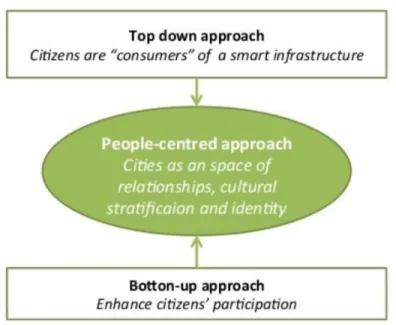
describe a few prominent theories used for urban planning and smart city design, most important of which is the “Top-Down/Bottom-Up” model for city development. The fourth and final section will then elaborate on how the “top” and “bottom” ends of the previous section’s model may operate together. It will do this through the lens of the Triple Helix Model and its current evolution into the Quadruple Helix Model. The Quadruple Helix Model being a more effective lens to view smart city development through, especially as it relates to smaller smart cities. This section will assist in showing the distinct types of tools and ideas that are being used in smart city planning today.
Models for Smart City Planning and Development
4
population will be moving into cities, then we should be creating these new cities to be more sustainable to combat climate change as well as make sure these increased populations can be accommodated (Höjer & Wangel, 2014). Already, cities consume a massive amount of energy, “demanding more than 75% of world energy production and generating 80% of greenhouse gas emissions” (Lazaroiu et al., 2012). Various ideas have been submitted as to how urban planners can use information and communication technologies (ICT) throughout cities to reduce their energy use. Some of the most popular ideas are based in the power, transportation, agriculture, building, manufacturing, and consumer services sectors (Kramers, Höjer, Lovehagen, & Wangel, 2014) and all generally subscribe to the idea that ICT’s can be leveraged to increase efficiency throughout the operations of these fields. By setting up the infrastructures of society in this way, smart city planners hope to better control the carbon footprints of future cities so that they can better meet the carbon reduction goals cities and countries set for themselves while still
providing the proper utilities to their citizens (Kramers et al., 2013). In these ways, smart cities can be a major tool in combating climate change and resource scarcity in the future.
5
and safely as possible. To do this properly, smart city advocates believe that cities should begin to implement innovative Intelligent Transport Systems (ITS) and ICT systems into their
infrastructures. Cities can use ITS to collect precision data on pick-up delivery trucks moving throughout the city (Taniguchi, 2014). By doing this, city administrators and companies can optimize the vehicle routing in dynamic and productive way. This strategy can also be applied to various other logistical problems such as reducing commuter congestion and diminishing the arrival times for emergency vehicles. ICT systems can also be installed at crosswalks to help move commuter traffic more efficiently and safely as well. Smart city advocates believe that the installation of these technologies throughout a city is most effectively done through partnerships with local businesses (Taniguchi, 2014). By implementing these technologies into cities, city planners can not only make cities more efficient, but also makes cities and businesses within these cities more profitable. In this way, cities can make themselves more appealing to outside companies who are looking for urban areas to set up new operations.
The third most discussed definition of smart cities, is based on how cities can use smart, connected technologies, referred to as the internet of things (IoT), to better connect its citizens to the urban environment around them. Thanks to the creation of the smart phone, a large majority of citizens now have the ability to connect to the internet while on the go. Because of this technology, cities, and the citizens that occupy their limits are now able to connect with each other in unprecedented ways. Balakrishna (2012) claims that these smart city services and applications are defined by three characteristics. The first characteristic, is the smart
6
of knowledge engineering approaches that convert the aggregated real-world data into something that can be used by users across the cityscape. The final characteristic described by Balakrishna is, the ability of the user and the city to have panoramic access to multiple types and domains of data that can be interlinked and synergized together to create more specific and helpful kinds of information. In this definition, it is the duality and interplay between the smart infrastructure and sensors that are installed and the smart applications that the citizens have that make the smart city a reality. The key to the success of this IoT model is cloud computing. Cloud computing is defined as “the practice of using a network of remote servers hosted on the internet to store, manage, and process data.” The physical hardware of these servers can be consolidated into a few locations that can process massive amounts of data covering a vast number of users over a vast distance. Many smart city advocates believe that cities can incorporate these IoT and cloud computing technologies into their infrastructures and allow citizens as well as businesses to use them as an infrastructure service that they can pay to use and connect to (Perera et al., 2013). While the idea of including a “pay as you use” cloud computing system into a city’s
infrastructure might be relatively new in the smart city world, the use of sensors and phone applications that can connect and transfer information between a city and its residents has been in wide use (Sanchez 2014).
Barriers of Entry for Smart Cities
7
are the need for policy change, limited capital availability, and inefficient funding structures. Another major hurdle for smart city funding are the political uncertainties that threaten the reliability of steady public and private investment. Getting the national, local, and private sectors to work together, pass legislature, and submit investments is an incredibly difficult goal to achieve especially for a project as large and as time consuming as building smart city
infrastructures. Beyond these issues, Vilajosana et al. (2013) also claims that, as of the writing of their paper, there are not many secondary markets in existence that can finance smart city
projects. At this time, smart city projects are seen by many investors as too risky.
Urban Design and Smart City Theory
While the idea of smart, connected smart cities is fairly new, the whole field is still deeply rooted in the previous ideas of urban design. For decades now, urban planners have been struggling with theories about how to create successful sustainable cities and how to test these models in the real world. Campbell (1996) proposes that there are three priorities an urban planner must consider when designing a city. The designer must design a city that will
successfully grow, will have the cities growth distributed fairly, and will not have this growth irrevocable degrade the surrounding ecosystem. Campbell admits that this is an incredible challenging feat to accomplish as many of these goals are in conflict with each other.
8
growth and open up markets and optimization opportunities that have never existed before the advent of this technology. Another feature of smart city development that is being adopted from past urban planning theory is how to use the private sector to fund projects. Ashworth et al. (1990) states that cities are a part of capitalistic system just like businesses. Because of this, cities must “become 'products' to be marketed aggressively in order to attract tourists, residents, commercial activities and investment” (Ashworth 1990). This is especially true for smart cities. As stated previously, smart cities have high barriers of entry that require planners to connect with investors from the public and the private sector. To do this, it is critical to market the benefits of smart cities to these audiences. If done successfully, cities have the ability to grow exponentially and create a feedback loop of benefits that could result in incredible amounts of economic gain. .
One change that is coming to urban planning thanks to smart cities is about how urban planners frame their plans. In the past, most urban planning was done with a long-term mindset. With the introduction of smart cities and the big data it is now collecting, urban planners now have access to the information and processing power to start thinking more in the short term (Batty 2013). Using these tools, city planners are beginning to be able to micromanage cities over minutes and hours instead of only years. This new ability let’s cities become even more flexible and efficient. Another way that smart city design is changing the world of urban
planning is by shifting urban planning’s mindset from a top down approach to a more bottom up approach. This means instead of having cities and corporations purely drive the innovations and changes that come with city development, citizens can now give more voice to how they want their cities to develop.
9
applications designed from the top down often don’t fully understand the needs of the average citizen and usually end up falling short. Instead, Cosgrave proposes that cities and industries meet citizens half way in the development process. Cities can do this through the creation of open application programming interfaces (API), open data platforms, city dashboards,
hackathons, networking events, competitions etc. that would ultimately support successful and sustainable implementation of custom smart city technologies, and the creation of an innovation ecosystem that is valuable for citizens of that specific urban area (Cosgrave 2013). Komninos (2013) goes a step further by saying that smart cities should incorporate this type of crowd sourced creation into all aspects of the cities infrastructure and economy. By doing this, smart city managers can open up a treasure trove of raw data that can be applied to a plethora of different applications. It is important to note though that cities at their core are constantly
10
Figure 1: Top-down/Bottom-up Model (Giovanella, 2013)
11
smart city technologies, pull models are much better suited for situations where there exists a lot of uncertainty. This is, because instead of dealing with this uncertainty through tighter control this model seeks to expand the opportunity of creativity to local citizens with immediate needs. In this way, a pull model may be a better fit for a smaller city without the resources, experiences, or centralized body to take on many smart city projects. This model’s strength lies in its ability to, “treat people as networked creators (even when they are customers purchasing goods and services) who are uniquely positioned to transform uncertainty from a problem into an
opportunity” (Hagel 2008). A model such as this can be very effective, especially when paired with telecommunication technologies that can more easily tie communities together. The best way of approaching smart city projects, either by a push or a pull style model, is still up for much debate within the field of smart city research.
The Triple and Quadruple Helix Models
12
The first domain that we will be analyzing is the “Top” domain. This domain is generally occupied by larger, more centralized, service providing and product producing entities. These entities are usually the owners of massive amounts of resources as compared to the entities that are members of the “Bottom” domain. These resources include anything from wealth, to labor, to intellectual capital. These entities view citizens (who make up the “Bottom” domain) as
“consumers” to whom they are providing services and products.
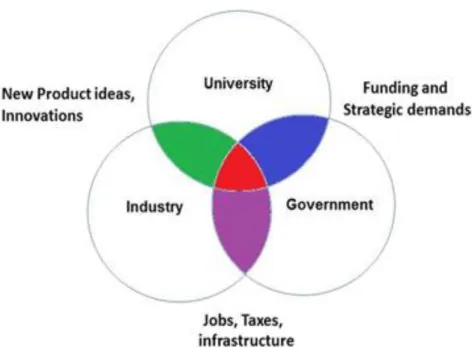
Figure 2: The Triple Helix Model (Kimatu, 2016)
13
functions cultivating the selection environments of both national and regional research and innovation: (1) intellectual capital of organized knowledge production; (2) wealth creation; and (3) reflexive control”. The Triple Helix Model also does an excellent job at defining the
relationship each of the entities individually have with each other. As depicted in figure 2, each entity within the Triple Helix Model interacts and supports the others in critical ways. As the above figure and Deakin and Leydesdorff’s quote clearly show, each entity within the Triple Helix Model plays its own unique role in creating a smart and innovative city. The University, for example, creates innovative ideas and technologies and also provides a trained labor force to implement them. Industry and Business provides funding, jobs, and commercial infrastructure. While the Government provides direction, policy, infrastructure, and funding grants as well. All three of these entities working in tandem create a complex and dynamic system of innovation that is further defined by other dynamic subsystems as described by Etzkowitz et al. (2000), “The complex dynamics is composed of sub-dynamics like market forces, political power, institutional control, social movements, technological trajectories and regimes”. While the sub-dynamics of these three entities vary throughout time and continue to influence the overall structures of society in major ways, the cooperation between these three entities can assist them in adapting to new developments and issues. The organized system of innovation production that is created through the specialization and cooperation of these entities can be crucial to the
14
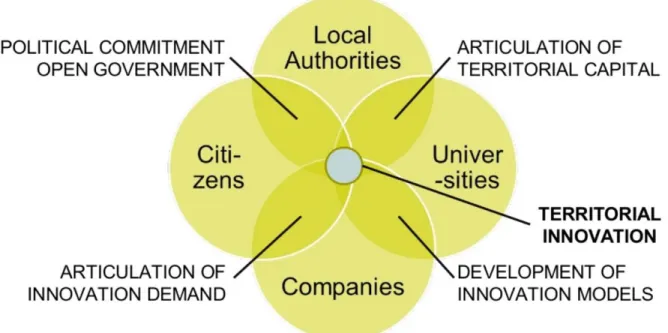
Figure 3: The Quadruple Helix Model (Marsh, 2013)
15
Figure 3 shows, the Quadruple Helix Model highlights how Citizens specifically interact with their Government through political commitment (i.e. voting, town hall meetings, use of services, etc.) and also how governments can better interact with their constituents (i.e. transparency, reliable service delivery, efficient use of tax dollars, etc.) to better promote successful
16
Method
For this study I contacted the local governments of small and medium sized cities across the United States (US) to ask them questions about their experiences implementing smart city technologies. I contacted these city governments by emailing the heads of its technology
divisions. In these emails, I stated the purpose of my project and the reasons that I was interested in their specific city’s smart city experiences. I explained the nature of my research questions in my email and the gap within the sphere of smart city research I was attempting to fill. I then went on to request an interview by telephone at a date that was convenient for them. Each interview took between 30 and 60 minutes depending on how much time the interviewee had available. The interview was comprised of a series of prewritten questions that was designed around the cities’ experience implementing smart city technologies, what its perceptions were of the
differences between their small city and larger cities, and in what way these differences affected how they consider smart city projects. I also asked questions about the strategic approaches they took to apply smart city design to their localities and whether or not their strategies were affected by the scale of their city’s size. The questions I asked the interviewees were created along with a code book that I used for analysis with the help of the project’s mentor professor. The above protocol for the interview as well as the specific questions asked were refined and submitted to the University of North Carolina at Chapel Hill’s Institutional Review Board (IRB) for approval.
Interview Design
17
they were most available. Most of the city representatives I contacted were incredibly busy people, so the interview schedule needed to be able to meet their time constraints. The second reason was, that by doing telephone interviews gave this project the ability to reach interviewees across the US providing me the opportunity for a larger sample size. Finally, this method of data gathering gave me access to firsthand knowledge about how the field of smart city development works in small cities. Receiving firsthand accounts with follow up questions provided me with a more accurate and detailed picture of what the process of smart city integration encompasses for these small and medium sized cities and communities.
For this project, I reached out to a total of 30 cities across the United States to get a diverse range of responses. I received replies from and interviewed eight of those cities from across the nation. The eight cities I interviewed were: Albany, New York; Burlington, Vermont; Chapel Hill, North Carolina; Longmont, Colorado; Palo Alto, California; Portland, Maine; Queen Creek, Arizona; and Seat Pleasant, Maryland. I was permitted to interview representatives from each of the aforementioned cities and did so over the duration of a month. Interviewees were provided a copy of the questions before the interview to give them time to consider their answers. All interviews were voluntary and in line with the ethics and rules set by the IRB.
Defining the Sizes of Cities
18
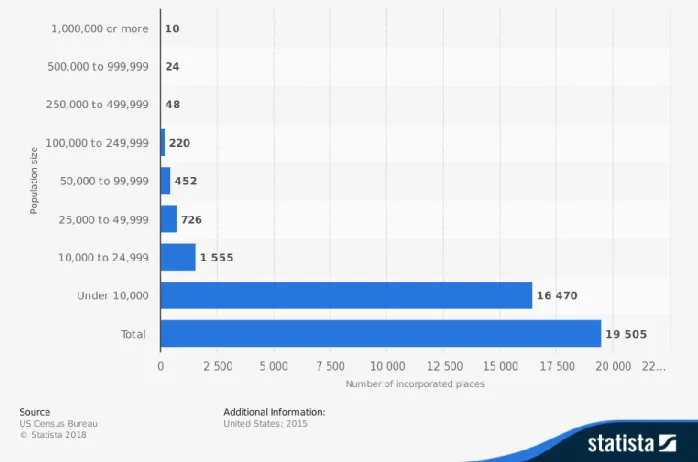
data from the US Census Bureau from the year 2015. The chart shows the number of incorporated cities, towns, and villages within the US organized by their population size.
Figure 4: United States’ cities by population (U.S. Census Bureau, 2015)
19
Census Bureau as a region where the core has a population of 50,000 or more. Large cities are defined as having populations of 250,000 or more; midsize are defined as having a population less than 250,000 and greater than or equal to 100,000; and small are defined as having a population fewer than 100,000 residents (U.S. Census Bureau 2010). Second, it is a delimiter that, while big enough to include a vast majority of U.S. cities, does not come close to including the larger cities that are typically studied in other papers on smart city design (i.e. New York, San Francisco, Boston, etc.). This standard of acceptable city parameters will help me better determine which cities were more beneficial to contact and also assisted in standardizing the set of city interviewees.
Data Analysis
The audio of each interview was recorded by microphone with the expressed permission of all interviewees. These audio recording were then transcribed into a word document with timestamps included to mark changes in speakers and to help better organize and back-reference the information. After the interviews were transcribed, a code book was created to analyze the interviews. Interviews were analyzed to find trends in what advantages, disadvantages,
technologies, and strategies small smart cities encounter or use when implementing smart city design. A series of these trends were codified and then the interviews were analyzed for them. Evidence that fit a trend was highlighted within the transcription and marked with the code number of that trend. In this way, data analysis was made more organized and straightforward.
20
the Top-Down/Bottom-Up Model to examine the implementation strategies that the interviewed cities are using. I will use this lens to see whether the strategies stem from a more centralized, Top-Down approach or from a decentralized (citizen focused) Bottom-Up approach.
Furthermore, I will also use both the Triple Helix and the Quadruple Helix models to examine the entities that make up the both sides of the Top-Down/Bottom-Up Model. I will use the Triple Helix Model to primarily examine the entities that make up the centralized, Top-Down approach to project implementation. By doing this, I will be better able to see which entities cities are leveraging to their fullest extent and which they are not. I will then be using the Quadruple Helix Model, with its addition of the “Citizens” entity, to examine the Bottom-Up focused strategies more fully and analyze how they interact with the centralized, Top-Down entities.
Conclusion
The field of smart city research is still a relatively new, but important field that is just at the beginning of exploration. While new, smart cities will be a powerful force for change in the coming years as increasing urban populations will require better systems of organization, interconnectivity, and sustainability. To this end, it is crucial that while we progress we do not forget about the small cities and towns that could benefit from these smart projects. Smart cities and the technologies that come with them will not only provide solutions for these small cities and towns, but also economic opportunities that could truly revitalize many of these
21 City Profiles
Albany, NY
Albany, New York is the capital city of New York State and the seat of Albany County. Albany has a population of 98,111 (U.S. Census Bureau 2016) and is located on the west bank of the Hudson River roughly 150 miles north of New York City. Albany is considered to be the economic and cultural center of the New York State “Capital District”, which includes
neighboring cities of Troy, Schenectady, and Saratoga Springs. In recent years, Albany and its surrounding region have been home to a large array of high-tech industrial growth and have earned the moniker of “Tech Valley”. Albany is also home to a series of accredited universities such as the University at Albany, Albany Medical College, and the College of Saint Rose.
22
to Albany’s lack of sufficient monetary resources. Albany indicated that staffing currently makes up around 70 to 80 percent of its budget. This funding restriction has greatly affected the amount of smart city projects the city has been able to implement. Albany claims that these two issues are the direct result of the city’s small size. One of the next greatest issues that Albany faces is with implementing the technologies itself. Albany reports some reluctance within certain segments of the city government to accept some of the new technologies. This reluctance was mainly grounded in the resistance to learning how to do things differently. While this reluctance has been somewhat resolved, Albany felt that enforcement was still an issue. The city also has struggled with the affects these technologies have on its staff’s employment. These technologies have made some of staff jobs obsolete. The city does not want to fire staff. There has been attempts to retrain and transfer displace staff to other city departments. However, this does not always preserve every staff position. Additionally, Albany has had trouble with project
management in implementing the smart city projects. While Albany has not had any failed smart technology implementation projects, its lack of experience with managing the project has led to some issues. The city does not have many staff that have experience with implementing smart city technology projects or technology projects in general. Furthermore, once the projects are installed, the city does not have much experience with analyzing and implementing
23
Albany faces in implementing smart city projects is the lack of university resources and support. While Albany has several universities within its city limits, none are technology focused.
Therefore, Albany has been unable to work closely with them to implement smart projects.
Even with these challenges, Albany has implemented a fair number of smart city technologies. Some of the most successful technological projects have been internally
implemented software. The city has implemented a Kronos timekeeping system that has helped better organize its staff’s work schedule. The city claims that this has decreased overtime expenses by $200 thousand. Also, Albany installed an Enterprise Resource Planning (ERP) system to assist in better planning of current and future city projects. Recently, the city has implemented an internal facing, city dashboard system. The city dashboard is used by the Mayor and their senior management team to track metrics relating to overtime costs, expenses,
revenues, workers comp costs, building permits, citizen complaints, and more. Albany has worked with outside contractors to create a website allowing citizens to access city data. This open data website is important, because they felt that citizens would appreciate their
24
all information manually. The implementation of this software saves the city much time and labor and energy expenditures. Two other green technologies that Albany has implemented are solar photovoltaic (PV) installations and electric vehicle charging stations. The city is currently in negotiations to buy its streetlights from its local utility company. Albany hopes to replace all the lights with light emitting diode (LED) fixtures. This project not only saved the city money, but it also allowed it to install ports onto these lights that the city hopes to use for other smart city technologies. One project it would like to use the ports for is to provide wi-fi citywide. The city wants to partner with wireless providers to help fund the streetlight project in exchange for the opportunity to install their devices on the streetlights. The final major smart city technology Albany implemented is their city application (app). The city app, called “SeeClickFix”, can be accessed by Albany residents at any time of the day to report city problems and comments directly to city officials. Albany has been very happy with the smart city technologies implemented so far and wants to add more projects in the near future.
25
26 Burlington, VT
Burlington, Vermont is located in the north-western region of the state of Vermont and is the seat of Chittenden County. Burlington is the most populous city in the State with a
population of 43,552 (U.S. Census Bureau 2016). Burlington is home to the University of Vermont (UVM) and Champlain College. Burlington also holds the distinction of being the first major US city to run on 100 percent renewable energy (Woodard 2016).
To implement its smart city projects, Burlington had to overcome many challenges. One of the greatest challenges that Burlington faced was trying to work across the different city departments to implement these projects. The city claimed, especially when it came to collecting data and discussing future projects, it was difficult for different departments to communicate with each other and determine which data sets within each department could be pertinent to them. Another issue was that a lot of Burlington’s projects were very innovative. Burlington found they had problems with some of its projects because there were no models to reference on how to do them properly. Burlington also stated there were huge capacity issues within their process as well. This meant its capacity to figure out how best to manage and use data to make sound decisions was low because it did not have experience in how to implement these types of projects. Burlington claimed that one of its biggest worries when implementing these
27
citizens raised concerns about the implementation of some of smart city projects and what that meant for their security.
Burlington is still early in its process of incorporating smart city technologies, however it has had some success. Burlington states its biggest project implemented so far is a smart meter project. The city has about 20,000 plus customers they serve electricity to and a majority of them have opted into the smart metering program with a smart meter installed at their houses. The smart meter program provide data in 15-minute increments on electricity consumption. This saves both the participating citizens and Burlington money. This means city workers do not drive around town as much to check meters and the city can respond to city-wide demand for electricity in a faster and more efficient manner. Along with smart meters, Burlington also acquired the Energy Star Portfolio Manager. It is a US Environmental Protection Agency (EPA) benchmarking and energy management tool for residents and commercial properties. It allows customers to track their daily energy usage and customers can access it on Burlington’s website. Burlington Telecom also installed a large gigabit network to provide the community with faster internet connectivity and to attract businesses to the city. Burlington has also become the first city in the US to become 100 percent reliant on renewable energy for electricity. It did this by investing in solar, hydro, nuclear, and biofuel projects.
28
leading government, business, and academic stakeholders of Burlington, to help take advantage of the city-wide fiber optic gigabit digital network infrastructure. BTV Ignite serves as an incubator space for new technologies and works directly with the city to solve problems. Burlington allows companies to use the city as a pilot site in exchange for free installation. Currently, Burlington is working with a small startup called Packetized Energy to pilot a system that allows some of the city’s hot water heaters to serve as small energy reserves. Beyond working with the public sector, Burlington also keeps in contact and works closely with its universities. Burlington states as a small city, it must leverage all the resources it can and that includes depending on their universities for research and skilled labor to properly implement these projects. One of the greatest resources the city has is its close connection with its citizens. Burlington states that cultivating this social capital is most important when trying to develop the technologies to solve large problems. Prior to implementing a smart city technology, it is crucial to know whether or not your citizens want it and will use it. Without this knowledge, these projects would be useless. Burlington believes the strategy of cultivating its constituents trust was extremely important to the success of the smart city projects. The city expressed its greatest strengths when compared to larger cities was its ability to cultivate this trust in such an intimate way along with the flexibility as a small city.
Chapel Hill, NC
29
the “Research Triangle” with its neighboring cities, Durham, and the state capital, Raleigh. The Research Triangle is a region within North Carolina created by the proximity of three tier-one research universities: University of North Carolina at Chapel Hill (Chapel Hill), Duke University (Durham), and North Carolina State University (Raleigh). The Research Triangle is named such, because of the vast amount of research created by the three universities and the educated
workforce that resided locally. The Triangle serves as a major attraction for business within North Carolina and is home to a large amount of high-tech companies.
While implementing its smart city projects, Chapel Hill had to overcome various
obstacles. One of the most difficult problems Chapel Hill dealt with was negotiating agreements with their vendors. The town states beyond the typical legal wrangling that needs to happen when creating contract work, it also had to invest extra time in making sure it got exactly what it wanted out of the technology and that the town’s interests was protected. Another challenge that Chapel Hill faced is that there are limits to its financial and staffing resources. The town believes that especially its lack of available financial resources leads it to be more cautious when
implementing smart city projects. This lack of financial flexibility has forced Chapel Hill to have to prioritize certain projects over some of its potential smart city projects. The town has
experienced problems bringing vendors to pilot its projects because of the size of their town. Unlike bigger cities like Austin, Texas, Chapel Hill has only a limited amount of real estate or number of people to offer a company trying to pilot their technologies. Therefore, Chapel Hill sometimes finds it difficult to accommodate or attract companies trying to test smart
30
Therefore, hosting major piloting projects that require town resources in this way are near impossible in Chapel Hill.
Chapel Hill has implemented a variety of smart technologies. One of the most successful projects has been the implementation of a variety of cloud services to store town data and upgrades to the town telephone system. The town partnered with AT&T to help bring their gigabit networking to the area. Google is also considering Chapel Hill to put in a fiber network. Chapel Hill has worked with vendors to create a town app that citizens can use to report
31 Longmont, CO
Longmont is a city within the state on Colorado and straddles Boulder and Weld County. Longmont is also located near Colorado’s state capital, Denver. Longmont has a population of 92,858 residents (U.S. Census Bureau) making it the 13th most populous city in the state of Colorado. It is home to the Boulder County Campus of Front Range Community College and the Master Instructor Continuing Education Program (MICEP).
While implementing its smart city projects, Longmont had to contend with various concerns and issues. Unlike many of its contemporary cities, Longmont states resource and funding scarcity is not its biggest problem. Its biggest problem has been trying to apply smart city strategies to the city’s problems. Longmont stated its strategy for implementing these technologies is rather light and it has been difficult figuring out how to operate in such a novel field. The city also said that it especially had trouble discerning which city services would actually be improved through the introduction of smart technologies and which were better performed without. Another issue Longmont is concerned about is the sustainability of these smart city projects. By this, the city meant it is concerned about how much maintenance and attention these projects require in the long term. Longmont is worried that as the complexity of these smart city projects increases, more and more complex maintenance will be required to take care of them. This is especially troubling to Longmont when considering the longevity of the vendors with which they are working. Longmont is concerned that it, as a city, will outlast many of the vendors that assisted in introducing these technologies into its infrastructure. In the
32
The city stated that although it received a lot of great entries for the hackathon event, none of the designers wanted to stick around to help maintain their creations. Additionally, Longmont itself did not have the proper resources to take care of many of these projects so they had to be scrapped. Finding a way to guarantee longevity in these smart city technologies has been a major barrier for Longmont’s adoption of some of these projects. Another problem Longmont has been dealing with is the availability of staff. While Longmont’s information technology (IT) staff is excited by many of the potential smart city projects that the city has been considering, the IT staff finds themselves too busy to implement many of them. Longmont contends that its IT staff already must maintain massive systems within the city and that adding on to the already heavy workload would be difficult. If the city had more staffing resources, it would be able and willing to take on more smart city projects. The final issue that Longmont reported was centered around how isolated the city is from certain resources. Unlike some of the other cities interviewed for this project, Longmont does not have a major educational institution within its city limits. Based on its geographical location and distance from other major
metropolitan areas, Longmont considers itself a “stand alone city”. Longmont states that it is difficult to convince bigger companies and service providers to move to or provide the best services in its city because of this isolation and fewer financial incentives for these companies. Therefore, Longmont feels that it had to be much more creative and innovative in how it implemented many of its smart city projects.
33
but has also greatly benefitted the citizens. Longmont also invested some of their resources into creating the city’s 4G infrastructure. Currently, Longmont is also cooperating with Verizon to allow them to build smart cell sites for the implementation of 5G service. By creating this smart mobile device infrastructure, Longmont has been able to leverage it to help provide better services to its constituents. This infrastructure allows public safety officials to always stay connected and up to date with developing incidences and keep the public safe. It has also allowed city officials to have a more flexible workplace, giving them the ability to work from almost anywhere. The city of Longmont has also passed a city-wide sustainability plan that will have it investing more resources into more smart and sustainable technologies. Overall, the city of Longmont hopes to continue to build upon their current projects and are eager to implement more smart city projects in the coming years.
34
35
entrepreneurial spirit that is unique to its city and helps them successfully embrace these new technologies.
Palo Alto, CA
Pal Alto is a city in California that sits inside of Santa Clara County. It is also located within the San Francisco Bay area. Palo Alto has a population of 67,024 residents (U.S. Census Bureau 2016) and is home to one of the top universities in the nation, Stanford University. Palo Alto is also the birthplace of Silicon Valley, an area within the San Francisco Bay area that is famous for its high concentration of successful high-tech companies and as a major incubator for high-tech companies. Palo Alto is home to several major high-tech companies such as Google, Facebook, Hewlett-Packard, Tesla, Skype, and many more.
While implementing smart city projects, Palo Alto faced a litany of problems and challenges with which it had to contend. Palo Alto highlighted three major issues it faced
implementing smart city technologies. The first major problem cited was the need to place smart city project implementation within the greater architecture of the city’s priorities. What Palo Alto meant was that one of the main jobs in managing its city is prioritizing what projects and
36
smart city projects. Beyond just the financial barrier, Palo Alto mentioned that it lacked the staffing resources of larger cities. Palo Alto indicated larger cities can build individual teams whose sole job it is to focus on smart city technology implementations. Smaller cities on the other hand, do not usually have that kind of resource luxury. The second problem discussed was its belief that the smart city technology market is still rather immature. This overall “lack of maturity” within the smart city marketplace lends itself to an increased feeling of reluctance that were mentioned in problem one. Palo Alto stated while there are a lot of great vendors out there with very good products, many of these projects are still new and unproven. This immaturity comes with a certain overhead that Palo Alto feels makes it harder to invest in these projects at times. The third and final problem that it mentioned was the very concept of using technologies as the driving force to solve city problems is a relatively new concept. Palo Alto also stated many of the strategies on how to deploy these technologies is still unknown, so it is difficult to
convince many department directors to adopt some of these projects. Palo Alto indicates if it is going to commit more resources to smart city projects, more mature implementation strategies need to be developed and more training of these concepts needs to be given to department directors across the city government.
37
Palo Alto has relied on multiple different strategies and partnerships to implement its smart city projects. The city is a unique case as compared to the other cities in this group thanks to the high number of major tech companies that reside within its limits. Palo Alto has been able to take advantage of its proximity to these tech vendors. In exchange for helping install some of its smart city projects, Palo Alto has offered itself as a living lab for some of these companies to test their technologies. The city enjoys using this strategy since it allows it to tap into the
38
aforementioned resources and strategies. The city hopes to continue implementing these smart technologies into the future.
Portland, ME
Portland is a city within the state of Maine inside Cumberland County. Portland has a population of 66,937 residents (U.S. Census Bureau 2016) and is the most populous city in the state of Maine. Portland is home to a handful of colleges including the University of Southern Maine, University of New England, the Maine College of Art, and the University of Maine School of Law.
39
Carnegie Mellon. This makes it hard for Portland to leverage these schools for smart city project implementation. Another issue that Portland has had to deal with is the lack of political structure and political support around some of these projects. The city cites it has only recently been given the chance to fully pursue smart city projects. Portland states that previous city leadership were less convinced about the use of smart technologies and restricted its funding around these types of projects. Portland has also run into issues with state regulations. Recently, Portland has attempted to pilot autonomous vehicles in the city, but the state Department of Transportation (DOT) has no framework for implementing this kind of technology. Furthermore, officials within the state government have voiced concern about testing this new technology in their state and have rejected previous legislation regarding its approval. Portland feels that this rejection by the state has prevented them from being as innovative as other cities throughout the US. Much of the state’s hesitation is based on the fact that many of these technologies are unproven and novel. As of writing this report though, the Maine State Legislature has passed a bill requiring the state to create a working group to help implement pilot projects around AVs (autonomous vehicles). The bill was introduced by a member of the Portland delegation and became law without the governor’s signature. While Portland’s move to support AV technology has shown its
40
adds an extra degree of difficulty when trying to decide which smart city projects to fund. Portland is concerned about the hidden costs that come with many of these projects. This includes a degree of hidden implementation and maintenance costs that it must consider. These extra costs add to the uncertainty and risk of these projects and make planning and funding them more difficult. The final major issue Portland has dealt with is the concerns of it citizens. The city states that when implementing some of its sound measuring and monitoring equipment, a segment of its constituents voiced concerns about their privacy. These citizens worried that they were being spied on and even went so far as to contact the American Civil Liberties Union (ACLU). This leeriness has also accompanied other smart city projects and has sometimes made the adoption of these technologies more difficult.
Despite these issues, the city of Portland has been able to successfully implement a diverse set of smart city technologies. One of their most recent and successful smart city projects has been the implementation of LED streetlights through much of the city. Within the last few years, the Maine state legislature has given Portland the ability to buy its light utilities from the Maine power company. Portland took advantage of this opportunity to buy back its streetlights and update them to LED lights. These lights are connected using an advanced control system giving it the ability to dim the lights and track energy expenditure. These lights also come with the ability to attach different sensors. Portland wasn’t allowed to attach these sensors before, because of utility rules that prevented them from attaching anything but lights and light
41
management projects include: smart dashboards (within city hall and the police department), a new smart radio system for emergency services, and a set of tracking sensors for its vehicle fleet. Another technology that the city has deployed is smart traffic sensors to help better manage the flow of traffic. Portland has also implemented some smart sustainability processes as well, including the installment of EV (electric vehicle) charging stations and solar panels. The city tried using smart technologies to engage citizens. One example is with the installation of
electronic information kiosks around the city to inform the citizens of local news and events. The city created an app that residents can use to report problems. Portland has some smart city
technologies lined up for the near future. One of them is the implementation of sensors that count people using a certain intersection. The city hopes to use this technology to improve the flow of traffic. The city has been in talks with some vendors about installing a citywide fiber network. Currently, Portland is working with a vendor to create an ambitious parcel level map that would not only show how much electricity is being used by a building, but also what kind of energy they are using (oil, gas, renewable). Portland hopes that these future projects will be as
successful as previous projects. The city is very eager to take advantage of the new, smart city technologies and implement them into its city’s infrastructure.
42
43
the presence of this person within its local government has been paramount to the success it’s had in getting these projects approved. As previously stated, Portland had some issues in the past with convincing other government officials to invest resources into these projects. Having
someone who is constantly researching and pushing smart strategies to these critics is incredibly important when trying to change their minds. Portland has also been looking into alternative funding strategies for their smart city projects. For example, the city’s streetlight project is structured as an Energy Performance Contract and funded through a private financing company using a municipal lease. The city also has a solar project funded using a power purchase
agreement. Portland claims that it will continue to look into innovative ways to get its smart city projects done.
Queen Creek, AZ
Queen Creek, Arizona is a town that straddles the line between Maricopa and Pinal counties. The town has a population of 33,649 (U.S. Census Bureau 2016) and is located just southeast of Phoenix, Arizona. Queen Creek is home to the Communiversity at Queen Creek, a satellite educational center of Rio Salado College. Queen Creek is also considered a “drive through” community as around 50,000 vehicles of non-residents pass through it each day.
44
primary services (police, fire department, etc.) get their funding there is usually not enough left to tackle resource intensive smart city projects. Another issue the city faced was attracting companies to test out smart technologies within the community. Queen Creek believes this reluctance from companies to finance projects in its city comes from the fact that it has such a small population. The town states that companies feel as if there is not much financial incentive to bring smart technologies into Queen Creek because of its small size. Many of these companies instead, go out to other nearby cities such as Phoenix to take advantage of the larger customer base. Queen Creek believes that it is not being used to the fullest capacity as a living lab by these companies. As a small city, Queen Creek does not have access to any major educational
institutions they can leverage as an innovation resource. The final two challenges Queen Creek faced while implementing smart city projects deals with staffing and training. The first issue Queen Creek faced was time and resource constraints when it comes to training its staff for these projects. The second issue Queen Creek faced was that the implementation of some of these smart city technologies slowed the growth of hiring town employees.
While facing those challenges has been difficult, the town of Queen Creek managed to implement a series of successful smart city technologies. One of the most recent technologies implemented is an online permitting and development review software system called Accela. This system allows residents to submit permitting requests from anywhere at any time. In return this system allows government resources to be more flexible, be on demand, and helps decrease the amount of paper work created. The final area that Queen Creek implemented smart
45
installation points for small cell technologies. Queen Creek has already been in talks with multiple cellular companies about installation procedures and is excited about the prospect of constructing its 5G infrastructure. The last major smart city project that Queen Creek has is an intelligent transportation system (ITS). Queen Creek developed the ITS in collaboration with its neighboring counties and relies on it to handle the immense amount of drive-through traffic that commutes through the community every day.
Queen Creek made use of a variety of different strategies and resources to implement smart city projects. One of the most cohesive and effective plans was to create a “Corporate Strategic Plan” that guides how it approaches implementation of these technologies. To be specific, the plan is a 5-year plan enacted by Queen Creek’s town council to help spur economic development. Technology makes up a major part of this plan and smart city projects are
represented within that section. Queen Creek claims that by creating this plan, its IT department has a better chance of convincing the town council of funding the smart city projects. In a sense this plan stands as a mandate that helps reaffirm Queen Creek’s dedication to smart city projects and will help it follow through with the implementation of the projects. Queen Creek states it generally takes a “shovel ready” approach when it comes to smart city implementation. Queen Creek tries to stay away from the cutting edge of smart city technology because its budget does not allow it to take risks on new technologies. This means that the town always have a set
46
training programs for their staff to help them better adapt to the technologies that are changing their jobs. The final strategy that Queen Creek uses to implement smart city projects is that they make sure to maintain a close connection with their constituents. One of the ways Queen Creek does this is by distributing a biannual public poll to their citizens to get feedback on how they are doing. Furthermore, Queen Creek leverages social media to make sure that it is are being
transparent as to what projects the town is currently working on. The town also has an app that citizens can download and use to send direct comments or complaints to town officials. Queen Creek beliefs that they really shine in regard to employing this strategy. The town thinks that the concerns and opinions of their citizens are taken into account when considering a new smart city project so that they know for sure that what is implemented is wanted and will be used. Beyond these strategies, Queen Creek believes that there are some benefits that come with implementing smart projects as a smaller town. Since there is less bureaucracy to deal with, their city can be more flexible and quick with approving and implementing smart projects. Queen Creek says that it leveraged this benefit before to incentivize companies to install smart technologies into their town with positive results. The companies that have worked with Queen Creek said they liked working with them because of this flexibility. Queen Creek hopes to further leverage these characteristics and strategies so they can be better utilized by businesses and implement more smart city projects in the future.
Seat Pleasant, MD
47
Beltway right outside of Washington, DC. The city of Seat Pleasant does not have any
institutions of higher learning within its city limits, but it is in close proximity to top universities throughout the state of Maryland and within the District of Columbia. In recent years, Seat Pleasant has come to embrace the idea of smart city planning, coining itself with the moniker, “A Smart City of Excellence”.
The city of Seat Pleasant, Maryland faced a lot of obstacles in its journey to becoming a leading smart city hub. One of the first obstacles Seat Pleasant reported was with their revenue. Like nearly every other city in this report, Seat Pleasant thinks that one of their greatest barriers to attempting and incorporating new smart city projects is lack of resources. Seat Pleasant believes that its problems with revenue is mostly based on the fact that their population is much smaller than most cities in the US. Because of this lack of revenue, Seat Pleasant is forced to seek resources outside of the city if it wants to implement these technologies. Seat Pleasant also cited that most venture capital money generally goes to states such as California, New York, and Massachusetts meaning that it is harder for it to tap into that particular resource. The second major obstacle Seat Pleasant reported was making sure the city had “citizen buy in” when implementing these new technologies. Seat Pleasant said that it is critical to gain citizen
involvement as early as possible, so you can better understand what they want. However, getting this interaction is not always easy. McKinsey Consulting Group (2017) found that citizen
48
the day to day operations of their personnel to increase this adoption. The fourth and final problem that Seat Pleasant reported involved the make-up of the relationships within the smart city marketplace. Seat Pleasant feels that for a long time, vendors have been driving the
conversation around smart city implementation. This is because these vendors usually have more of the resources and experience on their side and are generally the ones approaching the cities to buy their products. Seat Pleasant hopes to change this dynamic for themselves so it can have their citizens be the driving force behind the implementation of innovative technologies within their city. In doing so, the city not only hope to improve the success of their projects, but also the lives of their citizens.
49
catch criminals who are crossing the jurisdictional boundary between them and neighboring Washington, DC. While this technology has not been installed within the city yet, the project is on Seat Pleasant’s list of planned city projects. The next smart city project that Seat Pleasant is implementing in their city is the installation of an array of sensors to help them better provide information and services to their citizens. One set of sensors the city has been looking at is smart trash can sensors. These sensors would help alert city waste management workers when a
trashcan is ready to be picked up, so they do not waste resources driving around all day looking at each trash can. Another set of sensors that Seat Pleasant has been piloting are weather sensors that they can attach to their city vehicle fleet. These sensors keep track of the conditions on the road as well as the vehicle’s location via GPS. This data would be continuously transmitted back to the IOC where it could be organized and used to make a map of the conditions of roads throughout the city. In the near future, Seat Pleasant is also hoping to install air quality sensors throughout the city. The city plans to use these air quality sensors to detect the levels of carbon dioxide within the city throughout the day. The city would then pass that information on to their citizens to help them make better choices about when they should go outside to do activities or to see if there are correlations between test scores in school and carbon dioxide concentrations. These ideas are still in their earlier stages though. The city of Seat Pleasant has also been working with the Harrisburg University in Pennsylvania to implement blood pressure
50
Seat Pleasant hopes to continue to implement even more sensors and smart city technologies so it can build a completely connected and transparent city.
51
Pleasant has also worked with other smaller vendors to help with smart project implementation. Many of these smaller vendors have also approached Seat Pleasant and provided their services for free in exchange for using the city as a living lab. The city of Seat Pleasant has also had the opportunity to leverage universities as a resource. Seat Pleasant states it proactively approached the University of Oklahoma to see if it wanted to use the city as a living lab. The University of Oklahoma turned out to be very interested because of the city’s reputation for smart city implementation and its deep level of public engagement. These qualities made Seat Pleasant a perfect candidate for testing smart technologies. The city was also approached by Harrisburg University in Pennsylvania to do smart city research. These university partnerships are significant, because they allowed Seat Pleasant to tap into a wealth of advanced resource knowledge without having to use any of their own funding. It is also important to point out that this is another example of Seat Pleasants strategy of being proactive about smart city
implementation. Because Seat Pleasant does not have the university resources of its own, it made the proactive choice of reaching out to other research universities and offered their city as a living lab in exchange for their research. Another valuable resource Seat Pleasant took advantage of was state and federal resources. At the federal level, Seat Pleasant received a grant from the United States Department of Agriculture (USDA) to implement a smart emergency control center in their city. They also received other grants from the federal government to help implement smart technologies that would improve the health of minority citizens in their community. Seat Pleasant has also taken advantage of other organizations with their state. They have been in close collaboration with the Innovation Village Baltimore project. The project was created to help create innovation districts across the US and Baltimore is the center for
52
53
Discussion
Research Question #1: How do smaller cities, towns, and communities implement smart city technology?
This study has shown that smaller cities, towns, and communities implement smart technologies by leveraging the resources described in the Quadruple Helix Model. While smaller cities do make use of every entity within the Quadruple Helix Model, it should be noted that these cities leverage some of these entities more than others. For instance, because of the resource restrictions of many state and city governments, smaller cities tend to rely on industry entities a lot more for funding. Smaller cities also rely more on the industry entity for their knowledge and innovations, because many of these smaller cities do not have major universities within their region. While smaller cities do rely a lot on industries for help implementing their projects, they leverage their citizens a great deal as well. One of the most striking benefits small cities have when comparing them to larger cities, is that smaller cities have a much better and more intimate connection to their citizens. This is mostly because their communities are vastly smaller and more concentrated, allowing the officials of these governments to be more connected with their people. This close connection with their constituents allows smaller governments to get more accurate sense of what their people want and want smart technologies they will be willing to use. This is extremely important, because it is critical to know what is pertinent to these users so that you are not wasting resources on technologies that will never be used
54
cities are better able to connect with their citizens (bottom entity) and because their lack of funding resources requires them to be sure a project will be used. Smaller cities are also better able to leverage their own local government entity, because of their smaller size. While the government entity is defined as a more centralized, top-down entity (Hagel, 2008), smaller cities have the advantage of having less centralized cities. This is because, smaller cities have
dramatically smaller bureaucracies than larger cities do. This allows these cities to be faster and more flexible with how they implement new technologies and engage in industry partnerships. While most cities interviewed for this project reported being smaller and more flexible made it easier to engage in industrial partnerships, a few cities also reported that their size could be a deterrent to these relationships. This is because industry entities are looking to work in cities where they can get the biggest return on investment. Since smaller towns have smaller
populations, some companies do not consider them for their projects. Many of the smaller cities that were interviewed felt that they were being underutilized because of this. As the field of smart city technologies grows, I believe that smaller cities will become a valuable resource when it comes to piloting innovative technologies. This is because they are much more flexible, more manageable, faster, and better connected to their “users” than larger cities.
Research Question #2: What problems do smaller smart cities face?
55
be reiterated that these problems exist within the context of when these cities attempt to implement smart city projects into their communities.
The first common issue found amongst these cities was that they lacked the extra resources to put towards implementing a great deal of smart city projects. These resources include both financial and staff resources. The cities in this study stated that while they were eager to implement these new technologies, they felt their city size left them less adapt to implement as many of these projects as they wanted to. When talking to these cities, they would often cite that larger cities (New York, San Francisco, Chicago, etc.) not only had larger
financial resources, but also larger citizen populations and staffs to work on these projects. Many of the cities felt that their smaller populations left them with less resources overall and made their cities less attractive to business looking to implement technologies, because of the small customer base. It seemed that cities with smaller populations generally had less local educational and industrial resources to access as well.
56
The third common issue was that these cities lacked the proper strategies and domain knowledge to tackle some of these smart city projects. With the smart city industry being so novel, this is most likely a problem for cities of all scales. As stated in the previous problem though, employees in these smaller cities generally have less experience in coordinating
technology projects nor do they have large staffs to implement these new ideas with. There was also a trend with many of these cities that since they usually lacked the funding, industrial, and educational support that bigger cities have, they were more cautious when approaching many of these new strategies. Many of these cities only felt comfortable following more proven and accepted strategies of smart city implementation than more novel ones. Overall, the novelty of the projects matched with the city’s limited resources made learning and following smart city implementation strategies difficult.
The fourth and final issue found within many of these cities was their struggle
57
Research Question #3: What technologies can these cities implement to solve these problems and create new opportunities?
From the cities that were interviewed, there were three distinct categories of technologies that were commonly implemented. Those categories are city management technologies, utility technologies, and transportation technologies. Each of these categories is made up of common technologies that were commonly implemented by many of the interviewed cities or at least planned for in the near future. While each of these categories are distinct, the technologies within them do interact with and even enhance other technologies in different categories. It should also be noted that different technologies within each individual category might serve varied purposes depending on their context. Even so, each technology should still match the broader concept of the category they inhabit.
The first category of commonly implemented technologies is city management
58
technologies important because it lets them become nimbler and helps them better plan for their community’s future. Furthermore, some of these technologies (such as open data and the online permitting system) take the process directly to citizens. This gives them the ability to access these resources on their own terms at any time they want while freeing up more of the city’s resources. A few of the cities interviewed for this report even expressed the desire to construct a fully digital town hall for their citizens to access. These types of technologies will become increasingly necessary and beneficial to cities as they find themselves dealing with more data to parse and more services to provide.
The next category of technologies that were commonly implemented by these cities is the communication technologies category. This category can be defined as technologies whose purpose in implementation is to provide services to entities within the community. This category also covers technologies that help governments provide these utilities in a more efficient and sustainable way. Every city interviewed for this paper and many other cities across the country realize that it is critical to both curb their carbon admissions while also providing an increasing amount of utility resources to their citizens (Kramers et al., 2013). To do this, these cities are investing more into these kinds of smart and sustainable technologies. The commonly
implemented technologies within this category are gigabit networks, 4 and 5 G cellular