IS MINDFULNESS A NON-JUDGMENTAL STANCE?
Kathryn C. Adair
A thesis submitted to the faculty at the University of North Carolina at Chapel Hill in partial fulfillment of the requirements for the degree of Master of Arts in the Psychology Department
(Social) in the School of Arts and Sciences.
Chapel Hill 2013
Approved by:
Barbara L. Fredrickson B. Keith Payne
iii ABSTRACT
Kathryn C. Adair: Is Mindfulness a Non-judgmental Stance? (Under the direction of Barbara L. Fredrickson)
Mindfulness has been defined as being comprised by 1) present moment attention and awareness, and 2) a stance of non-judgment towards experience. To date, scant basic research has been conducted to test whether this second aspect, non-judgment, is indeed related to mindfulness at automatic levels of consciousness. Theoretical work has posited that as a non-judgmental stance, mindfulness allows for stimuli to be viewed more objectively, or
iv
TABLE OF CONTENTS
LIST OF TABLES……….v
LIST OF FIGURES………vi
INTRODUCTION………...1
STUDY 1………...9
STUDY 2………...18
STUDY 3………..……….30
GENERAL DISCUSSION………45
v
LIST OF TABLES
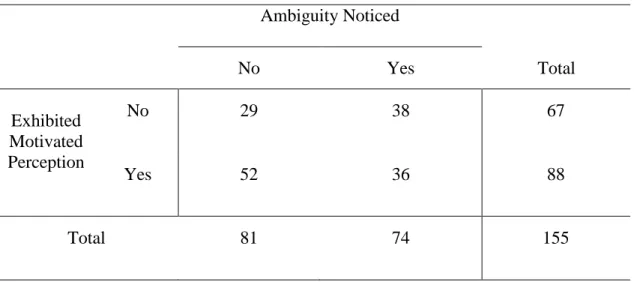
Table 1 - Study 1: Frequencies of noticing the ambiguity of the image and
motivated perception……….53
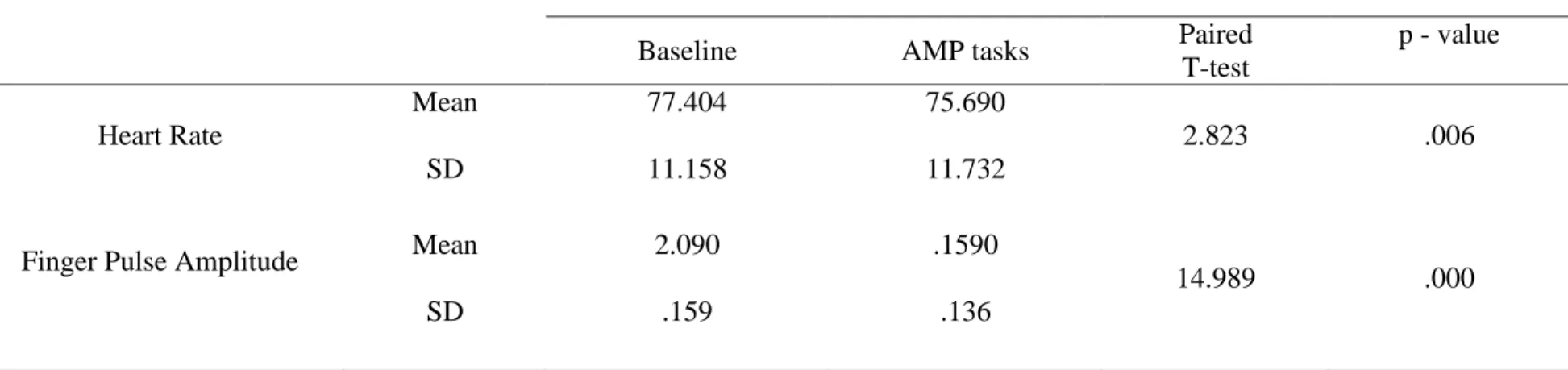
Table 2 - Study 2: Means, Standard Deviations, and paired t-tests heart rate and finger pulse amplitude reactivity from baseline to during the
AMP tasks………..55
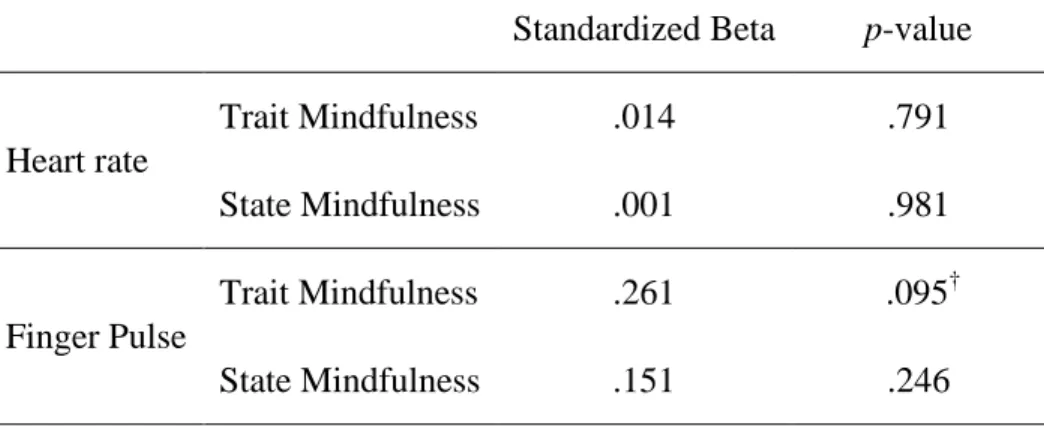
Table 3 - Study 2: Trait and state mindfulness predicting psychophysiological
reactivity during the AMP tasks………56
Table 4 - Study 3: Standardized beta coefficients and p-values for trait and state mindfulness regressed on psychophysiological measures while controlling
for baseline psychophysiology………...…57
Table 5 - Study 3: Means, standard deviations and paired t-tests of log-transformed
facial EMG reactivity to picture types compared to baseline………58
Table 6 - Study 3: Trait and state mindfulness predicting facial EMG reactivity
to picture types………...59
Table 7: Study 3: Means and standard deviations of cardiovascular measures and paired t-tests of changes in cardiovascular measures from baseline while
viewing the various picture types………..60
Table 8: Study 3: Means and standard deviations of pleasantness ratings towards
vi
LIST OF FIGURES
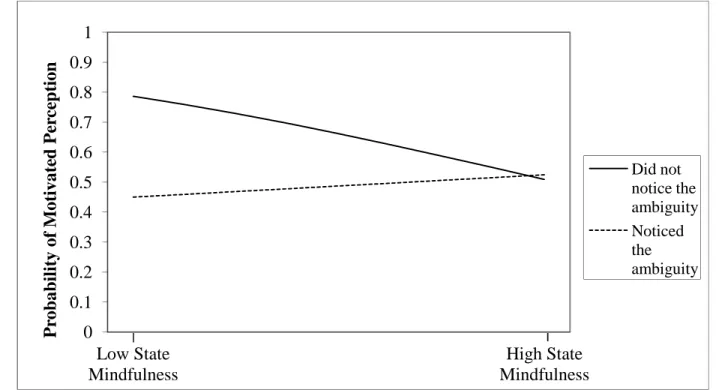
Figure 1 - Study 1: The interaction between state mindfulness and noticing the
1
Mindfulness has been described as a quality of consciousness characterized by open and receptive attention and awareness of what is taking place in the present moment, both internally and externally (Brown & Ryan, 2003). Further, this quality of consciousness is widely described as involving acceptance or non-judgment towards whatever is arising in the experience of the present moment (Bishop, Lau, Shapiro, Carlson, Anderson, Carmody, et al., 2004;). Rooted in Buddhism, mindfulness has received increasing interest in western psychology over the past 30 years due to accumulating evidence of its salutary effects. Research has shown that mindfulness is associated with a host of well-being factors such as emotion regulation (e.g., Brown & Ryan, 2003; Baer, Smith, & Allen, 2004), acceptance (Coffey, Hartman, & Fredrickson, 2010), self-control (Brown & Ryan, 2003), and decreased rumination (Jain et al., 2007). Training aimed at increasing mindfulness has also been successfully applied to a variety of both psychological and physical problems such as depression (Kabat-Zinn, et al., 1992; Teasdale, Segal, Williams, Ridgeway, Soulsby, & Lau, 2000), pain (Kabat-Zinn, Lipworth, & Burney, 1985), binge eating (Kristeller, & Hallet, 1999), stress (Speca, Carlson, Goddy, & Angen, 2000) and anxiety (Kabat-Zinn, et al., 1992).
Definitional Difficulties
2
identified as a central challenge in this field (e.g., Brown, Ryan, & Creswell, 2007; Bishop et al., 2004; Arch & Craske, 2006). Evidence of this issue can be found in the variety of ways that mindfulness has been described in the scientific literature. For instance, mindfulness has been described as a meta-cognitive ability (Bishop et al., 2004), a way of relating to oneself and the world (Erisman & Roemer, 2010) a self-regulatory skill (Brown & Ryan, 2003), a quality of consciousness (Barnes, Brown, Krusemark, Campbell, & Rogge, 2007), and an acceptance capacity (Linehan, 1994). Self-report instruments of mindfulness also exemplify definitional variance as they range from measuring one factor of mindfulness (Brown & Ryan, 2003) to five (Baer, Smith, Hopkins, Krietemeyer & Toney, 2006). Given these definitional difficulties there has been a call in the literature to establish a shared conceptualization of mindfulness.
Addressing this need will enable clear communication about this increasingly popular construct, inform treatments that promote mindful stances, as well as provide an agreed upon starting point from which to conduct both basic and applied research (Brown et al., 2007).
Difficulties in arriving at a shared conceptualization of mindfulness may be due, in part, to early Western applications of mindfulness. Interest in mindfulness in Western psychology began in applications of it as a treatment for mental health problems, such as stress and
3
mindful, remains unknown. Researchers have noted, however, that it is important to not conflate the outcomes and antecedents of mindfulness, with what mindfulness is at its core. Therefore, considerable effort has been made in the field to arrive at a definition of mindfulness and
particularly to clarify how mindfulness may be separate from the effects it can have (e.g., Bishop et al., 2004; Coffey et al., 2010; Block-Lerner, Salters-Pedneault, & Tull, 2005). To this end, the focus of the current research is to identify processes occurring at automatic or implicit levels as they relate to a primary definitional aspect of mindfulness.
Theoretical considerations for definitions of mindfulness
Although basic research on mindfulness has only recently begun in the field of
psychology, extant theoretical work can inform these scientific endeavors. Buddhist scholars and western researchers have described mindfulness as primarily concerned with attention and awareness of the present moment (for review, see Brown et al., 2007). Additionally, this attention and awareness of the present moment is frequently characterized as being
nonjudgmental or accepting in nature (Bishop et al., 2004). These two aspects of mindfulness 1) present moment attention and 2) non-judging acceptance towards the present moment, have been widely identified as defining aspects of mindfulness and are frequently cited in this literature (Bishop et al., 2004). It is this second aspect of mindfulness, non-judgment, which is of particular interest to the current authors.
4
non-judgment is thought to foster more objective and unbiased processing of experience, and has been characterized as a “bare registering of the facts observed” (Brown et al., 2007, p. 212). A more mindful person is believed to take in the world more empirically, and thus will collect experiential evidence to inform behavior and attitudes, rather than jumping to conclusions. This mere observation or clarity towards both internal (e.g., thoughts, emotions) and external (e.g., sights, sounds) experiences is therefore thought to reduce the use of top-down processes such as expectations, desires, or rigidly held schemas (cf. Olendzki, 2005).
These theoretical considerations suggest that mindfulness fosters non-judgment and openness towards whatever stimuli are encountered, at both explicit conscious levels of processing and, importantly, also at implicit or automatic levels of consciousness. Therefore, when we are more mindful we should be relatively less automatically reactive or judgmental towards various stimuli. Judgments towards stimuli are theorized to occur only after a more complete understanding of the stimuli has been achieved. Identifying whether individuals higher in mindfulness exhibit reduced automatic bias and reactivity appears to be an important step in supporting the current definition of mindfulness.
The conceptualization of mindfulness as a state of reduced automatic judgment or reactivity is interesting in light of research in social cognition which has evidenced that people often and easily have automatic reactions and judgments (e.g., Bargh, Chaken, Govender, & Pratto, 1992, Bargh & Chartrand, 1999). In a review of several early studies on this notion, Zajonc (1980) posited that affective reactions to various stimuli occur automatically, without conscious cognition, and that they occur extraordinarily quickly. Indeed, over the past thirty years social cognition researchers have found considerable evidence that people exhibit
5
example, research conducted by Devine (1989) found that simply presenting participants words related to out-group members can prime (i.e., automatically bring to mind) negative stereotypes about that out-group, even when participants do not personally endorse such stereotypes. Further, Devine found that when participants were not able to use conscious controlled processes to monitor the activation of that stereotype, they made stereotype-congruent judgments of ambiguous behavior made by a member of that out-group (Devine, 1989). Thus, this work indicates that we automatically experience attitudes and that automatic activation of attitudes can have important implications for our behavior. The field has debated over the extent to which automatic or unconscious cognitive processing is occurring relative to more controlled or conscious processing in humans. At the very least, this area of research has revealed that, to a larger extent than previously considered, human cognition and behavior is being influenced by automatic judgments.
The conceptualization of human cognitive processing from the social cognition literature stands in relative contrast to conceptualizations of mindfulness as a stance of equanimity at automatic levels. Thus, it may be quite useful to turn towards and apply methods developed by social cognition researchers that assess implicit judgments to test hypotheses regarding
6
B disliked compared to stimulus A - a simple comparison of response latencies in the IAT cannot tease this apart). Coupled with low reliability, the IAT and other early measures of implicit processes have more recently been improved upon. The AMP has received increasing in attention in recent years (e.g., De Houwer & Tucker Smith, 2013;Siegel, Dougherty, & Huber, 2012) due its high reliability, large effect sizes, and fewer interpretational ambiguities than previous implicit measures (Payne et al., 2005; Cameron, Brown-Iannuzzi, & Payne, 2012). The AMP assesses implicit attitudes by capturing automatic affective reactions towards priming stimuli (which are flashed very quickly on a computer screen) but these initial affect responses are then misattributed as reflecting attitudes towards to subsequent unrelated ambiguous stimuli, specifically Chinese pictographs. Participants are asked to only report their affective responses to the Chinese pictographs, and to not let reactions to priming photos influence their responses to the pictographs. However, due to the automatic misattribution of affect, participants rate pictographs following particular primed picture types as more/less negative compared to pictographs that follow other types of primed pictures. For example, one version of the AMP assesses implicit racial attitudes. This AMP utilizes pictures of black or white faces as primes that flash on the screen just before a Chinese pictograph is flashed. Participants are told to ignore the pictures of the faces, and to instead report whether they find the subsequent Chinese
7
the AMP and explicit prejudice was stronger for those not concerned about controlling their prejudice; Payne et al., 2005). The AMP is of particular interest to the current research as it offers the ability for us to investigate implicit affective judgments and biases, and whether mindfulness may be predictive of automatic affective judgments. Although the literature on social cognition has widely found that automatic reactions occur easily and often, there is variance in how easily and how often these reactions occur. Plausibly, individuals in a
heightened state of mindfulness, with a greater stance of equanimity towards experience, may create some of this variance by providing responses in the low range (i.e., reductions in the ease and frequency of automatic judgments).
Extant evidence of mindfulness as a non-judgmental stance
Conceptualizations of mindfulness as a non-judgmental stance at automatic or implicit levels have yet to be directly empirically tested. Research on emotion regulation, however, has been identified as the field’s best support to date that mindfulness is related to “unprejudiced reactivity” (p. 214; Brown et al., 2007). Indeed, notions of non-judgment in mindfulness have implications for emotion regulation. For instance, as a stance of non-judgment, greater
antecedent regulation (i.e., prior to the onset of the emotion), or reduced emotional reactivity, is hypothesized to be higher for those who are higher in state and trait mindfulness. As such, a description of emotion and emotion regulation will be useful prior to evaluating previous research on this topic.
Emotions are believed to be comprised of core affective features, which are the valance of the affective feeling and physiological reactivity, as well as a cognitive process of
8
2007). Gross and Thompson (2007) note that emotion regulation can occur prior to the onset of the emotional experience (i.e., antecedent focused), or after the onset (i.e., response focused) of the emotional experience. Regulating an emotion prior to its onset could occur as a result of a trait characteristic, such as mindfulness, that fosters a state of non-judgment and acceptance towards experience. This state of non-judgment would lead to emotions being less likely to come “on-line”, or be triggered. Thus, the state of non-judgment would lead to reductions in emotions prior to their onset. An example of regulating an emotion after its onset would be reappraising the experience in order to temper one’s emotions. Gross and Thompson (2007) note, however, that researchers interested in emotion regulation often fail to clearly specify whether regulation is occurring prior to the onset of the experience of the emotion, or after the emotion has begun. This failure is reflected in the use of dependent measures that do not clearly distinguish when the regulation may be occurring. This fine grained distinction is relevant for understanding
mindfulness as it pertains to whether or not it is a state that promotes regulation prior to the onset of an emotion (i.e., trait-like empirical stance, marked by objectivity towards experience).
A fair amount of research on mindfulness and emotion regulation has been conducted and has, on the whole, found that mindfulness appears to improve emotion regulation (see Chambers, Gullone, & Allen, 2009). Importantly, however, a close analysis of the measures of regulation in these studies reveals that it remains largely unknown at what point in time the regulation is occurring, be it antecedent- or response-focused.
9
study utilized self-reported emotion reports following presentation of each photo. This measure could be capturing emotion regulation at almost any point along the temporal process of
emotional experiences. An experience sampling study conducted by Hill and Updegraff (2012) utilized palm pilots to have participants report on their emotional states six times each day over the course of one week. They found trait mindfulness predicted less emotion liability (i.e., extreme shifts between emotions). These findings generally support the notion that mindfulness may be a state of equanimity towards experience. Again, however, these results are based on self-reports, which do not provide information on the time course of the regulation, or even whether regulation, conscious or unconscious, occurred.
Taking the literature on mindfulness and emotion regulation together, it suggests that mindfulness may well be related to attenuated emotional reactivity, which supports the notion of mindfulness as a stance of equanimity towards experience. However, given the limitations of the self-report measures thus far used in this work, it remains unknown when the regulation is occurring. There is good reason to hypothesize that a mindful stance should foster cognitive mechanisms, such as positive reappraisal (Garland, Gaylord, & Fredrickson, 2011), that improve affective responding and coping after an emotion is experienced (Teasdale, Segal, Williams, Ridgeway, Soulsby, & Lau, 2000). However, if mindfulness is indeed a stance of non-judgment at an implicit or automatic level, it may be that mindfulness fosters greater antecedent emotion regulation, in the form of being a non-judgmental towards all experience.
It is this notion, whether mindfulness involves an attenuation of affective responses at the very onset of an affective response at an automatic or implicit level, which remains to be
10
non-judgment or empiricism. To investigate this, we have conducted three studies utilizing implicit and psychophysiological measures as well as self-report measures. Study one investigates mindfulness in the context of a top-down judgment process, namely, motivated perception. Study two examines mindfulness in implicit social and non-social judgments. And study three evaluates mindfulness as it relates to psychophysiological as well as self-reported reactivity towards various affective photographs.
Study 1: Mindfulness and Motivated Perception
To examine whether mindfulness is related to a stance of non-judgment, study one examined mindfulness in the context of implicit, top-down judgmental processing. We investigated this through the phenomenon of ‘motivated perception,’ which is a top-down process in which people’s visual perception is influenced by their desires. In other words, with motivated perception, people “see what they want to see.” To the extent that mindfulness fosters greater non-judgment and equanimity towards experience, it should predict a reduction in the use of top-down processes in which expectations or desires influence perception. Instead,
mindfulness should predict a relative increase in the use of bottom-up, or experiential perception, reflecting an openness to experience the world “just as it is.”
11
Participants significantly reported seeing the ambiguous image in the way that would lead to the desired outcome of receiving the orange juice, evidencing motivated perception.
In the current study we conducted a conceptual replication of the work by Balectis and Dunning (2006) to test the hypothesis that state and trait mindfulness would predict a reduction in motivated perception.
Method Participants
One-hundred and sixty adults (56 male, 103 female) recruited from Amazon Mechanical Turk participated. Participants took approximately 20 minutes to complete the study and were paid $0.25 in compensation. Participants ranged in age from 21-65, (mean = 37.8, standard deviation = 12.5). Eighty-two percent of participants were White, 8.2% Asian, 7.5% Black, and 2.5% reported being Native American, Pacific Islander, or “other.” Seventy-five percent of participants reported having had some college education or completing a Bachelor’s degree. Materials
Motivated Perception. We utilized the ambiguous stimulus used by Balcetis and Dunning (2006) which can be viewed as either the letter “B” or the number “13,” and modified their motivation paradigm to be applicable to online participants. We manipulated the desire to view the stimulus in a particular way by telling participants that they would be assigned by the
computer to either a pleasant or unpleasant task by receiving either a letter or a number randomly selected by the computer. The pleasant task was described as watching a video clip of a
12
number string. For half of the participants receiving a letter meant they were assigned to the pleasant task (i.e., video clip), and a number meant that they were assigned to the unpleasant task (i.e., the manual task). For the other half of participants, the pairing was reversed. Participants were told that either a letter (A-Z) or number (1-26) would flash on the screen, indicating their assignment. Per the procedure of Balcetis and Dunning (2006), first “crosshairs” were presented (3 seconds), followed by the ambiguous stimulus (400 ms), which was then replaced by a gray square (200 ms). After the ambiguous image was flashed, participants reported what they received, a letter or a number.
Trait mindfulness. We assessed trait mindfulness with the “Five Facet Mindfulness Questionnaire” (FFMQ; Baer et al., 2006). This scale assesses trait mindfulness through self-reported frequency of mindful experiences and behavior. A sample item is, “I pay attention to how my emotions affect my behavior.” Item responses range from 1 (almost never or rarely) to 5 (very often or always true).1 This measure exhibited good reliability in the current sample (α = .85).
State Mindfulness. We measured self-reported state mindfulness with the State
Mindfulness Attention and Awareness Scale (State MAAS; Brown & Ryan, 2003). The State MAAS asks participants to report the frequency with which they were behaving mindfully during a specified time frame (Brown & Ryan, 2003). We asked participants to report on their behavior during “the last five minutes.” A sample item was, “During the last five minutes I found myself preoccupied with the future or the past” (reverse coded). This measure exhibited good reliability in the current sample (α = .88). The State MAAS was completed shortly after the
1
13
ambiguous image was flashed, so that ratings reflect self-reported mindfulness at the time that the image was perceived.
Procedure
Participants were recruited to participate in this online study through Amazon
Mechanical Turk. The study was described as evaluating the influence of engaging in pleasant and unpleasant tasks on behavior. Upon clicking on the link to the study website, participants read through an informed consent form and clicked to indicate their consent. The pleasant and unpleasant tasks were then briefly described and they were told that they would be randomly assigned by the computer program to one of the tasks by a letter or a number flashing on the screen. Participants then were all flashed the same ambiguous image on the screen that can be interpreted as either the letter B or the number 13. They were then asked to indicate whether they were presented with a letter or a number, and subsequently, which task they hoped they would be assigned to. Next participants filled out the state and trait mindfulness questionnaires,
demographics information and respond to two open ended questions, “What was the point of the letter or number that flashed earlier”, and “What do you think was the point of the study?” Participants then responded to a “yes” or “no” question about whether or not they noticed that the figure presented earlier was ambiguous, “At any point did you notice that the number/letter that flashed earlier could be interpreted as a "B” or “13”?” Finally, participants learned that they would not have to engage in the unpleasant or pleasant task, and they received a debriefing form.
Results
14
analyses for which they had complete data, but were omitted from analyses for which they had incomplete data).
Perceptions of the stimulus. Across all participants (N = 160), 69.4% reported seeing the stimulus as the letter “B,” and 30.6% of participants reported seeing the stimulus as the number “13.” Balcetis and Dunning (2006) found frequencies of responses in the same direction, but to a lesser degree; specifically they found in their sample of 50 participants that 54% reported seeing the letter “B” and 46% of participants reported seeing the number “13”.
Coding “motivated perception”: Participants were coded as exhibiting motivated perception if they reported seeing the image in the way that would lead them to be assigned to task they reported hoping to receive. Surprisingly 23.8% (n = 38) of participants unexpectedly reported hoping to be assigned to the manual task. Thus, if these participants reported viewing the image in the manner in which they would receive the manual task, they were coded as having exhibited motivated perception.2 This coding resulted in 56.9% of participants exhibiting
motivated perception. Statistical Analysis:
Stimulus Integrity Check. Since the motivated perception paradigm rests on our stimulus being imperceptively ambiguous, we first investigated whether participants reported noticing its ambiguity. Unexpectedly, and departing from past reported work with this stimuli (see Balcetis & Dunning, 2006), 46.3% of our participants reported that they noticed that the “B/13” stimulus was ambiguous. Balcetis and Dunning (2006) found that 17% of possible participants reported noticing the ambiguity of the stimulus.
2
15
Given our base rates of noticing the ambiguity, we investigated whether it was associated with motivated perception. We ran a two-tailed chi-square test on these two dichotomous
variables and found that, participants who reported that they did not notice the ambiguity
exhibited more motivated perception at the level of a trend, (χ2(1, N = 154) = 3.822, p = .051; see Table 1). Of participants who did not notice the ambiguity of the image, 64.2% exhibited motivated perception, whereas for those who did notice the ambiguity of the image, 48.6% exhibited motivated perception.
Since noticing the ambiguity of the image could conceivably be taken as evidence of greater non-judgment in the present moment we ran logistic regressions predicting noticing the ambiguity of the image from state and trait mindfulness. Neither state nor trait mindfulness was associated with noticing the ambiguity of the image (β = .086, p = .289; β = .065, p = .422, respectively).
Mindfulness and noticing ambiguity on motived perception. Rather than excluding participants who reported noticing the ambiguity of the image, we used this as a grouping variable to explore our central hypothesis3. Thus, we ran two separate binary logistic regressions (one for trait and one for state mindfulness), that included trait (or state) mindfulness, whether or not the ambiguity of the figure was noticed (1 = noticed, 0 = did not notice), and the interaction of these variables as predictors of motivated perception. To compute the interaction terms for these variables, the state and trait mindfulness variables were each centered and multiplied by the dichotomous variable of noticing or not noticing the ambiguity of the image.
3
16
Trait mindfulness and noticing the ambiguity interaction. We entered centered trait mindfulness, whether or not the ambiguity was noticed, and the interaction of these variables simultaneously into a logistic regression predicting motivated perception (1 = motivated perception, 0 = no motivated perception). The main effect of noticing the ambiguity predicted motivated perception, at the conventional level of marginal statistical significance (β = -.642, p = .052). The main effect of trait mindfulness was not significant (β = -.564, p = .242), and the interaction of these two variables was also not significant (β = .810, p = .220).
State mindfulness and noticing the ambiguity interaction. We entered centered state mindfulness, whether or not the ambiguity was noticed, and the interaction of these variables simultaneously into a logistic regression predicting motivated perception. The main effect of noticing the ambiguity statistically significant (β = -.721, p = .035). The main effect of state mindfulness was significant, (β = -.688, p = .045), as well as the interaction of state mindfulness and noticing the ambiguity (β = .825, p = .044). See figure 1 for the interaction plot of these variables. To determine the direction of this effect we regressed state mindfulness on motivated perception for those who noticed and did not notice the ambiguity. For participants who did not notice that the image was ambiguous, state mindfulness significantly predicted reduced
motivated perception, (β = -.67, p = .04). For participants who did notice the ambiguity, state mindfulness did not predict motivated perception, (β = .16, p = .51)4.
4
17
Discussion: Study 1
In study 1 we found initial evidence that mindfulness appears related to the reduced use of a top-down judgment, motivated perception. For participants who reported that they did not notice the ambiguity of the stimulus, individuals high in state mindfulness exhibited less
motivated perception. Trait mindfulness, however, was not associated with motivated perception We hypothesized that trait and state mindfulness would predict reductions in this top-down process because mindfulness has been theorized as a state of increased equanimity toward experience. In other words, being more present moment focused should foster acceptance and openness towards all experiences and perceptions – including learning that one has been
assigned to a less favorable task. We found partial support for our hypothesis: state mindfulness predicted attenuated motivated perception, however this effect hinged on whether participants noticed that the “B/13” image was ambiguous or not. For individuals who reported not noticing that the figure was ambiguous, state mindfulness did significantly predict reduced motivated perception. However individuals who reported noticing the ambiguity image did not exhibit an effect of mindfulness on motivated perception. Trait mindfulness was not associated with motivated perception, even when noticing the ambiguity of the image was taken into account.
Because our results with state mindfulness depended on noticing the ambiguity of the image, we explored whether participants commented on this ambiguity in the open-ended
questions at the end of the study. Specifically, after participants filled out trait questionnaires and before asking them directly them whether or not they noticed the ambiguity of the image, we
ambiguity predicted reduced motivated perception, (β = -.974, p = .017), and state mindfulness predicted reduced motivated perception at the level of a trend, (β = -.606, p = .064). The
18
asked two open-ended questions. These questions were, “What was the purpose of the letter or number that flashed earlier?” and “What do you think was the purpose of the study”. A coder who was blind to participants’ mindfulness scores coded responses for whether participants spontaneously mentioned noticing the ambiguity of the image, and twelve participants did mention this in their responses. When we eliminate these twelve participants and regress state mindfulness directly on motivated perception, we find a marginally significant effect in the hypothesized direction; state mindfulness predicted reduced motivated perception (β = -.336, p = .078). This bolsters our conclusion that state mindfulness is indeed related to reduced motivated perception.
19
state of mindfulness and therefore were more willing to report it as they initially perceived it, even when this perception would lead to an undesired task.
The results of this study offer initial support for the notion that mindfulness is a state of greater equanimity towards experience. In this study we investigated this notion in the context of a top-down motivated perceptual process. Thus, these findings suggest that mindfulness may foster equanimity at unconscious or implicit levels of awareness.
Study 2: Mindfulness and Automatic Affective Judgments
Study two uses a different behavioral paradigm to test whether mindfulness predicts reduced automatic judgments at implicit levels of consciousness. We hypothesized that
mindfulness would be related to greater non-judgment as evidenced by a reduction in automatic affective bias on an implicit judgment task, as well as through reduced psychophysiological reactivity during the task.
In this study we utilized the Affect Misattribution Procedure (AMP; Payne, Cheng, Govorun, & Stewart, 2005), to measure automatic affective judgments. The AMP is a widely used measure of implicit attitudes and exhibits a high level of reliability (Payne et al. (2005) found α = .85 in Study 1 and α = .81 in Study 2) as well as large effect sizes. The AMP assesses implicit attitudes by capturing misattributed pleasant and unpleasant affect that one feels towards priming pictures flashed on a computer screen on to a subsequent ambiguous stimulus (Chinese pictographs). Participants are told that they are to report whether they find each Chinese
20
thus automatic affective responses to priming photos trickle into their judgments of subsequent affectively-ambiguous pictographs.
The AMP was designed to assess implicit biased attitudes between two sets of stimuli. For example, an original race version of the AMP assesses implicit bias or preference for white faces or black faces by comparing the frequency with which participants report that they find to the ambiguous Chinese pictographs that follow the different racial face pictures as “pleasant” vs. “unpleasant”. Implicit bias for a white or black faces is thus reflected in the relative consistency with which the ambiguous pictographs are found pleasant following one stimulus type (e.g., white faces) compared the frequency with which the ambiguous pictographs are found pleasant following the other stimulus type (e.g., black faces). A high level of bias would result from consistently reporting that the Chinese pictographs that follow a particular stimulus are pleasant, and consistently reporting that the Chinese pictographs that follow the other stimulus are
unpleasant. Previous research has shown that the AMP is a highly reliable and valid assessment of implicit affect (Payne et al., 2005), which has been associated with explicit attitudes and behavioral intentions. For example, a version of the AMP that used priming pictures of John Kerry and George Bush found that AMP scores significantly predict voting intentions in the 2004 national election and as well as political attitudes (Payne et al., 2005). Given that mindfulness has been described as stance of greater equanimity, we predicted that greater trait and state mindfulness would predict lesser preferential bias on two versions of the AMP.
21
these versions of the AMP will be used to assess whether mindfulness predicts attenuated
automatic affect towards these four types of stimuli (i.e., positive, negative, heterosexual couples and homosexual couples), as well as allowing us to examine whether mindfulness predicts attenuated preference or bias in both social and non-social domains. We hypothesized that self-reported state and trait mindfulness would predict attenuated automatic affective bias in responding to positive versus negative pictures, as well as to heterosexual as compared to homosexual pictures5. We also hypothesized that as an index of attenuated affective reactivity, that trait and state mindfulness would predict attenuated physiological reactivity as an index of emotional arousal during the AMP tasks (reactivity meaning psychophysiological arousal levels during the AMP tasks, controlling for baseline). Reduced automatic affective bias and
psychological reactivity for those with greater as compared to lesser trait and state mindfulness, would provide additional evidence for the notion of mindfulness as a non-judgmental stance.
Method Participants
Sixty-four undergraduates (32 male, 32 female) from the psychology 101 pool at a large public university participated in return for course credit. Participants ranged in age from 17-27, with a mean age of 19.21, SD = 1.51. Approximately 79% of participants were 18 or 19 years old. Participants were predominately White (68.3% White, 12.7% Asian, 11.1% Black, 3.2%
5
22
Native American or Alaskan Native, and 4.8% other). All but two participants reported that they identified as heterosexual. One participant identified as bi-sexual and one participant preferred not to report his/her sexual identity. The inclusion or exclusion of these two participants does not alter any of the results of the study; thus they are included in the results below. Additionally four participants reported that they understood Chinese pictographs “very well”, and one participant reported understanding Chinese pictographs “a little bit”. We excluded these five participants from our AMP analyses leaving us with a sample of 59 participants.
Materials
23
automatic attitudes as people’s initial affective reactions to the priming photos that are then misattributed as being their affective reactions to subsequent ambiguous Chinese pictographs.
Trait Mindfulness. The same measure used as in Study 1 (FFMQ; Baer et al., 2006).6 State Mindfulness. The same measure was used in Study 1, (State MAAS; Brown & thus Ryan, 2003). However, we asked participants to respond to the items based on how they were behaving during the beginning of the study session7. A sample item was, “I found myself preoccupied with the future or the past” (reverse coded). This measure exhibited poor reliability in the current sample (α = .50). Item-to-total correlations indicated that the last item, “I
experienced heightened awareness of my physical sensations” was not positively correlated with the other items (r = -.11). When this item is removed from the scale the Chronbach’s alpha increases to .68, which is within the acceptable range. Thus, we used an average of the reverse-scored first four items of the State MAAS, (“I found it difficult to stay focused on what was happening in the present,” “I did the tasks automatically, without being aware of what I was thinking,” “I found myself immersed in thoughts about the future or the past,” “I got lost in thought without really paying attention”).
Psychophysiological reactivity. We collected measures of finger pulse amplitude, an index of arousal of the sympathetic nervous system, to investigate whether mindfulness predicts attenuated arousal reactivity during the AMP task. Physiological reactivity in the sympathetic nervous system is an index of affective reactivity. We utilized measures of finger pulse
amplitude as our main index of sympathetic nervous system reactivity. Finger pulse amplitude is a measure of vasoconstriction (lower numbers reflect greater vasoconstriction, and thus greater
6
There was no consistent or meaningful pattern of results for the factors in the FFMQ in predicting AMP scores. Thus, they are not described herein.
7
24
sympathetic arousal). We also collected measures of heart rate, which is dually innervated by the sympathetic and parasympathetic nervous systems. Because heart rate is frequently used in the literature on psychophysiological reactivity, we included it here as a secondary index of arousal.
Finger pulse amplitude was collected through a sensor placed on the middle finger of participants’ non-dominant hand. Heart rate (i.e., echocardiogram or ECG), was collected by placing disposable snap electrodes on participants in a bipolar configuration on the lateral sides of the torso at the point of the lowermost ribs. Baseline data were collected for 4 minutes at the start of the study session. During the study continuous recordings were made for all measures at a sampling rate of 1000Hz. Following collection, heart rate data were inspected and cleaned of artifacts.
Procedure
The study was entitled “Cognition and Psychophysiology,” and was framed to participants as investigating the impact of thoughts on psychophysiological measures.
Participants were individually tested by a research assistant blind to participants’ status on the FFMQ and state mindfulness scales. After undergoing consent procedures, participants entered a cubicle wherein physiological sensors were placed and the baseline reading was taken.
Participants then engaged in both AMP tasks. Finally, participants filled out trait questionnaires, including the FFMQ and the State MAAS, as well as demographics questionnaires. We then removed all physiological sensors, and fully debriefed participants.
Results
Automatic Judgments. To evaluate automatic judgments based on the AMP, we computed AMP bias scores. Consistent with past work (Payne et al., 2005), these were computed by
25
stimuli, from the number of pleasant responses to the Chinese pictographs that follow to the compared stimuli (i.e., number of pleasant responses to pictographs following positive priming photos minus number of pleasant responses to pictographs following negative priming photos; number of pleasant responses to pictographs following heterosexual priming photos minus number of pleasant responses to pictographs following homosexual priming photos). Greater bias or preference for positive and heterosexual couples, compared to negative and homosexual couples, respectively, is thus indicated by greater positive AMP scores.
One participant responded “pleasant” to all AMP trials, and thus was excluded from all AMP analyses, resulting in a final sample of 58.
Trait mindfulness and automatic judgments. To evaluate whether trait mindfulness predicted attenuated affective judgments, we ran two-tailed linear regressions predicting AMP bias scores from trait mindfulness scores. Trait mindfulness significantly predicted attenuated bias in responses to pictographs that followed heterosexual as compared to homosexual photos, (β= -.314, t(57) = -2.477, p = .016). Trait mindfulness also significantly predicted attenuated bias in responses to pictographs that followed positive as compared to negative photos (β= -.290, t(57) = -2.266, p = .027).
26
separate regressions using trait mindfulness as the predictor of the number of unpleasant responses to the pictographs following each photograph category. In these regressions we also controlled for overall response tendencies (e.g., some participants are more likely to respond “pleasant” to most pictures) by adding the number of unpleasant responses to the pictographs that followed each matched photograph category into the regression model (e.g. in the regression predicting responses for pictographs following positive pictures we controlled for responses to pictographs following negative pictures).
Greater trait mindfulness predicted, at the level of a trend, a lower number of unpleasant responses to Chinese pictographs that follow homosexual pictures, while controlling for the number of unpleasant responses to pictographs following heterosexual pictures (β = -.216, t(56) = -1.583, p = .119). Greater trait mindfulness significantly predicted a greater number of
unpleasant responses to Chinese pictographs following heterosexual pictures, while controlling for unpleasant responses to Chinese pictographs following homosexual pictures (β = .298, t(56) = 2.81, p = .026).
Greater trait mindfulness did not significantly predict a lower number of unpleasant responses to Chinese pictographs following negative pictures, while controlling for unpleasant responses to positive pictures (β = -.163, t(56) = -1.190, p = .239). Greater trait mindfulness significantly predicted greater number of unpleasant responses to Chinese pictographs following positive pictures, while controlling for unpleasant responses to pictographs following negative pictures (β = .307, t(56) = 2.406, p = .020).
27
predict attenuated bias in responses to the Chinese pictographs that follow heterosexual as compared to homosexual photos (β= -.104, t(57) = -.782, p = .438), nor did it predict attenuated bias for pictographs following the positive as compared to negative photos (β= .144, t(57) = -1.089, p = .281).
We were interested to see, however, whether state mindfulness predicted responses within each photo type. State mindfulness predicted a higher number of unpleasant responses to pictographs following heterosexual pictures, while controlling for unpleasant responses to pictographs following homosexual pictures (β = .351, t(56) = 2.765 p = .008). Greater state mindfulness did not significantly predicted the number of unpleasant responses to pictographs following homosexual pictures, while controlling for unpleasant responses to pictographs following heterosexual pictures (β = .110, t(56) = .771, p = .444).
Greater state mindfulness did not significantly predict a lower number of unpleasant responses to pictographs following negative pictures, while controlling for unpleasant responses to pictographs following positive pictures (β = -.163, t(56) = -1.190, p = .239). Greater state mindfulness did significantly predicted greater number of unpleasant responses to pictographs following positive pictures, while controlling for unpleasant responses to pictographs following negative pictures (β = .351, t(56) = 2.789, p = .007).
Psychophysiological Reactivity. We first examined whether there was
28
thus across all picture types)8. Participants did experience significant changes from baseline in physiology during the AMP tasks, for both heart rate and finger pulse amplitude (all ps < .05). See Table 2 for the means and t-scores for these measures.
We next examined whether trait and state mindfulness predicted reduced
psychophysiological reactivity during the AMP task, while controlling for baseline levels of each physiological measure. Thus, we conducted separate two-tailed linear regressions with trait mindfulness predicting each physiological measure, with that measure’s baseline level entered into the first step of the regression (i.e., controlling for baseline levels). Trait mindfulness predicted less vasoconstriction, indexed by finger pulse amplitude, at the level of a trend, during the AMP, (β = .216, t(62) = 1.698, p = .095; See Table 3). State mindfulness did not predict finger pulse amplitude. Neither trait nor state mindfulness were associated with heart rate
reactivity during the AMP task, (β = .014, t(62) = .266, p = .791; β = .001, t(62) = .023, p = .981, for trait and state respectively)
Discussion: Study 2
Study 2 was conducted to investigate whether empirical support could be found for the conceptualization of mindfulness as a non-judgmental stance. We hypothesized that trait and state mindfulness would predict attenuated automatic affective judgments. Utilizing a measure of automatic affective judgments, the Affect Misattribution Procedure (Payne et al., 2005), trait mindfulness significantly predicted attenuated automatic bias. This association for trait
mindfulness and attenuated bias held for both versions of the AMP (i.e., heterosexual couples vs. homosexual couples, and positive vs. negative photographs). These findings are in line with
8
29
mindfulness theory, which posits that, as a state of greater equanimity, mindfulness should predict reduced automatic bias across different types of stimuli.
Additionally, because AMP bias scores are computed by subtracting the number of pleasant responses to pictographs following a particular stimulus type from the number of pleasant responses to pictographs following its matched stimulus type, we probed to see if bias scores were attenuated for those higher in mindfulness due to differences in reactions to
pictographs following just one or both of the stimuli types included in the bias scores. We found trait mindfulness significantly predicted a greater number of unpleasant responses to the Chinese pictographs following heterosexual and positive pictures (all while controlling for responses to their matched picture types). Thus, the reduction in the heterosexual/homosexual bias for those higher in trait mindfulness appears to be driven by trait mindfulness predicting a greater number of unpleasant responses to pictographs following heterosexual pictures. Similarly, the reduction in the positive/negative bias for those higher in trait mindfulness appears to be driven by of those higher in mindfulness exhibiting greater number of unpleasant responses to pictographs
following positive pictures. Although state mindfulness did not predict attenuated AMP bias scores, when looking at state mindfulness as a predictor of responses to pictographs following each picture type, state mindfulness exhibits the same pattern of results as trait mindfulness (state mindfulness predicted a greater number of unpleasant responses to pictographs following
heterosexual pictures as well as to pictographs following positive pictures). Given these similar findings may be that state mindfulness would have predicted reduced bias in the same way that trait mindfulness did, with greater power.
30
trait mindfulness predicted reduced finger pulse reactivity during the AMP tasks (i.e., reduced vasoconstriction during the AMP controlling for baseline vasoconstriction) at the level of a trend. Vasoconstriction is an indicator of sympathetic arousal, suggesting that mindfulness is operating as a protective factor in the physiological stress response while completing the AMPs.
Attenuated reactivity or attenuated misattribution? Our findings for trait mindfulness on the AMP tasks could be the result of two possible explanations. The first is that mindfulness is related to attenuated affective reactivity, and thus participants higher in mindfulness experienced lower levels of initial affective reactions to the heterosexual and positive prime photos. The second possibility is that mindfulness is predicts increased ability to separate affective responses towards the priming photos versus the Chinese pictographs (i.e., exhibit reduced misattribution), and thus participants higher in mindfulness were able to separate and report on their feelings toward the Chinese pictograph such that priming photos did not influence responses to the same degree as those less mindful. The current study cannot speak to which of these explanations are more likely, thus study 3 was designed to help shed light on this issue.
31
least initially. The latter possibility does not limit affective reactivity towards experience but rather suggests that the clarity and awareness that mindfulness fosters may be leading to greater understanding about the cause of the reactivity, thereby making people less susceptible to misattributing their preexisting affective responses to subsequently encountered targets. Finally, it is also possible that both explanations could be operating in concert with each other to a degree – reduced affective reactivity that is not being misattributed to the same extent as those higher in mindfulness. Gaining clarity on these possibilities again will influence our conceptualization of mindfulness and may well inform its definition.
Study 3: Automatic Facial Affective Reactivity in Mindfulness
32
affective reactivity was expected to be exhibited through less activation of facial muscles indicative of experiencing of positive and negative affect9.
Facial EMG assesses valanced affective reactions; however, we are also interested in psychophysiological reactivity, sympathetic nervous system reactivity, in particular, to the photographs as well. Sympathetic nervous system activation is indicative of greater stress response arousal; which serves as an addition index of affective reactivity. In line with
mindfulness theory that predicts reductions in affective reactivity, mindfulness should predict reductions in sympathetic nervous system reactivity to the photographs. To test this hypothesis we collected the same physiological measures that we did in study two, namely, finger pulse amplitude and heart rate.
Study three will assess the following specific hypotheses as they relate to the notion of mindfulness as an empirical state: (1) State and trait mindfulness will predict reduced
psychophysiological reactivity via facial EMG to affectively valanced photographs, (2) State and trait mindfulness will predict reduced sympathetic psychophysiological reactivity to affectively valanced photos, and (3) State and trait mindfulness will predict attenuated bias in self-reported ratings how unpleasant or pleasant participants find the photographs.
Method Participants
Seventy-eight undergraduates (31 male, 47 female) from the psychology 101 pool participated in return for course credit. Participants ranged in age from 17 to 36, with 83.3% falling between age 18 and 20. Participants were predominately White (74.4% White, 11.5%
9
33
Asian, 6.4% Black, 6.5% “other,” 1.3% Pacific Islander). All but two participants identified as heterosexual. One participant identified as homosexual, and the other as bisexual. The
participants are included in the results below, however the results are the same whether they are included or excluded.
Materials
Physiological measures. We collected the same measures of psychophysiology as in Study 1, with the addition of facial electromyography (EMG). Baseline data were collected for 4 minutes at the start of the study session. During the study continuous recordings were made for all measures at a sampling rate of 1000Hz.
34
activity was magnified with a bioamplifier. We used custom data acquisition and analysis software (James Long Inc.) to rectify and process facial EMG data.
Affective Photographs. We were interested in assessing affective reactions to photos identified as positive, negative, and neutral in nature, as well as to photos containing
heterosexual and homosexual couples. The photographs used in the current study are the same that were utilized in the AMP task in study 1 (positive, negative, heterosexual couples and homosexual couples). We also included neutral photographs, which were not used in study 1, as control stimuli.
The photographs were displayed in blocks of eight at a time for each type of photo (e.g., eight consecutive positive, followed by eight consecutively neutral photos, etc.) and each photo was displayed for three seconds each. Thus, viewing all photographs in one block took 24
seconds, and all blocks (positive, negative, neutral, homosexual, heterosexual) took two minutes. We randomly presented the blocks to control for order effects. Automated event markers were placed in our psychophysiological data after each block of photos was presented in order to distinguish the physiological reactions that occurred in time with each type of stimuli.
Psychophysiological data were averaged across pictures within each block, resulting in average reactivity to each picture type (e.g., positive, negative, etc.).
35
State Mindfulness. We used the same scale that we used in study 1 and 2 (State MAAS; Brown & Ryan, 2003). We anchored participants to respond to how they felt during study, in an attempt to capture state mindfulness during the presentations of the photographs.
Trait Mindfulness. We used same scale that we used in study 1 and 2 (i.e., FFMQ; Baer et al., 2006).10
Procedure
The study was entitled “Photography and Psychophysiology,” and was framed as investigating the impact of photography on psychophysiological measures. Participants were tested in individual study sessions11. After undergoing consent procedures, physiological sensors were placed on participants in the following order: heart rate, respiration, finger pulse, facial EMG. Participants then sat sit still for a 4 minute physiological baseline. During the baseline phase the screen on the computer instructed participants to “sit still”, “relax”, and “not think about anything in particular.” Next participants viewed the photographs while sitting still.12 Participants then viewed all of the photographs again, this time they reported on a scale of 1 to 7
10
There was no consistent or meaningful pattern of results for the factors in the FFMQ in our across all analyses. Thus, the factors will not be discussed.
11
Similarly to Study 2, we attempted to manipulate state mindfulness by having participants listen to either a mindfulness or control (mind-wandering) induction. There were no main or interaction effects of condition on the dependent variables. Accordingly, conditions did not differ in the manipulation check (t(76) = -.809, p = .42,), and thus will not be discussed further. The mindfulness induction in this study was used by Erisman and Roemer (2010). The meditation encourages present moment, non-judgmental attention, specifically towards breathing and the body. We utilized the same control induction as in study 1.
12
Participants viewed a separate set of photos, in the same manner as the first set, after listening to their randomly assigned inductions. This set was viewed to evaluate the role of the
experimental manipulation on reactivity towards these pictures. Since our induction
36
how pleasant they found each photograph. Finally, participants filled out trait and demographics questionnaires. We then removed all physiological sensors, and fully debriefed participants.
Results
To assess psychophysiological reactivity to the photographs we conducted all reported psychophysiological analyses controlling for baseline levels of each psychophysiological measure (unless otherwise noted). Two participants experienced a computer malfunction during the study session, which resulted in total data loss for one participant, and loss of
psychophysiological data only for the other. Additionally, total or partial data from facial EMG sensors placed on the zygomaticus major muscle was lost for twelve participants. This data loss was the result of some males having facial hair that prevented the adhesives to properly hold the sensors in place, or the sensors simply fell off. If sensors fell off during the course of the study we retained any data that we knew were properly collected prior to the sensors falling off (this was the case for three of the twelve participants identified). To account for lost data, these cells were deleted for participants with missing data. The statistical software program SPSS was used for all analyses, and it accounts for missing data by not using missing cells in any analyses. This left us with a total of 65 participants with complete data.
Baseline Psychophysiology. We investigated whether trait and state mindfulness predicted psychophysiology during the 4 minute baseline by using linear regression. Trait and state mindfulness did not significantly predict baseline levels of any psychophysiological measure (all ps > .05).
37
orbicularis oculi variables: mean of skewness = 2.287, mean of kurtosis = 6.478; for zygomaticus major variables: mean of skewness = 7.706, mean of kurtosis = 62.445). We can run a z-tests on our skewness and kurtosis values to determine if they significantly depart from normality. To do so the value the skewness and kurtosis is divided by the standard error, and the resulting value is compared to a z-score (Kim, 2013). All but one of our facial EMG variables exhibited skewness and kurtosis that exceeded this test; thus we concluded that the assumptions of data normality were not met to satisfy our use of linear regression (Kim, 2013). To correct for this we employed log transformations (base 10) to our EMG variables while the pictures were viewed as well as for baseline readings, for each site. Transformed variables exhibit good normality and satisfy
assumptions necessary for linear regression (corrugator supecilli variables: mean of skewness = -.323, mean of kurtosis = -.218; for orbicularis oculi variables: mean of skewness = .087, mean of kurtosis = .352; for zygomaticus major variables: mean of skewness = 2.080, mean of kurtosis = 7.379).
Descriptive Statistics: Reactivity towards pictures. We first used paired t-tests to investigate whether participants were experiencing reactions different from baseline in our facial EMG measures to the various picture types.
Corrugator supercilii. Participants exhibited an average increase in activation in the corrugator supercilii muscle for all picture types, compared to baseline (all ps < .05; see Table 5 for reactivity for each EMG site for each picture type, compared to baseline).
Orbicularis oculi. Participants exhibited an average increase in activation in the orbicularis oculi muscle for all picture types, compared to baseline (all ps < .05).
38
pictures with marginal significance, t(64) = -1.952, p = .055. Participants did not exhibit greater activation in the zygomaticus major muscle to the homosexual, heterosexual, or negative images. Hypothesis 1:
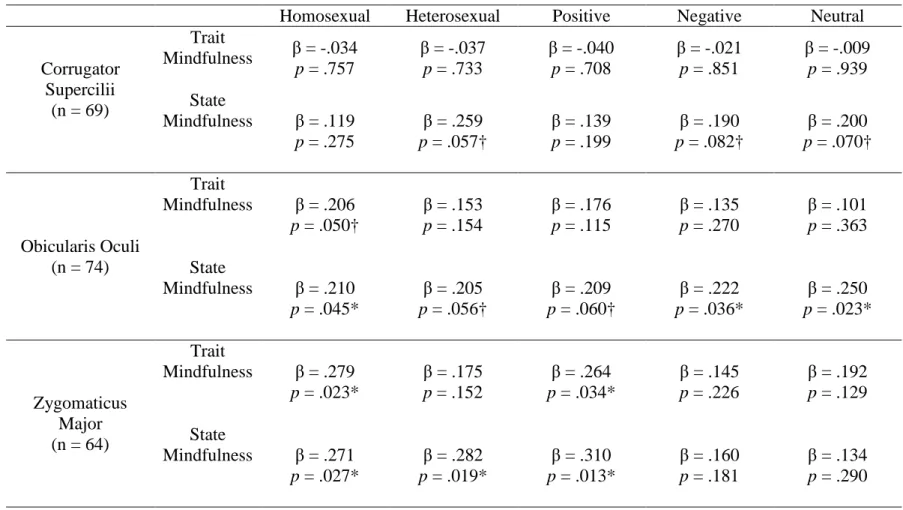
We hypothesized that state and trait mindfulness would predict reduced psychophysiological reactivity (via facial EMG) to affectively valanced photographs. To test this hypothesis we utilized linear regression, using trait and state mindfulness as the predictor for EMG activation at our three sites (i.e., corrugator supercilii, orbicularis oculi, zygomaticus major) while viewing the photograph blocks, controlling for baseline levels of EMG activation at each site (see Table 6 for trait and state mindfulness regression statistics for EMG reactivity to each picture type).
Facial EMG Reactivity – Corrugator supercilii
Trait mindfulness. Trait mindfulness did not predicted corrugator supercilii reactivity to any of the picture types (all ps > .05).
State mindfulness. State mindfulness predicted increased reactivity in the corrugator supercilii to heterosexual, negative and neutral pictures, all at the level of marginal significance (β = 0.259 t(70) = 1.933, p = .057; β = 0.190 t(70) = 1.765, p = .082; β = 0.200, t(70) = 1.844, p = .070).
Facial EMG Reactivity – Orbicularis Oculi
Trait mindfulness. Trait mindfulness significantly predicted greater reactivity in the orbicularis oculi for homosexual pictures (β = .47, t(73) = 2.01, p = .050).
39
mindfulness predicted increased reactivity in orbicularis oculi for heterosexual and positive pictures at the level of marginal significance (β = .205, t(73) = 1.943, p = .056; β =0.209, t(73) = 1.913, p = .060), respectively.
Facial EMG Reactivity – Zygomaticus Major
Trait mindfulness. Trait mindfulness significantly predicted increased reactivity in zygomaticus for homosexual and positive pictures (β = .279, t(63) = 2.338, p = .023; β = .264, t(63) = 2.162, p = .034).
State mindfulness. State mindfulness significantly predicted increased reactivity in zygomaticus for homosexual, heterosexual and positive pictures (β = .271, t(63) = 2.259, p = .027; β = .282, t(63) = 2.401, p = .019; β = .310, t(63) = 2.571, p = .013).
Descriptive Statistics: Finger pulse amplitude and heart rate
We first evaluated whether participants exhibited changes in cardiovascular arousal from baseline. We conducted paired t-tests comparing participants’ baseline levels for finger pulse amplitude and heart rate and to these measures while participants viewed the various picture types. Participants exhibited on average a significant reduction in heart rate from baseline while viewing all picture types (all ps < .05; see table 7). A reduction in heart rate is typical during orienting responses (Obrist, 1976). Finger pulse amplitude, exhibited a significant greater vasoconstriction (i.e., increased sympathetic activation) during homosexual and heterosexual pictures (t(64) = -1.952, p = .055; t(64) = -1.952, p = .055, respectively), but not during positive, negative or neutral pictures (t(64) = -1.952, p = .055; t(64) = -1.952, p = .055; t(64) = -1.952, p = .055, respectively).
40
To test hypothesis two, we ran a series of linear regressions with trait and state mindfulness scales as predictors of our cardiovascular measures while viewing the different picture types, controlling for baseline levels of these measures. See table 4 for the results of these analyses for both trait and state mindfulness for our cardiovascular measures.
Mindfulness and heart rate reactivity. Trait mindfulness significantly predicted reduced heart rate reactivity to the block of heterosexual photos, and positive photos, at the level of a trend (β = -1.80, t(76) = -1.91, p = .06; β = -1.62, t(76) = -1.72, p = .09, respectively). Neither trait nor state mindfulness predicted heart rate reactivity to any other picture types (all ps > .05)
Mindfulness and finger pulse reactivity. Neither trait nor state mindfulness predicted finger pulse reactivity to any picture type (all ps > .05)
Hypothesis 3.
We hypothesized that state and trait mindfulness would predict attenuated self-reported ratings (reduced bias in ratings) of the pleasantness vs. unpleasantness of the photographs. At the end of the study participants rated each photo that they had been presented with earlier and reported on a 1-7 scale how pleasant vs. unpleasant they found it. See Table 8 for means and standard deviations of the valence ratings of each photo type. Paired t-tests that assessed
41
t(77) = 18.101, p < .001). In keeping with past data (Cooley, Payne, & Phillips, in press),
pictures of heterosexual couples were rated significantly more pleasant that homosexual pictures, and neutral pictures t(77) = 11.045, p < .001. Finally, pictures of homosexual couples were rated significantly less pleasant than neutral pictures, t(77) = 5.039, p < .001).
First we assessed whether trait or state mindfulness predicted average ratings for each of the photograph types. Trait mindfulness did not predict average ratings towards any picture type (all ps > .05). State mindfulness, however, predicted more pleasant ratings for pictures of
homosexual couples (β = .243, t(76) = -2.168, p = .03), and lower pleasant ratings for neutral pictures (β = -.232, t(76) = -2.07, p = .04).
We were particularly interested in whether trait mindfulness would be related to attenuated bias between the ratings of the photo types. To compute bias we subtracted the pleasantness rating from one photo type from the corresponding photo type (i.e., ratings for negative pictures from ratings from positive pictures, ratings of homosexual pictures from ratings of heterosexual pictures; as well as ratings of neutral from positive ratings, and negative ratings from neutral ratings). We then regressed trait and state mindfulness separately on these
difference scores. State mindfulness predicted attenuated bias for the difference in ratings between homosexual and heterosexual couples (β = -.509, t(76) = -2.437, p = .017). State mindfulness predicted lower ratings towards negative photos compared to neutral pictures at the level of marginal significance (β = -.150, t(77) = -1.914 , p = .059).
Discussion: Study 3
Study three was designed to further test whether mindfulness is linked to reduced
42
heterosexual, homosexual, positive, negative, and neutral photographs. We hypothesized that (1) trait and state mindfulness would be associated with reduced affective reactivity via facial EMG, (2) that trait and state mindfulness would predict attenuated physiological reactivity via measures of finger pulse amplitude and heart rate, and (3) that trait and state mindfulness would predict attenuated self-reported biases in ratings of the photos as unpleasant to pleasant.
Contrary to hypothesis one, we found that trait and state mindfulness predicted greater reactivity towards various picture types and across facial EMG sites. We found that trait and state mindfulness predicted greater activation in both the orbicularis oculi and the zygomaticus major during homosexual pictures. These findings of co-activation in both the orbicularis oculi and the zygomaticus major, is thought to reflect genuine positive affect; co-activation of these muscles are necessary for Duchenne smiles (Ekman, Davidson, & Friesen, 1990). These results suggest that both trait and state mindfulness may foster greater positive affective reactivity towards social out-groups, potentially indicative of feelings of social inclusion or good will.
43
positive affective reactivity is operating as a mechanism by which mindfulness produces greater well-being. Future research should further evaluate positive affective reactivity as a potential mechanism of action.
The cause of our findings for state mindfulness predicting greater negative reactivity (via activation in the corrugator supercilii) during heterosexual, negative and neutral pictures are less clear. State mindfulness did however also predict greater activation during negative and neutral pictures in the orbicularis oculi, which is generally considered reflective of positive affect, at least when co-activated with the zygomaticus major. Thus, the concurrent activation of the corrugator supercilii and the orbicularis oculi may be reflecting squinting or greater facial movement more generally during these pictures in a way that is not clear in affective valance (i.e., clearly positive or clearly negative). That state mindfulness would predict greater squinting or general reactivity during negative and neutral pictures could potentially be indicative of greater curiosity towards the photos, or trying to make sense of or attend more to these picture types. However, again, it is difficult to state with much confidence what exactly is occurring within this pattern of results, thus, these results are considered with great caution.
We also hypothesized that trait and state mindfulness would predict reduced