A MULTILEVEL ANALYSIS OF SOCIOECOLOGICAL FACTORS ASSOCIATED WITH MODERN CONTRACEPTIVE USE IN URBAN NIGERIA
Chinelo Christine Okigbo
A dissertation submitted to the faculty at the University of North Carolina at Chapel Hill in partial fulfillment of the requirements for the degree of Doctor of Philosophy in the Department of Maternal and Child
Health in the Gillings School of Global Public Health.
Chapel Hill 2016
ii © 2016
iii ABSTRACT
Chinelo Christine Okigbo: A Multilevel Analysis of Socioecological Factors Associated With Modern Contraceptive Use in Urban Nigeria
(Under the direction of Ilene S. Speizer)
An estimated 58,000 women died from pregnancy-related complications in Nigeria in 2015 alone. Family planning (FP) reduces maternal mortality through the prevention of unintended and high-risk pregnancies. Using the Socioecological Framework, this dissertation assessed modern contraceptive method use among women living in six cities in Nigeria: Abuja, Benin, Ibadan, Ilorin, Kaduna, and Zaria.
The first study estimated the determinants of modern method use among the women. Data from multiple cross-sectional surveys collected in 2010/2011 were linked to provide information on the intrapersonal, interpersonal, institutional, community, and societal socioecological levels. Multilevel logit models estimated the odds of modern method use among 15,947 women living in 488 clusters. About 21% of the women reported using modern methods. There were statistically significant direct and cross-level interaction associations between the socioecological factors and modern method use.
The second study examined the associations between changes in gender-equitable norms and changes in modern method use among the same women followed over time. The analytical sample included 9,933 women living in 480 clusters. Multilevel multinomial models estimated the associations between the change in modern method use and changes in gender-equitable norms towards: wife beating; household decisions; couples’ FP decisions; and FP self-efficacy. The use of modern methods increased from 21% to 32% during the study period. Positive changes in the gender-equitable norms towards household decisions, couples’ FP decisions, and FP self-efficacy were significantly associated with increased probability of modern method adoption and continued use and decreased probability of discontinuation during study period.
iv
v
ACKNOWLEDGEMENTS
I sincerely thank my academic adviser and dissertation chair, Ilene Speizer, for her unwavering support and counsel throughout my graduate studies. It was an honor to learn from and work with you. I also thank the other dissertation committee members – Siân Curtis, Carolyn Halpern, Marisa Domino, and Jean-Christophe Fotso – for their superb advice and feedback during this process.
I extend my gratitude to the Bill & Melinda Gates Foundation and the Measurement, Learning, and Evaluation (MLE) Project for providing access to the data used in this dissertation. I thank the staff of the MLE Project for their generosity and friendship. I am grateful to all the organizations that funded my education in and outside the classroom: FHI 360, MLE Project, Population Reference Bureau, Center for Global Initiatives at UNC-Chapel Hill, and The Graduate School at UNC-Chapel Hill. I also acknowledge these experts who contributed immensely to my professional development: Ilene Speizer, Anita Farel, Donna McCarraher, Caroline Kabiru, and Alex Ezeh. I thank my classmates and colleagues for their support and encouragement throughout this journey.
vi
TABLE OF CONTENTS
LIST OF TABLES ... ix
LIST OF FIGURES ... x
LIST OF ABBREVIATIONS... xi
CHAPTER 1: INTRODUCTION ... 1
Maternal Mortality – A Global Health Priority ... 1
Family Planning – Essential to Maternal Health ... 3
Determinants of Modern Contraception ... 4
Determinants of modern contraception within the Socioecological Framework ... 5
Social theories explain contraceptive adoption ... 16
Current gaps in family planning research in Nigeria ... 17
Family planning and urbanization ... 18
CHAPTER 2: RESEARCH STRATEGY ... 21
Study Setting ... 21
Specific Aims ... 26
Study Design and Data Collection Strategies ... 28
Ethical approval ... 30
Statistical Approach ... 30
CHAPTER 3: A MULTILEVEL LOGIT ESTIMATION OF FACTORS ASSOCIATED WITH MODERN CONTRACEPTION IN URBAN NIGERIA ... 34
Overview ... 34
Background ... 35
Conceptual framework and theory ... 36
Methods ... 38
vii
Data ... 41
Measures ... 43
Statistical analyses... 46
Ethical approval ... 48
Results ... 48
Sample characteristics ... 48
Multilevel modelling of modern method use ... 52
Discussion and Conclusion ... 57
Limitations and concluding remarks ... 60
CHAPTER 4: EFFECTS OF GENDER-EQUITABLE NORMS ON MODERN CONTRACEPTION IN URBAN NIGERIA: A MULTILEVEL LONGITUDINAL STUDY ... 62
Overview ... 62
Background ... 63
Gender equality and women’s empowerment ... 64
Theoretical framework of gender-equitable norms and use of modern contraception ... 65
Methods ... 68
Study design and sample ... 68
Measures ... 70
Statistical analyses... 75
Ethical approval ... 77
Results ... 78
Sample characteristics ... 78
Relationships between gender-equitable attitudes and modern method use pattern ... 82
Discussion and Conclusion ... 88
CHAPTER 5: CONCLUSION ... 92
Summary of Findings ... 93
Implications for FP Programs and Policies ... 95
FP interventions at the individual-level ... 96
viii
Limitations and Directions for Future Research ... 103
Concluding remarks ... 105
APPENDIX ... 106
ix
LIST OF TABLES
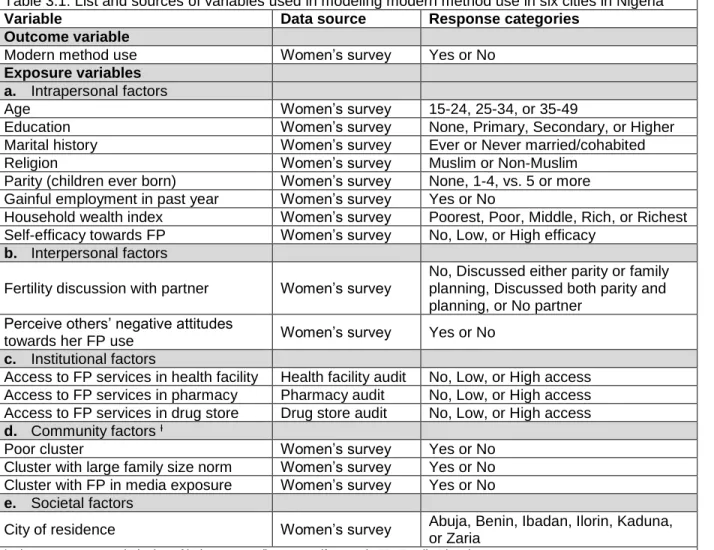
Table 3.1: List and sources of variables used in modeling modern method use in six cities in Nigeria ... 45
Table 3.2: Individual-level characteristics of women aged 15-49 years in six cities in Nigeria ... 49
Table 3.3: Community-level characteristics of women aged 15-49 years in six cities in Nigeria ... 50
Table 3.4: Multilevel association between socioecological factors and modern method use in Nigeria .... 54
Table 3.5: Cross-level interaction effects on modern method use in urban Nigeria ... 57
Table 4.1: List of variables used in the multilevel longitudinal analysis of modern method use ... 73
Table 4.2: Demographic factors of women aged 15-49 in six cities in Nigeria, 2010 to 2014 ... 79
Table 4.3: Distribution of exposure and outcome variables among study sample, 2010 to 2014 ... 81
Table 4.4: Gender-equitable attitudes towards wife beating and modern contraception ... 83
Table 4.5: Gender-equitable attitudes towards household decisions and modern contraception ... 84
Table 4.6: Gender-equitable attitudes towards couples’ FP decisions and modern contraception ... 85
Table 4.7: Gender-equitable attitudes towards FP self-efficacy and modern contraception ... 87
Table 4.8: Parameters from multilevel models of modern method use pattern ... 87
x
LIST OF FIGURES
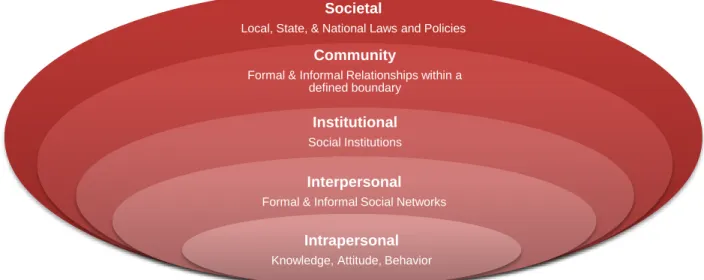
Figure 1.1: The Socioecological Framework ... 7
Figure 2.1: Administrative map of Nigeria ... 21
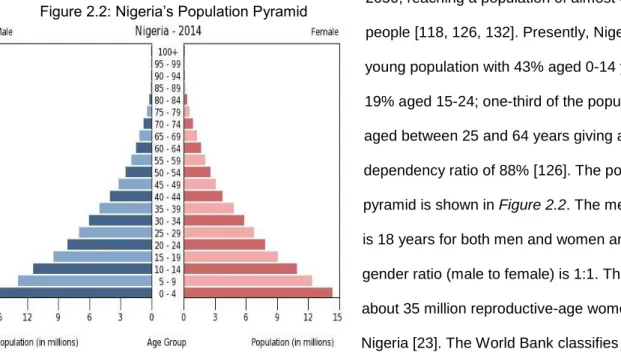
Figure 2.2: Nigeria’s population pyramid ... 22
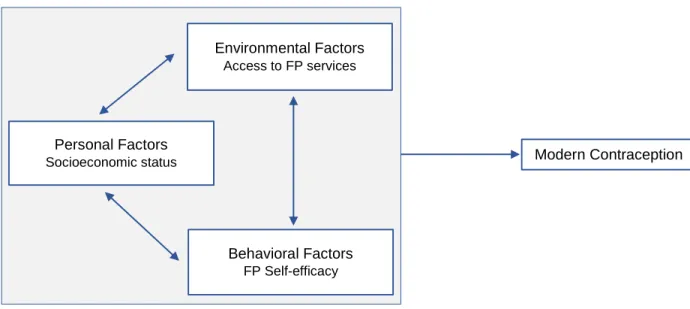
Figure 3.1: The Social Cognitive Theory ... 38
Figure 3.2: Data linkage and sample selection flowchart ... 42
Figure 3.3: Contraceptive method use among women (ages 15-49) in six cities in Nigeria ... 51
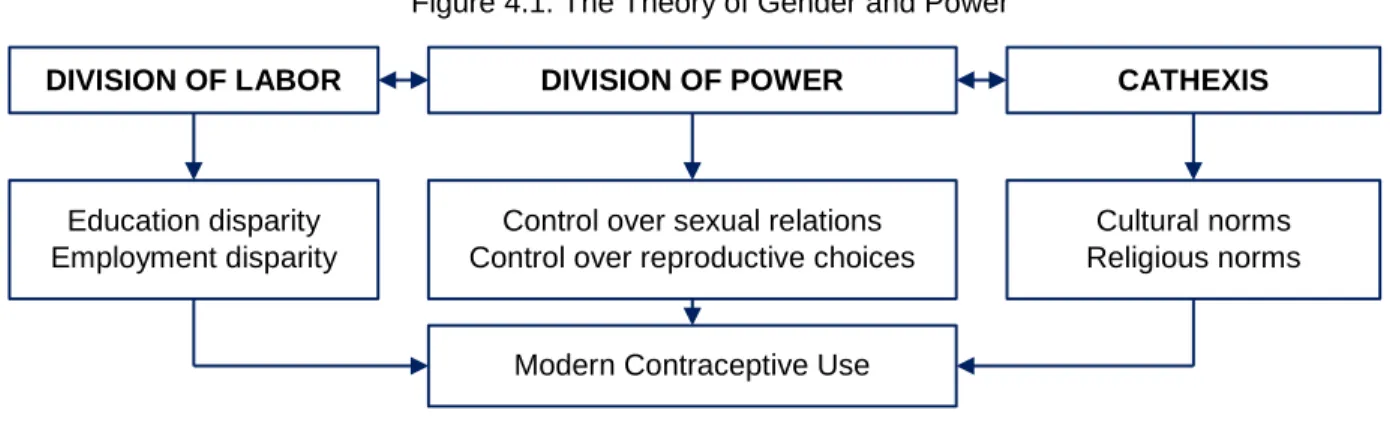
Figure 4.1: The Theory of Gender and Power ... 68
Figure 4.2: Sample selection flowchart ... 69
xi
LIST OF ABBREVIATIONS
AIC Akaike Information Criteria CI Confidence Interval
CPR Contraceptive Prevalence Rate DHS Demographic and Health Survey
FP Family Planning
GDP Gross Domestic Product GIS Geographic Information System
GLLAMM Generalized Linear Latent and Mixed Models HIV Human Immunodeficiency Virus
ICC Intra-cluster Correlation Coefficient
ICPD International Conference on Population and Development LGA Local Government Area
LR Likelihood Ratio
MCPR Modern Contraceptive Prevalence Rate MDG Millennium Development Goals
MLE Measurement, Learning and Evaluation MMR Maternal Mortality Ratio
MNCH Maternal, Neonatal, and Child Health
MOR Median Odds Ratio
NAPEP National Poverty Eradication Programme NDHS Nigeria Demographic and Health Survey NGO Non-Governmental Organizations
NURHI Nigerian Urban Reproductive Health Initiative
OR Odds Ratio
RRR Relative Risk Ratio
1
CHAPTER 1: INTRODUCTION
Maternal Mortality – A Global Health Priority
Since the late 1980s, there has been a renewed interest to reduce maternal mortality globally. Several international health initiatives were established to encourage the global discourse on maternal health. The Safe Motherhood Initiative (SMI), Millennium Development Goals (MDG), and Sustainable Development Goals (SDG) are examples of international agreements that call on national governments, funding agencies, and non-governmental organizations (NGO) to dedicate efforts towards reducing the rate of maternal deaths [1-3].The maternal mortality ratio (MMR), the number of women who die from pregnancy-related complications per 100,000 live births during a given time period, is a population-based indicator of maternal health. International health initiatives have used MMR to monitor the progress towards achieving their goals. For instance, the 1987 SMI aimed to halve the MMR by the year 2000 while the fifth MDG (MDG 5) aimed to reduce the 1990 MMR by three-quarters by 2015 [1-3].
2
In 2015, an estimated 303,000 women died from pregnancy-related complications worldwide, resulting in an estimated global MMR of 216 maternal deaths per 100,000 live births [1, 2]. Sub-Saharan Africa accounted for about 66% of the global MMR [2]. Like most sub-Saharan African countries, Nigeria – a West African country – did not meet the MDG 5 target [1, 2]. The MMR in Nigeria decreased by about 40% from 1,350 maternal deaths per 100,000 live births in 1990 to 814 maternal deaths per 100,000 live births in 2015 [2]. In 2015, Nigeria had the highest absolute number of maternal deaths in the world – 58,000 maternal deaths [2]. It is estimated that a woman living in Nigeria has a 1 in 22 chance of dying from maternal causes during her lifetime; the risk is 1 in 5,800 for a woman living in the United Kingdom and 1 in 3,800 for a woman living in the United States of America [2]. According to the 2004 National Policy on Population for Sustainable Development, the Nigerian Government aimed to reduce the MMR to 125 deaths per 100,000 live births by 2010 and to 75 deaths per 100,000 live births by 2015 [5]. Both targets were not achieved as the estimated 2015 MMR was about 7 times and 11 times higher than the 2010 and 2015 targets, respectively. Nigeria signed on to achieve the SDG 3 target of reducing the MMR to below 70 maternal deaths by 2030 [2]. To do this, there is a need for evidence-based maternal health interventions in Nigeria.
3
Nigeria has the potential to further reduce the prevalence of unintended pregnancies, induced abortions, and maternal mortality, consequently leading to improved maternal health.
Family Planning – Essential to Maternal Health
Since the 1994 International Conference on Population and Development (ICPD), FP has been recognized as a human right [14, 15]. Principle 8 of the ICPD Programme of Action states that “couples and individuals have the basic right to decide freely and responsibly the number and spacing of their
children and to have the information, education, and means to do so” [15]. As such, the World Health Organization defines FP as the practice of attaining the desired number and spacing of children, which is achieved through the use of contraceptive methods and/or treatment of infertility [16]. There are two types of contraceptive methods: modern and traditional methods. The modern contraceptive methods, hereafter referred to as modern methods, include those methods that were developed and/or refined in the last six decades to effectively provide protection against getting pregnant [17]. These methods include surgical procedures such as tubal ligation and vasectomy (female and male sterilization, respectively); barrier methods such as female and male condoms, diaphragms, and spermicides; intrauterine devices; hormonal methods such as daily pills (combined estrogen and progesterone pills, progestin-only pills), injectables, implants, and emergency pills; lactational amenorrhea method; and standard days method. The traditional contraceptive methods, hereafter termed traditional methods, include coitus interruptus also known as withdrawal method, rhythm method, and other folk methods.
4
method at a specified time, is a commonly used indicator for assessing the practice of FP at the population level [21]. The global CPR increased from 55% in 1990 to 63% in 2010; in Africa, the CPR increased from 17% in 1990 to 31% in 2010 [22]. According to the Nigerian Demographic and Health Surveys (NDHS), which are nationally representative cross-sectional surveys conducted every three to five years, the CPR trend in Nigeria has been on the rise since 1990 but remains low. Among married women in Nigeria, the CPR increased from 6% to 15% between 1990 and 2013 [23, 24]. The majority of that increase was in the use of modern methods, which increased from 3.5% to 9.8% within the same period. However, most of the increase in modern method use happened in the 1990s – 3.5% in 1990 to 8.6% in 1999 [24]. Since the 2000s, the CPR in Nigeria has stalled. There was about a one percentage-point increase between 1999 and 2008; however, the CPR among married women remained the same between 2008 and 2013 – 10% for modern methods and 5% for traditional methods. Other community-based studies from different parts of the country found similar results [25-27]. The stall in the CPR trend suggests that there may be obstacles to the use of FP in Nigeria.
Defined as the proportion of women of childbearing age who are in union, are fecund, desire to delay or stop childbearing but are not practicing contraception, unmet need for FP in Nigeria has
remained higher than CPR since the 1990s [21-23, 28]. It is postulated that satisfying the unmet need for FP has the potential to reduce MMR by one-third [10, 12]and prevent about 10% of child mortality [19]. Several factors have been cited as drivers of the unmet need for FP and they include, but are not limited to, insufficient knowledge about FP methods; limited access to FP services; and perceived social barriers to use of FP methods [28, 29]. In 2014, the Nigerian Government developed a five-year FP scale-up plan to increase CPR from 15% in 2013 to 36% by 2018 [30]. It was estimated that increasing the CPR to 36% would avert 1.6 million unintended pregnancies and 1.1 million infant and child deaths in Nigeria [30]. To achieve these targets, it is essential to understand the factors that influence the use of FP in Nigeria.
Determinants of Modern Contraception
5
contraceptive adoption; while the facilitators are described as factors that encourage use of FP methods among those who want to prevent pregnancy [10, 31]. According to Campbell et al. (2006), “the presence or absence of barriers to fertility regulation is likely an important determinant of the pace of fertility decline
or its delay in many countries” [31]. More so, international agreements on reproductive health such as the ICPD Programme of Action emphasize the importance of eliminating obstacles to the practice of FP in the continued efforts to improve population health [15]. Several factors that affect the use of modern methods have been described in the FP literature, mostly from developing countries [17, 29, 31, 32]. A majority of these studies focused on how the characteristics of the woman influence her propensity to use a modern method [25-27, 33-35]; while a few others examined the effects of the household and/or community characteristics on her likelihood of practicing modern contraception [36-39]. Although some of the factors have consistent effects on modern method use, e.g., wealth has a positive association with modern method use [24, 37], other factors have inconsistent effects on modern method use, e.g., age had a positive association in some studies [40, 41]and a negative association in others [37, 42-44]. This inconsistency could be explained by the co-existence of numerous factors within a woman’s social and physical environments so that the combined effects of the factors may produce positive, negative, or no net effect on her probability of using modern methods. This dissertation assessed the determinants of modern method use among reproductive-age women in urban Nigeria. These factors were hypothesized to exist on multiple social and physical levels as described by the Socioecological Framework.
Determinants of modern contraception within the Socioecological Framework
The Socioecological Framework was developed by Urie Bronfenbrenner in the 1970s; the framework describes how the process of human development is affected by the relationships within and between the physical and social environments [45, 46]. Bronfenbrenner classified these environments into four systems that are nested within each other: microsystem, mesosystem, exosystem, and macrosystem. The microsystem describes the complex relations between an individual and his/her immediate environment such as the home or the workplace, including the social interactions with the people in such places. For example, a woman’s attitudes towards use of modern methods may be
6
if the woman whose partner does not support FP also works in an office where the health insurance plan does not cover FP services, her likelihood of using a contraceptive method may be further reduced. The exosystem comprises of other environments that are not directly related to the individual but exert
influence on the individual. For example, a woman who lives in a community where the health facilities do not provide quality FP services may not consider obtaining modern methods from the health facilities even though she has never experienced the poor quality of services. The microsystem, mesosystem, and exosystem are embedded in the macrosystem, which includes the overarching institutions such as legal and cultural systems. For instance, living in a patriarchal or pronatalist community may decrease a woman’s likelihood of practicing contraception by negating her attitudes towards FP.
7 Intrapersonal factors associated with modern method use
In this dissertation, the intrapersonal level includes the characteristics of the woman that affect her probability of using a modern method. A review of the literature showed that many studies focused on this level. The factors often studied were the woman’s age, marital status, education, religion, wealth, parity (number of children ever born), employment, and knowledge of and efficacy to use FP.
Age of the woman: Several studies showed associations between a woman’s age and her probability of using a modern method [26, 34, 40, 42, 41, 48]. However, the direction of association was inconsistent. For example, several studies found that age was positively associated with modern method use [26, 41]while others found a negative association [42].The discrepancy in the association between age and modern method use may be attributed to the effects of other factors within the woman’s socioecological context that may not have been accounted for. Furthermore, some studies found a non-linear association between age and modern method use [48, 49]. Adebayo and colleagues (2013) found that, in Nigeria, the use of modern methods increased with every unit of increase in age up to age 24 for never-married women and age 38 for ever-married women after which it steadily declined [49]. Another study found that modern method use was lowest at the extremes of reproductive ages (<20 years and >40 years) compared to those aged 20-39 years [48].
Societal
Local, State, & National Laws and Policies
Community
Formal & Informal Relationships within a defined boundary
Institutional
Social Institutions
Interpersonal
Formal & Informal Social Networks
Intrapersonal
Knowledge, Attitude, Behavior
8
Marital status: Just like age, the effect of marital status on modern method use was not consistent. Some studies found that unmarried women were more likely to use modern methods compared to married women [49, 50]; while others found that married women were more likely to use modern methods compared to unmarried women [25, 26, 51].This inconsistent effect of marital status on contraceptive behavior may relate to the prevalence of non-marital sexual activity in different settings. It may be that in settings with low prevalence of non-marital sex, being married is positively associated with modern method use given the higher risk of pregnancy within marital unions. While in settings where non-marital sex is prevalent, unmarried women may have higher odds of modern method use while their married counterparts may have lower odds of modern method use especially among those whose spouses discourage use. A recent study in Ghana found that marital status also predicted the choice of modern methods as married women preferred non-barrier methods such as injectables while unmarried women preferred barrier methods such as male condoms [50].
Level of education: Education was found to have a consistently positive association with use of modern methods [24-26, 37, 38, 42, 44, 52]. This positive influence was more evident from secondary education [25, 26, 38, 40, 44]. However, it was unclear whether the association between education and modern method use was mediated by FP knowledge. Education and knowledge of FP are likely correlated as educated women, compared to non-educated women, may be more likely to
comprehend FP messages such as the mechanisms of action and side effects of the different methods,. Religion: Several studies found a negative association between being Muslim and using modern methods [11, 33, 34, 42, 44, 49, 53, 54]. However, Addai (1999) found that among married women in Ghana, the association between religion and contraceptive use was mediated by other
socioeconomic factors such as education, residence, and parity [33]. Shaikh et al. (2013) reported that FP is permissible in Islam [55]. Thus, it is likely that other sociocultural factors within Islamic communities are discouraging the use of FP as postulated by Izugbara et al. (2010) in their study conducted in the Islamic northern region of Nigeria [53].
9
more likely to afford FP services. However, other socioeconomic factors such as education and residence may also be driving this positive relationship.
Parity: There is a relationship between the number of children a woman has and her likelihood of using a modern method. Studies have found that women with higher parity are more likely to use a modern method compared to those with lower parity or no living children [11, 34, 41, 42]. In addition, parity has been shown to influence the type of modern method used as women with higher parity tend to use longer acting methods such as implants and intrauterine devices compared to those with lower parity who use shorter acting methods such as injections [56, 57].
Ideal family size: It is hypothesized that as the number of children a couple plan to have (ideal family size) decreases, the demand for contraception increases and vice versa [37, 58]. Evidence suggests that ideal family size is highest in sub-Saharan Africa and may be responsible for the high fertility rate and low use of contraceptive methods observed in the region [58, 59]. A 2014 study on the trends of contraceptive use in 22 sub-Saharan African countries found that the ideal family size was highest among women who had no need for contraception and lowest among those using a contraceptive method [59]. In Nigeria, research indicates that large family size is still desirable, which may be
contributing to the low level of modern method use [23, 24].
Employment: This factor relates to wealth as women who have paid employment tend to have more economic access to FP services as they can afford transportation to the health facility and the cost of FP services [9, 43, 51]. In addition, employed women may have more exposure to FP messages at their work place or through their colleagues and may have more power to make the decision to use modern methods. Likewise, these women may have more motivation to practice contraception if they want to continue working without interruption.
10
to practice FP as was found in Vietnam [35], does not seem to apply in the Nigerian context. This indicates that other barriers to FP use, such as negative attitudes towards FP, may be more prevalent. Attitudes towards FP have been linked to use of modern methods in sub-Saharan Africa; individuals who approve of FP are more likely to use modern methods than those who do not approve of FP [25, 44, 63]. A recent study among women living in urban Nigeria found that inaccurate knowledge of and concerns about the side effects of modern methods were negatively associated with the use of modern methods [64]. The misconceptions and concerns about these modern methods increase FP disapproval. The 2008 NDHS reported that FP disapproval was the most prevalent reason (20%) married women gave for not using or intending to use a modern method [62]. Fotso et al. (2011) in their study about the levels and trends of FP in urban Nigeria found that FP approval was positively associated with level of education and wealth and was found to be higher in the Southern regions compared to the Northern regions of the country [24]. These findings indicate that attitudes towards FP may be mediating the association between socioeconomic factors and modern method use. A study conducted by Duze and Mohammed (2006) among Nigerian men in northern Nigeria found that attitudes towards FP had the largest direct effect on contraceptive use and that it mediated the effects of other demographic and economic factors (such as age, education, income, number of living children, and family planning knowledge) on contraceptive use [27]. Likewise, exposure to a FP program is likely to increase the knowledge of contraceptive methods and promote positive attitudes towards FP.
Self-efficacy: This measure, as defined by Bandura (1977), is one’s perceived ability to successfully carry out a behavior in order to achieve a desired outcome [65]. This measure is believed to be central to adopting a behavior and is a key construct in several health behavior theories such as the Social Cognitive Theory, Theory of Planned Behavior, and Health Belief Model [66-68]. Many studies have found positive associations between a woman’s perceived self-efficacy towards FP use and her likelihood to use modern methods [35, 68, 69].
11
of empowerment, increases their likelihood of using modern methods [70-72]. On the other hand, the experience of or the attitudes towards gender-based violence impact women’s autonomy and ability to seek health services including FP services; studies show that tolerant attitudes towards wife beating are negatively associated with modern method use [72-74]. A study in southern Nigeria discovered that about two-thirds of both male and female respondents did not support women having independent rights to method choice, adoption, and use [75]. Also, some women require permission or approval from significant others to use modern methods; this further decreases their likelihood of using a modern method.
Interpersonal-level factors associated with modern method use
12
gender-specific incentives: men did not want their wives to doubt their fidelity while women believed that having many children stabilized their marriage by preventing their husbands from marrying additional wives. This discrepancy in husbands’ and wives’ perception of each other further reinforces the need for spousal communication.
Living in a patriarchal society, such as Nigeria, highlights the influence of men’s reproductive intentions or FP attitudes on their female partners’ reproductive behaviors. Isiugo-Abanihe (1994) found that having a male-dominant view was positively associated with preferences for large family size in Nigeria and negatively associated with modern method use [76]. Men’s FP attitudes do not only affect adoption of a modern method but also affect continued use. A facility-based study among contraceptive implant users in Nigeria found that 7% of the women discontinued use because their husband asked them to [57]. Additionally, women’s attitudes towards modern method use are affected by the attitudes of other people in her immediate social environment, such as her friends and neighbors [69, 79]. A study among urban slum residents in southwest Nigeria found that young women (15-24 years) were more likely to use condoms if they perceived support from their friends and non-parental adults [69]. Likewise studies from southeast Nigeria found that friends and peers were the main source of contraceptive information for young women aged less than 25 years [80, 81]. Another Nigerian study found that women were more likely to use a modern method if they perceived approval from others such as their mother-in-law or closest friends [44]. Hence, it can be concluded that a woman’s likelihood of using a modern method can be influenced by the FP attitudes of those with whom she has close interactions. In this dissertation, the women’s interaction with their male partners about FP and their perception of others approval of FP were included at this level.
Institutional-level factors associated with modern method use
13
the quality of FP service provision can be measured by assessing these six elements: choice of methods, technical competence, information given to clients, provider-client interaction, mechanisms to ensure follow-up and continuity, and appropriate constellation of services [85]. A literature review of facility-based studies assessing barriers to fertility regulation indicated that among the most prevalent barriers to FP use were limited choice of methods, provider bias, and other medical restrictions on eligibility to use modern methods [31]. These barriers were usually experienced at the health facility. Keep in mind that these are women who had decided to use a modern method, with or without their partners’ approval, and made the effort to go to a health facility to receive the method but were denied access. Evidence
suggests that outdated contraindications, eligibility barriers, appointment scheduling hurdles, and provider bias are some of the reasons women do not receive modern methods at health facilities [82].
A study in the Philippines found that high quality FP services at the time a woman adopted a modern method increased her odds of continued use at a follow-up visit more than a year later [83]. The authors also found that the predicted probability of using a modern method steadily increased with the quality of FP services. In urban Uganda, it was found that the presence of a health facility and health providers who recently received FP training doubled the adoption and use of modern methods [41]. Studies conducted in Morocco found that the probability of adopting a modern method increased with the presence of a nearby health facility, number of trained providers in a nearby health facility, and the methods available in a public health clinic [43, 86]. Levin et al. (1999) found that the travel time to a health facility was negatively associated with modern method use in Bangladesh [34]. Although, the authors did not find an association between cost of services and contraceptive use, they found that cost of services influence method choice and type of provider. A recent study in Nigeria found that women’s report of access to health facilities within the community (defined as a having a hospital visit in the 12 months prior to survey) had a positive association with modern method use [87].Mandara (2012) in her review of FP in Nigeria suggested that the high stock-out rate of contraceptive commodities and poor attitudes of
14
of unmarried young women could not obtain emergency contraceptive pills due to the negative attitudes of health providers [81].These health providers believed that young unmarried women should not be sexually-active and should not need contraception. Such barriers further increase the unmet need for FP for the women. In this dissertation, access to FP services in nearby facilities were included at this level.
Community-level factors associated with modern method use
As defined by Kravdal (2002), social learning is the acquirement of knowledge and attitudes about a particular subject through direct observation of and communication with other people while social influence is the reflexive imitation of other people’s behavior driven by a desire to gain their approval [52]. These two concepts are essential in assessing the effect of factors at this level of influence on a woman’s contraceptive behavior. The FP norms and behaviors of community members may influence women’s contraceptive behaviors through social learning and influence. In Nigeria, Isiugo-Abanihe (1999) found that the typical male-dominant and patrilineal traditions and norms support large family size and discourage the use of contraceptive methods [76]. Fotso et al. (2011) found that in urban Nigeria, men and women desired large family size – the mean ideal number of children was five children for women and six children for men [24]. The ideal number of children is often used as a proxy for future fertility; thus based on the Fotso et al. study, an average couple in urban Nigeria will not consider contraception until they have had at least five children, which is more than twice the population replacement rate.
15
compared to those who lived in communities with lower mean ideal number of children [37]. Several other studies in Nigeria found a north-south regional divide as women in the northern region had lower odds of modern method use compared to those in southern region of the country [23, 24, 49, 62, 92]. In addition, studies have found that rural women had lower probability of modern method use compared to their urban counterparts [14, 35, 42, 94]. But with the recent growth in urban poverty, there is an increasing concern that many urban residents may have lost their historical social advantage over the rural residents [33, 95]. Moreover, poverty in urban areas is impeding access to FP services; this low access to FP services may be contributing to the high urban growth rate [95, 96]. Young people make up the majority of the rural-to-urban migrants as they seek opportunities for education and employment. These young people are in their reproductive ages and hence in need of reproductive health services including FP services. A recent study in Nigeria that estimated community influences on modern method use found no statistical
difference between urban and rural residents in their odds of using modern methods [87].
Additionally, community characteristics are said to have more direct policy implications compared to individual characteristics [38, 91].FP policies and programs designed to improve access to FP services and commodities are usually implemented at the community level, so it makes sense to assess the impact of such policies and programs on the entire community. Additionally, since the attitudes and behaviors of the community members have an effect on the likelihood of a woman using a modern method, implementing community-wide programs to change such views and behaviors is likely to have greater impact on a woman’s use of modern methods compared to trying to change only the woman’s attitudes and behaviors. Such community-level interventions may also be cost-effective compared to individual-level programs. Notably, community-level analysis tends to provide a broader perspective of the progress, or lack therefore, of any intervention as it averages out the individual nuances.
Societal-level factors associated with modern method use
16
level of unmet need for FP [97-99]. The implementation of other development policies, such as education and/or poverty alleviation policies, also influences FP. For instance, it was found that the implementation of widespread primary education policy in sub-Saharan Africa led to considerable increases in modern method use and decreases in fertility rates [100]. Besides, the implementation of national FP programs have led to decreased fertility and is contributing to population stabilization [19].
Social theories explain contraceptive adoption
Several relationships are hypothesized between the factors that exist on the multiple levels of the Socioecological Framework and modern method adoption and use. These hypotheses are supported by several psychosocial theories such as Social Cognitive Theory and Theory of Gender and Power. The Social Cognitive Theory was developed by Albert Bandura in the 1970s and posits that the adoption and maintenance of behaviors are a result of the dynamic interaction of the person, the environment, and the behavior [101, 102]. The theory, initially termed Social Learning Theory, postulates that behaviors are learned from observing other people carrying out the behavior; this theory was renamed after the incorporation of concepts from Cognitive Psychology that highlight the roles the individual’s past
experiences and self-regulation play in behavior adoption and maintenance [66, 102]. In this dissertation, it was hypothesized that a woman will likely use a modern method if she believed she has the ability to do so (self-efficacy); has peer models and perceives support from her immediate social network (social influence); and has access to FP services in her community. More details about this theory and how it was used in this dissertation are described in Chapter Three.
17
structures together create gender inequalities that may cause adverse psychosocial and health outcomes [103-105]. Often, women bear the brunt of such inequalities. In this dissertation, it was hypothesized that gender-equitable attitudes towards: a) wife beating; b) household decisions; c) couples’ FP decisions; and d) FP self-efficacy are significantly associated with modern method use over time. More details about this theory and how it was used in this dissertation are described in Chapter Four.
Current gaps in family planning research in Nigeria
18
Assessing the type of statistical analysis utilized in the reviewed studies, it was found that many of the studies were descriptive [56, 57, 60, 75, 81, 111-113]; while a few others used qualitative methods [53, 54, 108]. Many of the studies were not theory-driven; only six studies stated theories that informed their research [27, 40, 69, 84, 114, 115]. Additionally, some of the reviewed studies were facility-based or school-based and focused on describing the users of certain types of modern methods, e.g., intrauterine devices, implants, and pills [56, 57, 112, 116, 117]. None of the reviewed studies assessed both the direct and indirect effects of the determinants of modern method use among reproductive-age women living in urban areas. This dissertation aimed to fill this gap in the current FP literature in Nigeria.
Family planning and urbanization
The global urban population is the highest it has ever been in history; experts estimate that more than half of the world (54%) currently lives in urban areas [118]. The urban population is projected to grow to 66% by 2050 adding an additional 2.5 billion urban residents [118]. Approximately 90% of that increase will occur in Africa and Asia. Although only about 40% of the population in Africa currently live in urban areas, it is projected that the proportion will increase to 56% by 2050 [118]. So far, urbanization in sub-Saharan Africa has been attributed to natural increase more so than internal migration [95, 119, 120]. Historically, urbanization has been linked to development [118]. However, Kessides (2006) described urbanization in Africa as both an “opportunity as well as a management challenge” [120]. It is an
opportunity in that the concentrated human resources in urban Africa with good planning and governance can lead to physical, economic, social, and intellectual development [118, 120]. Without the commitment, especially in the context of poverty, the positive potential of urbanization will not be harnessed. Thus, there is a need for evidence-based population policies to ensure that the rapid urbanization occurring in Africa is matched with adequate resources that will lead to the achievement of the full potential for economic and health development.
19
women [121-123]. This urban advantage is being questioned in the context of growing urban poverty as recent evidence suggests an intra-urban disparity in access to services [95, 96]. Studies show that the urban poor in sub-Saharan Africa have more social and health disadvantages compared to their wealthier counterparts and, in some cases, even the rural residents [95, 96, 119, 124]. Physical proximity to services does not guarantee access for the urban poor. It is hypothesized that since urban residents depend on cash income for all services, a limited or lack of income results in immediate consequences such as inability to afford health services [120]. A 2003 study that used Demographic and Health Surveys (DHS) from 23 countries in sub-Saharan Africa found that poverty (defined as lack of access to electricity, piped water, and flush toilet) created an intra-urban health disparity in access to maternal care; urban poor women had limited access to antenatal and delivery care compared to their wealthier counterparts [96]. Ezeh et al. (2010) found that the level of modern method use among the poorest urban married women was close to and in some cases less than that of the rural married women in sub-Saharan Africa [95]. The implication of these findings is that the urban advantage probably applies only to the urban rich. Thus, the concept of ‘urban penalty’ applies to the urban poor who are experiencing worse social and health outcomes compared to the urban rich and rural residents. Sub-Saharan African countries,
including Nigeria, need to prepare for the postulated high rates of urban growth and the expected poverty by ensuring that adequate resources will be available and accessible. Understanding ways of ensuring universal access to health services including FP services in urban areas is critical.
Nigeria is one of the three countries that will account for over a third of the postulated urban growth by 2050; the other two countries are China and India [118]. In 1950, only 8% of Nigeria’s
20
density, and little/no access to basic services [119]. There is a dire need to manage the urban growth rate in Nigeria and to develop programs and policies for slum upgrading, which will include, but not limited to, increasing access to basic amenities.
21
CHAPTER 2: RESEARCH STRATEGY
Study Setting
This dissertation used data obtained from six cities in Nigeria. Nigeria is a West African country located on the Gulf of Guinea with a total area of 923,768 square kilometers making it the 14th largest country in Africa and the 32nd largest country in the world [126]. Nigeria is bordered on the west by the Republic of Benin, on the east by Cameroon and Chad, on the north by Niger, and on the south by the Gulf of Guinea as shown in Figure 2.1 [127]. Laying in the tropics with varied landscapes, the southern region is characterized mainly by rainforest vegetation and mangrove swamps while the northern region is made up of savannah vegetation [128]. There are two weather seasons in Nigeria: a rainy season and
a dry season. The rainy season begins in March and ends in October while the dry season starts in November with a Harmattan season characterized by dust haze and dryness but becomes milder between
February and April [129]. There is a wealth of natural resources in Nigeria including
petroleum, natural gas, coal, gold, tin, iron ore, limestone, niobium, lead, and zinc [130]. Petroleum is the most produced as Nigeria has the tenth largest proven reserves, is the twelfth largest producer, and the eighth largest exporter of petroleum in the world [130]. Prior to the discovery of petroleum in 1956, agriculture was the main focus with cocoa and rubber being the main foreign exchange products [126, 130]. About 78% of land use is for agricultural purposes; however, Nigeria currently faces rapid deforestation, soil degradation, and urban air and water pollution [126].
22
Nigeria obtained her independence from the British colonization on October 1, 1960 [126].As a Federal Republic, there are three tiers of government: federal, state, and local government. Currently, there are 36 states and one Federal Capital Territory (Abuja) grouped into six geo-political zones: north-west, north-central, north-east, south-north-west, south-east, and south-south zones. The states are sub-divided into 774 Local Government Areas (LGA) [131]. Each state is headed by a governor while each LGA is led by a LGA council consisting of a chairman and a board of councilors. There are two major religions in Nigeria, Islam and Christianity. The Muslims are predominantly located in the northern region while the Christians are mainly in the southern region. It is estimated that Nigeria has about 250 tribes with the top three tribes being Hausa, Yoruba, and Igbo, geographically located in the North, West, and South, respectively [23, 126]. Although there are about 500 indigenous languages and dialects, English is the official language; Hausa, Yoruba, and Igbo languages are the commonly spoken local languages.
With a 2015 estimated population of 182 million people, Nigeria is currently the most populous country in Africa and the seventh most populous country in the world [132]. With an annual population growth rate of 2.5%, it is projected that Nigeria will become the fourth most populated country in world by
2050, reaching a population of almost 400 million people [118, 126, 132]. Presently, Nigeria has a young population with 43% aged 0-14 years and 19% aged 15-24; one-third of the population is aged between 25 and 64 years giving a total dependency ratio of 88% [126]. The population pyramid is shown in Figure 2.2. The median age is 18 years for both men and women and the gender ratio (male to female) is 1:1. There are about 35 million reproductive-age women in Nigeria [23]. The World Bank classifies Nigeria as a lower middle-income country based on the 2014 gross national income per capita of $2,950 US Dollars [133]. Nigeria currently has the largest economy in Africa with an estimated 2014 gross domestic product
23
(GDP) of $568.5 billion US Dollars and an annual growth of 6.3% [133]. The revenues are mostly from petroleum, agriculture, and telecommunications. Despite the economic growth, the World Bank estimates that 62% of Nigeria’s population live in extreme poverty (≤$1.25 per day) [133]. The rate of unemployment is estimated at 24% with many young people migrating to urban areas for economic opportunities. In 2013, only about 4% of Nigeria’s GDP was spent on health, a decline from the 12% in 2003 [126, 131].
Healthcare in Nigeria is delivered through the public and private health sectors. Healthcare is delivered through the public sector simultaneously by the three tiers of government: the primary health centers are managed by the Local Government Health Authority, the secondary health facilities (general hospitals and medical centers) are managed by the State Ministry of Health, while the tertiary health facilities (university teaching hospitals and federal medical centers) are managed by the Federal Ministry of Health [131]. The private-sector health facilities are owned by individuals, faith-based organizations, and other NGO. The National Health Insurance Scheme was created in 1999 and covers government employees and organized private-sector institutions; however, many of the citizens are not covered and have to pay out-of-pocket for medical expenses [23, 131]. According to the 2013 NDHS, only 2% of reproductive-age women (15-49 years) had health insurance [23]. Since the public-sector primary and secondary health delivery systems are managed by the local and state governments, the availability and quality of health services at these tiers of government are dependent on the level of priority they place on health. Expectedly, there are geographic inequalities in access to health services [131]. For instance, less than 1% of primary health centers in the north-west zone provide immunization services compared to over 90% in south-west and south-east zones [131]. The average life expectancy at birth is 52 years with an infant mortality rate of 69 per 1,000 live births and a MMR of 814 deaths per 100,000 live births [2, 126, 132].These rates are higher than the averages for the sub-Saharan African region [132]. In 2013, Nigeria contributed the most to the global human immunodeficiency virus (HIV) related deaths and had the third largest absolute number of people living with HIV globally; the HIV prevalence among adults is currently at 3% [126]. The current CPR is 15% while the unmet need for FP is 16% [23].
24
Abuja. As the capital city, Abuja is the first planned city in Nigeria. It was built in the 1980s and was conveniently situated at the center of the country to neutralize the ethnic, religious, and geographic divide. Abuja is located in the north-central zone and covers a landmass of 7,754 square kilometers [134]. It became the capital of Nigeria in 1991 replacing Lagos, which is now considered the commercial capital of Nigeria [126].There are five LGAs in Abuja. The population of Abuja during the 2006 national census was 1.4 million [134].However, the 2015 estimated population is 2.4 million people making it the fourth most populated city in the Nigeria [135].The urban population growth rate is currently at 7% per annum [118]. According to the 2013 NDHS, the total fertility rate in Abuja was 4.5 children per woman, while the CPR and unmet need for FP were 25% and 20%, respectively [23]. The childhood vaccination rate was 61% while childhood stunting was 21%. Additionally, about 56% of women and 73% of men were employed [23]. Abuja has a diverse cultural background owing to the influx of people from different parts of the country since it became the capital city. This influx has led to the emergence of informal settlements in the outskirts of the city.
Benin. Benin is the capital of Edo state, which is one of the six states located in the south-south zone of Nigeria [134]. Edo state has a landmass area of 19,819 kilometer square and a 2006 population of 3.2 million [134]. It is estimated that the population of Benin is currently at 1.5 million people (30% of the population of Edo state) making it the sixth most populated city in Nigeria [135].Edo state is known for its rich cultural and art history and is famous for its bronze and ivory sculptures [134]. The Benin Empire was one of the most powerful African empires during the 15th and 16th centuries with Benin being the seat of government at the time. There are 18 LGAs in Edo state [134]. The predominant religion in the state is Christianity with a small proportion practicing the indigenous religion. In 2013, the total fertility rate in Edo state was 4.5 children per woman, while the CPR and unmet need for FP were 30% and 19%, respectively [23]. About 62% of women and 71% of men were employed [23]. Regarding child health in Edo state, 52% of children aged 12-23 months had been vaccinated while 16% of children under 5 years of age were too short for age (stunting) in 2013 [23].
25
of Oyo state are of the Yoruba tribe and are both Christians and Muslims with a small proportion practicing indigenous religion. There are 33 LGAs in Oyo state and in 2013, about 78% of both the women and men were employed [23, 134].Regarding child health in Oyo state, the 2013 NDHS found that 27% of children under 5 years of age were stunted while only 26% of children aged 12-23 were vaccinated [23]. The total fertility rate in Oyo state was 4.5 children per woman in 2013, while the CPR and unmet need for FP were 30% and 19%, respectively [23].
Ilorin. Ilorin is the capital of Kwara state, which is located in the north-central zone [134]. With a population of 899,000 people, Ilorin is the 13th most populated city in Nigeria [135]. Kwara state has a landmass area of 34,468 kilometer square and a population of 2.3 million [134]. The people of Kwara state are mainly of the Yoruba tribe with a mix of Muslims and Christians. There are 16 LGAs in Kwara state and about 63% of women and 73% of men were employed in 2013 [23]. The childhood vaccination coverage at the state level was 27% while stunting was 43% in 2013 [23].The total fertility rate was 5.1 children per woman, the CPR was 40% while the unmet need for FP was 12% in 2013 [23].
Kaduna and Zaria. Kaduna is the capital of Kaduna state, which is located in the north-west zone [134]. The population of Kaduna city was 760,000 during the 2006 census but has grown to over 1 million people by 2015, making it the ninth most populated city in Nigeria [135]. Kaduna is a commercial city with a diverse group of people from different ethnicities; as such, there is a mix of
26 Specific Aims
The goal of this dissertation was to assess factors associated with modern method use among reproductive-age women in urban Nigeria. This research was guided by the Socioecological Framework; multilevel modelswere used to estimate the effects of the determinants of FP on modern method use in among the study sample. The two specific aims in this dissertation are described briefly in this Chapter but in more detail in Chapters Three and Four where they are presented in manuscript formats.
Specific Aim 1: To determine the effects of intrapersonal, interpersonal, institutional, community, and societal factors on use of modern methods among women aged 15-49 living in six cities in Nigeria. Theory: This study’s hypotheses were informed by the Social Cognitive Theory [65].
Hypothesis 1.1: Intrapersonal and interpersonal (individual-level) factors are significantly associated with modern method use;
Hypothesis 1.2: Controlling for individual-level factors, institutional, community, and societal (community-level) factors are significantly associated with modern method use; and
Hypothesis 1.3: Additionally, cross-level interactions between community-level and individual-level factors are significantly associated with modern method use. Specifically,
Hypothesis 1.3.1: The association between individual-level parity and modern method use is moderated by living in a community with large family size norm.
Hypothesis 1.3.2: The association between individual-level employment and modern method use is moderated by living in a poor community.
27
estimate variance and covariance at various levels allowing for partitioning of the effects of the different levels on the outcome [136]. The focus of this study on urban women was unique in that it provided in-depth information on how the characteristics of an urban community influence contraceptive behavior. Prior studies often compare urban to rural areas [27, 35, 37, 44, 87, 94]. Urban areas are different in ways that are incomparable to rural areas, e.g., population density and pockets of poverty in the midst of wealth. Hence, the traditional rural-urban comparisons mask the effect of urbanization on health. There is a need for urban-focused research to assess how the peculiar features of an urban community influence urban fertility and contraceptive behaviors. Looking specifically at FP studies conducted in Nigeria as reviewed in Chapter One, it was observed that many of the studies were descriptive and not driven by theory. Many of the studies were single-level analyses despite the fact that their aim and the structure of their data warranted a multilevel approach [11, 42, 137, 138]. This dissertation is innovative in its use of data from multiple sources collected via rigorous study designs and in its use of multilevel models to explore, not only intrapersonal factors, but also interpersonal, institutional, community and societal factors that may influence the use of modern methods among reproductive-age women in select cities in Nigeria. Till date, no study has examined this collective set of level-specific exposure variables.
Specific Aim 2: To determine the effects of changes in the levels of individual and community gender-equitable norms on changes in the use of modern methods over time among women aged 15-49 living in six cities in Nigeria.
Theory: The study hypotheses were informed by the Theory of Gender and Power [103].
Hypothesis 2.1: Positive changes in gender-equitable norms at the individual-level will increase the probability of modern method use and adoption over time; and
Hypothesis 2.2: Controlling for the changes in gender-equitable norms at the individual-level, living in communities with positive changes in the level of gender-equitable norms will increase the probability of modern method use and adoption over time.
28
people from diverse backgrounds and cultures. Therefore, it is expected that the role gender norms play in an urban setting with diverse populations may be different from that in a rural area, which usually have a more homogenous population. The norms examined in this study included gender-equitable attitudes towards: a) wife beating; b) household decisions; c) couples’ FP decisions; and d) FP self-efficacy. The inclusion of multiple measures of gender norms accounted for a comprehensive view of their effects on modern method use. According to the High-level Task Force for ICPD beyond 2014, violence against women controls women’s autonomy and sexual and reproductive health choices and has grave consequences such as unwanted pregnancies and unsafe abortions [139]. It is possible that the health consequences of gender-based violence are not limited to women who experience such violence but may also apply to women who believe that such violence is permissible. This study is innovative in its use of longitudinal data to examine the effects of the gender-equitable norms on modern method use over time.
The revival of attention on reproductive health as a means of achieving global development and sustainability has placed a lot of emphasis on the importance of universal access to quality reproductive health services including FP services [1]. This attention has also informed several research and program activities to identify ways of improving use of FP services especially among vulnerable populations. The literature on the determinants of modern method use is robust as discussed in Chapter One. However, gaps still exist in the literature especially on issues around the interplay between the physical and social environments and how they influence contraceptive behaviors. This dissertation contributed to filling that gap by using multilevel models, informed by the Socioecological Framework, to assess the simultaneous effects of individual and community factors on the contraceptive behaviors of a longitudinal sample of urban women in Nigeria. To the best of my knowledge, this is the first study of contraceptive behaviors of a strictly urban sample from multiple cities representing both the northern and southern regions of Nigeria. Evidence from this dissertation is relevant to urban reproductive health policy and practice.
Study Design and Data Collection Strategies
29
Nigerian Urban Reproductive Health Initiative (NURHI). NURHI was part of a multi-country multi-strategy FP program, the Urban Reproductive Health Initiative, funded by the Bill & Melinda Gates Foundation and implemented in select urban areas of four countries: Nigeria, Kenya, Senegal, and India [140]. NURHI, a five-year program, aimed to increase the use of modern methods in six purposively-selected cities: Abuja, Benin, Ibadan, Ilorin, Kaduna, and Zaria. The key strategies implemented by NURHI were: strengthening FP service delivery in both public and private health facilities; generating demand for FP services through community engagement and multimedia campaigns; building a supportive environment for FP through advocacy; and use of monitoring and evaluation data to improve program activities. Information about NURHI can be found on their website [http://www.nurhitoolkit.org]. The MLE Project, the independent evaluator of NURHI, is housed at the Carolina Population Center, University of North Carolina at Chapel Hill. The overall goal of the MLE project in Nigeria was to identify which NURHI interventions were most effective in improving modern method use and how they can be scaled up to other regions of the country. The MLE Project used rigorous study designs, multiple data collection strategies, and complex impact evaluation statistical methods in the evaluation of NURHI. Prior to the start of the NURHI program, baseline information were collected between 2010 and 2011 to provide pre-program information and inform program targets. Endline data were collected in 2014 to measure the impact of the program.
30
census of public health facilities together with a convenience sample of private health facilities (for the facility-based surveys) were selected. For the baseline household-based survey, reproductive-age women (ages 15-49) and men (ages 15-59) who resided in the selected households were eligible for study participation. The facility-based surveys consisted of facility audits, provider surveys, and exit client interviews. The women’s and facility audit surveys were longitudinal surveys while the others were repeated cross-sectional surveys.
Ethical approval
The protocols and procedures used by the MLE Project were approved by the Nigeria Health and Research Ethics Committee and the Institutional Review Board at the University of North Carolina at Chapel Hill. Informed verbal consent was obtained from every respondent prior to study participation.
Statistical Approach
31
characteristics and are no longer providing unique information, thus reducing the effective sample size. Clustering affects the sampling variance; this effect is called the design effect. Hox (1998) described this design effect as the ratio of the operating sampling variance to the sampling variance under the
assumption of simple random sampling [141]. A design effect of 1 means that clustering is not an issue; however, a design effect greater than 1 indicates the need to account for clustering in the data analysis. Ignoring the hierarchical structure of the clustered data can lead to biased results and inferences due to increased Type 1 error [136, 141].In such situations, the use of multilevel models becomes relevant.
32
Multilevel models are estimated in steps [136, 142]. The first model estimates the unconditional or intercept-only (null) model with no exposure variables. The estimates from this null model are used to assess the extent to which the outcome variable varies across clusters. The null model provides
estimates of the within-cluster and between-cluster variances and serves as the base model to which the conditional models are compared. The second step estimates the individual-only model with only the individual exposure variables. The between-cluster variance of this model is compared to that of the null model to estimate the proportion of the between-cluster variance explained by the individual factors. The third model includes the individual and community exposure variables and produces the simultaneous effects of individual and community factors on the outcome variable. This model is compared to the null model to estimate the proportional change in the between-cluster variance explained by both the individual and community factors. If the moderating effects on the community factors on the individual factors is needed, then a fourth model estimating the cross-level interaction effect is estimated.
The multilevel models estimate the fixed effects and the random effects on the outcome variable and is sometimes referred to as mixed models. The multilevel models provide information on the intra-cluster correlation coefficient (ICC), which describes how individuals in the same intra-cluster are similar to each other compared to individuals in different cluster [136, 141, 142]. In linear multilevel models, the ICC provides information on the proportion of total variance in the outcome that is attributable to the cluster level because both the individual and cluster level variance are estimated and are on the same scale [142]. However, this is not the case in multilevel logit models where the individual level is on a probability scale and the group level is on a logistic scale; thus, the interpretation of the ICC is not intuitive.
33
fixed effects of the exposure variables in the model [142].For example, if the MOR of the fully adjusted model of modern method use is 1.50 and the fixed effect of being employed (an individual factor from the same model) is 1.20, then it can be inferred that, compared to being employed, cluster membership has a greater effect on the odds of modern method use. The ICC and MOR provide unique information on the effect of contextual factors on individual outcomes. Goodness-of-fit tests are conducted post-estimation to ensure the multilevel models fit the data appropriately [136].
In this dissertation, the fixed effects of the exposure variables existing on multiple socioecological levels and the random effects at the cluster level were estimated using multilevel models. All analyses were run using a user-written Stata command ‘gllamm’ that estimates Generalized Linear Latent and Mixed Models (GLLAMM) [143-145]. GLLAMM are a class of multilevel models that estimates different types of outcome variables including, but not limited to, continuous, binary, and count variables. GLLAMM allow for conditional distribution of the outcome variable to be specified through a family and a link
34
CHAPTER 3: A MULTILEVEL LOGIT ESTIMATION OF FACTORS ASSOCIATED WITH MODERN CONTRACEPTION IN URBAN NIGERIA
Overview
Objective: About one in five maternal deaths that occurred worldwide in 2015 happened in Nigeria – a West African country with the highest population in Africa. Maternal deaths can be prevented through the prevention of unintended and high-risk pregnancies. About a quarter of all pregnancies in Nigeria are unintended at the time of conception. Despite this high rate of unintended pregnancy, the proportion of reproductive-age women using effective contraceptive methods remains low. This study aimed to estimate the individual and community level determinants of modern method use in urban Nigeria. Methods: This study was conceptualized using the Socioecological Framework. Data from multiple cross-sectional surveys conducted between 2010 and 2011 were linked to provide information on the five hierarchical levels of the framework. Multilevel logit models were used to estimate the probability of using a modern method among 15,947 women aged 15-49 years living in six purposively-selected cities [Abuja, Benin, Ibadan, Ilorin, Kaduna, and Zaria].
Results: About 21% of the women were using a modern method at the time of survey. Estimating the multilevel effects of the socioecological factors explained 60-88% of the variance in the use of modern methods during the study period. Statistically significant associations were found between modern method use and factors at the intrapersonal, interpersonal, community and societal socioecological levels (p<0.05). Significant modifying effects of community factors on the association between individual factors and modern method use were also observed (p<0.05).
Conclusion: Evidence from this study indicates the need for multi-level interventions as a way to improve the prevalence of modern method use in urban Nigeria. The design, implementation, and evaluation of such interventions should be tailored to the specific characteristics of the community.
35 Background
Currently, a reproductive-age woman in Nigeria – a West African country – will have on average 5.5 children during her lifetime [23]. According to the 2015 World Population Data, Nigeria is currently the most populous country in Africa with a population of 182 million people [132]. With an annual population growth rate of about 3%, demographers postulate that Nigeria’s population will rise to 400 million making it the fourth most populous country by 2050 [132, 24].Currently, about one-half of Nigeria’s population lives in urban areas [118]. Urbanization in Nigeria is said to be driven by high fertility more so than rural-to-urban migration and according to the United Nations, over two-thirds of urban residents live in slums [119]. Although evidence suggests that urban women are more likely to use modern methods compared to their rural counterparts, recent studies find that this urban advantage may be misleading given low levels of contraceptive use among the urban poor. Within urban settings, the poor have been shown to have more social and health disadvantages compared to their wealthier counterparts and, in some cases, compared to those living in rural areas [95, 96]. For instance, in several sub-Saharan African countries, including Nigeria, Magadi et al. (2003) found that the urban poor experienced more adverse maternal health outcomes compared to the urban rich [96]. Ezeh et al. (2010) also found that the level of modern method use among the poorest married women in urban areas was close to or less than that of the married women in rural areas [95]. The urban population in Nigeria is expected to triple by 2050 – making it the third largest absolute increase in urban population globally, after China and India [118]. To curb the rapid urban growth in Nigeria, there is a need to improve access to and use of modern contraception.