BANANAS
INSECT
&
MITE MANAGEMENT
Queensland Fruit &. Vegetable
Growers
Bruno Pinese
BANANAS
INSECT
&
MITE MANAGEMENT
Bruno Pinese
Richard Piper
ISSN 0727-6273
Agdex 231/620
First published 1994
National Library of Australia Cataloguing-in-Publication data:
Pinese, B. (Bruno), 1949-.
Bananas: insect and mite management.
ISBN 0 7242 5401 3.
1. Banana- Diseases and pests- Control- Queensland. I. Piper, Richard, 1958-. II. Queensland. Dept. of Primary Industries. Ill. Title. (Series: Information series (Queensland. Dept. of Primary Industries); QI93048).
634.77299
Editing, production and printing managed by Publishing Services
©Queensland Government 1994
Department of Primary Industries GPO Box46
Brisbane Q 4001
CONTENTS
Foreword
Acknowledgements
About the authors
Preface
Notes to growers
1 THE INTEGRA TED PEST MANAGEMENT (I PM) CONCEPT
2 BIOLOGICAL CONTROL OF BANANA PESTS
3 MONITORING PROCEDURES
4 MAJOR PESTS
Banana scab moth (Nacoleia octasema) 9
Banana rust thrips (Chaetanaphothrips signipennis) 13 Mites: Banana spider mite (Tetranychus lambi)
1
7
Two-spolled mite (Terranychus urticae) 17
Biological control: Mite-eating ladybird (Stethoms) 21 Banana weevil borer (Cosmopolites sordidus) 23
Sugarcane bud moth (Opogona glycyphaga) 26 Banana flower Lhrips (Thrips hawaiiensis) 28
v
vi
vii
IX
X
3
5
9
5 MINOR PESTS 31
Banana aphid ( Pentalonia nigronervosa) 31 Red houldered leaf beetle (Monolepta australis) 32 Banana- ilvering Lhrip (Hercinothrips bicincws) 33 Banana fruit fly (Bactrocera musae) 34
Queensland fruit fly (Bactrocera tryoni) 34 Banana fruit caterpillar (Tiracola plagiara) 35 Clu ter caterpillar (SpodopTera litura) 36 Transparent scale (Aspidiotus destructor) 38 Greyback cane beetle (Dermolepida a/bohirwm) 39 Banana- polling bug (Amblypelta lutescens lwescens) 41 Fruitspotting bug (Amblypelta nirida) 41
Casemolh 42 Gras hoppers 42
iv Contents
6 QUARANTINE PESTS
Spiralling whitefly (Aieurodicus dispersus) 44 Banana skipper butterfly ( Erionora tlrra.x) 44
Banana srem boring weevil (Odoiporus /ongicollis) 45
7 RECOMMENDED METHODS OF SPRAY
44
APPLICATION 46
8 SAFE HANDLING OF PESTICIDES 51
Appendix 1: Insecticide and miticide summary 56
Appendix 2: Banana plant growth stages 58
Appendix 3: Insect and mite pests of bananas - a summary
Appendix 4: Field data sheets
Glossary of terms
59
61
FOREWORD
Bananas are the largest fruit crop grown in Queensland. With a gross value of production of $182 million, Queensland is Australia's largest supplier of bananas and plays a vital role in both State and regional economies.
The key to success for any industry or business is in providing consumers with what they want. People are demandjng high-quality fruit free of blemish; they also want fruit produced using the rrunjmum amount of cherrucals. Growers who give consumers what they want will find that their bananas are sold faster and attract rugher prices.
The Queensland industry is putting a high priority on the development of quality management systems to improve farm efficiency and profitability, and to deliver consistent, high-quality bananas to consumers.
Management of insect pests is a key operation in banana production. The Queensland banana industry is committed to integrated pest management (IPM) and other means of reducing chemical use. The banana industry, the Horticultural Research and Development Corporation (HRDC) and the Department of Primary Industries, Queensland have collaborated over the past four years in a research program specifically focused on developing an IPM system for bananas.
The industry is now ready to spread the word about the success of the research project. It is hoped that this book, Bananas: insect a!ld mite management, will encourage the adoption of IPM strategies and techniques throughout the State. With financial assistance from the Banana Sectional Group Committee and HRDC, it is being distributed to all Queensland banana growers.
Many people have contributed to the preparation of this book, but f would particularly thank Bruno Pinese and Richard Piper for their efforts.
Banana growers have much to gain from putting lPM into practice on their farms. [ recommend thjs book as a guide and hope that all growers will join in moving the Queensland banana industry into an exciting new era.
ACKNOWLEDGEMENTS
This project would not have been possible without the generous
cooperation of the following growers who allowed us to undertake
studies on their farms and who kept valuable records of rainfall, chemical applications and crop management: Mr G. Bush (Kennedy), Messrs J. and A. Deluca (Tully), Messrs Y., M., M., and R. Gallagher
(East Palmerston), Mr H. Henry (Murray Upper), Messrs J. & L. Horsford (Utchee Creek), Messrs R., J., S. & G. Mackay (Tully), Mr A. Sellars (Mission Beach), Messrs A. & D. and Mrs L. Sly (East Palmerston and Mr P. Watson (Murray Upper).
We would also like to thank the following people who have assisted with identifying specimens: Dr A. Austin (Waite Agricultural Research Institute, Adelaide) (borers), Dr B. Cantrell (DPI) (Anthomyzidae, Tachinidae), Mr J. Donaldson and the late Mr K. Houston (both DPI) (various groups), Dr R. Halliday (CSfRO) (Uropodidae), Dr D. Holdom (BSES. Indooroopilly) (Cladosporium
and Erynia), Dr D. McAlpine (Australian Museum) (Stenomicra), Mr R. Storey (DPT) (Coleoptera). Mr D. Meiklejohn and Mr A. Lisle
(both DPI) kindly provided assistance with computer programming
and data analysis for which we are grateful. Ms J. Grimshaw and Mr J. Daniels (DPI) and Mr L. WiJkje (James Cook University) kindly
supplied photographs of spiralling whitefly, banana skipper and scab moth respectively. The photograph on the back cover is courtesy of the QFYG.
The financial support of the Queensland Fruit and Vegetable Growers (QFYG) (formerly COD) and the Horticultural Research and Development Corporation (HRDC), who provided matching funding
ABOUT THE AUTHORS
Bruno Pinese
Bruno Pine e is an entomologist with the Queensland Department of Primary Industrie and is based in Mareeba. He has been clo ely involved with the development of control strategies for banana pests to reduce the overall dependence on chemical control. Hi re earch in 1988 into the use of bunch injection for control of banana scab moth has led to a major reduction in chemical use and has provided the impetu for the development of integrated pest management for bananas. Bruno i currently developing economic injury level for banana weevil borer and mites as well as investigating biological control and efficient pe ticide application methods again t avocado pests. Previou ly, he re earched effective control measure for the prevention of aphid-tran mined viruses in cucurbit with the result that his methods are now recognised controls within the e crops.
Richard Piper
1 THE INTEGRATED PEST MANAGEMENT
CONCEPT
What is integrated pest
management?
The main objective of IPM is to change from a pesticide-dependent system of pest control to a sustainable program which utilises a range of pest-management options. These include biological control (such as beneficial parasites and predators), cultural control (hygiene, crop management) and the targeted use of selective chemicals, if necessary.
IPM systems aim to manage pests so that populations remain below economic injury levels (EIL). The EIL is the level of a pest population at which the damage it causes is equal to the cost involved in its control. Because the price of fruit is always changing and production is not always the same, the EIL also
changes. However, a standard EIL can serve as a useful guide when deciding on a range of control options. The main components of an IPM system are shown in figure 1.1.
• Equilibrium 1: Pest numbers fluctuate around the equilibrium. The pest numbers are always above the ElL and therefore significant economic losses are inctuTed.
• Equilibrium II: FolJowing the introduction of primary management components (parasite/ predator/management change) the new equilibrium is below the EIL and damage is no longer of economic significance. If pest populations exceed the ElL then remedial measures such as strategically timed applications of insecticides can be used. The main steps required to establish an IPM program are shown in figure 1.2 (over page).
2 The integrated pest management concept
Figure 1.2: Steps in a typical IPM program
As the flow chart illustrates, lPM goes through a number of important steps and is a dynamic process. Improvements in pest management are achieved through constant evaluation and modification of the program.
Pest-management decisions are based on regular monitoring of pests and beneficial parasites and predators. Monitoring is best carried out by a competent professional pest scout but can also be done by the grower. Results from regular scouting are recorded on field sheets, the information from which, subsequently, can be entered into a computer.
Recommended monitoring frequencies, methods, and sample data sheets are included in this manual for each major pest (see chapter 3 and Appendix 4).
PREFACE
This manual summarises the cunent knowledge of insect and mite pests of bananas and how they are managed in Queensland. Its intention is to provide practical advice to growers, horticultural advisers, future pest scouts and other interested persons in the implementation of integrated pest management (IPM) in bananas. IPM methods aim to provide sustainable pest management by exploiting biological and cultural methods of pest control and reducing dependence on insecticides.
The manual explains the biology, economic importance, biological control potential, and both cultural and chemical control options for all pests likely to be encountered in bananas; these are grouped as major and minor pests. Detailed monitoring procedures are outlined for the major pests. Whenever possible, photographs and line drawings have been included to assist in positive identification, the first step towards successful pest management.
NOTES TO GROWERS
Note 1
The chemical recommendations given in this book are correct for Queensland at the time of printing. Check with your local departmental officers for any variations from these recommendations.
Note2
2 BIOLOGICAL CONTROL OF BANANA
PESTS
A large number of beneficial organisms (parasites and predators) occur naturally in banana plantations and provide a degree of pest control. Many are small insignificant insects and spiders, and some are active at night, preferring to hide during the day. Hence they go largely
unnoticed and their real value is only appreciated when they are destroyed by inappropriate use of insecticides. For example, general cover sprays of insecticides from the ground or the air must be avoided if the full benefits from beneficials are to be realised.
Predatory ladybird beetles, lacewings, bugs, ants, and parasitic flies and wasps are the main beneficial insect groups active in banana plantations. Spiders are also a major group of predators which have been found to be very effective. Cane toads have been shown to feed on beetle borer and on other insects near the
Figure 2.1: The green lacewing (left) and the S1e1horus beetle (right) are valuable predators of some banana pests.
ground. Tree frogs which frequent the banana plant also feed on insects.
Within a banana plantation different species of pests and beneficials tend to occupy different habitats. Some prefer the leaves; others are more common on bunches; while others are found amongst tbe trash on the ground.
Figure 2.2: The lacewing eggs are laid in clusters and are held above lhe surface by fine white threads.
4 Biological control of banana pests
(a) Jwnping spider (Salticid)
(c) Jumping spider feeding on cluster caterpillar larva
Figure 2.4: A colony of the ant Tetramorium bicarinatum. This ant is an aggressive coloniser and is very common in banana plantations where minimal insecticides are used. T. bicarinatum is useful in reducing scab moth, weevil borer and other pests.
Figure 2.5 (a-d): Spiders are common predators in banana plantations. Many spiders are found in rainforest and natural bushland which provide a good supply of spiderlings to move into adjacent banana plantations.
(b) Huntsman spider (Heteropoda sp.)
3 MONITORING PROCEDURES
Frequency of monitoring
Insect pests are managed more effectively if control measures are applied before populations rise to damaging levels. Regular and frequent monitoring is recommended to gain a thorough understanding of pest dynamics in each block/ property. Accurate monitoring will allow more efficient implementation of control measures and minimise crop losses.
The frequency of monitoring for any pest species varies and depends on a large number of factors including:
• mobility of the pest • length of its life cycle • severity of potential damage • climatic conditions.
Because most pests are more active when temperatures are warm, monitoring needs to be more frequent during spring and summer. The most practical monitoring frequencies have been detemtined thmugh DPI research on the biology of the pests, their natural control agents and potential crop damage.
Monitoring techniques
Different monitoring techniques are needed for different pests. Monitoring relies on examining a small proportion of a crop to provide information which will allow a management strategy to be applied to the whole crop. Monitoring techniques are easily learned and observations can be made quickly without specialised equipment.
Knowledge of pest distribution throughout the farm will increase the efficiency of sampling. For example, on the plantation, you should determine whether the insect is:
• distributed uniformly throughout
• confined to plants on, or close to, the margins • found regularly in certain locations ('hot
spots').
Sampling should be planned to include 'hot spots' since these areas provide early warning of potential and more widespread pest outbreaks.
Quality assessment of
harvested fruit
An integral part of the monitoring program should be regular assessments of harvested fruit in the packing shed. Such assessments will indicate the u I ti mate effectiveness of pest management practices. Harvest assessments may at times underestimate damage caused by insect pests. For example, scab moth-infested bunches may be cut off and left in the field, and therefore not recorded at harvest. Similarly, losses due to plant fall-out from banana weevil borer and/or nematode damage are also difficult to quantify from harvest assessments. Nevertheless, harvest assessments do provide valuabl~ information on the causes of poor fruit quality that can be immediately rectified to minimise future fruit losses.
Packing-shed assessments will also expose other factors that may be affecting fruit quality - for example, mechanical damage caused by mishandling during harvest and transport from the field, and during dehanding. Action can then be taken to reduce or prevent this type of damage. Other causes of poor fruit quality are: • chemical bum
• sunburn • fruit diseases • rat and bird dan1age.
Frequency of harvest assessments
6 Monitoring procedures
TABLE 3.1: Suggested monitoring frequency for the main pests
PEST
Banana scab moth
Banana weevil borer
Banana rust thrips
Banana flower thrips
Sugarcane bud moth
Mites
can be made less often. Three-monthly intervals should be adequate to ensure that quality standards are maintained and to detect any new sources of damage.
Suggested method of harvest assessments
At the required interval, select one trailer-load of fruit at random and assess the fruit for blemishes. The following procedure needs to be followed. A suitable form to record the information is shown in table 3.2.
1. Record the total number of bunches.
2. Record the total number of cartons within each fruit grade packed to determine individual and total packout.
3. Separate fruit discarded during cutting and packing. Sort into categories according to damage- for example, insect and non-insect damage.
4. Individually weigh all damaged fruit and record the weights.
Personal computers in data
storage and presentation
Personal computers are a valuable aid in integrated pest management programs. They provide an effective method for data storage and manipulation and can be used to generate pictorial representation of the data. This simplifies the interpretation of results and aids decision-making.
The following information can be stored and retrieved using a personal computer:
MONITORING INTERVAL (WEEKS)
Spring/Summer Autumn/Winter
I 2
4 6-8
2 4
2 4
2 4
1-2 2-3
• insect counts • spray information • weather records • harvest data
• crop growth measurements.
Software packages- for example, EXCEL, LOTUS 1-2-3- are available that allow data to be recorded on files known as spreadsheets. To transfer data easily, the format of the sheet used for field recording should be the same as that of the spreadsheet set up on the computer (see Appendix 4).
Spreadsheet/graphics packages are useful for plotting charts of insect numbers (as determined by monitoring) over time. They provide information on whether the population is increasing, remaining stable, or decreasing. In the case of a pest species, this information enables rapid assessment of the need to undertake control measures and also the evaluation of any that may have already been implemented.
TABLE 3.2: A suggested format for recording information from harvest assessments
HARVEST ASSESSMENT
Farm:
N~~
Paddock:Total Bunches Assessed:
10
Date:Cause of damage
Non-insect damage Mechanical-Pre-harvest
Mechanical- Post-harvest Mechanical- Injection marks
Sunburn
Maturity bronzing Doubles
Smalls Chemical bum Rat
Other
SUD-TOTAL (a) Insect damaec
Scab moth
Sugarcane bud moth Mites (red spider) Banana fruit caterpillar Flower thrips
Rust thrips Other
SUD-TOTAL (b) Waste unsorted
TOTAL WEIGHT ALL WASTE (c)
Fruit weight/carton =
-
'L'd-Total cartons packed = 21.5 (
18
XL,Total weight packed fruit=
ool
(d)Total weight of harvested fruit =
41
2.
(c +d)%Waste fruit (of total harvest)= _c_ x 100 =
C+d
% Insect damaged fruit (of total harvest)= b X 100 = ITO
%Insect damaged fruit (of tOlal waste fruit)=
Q
X 100 =c
Monitoring procedures 7
B4
15
.
·
?:>
.
g_3
Weight of damaged fruit (kg)
-10.3I.
.
1
83 8
-b
.
e
-2 .,-104-·1 ~
-<;J
34.2. 20.'5
-
-8
.
b
3-0 -f>f..3
I(Qu
11 f. 0 l(q
u
:}
.
5
L)3b
.
Z
ere
14.0%
8 Monitoring procedures
Waste categories from fruit harvest assessment
Injector damage Smalls
4%
Sugarcane bud moth
12%
6%
Maturity bronzing
49%
• Other includes sunburn, rat damage and rust thrips.
Flower thrips
5%
Other
4%
Population changes of mites and the predator Stethorus
0
z
15
10
5 no miticides
'
Figure 3.1: Data from table 3.2
presented as a pie chart. This
form of presentation provides a very useful visual aid to show
the main sources of fruit waste.
In this example, maturity
bronzing (49%) and scab mOLh
damage (20%) were the main
contributors. This indicates that fruit may have been allowed to
overfill promoting maturity bronzing, and that scab moth control measures were
inadequate at bunch emergence.
Stethorus adults
- - -Mites
0~~--~~--~~--~~--~~--~-U--~~--~~~~~~~~~~ Apr Jun Aug Oct Dec Feb Apr Jun Aug Oct
1990 1991
Figure 3.2: Seasonal changes in mites and Stethorus in a banana plantation during 1990-91. Note that the May 1990 mite build-up was controlled by an increased Stethorus population. Two miticide applications were needed in early and mid-December to assist Stethorus during the very hot and dry period which favoured the
4 MAJOR PESTS
Banana scab moth
(Nacoleia octasema)
Occurrence
In Queensland, banana scab moth occurs only in areas from Ingham northwards. Although banana is the preferred host, larvae also have been recorded feeding on pandanus flowers.
Damage
Damage is primarily confined to the flowering period. Feeding by young larvae starts as soon as the first bracts lift and usually increases in
Figure 4.1: Characteristic fruit damage to a newly emerged bunch
severity as the larvae grow and move progressively down the bunch as subsequent bracts open. Damage is confined to the outer curve of the fingers (the area nearest to the bunch stalk) but, in more severe cases, damage can extend to areas between touching fingers, or even extend to cover the whole fruit surface.
The surface feeding by larvae results in scars
which quickly turn black. While damage is
usually only superficial, affected fruit is downgraded or is unsuitable for market.
Seasonality
Scab moth favours moist and warm conditions; therefore, the period of greatest potential damage is during the wet season. Bunches which emerge from December through to the end of May are most at risk of attack. The cooler and dtier winter months are relatively free of scab moth but damage can flare up if unseasonal rain occurs at this time.
Description and life cycle
The tiny (1.2-1.5 mm) flattened eggs are laid in clusters which resemble miniature overlapping fish scales. Because of their small size and d1e fact that they are laid near the throat of the plant, egg clusters are very difficult to locate. Eggs are usually laid on the emerging bunch and the surrounding leaves and bracts, but eggs have occasionally been found on the pseudostem below the new bunch. The pink to brown larvae range in length from 1.5 rnm when first hatched to about 25 mm when fully developed. If disturbed, larvae wriggle violently and drop on silken threads. When fully mature, the larvae pupate in the trash at the base of plants or on the bunch. The brown pupae range in length from 9- 13 mm.
10 Major pests
~Q
0
eggs -Figure 4.2: Life cycle of banana scab moth. Under suitable conditions, the life cycle is completed in approximately 28 days (arrow indicates pan(s) of plant affected).Figure 4.3: Banana scab moth larva feeding on immature fruit
Figure 4.5: Eggs of banana scab moth (x 15)
Figure 4.6: Adult banana scab moth (x 3)
Monitoring
The only practical method of monitoring for scab moth is to examine a number of freshly emerged bunches (Growth Stage 6 = GS6) for the presence of damage and/or larvae. Begin by checking the undersurface of the fingers in each hand (closest stuface to the bunch stalk) and the cushion area. In very young bunches, it may be necessary to lift the developing hand away from the bunch stalk to reveal any larvae and fresh damage.
Another larval feeding site is at the base of the bunch stalk where the larvae enter the throat of the plant. Larvae can be detected by separating the base of the flag leaf and removing the bract that is attached to the stalk. Often a
Major pests 11
clear jelly-like substance, which appears to be associated only with scab moth feeding, is present at these sites.
A total of at least ten freshly emerged bunches at GS6 (bract fall) should be checked for both scab moth larvae and damage at each sampling site. Known 'hot spots', such as border rows adjacent to scrub or creeklines, should be monitored closely. Two sampling sites (twenty bunches) per hectare should be monitored, if possible, to provide an accurate picture of scab-moth activity. During periods of bunch emergence, monitoring should be carried out on a weekly basis, especially during warm rainy weather when scab moth is most active. During cold or dry weather this can be reduced to a fortnightly schedule.
A field monitoring sheet is presented in Appendix 4 (p. 64) which can be used to record scab moth presence on hands as well as potential beneficials. Since flower thrips are also monitored at this stage, thrips numbers can also be recorded on the san1e sheet
Note: Monitoring for scab moth eggs is very difficult because tl1e eggs are very small and they are laid at the top of the plants where access is difficult. Adults cannot be monitored because no method is available for attracting them, and their nocturnal habits and good camouflage makes detection very difficult.
Management guidelines
Because scab moth damage results in immediate downgrading or rejection of fruit, treatment should be commenced as soon as damage is detected on any of the GS6 bunches monitored. This is particularly important if heavy bunching is anticipated and/or conditions suitable for scab moth (hot and wet) are being experienced or forecast.
Chemical
The preferred and recommended control method is bell (bunch) injection. Chlorpyrifos and bifenthrin are registered for use in bell injection.
12 Major pests
scab moth. Refer to product table in Appendix J for rate of use. The accurate targeting of insecticide using injection will not harm beneficial insects on other parts of the plant. Beneficial insects may be providing some control of other pests: therefore, this method is preferred to the less-precise application methods of dusting, bunch spraying and broadcast applications from the ground or air.
The correct site for injection is in the top on e-third of the emerging (upright) bunch. Injection below this area will damage fruit. The lower position for injection can be confirmed by the distinct swelling caused by the bottom hand of fruit. Injection just above this site will allow rapid entry of liquid and cause minimal or no damage to the fruit. Injection near the tip of the upright bunch will result in reduced entry of liquid due to the solid 'bell'.
Aerial application using 0.5- 1.0 L of chlorpyrifos per hectare should be used only if
Figure 4.7: Emerging bunch showing the site for injeclioo- slightly above one-third from l.he top
Figure 4.8 injector damage to fruit caused by incorrect (too low) injection
labour shortages or other factors prevent injection from being carried out. Aerial application is not as effective as injection and is detrimental to most beneficial insects in the crop. For similar reasons, airblasting or misting with ground rigs should not be carried out
Dusting with a I% chlorpyrifos dust or bendiocarb (Ficam banana dust) can be used for scab moth control but is not as effective as injection, and dust residues can detract from fruit appearance.
Note: 1% chlorpyrifos dust is made by thoroughly mixing 1 kg of Lorsban 250W with 24 kg of talc or 1 kg of Lorsban SOOW with 49 kg of talc.
To be effective, dust must be applied just prior to bunch emergence to prevem entry of the young larvae into the bunch. Once the larvae move beneath the bracts they will not be controlled by dusting unless the bracts are lifted by hand to expose the larvae.
Cultural
Followers of equal size should be selected in order to concentrate bunch emergence. Control
Major pests 13
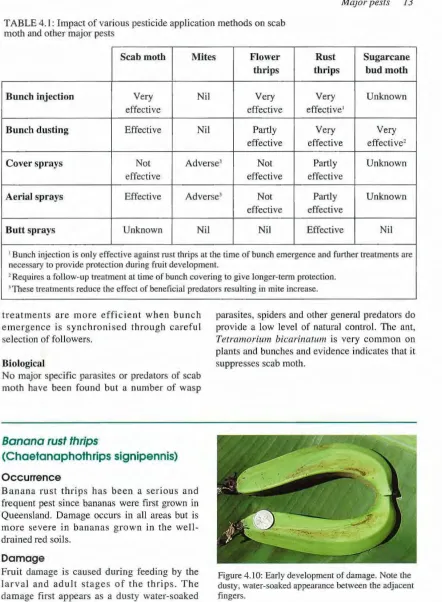
TABLE 4.1: Impact of various pesticide application methods on scab moth and other major pests
Scab moth Mites Flower Rust Sugarcane
thrips thrips bud moth
Bunch injection Very Nil Very Very Unknown
effective effective effective'
Bunch dusting Effective Nil Partly Very Very
effective effective effective2
Cover sprays Not Adverse3 Not Partly Unknown
effective effective effective
Aerial sprays Effective Adverse3 Not Partly Unknown
effective effective
Butt sprays Unknown Nil Nil Effective Nil
'Bunch injection is only effective against rust thrips at the time of bunch emergence and further treatments are
necessary to provide protection during fruit development.
2 Requires a follow-up treatment at time of bunch covering to give longer-term protection. 3These treatments reduce the effect of beneficial predators resulting in mite increase.
treatments are more efficient when bunch
emergence is synchronised through careful selection of followers.
Biological
No major specific parasites or predators of scab moth have been found but a number of wasp
Banana rust thrips
(Chaetanaphothrips signipennis)
Occurrence
Banana rust thrips has been a serious and frequent pest since bananas were first grown in Queensland. Damage occurs in all areas but is more severe in bananas grown in the well
-drained red soils.
Damage
Fruit damage is caused during feeding by the
larval and adult stages of the thrips. The
damage first appears as a dusty water-soaked
parasites, spiders and other general predators do provide a low level of natural control. The ant, Tetramorium bicarinatum is very common on
plants and bunches and evidence indicates that it
suppresses scab moth.
Figure 4.10: Early developmem of damage. Note the dusty, water-soaked appearance between the adjacent
14 Major pests
Figure 4.11: Typical 'rust' on mature fruit.
Figure 4.12: Severe 'rust' on a mature hand. Heavy pest pressure will lead to damage spreading past the areas between adjacent fingers.
mark between the fingers in the area where two adjacent fingers touch. This later develops into
typical reddish-brown 'rust' areas. Severe damage can result in skin cracking.
The superficial damage does not reduce the
fruit eating quality. However, 'rusty' fruit can be downgraded or rejected, depending on the severity of damage and the current market
supply conditions.
Note: Rust thrips damage should not be
confused with maturity bronzing, which produces a rusty reddish discolouration on the fingers. While it appears similar to rust thrips damage, maturity bronzing occurs on the
exposed outer curve of the fruit and is not confined to areas where fingers are touching.
Seasonality
Rust thrips can damage fruit throughout the year
but the period from November to April is the
period of greatest activity. Experience has
shown that unusually dry periods at this time
encourage heavy build-up of thrips and
subsequent damage. Wet conditions are thought likely to cause high mortality of the soil -dwelling pupal stage, either directly from drowning or by encouraging the development and spread of diseases.
Description and life cycle
The extremely small eggs are inserted by the female just below the surface of the fruit or other plant tissues. The small (0.5-1.0 mm long)
white slender larvae do not have wings and can be seen moving when areas of infestation are
exposed by separating touching fruit.
When fully developed, the larvae drop to the
ground and pupate just below the soil surface, near the base of the plant and suckers. The white pupa is about I mm long and can be very difficult to find. Two distinct pupal stages are known to occur.
The adult has small feathery wings and is a
slender (1-1.5 mm) straw-coloured insect. The
wings are fringed with a line of dark scales and, when at rest along the body, these scales form a characteristic black longitudinal line running the length of the abdomen. Two eye-like dark patches at the base of the wings are
characteristic of rust thrips adults. These patches help distinguish them from the smaller males of
banana flower thrips.
Major pests 15
eggs
larva I
adult
J
-Figure 4. I 3: Life cycle of rust thrips (arrow indicates part(s) of plant affected)
Monitoring
Five bunches per hectare at GS7 (the same as those used for monitoring corky scab) should be examined for rust thrips on a fonnightly basis throughout the year. Using a ladder to gain
access to the top of the bunch, select five central
fingers from the top row of the top hand. The
number of adult thrips on one side of each finger
and the level of red discolouration (rust) present
on the same side are recorded using the rating scheme in table 4.2 and recorded in the field sheet (see Appendix 4).
Rust thrips can occur on unbunched plants and their presence can be determined by monitoring established plantations fortnightly throughout the year. New plantings should be inspected prior to bunching in order to
detem1ine both the presence and severity of rust thrips infestations so that control measures, if required, can be carried out before fruit damage occurs.
TABLE 4.2: Rating scheme for banana rust thrips damage on fruit
Rating Level of damage
0 No damage
I Minor localised damage (up to 4 em across)
2 Damage extending beyond 4 em (fruit could be marketed as second grade)
3 Severe and extensive damage with skin cracking (fruit
unmarketable)
16 Major pests
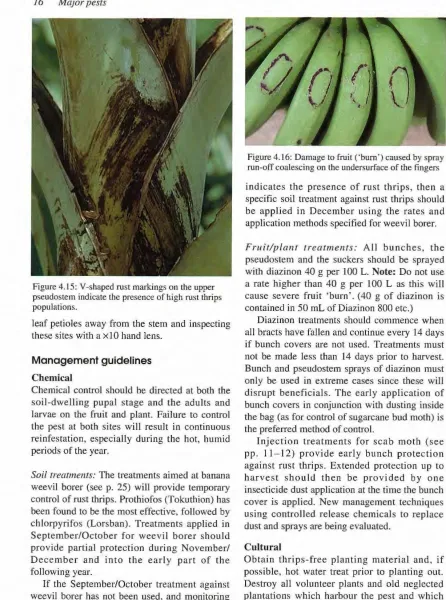
Figure 4.15: V-shaped rust markings on the upper pseudostem indicate the presence of high rust thrips populations.
leaf petioles away from the stem and inspecting d1ese sites with ax I 0 hand lens.
Management guidelines
Chemical
Chemical control should be directed at boili ilie
soil-dwelling pupal stage and the adults and
larvae on ilie fruit and plant. Failure to control
the pest at both sites will result in continuous
reinfestation, especially during the hot, humid periods of the year.
Soil treatments: The u·eatments aimed at banana
weevil borer (see p. 25) will provide temporary
control of rust thrips. Prothiofos (Tokuthion) has been found to be the most effective. followed by chlorpyrifos (Lorsban). Treatments applied in September/October for weevil borer should provide partial protection during November/
December and into the early part of the
following year.
If the September/October treatment against weevil borer has not been used, and monitoring
Figure 4.16: Damage to fruit ('bum') caused by spray run-off coalescing on lhe undersurface of the fingers
indicates the presence of rust thrips, then a
specific soiJ treatment against rust thrips should be applied in December using the rates and application methods specified for weevil borer.
Fruit/plant treatments: All bunches, the pseudostem and the suckers should be sprayed
with diazinon 40 g per 100 L. Note: Do not use a rate higher than 40 g per I 00 L as this will cause severe fruit 'burn'. (40 g of diazinon is contained in 50 rnL of Diazinon 800 etc.)
Diazinon u·eatmeots should commence when all bracts have fallen and continue every 14 days
if bunch covers are not used. Treatments must not be made less than 14 days prior to harvest. Bunch and pseudostem sprays of diazinon must only be used in extreme cases since these will
disrupt beneficials. The early application of bunch covers in conjunction widl dusting inside the bag (as for control of sugarcane bud moili) is
ilie prefen·ed method of control.
Injection treatments for scab moth (see
pp. 11- 12) provide early bunch protection against rust thrips. Extended protection up to
harvest should then be provided by one
insecticide dust application at the time dle bunch cover is applied. New management techniques
using controlled release chemicals to replace
dust and sprays are being evaluated.
Cultural
Obtain thrips-free planting material and, if
possible, hot water treat prior to planting out.
Destroy aJl volunteer plants and old neglected
could act as a source of thrips to spread to other
plantings.
Sound (unbroken) bunch covers (which cover
the full length of the bunch) do provide some protection if applied very early. These cannot be relied upon to fully protect fruit, particularly during severe infestations. Regular checking of
fruit under the bunch covers is essential to
ensure that damage is not occurring. Ensure
Mites
Banana spider mite
(Tetranychus lambi)
Two-spotted mite
(Tetranychus urticae)
Occurrence
The banana spider mite (also known as the
strawberry spider mite) and the two-spotted mite are common pests of a broad range of crops and are widely distributed. Both species are often referred to simply as 'red spider'. In
bananas, the banana spider mite is the more prolific of these two pests.
Damage
Damage is mainly confined to the underside of
the leaves; however, in severe outbreaks the mites can move to the bunches and damage fruit. Leaf damage appears at first as isolated bronzed rusty patches, which later coalesce along the leaf veins as the infestation increases.
Figure 4.17: Severe leaf damage causes edge scorching and dealh of the leaf.
Major pests 17
treatments are applied immediately after detection to prevent funher damage.
Biological
General predators such as lacewings and ladybird beetles may exen some control of rust thrips on the plant, and ants may be effective in
removing some of the pupae in the soil.
Eventually the whole leaf turns dark
brown-grey and, in extreme cases, the leaves wilt, with partial or total collapse of the leaf lamina. Leaf
wilting and collapse result in sunburnt bunches
and reduction in plant growth.
Fruit damage by banana spider mite is found
mainly on the cushion end of the fingers. Feeding in this area causes a red to purple-black discolouration of the fruit surface which may later dry out and crack.
Figure 4.18: Damage caused to a hand of bananas by the banana spider mite
Figure 4.19: Damage by the two-spotted mite. Note
the silvery-grey damage to the tip of fruit fingers and
18 Major pests
nymph I
-
nymph 2Figure 4.20: The life cycle of the mite (arrows indicate parts of plant affected)
Two-spotted mite damage to fruit is usually confined to the top hands of bunches, and
develops as silvery-grey patches on the tip of the fruit fingers. This damage is associated with
conspicuous fine webbing bridging infested fingers.
Figure 4.21: Adult 1uite and its spheJical eggs. Note
the dark leaf tissue, an indication of dead leaf cells caused by mite feeding.
Seasonality
Mites are most abundant during hot dry periods
- f or example, from September to December. High humidity does not favom mites and mite
pressure in north Queensland reduces
accordingly during the wet season.
Because mjtes have a very short life cycle, under favourable conditions rapid flare-up of mites can occur. Trus can be avoided by regular monitoring and application of well-timed miticide sprays when necessary. Miticides are specifically aimed at eradicating mites and can
be used safely in an IPM system with natural
predators.
Description and life cycle
The life cycle and appearance of the banana
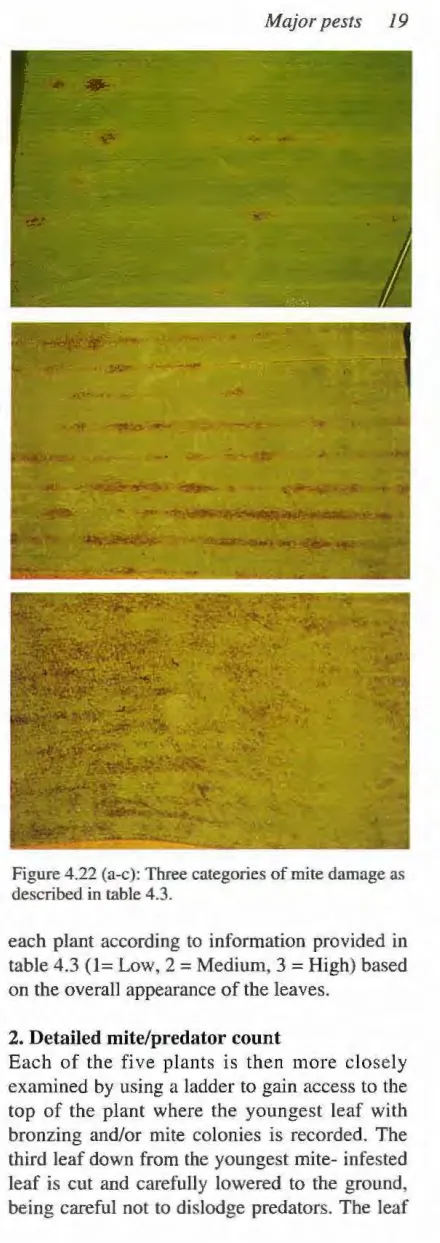
TABLE 4.3: Mite damage assessment category (overall plant)
Categories Indicators
l =Low Few mite colonies evident on leaves and minor localised bronzing on undersurface of leaves.
2 =Medium Mite colonies scattered but numerous; bronzing clearly evident on leaves (patchy but starting to coalesce) but damage contained within the interveinal areas.
3 =High Mites colonies coalescing, and bronzing damage over most of the leaves. In extreme cases, leaves wilting with possible edge scorching.
populations of the two-spotted mite are always associated with webbing.
The tiny straw-coloured or greenish mites are best seen with the aid of ax I 0 lens. Under good light conditions, the adults can just be seen with the naked eye.
The minute colourless to yellow, spherical eggs are laid singly on the leaf surface and, upon hatching pass through two nymphal stages before becoming adults. In hot conditions, the life cycle (figure 4.20) can be as short as eight days.
Monitoring
During hot and dry weather conditions, monitoring of mite populations should be carried out at least fortnightly. During cold and/or wet conditions, which are less favourable to the mites, the monitoring interval can be extended to three weeks.
Method
1. Overall plant damage assessment
Five plants at GS6 (the same as used for scab moth monitoring) are examined and each plant is rated according to the level of mite damage (bronzing). Damage categories are assigned for
Major pests 19
Figure 4.22 (a-c): Three categories of mite damage as described in table 4.3.
each plant according to information provided in table 4.3 (1= Low, 2 =Medium, 3 =High) based on the overall appearance of the leaves.
2. Detailed mite/predator count
20 Major pests
is placed upside down on the ground and the entire leaf undersurface immediately inspected for the presence of the main mite predator Stethorus and other minor predators. (See section on biological control of mites, pp. 21-23.)
A section of leaf approximately the length of a long-handled cane knife (38 em) on one side of the midrib only, is then examined for mites. Ideally, this section should be taken from the centre of the leaf; however, where the leaf blade has been split excessively by wind, it may be necessary to choose an area closer to the petiole where it is less divided.
The number of discrete mite colonies causing bronzing (damaged area) is recorded using a 0--4 rating scale where:
0 = no areas damaged 1 = 1-10 areas damaged
2 = 11-50 areas damaged 3 = 51-100 areas damaged
4 = > 100 areas damaged.
TABLE 4.5: Recommended miticide use
Five colonies are selected at random and examined closely using a xlO hand lens. The number of eggs and other stages (nymphs, resting stages and adults are included under other stages) for each of the five areas are counted and recorded. At this time, predatory mites, Stetlwrus eggs and other mite predators which may be present on the five selected sites are also recorded on the data collection sheet (see Appendix 4).
Note: Mite monitoring is best carried out between 9 a.m. and 2 p.m. when any dew has evaporated and there is more available sunlight to assist examination of the leaves. Mite monitoring is not feasible during rain or if leaves are wet from overhead irrigation.
Management guidelines Chemical
Good mite control can be achieved by well-timed miticide treatments using correctly calibrated airblast sprayers or misting machines. Sufficient volume (up to 500 L/ha) has to be
Pesticide Trade Commercial Withholding Rate Rate of
(common name formulation period active
name) (days) per 100 mL perha ingredient
dicofol Kelthane 240EC 7 250mL 2.5-3.0 L 0.06%
179EC 250mL 2.5-3.0 L
480MF IOOmL 1 L
fenbutatin Torque 550EC 1 370mL NA
oxide
clofentezine Apollo 500SC 0 250mL NA
propargite Omite 300WP&WG7 100 g 1.25 kg 0.03%
bifenthrin5 Talstar 100EC 8 40mL NA 0.004%
Notes
1. Do not apply clofentezine more than once per season. More frequent use is likely to lead to the rapid development of resistance in the mite population.
2. Avoid high volume coverage (to runofO of bunches, as this may cause fruit burn. Use of bunch covers will avoid this damage.
3. When treating established (medium to high) populations, use a knockdown miticide (dicofol, propargite, fenbutatin oxide) in conjunction with the ovicide clofentezine.
4. Monitor eggs and motile mites about 10 days after the initial treatment to determine if a follow-up treatment is needed (approximately 14 days after the initial spray).
applied to obtain good coverage of leaf undersurfaces where the mites occur.
Treatments during the hot part of the day, when leaves are wilted, should be avoided
because of difficulty in obtaining coverage under the leaves. If possible, double spraying (in opposite directions) using 250 L/ha at each run is recommended to increase spray coverage. In most situations a second application 14 days
later should also be applied, especially if monitoring indicates a carryover of mites. This
second treatment may not be required if a thorough first application of the ovicidal
miticide clofentezine was applied, or if high populations of Stethorus are found during monitoring after the first treatment.
Cultural
Reduce dust on roadways as much as possible because dusty conditions favour the build-up of mites. Broad-leafed weeds act as reservoirs for mites, which can then reinfest banana leaves following treatment. Ensure a good level of weed control is maintained to reduce this.
Good water management, especially during dry conditions, will reduce water stress to plants, allowing them to better withstand mite
damage.
Regular desuckering, leaf trimming and
maintenance of correct plant densities will assist
in achieving good spray coverage and thus
increase the level of control obtained with miticides.
Biological
The small, shiny, black mite-eating ladybird beetle or Stethorus is the most important predator of mites in bananas. (See following
section.) Other predators include other ladybird beetles, native predatory mites, predatory thrips
and rove beetles.
Cover sprays with broad-spectrum insecticides are the major cause of mite flare-up
because they destroy the beneficial predators. Use of such chemicals is not recommended.
Where non-disruptive (pest-selective) pesticide
treatments are used, natural predators usually provide sufficient control and miticides should not be required.
Major pests 21
Biological control
The mite-eating ladybird
(Stethorus)
The most important biological control agent of
mites in bananas is the ladybird beetle -Stethorus, or mite-eating ladybird. Three
species of Stethorus occur in bananas, but the
main species is Stethorus fenestralis. All tlu·ee
species appear identical to the naked eye.
Stethorus numbers build up following mite population increases and eventually bring the
mites under control. Both the adult and larval stages of Stethorus feed almost exclusively on
mites.
Most insecticides, if applied to the leaves,
destroy Stethorus and upset the delicate balance
between this predator and its prey,which can result in serious mite outbreaks. Fortunately, the most effective method of control of insect pests in bananas is to apply chemical treatments to
the bunch (bunch injection, bunch spraying or dusting) thus avoiding the leaves where the
mites and Stethorus live.
Broadcast spraying of insecticides by aerial
or ground-based equipment should be replaced
by bunch injection, bunch spraying or dusting to preserve Stethorus and other mite predators. Since adopting the bunch injection technique a number of years ago, many banana growers in north Queensland have relied entirely on Stethorus and other natural controls to suppress
mites.
Stethorus occurs naturally in all
banana-growing areas. Although they are not available commercially, Stethorus are active fliers and have the ability to rapidly locate mite infestations and quickly disperse in search of new ones when food becomes scarce.
Life cycle
There are three distinct stages in the life cycle
of Stethorus and it is important to recognise
each of these stages. The elongated, translucent
to pale brown eggs are laid singly under the
leaves, either on or close to mite colonies. The
22 Major pests
TABLE 4.6: Impact of various pesticide application methods on mites and other major pests
Mites Scab moth Flower thrips Rust thrips Sugarcane bud moth
Cover sprays Effective Not effective Not effective Partly effective Unknown
Bunch injection Nil Very effective Very effectjve Very effective Unknown
Bunch dusting Nil Effective
Aerial sprays Adverse Effective
Butt sprays Unknown Ur1known
Figure 4.23: Stethorus egg: this egg is elongated and is about twice the size of the spherical mite eggs.
distinguished from the smaller spherical (and usually more numerous) mite eggs (figure 4.21).
Four active larval stages are each separated by a moult. Larvae are hairy and vary in colour depending on their age. Young larvae are pale cream becoming dark grey at maturity.
Fourth-stage larvae (figure 4.24) eventually stop
Figure 4.24: Stethorus larva with aduh feeding on a mite
Partly effective Very effective Very effective
Not effective Partly effective Unknown
Not effective Effective Nil
feeding when they are about 2 mm long and attach themselves to the leaf where they pupate.
The pupae are black, hairy and about 1 rnm long (figure 4.25). Pupae may be found anywhere on the leaf undersurface; however, they tend mostly to be found close to or on the midrib. The pupa is the most easily observed stage because it is attached to the leaf. The pupal skin remains attached after the adult emerges. To determine if a pupa is alive or simply an empty pupal skin, smear it gently with a finger. A wet streak will indicate it was alive and if no such streak is produced it was an empty skin.
Adults are shiny black, almost circular beetles and are about 1 mm long (figure 4.24). They also occur on the undersw·face of the leaf. Where there is a high incidence of mite infestation, there may be more than fifty adults under one leaf, although they usually number less than ten.
Monitoring
Monitoring Stethorus is easily combined with the monitoring of mite populations, so that both mites and Stethorus are counted at the same time. The same five plants assessed for mites are used for this purpose. The technique used for assessing Stethorus involves close examination of the undersurface of the leaf which bas been cut from the plant to assess for mites. This leaf is carefully removed from the plant, in order to avoid dislodging the adults and larvae, and then
Banana weevil borer
(Cosmopolites sordidus)
Occurrence
Banana weevil borer is found in all major banana growing areas throughout the world. Bananas and other species of the genus Musa
are the only known hosts. First recorded at Mackay in 1896, the banana weevil borer has since spread to all major banana-growing areas in Australia.
Damage
Most of the damage is done by the tunnelling of the larvae which develop exclusively within the corm. No evidence of larval tunnelling is noticeable since all the tunnelling is confined to the corm below the soil surface. In heavy infestations, tunnelling will extend for a short distance up the pseudostem; the presence of tunnels can be seen if the pseudostem is cut close to the soil smface.
Healthy, fast-growing plants can withstand considerable infestation without showing obvious signs of reduced vigour. However, under different growing conditions,
observations have indicated significant differences in plant tolerance to weevil borer attack. In situations where plant growth is reduced as a result of environmental stress, plants appear to suffer more from weevil infestation than in areas of active growth. Typical symptoms of a severe infestation are
Major pests 23
carefully placed upside down on the ground for counting.
The leaf should be examined immediately before the adults fly off. Adults, pupae «nd larvae are counted by examining the leaf with the naked eye and the totals recorded on the mite assessment sheet (Appendix 4). The eggs of Stethorus will only be detected when the mite colonies are closely examined with a xlO hand lens. Egg numbers are also recorded on the sheet.
Figure 4.26: Extensive larval tunnelling in old corm just above the soil surface
Figure 4.27: Banana root showing different levels of
burrowing nematode damage (reddish-brown
lesions); healthy root (top) with increasing damage
towards the bottom roots
24 Major pests
~Po
( : / ~ (~~0\)
r
eggsFigure 4.28: Life cycle of a banana weevil borer (arrow indicates part(s) of plant affected)
Figure 4.29: Adult and larva in banana corm
actual cause. In many circumstances, fallouts
may be the result of root damage by the burrowing nematode, Radopholus similis.
Seasonality
Two peaks in adult emergence and activity have been noted - the first in spring during September and October, and the second during
March and April. These peaks are particularly evident in South-east Queensland where activity
almost ceases during winter. In North Queensland, where winter temperatures are not
as low, activity continues throughout the year although at a reduced rate in winter. In North Queensland, dry conditions greatly reduce adult
activity, whereas rainfall may be a major factor
in increasing adult activity (as determined by
weevil borer traps).
Description and life cycle
The pearly white 2 mm elongated eggs are laid
singly in a shallow pit made by the female
weevil at the base of the pseudostem. The eggs are very hard to find because the oviposition site becomes covered by congealed sap. The
incubation period can be as short as four days .in
hot summer conditions but, at low temperatures,
this period can extend to more than 30 days. An average incubation time is eight days.
On hatching, the small white larva
immediately tunnels into the corm where it subsequently undergoes a number of moults
TABLE 4.7: Rating scheme for evaluation of banana weevil borer damage to banana corms (harvested plants)
Rating Tunnels visible Percentage of at soil level. corm
(cross-section of circumference
lower corm) with tunnels (at soil level)
0
nil nil1
1-4
1-25
2
5-8
26-50
3
9-15
51-75
4
>15
76-100
pupate. When fully grown, the soft-bodied legless larva is about 12 mm long and is creamy white with a hard brown head. The larval period varies greatly according to temperature, and may be as short as three weeks in hot conditions but may extend to several months during the colder winter months. The pupal stage lasts for about eight days.
Newly emerged adults are reddish brown but quickly assume their characteristic shiny black appearance. The adults are sluggish and feign death if disturbed. Although they have functional wings, they seldom fly. Extension of wings has been noted when the insect is under severe stress - for example, exposure to insecticide-treated soil. Releases of adults under controlled conditions have shown the rate of natural spread to be very slow. Dispersal is primarily by the introduction of infested suckers and bits at planting.
Monitoring
Adult weevil borer numbers can be monitored by baiting (trapping). Baits are made by cutting a fresh pseudostem into slices about
10
em thick. The pseudostem material selected for making baits should ideally be taken from the lower portion of the stem of freshly harvested plants. One bait is placed close to the base of each plant, with one cut smface in full contact with the ground, and covered with leaves toMajor pests 25
prevent the bait drying out. Twenty or more baits should be used in known hot spots to obtain a good indication of weevil borer numbers. The ground directly beneath the bait should be cleared of any weeds or plant remains which can shelter adult weevil borers and hinder rapid checking of the baits. After three to four days, the baits are turned over and the adult weevils counted.
Adult weevil borer numbers are recorded from each bait and, knowing the total number of baits set and weevils counted, the average number of adults per bait can be calculated by dividing the total number of weevils by the number of baits set. A suitable field recording sheet is provided in Appendix 4. The field sheet allows for the recording of trap counts and a range of potential predators.
Adult weevil monitoring should be carried out on a monthly basis, except during the colder months when the time frame can be extended to six weeks.
Adult weevil activity increases during warm and/or wet weather and decreases during cold and/or dry conditions. Consequently, weevil borer numbers at baits placed during adverse conditions may not accurately reflect actual adult population levels. Periods of greatest adult activity are in spring (September-October) and late summer (March-April). Trapping should concentrate on these times to ensure the correct timing of chemical treatments if needed.
Regular monitoring of adults will give information on weevil borer population trends which can be useful in targeting the correct times for treatment. Chemical control measures will achieve the best result if applied during periods of high adult activity, because more weevil borers will come into contact with the lethal dose of insecticide.
Management guidelines Chemical
26 Major pests
Figure 4.30: Diagram showing area to be treated in butt spraying for weeviJ borer
to labe.l directions. If average counts are Jess than these, treatment is not considered necessary.
Note: Various formulations of chlorpyrifos and prothiofos are registered for use as well as ethoprophos, cadusafos and pirimiphos-ethyl. Select the most appropriate for your area, based on known resistance history. Mocap
(ethoprophos) and Rugby (cadusafos) are dual
purpose insecticides/nematocides and must be applied over a larger area than other chemjcal butt treatments in order to cover the root zone (refer to the labels). Mocap has a sh01t residual activity against banana weevil borer and, in North Queensland, its effectiveness is greatly reduced by heavy rrun.
Sugarcane bud moth
(Opogona glycyphaga)
Occurrence
Sugarcane bud moth (SCBM) has been recorded damaging bananas in Queensland, northern NSW and at Kununurra and Carnarvon in Western Australia.
Damage
Larvae commence feeding on the surface of fruit after all the bracts have fallen. Damage is
Cultural
The use of clean (weevil borer-free) planting material and the maintenance of trash and weed-free areas near plants are two important factors in reducing the impact of this pest in bananas. Ideally, planting material should be obtained from weevil-free blocks, plant nurseries or from tissue-cultured plantlets.
If using slightly infested material, all corms
and suckers must be carefully trimmed to
remove all traces of tunnels and eggs and larvae. When planting into old banana land, allow at least six months of fallow after all old banana material has rotted down to prevent a carr-yover of weevil borer adults. Cut up all fallen and
harvested pseudostems to prevent weevil borer breeding. This is particularly important in South-east Queensland where drier, cooler conditions result in slow breakdown of plant material.
Biological
A large range of general predators including ants, beetles and cane toads assist in reducing weevil borer numbers. Research is being undertaken to determine the effectiveness of insect parasitic nematodes, which could prove suitable as biological control agents for weevil
borer control.
confined primruily towards the tip of fingers. A preferred feeding site is the ru·ea where flowers from a lower hand touch the outer curve of fruit in the hand immediately above.
In severe cases, feeding sites can extend to areas between neighbouring fruit. This damage is very similar to scab moth damage.
Seasonality
This pest is most prevalent between December and April. Its importance has increased since DDT/BHC dust was withdrawn, due to the decreased residual activity of the organo-phosphate insecticides currently in use.
Description and life cycle
The minute eggs have not been detected but ru·e most likely laid singly on the fruit. The pink-yellow to dark grey larvae moult a number of times and, when fully grown, ru·e approximately 16 mm long.
The pupa is found under a tough silken cocoon spun by the larva and is attached to the fruit near the feeding sites and completely covered by black pellets of excreta.
The adult is a small (1 0 mm long and 2 mm wide) colourful moth with golden yellow and purple wings. During the day, adults rest with wings folded on banana leaves, leaf petioles and on fruit but because of theiJ· small size they are seldom seen.
Although the length of the life cycle is not known, during the summer months it is expected to be approximately one month in duration.
Figure 4.32: Adult sugarcane bud moth
Major pests 27
Monitoring
Sugarcane bud moth damage will be detected during examination of GS 7 bunches for rust thrips and corky scab. The number of damaged hands within each of five bunches should be recorded on the field sheet presented in Appendix 4.
Adult sugarcane bud moths are attracted to light and it should be possible to monitor activity using light traps.
Management guidelines Chemical
Dust with 1% chlorpyrifos dust at the time the bunch cover is applied. Minimise dust deposits on fruit by aiming the dust delivery tube toward the inside of the plastic bag.
Note: 1% chlorpyrifos dust is prepared by thoroughly mixing 1 kg of Lorsban 250W with 24 kg of talc or 1 kg of Lorsban 500W
with 49 kg of talc.
One light dusting using up to a maximum of 5 g of dust per bunch, is adequate for control of SCBM and further treatments are not required. Further dusting closer to harvest should be avoided because it may result in higher than permitted residue on fruit.
Note: Chemical treatment of bunches to be bagged is only wruTanted if careful examination of 100 hands from half-filled (Stage 7) bunches
shows more than 5% of them damaged. The
decision to treat or not will also be influenced by the time of year and the incidence of SCBM during the previous seasons.
Cultural
Currently, there ru·e no known practical cultural management methods which can be adopted.
Biological
28 Major pests
Banana flower thrips
(Thrips hawaiiensis)
Occurrence
Banana flower thrips is common in the flowers and among the fingers of newly emerged hands. This pest is found whenever bananas are grown but its damage is more signjficant in South-east Queensland and northern New South Wales.
Damage
Damage to fruit is the result of the superficial scarring caused by feeding and ovipositing. Extensive feeding damage causes 'corky scab' which produces a slightly raised grey cork.)' skin covering. This damage is patchy and usually confined to the cusruon end of the fruit on the lower hands and adjacent to the bunch stalk but, in severe cases, this damage can extend along the outer curve of the fruit.
Oviposition damage resembles minute raised pimples on the young immature fruit skin. These are readily seen because of a dark raised centre and can be confirmed by lightly touching the raised area with the finger tips. These oviposition marks are not important since they almost disappear as the fruit mature.
Seasonality
Flower thrips are active throughout the year, with increased activity in January through to April.
Description and life cycle
Female flower thrips are 1 mm long with a pale brown head and thorax and black abdomen. They are generally found sheltering under the bracts or inside the flowers. Male flower thrips are smaller (about 0.75 mm long), uniformly cream coloured and tend to occur on the outer surface of the bracts.
Adults and nymphs are found on newly emerged bunches and invade the fruit early when the bunch is still covered by its bracts. Feeding and oviposition is usually more severe on the lower hands. As the bracts lift progressively from the top of the bunch, the thrips move down to the next hand until most
•·.I
Figure 4.33: Severe 'corky scab' damage to a band of bananas
Figure 4.34: Male (lower centre). females (left and right) and nymphs (centre) of flower thrips
LhJ·ips are found on the male flowers of the 'bell'.
The entire Jjfe cycle takes about three weeks in summer. with full development from egg to adult tiling place on the bunch or in other parts of the plant. Unlike banana rust thrips, banana flower thrips do not spend a period of time in the soil.
Monitoring
Monitoring for flower thrips numbers and fruit damage is carried out simultaneously on ten bunches (GS6) in each paddock. When large numbers of thrips are present in a bunch, their feeding activity can result in speckling on the bracts. These markings are usually more pronounced towards the edge of the bracts and can be seen from a distance (up to 2 m) when
Major pests 29
larva
aduh
Figure 4.35: Life cycle of banana flower thrips (arrow indicates part(s) of plant affected)
Flower thrips counts
Each fortnight, ten GS6 bunches should be inspected for the presence of flower th1ips. For convenience, these bunches could be the same as those used for scab moth monitoring with both pests being monitored together.
The technique used to determine the actual numbers of thrips pre ent involves removing the uppermost (i.e., the oldest) hand of male florets covered by a bract. If the bract is still tightly attached to the bell and there are no gaps for the thrips to move into the underlying florets, the next available hand of male florets should be carefully removed and used for the assessment.
Once removed, the hand should be examined quickly in order to count thrips before t