The cellular microenvironment modulates the role of PAI-1
and vitronectin in mediating cell-matrix interactions
Sumit Goswami, Lawrence C. Thompson, Lindsay Wickman, Cynthia B. Peterson
The Department of Biochemistry and Cellular and Molecular Biology, The University of Tennessee, Knoxville, USA Email: [email protected]
Received 25 October 2012; revised 26 November 2012; accepted 2 December 2012
ABSTRACT
Plasminogen activator inhibitor-1 (PAI-1), a member of the serine protease inhibitor (serpin) superfamily of proteins, circulates in a complex with vitronectin. Furthermore, these two proteins are co-localized in the extracellular matrix (ECM) in many different pathophysiological conditions. Though PAI-1 is a well-characterized inhibitor of serine proteases, re- cent emphasis has also focused on its protease-inde- pendent functions. Vitronectin, a multi-domain pro- tein that binds a wide variety of ligands and proteins, exists in the circulation in a preferred monomeric state, while in the extracellular matrix it exists as a multimer resulting from an altered conformation. Though the mechanism for the conformational alte- rations and compartmentalization in tissues is un- known, there are a number of biomolecules including PAI-1 that appear to cause such changes. Experi- mental analysis has established that PAI-1 induces association of vitronectin to higher-order species in a concentration-dependent fashion [1]. This report ex- tends our investigations into the mechanism of the interaction between vitronectin and PAI-1 to explore the physiological relevance of these higher-order complexes for cellular adhesion and migration. In this study, we evaluate the effects of the pericellular mi- croenvironment on the functions of the multimeric complexes in a variety of relevant biological settings. Our findings underscore the importance of the vari- ability of components within this microenvironment, including different receptors and ECM components, in governing the way in which the vitronectin/PAI-1 complex mediates cell-matrix interactions.
Keywords:PAI-1; Vitronectin; Extracellular Matrix;
Receptors
1. INTRODUCTION
Vitronectin is a glycoprotein that exists in both a cir-
culating form and a tissue-associated form in the ex- tracellular matrix (ECM), where these respective species participate in regulating hemostasis and cell binding and migration. In blood, vitronectin exists primarily in a mo- nomeric form, whereas in the ECM it exists as a higher- order multimer [2-4]. While the exact mechanism for this conformational alteration, oligomerization and partition- ing to different compartments in the body is unknown, vitronectin adopts specific and distinct functions in blood and the ECM. Such a versatile and multifunctional role for this protein arises from its binding to a wide variety of ligands, including the thrombin-antithrombin complex [5,6], heparin [7-9], PAI-1 [10-12], complement proteins [13] and several cell surface receptors, including in- tegrins and the urokinase plasminogen activator receptor (uPAR) [14-20]. Through these various interactions, vi- tronectin regulates many physiological and pathological processes in the realm of fibrinolysis, thrombosis, coagu- lation, wound healing, and cell adhesion and/or migra- tion [21-23]. Regulation of cell adhesion and migration comes from its role as a matrix protein that mediates outside-in and inside-out signaling by binding to cell surface receptors, including uPAR and certain subclasses of integrins (primarily αvβ3 and αvβ5) [2,14,23-27].
nectin to U937 cells, endothelial cells and uPAR-trans- fected 293 cells [14,31]. PAI-1 also inhibits uPAR-me- diated migration of U937 and melanoma cells on a sub- stratum with multimeric “denatured” vitronectin [31,32] and blocks binding and migration of smooth muscle cells via vitronectin in a αvβ3 dependent manner [33]. Al- though evidence exists suggesting that PAI-1 is pro-an- giogenic and pro-tumorigenic [34,35], other studies in- dicate that PAI-1 can inhibit angiogenesis [36] in a vi- tronectin-dependent fashion. Furthermore, McMahon et al. have demonstrated that PAI-1-mediated effects on tumor formation and angiogenesis are dose-dependent [37], with low concentrations of PAI-1 exhibiting pro- angiogenic effects and high concentrations acting in an anti-angiogenic manner [37]. A similar dose-dependent effect of PAI-1 on angiogenesis was observed in a study by Devy et al. [38] that suggested that the increase in angiogenesis observed at physiological concentrations of PAI-1 is independent of its interactions with vitronectin [38]. From these studies and others, significant contro- versy has arisen regarding how PAI-1 and vitronectin mediate cell-matrix interactions.
Though it appears that self-assembly of vitronectin to higher-order oligomers occurs in a biological setting [39], most in vitro studies have been performed with a “mul- timeric” form of vitronectin. Such multimeric forms of vitronectin have been denatured and renatured by heating or treatment with chaotropic agents to mimic the oli- gomeric matrix-associated form of vitronectin. Studies with antibodies indicate that this denatured/renatured multimeric vitronectin exhibits some of the conforma- tional features observed with matrix-associated oligo- meric vitronectin [5,39], leading to an assumption that the “multimeric” form of vitronectin is similar to the naturally occurring matrix-associated oligomeric form of vitronectin. However, it is clear that oligomeric forms of vitronectin formed in vivo differ significantly from de- natured/renatured protein in both structure and function. For example, Seiffert et al. found that platelet-associated multimeric vitronectin is structurally and conformation- ally distinct from “multimeric” vitronectin [40]. Their study indicated that platelet-released multimeric vitro- nectin was significantly smaller in size compared to de- natured “multimeric” vitronectin, and that several con- formationally sensitive epitopes were more reactive in “multimeric” vitronectin than platelet released vitro- nectin.
A number of biomolecules can initiate the process of self-assembly and oligomerization of vitronectin, includ- ing the T-AT complex, the terminal complement complex (C5b-C7) and PAI-1 [5,41,42]. In our studies, we have been deliberate in purifying monomeric vitronectin from blood in order to investigate its conversion to higher- order forms that associate with the ECM in the presence
of PAI-1 [1]. We have confirmed that PAI-1 induces oli- gomerization of vitronectin in a concentration-dependent manner and have demonstrated that PAI-1 remains in- corporated in this multimeric complex for several hours [1,43-45]. In this fashion, PAI-1 acts as a cofactor for the transformation of vitronectin into its matrix-associated form. The higher-order complexes formed by the interac- tion between these two proteins influence their functions in the ECM. In a number of pathophysiological situations PAI-1 is co-localized with vitronectin [46-48]. For ex- ample, in patients with membranous nephropathy PAI-1 is observed in association with vitronectin in the glome- rular sub-epithelial tissue [46], and this interaction was proposed to perturb the fibrinolytic system within the glomeruli affected by the disease. Co-localization of vi- tronectin and PAI-1 in the extracellular space surround- ing the sinusoidal cells of patients with hepatic fibrosis has been shown to influence the level of active trans- forming growth factor beta 1 [47]. Another noteworthy example is the co-localization of vitronectin and PAI-1 in the atherosclerotic arterial vessel wall [48], which is pro- posed to play a role in regulating thrombin activity. We hypothesize that higher-order complexes of vitronectin and PAI-1 modulate cell binding and migration and an- ticipate that effects of the complexes on cell-matrix in- teractions will be sensitive to the pericellular microenvi- ronment comprised of variable matrix components and sets of receptors expressed on the cell surface in a cell- specific manner.
fects of PAI-1 within the higher-order complexes are dictated by the cellular microenvironment.
2. MATERIALS AND METHODS
Proteins and reagents: Recombinant PAI-1 and the
Q123K variant were expressed in the E. coli Rosetta2- (DE3)pLysS strain, grown in TB and induced at 15˚C. Purification was achieved in three steps, with cation ex- change chromatography on SP-Sepharose, affinity chro- matography by IMAC, and size exclusion chromatogra- phy using Sephacryl S-100 as described [49]. The cor- rectly folded recombinant somatomedin-B (SMB) do- main was expressed and purified by binding to an immo- bilized stable mutant of PAI-1 as performed by Thomp-
son et al. [50]. HSPG was purchased from Sigma. Col-
lagen IV was purchased from BD Biosciences. Recom- binant integrins and antibodies specific for integrins were from Millipore Corporation. The 1E934 monoclonal an- tibody specific for vitronectin was obtained from Mo- lecular Innovations. Recombinant uPAR and monoclonal antibodies directed against uPAR were purchased from R & D systems. Peroxidase conjugated anti-mouse IgG and anti-rabbit IgG were from Vector Labs, and Alexa-488 conjugated goat anti-mouse IgG was purchased from Invitrogen.
Purification of vitronectin: Monomeric vitronectin was purified from human plasma using a procedure adapted from Dahlback and Podack [51]. Barium chloride was added to 3 L of plasma and centrifuged, and (NH4)2SO4
was added to the supernatant at 50% saturation. After an overnight incubation, the precipitate was harvested by centrifugation, resuspended in 1 L of phosphate buffer, pH 7.0, containing DTNB (20 mM NaH2PO4, 0.1 mM
EDTA, and 1 mM DTNB) and centrifuged to clarify. The supernatant was dialyzed against 22 L of the same buffer without DTNB at 4˚C. Protein was then chromatogra- phed on a DEAE Sephacel column (5 × 21.5 cm) by elu- tion with a linear 0 - 0.5 M NaCl gradient with a total volume of 4.4 L. Pooled vitronectin-containing fractions from the DEAE column were chromatographed in two batches on a Blue-Sepharose column (5 × 17.5 cm) using a linear gradient from 0.15 - 3.0 M NaCl with a total volume of 4.4 L. Vitronectin-containing fractions were pooled and dialyzed against Tris buffer (20 mM Tris, pH 7.4, containing 20 mM NaCl and 0.1 mM EDTA) and chromatographed on a heparin-Sepharose column (2.5 × 15 cm) eluted with a linear gradient from 0.02 to 1.0 M NaCl in a total volume of 0.8 L. The protein pool from the heparin column was concentrated by ultrafiltration to
8 mL and chromatographed in two aliquots on a high- resolution Sephacryl S-200 gel filtration column (2.5 × 115 cm) equilibrated in PBS (10 mM sodium phosphate, 1.8 mM potassium phosphate, 137 mM NaCl, 2.7 mM KCl, pH 7.4). Three ml fractions were collected from the
Sephacryl S-200 gel filtration column at flow rate of 0.5 ml/min. Vitronectin containing fractions were pooled and stored at 4˚C as a slurry in a 70% saturating concentra- tion of (NH4)2SO4. Vitronectin concentration was deter-
mined at 280 nm using 280 = 1.0 mL·mg−1·cm−1 [52] and
a molecular weight = 62,000 g/mol [53].
To optimize the yield of vitronectin and to follow the purification steps using a quantitative method, the total amount of vitronectin was determined by immunoaffinity chromatography using a mouse anti-human vitronectin monoclonal antibody (1E934) column. Briefly, 2 mg of antibody 1E934 was covalently linked to 1 mL of NHS- activated Sepharose following the standard protocol and used in HPLC. A standard curve was generated using purified vitronectin stocks, monitoring the area of the peak at several loading concentrations and monitoring at 220 nm. This method gave a linear range from 0 to 19 g of vitronectin. Quantification using the 1E934 antibody indicated that 3 L of human plasma typically contained 0.2 - 0.3 mg/mL vitronectin, which was in good agree- ment with previous measurements [54-56]. A typical final yield of vitronectin from 3 L of human plasma using this modified purification method was ~9% - 10% (approxi- mately 60 - 70 mg).
Cell culture: The human fibrosarcoma cell line
(HT1080) was purchased from ATCC and maintained in EMEM supplemented with 10% FBS and 1% penicillin- streptomycin solution. The EA.hy 926 cell line, a kind gift from the laboratory of Dr. John Biggerstaff at the University of Tennessee Knoxville, is an immortalized hybridoma cell line created by the fusion between A459 cell (human lung carcinoma) and HUVEC [57]. This cell line expresses factor-VIII related antigen, a feature of highly differentiated vascular endothelium, and the fi- brinolytic properties of this cell line are comparable with HUVEC [58]. The EA.hy926 cell line was maintained in DMEM (purchased from GIBCO) containing a high amount of D-glucose (4500 mg/L), 25 mM HEPES, L- glutamine and no sodium-pyruvate. This media was sup-plemented with 10% FBS (heat inactivated) and 1% penicillin-streptomycin solution. Heat inactivation of FBS was achieved by heating the 56˚C for 30 min. Both of these cell lines were maintained at 37˚C in a cell- cul-ture incubator containing 5% CO2.
Measurement of binding to ECM proteins: Protein
binding assays were carried out in high-binding, half- area, flat bottom transparent 96-well plates from Costar. For coating with HSPG, the matrix was dissolved in binding buffer (50 mM Tris, 100 mM NaCl, 1 mM CaCl2
and 1 mM MgCl2 pH 7.4) at 5 µg/ml concentration and
molecules was carried out at 4˚C overnight using a con-centration of 25 µg/ml for each GAG molecule in 1× PBS. Following washing to remove unbound compo- nents, plates were blocked with a 0.2% gelatin solution in binding buffer for 1hr at 37˚C. Monomeric vitronectin or the SMB domain was mixed with PAI-1 (native form or variants) in binding buffer containing 0.1% Tween-20, and the mixture was incubated at 37˚C for 1 hr. This mixture of these proteins was incubated with the coated plate for 1 hr at 37˚C, followed by washing (3×) with 0.1% Tween-20 containing buffer. Bound vitronectin or SMB domain was probed immunochemically using ei- ther a rabbit polyclonal anti-vitronectin antibody or the 1E9 a monoclonal antibody, respectively. Peroxidase con- jugated anti-rabbit IgG or anti-mouse IgG, respectively, was used with the ABTS substrate for detection using absorbance at 405 nM in a Synergy Labtek plate reader.
Receptor binding assays: For characterizing the bind- ing of the vitronectin/PAI-1 complex with cell surface receptors, two different approaches were used. Either the receptor was coated on to a 96-well plate, or the receptor was maintained in solution phase during the assay. For the coating of uPAR or integrin, the receptor was incu- bated with the plate in binding buffer (50 mM Tris, 100 mM NaCl, 1 mM CaCl2 and 1 mM MgCl2 pH 7.4) at 5
µg/ml concentration for 1 hr at 37˚C. Blocking and de-tection of the vitronectin/PAI-1 complex were carried out as described above.
For binding assays with receptors in the solution phase, vitronectin and PAI-1 were mixed in binding buffer con- taining 0.1% Tween-20, incubated for 1 hr at 37˚C and then added to plate with or without prior coating with ECM components as described above. After 1 hr incuba- tion and washing to remove unbound proteins, uPAR (20 µg/ml) or integrin (10 µg/ml) in binding buffer contain- ing 0.1% Tween-20 was incubated with the plate at 37˚C for 1 - 1.5 hr. For integrin binding, a rabbit polyclonal antibody against the C-terminal domain of the αv-subunit was used, whereas for uPAR binding, a monoclonal an- tibody against uPAR was used. The buffer for the anti- body incubations was PBS containing 0.3% BSA, 0.5 mM CaCl2 and 0.5 mM MgCl2, with the metal ions in-
cluded to ensure that ligand binding to integrins in a metal-dependent fashion was maintained. Peroxidase conjugated anti-mouse or anti-rabbit IgG was used as secondary antibody, with detection using the ABTS sub- strate as above. For all binding assays the average read- ing obtained from each treatment condition (normalized with respect to background) was plotted along with the standard error. Statistical significance was determined by two-tailed Student’s t-tests. P-values < 0.05 were consid- ered significant.
Cell binding assays: For the cell binding assay, the
coating of matrix (HSPG or Col-IV), blocking of the
coated surface and incubation of the complex of vi- tronectin and PAI-1 with the coated matrix were carried out as described in the matrix binding assay. High-bind- ing solid-side transparent flat-bottom 96-well plates from Costar were used for this assay. Cells were incubated overnight in the absence or presence of added growth factors, under serum free conditions. VEGF and bFGF were used at 10 µg/ml concentrations, and PMA was used at a 100 µg/ml concentration. Cells were detached from the surface of the culture dish by treatment with 1% trypsin/EDTA solution, and complete media with serum was used to neutralize the trypsin. Cells were resus- pended in serum-free media, and either 100 µl of cell suspension containing 105 cells/ml was added to colla-
gen-coated wells, or 100 µl of cell suspension containing 5 × 10⁵ cells/ml was added to HSPG coated wells. After
incubating at 37˚C for 1.5 hr, unbound cells were re- moved and bound cells were labeled by adding 100 µl serum-free media containing 1 µg/ml calcein at 37˚C for 30 min in the incubator. Fluorescent cells bound to the surface were observed under the Axiovert 200 M in- verted microscope (Zeiss) using excitation and emission optics suitable for fluorescein. Images were captured using a digital camera (Hamatsu Orca-ER) controlled by Openlab software (Improvision). Images of randomized fields (15 to 18) were taken from each well, and each treatment condition was repeated in triplicate, to deter- mine the average and standard error for number of cells bound per unit field area. Statistical significance was determined by two-tailed Student’s t-tests. P-values < 0.05 were considered significant.
Cell migration assays: Migration experiments were
carried out using FluoroBlok cell culture inserts of 8 µm pore size from BD Bioscience. These inserts are made of PET membrane containing a dye that blocks transmission of the light in the range of 490 - 700 nm. If a suitable fluorescent dye is chosen, selective observation of the top or the bottom of the insert can be achieved; thus, use of this insert allows efficient counting of the migrated cells that are bound at the bottom of the insert. Coating of the insert with matrix components was carried out as described above. Vitronectin and PAI-1 were mixed for 1 hr at 37˚C in binding buffer that contained 0.3% BSA instead of 0.1% Tween-20, and the mixtures were sub- sequently incubated in the inserts for 1hr at 37˚C. Cells were treated with growth factors and harvested by trypsi- nization as described above in the cell binding assay sec- tion. When Col-IV was used for coating the plate, 150 µl of cell suspension containing 106 cells/ml was added to
each insert, and when HSPG was used for coating the plate, 150 µl of cell suspension containing 2 × 10⁵
cubator. Labeling of the cells was performed by adding 500 µl serum-free media containing 1 µg/ml calcein to the bottom of each insert, followed by incubation at 37˚C for 30 min. Media containing free calcein was replaced by 500 µl serum-free media and the labeled cells that had migrated were observed under the microscope (Axiovert 200 M from Zeiss). Photographs of the multiple ran- domized fields (15 to 18) from the bottom of each insert were taken, and each treatment condition was repeated in triplicate. The average number of cells migrated within the target field area was calculated with standard error. Statistical significance was determined by two-tailed Student’s t-tests. P-values < 0.05 were considered sig- nificant.
Flow cytometry: Cells were incubated overnight in the absence or presence of added growth factors, under se- rum free conditions. VEGF and bFGF were used at 10 µg/ml concentrations, and PMA was used at a 100 µg/ml concentration. Cells were detached from the surface of the culture dish by treatment with 1% trypsin/EDTA so- lution, and complete media with serum was used to neu- tralize the trypsin. Cells were resuspended in serum-free media, and 100 µl of cell suspension containing at least 106 cells for each treatment condition were added to the
wells of a 96-well round bottom plate for staining of the cell surface. Cells were incubated with primary antibody against uPAR at 1:40 dilution or antibodies against αvβ3,
αvβ5, α5β1 or α2β1 at a 1:100 dilution in FACS buffer (1X PBS containing 1% BSA and 0.1% sodium azide, obtained from BD bioscience). The incubation with pri- mary antibody was carried out for 1 hr on ice, washed, and incubated with Alexa-488-conjugated goat anti- mouse IgG (1:200 dilution) for 1hr on ice. Stained cells were washed, fixed by 1% paraformaldehyde for 20 min at room temperature, washed again, and transferred into FACS tubes containing 1ml of FACS buffer. Receptor expression was observed in a FACScan (BD Bioscience) instrument, and the data were analyzed by FlowJo (Tree Star, Inc). All experiments were performed in duplicate.
3. RESULTS
Higher-order vitronectin/PAI-1 complexes exhibit in-
creased association with ECM components. Since there
are many pathophysiological conditions in which PAI-1 is co-localized with vitronectin in tissues [10,45,59,60], our goal was to test how the presence of these proteins within a complex affects cell adhesion and migration. We began by analyzing binding of higher-order vitronectin/ PAI-1 complexes to the chief components of the ECM, including collagen and proteoglycans. Our experimental design differs from most previous studies, since we as- semble vitronectin and PAI-1 into higher-order com- plexes and then test for binding of these complexes to ECM components, rather than testing each of the single
components for binding. Furthermore, instead of using vitronectin solely as a direct binding substrate, we have included other matrix components in our in vitro experi- ments, e.g. Col-IV and HSPG. Col-IV is an abundant basement membrane component that provides tensile strength [61,62] and interacts with vitronectin [64]. Also, HSPG is an integral basement membrane component found in virtually all mammalian tissues [64,65]. One of the many proposed functions of basement membrane- associated HSPG is to interact with other matrix compo- nents, such as laminin, fibronectin, and Col-IV [66,67], and we now test for its interactions with various forms of vitronectin.
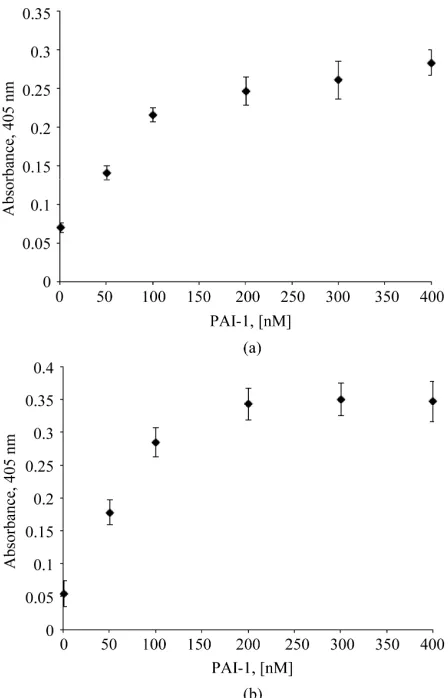
A fixed concentration of monomeric vitronectin was mixed with varying concentrations of PAI-1, and the mixture was incubated with plates coated with Col-IV or HSPG. Binding of vitronectin was probed immunoche- mically. Figures 1(a) and (b) show the dose-dependent
increase observed in vitronectin binding to HSPG and Col-IV, respectively, as PAI-1 concentrations are varied. We also observe that the multimeric complex of vi- tronectin and PAI-1 has a higher propensity to associate with a mixture of both Col-IV and HSPG (data not shown). These findings are consistent with our hypothe- sis, i.e. that multimeric complexes formed by the interac- tion of vitronectin with PAI-1 will exhibit enhanced binding to matrix substituents.
HSPG is a proteoglycan that contains heparan sulfate as the glycosaminoglycan constituent. Former work from our laboratory has evaluated binding of native and mul- timeric vitronectin with another GAG, heparin, demon- strating that multimeric vitronectin exhibits greater binding [9,68]. This apparent increased binding of mul- timeric vitronectin to heparin is attributed to avidity (e.g. multivalent effects) rather than to differences in affinity since the affinity of monomeric vitronectin was mea- sured and shown to be similar to that of a single unit of the multimer [69]. Furthermore, PAI-1 binds to heparin [70]. In order to test whether the observed association of the vitronectin/PAI-1 complex with matrix components (Figure 1) is GAG mediated, we expanded the work with
heparin and other GAG molecules. Figure 2 compares
monomeric vitronectin and vitronectin/PAI-1 complexes in their ability to interact with various GAG molecules. Monomeric vitronectin binds to all GAG molecules tested, and the vitronectin/PAI-1 complex binds equally well, but does not exhibit increased association. Thus, the increased association of the complex to HSPG ap- pears to be independent of the GAG component.
Figure 1. Association of the vitronectin/PAI-1 complex with HSPG and Col-IV is concentration-dependent. Plates were coated with Col-IV (1hr at room temperature) and HSPG (1.5 hr at 37˚C). 100 nM vitronectin was mixed with varying con- centrations of PAI-1 in binding buffer and incubated at 37˚C for one hour. These preformed mixtures were added to Col-IV- (Figure 1(a)) and HSPG- (Figure 1(b)) coated plates following blocking. Binding of vitronectin/PAI-1 complex to the matrix was conducted for 1 hr at 37˚C. Binding of vitronectin to the matrix components was measured immunochemically using a monoclonal antibody (1E9) against vitronectin.
teraction with full-length vitronectin is more complex, we hypothesize that multiple interactions between PAI-1 and full length vitronectin are critical for the assembly of multimeric complexes and thus for increased association with matrix components. In order to test this idea, matrix- binding experiments were conducted with complexes formed by mixing PAI-1 with the isolated SMB domain.
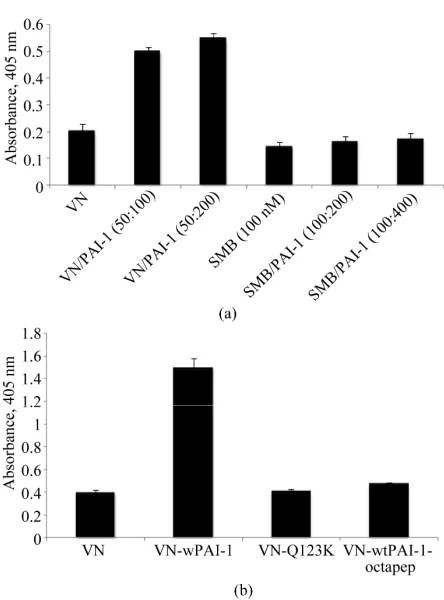
Figure 3(a) shows results from SMB/PAI-1 complexes
[image:6.595.61.285.83.432.2]compared to SMB alone binding to HSPG. As predicted, no significant increase in binding of SMB was observed upon mixing with PAI-1; neither was there a decrease in binding due to steric effects of PAI-1. Similar results were observed when Col-IV was used as the solid-phase matrix components (data not shown).
Figure 2. Association of the vitronectin/PAI-1 complex with GAG molecules. Microtiter plates were coated with a variety of GAG molecules at a 25 µg/ml concentration overnight at 4˚C. 50 nM vitronectin was incubated with 100 nM PAI-1, and the mixtures were added to plates coated with GAGs followed by incubation for 1 hr at 37˚C. Binding of vitronectin was quanti- fied immunochemically using a monoclonal antibody (1E9) against vitronectin.
A variant form of PAI-1 containing lysine instead of glutamine at position 123 (Q123K PAI-1) has greatly diminished affinity for vitronectin [73]. Sedimentation velocity experiments on equimolar mixtures of mono- meric vitronectin and Q123K-PAI-1 revealed a decreased formation of multimeric complexes (unpublished). In order to test whether this lack of multimerization of vi-tronectin by Q123K PAI-1 reduces binding to matrix components compared to that observed with native PAI-1, the binding experiments were repeated with mixtures of vitronectin and Q123K PAI-1. Figure 3(b) shows the
results of this assay, confirming that the Q123K variant of PAI-1 does not promote increased association of vi- tronectin with HSPG. Similar results were obtained with Col-IV binding (data not shown).
Ligands that block the interaction of PAI-1 with vi- tronectin would be expected also to disrupt the enhanced binding to matrix components. Recently we have dem- onstrated using sedimentation velocity experiments that an octapeptide derived from the RCL of PAI-1 (P14-P7 residues) completely disrupt the interaction between vi- tronectin and PAI-1 and inhibit the formation of oli- gomeric complexes (unpublished). We have tested the ability of these peptides to disrupt binding in the matrix association assay. Vitronectin was mixed with PAI-1 in the presence of the octapeptide and the mixture was in- cubated with HSPG-coated plates. As expected, the oc- tapeptide completely blocked PAI-1 effects on the asso- ciation of vitronectin with matrix components (Figure 3(b)).
Higher-order vitronectin/PAI-1 complexes exhibit in-
creased association with cell-surface receptors. Vitro-
[image:6.595.311.539.87.222.2]Figure 3. Requirement for the interaction of PAI-1 with full- length vitronectin for the formation of oligomeric complex. Figure 3(a) shows that binding of PAI-1 with isolated SMB domain fails to promote increased binding to Col-IV. 50 nM vitronectin and 100 nM SMB were mixed with two different concentrations of PAI-1 corresponding to 1:1 and 1:2 stoichio- metry and incubated for 1 hr at 37˚C. The preformed vitro- nectin/PAI-1 complex and SMB/PAI-1 complexes were added to plates pre-coated with Col-IV. Figure 3(b) shows that mix- ing of a mutant form of PAI-1 (Q123K, which has very low affinity for vitronectin binding) at 100 nM concentration with vitronectin (50 nM) fails to promote increased binding of vi- tronectin with Col-IV. Figure 3(b) also shows that interruption of the interaction of vitronectin (50 nM) and PAI-1 (100 nM) with an RCL-mimicking octapeptide (2 mM) blocks the en- hanced association of vitronectin with Col-IV otherwise ob- served. Binding of vitronectin to matrix components for both experiments was measured immunochemically using a mono- clonal antibody (1E9) against vitronectin.
tronectin receptor” (αvβ3 and αvβ5). In vitro studies in- dicate that binding of uPAR to “denatured” multimeric vitronectin is inhibited by the addition of PAI-1 [34,74]. Other studies have shown that binding of αvβ3 to mul- timeric vitronectin is blocked by exogenous PAI-1 [33, 75]. However, we have shown a different behavior for soluble higher-order vitronectin/PAI-1 complexes com- pared to multimeric vitronectin used as a substratum. The higher-order complexes formed by the interaction be- tween vitronectin and PAI-1 exhibit increased associa- tion with αvβ3 and GPIIaIIIb compared to monomeric vitronectin [1]. We now extend the previous studies on
the vitronectin/PAI-1 complexes to additional integrins and uPAR.
Figure 4(a) shows an increase in vitronectin binding
to uPAR in a dose-dependent fashion with varying con-
[image:7.595.310.535.145.586.2]centrations of PAI-1. In these tests designed to evaluate uPAR binding, we did not observe vitronectin blocking of binding to uPAR by PAI-1. In fact, the higher-order vitronectin/PAI-1 complexes exhibit enhanced binding compared to native monomeric vitronectin. In a different experimental design, we tested for association of soluble uPAR with bound vitronectin/PAI-1 complex that is as- sociated with HSPG or Col-IV (Figures 4(b) and (c),
respectively). For these experiments, monomeric vi- tronectin or the vitronectin/PAI-1 complex was bound to the Col-IV or HSPG substratum, followed by incubation with uPAR. The binding of uPAR was probed by an an- tibody that recognizes a non-vitronectin-binding epitope on uPAR. While uPAR binding could not be detected to an isolated native vitronectin substratum, a significant increase in binding was observed with the vitronectin/ PAI-1 complex associated with Col-IV or HSPG. A pre-vious study showed that the affinity of uPAR binding to native vitronectin was lower than with “denatured” mul-timeric vitronectin [76].
The results of binding assays with the vitronectin/ PAI-1 complex and αvβ3, αvβ5 and α5β1 are shown in
Figure 5(a). The binding of the complex to αvβ3 is en-
hanced compared to monomeric vitronectin, as previ- ously reported [1], and results with αvβ5 and α5β1 mir- ror this behavior. α5β1 is primarily known as a fibro- nectin receptor [77,78] that recognizes an RGD sequence in the protein [78]. The α5β1 integrin shares some func- tions with αvβ3. As observed with αvβ3, expression of
α5β1 is minimal in quiescent endothelial cells and in- creases upon activation of the cells. Also, expression of
α5β1 on endothelial cells can be enhanced by treatment with bFGF or TNF-α [79]. Figure 5(b) shows results that
support a specific interaction of vitronectin and α5β1. In this figure the binding to this integrin by varying con- centrations of monomeric vitronectin alone or in com- plex with equimolar PAI-1 is compared. Monomeric vi-tronectin shows a concentration-dependent increase in binding to α5β1. At each concentration, the addition of equimolar PAI-1 to promote formation the higher-order vitronectin/PAI-1 complex leads to increased binding to the integrin α5β1.
Figure 5(c) shows the corollary results of probing for
αvβ5 binding to a substratum composed of native vi- tronectin or the vitronectin/PAI-1 complex using an an- tibody that recognizes the C-terminal domain of the αv subunit. Though no detectable binding of αvβ5 was ob- served with monomeric vitronectin, binding was appar- ent with the vitronectin/PAI-1 complex. As we observed with αvβ3 [1], incorporation of PAI-1 in the multimeric complex does not inhibit αvβ5 binding to vitronectin and in fact enhances the interaction. However, no binding of
αvβ5 was detected with this antibody to a substratum with vitronectin or vitronectin/PAI-1 complexes bound to
Figure 5. Increased association of the vitronectin/PAI-1 com- plex with integrin receptors. Figure 5(a) shows binding of the vitronectin/PAI-1 comlex to different integrin receptors: αvβ3,
αvβ5 and α5β1. Integrin coating of the plates was performed at 37˚C for 1 hr. 50 nM vitronectin was mixed with 100 nM PAI-1 and incubated for 1hr at 37˚C. The mixture was added to αvβ3-,
αvβ5- or α5β1-coated plates and incubated for 1 hr at 37˚C. 50 nM vitronectin alone or in complex with 100 nM PAI-1 was added to integrin-coated plates. Figure 5(b) shows binding to
other matrix components. Either the mutual binding of vitronectin to the matrix and αvβ5 integrin is not possible, or the C-terminal domain of αvβ5 is not available for binding to the antibody under these conditions.
Angiogenesis is initiated by the activation of endothe- lial cells. Often this activation results from the change in receptor expression on the cell surface mediated by the effect of different growth factors. We used bFGF, VEGF and PMA as modulators of receptor expression in the two cell lines. bFGF has been shown to increase expression of αvβ3 in human dermal microvascular endothelial cells [87], and PMA was also found to cause an increase in
αvβ3 expression in these cells [88]. Brooks et al. re- ported that bFGF and TNF-α induce angiogenesis by increasing the expression of αvβ3 on the vascular endo- thelium [89]; in this case, angiogenesis could be blocked by a specific antibody against αvβ3. Also, Friedlander et al. showed that angiogenesis induced by VEGF and TGF-β was blocked by an antibody against αvβ5 [90].
Evaluating the impact of the local environment on the ability of the vitronectin/PAI-1 complex to promote
cellular adhesion and migration. Previous work has
shown that PAI-1 can promote migration of U937 cells (anchorage independent human leukemic cells, showing a high level of expression of uPAR) or melanoma cells (metastatic melanocytes expressing a high level of uPAR and αvβ3) on a vitronectin substratum in a uPAR or vi- tronectin-dependent manner [31,32,80]. On the other hand, PAI-1 has been found to inhibit migration of smooth muscle cells, WISH cells (a transformed human cell line with epitheloid morphology, originally derived from amnion epithelium, capable of migrating under plasmin free conditions) and Hep2 cells (migratory epi- dermoid carcinoma cells with a high level of uPAR) [33,81]. Both WISH and Hep2 cell lines are known to express integrin subunits such as, αv, β1, β3 and β5, and they have vitronectin-binding integrin receptors, includ- ing αvβ3, αvβ5, αvβ1 present on their surface [81]. Thus, the effects of the interaction between PAI-1 and vi- tronectin on cellular migration/adhesion appear to be influenced by cell type and are likely attributed to vari- ability in cell surface receptors or the specific matrix synthesized by the cells. To compare and/or contrast spe- cific cell responses to this pair of proteins in isolation and in complex, we have chosen two different cell lines for further study. These cell lines, HT1080 (fibrosarcoma
[image:9.595.155.441.467.657.2]cells) and EA.hy926 (endothelial cells), were chosen because they express various receptors that interact with vitronectin and that have been implicated in angiogenesis [34-37]. Formation of new blood vessels is key for tumor development and progression [82,83], and the absence of vitronectin is correlated with decreased angiogenesis in mice [23]. A number of angiogenesis inhibitors designed to disrupt the interaction of αvβ3 and αvβ5 with vi- tronectin are currently being evaluated as therapeutics [84-86].
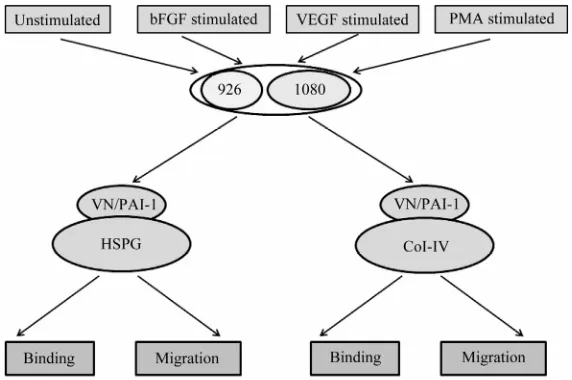
Figure 6 illustrates the design of the set of cell-based
experiments. Briefly, each cell line was separately treated with the three different stimulants (bFGF, VEGF and PMA) under serum free conditions, with untreated cells in serum free media as a control. Each test group of cells was evaluated in cell binding and migration assays con-
ducted using either Col-IV or HSPG as the substratum. Vitronectin alone or the vitronectin/PAI-1 complex was also bound to the Col-IV or HSPG substratum for sepa- rate tests for binding and migration.
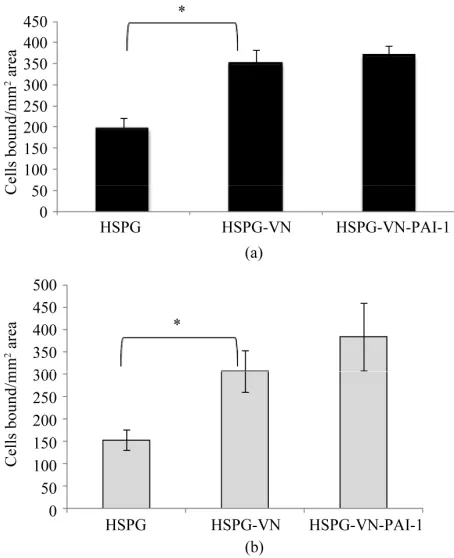
Figure 7(a) shows the binding of unstimulated EA.hy926
cells to HSPG alone, or HSPG bound to monomeric vi- tronectin or the vitronectin/PAI-1 complex. While un- stimulated EA.hy926 cells bound to isolated HSPG, the binding increased with vitronectin in the substratum (P < 0.05); however there was no enhanced binding with the vitronectin/PAI-1 complex attached to the HSPG sub- stratum. Similar results were obtained with 1080 cells prior to stimulation (Figure 7(b)). Thus, in the absence
of stimulation, there are no PAI-1-specific effects ob- served for either cell line. This lack of a PAI-1 effect on cell binding to the HSPG substratum was also true for bFGF-, VEGF- and PMA-stimulated EA.hy926 cells data not shown), where the presence of the vitronectin/ PAI-1 complex neither inhibited nor promoted cellular
Figure 7. Binding of unstimulated EA.hy926 and HT1080 cells to the vitronectin/PAI-1 complex associated with HSPG. Fig-ures 7(a) and (b) show the binding of unstimulated EA.hy926 and HT1080 cells to HSPG respectively. 50 nM vitronectin was mixed with 100 nM PAI-1, and the mixtures were added to plates coated with HSPG. Unstimulated cells were added to matrix-coated wells and binding was conducted for 1hr with HSPG at 37˚C. Bound cells were quantified by labeling after the incubation period with calcein and counting the number of cells bound per 0.13 mm2 area. Statistical significance was de-
termined by two-tailed Student’s t-tests. P-values < 0.05 (*) were considered significant.
binding compared to vitronectin alone (P > 0.05). Bind- ing to the Col-VI substratum for both cell types was not affected by vitronectin or vitronectin/PAI-1 complexes under any of the matrix conditions tested. The binding of the cells under all conditions tested was the same for the Col-IV substratum alone as for the Col-IV substratum with bound vitronectin or vitronectin/PAI-1 complexes, indicating that the binding is dominated by interactions with Col-IV and is insensitive to receptor interactions with vitronectin or modulation by PAI-1.
Tests for cell migration revealed isolated examples where differences were observed that were cell-type spe- cific and dependent on the stimulant and substratum composition. Unstimulated EA.hy926 cells exhibited de- creased migration with the vitronectin/PAI-1 complex bound to HSPG compared to the vitronectin-HSPG sub- stratum (data not shown). However, there were no condi- tions using stimulated cells in which vitronectin- or vi- tronectin/PAI-1 complex-dependent effects on migration were observed using HSPG as the substratum. The only differences that arose used Col-IV as the substratum, with two representative examples shown in Figure 8.For
the case of VEGF-stimulated HT1080 cells (Figure 8(a)),
minimal migration is observed on Col-IV alone, while Col-IV bound vitronectin enhances cell migration sig- nificantly. Furthermore, the Col-IV substratum with as- sociated vitronectin/PAI-1 complex gives a further en- hancement in cell migration. Isolated PAI-1 has no effect in the migration assay. Assays with PMA-stimulated 926 cells migrating on the Col-IV substratum (Figure 8(b))
[image:10.595.58.285.327.606.2]Figure 8. Migration of VEGF-stimulated 1080 cells and PMA- stimulated EA.hy926 cells. A 100 nM concentration of vi- tronectin was incubated with 200 nM PAI-1 at 37˚C for 1hr and the mixtures were added to inserts pre-coated with Col-IV, followed by incubation for 1 hr at 37˚C. VEGF stimulated (Fig- ure 8(a)) 1080 cells and PMA (Figure 8(b)) stimulated 926 cells were added to inserts and migration was continued over- night at 37˚C. Cells were labeled after the overnight experiment with calcein, and the number of cells migrated per 0.13 mm2
area is plotted. Statistical significance was determined by two- tailed Student’s t-tests. P-values < 0.05 (*) were considered significant.
the higher-order complex was variable and subject to the specific cellular microenvironment.
Evaluation of receptor expression by FACS analysis
shows variable expression upon stimulation. A range of
matrix components and cell surface receptors, including uPAR and integrins, mediates binding of cells to the sub- stratum. Having tested the effect of the vitronectin/PAI-1 complex under an assortment of conditions with variable results made it important to examine the receptor expres- sion profile of the HT1080 and EA.hy926 cells under the conditions tested. Flow cytometry was used to check for a subset of the ~24 different integrin heterodimers [2]) that can be expressed on human cells. This includes those primarily involved in vitronectin recognition (αvβ3 and
αvβ5) that can be induced in some cell types by bFGF and VEGF. Since we observed Col-IV to mediate binding regardless of vitronectin or the vitronectin/PAI-1 com- plex, and since the only cell migration differences were observed on Col-IV, it was important to test for collagen receptors. Among the four characterized collagen recap-
tors (α1β1, α2β1, α10β1 and α11β1) [26], we focused on
α2β1, which is found on endothelial cells and recognizes different kinds of collagens including Col-IV [91,92]. We also checked the expression of α5β1 because we found that vitronectin interacts with this receptor, and we ob- served that this interaction was even more prominent with the vitronectin/PAI-1 complex. Moreover, it has been observed that bFGF induces increased expression of
α5β1 on endothelial cells [79]. Finally, many studies in- dicate the importance of uPAR in regulating PAI-1 ef- fects on cellular adhesion and migration via vitronectin [31,74], so uPAR expression was also checked.
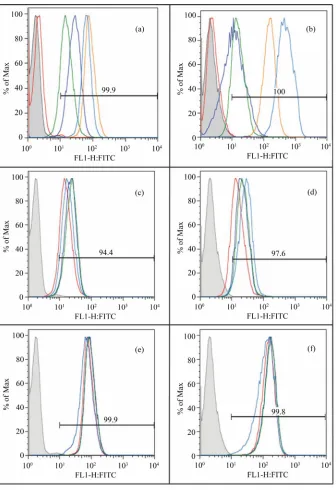
Figures 9(a) and (b) show the basal expression of all
the five receptors in unstimulated EA.hy926 and HT1080 cells, respectively. All of the tested receptors were ex- pressed in both cell lines. Expression of α2β1 was the highest in the HT1080 cells, followed by lower levels of expression of α5β1, αvβ5, and αvβ3. Levels of uPAR were also low in the HT1080 cells. For the EA.hy926 cells, α5β1 expression was the highest under basal condi- tions, followed by decreasing levels of expression by
α2β1, αvβ3, αvβ5 and uPAR. The expression profile of each of these receptors was also evaluated upon treat- ment with the three growth factors. Expression of uPAR,
αvβ3 and α2β1 appeared unchanged in both cell lines upon growth factor treatment (data not shown). Small changes in the expression of αvβ5 are observed in both cell lines upon application of bFGF and VEGF (Figures 9(c) and (d)). Also, while PMA treatment caused a
greater increase in expression of αvβ5 on HT1080 cells (Figure 9(d)) relative to bFGF and VEGF treatment, this
increase was not observed with EA.hy926 cells (Figure 9(c)). Furthermore, while bFGF and VEGF treatment did
not affect the expression of α5β1, application of PMA caused a moderate decrease in the expression of α5β1 on EA.hy926 cells (Figure 9(e)) and a slight increase in
expression on HT1080 cells (Figure 9(f)). In summary,
although some changes were noted upon stimulating the cells, such changes appeared modest overall and was not correlated with the few differences observed in cell mi- gration behavior for vitronectin vs vitronectin/PAI-1 complexes.
4. DISCUSSION
A role for PAI-1 in localizing and regulating vitronectin
function in the ECM. The goal of these studies was to
[image:11.595.59.287.83.354.2]Figure 9. Evaluation of cell surface receptor expression by flow cytometry. Figures 9(a) and (b) compare the basal expression level of uPAR (red), αvβ3 (blue), αvβ5 (green), α5β1 (brown) and α2β1 (turquoise) on unstimulated EA.hy926 cells and unstimulated 1080 cells respectively. Figures 9(c) and (d) compare the expression of αvβ5 on EA.hy926 and HT1080 cells respec- tively, under the influence of different growth factors-unstimulated (red), bFGF (blue), VEGF (green) and PMA (turquoise). Figures 9(e) and (f) compare the expression of α5β1 on EA.hy926 and HT1080 cells respectively, under the influence of different growth factors-un- stimulated (red), bFGF (blue), VEGF (green) and PMA (turquoise). The histogram shown in gray indicates unstained cells. The horizontal line indicates the average percentage of the population showing signal over background.
achieve. Our previous work on formation of the higher- order complexes demonstrated that mixing vitronectin with various concentrations of PAI-1 yielded long-lived multimeric complexes that assembled in a concentration-
duced. Consistently, increasing concentrations of PAI-1 gave dose-dependent increases in the amount of vi- tronectin associated with either HSPG or Col-IV and support their relevance for the localization and function of vitronectin in tissues. Furthermore, another observa- tion underscoring the distinctive properties of these vi- tronectin/PAI-1 multimeric complexes is that they do not show enhanced binding with different GAGs including heparin, a property of denatured multimeric vitronectin [9].
The specificity of the assembly process and resulting matrix component binding was demonstrated with PAI-1 variants that bind weakly to vitronectin and with peptides that block the interaction between the two proteins. Fur- thermore, the successful assembly of the multimeric complexes requires the binding of PAI-1 to full-length vitronectin. Restricting the interactions to the isolated SMB domain prohibits higher-order complex formation and association with the matrix components. Clearly it is the interaction between vitronectin and PAI-1 that leads to the transformation into the higher-order multimeric complexes required for increased association with the matrix components.
The generally accepted role for PAI-1 is as an inhibitor that disrupts the interactions of vitronectin with receptors such as uPAR or integrins. According to previous studies, the interaction between uPAR and vitronectin was inhi- bited by exogenously added PAI-1 [31,74]. The uPAR- binding site on the SMB domain overlaps with the PAI- 1-binding site, so that PAI-1 and uPAR compete for binding to vitronectin [93]. Similar results were observed with vitronectin binding to αvβ3; binding of vitronectin to αvβ3 was blocked by the addition of PAI-1 [33,75]. Though the RGD domain responsible for integrin recog- nition does not appear to be directly blocked by PAI-1 from analysis of the crystal structure obtained on the SMB domain and PAI-1 [71], steric interference between these sites has been attributed to the observed inhibition of PAI-1 on the vitronectin-integrin interaction and as a proposed molecular switch [33,74,94]. Our approach has been different, assembling complexes of vitronectin and PAI-1 and testing for binding to receptors. With varying concentrations of PAI-1, binding of vitronectin to uPAR increased in a dose-dependent fashion. Thus, the pre- sence of PAI-1 within higher-order complexes does not preclude the binding of vitronectin to uPAR. In a com- plementary approach, we directly probed the binding of uPAR to the vitronectin/PAI-1 complexes in isolation or bound to other matrix components. For directly probing uPAR binding, an antibody was chosen that recognized an epitope that does not interfere with the interaction between uPAR and vitronectin. This approach supported the observation that uPAR binding was not blocked by the presence of PAI-1. Since the binding sites for uPAR
and PAI-1 on vitronectin at least partially overlap, this result indicates that features of the higher-order com- plexes can accommodate binding via sites that are local- ized to other regions on the molecule.
We have also tested the ability of these multimeric complexes to recognize different integrin receptors. Our former work established that these complexes associate more readily with αvβ3 and αIIbβ3 integrins compared to monomeric vitronectin alone [1]. In the current study, we expanded this observation to show that PAI-1 present in the multimeric complexes also did not block vitronectin binding to integrins αvβ5 and α5β1. Though the interac- tion with α5β1was weaker compared to αvβ3 and αvβ5, the multimeric complexes showed an increased associa- tion with α5β1 compared to monomeric vitronectin. To confirm this result, we probed αvβ5 binding to vitro- nectin and or vitronectin/PAI-1 complexes and observed similar increases in binding to the complexes. Curiously, binding of αvβ5 to either monomeric or multimeric vi- tronectin could not be detected when these proteins were bound to the ECM components. It appears that the anti- body probe has low affinity for the integrin when it is bound to vitronectin or the complex associated with the matrix components like Col-IV and HSPG.
The role of PAI-1 in complex with vitronectin on cell adhesion and migration varies with cell type and envi- ronment. The effect of PAI-1 on the regulation of cellular adhesion and migration on vitronectin is hotly debated. There is no consensus regarding the influence of these two proteins on the regulation of cell-matrix interactions. Although most studies indicate that PAI-1 inhibits cell adhesion to vitronectin, published work contains oppos- ing claims regarding migration. Some studies indicate that PAI-1 inhibits cell binding and in effect promotes migration, while others suggest that PAI-1 inhibits vi- tronectin-dependent migration [31,33,74,81]. The major- ity of these studies addressed the role of exogenously added PAI-1 in regulating cellular adhesion and migra- tion mediated by multimeric vitronectin as a substratum. Instead, our approach tests PAI-1 in complex with vi- tronectin, as it will be found in vivo. Furthermore, we utilize higher-order complexes of vitronectin and PAI-1 that more closely mimic the forms found in the ECM. Also, we have tested a limited number of ways in which the pericellular microenvironments may be modulated; the tests on ECM components and stimulation that in- duces different patterns of cell-surface expression of re- ceptors on two cell types focuses on a small subset of the variability that will be found in nature.
spite of the fact that there appeared to be an increase of vitronectin association to isolated matrix components when complexed with PAI-1. This result was similar with both cell lines, regardless of stimulation with growth factors. The results with cell migration show that vi- tronectin promotes migration under all conditions, as expected. However the effect of PAI-1 in complexes with vitronectin was variable. Under most conditions, PAI-1 gave no difference in migration relative to vitronectin alone, although a small subset of experiments showed either pro-migratory or anti-migratory effects. These re- sults varied by cell type, matrix substratum and stimula- tory conditions, without a predictable pattern for the ef- fects. The effect of isolated PAI-1 bound to the matrix components was also tested, but no effect on migration was observed.
Results from other studies are also variable. For ex- ample, vitronectin was found to promote migration of smooth muscle cells and keratinocytes [95,96]. Also, some studies have shown that PAI-1 does not affect cel- lular attachment, but causes a decrease in cellular migra- tion [33]. Stefansson et al. suggested that the lack of an effect of PAI-1 on cellular attachment was due to the pre- sence of receptors that recognized matrix components other than vitronectin [33]. Following similar reasoning, we used flow cytometry study to characterize expression of a number of receptors (uPAR, αvβ3, αvβ5, α5β1, α2β1) in the two cell lines upon stimulation with growth factors. Under all conditions, the collagen receptor α2β1 exhi- bited high expression in both the cell lines. This is con- sistent with our observation that cell binding on the Col-IV substratum was not influenced by vitronectin alone or in complex with PAI-1. Also, uPAR was not expressed at significant levels under any of the condi- tions tested. Since uPAR preferentially binds vitronectin over HSPG or Col-IV, the absence of this receptor may account for the relative insensitivity of the cells to the presence of monomeric or multimeric vitronectin in the matrix.
Though some increase in cell binding could be ob- served with monomeric vitronectin attached to the HSPG substratum, the higher-order complexes did not facilitate additional cell binding. The results from our direct ma- trix-binding assay established that these vitronectin/ PAI-1 complexes exhibit increased binding to HSPG, leading us to anticipate a concomitant increase in cell binding under these conditions. Since no effect on bind- ing to the preformed vitronectin/PAI-1 complexes was observed, it appears that the situation is more compli- cated than simple protein abundance leading to individ- ual binding sites in the substratum. This is perhaps not surprising, since cells maintain multiple points of contact with the substratum that are not uniform. For example, integrin clustering at focal adhesions at the leading edge
of cells is a phenomenon thought to add to the strength of cell binding at these locations [97]. A multimeric higher- order form of vitronectin could, in turn, provide multiple contacts for integrins clustered in such foci and could result in a greater avidity for binding without increasing total cell numbers bound to the matrix. Alternatively, there may be a steric effect where the binding of one cell masks multivalent complexes so that they are inaccessi- ble to other cells. Regardless, the association of PAI-1 with vitronectin did not inhibit cellular attachment rela- tive to isolated monomeric vitronectin in the substratum, which contrasts with results using exogenous PAI-1.
The variable results with cell migration under these conditions reveal a complicated scenario that depends on the micro-milieu at the cell-matrix interface. As expected, the increase observed in cell migration with vitronectin in the substratum was uniformly enhanced relative to isolated HSPG or Col-IV. In contrast, the effects on mi- gration due to PAI-1 in the multimeric complex with vitronectin were significant only in few cases, and they were not dramatic compared to the stimulation observed with vitronectin alone. Consistently, none of the growth factors gave an appreciable change in the expression of the receptors tested. All changes observed were moderate. Thus, PAI-1 bound to the substratum via its binding partner vitronectin will not necessarily promote or inhibit migration and will be primarily influenced by the peri- cellular environment.
REFERENCES
[1] Minor, K.H. and Peterson, C.B. (2002) Plasminogen ac-tivator inhibitor type 1 promotes the self-association of vitronectin into complexes exhibiting altered incorpora-tion into the extracellular matrix. Journal of Biological Chemistry, 277, 10337-10345.
doi:10.1074/jbc.M109564200
[2] Schvartz, I., Seger, D. and Shaltiel, S. (1999) Vitronectin. International Journal of Biochemistry & Cell Biology, 31, 539-544. doi:10.1016/S1357-2725(99)00005-9
[3] Seiffert, D. (1997) Constitutive and regulated expression of vitronectin. Histology and Histopathology, 12, 787- 797.
[4] Volker, W., Hess, S., Vischer, P. and Preissner, K.T. (1993) Binding and processing of multimeric vitronectin by vascular endothelial cells. Journal of Histochemistry & Cytochemistry, 41, 1823-1832.
doi:10.1177/41.12.7504009
[5] Tomasini, B.R. and Mosher, D.F. (1988) Conformational states of vitronectin: Preferential expression of an anti-genic epitope when vitronectin is covalently and nonco-valently complexed with thrombin-antithrombin III or treated with urea. Blood, 72, 903-912.
mode of association. Journal of Biological Chemistry, 268, 1279-1283.
[7] Barnes, D.W., Reing, J.E. and Amos, B. (1985) Hepa-rin-binding properties of human serum spreading factor. Journal of Biological Chemistry, 260, 9117-9122. [8] Lane, D.A., Flynn, A.M., Pejler, G., Lindahl, U., Choay,
J. and Preissner, K. (1987) Structural requirements for the neutralization of heparin-like saccharides by complement S protein/vitronectin. Journal of Biological Chemistry, 262, 16343-16348.
[9] Hayashi, M., Akama, T., Kono, I. and Kashiwagi, H. (1985) Activation of vitronectin (serum spreading factor) binding of heparin by denaturing agents. Journal of Bio-chemistry, 98, 1135-1138.
[10] Owensby, D.A., Morton, P.A., Wun, T.C. and Schwartz, A.L. (1991) Binding of plasminogen activator inhibitor type-1 to extracellular matrix of Hep G2 cells. Evidence that the binding protein is vitronectin. Journal of Bio-logical Chemistry, 266, 4334-4340.
[11] Lawrence, D.A., Palaniappan, S., Stefansson, S., Olson, S.T., Francis-Chmura, A.M., Shore, J.D. and Ginsburg, D. (1997) Characterization of the binding of different con- formational forms of plasminogen activator inhibitor-1 to vitronectin. Implications for the regulation of pericellular proteolysis. Journal of Biological Chemistry, 272, 7676- 7680. doi:10.1074/jbc.272.12.7676
[12] Arroyo De Prada, N., Schroeck, F., Sinner, E.K., Mueh- lenweg, B., Twellmeyer, J., Sperl, S., Wilhelm, O.G., Schmitt, M. and Magdolen, V. (2002) Interaction of plasminogen activator inhibitor type-1 (PAI-1) with vi- tronectin. European Journal of Biochemistry, 269, 184- 192. doi:10.1046/j.0014-2956.2002.02639.x
[13] Tschopp, J., Masson, D., Schafer, S., Peitsch, M. and Preissner, K.T. (1988) The heparin binding domain of S-protein/vitronectin binds to complement components C7, C8, and C9 and perforin from cytolytic T-cells and inhibits their lytic activities. Biochemistry, 27, 4103- 4109. doi:10.1021/bi00411a029
[14] Kanse, S.M., Kost, C., Wilhelm, O.G., Andreasen, P.A. and Preissner, K.T. (1996) The urokinase receptor is a major vitronectin-binding protein on endothelial cells. Experimental Cell Research, 224, 344-353.
doi:10.1006/excr.1996.0144
[15] Huang, X., Wu, J., Spong, S. and Sheppard, D. (1998) The integrin alphavbeta6 is critical for keratinocyte mi-gration on both its known ligand, fibronectin, and on vi-tronectin.Journal of Cell Science, 111, 2189-2195. [16] Dahm, L.M. and Bowers, C.W. (1998) Vitronectin
regu-lates smooth muscle contractility via alphav and beta1 integrin. Journal of Cell Science, 111, 1175-1183. [17] Memmo, L.M. and McKeown-Longo, P. (1998) The al-
phavbeta5 integrin functions as an endocytic receptor for vitronectin. Journal of Cell Science, 111, 425-433. [18] Schnapp, L.M., Hatch, N., Ramos, D.M., Klimanskaya,
I.V., Sheppard, D. and Pytela, R. (1995) The human in- tegrin alpha 8 beta 1 functions as a receptor for tenascin, fibronectin, and vitronectin. Journal of Biological Chem- istry, 270, 23196-23202. doi:10.1074/jbc.270.39.23196
[19] Nishimura, S.L., Sheppard, D. and Pytela, R. (1994) In- tegrin alpha v beta 8. Interaction with vitronectin and functional divergence of the beta 8 cytoplasmic domain. Journal of Biological Chemistry, 269, 28708-28715. [20] Boettiger, D., Lynch, L., Blystone, S. and Huber, F.
(2001) Distinct ligand-binding modes for integrin al- pha(v)beta(3)-mediated adhesion to fibronectin versus vi- tronectin. Journal of Biological Chemistry, 276, 31684- 31690. doi:10.1074/jbc.M103997200
[21] Podor, T.J., Campbell, S., Chindemi, P., Foulon, D.M., Farrell, D.H., Walton, P.D., Weitz, J.I. and Peterson, C.B. (2002) Incorporation of vitronectin into fibrin clots. Evi-dence for a binding interaction between vitronectin and gamma A/gamma’ fibrinogen. Journal of Biological Che- mistry, 277, 7520-7528. doi:10.1074/jbc.M109677200 [22] Eitzman, D.T., Westrick, R.J., Nabel, E.G. and Ginsburg,
D. (2000) Plasminogen activator inhibitor-1 and vi-tronectin promote vascular thrombosis in mice. Blood, 95, 577-580.
[23] Jang, Y.C., Tsou, R., Gibran, N.S. and Isik, F.F. (2000) Vitronectin deficiency is associated with increased wound fibrinolysis and decreased microvascular angio-genesis in mice. Surgery, 127, 696-704.
doi:10.1067/msy.2000.105858
[24] Kanse, S.M., Matz, R.L., Preissner, K.T. and Peter, K. (2004) Promotion of leukocyte adhesion by a novel in- teraction between vitronectin and the beta2 integrin Mac-1 (alphaMbeta2, CD11b/CD18). Arteriosclerosis, Thrombosis, and Vascular Biology, 24, 2251-2256. doi:10.1161/01.ATV.0000146529.68729.8b
[25] Hess, S., Kanse, S.M., Kost, C. and Preissner, K.T. (1995) The versatility of adhesion receptor ligands in haemosta- sis: Morpho-regulatory functions of vitronectin. Throm- bosis and Haemostasis, 74, 258-265.
[26] Barczyk, M., Carracedo, S. and Gullberg, D. (2010) In- tegrins. Cell and Tissue Research, 339, 269-280.
doi:10.1007/s00441-009-0834-6
[27] Felding-Habermann, B. and Cheresh, D.A. (1993) Vi-tronectin and its receptors. Current Opinion in Cell Biol-ogy, 5, 864-868. doi:10.1016/0955-0674(93)90036-P [28] Lawrence, D., Strandberg, L., Grundstrom, T. and Ny, T.
(1989) Purification of active human plasminogen activa-tor inhibiactiva-tor 1 from Escherichia coli. Comparison with natural and recombinant forms purified from eucaryotic cells. European Journal of Biochemistry, 186, 523-533. doi:10.1111/j.1432-1033.1989.tb15238.x
[29] Estreicher, A., Muhlhauser, J., Carpentier, J.L., Orci, L. and Vassalli, J.D. (1990) The receptor for urokinase type plasminogen activator polarizes expression of the prote- ase to the leading edge of migrating monocytes and pro- motes degradation of enzyme inhibitor complexes. Jour-nal of Cell Biology, 111, 783-792.
doi:10.1083/jcb.111.2.783
[30] Vassalli, J.D., Sappino, A.P. and Belin, D. (1991) The plasminogen activator/plasmin system. Journal of Clini-cal Investigation, 88, 1067-1072. doi:10.1172/JCI115405 [31] Waltz, D.A., Natkin, L.R., Fujita, R.M., Wei, Y. and
activa-tor inhibiactiva-tor type 1 promote cellular motility by regulat-ing the interaction between the urokinase receptor and vi-tronectin. Journal of Clinical Investigation, 100, 58-67. doi:10.1172/JCI119521
[32] Stahl, A. and Mueller, B.M. (1997) Melanoma cell mi-gration on vitronectin: Regulation by components of the plasminogen activation system. International Journal of Cancer, 71, 116-122.
doi:10.1002/(SICI)1097-0215(19970328)71:1<116::AID-IJC19>3.0.CO;2-G
[33] Stefansson, S. and Lawrence, D.A. (1996) The serpin PAI-1 inhibits cell migration by blocking integrin alpha V beta 3 binding to vitronectin. Nature, 383, 441-443. doi:10.1038/383441a0
[34] Bajou, K., Noel, A., Gerard, R.D., Masson, V., Brunner, N., Holst-Hansen, C., Skobe, M., Fusenig, N.E., Carme- liet, P., Collen, D. and Foidart, J.M. (1998) Absence of host plasminogen activator inhibitor 1 prevents cancer invasion and vascularization. Nature Medicine, 4, 923- 928. doi:10.1038/nm0898-923
[35] Gutierrez, L.S., Schulman, A., Brito-Robinson, T., Noria, F., Ploplis, V.A. and Castellino, F.J. (2000) Tumor de- velopment is retarded in mice lacking the gene for urokinase-type plasminogen activator or its inhibitor, plasminogen activator inhibitor-1. Cancer Research, 60, 5839-5847.
[36] Stefansson, S., Petitclerc, E., Wong, M.K., McMahon, G.A., Brooks, P.C. and Lawrence, D.A. (2001) Inhibition of angiogenesis in vivo by plasminogen activator inhibi- tor-1. Journal of Biological Chemistry, 276, 8135-8141. doi:10.1074/jbc.M007609200
[37] McMahon, G.A., Petitclerc, E., Stefansson, S., Smith, E., Wong, M.K., Westrick, R.J., Ginsburg, D., Brooks, P.C. and Lawrence, D.A. (2001) Plasminogen activator in-hibitor-1 regulates tumor growth and angiogenesis. Jour- nal of Biological Chemistry, 276, 33964-33968.
doi:10.1074/jbc.M105980200
[38] Devy, L., Blacher, S., Grignet-Debrus, C., Bajou, K., Masson, V., Gerard, R.D., Gils, A., Carmeliet, G., Car-meliet, P., Declerck, P.J., Noel, A., and Foidart, J.M. (2002) The pro- or antiangiogenic effect of plasminogen activator inhibitor 1 is dose dependent. FASEB Journal, 16, 147-154. doi:10.1096/fj.01-0552com
[39] Stockmann, A., Hess, S., Declerck, P., Timpl, R. and Preissner, K.T. (1993) Multimeric vitronectin. Identifica-tion and characterizaIdentifica-tion of conformaIdentifica-tion-dependent self- association of the adhesive protein. Journal of Biological Chemistry, 268, 22874-22882.
[40] Seiffert, D. and Schleef, R.R. (1996) Two functionally distinct pools of vitronectin (Vn) in the blood circulation: identification of a heparin-binding competent population of Vn within platelet alpha-granules. Blood, 88, 552-560. [41] Hogasen, K., Mollnes, T.E. and Harboe, M. (1992) Hepa-
rin-binding properties of vitronectin are linked to com-plex formation as illustrated by in vitro polymerization and binding to the terminal complement complex. Jour-nal of Biological Chemistry, 267, 23076-23082.
[42] Seiffert, D. and Loskutoff, D.J. (1996) Type 1 plasmino- gen activator inhibitor induces multimerization of plasma
vitronectin. A suggested mechanism for the generation of the tissue form of vitronectin in vivo. Journal of Biologi-cal Chemistry, 271, 29644-29651.
doi:10.1074/jbc.271.47.29644
[43] Podor, T.J., Shaughnessy, S.G., Blackburn, M.N. and Peterson, C.B. (2000) New insights into the size and stoichiometry of the plasminogen activator inhibitor type- 1. vitronectin complex. Journal of Biological Chemistry, 275, 25402-25410. doi:10.1074/jbc.M000362200
[44] Minor, K.H., Schar, C.R., Blouse, G.E., Shore, J.D., Lawrence, D.A., Schuck, P. and Peterson, C.B. (2005) A mechanism for assembly of complexes of vitronectin and plasminogen activator inhibitor-1 from sedimentation velocity analysis. Journal of Biological Chemistry, 280, 28711-28720. doi:10.1074/jbc.M500478200
[45] Balbo, A., Minor, K.H., Velikovsky, C.A., Mariuzza, R. A., Peterson, C.B. and Schuck, P. (2005) Studying multi- protein complexes by multisignal sedimentation velocity analytical ultracentrifugation. Proceedings of the Na-tional Academy of Sciences of the USA, 102, 81-86. doi:10.1073/pnas.0408399102
[46] Nakamura, T., Tanaka, N., Higuma, N., Kazama, T., Ko-bayashi, I. and Yokota, S. (1996) The localization of plasminogen activator inhibitor-1 in glomerular subepi- thelial deposits in membranous nephropathy. Journal of the American Society of Nephrology, 7, 2434-2444. [47] Inuzuka, S., Ueno, T., Torimura, T., Tamaki, S.,
Suga-wara, H., Sakata, R., Kusaba, N., Sata, M., and Tanikawa, K. (1997) The significance of colocalization of plasmi- nogen activator inhibitor-1 and vitronectin in hepatic fi-brosis. Scandinavian Journal of Gastroenterology, 32, 1052-1060. doi:10.3109/00365529709011224
[48] Stoop, A.A., Lupu, F. and Pannekoek, H. (2000) Colo- calization of thrombin, PAI-1, and vitronectin in the atherosclerotic vessel wall: A potential regulatory me- chanism of thrombin activity by PAI-1/vitronectin com- plexes. Arteriosclerosis, Thrombosis, and Vascular Biol- ogy, 20, 1143-1149. doi:10.1161/01.ATV.20.4.1143 [49] Thompson, L.C., Goswami, S., Ginsberg, D.S., Day, D.E.,
Verhamme, I.M. and Peterson, C.B. (2011) Metals affect the structure and activity of human plasminogen activator inhibitor-1. Protein Science, 20, PMC3048421.
[50] Thompson, L.C., Goswami, S., Ginsberg, D.S., Day, D.E., Verhamme, I.M. and Peterson, C.B. (2011) Metals affect the structure and activity of human plasminogen activator inhibitor-1. I. Modulation of stability and protease inhibi-tion. Protein Science, 20, 353-365.
doi:10.1002/pro.568
[51] Dahlback, B. and Podack, E.R. (1985) Characterization of human S protein, an inhibitor of the membrane attack complex of complement. Demonstration of a free reactive thiol group. Biochemistry, 24, 2368-2374.
doi:10.1021/bi00330a036
[52] Zhuang, P., Blackburn, M.N. and Peterson, C.B. (1996) Characterization of the denaturation and renaturation of human plasma vitronectin. I. Biophysical characterization of protein unfolding and multimerization. Journal of Biological Chemistry, 271, 14323-14332.