Vulnerability and adaptation of Ghana’s food production systems and
rural livelihoods to climate variability
Philip Antwi-Agyei
Submitted in accordance with the requirements for the degree of Doctor of Philosophy
The University of Leeds School of Earth and Environment
ii
The candidate confirms that the work submitted is his own, except where work which has formed part of jointly-authored publications has been included. The contribution of the candidate and the other authors to this work has been explicitly indicated below. The candidate confirms that appropriate credit has been given where reference has been made to the work of others.
This copy has been supplied on the understanding that it is copyright material and that no quotation from the thesis may be published without proper acknowledgement.
“The right of Philip Antwi-Agyei to be identified as Author of this work has been asserted by him in accordance with the Copyright, Designs and Patents Act 1988”
iii
PhD Publications
Parts of this PhD thesis have been published in the following:
International Journals
Antwi-Agyei, P., Dougill, A.J., Fraser, E.D.G., and Stringer, L.C (2012).
Characterising the nature of household vulnerability to climate variability: empirical evidence from two regions of Ghana. Environment, Development and Sustainability. DOI 10.1007/s10668-012-9418-9.
Antwi-Agyei, P., Fraser, E.D.G., Dougill, A.J., Stringer, L.C., and Simelton, E. (2012) Mapping the vulnerability of crop production to drought in Ghana using rainfall, yield and socioeconomic data. Applied Geography, 32(2): 324-334.
Antwi-Agyei, P., Stringer, L.C., and Dougill, A.J. (under review) Livelihoods adaptations to climate variability: insights from farming households in Ghana. Regional Environmental Change.
Working Papers
Antwi-Agyei, P., Dougill, A.J., Fraser, E.D.G., and Stringer, L.C (2012).
Characterising the nature of vulnerability to climate variability: empirical evidence from two regions of Ghana. Sustainability Research Institute Working Paper No. 37, University of Leeds. [http://www.see.leeds.ac.uk/fileadmin/Documents/research/ sri/workingpapers/SRIPs-37.pdf].
Antwi-Agyei, P., Fraser, E.D.G., Dougill, A.J., Stringer, L.C., and Simelton, E. (2011) Mapping the vulnerability of crop production to drought in Ghana using rainfall, yield and socioeconomic data. Centre for Climate Change Economics and Policy Working Paper 55, University of Leeds. [http://www.cccep.ac.uk/Publications/ working -papers/ -papers/50-59/WP55_crop-production-ghana.pdf].
In writing these papers I received guidance from the co-authors. However, as the lead author I designed the research including the methodology and analysed the data. The contents draw directly from data I collected from my own fieldwork. I wrote the manuscripts and all authors contributed to the revisions and editing of these papers.
iv
Acknowledgements
This research would not have been possible without the support and encouragement of many people. First and foremost, I would like to thank God for his abundant grace, provisions and direction. Secondly, I would like to express my profound gratitude to my supervisors, Prof. Andrew Dougill, Dr. Evan Fraser and Dr. Lindsay Stringer for their encouragement, support, constructive comments and timely guidance in completing this thesis.
I wish to extend my sincere gratitude to the Commonwealth Scholarship Commission (UK) for the financial support to pursue this doctoral study. Without this financial support, the dream of pursing a doctoral study would not have been possible. The International Foundation for Science (IFS) also deserves special thanks for the provision of a grant to undertake fieldwork to Ghana for data collection. The support of the Centre for Climate Change Economics and Policy, University of Leeds, is also acknowledged for providing a return air ticket to Ghana as part of my third fieldwork.
I gratefully acknowledge the support and warm reception of the chiefs and people of Adaboya, Aframso, Ayelbia, Babaso, Nyamebekyere, and Vea for sharing their knowledge and experiences with me. This study would not have been possible without the acceptance and participation of these communities. I am particularly grateful to Mr. Richard Akoese (Adaboya), Mr. I. K. Acheampong (Nyamebekyere), Mr. P. K. Agyei (Babaso), Mr. Eric Dwomoh (Ejura) and Naba Thomas Azubire (Naba of Vea) for their valuable insights during data collection. I am also grateful to Alhaji Musbahu (District Director of Ministry of Food and Agriculture, Bongo) and Mr. Emmanuel Abobire (Ministry of Food and Agriculture, Bongo) for their expert guidance and direction during my fieldwork.
I am highly indebted to the extension officers of the Ministry of Food and Agriculture at Bongo and Ejura Sekyedumase districts. Research assistants – Fred Oppong Sekyere, Daniel Owusu-Manu, Henry Yamgah and Albert Ayamgah – were particularly helpful during field data collection. They not only helped in administering household questionnaires and conducting ecological surveys but also provided companionship during fieldwork.
v
A number of organisations and institutions provided special assistance to enable me to complete this thesis. In particular, special thanks go to the Ghana Meteorological Agency for providing rainfall dataset. I owe a debt of gratitude to Dr. Emmanuel Tachie-Obeng and Mr. Daniel Tutu Benefo at the Environmental Protection Agency, Ghana for being helpful during data collection. I would also like to acknowledge the support of Kwame Nkrumah University of Science and Technology, Ghana for granting me study leave to pursue this doctoral study.
I would like to express my heartfelt gratitude to my lovely wife, Jemima, and children, Philippa, Yvonne, Jason and Emmanuel. Words cannot express how grateful I am to you for all your daily prayers, encouragement, patience and love. Your daily inspiration and emotional support throughout this study have been tremendous. I love you all.
I am extremely gratefully to my parents, Mr. Joseph Kwaku Antwi-Agyei and Madam Yaa Mansah (late), for their parental advice, encouragement and prayers. I am also thankful to all my brothers and sisters for their support and encouragement.
I am sincerely grateful to the Pastor and members of Good Shepherd Assemblies of God Church, Leeds, UK, for their prayer support and encouragement. I am particularly grateful to Deacon Ebenezer Aryee and his family for their encouragement to me and my family.
In addition, I would like to thank all my friends and colleagues at the Sustainability Research Institute, School of Earth and Environment, University of Leeds, UK, for their friendship and words of encouragement during my studies.
Last but not least, I would like to say a big thank you to all those who have contributed in diverse ways to the successful completion of this thesis, but whose names have not been mentioned.
vi
Abstract
Sub-Saharan Africa is projected to be severely affected by climate change in the form of increased climate variability. Ghana provides a suitable case study country in which to assess the vulnerability of communities to such climate changes. Data on the nature and extent of vulnerability of Ghana’s food production systems and livelihoods to climate variability (particularly drought) are lacking, and this hampers the development of effective policy to reduce the adverse impacts of climate change and variability. This study aims to enhance empirical understanding of the socioeconomic, institutional and biophysical factors that contribute to vulnerability to climate change and variability amongst a range of farming households and communities in Ghana. By integrating statistical analyses, participatory methods and ecological surveys, this research adopts a multi-scale approach to assess the extent of food production and livelihood vulnerability across multiple scales: mapping vulnerability at the national and regional scales and drilling down to the community and household scales. Results show that the vulnerability of crop production to climate variability (particularly drought) has discernible geographical and socioeconomic patterns, with the Northern, Upper West and Upper East regions being most vulnerable. The results of the drought assessment are used to guide local-level research, and demonstrate the need for region-specific policies to reduce vulnerability and enhance drought preparedness within dryland farming communities. Within the same agro-ecological setting, different communities and households experience different vulnerability attributed to differences in socioeconomic characteristics. Results show that vulnerability of farming households can be linked to access to livelihood capital assets and that vulnerable communities tend to have households that are characterised by low levels of human, natural, financial, physical and social capitals. Findings also demonstrate that small-scale farmers employ a range of on-farm and off-farm adaptation strategies including changing the timing of planting, planting of drought-tolerant and early maturing varieties of crops, livelihood diversification, agro-forestry systems, crop diversification, temporary migration, relying on social networks and reducing food consumption to manage climate variability. A range of challenges including a lack of financial resources, poor access to information on climate adaptation, complex land tenure systems, social-cultural barriers, limited access to improved varieties of crops, as well as a lack of institutional support, constitute serious barriers to adaptation.
vii
Policy makers need to formulate specific and targeted climate adaptation policies that a) enable farmers to engage in alternative livelihood diversification strategies; b) promote the development and planting of improved varieties of crops; and c) allow for the provision of institutional support including access to information on climate adaptation and adequate all-year-round extension services. Such policies should be linked to programmes that foster asset building as well as enhance institutional capacity and social capital.
viii
Table of Contents
Acknowledgements ... iv
Abstract ... vi
Table of Contents ... viii
List of Figures ... xv
List of Tables ... xvii
List of Abbreviations ... xix
... 1
CHAPTER 1 GENERAL INTRODUCTION ... 1
1.1 Research problem definition and justification ... 1
1.2 Research aim and objectives ... 5
1.3 Applied and academic contributions ... 6
1.4 Definition of key terms and concepts ... 7
1.5 Structure of thesis ... 9
1.6 Conclusion ... 10
... 11
CHAPTER 2 ASSESSING VULNERABILITY IN FOOD PRODUCTION SYSTEMS TO CLIMATE VARIABILITY ... 11
2.1 Introduction ... 11
2.2 Climate change and variability in Sub-Saharan Africa ... 11
2.3 Implications of climate change and variability for food security in Sub-Saharan Africa ... 12
2.3.1 Food availability ... 13
2.3.2 Food accessibility ... 15
2.3.3 Food utilization ... 16
2.3.4 Food stability ... 16
2.4 Vulnerability to climate change and variability ... 17
2.4.1 Vulnerability defined ... 17
2.4.2 Competing interpretations of vulnerability assessments ... 20
2.4.3 Vulnerability is context-specific and dynamic ... 21
2.4.4 Components of vulnerability ... 22
ix
2.5.1 Entitlement-based approach ... 24
2.5.1.1 Criticisms of the entitlement approach of vulnerability assessment ... 26
2.5.2 Sustainable livelihood approach ... 27
2.5.2.1 Livelihoods capital assets and vulnerability to climate variability ... 29
2.5.2.2 Criticisms of the sustainable livelihood approach ... 31
2.5.3 Assessing the temporal dimension of vulnerability ... 33
2.5.4 Quantitative indicator approach for vulnerability assessment ... 33
2.5.4.1 Usefulness and criticisms of the indicator approach ... 37
2.6 The concept of adaptation to climate change and variability ... 39
2.6.1 Types of adaptation ... 41
2.6.2 Scale of adaptation to climate change and variability ... 43
2.6.3 Climate adaptation strategies in Sub-Saharan Africa ... 44
2.7 Synthesis and conclusions ... 49
... 51
CHAPTER 3 STUDY AREA, RESEARCH DESIGN AND METHODOLOGY ... 51
3.1 Introduction ... 51
3.2 Study area ... 51
3.3 Land tenure system in the study area... 54
3.4 Research design and approach ... 56
3.5 Selection of study sites ... 58
3.6 Identifying resilient and vulnerable communities in Ghana ... 62
3.7 Reconnaissance visits to selected farming communities ... 66
3.8 Training of research assistants and pre-testing of questionnaire ... 68
3.9 Sampling methods ... 69
3.10 Research methods ... 69
3.10.1 Relevance of participatory methods to this research ... 70
3.10.2 Focus group discussions ... 71
3.10.3 Transect walks ... 74
3.10.4 Wealth ranking ... 75
3.10.5 Household questionnaire survey ... 75
3.10.6 Key informant interviews ... 78
3.10.7 Oral histories... 78
x
3.10.9 Agro-ecological surveys ... 80
3.11 Data capture and analysis ... 82
3.11.1 Data capture ... 82
3.11.2 Qualitative data analysis ... 82
3.11.3 Quantitative data analysis ... 82
3.11.4 Analysis of agro-ecological data ... 84
3.11.5 Policy analysis ... 84
3.12 Positionality and ethical considerations ... 84
3.13 Conclusions ... 86
... 87
CHAPTER 4 MAPPING THE VULNERABILITY OF CROP PRODUCTION TO DROUGHT IN GHANA ... 87
4.1 Introduction ... 88
4.2 Developing a drought vulnerability index ... 89
4.2.1 Determining ‘sensitivity’ of crop harvest to rainfall perturbations ... 89
4.2.2 Determining ‘exposure’ to drought ... 90
4.2.3 Determining ‘adaptive capacity’ to cope with drought ... 91
4.2.4 Mapping crop drought vulnerability at the regional scale ... 92
4.3 Results ... 93
4.4 Establishing the extent of climate variability in the study regions ... 101
4.4.1 Evidence of rainfall variability in the study regions ... 102
4.4.2 Evidence of temperature changes in the study regions ... 104
4.5 Discussion ... 105
4.6 Conclusions ... 108
... 110
CHAPTER 5 CHARACTERISING THE NATURE OF HOUSEHOLD VULNERABILITY TO CLIMATE VARIABILITY ... 110
5.1 Introduction ... 111
5.2 Choosing indicators of household livelihood vulnerability ... 112
5.2.1 Social capital ... 112
5.2.2 Human capital ... 113
5.2.3 Natural capital ... 114
xi
5.2.5 Physical capital ... 117
5.2.6 Livelihood diversification ... 117
5.2.7 Standardization and weighting of selected indicators ... 118
5.3 Results ... 121
5.3.1 Mean vulnerability of the farming communities ... 121
5.3.2 Gender and wealth analysis ... 123
5.3.3 Vulnerability cluster analysis at the household level ... 124
5.3.4 Identifying outlier households at the household levels ... 126
5.4 Discussion ... 133
5.4.1 Gender and climate vulnerability ... 133
5.4.2 Vulnerability of different wealth groups ... 134
5.4.3 Access to human capital assets and vulnerability ... 135
5.4.4 Livelihood diversification ... 136
5.4.5 Institutional support and social capital ... 136
5.4.6 Interaction between natural capital assets and climate vulnerability ... 137
5.5 Conclusions and policy implications ... 138
... 140
CHAPTER 6 ADAPTATION TO CLIMATE VARIABILITY: AN EMPIRICAL STUDY FROM TWO REGIONS IN GHANA ... 140
6.1 Introduction ... 140
6.2 Strategies to manage climate variability in study area ... 141
6.3 On-farm adaptation and coping strategies ... 145
6.3.1 Changing the timing of planting ... 145
6.3.2 Planting early maturing varieties and changing cropping patterns ... 147
6.3.3 Crop diversification ... 148
6.3.4 Planting trees in agro-forestry systems ... 150
6.3.5 Using irrigation facilities ... 151
6.3.6 Planting drought-tolerant crops ... 152
6.3.7 Crop rotation as an adaptation strategy ... 152
6.4 Off-farm adaptation and coping strategies ... 153
6.4.1 Diversification of livelihood activities ... 153
6.4.2 Relying on friends and family to cope with climate variability ... 157
xii
6.4.4 Temporary migration ... 158
6.4.5 Governmental and non-governmental assistance ... 161
6.4.6 Changing diets and reducing food consumption ... 161
6.5 Socioeconomic factors influencing the choice of adaptation strategies ... 162
6.5.1 Gender of the household head ... 163
6.5.2 Age of the household head ... 164
6.5.3 The perceived wealth of the household ... 165
6.5.4 The land tenure system of the household ... 166
6.5.5 The level of education of the household head ... 167
6.5.6 The agro-ecological setting of the household ... 169
6.5.7 Summary on the socioeconomic quantitative analysis ... 171
6.6 Discussion ... 171
6.7 Conclusions and policy recommendations ... 175
... 177
CHAPTER 7 BARRIERS TO CLIMATE VARIABILITY ADAPTATION: INSIGHTS FROM SMALL-SCALE FARMERS IN GHANA ... 177
7.1 Introduction ... 177
7.2 Climate adaptation barriers identified in study communities ... 178
7.3 Lack of financial resources ... 179
7.4 Poor access to information on adaptation and institutional support ... 185
7.5 Complex land tenure systems and gender issues ... 187
7.6 Social-cultural barriers to climate change adaptation ... 191
7.7 Lack of readily available markets ... 193
7.8 High cost of and limited access to improved crop varieties ... 195
7.9 Lack of farm implements and machinery ... 196
7.10 Conclusions ... 197
... 199
CHAPTER 8 POLICY ANALYSIS AND RECOMMENDATIONS ... 199
8.1 Introduction ... 199
8.2 Stakeholders for the implementation of the UNFCCC and UNCCD in Ghana ... 200
xiii
8.3.1 Initial national communication and the national climate change adaptation
strategy ... 202
8.3.2 National action programme to combat desertification and drought ... 203
8.3.3 Food and agriculture sector development policy and national land policy of Ghana ... 206
8.4 Examining complementarity between the various policies in Ghana... 207
8.5 Policy recommendations to reduce climate vulnerability ... 208
8.5.1 Provision of credit facilities and subsidies on agricultural inputs ... 209
8.5.2 Livelihood diversification ... 213
8.5.3 Development of drought-tolerant crops ... 213
8.5.4 Improved provision of institutional support to farmers ... 214
8.5.5 Construction of small dams for dry season farming ... 214
8.5.6 Development of region-specific climate adaptation policies ... 215
8.5.7 Land tenure reforms to increase accessibility to lands by farmers ... 216
8.5.8 Improved access to markets by farmers ... 217
8.5.9 Managing drought through provision of weather-based insurance ... 217
8.5.10 Increased education and awareness on climate change ... 218
8.5.11 Enhancing social capital in farming communities ... 219
8.5.12 Integration of indigenous knowledge with scientific assessments ... 220
8.6 Conclusions ... 221
... 222
CHAPTER 9 SUMMARY, CONCLUSIONS AND REFLECTIONS ... 222
9.1 Introduction ... 222
9.2 Identifying where food production systems and livelihoods are most vulnerable to drought ... 222
9.3 Characterising the nature of climate vulnerability ... 223
9.4 Exploring adaptation strategies for managing climate variability ... 224
9.5 Identifying barriers to adaptation to climate variability ... 225
9.6 Identifying policy implications of the study ... 226
9.7 Methodological reflections on the multi-scale drought vulnerability assessment ... 227
9.8 Priorities for future research ... 228
xiv
References ... 230
Appendices ... 259
Appendix 1: Household questionnaire ... 259
Appendix 2: Question guide for focus group discussions ... 266
Appendix 3: Species abundance in sampled agro-ecosystem (AS) and natural ecosystem (ES) ... 267
xv
List of Figures
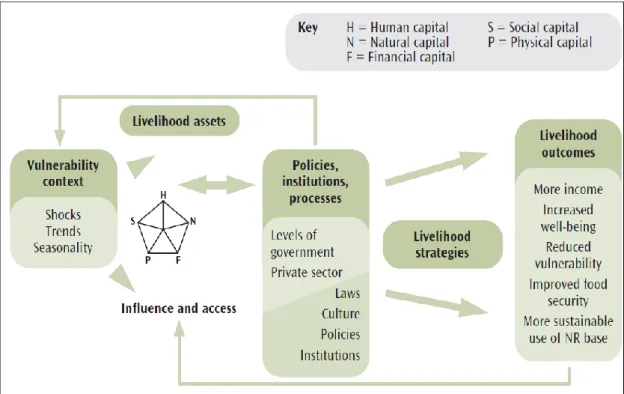
Figure 2.1: DfID Sustainable Livelihoods Framework ... 29
Figure 3.1: Ghana showing administrative regions... 52
Figure 3.2: Ghana showing different agro-ecological zones. ... 53
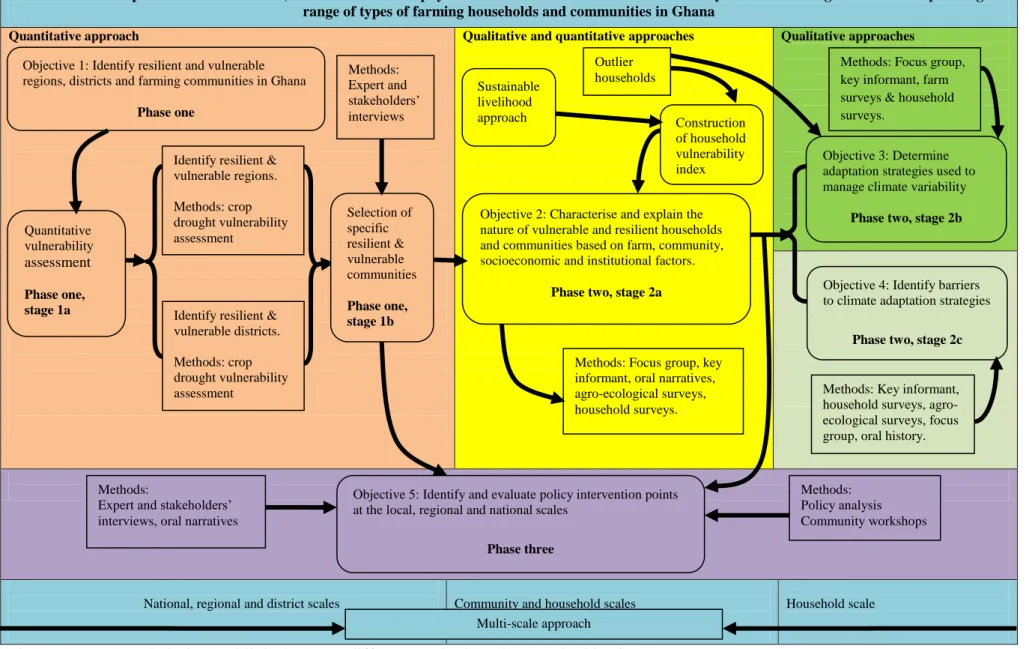
Figure 3.3: Research design and links between different methods and research objectives ... 59
Figure 3.4: Ghana showing selected districts ... 62
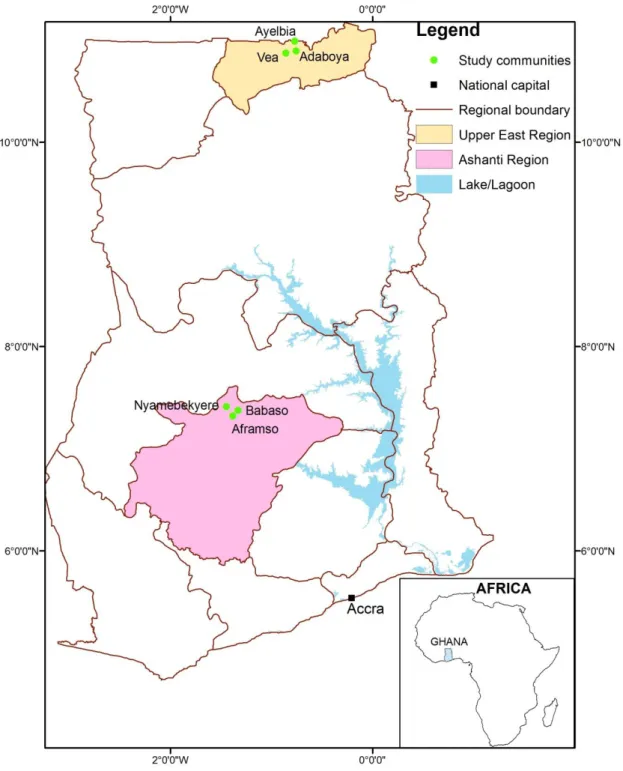
Figure 3.5: Ghana showing the study communities ... 64
Figure 3.6: Focus group discussion with community members, Aframso, July, 2010 . 73 Figure 3.7: Focus group discussion with female farmers, Vea, August, 2010 ... 73
Figure 3.8: Key informant explaining a point to researcher at a point of interest, Nyamebekyere, July, 2011 ... 78
Figure 4.1: Crop yield sensitivity of the various regions in Ghana ... 94
Figure 4.2: Exposure of the various regions in Ghana ... 95
Figure 4.3: Adaptive capacity indices of the various regions in Ghana ... 96
Figure 4.4: Box and whisker plot of vulnerability clusters derived by k-means cluster analysis ... 97
Figure 4.5: Vulnerability indices of the various regions in Ghana ... 98
Figure 4.6: Mean vulnerability indices of districts in the Upper East region, Ghana ... 99
Figure 4.7: Mean vulnerability indices of districts in the Upper West region, Ghana. 99 Figure 4.8: Mean vulnerability indices of districts in the Northern region, Ghana .... 100
Figure 4.9: Mean vulnerability of maize of districts in the Ashanti region, Ghana. ... 101
Figure 4.10: Annual rainfall for the resilient regions (1961–2007). ... 102
Figure 4.11: Annual rainfall for the vulnerable regions (1961–2007). ... 103
Figure 4.12: Mean annual maximum temperature for study regions (1961-2007). . .. 104
Figure 4.13: Mean annual minimum temperature for the study regions (1961-2007) 105 Figure 5.1: Mean vulnerability of the study communities ... 121
Figure 5.2: Components contributing to vulnerability in the study communities... 122
Figure 5.3: Mean vulnerability score based on gender and ‘perceived’ wealth ... 123
Figure 5.4: Proportion of households in different vulnerability clusters in study communities ... 125
xvi
Figure 6.2: Average rainfall for the beginning of the season in the vulnerable
communities ... 146 Figure 6.3: Sand mining by male farmers at Vea, August, 2011 ... 156 Figure 6.4: Proportion of male and female-headed households who reported using a particular adaptation strategy. ... 164 Figure 6.5: Proportion of households within different age groups planting drought tolerant varieties. ... 165 Figure 6.6: Proportion of households belonging to different wealth groups using different adaptation strategies. . ... 166 Figure 6.7: Proportion of households with different educational levels that reported using specific adaptation strategy. . ... 168 Figure 6.8: Proportion of households that reported using specific adaptation strategy in different communities (i.e. agro-ecological settings). . ... 170 Figure 7.1: Two stones believed to be “couples” by farmers at Nyamebekyere, Ghana ... 193 Figure 8.1: Institutional structure for climate change adaptation in Ghana ... 204
xvii
List of Tables
Table 2.1: Some definitions of vulnerability in the climate change literature ... 19
Table 2.2: Some definitions of adaptation in the climate change literature ... 41
Table 2.3: Livelihood diversification as climate adaptation in sub-Saharan Africa ... 45
Table 3.1: Typical rainfall characteristics of agro-ecological zones in Ghana ... 54
Table 3.2: Key characteristics of study districts ... 61
Table 3.3: Key characteristics of the study communities ... 67
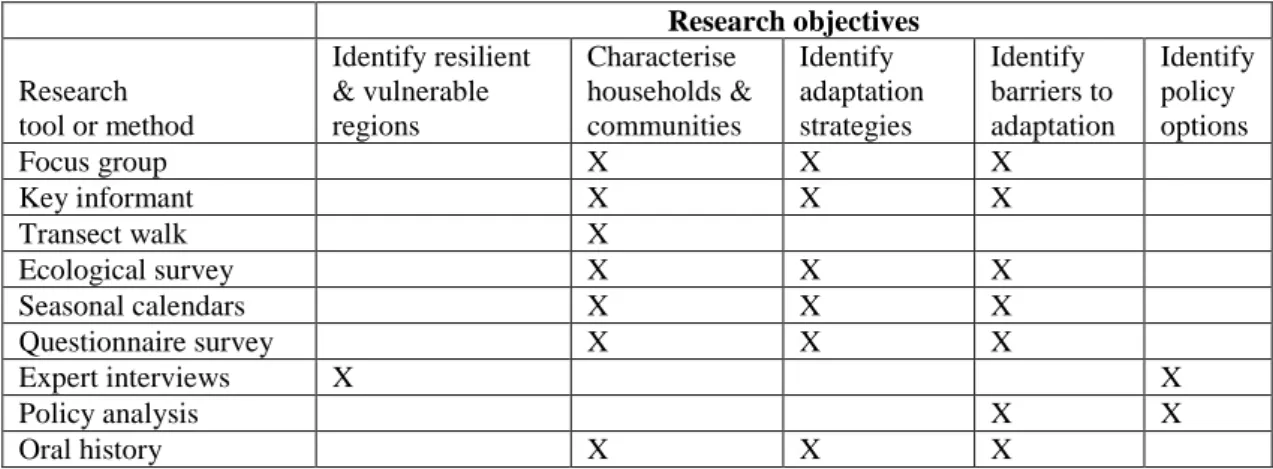
Table 3.4: How research tools or methods are related to the research objectives ... 69
Table 3.5: Strengths and limitations of the research methods ... 81
Table 5.1: Indicators of household livelihood vulnerability index collected through a household survey across six communities in Ghana ... 116
Table 5.2: Weighting system based on local farmers, key informants and experts perceived relative importance of various indicators ... 120
Table 5.3: Percentage of respondents by years of education in study communities ... 124
Table 5.4: Oral history narratives with example case study of outlier vulnerable and resilient households ... 128
Table 5.5: Key characteristics of the outlier and typical households in study communities ... 132
Table 6.1: Proportion of households in study communities who identified changes in climate ... 143
Table 6.2: Adaptation and coping strategies used by households in study communities ... 144
Table 6.3: Temporal scale at which coping and adaptation strategies are operated ... 144
Table 6.4: Climate histories for resilient and vulnerable communities (1960-2007) based on focus group discussion with farmers ... 149
Table 6.5: Types of non-farm jobs undertaken by sampled households in study communities (excluding jobs cited by less than 1% of the sample households) ... 154
Table 6.6: Early warning indicators used by farmers for impending rainfall and dry spell ... 158
Table 7.1: Proportion of households who cited particular barrier to climate adaptation ... 180
Table 7.2: Seasonal calendar constructed with farmers in the resilient communities during FGDs based on their observation since 2000 ... 183
xviii
Table 7.3: Seasonal calendar constructed with farmers in the vulnerable communities during FGDs based on their observations since 2000 ... 183 Table 8.1: Key themes relating to climate change and food security covered in Ghana’s INC, NAP and FASDEP that are relevant to enhancing the resilience of food
production ... 201 Table 8.2: Policy recommendations identified through expert and stakeholders’
interviews (n = 21) ... 211 Table 8.3. Scale of implementation and stakeholders involved in policy
xix
List of Abbreviations
ANOVA Analysis of Variance
CoP Conference of Parties
DfID Department for International Development, UK EPA Environmental Protection Agency, Ghana FAO Food and Agriculture Organisation
FASDEP Food and Agriculture Sector Development Policy, Ghana
FGD Focus Group Discussion
GDP Gross Domestic Product
GMet Ghana Meteorological Agency
HLVI Household Livelihood Vulnerability Index
IIED International Institute for Environment and Development INC Initial National Communication, Ghana
IPCC Intergovernmental Panel on Climate Change
ISSER Institute for Statistical, Social and Economic Research, Ghana MEST Ministry of Environment, Science and Technology, Ghana MLF Ministry of Lands and Forestry, Ghana
MoFA Ministry of Food and Agriculture, Ghana
MoFEP Ministry of Finance and Economic Planning, Ghana
NAP National Action Programme to combat desertification, Ghana NCCAS National Climate Change Adaptation Strategy, Ghana
NCCPF National Climate Change Policy Framework, Ghana NDPC National Development Planning Commission, Ghana
NGO Non-Governmental Organisation
NLP National Land Policy, Ghana SLA Sustainable Livelihood Approach SPSS Statistical Package for Social Sciences
SSA Sub-Saharan Africa
UN United Nations
UNCCD United Nations Convention to Combat Desertification UNDP United Nations Development Programme
1
CHAPTER 1
GENERAL INTRODUCTION
1.1
Research problem definition and justification
Climate change and variability pose one of the greatest threats to humankind in the 21st century (IPCC, 2007). Climate-crop modelling studies suggest that agriculture will be disproportionately affected compared with other sectors (Thornton et al., 2011; Lobell et al., 2008; Ericksen et al., 2011). There is an urgent need for interdisciplinary work that combines insights into food production with socioeconomic evaluations of farming communities so as to better understand how climate change and variability may affect food production systems and rural livelihoods (Mueller et al., 2012). An interdisciplinary approach allows different dimensions of climate change and variability to be explored. By bringing together different disciplines such as climate modelling, agricultural science, ecology and environmental sustainability, a more comprehensive explanation of climate change and its impacts on people can be achieved (Robinson, 2008; Kates et al., 2001). This is particularly important in Africa, especially sub-Saharan Africa (henceforth, ‘SSA’), which is projected to be severely affected by climate change and variability (Lobell et al., 2011; Schlenker and Lobell, 2010; Boko et al., 2007), and where a significant proportion of the people depend on rain-fed agriculture for their livelihoods (IPCC, 2007). An estimated 95% of farmed land in SSA is under rain-fed agriculture (FAO, 2005).
Africa has been reported as the most vulnerable region to climate change and variability as a result of its low adaptive capacity due to extreme poverty, poor infrastructure, insufficient safety nets and heavy dependence on rain-fed agriculture (Boko et al., 2007). Climate models suggest that SSA will experience a temperature rise of 2–4oC by 2100, which represents an increase of about 1.5 times higher than the projected mean global temperature increase (Christensen et al., 2007; Boko et al., 2007). In addition, increases in agricultural productivity have been slowest in SSA compared with the rest of the world (Dinar et al., 2008). In an assessment of vulnerability to climate related mortality, 33 out of the 59 countries found to be highly or moderately-highly vulnerable were situated in SSA (Brooks et al., 2005).
2
Ghana is an appropriate place to investigate these issues because agriculture is the backbone of its economy, contributing about 44% of the country’s Gross Domestic Product (GDP). Agriculture is the main source of income for many low income Ghanaian families, employing about 57% of the population (ISSER, 2003), while the agricultural sector contributes significantly to the foreign exchange earnings of the country. It is also important to note that the agricultural sector contributes to development through its provision of raw materials to local industries (MoFA, 2007). In spite of its socioeconomic importance, Ghana’s agricultural sector is arguably one of the most climate sensitive sectors because of its dependence on rain-fed cultivation. The amount and pattern of rainfall plays a key role in determining agricultural productivity (Haile, 2005). Maize yields in Ghana are projected to decrease by 7% by 2020 due to projected decreases in rainfall and increases in temperature linked to climate change and variability (EPA, 2008). This has the potential to severely affect food security because maize is grown and consumed in almost every part of the country.
Ghana has experienced considerable variations in temperature and rainfall patterns since the 1960s (EPA, 2003; 2007). Whilst uncertainties remain on future estimates of rainfall and temperature change, the general sense is that temperature will increase whilst rainfall decreases in all agro-ecological zones in Ghana (EPA, 2007). The ensemble of 21 climate models used by the Intergovernmental Panel on Climate Change (IPCC) suggest that there will be increased total precipitation in the south of the country whilst the northern parts of Ghana will become drier (Christensen et al., 2007). For instance, the IPCC model ensemble has projected that a reduction of 80 mm in monthly rainfall is possible in the north, particularly during the June–August farming season (Christensen et al., 2007). This will be exacerbated by high inter-annual rainfall variability, characterised by a reduction in the number of rainy days (Christensen et al., 2007). Indeed, a 40 year series (1961–2000) of climate data from the Ghana Meteorological Agency (GMet) show a rise of about 1oC in temperature and a decrease in rainfall and run-off by approximately 20% and 30%, respectively (EPA, 2007). Whilst the country’s temperature has been predicted to increase, based on future climate change scenarios using General Circulation Models, by 0.6oC, 2.0oC and 3.9oC by the years 2020, 2050 and 2080 respectively, rainfall, on the other hand, has been predicted to decrease by 2.8%, 10.9% and 18.6% during the same period (EPA, 2007).
3
For the past three decades, Ghana has experienced increased incidences of extreme events such as droughts, floods and bush fires linked to climate change and variability (Boko et al., 2007; Christensen et al., 2007) and these have often resulted in severe food insecurity (MoFA, 2007). Ghana experienced droughts in 1968–73, 1982–84, 1990–1992 but the drought of 1983/84 is one of the most major droughts in the country’s history as it caused major hydrological imbalances that affected crop productivity throughout the country (EPA, 2003). For instance, Ofori‐Sarpong (1986) observed a significant decline in cereal production due to the major drought in 1983 that led to extensive food insecurity. In terms of floods, 2007 recorded one of the most devastating floods to hit the country (especially northern Ghana) in recent years, with over 330,000 people affected and 56 killed (Tschakert et al., 2010).
Increased temperature coupled with decreased rainfall will affect water resources. Though varying between regions, Owusu and Waylen (2009) observed downward trends in precipitation in most agro-ecological zones in Ghana between 1951 and 2000. Water flow in Ghana has been projected to decrease by 15–20% and 30–40% for the years 2020 and 2050 respectively (WRI, 2000; Owusu and Waylen, 2009). Reduction in water flow will result in enhanced soil moisture deficits and increased evaporation and evapo-transpiration, shortening the length of the growing season. This could have serious implications for agricultural productivity in several communities across the country. Coupled with extreme events such as droughts and floods, it could result in crop failure and food insecurity across many parts of the country.
Food security and rural livelihoods in Ghana and SSA more widely will therefore be placed under considerable stress due to climate change and variability (FAO, 2010). Cereals including maize, millet and sorghum, which serve as important staple food crops are extremely vulnerable (particularly to drought) (Schlenker and Lobell, 2010), as these crops require an appreciable quantity of rainfall for their growth. Using a crop model (CROPSIM-cassava) with data from the semi-deciduous forest zone (Ashanti region) of Ghana, Sagoe (2008) projected a reduction in predicted cassava yields of 3%, 13.5% and 53% by 2020, 2050 and 2080 respectively. Similarly, yields of cocoyam are expected to reduce by 11.8%, 29.6% and 68% in 2020, 2050 and 2050 respectively. In addition, the livelihoods of poor smallholder farmers are disrupted by
4
drought and floods due to climate variability, thereby increasing their vulnerability to food insecurity (MoFA, 2007).
Land degradation including desertification and severe forms of soil erosion due to climate change compound the risk of food insecurity in most parts of the country (EPA, 2003). A model-based study of Ghana suggests that land degradation due to soil erosion could reduce agricultural income by US$4.2 billion over the period 2006–2015 (Diao and Sarpong, 2011). These challenges have the potential to make many households food insecure as they will have limited capacity in terms of food availability, access and utilisation.
The intra-annual rainfall variability and increased temperature are also situated in a myriad of other political, economic, social and environmental challenges (EPA, 2007). This has adverse consequences for Ghana’s development because the economy is dependent on rain-fed agriculture. This shows that Ghana (particularly the agricultural sector), is extremely sensitive to the adverse impacts of climate variability (EPA, 2007; Stanturf et al., 2011), hence the need to explore the extent of vulnerability and provide appropriate policy interventions.
Despite the projected decrease in rainfall and increase in temperature, data on the nature and extent of vulnerability of Ghana’s food systems and rural livelihoods to climate change and variability are lacking and this hampers the development of effective policy to reduce the adverse impacts of climate change and variability. For instance, little is known about how farmers adapt to changing climatic conditions in different parts of the country. As such, it is unclear from a policy perspective how to best enhance national adaptive capacity. This research seeks to provide empirical understanding of the factors and drivers that contribute to vulnerability to climate change and variability in food production systems and rural livelihoods in Ghana and thereby provides insights into the processes that are needed to create the capacity to adapt. A better understanding of the risks posed by climate change and variability (particularly drought) will provide guided policy recommendations to improve food production, livelihoods and agricultural practices in Ghana.
5
Mapping climate vulnerability of Ghana is important because the IPCC’s regional assessments of climate change impacts for Africa imply declining grain yields are likely and predict that agricultural production and food security in SSA will be negatively affected particularly relating to increased drought intensity and frequency linked to greater inter-annual rainfall variability (Boko et al., 2007; Lobell et al., 2008). However, the impacts of climate variability on food production in SSA will vary spatially and understanding the complexity of such systems requires further investigation through more detailed assessments of key regions such as that provided in this thesis.
The different agro-ecological zones of Ghana share climatic features similar to the Sahel and other parts of West Africa, which experience a high degree of temporal and spatial variations in rainfall and temperature (Hulme, 2001). For instance, the major drought experienced in Ghana in 1983/84 and flood of 2007 were also experienced in many other West African countries (FAO, 2009). In addition, the socioeconomic characteristics of Ghana in terms of poverty levels and per capita GDP (of less than US$1000 per year) are similar to those of other West African countries (UNDP, 2010). Like Ghana, rain-fed agriculture provides employment to more than half of all the population in most of West Africa (UNDP, 2010). Therefore, Ghana is a useful case study context in which to undertake more detailed climate vulnerability assessment, and the findings will have wider significance for dryland farming systems in Ghana and SSA more widely.
1.2
Research aim and objectives
The aim of this thesis is to explore the socioeconomic, institutional and biophysical factors that contribute to vulnerability to climate change and variability amongst a range of types of farming households and communities in Ghana. This will improve understanding of the links between Ghana’s food production systems and climate change and variability. To achieve this aim, the specific objectives are to:
(1) Identify vulnerable and resilient regions, districts and communities in Ghana; (2) Characterise and explain the nature of vulnerable and resilient households and communities based on farm, community, institutional and socioeconomic factors;
6
(3) Determine different adaptation strategies being adopted to manage climate change and variability in vulnerable and resilient households and communities;
(4) Identify and evaluate the main barriers to these adaptation strategies in vulnerable and resilient farming communities;
(5) Identify policy recommendations to reduce vulnerability and enhance resilience of food production systems and rural livelihoods to climate change and variability at local, regional and national scales.
1.3
Applied and academic contributions
By providing multi-scale, mixed methods research that addresses each of the objectives, this thesis provides several important academic contributions. It:
(i) Contributes to scientific debates on the development of integrated vulnerability assessments that can be applied in geographical areas for which more detailed data may be lacking. This is particularly important for Africa and Ghana in particular, where there are few climate projections due to lack of appropriate climate data.
(ii)Provides a theoretical understanding of food production and rural livelihood vulnerability that will help guide more general discussions of the sorts of livelihood systems that should be better able to adapt to future climate changes. (iii) Increases understanding of the drivers of vulnerability to climate change and
variability in agriculture-dependent households in order to enhance the design and implementation of specific climate adaptation policy.
(iv) Contributes to scientific debates by increasing our understanding of how small-scale farmers are coping with the challenges posed by climate variability. (v) Provides insights into the barriers to small-scale farmers’ climate adaptation
pathways in the context of rain-fed agriculture, thereby providing guided policy recommendations to help enhance food production and reduce livelihood vulnerability in Ghana and more widely.
7
1.4
Definition of key terms and concepts
In the climate change literature, there are no universally agreed definitions for terms such as vulnerability, adaptation, and resilience. Given that definitions of these terms and concepts are often contested, working definitions are provided here and applied throughout this thesis. Justifications for the chosen definitions are provided to frame the analysis and discussions.
Vulnerability: This thesis adopts the IPCC definition of vulnerability (to climate change) as “the degree to which an environmental or social system is susceptible to and unable to cope with adverse effects of climate change, including climate variability and extremes” (IPCC, 2007, p. 883). The IPCC indicates that vulnerability is a function of a system’s exposure, sensitivity and adaptive capacity (full explanation of these terms – exposure, sensitivity and adaptive capacity – is provided later, in Chapter 2).
Adaptation: This thesis follows Smith et al’s (2000) definition of adaptation as the process by which stakeholders reduce the adverse effects of climate on their livelihoods. It involves adjustments in lifestyle, behaviour and economic structure aimed at reducing the vulnerability of a system to climate change, thereby increasing its sustainability (Smith et al., 2000).
Resilience: According to Walker et al. (2006), resilience refers to the ability of a system to withstand shocks in order to maintain its structure and identity. Resilience is defined as being present in situations where major changes and variability in the climate (such as drought) result in insignificant loss of crop yield in a particular community (Simelton et al., 2009).
Adaptive capacity: Adaptive capacity in the context of climate change has been defined by the IPCC (2007, p. 869) as “the ability of a [food production] system to adjust to climate change (including climate variability and extremes) to moderate potential damages, to take advantage of opportunities, or to cope with the consequences.” This research adopts the definition by the IPCC because it allows a
8
broad conceptualisation of what farming communities are doing and the resources they draw upon in adapting to climate variability.
Coping capacity: Coping capacity and adaptive capacity are mostly distinguished with reference to timescale. Adaptive capacity is linked to long-term strategies whilst coping may include short-term strategies (Smithers and Smit, 1997). In this thesis, coping capacity refers to short-term strategies taken by farming households and communities to counteract the immediate negative impacts of climate variability including drought (Campbell et al., 2011).
Food systems: According to Ericksen (2008a, p. 3), “food systems comprise a set of activities and outcomes ranging from production through to consumption, which involve both human and environmental dimensions.” Gregory et al. (2005, p. 2141) defined food system as “a set of dynamic interactions between and within the bio-geophysical and human environments which result in the production, processing, distribution and preparation and consumption of food.” This research will follow the definition by Gregory et al. (2005) as a working definition but focuses specifically on food production systems.
Food security: Several definitions have been proposed for food security over the years. Having recognised the diversity in definitions of food security, this thesis adopts the FAO (2002) definition as a “situation that exists when all people, at all times, have physical, social and economic access to sufficient, safe and nutritious food that meets their dietary needs and food preferences for an active and healthy life.”
Drought: this thesis adopts the IPCC (2007, p. 873) definition of drought as a “phenomenon that exists when precipitation is significantly below normal recorded levels causing serious hydrological imbalances that adversely affect land resource production systems.” This thesis is concerned with meteorological drought, which refers to lack of precipitation over a particular period, and agricultural drought, which refers to “periods of declining soil moisture and consequent crop failure” (Mishra and Singh, 2010, p. 206).
9
Livelihoods: “A livelihood comprises the capabilities, assets (stores, resources, claims
and access) and activities required for a means of living” (Chambers and Conway, 1992, p. 7). An assessment of livelihoods offers the opportunity to highlight the various adaptations that might be available to determine how rural communities can cope with declining crop yields due to drought.
1.5
Structure of thesis
This thesis is structured into nine chapters that are linked to the research objectives. Following this introductory chapter, Chapter 2 reviews the pertinent literature on climate change and variability and the impacts of these on food production systems and livelihoods with particular reference to SSA. In addition, Chapter 2 highlights literature on various frameworks that have been used to assess the vulnerability of food production systems and livelihoods to climate variability, and explores the literature on climate adaptation in SSA.
Chapter 3 describes the study country (Ghana) highlighting the nature of its farming and land tenure system. The research design and methodology are also presented in Chapter 3, describing the study locations and the range of quantitative and participatory methods used to collect and analyse data. The relevance of participatory approaches for this thesis is discussed in Chapter 3. Also, Chapter 3 explores the strengths and limitations of the research instruments used for data collection. Finally, issues relating to positionality and ethical considerations are explored in Chapter 3.
Chapter 4 develops and applies a multi-scale, multi-indicator method to assess food production vulnerability to drought in Ghana. This integrated method is used to identify resilient and vulnerable regions and districts, within which expert and stakeholders’ interviews were used to select specific resilient and vulnerable farming communities for local-level research. Chapter 4 also assesses the extent of climate change and variability in the study area.
In Chapter 5, food production systems in the identified resilient and vulnerable communities are characterised. Applying the sustainable livelihoods approach, this chapter builds on Chapter 4 (national and regional level assessments) by developing
10
and applying a household livelihood vulnerability index at the community and household scales to characterise and explore the nature of climate vulnerability. Chapter 5 identifies outlier households (i.e. vulnerable households within resilient communities as well as more resilient households within vulnerable communities). Outlier households are studied in detail to explain the factors that can help households to be more resilient or vulnerable.
In Chapter 6, the main adaptation strategies used by households in the farming communities are identified and evaluated. This chapter also assesses the socioeconomic factors that may influence households’ choice of specific adaptation strategies. Chapter 7 then determines the major barriers preventing households in the farming communities from implementing such adaptation strategies.
Chapter 8 analyses the various policies aiming to tackle climate change and desertification. It also analyses policies on food security in Ghana. In Chapter 8, the possible policy interventions identified in this thesis that can be used to reduce the adverse impacts of climate change and variability on food production systems and rural livelihoods are also presented.
Chapter 9 summarises the main conclusions and provides a synthesis of the key findings, exploring the implications for food security and rural livelihoods in Ghana and more widely. Chapter 9 also provides methodological reflections on the multi-scale drought vulnerability assessment. Finally, priorities for future research are presented in Chapter 9.
1.6
Conclusion
This chapter has stated the research problem and outlined the main research objectives that this thesis seeks to achieve. It has also highlighted the envisaged academic contribution of the research and established the need for research of this nature to be conducted to improve understanding of the links between Ghana’s food production systems and climate change and variability.
11
CHAPTER 2
ASSESSING VULNERABILITY IN FOOD PRODUCTION
SYSTEMS TO CLIMATE VARIABILITY
2.1
Introduction
This chapter reviews pertinent literature on vulnerability assessment to establish the theoretical and conceptual frameworks for the thesis. It identifies gaps in the literature that inform the appropriate research design and methods outlined in Chapter 3. This chapter begins by examining literature on the extent of climate change and variability with particular reference to SSA. It then examines the implications of climate variability for food security in SSA by highlighting the impacts of climate change and variability on different components of food security: food availability, accessibility, utilisation and stability. The chapter provides a review of the relevant frameworks that have been proposed to assess vulnerability to climate change and variability. It then highlights pertinent literature on climate adaptation measures with reference to SSA. The chapter concludes with a synthesis and reflection, highlighting the main research gaps that the thesis addresses.
2.2
Climate change and variability in Sub-Saharan Africa
Although Africa is considered a minor player in terms of total global greenhouse gas emissions, contributing to <3% of the world’s total (UNDP, 2007), international studies (e.g. Boko et al., 2007; Lobell et al., 2011) suggest that Africa is the most vulnerable continent to climate change and variability. This vulnerability has been attributed to the continent’s low adaptive capacity and its over-dependence on rain-fed agriculture (Boko et al., 2007). Rain-fed agriculture provides the backbone of most African countries’ economies, employing about 60% of the workforce (Sarris and Morrison, 2010). Within Africa, SSA is considered to be the most vulnerable to the adverse impacts of climate change and variability (Boko et al., 2007).
Hulme et al. (2001) indicated that Africa is warmer than it was 100 years ago, with greater warming occurring since the 1960s. Many studies have established that there
12
have been remarkable changes in rainfall, temperature as well as increased incidence of extreme weather events across Africa, particularly SSA (Hulme et al., 2001; Nicholson, 2001; Nicholson et al., 2000). Decadal warming rates of 0.29oC have been observed for Africa in general (Boko et al., 2007). In terms of future trends, Christensen et al. (2007) project an average increase of between 3oC and 4oC for Africa by 2080–2099 based on the 1980–1999 period, under medium-high IPCC emission scenarios, using the 20 General Circulation Models. SSA has experienced both seasonal and annual rainfall variability (Hulme et al., 2001). Several studies investigating rainfall variability have noted a decline in annual precipitation in SSA, especially West Africa, and particularly in the Sahel (Hulme et al., 2001; Nicholson, 2001). The El Niño phenomenon, sea–surface temperatures and, the feedback between land and the atmosphere have been identified as important influences on rainfall variability (Nicholson, 2000). Ghana, like many other West African countries has experienced considerable variations in temperature and rainfall patterns over the past four decades (EPA, 2007). Several studies have projected that temperature will increase and rainfall will decrease in all of the country’s agro-ecological zones (e.g. EPA, 2007; Owusu and Waylen, 2009). Hence, Ghana provides a useful case study country in which to explore the links between vulnerability to climate change, food production and livelihoods.
2.3
Implications of climate change and variability for food security in
Sub-Saharan Africa
Food systems are defined in this research as “a set of dynamic interactions between and within the bio-geophysical and human environments that result in the production, processing, distribution, preparation and consumption of food” (Gregory et al., 2005, p. 2141). From this, it can be deduced that food systems are central to achieving food security within a region. Though food security remains an elusive concept (Barrett, 2010), generally, it consists of four key components: (i) food availability (production, distribution and exchange); (ii) food accessibility (affordability, allocation and preference); (iii) food utilisation (nutritional value, social value and food safety); and (iv) food stability (Schmidhuber and Tubiello, 2007; Ingram et al., 2005). Failure in one of these components can result in a household becoming food insecure (Ericksen,
13
2008a). Much of the literature suggests that food security could be threatened by climate change together with other factors such as increasing population, consumption patterns and urbanisation (Godfray et al., 2010; Satterthwaite et al., 2010; Beddington, 2010).
Food security is influenced by the interplay of a complex set of economic and socio-political factors including poverty, lack of markets, accelerated population growth, poor infrastructure, conflicts, and a high disease burden – aspects that characterise most economies in SSA (Ericksen, 2008b). Climate change and variability will add to these factors. Climate change has been described as a new security threat to Africa (Brown et al., 2007), with a recent study suggesting increased incidences of civil wars due to climate change and a strong correlation between historical civil wars and warmer years (Burke et al., 2009). Climate change and variability will adversely affect all four components of food security, highlighting the need for policy makers to implement appropriate measures to mitigate these impacts (Kotir, 2011). The next section examines how the components of food security could be adversely impacted by climate change and variability. Since this thesis is primarily concerned with food production aspects of food system, emphasis is placed on food availability as this is the aspect to which food production is most closely linked.
2.3.1 Food availability
Food availability can be defined as the quantity of food produced within a particular region including the distribution and exchange of these foods (FAO, 2008). Ericksen (2008b) argues that human capital and landholding size among other factors may influence the amount of food produced within a particular region. Several studies have suggested that food production in Africa, especially SSA, will be adversely affected by climate change and variability (Schlenker and Lobell, 2010; Boko et al., 2007; Thornton et al., 2011; Kotir, 2011). Boko et al. (2007) project about 50% reductions in crop yield by 2020 with an estimated 90% fall in crop net revenue by 2100 due to climate change in many Africa countries. Schlenker and Lobell (2010) modelled yield response to climate change by combining climate data with historical crop production to show that yields of major agricultural crops including maize, groundnut, millet, sorghum and cassava in SSA, could decrease by 7–27 % by mid-century (2050).
14
Climate change and variability will affect food availability in SSA by reducing the area of crop land suitable for agricultural production (Arnell, 2009). Much of SSA will experience a substantial reduction in the length of growing period, i.e. when soil moisture and temperature are most conducive for crop growth (Thornton et al., 2011). Warming by 4oC or more could have devastating effects on the livelihoods of many croppers and livestock keepers in SSA (Thornton et al., 2011), especially where rain-fed agriculture contributes about 30% of GDP (Sarris and Morrison, 2010).
Changes in environmental conditions that control plant growth such as temperature, soil moisture and atmospheric carbon dioxide could alter crop production. Climate change and variability can also affect the incidence of pests and diseases that could reduce agricultural productivity (Gan, 2004). Crop yields may be directly affected by climate change especially in rain-fed agricultural systems. For instance, high temperatures during flowering could be very costly for crops such as maize and soybean (Porter and Semenov, 2005). This is because physiological processes such as germination, flowering and photosynthesis have an optimum temperature range within which they function effectively (Gliessman, 2007).
Extreme weather events due to climate change may make the application of farm inputs such as fertilizers difficult and this can reduce their efficiency (Porter and Semenov, 2005). Climate change may also increase the risk of soil erosion and salinization (Nearing et al., 2004). This is likely to reduce soil fertility, especially in arid and semi-arid regions, where there are serious challenges posed by land degradation and desertification. This may reduce crop yields. Further, drought as a result of increased temperature and reduced precipitation could pose serious challenges to many poor small-scale farmers. The few irrigation facilities in SSA could be placed under considerable pressure (IPCC, 2007). It is estimated that climate change will expose between 75–250 million people to water stress in Africa by the 2020s (Arnell, 2004). Worryingly, this figure could increase to 350–600 million people by the 2050s (Arnell, 2004). This will lead to increased competition for water between agricultural, household and industrial purposes that could lead to conflicts (see Toulmin, 2009).
15
The impacts of climate change on human health may also indirectly affect agriculture. In SSA where temperatures are already high, any further increases can be very dangerous for human health, increasing the incidence of diseases such as diarrhoea, and malaria (Confalonieri et al., 2007; Haines et al., 2006). For instance, Campbell-Lendrum et al. (2003) project increases of 2–3% of diarrhoea cases by 2020 due to climate change in low income countries. Increased incidence of malaria due to climate change could also potentially affect labour availability for agriculture (Confalonieri et al., 2007), with considerable implications for food availability (Tirado et al., 2010). Under the HadCM2 climate scenario, Parry et al. (1999) estimate an additional 55–65 million people are likely to suffer from hunger by the 2080s.
The distribution of food is essential if food is to be made available, especially in developing countries that lack the infrastructural capacity to store and transport food from production centres to other areas. Food needs to be moved from areas of production to consumption through various transport systems. In this regard, increased incidences of extreme events such as flooding, rain storms and heat stress due to climate change across Africa (IPCC, 2007) could have devastating effect on food availability by disrupting road infrastructure, making food distribution quite challenging.
2.3.2 Food accessibility
Food accessibility is defined as the ability of the individual or household to secure entitlements which will allow the individual or household to acquire food in sufficient quantities and quality (Schmidhuber and Tubiello, 2007). Food accessibility is influenced by three major factors; affordability, allocation and preference (Ericksen, 2008b; Ingram et al., 2005). Food affordability refers to a household’s ability to access food through its set of entitlement and usually varies across different income classes within a particular region or community (FAO, 2008). Climate change and variability will greatly affect households’ or people’s entitlements due to increased exposure resulting from climate change.
Climate change and variability may also increase the production cost of food, thereby increasing prices for consumers (FAO, 2008). This will affect food access by
16
households in SSA (FAO, 2011). It is estimated that by 2080 climate change could reduce agricultural GDP in SSA by 8% compared with a decline of about 4% in Asia (Shah et al., 2008). This will greatly affect the capacity of people to access food as a reduction in GDP will seriously compromise the ability to finance food exports for most countries in this region (Shah et al., 2008). Reduced income to farmers in SSA due to reduced crop yields may affect the ability of most households in SSA to purchase food, even when food is available on the market. It is projected that an increase of 3oC and beyond could result in up to a 40% increase in food prices (Easterling et al., 2007).
2.3.3 Food utilization
Food utilization refers to the use of a particular food which is determined by its nutritional value, social value and safety (Ericksen, 2008b; FAO, 2008). Food utilization also concerns the dietary quality of food (Barrett, 2010). Increasing temperatures associated with climate change could affect the quality of food in storage, thereby affecting local food supplies, particularly in SSA (Tirado et al., 2010). This will be especially significant for vegetable crops, which have a short shelf life. Developed nations may be able to invest heavily in storage facilities that will reduce these impacts on food quality (FAO, 2008). However, this is likely to present serious challenges for developing countries (including those in SSA), which already have lots of developmental issues with which to contend. It has also been observed that climate change and variability could directly adversely affect the nutrient contents of food such as grains, as well as increase toxins in food as a result of increased incidences of pests and diseases (Slingo et al., 2005). Mycotoxin (including aflatoxin) contamination of groundnut has been cited as one possible concern (Slingo et al., 2005). Food utilisation may also be related to the impacts of climate change on the ability of individuals to utilise food due to increased incidence of diseases.
2.3.4 Food stability
Food stability refers to situations where people may either temporarily or permanently lose their access to resources that could enable them consume food (Schmidhuber and Tubiello, 2007). The impacts of climate change and variability on food stability relates to the increased incidence of extreme events such as cyclones, droughts and floods that
17
will ultimately affect the stability of local production and supplies (IPCC, 2007). Food instability due to drought has also been reported to result in a dramatic reduction in agricultural production (including livestock) with SSA and parts of South Asia – two of the poorest regions in the world – predicted to experience the highest degree of chronic undernourishment (Bruinsma, 2003).
The on-going discussions show that all components of food security will be negatively affected by climate change and variability. In SSA, this challenge is further complicated by a lack of institutional and scientific capacity to address the problems presented by increased temperature and reduced rainfall on the livelihoods of rural households and communities. Food security in many SSA countries will, therefore, be placed under considerable stress due to climate change and variability.
Thus far, this review has established the extent of food systems’ vulnerability to climate change and variability with particular reference to SSA. What follows is an exploration of the concept of vulnerability and how food systems and livelihood vulnerability to climate variability have been assessed.
2.4
Vulnerability to climate change and variability
The concept of vulnerability emerged within development debates in the 1990s (Chambers, 1994) and has also been applied in the area of hazard preparedness, engineering based research and projects (Adger, 2006). It has been applied to a wide range of challenges including food insecurity (e.g. Sen, 1981; Yaro, 2004), disaster assessment (e.g. Wisner, 2004; Cutter et al., 2003) and in assessing livelihoods and poverty (e.g. Chambers and Conway, 1992) as well as climate vulnerability (e.g. Midgeley et al., 2011; Abson et al., 2012; Ericksen et al., 2011). To understand how vulnerability is used in the climate change literature, this thesis first defines vulnerability and then explores the various interpretations by different scholars.
2.4.1 Vulnerability defined
There is a variety of definitions for vulnerability in the climate change literature and there is no consensus among scholars on what vulnerability is (Table 2.1). This thesis
18
adopts the IPCC definition of vulnerability (to climate change) as “the degree to which an environmental or social system is susceptible to, and unable to cope with, adverse effects of climate change, including climate variability and extremes” (IPCC, 2007, p. 883). This allows broad conceptualisation of the extent to which farming communities and households are unable to withstand the negative impacts of climate variability on livelihoods, allowing the identification of the various adaptive capacities of such communities and households. Scholars working on livelihoods and vulnerability, such as Chambers (1989) and Watts and Bohle (1993), distinguish between the external and internal side of vulnerability. The external side relates to the stress that a system or individual is exposed to; and the internal side refers to a lack of inherent ability to cope and recover from a stress or hazard (Birkmann, 2006; Füssel and Klein, 2006).
A discussion of vulnerability should include the capacity of the system to withstand the threat posed by the changing environmental (climate) patterns (Moser, 1998). Therefore, Moser (1998) links vulnerability to asset ownership, as well as the entitlement that the household or community can command in the face of exposure. Hence, communities or households that have fewer assets are more vulnerable compared with those that can command more assets in the face of drought-related crisis such as famine (Moser, 1998). Thus, a system that is vulnerable to climate variability will demonstrate a high sensitivity to modest climate stress and is constrained in its capacity to adapt to such harmful effects (Lioubimtseva and Henebry, 2009).
Central to the interpretation and understanding of vulnerability is the idea of resilience of social-ecological systems (Miller et al., 2010). Though resilience and vulnerability are closely related, care should be taken not to confuse resilience as a flip side of vulnerability (Gallopín, 2006). According to Walker et al. (2006), resilience refers to the ability of a system to withstand shocks in order to maintain its structure and identity. In his seminal paper, Holling (1973, p. 14) defines ecological resilience as the “ability to absorb change and disturbance and still maintain the same relationships that controls a system’s behaviour.” Social resilience refers to the capacity of social group or community to withstand socio-political as well as environmental stresses (Adger, 2000). Fraser (2006) argues that where a seemingly large disturbance causes relatively small shift in a system’s original state, then such a system may be resilient. Resilience
19
is defined in