Timothy
(2020)Evaluation of Wearable Electronics for Epilepsy: A Systematic
Review. Electronics (Basel), 9 (6). p. 968. ISSN 2079-9292
Downloaded from:
http://e-space.mmu.ac.uk/625970/
Version:
Published Version
Publisher:
MDPI AG
DOI:
https://doi.org/10.3390/electronics9060968
Usage rights:
Creative Commons: Attribution 4.0
Please cite the published version
Electronics 2020, 9, 968; doi:10.3390/electronics9060968 www.mdpi.com/journal/electronics Review
Evaluation of Wearable Electronics for Epilepsy:
A Systematic Review
Tendai Rukasha 1, Sandra I Woolley 1,*, Theocharis Kyriacou 1 and Tim Collins 2 1 School of Computing and Mathematics, Keele University, Staffordshire ST5 5BG, UK;
[email protected] (T.R.); [email protected] (T.K.)
2 Department of Engineering, Manchester Metropolitan University, Manchester M1 5GD, UK;
* Correspondence: [email protected]
Received: 25 May 2020; Accepted: 8 June 2020; Published: 10 June 2020
Abstract: Epilepsy is a neurological disorder that affects 50 million people worldwide. It is
characterised by seizures that can vary in presentation, from short absences to protracted
convulsions. Wearable electronic devices that detect seizures have the potential to hail timely
assistance for individuals, inform their treatment, and assist care and self‐management. This
systematic review encompasses the literature relevant to the evaluation of wearable electronics for
epilepsy. Devices and performance metrics are identified, and the evaluations, both quantitative
and qualitative, are presented. Twelve primary studies comprising quantitative evaluations from
510 patients and participants were collated according to preferred reporting items for systematic
reviews and meta‐analyses (PRISMA) guidelines. Two studies (with 104 patients/participants)
comprised both qualitative and quantitative evaluation components. Despite many works in the
literature proposing and evaluating novel and incremental approaches to seizure detection, there is
a lack of studies evaluating the devices available to consumers and researchers, and there is much
scope for more complete evaluation data in quantitative studies. There is also scope for further
qualitative evaluations amongst individuals, carers, and healthcare professionals regarding their
use, experiences, and opinions of these devices.
Keywords: wearable electronics; epilepsy; seizure detection; smart watch; systematic review
1. Introduction
Epilepsy is a neurological disorder affecting 50 million people worldwide [1]. While seizures can
be controlled with antiepileptic drugs, more than 30% of people with epilepsy have drug‐resistant
seizures [2]. The timely detection of seizures is important in hailing assistance that can reduce the
potential for injuries and sudden unexpected death in epilepsy (SUDEP) events [3,4]. This paper
reviews the literature relevant to qualitative and quantitative assessments of the wearable electronics
available to individuals and researchers for the detection of epilepsy seizures.
The onset of epileptic seizures is associated with autonomic changes including flushing,
sweating, and heart rate changes [5,6] that have the potential to be detected by wearable temperature,
electrodermal activity (EDA), and optical pulse “photoplethysmography” (PPG) sensors,
respectively. The seizures themselves can be convulsive or nonconvulsive. Convulsive seizures
involve repeated involuntary contractions and relaxations of muscles that appear as repetitive,
rhythmic, shaking motions. The pronounced motor activity of convulsive seizures makes them
potentially recognisable with accelerometery. In contrast, nonconvulsive seizures can be difficult to
according to their type of presentation as tonic, clonic, tonic‐clonic, myoclonic, atonic, and absence as
summarised below:
Tonic seizures (TS) associated with contractions of the muscles;
Clonic seizures (CS) associated with repeated contractions and relaxation of muscles;
Tonic‐clonic seizures (TCS) associated with stiffening followed by shaking;
Myoclonic seizures (MS) associated with twitching regions of muscles;
Atonic seizures associated with loss of muscle strength;
Absence seizures associated with individuals appearing detached or inattentive.
The management and treatment of epilepsy relies on the assessment of seizure presentation and
frequency, but patient self‐reports and carer recall can be unreliable [7] and patient seizure diaries
can underestimate seizure frequency [8,9].
In a review of electroencephalography (EEG) and other
seizure reporting technologies for epilepsy treatment, Bidwell et al. [10] highlighted “a strong need
for
better distinguishing between patients exhibiting generalized and partial seizure types as well as
achieving more accurate seizure counts“ but concluded that high false positive seizure detection rates
meant that most technologies failed to surpass patient self‐reporting performance.
Whilst EEG is used in clinical laboratory settings for seizure assessment and diagnosis, new
research toward wearable ambulatory EEG sensing [11] offers future opportunities for assessment
and monitoring beyond the clinical environment. However, currently, despite “great interest in the
use of wearable technology across epilepsy service users, carers, and healthcare professionals” [7],
the monitoring of seizures outside the clinic, in real‐world settings and during the activities of
everyday living, is limited to the sensing afforded by a small set of available wearable epilepsy
seizure‐sensing devices. Additionally, some nonwearable devices are available, for example, sensors
designed to attach to a bed or mattress to detect night‐time seizures; however, the focus of this review
is on wearable devices.
Wearable Electronics for Epilepsy Seizure Detection
There has been strong interest and market growth in wrist‐worn wearable health and well‐being
devices [12] incorporating digital thermometers for temperature, conductivity sensors for EDA,
micro‐electromechanical systems (MEMS) for accelerometery, and light‐emitting diodes (LEDs) and
photodiodes for PPG pulse wave detection [13], as well as new advances toward flexible skin‐
inspired sensors [14]. Despite reliability concerns related to ambulatory sensing [15], wearable
devices are increasingly used in clinical and healthcare applications. Low‐ and mid‐range wearable
devices typically comprise optical PPG pulse, EDA, temperature, and three‐axis accelerometer
sensors [16–19]. As illustrated in Figure 1, wearable electronics for epilepsy seizure detection, based
on wrist‐ and arm‐worn sensor configurations, are now available to individuals and researchers for
the purpose of detecting and reporting seizures and alerting carers for timely assistance. Additional
sensors such as gyroscopes and GPS (global positioning system) receivers can detect rotational
movements and location, respectively. Signals from these sensors can be used to detect “preictal”
periods before a seizure by electrodermal activity and heart rate changes, or, during the seizure,
shaking motor movements (or lack of movement during absences), and can be used to locate, report,
and log seizure events. It is, however, difficult to reliably detect seizures in everyday life [20], and the
challenge of disambiguating seizures and normal everyday (seizure‐like) movements such as teeth
brushing may result in false alarms that require repeated cancellations and which may disincentivise
uptake among patients.
Table 1 summarises the currently available wearable consumer seizure‐detecting devices that
have been evaluated in the literature. These include the Embrace seizure‐detecting wrist‐worn sensor,
developed by Empatica [21]. Embrace is a maturing product that is available to consumers via device
purchase and monthly subscription (subscriptions, at the time of writing, are £9.90–£44.90 per
month). Empatica also market an “E4” (previously “E3”) research version of their Embrace device
that provides researchers with access to the raw sensor data that can be used to test seizure‐detecting
free [22], NightWatch [23], and SmartWatch [24]. Epi‐Care free is a wrist‐worn (or ankle‐worn) sensor
incorporating an accelerometer, gyroscope, and GPS to detect seizure motor activity and send alerts
to family members or telecare services (subscriptions, at the time or writing, are £995 and £1115 per
year). The NightWatch sensor is an armband wearable that senses pulse and activity to detect and
report nocturnal seizures. The Smart Monitor SmartWatch is a seizure detector that makes use of
wearable heart rate and activity data (originally from prototype wearable devices and now the app,
named “Inspyre”, can access data from compatible Apple and Samsung Galaxy and Gear watches)
and summon help to the GPS location of the wearer (subscriptions, at the time of writing, are from
£9.99 to £24.99 per month). Other wearable consumer products for epilepsy seizure detection include
Brio, Epilert (no longer available), Pulse Companion, and Open Seizure Detector (App). However,
these devices have not been assessed in the literature.
(a) (b) (c)
Figure 1. Wearables and apps for epilepsy seizure detection: (a) dedicated wrist‐worn sensing device
and companion app (e.g., Embrace and Epi‐Care free); (b) app using sensed data from a compatible
consumer wrist‐worn tracker (e.g., the SmartWatch Inspyre app with an Apple or Samsung device);
(c) a non‐wrist wearable with a base station (NightWatch).
Table 1. Wearable electronics for epilepsy seizure detection.
Device Sensors Manufacturer/Supp
lier Software/Applicat ions Hardware/Platform Embrace/Embrace 2 E4 Accelerometer PPG Temperature EDA Gyroscope (Embrace 2) Empatica Inc./Srl (Boston, USA/Milan, Italy) Alert App Mate App Apple/Android Smartphone
Epi‐Care free Accelerometer
Gyroscope
Danish Care
Technology ApS
(Sorø, Denmark)
Epi‐Care App Apple/Android
Smartphone NightWatch Accelerometer PPG LivAssured B.V. (Leiden, The Netherlands) NightWatch online portal Dedicated base station Smart Monitor
(SmartWatch/ Inspyre App)
Accelerometer
PPG
Smart Monitor (San
Jose, USA) Smart Monitor App Web Portal Apple/Android Smartphone and compatible Samsung
and Apple Watches
Detection Performance
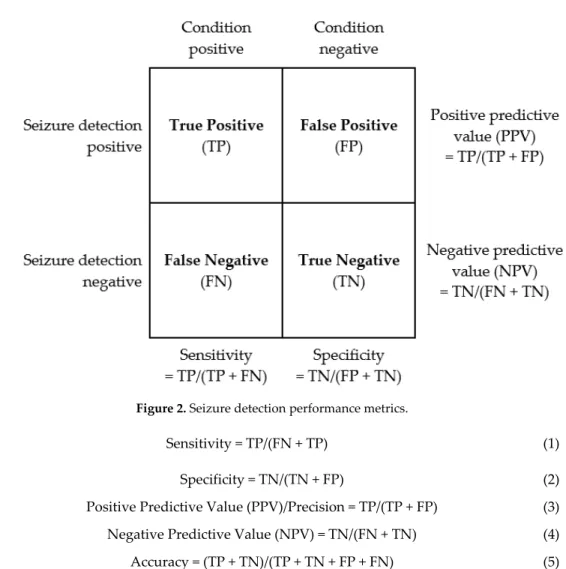
Figure 2 summarises seizure detections in terms of true/false and positive/negative outcomes
and the related sensitivity, specificity, positive predictive value (PPV), and negative predictive value
(NPV), and the associated formulae, including the false alarm rate (FAR), are summarised in
Equations (1)–(6).
Figure 2. Seizure detection performance metrics.
Sensitivity = TP/(FN + TP) (1)
Specificity = TN/(TN + FP) (2)
Positive Predictive Value (PPV)/Precision = TP/(TP + FP) (3)
Negative Predictive Value (NPV) = TN/(FN + TN) (4)
Accuracy = (TP + TN)/(TP + TN + FP + FN) (5)
False Alarm Probability = FP/day (6)
Ideally, assessments of wearable devices would present results for these metrics for significant
numbers of subjects over sufficient duration for testing detection of a substantial number of seizures
of different types. In addition, assessments would also ideally support repeatability by clearly
specifying test conditions, device models, and, also, version information [25]. Given the importance
of timely alerts for seizure detection and the need to reduce the anxiety and alarm fatigue associated
with high false alarm rates (FARs), detection latency and FARs should also be reported.
2. Method
A systematic review of primary studies evaluating wearable seizure‐detecting devices spanning
almost fifteen years (from 1 January 2005 to 31 October 2019, when the review was initiated) was
[28]. A requirement of the review was that devices were identified and available to individuals or
researchers (i.e., not unavailable, proof‐of‐concept, laboratory prototypes).
2.1. Search Strategy
Both technology and medical digital libraries were used to identify primary studies. These were
Association for Computing Machinery (ACM), Institute of Electrical and Electronics Engineers (IEEE)
Xplore Digital Library, Medline, ScienceDirect, and Wiley Online Library.
The keyword search string below was evolved to identify primary studies relevant to wearable
epilepsy sensing devices:
(“wearable” OR “smart watch” OR “smart watch” OR “wrist‐worn” OR “wrist worn” OR “wrist
worn” OR “wristband” OR “armband”) AND (“epileptic” OR “epilepsy”).
2.2. Eligibility Criteria and Selection
Studies were eligible for selection if they met all three of the following inclusion criteria:
1. Primary studies in peer‐reviewed literature;
2. Studies where the main theme is consumer wearable electronics for epilepsy seizure detection;
3. Studies reporting quantitative and/or qualitative assessment data.
The relevant papers were assessed for quality according to screening criteria including rigour,
credibility, and relevance [29].
3. Results
Following the PRISMA systematic review guidance outlined in Figure 3, a total of 12 papers
satisfied the eligibility criteria. A second researcher checked the screening and eligibility of papers
and a third researcher moderated the results.
As summarised in Table 2, all 12 studies reported qualitative assessments (8 conducted in clinical
settings and 4 in free‐living conditions). Two of the 12 studies also reported qualitative assessments.
While the search process did initially identify qualitative papers on wearable devices for epilepsy,
some of these studies [30,31] were assessments of perceptions about the potential of such devices
rather than assessments of actual use. No studies reported solely qualitative assessment data for the
Figure 3. Flow diagram of the systematic review according to preferred reporting items for systematic
reviews and meta‐analyses (PRISMA) guidelines.
Table 2. Overview of studies and participant numbers.
No. Studies = 12
No. Quantitative = 12 No. Qualitative = 2
Clinical setting = 8 Free‐living = 4 ‐
No. participants/patients = 341 No. participants/patients = 169 No. participants/patients = 104
TOTAL = 510 TOTAL = 104
3.1. Quantitative Studies
3.1.1. Clinical Setting
Eight of the 12 quantitative studies were conducted in clinical settings. All eight were evaluation
studies [32–39] with data gathered from epileptic inpatients and outpatients; none were two‐arm or
controlled studies with healthy participants. Most studies compared recorded device data with other
clinical reference recordings, including EEG, video EEG (vEEG), electromyography (EMG), and
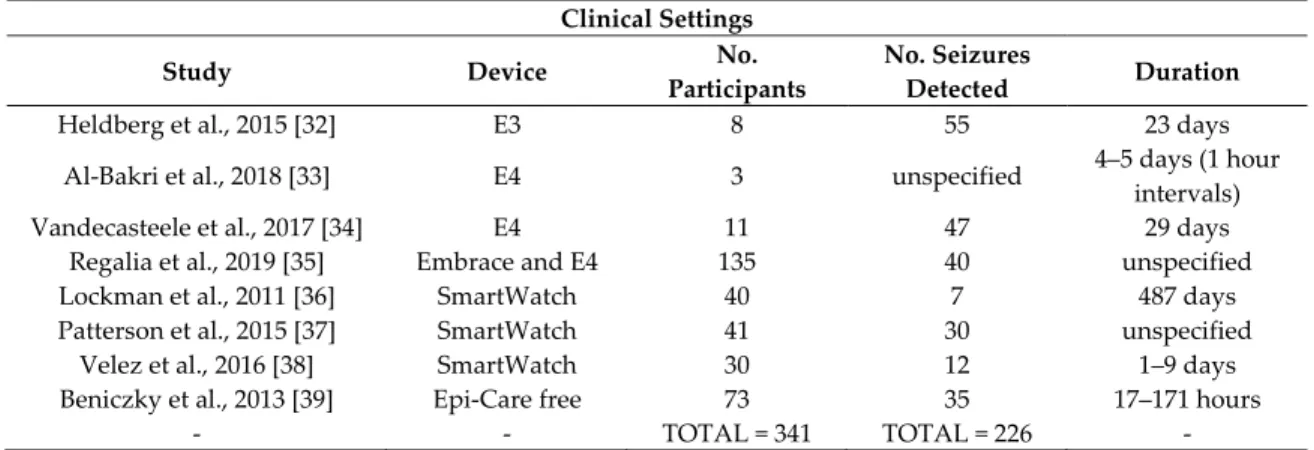
electrocardiogram (ECG). The studies are summarised in Table 3 in terms of the devices used, the
numbers of participants, the numbers of seizures detected, and, where specified, the study duration.
As shown in the summary in Table 3, four of the studies used Empatica E3, E4, and Embrace devices,
three used Smart Monitor’s evolving SmartWatch devices, and one used the Epi‐Care free. The
numbers of patient participants varied from 3 to 135. A study [33] with three participants selected 1
h recorded segments rather than continuous recordings. Otherwise, observation durations varied
within studies [33,38,39] as well as between studies from 17 h to 487 days, and two studies [35,37] did
not report durations. The total number of seizures detected in studies varied from 7 and 55 and,
across all studies, a total of 226 seizures were reported as detected. Only one study [33] did not report
the number of detected seizures.
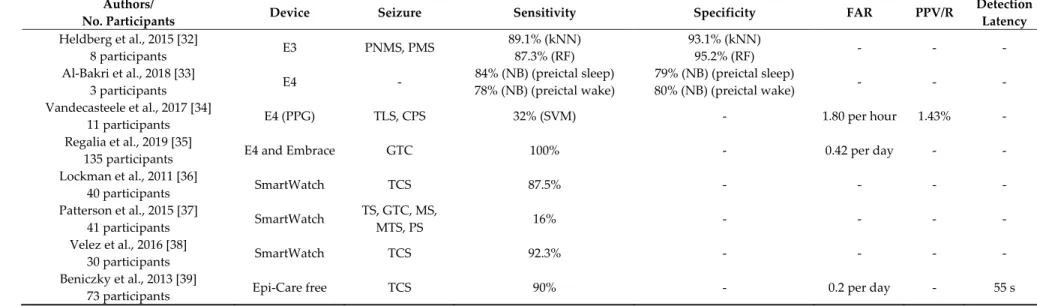
Table 4 summarises the performance assessments of the studies. The reporting of performance
metrics was variable and sparse across most of the studies. For example, false alarm rates for only
three studies could be identified. The studies using the Empatica E3 and E4 implemented machine
learning detection methods (kNN: k‐nearest neighbour; RF: random forest; NB: naïve Bayes; SVM:
support vector machine). Regalia et al., 2019 [35] made brief reference to previously unpublished
assessments with 135 patients and 22 seizures with 100% sensitivity and an FAR of 0.42 per day for a
“fixed and frozen” algorithm. No methodology, sensitivity, or other assessment information was
provided, and the paper largely focused on compiling and comparing other Empatica wristband
performance indicators. Heldberg et al., 2015 [32] reported the sensitivity and specificity for two
different classifiers. Vandecasteele et al. [34] compared the performance of SVM classifiers on hospital
ECG with wearable ECG and E4 PPG recordings. PPG motion artefacts (which would have been
largely induced by the seizures themselves) made more than half of the seizures undetectable via this
approach and resulted in a poor sensitivity of 32%. The studies encompassed different seizure types
but with TCS and “motor” seizures often included. Dramatically different performance results were
observed. For example, sensitivities of 100% and 16% were reported by the authors of [35] and [37],
respectively. Notably, the latter paper [37] comprised a large number of (undetected) nonmotor
seizures. The levels of patient activity and any movement constraints were not generally explicitly
reported and, in any case, are difficult to convey. However, in the clinical setting, worn sensors
usually benefit from reduced interference from activities of daily living. For example, the good
wearable performance for the small study in [33] was achieved from recordings taken simultaneously
with EEGs, i.e., when one would expect patients to be inactive.
Table 3. Clinical setting studies with number of seizures and duration.
Clinical Settings
Study Device No.
Participants
No. Seizures
Detected Duration
Heldberg et al., 2015 [32] E3 8 55 23 days
Al‐Bakri et al., 2018 [33] E4 3 unspecified 4–5 days (1 hour
intervals)
Vandecasteele et al., 2017 [34] E4 11 47 29 days
Regalia et al., 2019 [35] Embrace and E4 135 40 unspecified
Lockman et al., 2011 [36] SmartWatch 40 7 487 days
Patterson et al., 2015 [37] SmartWatch 41 30 unspecified
Velez et al., 2016 [38] SmartWatch 30 12 1–9 days
Beniczky et al., 2013 [39] Epi‐Care free 73 35 17–171 hours ‐ ‐ TOTAL = 341 TOTAL = 226 ‐
Smart Monitor’s SmartWatch was used in three of the eight clinical assessments. Patterson et al.
[37] reported the lowest sensitivity (16% overall: 31% for general tonic‐clonic (GTC) and 0% for MS)
in a study of 41 patients aged 5–41 years. Citing Lockman et al. [36], the authors did not record false
positives “because these are well known”. Lockman et al. [36] did report 204 false alarm occurrences
in their SmartWatch study with 40 patients between “March 2009 and June 2010” but did not specify
an FAR or confirm the duration of actual usage within the study period. Velez et al. [38] referred to
81 false alarms but also did not specify an FAR (and one cannot be estimated because of the varying
durations of 1–9 days). Beniczky et al. [39] reported a sensitivity of 90% and an FAR of 0.2 per day in
a study with 73 participants with GTC seizures who were monitored for 17–171 hours. An average
Table 4. Performance assessments in clinical settings.
Authors/
No. Participants Device Seizure Sensitivity Specificity FAR PPV/R
Detection Latency Heldberg et al., 2015 [32] 8 participants E3 PNMS, PMS 89.1% (kNN) 87.3% (RF) 93.1% (kNN) 95.2% (RF) ‐ ‐ ‐ Al‐Bakri et al., 2018 [33] 3 participants E4 ‐ 84% (NB) (preictal sleep) 78% (NB) (preictal wake) 79% (NB) (preictal sleep) 80% (NB) (preictal wake) ‐ ‐ ‐ Vandecasteele et al., 2017 [34]
11 participants E4 (PPG) TLS, CPS 32% (SVM) ‐ 1.80 per hour 1.43% ‐
Regalia et al., 2019 [35]
135 participants E4 and Embrace GTC 100% ‐ 0.42 per day ‐ ‐
Lockman et al., 2011 [36] 40 participants SmartWatch TCS 87.5% ‐ ‐ ‐ ‐ Patterson et al., 2015 [37] 41 participants SmartWatch TS, GTC, MS, MTS, PS 16% ‐ ‐ ‐ ‐ Velez et al., 2016 [38] 30 participants SmartWatch TCS 92.3% ‐ ‐ ‐ ‐ Beniczky et al., 2013 [39]
73 participants Epi‐Care free TCS 90% ‐ 0.2 per day ‐ 55 s
Seizure Abbreviations: CPS: complex partial seizures, GTC: general tonic‐clonic, MS: myoclonic seizures, MTS: myoclonic‐tonic seizures, PMS: predominantly motor
seizures, PNMS: predominantly nonmotor seizures, PS: partial onset seizures, TCS: tonic‐clonic seizures, TLS: temporal lobe seizures, TS: tonic seizures. Classifier
Abbreviations: kNN: k‐nearest neighbour; NB: naïve Bayes; RF: random forest; SVM: support vector machine. Other Abbreviations: FAR: False Alarm Rate; PPV/R:
3.1.2. Free‐Living Environment
Four of the 12 quantitative studies report free‐living environment evaluations. These studies are
summarised in Tables 5 and 6 and comprise 169 participants and 850 seizures.
Table 5. Free‐living studies with number of seizures and duration.
Free‐Living Settings References Device Participants No. Seizures
Detected Duration
Onorati et al., 2017 [40] E3 and E4 69 32 247 days
Van de Vel et al., 2014 [3] Epi‐Care free 1 9 19 nights
Meritam et al., 2018 [8] Epi‐Care free 71 ‐ 15 months median (24 days to 6 years)
Arends et al., 2018 [41] NightWatch 28 809 1826 nights ‐ ‐ TOTAL = 169 TOTAL = 850 ‐
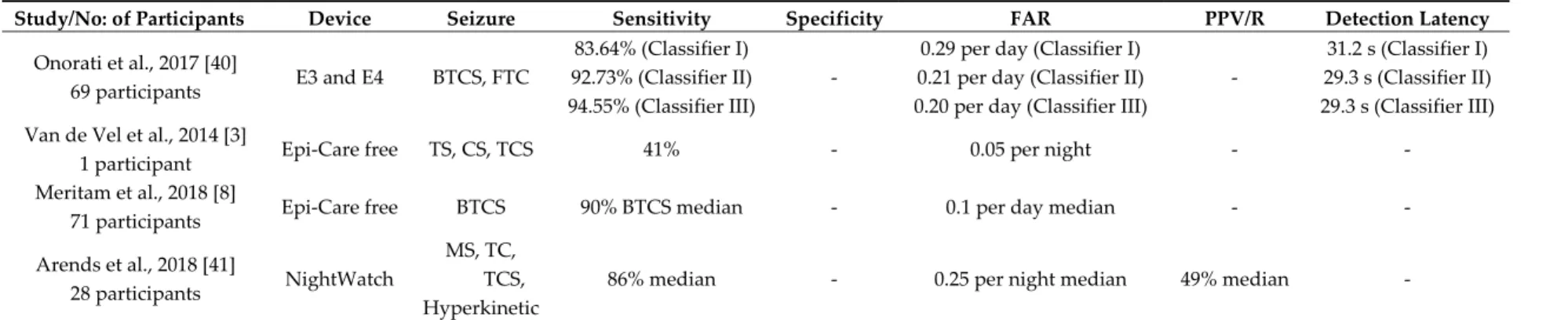
Onorati et al. [40] reported a range of classifier performances for the E3 and E4 with sensitivities
from 83.64% to 94.55% and FARs of between 0.2 and 0.29 per day. Van de Vel et al. [3] and Meritam
et al. [8] both reported Epi‐Care free evaluations with 71 and 1 participants, respectively. For the 71
patients [8], a sensitivity of 90% and an FAR of 0.1 per day were reported. Arends et al. [41] reported
a sensitivity of 86% for the NightWatch arm‐worn nocturnal seizure monitor, an FAR of 0.25 per
Table 6. Performance metrics in a free‐living setting.
Study/No: of Participants Device Seizure Sensitivity Specificity FAR PPV/R Detection Latency
Onorati et al., 2017 [40] 69 participants E3 and E4 BTCS, FTC 83.64% (Classifier I) 92.73% (Classifier II) 94.55% (Classifier III) ‐
0.29 per day (Classifier I)
0.21 per day (Classifier II)
0.20 per day (Classifier III)
‐
31.2 s (Classifier I)
29.3 s (Classifier II)
29.3 s (Classifier III)
Van de Vel et al., 2014 [3]
1 participant Epi‐Care free TS, CS, TCS 41% ‐ 0.05 per night ‐ ‐
Meritam et al., 2018 [8]
71 participants Epi‐Care free BTCS 90% BTCS median ‐ 0.1 per day median ‐ ‐
Arends et al., 2018 [41]
28 participants NightWatch
MS, TC,
TCS,
Hyperkinetic
86% median ‐ 0.25 per night median 49% median ‐
Seizure Abbreviations: BTCS: bilateral tonic‐clonic seizures, CS: clonic seizures, FTC: focal tonic‐clonic, FS: focal seizures, MS: myoclonic seizures, TCS: tonic‐clonic seizures,
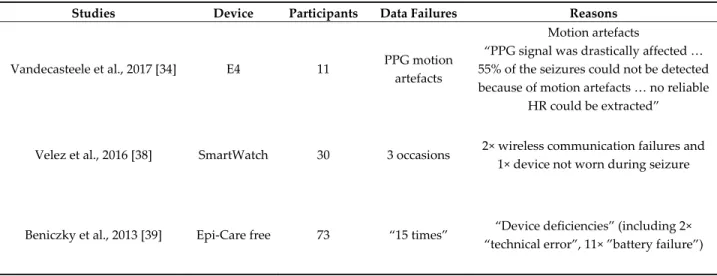
3.1.3. Data Failures—Missing and Unusable Data
In addition to missed seizures caused by algorithms failing to detect seizures in acquired data,
seizures can also be missed when data are not recorded, not received, or not usable (for example, if
they are so corrupted as to be unusable). There were limited discussions of data failures or the
“missingness” of data in the studies. Examples are summarised in Table 7.
Table 7. Missing data.
Studies Device Participants Data Failures Reasons
Vandecasteele et al., 2017 [34] E4 11 PPG motion
artefacts
Motion artefacts
“PPG signal was drastically affected …
55% of the seizures could not be detected
because of motion artefacts … no reliable
HR could be extracted”
Velez et al., 2016 [38] SmartWatch 30 3 occasions 2× wireless communication failures and
1× device not worn during seizure
Beniczky et al., 2013 [39] Epi‐Care free 73 “15 times” “Device deficiencies” (including 2×
“technical error”, 11× ”battery failure”)
3.2. Qualitative Studies
Only two studies provided qualitative assessment data for device evaluations. Both of these
studies also reported quantitative evaluations that were included in the earlier sections. Summaries
of patient and stakeholder views and observations are listed in Table 8.
Table 8. Qualitative studies. Study/
No. Participants Stakeholder Views and Observations
Benefits Barriers/Concerns
Arends et al., 2018 [41]
33 qualitative carer
respondents
Timely responses to urgent
situations.
Offers carers more freedom.
Helps carers give better care.
More autonomy for people
with epilepsy.
Skin irritation.
Armband not fitting properly.
Poor signal reception.
Meritam et al., 2018 [8]
71 qualitative patient
respondents
Good overall device
satisfaction (5.5/7)
Easy to use.
Clear alarm signals.
Timely alerts enabled 40%
reduction in injuries.
Feeling of security and a
decreased psychological
burden.
High false alarm rate.
Skin irritation or discomfort.
Low effectiveness for detecting seizures.
Unstable sensor communication and
interference issues.
Limited battery life and lack of water
resistance.
10% of patients stopped using the device for
device‐related reasons.
Arends et al., 2018 [41] evaluated the NightWatch night‐time upper arm seizure monitor using
a multifactor questionnaire with 33 carer stakeholder respondents comprising 30 nurses, 2 parent
Care free monitor with 71 patient participants aged 7–72 years using a post‐study systems usability
questionnaire (PSSUQ) comprising 13 questions and requiring a 1–7 Likert‐scale response from
participants on aspects on monitor usability.
Both studies identified concerns in terms of (a) physical intrusion, e.g., discomfort or irritation,
and (b) performance concerns, e.g., signal reception or detection failures. Participants in both studies
agreed with the benefits of the monitors in terms of the potential for improved responses to seizure
events and the potential for improved care outcomes.
4. Discussion
The aim of this review was to collate and analyse qualitative and quantitative assessments of
wearable electronics for epilepsy seizure monitoring that are available to individuals and researchers.
Although there are over 3000 works in the literature discussing, proposing, and evaluating novel and
incremental approaches to epilepsy seizure detection, there are very few that report evaluation data
and, as observed previously [42], none that report comparative results of large‐scale studies. In terms
of the Oxford Centre for Evidence‐Based Medicine 2011 Levels of Evidence 1–5 scale [43], none of the
reviewed studies would qualify as the highest level of evidence (Level 1), and most would rank as
Level 3 or below.
The diversity of the reviewed studies in terms of motor and nonmotor seizure types and levels
of patient activity/freedom of movement is matched by the diversity of results including, for example,
very high and very low sensitivities.
Across the reviewed works there was a lack of full detail, including details required to establish
important metrics such as false alarm rates (FARs) and details important to reproducibility such as
device, firmware, and app version numbers [44]. Ideally, the frequency, duration, impact, and cause
of all data recording failures (resulting in the “missingness” of data) would also be provided in all
performance assessment studies. There was also a lack of detail regarding the performance of the
devices themselves in terms of seizure detection and estimation of key parameters such as heart rate.
In a recent study [45], researchers compared consumer‐grade and research‐grade heart rate (HR) and
heart rate variability (HRV) estimating wearables (including the Empatica E4 and two other HR
sensing devices) and observed that “while the research‐grade wearables are the only wearables that
provide users with raw data that can be used to visualize PPG waveforms and calculate HRV, the
HR measurements tended to be less accurate than consumer‐grade wearables. This is especially
important for researchers and clinicians to be aware of when choosing devices for clinical research
and clinical decision support.” [45] This very difficult problem of achieving accurate and reliable
continuous sensor data in nonsedentary scenarios is highly significant and worthy of more attention
if researchers are to develop robust methods and make valid conclusions from acquired data.
Wearable electronic devices for epilepsy seizure detection have the potential to improve patient
outcomes and to afford carers more freedom. However, the technology is still evolving. There are
opportunities for improvements in system reliability and algorithm detection performance and,
ideally, monitors would be sensitive across the range of seizure types whilst maintaining acceptably
low false alarm rates. Ideally, future seizure sensing systems and algorithms would benefit from
detailed qualitative and quantitative assessments of their performance. However, we should
appreciate that assessing technology in critical health scenarios is not easy. Clinical assessments are
onerous and resource‐expensive undertakings, and their timescales are at odds with the iterative
updating of digital technologies. Free‐living assessments in particular require investments in time
and resources, and they present additional difficulties in terms of truth data.
5. Conclusions
There is much scope for further research and improved performance reporting of wearable
devices for epilepsy seizure detection and monitoring. There is a lack of qualitative studies eliciting
feedback and stakeholder recommendations from real‐world experiences of device usage. Ideally,
more detailed information regarding assessments, including device model and version numbers as
well as detailed contextual information about the wearers and their activity.
Author Contributions: Conceptualisation, T.K., T.R.; methodology, T.K., T.R., S.I.W.; formal analysis, T.R.;
investigation, T.R., T.C. and S.I.W; writing—original draft preparation, T.R., S.I.W.; writing—review and editing,
T.R., S.I.W., T.C.; visualisation, T.C. and S.I.W.; project administration, T.K. and S.I.W. All authors have read and
agreed to the published version of the manuscript. Funding: This research received no external funding.
Acknowledgments: Tendai Rukasha thanks Evaresto Rukasha and Betty Rukasha for PhD funding and thanks
Pearl Brereton for her comments and suggestions.
Conflicts of Interest: The authors declare no conflict of interest.
Abbreviations
The following abbreviations are used in this manuscript:
BTCS Bilateral tonic‐clonic seizures
CPS Complex partial seizures
CS Clonic seizures
ECG Electrocardiogram
EDA Electrodermal activity
EMG Electromyography
FN False negative
FNV/R False negative value/rate
FP False positive
FPV/R False positive value/rate
FS Focal seizures
FTC Focal tonic–clonic
GTC General tonic‐clonic
HRV Heart rate variability
kNN k‐nearest neighbour
MS Myoclonic seizures
MTS Myoclonic‐tonic seizures
NB Naïve Bayes classifier
NPV/R Negative predictive value/rate
PMS Predominantly motor seizures
PNMS Predominantly non‐motor seizures
PPG Photoplethysmography
PPV/R Positive predictive value/rate
PRV Pulse rate variability
PS Partial onset seizures
RF Random forest
SUDEP Sudden unexpected death in epilepsy
SVM Support vector machine
TCS Tonic‐clonic seizures
TLS Temporal lobe seizures
TN True negative
TP True positive
TPV/R True positive value/rate
TS Tonic seizures
vEEG Video electroencephalogram
References
2. Sheng, J.; Liu, S.; Qin, H.; Li, B.; Zhang, X. Drug‐resistant epilepsy and surgery. Curr. Neuropharmacol. 2018,
16, 17–28.
3. Van de Vel, A.; Verhaert, K.; Ceulemans, B. Critical evaluation of four different seizure detection systems
tested on one patient with focal and generalized tonic and clonic seizures. Epilepsy Behav. 2014, 37, 91–94.
4. Van Andel, J.; Thijs, R.; de Weerd, A.; Arends, J.; Leijten, F. Non‐EEG based ambulatory seizure detection
designed for home use: What is available and how will it influence epilepsy care? Epilepsy Behav. 2016, 57,
82–89.
5. Wannamaker, B.B. Autonomic Nervous System and Epilepsy. Epilepsia 1985, 26, S31–S39.
6. Baumgartner, C.; Lurger, S.; Leutmezer, F. Autonomic symptoms during epileptic seizures. Epileptic Disord.
2001, 3, 103–116.
7. Bruno, E.; Simblett, S.; Lang, A.; Biondi, A.; Odoi, C.; Schulze‐Bonhage, A.; Wykes, T.; Richardson, M.
Wearable technology in epilepsy: The views of patients, caregivers, and healthcare professionals. Epilepsy
Behav. 2018, 85, 141–149.
8. Meritam, P.; Ryvlin, P.; Beniczky, S. User‐based evaluation of applicability and usability of a wearable
accelerometer device for detecting bilateral tonic‐clonic seizures: A field study. Epilepsia 2018, 59, 48–52.
9. Fisher, R.S.; Blum, D.E.; DiVentura, B.; Vannest, J.; Hixson, J.D.; Moss, R.; Herman, S.T.; Fureman, B.E.;
French, J.A. Seizure diaries for clinical research and practice: Limitations and future prospects. Epilepsy
Behav. 2012, 24, 304–310.
10. Bidwell, J.; Khuwatsamrit, T.; Askew, B.; Ehrenberg, J.; Helmers, S. Seizure reporting technologies for
epilepsy treatment: A review of clinical information needs and supporting technologies. Seizure 2015, 32,
109–117.
11. Casson, A.J.; Yates, D.C.; Smith, S.J.; Duncan, J.S.; Rodriguez‐Villegas, E. Wearable
electroencephalography. IEEE Eng. Med. Biol. Mag. 2010, 29, 44–56.
12. Mukhopadhyay, S.C. Wearable sensors for human activity monitoring: A review. IEEE Sens. J. 2014, 15,
1321–1330.
13. Collins, T.; Pires, I.; Oniani, S.; Woolley, S. How Reliable is Your Wearable Heart Rate Monitor? The
Conversation, Health+ Medicine. Available online: https://theconversation.com/how‐reliable‐is‐your‐
wearable‐heart‐rate‐monitor‐98095 (accessed on 7 June 2020).
14. Xu, K.; Lu, Y.; Takei, K. Multifunctional Skin‐Inspired Flexible Sensor Systems for Wearable Electronics.
Adv. Mater. Technol. 2019, 4, 1800628.
15. Oniani, S.; Woolley, S.I.; Pires, I.M.; Garcia, N.M.; Collins, T.; Ledger, S.; Pandyan, A. Reliability assessment
of new and updated consumer‐grade activity and heart rate monitors. In Proceedings of IARIA Conference
on Sensor Device Technologies and Applications, SENSORDEVICES, Venice, Italy, 16–20 September 2018.
16. Kamišalić, A.; Fister, I.; Turkanović, M.; Karakatič, S. Sensors and functionalities of non‐invasive wrist‐
wearable devices: A review. Sensors 2018, 18, 1714.
17. Tamura, T.; Maeda, Y.; Sekine, M.; Yoshida, M. Wearable photoplethysmographic sensors—past and
present. Electronics 2014, 3, 282–302.
18. Sarcevic, P.; Kincses, Z.; Pletl, S. Online human movement classification using wrist‐worn wireless sensors.
J. Ambient Intell. Humaniz. Comput. 2019, 10, 89–106.
19. Sharma, N.; Gedeon, T. Objective measures, sensors and computational techniques for stress recognition
and classification: A survey. Comput. Methods Programs Biomed. 2012, 108, 1287–1301.
20. Johansson, D.; Malmgren, K.; Alt Murphy, M. Wearable sensors for clinical applications in epilepsy,
Parkinson’s disease, and stroke: A mixed‐methods systematic review. J. Neurol. 2018, 265, 1740–1752.
21. Empatica Inc. Boston, USA and Empatica Srl, Milano, Italy (E3, E4 and Embrace). Available online:
https://www.empatica.com (accessed on 12 May 2020).
22. Danish Care Technology (Epi‐Care Free), Sorø, Denmark, UK. Available online:
https://danishcare.co.uk/epicare‐free/ (accessed on 12 May 2020).
23. LivAssured, B.V. (NightWatch), Leiden, The Netherlands. Available online: https://www.nightwatch.nl/
(accessed on 12 May 2020).
24. Smart Monitor (SmartWatch Inspyre), San Jose, USA. Available online: https://smart‐monitor.com/about‐
smartwatch‐inspyre‐by‐smart‐monitor/ (accessed on 12 May 2020).
25. Collins, T.; Woolley, S.I.; Oniani, S.; Pires, I.M.; Garcia, N.M.; Ledger, S.J.; Pandyan, A. Version Reporting
and Assessment Approaches for New and Updated Activity and Heart Rate Monitors. Sensors 2019, 19,
26. Kitchenham, B.A.; Dyba, T.; Jorgensen, M. May. Evidence‐based software engineering. In Proceedings of
the 26th International Conference on Software Engineering, Edinburgh, UK, 28 May 2004.
27. Kitchenham, B.A.; Budgen, D.; Brereton, P. Evidence‐based Software Engineering and Systematic Reviews;
Taylor and Francis Group: Boca Raton, FL, USA, 2015.
28. Moher, D.; Liberati, A.; Tetzlaff, J.; Altman, D.G.; PRISMA Group. Preferred reporting items for systematic
reviews and meta‐analyses: The PRISMA statement. PLoS Med. 2009, 6, e1000097.
29. Dybå, T.; Dingsøyr, T. Empirical studies of agile software development: A systematic review. Inf. Softw.
Technol. 2008, 50, 833–859.
30. Kramer, U.; Kipervasser, S.; Shlitner, A.; Kuzniecky, R. A Novel Portable Seizure Detection Alarm System:
Preliminary Results. J. Clin. Neurophysiol. 2011, 28, 36–38.
31. Ozanne, A.; Johansson, D.; Hällgren Graneheim, U.; Malmgren, K.; Bergquist, F.; Alt Murphy, M.
Wearables in epilepsy and Parkinson’s disease‐A focus group study. Acta Neurol. Scand. 2017, 137, 188–194.
32. Heldberg, B.; Kautz, T.; Leutheuser, H.; Hopfengartner, R.; Kasper, B.; Eskofier, B. Using wearable sensors
for semiology‐independent seizure detection—Towards ambulatory monitoring of epilepsy. In
Proceedings of the 2015 37th Annual International Conference of the IEEE Engineering in Medicine and
Biology Society (EMBC), Milan, Italy, 25–29 August 2015; pp. 5593–5596.
33. Al‐Bakri, A.; Villamar, M.; Haddix, C.; Bensalem‐Owen, M.; Sunderam, S. Noninvasive seizure prediction
using autonomic measurements in patients with refractory epilepsy. In Proceedings of the 2018 40th
Annual International Conference of the IEEE Engineering in Medicine and Biology Society (EMBC),
Honolulu, HI, USA, 18–21 July 2018; pp. 2422–2425.
34. Vandecasteele, K.; De Cooman, T.; Gu, Y.; Cleeren, E.; Claes, K.; Paesschen, W.; Huffel, S.; Hunyadi, B.
Automated Epileptic Seizure Detection Based on Wearable ECG and PPG in a Hospital Environment.
Sensors 2017, 17,2338.
35. Regalia, G.; Onorati, F.; Lai, M.; Caborni, C.; Picard, R. Multimodal wrist‐worn devices for seizure detection
and advancing research: Focus on the Empatica wristbands. Epilepsy Res. 2019, 153, 79–82.
36. Lockman, J.; Fisher, R.; Olson, D. Detection of seizure‐like movements using a wrist accelerometer. Epilepsy
Behav. 2011, 20, 638–641.
37. Patterson, A.; Mudigoudar, B.; Fulton, S.; McGregor, A.; Poppel, K.; Wheless, M.; Brooks, L.; Wheless, J.
SmartWatch by SmartMonitor: Assessment of Seizure Detection Efficacy for Various Seizure Types in
Children, a Large Prospective Single‐Center Study. Pediatric Neurol. 2015, 53, 309–311.
38. Velez, M.; Fisher, R.; Bartlett, V.; Le, S. Tracking generalized tonic‐clonic seizures with a wrist accelerometer
linked to an online database. Seizure 2016, 39, 13–18.
39. Beniczky, S.; Polster, T.; Kjaer, T.; Hjalgrim, H. Detection of generalized tonic‐clonic seizures by a wireless
wrist accelerometer: A prospective, multicenter study. Epilepsia 2013, 54, 58–61.
40. Onorati, F.; Regalia, G.; Caborni, C.; Migliorini, M.; Bender, D.; Poh, M.; Frazier, C.; Kovitch Thropp, E.;
Mynatt, E.; Bidwell, J.; et al. Multicenter clinical assessment of improved wearable multimodal convulsive
seizure detectors. Epilepsia 2017, 58, 1870–1879.
41. Arends, J.; Thijs, R.; Gutter, T.; Ungureanu, C.; Cluitmans, P.; Van Dijk, J.; van Andel, J.; Tan, F.; de Weerd,
A.; Vledder, B.; et al. Multimodal nocturnal seizure detection in a residential care setting. J. Neurol. 2018,
91, 2010–2019.
42. Jory, C.; Shankar, R.; Coker, D.; McLean, B.; Hanna, J.; Newman, C. Safe and sound? A systematic literature
review of seizure detection methods for personal use. Seizure 2016, 36, 4–15.
43. OCEBM Levels of Evidence Working Group. The Oxford Levels of Evidence 2. Oxford Centre for Evidence‐
Based Medicine. Available online: https://www.cebm.net/index.aspx?o=5653 (accessed on 7 June 2020).
44. Woolley, S.; Collins, T.; Mitchell, J.; Fredericks, D. Investigation of wearable health tracker version updates.
BMJ Health Care Inform. 2019, 26, e100083, doi:10.1136/bmjhci‐2019‐100083.
45. Bent, B.; Goldstein, B.A.; Kibbe, W.A.; Dunn, J.P. Investigating sources of inaccuracy in wearable optical
heart rate sensors. NPJ Digit. Med. 2020, 3, 1–9.
© 2020 by the authors. Licensee MDPI, Basel, Switzerland. This article is an open access
article distributed under the terms and conditions of the Creative Commons Attribution
(CC BY) license (http://creativecommons.org/licenses/by/4.0/).