Debias Human Judgment with a Common Decision Bias:
An Experimental Study of the Anchoring Effect in Hiring Decision-Making
A DISSERTATION
SUBMITTED TO THE FACULTY OF UNIVERSITY OF MINNESOTA
BY
Siwen Shu
IN PARTIAL FULTILLMENT OF THE REQUIREMENTS FOR THE DEGREE OF
DOCTOR OF PHILOSOPHY
Dr. Nathan R. Kuncel, Adviser
Acknowledgements
I would like to extend thanks to everyone who has supported me throughout my academic career. A special thanks to my adviser, Dr. Nathan Kuncel, for his guidance and encouragement over the years. I would also like to thank the members of my dissertation committee, Dr. Paul Sackett, Dr. Aaron Schmidt, and Dr. Pri Shah, for their valuable feedback throughout the process.
In addition, I would like to thank other faculty of the I/O psychology program at the University of Minnesota, Dr. John Campbell and Dr. Deniz Ones, for providing great opportunities to enrich my knowledge and skills in the field. I would also like to thank my fellow students in the I/O psychology program for their academic and emotional support along the way.
Finally, I would like to thank my family and friends for their companionship throughout my life.
Abstract
Hiring decision-making is heavily based on intuition-based approaches (e.g., expert judgment, group consensus meetings) despite extensive research supporting the use of analytical approaches (e.g., algorithms, statistical equations). Both individual level and organizational level factors contribute to practitioners’ resistance to using statistical methods. Given that the reliance on human intuition is likely to persist, it is important to identify interventions that improve the accuracy of human judgment when making hiring decisions. The purpose of this study is to examine the effectiveness of eliciting a
favorable anchoring effect to improve hiring decisions. Although the anchoring effect is a common decision bias, it may increase the accuracy of human predictions, which are aligned with the anchors, if the anchors are valid predictions of the outcome. Specifically, four questions are examined: 1) Does providing decision makers with external
predictions (i.e., anchors) affect the decision policy and the accuracy of human
judgment? 2) Do features of the anchors (i.e., source and precision) affect the degree of anchoring and the accuracy of human judgment? 3) Do individual differences predict anchoring susceptibility? and 4) Do individual differences interact with anchor features when predicting the degree of anchoring? Results showed that providing decision makers with external predictions as a decision aid induced favorable anchoring. Furthermore, it increased the consistency and accuracy of human judgment as well as influenced the weighting policy of decision makers. The more precise the anchors were, the stronger the anchoring effect was. Knowing the source of the anchors did not affect the degree to which decision makers adopted the anchors. Different effects of anchor features were observed when predicting accuracy: when anchors were presented at a precise level,
individuals who were informed that the anchors were provided by an expert showed lower accuracy than those who were informed that the anchors were obtained from a statistical formula. In fact, there was only a weak linear association between degree of anchoring and accuracy because individuals could outperform the suboptimal anchors (i.e., unit-weighted composites of the predictors) presented to them. Exploratory analyses revealed that stronger anchoring led to higher accuracy only when individuals did not develop a better weighting schema than unit weighting. When individuals were able to apply a weighting schema that was more accurate than unit weighting, weaker anchoring implied reasonable adjustment and thus higher accuracy. Prior experience with employee selection predicted anchoring susceptibility such that individuals with more prior
experience showed weaker anchoring. Cognitive ability interacted with the source of anchors when predicting anchoring such that higher cognitive ability was related to weaker anchoring only when individuals were informed that the anchors were obtained from a statistical formula.
Table of Contents
List of Tables ... vi
List of Figures ... vii
Literature Review ... 1
Anchoring Effect ... 5
Theories of Anchoring Effects ... 6
Anchor Precision ... 10
Anchor Relevance ... 12
Clinical versus Mechanical Prediction ... 15
Efforts to Improve Decision Accuracy ... 18
Clinical Synthesis... 20
Individual Differences ... 26
Expertise/Experience ... 27
Cognitive Ability ... 29
Decision Styles ... 31
Resistance to Scientific Personnel Selection ... 33
Research Questions and Hypotheses ... 35
Method ... 38 Sample ... 38 Study Design ... 38 Measures ... 39 Procedure ... 40 Analyses ... 41 Results ... 45 Data Cleaning ... 45
Effects of External Predictions ... 46
Effects of Anchor Features ... 47
Effects of Individual Differences ... 49
Discussion ... 52
Limitations and Future Research ... 63
Conclusion ... 65
References ... 85
Appendix A ... 98
Appendix C ... 101
Appendix D ... 102
Appendix E ... 103
List of Tables
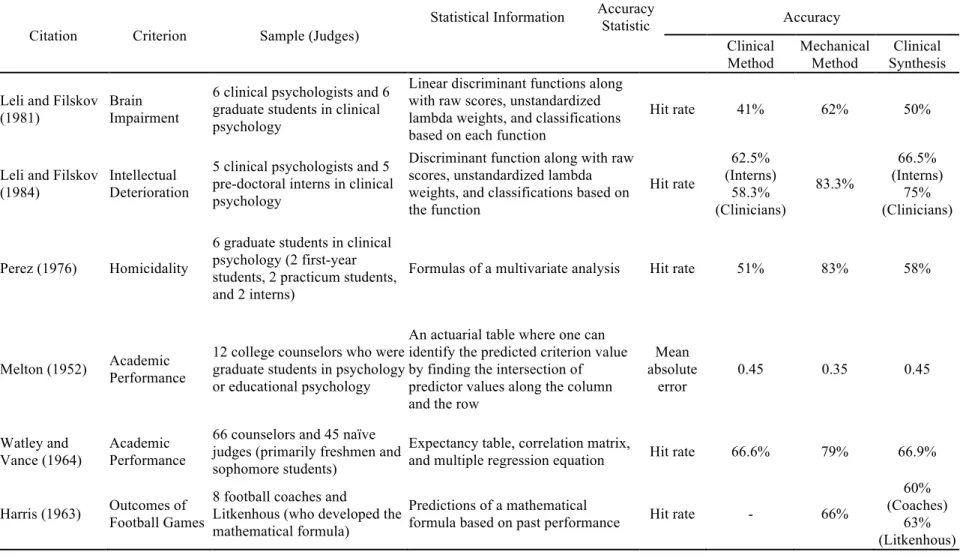
Table 1. Descriptions of Six Studies Comparing Clinical Synthesis with Clinical or
Mechanical Method ... 67
Table 2. Descriptions of Experimental Conditions ... 68
Table 3. Regressions of Magnitude of Anchoring on Anchor Features (N = 1045) ... 69
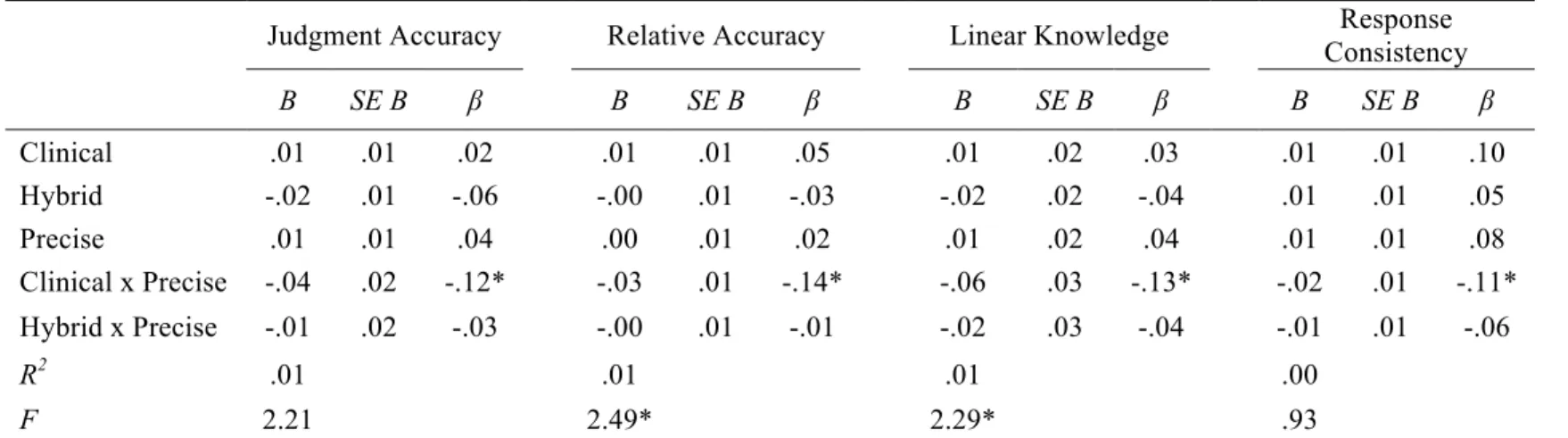
Table 4. Regressions of Lens Model Parameters on Anchor Features (N = 1045) ... 70
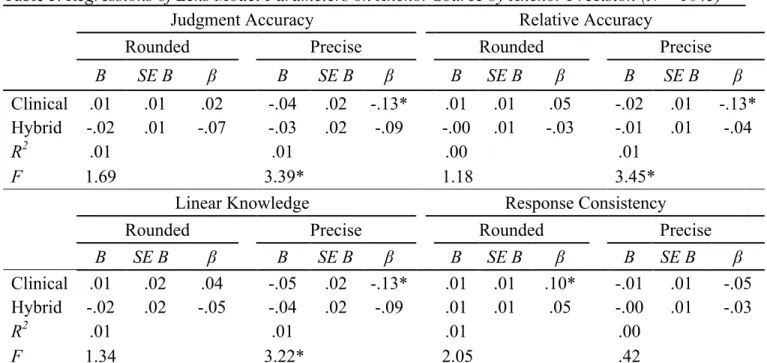
Table 5. Regressions of Lens Model Parameters on Anchor Source by Anchor Precision (N = 1045) ... 71
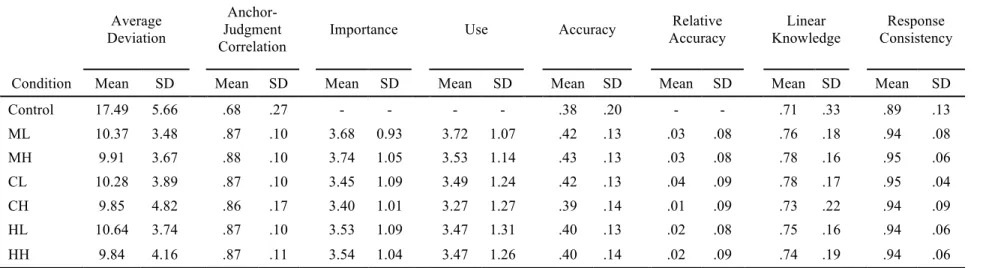
Table 6. Descriptive Statistics of the Magnitude of Anchoring and Lens Model Parameters ... 72
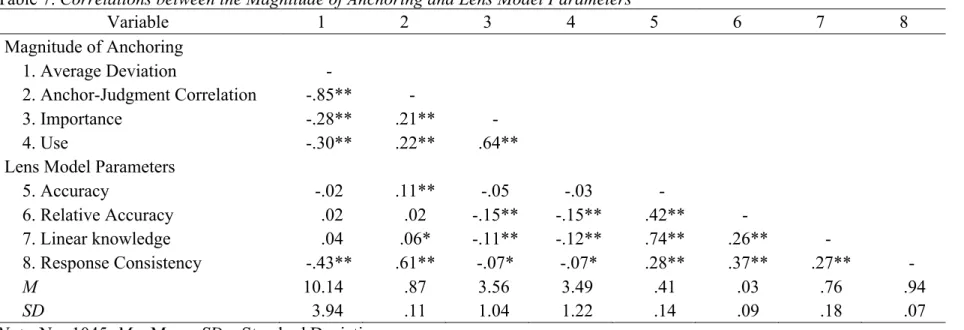
Table 7. Correlations between the Magnitude of Anchoring and Lens Model Parameters ... 73
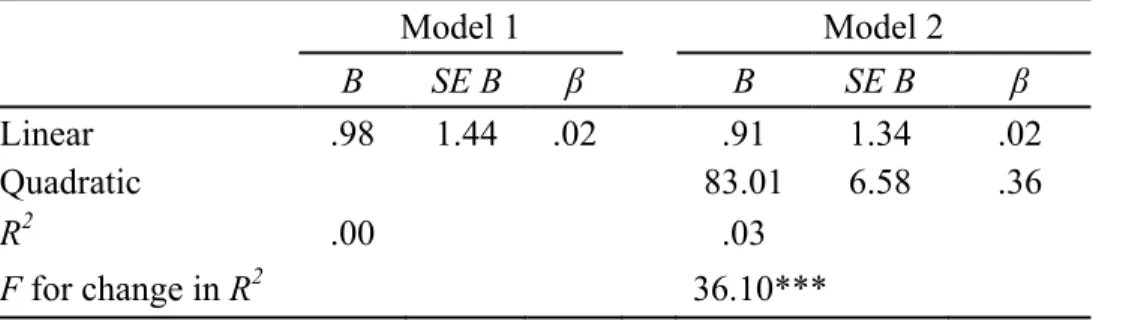
Table 8. Polynomial Regression of Average Deviation on Relative Accuracy (N = 1045) ... 74
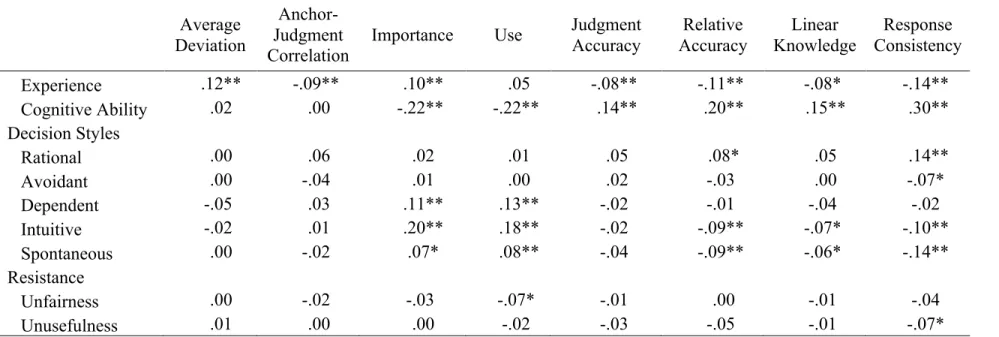
Table 9. Correlations of Individual Differences with Dependent Variables ... 75
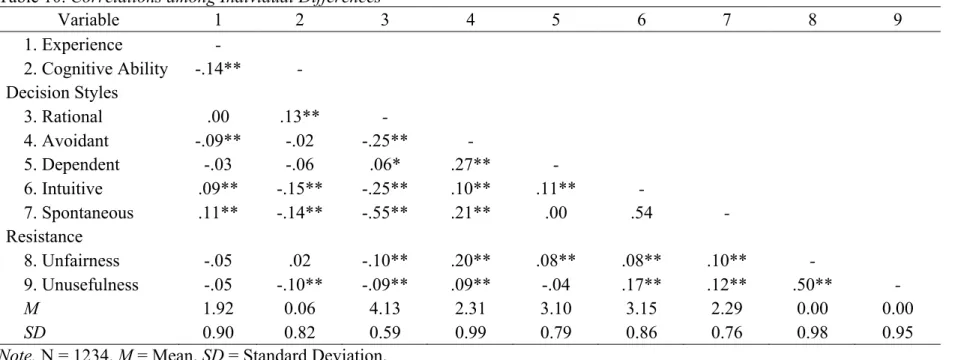
Table 10. Correlations among Individual Differences ... 76
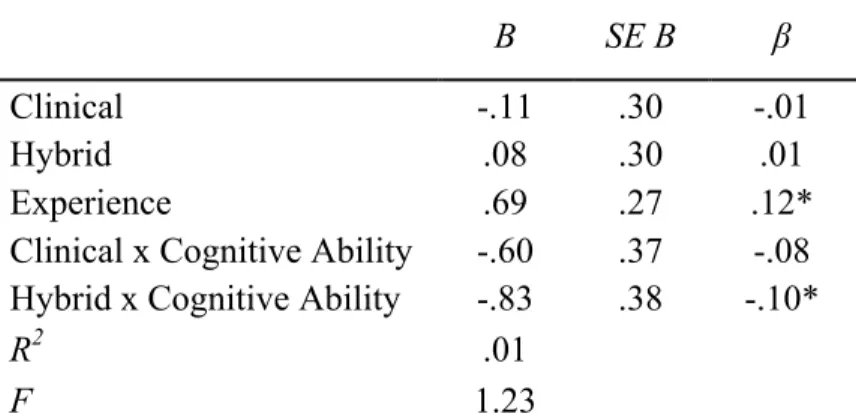
Table 11. Regression Results of Statistically Significant Individual Differences x Source Interactions When Predicting Anchoring ... 77
Table 12. Regression Results of Statistically Significant Individual Differences x Source Interactions When Predicting Judgment Accuracy ... 78
List of Figures
Figure 1. Judgment accuracy, response consistency, and magnitude of anchoring between
participants who received anchors and participants who did not receive anchors. ... 79
Figure 2. The clinical x precise interaction for judgment accuracy. ... 80
Figure 3. The clinical x precise interaction for relative accuracy. ... 81
Figure 4. The clinical x precise interaction for linear knowledge. ... 82
Figure 5. The clinical x precise interaction for response consistency. ... 83
Literature Review
Despite the extensive research that mechanical (i.e., statistical) combinations of predictors are consistently equal to or superior to human judgment (e.g., Grove, Zald, Lebow, Snitz, & Nelson, 2000), most decisions made in work settings are heavily based on human intuition. Various explanations have been offered to explain the resistance to mechanical methods1. Besides apparent factors, such as lacking knowledge and education of statistical methods (Vrieze & Grove, 2009) and belief in human intuition (Highhouse, 2008), there are contextual reasons for this resistance. In an employment setting,
selection is fundamentally a sociopolitical process (Cleveland & Murphy, 1992). Organizational factors, such as politics and culture, also promote the use of human judgment while discouraging the use of purely statistical methods (Johns, 1993; Muchinsky, 2004; Terpstra & Rozell, 1997).
Given that relying solely on statistical methods, especially in high-stakes settings, is unlikely as a practical matter, it is crucial to understand what interventions may help decision makers effectively integrate data and make more accurate judgments in the context of hiring decision-making. Ideally, such an approach would preserve the predictive power of an algorithmic method while remaining acceptable to end users.
1 Sawyer (1966) distinguished between mode of data collection and mode of data combination. This study is focused on comparisons of clinical and mechanical methods of data combination. Mechanical methods refer to any processes involving integrating data with consistent rules (e.g., algorithms, statistical equations, models of human judges, etc.), regardless of whether the data is collected clinically (e.g., interviews) or statistically (e.g., psychometric tests).
Evidence suggests that interventions such as task-related feedback and training on cue weighting strategies affect human judgment but improvements in accuracy are typically small (Harding, 2004; Karelaia & Hogarth, 2008). Practically speaking, immediate feedback is rarely available to decision makers after making hiring decisions since there is often a time lag between when the decision is made and when the criterion can be measured. In some cases, the decision maker will have no contact with the employee after the decision is made. Similarly, although research suggests it can be helpful to provide judges with training on domain-specific knowledge, such as how predictors are
associated with the criterion or how predictors should be integrated statistically, the practical challenge is that developing and implementing such training can be costly and time-consuming.
A major obstacle to improving hiring decision-making is that human judges are subject to a range of decision biases. According to the theory of bounded rationality, human judgment is rational only within the limitations imposed by the amount of
information they have and the cognitive capacities of their minds (Simon, 1955). To cope with these limitations when making decisions, instead of using more complex rules and algorithms, individuals tend to use fast heuristics to reduce the complexity of decision processes. Heuristics refer to methods that allow individuals to reach satisfactory solutions with modest amounts of processing (Simon, 1990). Examples include representativeness, availability, and anchoring-and-adjustment heuristics (Tversky & Kahneman, 1974). Although heuristics allow individuals to make decisions in a less effortful manner and are sometimes useful, they can lead to systematic biases. For instance, the anchoring-and-adjustment heuristic refers to the tendency of decision
makers to make judgments biased toward an initially presented value (Tversky & Kahneman, 1974). Although individuals do adjust from the starting value, the adjustments are typically insufficient. If the initially presented value is biased or
irrelevant to the target judgment, the human judgment fixated on the anchor will also be biased.
The anchoring heuristic is a ubiquitous phenomenon in human judgment. Efforts have been devoted to mitigating the anchoring effect (e.g., Galinsky & Mussweiler, 2001; Mussweiler, Strack, & Pfeiffer, 2000) but the effect remains robust. If we cannot
effectively prevent it, can we leverage the anchoring bias to improve human judgment? If human judgment can be substantially influenced by an externally provided anchor, one can argue that providing the prediction from an external source to the human judge prior to making decisions will also induce the anchoring effect and encourage the human judge to align his or her judgment toward the external prediction. If the externally provided predictions have a reasonable level of validity for predicting the outcome of interest, human judgments, when aligned with external predictions, should also be predictive of the outcome. In other words, the accuracy of human judgment should be improved due to anchoring when the anchor is highly valid.
Although the anchoring effect is robust, recent research suggests the magnitude of anchoring varies depending on the features of anchors (Dowd, Petrocelli, & Wood, 2014; Janiszewski & Uy, 2008) and there is a considerable amount of individual differences in the susceptibility to anchoring (Furnham, Boo, & McClelland, 2012; Wilson, Houston, Etling, & Brekke, 1996). Therefore, understanding what factors boost the anchoring
effect is also crucial for eliciting a favorable anchoring to improve hiring decision-making.
The objective of this study is to examine the effectiveness of eliciting a favorable anchoring effect to improve hiring decision-making. More specifically, four research questions are examined: 1) Does providing human judges with predictions from an external source, which serve as anchors upon which one can adjust their judgments, affect their decision policy and judgment accuracy? 2) Do features of the anchor influence the magnitude of anchoring and the accuracy of human judgment? 3) Do individual differences predict susceptibility to anchoring? 4) How do individual differences interact with features of the anchor when predicting the magnitude of anchoring?
I next review the literature to integrate the available information in one place and help frame the discussion of the current study. First, the anchoring research is introduced to explain the underlying mechanisms of anchoring and why providing anchors to human judges could potentially improve decision-making. Next, I discuss the extensive research comparing clinical and mechanical methods to illustrate how the specific nature of an anchor affects the effectiveness of its use to improve human judgment. I then review the existing literature on the clinical synthesis, a data combination method in decision-making which shares the fundamental principles with the intervention proposed in this study, to demonstrate the feasibility of using anchoring to improve human judgment. Lastly, I discuss how individual differences play important roles in the susceptibility to anchoring and the effectiveness of anchoring for improving hiring decision-making.
Anchoring Effect
The anchoring effect was first introduced by Tversky and Kahneman (1974) as the anchoring-and-adjustment heuristics, and has since then been replicated in various domains, such as general knowledge (Strack & Mussweiler, 1997) and probability estimates (Chapman & Johnson, 1999). The effects are not limited to laboratory settings, but have been demonstrated with real-world judgments, such as negotiation (Galinsky & Mussweiler, 2001), judicial decisions (Englich & Soder, 2009), and forecasting (Critcher & Gilovich, 2008).
In the classic study by Tversky and Kahneman (1974), participants were asked to estimate the percentage of African countries in the United Nations. Before actually making the judgment, participants were asked to determine whether an arbitrary starting value (a value between 0 and 100 determined by spinning a wheel of fortune) was higher or lower than the percentage to be estimated. They found that participants’ estimates were significantly biased towards the arbitrary starting value. Most anchoring studies have followed this two-step procedure where participants first make a comparative judgment, comparing the target value with the anchor value, and then make an absolute judgment of the target value. However, it has been demonstrated that the anchoring effect could occur without the process of explicitly comparing the anchor with the target, but the anchor has to be very salient by extensive processing (Wilson et al., 1996). For instance, Wilson et al. demonstrated that a quick appraisal of an arbitrary anchor (e.g., counting its number of digits) did not cause anchoring, while paying more attention to the number (e.g.,
although a direct comparison to the target was absent. However, it was not clear how much attention to the anchor would be sufficient.
The robustness of the anchoring effect in very different domains raises the question, “Why are individuals susceptible to the influence of anchors?”. Multiple theories have been proposed to account for this robust effect but consensus has not been reached regarding what mechanisms contribute to anchoring. To fully understand how the anchoring effect can be applied to hiring decision-making, it is important to first review those theoretical accounts. I then discuss how the features and presentations of anchors may influence the magnitude of anchoring and their implications for eliciting a favorable anchoring effect to improve hiring decision-making.
Theories of Anchoring Effects
Insufficient Adjustment
One of the early explanations is that anchoring results from an effortful process of adjustment: people adjust their estimate from the anchor value toward the range of
plausible values, but this adjustment is typically insufficient and therefore the final estimate is biased toward the anchor (Tversky & Kahneman, 1974). However, this mechanism is not applicable to many situations. For instance, the process of adjustment cannot explain why anchoring effects occur with both plausible and implausible anchors. Individuals adjust when they think the anchor value falls outside of the plausible range of values. With plausible anchors, there is no reason to adjust in the first place as the anchor is already within the range of possible answers. As a result, the adjustment process is only applicable when the anchor is more extreme than the boundary of plausible values (Strack & Mussweiler, 1997). Moreover, the finding that anchoring effects can be
induced with subliminal anchors indicates that the conscious process of adjustment is not necessary for anchoring (Mussweiler & Englich, 2005).
Selective Availability
The second theory of anchoring effects, which has received extensive empirical support, posits that anchoring occurs because the anchor activates information of the target that is consistent with the anchor (Mussweiler & Strack, 1999; Strack &
Mussweiler, 1997). More specifically, when presented with an anchor, individuals engage in a hypothesis testing process where they test the hypothesis that the anchor is the
correct answer for the target judgment (Chapman & Johnson, 1994). This process of confirmatory search increases the availability of similar features between the anchor and the target and reduces the availability of features of the target that differ from the anchor (Chapman & Johnson, 1999). Subsequently, when individuals make a final judgment, they rely heavily on information that is most accessible (Higgins, 1996). Therefore, the judgment is biased toward the anchor as the most accessible information is the anchor-consistent information of the target activated by the anchor.
According to the selective availability explanation, anchoring should diminish if the information activated by the comparative judgment is irrelevant to the target of the absolute judgment. For instance, Strack and Mussweiler (1997) found that presenting anchors of the width of the Brandenburg Gate had a larger effect on judgments of its width but only a small effect on judgments of its height. Moreover, anchoring should not occur if the anchor activates information that overlaps with what would have been activated by the judgment itself without the anchor. In support of this, Bahník and Strack (2016) found that anchoring effect diminished when the comparative judgment concerned
a general category and the target of the absolute judgment was a subset of the general category that was activated by the anchor. In one of the experiments, participants were asked to compare the average annual temperature in New York City to either a low (–4 °F) or a high (102 °F) anchor. They found that for participants who received the high anchor value (102 °F) anchoring occurred for the judgment of the average winter (average prediction in the high anchor group was 35.1 °F as compared to 29.5 °F in the control group) but not summer temperature (average prediction in the high anchor group was 81.5 °F as compared to 82.7 °F in the control group). The high anchor value
activated information about summer, which overlapped with information that would have been activated when making the absolute judgment of the average summer temperature without the anchor and therefore did not induce anchoring. On the other hand, the
information about summer activated by the high anchor did not overlap with information activated when making the absolute judgment of the average winter temperature and therefore induced anchoring. Similarly, it was found that participants who were presented with the low anchor (–4 °F) showed an anchoring effect only when judging the average summer temperature (average prediction in the low anchor group was 78.4 °F as
compared to 82.7 °F in the control group) but not winter temperature (average prediction in the low anchor group was 30.4 °F as compared to 29.5 °F in the control group). The low anchor value activated information about winter that overlapped with information that would have been activated when predicting the average winter temperature without the anchor and therefore did not induce anchoring. On the contrary, predicting the average summer temperature activated information about summer while the low anchor
activated information about winter. Because the anchor and the absolute judgment did not activate the same information, anchoring was induced by the low anchor.
However, the selective availability account has been questioned by recent findings that anchoring effects can occur even when the target of the comparative
judgment is not the same as the target of the subsequent absolute judgment. For instance, similar anchoring effects were observed when judging the price of a camera regardless of whether the preceding comparative judgment was about a GPS device or a camera
(Mochon & Frederick, 2013). This finding suggests that selective availability is, at least, not the only mechanism underlying anchoring effects.
Attitude Change
A more recent perspective suggests that anchors serve multiple roles when inducing anchoring effects and anchoring can be a result of thoughtful, high-elaboration processes, or non-thoughtful, low-elaboration processes (Wegener, Petty, Blankenship, & Detweiler-Bedell, 2010). High-elaboration processes, such as confirmatory search and selective accessibility, do not have to occur for anchoring. When individuals lack
motivation or ability to elaborate, anchoring occurs due to non-thoughtful processes. For example, individuals may consider the anchor as a hint to the correct answer without consciously evaluating whether the anchor is plausible or relevant when lacking motivation or ability (Schwarz, 1994). The notion of thoughtful and non-thoughtful processes of anchoring has received some empirical support (Petty & Cacioppo, 1986; Wegener, Blankenship, Petty, & Detweiler-Bedell, 2009) and this attitude change perspective may serve as a promising account of anchoring effects, especially when the anchor is extreme and implausible.
To conclude, different theories have been proposed to explain the underlying process of anchoring although none of them seem to be ubiquitously applicable. Given that anchoring effects have been demonstrated with various paradigms in various domains, it is understandable that there is no single theory that explains the effect unconditionally. More research should investigate under what circumstances each of these theories is a better account of anchoring effects. Regardless of theoretical accounts, the robustness of anchoring effects holds in a range of fields, but this does not preclude the effect from being moderated by various factors. Prior literature suggests how anchors are presented affects the magnitude of anchoring. Two features that are most relevant to the current study are anchor precision and anchor relevance.
Anchor Precision
In a study of general knowledge judgment, Janiszewski and Uy (2008) found that anchor precision influenced the magnitude of anchoring such that a precise anchor led to less adjustment and thus a stronger anchoring effect than a rounded anchor. For instance, when estimating the price of a product (e.g., a plasma TV), participants showed a
stronger anchoring effect when the anchor was presented as a precise number ($4,998) instead of a rounded number ($5,000). They demonstrated that this effect was not due to the fact that a precise anchor might result in a narrower range of plausible values than a rounded anchor, or a precise anchor might be perceived as more accurate or valid than a rounded anchor. In fact, anchor precision impacted the resolution of the underlying subjective response scale: a precise anchor results in a finer-grained subjective scale where individuals adjust away from the anchor in smaller units, while a rounded anchor results in a more coarse-grained scale where adjustment occurs with larger units.
However, research suggests that precision only influences the magnitude of anchoring effects when the anchor is perceived as informative or relevant to the target judgment (Zhang & Schwarz, 2013).
The finding that precise anchors lead to stronger anchoring was also supported by studies of price negotiation, where offer recipients tended to make greater counteroffer adjustments, and therefore showed weaker anchoring effects, to round rather than precise offers (Loschelder, Stuppi,& Trötschel, 2014; Mason, Lee, Wiley, & Ames, 2013). However, a recent study suggests precision could backfire with experts. Loschelder, Friese, Schaerer, and Galinsky (2016) showed that in the context of price negotiation, a more precise first offer led to stronger anchoring effects for amateurs but an inverted-U-shaped effects for experts. When the recipients were experts, increased precision first boosted anchoring but eventually reduced the anchoring effect. One explanation is that a precise offer implies more knowledge and confidence than a round offer
(Jerez-Fernandez, Angulo, & Oppenheimer, 2014; Mason et al., 2013). However, when there is too much precision, experts may perceive it as reflecting a lack of competence.
The implication for the proposed intervention is that when eliciting a favorable anchoring effect to improve hiring decision-making, presenting the externally provided predictions at a more precise level should induce a stronger anchoring effect and therefore a greater improvement in judgment accuracy. Thus, the externally provided predictions were presented at different levels of precision in the present study to examine how precision affects the magnitude of anchoring and the accuracy of human judgments.
Anchor Relevance
A large body of research has demonstrated that anchoring occurs even when the anchor is completely irrelevant and random (Critcher & Gilovich, 2008; Tversky & Kahneman, 1974). However, recent research suggests that anchor relevance may
moderate anchoring effects such that relevant anchors lead to stronger anchoring effects than irrelevant anchors. Earlier studies have showed mixed findings of the effect of relevance on anchoring, presumably due to small sample sizes and reliance on
participants’ subjective ratings of relevance (e.g., Chapman & Johnson, 1999; Englich & Mussweiler, 2001).
In a recent study by Glöckner and Englich (2015), participants were instructed to make sentencing decisions based on case reports and sentencing guidelines. To
understand the effect of relevance, participants were randomly assigned to receive no anchor, an irrelevant anchor (judgment of an unrelated case from a layperson), or a relevant anchor (judgment from an expert). Glöckner and Englich found that anchoring effects were stronger when anchors were relevant rather than irrelevant. The finding that relevance matters for anchoring is in line with the insufficient adjustment perspective as individuals are less likely to adjust away from the anchor value if they consider the anchor as relevant. In addition, it is also consistent with the attitude change perspective in that if individuals consider the anchor as relevant they should be more likely to consider the anchor as a hint of the correct answer for the target judgment (Wegener et al., 2010). In addition to legal judgments, the impact of anchor relevance has been found in other domains. For instance, when estimating the population of Chicago, IL, participants placed greater weight on the externally provided anchor when it was from a highly
credible source than a less credible source (Dowd et al., 2014). In another setting where participants estimated the maximum price they would pay for a product, Bavoľár (2017) found that the anchoring effect was stronger when the anchor was presented as the price paid by a hypothetical person (relevant) than when the anchor was from a random mathematical task (irrelevant).
If the relevance of anchors matters, one can argue that providing predictions from an external source, which function as relevant anchors, to the human judge as a decision aid will also induce the anchoring effect. In fact, the idea of providing external
predictions to assist human judgment is not new. A version of it was proposed by Sawyer (1966) who proposed the clinical synthesis method as an alternative to both the clinical method and the mechanical method when integrating data to reach an overall prediction. The clinical synthesis refers to the process of providing a statistically combined
prediction to the human judge and the judge could then integrate the statistical prediction with the rest of the data. The statistical prediction is obtained by applying any consistent rules (e.g., algorithms, statistical equations, models of human judges, etc.) to integrate the data including all relevant predictors and it is essentially an anchor upon which the judge can make reasonable adjustments. Here the objective is not that the anchored judgment is more accurate than a mechanical composite but it is more accurate than what the judge would have produced without the anchor.
Although the concept was proposed decades ago, only a few studies have
examined the predictive power of the clinical synthesis above and beyond purely clinical and mechanical methods with mixed results (e.g., Ægisdóttir et al., 2006; Leli & Filskov, 1984; Melton, 1952). One explanation for the scarcity of research is decision makers’
preference for using holistic approaches (i.e., human intuition) instead of analytical approaches (i.e., algorithms or statistical models) in employment decisions (Highhouse, 2008; Nolan, 2012). As a result, decision makers are less likely to adopt a decision aid if it stems from a purely statistical source (e.g., statistically combined predictions) instead of a more intuition-based source (e.g., expert predictions). The present study examines how the source of anchors affects the extent to which decision makers accept externally provided anchors (i.e., the magnitude of anchoring). Although the external predictions were obtained based on a statistical model, information about the external source was manipulated to vary along a holistic-analytical continuum (i.e., a statistical model, expert judgment, or a combination of a statistical method and expert judgment).
Given practitioners’ preference for intuition-based rather than analytical
approaches, I propose that judges will perceive expert judgment as the most credible and acceptable source and therefore show the greatest anchoring effect when being informed that the external predictions are based on expert judgment. Whether the source of anchors affects the degree of anchoring also provides a test of the three different theories of anchoring. According to the insufficient adjustment account, the source of anchors matters as the more credible individuals perceive a source is the less likely they would adjust from the anchor and therefore show stronger anchoring. Similarly, according to the attitude change account, the source of anchors matters because the more credible
individuals perceive a source is, the more likely they would believe the anchor is a hint to the correct answer and therefore show stronger anchoring. On the other hand, the
selective availability account would predict that the source of anchors does not
value, the accessibility of anchor-consistent information about the target is increased regardless of whether the anchor is informative (Englich & Mussweiler, 2001).
To fully understand how the tension between holistic and analytical approaches affects employment decisions and the implications for eliciting a favorable anchoring effect to improve hiring decisions, I next review the extensive research on the clinical and mechanical prediction debate. Prior literature on the clinical synthesis will also be
discussed to demonstrate the feasibility of using anchoring to improve human judgment. Clinical versus Mechanical Prediction
The debate over clinical versus mechanical prediction was first broadly
introduced in Paul Meehl’s (1954) seminal work, Clinical vs. Statistical Prediction: A Theoretical Analysis and a Review of the Evidence. The clinical prediction (i.e., expert judgment, holistic method, intuition-based approach, etc.) refers to any processes relying on human judgment and intuition to integrate data in order to make an overall prediction. In contrast, the mechanical prediction (i.e., statistical, actuarial, or algorithmic prediction, etc.) refers to any processes using algorithms or statistical formulas to integrate data. Meehl (1954) reviewed 20 studies in the literature and showed that the mechanical method was equal to or superior to the clinical method in every case. Since then, the robust superiority of mechanical methods over clinical methods has been demonstrated across a range of fields, such as physical and mental health diagnoses (Grove & Meehl, 1996; Grove et al., 2000), hiring and admission decisions (Highhouse & Kostek, 2013; Kuncel, Klieger, Connelly, & Ones, 2013).
Focusing on predicting human health and behavior, Grove et al. (2000) demonstrated that mechanical predictions were consistently as accurate as or more
accurate than clinical predictions across judgment tasks, types of judges, and types of data being combined. However, most studies included in this meta-analysis were health-related and only a few studies made predictions of work outcomes. Borman (1982) found that when predicting training performance, statistical composites of assessment ratings were slightly more valid than the consensus judgment by multiple assessors. Similarly, a primary study by Ganzach, Kluger, and Klayman (2000) illustrated that the mechanical combination of information collected in a structured interview outperformed clinical judgment. A recent meta-analysis examined this issue in the context of job selections and academic admissions (Kuncel et al., 2013). In the context of selection and admissions, mechanical data combination methods refer to reaching a selection decision by statistical models, such as multiple regression, unit-weighting, differential weighting, and
bootstrapped weighting of the predictors (e.g., scores collected via tests, interviews, resumes etc.). Clinical combinations refer to reaching a selection decision by one or multiple human assessors who have access to the data of the predictors. Consistent with previous research, Kuncel et al. found that mechanical combinations yielded larger validities than clinical combinations for most criteria and equal validities for a few criteria. There is clear evidence that mechanical approaches in general have stronger correlations with standard validation criteria in the context of hiring decision-making.
One major explanation for the superiority of mechanical methods is human cognitive limitations. Compared with statistical models, human judges are much more inconsistent in applying weighting schemas across judgments (Grove & Meehl, 1996). They also tend to overemphasize salient cues that are not necessarily predictive of the outcome (Kuncel et al., 2013) and believe in illusory relationships (Chapman &
Chapman, 1969). Both result in less optimal weights than statistically modeled weights. As discussed earlier, because of limited cognitive capacities, decision makers often engage in fast heuristics instead of comprehensive analysis when making decisions. Although heuristics often produce “good enough” decisions, they lead to systematic biases especially in complex scenarios. For instance, the representativeness heuristic refers to the tendency of estimating the probability of one event based on whether the event is representative of another event. An example provided by Tversky and Kahneman (1974) is that “consider an individual, Mr. X, who has been described as ‘meticulous, introverted, meek, solemn’, and the following set of occupational roles: farmer, salesman, pilot, librarian, physician. How do people evaluate the likelihood that Mr. X is engaged in each of these occupations, and how do they order the occupations in terms of
likelihood?” (p. 3). According to the representativeness heuristic, people will rank order the likelihood of each occupation by the extent to which Mr. X is representative of the stereotypes associated with each occupation. Because the personality descriptions of Mr. X are representative of the stereotype of librarians, people are more likely to predict Mr. X as a librarian due to representativeness bias. However, representativeness or similarity should not be confounded with probability. When estimating the probability that Mr. X is a librarian versus a farmer, the fact that the base rate of farmers is higher than the base rate of librarians should be considered even though Mr. X is more similar to the
stereotypes of librarians than farmers. Ignoring the base rate of outcomes would lead to biased estimates. In the context of hiring decisions, if decision makers possess
stereotypes of what an ideal candidate should be like, decision makers may use the representativeness heuristic to determine the hireability of a candidate based on how
similar (s)he is to these stereotypes. If the stereotypes are not valid predictors of future success, decisions based on the representativeness heuristic will be biased.
Besides cognitive limitations, overconfidence in human judgments also contributes to the underperformance of clinical methods. Most people object to
mechanical methods due to implicit belief that people gain expertise in making judgments and this expertise can improve subsequent predictions (Highhouse, 2008). Indeed, experts often have valuable insights and they can take into account idiosyncrasies of a given situation. For instance, when making judgments experts tend to rely on broken-leg cues – cues that are rare but highly diagnostic (Meehl, 1954). However, these unique cases rarely occur, are not completely reliable, and their importance is often overestimated. Empirical data has shown that overreliance on expertise may undermine the accuracy and quality of judgments (Camerer & Johnson, 1991; Dawes, Faust, & Meehl, 1989).
Efforts to Improve Decision Accuracy
Although extensive research has shown that statistical data combination methods are more accurate than human intuition, most practitioners are reluctant to rely on statistical models when making decisions. Both individual level and organizational level factors contribute to the resistance. For instance, decision makers resist statistical
methods due to belief in human intuition (Highhouse, 2008) and lack of knowledge and education of statistical models (Vrieze & Grove, 2009). Moreover, Nolan and Highouse (2014) suggested that practitioners’ intention to use a particular hiring practice is affected by their beliefs of whether the practice fulfills their need for autonomy. When compared with intuition-based methods, statistical data combination methods reduce the amount of autonomy that decision makers have in the decision-making process, and the decrease in
autonomy reduces their intention to use statistical methods. At a broad level, politics and culture in organizations also discourage the use of purely statistical methods and
encourage the use of human intuition (Johns, 1993; Muchinsky, 2004; Terpstra & Rozell, 1997).
Given the common resistance to using mechanical methods in hiring decisions (Highouse, 2008; Nolan & Highhouse, 2014), it is important to understand how to improve the accuracy of human judgment. One intervention that has received the most attention is feedback. To understand the effect of feedback, a fair amount of studies used the multiple-cue probability learning (MCPL) paradigm, where participants were asked to predict an outcome using a number of cues and learned to improve their accuracy with feedback over multiple trials (e.g., Hammond, Summers, & Deane, 1973). Extensive evidence has shown that task information feedback (information about the actual
relationships between cues as well as between cues and the criterion) increases accuracy, but outcome feedback (providing the actual criterion value after human judges attempted to predict that value) is generally not effective and may even impair performance (Balzer, Sulsky, Hammer, & Sumner, 1992; Karelaia & Hogarth, 2008).
In addition to feedback, providing judges with certain training may be helpful (Harding, 2004). For instance, Garb (1989) suggests that training on biases that could influence judgment improves accuracy. In addition, one can provide judges with information on cue weighting strategies. In an unpublished study on hiring decision-making, it was found that training on the validities of different cues impacted human judgments such that participants placed greater weight on cues with stronger validities as taught in the training (Shu, Kuncel, & Yu, 2017). Moreover, they showed that providing
participants with the weighted composites of cues and informing them that unit-weighted composites generally approximate the overall prediction also led participants to apply more uniform weights on different cues. This latter finding indicates that providing judges with statistically combined predictions (i.e., the clinical synthesis) can influence their weighting policy to some extent.
Clinical Synthesis
The term of clinical synthesis was first proposed by Sawyer (1966) as an
extension to the “sophisticated clinical” approach (Holt, 1958), which synthesizes clinical and statistical methods. The fundamental idea of the clinical synthesis is to provide the human judge with the statistical prediction along with the rest of the data and let the human judge make the final judgment. Sawyer (1966) found that, based on a review of three studies, the clinical synthesis was superior to the clinical method but the mechanical judgment was better than either one. A more recent meta-analysis of clinical judgment studies over 56 years showed that clinical methods were less accurate than statistical methods regardless of whether clinicians had access to the statistical formulas (Ægisdóttir et al., 2006). It should be noted that clinicians were provided with statistical formulas in only 5 out of the 48 studies analyzed and the meta-analysis did not directly compare the accuracy of clinical judgments with or without access to the statistical formula. Given the scarcity of prior research, I next briefly review the specific results from the six studies (reviewed by Sawyer, 1966 or Ægisdóttir et al., 2006) that directly compared the accuracy of the clinical synthesis with the clinical or mechanical prediction.
Table 1 summarizes the essential elements of each of those six studies: criterion, sample (judges), statistical information given to judges, accuracy statistic, and accuracy
of clinical method, mechanical method, and clinical synthesis. The first three studies concerned judgments in clinical settings. Leli and Filskov (1981) provided six clinical psychologists and six graduate students in a clinical psychology program with tests, protocols and demographic data of brain-impaired and non-impaired individuals and asked them to identify and describe the nature of brain impairment. They found that when given the linear discriminant functions along with classifications based on each function, judges were significantly better at identifying and determining the extent of brain
impairment than when the statistical information was not available. The overall hit rates improved from 41% in the clinical judgment condition to 50% in the clinical synthesis condition. However, statistical functions were still superior to the clinical synthesis (62%).
Leli and Filskov (1984) conducted a similar study where five clinical
psychologists and five pre-doctoral interns in clinical psychology were asked to identify intellectual deterioration associated with brain damage based on test protocols and
demographic data of brain-impaired and non-impaired individuals. Participants first made judgments without any statistical information and then rated the same protocols given a discriminant function developed by Leli and Filskov (1979) along with classifications based on the function. It was found that access to the statistical information only improved the classification accuracy of clinicians (from 58.3% to 75%) but not interns. Discriminant function was associated with the highest classification accuracy (83.3%). This indicated that compared with interns, experienced clinicians were more open to and more effective at integrating the statistical information into their final judgment. It is
possible that clinicians possessed more knowledge and experience of how to interpret and use the discriminant function than the interns.
In the study by Perez (1976), six graduate students in clinical psychology made distinctions between test protocols belonging to men convicted of first and second degree murder and men convicted of crimes against property. The finding was that providing clinical judges with formulas from a multivariate analysis improved the overall categorization rate from 51% to 58%, however, it did not reach the accuracy of the multivariate function (83%).
Contrary to the finding that the clinical synthesis improved judgment accuracy, the next three studies showed that the clinical synthesis was no better than the clinical or mechanical method. Two studies examined predictions of academic performance. Melton (1952) tested whether college counselors who knew the actuarial predictions before making their clinical predictions could make better predictions of first year honor point ratio (i.e., grade point average) for freshman students they interviewed than those who did not know the actuarial predictions. Six counselors were given an actuarial table (where one can identify the predicted criterion value by finding the intersection of predictor values along the column and the row) and instructed to estimate the actuarial predictions before making their own predictions. A control group of six counselors were instructed to make predictions without any access to the actuarial table. Melton found that counselors’ judgments were not substantially improved by knowing the actuarial
predictions ahead, nor were they comparable with the accuracy of the actuarial method. It is important to note that in this study the actual calculated value was not provided to the judge. Instead they were given a look up tool. Similarly, Watley and Vance (1964) found
that providing 111 counselors with three types of statistical data (e.g., expectancy table, correlation matrix, and multiple regression equation) did not increase the accuracy of counselors when predicting college achievement. The authors speculated that the
counselors might be provided with too much information that they might not even know how to use the statistical data. Like the previous study, judges were not given a
mechanical combination but tools to obtain one based on their own effort. The last of the three studies dealt with performance forecasting. In the domain of predicting college football games, Harris (1963) found that when eight football coaches, as well as the judge who developed a mathematical formula to predict outcomes of football games, were asked to improve on the predictions of the mathematical formula using any
supplementary information available; they could not exceed the accuracy of the mathematical formula, which was based solely on a single index of past performance. Note that in this study there was not a comparison between unaided and aided judges. Instead the study examined whether judges could improve on a formula in this setting.
In addition to the six studies discussed above, a few more studies were located in which human judges were provided with statistical information prior to making
judgments. When making the diagnosis of neurosis or psychosis based on patients’ Minnesota Multiphasic Personality Inventory (MMPI) profiles, the accuracy of human judges (10 non-psychologists who were unfamiliar with the MMPI and 10 psychology graduate students who had some familiarity with the MMPI) was stably improved when they were provided with the numerical predictions from a statistical formula (Goldberg, 1968). The average accuracy of judges was a bit below the accuracy of the formula. However, simply providing judges with the formula showed a rapid increase in accuracy
but the improvement in accuracy diminished over the eight-week training period. It should be noted that in the study judges were informed about the accuracy of the formula and encouraged to improve on the formula prediction. This differs from most studies where statistical predictions were merely presented as a reference.
One may argue that it is of no practical importance to compare human judgment with an optimal weighting method (e.g., linear regressions) as optimal models are rarely available in non-laboratory settings. Yet, evidence suggests that providing judges with predictions of bootstrapping models (i.e., models based on human judgment) also helps. Peterson and Pitz (1986) found that providing 20 MBA students with the predictions from a bootstrapping model derived from their previous predictions increased their subsequent predictions of the number of games a National League baseball team won during a year (absolute error dropped from 195.05 to 174.9 after providing the
bootstrapping predictions), although they were not as accurate as the model itself (absolute error = 162.65). They also showed that this increase in accuracy was partially due to increased consistency of participants in using the cues available.
Additional evidence came from research on judgmental forecasts of time series data in areas such as marketing and sales. These areas are characterized by regular established patterns that are occasionally affected by exogenous factors. One potential advantage of human judgment is that judges can take into account effects of the exogenous factors, where reliable statistical estimations are difficult to reach given the infrequency of such factors (Goodwin & Fildes, 1999). However, there are mixed findings of whether judgmental adjustments of statistical predictions can consistently outperform the statistical models (Carbone, Anderson, Corriveau, & Corson, 1983; Lim
& O’Connor, 1995). For example, in the context of sales forecasting, judgmentally revising sales forecasts produced by a quantitative model occasionally but not
consistently yielded forecasts that were superior to the statistical forecasts (Mathews & Diamantopoulos, 1989).
To summarize findings of prior research, several studies showed that the clinical synthesis, which is akin to providing an anchor, led to increased accuracy when
compared with a purely clinical prediction (without knowledge of the statistical predictions), but the magnitude of improvements was typically small. Even when the clinical synthesis improved accuracy, it still could not reach the accuracy of mechanical methods. However, one study showed that when providing clinicians with relevant information along with a mechanical index based on a subset of the information, they predicted equally well as the mechanical index (Goldstein, Deysach, & Kleinknecht; 1973). Since the mechanical index is only based on a subset of information, it is arguable that the finding might be primarily due to clinicians having more data than the
mechanical counterpart.
However, caution should be taken in drawing conclusions given the following issues of previous studies. First, all the studies were based on small convenience samples (the sample size was below 10 for the majority), which not only limits the power to detect true differences between methods but also makes it hard to generalize findings to other settings. Second, the majority of the studies involved judgments in the domain of mental health or brain impairment. Only two studies most relevant to the current study examined predictions of academic performance. It is unknown whether the nature of hiring
decision-making. Lastly, in prior studies, human judges were typically provided with the statistical functions although there were a few studies in which judges were given the precise statistical predictions. One could argue that directly providing a precise statistical prediction may be more compelling and easier to process than providing a statistical formula, as judges may refuse to or not know how to use the formula to obtain a
statistical prediction. More research is needed before firm conclusions can be made about the effectiveness of the clinical synthesis.
As discussed earlier, practitioners’ resistance towards analytical methods in employment decisions might have weakened the effectiveness of the clinical synthesis. To improve upon the clinical synthesis, this study examines whether the anchoring effect could be leveraged to improve hiring decision-making. Human judges were provided with statistically combined predictions prior to making their own predictions, but unlike the clinical synthesis, where judges are aware of the statistical nature of the predictions, information about the source of the predictions was manipulated to vary along a holistic-analytical continuum (i.e., a statistical model, expert judgment, or a combination of a statistical method and expert judgment). If the reliance on intuition-based instead of analytical approaches is so pervasive, judges will be more likely to accept predictions from a more intuition-based source, and therefore show stronger anchoring. This will in turn affect their decision policy and accuracy.
Individual Differences
Not only can features and presentations of anchors influence the magnitude of anchoring effects, but also individuals with certain characteristics may be more prone to anchoring. Next, I review existing research on the role of individual differences in
susceptibility to anchoring. The discussion is focused on a group of individual differences that are examined in this study.
Expertise/Experience
Theoretically, expert judges are more knowledgeable and less uncertain about making judgments in a specific domain, and thus should be less susceptible to anchoring. However, empirical findings have been mixed. On one hand, strong anchoring effects among expert judges have been demonstrated in multiple domains, such as car-selling (Mussweiler et al., 2000), real-estate price estimation (Northcraft & Neale, 1987), and legal judgments (Englich & Mussweiler, 2001).
However, anchoring may not always occur. Wilson et al. (1996) found anchoring did not occur with people who identified themselves as knowledgeable about the target judgment (a general knowledge question about the number of countries in the United Nations). In their study, individuals who identified themselves as knowledgeable of the question might know the correct answer (i.e., they knew exactly how many countries there are in the United Nations). Instead, expert judges in the other studies might only have more general experience and knowledge about the domain but not the specific knowledge of the true value. For instance, experts in the car business may be
knowledgeable of how certain characteristics of the car affect the selling price but they do not necessarily know the exact price of a given car to be evaluated. As a result, expertise only matters if one knows the true value of the target judgment.
Despite the predominant view that susceptibility to anchoring is not affected by expertise, a recent study suggests that knowledge level matters for anchoring (Smith, Windschitl, & Bruchmann, 2013). For example, in the first experiment, Smith et al. found
that greater knowledge of football led to smaller anchoring effects on football-related judgments. Importantly, knowledge was measured with an objective knowledge quiz, and therefore reflected true knowledge rather than confidence in their estimates. More
interestingly, in a subsequent experiment, researchers manipulated the knowledge level of participants by providing them with either irrelevant or relevant information prior to making judgments. They found that anchoring was reduced when participants were given and encouraged to process information that would increase their knowledge level for the target judgment. This was in contrast with Englich (2008) where a similar manipulation failed to reduce anchoring effects by presenting participants with relevant information before making an anchored judgment. Smith et al. argued that simply providing relevant information was not sufficient to mitigate anchoring, but rather participants should be encouraged to actively process the information.
To reconcile the inconsistencies, one possibility is that expertise is more likely to reduce anchoring effects for judgments involving factual knowledge where objectively correct answers exist (e.g., football-related questions in Smith et al., 2013), compared to judgments with more subjectivity (e.g., sentencing decisions in Englich & Mussweiler, 2001). Moreover, expertise matters more to the extent that more specific knowledge is accessible. For instance, Smith et al. (2013) provided participants with relevant
information to increase their knowledge level immediately before making judgments. In this situation, specific knowledge (prices of five different cars) was relatively accessible and influenced the subsequent judgment (average price of a new midsized sedan), and therefore reduced the effect of a random anchor. However, with other studies described
earlier, one could argue that experts might only possess general knowledge of the domain, which could not be easily applied to the specific judgment.
To conclude, the majority of research suggests that expertise does not
substantially reduce anchoring effects. A few studies showed that the impact of expertise was more profound when the target judgment concerned general knowledge with
objectively correct answers (Smith et al., 2013; Wilson et al., 1996). Although experts are not immune to anchoring, one study suggests expertise may moderate the effect of mood on anchoring. Englich and Soder (2009) showed that emotions only affected the
magnitude of anchoring for non-experts: experts adjusted their judgment toward the given anchor regardless of their mood, while non-experts were only susceptible to the anchoring effect when they were in a sad rather than a happy mood. Some researchers have speculated that when experts are presented with an anchor, they engage in more thorough information processing, and therefore more anchor-consistent information is activated (Furnham & Boo, 2011). Although experts have more overall knowledge (both anchor-consistent and anchor-inconsistent) about the target, increased accessibility of anchor-consistent information overrides anchor-inconsistent information, which leads to biased judgments (Smith et al., 2013). To make matters worse, experts are typically more confident and certain about what they know and may consider themselves as less
susceptible to anchoring, which could cause insufficient adjustment from the anchor value (Englich & Mussweiler, 2001).
Cognitive Ability
Mixed results were found regarding the relationship between cognitive ability and anchoring susceptibility. Stanovich and West (2008) showed that cognitive ability was
unrelated to some cognitive biases, including anchoring effects. In partial support of this, Oechssler, Roider, and Schmitz (2009) reported that cognitive ability predicted
conjunction fallacy and conservatism in updating probability, but not anchoring. Although the effect on anchoring was not statistically significant, those with higher cognitive ability scores showed higher susceptibility to anchoring. They speculated that individuals with higher cognitive ability scores might be more likely to understand the intention of the question, and therefore provided an estimate closer to the anchor.
Other studies have demonstrated the opposite effect of cognitive ability on anchoring. Bergman, Ellingsen, Johannesson, and Svensson (2010) found that anchoring effects were reduced in a group of participants with higher cognitive ability, but the anchoring effects were still sizable. In their study, participants were asked to write down the last two digits of their social security number (anchor), and then estimated the
maximum price they were willing to pay for a product. Bergman et al. used two measures of cognitive ability: the Cognitive Reflection Test (CRT; Frederick, 2005), and a more standard general intelligence test (Sjöberg, Sjöberg, & Forssén, 2006). To reconcile inconsistencies with prior findings, Bergman et al. discussed two methodological issues of the two studies mentioned above. First, Stanovich and West (2008) used self-reported SAT scores as the measure of cognitive ability, which has been shown to have non-negligible measurement errors (Kuncel, Crede, & Thomas, 2005). Second, Oechssler et al. (2009) used the CRT to measure cognitive ability. The CRT is designed to distinguish between more impulsive and more reflective decision makers, and thus measures limited aspects of cognitive abilities. In line with this, Bergman et al. found that differences in anchoring susceptibility between low and high cognitive ability groups were only
observed when using the general intelligence test but not the CRT. However, a recent study failed to find any impact of cognitive ability on anchoring effects even though cognitive ability was measured with a general intelligence test and a verbal reasoning test (Furnham et al., 2012).
Although most research has shown that cognitive ability does not significantly reduce anchoring effects, some suggests that it may help individuals become less susceptible to anchoring over time. In a study where participants estimated how likely they were to win in a card-game over 140 trials, it was found that cognitive ability was unrelated to anchoring at the first quarter of trials. However, individuals with higher cognitive ability were more likely to become less susceptible to anchoring as the task progressed (Welsh, Delfabbro, Burns, & Begg, 2014). The authors inferred that instead of directly reducing anchoring effects, cognitive ability affects the rate at which individuals gain expertise and knowledge of the task, and the increase in expertise over trials
explains the differences in anchor susceptibility between low and high cognitive ability groups over time.
Decision Styles
Decision styles measure the extent to which individuals use a certain strategy or style when making decisions, and therefore may be related to whether individuals are likely to be influenced by anchors during decision-making. For instance, a rational style is characterized by deliberate thoughts and logical evaluations of alternatives when making decisions (Scott & Bruce, 1995). Because of an emphasis on logic and rationality, individuals high on the rational style may be more likely to thoroughly evaluate the entire decision scenario instead of focusing on anchors, and may be less susceptible to
anchoring. Only two studies directly examined the association between decision styles and anchoring effects. Similar to their findings of cognitive ability, Welsh et al. (2014) showed that decision styles did not predict susceptibility to anchoring at the beginning of the task, but was positively related to the extent to which individuals became less
susceptible to anchoring over time. More specifically, participants high on preference for rationality and aptitude for rationality were more likely to become less susceptible to anchoring over trials. In other words, individuals who prefer to be rational or have the ability to be rational while making decisions tend to show reduced susceptibility to anchoring over time.
On the other hand, Cheek and Norem (2017) found that individuals with a more holistic thinking style (i.e., more attention to context and the field) were less susceptible to anchoring effects than those with a more analytic thinking style (i.e., more attention to specific elements). They speculate that individuals with an analytic thinking style might focus more on individual elements of the task, and therefore might process anchors in more depth than those with a holistic style, and more thorough processing of anchors increases anchoring effects (Bodenhausen, Gabriel, & Lineberger, 2000).
Findings of the two studies seem to be contradictory given that the rational style is typically considered as interchangeable with the analytic style (Epstein, Pacini, Denes-Raj, & Heier, 1996). The rational style is characterized by deliberate thoughts and logical evaluations of alternatives (Scott & Bruce, 1995). Similarly, the analytic style is
characterized by attention to individual elements and integrating elements with detailed calculations and decision rules (Sjöberg, 2003). Therefore, further research is needed to understand the role of rationality in susceptibility to anchoring.
Resistance to Scientific Personnel Selection
Although not directly related to anchoring effects, the common resistance to using statistical methods in employment decisions raises the question, “Are individuals more resistant to statistical methods less susceptible to anchors, especially when anchors are from statistical models?”. Nolan, Carter, and Dalal (2016) found that decision makers were perceived as less responsible for the outcomes of employment decisions when the statistical rather than holistic data combination method was used. Furthermore, this belief, that stakeholders would perceive decision makers as having less control and responsibility over the hiring process, affected decision makers’ intention to use more standardized employee selection methods (e.g., statistical data combination method) due to perceived threat of technological unemployment. This finding suggests that the
effectiveness of the clinical synthesis may depend on the extent to which decision makers are resistant to scientific personnel selection. Those who are more resistant are less likely to be influenced even when statistical predictions are presented to them.
The present study examines how those individual difference variables (i.e., prior experience with hiring decision-making, cognitive ability, decision styles, and resistance to scientific personnel selection) are associated with anchoring susceptibility. Previous literature has shown mixed findings of whether anchoring effects are reduced for experts. It is plausible that individuals with more prior experience in employee selection are more likely to make judgments based on their own strategies formed in previous hiring
decisions instead of relying on the anchors provided.
Although prior research suggests that cognitive ability does not substantially reduce anchoring, it has been argued that specific abilities, instead of general cognitive
ability, may be more predictive of anchoring susceptibility. This study examines whether the specific ability that is more relevant to the judgment (i.e., numerical reasoning) and the specific ability that is less relevant to the judgment (i.e., verbal reasoning) are differentially related to anchoring susceptibility. If a more relevant specific ability is more predictive of anchoring susceptibility, it may explain why past studies using general measures of cognitive ability failed to find any effects of cognitive ability on anchoring.
Little research has been focused on the relationships between decision styles and anchoring susceptibility. A few studies have shown that certain decision styles, such as the rational style, are related to making outcomes such as general decision-making competence (Bruine de Bruin, Parker, & Fischhoff, 2007) and decision quality (Hough & Ogilvie, 2005). This study examines how decision styles are associated with anchoring susceptibility using the General Decision-Making Style (GDMS, Scott & Bruce, 1985) that evaluates five styles: rational (tendency to use rationality when making decisions), avoidant (tendency to avoid or delay decision-making), dependent (tendency to rely on directions from others when making decisions), intuitive (tendency to use feelings and emotions when making decisions), and spontaneous (tendency to get through the decision-making process as soon as possible).
The last individual difference variable, resistance to scientific personnel selection, is not directly related to anchoring susceptibility, but may play an important role in the effectiveness of eliciting a favorable anchoring effect. Individuals who are more resistant to scientific personnel selection are less likely to use more standardized employee
selection methods (e.g., statistical data combination method), and therefore the clinical synthesis may be less effective among those individuals. However, if the resistance is
only towards statistical methods, then participants who are more resistant will be more likely to accept the anchors, and therefore show stronger anchoring when being informed that the anchor source is expert judgment instead of a statistical model.
Research Questions and Hypotheses
The primary purpose of this study is to examine the effectiveness of eliciting a favorable anchoring effect to improve the accuracy of human judgment. More
specifically, four research questions are examined. The first question concerns whether providing human judges with predictions from an external source, which serve as anchors upon which one can adjust their judgments, influences the decision policy and the
accuracy of human judgment in the context of hiring decision-making. Based on prior research, I hypothesize that participants receiving anchors prior to making judgments will show higher accuracy than those not receiving anchors (Hypothesis 1).
The second question focuses on whether features of the anchor and its
presentation affect the magnitude of anchoring and the accuracy of human judgment. The first feature examined is anchor source. In the current study, participants were randomly assigned to receive the information that the external prediction (i.e., the anchor) is from 1) a statistical model (i.e., the mechanical condition), 2) expert judgment (i.e., the clinical condition), or 3) a combination of a statistical method and expert judgment (i.e., the hybrid condition). The three sources of anchors fall along a holistic-analytical continuum with the hybrid in between. Given the common objection to using purely analytical methods in hiring decisions, I hypothesize that participants in the clinical condition will show the strongest anchoring effect (i.e., their judgments will be more aligned with the provided anchors), followed by those in the hybrid condition, and those in the mechanical
condition will show the least anchoring (Hypothesis 2a). Because the actual anchor values were determined with a unit-weighting approach and unit-weighted composites of predictors typically yield larger validities than subjective judgments, I hypothesize that stronger anchoring will result in higher judgment accuracy in the clinical condition, followed by the hybrid and the mechanical conditions (Hypothesis 2b).
The second feature of anchors examined is anchor precision. Prior research ha