The Open Repository @ Binghamton (The ORB)
The Open Repository @ Binghamton (The ORB)
Graduate Dissertations and Theses Dissertations, Theses and Capstones
Summer 5-9-2014
Supporting students with disabilities in transition: a case study of
Supporting students with disabilities in transition: a case study of
a college mentoring program
a college mentoring program
Virginia Sue AtkinsonBinghamton University--SUNY
Follow this and additional works at: https://orb.binghamton.edu/dissertation_and_theses
Part of the Adult and Continuing Education Commons, Disability and Equity in Education Commons, and the Special Education and Teaching Commons
Recommended Citation Recommended Citation
Atkinson, Virginia Sue, "Supporting students with disabilities in transition: a case study of a college mentoring program" (2014). Graduate Dissertations and Theses. 119.
https://orb.binghamton.edu/dissertation_and_theses/119
This Dissertation is brought to you for free and open access by the Dissertations, Theses and Capstones at The Open Repository @ Binghamton (The ORB). It has been accepted for inclusion in Graduate Dissertations and Theses by an authorized administrator of The Open Repository @ Binghamton (The ORB). For more information, please contact [email protected].
SUPPORTING STUDENTS WITH DISABILITIES IN TRANSITION: A CASE STUDY OF A COLLEGE MENTORING PROGRAM
BY
V. SUE ATKINSON BA, Tufts University MsEd, Binghamton University
DISSERTATION
Submitted in partial fulfillment of the requirements for
the degree of Doctor of Education in Educational Theory and Practice in the Graduate School
Binghamton University State University of New York
© Copyright by Virginia Sue Atkinson 2014 All Rights Reserved
Accepted in partial fulfillment of the requirements for
the degree of Doctor of Education in Educational Theory and Practice in the Graduate School
Binghamton University State University of New York
2014 June 9, 2014
Candace A. Mulcahy, Chair and Faculty Adviser Graduate School of Education, Binghamton University
Beverly Rainforth, Member
Graduate School of Education, Binghamton University M. Sue Crowley, Member
Graduate School of Education, Binghamton University Kevin N. Wright, Outside Examiner
Abstract
This case study explored the experiences of participants in a university-based mentoring program in which graduate students in special education mentored
undergraduate college students with disabilities (mentees). The program provided support in self-management skills for mentees and learning experience for mentors. Interviews, observations, document review, and a survey were used to collect data.
Mentees’ disability diagnoses, high school experiences, personal and educational histories, and support needs varied, as did transition challenges and degree of college-level agency and self-advocacy. Undergraduates, citing mentor support, reported that the program was helpful in addressing self-management needs. Findings suggest that
mentees’ self-identified needs (for structure, help with organizational skills, assistance with time management, and procrastination/avoidance) were addressed through
scheduled study sessions (supervised by mentors), 1:1 work, and small group, targeted workshops on self-management skills.
Mentors, certified as high school content teachers and seeking certification in teaching students with disabilities at the secondary level, reported increased knowledge and understanding of support needs of students with disabilities transitioning to
postsecondary education. These participants, through experience, recognized differences between high school and college expectations in order to identify possible transition “best practices,” including (1) teaching self-management, academic, and social skills with an
eye toward transferability, (2) incorporating transition skills throughout the secondary curriculum, (3) providing explicit instruction in self-advocacy, and (4) beginning transition work early. Mentors identified obstacles to the implementation of transition instruction: (1) lack of communication between special and general education teachers, (2) competing priorities for teachers’ time, (3) time with/access to students with
disabilities in inclusive programs, and (4) current teaching practices that impeded the development of academic autonomy. Study findings have implications for teacher education in the area of transition.
Acknowledgements
I have been the appreciative recipient of much help and support in my doctoral studies and my dissertation journey.
Thanks and gratitude go to my adviser and chair, Candace Mulcahy, for providing exactly the support I needed at just the right time, throughout the process of conceiving, conducting, and completing this work; to my committee members Beverly Rainforth, M. Sue Crowley, and Kevin Wright for reading and commenting on (in some cases multiple) drafts and providing feedback and encouragement. My thanks also go to Jean Fairbairn and Andrea Snyder of the Office of Services for Students with Disabilities for their collaboration in establishing the program upon which this work is based.
I am indebted to the professors in the doctoral program who helped me get to a place where I could begin this work: Lawrence Stedman, in whose courses I learned new ways to see the worlds of education, policy, and research; and Elizabeth Anderson, Karen Bromley, James Carpenter, Carol Eaton, Jennifer Gordon, Judy Kugelmass, Adam Laats, Thomas O’Brien, Jean Schmittau, and Marilyn Tallerico, who provided new knowledge, new perspectives, historical grounding, wisdom, and much more that informed my work.
I was fortunate to undertake doctoral work with the support of my family. Thanks go to my daughter Ariel Engelman, whose good advice on graduate school I often failed to follow but never failed to appreciate; to my son, Aaron Engelman, for infusing his wonderful editorial assistance with knowledge and wit; and most of all, to my husband
Ed Engelman, who saw me though the not-so-fun parts with sage advice such as, “The thesis process is probably like a gauntlet; if you stumble forward, you are OK.”
I also want to acknowledge my classmates in the doctoral program as I count myself incredibly fortunate to have made this journey with them. Thanks and gratitude go to Carol Mikoda, Gail Musante, and Nancy Barno Reynolds for reading drafts and giving feedback that was both encouraging and insightfully critical. With Nancy, I also shared an office, laughter, and tears during the final year of this work. Nancy Hinkley generously shared her expertise and resources in the field of transition. Rachel Bachman, Andrea Allio, and Jie Deng listened well, encouraged, asked good questions, and cheered me along; I am so glad we traveled this route together.
Table of Contents
List of Tables ... xii
List of Figures.……….ivx
Chapter One: Introduction ...1
Students with Disabilities Go to College ...3
Problem Statement and Research Questions ...8
Overview ...9
Glossary ...11
Chapter Two: Review of Literature on Transition to Postsecondary Education ...14
The Transition from Secondary to Postsecondary Education ...14
Legal and Regulatory Framework ...14
Bridging the Gap: Transition Planning ...18
Evidence-Based Transition Services ...21
Implementation Concerns ...24
College Students with Disabilities: Succeeding with Supports ...30
Mentoring Programs Support College Students with Disabilities ...37
College Mentoring Programs ...43
Peer mentoring programs ...43
Mentoring by faculty or other professionals ...44
Pre-service teachers as mentors ...45
Mentoring Program Structure and Features ...46
Mentor recruitment ...46
Training and support for mentors ...47
Program structure ...47
Benefits for mentors ...48
Chapter Three: First Pilot Study... 52
Description of the Mentoring Program ...57
Setting...57
Students in the Mentoring Program ...58
Identification and Recruitment of Participants for the Pilot Study ...60
Data Gathering ...62
Data Analysis ...65
History and Early Development of the Mentoring Program ...65
Experiences of Undergraduates in the Program ...66
Experiences of the Mentors in the Program ...81
Chapter Four: Second Pilot Study ...86
Description of the Mentoring Program ...89
Students in the Mentoring Program ...89
Identification and Recruitment of Participants for the Pilot Study ...91
Data Gathering ...94
Data Analysis ...95
Experiences of Undergraduates in the Program ...95
Experiences of the Mentors in the Program ...108
Chapter Five: Case Study Methodology ...115
Description of the Mentoring Program ...117
Setting ...119
Students in the Mentoring Program ...119
Undergraduates ……….119
Graduate Students………...……..……….121
Recruitment of research participants ...123
Data Gathering ...123
Interviews ...124
Observations ...126
Documents ...126
Validity and Reliability ...127
Ethical Research Considerations ...134
Researcher as Instrument ...135
Chapter Six: Findings—Undergraduates ...140
Mentees’ Background Provided Context for Their Support Needs ...142
Orientation toward college attendance………142
Preparing for college………...……….144
Support in preparing for college……….………..151
Students begin to transition to self-advocacy in college………160
Differences between high school and college………...165
Undergraduates Identified Their Support Needs ...168
The Study Skills and Mentoring Program Addressed the Needs of the Mentees ....172
Program structure and schedule were helpful....………..172
Program location was workable ……….……….174
Mentoring, workshops, and study sessions address mentees’needs….……...…175
Support beyond the Study Skills and Mentoring Program………..189
Additional support needs……….………...……….193
Mentoring toward independence……….195
Summary ...197
Chapter Seven: Findings—Graduate Students ...199
The Mentors ...200
Mentors described lack of background in transition……….200
Mentors Identified Effective Transition Practices ...203
Mentors contrast secondary and postsecondary environments…………..…….203
Need to teach academic, self-management, and social skills…….………204
Need for instruction in self-advocacy………205
Special education teacher as advocate………...207
Transition needs to start early, be integrated……….207
Mentors Identified Obstacles to Effective Transition Practices ...209
Teaching practices fostered dependence………..210
Competing priorities………..………..211
Finding time and place for transition programming……….………...213
Lack of communication……….………..214
A hopeful outlook………215
Mentors Describe Challenges at the Postsecondary Level ...216
Mentor Insights Meshed with Established Transition Frameworks……...………..220
Mentoring Provides Powerful Learning………...222
Summary ...224
Chapter Eight: Conclusions and Implications ...226
Meeting Undergraduate Support Needs ...228
Graduate Student Experiences ...230
Preparing Secondary Educators ...232
Teacher Preparation in Transition Planning…………...……….232
Setting priorities, applying transition planning skills………….…….…………234
Transition planning must meet students where they are………….………238
Role of general educators in transition planning………..238
Challenges for teacher educators………..239
Limits of Transition Preparation--Individual Needs, Equity, Systemic Response ...240
Education reform and transition……….240
Accommodations, accessibility, advocacy, and universaldesign………..242
Limitations of this Study ... 245
Unanswered Questions: Directions for Further Research ... 248
Conclusion ... 250
Appendices ... 252
List of Tables
Table 2.1. Federal Disability Laws and Services for K-12 and Postsecondary Education
18
Table 2.2. Frameworks for Transition Practices 24
Table 2.3. Search Terms and Results 40
Table 2.4. Summary of Articles--Literature Review of Mentoring Programs for Postsecondary Students with Disabilities and Pre-Service Teachers as Mentors
42
Table 3.1. Fall Semester 2012 Mentees 59
Table 3.2. Fall Semester 2012 Mentors 60
Table 3.3. Survey Response: Program Usefulness and Expectations 67
Table 3.4. Survey Response: Ranking of Program Components 75
Table 3.5. Survey Response: Workshops 77
Table 3.6. Survey Response: Program Services 79
Table 4.1. Spring Semester 2013 Mentors 91
Table 4.2. Spring Semester 2013 Mentees 93
Table 4.3. Survey Response: Ranking of Program Components 101
Table 4.4. Survey Response: Workshops 103
Table 4.5. Survey Response: Program Services 106
Table 5.1. Fall Semester 2013 Mentees 121
Table 6.1. Mentees Report Their Perceptions of Adequacy of College Preparation
147
Table 6.2. Mentees Identify Individuals Who Helped Them Prepare for College 152 Table 6.3. Special Education Services Received in High School and College,
from Mentees’ Reports
159
Table 6.4. Mentees’ Recollections of Registering with the University Disability Services Office
163
Table 6.5. Mentees’ Support Needs, from Program Applications and Mentoring Plans
171
Table 6.6. Survey Response: Program Helpfulness and Expectations 173
Table 6.7. Survey Response: Program Schedule 173
Table 6.8. Survey Response: Rating Usefulness of Program Components 176
Table 6.9. Survey Response: Interest Level of Workshops 179
Table 6.10. Survey Response: Usefulness of Workshops 180
Table 6.11. Survey Response: Working with Mentors 186
List of Figures
Figure 1. Challenges and needs of students with disabilities
transitioning to postsecondary education 29
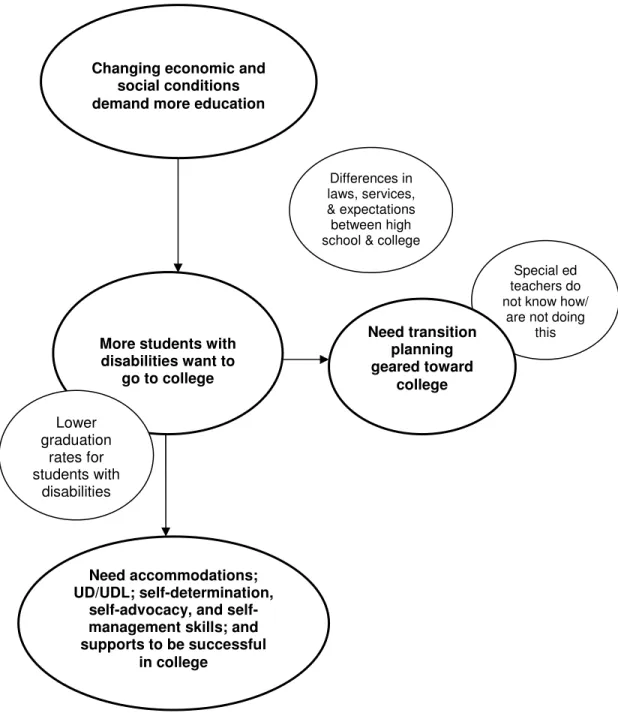
Figure 2. Challenges and needs of students with disabilities in
postsecondary education. 36
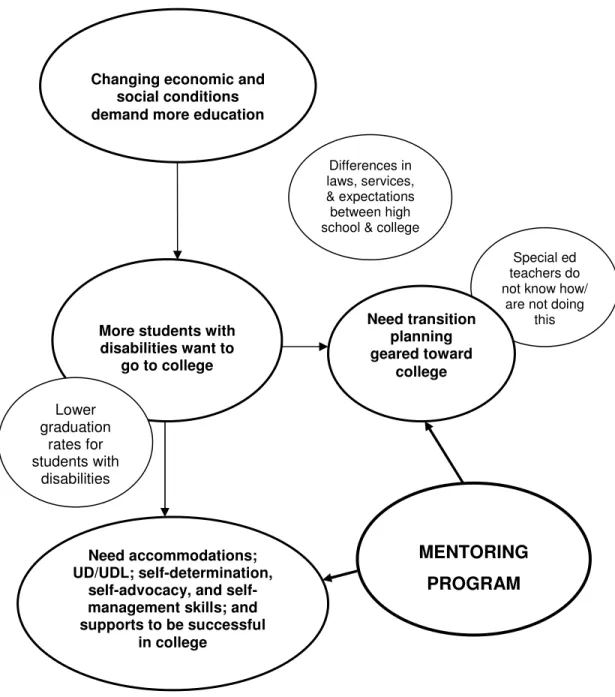
Figure 3. Transition to postsecondary education showing areas of
Chapter One: Introduction
Young people today face many challenges as they move from childhood through adolescence to adulthood. While every generation has faced obstacles growing up, today’s youth seem uniquely buffeted in their coming-of–age quest in the face of high unemployment, a changing national and world economy, and increased demands for higher levels of education (Wehman, 2013). Youth unemployment, which rose during the recent recession, remains high, ranging from 14-29% (US Department of Labor, 2012), and the rate of employment of young adults age 18-24 is at the lowest level since 1948, the year that government data were first collected (Taylor et al., 2012). Youth underemployment rates are also unprecedentedly high, possibly as high as 50% (Henig, 2012; Taylor et al., 2012).
Milestones in the transition to adulthood have traditionally included completing school, leaving home, becoming financially independent, marrying, and having a child. Declining numbers of young people are reaching these milestones while in their twenties (Arnett, 2000; Rumbaut, 2004). In 1960, 77% of youth in their 20s had accomplished all five of these things; but according to the US Census Bureau, by 2000, less than 50% of women and 33% of men had done so (Jekielek, & Brown, 2005). A popular New York Times Magazine cover article (Henig, 2010) recently asked, “Why are so many people in their 20s taking so long to grow up?” Even when considering revised milestones to adulthood that are less dependent on marriage and childbearing, such as accepting responsibility for oneself, making independent decisions, and becoming financially
independent (Arnett, 2004), today’s young adults are more likely to be dependent on parents for longer periods of time. Thirty-four percent of young adults aged 25 to 29 report moving back to their parents' home, largely for financial reasons. Parents' expectations of their young adult children have also changed; in 1993, 80% of parents surveyed said that their children should be financially independent by age 22; by 2011, this dropped to 67% (Taylor et al., 2012).
A century ago, changing social conditions such as a decline in child labor and the demand for high school education led psychologists such as Hall (1904) to identify adolescence as a new stage of human development bridging childhood and adulthood. Similarly, the current “changing timetable for adulthood” suggests a new developmental stage spanning the years from age 18 to 29, distinct from both adolescence and full adulthood, named by some psychologists “emerging adulthood” (Arnett, 2004). This new stage recognizes that young people are acquiring more years of education,
maintaining longer residence in their parents’ home, and taking more time before finding career employment.
The environment in which young people today are coming of age provides the backdrop for studying the transition of young adults with disabilities from high school to adult life. The challenges they face, including completion of schooling, moving from the parental household, and finding career employment, take place in this milieu of changing expectations and norms for society as a whole, including increased demands for higher levels of education (Wehman, 2013).
Students with Disabilities Go to College
As the American economy has become increasingly knowledge-based, demands for higher levels of education have led more students to attend college or other
postsecondary education programs. College enrollment increased from 51% to 68% percent between 1975 and 2011 (NCES, 2013). College enrollment is linked to higher lifetime earnings (US Census Bureau, 2012), and higher education is increasingly seen as a pathway to better employment, higher income, and better quality of life (Wilson, Getzel, & Brown, 2000).
Just as college enrollment has increased for typical students, more students with disabilities are attending college as well. From 1990 to 2005, the rate of postsecondary attendance increased from 26% to 46% for youth with disabilities who were within four years of leaving high school. This included an increase from 14% to 32% for community college attendance; an increase from 10% to 23% for attendance at a vocational,
business, or technical school; and an increase from 5% to 14% for enrollment in four-year colleges and universities (Newman, Wagner, Cameto, Knokey, & Shaver, 2010). Students with disabilities currently make up approximately 9% of the postsecondary student population, compared to 3% in 1978 (National Council on Disability, 2003), though rates vary greatly among postsecondary institutions (US Department of
Education, 2006). Postsecondary education includes four year colleges and universities, community colleges and other two year colleges, and non-degree and certificate programs such as vocational, business or technical schools (Newman, Wagner, Cameto, & Knokey, 20091).
1
Much of the statistical information in this chapter is drawn from the second National Longitudinal Transition Study, funded by the National Center for Special Education Research, US Department of
Many of the same predictors of college attendance for the general student population held true for students with disabilities as well, including factors such as parents’ income, parents’ level of education, and high-quality high school program and preparation (Murray & Wren, 2003; Newman at al., 2009). However, the rate of
postsecondary enrollment varies greatly across disability categories. It ranges from a low of 27% for students with intellectual disabilities to a high of 78% for students with visual impairments. Rates of postsecondary enrollment for students with high incidence
disabilities range from 34% for students with emotional and behavioral disorders to 55% for students with speech and language impairments and other health impairments. The largest group of postsecondary students with disabilities is students with learning disabilities who enroll at a rate of 47% (Newman et al., 2009).
Despite the trend toward increased enrollment, overall, students with disabilities attend postsecondary education at a significantly lower rate than students without
disabilities (Kuh, Kinzie, Buckley, Bridges, & Hayek, 2006). This gap is especially large for enrollment in four year colleges, a gap that is noteworthy because individuals with disabilities who are four-year college graduates are employed and have incomes commensurate with the general population of college graduates ( Madaus, Banerjee, & Hamblet, 2010; NCES, 1999).
According to the National Longitudinal Transition Study (Newman et al., 2009), 45% of students with disabilities attended some postsecondary education program within four years of leaving high school, in contrast to 53% of typical students. Although they enrolled in four-year colleges at a significantly lower rate, students with disabilities
Education. The study began in 2000 and surveyed 11,270 13-16 year olds (at the start of the study) who were receiving special education under the Individuals with Disabilities Education Act (IDEA) in grade 7 or above during the 2000-2001 school year.
attended two-year colleges at rates similar to typical students. Students with disabilities surveyed on attendance of postsecondary programs within the four years prior to the survey reported 32% attending or having attended community college or other two-year colleges, 23% attended vocational, business, or technical schools, and 14% reported attending four year colleges and universities (Newman et al., 2009).
Enrollment in postsecondary education, of course, is only the first step. Students with disabilities must stay in school and succeed academically in order to graduate. Rates of retention in and graduation from college are concerns that apply to many groups of students, not only students with disabilities (Newman et al., 2009). Postsecondary graduation rates for young adults in the general population range from 52% to 56% (NCHEMS, 2009; Newman et al., 2009). In contrast, 41% of students with disabilities reported that they had graduated from their postsecondary program (Newman et al., 2009; Kuh et al., 2006). Graduation or completion rates differed by type of postsecondary institution. Fifty-seven percent of enrolled students with disabilities reported completing their program at a vocational, business, or technical school, compared to 66% for the general population; 41% of enrolled students with disabilities graduated from their community college program, comparing favorably to 22% of the general population; and 34% of enrolled students with disabilities reported graduating from a four year college, compared to 51% of the general college population (Newman et al., 2009). These gaps raise concern about attrition of students with disabilities, especially in four-year college and university programs. The National Postsecondary Education Cooperative refers to the cumulative result of lower high school graduation rate, lower postsecondary
enrollment, and lower retention and graduation rates from postsecondary programs as “leakage in the education pipeline” (Kuh et al., 2006, p.1).
Over the course of several decades, Bean (1980) and Tinto (1975; 1993; 2012) studied factors that mediate students’ persistence in higher education. Factors such as successful academic and social integration combined to allow students to meet their postsecondary education goals. Academic integration is defined as “factors that influence students’ ability to become a part of a scholastic college environment,” evidenced by grade point average (GPA), students’ satisfaction with faculty, and participation in study groups and academic advising (Arnold, 1999, p. 5). Social integration is defined as “factors that contribute to students’ ability to develop relationships with other students and student groups outside of an academic setting,” for example, having lunch with other students, participating in school clubs, or attending sporting events (Arnold, 1999, p. 5). Taken together, academic and social integration contribute to persistence in
postsecondary education that leads to attainment of a degree, certificate, program
completion, or other goal set by the student, also known as “college success” (McPherson & Shapiro, 2009).
While all students moving from high school to collegeencounter challenges as they adjust socially and intellectually to the college setting, students with disabilities face additional adjustments. Some of the differences between high school and college
environments encountered by most students include less student-teacher contact, larger classes, more long-range course projects, less frequent evaluations, and more
unstructured time (Janiga & Costenbader, 2002). In addition to challenges faced by the general student population, students with disabilities encounter a new and different
service delivery system in which they may receive services and accommodations as they did in high school, but under different guidelines and through a system that was accessed largely through their own initiative.
In order to receive accommodations and other supports in college, the student with a disability must have the self-awareness to realize and understand that an
accommodation or support is needed, self-advocacy skills to ask for accommodations or other supports (Getzel, 2008), and the self-management skills to do so in a timely manner. Students may not be sufficiently aware of college demands, and may not have sufficient awareness of their own disability needs (Madaus et al., 2010). Students leaving high school may be unable to explain their disability and unable to articulate their
disability-related classroom needs. They may lack understanding about how the accommodations they have been accustomed to receiving affect their learning (Getzel, 2008). In fact, they may not be prepared to disclose their disability at all.
Less than one third of students disclosed their disability once they entered college (Newman et al., 2009). According to the NLTS-2, 63% of students with disabilities reported that upon leaving high school, they no longer believed that they had a disability. Another 9% believed that they did have a disability, but chose not to disclose this to their postsecondary program. The remaining 28% informed their school that they had a disability, either prior to enrolling (24%) or after they had enrolled (4%).
Some students with disabilities desire a “new beginning” (Getzel, 2008, p. 208). These students look at college as a fresh start in which they can distance themselves from the special education label they had had in high school (Cook, Hennessey, Cook, & Rumrill, 2007; Janiga & Costenbader, 2002; Marshak, VanWieren, Ferrell, Swiss, &
Dugan, 2010). Stereotyped views of learning disabilities, equating learning disability with low ability, may discourage disclosure (May & Stone, 2010). Finally, students with disabilities and college disability services staff do not always agree on needed services and accommodations (Marshak et al, 2010). Dutta, Schiro-Geist, and Kundu (2009) surveyed disability coordinators and students with disabilities at four universities and found a “significant disconnect” between student expectations and university services (p. 14).
Students’ views of their own disability also affect their willingness to utilize supports. Hartman-Hall and Haaga (2002) asked college students with learning
disabilities to respond to vignettes about students requesting help from professors, as well as radio advertisements about academic support services on campus. They found that a significant factor in students indicating a willingness to seek help was students’ own view of their learning disability. Students who viewed their learning disability as “global, stigmatizing, and nonmodifiable” (p. 268) were less likely to indicate a willingness to seek help than students who viewed their disability as “circumscribed, modifiable, and nonstigmatizing” (p. 266). None of the other variables studied, which included self-esteem, severity of learning disability, and previous experiences seeking help, were significantly correlated with willingness to seek help as indicated in a hypothetical scenario.
Problem Statement and Research Questions
Like many students coming of age in a challenging economic and social
environment, students with disabilities seek higher education in order to help them obtain independence, fulfilling employment, higher income, and a richer life. The majority of
students with disabilities who graduate from high school are interested in further education (Cameto, Levine, & Wagner, 2004). Professionals in special education, college student services, and rehabilitation fields need better understandings of the experiences of students with disabilities as they enroll and progress through college, and they need tools to support that process. The purpose of this study is to examine one approach to address the needs of students with disabilities entering and progressing through college. This case study of a university-based program designed to provide mentoring and support in the development of self-management and self-advocacy skills describes and explores the evolution of the program and the experiences of the program participants. The mentors in this program were graduate students, already certified as high school content teachers, seeking a Master’s degree and certification in special education.
This study seeks to address the following questions:
1. How does this mentoring program address the college support needs of undergraduate students?
2. What opportunities does the mentoring experience provide that support future special educators’ preparation for transition planning?
3. How can the mentors’ experiences and changing ideas inform teacher
educators relative to the preparation of secondary special education teachers? Overview
Chapter Two provides a review of the research literature pertaining to services provided by special educators to students with disabilities in high school to support their journey toward adult life, focusing on the students’ transition to postsecondary education.
This chapter also reviews legislative mandates for transition planning and services as well as current issues and challenges in providing those services. It provides a review of successes and challenges for students with disabilities in college and other postsecondary programs, examining areas such as support needs and the obstacles to students receiving supports, including both individual student preparation and systemic barriers. Chapter Two concludes with a review of college mentoring programs designed to support students with disabilities.
Chapter Three provides the results of the first of two pilot studies conducted during the inaugural semesters of the mentoring program. This pilot study was utilized to refine the services and structure of the mentoring program in subsequent semesters, as well as to refine the research methods of this study as a whole.
Chapter Four adds the results of a second pilot study that provided information used to further refine both program design and research methods.
Chapter Five outlines the methodology and structure of this study. This case study takes an in-depth look a mentoring and study support program involving future special education teachers and undergraduate students with disabilities-- its structure, purpose, and the experiences of the participants, both the undergraduate students with disabilities and the graduate student mentors. This case study primarily uses qualitative methods to study the experiences of the participants, including interviews, the
researcher’s observations, and examination of documents related to the program. The case study also utilizes descriptive statistics and the results of a survey given to students in the project aimed at feedback for program improvement. In this chapter, I also
describe the selection of participants, setting, data collection methods, and data analysis methods.
Chapters Six and Seven present data and findings along with connections to extant research and theory. Chapter Eight provides conclusions and implications drawn from findings.
Glossary
The following terms are used frequently throughout this study. The definitions that follow were gleaned from the literature and reflect the researcher’s understandings of these terms.
Academic autonomy -- the capacity of students to deal with ambiguity and to monitor and control their own behaviors in ways that allow them to attain their educational goals (Costello and English, 2001, p. 24).
College (student) success—persistence in postsecondary education that leads to acquisition of desired knowledge, skills, and competencies and attainment of a degree, certificate, program completion, or other educational objectives set by the student (Kuh et al, 2006).
Educational attainment—the highest degree or grade level attained by a student (NCES, 2010, p. A-2)
Mentoring – a dynamic, reciprocal, long-term, formal or informal relationship that
focuses on personal and/or professional development (Foster Heckman, Brown, & Roberts, 2007, p. 2).
Persistence – a student’s postsecondary education continuation behavior that leads to graduation (Arnold, 1999).
Personal agency— the subjective awareness that one is initiating, executing, and controlling one's own volitional actions in the world (Bandura, 2001).
Postsecondary education-- four year colleges and universities, community colleges and other two year colleges, and non-degree and certificate programs such as
vocational, business or technical schools (NCES, 2014; Newman et al., 2009).
Higher education is used synonymously.
Retention –a measure (usually a percentage) showing how many students re-enrolled at an institution that they attended the previous year prior to completion of a program or degree (Arnold, 1999).
Self-determination -- acting as the primary causal agent in one’s life and making choices and decisions regarding one’s quality of life free from undue influence or
interference (Wehmeyer, 1992, p. 305).
Self-management skills -- time management, organizational skills, goal-setting, and study skills (Getzel, 2008).
Transition services -- a coordinated set of activities for a child with a disability that are results-oriented, focused on improving academic and functional achievement to facilitate movement from school to post-school activities, including postsecondary education, vocational education, integrated employment (including supported employment), continuing and adult education, adult services, independent living, or community participation, based on the individual child’s needs, taking into account the child’s strengths, preferences, and interests (IDEA, 2004).
Youth, young person, young adult—These terms are used interchangeably in this report. The US Bureau of Labor Statistics (2012) defines youths as individuals age
16-24; all United Nations agencies define youth as 15 to 24 years (UNESCO, n.d.). Developmental psychologist Erik Erikson defined adolescence as ages 13-19 and young adulthood as ages 20-24 (Erikson, 1975).
Chapter Two: Review of Literature on Transition to Postsecondary Education As the economy and society demand higher levels of education for all students, more students with disabilities are graduating from high school and pursuing
postsecondary education. Some concerns related to these students’ pursuit of higher education are retention in and completion of postsecondary education programs, the low level of use of supports at the college level, and the ability of students with disabilities to self-advocate and work proactively to address their disability needs. In this chapter, I review further challenges in the form of differing legal frameworks for the provision of services to students with disabilities in the K-12 system and in postsecondary education. I also elaborate on the mandate for transition planning and programming to prepare students with disabilities to transition from secondary to postsecondary education and beyond, as well as barriers to the implementation of evidence based practices in this area. Following that, I review the support needs of students with disabilities as well as college programs in which students with disabilities have found success. Finally, I review mentoring programs designed to provide support for college students with disabilities.
The Transition from Secondary to Postsecondary Education Legal and Regulatory Framework
In addition to the challenges faced by all new college students, students with disabilities preparing to move from high school to a postsecondary setting face additional unfamiliar demands (Getzel, 2008; Madaus, 2005) requiring different responses on the
part of these students than those that were expected of them in high school (Hadley, 2006). These changing expectations reflect the laws, with differing mandates and definitions of disability, that govern the provision of services in secondary and postsecondary programs (Sparks & Lovett, 2009).
Services for students with disabilities in secondary school are guided primarily by the mandates of the Individuals with Disabilities Education Act (IDEA), most recently re-authorized in 2004, and Section 504, subpart D of the Rehabilitation Act of 1973. IDEA places responsibility for identifying and providing services for students with disabilities on the school system and school personnel, defining a “child with a disability” as a child
(i) with intellectual disability, hearing impairments (including deafness), speech or language impairments, visual impairments (including blindness), emotional disturbance , orthopedic impairments, autism, traumatic brain injury, other health impairments, or specific learning disabilities; and
(ii) who, by reason thereof, needs special education and related services. (IDEA, 2004)
Section 504 is a civil rights statute that prohibits discrimination on the basis of disability. This law defines disability as “a physical or mental impairment that
substantially limits one or more major life activities, such as (but not limited to) self-care, breathing, walking, seeing, performing schoolwork, speaking, and learning”
(Rehabilitation Act of 1973) and requires that school districts provide accommodations to ensure equal access to school programs for students who have a disability. Subpart D of Section 504 governs preschool and K-12 programs.
Upon entering college, services for students with disabilities are guided primarily by the Americans with Disabilities Act (ADA) and the Rehabilitation Act of 1973, Section 504, subpart E. ADA defines disability as “a physical or mental impairment that substantially limits one or more of the major life activities of such individual; a record of such an impairment; or being regarded as having such an impairment” (ADA, 1990). Section 504 subpart E prohibits discrimination in college admissions and provides equal access to campus programs and facilities. All postsecondary institutions are required to provide access and reasonable accommodations in the form of “appropriate academic adjustments as necessary” in order that they “not discriminate on the basis of disability” (Office of Civil Rights, 2007, p. 2); however, programs differ in their interpretation of the law, as well as in their service offerings (NCES, 1999; Stodden, Jones, & Chang, 2002). Further, colleges are not required to provide accommodations that would fundamentally alter course or program content, nor those that would cause undue financial or
administrative burden. There is a great deal of variability among postsecondary
institutions in the interpretation of these requirements and the methods of providing the required accommodations and supports (Harris & Robertson, 2001).
Thus, services that had been mandated under the Individuals with Disabilities Education Act (IDEA, 2004), such as identification of students with disabilities by school personnel, assessment and classification, preparation of Individualized Education Plans (IEPs), special program placement and services, and curriculum modifications and testing accommodations, may no longer be available, and the services that are available are accessed only by the student’s own initiative. The responsibility for a student's support and success shifts from the school system to the individual student (Hadley, 2006).
Students accustomed to the support of an interdisciplinary team in high school and unused to advocating for services are now expected to self-identify as a student having a disability, provide documentation of their disability, self-advocate with professors, and seek out and engage with services to meet their needs (Hadley, 2006; Stodden et al., 2002). In addition, the supports and accommodations that students receive in college may be provided in different forms than those offered in high school (Getzel, 2008). Table 2.1 summarizes the differing legal mandates and the provision of services in secondary and postsecondary programs.
Table 2.1
Federal Disability Laws and Services for K-12 and Postsecondary Education
K-12 Postsecondary
Laws governing services IDEA,
Section 504 subpart D
ADA
Section 504 subpart E
Oversight IDEA: US Department of
Education
504: Office of Civil Rights
ADA: Dept. of Justice 504: Office of Civil Rights
Primary responsibility for identification and arranging services
LEA/ school district Student
Family involvement IDEA mandates school to involve parents
Student is legal adult with privacy rights
Financial considerations Free, appropriate public education must be provided. Cost may not determine access to services.
Colleges may not charge higher tuition for students with disabilities, but extra services may be fee-based.
Accommodations that cause financial or administrative burden need not be provided. Academic modifications Course content may be
modified according to IEP
Course content not changed or waived if required for program Assessment/ documentation of
disability
Provided by school, school has responsibility to identify students with disabilities
Testing is arranged privately by student, cost born by student
Primary advocate Parent Student
(IDEA, 2004; Madaus & Shaw, 2004; Rehabilitation Act, 1973) Bridging the Gap: Transition Planning
Following the passage of the Education of All Handicapped Children Act in 1975, students with disabilities began to attend public schools in greater numbers, and the first large cohort of these students began to age out of public school services in the 1980s. Concerns with employability and independent living emerged and resulted in the first
legal mandate for transition services. Originally conceived as an “outcome-oriented process encompassing a broad array of services and experiences that lead to
employment” (Will, 1984, p. 1), transition from school to adulthood soon became broader, encompassing all areas of adult life (Halpern, 1992). The 1990 amendments to the EHA, then renamed Individuals with Disabilities Education Act, outlined transition services, specifying consideration of students’ interests, preferences, and needs. Specific transition components of the student’s Individual Education Plan (IEP) were required beginning by age 16 or earlier if indicated. The 1997 IDEA amendments expanded transition requirements and required that the content of a student’s education be focused on the student’s post-school aspirations. Student involvement was mandated in planning coordinated activities that were part of the IEP and addressed the student’s post-school goals (Kohler & Field, 2003).
The 2004 reauthorization of IDEA includes the following definitions and provisions related to transition:
Transition services means a coordinated set of activities for a child with a disability that: (1) Is designed to be within a results-oriented process, that is focused on improving the academic and functional achievement of the child with a disability to facilitate the child’s movement from school to post-school activities, including postsecondary education, vocational education, integrated employment (including supported employment), continuing and adult education, adult services, independent living, or community participation; (2) Is based on the individual child’s needs, taking into account the child’s strengths, preferences, and interests; and
includes: (i) Instruction; (ii) Related services; (iii) Community
experiences; (iv) The development of employment and other post-school adult living objectives; and (v) If appropriate, acquisition of daily living skills and provision of a functional vocational evaluation.
IDEA further states that:
(b) Transition services. Beginning not later than the first IEP to be in effect when the child turns 16, or younger if determined appropriate by the IEP Team, and updated annually, thereafter, the IEP must include: (1) Appropriate measurable postsecondary goals based upon age appropriate transition assessments related to training, education, employment, and, where appropriate, independent living skills; and (2) The transition
services (including courses of study) needed to assist the child in reaching those goals. [§300.320(b)]
Therefore transition services as currently conceived and mandated involve development of a vision of adult outcomes focusing on employment, postsecondary education, residential settings, and community participation; identification of services and providers needed to attain these outcomes; and interagency planning (Shearin, Roessler, & Schriner, 1999). “Transition planning is a student-centered activity that requires a collaborative effort which should be shared by students, parents, secondary personnel, and postsecondary personnel working as a team” (Hadley, 2006, p. 16.). The increased emphasis on college attendance and completion for students with disabilities, as well as for the general population, has focused increased attention on transition planning and programming toward postsecondary education for these students.
Evidence-Based Transition Services
Several different organizational structures for conceptualizing effective transition practices have resulted from reviews of the transition literature (Alwell & Cobb, 2006; Kohler, 1996; Kohler & Field, 2003; Landmark, Ju, & Zhang, 2010; Test et al., 2009). The Taxonomy for Transition Programming developed by Kohler (1996) and refined by Kohler & Field (2003) is a widely accepted and utilized framework for planning,
implementing and evaluating transition programs. This framework of secondary education practices associated with improving post-school outcomes for students with disabilities is based on studies of evidence-based secondary transition practices: Kohler’s (1993) literature review; Kohler, DeStefano, Wermuth, Grayson, and McGinty’s (1994) analysis of exemplary transition programs; and Rusch, Kohler, and Hughes’ (1992) metaevaluation of model transition program outcomes and activities. These were incorporated into a concept map (Kohler, 1996) that organized the identified transition practices into five major categories:
1) Student-focused planning practices use assessment information and facilitate students’ self-determination to develop individual education programs based on students’ visions, interests, and post-school goals. This necessitates developing students’ self-awareness in order to help them identify their interests, preferences, and goals.
2) Student development practices emphasize life, employment, and occupational skill development through school-based and work-based learning experiences, giving students the opportunity to develop and apply self-determination skills, as well as other academic, social, and
occupational skills and behaviors. This includes identifying needed accommodations, as well as providing inclusive educational
opportunities.
3) Interagency collaboration practices facilitate involvement of community businesses, organizations, and agencies in all aspects of transition-focused education, with clearly articulated roles,
responsibilities, communication strategies, and other collaborative actions that enhance curriculum and program development. 4) Family involvement practices aim toward personal, rather than
bureaucratic, relationships with family to encourage their meaningful involvement in transition activities and planning. Family-focused training and family empowerment activities increase the ability of family members to work effectively with educators and other service providers.
5) Program structure and attributes are features that relate to efficient and effective delivery of transition-focused education and services, including philosophy, planning, policy, evaluation, and human resource development.
(Kohler, 1996; NSTTAC, 2007)
Using Kohler’s (1996) Taxonomy for Transition as a framework and quality indicator, Test et al. (2009) found that the majority of evidence-based practices described in the literature were in the areas of student development and, to an extent, student-focused planning. Other researchers and agencies have developed frameworks for
effective transition planning, incorporating similar practices, but varied organizational structures. As part of the What Works Transition Research Synthesis Project, Alwell & Cobb (2006) reviewed 164 studies published over a 20-year period, looking for evidence of six intervention areas: transition planning, vocational and employment preparation, social skills, self-determination, life skills curriculum, and counseling. Organizations and consortia devoted to transition planning and services, such as the National Center on Secondary Education and Transition (NCSET) and the National Secondary Transition Technical Assistance Center (NSTTAC), have also developed frameworks for organizing and evaluating research in transition, seeking to identify and promote evidence-based practices. Table 2.2 shows the alignment of these frameworks with the Taxonomy for Transition. Appendix A provides a list of transition centers and programs.
Table 2.2
Frameworks for Transition Practices
Transition Taxonomy (Kohler, 1996; Kohler & Field, 2003)
Atwell & Cobb (2006)
NASET National Standards & Quality
Indicators (2005)
Landmark, Ju, & Zhang (2010) Student-focused
planning
Transition planning Schooling Inclusion
Student Development Social skills Youth development Social skills training
Collaborative service
delivery Connecting activities Community/ agency
collaboration Vocational &
employment preparation
Career development Employment preparation / Work experience Family involvement Counseling Family involvement Parent/family
involvement
Program structure Life skills curriculum Daily living training
Self-determination Self-determination
training
(Alwell & Cobb, 2006; Kohler, 1996; Kohler & Field, 2003; Landmark et al., 2010; NASET, 2005; NSTTAC, 2007)
Implementation Concerns
In spite of this array of transition practices, and the existence of guidelines for transition personnel preparation (DCDT, 2000a, 2000b), implementation of evidence-based transition planning and delivery of effective transition curriculum is lacking. A number of studies identified needs related to transition planning and practices relevant to students with disabilities transitioning to postsecondary education. Many of these studies raised concern that despite the knowledge base and organizational structures outlined above, best practices in transition planning frequently were not occurring (Grigal, Test,
Beattie, & Wood, 1997; Kohler & Field, 2003). The need for more effective transition for college-bound students with disabilities was evident from the lack of (a) planning and programming for the development of self-determination and related skills (Agran, Snow, & Swaner, 1999; Alwell & Cobb, 2006; Cook et al., 2007; Janiga & Costenbader, 2002; Trainor, 2007), (b) postsecondary education goals in transition plans (Shearin et al., 1999), and (c) challenging college preparatory coursework and effective inclusive education opportunities (Alwell & Cobb, 2006; Sparks & Lovett, 2009; Stodden, Galloway, & Stodden, 2003).
Surveys of college disability services personnel and college faculty (Janiga and Costenbader, 2002; Cook et al., 2007) pointed to areas of need for students transitioning to postsecondary education programs, especially in the development of student self-determination and self-advocacy skills. Janiga and Costenbader (2002) surveyed 74 coordinators of college disability services in New York State. Respondents overall reported that they felt that transition planning was in need of improvement, with common areas of concern being the need for improved student preparation in the areas of self advocacy skills, independence, and understanding the differences between high school and college. Cook et al. (2007) reported similar findings from their survey of nine university faculty and disability support services staff, including concerns with self-advocacy skills that were identified as both critically needed and lacking.
The need for programming at the high school level in self determination was reported by Durlak, Rose, and Bursuck (1994), Hadley (2006), and Stodden et al. (2003). Stodden et al. called for teachers to link IEP goals to individualized transition goals, targeting success in postsecondary environments. Durlak et al. (1994) and Hadley (2006)
found that teachers needed to directly teach self-determination skills in order to prepare students with disabilities to transition successfully. Teachers agreed that their students needed instruction in self-determination, but there was an implementation gap (Thoma, Baker, & Saddler, 2002; Webster, 2003). Special education teachers reported that while they understood the importance of self-determination, they were unclear on how to teach these important skills. Therefore, despite believing that self-determination was
important, they did not include goals toward the development such skills in their students’ IEPs (Agran et al., 1999; Collet-Klingenberg, 1998; Thoma & Sax, 2003).
Trainor’s (2007) study of girls ages 16-18 with learning disabilities illustrated the effect of this lack of attention to the development of self-determination skills needed in postsecondary settings. She found that transition planning and instruction were not an important part of the school experience of these students, nor were they well informed about the process. Students reported having generally negative experiences at their IEP meetings, as well as not being prepared to participate meaningfully, concerns also raised by Johnson, Stodden, Emanuel, Luecking, and Mack (2002). Trainor (2007) found that the students had difficulty making meaningful connections between their transition goals and their current abilities and activities. They also had difficulty making distinctions between preferences and strengths, as well as difficulty articulating or understanding needs and weaknesses. While these students identified themselves as self-determining, they revealed that they lacked key components of self-determination skills. “The gradual nature of transition planning and instruction, learning from these experiences, and
realigning long-term goals, were missing, yet research shows this is precisely what young women with learning disabilities need” (Trainor, 2007, p. 41).
Trainor (2008) described self-determination as a complex construct involving interaction between the individual and the environment, in which the individual possesses psychological and cognitive component skills, and the environment provides
opportunities to practice these determination skills. Therefore, to develop self-determination, students with disabilities needed not only to acquire specific skills, but also to practice them in meaningful settings in which they truly could exert control (National Council on Disability, 2003; Wehmeyer, 2004). While the lower-stakes environment of high school would seem to provide this opportunity, in fact, high school students with disabilities had few opportunities for making choices, and students were sometimes sheltered from the consequences of their choices (Patwell & Herzog, 2000; Thoma, Baker, & Saddler, 2002).
In addition to concerns about lack of planning and programming in the area of self determination, there was concern about the lack of postsecondary education goals found in students’ transition plans, especially in light of increasing numbers of students with disabilities attending postsecondary education programs. Shearin et al. (1999) reviewed 68 IEPs from two Arkansas high schools. They found that postsecondary education was not emphasized overall, and was not even addressed in 78% of the IEPs they reviewed, and furthermore, that these IEPs lacked the required explanations as to why the area had not been addressed. Given Cameto et al.’s (2004) finding that post-secondary education was reported as a transition goal by more than 80% of students with disabilities
interviewed in the second National Longitudinal Transition Study, it appeared that special education teachers and IEP transition teams needed additional training in transition planning procedures (Grigal et al., 1997).
Finally, the status of transition planning for college-bound students with
disabilities raised concern about the pre-service preparation of special education teachers who are charged with preparing transition plans and guiding transition programming. Concerns that emerged in the literature included the lack of effective instruction in transition planning in many teacher preparation programs (Kohler & Greene, 2004; Thoma, Baker, & Saddler, 2002; Thoma, Nathanson, Baker, and Tamura, 2002; Webster, 2003) and the need for pre-service exposure to evidence-based transition practices such as inclusive programming, social skills training, family involvement, self-determination training, and community and agency collaboration (Landmark et al., 2010). Secondary special education teachers themselves believed that they were poorly prepared in this area (Morningstar & Kleinhammer-Tramill, 2005).
Students with disabilities need high quality transition planning and programming geared toward post-secondary education. Special education teachers who will guide the transition process need training that addresses effective transition planning and transition curriculum and tools to implement those practices. Thoma, Nathanson et al. (2002) surveyed 230 special education teachers, asking where they had learned about self-determination for students with disabilities, a critical element in transition planning. While 32% of the respondents reported that they had learned about self-determination in graduate courses, and 16% in undergraduate courses, when asked about knowledge of implementation of self-determination instruction, none of the teachers surveyed reported learning about this in graduate or undergraduate courses. This sheds light on the
Teachers also need better understanding of what their students will need as they move on to postsecondary settings. Many special education teachers are unaware of the expectations of postsecondary education and the skills students need to address those expectations (Janiga & Costenbader, 2002). While teachers report some in-service opportunities to learn about transition planning (Thoma, Nathanson et al., 2002, p. 245), the majority of teachers surveyed felt it was “extremely important” to have such
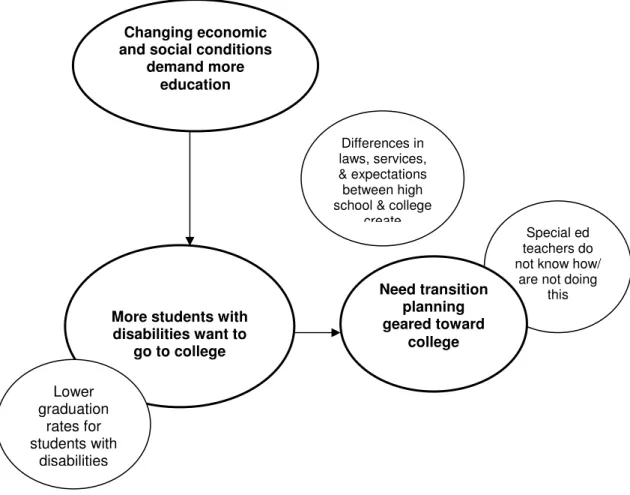
instruction at the graduate level (74.4%) or undergraduate level (69.8%) that would contribute to effective transition practices. Figure 2.1 illustrates some of the challenges outlined above.
Figure 2.1. Challenges and needs of students with disabilities transitioning to postsecondary education
Changing economic and social conditions
demand more education Differences in laws, services, & expectations between high school & college
create
Special ed teachers do not know how/
are not doing this Need transition
planning geared toward
college More students with
disabilities want to go to college Lower graduation rates for students with disabilities
College Students with Disabilities: Succeeding with Supports
While effective transition experiences in high school are necessary to prepare students with disabilities for postsecondary education, they are not sufficient, as these students continue to need supports and services as they move into college settings. Although legal mandates focus on prohibiting discrimination, college success for many students with disabilities involves more than non-discriminatory access. Retention and graduation rates for students with disabilities remain a concern (National Council on Disability, 2003; Newman et al., 2009) and some students with disabilities need an array of services beyond what is strictly mandated under ADA in order to be successful, stay in college, and graduate (Getzel, 2008).
Two factors correlated with persistence of students with disabilities in college were engagement and strong connections to faculty and other students (Troiano, Liefeld, & Trachtenberg, 2010). Murray and Wren (2003) looked at a number of cognitive, academic, and attitudinal predictors of college success and found that of the factors they studied, only full-scale IQ and the absence of the trait of “delay/ avoidance” of studying correlated to college success (defined as GPA). Other researchers looking at additional factors found that student success correlated to use of supports (Troiano et al., 2010), students’ willingness and ability to talk to their professors, social and negotiation skills, often referred to as self-efficacy (Fitchen & Goodrick, 1990), high aspirations and good academic preparation (Rojewski, 1999), a high level of self-management skills, and a high level of self-determination skills (Getzel, 2008). These traits and skills that correlate with college success are the same ones targeted by evidence-based transition planning,
including student development (Kohler, 1996), social skills, and self-determination training (Alwell & Cobb, 2006; Landmark et al., 2010).
The skill areas of self-management and self-determination recur in the literature on college success, just as with studies of high school transition planning needs, as critical elements of success for students with disabilities in postsecondary education programs. Self-management includes time management, organizational skills, goal-setting, and study skills, skills that college students with disabilities identify as important to their success (Finn, Getzel, & McManus, 2008; Getzel, 2008; Getzel & Thoma, 2008; Thoma & Getzel, 2005). Students with disabilities need self-management skills to develop academic autonomy, defined as “the capacity to deal with ambiguity and to monitor and control their own behaviors in ways that allow them to attain their
educational goals” (Costello and English, 2001, p. 24). In addition to accommodations, college students with disabilities need support in college to develop these skills.
Self-determination skills were critical to the success of college students with disabilities (Halpern, 1992; Janiga & Costenbader, 2002; Stodden et al., 2003; Thoma & Getzel, 2005; Wehmeyer, 2004; Trainor, 2007). Self-determinationincludes personal and interpersonal skills, including acceptance of one’s disability and knowledge of how that disability affects ones learning, knowing how to describe one’s disability as well as any needed supports, and having determination to overcome obstacles (Getzel, 2008). Wehmeyer (1992) defined self-determination as “acting as the primary causal agent in one’s life and making choices and decisions regarding one’s quality of life free from undue influence or interference” (p. 305). Components of self-determination are choice-making skills, self esteem, positive perceptions of control and efficacy, and
self-knowledge and awareness. (Trainor, 2007; Wehmeyer, Agran, & Hughes, 2000). Another critically important component of self-determination is self-advocacy (Hadley, 2007).
Students echoed the importance of awareness, determination, and efficacy. College students with disabilities, when asked to identify specific
self-determination skills they needed to succeed in college, named forming relationships with college personnel and classmates as very important (Finn et al., 2008; Getzel & Thoma, 2008). They advised fellow students to get to know their professors, disability office staff, and other students, and specifically recommended finding a peer in class to whom they might go for information and clarification of expectations. They also advised willingness to use campus-wide student supports such as a writing center or peer tutoring service. Participants in Webster's (2003) study of 22 college students with disabilities enrolled in a disability awareness course confirmed the importance of self-advocacy, commenting that it became easier with practice (p. 169).
However, needs extend beyond the individual student characteristics, skills, and supports crucially important to college success. Some researchers identified systemic factors that colleges might also address including increased awareness and knowledge on the part of faculty of the characteristics and needs of students with disabilities and the use of universal design concepts in planning curriculum (Getzel, 2008; Orr & Bachmann Hammig, 2009). Bolt, Decker, Lloyd, and Morlock’s (2011) study of students’
perceptions of accommodations noted that faculty awareness and receptivity influenced students’ willingness to use accommodations. Hadley’s (2006) study of students with learning disabilities’ access to higher education highlighted the importance to students of
having their professors’ support in addition to possessing individual self-determination skills. College students with disabilities surveyed by Webster (2003) similarly wished for increased faculty knowledge and awareness of disability, as well as a more accessible and universally designed campus. Universal design for learning, an educational approach to providing more flexible classroom materials, technology, and varied methods of
conveying instructional content (Getzel, 2008; Rose, Harbour, Johnston, Daley, & Abarbenell, 2006) is needed to make instruction at the college level more accessible to a wide range of students, including students with disabilities. As colleges seek to address increasingly diverse learning needs among their students, the need for campus-wide approaches will grow (Getzel, 2008).
While the needs of college students with disabilities are many, there is a growing body of research indicating that with support, students with disabilities can close the retention and graduation gap. Mamiseishvili and Koch (2010) and the NLTS-2 (Newman et al., 2009) found that the provision of appropriate supports and accommodations in college and in other postsecondary programs led to greater persistence and higher graduation rates. Studies have shown that in some settings, with appropriate support, students with disabilities achieve and graduate at the same rate as students without disabilities (Alwell & Cobb, 2006; California Postseondary Education Commission, 2008; Harrington & Fogg, n.d.; Nguyen et al., 2004; Oguntoyinbo, 2012; Vogel & Adelman, 1990; Vogel & Adelman, 1992).
Harrington and Fogg (n.d.) studied college retention among 4,597 graduates of Career and Technical Education (CTE) high school programs in Massachusetts and found that while students with disabilities, who made up approximately one-fourth of the group,
were less likely to enroll in college than CTE students who did not have a disability, the two groups had identical one-year retention rates in college. Other researchers have reported similar findings of comparable graduation rates in studies of a single college or university system.
Vogel and Adelman (1990) studied 110 students with learning disabilities and a comparison group of 153 randomly selected students at a single college and found similar graduation rates and academic failure rates for the two groups. The students with
learning disabilities in this study self-identified and were “highly motivated to succeed in college” (p. 432). A follow-up study at the same college of 62 students (self-identified and receiving support services for learning disabilities) and 58 randomly selected students showed similar graduation rates for the two groups, but a much higher course failure rate for the students without identified learning disabilities, 51% compared to 18% (Vogel & Adelman, 1992).
Data from California State University campuses and California community colleges showed persistence and six-year graduation rates for students with disabilities that were comparable to the general student population. University of California data for recent years showed that the 2-3% of undergraduates who identified and received
services for students with disabilities had cumulative GPAs that were nearly identical to the general undergraduate population (California Postsecondary Education Commission, 2008). California higher education systems feature disability services programs that date back to 1976 and include collaborative agreements with the state Department of
Rehabilitation to help identify students in need of assistance and verify disability status. Nguyen et al. (2004) reported identical persistence and graduation rates for students with