doi:10.1251/bpo107 May 30, 2005
New quick method for isolating RNA from laser captured cells stained by
immunofluorescent immunohistochemistry; RNA suitable for direct use in
fluorogenic TaqMan one-step real-time RT-PCR
Jack M. Gallup
1*, Kenji Kawashima
2, Ginger Lucero
3and Mark R. Ackermann
11Department of Veterinary Pathology, College of Veterinary Medicine, Iowa State University, Ames, Iowa 50011-1250.
2Environmental Hygiene Section, Shichinohe Research Unit, National Institute of Animal Health. 31 Uminai, Shichinohe, Aomori 039-2586, Japan.
3Invitrogen R&D, Carlsbad, CA 92008.
*Corresponding Author: Jack M. Gallup, Department of Veterinary Pathology, College of Veterinary Medicine, Iowa State University, Ames, Iowa 50011-1250. Email: [email protected]
Submitted: March 21, 2005; Revised: May 12, 2005; Accepted: May 12, 2005.
Indexing terms: Immunohistochemistry; Sheep; Gene Expression; Polymerase Chain Reaction.
ABSTRACT
We describe a new approach for reliably isolating one-step real-time quantitative RT-PCR-quality RNA from laser captured cells retrieved from frozen sections previously subjected to immunofluorescent immunohistochemistry (IF-IHC) and subsequently subjected to fluorogenic one-step real-time RT-PCR analysis without the need for costly, time-consuming linear amplification. One cell’s worth of RNA can now be interrogated with confidence. This approach represents an amalgam of technologies already offered commercially by Applied Biosystems, Arcturus and Invitrogen. It is the primary focus of this communication to expose the details and execution of an important new LCM RNA isolation technique, but also provide a detailed account of the IF-IHC procedure preceding RNA isolation, and provide information regarding our approach to fluorogenic one-step real-time RT-PCR in general. Experimental results shown here are meant to supplement the primary aim and are not intended to represent a complete scientific study. It is important to mention, that since LCM-RT-PCR is still far less expensive than micro-array analysis, we feel this approach to isolating RNA from LCM samples will be of continuing use to many researchers with limited budgets in the years ahead.
INTRODUCTION
About 9 years ago (in 1997), Lance Liotta, M.D., Ph.D., chief of
theLaboratory of Pathology at the National Cancer Institute,
andhis laboratory published an article in Science that described the process of laser capture microdissection (LCM). This
invention was driven by the need to isolatepure
pre-malignant cells from the native surrounding tissue to
facilitate the study of molecular events leading to
invasive cancer, and has helped to advance science in
many ways. LCM has enabled researchers to analyze purified populations of cells directly from patient tissue
samples and to achieve accurate molecular analyses in such samples. By using a low-power infrared laser to capture individual cells or pure cell populations, LCM ensures that RNA and DNA remain undamaged during the microdissection process. To study the genetic
changes that occur in transition from a normal to an
invasive cell, cell subpopulations, sometimes
representing <5% of the totaltissue, need to be isolated to
reduce contamination from othercell types. Before LCM,
the process of isolating specific cell populations from
tissue was extremely difficult.To perform LCM, a slide
and the image is brought up on a computerscreen. Cells
of interest are selected with a joystick and atthe push of a
button an infrared laser melts a special filmabove the
targeted cells. The film then sets, and the user pulls the
chosencells away from the tissue slide. These selected
cells are readyfor molecular analysis (i.e. RNA isolation
and one-step fluorogenic real-time RT-PCR). The
remaining tissue on the slide is still intact and can be
subjected to further dissection (if the tissue is still sufficiently dehydrated). It has been observed that microdissected cells display very different genetic
profiles when compared to cultured cells. Many new
genes have been identified in microdissected cells. In
contrast tocells in culture, cells obtained by LCM are in
their naturalenvironment and express their ‘true’ set of
genes, and are therefore thought to be better suited for molecular analysis (1). LCM technology is applied using the AutoPix and PixCell II LCM instruments available exclusively from Arcturus (please see the following link to Arcturus for more details on the history, application and other LCM-related information: http://www.arctur.com/lab_portal/support/faq/). Extraction of RNA from LCM samples for use in one-step real-time RT-PCR has been approached several ways over the past few years, and this publication describes for the first time, the shortest, most fail-safe method for LCM sample RNA extraction which combines the use of technologies developed by three major companies; Invitrogen, Applied Biosystems Inc., and Arcturus. Our direct work with Invitrogen on this procedure, we feel, represents a major breakthrough since we have identified the crucial points during LCM RNA isolation which most affect the usability of the resulting LCM sample isolates in the one-step real-time RT-PCR application. We can now consistently detect our one-step real-time qRT-PCR targets of interest within single cell amounts of total LCM cell [RNA] isolate.
EXPERIMENTAL PROCEDURES
Immunofluorescence immunohistochemistry
Freshly-necropsied lung tissues from sheep are placed into plastic disposable base molds (disposable base molds, Cat. No. 03040, Surgipath Medical Industries Richmond, IL) containing OCT (Cat. No. 25608-930, Tissue-Tek OCT, VWR International, Batavia, IL), more
OCT is applied over the tissues, and these are then placed onto blocks of dry ice until the tissues and OCT are frozen to a solid white. All samples are then transferred immediately to -80°C for storage. LCM tissues are cut with a cryostat (Leica CM 1900) into 6 µm LCM sections, and sections are placed onto precleaned superfrost plus 25 x 75 x 1mm glass slides (Cat. No. 48311-703, VWR Scientific, West Chester, PA) at -25°C (see Fig. 15). This procedure is considered a standard
a cold room at 4°C (Figs. 1 and 2), sections are incubated for 10 minutes with a primary:biotinylated-secondary-antibody complex (prepared by mixing equal volumes of primary mouse monoclonal anti-human CD208 IgG (Cat. No. IM3448, anti-human CD208 (DC-LAMP) purified 0.2 mg/ml, Beckman Coulter, Miami, FL) or mouse monoclonal anti-bRSV-4 IgG (Dr. Kenneth Platt, CVM/ISU, Ames, IA) and a 1 mg/ml solution of biotinylated goat anti-mouse secondary IgG (in 50% glycerol) (Kirkegaard & Perry, Gaithersburg, MD)), with an additional amount of BioGenex Common Antibody Diluent (comprising 28% of the final primary-biotinylated secondary mixture volume) (see Figs. 1 and 2 for set-up depictions).
Fig. 1: 2 slides being stained by IF-IHC (preceding LCM) are shown in the middle of a metal slide rack within a larger, humidified and sealable container.
This mixture is vortexed gently then incubated for 45 minutes to 1 hour at 37°C (this is routinely performed a day prior to the IF-IHC-LCM procedure). Slides are subsequently washed three times with cold nuclease-free PBS + 0.1% Tween 20 within 2 minutes, then Cy3-streptavidin reagent (Rockland, Inc., Gilbertsville, PA), diluted 1:300 (with BioGenex Common Antibody Diluent containing 1% NGS and 1 %NSS) is added to the sections for 10 minutes, followed again by three washes with cold nuclease-free PBS + 0.1% Tween 20, within 2 minutes. For dehydration prior to LCM, sections are put through a series of solvents also contained in nuclease-free 5-slide plastic mailers. First, sections are placed into nuclease-free 75% ethanol for 30 seconds, 95% nuclease-nuclease-free
ethanol for 30 seconds, twice into extra-dry or very fresh 100% ethanol for 30 seconds, ultra fresh xylene for 5 minutes, then again into ultra fresh xylene for 10 minutes up to 2 hours (this parameter is left adjustable depending on how many slides one is handling).
Fig. 2: For immunofluorescence immunohistochemistry (IF-IHC) procedure: Humidified chamber (containing the slides on the metal slide rack) being placed inside a cold room at 4°C. Notice the small leveling device atop the container to ensure that reagent run-off is not allowed.
Laser capture microdissection (LCM)
Just before LCM, slides are dried for 15 minutes under a laminar flow hood and immediately placed inside a desiccator (with fresh desiccant) until subjected to LCM. LCM is routinely performed on each section within 40 ± 20 minutes of their removal from ultra fresh xylene.
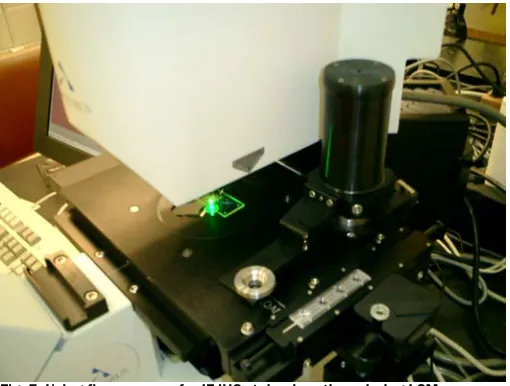
The LCM laser power settings (on the PixCell II LCM system, Arcturus, Figs. 3-5) we use for cell capture typically start at 80 milliwatts (mW) for a duration of 800 µsec (giving us a calculated spot size of 10 µm); but these settings are frequently adjusted in order to address each slide individually to optimize cell pick-up (up to 100 mW for 1 msec).
Fig. 4: Another view of the PixCell II LCM system.
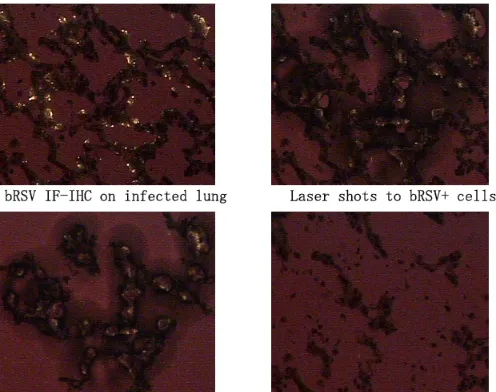
Most single laser shots exacted on our ovine lung sections result in the capture of 1 to 3 cells at a time, even when the laser spot is adjusted to its smallest possible diameter, so great care is taken to make sure only specifically-intended cells and/or groups of cells are accurately retrieved.
Fig. 5: Using fluorescence for IF-IHC-stained sections during LCM.
For lung tissue, we typically use an objective lens setting of 20X to inspect our IF-IHC stained sections during laser capture; the field images are clear and identifying different cell types is relatively easy (Figs. 6-8). After all cells of interest are harvested onto HS LCM caps (Cat.
No. LCM 0214, Arcturus), total RNA is isolated from
captured cells using our own method (Figs. 17-22) which represents a combination of Arcturus, Invitrogen (2), and Applied Biosystems (ABI, Foster City, CA) reagents, products and procedures (a method which is currently being optimized by Invitrogen in collaboration with us to form an appropriate one-step master mix compatible with SuperScript III RT enzyme for reverse transcription).
Fig. 6: IF-IHC staining for bRSV antigen using Cy3; viewed on a regular fluorescence microscope.
pneumocytes, type I pneumocytes, viral antigen-containing or viral antigen-non-antigen-containing cells, respectively.
Fig. 7: IF-IHC staining for alveolar type II cells (marker; CD208) using Cy3; viewed on a regular fluorescence microscope.
Other captured populations include cells adjacent to or nearby bRSV antigen-containing cells, while bronchiolar epithelial cells were identified and captured solely on the basis of morphology.
Fig. 8: IF-IHC images obtained during LCM (Cy3 appears as a yellowish fluorescence).
New approach to LCM RNA isolation
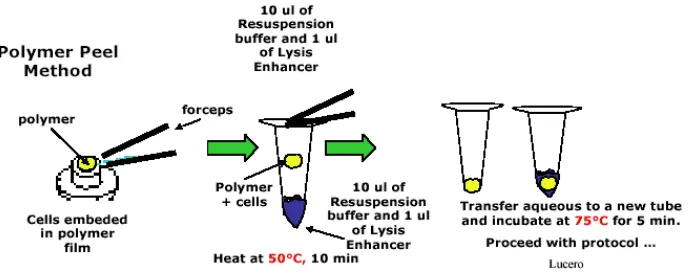
This new approach to RNA isolation from laser captured cells involves the removal of the small round polymer tab from each HS LCM cap (onto which the cells have
end up at the correct desired µg/µl in each of the final LCM RNA sample preparations so that its final concentration during real-time RT-PCR never rises above 0.2 µg/µl in each final reaction well – an amount that is roughly equivalent to the suggested use of yeast tRNA in the same regard – and which is safely below the ‘2 µg/µl glycogen limit’ (above which it has been reported to inhibit PCR reactions) (4). After glycogen addition, samples are gently vortexed and subsequently spun down to collect. Sample extracts are then transferred to new nuclease-free 0.2 ml microvials (MidWest Scientific) and the desired final volume of 36 µl for each sample is additionally ascertained during this final sample transfer (or samples are used right away in the real-time RT-PCR application and not transferred). [Note: when we opt to use the RNA samples right away (i.e. without freezing at -80°C), we take advantage of the last heating step at 75°C (see above) by letting it serve not only as the DNase I denaturing step, but also as the template linearization step; so samples are placed on ice for at least 1 minute after this step and then considered ready for real-time RT-PCR at that point]. Before use, isolates that were stored at -80°C are heated for 5 minutes at 65°C (in a GeneAmp 2400 thermocycler, Perkin Elmer/ABI) followed by snap-cooling on ice for at least 1 minute to ensure template linearity before use as templates for fluorogenic one-step real-time RT-PCR. Samples are spun down, and 7.8 µl of each is used as “RNA template” in 30-µl fluorogenic one-step real-time RT-PCR reactions as carried out in 96-well RT-PCR reaction plates (ABI) using a GeneAmp 5700 Sequence Detection System (ABI) for detection and relative quantification of five mRNA targets of interest to us; ovine surfactant protein A (SP-A), ovine surfactant protein D (SP-D), sheep beta-defensin-1 (SBD-1) bovine/ovine toll-like receptor 4 (TLR4) and ovine monocyte chemoattractant protein 1-alpha (MCP-1α). For a detailed (EXCEL file) look at this particular RNA sample isolation approach, refer to Figure 17 (which represents all optimized mathematical aspects of the LCM sample RNA isolations). Linear amplification is not pursued in our approach for a number of reasons: 1) It defeats the purpose of a quick method (linear amplification of LCM RNA can take up to three days in practice), 2) It is costly, (e.g. a commercial amplification kit “RiboAmp HS RNA Amplification Kit” costs $695 minimum), and 3) Any tampering with RNA samples in effort to amplify or
reverse transcribe into cDNA invites the risk of skewing original RNA profiles, and this in turn can compromise real-time qPCR results when such manipulated nucleic acid species are used as templates.
Real-time TaqMan assay principle
The principle of the TaqMan reaction is based on the use of fluorogenic probes designed to hybridize to the gene target sequence of two PCR primers. Each probe contains a 5’ fluorescent reporter dye and a 3’ quencher dye. In the intact probe, the presence of the 3’ quencher inhibits the 5’ reporter emission by quenching its energy emission. During the extension phase of PCR cycling, the annealed probe is cleaved by the 5ʹ→3ʹ exonuclease activity of Taq polymerase. This cleavage produces an increase in fluorescence emission of the reporter dye. This event occurs each PCR cycle only if the probe has annealed to the target sequence, which leads to an increase of fluorescence proportional to the initial concentration of target sequences in the sample. Such real-time fluorescence detection is performed by the ABI PRISM 7700 Sequence Detector (Applied Biosystems, Inc.). In this instrument, a 96-well thermal cycler is connected by fiber optic cables to a CCD camera detector. Laser excitation (488 nm) and fluorescence detection (between 520 and 660 nm) are performed every 7 seconds during the entire PCR cycling. The signal attributable to the 5ʹ nuclease reaction is expressed as Rn values, which represent reporter signal normalized against the emission of a passive reference (ROX) minus the baseline signal established in the first cycles of PCR (conventionally collected from cycles 3-10 on ABI 7300, 7500 and 7700 machines, or from cycles 6-15 on the GeneAmp 5700 machine). This range can also be increased up to the cycle immediately prior the appearance of the fluorescent signal of more concentrated templates, according to the different kinetics of amplification. This value increases during PCR because the amplicon copy number increases until the reaction approaches a plateau. At the same time, the algorithm determines the threshold cycle (CT), which represents the PCR cycle at which an increase in reporter fluorescence above a baseline signal can first be detected. The sequence detection software generates a calibration
determines unknowns (quantities) by interpolation. To obtain accurate CT values, the baseline needs to be set at least two cycles earlier than the CT value for the most abundant sample. For real-time quantitative RT-PCR data to be meaningful, the threshold should be set when the product is in exponential phase. Typically this is set at least 10 standard deviations from the baseline. The efficiency of the reaction can be calculated from signals generated from a target dilution series by the following equation: amplification efficiency = 10(-1/slope)-1 (this is not to be confused with “exponential amplification” which = 10(-1/slope)). The efficiency of the PCR, ideally, should be 90-110% (3.6 ≥ slope ≥ 3.1). A number of variables can affect the efficiency of the PCR; length of the amplicon, secondary template structure, and primer design, to name a few. Although valid data can be obtained that fall outside of the efficiency range, the quantitative RT-PCR should be further optimized or alternative amplicons designed (3). For more extensive background on the principles of fluorogenic one-step and two-step real-time RT-PCR, visit http://www.ambion.com or
https://www.appliedbiosystems.com or http://www.invitrogen.com.
Real-time reagents, parameters and considerations
In the current communication, master mix and reverse transcriptase (RT) enzyme are used as suggested and
provided in a commercially available kit (Cat. No. 4309169, TaqMan® One-Step RT-PCR Master Mix
Reagents Kit, ABI). The Multiscribe (MuLV) RT
enzyme (10 U/µl) included in the kit arrives already pre-mixed with RNAse inhibitor (40 U/µl, ABI) as a 40X solution. The one-step master mix (which contains AmpliTaq Gold hot-start DNA Polymerase, 5.5 mM
MgCl2, 10 mM of each A, C and G dNTP’s and 20 mM
dUTP, ROX passive internal reference molecule, a PCR product carryover correction component, other ABI-proprietary buffer components, but no AmpErase UNG
enzyme) arrives as a separate 2X solution (5 ml total) in the kit. Each of our 30 µl one-step real-time RT-PCR reactions contain: 15 µl one-step Master Mix, 0.25 U/µl
Multiscribe RT enzyme, 0.4 U/µl RNAse inhibitor,
optimal forward and reverse primer and fluorogenic probe concentrations (previously established for each target using two-step real-time RT-PCR according to classic ABI protocol, see below), nuclease-free water, and
7.8 µl of each LCM-[RNA template] cell extract isolate. Before use, all solutions are gently vortexed and spun down. Our thermocycling conditions for fluorogenic
one-step RT-PCR are: 35 minutes at 48°C (for reverse transcription; normally 30 minutes; ABI), 10 minutes at 95°C (for AmpliTaq Gold DNA polymerase hot-start
activation), and 50 cycles of: 15 seconds at 95°C (for duplex melting), 1 minute at 58°C (for annealing and extension; normally 60°C; ABI). [Note: we altered the ABI-suggested thermocycling conditions for their
one-step master mix in favor of what we found to be more optimal for our particular targets]. For recent real-time results using this IF-IHC-LCM-RT-PCR method, see Figures 9-10.
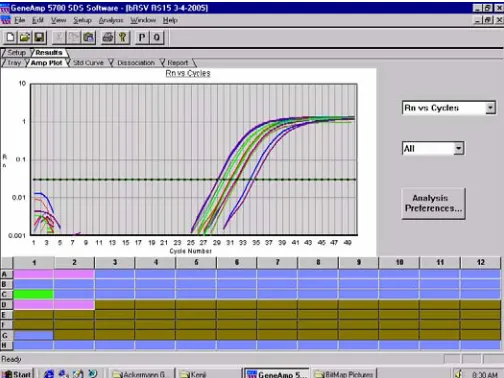
Fig. 9: Bovine respiratory syncytial virus (bRSV) RNA signal: The bRSV amplification plots here correspond to each of the samples in Figure 10 (below) analyzed for ovRS15. These signals were attained from the equivalent of RNA from about 21 cells in each case.
Fig. 10: Ovine Ribosomal S15 mRNA signal: The ovRS15 amplification plots below correspond to each of the samples in Figure 9 analyzed for bRSV (above). These signals were attained from the equivalent of RNA from about 21 cells in each case.
We abandoned the use of 18S Ribosomal RNA as housekeeper (see also Appendix A, item 6), since the primers and probe provided as part of an ABI RNA control reagents kit were of a faulty design (22). Instead, we used ovine ribosomal protein S15 (ovRPS15) as the housekeeping (endogenous reference) gene, the sequence of which we received from Dr. Sean Limesand (Department of Pediatrics University of Colorado Health Sciences Center, Perinatal Research Center, PO Box 6508, F441, Aurora, Colorado 80045), which he had successfully cloned into a pCRII plasmid and used as a housekeeping gene with conventional PCR work in sheep pancreas:
ovRPS15 in pCRII as read from the T7 promoter:
5’-TTCCGCAAGTTCACCTACCGCGGCGTAGACCTCGA CCAGCTGCTGGACATGTCCTATGAGCAACTGATGC AGCTATACAGCGCGCGCCAGCGACGGCGGCTGAA CCGCGGCCTGCGGAGGAAGCAGCACTCGTTGCTG AAGCGGCTGCGCAAGGCCAAGAAAGATGCGCCGC CCATGGAGAAGCCCGAGGTGGTGAAGACGCACCT GCGCGACATGATCATTCTGCCCGAGATGGTGGGCA GCATGGCCGGCGTCTACAACGGCAAGACCTTCAA CCAGGTGGAAATCAAGCCTGAGATGATTGGCCACT ACCTAGGCGAGTTCTCCATCACCTACAAGCCCGTA AAGCATGGCCGGCCCG-3’.
Fig. 11: Sensitivity of the assay: RNA from the equivalent of a single cell infected with bRSV was analyzed for the presence of bRSV and ovine ribosomal S15 mRNA (housekeeping gene). From this recent result, we now feel confident that the collection of 10 to 20 cells by LCM for the purposes of IF-IHC-LCM-RT-PCR is the optimal number—not only to save time, but also to avoid collecting cellular debris on unintended portions of the cell-collection surfaces of the HS LCM caps resulting from picking up and setting down the caps on tissue samples multiple times in effort to collect 100, 500 or 1000 cells or more. We have shown this ‘debris’ to inhibit real-time RT-PCR reactions. The sensitivity of this assay will now allow us to avoid having to pick up the LCM caps multiple times.
We designed real-time primers and probe to this ovRPS15 sequence using computer software from ABI (Prism Primer Express v. 2.0). Our sequences for the forward and reverse primers and fluorogenic probe for ovRPS15 are: CGAGATGGTGGGCAGCAT-3’, 5’-GCTTGATTTCCACCTGGTTGA-3’, and 5’-VIC-CCGGCGTCTACAACGGCAAGACC-TAMRA-3’ (where
VIC is a proprietary fluorescent reporter dye known
TLR4 template. The second real-time primer-probe set we designed for ovine TLR4 (and tested on ovine lung total cDNA) worked beautifully. The forward and reverse primers and fluorogenic probe for “ovine” TLR4 is as follows:
GAGAAGACTCAGAAAAGCCTTGCT-3’, 5’-GCGGGTTGGTTTCTGCAT-3’ and 5’-6FAM-TAAACCCCAGAGTCCAGAAGGAACAGCA-3’, respectively. The primer and probe sequences for our other targets are: for SP-A, TGACCCTTATGCTCCTCTGGAT-3’, 5’-GGGCTTCCAAGACAAACTTCCT-3’, and 5’-6FAM-TGGCTTCTGGCCTCGAGTGCG-TAMRA-3’; for SP-D, ACGTTCTGCAGCTGAGAAT-3’, 5’-TCGGTCATGCTCAGGAAAGC-3’, and 5’-6FAM- TTGACTCAGCTGGCCACAGCCCAGAACA-TAMRA-3’; for SBD-1, 5’-CCATAGGAATAAAGGCGTCTGTGT-3’, 5’-CGCGACAGGTGCCAATCT-5’-CCATAGGAATAAAGGCGTCTGTGT-3’, and 5’-6FAM-CCGAGCAGGTGCCCTAGACACATGA-TAMRA-3’ and for ovine MCP-1α (the sequence used for ovine MCP-1α primer and probe design: 5’-GAGAGGGGCCAATCCAGAGGCCAACAGCTCCCAC GCTGAAGCTTGAATCCTCT CGCTGCAACATGA AGTTCTCCGCTGCTCTCCTCTGCCTGCTACTCACAG TAGCTGCCTTCAGCACCGAGGTGCTCGCTCAGCCA GATGCAATTAACTCCCAAATTGCCTGCTGCTATAA ATTCAATAAGAAGATCCCCATACAGAGGCTGACA AACTACAGAAGAGTCACCACCAGCAAGTGTCCCA AAGAAGCTGTGATTTTCAAGACCATCCTGGGCAAA GAGTTTTGTGCAGACCCCAACCTGAAATGGGTCCA GGACGCCATAAACCATCTCAACAAGAAAAACCAA ACTCCGAAGCCTTGA-3’ was provided in a recent publication (5)):
GCTGTGATTTTCAAGACCATCCT-3’, 5’-GGCGTCCTGGACCCATTT-3’, and 5’-6FAM-AAAGAGTTTTGTGCAGACCCCAACC-TAMRA-3’; (where 6FAM is 6-carboxyfluorescein, the fluorescent reporter dye, and TAMRA is 6-carboxytetra-methylrhodamine, the fluorescent quencher dye). We determined our optimal real-time concentrations for target and endogenous reference forward and reverse primers using the standard grid testing method as suggested by ABI (see “Additional Details Regarding Optimizing Real-Time Primers and Fluorogenic Probes Before their use with Experimental Samples: Optimization and validation tests performed on cDNA” section below for more
details). Our optimal concentrations were: 300 and 300 nM for ovine SP-A, 300 and 300 nM for ovine SP-D, 300 and 900 nM for SBD-1 forward and reverse primers (6), 900 and 400 nM for ovine MCP-1α and 1000 and 1000 nM both for ovine TLR4 and ovRPS15 forward and reverse primers, respectively. Similarly, optimal concentrations of fluorogenic probes are found to be 50 nM for SP-A, 100 nM for SP-D, 150 nM for SBD-1, 100 nM for TLR4, 100 nM for ovine MCP-1α and 150 nM for ovRPS15. Each plate contained both target and endogenous references for all samples present on that plate, and a negative no-template control (“NTC”; nuclease-free water) for each target and endogenous reference. No reverse transcriptase controls or “NRC” (one-step reactions containing everything except reverse transcriptase enzyme to test for genomic DNA contamination) are run on each RNA sample in separate plates prior the actual sample plates. Duplicate replicates are run for each of these time-intensive LCM samples.
Preparation of cDNAs for preliminary target calibration (standard) curve runs
Using the GeneAmp 5700 software and EXCEL, relative quantities of each target are calculated from all real-time
CT values crossing a threshold of 0.1 using 5-point serial
progressive 1:3 standard curves generated months beforehand specifically for each target (SP-A, SP-D, SBD-1, TLR4, MCP-1α and ovRPS15) using cDNAs made from a mixture of 7 different sheep lung total cDNAs (bearing all real-time targets of interest) generated by reverse transcription with SuperScript III RT enzyme as follows:
Total RNA is isolated from 0.3 grams of sheep lung
~15-25% of the solution on the bottom of each tube – which is the pelleted Ambion DNase Inactivation Reagent polymer complex that can inhibit PCR reactions). Next, complementary deoxyribonucleic acid (cDNA) synthesis is performed. Reverse transcription master mix containing 3.38% nuclease-free water, 31.17 mM TRIS, 64.94 mM KCl, 5.71 mM MgCl2, 2.08 mM dNTP mix, 2.6 µM random hexamers and 0.0222 µg/µl TURBO DNase-treated RNA is heated for 5 minutes at 65°C then snap-cooled on ice for at least 1 minute. [Note: We made our own 10X reverse transcription buffer (300 mM TRIS:HCl, 625 mM KCl, pH 8.3) and used it in the master mix above. Additionally, our TURBO DNase-treated RNAs are all pre-diluted such that the addition of 36 µl to each final 100 µl reverse transcription reaction resulted in each reaction containing 2.1389 µg total RNA template; and two to four such 100 µl reactions are created from the same original reverse transcription master mix for all samples]. Samples are spun down, and RNAse inhibitor (20 U/µl, ABI) and SuperScript III RT enzyme (200 U/µl, Invitrogen) are finally added to each cooled sample reverse transcription mixture (now 200 to 400 µl each). The final concentrations attained of each reverse transcription component are: 3.25% nuclease-free water, 30 mM TRIS, 62.5 mM KCl, 5.5 mM MgCl2, 2 mM dNTPs (0.5 mM each of dATP, dCTP, dTTP and dGTP), 2.5 µM random hexamers, 3.5 U/µl SuperScript III RT enzyme, 0.4 U/µl RNAse inhibitor and 0.021389 µg/µl TURBO DNase-treated RNA. These reagents are vortexed gently, split into 100 µl amounts into nuclease-free 0.2 ml tubes (MidWest Scientific), and the tubes are placed into the GeneAmp 2400 thermocycler (which only accepts samples of 100 µl or less). Reverse transcription thermocycler conditions are: 5 minutes at 25°C, 45 minutes at 53°C, 15 minutes at 70°C, followed by a safety hold at 4°C.
Standard curves generated for each target had the following equations when plotted as log input cDNA vs Ct: for SP-A, y = -3.5491x + 31.0207; R2 = 0.9725, for SP-D, y = -2.8747x + 31.9853; R2 = 0.9525, for SBD-1, y = -4.5093x + 35.2325; R2 = 0.7713, for TLR4, y = -4.2945x + 33.7240; R2
= 0.8068, for MCP-1α, y = -3.7496x + 32.5020: R2 = 0.9138,
and for ovRPS15, y = -3.8041x + 27.8233; R2 = 0.9881. It is
important to note here, however, that running standards on all plates (from which to generate standard curves for each target on each plate) remains the most accurate
approach toward attaining reliable real-time quantitation data since standard and sample reactions for the same target on the same plate experience the same degree of amplification reaction efficiency (or, indeed, inefficiency).
Normalization
For the LCM RNA samples (on which we used the optimal primer and probe conditions as established with cDNA in preliminary studies), each target signal mRNA level is normalized to its respective ovRPS15 signal by dividing the target input amount quantity value of RNA by the ovRPS15 input amount quantity value of RNA for each. This is followed by calculating the average and standard error of the mean for all replicates per each particular sample group. For cell culture studies, we have used 18S ribosomal RNA (but samples are diluted 1:1000 before use because of its hyper-abundance in comparison to mRNA targets) as a housekeeper (in addition to ovRPS15), in which case we use the geometric mean of the ribosomal protein S15 and 18S ribosomal RNA values to normalize our target signals. Other researchers have suggested using up to 10 different housekeeping genes for each experiment – which is too costly and impractical for most. We now
avoid the use of β-actin, β-tubulin and GA3PDH as
housekeeping genes since their stability (and therefore usefulness) has come under extensive fire recently, and over the past few years.
Additional details regarding optimizing real-time primers and fluorogenic probes before their use with experimental samples
Optimization and validation tests performed on cDNA
concentrations of primers and probes to use for each target, as well as the optimal useful dilution of cDNA template (found to be 1:5 for our purposes) to use that would allow each PCR to proceed with optimal efficiency. To accomplish this, two separate optimization plates are set up for each target; the second of which can only be set up after results from the first plate are obtained in each case. In other words, each target required one plate to optimize primer concentrations and another plate to optimize probe concentration. The first plate in each case is designed to enable the testing of various combinations and concentrations of the forward and reverse primers ranging from 50 nM to 900 nM while the probe amount remained fixed. In each well, the 50 µl PCR mixtures contained a constant concentration of target probe (200 nM), 5 µl of 1:5 diluted target-inclusive
“Stock I cDNA” [* footnote at end of section], 25 µl of a
commercial master mix (Cat No. 4304437, TaqMan Universal PCR Master Mix 2X, ABI, and nuclease-free water (which is used to adjust each final volume to 50 µl after the desired primer and probe amounts are added). For all optimization trials, each sample is analyzed in quadruplicate, so each final sample preparation is 200 µl in each case. We create and use master mixes whenever it is beneficial, logical and appropriate to do so throughout each real-time procedure. Each primer optimization plate is run in a GeneAmp 5700 real-time PCR machine (GeneAmp 5700 Sequence Detection System, ABI) using the following thermocycler conditions (which is used for all two-step fluorogenic real-time qPCR runs in this study; it is a specific thermocylcer program created and optimized by ABI to be used specifically with cat. no. 4304437, TaqMan Universal PCR Master Mix 2X, and two or three other related ABI 2X Master Mix reagents): Hold for 2 minutes at 50°C (to activate the AmpErase UNG enzyme which destroys any dUTP-containing PCR carryover products left over in the PCR room from previous runs that may have drifted into your tubes during set-up), Hold for 10 minutes at 95°C (to “hot-start” activate the AmpliTaq Gold® DNA polymerase) and then 50 cycles of 15 seconds at 95°C followed by 1 minute at 60°C (to accomplish the annealing and extension phases of the PCR). Each 50-cycle run lasted 2 hours and 14 minutes, after which the GeneAmp 5700 sequence detection system software and Microsoft
EXCEL are used in conjunction with one another to
analyze the resultant fluorogenic PCR amplification data.
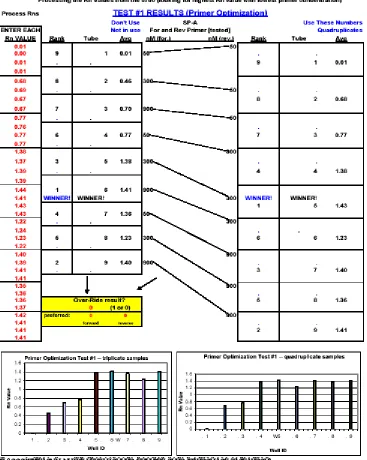
For the first optimization plate for each target, primer amounts that, upon analysis, provided the highest Rn value (see below) with the lowest primer concentration(s), are identified as the optimal concentrations for each primer pair for each of the respective targets of interest. To test each probe for optimal efficiency, a second plate is designed for each target to enable the testing of various concentrations of each probe ranging from 25 nM to 225 nM in the presence of optimal primer concentrations (as established by plate 1 in each case). For each probe, in each well, each 50 µl PCR reaction contained the identified optimal concentrations of each primer for each target (which we found to be 300 nM and 300 nM for ovine SP-A, 300 nM and 300 nM for ovine SP-D, 300 nM and 900 nM for SBD-1, 900nM and 400 nM for ovine MCP-1α, 1000 nM and 1000 nM for ovine/bovine TLR4, and 1000 nM and 1000 nM for ovine RPS15 forward and reverse primer concentrations, respectively), 5 µl of
1:5-diluted Stock I cDNA, 25 µl of the ABI commercial
master mix (mentioned above) and nuclease-free water. Each separate primer-probe study in each of these optimization plates for each target is run in quadruplicate replicates in order to enhance the statistical significance of each sample observation (in all cases, quadruplicate sample well signals agreed to within >0.01%, lending high credence to the technique’s stability, data not shown). This second (probe-optimization) plate is run in the GeneAmp 5700 sequence detection system using the same thermocycler program as used for the first (primer-optimization) test plate. For the second plates for each target, upon analysis of the resultant data, the combination of reactants which yielded the lowest CT (the threshold cycle or the CT value is the cycle at which a significant increase in ΔRn is first
detected; where ΔRn is calculated from Rn+ and Rn-,
where Rn+ is the Rn value of a reaction containing all
components, Rn- is the Rn value of an unreacted sample
(the baseline value or the value detected in the no-template control, NTC). ΔRn is thus the difference
between Rn+ and Rn- and it is an indicator of the
TLR4 and ovine RPS15 probes, respectively). Next, as a validation test that the target and endogenous reference cDNA amplification reactions are all proceeding at equal
efficiency across a spectrum of Stock I cDNA
concentrations, a third plate (the validation test plate) is designed to enable the testing of various concentrations
of cDNA ranging from full-strength Stock I cDNA to a
1:15,625 (i.e. attained by the seventh dilution in a series
of progressive 1:5 dilutions) dilution of Stock I cDNA. In
each well, constant (optimal) concentrations of forward and reverse primers and constant (optimal) concentrations of probe are used along with 25 µl of ABI (Cat No. 4304437) master mix, 5 µl of
sequentially-diluted Stock I cDNA and nuclease-free water. Also
included on this plate, are wells identical to the ones just described, but instead of ovine target primers and probe, they contained the endogenous reference (human 18S ribosomal RNA) forward and reverse primers and probe at their (ABI-established) optimal real-time concentrations (50 nM primers and 200 nM probe). This plate included all samples in triplicate and was run in the GeneAmp 5700 sequence detection system using the same universal thermocycler protocol as used for the preceding tests, and the data is subsequently analyzed.
Real-time quantitation
An additional result of running validation plates is that they provide the researcher the characteristic standard curves (also referred to as ‘calibration’ or ‘dilution’ curves) for each target. Using standard curve y-intercepts and slopes in the following apparently unpublished equation: [real-time relative target quantity (or Qty) = 10((Ct-b/m)] (as indirectly alluded to in ABI’s Technical Bulletin #2) (7), much in the same way the Pfaffl equation is utilized or approached (8), we calculate all normalized relative mRNA expressions for each target of interest and compare fold differences in normalized target expression between different treatment groups. Significant differences between groups are determined using the appropriate two-tailed homoscedastic t-test, or one-tailed t-test (as suggested by ABI) when appropriate (also see Appendix G). But again, it is important to note here, that running standards on all plates (from which to generate standard curves for each target on each plate) remains the most accurate approach toward attaining reliable real-time quantitation data since standard and sample
reactions for the same target on the same plate will both invariably experience the same degree of amplification reaction efficiency (or, indeed, inefficiency). Standard curves are prepared for each gene under study for RNA quantitation (absolute or relative quantitation), or for verification of the efficiencies of the reactions for comparative quantitation (using the ΔΔCT method which is only valid when target and reference standard curve slopes are within ±0.1 units of one other; a seldom useful approach in practice). Standard curves are all constructed to extend above and below the expected abundance of each target. Sometimes (especially during target primer and probe validation runs), additional input quantities are included such as the minimum and maximum RNA amounts above and below the limit of detection to help differentiate between specific and non-specific products.
*“Target-inclusive Stock I cDNA” refers to a pre-selected sheep cDNA from which it is shown by preliminary, non-optimized real-time test plates to express positively for all targets of interest to the study. The 1:5 dilution refers to the dilution of “full-strength” Stock I cDNA (or any other sample cDNA whose original concentration is that which is obtained directly from each RT reaction; which is theoretically 0.02 µg/µl cDNA, assuming 100% efficiency of each reverse transcription as described here).
CONCLUSIONS
exhibit significantly poorer signals during one-step real-time RT-PCR (unpublished observations). Since we now have improved the sensitivity of the assay by employing this new approach to RNA isolation, the need to pick up the HS LCM caps multiple times in order to collect enough cells for ample real-time signal has been effectively eliminated. It is additionally important to note here that the maximum volume of [RNA isolate] sample per each 30 µl reaction is 7.8 µl. The RNA sample can not exceed 26% of the total reaction volume or the master mix components themselves begin to incur dilution (by sample) beyond their suggested optimal real-time concentrations. This is why we use 7.8 µl-size samples per each 30 µl reaction. In addition, eliminating EDTA addition after DNAse I treatment (1 µl of 25 mM is normally added to each sample before denaturing DNase I at 75°C as suggested in the SuperScript™ III CellsDirect cDNA Synthesis System protocol by Invitrogen) is key to maximizing the signal magnitude of our target amplifications. We found the ABI one-step master mix (TaqMan One-Step RT-PCR Master Mix Reagents Kit Cat. No. 4309169, ABI) to be susceptible to additional EDTA, whereas other master mixes (Invitrogen) may
withstand higher amounts. Conceivably, additional Mg+2
could be added to the ABI master mix to help restore its activity (if indeed EDTA addition during DNase I denaturation is needed in some cases), but we have not tried that approach presently. Our –RT (NRC) controls consistently show very little DNA contamination, see Figures 12-14 (Ginger Lucero, M.F.S., Invitrogen).
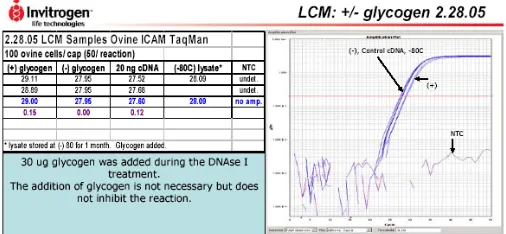
Fig. 12: Results from Invitrogen show that our typical -RT controls are valid.
Further, addition of glycogen to our isolates appears to have no effect (positive or negative) on our ability to detect real-time signals (Fig. 13), so researchers may consider eliminating glycogen from this procedure without consequence.
Fig. 13: Results from Invitrogen show results from 50 cell samples.
Finally, using the approach laid out in this communication, we can now consistently detect one-step fluorogenic real-time RT-PCR targets in single-cell amounts of RNA (Fig. 11). For an excellent comprehensive review on all possible aspects of quantitative real-time PCR (qPCR), see works by Stephen A. Bustin, (9), Mocellin et al., (10), and for RNA amplification, see Wang et al., (11). Our lab has published several papers which describe in depth the nature and quality of our qPCR approach. To check the quality of our real-time qPCR protocols in greater detail, please review our previous publications in their entirety (12-21).
SUPPLEMENTAL INFORMATION
EXCEL files for processing any part of these experiments are available from the corresponding author, Jack M. Gallup ([email protected]), upon request.
ACKNOWLEDGMENTS
The authors wish to thank Travis and Lisa Engelhaupt for taking the photos in Figures 15, 19-22.
REFERENCES
1. Webb T. Laser Capture Microdissection Comes Into
Mainstream Use. J Natl Cancer Inst 2000; 92(21):1710-1711.
2. Invitrogen Life Technologies Instruction Manual.
SuperScript III CellsDirect cDNA Synthesis System (for Catalog Nos. 18080-200 and 18080-300) Version A, 25-0731 14 May 2004; Version A; 1-5.
3. Use of glycogen or tRNA for reducing non-specific
adherence of templates to Plastic. Applied Biosystems Incorporated 5700 User Manual 2000. Section 5, p.14.
4. Lee J, Duncan A, Warrick S. Techniques for
Optimizing RT–PCR Reactions. PharmaGenomics 2003: pp. 54-55.
5. Dunphy J, Horvath A, Barcham G, Balic A, Bischof R,
Meeusen E. Isolation, characterisation and expression of mRNAs encoding the ovine CC chemokines, monocyte chemoattractant protein
(MCP)-1α and -2. Vet Immunol Immunopathol 2001;
82(3-4):153-164.
6. Grubor B, Gallup JM, Meyerholz DK, Crouch EC,
Evans RB, Brogden KA, Lehmkuhl HD, Ackermann MR. Enhanced surfactant protein and defensin mRNA levels and reduced viral replication during parainfluenza virus type 3 pneumonia in neonatal lambs. Clin Diagn Lab Immunol 2004; 11(3):599-607.
7. Applied Biosystems User Bulletin #2, ABI PRISM
7700 Sequence Detection System. SUBJECT: Relative Quantitation of Gene Expression: “Calculating the Input Amount.” 2001. p. 8.
8. Pfaffl MW. A new mathematical model for relative
quantification in real-time RT-PCR. Nucleic Acids Res 2001; 29(9):e45.
9. Bustin SA. A-Z of Quantitative PCR. Bustin SA,
editor. (IUL Biotechnology, No. 5), 1st ed. International University Line; August 2004. 882 pages.
10. Mocellin S, Rossi CR, Pilati P, Nitti D, Marincola FM.
Quantitative real-time PCR: a powerful ally in cancer research. Trends Mol Med 2003; 9(5):189-195.
11. Wang E, Miller LD, Ohnmacht GA, Liu ET,
Marincola FM. High-fidelity mRNA amplification for gene profiling. Nat Biotechnol 2000; 18(4):457-459.
12. Gallup JM, Grubor B, Barua AB, Mohammadi G,
Brogden KA, Olson JA, Mark R, Ackermann MR.
Repeated intravenous doses of all-trans-retinoyl β
-D-glucuronide is not effective in the treatment of bacterial bronchopneumonia in lambs but is devoid of gross and acute toxicity. Med Sci Monit 2002; 8(9):BR345-BR353.
13. Caverly JM, Diamond G, Gallup JM, Brogden KA,
Dixon RAF, Ackermann MR. Coordinated Expression of Tracheal Antimicrobial Peptide and Inflammatory Response Elements in the Lungs of Neonatal Calves and with Acute Bacterial Pneumonia. Inf Immun 2003; 71(5):2950-2955.
14. Opriessnig T, Yu S, Gallup JM, Evans RB, Fenaux M,
Pallares FJ, Thacker EL, Brockus CW, Ackermann MR, Thomas P, Meng XJ, Halbur PG. Effect of Vaccination with selective Bacterins on conventional Pigs infected with Type 2 Porcine Circovirus. Vet Pathol 2003; 40(6):521-529.
15. Opriessnig T, Fenaux M, Yu S, Evans RB, Cavanaugh
D, Gallup JM, Ackermann MR, Pallares FJ, Thacker EL, Lager KM, Meng XJ, Halbur PG. Effect of Porcine Parvovirus Vaccination on the Development of PMWS in Segregated Early Weaned Pigs Coinfected with Type 2 Porcine Circovirus and Porcine
Parvovirus. Veterinary Microbiology 2004;
98(3-4):209-220.
16. Meyerholz DK, Gallup JM, Grubor BM, Evans RB,
Tack BF, McCray Jr. PB, Ackermann MR. Developmental expression and distribution of sheep b-defensin-2. Dev Comp Immun 2004; 28:171-178.
17. Grubor BM, Gallup JM, Meyerholz DK, Crouch EC,
18. Ackermann MR, Gallup JM, Zabner J, Evans RB, Brockus CW, Meyerholz DK, Grubor B, Brogden KA. Differential expression of sheep betadefensin1 and -2 and interleukin 8 during acute Mannheimia haemolytica pneumonia. Microbial Pathogenesis 2004; 37:21-27.
19. Grubor B, Gallup JM, Ramírez-Romero R, Bailey TB,
Crouch EC, Brogden KA, Ackermann MR. Surfactant Protein D expression in normal and pneumonic ovine lung. Vet Immunology & Immunopathology 2004; 101:235-242.
20. Meyerholz DK, Grubor B, Fach SJ, Sacco RE,
Lehmkuhl HD, Gallup JM, Ackermann MR. Reduced Clearance of Respiratory Syncytial Virus in a Preterm Lamb Model. Microbes & Infection 2004; 6(14):1312-1319.
21. Meyerholz DK, Grubor B, Gallup JM, Lehmkuhl HD,
Anderson RD, Lazic T, Ackermann MR. Adenovirus-Mediated Gene Therapy Enhances Parainfluenza Virus 3 Infection in Neonatal Lambs. J Clin Micro 2004; 42(10):4780-4787.
22. Broackes-Carter F, Mouchel N, Gill D, Hyde S,
Bassett J, Harris A. Quantitative CFTR transcript analysis by TaqMan. Temporal regulation of CFTR expression during ovine lung development: implications for CF gene therapy. Hum Mol Genet 2002; 11:125-131.
23. Swillens S, Goffard J-C, Marechal Y, de Kerchove
dʹExaerde A, Housni EH. Instant evaluation of the absolute initial number of cDNA copies from a single real-time PCR curve. Nuc Acids Res 2004; 32(6):e53.
24. Peirson SN, Butler JN, Foster RG. Experimental
APPENDICES AND ADDITIONAL FIGURES
Fig 15: Typical section used for LCM, a 6 µm section of sheep lung is shown here.
Fig. 17: EXCEL file layout detailing RNA extraction/isolation procedure where polymer tabs with laser captured cells are first peeled off the HS LCM caps and then processed.
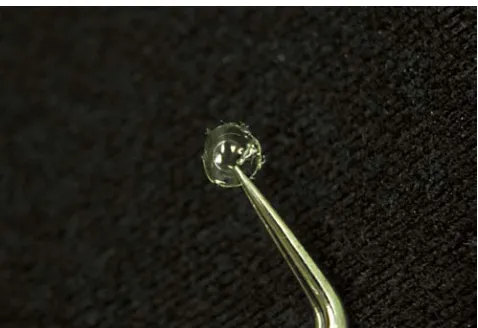
Fig. 19: An Arcturus HS LCM Cap.
Fig. 20: The removable polymer tab (onto which cells are laser-captured) being lifted by forceps.
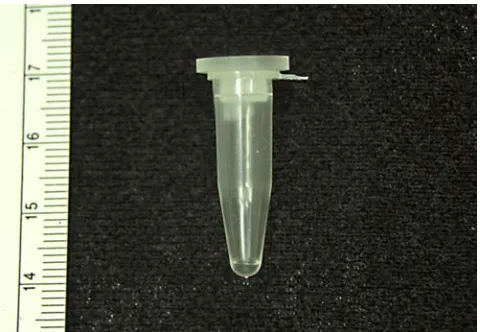
Fig. 22: The ABI 0.5 mL GeneAmp tube containing 10 uL Lysis Buffer.
Appendix A
Appendix B
Appendix C
Appendix D
Fig. 25: Typical Validation run result for testing optimal primer and probe optimizations (note – these validation curves additionally serve as target standard curves as well).
Appendix E
Our “validation” tests are never performed on RNA – only on cDNA, and for obvious reasons: it is not valid to optimize real-time PCR using RNA since the RT step in a One-Step procedure is prone to variable degrees of efficiency (or, one should assume it to be; recent seminars on real-time qPCR have stressed this), and the reverse primer is used
up to an unknown extent during 1st-strand synthesis. For validation, Turbo-DNase-treated total RNAs are first
converted to total cDNAs (using SuperScript III RT enzyme, Invitrogen) in a tightly controlled RT reaction using 2 ug RNA per each 100 uL RT reaction. To assess concentration of each RNA isolate before DNase treatment, spectrophotometer readings of 1:50 dilutions of each are taken at 260 nm, 280 nm and 230 nm to check for: RNA concentration (260 nm), RNA purity (260/280; our RNA ratios are typically >1.92), and GIT, EDTA and/or TRIS contamination (230 nm; 260/230 ratios are acceptable if >2.0 here; ours are consistently >2.0).
Appendix F
We no longer use the ABI primer-probe set for 18S ribosomal RNA for assessing RIBO 18S as a housekeeping gene because of its faulty design (22). Our newly-designed set for RIBO 18S will help us establish a consistent RIBO 18S signal in our LCM samples we believe. In addition, we also use ovine RPS15 as a second housekeeper.
Appendix G
We haven’t had the need to generate dose-dependent line graphs for our qPCR studies. Our mathematical approach already takes into account the Pfaffl approach, and is aware of the theoretical ramifications of equations offered by
Swillens et al. and Foster et al., (23, 24). The typical EXCEL spreadsheet we’ve designed for calculating absolute or
curves for all targets multiple times to prove the consistency of the efficiency of amplification for each target, and, always include a standard curve for each target on every plate (very rarely does one see two different target amplification reactions exhibit identical efficiencies!). Finally, no template controls (“NTC”) and no reverse transcriptase controls (“NRC”) are run for all samples as well. No amplification controls (ʺNACʺ), which contain no Taq polymerase enzyme, are run on separate plates by themselves for each RNA isolate.