Development and Evaluation of
Low Density Polyethylene-Based
Antimicrobial Food Packaging Films
Containing Natural Agents
LiyanaArachchige Sanjeewani Rupika Herath
Packaging and Polymer Research Unit
Faculty of Health, Engineering and Science
Victoria University
Submitted for the degree of
Doctor of Philosophy
Declaration
I, LiyanaArachchige Sanjeewani Rupika Herath, declare that the PhD thesis entitled “Development and Evaluation of Low Density Polyethylene-Based Antimicrobial Food Packaging Films Containing Natural Agents” is no more than 100,000 words in length exclusive of tables, figures, appendices, references and footnotes. This thesis contains no material that has been submitted previously, in whole or in part, for the award of any other academic degree or diploma. Except where otherwise indicated, this thesis is my own work.
Abstract
Publications Arising from this Work
Journal Papers
Cran, M. J., Rupika, L. A. S., Sonneveld, K., Miltz, J., Bigger, S. W., “Release of Naturally-Derived Antimicrobial Agents from LDPE Films”, Journal of Food Science, 75(2), E126-E133, 2010.
Rupika, L. A. S., Bigger, S. W., Sonneveld, K., Cran, M. J., and Miltz, J., “Antimicrobial properties of thyme and oregano, and their applications in food preservation”, submitted to Journal of Food Science (under revision).
Conference/Symposium Presentations (with full papers in refereed proceedings)
Rupika, L. A. S., Cran, M. J., Sonneveld, K., Miltz, J., and Bigger, S. W., “Efficacy of combined antimicrobial agents in food packaging films presented at 24th IAPRI symposium on packaging, Greenville, USA, May 17-20, 2009.
Cran, M. J., Rupika, L. A. S., Bigger, S. W., Sonneveld, K., and Miltz, J., “Migration of natural antimicrobial agents from low-density polyethylene films”, presented at 24th IAPRI symposium on packaging, Greenville, USA, May 17-20, 2009.
Rupika, L. A. S., Cran, M. J., Sonneveld, K., Bigger, S. W., and Miltz, J., “Modelling microbial inactivation by films containing thymol or carvacrol”, presented at 16th IAPRI World Conference on Packaging, Bangkok, Thailand, June 8-12, 2008.
Rupika, L. A. S., Bigger, S. W., Sonneveld, K., Cran, M. J., and Miltz, J., “Antimicrobial activity of films containing thymol and carvacrol”, presented at 23rd IAPRI symposium on packaging, Windsor, UK, September 3-5, 2007.
Rupika, L. A. S., Miltz, J., Sonneveld, K., Cran, M. J., and Bigger, S. W., “Effectiveness of antimicrobial films containing a natural antimicrobial agent”, presented at 15th IAPRI World Conference on Packaging, Tokyo, Japan, October 2-5, 2006.
Acknowledgements
I am deeply grateful to my supervisor (principal supervisor 2004 March - June 2009), Associate Professor Kees Sonneveld, who first granted me the opportunity study in Australia. He is not only a great adviser; he really made me happy and comfortable in my studies and gave me the opportunity to complete my studies at my own pace. His expert advice, ongoing support and strong encouragement, is greatly appreciated.
My sincere thanks and gratitude to my supervisor (principal supervisor June 2009 - present), Professor Stephen W. Bigger, for his guidance and support throughout this research. His detailed and constructive comments, logical way of thinking and attention to detail enable me to sharpen the analyses and arguments in this study and have had a remarkable influence on my entire career.
My warm and sincere thanks to my supervisor, Professor Joseph Miltz, for sharing with me a lot of his expertise and research insight. His thoughtful advice, criticisms, suggestions and questions have been of great value and often served to give me a sense of direction during my research studies.
I am deeply indebted to my supervisor, Dr. Marlene Cran. I was deeply moved by her meticulously reading, promptly feeding back of my thesis drafts and stimulating suggestions. Thank you for your kind help, caring, understanding, encouragement and personal guidance that have provided a good basis for this study.
I warmly thank to Dr. Alison Duncan, for her assistance with microbiological techniques and Assistant Professor Panuwat Suppakul, who many times answered questions related to this study. I am grateful to Rod Parry, Chisholm Polymer Testing Laboratory for his assistance with the development of the films.
During this work I have collaborated with many colleagues and friends; Endang Warsiki, Chanun Rardniyom, Yogesh Mistry, Sudinna Hewakapuge, Min-Tze Liong, Ninoska Donaires, Lydia Ong, Ajith Bandara, Nayana Bandara, Osaana Donkor, Shruti Harnal, Paul Capella, Umi Purwandari, Thuy Pham, Kuorwel Kuorwel, Sarah Rautman, Muditha Dassanayake and Dhanusha Kalinga, for whom I have great regard for their continued friendship and support.
Many thanks are also due to the panelists in the sensory evaluation for their willing support and valuable time.
I thank my late father, mother, brothers and sisters for their endless encouragement and loving support during my whole life. My enormous debt of gratitude to my beloved husband, Nilantha, for his unconditional love, support and unlimited patience. He shared the burden, anxieties and pleasures of this study and worked hard to support me financially. I owe an immeasurable debt and deep affection to my son, Vidura, who lost a lot due to my research studies and for his unknowing inspiration to me.
Table of Contents
Declaration ... ii
Abstract ... iii
Publications Arising from this Work ...iv
Acknowledgements ... v
List of Figures ...xi
List of Tables ... xiii
List of Abbreviations and Nomenclature ... xv
Chapter 1. Introduction ... 1
1.1 Background ... 1
1.1.1 Role of Packaging for Foods ... 1
1.1.2 New Food Packaging Technologies ... 2
1.1.3 Active Food Packaging ... 2
1.2 AM Packaging ... 3
1.2.1 Food Safety and AM Packaging ... 3
1.2.2 AM Packaging Systems ... 5
1.2.3 AM Agents ... 7
1.3 Aims ... 8
Chapter 2. Literature Review ... 10
2.1 Thyme and Oregano as a Natural Source of AM Agents ... 10
2.1.1 Synonyms and Botanical Classification ... 11
2.1.2 Chemical Composition ... 13
2.1.3 Applications and Maximum Use Levels ... 14
2.1.4 Regulatory Status ... 15
2.1.5 Toxicology and Safety ... 15
2.1.6 Antimicrobial Activity ... 17
2.1.7 Mechanism of Action ... 24
2.2 Thyme and Oregano as Natural Food Preservatives ... 26
2.2.1 Limitations in Food Applications ... 34
2.2.2 Enhanced AM Efficacy of Essential Oils ... 37
2.2.3 Combinations of Antimicrobial Compounds ... 40
2.2.4 Applications of AM Agents in Food Preservation ... 42
2.3 Cheddar Cheese: Microbiology, Quality and Shelf life ... 46
2.3.1 Microorganisms and Cheddar Cheese ... 47
2.3.2 Sensorial Qualities of Cheddar Cheese ... 50
2.3.3 Packaging and Shelf life of Cheddar Cheese ... 51
2.3.4 AM Packaging for Cheese ... 52
Chapter 3. Materials and Methods ... 53
3.1 Materials ... 53
3.1.1 Polymers ... 53
3.1.2 Antimicrobial Additives ... 53
3.1.3 Solvents... 53
3.1.4 Media, Culture Plates and Diluents ... 53
3.1.5 Microorganisms ... 54
3.1.6 Cheddar Cheese ... 54
3.2 Compression Moulded Film Production ... 54
3.2.1 Compression Moulding... 54
3.2.2 Effect of AM Agent Concentration ... 55
3.2.3 Effect of PEG and EVA on AM Agent Retention ... 57
3.2.4 Quantification of AM Agent Concentration ... 57
3.2.5 Microbial Culture Maintenance and Preparation of Inocula ... 58
3.2.6 Antimicrobial Activity Assay on Solid Media ... 59
3.2.7 Data Analysis ... 59
3.3 Films Containing AM Combinations ... 60
3.3.1 Film Preparation ... 60
3.3.2 Antimicrobial Activity on Solid Media ... 60
3.3.3 Analysis of Interaction Effects ... 61
3.4 Production of Film by Extrusion ... 62
3.4.1 Blown Film Extrusion ... 62
3.4.2 Antimicrobial Activity on Solid Media ... 63
3.4.3 Antimicrobial Activity in Liquid Media ... 63
3.5 Characterisation of AM Films ... 65
3.5.1 Mechanical Properties... 65
3.5.2 Thermal Characterisation by DSC ... 65
3.6 Release Experiments ... 66
3.6.1 Release of AM Agent to the Atmosphere ... 66
3.6.2 Antimicrobial Agent Release in Food Simulants... 67
3.6.3 Data Analysis ... 67
3.7 Application of AM Films on Cheddar Cheese ... 69
3.7.1 Challenge Test ... 69
3.7.2 Effect of AM Films under Storage Conditions ... 71
3.7.3 Detection Odour Threshold of AM Agents ... 72
3.7.4 Effect of AM Films on Sensory Quality ... 73
Chapter 4. Results and Discussion ... 75
4.1 Film Preparation by Compression Moulding ... 75
4.1.1 Properties of Compression Moulded Films ... 75
4.1.2 Effect of AM Agent Concentration ... 75
4.1.3 Effect of PEG and EVA ... 80
4.2 Films Containing Combinations of Antimicrobials ... 84
4.2.1 Effect on Post Processing Retentions ... 85
4.2.2 Effect on Antimicrobial Activity ... 86
4.2.3 Antimicrobial Interactions ... 87
4.2.4 Interactive Effects of Thymol and Carvacrol ... 89
4.3 Film Prepared by Extrusion Blowing ... 90
4.3.1 Post Processing Retention of AM Agents ... 90
4.3.2 AM Activity on Solid Media ... 91
4.3.3 AM Activity in Liquid Media ... 92
4.3.4 Factors Affecting AM Activity In Vitro ... 98
4.4 Characterisation of AM Films ... 101
4.4.1 Tensile Properties ... 101
4.4.2 Thermal Properties ... 102
4.4.3 Retention of AM Agents during Storage ... 103
4.5 Release of AM Agent from Films ... 106
4.5.1 Release of AM Agent to the Atmosphere ... 106
4.5.2 Antimicrobial Agent Release in Food Simulants... 109
4.6 Application of AM Films on Cheddar Cheese ... 123
4.6.1 Challenge Test ... 123
4.6.2 Efficacy of AM Film on Cheese under Storage ... 130
4.6.3 Effect of AM Films on Sensory Quality of Cheddar Cheese ... 135
4.6.4 Prediction of Storage Stability ... 140
Chapter 5. Conclusions and Recommendations ... 144
5.1 Conclusions ... 144
5.1.1 Effect of Film Processing Method and Additives ... 144
5.1.2 AM Activity In Vitro ... 145
5.1.3 Effect of AM Combinations ... 146
5.1.4 Film Characterisation and Migration of AM agents ... 146
5.1.5 Application of AM Films on Cheddar Cheese ... 148
5.2 Recommendations for Further Research ... 149
5.2.1 Blending Improvements ... 149
5.2.2 Additives and System Characterization ... 150
5.2.3 Shelf-Life Studies ... 150
References ... 152
List of Figures
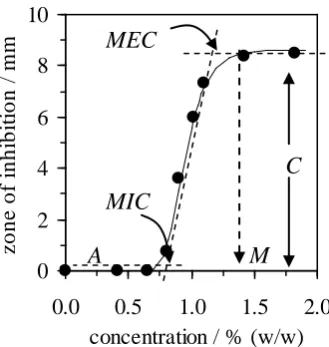
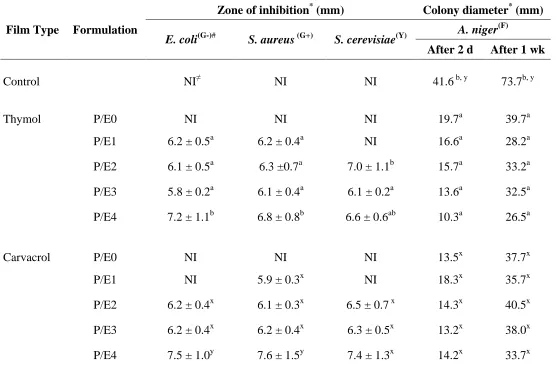
Figure 2.1 Structure of thymol and carvacrol. ... 18 Figure 3.1 Relationship between the zone of inhibition and the AM concentration ... 56 Figure 4.1 The inhibition profiles of AM films against E. coli, S. aureus and S. cerevisiae .. 77 Figure 4.2 Interaction effects between thymol and carvacrol combinations in LDPE/EVA
films on the growth of E. coli, S. aureus and S. cerevisiae... 88 Figure 4.3 Growth of E. coli at the initial cell concentration of 1.4 log10 CFU mL
-1 in
nutrient broth at 37°C in the presence of AM films... 93 Figure 4.4 Growth of E. coli at the initial cell concentration of 4.6 log10 CFU mL
-1 in
nutrient broth at 37°C in the presence of AM films... 94 Figure 4.5 Growth of S. aureus at the initial cell concentration of 1.7 log10 CFU mL
-1 in nutrient broth at 37°C in the presence of AM films... 96 Figure 4.6 Growth of S. aureus at the initial cell concentration of 3.8 log10 CFU mL
-1 in nutrient broth at 37°C in the presence of AM films... 97 Figure 4.7 Plots of square root of µmax versus AM concentrations and square of tlag versus
AM concentrations for AM films at different concentrations of E. coli. ... 99 Figure 4.8 Plots of square root of µmax versus AM concentrations and square of tlag versus
AM concentrations for AM films at different concentrations of S. aureus. ... 99 Figure 4.9 The percentage retention of thymol during open; foil covered and foil covered
and refrigerated storage. ... 104 Figure 4.10 The percentage retention of carvacrol during open; foil covered and foil
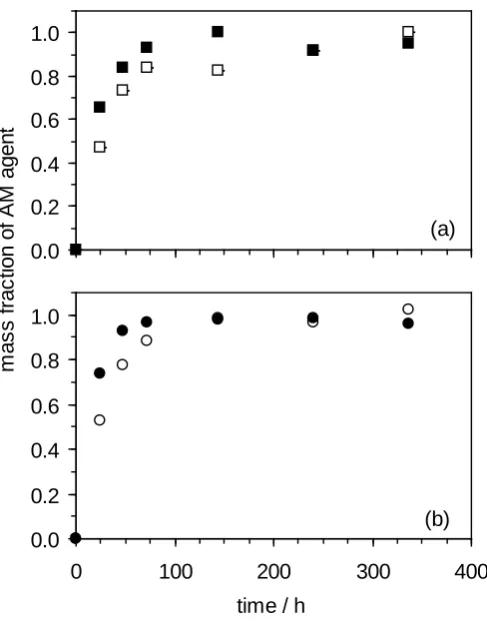
covered and refrigerated storage.. ... 105 Figure 4.11 Plot of mass fraction mt/m∞ of thymol and carvacrol released to the
atmosphere versus time from the AM films ... 107 Figure 4.12 Plot of ln(1 - mt/m∞) versus time for the release of thymol and carvacrol to
the atmosphere from the AM films ... 108 Figure 4.13 Plots of mass fraction mt/m∞ of thymol and carvacrol released at 20°C versus
time into different food simulants ... 110 Figure 4.14 Plots of ln(1 - mt/m∞) versus time for the release of thymol and carvacrol into
different food simulants at 20°C. ... 111 Figure 4.15 Plots of mass fraction mt/m∞ versus square root of time and ln(1 - mt/m∞)
versus time for the release of thymol into 95% ethanol at 10°C. ... 113 Figure 4.16 Plots of mass fraction mt/m∞ versus square root of time and ln(1 - mt/m∞)
Figure 4.17 Plots of mass fraction mt/m∞ versus square root of time and ln(1 - mt/m∞)
versus time for the release of thymol into 95% ethanol at 20°C. ... 113 Figure 4.18 Plots of mass fraction mt/m∞ versus time for the release of thymol and
carvacrol released into 95% ethanol at 20°C. ... 115 Figure 4.19 Plots of ln(1 - mt/m∞) versus time for the release of thymol and carvacrol into
95% ethanol at 20°C. ... 115 Figure 4.20 Plots of the mass fraction mt/m∞ versus time for the release of thymol and
carvacrol into isooctane at 10; 15 and 20°C. ... 116 Figure 4.21 Plots of ln(1 - mt/m∞) versus time for the release of thymol and carvacrol into
isooctane at 10; 15 and 20°C. ... 117 Figure 4.22 Plots of the logarithm of D; k1 and k2 versus the reciprocal of the absolute
temperature for the release of thymol and carvacrol into isooctane. ... 118 Figure 4.23 Theoretical plots of mass fraction mt/m∞ versus time for the exact and
approximate solutions to the diffusion equations that pertain to an
"idealized" system. ... 120 Figure 4.24 Plots of mt/m∞ versus the square root of time for the short-term release of
thymol from films into 95% ethanol at 10°C where the boundary conditions are b = 0.6 and b = 0.5. ... 121 Figure 4.25 Plots of ln(1 – mt/m∞) versus time for the long-term release of thymol from
films into 95% ethanol at 10°C where the boundary conditions are b = 0.6 and b = 0.5. ... 122 Figure 4.26 Inactivation of E. coli on Cheddar cheese wrapped with AM films ... 124 Figure 4.27 Inactivation of S. aureus on Cheddar cheese wrapped with AM films ... 127 Figure 4.28 Plot of relative inactivation rate constants of S. aureus and E. coli versus AM
concentration. ... 128 Figure 4.29 Evolution of total aerobic bacteria (TAB) on Cheddar cheese packaged in
AM films ... 131 Figure 4.30 Evolution of yeasts and moulds (YM) on Cheddar cheese packaged in AM
films. ... 132 Figure 4.31 Evolution of lactic acid bacteria (LB) on Cheddar cheese packaged in AM
films ... 133 Figure 4.32 Change in pH of Cheddar cheese packaged in AM films during storage at
List of Tables
Table 2.1 Maximum levels of thyme, oregano and their major constituents as direct
additives. ... 14
Table 2.2 Relative antimicrobial effectiveness of thyme, oregano, thymol and carvacrol. .... 19
Table 2.3 Inhibitory concentrations (in vitro) of oregano and thyme EOs against food spoilage and pathogenic microorganisms. ... 22
Table 2.4 Inhibitory concentrations (in vitro) of thymol and carvacrol against spoilage and pathogenic microorganisms. ... 23
Table 2.5 Antimicrobial effects of essential oil of thyme, oregano, thymol and carvacrol in different types of food products. ... 31
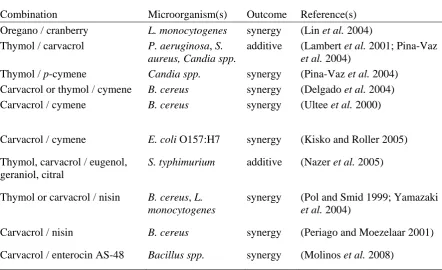
Table 2.6 Antimicrobial activity of combinations of EOs and active constituents. ... 42
Table 3.1 Film formulations with different concentrations of AM agents. ... 55
Table 3.2 Film formulations used to study the effect of PEG and EVA. ... 57
Table 3.3 Conditions used for the growth and maintenance of test cultures. ... 58
Table 3.4 Formulations of films containing individual or combined AM agents. ... 60
Table 3.5 Polymer formulations for blown film extrusion. ... 63
Table 4.1 Post processing retentions of AM agents in compression moulded films. ... 76
Table 4.2 Inhibitory effect of films containing different concentrations of AM agents ... 78
Table 4.3 Effect of PEG and EVA on AM retention in compression moulded films. ... 81
Table 4.4 The effect of EVA and PEG on AM activity ... 83
Table 4.5 Effect of AM combinations on post processing retention ... 85
Table 4.6 Effect of AM combinations on AM activity ... 86
Table 4.7 ΣFIC values of AMI- and AMC-films against different microorganisms. ... 87
Table 4.8 The post processing retentions of AM agents in extruded films ... 91
Table 4.9 Availability of AM agents in the liquid medium. ... 92
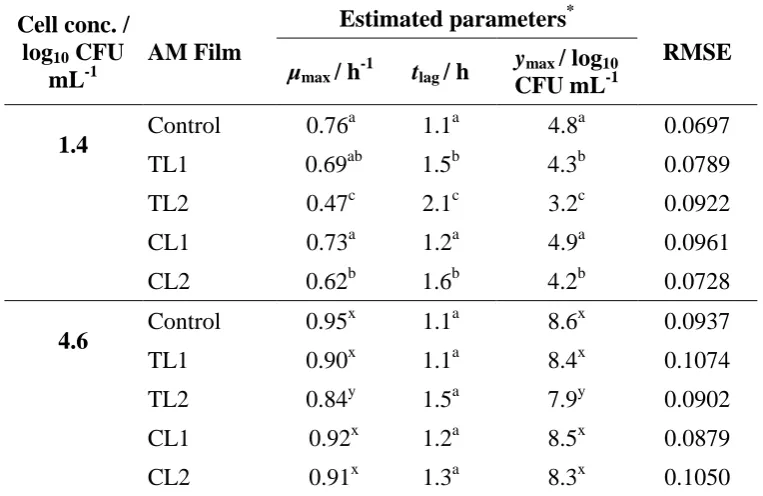
Table 4.10 Parameter estimates from Baranyi model for the growth of E. coli at various initial cell concentrations. ... 95
Table 4.11 Parameter estimates from Gompertz model for the growth of E. coli at various initial cell concentrations. ... 95
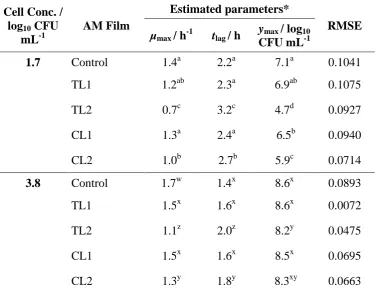
Table 4.12 Parameter estimates from Gompertz model for the growth of S. aureus at various initial cell concentrations. ... 97
Table 4.13 Tensile properties of extruded AM films ... 101
Table 4.14 Thermal properties of extruded AM films ... 102
Table 4.16 Rate constant (k) of AM agent release from films to the atmosphere. ... 108 Table 4.17 Effect of food simulant and temperature on the release of AM agents ... 112 Table 4.18 Activation energy (Ea) for release of AM agents from films into different food
simulants. ... 119 Table 4.19 Comparison of linear regression coefficients obtained in the short-term
analysis of various AM-containing systems for b = 0.5 and b = 0.6. ... 122 Table 4.20 Parameters estimates of first-order biphasic model for the inactivation of E.
coli on Cheddar cheese wrapped in AM films. ... 124 Table 4.21 Parameters estimates of first-order biphasic model for the inactivation of S.
aureus on Cheddar cheese wrapped in AM films. ... 127 Table 4.22 Odour thresholds of thymol and carvacrol. ... 135 Table 4.23 Difference between Cheddar cheeses packaged in AM films. ... 136 Table 4.24 Mean scores for odour attributes of cheeses packaged in AM films during
storage. ... 138 Table 4.25 Mean acceptance of Cheddar cheese packaged in AM films during storage. ... 139 Table 4.26 Correlation between mean scores of odour attributes and the mean scores of
acceptability of Cheddar cheese packaged in AM films. ... 140 Table 4.27 Effect of AM films on the microbiological quality index (Imq) of Cheddar
List of Abbreviations and Nomenclature
ACM Australian Collection of Microorganisms ADI Acceptable daily intake
AM Antimicrobial ANOVA Analysis of variance
AP Active Packaging
ASTM American Society for Testing and Materials CDs Cyclodextrins
CFU Colony forming units COE Council of Europe
CRD Completely randomised design DOT Detection odour threshold
DSC Differential scanning calorimetry EC/C E. coli/coliform
EO Essential oil EU European Union EVA Ethylene vinyl acetate EVOH Ethylene vinyl alcohol
FAO Food and Agriculture Organization FDA Food and Drug Administration
FEMA Flavor and Extract Manufacturers Association FIC Fractional inhibitory concentration
FID Flame ionization detector
FT-IR Fourier Transform Infrared (spectroscopy) GC Gas Chromatography
GLM General linear model
GRAS Generally Recognized as Safe HDPE High-density polyethylene
HLB Hydrophilic–lipophilic balance
JECFA Joint Expert Committee on Food Additives LB Lactic acid bacteria
LDPE Low-density polyethylene LLDPE Linear low density polyethylene
MAB Mesophillic aerobic bacteria MAP Modified atmosphere packaging MBC Minimum bactericidal concentration
MD Machine direction (film)
MEC Maximum effective concentration MFC Minimum fungicidal concentration
MIC Minimum inhibitory concentration NSLAB Non-starter lactic acid bacteria
OEO Essential oil of oregano PE polyethylene
PET Polyethylene-terephthalate PP Polypropylene
PS Polystyrene PT Probable threshold PVC Polyvinyl chloride PVDC Polyvinylidene chloride RMSE Root mean square error
TAB Total aerobic bacteria TD Transverse direction (film) TEO Essential oil of thyme
UNSW University of New South Wales VP Vacuum packaging
WHO World Health Organization YM Yeast and moulds
aw Water activity
b Short-term/long-term boundary
D Diffusion coefficient
Ea Activation energy of diffusion
∆H Enthalpy of melting
k1 Diffusion rate constant
k2 Kinetic rate constant
l Film thickness
LD50 Dose lethal to 50% of animals in mg/kg of body weight
mt Amount of AM agent released from the film
m∞ Equilibrium amount of AM agent released from the film Po/w Partition coefficient in octanol/water
R Ideal gas constant
R2 Correlation coefficient
T Temperature
t Time
Tm Crystalline melting temperature
Chapter 1.
Introduction
In this chapter a brief review of the developments in food packaging and new food packaging technologies are presented with a special emphasis on antimicrobial (AM) packaging. The concept of AM packaging is explored and current AM packaging systems and the future development requirements are also discussed.
1.1
Background
1.1.1 Role of Packaging for Foods
Packaging has become an essential element in today’s society and at present, approximately fifty percent of the packaging market is for food. Forecasts suggest that the sector will continue to grow in size and importance (Kerry and Butler 2008; Robertson 2006). In particular, food packaging has experienced an extraordinary expansion, because most commercialized foodstuffs, including fresh fruits and vegetables, are being marketed already packaged (López-Rubio et al. 2008).
1.1.2 New Food Packaging Technologies
Food packaging is quite different from the packaging of durable products due to the perishable and heterogeneous nature of foods. In addition, safety aspects need to be taken into account and most foods have a relatively short shelf life (Han 2000; López-Rubio et al. 2008). During the last few decades, the greatest changes ever witnessed have occurred in mankind’s eating or consumption habits and in the production and distribution of food. Consumer trends for better quality, fresh and convenient food products have intensified (Bureau and Multon 1996; López-Rubio et al. 2008). Traditional systems are reaching their limits with regard to further extending the shelf life of packaged food. Therefore much innovation can be witnessed and a variety of new packaging technologies such as active, intelligent or smart packaging have been developed in response to this change (Ahvenainen 2003; Appendini and Hotchkiss 2002; Han 2005b; Kruijf et al. 2002; López-Rubio et al. 2004; Sonneveld 2000; Vermeiren et al. 1999).
1.1.3 Active Food Packaging
Active packaging (AP) is an innovative food packaging concept that has been introduced and developed as a series of responses to the continuous changes in consumer demands and market trends (Miltz et al. 1995; Rooney 1995b; Vermeiren et al. 1999). Active packaging performs some additional desired functions in comparison with traditional passive packaging, that provides primarily barrier and protective functions (Ahvenainen 2003; Appendini and Hotchkiss 2002; Kerry and Butler 2008; Quintavalla and Vicini 2002; Robertson 2006; Vermeiren et al. 1999). The AP systems change the condition of the packaged food to extend the shelf life or to improve safety or sensory properties while maintaining the quality (Ahvenainen 2003; Brody 2008; Kruijf et al. 2002).
Some examples of AP systems include oxygen scavengers, moisture scavengers, carbon dioxide scavengers or emitters, humidity absorbers or controllers, ethylene scavengers, aroma emitters or absorbers and AM systems (Brody 2008; Han 2005b; López-Rubio et al. 2004). These concepts and techniques have been thoroughly reviewed in the scientific literature with an attempt to identify the role of AP in food preservation (Ahvenainen 2003; Brody 2008; Han 2005b; Kerry and Butler 2008; Kruijf et al. 2002; López-Rubio et al. 2004; Miltz et al. 1995; Ozdemir and Floros 2004; Rooney 1995b; Suppakul et al. 2003; Vermeiren et al. 1999).
1.2
AM Packaging
1.2.1 Food Safety and AM Packaging
Deterioration of food products is caused both biologically and chemically. Biological deterioration of foods is primarily due to the growth of microorganisms spoiling the food or making it unsafe for consumption (Quintavalla and Vicini 2002). Microbial growth can significantly lower the safety of foods and damage the food quality. Microbial spoilage due to bacteria, yeasts and moulds results in degraded quality, shortened shelf life and changes in microflora that could induce pathogenic problems. Contamination of food products by pathogenic microorganisms or microbial-toxins can cause major problems of food safety and serious food-borne illnesses (Han 2005a).
This has created an increasing demand for innovative ways to inhibit microbial growth in foods to ensure a safer global food supply while maintaining quality and freshness (Appendini and Hotchkiss 2002).
Antimicrobial packaging was initiated as a new and a promising applications of AP (Floros et al. 1997) to reduce, inhibit or retard microbial growth on food products (Appendini and Hotchkiss 2002; Kim et al. 2008). It performs an extra AM function to provide an increased margin of safety and quality while satisfying the conventional protection function of foods (Appendini and Hotchkiss 2002; Han 2003). Antimicrobial packaging also prolongs the shelf life of the packed food, usually by extending the lag phase and reducing the growth rate of microorganisms (Han 2000) and could therefore also play a role in food security assurance (Han 2005a). The AM package acts on the surface of foods, where a great portion of spoilage and contamination occurs (Appendini and Hotchkiss 2002; Vermeiren et al. 2002; Vermeiren et al. 1999). It can also act on microorganisms that may be present in or on the packaging material itself (Appendini and Hotchkiss 2002).
Foods such as meat, fish, poultry, bakery products and dairy products that are prone to microbial spoiling on the surface as well as fruits and vegetables have been the focus for AM packaging systems (Day 2008; Labuza and Breene 1989). In recent years there has been a great interest in AM food packaging due to increased foodborne microbial outbreaks triggered in minimally processed fresh and refrigerated products (Devlieghere
package onto the food surface during storage and therefore maintains a critical concentration necessary for inhibiting the microbial growth (Buonocore et al. 2004; Quintavalla and Vicini 2002; Vermeiren et al. 2002). Thus, AM packaging is of great value to the food industry as a post-processing safety measure (Joerger 2007). For consumers it seems safer when active agents are indirectly integrated in the food package and released onto the food product thereafter (Han 2000; Ozdemir and Floros 2004).
1.2.2 AM Packaging Systems
In 1945, a patent was obtained for food wrappers incorporating sorbic acid that were developed to inhibit mould growth (Kim et al. 2008). Since then, a variety of AM packaging systems have been developed and these systems have been reviewed by various researchers (Appendini and Hotchkiss 2002; Cooksey 2001; Han 2000; Han 2003; Han 2005a; Joerger 2007; Kruijf et al. 2002; López-Rubio et al. 2004; Ozdemir and Floros 2004; Quintavalla and Vicini 2002; Suppakul et al. 2003; Vermeiren et al.
2002). In general, AM packaging can be categorised into two types: non-migratory and migratory. Non-migratory AM packages may include polymers with inherent AM properties (e.g. chitosan) or structures that contain immobilized AM agents (López-Rubio et al. 2004). This type of AM packaging usually requires direct food contact for maximum effectiveness (Cooksey 2001; Vermeiren et al. 2002) and normally the application is limited to liquid foods (Han 2005a).
are sorbed and then dispersed or diffused throughout the food product (López-Rubio et al. 2004). In volatile migration, it is not necessary to have close contact between the AM material and the food surface and this offers many advantages (Appendini and Hotchkiss 2002). Such systems can be used effectively for highly porous foods, powdered, shredded irregularly shaped and particulate foods (Han 2005a).
The first designs in AM packaging were made use in the form of sachets or pads containing the active ingredient that were enclosed or attached to the interior of the package (Appendini and Hotchkiss 2002). Three forms of AM packaging have predominated: oxygen absorbers, moisture absorbers and ethanol vapour generators (Appendini and Hotchkiss 2002). These forms were used primarily in packaging applications for bakery, pasta, meat and poultry products (Appendini and Hotchkiss 2002; Han 2005a; Suppakul et al. 2003). Alternatives which are being extensively studied include the incorporation of an AM substance within the packaging material and the coating or adsorption of the AM compound on the surface of the packaging film (Vermeiren et al. 2002). Coatings, in the form of edible waxes, wraps and casings (Labuza and Breene 1989) that contain AM compounds and are applied onto the inner surface of the packaging material have also been investigated (Miltz et al. 2006). Additional advantages of incorporating AM agents in the packaging film over their use in sachets are: package size reduction, potentially higher efficacy and higher output in packaging production (Appendini and Hotchkiss 2002). Currently, various plastic- or biopolymer-based AM packaging films and containers have been developed and successfully applied in many commercial food products especially in the US and Japanese markets (Kim et al. 2008). This is an area of great interest due to their potential to provide quality and safety benefits and many research efforts are focused on their development and implementation (Appendini and Hotchkiss 2002; Joerger 2007; Kim et al. 2008; Quintavalla and Vicini 2002).
polymers are convenient materials and readily processed (Brody 2008; Joerger 2007) into packages (López-Rubio et al. 2004). Advantages of plastics include their low cost, low density, ability to be thermo-sealed, relatively easy to print on. Furthermore, plastics can be incorporated in integrated production processes making the process quick and cheap thereby avoiding the transport and storage of empty packages and can be selected with adequate chemical inertness to suit almost every food product (López-Rubio et al. 2004). The availability of a variety of materials and compositions makes it possible to adopt the most convenient packaging structure and design to the very specific needs of each product. Different additives can be incorporated into the polymers in order to achieve specific and/or desired properties. The use of synthetic polymers as food packaging materials has increased significantly in recent decades due to their advantages over other traditional packaging materials (Han 2000; López-Rubio
et al. 2004; Rooney 1995a).
1.2.3 AM Agents
The use of preservatives including AM agents is one of the oldest and most traditional food preservation techniques (López-Malo et al. 2000). Antimicrobial agents may be either synthetic or naturally occurring, biologically derived substances (or so-called “natural antimicrobials”) that may be used as additives in the food for food preservation (López-Malo et al. 2006). Various AM agents impart AM activity when bound to food packaging materials (Han 2005a; Kim et al. 2008) and many of them are incorporated into the packaging material at concentrations of 0.1 to 5% (w/w) (Appendini and Hotchkiss 2002). The AM properties, spectrum of activity, mode of action, possible packaging materials, current uses and new applications of most of these AM agents have been reviewed in recent publications (Ahvenainen 2003; Appendini and Hotchkiss 2002; Brody 2008; Brody et al. 2001; Han 2000; Han 2003; Han 2005a; Joerger 2007; López-Malo et al. 2000; Roller and Board 2003; Suppakul et al. 2003; Vermeiren et al.
2002; Vermeiren et al. 1999).
However, allergenic reactions in sensitive individuals and potential toxicological problems (e.g. formation of hazardous by-products) have led to consumer mistrust in the use of synthetic additives and to numerous legislation reviews (Roller 2003). Consequently, there has been a renewed interest in natural AM compounds. In an effort to meet this demand, a wide range of natural systems from animals, plants and microorganisms have been studied (Han 2005a; Lopez-Malo et al. 2005; Roller 2003; Roller and Board 2003).
The use of appropriate packaging materials and methods to minimize food losses and provide safe and wholesome food products has always been the focus of AM food packaging (Ozdemir and Floros 2004). Forecasts suggest that, in due course, many packages will contain AM agents. Current applications of AM packaging for food products are deficient due to the limited availability of suitable antimicrobials, appropriate polymer materials, regulatory concerns, and because of doubts about their effectiveness (Cha and Chinnan 2004; Joerger 2007; Kerry and Butler 2008). New AM packaging materials are continually being developed with a greater emphasis on safety issues associated with the addition of AM agents.
1.3
Aims
Reflecting the current demands and research needs in the area of AM food packaging, this study is aimed at developing AM food packaging films containing natural AM agents with the following specific aims:
• To investigate the potential use of thymol and carvacrol as AM agents in packaging films using LDPE as the polymeric substrate and using different film processing methods;
• To investigate the ability of additive polymers EVA and polyethylene glycol (PEG) to enhance the retention of AM agents during film processing;
• To evaluate the AM efficacy of films containing combinations of AM agents;
• To determine the physical and mechanical properties and the AM retention during storage.
• To investigate the migration of AM agents from films to the atmosphere and into food simulants to postulate the subsequent AM activity and safety effects;
Chapter 2.
Literature Review
This chapter provides a detailed discussion on the potential of thyme and oregano as natural antimicrobials in AM packaging. The sources of these natural agents, their AM activity and possible future applications in food packaging as well other benefits are reviewed. The microbiology, quality and shelf life of Cheddar cheese used as a substrate in the present study for evaluation of the possible application of AM films in food packaging are also reviewed.
2.1
Thyme and Oregano as a Natural Source of AM Agents
Spices and herbal plant species are known to contain a wide range of compounds capable of exhibiting AM activity. These compounds are produced as secondary metabolites associated with the volatile essential oil (EO) fraction of these plants. Essential oils are generally extracted from non-woody plant materials and comprise of variable mixtures, primarily terpenoids and a variety of esters, aldehydes, ketones, acids and alcohols (Dorman and Deans 2000; Meyer et al. 2002). The species thyme and oregano are popular culinary herbs belonging to the Lamiaceae (Labiatae) family. They contain EOs that are highly enriched with terpenoids, particularly monoterpenoid phenols (thymol and carvacrol), that are reported to possess numerous functional properties (Davidson and Naidu 2000; Dorman and Deans 2000; Meyer et al. 2002).
2004; Stahl-Biskup 2004). It was reported that these are amongst the best broad-spectrum candidates for inhibition of food-borne pathogens and spoilage organisms (Suhr and Nielsen 2003).
Consumer demands directed towards the use of natural rather than synthetic ingredients has led to resurgence in the use of natural AM agents, particularly those derived from plants (Hammer et al. 1999). Attention has been paid to the exploitation of plant-derived AM agents in the fields of pharmacology, medical and clinical microbiology, phytopathology and food preservation. The emergence and success of synthetic preservatives, particularly in the Western world, have dramatically reduced, for a long period, the use of traditional “natural” food preservatives (Meyer et al. 2002) and only in recent years AM plant compounds have regained momentum. The future of naturally occurring AM systems seems positive, since novel preservation techniques based on such systems are being rapidly developed and used in a variety of foods (Draughon 2004).
2.1.1 Synonyms and Botanical Classification
Among the aromatic plants belonging to the Lamiaceae (Labiatae) family, the genus
EO from T. capitatus is richer in carvacrol (about 50%) than that from T. vulgaris and
T. zygis, and resembles the odor of oregano (which contains carvacrol), thus giving the characteristic pungent, warm smell (Burdock 1997).
In popular and scientific texts, confusion exists as to the identity of oregano. This is partly because a variety of plant species have been commonly called ‘oregano’ or ‘origanum’ and marjoram and these plants are often interchanged (Burdock 1997). Most of the oregano plants bear a unifying chemical signature: carvacrol and, to a lesser extent, thymol. Thus, oregano is mostly considered as a flavour and not as a particular species of plant (Tucker and Maciarello 1994), but it usually refers to the genus Origanum, namely, the European Oregano (Kintzios 2004).
Oregano is derived from leaves and flowering tops of several genera of plants, mainly from two families: Lamiaceae and Verbenaceae. In Lamiaceae, the genus Origanum is the main source of oregano, although, the name ‘oregano’ has been applied to many other species in this family (Tucker and Maciarello 1994). The European commercial oregano is commonly Origanum vulgare L., particularly; O. vulgare ssp. hirtum. Commercial oregano may contain many other species, and sub species of O. vulgare
like O. onites (known as Turkish oregano), and O. syriacum, known in the USA as ‘Lebanese oregano’. South American or Mexican oregano belongs to the genus Lippia
in the family Verbernaceae. It is usually derived from Lippa graveolens, and occasionally from L. palmeri. Both are aromatic shrubs native to Mexico and are termed “Mexican wild sage” while Lantana involucrate from the same family has earned the name “Mexican Oregano” (Tucker and Maciarello 1994; Vernin et al. 2001).
2.1.2 Chemical Composition
The composition of EOs of thyme and oregano has been reported in several scientific publications (Kintzios 2004; Leung and Foster 1996; Stahl-Biskup 2004; Tucker and Maciarello 1994). Members of the genus Origanum and genus Thymus are often characterized by differences in the EO content and composition (Sivropoulou et al.
1996). The prevalence of thymol or carvacrol in their EOs is responsible for their commercial classification as thyme or oregano oil respectively (Sivropoulou et al.
1996). Thymol is normally the major phenolic component in thyme and causes its typically strong and spicy smell. Thymol is accompanied by some monoterpenes such as carvacrol, p-cymene and γ-terpene (Stahl-Biskup 2004). Thymus EOs exhibit a widespread chemical polymorphism (Pina-Vaz et al. 2004; Stahl-Biskup 2004). Depending on the EO profiles of populations of various Thymus species, several chemotypes have been identified and are named according to their dominant monoterpene in the EO. The predominant chemotypes of most Thymus species are the thymol types, followed by the carvacrol and thymol-carvacrol types and other chemotypes (Pina-Vaz et al. 2004; Stahl-Biskup 2004; Usai et al. 2003).
The EOs of different oregano species are known to exhibit highly variable compositions (Kokkini et al. 2004; Sivropoulou et al. 1996; Veres et al. 2003). Chemical polymorphism exists among the oregano populations and remarkable chemical variations have been observed not only between but also within populations and accessions. The differences in EO composition often enables these to be separated into chemotypes (Kintzios 2004).
on their effective utilization. Identification of the active AM compounds from these plant extracts/EOs can enable a more thorough determination of their effectiveness (Vigil 2005). The use of identified active constituents may give more predictability and help in expanding the knowledge on their potential use in industrial applications.
2.1.3 Applications and Maximum Use Levels
Thyme, oregano and their processed products are primarily used as flavor ingredients and seasonings in food preparations as outlined in Table 2.1. They are also used as crude drugs and in folk (traditional) medicine and aromatherapy because of their antiseptic and purported healing and therapeutic ingredients. Additionally, thyme and oregano and their EOs are used in perfumery, in pharmaceuticals and cosmetics (Burt 2004; Cosentino et al. 1999; Kintzios 2004; Leung et al. 2003; Manou et al. 1998; Stahl-Biskup 2004).
Table 2.1 Maximum levels (ppm) of thyme, oregano and their major constituents as direct additives.
Additive (FEMAa No.)
Thyme (3063)
Thyme oil (3065)
Oregano (2827)
Thymol (3066)
Carvacrol (2245) Foodsb 200-1716 2.9-28.5 151-3167 15.6-78 9-22.4
Beveragesc - 5.0 450 5-5.9 1-28.5
Reference: (Burdock 2005).
a
Flavor and Extract Manufacturers Association (FEMA) identification number.
b
Foods including: baked goods, condiments, relishes, fats, oils, gravies, meat products, processed vegetables, soups, frozen dairy, gelatin, pudding, candy, snack food, milk products.
c
Beverages including: alcoholic and non alcoholic.
40 ppm (Leung and Foster 1996). Thymol is generally used for flavoring purposes in food and beverages at levels of 5-78 ppm (Burdock 2005; Jerry 1996)
2.1.4 Regulatory Status
Thyme, oregano, origanum or marjoram and their EOs are considered to be Generally Recognized as Safe (GRAS) by the US Food and Drug Administration (FDA) under the conditions of intended use (FDA 2005). Thymol and carvacrol are approved food additives, particularly as flavoring agents, in Europe (EC 2005) and USA (FDA 2005) and are included in the European Union (EU) list of flavoring substances. The regulatory status of thyme, oregano and their phenolic constituents suggest minimal safety concerns when being used as food antimicrobials.
When AM agents are added to food via its packaging, they are considered in the USA as food additives (FDA 1999). According to the new European Union framework directive (EC 2004), substances authorized as food additives or flavors can be released by active materials and articles either into or onto the packaged food, or released into the environment surrounding the food. In the case where an active component is to be released, the total quantity of the substance shall not exceed the specific migration limits (EC 2004). The principal function of EOs and EO constituents are to impart desirable flavors and aromas and not necessarily to act as AM agents. Therefore, when used as AM agents, additional safety and toxicological data may be required before regulatory approval for their use as novel food preservatives can be granted (Nychas and Skandamis 2003). However, the amount of data required would be significantly less for AM agents derived from food flavorings than for other substances.
2.1.5 Toxicology and Safety
groups have evaluated the human safety of EOs of thyme and oregano, thymol and carvacrol. Among these are the Committee of Experts on Flavoring Substances of the Council of Europe, an expert panel sponsored by the Flavor and Extract Manufacturers Association (see Table 2.1), and the Joint Food and Agriculture Organization of the United Nations/World Health Organization (WHO) Expert Committee on Food Additives (JECFA).
As part of the assessment of an additive, JECFA examines the available toxicological data and chemical specifications of the additive and establishes an acceptable daily intake (ADI) (Ottaway 2003). For effective product development with optimized functionality and flavor, it is essential to calculate the ADI to ensure that no negative nutritional or health consequences would occur (Draughon 2004). According to the results of the safety evaluations of phenol and phenol derivatives used as flavoring agents (JECFA Monographs and Evaluations), thymol and carvacrol are included in structural class I that: (i) poses no safety concern at current levels of intake when used as a flavoring agent and (ii) has a threshold for human intake of 1.8 mg/day (WHO 2000). The estimated daily per capita intake of thymol and carvacrol in Europe and in the USA are below the threshold for human intake for class I. Furthermore, quantitative data on natural occurrence and consumption ratios (annual consumption in food (kg)/most recently reported amount as a flavoring agent (kg)) indicate that they are consumed primarily as natural components of food (i.e. consumption ratios > 1). The combined intake of thymol and carvacrol would preferably not exceed that threshold for class I (WHO 2000).
Phenols may become toxic if natural barriers or detoxification mechanisms are overloaded by the amount of ingested phenols (Singleton and Kratzer 1969). However, there is a general agreement that phenolics from common foodstuffs at the regular intake levels have very low toxicities, attributed to their rapid metabolism as well as the efficient defense mechanisms in mammals (Shahidi and Naczk 2004). Thymol and carvacrol, ingested as natural or added components of food, are readily absorbed from the gastrointestinal tract (Huges and Hall 1995) and are essentially excreted in the urine
via the kidney within 24 h either unconjugated or as sulfate or glucuronide conjugates (Jerry 1996; WHO 2000).
An upper limit for inclusion of thymol established by the WHO is 50 mg/kg in food and 10 mg/L in beverages (Delgado et al. 2004; Jerry 1996). Under Council of Europe (COE) regulations, the upper limit for inclusion of carvacrol is 5 mg/kg and 2 mg/L in food and beverages respectively (Burdock 2005). So, the inclusion of these compounds in foods and beverages is of no danger as long as the residue of these compounds does not exceed the recommended levels.
2.1.6 Antimicrobial Activity
Figure 2.1 Structure of (a) thymol and (b) carvacrol.
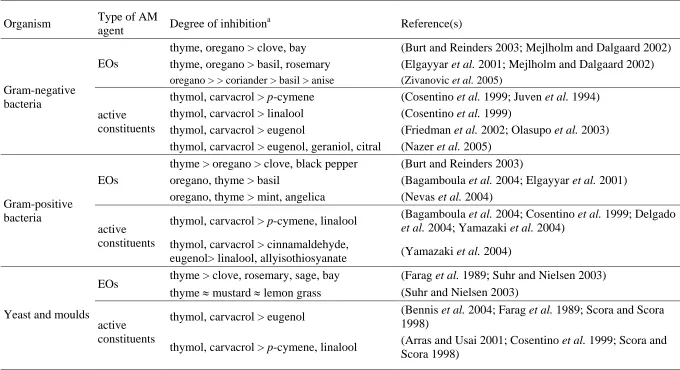
Numerous studies have demonstrated that thyme and oregano are among the most potent herbs with regards to AM properties (see Table 2.2). The AM activity of thyme and oregano is apparently related to their phenolic constituents in the EO fraction, the predominant ones being thymol and carvacrol (Arras and Usai 2001; Bagamboula et al.
2004; Cosentino et al. 1999; Davidson and Naidu 2000; Dorman and Deans 2000; Farag
et al. 1989; Lambert et al. 2001; Paster et al. 1990; Sagdic et al. 2002; Sivropoulou et al. 1996; Stahl-Biskup 2004) (see Figure 2.1). However, there is evidence that EOs exert a stronger AM efficacy than can be attributed to additive effects of their major AM components (Burt and Reinders 2003; Friedman et al. 2004). For instance, 96% of the growth inhibition of Ps. aeruginosa observed with the essential oil of oregano can be attributed to the additive effect of thymol and carvacrol with the remaining 4% attributed to the other components (Lambert et al. 2001). Thus, there is a possibility that the minor components possess some AM power (Burt and Reinders 2003; Cosentino et al. 1999; Friedman et al. 2004).
Table 2.2 Relative antimicrobial effectiveness of thyme, oregano, thymol and carvacrol.
Organism Type of AM
agent Degree of inhibition a
Reference(s)
Gram-negative bacteria
EOs
thyme, oregano > clove, bay (Burt and Reinders 2003; Mejlholm and Dalgaard 2002) thyme, oregano > basil, rosemary (Elgayyar et al. 2001; Mejlholm and Dalgaard 2002) oregano > > coriander > basil > anise (Zivanovic et al. 2005)
active constituents
thymol, carvacrol > p-cymene (Cosentino et al. 1999; Juven et al. 1994) thymol, carvacrol > linalool (Cosentino et al. 1999)
thymol, carvacrol > eugenol (Friedman et al. 2002; Olasupo et al. 2003) thymol, carvacrol > eugenol, geraniol, citral (Nazer et al. 2005)
Gram-positive bacteria
EOs
thyme > oregano > clove, black pepper (Burt and Reinders 2003)
oregano, thyme > basil (Bagamboula et al. 2004; Elgayyar et al. 2001) oregano, thyme > mint, angelica (Nevas et al. 2004)
active constituents
thymol, carvacrol > p-cymene, linalool (Bagamboula et al. 2004; Cosentino et al. 1999; Delgado
et al. 2004; Yamazaki et al. 2004) thymol, carvacrol > cinnamaldehyde,
eugenol> linalool, allyisothiosyanate (Yamazaki et al. 2004)
Yeast and moulds
EOs thyme > clove, rosemary, sage, bay (Farag et al. 1989; Suhr and Nielsen 2003) thyme ≈ mustard ≈ lemon grass (Suhr and Nielsen 2003)
active constituents
thymol, carvacrol > eugenol (Bennis et al. 2004; Farag et al. 1989; Scora and Scora 1998)
thymol, carvacrol > p-cymene, linalool (Arras and Usai 2001; Cosentino et al. 1999; Scora and Scora 1998)
a
Antimicrobial Activity of Thymol and Carvacrol
Antimicrobial Activity In-Vitro
Although different results have been reported to assess AM activity, differences in EO composition and in the microorganism chosen, TEO, OEO, carvacrol and thymol have consistently been shown to have outstanding potentials as AM agents (Cosentino et al.
1999; Dorman and Deans 2000; Nevas et al. 2004; Olasupo et al. 2003; Stahl-Biskup 2004). These substances are reported to have bacteriostatic and bactericidal activity against both Gram-positive and Gram-negative bacteria (Bagamboula et al. 2004; Burt and Reinders 2003; Cosentino et al. 1999; Elgayyar et al. 2001; Helander et al. 1998; Nevas et al. 2004; Walsh et al. 2003). However, these compounds appear preferentially more active against Gram-positive than Gram-negative bacteria, with lactic acid bacteria being the most resistant among the Gram-positive bacteria (Cosentino et al.
1999; Dorman and Deans 2000; Jay 1996; Nevas et al. 2004; Smith-Palmer et al. 1998; Zaika 1988). In contrast, Elgayyar and others (2001) stated that the generalization that Gram-positives are more sensitive than Gram-negative bacteria is difficult to sustain because each EO is unique in its characteristics and Gram-positive bacteria vary widely in structure and functionality. The antibacterial effects of different derivatives of thyme and oregano have been reported in the literature (see Table 2.2, Table 2.3 and Table 2.4).
Thyme and oregano are strongly active against spoilage and pathogenic moulds and yeasts (Arras and Usai 2001; Conner 1994; Farag et al. 1989; Paster et al. 1990; Pina-Vaz et al. 2004; Salmeron et al. 1990; Vázquez et al. 2001). These compounds have been reported to inhibit the growth of toxigenic fungal species (Table 2.3 and Table 2.4), including the species of Aspergillius, Fusarium and Penicillium, and other non-toxigenic species (Arras and Usai 2001; Farag et al. 1989; Paster et al. 1990; Salmeron
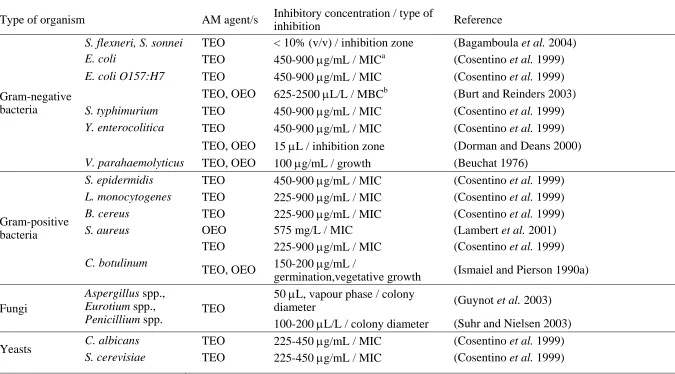
Table 2.3 Inhibitory concentrations (in vitro) of oregano and thyme EOs against food spoilage and pathogenic microorganisms.
Type of organism AM agent/s Inhibitory concentration / type of
inhibition Reference
Gram-negative bacteria
S. flexneri, S. sonnei TEO < 10% (v/v) / inhibition zone (Bagamboula et al. 2004)
E. coli TEO 450-900 µg/mL / MICa (Cosentino et al. 1999)
E. coli O157:H7 TEO 450-900 µg/mL / MIC (Cosentino et al. 1999) TEO, OEO 625-2500 µL/L / MBCb (Burt and Reinders 2003)
S. typhimurium TEO 450-900 µg/mL / MIC (Cosentino et al. 1999)
Y. enterocolitica TEO 450-900 µg/mL / MIC (Cosentino et al. 1999) TEO, OEO 15 µL / inhibition zone (Dorman and Deans 2000)
V. parahaemolyticus TEO, OEO 100 µg/mL / growth (Beuchat 1976)
Gram-positive bacteria
S. epidermidis TEO 450-900 µg/mL / MIC (Cosentino et al. 1999)
L. monocytogenes TEO 225-900 µg/mL / MIC (Cosentino et al. 1999)
B. cereus TEO 225-900 µg/mL / MIC (Cosentino et al. 1999)
S. aureus OEO 575 mg/L / MIC (Lambert et al. 2001)
TEO 225-900 µg/mL / MIC (Cosentino et al. 1999)
C. botulinum
TEO, OEO 150-200 µg/mL /
germination,vegetative growth (Ismaiel and Pierson 1990a) Fungi
Aspergillus spp.,
Eurotium spp.,
Penicillium spp.
TEO
50 µL, vapour phase / colony
diameter (Guynot et al. 2003)
100-200 µL/L / colony diameter (Suhr and Nielsen 2003) Yeasts C. albicans TEO 225-450 µg/mL / MIC (Cosentino et al. 1999)
S. cerevisiae TEO 225-450 µg/mL / MIC (Cosentino et al. 1999)
a
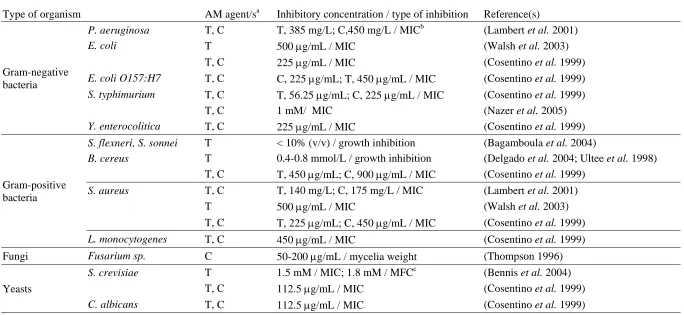
Table 2.4 Inhibitory concentrations (in vitro) of thymol and carvacrol against spoilage and pathogenic microorganisms.
Type of organism AM agent/sa Inhibitory concentration / type of inhibition Reference(s)
Gram-negative bacteria
P. aeruginosa T, C T, 385 mg/L; C,450 mg/L / MICb (Lambert et al. 2001)
E. coli T 500 µg/mL / MIC (Walsh et al. 2003)
T, C 225 µg/mL / MIC (Cosentino et al. 1999)
E. coli O157:H7 T, C C, 225 µg/mL; T, 450 µg/mL / MIC (Cosentino et al. 1999)
S. typhimurium T, C T, 56.25 µg/mL; C, 225 µg/mL / MIC (Cosentino et al. 1999)
T, C 1 mM/ MIC (Nazer et al. 2005)
Y. enterocolitica T, C 225 µg/mL / MIC (Cosentino et al. 1999)
Gram-positive bacteria
S. flexneri, S. sonnei T < 10% (v/v) / growth inhibition (Bagamboula et al. 2004)
B. cereus T 0.4-0.8 mmol/L / growth inhibition (Delgado et al. 2004; Ultee et al. 1998)
T, C T, 450 µg/mL; C, 900 µg/mL / MIC (Cosentino et al. 1999)
S. aureus T, C T, 140 mg/L; C, 175 mg/L / MIC (Lambert et al. 2001)
T 500 µg/mL / MIC (Walsh et al. 2003) T, C T, 225 µg/mL; C, 450 µg/mL / MIC (Cosentino et al. 1999)
L. monocytogenes T, C 450 µg/mL / MIC (Cosentino et al. 1999)
Fungi Fusarium sp. C 50-200 µg/mL / mycelia weight (Thompson 1996)
Yeasts
S. crevisiae T 1.5 mM / MIC; 1.8 mM / MFCc (Bennis et al. 2004)
T, C 112.5 µg/mL / MIC (Cosentino et al. 1999)
C. albicans T, C 112.5 µg/mL / MIC (Cosentino et al. 1999)
a
Thymol (T), Carvacrol (C).
b
Minimum inhibitory concentration (MIC).
c
Cosentino and others (1999) found that yeasts are the most sensitive among the different types of microorganisms in the presence of TEOs as well as their main components, thymol and carvacrol. Germ tube formation of Candida sp. is inhibited by TEO, thymol and carvacrol (Pina-Vaz et al. 2004) while thymol is found to have a more pronounced effect on yeast cells than eugenol, a major constituent of clove oil (Bennis et al. 2004). For thymol, the MIC is 1.5 mM and it is fungicidal at 1.8 mM whereas eugenol at 1.8 mM (MIC) is able to completely inhibit the growth of S. cerevisiae, while 3 mM induces fungicidal activity (Bennis et al. 2004).
In general, in vitro experiments do not necessarily provide a good indication of the potential value in food preservation. However the results may suggest possible applications of these compounds in foods and may partly explain the observed reductions in AM activity of some EOs in food systems compared with in vitro
performance.
2.1.7 Mechanism of Action
Impairment of Cell Membranes
Studies on the mechanism of action of EOs have employed a common approach of attempting to illustrate deleterious effects on cellular membranes (Becerril et al. 2007; Gill and Holley 2006a; Pina-Vaz et al. 2004; Skandamis and Nychas 2001; Ultee et al.
when applied below the MIC value. Thyme oil, thymol and carvacrol can cause a sudden significant reduction in viable bacteria counts once a certain (critical) concentration is applied. This occurs rather than a progressive increase in the AM effect as the concentration of AM agent is increased. The authors hypothesized that the phenolic compounds sensitize the membrane and, when saturation of the site(s) of action occurs, there is gross damage with a sudden collapse of the bacterial membrane integrity and subsequent loss of cytoplasmic constituents (Paster et al. 1990; Vigil 2005).
The permeability of cell membranes depends on the hydrophobicity of the solutes as well as the composition of the membrane (Sikkema et al. 1995). Given the latter, the partition coefficient (or the partition of the microbial cell out of the water phase and in the lipid membrane) is a crucial determinant for the effectiveness of these AM compounds. Thus, quantitative variations in the efficacy against different bacteria are expected, primarily when bacteria with different Gram-staining responses are examined (Bagamboula et al. 2004; Lambert et al. 2001). The general reduction in activity for these compounds towards Gram-negative bacteria may be a result of an impediment to the lipophilic phenolic compounds to diffuse across the outer cell membrane (Nychas and Tassou 2000) which serves as an effective penetration barrier to these hydrophobic compounds (Helander et al. 1998). However, unlike many antibiotics, the hydrophobic constituents of EOs, including thymol and carvacrol, are capable of gaining access to the periplasm of Gram-negative bacteria through the porin proteins of the outer membrane (Helander et al. 1998).
al. 2000; Ultee and Smid 2001). Carvacrol has been shown to destabilize the cytoplasm and the outer membrane of bacteria and act as a ‘proton exchanger’, resulting in a reduction of the pH gradient across the cytoplasm membrane (Helander et al. 1998; Lambert et al. 2001; Ultee et al. 2002). Other studies report on the impairment of a variety of enzyme systems, including those involved in energy production and structural component synthesis (Farag et al. 1989; Ismaiel and Pierson 1990a; Ultee and Smid 2001) and inhibition of membrane bound enzyme activity of bacterial cells (Gill and Holley 2006a; Gill and Holley 2006b) as secondary rather than a primary causes of cell death (Gill and Holley 2006b).
Inhibition of Toxin Production
Oregano EO, thymol and carvacrol have also been reported as inhibitors to toxin production by bacteria and aflatoxigenic fungi (Farag et al. 1989; Ultee and Smid 2001). Farag and others (1989) noted a reduction in the production of aflatoxin, metabolites of A. parasiticus, by TEO, similar to the action of carvacrol on toxin production by B. cereus (Ultee and Smid 2001). As hypothesized by Ultee and Smid (2001), the mechanism of inhibition of toxin production by B. cereus may be a gene regulation, transcription or translation, or a mechanism affecting the excretion and transportation of the toxin. Excretion may be an active process and an insufficient driving force (adenosine triphosphate or proton motive), due to membrane damage, and would result in the accumulation of the toxin inside the cell. Consequently, intracellular toxin might inhibit its own synthesis (feedback inhibition). Inhibition of toxin synthesis may also be a result of a lower specific growth rate due to the presence of AM agents. The cell may use the metabolic energy for maintaining its viability rather than for toxin production that also requires energy (Ultee and Smid 2001).
2.2
Thyme and Oregano as Natural Food Preservatives
The efficacy of thyme and oregano has been extensively tested in a range of food products and a summary of these tests is presented in Table 2.5. However, compared to
potential of EOs and their components of thyme and oregano in real foods (Chiasson et al. 2004; Mejlholm and Dalgaard 2002; Plotto et al. 2003; Roller and Seedhar 2002; Seaberg et al. 2003; Skandamis and Nychas 2001; Smith-Palmer et al. 2001; Suhr and Nielsen 2003; Tsigarida et al. 2000; Ultee and Smid 2001). It has been established that microorganisms present in food are less susceptible to EOs rather than in vitro or there is an effect of foodstuffs on microbial resistance to EOs. A review of the possible causes of this microbial resistance to EOs has found that direct application of AM substances onto food has limited benefits due to factors such as neutralization or rapid diffusion into the bulk of the food (Burt 2004). There is clearly a need to investigate the most appropriate mode of application of these compounds as food preservatives.
Fruits and Vegetables
Consumer demand for minimally processed, ready-to-eat fruits and vegetables has led to a significant growth in the freshly-cut products. However, during minimal processing spoilage and pathogenic microorganisms can gain access to the nutrients inside fruits and vegetables and multiply. As it is impossible to completely prevent contamination, washing and treatment with chemical disinfectants are necessary to decontaminate the surface of fresh produce (Roller and Seedhar 2002). These procedures are only partially effective in reducing the microbial load and therefore, there is a need to develop new treatments for decontaminating fruits and vegetables (Beuchat 1998). It has been shown that TEO, thymol and carvacrol have a potential for use in the decontamination of minimally processed vegetables (Bagamboula et al. 2004; Hernández-Herrero et al.
2008; Molinos et al. 2008; Valero and Giner 2006; Weissinger et al. 2001) and fruits (Guillen et al. 2007; Roller and Seedhar 2002). Vegetable-based food products are the primary candidates for use in the evaluation of the potential antibacterial properties of herbal AM agents because they are low in protein and lipid-food components that can interact with the active compounds in spices and herbs and therefore decrease the AM action of these compounds (Bagamboula et al. 2004).
compounds in water may result in the adsorption and reaction of the EO and its compounds with the first sample subjected to decontamination and a subsequent reduction in the AM potential (Bagamboula et al. 2004). The application of TEO or thymol or carvacrol for decontamination may be hampered due to changes in the sensoric properties of lettuce (e.g. browning, strong odor). However, in this study, the inoculum of Shigellae was higher than would be encountered in naturally contaminated lettuce, suggesting that lower concentrations of TEO or thymol or carvacrol may suffice for naturally contaminated products (Bagamboula et al. 2004). Similar undesirable color, odor and taste changes (browning, pungent and unpleasant aroma, bad aftertaste) are observed in fresh-cut kiwifruit that was dipped in carvacrol solutions at 5-15 mM (Roller and Seedhar 2002) and minimally processed carrot broth dosed with 2.5-10 µL/100mL of carvacrol and 20-35 mg/100mL of thymol (Valero and Giner 2006). Treatment of fresh-cut honeydew melon with 1 mM carvacrol or cinnamic acid extend the lag phase of the microbial flora from less than 1 day in the untreated controls to 3 days at 8°C and 5 days at 4°C. Although the aroma of both compounds is detectable in the treated fruits after storage, it was not considered unpleasant. The reported spicy odor of carvacrol or cinnamic acid is less readily detected on melon than on kiwifruit (Roller and Seedhar 2002).
Apart from decontamination, there is a renewed interest in the application of these AM substances for reducing the post-harvest microbiological alterations in fruits and vegetables (Martínez-Romero et al. 2007; Valverde et al. 2005). Thyme essential oil and carvacrol are effective in inhibiting P. digitatum growth on oranges (Arras and Usai 2001) and TEO and OEO exhibit fungicidal activities in tomato (Plotto et al. 2003).
Dairy and Bakery Products
in the full fat cheese (Smith-Palmer et al. 2001). The volatile fraction of the TEO exerts considerable antifungal activity against several fungi, commonly causing deterioration of bakery products, e.g. sponge cake analogues (Guynot et al. 2003) and rye bread (Suhr and Nielsen 2003). However, it has also found that the activity of the TEO volatile fraction is limited compared to lemongrass oil or mustard, both containing smaller and non-phenolic volatile compounds (Suhr and Nielsen 2003).
Fish
The compounds of thyme and oregano, particulary OEO, are found to be effective in extending the shelf-life of fish or fish dishes without any negative effect on sensorial qualities. Oregano essential oil (0.05%, v/w) extended the shelf-life of modified atmosphere packaged (MAP), naturally contaminated cod fillets from 11-12 days to 21-26 days at 2°C. A distinctive but pleasant herbal flavor of OEO was detected initially, but decreased gradually during storage. Neither texture nor appearance of cod fillets were affected by the addition of oregano oil (Mejlholm and Dalgaard 2002). The effectiveness of OEOs against Photobacterium phosphoreum on salmon, a fatty fish, was less than that on cod fillets (Mejlholm and Dalgaard 2002) suggesting that a high fat content appears to reduce the effectiveness of OEOs. Dipping common carp (C. carpio) fillets into a solution containing both carvacrol and thymol lead to a remarkable reduction in the growth and numbers of bacteria, consequently extending the shelf-life of the fish. The treated samples extended the shelf-life by 8 days at 5°C and by 4 days at 10°C, depending on sensory qualities (Mahmoud et al. 2004). Among five treatments examined, including storage on ice (usual commercial method of preservation), a combination of 0.1% (v/w) OEO and MAP was the most effective in inhibiting the microbial and sensory spoilage of fresh Mediterranean swordfish fillets. Using this combination enabled a shelf life extension by 8 to 9 days (Giatrakou et al. 2008).
Meat and Meat Products
found to be: carvacrol < thymol < thyme (Chiasson et al. 2004). Moreover, the addition of OEO delayed the microbial growth and suppressed the final counts of microbial numbers in minced meat stored under MAP without affecting the color and the odor of the product (Skandamis and Nychas 2001). The OEO also caused a pronounced alteration in the physico-chemical properties of minced meat by delaying glucose and lactate consumption under aerobic as well as under MAP conditions (Skandamis and Nychas 2001). It was also demonstrated that the addition of OEO resulted in a reduction of the initial bacterial population, including lactic acid bacteria and L. monocytogenes, in beef fillets stored in different gaseous environments (Tsigarida et al. 2000). The effectiveness of OEO against C. botulinum spores was studied in a vacuum packed and pasteurised minced (ground) pork product. There was no significant effect by OEO at a concentration of 0.4 µL/g. However, in combination with low levels of sodium nitrite, the same concentration of OEO was able to delay the spore growth while the activity depended on the number of inoculated spores (Ismaiel and Pierson 1990a). Thymol was tested as a bactericide solution effective in controlling biofilms formed by pathogenic or spoilage bacteria on traditional dry sausages. Regardless of the time/temperature conditions applied, 1-10 mM thymol had only a slight lowering effect (Lebert et al.
2007). This may be due to the higher resistance of bacterial biofilms to antimicrobial treatments than the individual cells grown in suspension (Lebert et al. 2007).
Ready-to-eat Foods
Alcohol extracts of thyme were applied to the surface of cooked, ready-to-eat chicken meat to determine the AM activity against low (10 CFU/g) or high (105 CFU/g) populations of A. hydrophila and L. monocytogenes. Thyme extract suppressed somewhat the growth of Aeromonas but was not effective against L. monocytogenes