Female Objectification, Body Dissatisfaction and Disordered
Eating Behaviour in a Non-clinical Sample
Lyndsey Nolan
BSc (Hons)
Submitted in partial fulfilment of the requirements of the degree of
Doctor of Psychology (Clinical Psychology)
School of Social Sciences and Psychology
Victoria University
Melbourne, Australia
ii
ABSTRACT
Attractiveness, and associated thinness, continues to be the determinant of social acceptance and desirability for most women in Westernised societies. The way in which females are objectified through social attitudes and gender ideals, highlights the importance of attractiveness in through which women gain social status, acceptance and power. Failure to achieve this ideal has been linked to increased body surveillance, body dissatisfaction, and disordered eating behaviour(s).
While many women express body dissatisfaction and negative self-talk, fewer women actually engage in disordered eating practices. This study aimed to explore women‟s views about their bodies and to identify predictors of body objectification, body dissatisfaction, and disordered eating behaviour in a non-clinical population. It was hypothesised that women, who have strongly based their identity according to societal values and gender role expectations, would be more likely to experience higher levels of body dissatisfaction and be at greater risk of manifesting disordered eating behaviour(s).
Two-hundred-and-nine women, aged between 18-65 years (M = 29.53 years) were recruited via convenience sampling and completed the following battery of questionnaires: Socio-cultural Attitude Towards Appearance
Questionnaire (SATAQ), Body Image Ideals Questionnaire (BIQ), Objectified Body Consciousness Scale (OBC), Silencing the Self Scale (STSS), Sense of Belonging Instrument-Psychological (SOBI-P), Eating Attitudes Test (EAT-26), and Conformity to Feminine Norms Inventory (CFNI). Predictors of body objectification, body dissatisfaction, and disordered eating were determined using multiple linear regression and analyses of variance were used to make comparisons between groups based on developmental age, disturbed eating, disordered eating, and body mass index.
iii
iv
DECLARATION
I, Lyndsey Nolan, declare that the Doctor of Psychology (Clinical Psychology) thesis entitled “Female Objectification, Body Dissatisfaction and Disordered Eating Behaviour in a Non-clinical Sample” is no more than 40,000 words in length, exclusive of tables, figures, appendices, references and footnotes. This thesis contains no material that has been submitted previously, in whole or in part, for the award of any other academic degree or diploma. Except where otherwise indicated, this thesis is my own work.
v
TABLE OF CONTENTS
ABSTRACT ... ii
LIST OF TABLES ... x
LIST OF APPENDICES ... xii
CHAPTER 1: INTRODUCTION ... 1
1.1. The Context of Social Environment... 1
1.1.1. Women – the Desire to Be Desired ... 3
1.1.2. Femininity and Acceptance Through Conforming ... 6
1.1.3. Sexualisation and the Objectified Body ... 7
1.1.4. The Pursuit for Thinness: Cultural Acceptance ... 9
1.1.5. Re-modeling the Body: One‟s Attempt to “Fit In” ... 12
1.2. Eating Disorders ... 14
1.2.1. Manipulating the Object ... 14
1.2.2. Thinness, a Body Worth Dying for ... 16
1.2.3. Beyond Anorexia ... 18
1.3. Disordered Eating and Identity ... 20
1.3.1. Identity Formation ... 20
1.3.2. Adolescence: Child to Sexual Object ... 22
1.3.3. Gender Identity Roles ... 23
1.3.4. The Internalised Body and Body Objectification ... 24
1.4. Rationale for the Current Study ... 28
1.4.1. Aims and Hypotheses ... 29
CHAPTER 2: METHOD ... 31
2.1. Participants ... 31
2.2. Measures ... 32
2.3. Procedure ... 36
2.3.1. Data Handling... 37
CHAPTER 3: RESULTS ... 39
vi
3.2. Hypothesised Findings ... 39
3.3. Data Analysis ... 40
3.4. Demographic Characteristics of the Participants ... 41
3.5. Body Dissatisfaction ... 43
3.5.1. Predictors of Body Dissatisfaction ... 43
3.5.2. Body Dissatisfaction and BMI Level ... 44
3.5.3. Body Dissatisfaction and Age Groups ... 44
3.6. Silencing Behaviour ... 45
3.6.1. Predictors of Silencing Behaviour ... 45
3.6.2. Silencing Behaviour and BMI Level ... 47
3.6.3. Silencing Behaviour and Age ... 48
3.6.4. Silencing Behaviour and Eating Disorders ... 48
3.6.5. Silencing Behaviour and Disturbed Eating ... 50
3.7. Eating Attitudes and Disturbed Eating ... 51
3.7.1. Predictors of Eating Attitudes ... 51
3.7.2. Predictors of Disturbed Eating ... 53
3.7.3. Disturbed Eating and Objectified Body Consciousness ... 54
3.7.4. Disturbed Eating and Socio-cultural Attitude Towards Appearance ... 55
3.7.5. Disturbed Eating and Sense of Belongingness ... 55
3.7.6. Disturbed Eating and Body Dissatisfaction ... 56
3.7.7. Disturbed Eating and Conformity to Feminine Norms ... 57
3.7.8. Disturbed Eating, Eating Attitudes and BMI Level ... 58
3.7.9. Disturbed Eating, Eating Attitudes and Age ... 58
3.8. Objectified Body Consciousness ... 59
3.8.1. Predictors of Objectified Body Consciousness ... 59
3.8.2. Objectified Body Consciousness and BMI Level ... 61
3.8.3. Objectified Body Consciousness and Age ... 62
3.9. Socio-cultural Attitude Towards Appearance ... 63
3.9.1. Socio-cultural Attitude Towards Appearance and BMI Level... 63
3.9.2. Socio-cultural Attitude Towards Appearance and Age ... 64
3.10. Sense of Belongingness ... 64
3.10.1. Sense of Belongingness and BMI Level ... 64
3.10.2. Sense of Belongingness and Age ... 65
3.11. Conformity to Feminine Norms ... 65
3.11.1. Conformity to Feminine Norms and BMI Level ... 65
vii
3.12. BMI and Age Groups ... 68
3.13. Current Weight V’s Ideal Weight ... 68
3.14. Qualitative Data ... 69
3.14.1. Perception of One‟s Failure to Measure Up to Standards ... 69
3.14.2. Additional Commentary: Disordered Eating, Body Dissatisfaction, and General Survey Comments ... 71
CHAPTER 4: DISCUSSION ... 72
4.1. Body Dissatisfaction ... 74
4.1.1. Predictors of Body Dissatisfaction ... 74
4.2. Silencing Behaviour ... 77
4.2.1. Predictors of Silencing Behaviour ... 77
4.2.2. Silencing Behaviour and Eating Disorders ... 79
4.2.3. Silencing Behaviour and Disturbed Eating ... 79
4.3. Eating Attitudes and Disturbed Eating ... 80
4.3.1. Predictors of Eating Attitudes ... 80
4.4. Predictors of Disturbed Eating ... 82
4.4.1. Disturbed Eating and Objectified Body Consciousness ... 82
4.4.2. Disturbed Eating and Socio-cultural Attitude Towards Appearance ... 83
4.4.3. Disturbed Eating and Sense of Belongingness ... 84
4.4.4. Disturbed Eating and Body Dissatisfaction ... 86
4.4.5. Disturbed Eating and Conformity to Feminine Norms ... 87
4.4.6. Disturbed Eating, Eating Attitudes and BMI Level ... 89
4.4.7. Disturbed Eating, Eating Attitudes and Age ... 89
4.5. Objectified Body Consciousness ... 90
4.5.1. Predictors of Objectified Body Consciousness ... 90
4.5.2. Objectified Body Consciousness and BMI Level ... 92
4.5.3. Objectified Body Consciousness and Age ... 92
4.6. Socio-cultural Attitude Towards Appearance ... 93
4.6.1. Socio-cultural Attitude Towards Appearance and BMI Level... 93
4.6.2. Socio-cultural Attitude Towards Appearance and Age ... 94
4.7. Sense of Belongingness ... 94
4.7.1. Sense of Belongingness and BMI Level ... 94
4.7.2. Sense of Belongingness and Age ... 95
4.8. Conformity to Feminine Norms ... 96
4.8.1. Conformity to Feminine Norms and BMI Level ... 96
viii
4.9. Strengths and Limitations of the Current Study ... 98
4.10. Conclusions and Future Directions... 100
REFERENCES ... 106
ix
LIST OF TABLES
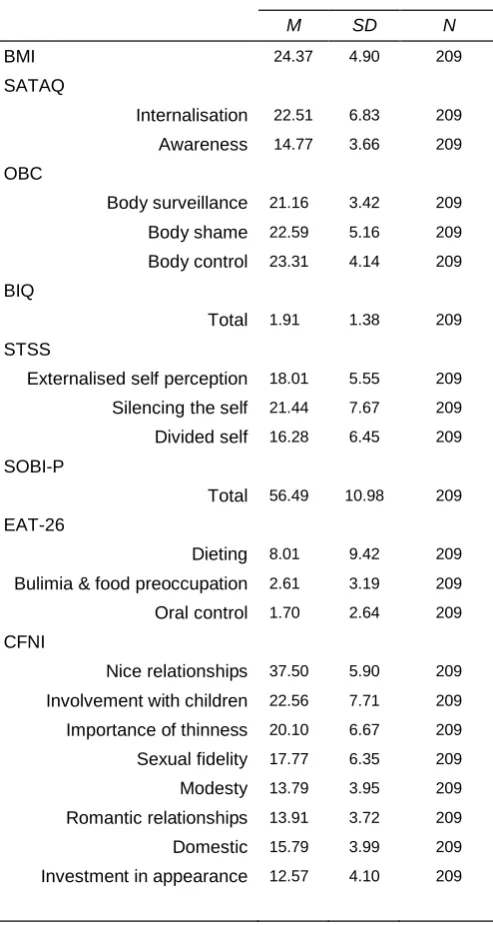
Table 3.01: Means and Standard Deviations for Factors (BMI, SATAQ, OBC, BIQ, STSS,
SOBI-P, EAT-26 & CFNI) for the Sample of 209 Women ... 41
Table 3.02: Demographic Characteristics of Participants ... 42
Table 3.03: Eating Disordered Demographics of Participants ... 42
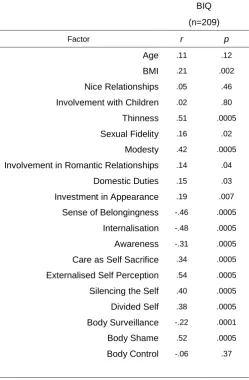
Table 3.04: Correlations between Body Dissatisfaction and Other Variables ... 43
Table 3.05: Means and Standard Deviations and Univariate ANOVA Results for BMI Groups for Body Dissatisfaction ... 44
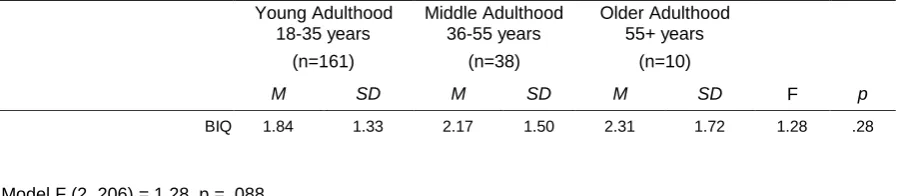
Table 3.06: Means and standard Deviations and Univariate ANOVA Results for Age Groups for Body Dissatisfaction. ... 45
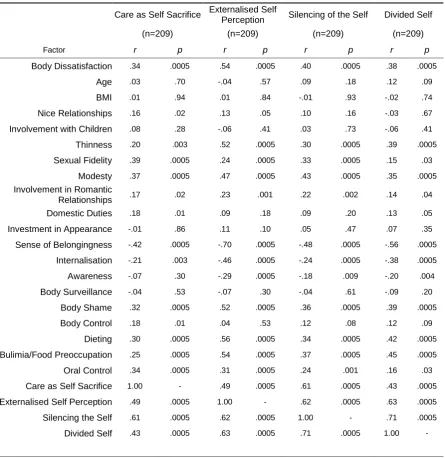
Table 3.07: Correlation Analysis of Silencing of the Self... 46
Table 3.08: Means and Standard Deviations and Univariate ANOVA Results for STSS for BMI Groups ... 48
Table 3.09: Means and Standard Deviations and Univariate ANOVA Results for STSS for Age Groups ... 48
Table 3.10: Means and Standard Deviations and Univariate ANOVA Results for Silencing for Groups Based on Report of Previous Treatment for an Eating Disorder ... 49
Table 3.11: Means, Standard Deviations and ANOVA Results for Silencing Behaviour Variables for Disturbed Eating and Non-Disturbed Eating ... 50
Table 3.12: Correlation Analysis for Eating Attitudes (EAT-26)... 51
Table 3.13: Correlation Analysis for Disturbed Eating... 53
Table 3.14: Means and Standard Deviations and Univariate ANOVA Results for Objectified Body Consciousness for Groups Based on Disturbed Eating ... 54
Table 3.15: Means and Standard Deviations and Univariate ANOVA Results for Socio-cultural Attitude Towards Appearance and Disturbed Eating ... 55
Table 3.16: Means and Standard Deviations and Univariate ANOVA Results for Sense of Belongingness and Disturbed Eating ... 56
Table 3.17: Means and Standard Deviations and Univariate ANOVA Results for Body Dissatisfaction and Disturbed Eating ... 56
Table 3.18: Means and Standard Deviations and Univariate ANOVA Results for Conformity to Feminine Norms and Disturbed Eating ... 57
Table 3.19: Means and Standard Deviations and Univariate ANOVA Results for Eating Behaviours and BMI Groups ... 58
Table 3.20: Means and Standard Deviations and Univariate ANOVA Results for Eating Behaviours and Age Groups ... 59
Table 3.21: Correlation Analysis for Objectified Body Consciousness... 60
Table 3.22: Means and Standard Deviations and Univariate ANOVA Results for Objectified Body Consciousness and BMI Groups ... 62
Table 3.23: Means and Standard Deviations and Univariate ANOVA Results for Objectified Body Consciousness and Age Groups ... 63
Table 3.24: Means and Standard Deviations and Univariate ANOVA Results for SATAQ and BMI Groups ... 63
x
Table 3.26: Means and Standard Deviations and Univariate ANOVA Results for Sense of Belongingness and BMI Groups ... 64 Table 3.27: Means and Standard Deviations and Univariate ANOVA Results for Sense of
Belongingness and Age Groups ... 65 Table 3.28: Means and Standard Deviations and Univariate ANOVA Results for Conformity to
Feminine Norms and BMI Groups ... 66 Table 3.29: Means and Standard Deviations and Univariate ANOVA Results for Conformity to Feminine Norms and Age Groups ... 67 Table 3.30: Means and Standard Deviations and Univariate ANOVA Results for BMI Levels
xi
LIST OF APPENDICES
Appendix 1: Recruitment Advertisement ... 122
Appendix 2: Participants Information Sheet ... 124
Appendix 3: Questionnaire Measures ... 127
Appendix 3A: Demographic Questions ... 127
Appendix 3B: Socio-cultural Attitude Towards Appearance (SATAQ) ... 129
Appendix 3C: Objectification and Body Consciousness (OBC) ... 131
Appendix 3D: Body Attitudes and Body Dissatisfaction (BIQ) ... 133
Appendix 3E: Silencing of the Self Scale (STSS) ... 137
Appendix 3F: Sense of Self/Belongingness (SOBI-P) ... 140
Appendix 3G: Eating Disordered Behaviour (EAT-26)... 142
1
Chapter 1: Introduction
Socialisation and the construct of gender role identification are determined by a complex interplay of biological, sociological, and psychological factors. These roles of gender identification and sense of self are often reflected through the internalisation of feminine or masculine traits which are typically influenced by family, society, and culture. In essence, objectification theory as illustrated by
Fredrickson and Roberts (1997) offers a complex account of the processes involved in women‟s emotional and behavioural responses in their desire to meet cultural
demands and expectations.
1.1. The Context of Social Environment
„The major manifestation of patriarchy is the primary image of women as good wives and mothers and objects of decorative worth‟ (Hesse-Biber, 1997, p.5).
Historically women have, and continue to exist, in a society dominated by male influence and ownership. As early as the 18th Century, it was documented that a woman was to have no legal rights as a citizen, including the right to own or bestow property, legalities, hold custody of minor children, or keep wages she had earned, „by marriage, the husband and wife are one person in the law, that is, the very being and legal existence of the woman is suspended during the marriage, or at least is
incorporated into that of her husband under whose wing, protection and cover she performs everything‟ (Blackstone, 1904, p.432 cited in Weitz, 1998). As her “protector”, a husband had a legal right to beat his wife if believed it necessary, as well as a right to her sexual services (Weitz, 1998).
2
family would be expected to pay a prospective husband to marry and “look after” their daughter. Thus, male children, in these cultures, are highly desired and expected to bring wealth into their family (Weitz, 1998).
Western laws are now in place to protect women from being “sold” and treated as objects, yet ownership of women continues to exist in some non-Western and Middle-eastern countries. While Western women are “privileged enough” to have laws to protect, promote independence and encourage equal rights, it is argued that they continue to struggle to be treated with the respect that men unwittingly receive (Ridgeway, 2001). In our culture, man is judged primarily in terms of his power, job status, ambition and dominance in his thoughts and actions; these attributes are based according to his mind rather than his body. Woman, however, is judged almost entirely according to her appearance, her attractiveness to men, and her ability to produce offspring (Faludi, 1991; Hesse-Biber, 1997).
Women have stereotypically played the role of caretaker and provider to both her husband and children. According to feminist theory (Bartky, 1990; Bordo, 1993; Gilligan, 1982; Gilligan, 1991; Piran, 2001; Piran & Cormier, 2005; Stern, 1991; Tolman, 1991), this common role and expectation to adhere to traditional feminine gender ideals has reinforced her passivity and dependence on her husband to be „taken care of‟ and provided for financially; thus fortifying the male role of dominance and protection.
Arguably, female intelligence is still not respected, or alternatively can be perceived as threatening to men‟s power and dominance. Indeed many men can often be hostile or dismissive toward females expressing their opinions. In the corporate world, women have experienced the phenomenon of tokenism, whereby even though they have been able to acquire a position, they have had difficulty in advancing to higher levels of management or power (Ridgeway, 2001). Thus, both female intellect and ambition are discounted, or they are perceived as too aggressive and unfeminine; both of which are viewed as unattractive.
Several feminist theorists (Bordo, 1993; Hesse-Biber, 1997; Ridgeway, 2001) have described the term “glass ceiling” as a transparent and yet effective barrier from enabling women to rise above a certain level with regard to equal rights in the
3
competitiveness between women and heightens the propensity for many women to pursue ideals of attractiveness in order to be successful. Thus attractiveness serves as an indirect form of power and control, by increasing women‟s odds of obtaining the protection of powerful men, more marital prospects, friendships, and higher salaries (Bordo, 1993; Hesse-Biber, 1997; Piran & Cormier, 2005; Weitz, 1998).
1.1.1. Women – The Desire to Be Desired. Essentially, women have become the object and prey of male desire. She is objectified as a mere body, that presents itself as the potential object of another‟s intentions and manipulation, rather than one of intelligence and worthiness (Young, 1990). The beautifying of the body becomes essential to achieving the normative ideal of feminine beauty and subsequent
desirability to men (Malson, 1998; Synnott, 1993).
The culture of foot binding in Ancient China was seen as a symbol of feminine beauty and represented a woman‟s only prospects in life to achieve a husband, with associated wealth and a family of her own. Hesse-Biber (1997) noted that this restricted women‟s mobility and sexuality, and ensured her captivity and submission as it was unlikely that a wife could engage in an extramarital affair when she
remained physically restricted and house-bound. Females were made dependent on their fathers, husbands, and finally their sons upon the death of the husband, for mobility and to be carried from place to place. This therefore reinforced the
disempowerment and helplessness of women, yet served the patriarchal authority of the Chinese society.
Similarly, corsets were used to transform the European woman‟s waist for which she would be aesthetically pleasing for male desire. In a period where there were no alternatives to marriage, and good husbands scarce, the pressures to conform to the submissive ideal that men demanded was enormous (Bordo, 1993; Hesse-Biber, 1997; Piran & Cormier, 2005; Weitz, 1998).
4
staggering around in women‟s clothes and high-heels, as well as nurturing plastic dolls in a maternal role. Similarly, the socialisation of adolescence and desire for peer acceptance encourages adolescents to typically spend their spare time shopping for clothes, experimenting with make-up, or at the hairdressers, enhancing their femininity and appeal (Frost, 2001).
As girls approach adulthood they become the object of sexual desire and insert themselves into the paradoxical and highly complicated set of social regulations and perceived notions of attractiveness, for which she learns that positive identity is
achieved through beauty (Frost, 2001; Hesse-Biber, 1997, McCabe & Griffiths, 2000). A common assumption of the female gender is that it is the desire of every girl to be good-looking, attractive and popular (Frost, 2001; Hemming, 1960).
Hesse-Biber (1997) suggested that if women are so busy trying to control their bodies through dieting, excessive exercise, and self-improvement activities, they lose control over other important aspects of selfhood that might challenge the status quo. Therefore while men are conquering and controlling nature and women, through achievement, intelligence, and physical strength, women become obsessed with controlling, monitoring and improving their bodies.
It is common for many women to report body dissatisfaction and complain that their thighs are too big, breasts too small, hair too thin, and/or stomach not flat “enough” (Phillips & Heining, 2002). Extensive literature in body image found that a large proportion of women and adolescents had idealized the idea that to be much thinner than their actual body weight was desirable (Kostanski, Fisher, & Gullone, 2004; Ricciardelli & McCabe, 2001; Stevens & Tiggemann, 1998). Alarmingly, children as young as five years old have internalised and reported similar levels of body dissatisfaction and a desire to lose weight, with researchers illustrating that children are well-informed and aware of the methods needed to employ and sustain weight loss (Dohnt & Tiggemann, 2005; Tiggemann & Lowes, 2002; Williamson & Delin, 2001).
Body dissatisfaction is therefore deemed pertinent for women, and
5
women have become their own inner critic and a self-policing subject bound by patriarchal obedience (Weitz, 1998).
Further literature (Lieberman, Gauvin, Bukowski, & White, 2001; McVey, Pepler, Davis, Flett, & Abdolell, 2002) has proposed that marketing, advertising and media, play a crucial role in maintaining women‟s status quo and encouraging women as primary consumers, to adopt a critical attitude toward body, self and life style. Research investigating the exposure of media on body image found that exposure of thin media images resulted in heightened levels of body dissatisfaction and distorted body image in school-age girls, adolescents and young adults (Gowers & Shore, 2001; Levine, Smolak, & Schermer, 1996; Lieberman et al., 2001; McVey et al., 2002; Rubin et al., 2004).
It has been proposed that the subsequent increase in body dissatisfaction enables advertisers to promote beauty and household products, symbolic of good wives and mothers, and reassure women of their ability to attain attractiveness, femininity, and keep hold of their partner. Hesse-Biber (1997) argued that as long as women viewed their bodies as objects, they were controllable and profitable. While women are essentially controlled by the expectations to conform to societal standards, women ironically report heightened feelings of control over their body upon achieving the thin-ideal, as well as a sense of control in their ability to „lure‟ a man through attractiveness (Gilligan, 1982; Gilligan, 1991; Piran, 2001; Piran & Cormier, 2005; Stern, 1991; Tolman, 1991).
As depicted by Fredrickson and Roberts‟ (1997) objectification theory, the objectified body and continual attempts to improve one‟s body heightens female insecurity and body dissatisfaction, where comparisons, rivalry and competition are often made with other women. Essentially, women feel they need to compete in the “attractiveness-stakes” in order to „snag‟ and „keep‟ a successful man who will provide for her (Gilligan, 1982; Piran, 2001; Piran & Cormier, 2005, Tolman, 1991). Research investigating body surveillance and the bodily comparisons made with other women revealed significantly higher levels of body dissatisfaction and body image anxiety in those women who had compared and contrasted their bodies to other women (Fredrickson & Roberts, 1997; Heinberg & Thompson, 1992; Striegal-Moore, McAvay, Rodin, 1986).
6
much older and less attractive than their counterparts. By which case, the typical “trophy wife” is often an indication of the man‟s wealth and social status, which seems to have heightened his ability to attract a beautiful woman. Women innately have internalised patriarchal standards of bodily acceptability and thus strive to follow the standards of the ideal thin body in order to reap the rewards she is likely to receive through being in the „right‟ body.
1.1.2. Femininity and Acceptance Through Conforming. Butler (1990) argued that femininity is an artifice and an achievement “we are born male or female, but not masculine or feminine”. This notion suggests that femininity is achieved through adhering to beauty practices based on societal trends that determine female attractiveness and male desirability. Thus, femininity itself is measured according to one‟s “prettiness”, body shape and size, and the way in which she presents herself through bodily gestures, postures and movement (Hesse-Biber, 1997; Malson, 1998; Spence, 1993).
Female passivity and delicacy are often viewed as highly desirable feminine traits, whereas female assertiveness and self-sufficiency are thought to be unattractive and threatening to male dominance. Gilligan (1982) and others (Jack, 1991; Piran, 2001; Piran & Cormier, 2005; Spence, 1993) assert that the gender role expectation of females requires women to fulfil care giving roles and sacrifice their own needs and sense of self, for the needs of others. The internalisation of femininity norms and associated passivity results in women silencing their own thoughts, feelings and needs in order to achieve and maintain close relationships (Jack, 1991; Piran & Cormier, 2005). She is merely a silenced object to be viewed and provide pleasure and nurturance to others.
While femininity and taking pride in her appearance is assumed to be
7
financial security. Thus the importance of achieving attractiveness and feminine ideals prove vital to most women.
Images of femininity and social body acceptability have varied over time and across cultures, as reported by Butler (1990) and others (Weitz, 1998; Frost, 2001; Hesse-Biber, 1997). This was reflected in the Victorian times and among some African cultures where resources and wealth were limited, fatness was valued over thinness, as this indicated the person had access to greater resources such as food. Thus the large body was admired and depicted as a source of wealth and plentiful food supplies.
By the end of the 19th Century, it seems that the symbolism of thinness had become strongly linked with the idea of class. The imagery of the flapper emerged in the 1920s. The flapper‟s flamboyant-style, mobility, shortened skirts, and liberated sexuality shocked those who held onto the delicacy and passivity of Victorian style. The flapper and the exuberant 1920s culture then disappeared into the void of the Depression and World War II, followed by the introduction of the large-breasted female and hourglass figure of Marilyn Monroe and Jayne Mansfield in the post-war period (Hesse-Biber, 1997; Weitz, 1998). The preoccupation with weight control, particularly among women, never really disappeared as 1940s brought about the “new-wave” thin model, followed by the extreme androgyny, almost boyish and prepubertal style, of Twiggy in the 1960s. While „curves‟ with a slender body had re-emerged in the 1980s, the „waif-like‟ image soon resurfaced in the 1990s and
continues to exist today.
The current body of fashion is thought to be taut, small breasted, narrow-hipped and of a slimness bordering on emaciation (Hesse-Biber, 1997; Saunders & Kashubeck-West, 2006; Weitz, 1998). Since ordinary women rarely measure up to such dimensions, they must diet to fit in with the ideal and unrealistic images of “normative femininity”; these trends are thus believed to be destructive to women‟s health, self esteem, and economic and social advancement within society. In spite of the unrelenting pressure to be feminine, women are then ridiculed and dismissed for their interest in such “trivial” things such as clothes, makeup and general appearance. She has merely become an object and it is difficult for her to be viewed otherwise.
1.1.3. Sexualisation and the Objectified Body.
8
the relation of women to themselves. The surveyor of women in herself is male, the surveyed female. Thus she turns herself into an object – and most particularly an object of vision: a sight (Berger, 1972, p.47).
Hesse-Biber (1997) used the analogy of a mirror that reflects the virtual image of an object placed in front of it, to describe the over-identification women have with their body parts; by which case women‟s perceptions of their image is deeply
distorted by their feelings about their bodies. For so many women whose bodies are their primary identities, the cult of thinness promises the reward of cultural acceptance and desirability.
As evidenced through the impact of menstruation, the growth of breasts, pregnancy, childbirth, and menopause, women hold a unique connection between their body, identity, and sense of self (Macdonald, 1995). This is further illustrated in the instance of a hysterectomy or mastectomy, where women often report a sense of loss of femininity and identity. Since the body is viewed as integral in the formation of a woman‟s identity and self-concept, body dissatisfaction is viewed as particularly destructive to a woman‟s self-esteem and well-being (Macdonald, 1995; Ricciardelli & McCabe, 2001).
Young women are typically taught “how to be a body”. One‟s measure of identity and self worth are largely determined by what she observes in the mirror, weighing scales, her waistband measurements, boyfriend‟s comments, and the comparison‟s she has made with her friends and other random females; a purpose which serves to increase a sense of competition and insecurity in women (Motz, 2001; Shildrick, 1997). The scrutiny and judging of other women seems almost automatic in females, and girls learn of their own place in this system. As noted by Tiggemann and Lynch (2001), girls and women come to know that they are appraised in the same way and must inevitably internalise this judgment. Focault (1997) argued that the female body becomes “unembodied”. It is constantly monitored, scrutinized for physical flaws, and objectified. By and large, the body becomes an object and site over which one can assert control over (Fredrickson & Roberts, 1997; Gilligan, 1982; Gilligan, 1991; Piran, 2001; Piran & Cormier, 2005; Stern, 1991; Tolman, 1991).
9
this context, women are defined according to their relationship with their body, and often display shame and body dissatisfaction should they not meet cultural
expectations of body acceptance and perceived „normality‟. Thus it seems that this idealised view of femininity reinforces the relentless struggle for women to attain perfection.
Theorists (Hesse-Biber, 1997; Shilling, 1994; Yoder, 1999), however, argue that while women‟s bodies attract much attention, they are merely viewed as a „body‟ necessary for procreation, one that is „over-burdened‟ in sexuality, male violence, pornography, prostitution, pregnancy, childbirth, physical and emotional stress and pressures, domination, subordination, inequality, and oppression. As such, adolescent girls often experience ambivalence and hatred toward their changing body, which transforms an innocent prepubescent child into a breasted menstruating woman whose body is often viewed as “burdensome” or as a sexualised object susceptible to male attention (Hesse-Biber, 1997; Shilling, 1994).
A study by Lee (1998) measuring the relationship between menarche and sexuality found that girls who were “well-developed” and who experienced puberty earlier were often perceived as promiscuous by others, even though they were just young girls with no active sexual relationships. Given that girls‟ bodies and sexuality are constructed as the object of male sexual discourse rather than sites of their own pleasure and desire, it has been suggested that eating disordered behaviour, restriction, and regression to a child-like, unfeminine and unsexualised body, is a means for protest and resistance against development into womanhood. This seems especially true for individuals who are not developmentally ready to engage in dating and intimate activity (Gowers and Shore, 2001; Lee, 1998; Weitz, 1998; Williams & Currie, 2000).
10
for women, especially during adolescence and young adulthood. As such, in an environment where female subjectivity is heavily identified with sexual desirability, weight and the pursuit for thinness becomes a primary definer of a woman‟s worth, self esteem and social acceptance (Macdonald, 1995; Moradi et al., 2005; Piran & Cormier, 2005; Prichard & Tiggemann, 2005; Sabik & Tylka, 2006).
The common message presented to women and young girls is that: Thin is sacred. Thin is beautiful and healthy, thin will make you happy. If you are female, thin will get you a husband. Salvation awaits those who attain the ideal body. Fat is profane. To be fat is to be ugly, weak, and slovenly; to have lost control, be lazy, and have no ambition (Hesse-Biber, 1997, p.11).
Attitudes towards obesity have been likened to racism, in that a certain set of negative assumptions are made about personal character based on an attribute of physical appearance. The moral discrepancy between slenderness and obesity equates to “good” versus “bad”; thus the meanings ascribed to one‟s weight inevitably
impinge on her confidence and sense of self. Women who fail to live up to the typical beauty standard of being slim, White, able-bodied, and pretty by whatever
contemporary version is prevalent, are therefore likely to feel pathologised,
inferiorised, and rejected (Moradi et al., 2005; Piran & Cormier, 2005; Prichard & Tiggemann, 2005).
The stigmatized individual internalises their whole self as “not good enough” which often leads to strong feelings of shame, self-hatred and self-derogation. The objectified body is likely to be viewed as “the enemy”, which may be punished
through self-harm or immersed into disciplinary actions of diet and exercise (Hoskins, 2002). Failure to meet weight-loss goals, despite dieting and exercise attempts, thus further increases one‟s sense of helplessness, dissatisfaction, and is likely to heighten emotional and psychological vulnerability to depression and psychopathology (Lee, 1998; Lowes & Tiggemann, 2003; McCabe, Ricciardelli, & Banfield, 2001).
11
1977; Gowers & Shore, 2001; Graber, Brooks-Gunn, Paikoff, & Warren, 1994) has further indicated that early-maturing girls accumulate body fat earlier and tend to be heavier than their later-maturing counterparts; findings have further suggested that early-maturing girls have poor body image, greater body dissatisfaction, and are more likely to engage in more disordered eating patterns than their later-maturing
counterparts (Gowers & Shore, 2001; Graber et al., 1994; Swarr & Richards, 1996). Interestingly, a study by Greenberg and LaPorte (1996), found that higher levels of obesity were attributed to women of lower social class and African American women. This study further revealed that obesity was significantly less stigmatized among African American women. Consistent with other studies measuring the discrepancy in disordered eating between African American women and White women (Mokdad, Serdula, & Dietz, 1999; Perkins, 1996), findings suggested that there was a greater degree of tolerance and acceptance for larger women of this culture than in White women, and furthermore, this may attribute to the lower
prevalence of eating disorders among African American women. Race differences in self-satisfaction and in perceptions of ideal weight suggest that there are race-based cultural differences in the "standards" presented and, therefore, in the development of body image and body ideals.
Given that most women‟s bodies do not meet the thin ideal, much of the beauty related advertising focuses on exploiting women‟s insecurities about their looks (Lieberman et al., 2001; McVey et al., 2002). Surgical cosmetic procedures; and food, cosmetic and weight-loss companies, have thrived on the purchases made to obtain the unobtainable goal of physical perfection. According to Maine (2000), Americans spend over $50 billion on dieting and diet-related products each year. Marketing and media images of perfect female beauty convince women they fail to “measure up”, and that independence is achieved through improvement and self-control.
12
continue to demonstrate the link between frequent media use and greater body dissatisfaction as carved in cultural ideals of femininity; so much so, that exposure to depictions of thinness within the media was found to lead to greater perceptions of distorted body image in female school aged children and adolescents.
Levine (1997) noted that the average adolescent watches 3-4 hours of
television per day; and yet in a study of 4,294 network television commercials (Myers et al., 1992), it was found that 1 out of every 3.8 commercials sent viewers some sort of message relaying the importance of attractiveness. In accordance with Levine‟s findings, these researchers estimate that the average adolescent is exposed to over 5,260 “attractiveness messages” per year in television viewing alone. Furthermore, Dohnt and Tiggemann (2006) found that girls who read fashion magazines and viewed television music clips, which are becoming increasingly more sexualised, reported greater dissatisfaction with their appearance. According to Liberty Sanger (Chair of the Ministerial Media Code of Conduct on Body Image, Final Report July 2007) much of what is depicted in the media, is a fusion of reality and fantasy, with many of the images presented having been altered or enhanced in some form, not reflecting an accurate representation of the normative female.
Families, schools and peer groups additionally reflect and amplify these societal norms. For example, children learn from a very young age that “fat” is associated with negative stereotypes and playground bullying, so much so, that 81% of 10 year old children were “afraid” of being fat as noted in research measuring children‟s dietary practices within the school playground (Mellin et al., 1991). One research study asked a group of young children to pick whom they like best from a set of pictures of several physically handicapped children plus one obese child; in each scenario, the obese child was the last to be selected (Richardson et al., 1961).
Given the internalisation of these social norms and the social prejudices associated with weight, it is alarming, yet not surprising to find that children as young as five years old had reported high levels of body dissatisfaction and a desire to lose weight (Dohnt & Tiggemann, 2005; Tiggemann & Lowe, 2002; Williamson & Delin, 2001). Furthermore, Shapiro et al. (1997) found in a sample of 8-10 year old girls, 11% had occasionally engaged in vomiting practices, and an additional 11% reported occasional usage of diet medication as a means of weight loss.
13
and no woman can do so across the entire lifespan (Gordon, 2000). Given the sanctions against those who do not meet these norms, it is not surprising that women have turned to artificial means of conforming, from makeup and corsets, to diets and plastic surgery. Weight concerns, or even obsessions, are so common among women and girls that they escape notice. The self-policing, comparisons, and criticisms of women‟s bodies are a pervasive part of the female culture and means of collective engagement that women share with one another (Grogan, 1999). Dieting is not
considered abnormal behaviour, even among women who are not overweight, yet only a thin line separates “normal” dieting from an eating disorder.
Medical research has indicated that many people who complete a commercial diet will regain one-third of their lost weight after one year, with the likelihood of retrieving all lost weight within three to five years (Halcomb, Heim, & Loughin, 2004). It is theorised that one‟s body weight is regulated by a biologic set point system in the hypothalamus that maintains a particular weight through sustaining energy balance and food consumption at a specific level. Traditional restrictive diets often fail because the lowering of food intake sets off a “starvation reaction” which triggers a decrease in the basal metabolic rate and overall activity level. Thus research indicates that weight loss is best determined through aerobic exercise, whereby the basal metabolic rate is elevated, and changes within the composition of food intake rather than overall restriction through dieting (Halcomb et al., 2004; Gowers & Shore, 2001).
Cosmetic surgery and media-related “make-over” shows impress consumers as enhancing one‟s life through cosmetic appearance, and the assumption of “undoing” the poor self-concept, psychological and emotional abuse, one may have encountered through bullying and social exclusion. The literature has shown that many consumers of cosmetic surgery undertake the surgery as a means to combat body dissatisfaction and obtain social acceptance by meeting social expectations (Crerand, Infield, & Sarwer, 2007; Frost, 2001; Simis, Verhulst & Koot, 2001). For example, Frost (2001) reported that Jewish women requested nose reductions in order to “pass” as one of their Aryan sisters who form the dominant ethnic group.
Similarly, adolescent Asian girls demanded “westernizing” of their own eyes and the creation of higher noses in the hope of securing better job and marital
14
of these instances was not merely a beautiful construction of face and body, rather it reflected the extensive level women would reach in their attempt to achieve „White, Western, Anglo-Saxon bodies in a racist, anti-Semitic context‟.
In a patriarchal society where inequality still exists between men and women, women obtain status and a sense of control through adhering to the internalised practices of femininity and attractiveness. The objectification of women‟s bodies and the value placed on thinness, inevitably results in heightened levels of body
dissatisfaction, dieting behaviour and maladaptive eating as a means to achieve social acceptance and desirability through one‟s bodily appearance.
1.2. Eating Disorders
1.2.1. Manipulating the Object. In a society still largely controlled by men, where women must compete in the sexual, academic, and occupational realms,
women‟s bodies offer them an outlet in which they can attain some sense of culturally approved control over their environment (Brown & Jasper, 1993; Chernin, 1986; Piran, 2001; Weitz, 1998). As such, the body becomes an object. It becomes a disciplinary project of transformation in order to achieve a slender physique which is representative of achievement, success, happiness and power.
Gordon (2000) suggested that eating disorders were ultimately a sexual
political protest, wherein the issue of controlling the female body and conformation to prevailing standards of beauty, were a magnified reflection of the much more
pervasive conflicts surrounding the female role and position in Western culture. As argued by Gilligan (1982), in a society where assertiveness and aggression are deemed unattractive and unfeminine, the “loss of voice” becomes pertinent in the eating disordered individual (Gilligan, 1982; Jack, 1991). Control becomes internalised through self-surveillance and policing, and one‟s rage and innermost feelings are expressed “socially appropriately” through appetite (or loss of appetite). Expressions of one‟s feelings are suppressed and manipulated through deprivation, rejection and starvation of the body. The female takes on a passive-aggressive masochistic relationship with herself wherein she engages in a process of ongoing abuse, punishment and self-hatred of her body and self.
15
daughter of a Portuguese king, starved herself when confronted with the prospect of marriage to a brutal king of Sicily. As a consequence of her resulting emaciation, the marriage arrangement was broken off by the suitor; however her father subsequently had her crucified. Gordon (2002) contrasted the parallel underpinnings of eating disorders to hysteria. He noted that both illnesses were considered „expressions, appropriate to their own times, of the dilemmas of female identity, in a cultural climate in which the female role is ambiguously defined and still limited by institutionalized male control‟ (p.97).
In a culture where thinness of women is depicted as being of most importance, women may experience additional stress in efforts at dieting, given their greater biological propensity towards adiposity. Consistent with research findings (Kenardy et al., 2001; O‟Dea & Abraham, 2000; Patton et al., 1997; Stice, Mazotti, Krebs, & Martin, 1998) dieting was viewed as the second greatest risk factor of the
development of an eating disorder; dissatisfaction with one‟s body size and shape being the first.
The research has shown that adolescent girls who diet on a moderate basis were five times more likely to develop an eating disorder in contrast to their non-dieting counterparts (Patton, 1999). Those who dieted on a more severe basis were deemed 18 times more likely to develop an eating disorder (Patton, 1999). This information is of high concern given that dieting is such normative behaviour in our society. For example, one Australian study measuring weight loss behaviour in adolescents aged 11-15 years found that 16% of girls and 7% of boys had reported having already employed at least one potentially dangerous method of weight reduction, including starvation, vomiting and laxative abuse (Dohnt & Tiggemann, 2005; Tiggemann & Lowes, 2002). Furthermore, 25% of 7-10 year old children have reportedly engaged in dieting behaviour as a means of weight reduction (Schur, Sanders, & Steiner, 2000).
16
College environments were suggested to be a “breeding ground” for weight obsessions and the development of disordered eating given the amplification of the socio-cultural pressures, competition, and solidarity among female college students within the “semi-closed” college environment; particularly since the transition period from adolescence to young adulthood can raise additional challenges in responsibility, independence, self-concept issues (Grogan, 1999).
Furthermore, college environments often serve the middle-high socio-economic population, a group that places a high premium on thinness in women (Fallon & Rozin, 1985; Grogan, 1999; Lindberg & Hjern, 2003). The importance of physical appearance in dating, and binge-eating patterns associated with stress and studying, were also considered to be contributing factors to weight preoccupation and eating disordered behaviour (Fallon & Rozin, 1985; Green & Pritchard, 2003; Hesse-Biber, 1997). Thus disciplinary projects such as dieting, exercising, and food
restriction are means of internalised control adopted by women to combat body dissatisfaction.
1.2.2. Thinness, a Body Worth Dying for. Anorexia nervosa, the “nervous
loss of appetite”, is better characterized by the German term Pubertatsmagersucht, which translates to “mania for leanness”, essentially a thinness addiction (Gordon, 2000). Anorexia nervosa, typically signified by the refusal to maintain minimum body weight expected for age and height, the intense fear of gaining weight or becoming fat, amenorrhea (the absence of menstrual cycle for at least 3 months in post-menarche), denial, and the distorted perception of one‟s own body image; occurs predominantly in White Western females of middle-high social class with peak ages of onset at 14-18 years (APA, 2000).
17
The risk of successful suicide has been suggested to be 32 times more likely within an anorexia population than their counterparts (Steiner & Lock, 1998).
According to Lowe et al. (2001) approximately 50% of people who develop anorexia nervosa will return to a normal body weight within 6 months of treatment, 25% will have a low but stable weight, and the remaining 25% will be chronically ill with the condition or die. Given the increased risk of death associated with chronicity and duration, early intervention and awareness is considered to be a priority.
Anorexia nervosa often begins with an innocuous decision to diet, rarely with the intent and determination to starve oneself. As noted in the literature (Keel & Klump, 2003; Hermes & Keel, 2003; Stice, 2002; Thompson, Heinberg, Altabe, & Tantleff-Dunn, 1999, Treasure, 1997) the typical patient with anorexia feels an overall sense of ineffectiveness; a feeling that one‟s actions, thoughts, and feelings do not actively originate within the self but rather are passive reflections of external expectations and demands.
As reported by Bruch (1974), these young women often speak of being a sense of “nothing”, an inactive agent in control of one‟s destiny. Given her poor
self-concept and developmental vulnerabilities, dieting begins to yield a particularly powerful sense of control; internally, it provides a sense of mastery and euphoria to a person who formerly felt weak, depressed and empty; externally, in a culture that values thinness, achievement of a thin body shape represents significant triumph. The manipulative power of her symptoms and thus the refusal of food evoke a powerful and helpless response in family and friends; she has made an assertion of her presence that no longer can be ignored (Gordon, 2000, Thompson et al., 1999). Despite the social and psychological reinforcements of the illness, the physiological effects resulting from starvation are further likely to lock the individual with anorexia into her emaciated and malnourished state (Gordon, 2000).
18
regimes, dieting, calorie counting, and with the sight of her own image in the mirror (Gordon, 2000; Steiner & Lock, 1998).
Despite initial ravenous hunger and intense suffering from starvation, her determination to resist food temptations reasserts her sense of power and self-control. Her body has become an externalised manipulated object, a site for which she
unleashes her rage through deprivation and harm; she becomes “cut-off” from her emotions and is unable to identify internal feelings and needs, particularly hunger; she is incapable of nurturing or nourishing herself (Bruch, 1974; Frost, 2001; Gordon, 2000; Saunders & Kashubeck-West, 2006).
The fierce struggle for self control and a sense of power in anorexia nervosa is often rooted in one‟s profound sense of powerlessness. This powerlessness is often an indication of the power imbalance within the family dynamics which results in the child being unable to independently assert herself, leading to such radical measures of self control in adolescence or later (Gordon, 2000; Palazzoli et al., 1989; Saunders & Kashubeck-West, 2006). Saunders and Kashubeck-West (2006) hypothesised that anorexia may be more common in females with regard to social ideology about sex roles. Several researchers (Bruch, 1981; Gilligan, 1991; Piran, 2001; Piran & Cormier, 2005; Snyder & Hasbrouck, 1996; Tolman, 1991) have argued that girls continue to be subjected to a much greater degree of parental control than boys, are more eager to please, and are encouraged less than boys to develop self-initiated and autonomous behaviours.
One popular conceptual perspective of anorexia has been that it reflects an excessive “enmeshed” relationship between the individual and her mother, whereby fear exists around individuality, and the family has an inability to express conflicts and differences (Frost, 2001; Jack, 1991). The mother is thought to “over-identify” with her daughter as a compensation for the unarticulated disappointment in her marital relationship (Byely, Archibald, Graber, & Brooks-Gunn, 2000; Gordon, 2000; Grigg et al., 1996; Swarr & Richards, 1996). Gordon (2000) asserted that the child who develops anorexic symptoms becomes “triangulated” into the parents‟
19
1.2.3. Beyond Anorexia. Unlike individuals with anorexia, a significant number of whom are sexually avoidant and inexperienced, most patients with bulimia have a history of active sexual involvement and are oriented to pleasing men (Frost, 2001). It has been argued that sufferers of bulimia tend to have intense ambivalent relationships with their fathers, whereby the father is admired and idealized, and has generally set high standards of intellectual or professional achievement for his daughter. In view of her desire to please, she is often highly sensitive to male criticism and rejection, and her relationships with men are commonly turbulent
(Gordon, 2000; Wooley & Wooley, 1986). Wooley and Wooley (1986) proposed that bulimic sufferers reject what they see as their mother‟s traditionalism and lack of assertiveness, in hope to achieve their father‟s perceived power.
Similarly to patients with anorexia, sufferers of bulimia typically struggle to solve their concerns of a conflicting identity, and are consequently torn between integrating ambition and a need to be powerful with an identity based on pleasing, compliance, and unassertiveness. The fluctuation between being overweight and underweight in bulimia has been suggested to embody the ambivalence and instability that surrounds gender and identity issues (Wooley & Wooley, 1986). Thinness is therefore symbolic of male power, control and competence, yet nurturing, submissive and pleasing to men. Fatness, however, is viewed as repulsive and a means of
feminine weakness (Gilligan, 1982; Gordon, 2000; Wooley & Wooley, 1986). A struggle of obesity is often evident in the family histories of bulimic patients whereby the avoidance of fatness is often a means of achieving a unique identity away from that of another family member (Brown & Jasper, 1993). Overeating is
20
Bulimia is thought to be 4 or 5 times more common than anorexia, yet is much more difficult to detect, given the secretiveness of their gorge-and-purge episodes and the discrete fluctuation in weight (APA, 2000; Kenardy et al., 2001). Bulimia is reported to be prevalent within 5 in 100 cases, yet the actual incidence within a student population is estimated to be as high as 1 in 5 cases (Kenardy et al., 2001). Since there is generally no significant amount of weight loss at any one time, bulimia can often be hidden for 8-10 years; the chronicity often resulting in serious medical and psychological consequences (Kenardy et al., 2001; Patton, Selzer, Coffey, Carlin, & Wolfe, 1999). According to a study of 3000 Australian women in South Australia, purging behaviours were found to be most common in the 35-44 age group of the sample, indicative that 77% of those with bulimia or binge eating disorder were aged 25 years and over (Clayer, McFarlabe, Bookless, Air, Wright, & Czechowicz, 1995).
1.3. Disordered Eating and Identity
Eating disorders are considered to be indicative symptoms of the social
pressures that women have internalised as „normative‟ within modern Western society (Gilligan, 1991; Piran & Cormier, 2005; Powell, 2004; Stern, 1991; Tolman, 1991). Acceptable practices, behaviours and knowledge of social awareness are learnt through direct interaction with one‟s social environment and modified accordingly to acceptable and desirable practices. Identity construction is believed to develop according to the perception of how one “fits in” and is perceived by others in the interaction with her environment.
Individuals are thus often concerned by their sense of belongingness and how readily they are accepted by others and their environment (Hagerty, Lynch-Sauer, Patusky, Bouwsema, & Collier, 1992). It has been argued that women, in particular, are overly concerned by how they present and how they are perceived by others (Beck, 1999; Piran & Cormier, 2005). In essence, the perception derived from others gives one a sense of where they “fit in” on the spectrum of acceptance and
belongingness within society, which in turn, provides one with a sense of identity (Gilligan, 1982; Tolman, 1991).
21
platform of a person where all of one‟s experiences build upon this basic sense of self and contribute to a person‟s self-esteem and confidence.
Identity formation is believed to begin as early as 2 years of age. This is the stage at which the child makes his/her first attempts to individuate, to separate from their primary caretaker, as a means to form their own personalities. This step is typically determined by the degree of secure attachment between mother and child, and the process of forming a self or thinking of self as separate from the primary caretaker becomes imperative to the development of one‟s identity and self-esteem. The child‟s self esteem is thus believed to be built upon the individual‟s achievements and accomplishments, which enhances their sense of identity and place within society.
Adolescence is deemed a pivotal point for identity development. It is a time when the adolescent further individuates from their family, and moves from being a child secondary to young adult. The adolescent is confronted with greater social expectations, responsibilities and further gender-specific identities; this stage is deemed particularly stressful for the adolescent girl as she moves from the identity of an innocent child to a sexualised object, following the physical changes of puberty. In addition, adolescents are faced with further demands to discover “who they are”, define their interests, personalities, and future ambitions in order to determine their place in life (Santrock, 2001). Consistent with Erikson theory (1959; 1963), the decisions, adjustments and conflicts experienced at this point are considered crucial to adult identity formation, whereby the major task of this period is to achieve autonomy and further separation and individuation from parental dependence.
The process of individuation and separation of adolescence is often met with conflict and power struggles between the adolescent‟s urge for independence and the parent‟s need to maintain authority. Girls are often met with ambivalence in their desire to individuate and separate from their mothers; in one instance she tries to remain close and connected with her mother, in another instance, she is conflicted by her desire to “break away” and form her own identity at the risk of losing her
mother‟s support. While this process is similarly difficult for boys, Powell (2004) hypothesised that the separation process may be easier and less complex for boys since the gender of the primary caretaker is usually different.
22
new roles and assume challenging responsibilities, they may never face their conflicts to develop individuation and heighten self esteem and identity formation. Peer relationships and a sense of belongingness within societal groups were further identified as crucial means which support adolescents with separation and
individuation from their families to enhance identity and self-worth (Powell, 2004; Santrock, 2001).
Bruch (1985) argued that the origin of disordered eating in anorexic girls was resultant from a deficit in one‟s sense of self. Literature in eating disorders (Crago, Shisslak, & Ruble, 2001; Polivy & Herman, 1999) confirmed these suggestions, having revealed that individuals with a poor sense of self and low self esteem, have greater levels of body dissatisfaction, and are more vulnerable to the pressures of thinness and maladaptive eating behaviours in an attempt to gain social acceptance (Bardone, Perez, Abramson, & Joiner, 2003; Stice, Schupak-Neuberg, Shaw, & Stein, 1994). Further, a longitudinal study measuring the impact of self-esteem and
disordered eating, found that girls aged between 11 and 12 years with low self-esteem were eight times more likely to develop maladaptive eating by mid adolescence (Button, Loan, Davies, & Sonuga-Barke, 1997; Button, Sonuga-Barke, Davies, & Thompson, 1996).
1.3.2. Adolescence: Child to Sexual Object. Adolescence is the most critical period of identity formation. It is a period reported to reflect much ambivalence within the individual as they strive to accommodate social roles and cultural
expectations (Erikson, 1963). The female child ripens from an autonomous individual to a sexualised object following puberty. She is then subjected to all the demands of female attractiveness.
As such, others (Gilligan, 1991; Gordon, 2000; Powell, 2004; Piran & Cormier, 2005; Tolman, 1991) have proposed that the development of anorexia nervosa is a radical avoidance and withdrawal from the implications of sexuality, female identity and expectations. The resulting effect: a male-like prepubescent body with no visible breasts, curves, and the absence of one‟s menstrual cycle; through her shape, the individual with anorexia makes a „powerful statement of rejection of gender expectations, in effect, “I have sharp contours, I am not soft, I do not merge with you. I have nothing to give you‟ (Gordon, 2000, p.119).
23
levels of body dissatisfaction as a significant deviation emerges between the prepubescent and pubescent body. Studies have found that having a higher body mass index than one‟s perceived ideal is associated with greater levels of body image dissatisfaction, and thus dieting behaviour and maladaptive eating practices are likely to be initiated as a means of weight loss and an attempt to attain the thin-ideal (Attie & Brooks-Gunn, 1989; Gowers & Shore, 2001; Taylor & Altman, 1997; Vincent & McCabe, 2000).
1.3.3. Gender Identity Roles. Gender, a socially constructed concept, is governed by multiple sets of socially shared beliefs, meanings, and dominant norms, namely social discourses, which originate from powerful cultural and political associations (Fox, 1997). Social critical theorists (e.g., Brown et al., 2000; Hyde, 2000) have argued that the construction of women has typically served the social, political, and economic interests of a patriarchal culture. In this instance, social expectations have traditionally reinforced stereotypes and gender roles of masculinity and femininity. Brown et al. (2000) identified men as being perceived as typically more rational, competitive, and emotionally independent; whereas women were likely to be viewed as weaker, more emotional, nurturing, and destined for domestic and caretaking functions.
With regard to identity formation, the adolescent is thrusted into a culture whereby new challenges, expectations and responsibilities are believed to form the basis of their new identity. The female adolescent is typically forced to forfeit her already well-established sense of self and identity for an ambiguous and hesitant identity of womanhood. Femininity and masculinity issues become pertinent to adolescent development as the adolescent seeks to identify with his or her stereotyped gender role; should the female adolescent conform to cultural and gender role ideals and expectations, she will achieve membership and be accepted by peers. In essence, group membership will grant her with an identity and a sense of belonging.
24
Similarly, Hoskins (2002) argued that by the time a female child had reached adolescence, she had already internalised through her home life, school, and the media. Consequently she “knew” that worthiness was achieved through sensitivity, dependence, vulnerability, and compliance; all traits of which perpetuate the norms, rules, and expectations of Western patriarchal society.
Within the current climate of our society, as a consequence of changes to the rhetoric of social equality, females are continually confronted with contradictory messages of independence and strength vis a vis compliance and vulnerability. This duality of messages consequently poses challenges to identity formation as young females are required to decipher between conforming to cultural expectations and resisting such impossible standards. To resist, however, and speak against the norm, is considered unfeminine-like and would entail risking one‟s status within group membership. Thus it is inevitable that passivity and silencing oneself reinforces the behaviour of this unjust social discourse. As such, Gilligan (1982) theorised that girls and women are pressurized into silencing their thoughts, feelings, and needs in order to achieve and maintain close relationships. Furthermore Jack (1991) argued that women are not only expected to play a caregiver role to others, but are expected to put the needs of others before their own.
The silencing of needs and feelings by adolescent and adult women have shown to be detrimental to girls‟ and women‟s well-being, whereby the internalisation and compliance of such socialised practices are often manifested through depressive symptoms and eating disordered behaviour (Jack & Dill, 1992; Piran & Cormier, 2005). Piran and Cormier (2005) argued that self-silencing forces women to cope with a host of negative feelings, which inevitably impinge upon their self esteem, body esteem and sense of self, as well as disempowering women and minimising their social support.
Piran and Cormier (2005) suggested that it is culturally appropriate for the angry or sad woman to suppress her feelings in a tub of ice-cream or forbidden food yet not permissible to verbally express such feelings, after all, “nice girls do not get angry” (Bordo, 1993). These embodied cultural norms and the portrayal of one‟s feelings through restriction and purging practices are thus problematic for those with eating disorders.
25
success, wealth and lure the attention of men through an objectified gaze dependent on its attractiveness. Since thinness is internalised as desirable and attractive, most women aspire to achieve “thinness” irrespective of its attainability. At any point in time, approximately 45-60% of girls and young women attempt to lose weight via exercise, restriction and diet regimes, as a means to fit in with the “norm” and combat body dissatisfaction (O‟Dea & Abraham, 2000). These findings have been mirrored in children and illustrated by Shapiro et al. (1997) where it was found that 13% of girls between 8-9 years of age reported “always” being on a diet, while 29% reported occasionally skipping meals, as a means of weight loss.
The extensive literature available (Attie & Brooks-Gunn, 1989; Byely et al., 2000; Fairburn et al., 2003; Joiner & Kashubeck, 1996; Kelly, Ricciardelli, & Clarke, 1997; Lawrence & Thelen, 1995; McVey et al., 2002; Stice, 2002) indicates that female gender and weight concerns are important risk factors for the development of eating disorders in adolescence. Specifically, an internalised thin-ideal and associated body dissatisfaction in girls has been found to significantly increase the risk of
dieting, depressive symptomatology and eating disordered behaviour (McCabe et al., 2001). Moreover, the over-evaluation of weight and shape, body dissatisfaction, history of childhood obesity and internalisation of the thin ideal have been reported as precipitating factors in the maintenance of bulimia nervosa (Fairburn et al., 2003; McVey et al., 2002; Stice, 2002).
While body dissatisfaction is not the sole precipitating factor for the onset of an eating disorder, Hoskins (2002) identified the “not good enough” syndrome perpetuated by the media and advertising, as detrimental to the way in which females identify and feel toward their physical appearance. While it can be argued that television has been around since the early fifties, the viewing content has undergone dramatic shifts whereby sexuality is portrayed and marketed explicitly. These graphic portrayals of sexuality arguably affect the self esteem and body identification of women, whereby comparisons are made with unrealistic and unachievable body ideals. This in turn fosters feelings of inadequacy and the body is thus objectified and reframed into a “personal improvement project” (Hoskins, 2002).
26
images however, Becker found that these girls began to re-evaluate themselves, body dissatisfaction had increased, and body monitoring and dieting practices were adhered to (Becker, 1999). Consistent with these findings, experimental research (Gowers & Shore, 2001; Groesz, Levine, & Murnen, 2002; Levine et al., 1996) have confirmed that exposure to thin media images served to enhance body dissatisfaction and disordered eating behaviour, particularly among young adolescents.
Undeniably, the more a woman‟s sense of self is based upon her body and attractiveness, the greater she is likely to engage in persecutory self-criticism, have heightened levels of body dissatisfaction, and attempt weight loss means of “self-improvement”. Improving oneself is within itself suggestive of being flawed, in need of “fixing” and is indicative of one‟s poor sense of self. In a study measuring gender role identification in terms of eating disordered behaviour, Snyder and Hasbrouck (1996) found that those women who identified greater with feminist values were less concerned about their thinness, less dissatisfied with their body weight, had fewer bulimic tendencies, and fewer feelings of ineffectiveness in contrast to those who conformed to societal pressures to achieve thinness.
Snyder and Hasbrouck‟s study, however, had given a limited representation of the objectified woman in terms of eating disordered behaviour as the sample was restricted to middle-class college-educated White women between the ages of 17-22 years of age. In a similar study measuring feminist identity in terms of body
dissatisfaction, Saunders and Kashubeck-West (2006) found that those women who adhered to a feminist ideology were more likely to have a positive or healthy body image.
Research (Cash, Winstead, & Janda, 1986; Grogan, 1999; Hetherington & Burnett, 1994; Paxton & Phythian, 1998; Tiggemann, 2004) has shown that women‟s desire to be thinner does not differ across age, nor does evaluation of appearance and preoccupation with being overweight. In fact, these researchers found that women‟s dissatisfaction with their bodies appears remarkably stable across the life span (Grogan, 1999).
27
treatments, face lifts and plastic surgery are just some means employed by women to combat the physical signs of aging (Sarwer, Magee, & Clark, 2004).
As noted by Sarwer et al. (2004), a high correlation exists between youthful appearance and facial attractiveness. Unlike men‟s rating of masculinity which remain stable across the lifespan, findings suggest that women are rated less attractive and less feminine with age (Sarwer et al., 2004). Since attractiveness is integral to a woman‟s identity, it can be understood why women may engage in cosmetic surgery and anti-aging procedures/products as a means to sustain a youthful looking
appearance, and prolong female identity and associated attractiveness.
Hoskins (2002) argued that the distinction between what is considered “natural” and authentic has been blurred. Embodiment has obtained a new literal meaning in which increasing numbers of women, young and old, are undergoing cosmetic surgery as a means to reshape one‟s identity through the reshaping of one‟s physical body. Breast implantation for cosmetic reasoning, is a prime example of how women have contributed to the sexual objectification of their bodies whereby they seek the attention of male gaze.
Research in cosmetic surgery and breast augmentation (Crerand, Infield, & Sarwer, 2007; Sarwer et al., 2004) revealed that approximately 330,000 breast
augmentation procedures were completed in the United States in 2006, resulting in an increase of 55% in breast surgical procedures since 2000, and more than 900% since 1992. These findings confirmed that body image dissatisfaction was the primary reason for cosmetic surgery, with body image dissatisfaction being highest in those patients seeking breast augmentation (Pertschuk, Sarwer, Wadden, & Whitaker, 1998; Simis et al., 2001).
Research in breast augmentation suggests that women with breast implantations engage in more sexualised behaviour than women without breast implants, further, these women have been identified as having a lower than average body weight raising concern for potential eating pathology within this population group (Brinton et al., 2000; Cook et al., 1997; Didie & Sarwer, 2003; as cited in Crerand et al., 2007). Longitudinal research showed that women with breast implantations required greater outpatient psychotherapy services,