PCOM Psychology Dissertations Student Dissertations, Theses and Papers
2014
Attention-Deficit Hyperactivity Disorder: Teachers'
Perceptions and Acceptability of Interventions
Betti Stanco Vitanza
Philadelphia College of Osteopathic Medicine, [email protected]
Follow this and additional works at:http://digitalcommons.pcom.edu/psychology_dissertations Part of theSchool Psychology Commons
This Dissertation is brought to you for free and open access by the Student Dissertations, Theses and Papers at DigitalCommons@PCOM. It has been accepted for inclusion in PCOM Psychology Dissertations by an authorized administrator of DigitalCommons@PCOM. For more information, please [email protected].
Recommended Citation
Vitanza, Betti Stanco, "Attention-Deficit Hyperactivity Disorder: Teachers' Perceptions and Acceptability of Interventions" (2014).
Philadelphia College of Osteopathic Medicine Department of Psychology
ATTENTION-DEFICIT HYPERACTIVITY DISORDER:
TEACHERS’ PERCEPTIONS AND ACCEPTABILITY OF INTERVENTIONS
Betti Stanco Vitanza
Submitted in Partial Fulfillment of the Requirements for the Degree of Doctor of Psychology
Dissertation Approval
This is to certifY that the thesis presented to us by Betti Stanco Vitanza
on the Second day of June, 2014, in partial fulfillment of the requirements for the degree of Doctor of Psychology, has been examined and is acceptable in both scholarship and literary quality.
Committee Members' Signatures: Kate Tresco, PhD, Chairperson George McCloskey, PhD
Jill Henriksen, PsyD
Acknowledgements
I would like to thank the following people for their guidance and support:
My esteemed Committee members: Dr. Kate Tresco, Dr. George McCloskey, and Dr. Jill Henriksen. Thank you for your mentorship throughout the years. Your accomplishments have inspired me and provided me with a vision that has helped me achieve my goals. My Cohort: Thank you, Trish, for being so helpful. You are a wonderful friend. My loving family: Mom, Dad, AJ, Roland, and Gigi. Thank you for your unconditional love, support, and patience.
Abstract
The purpose of this study was to examine elementary and middle school teachers’ perceptions of attention deficit/ hyperactivity disorder (ADHD) and acceptability of interventions commonly used in the treatment of ADHD. Eighty-one teachers from three elementary schools and one middle school participated in this study by completing an online survey containing the Perception of Attention Deficit Disorder Survey (PADDS) and Intervention Acceptability Survey (IAS). Results indicate that teachers feel
adequately trained on the topic of ADHD and feel confident when implementing
interventions for students with ADHD; however, teachers would like to receive additional in-service training on the topic of ADHD. Teachers perceive students with hyperactive-impulsive symptoms of ADHD to be more difficult to manage in comparison to students with predominantly inattentive symptoms of ADHD. Medication and positive
behavioral interventions were viewed as equally favorable in the treatment of the inattentive symptoms of ADHD by teachers; however, medication was rated more favorably in the treatment of the combined (inattentive and hyperactive-impulsive) symptoms of ADHD. Large class size and lack of staff support were identified as barriers in intervention implementation, with large class size being identified as the greatest barrier. Based on this information, school psychologists and other service providers who suggest interventions for teachers to use for students with ADHD need to consider the factors that contribute to teachers’ perceptions and acceptability of
Table of Contents
List of Tables ... Error! Bookmark not defined.i
Chapter 1: Introduction ... 1
Statement of the Problem ... 2
Purpose of the Study ... 4
Research Questions ... 6
Chapter 2: Review of the Literature ... 7
Possible Cuases of ADHD ... 7
Diagnostic Criteria of ADHD ... 9
Difficulties Associated with ADHD ... 12
Interventions for ADHD ... 19
Multicultural Issues in the Treatment of ADHD ... 42
Teachers’ Perceptions of ADHD ... 44
Treatment Acceptability... 52
Hypotheses ... 58
Chapter 3: Method ... 60
Participants and Procedures ... 60
Measures and Materials ... 63
Chapter 4: Results ... 66
Hypothesis 1... 66
Hypothesis 2... 69
Hypothesis 3... 76
Hypothesis 5... 78 Hypothesis 6... 84 Hypothesis 7... 89 Chapter 5: Discussion ... 92 Research Question 1 ... 92 Research Question 2 ... 93 Research Question 3 ... 93 Research Question 4 ... 94 Research Question 5 ... 95 Research Question 6 ... 96 Research Question 7 ... 96 Implications... 97 Limitations ... 99 Future Directions ... 101 References ... 103
Appendix A: Survey Packet ... 117
Appendix B: Perception of Attention Deficit Disorder Survey (PADDS) ... 118
Appendix C: Vignettes ... 120
Appendix D: Intervention Acceptability Survey (IAS) ... 121
List of Tables
Table 1 Respondent Demographic Characteristics..……….61
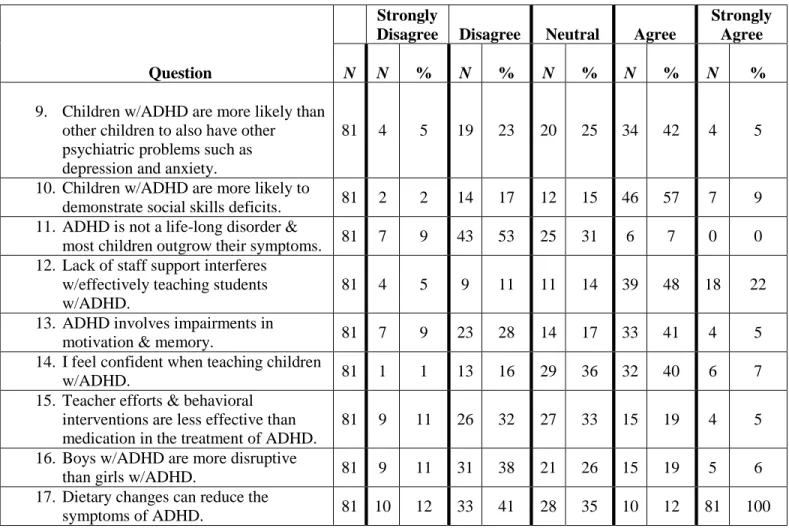
Table 2 PADDS Responses and Resposnse Rates………... 67
Table 3 Intervention Acceptability Survey Item Responses - Barriers………71
Table 4 Respondents’ Experiences with ADHD Training………77
Table 5 Results for Item 10 on the Intervention Acceptability Survey and Means and Standard Deviations………...80
Table 6 Significant Correlations for Teacher Characteristics ………. …83
Table 7 Teachers’ Ratings of Acceptability of Interventions……….. ....85
Table 8 Intervention Acceptability Survey Responses Across Vignettes………86
Table 9 Means, Standard Deviations, and Total N for Intervention Acceptability (Item 11) as a Function of Vignette…………...………..……..90
Chapter 1: Introduction
Attention deficit hyperactivity disorder (ADHD) is the most common neurobehavioral disorder in children and is characterized by developmentally inappropriate levels of inattention and hyperactivity resulting in functional impairment in multiple settings, such as school and home (American Psychiatric Association, 2013). Approximately 3% to 10% of school-aged children have received a medical diagnosis of ADHD, implying that at least one child in an average- sized classroom will have the disorder, which occurs more frequently in boys (13.2%) than girls (5.6%); (Centers for Disease Control [CDC], 2010). ADHD is typically first diagnosed in childhood; however, it is considered a chronic condition that may last into adulthood. Children with ADHD usually have difficulty paying attention and controlling impulsive behaviors or may be overly active (5th ed., DSM-5; American Psychiatric Association, 2013).
There are three different types of ADHD, depending on which symptoms are most prevalent in the individual (5th ed., DSM-5; American Psychiatric Association). Individuals with a Predominantly Inattentive Presentation of ADHD may have difficulty paying attention to details, organizing and finishing tasks tasks, or following instructions. Those with a Predominantly Hyperactive-Impulsive Presentation may fidget and talk excessively, feel restless, interrupt others, grab things from others, and have difficulty waiting their turn and remaining seated. In a Combined Presentation of ADHD, symptoms of the previously mentioned two types are equally present in the individual.
Statement of the Problem
ADHD is characterized by clinical impairment in attention, activity level, and impulse control that can cause social, behavioral, and academic problems in school (Barkley, 2006). Indications of ADHD are most prominent during the elementary grades and have strong implications for academic functioning (Raggi & Chronis, 2006). Children with ADHD may exhibit a variety of school-related problems, such as difficulty following directions, listening to classroom instruction, completing assignments, and remaining seated (DuPaul & Stoner, 2003). ADHD is often comorbid with other disorders that cause additional learning and psychosocial
difficulties (Hall & Gushee, 2000). More specifically, children with ADHD may also experience specific learning disabilities, conduct disorder, oppositional defiant
disorder, anxiety, and depression (Barkley, 1997). Children with ADHD may also demonstrate poor peer relations, which may be accompanied by other associated problems, such as low self-esteem, that may further impact academic performance (Barkley, 2006). ADHD behavior puts children at risk for educational failure, developing substance use disorders, poor vocational experience, peer rejection, oppositional behavior, and delinquency (DuPaul & Eckert, 1997).
Although ADHD is typically identified during childhood, symptoms that persist through adolescence and adulthood represent a major mental- health problem, with approximately 1 to 2 million American adults affected by this disorder (Wiggins, Singh, Getz, & Hutchins, 1999). The number of children diagnosed with ADHD is likely to continue to increase, as data from the Centers for Disease Control indicate a steady increase over the last decade (CDC, 2010). The most current data suggest that
an estimated 6.4 million American children aged 4 through 17years have received an ADHD diagnosis at some point in their lives, a 16% increase since 2007 and a 41% rise in the past decade. In addition, changes in the diagnostic criteria for ADHD found in the DSM-5 (2013) include an increase in age from 7 to 12 years for symptoms to become apparent; this change is likely to result in increased prevalence rates (American Psychiatric Association). Approximately two thirds of those with a current diagnosis receive prescriptions for stimulants, such as Ritalin or Adderall, which can improve the functioning of those with this disorder, but can also result in undesirable side effects (CDC, 2010).
Although the root causes of ADHD are neurobiological, environmental conditions and triggers may contribute to the expression of ADHD symptoms (Fowler, 2010). The role of environmental factors in reducing the probability of ADHD-related behaviors is of high importance to service delivery (DuPaul & Stoner, 2003). In fact, the development of classroom interventions for ADHD is enhanced by determining the function of the ADHD-related behaviors and implementing strategies that are directly linked to behavioral function. Children with ADHD need skills that will enable them to meet behavioral expectations and produce academic work more effectively and consistently.
Currently, no cure exists for ADHD; however, performance problems can and should be managed in the classroom since this is where children spend a considerable amount of their time learning and developing life skills. Medication and behavioral interventions are considered the most effective approaches for treating the school problems experienced by children with ADHD (DuPaul & Stoner, 2003). Teachers
are often the first to notice symptoms of ADHD. As a result, the need is tremendous to understand teachers’ perceptions of ADHD and their thoughts regarding various interventions used to treat this disorder within the context of the classroom. In working effectively with students with ADHD, many teacher factors must first be considered in order to more fully support the personal, social, and academic development of students with ADHD. Given the risk for poor outcomes, considering the need for training, resources, and effective strategies for teachers is crucial to improving academic performance and managing behaviors in the classroom for students with ADHD (Barkley, 2006). Teachers are an integral part of this process, and their perception and acceptability are crucial to ensuring effective implementation of strategies in the classroom. A review of the literature suggests that several variables influence teachers’ perceptions of ADHD and acceptability of ADHD interventions, and that further research is needed to explore these salient variables that should be considered when aiming to promote successful outcomes in students.
Purpose of the Study
The purpose of this study was to extend previous research by examining elementary and middle-school teachers’ perceptions of ADHD and acceptability ratings of various interventions used to manage the academic and behavioral needs of children diagnosed with ADHD. In working effectively with students diagnosed with ADHD, many factors must be considered. For instance, understanding teachers’ perceptions of ADHD will shed light on their perceptions of the etiology of, diagnosis of, and prognosis for ADHD. Furthermore, understanding their perceptions of
ADHD and its treatment course may also provide insight toward acceptability of interventions (Power, Hess, & Bennett, 1995).
The first goal of this study was to determine teachers’ perceptions of ADHD. Identifying teachers’ perceptions of ADHD can provide data regarding teachers’ beliefs and the information teachers are lacking so that pre-service or in-service programs can be re-evaluated. A second goal of this study was to investigate teachers’ ratings of various interventions for ADHD. Acceptability ratings will indicate the interventions teachers consider suitable or inappropriate for classroom use. The third goal of this study was to utilize acceptability ratings to determine the barriers that exist and play a role in teachers’ decisions not to implement certain interventions. Understanding what teachers perceive to be problematic is helpful since several interventions that have been demonstrated to work effectively can be implemented by teachers but may have low acceptability ratings resulting from various factors, such as lack of time to implement, lack of teacher training, and large class size. The fourth goal of this study was to examine the relationship between teachers’ perceptions of ADHD and intervention acceptability. The fifth and final goal of this study was to determine the demographic factors, such as years of teaching experience, level of education, and amount of training on the topic of ADHD, that are related to teachers’ perceptions and their acceptability of interventions. This
information is important for the purpose of planning effective teacher-training
programs. Also, school psychologists, educators, and school administrators can utilize this information to gain a more comprehensive understanding of intervention and teacher variables, along with what influences treatment adherence, integrity, and
efficacy, in order to help teachers better serve students with ADHD. Most importantly, school psychologists can design and help teachers implement interventions for ADHD after identifying teachers’ perception of ADHD and understanding the reasons they are more willing to use certain interventions as compared to others.
Research Questions
In sum, this study attempted to answer the following research questions: 1. What is the perception of general-education and special-education elementary
and middle-school teachers with regard to the symptoms of ADHD? Do teachers view the inattentive and hyperactive/impulsive symptoms of ADHD as more difficult to manage than the inattentive symptoms alone?
2. What are some of the perceived barriers that teachers face in implementing interventions for students with ADHD?
3. How well trained do teachers perceive themselves to be on the topics of ADHD and interventions for ADHD?
4. Are teachers’ perception s of ADHD influenced by a student’s gender? 5. Are teacher variables, such as training level, associated with confidence levels
when working with students with ADHD? Do these teacher variables affect their perceptions of ADHD?
6. What are teachers’ acceptability ratings of various interventions for ADHD? 7. Are medication and medication monitoring viewed as a more acceptable
intervention for students with inattentive and hyperactive-impulsive symptoms of ADHD as compared to the inattentive symptoms alone?
Chapter 2: Review of the Literature
This review of the literature begins by presenting background information pertaining to ADHD, followed by a discussion of interventions used in the treatment of ADHD. Next, information regarding teachers’ perceptions of ADHD and relation to knowledge is presented. Finally, information regarding teachers’ acceptability of interventions for ADHD is discussed in conjunction with barriers to implementation.
Possible Causes of ADHD
ADHD symptomatology may result from a variety of factors and mechanisms (Barkley, 2006). Establishing causality when examining the etiology of ADHD is difficult; therefore, many of the factors discussed in research studies appear to be correlational in nature (DuPaul & Stoner, 2003). Neurobiological factors, hereditary influences, and environmental toxins are discussed in the following sections.
Neurobiological Factors. Neurobiological factors have received the most attention when examining the etiological factors of ADHD. Barkley (2006) postulated that structural brain damage contributed to attentional and behavioral control difficulties. Magnetic resonance imaging (MRI) studies have indicated abnormalities in the fronto-striatal networks of the brain, namely, the prefrontal cortex, in individuals with ADHD (Tannock, 1998). The prefrontal cortex is thought to play an important role in the inhibition of behavior and mediation of responses to environmental stimuli. Furthermore, the neurotransmitters, dopamine and
norepinephrine, are thought to be less present in the frontal cortex of an individual with ADHD, which may also contribute to ADHD symptomatology (Barkley, 2006). Tannock (1998) also indicated that the neurobiological differences observed in
individuals with ADHD are the result of abnormal brain development caused by genetic, hormonal, and environmental factors.
Genetic Factors. Genetic factors have also been proposed as a probable cause for ADHD (Barkley, 2006). ADHD is considered a highly heritable disorder (Faraone, 2000). The incidence of ADHD symptoms is higher among first-degree biological relatives as compared to adoptive parents and siblings for children with ADHD. In twin studies, the probability of one twin having ADHD is significantly higher among monozygotic twins that are genetically identical compared to dizygotic twins that share only 50% of their genes (Levy, Hay, McStephen, Wood, &
Waldman, 1997). Heritability estimates for ADHD are among the highest for any emotional or behavioral disorder (Barkley, 2006). Several investigators have indicated that heritability estimates range anywhere from .75 to .98 and that a small portion of systematic variance is accounted for by non-shared environmental factors (Tannock, 1998; Thapar, Holmes, Poulton, & Harrington, 1999). These studies all support the strong influence of genetics in the development of ADHD.
Environmental Toxins. A variety of environmental toxins has also been suggested as a possible cause for ADHD. Barkley (1998) has discussed the role of nutritional factors, lead poisoning, and prenatal exposure to drugs or alcohol. Studies examining the role of food additives, such as artificial food dyes, on hyperactivity have indicated that dietary factors play a minimal role in the development of ADHD. Currently, some evidence indicates that lead levels are minimally associated with inattention and hyperactivity; however, children with ADHD often do not
importantly, studies have demonstrated that cigarette smoking and/or alcohol use during pregnancy is greater in mothers of children with ADHD as compared to mothers of children in the control group (Mick, Biederman, Faraone, Sayer, & Kleinman, 2002).
Summary. At present, no known “cause” of ADHD exists. Instead, research studies have proposed several factors or correlational variables that may be related to the development of ADHD. The most important conclusion from these studies is that multiple neurobiological factors may predispose children to exhibiting higher rates of inattention, hyperactivity, and impulsivity. Hereditary influence may alter brain functioning, particularly in the frontostriatal system, which may genetically
predispose children to exhibit ADHD symptomatology at a higher rate than children who do not present with such aberrations. Furthermore, twin studies show strong support for genetic influence in the etiology of ADHD. Although some
environmental toxins, such as lead and food additives, has demonstrated a negligible impact on the development of ADHD, prenatal teratogens, such as alcohol and cigarettes, have shown to be more strongly correlated with ADHD.
Diagnostic Criteria of ADHD
Multimodal Assessment. Determining whether a child has ADHD entails a comprehensive, multi-step process. No single test can diagnose ADHD, and ruling out other problems (such as learning disabilities, anxiety, and depression) that may present with similar symptoms is important. Also important is ruling out poor academic instruction; neurological, sensory, or motor impairment; and an intellectual disability or emotional disturbance as causes for a child’s inattention, hyperactivity,
and impulsivity (Barkley, 1990). A multimodal approach utilizing information obtained from multiple sources, including parents, teachers, and clinicians is recommended (DuPaul & Stoner, 2003). A behavioral assessment approach is typically employed in the evaluation of ADHD where multiple methods of data collection are employed across informants and settings. For example, information regarding a child’s behavior is typically collected from first-hand observations of his or her performance across multiple settings and under variant task conditions in conjunction with interviews and questionnaires completed by the child’s parents and teachers.
School psychologists have direct access to these sources of information and data (e.g., teachers, observations of child behavior in the school setting). In fact, problems with attention and behavioral control are the most common reasons for referral to school psychologists. Children with ADHD may be eligible for special-education services under the “Other Health Impairment” category of the Individuals with Disabilities Education Act (IDEA); therefore, school psychologists may be called upon to determine whether referred children qualify for services under this category. In addition, ADHD is recognized as a handicapping condition under Section 504 of the Rehabilitation Act of 1973, an anti-discriminatory law mandating public schools to provide accommodations for students with disabilities, including ADHD, even if they are not eligible for services under IDEA.
DSM-5. The American Psychiatric Association's DSM-5 is used by mental-health professionals to help diagnose ADHD. The DSM-5 was released in May 2013 and replaces the previous version, the text revision of the fourth edition (DSM-IV-TR;
American Psychiatric Association, 2000). This diagnostic standard helps ensure that people are appropriately diagnosed and treated for ADHD. In addition, the use of
DSM criteria helps structure assessment in a standardized fashion, which may increase inter-professional agreement regarding an ADHD diagnosis (DuPaul & Stoner, 2003). The DSM approach also presents with several limitations, however. For example, the DSM was developed in the context of the medical model which implies that the problem exists within the child. This characterization diminishes the role or importance of environmental variables that may often serve as triggers to children with ADHD. Furthermore, the use of a psychiatric classification system and diagnostic labels may compromise a child’s self-esteem and make him or her feel disordered (DuPaul & Stoner, 2003).
The American Psychiatric Association (2013) identified several symptoms of inattention, hyperactivity, and impulsivity in the DSM-5. For children up to age 16 years, six or more of the symptoms listed must be present for at least 6 months to a degree that is considered disruptive and developmentally inappropriate. According to the DSM-5 (2013), symptoms of inattention include failing to give close attention to details or making careless mistakes in schoolwork, at work, or with other activities; trouble holding attention on tasks or play activities; not listening when spoken to directly; not following through on instructions and failing to finish schoolwork, chores, or duties in the workplace (e.g., loses focus, side-tracked); trouble organizing tasks and activities; avoiding, disliking, or being reluctant to do tasks that require mental effort over a long period of time, such as schoolwork or homework; losing supplies necessary for tasks and activities (e.g., school materials, pencils, books,
tools, wallets, keys, paperwork, eyeglasses, mobile telephones); being easily distracted; and being forgetful in daily activities. Symptoms of hyperactivity and impulsivity include fidgeting with or tapping hands or feet, or squirming in seat; leaving seat in situations when remaining seated is expected; running about or
climbing in situations where doing so is not appropriate (adolescents or adults may be limited to feeling restless); being unable to play or take part in leisure activities quietly; being "on the go" or acting as if "driven by a motor;” talking excessively; blurting out an answer before a question has been completed; having difficulty waiting his or her turn; and interrupting or intruding on others (e.g., butting into conversations or games). In addition, several symptoms must be present before age 12 years that cause significant impairment of functioning in two or more settings (e.g. home, school). Based on the types of symptoms, three presentations of ADHD may occur: Predominantly Inattentive Presentation; Predominantly Hyperactive-Impulsive Presentation; and Combined Presentation in which symptom criteria of inattention and hyperactivity-impulsivity are both met (5th ed., DSM-5; American Psychiatric Association, 2013).
Difficulties Associated with ADHD
Comorbid Conditions. Children with ADHD experience several difficulties, including academic underachievement and performance problems, internalizing problems, executive dysfunction, defiance, aggression, and poor peer relationships (Barkley, 1990; DuPaul & Stoner, 2003). Jensen, Martin, and Cantwell (1997) suggested that oppositional defiant disorder is the most common codiagnosis with ADHD, occurring in approximately 40% of children diagnosed with the disorder.
Larson, Russ, Kahn and Halfon (2011) found that approximately two thirds of children with ADHD have comorbid learning disorders or other mental-health or neurodevelopmental conditions. This study found that among the sample of 5,000 children with ADHD, 33% had one comorbid disorder, 16% had two, and 18% had three or more. School and social problems, along with poor communication with parents, were significantly associated with ADHD as well. Overall, 67% of children with ADHD had at least one other mental health or neurodevelopmental disorder compared with 11% in other children. Furthermore, ADHD was associated with an elevated prevalence of learning disabilities (46% vs. 5% in other children), conduct disorder (27% vs. 2%), anxiety (18% vs. 2%), depression (14% vs. 1%), and speech problems (12% vs. 3%). Although comorbidities did not vary by age or gender, children of low socioeconomic status (SES) were 3.8 times more likely to have three or more comorbidities than children of higher SES (30% vs. 8%). Children with ADHD were also found to have higher odds of school problems (69% vs. 27%), grade repetition (29% vs. 9%), high parent aggravation scores (53% vs. 19%), low social-competence scores (43% vs. 18%), and poor parent-child communication (8% vs. 3%). Based on these results, the authors suggested that comprehensive screening for other problems that occur with ADHD is important, and treatment profiles should be tailored by comorbidity status and levels of functional impairment in home and school settings.
Academic and Intellectual Functioning. Within the classroom, students with ADHD may exhibit lower rates of on-task behavior during instructional and independent work periods. It is reported that approximately 30% of students with
ADHD are classified as learning disabled as a result of deficits in the acquisition of specific academic skills (DuPaul & Stoner, 2003). Approximately 80% of children with ADHD have been found to exhibit academic performance problems (Cantwell & Baker, 1991). Children with ADHD also are more likely to be placed in special education and to experience grade retention (Barkley, 1990; Barkley, 2006). Furthermore, chronic academic difficulty may continue into adolescence and
contribute to higher rates of dropping out of school. Whether ADHD causes academic skills deficiencies or vice versa remains unclear. These disorders probably are simply correlated rather than causal.
With regard to intellectual functioning, it is estimated that children with ADHD score an average of 7 to 15 points below typical children on standardized measures of intelligence (Barkley, 2006). Possible explanations for these results include higher rates of inattention and comorbid learning disabilities among the ADHD group relative to typical children. When factoring out learning disabilities, no significant difference is apparent between the intellectual functioning of children with ADHD and typical children (Dykman & Ackerman, 1991). Kaplan, Crawford, Dewey, and Fisher (2000) suggested that intellectual functioning in children with ADHD is similar to the normal distribution in the general population, which ranges from below average to above average.
Executive Dysfunction. Barkley (1997) described children with ADHD as having more trouble doing what they know, versus knowing what to do. Children with ADHD may also experience difficulty in several areas of cognitive functioning, including tasks that require higher level problem solving and the use of organizational
skills (DuPaul & Stoner, 2003). These difficulties are thought to have a strong neuropsychological basis. Children with ADHD demonstrate insufficient use of executive functions, such as response inhibition and sustained effort. Executive functions are directive capacities that are responsible for a person’s ability to engage in purposeful, organized, strategic, self-regulated, goal-directed processing of perceptions, emotions, thoughts and actions (McCloskey, Perkins & Van Divner, 2009). Executive functions are thought to be control processes involved in inhibition, self-monitoring, goal-oriented planning, flexible strategy generation, and sustaining set maintenance (Welsh & Pennington, 1988). More simply stated, executive functions are self-control functions that help people plan, organize, and complete tasks (Dawson & Guare, 2004).
The core symptoms of ADHD reflect a neuropsychological profile of impaired executive functioning that may significantly impact a child’s academic and behavioral functioning (Hale, Fiorello, & Brown, 2005). Barkley (1997) described ADHD within a unifying executive function model framework, namely, as a deficit of behavioral inhibition. Behavioral inhibition refers to three interrelated processes: (a) inhibition of the initial prepotent response to an event; (b) stopping of an ongoing response, which thereby permits a delay in the decision to respond; and (c) the protection of this period of delay and the self-directed responses that occur within it from disruption by competing events and responses (interference control). According to Barkley’s model, the four neuropsychological processes involved in ADHD
include (a.) working memory, (b). self-regulation of affect, (c.) internalization of speech, and (d.) reconstitution. More specifically, behavioral inhibition, working
memory, regulation of motivation, and motor control apparently are among the strongest executive-function deficits found in children with ADHD.
Mash and Barkley (2003) indicated that hindsight, forethought, sense of time, anticipatory set, persistence, flexibility, syntax, and other goal-directed behaviors may be compromised in children with ADHD. In working memory, the goals and intentions to act are retained and are formulated and used to guide the performance of goal-directed responses (Barkley, 1997). Working memory impacts several aspects of task performance in children with ADHD (Fowler, 2010). Children with ADHD were found to be less proficient in mental arithmetic and to demonstrate difficulty with information repetition, in which the incapacity to hold information in the mind creates a disability (Barkley, 1997). Similarly, delayed rule-governed behavior can lead to problem-solving difficulty in children with ADHD, as they are less likely than typical children to use organizational rules and strategies in memory tasks. Memory deficits in children with ADHD may lead to disorganization, forgetfulness, and reduced ability to manage time.
Immature self-regulation of affect, motivation, and arousal in children with ADHD may impact goal-directed behavior as a result of greater emotional expression to reactions and a reduced ability to induce motivational states (Raggi & Chronis, 2006). Drive, along with motivational and arousal states, supports goal-directed action and persistence towards that goal (Barkley, 1997). The initiation and maintenance of these goal-directed actions require the prefrontal cortex to aid in motivation and drive. Emotional self-control, objective social perspective taking, and control overdrive and stimulation are often impacted as a result of deficits in
self-directed action, including self-self-directed speech and self-reinforcement, which are evident when feeling frustrated, bored, angry, disappointed, or anxious. Associated features of ADHD include low frustration tolerance, temper outbursts, bossiness, stubbornness, mood lability, demoralization, dysphoria, rejection by peers, and poor self-esteem (5th ed.; DSM-5; American Psychiatric Association, 2013). Furthermore, the commonly noted association of ADHD with defiant or oppositional and other disruptive behaviors may in part be caused by a deficit in emotional self-regulation (Barkley, 1997).
Core Behavioral Difficulties. A strong link exists between ADHD and behavioral impairment (Sherman, Rasmussen, & Baydala, 2008). The core
characteristics of ADHD (inattention, hyperactivity, impulsivity) can lead to a variety of difficulties for children in academic settings. The chronic nature of ADHD-related school issues is the cause of much frustration in teachers (Fowler, 2010). Teachers are likely to describe children with ADHD as fidgety, loud, disorganized, disruptive, careless, and messy. These students may have difficulty comprehending classroom information, have difficulty completing their homework, demonstrate poor study skills, obtain poor test grades, display troublesome behavior, and exhibit conflict with peers and teachers (Raggi & Chronis, 2006). Distractibility, inability to wait,
restlessness, losing materials, or missing pieces of the whole commonly interfere with classroom performance (Fowler, 2010).
Social Performance. Children with ADHD may evidence social and emotional problems as a result of their high levels of inattention, impulsivity, and hyperactivity (Mautone et al., 2009). Children with ADHD often have difficulty
initiating and maintaining friendships (Stormont, 2001). They also may engage in behaviors that are considered troublemaking and aggressive and that are likely to be perceived by peers as negative (Kos, Richdale, & Hay, 2006). The most common social deficits associated with this disorder include inappropriate attempts to join peer activities (e.g., barging in), poor conversational behaviors (e.g., interrupting, not listening to others), employing aggressive solutions to interpersonal problems,
emotional reactivity, and loss of control or temper (Guevremont, 1990). Children with ADHD also have difficulty interpreting social cues and may act inappropriately as a result (Atkinson, Robinson, & Shute, 1997). The rate of peer rejection is higher for children with ADHD than for typical children, and they typically perceive their peers to provide less than adequate social support and may experience low self-esteem and feel lonely and sad about not fitting in (Chipkala-Gaffin, 1998; Demaray & Elliott, 2001). Martin, Pescosolido, Olafsdottir, and McLeod (2007) conducted a study examining the stigma associated with ADHD and found that ADHD had the highest social rejection rate as compared to depression, normal troubles, and physical illness. In a similar study, Law, Sinclair, and Fraser (2007) asked child participants to read vignettes about a same-aged peer demonstrating symptoms of ADHD and found that participants held predominantly negative attitudes toward the described peer and reported that they were unwilling to engage with the peer in social, academic, and physical activities. Approximately 70% of children with ADHD experience unreciprocated friendships with peers (Gresham, MacMillan, Bocian, Ward, & Forness, 1998). Furthermore, children with ADHD tend to prefer the company of
other children with similar behaviors, thus increasing the likelihood of disruptive behaviors (DuPaul & Stoner, 2003).
Language and Motor Skills. Children with ADHD are also more likely to experience difficulties in the area of speech and language development (DuPaul & Stoner, 2003). Expressive language difficulties, such as disorganized, dysfluent speech and misarticulations, are not uncommon. Fine- and gross-motor-coordination difficulties also appear to be associated with ADHD and are consistent with teacher reports of students with ADHD experiencing problems with handwriting and penmanship (Barkley, 2006). Motor coordination difficulties and motor overflow movements in children with ADHD may be indicative of poor motor inhibition.
Summary. Overall, children with ADHD are at risk for several difficulties related to academic and cognitive functioning. A large percentage of these children may experience problems with socialization, problem solving, organizational skills, expressive language, and/or fine- and gross-motor skills. Not all children with ADHD experience these difficulties; however, when these difficulties are present, they may significantly impact a child’s risk for scholastic underachievement.
Furthermore, children with ADHD do not demonstrate lower intellectual functioning than non-diagnosed peers when factoring out comorbid learning disabilities.
Interventions for ADHD
ADHD interventions have a powerful impact because of the severity of symptoms and comorbid conditions that are sensitive to environmental variables (Pfiffner, DuPaul, & Barkley, 2006). Because ADHD results in deficits in behavioral and academic performance, the context in which interventions are developed is as
important as the intervention itself (Miranda, Presentacion, & Soriano, 2002). Given the risk of poor academic outcomes, interventions are needed to address academic production difficulties of children diagnosed with ADHD. These students are in need of skills that would enable them to meet classroom expectations and produce more effectively and more consistently.
Medication. Medication is often an essential part of ADHD treatment and may be used in isolation or in combination with behavioral interventions. Central nervous system (CNS) stimulants are the most commonly prescribed class of
medication to manage ADHD symptoms (Golden, 2009). CNS stimulants function to boost and balance neurotransmitters and may help improve the signs and symptoms of inattention and hyperactivity, sometimes dramatically. Examples include
methylphenidate (Concerta, Metadate, Ritalin), dextroamphetamine (Dexedrine), dextroamphetamine-amphetamine (Adderall XR), and lisdexamfetamine (Vyvanse). Among these, methylphenidate is the oldest and most frequently prescribed CNS stimulant medication for ADHD management. Stimulant medication is often the treatment of choice for children with ADHD, as it has demonstrated improvement in the areas of behavioral inhibition and executive functions (Barkley, 2006; Miranda et al., 2002).
Other medications used in the treatment of ADHD include atomoxetine (Strattera) and antidepressants, such as bupropion (Wellbutrin) and desipramine (Norpramin). Clonidine (Catapres) and guanfacine (Intuniv, Tenex) have also been shown to be effective. Atomoxetine and antidepressants work more slowly than stimulants and may take several weeks to take full effect; however, some consider
them good options since some children cannot take stimulants because of health problems or if stimulants cause severe/adverse side effects, such as loss of appetite, insomnia, tachycardia, and irritability (Huang & Tsai, 2011). Sometimes several different medications or dosages must be tried before finding one that works for a particular child.
Much of the treatment literature for ADHD has focused on stimulant
medications; however, behavioral interventions are often still needed since much of the impairment associated with ADHD (i.e., academic impairment) is not fully addressed by medications alone (Fabiano et al., 2007). Investigators are even
discovering some areas of academic functioning, such as homework completion, that psychosocial intervention can treat more effectively than can medication, (Langberg et al., 2010). Although medications impact attention and behavior to some degree, they do not increase a child’s development of the skills needed to produce effectively in academic settings (Raggi & Chronis, 2006). This limitation indicates the need to develop psychosocial interventions involving parents and the school system in order to address skill development that would produce long-term benefits. Similarly, Barkley (2006) indicated that the use of psychopharmacology alone does not provide an effective delivery system, maintain long-lasting effects, or account for the diverse needs of children with ADHD.
Multimodal Treatment. The MTA Cooperative Group (1999) evaluated the leading treatments for ADHD, including behavioral therapy, medication, and the combination of the two. Results demonstrated that the best treatment outcomes were achieved with a combination of medication and behavior therapy. According to this
study, combined treatment was considered the most effective treatment when compared to medication alone and behavioral therapy alone in the reduction of ADHD symptomatology. Furthermore, combined treatment was also the most effective treatment in reducing associated features of ADHD, such as anxiety,
defiance, aggression, and parent-child relationships. Overall, a multimodal treatment program should be implemented for optimal symptom reduction in ADHD (Jensen et al., 2007; Miranda et al., 2007).
School-based Interventions. Children diagnosed with ADHD are likely to experience academic and social-learning difficulties throughout their school-age years. ADHD is often a serious concern that results in difficult-to-manage classroom behavior, since behaviors associated with the disorder frequently interfere with classroom learning and socially acceptable behavior. The purpose of this following section is to discuss classroom-based strategies for managing the behaviors of children diagnosed with ADHD, as well as for facilitating the important classroom functions of teaching and learning where these children are involved (DuPaul & Stoner, 2003).
General considerations. DuPaul and Stoner (2003) provided several assumptions or guidelines that drive the selection of appropriate interventions for ADHD. First, the development and evaluation of interventions for ADHD should be empirically based, and treatments should be selected based on their demonstrated efficacy. Second, the needs of the child are critical in the selection of intervention strategies, and treatment goals are relative to those specific needs. Third, the responsibilities of those involved in the selection and implementation of the
intervention need to be delineated clearly in order to ensure treatment integrity. Fourth, the focus of treatment should be on increasing appropriate behavior, rather than simply on decreasing disruptive behavior. Finally, evaluation of intervention strategies should be ongoing since each child’s response to intervention is presumed to be unique.
Intervention procedures based on principles of human behavior have a well-documented history of effectiveness in assisting children’s learning and behavioral difficulties in the classroom setting by preventing and managing behavior through antecedent manipulations and environmental arrangements. These strategies have been successful in reducing disruptive, off-task behavior and increasing academic production as a result of capturing the child’s attention through the motivational value of the task at hand (DuPaul & Stoner, 2003). Functional assessments of behavior in individual children with ADHD can facilitate treatment planning by revealing specific antecedent and consequent events that impact a child’s academic and social
functioning and that can be manipulated in order to alter that functioning (Pfiffner et al., 2006).
DuPaul and Stoner (2003) also suggested that several issues should be
considered when designing behaviorally based interventions for children experiencing classroom difficulties related to ADHD: (a) Completion of a thorough assessment of the specific presenting problems is critical in order to accurately guide the selection of intervention components. (b) Initial phases of intervention should incorporate contingencies delivered in a continuous manner, since children with ADHD often require frequent and specific feedback in order to increase their level of classroom
performance. Positive reinforcement of target behaviors should occur immediately following those behaviors. (c) Since exclusive reliance on reinforcement may distract the child from the task at hand, positive reinforcement should be coupled with mild negative consequences and redirection toward appropriate task behavior. This should be delivered in a brief, calm, and quiet manner while establishing eye contact with the child. (d) Initial task instructions should involve only a few steps, and lengthier tasks and assignments should be reduced and/or broken down into smaller, more
manageable units. Repetitive material should be avoided, and materials should be novel and interesting in order to avoid boredom or exacerbation of attentional
difficulties. (e) Academic performance should be preferred as targets of intervention as compared with specific task-related behaviors since this increases teacher
monitoring of student outcomes as well as the attention to the organizational and academic skills necessary for independent learning that are incompatible with inattentive and disruptive behaviors. (f) Preferred activities (e.g., computer time) should be used as reinforcers more often than concrete rewards (e.g., edibles). For example, access to a preferred activity may be contingent upon completing an assignment in a less preferred subject area. Reinforcers also should be varied
frequently in order to prevent reinforcer satiation or disinterest. (g) The teacher and the child should review a list of possible classroom privileges prior to beginning an academic work period so that the child can choose what he or she is working towards. (h) Intervention integrity and fidelity require close monitoring and evaluation and serve as the basis for making changes in program components and determining
whether additional teacher training and support in implementing classroom interventions are needed.
Contingency management procedures. The use of positive reinforcement of appropriate academic and social behavior is a critical part of classroom-based
interventions for ADHD that has been shown to enhance classroom behavior. Sulzer-Azaroff and Mayer (1991) defined a positive reinforcer as an event, condition, or stimulus that increases the future likelihood of an action or behavior that it follows. Behavioral-management strategies based on positive reinforcement may include the use of contingency contracting, positive reinforcement coupled with penalties or redirection consistent with problematic behavior, and the use of home-based contingencies that influence school behavior (DuPaul & Stoner, 2003). More specifically, token reinforcement, contingency contracting, response cost, and time out from positive reinforcement are considered effective classroom interventions for children with ADHD.
Token reinforcement. Children with ADHD typically require frequent and powerful reinforcement, often in the form of special activities or privileges.
Behavioral strategies that incorporate secondary generalized reinforcers, such as in a token economy, provide the reward immediacy and potency that children with ADHD require (DuPaul & Stoner, 2003). In a token economy system, children are able to earn tokens (e.g., points, check marks, poker chips, stickers) throughout the school day for displaying appropriate behavior or academic performance and later exchange their earnings for a reward, such as a preferred activity or privilege (Pfiffner et al., 2006). DuPaul and Stoner (2003) suggested the following steps be taken when
designing a school-based token economy system: (a) Classroom situations should be identified as problematic and targeted for intervention following direct observations of the child along with the completion of teacher interviews and rating scales. (b) Target behaviors are selected and typically include academic productivity or specific actions that will allow for data collection and intervention monitoring. (c) Secondary reinforcers, or tokens, are to be identified in the form of points, check marks, poker chips, stickers, etc. Younger children respond well to tangible reinforcers, such as poker chips; whereas older children and adolescents respond best to acquiring check marks or points. With preschool-aged children, the use of primary reinforcers, such as parent and teacher praise or other social attention, appear to be most effective. (d) The values of target or goal behaviors must be determined according to task difficulty and may need to be broken down into component parts in order for the child to reach a certain performance criterion and feel successful and capable of expected behaviors. (e) The teacher and child should collaboratively develop a list of privileges or
activities for which tokens may be exchanged. (f) Initial criteria should be
established to ensure early success in earning tokens, and the value of tokens should be taught or demonstrated to the child. (g) Tokens are exchanged for privileges or activities on at least a daily basis since they may lose their value as reinforcers if they are unable to be exchanged until after an extended period of time has passed. (h) The effectiveness of the intervention should be evaluated on an ongoing basis using multiple outcome measures. Behavioral targets may be adjusted and privileges may be altered based on evaluation results. (i) Additional procedures may be necessary to enhance the generalization of effects across time and settings.
The identification of powerful reinforcers and rewards may be achieved by interviewing children regarding the activities and rewards they are motivated to earn, as well as by observing high-rate activities the child typically engages in, such as playing with Legos or playing a computer game. Pfiffner et al. (2006) found the following to be effective reinforcers: homework passes, grab bags with toys, free time, computer or videogame privileges, extra recess time, helping the teacher, playing a game with the teacher, and running errands. However, rewards available at school may not be powerful enough to alter a child’s behavior, and home-based rewards may then be considered.
Reward programs, such as token economies, can be designed for individual children or for an entire classroom. Group programs targeting all students’ behaviors may be advantageous since they do not single out the child with ADHD and function to improve the behavior and academic performance of all students. In addition, involving the entire class may be effective when peer contingencies are competing for teacher contingencies (e.g., peers reinforcing disruptive behavior by laughter).
Pfiffner et al. (2006) discussed the following class-wide strategies: (a) Lotteries and Auctions - popular programs in which students earn tickets for demonstrating target behaviors throughout the day and exchange them for chances in the lottery or items offered during class auctions at least once a week; (b) Team Contingencies – students are divided into competing teams and earn or lose points for their team depending on their behavior; (c) Visual Aids – cards taped to students’ desks keep track of progress towards established goals; (d) Class Movies and Theme Parties – posters depicting an activity to be earned (e.g., watching a movie) are kept in the classroom, and a
record of class progress is kept to alert the students as to how close they are to earning the activity; (e) Peg System – students earn pegs in a cup if they are on task during a timed period (f) Big Deals – stickers are earned by students for exhibiting target behavior/social skills (e.g., following directions), and the class earns a group party after earning a predetermined number of stickers.
Contingency contracting. Contingency contracting is a behavioral-management technique that involves the negotiation of a contractual agreement between a child and teacher (Pfiffner et al., 2006). The contract typically states the desired classroom behaviors and the consequences available contingent upon their performance. Similar to a token economy program, academic and behavioral goals are identified for the child to achieve in order to earn a preferred activity or reward. Individualized reward menus should be derived in order to ensure that rewards are highly motivating and aligned with a child’s preferences. With contingency
contracting, the delay between behavior completion and reinforcement is longer than that with a token economy program since direct connection occurs between target behaviors and primary contingencies, as opposed to the use of secondary reinforcers, such as tokens (DuPaul & Stoner, 2003). A contingency contracting procedure is less successful with children under the age of 6 years because of their difficulty deferring reinforcement for a longer period of time. During the initial stages of contracting, extremely high standards and a large number of goals should be avoided in order to increase the probability of the behavioral contract’s success. A more preferable approach is to initially target only a few simple behaviors in order for the child to
achieve success and avoid failure. More complex and difficult goals should gradually be incorporated into the contract following the demonstration of success.
Response cost. Response cost involves the loss of a reinforcer (e.g., privilege, activity) contingent upon inappropriate behavior (Pfiffner et al., 2006). Response cost has been used in conjunction with a token economy program to manage the disruptive behavior of children with ADHD, as tokens are lost as a result of
inappropriate behavior. The removal of privileges, tokens, or points contingent upon inattentive and disruptive behavior has proved beneficial when combined with reinforcement-based procedures in increasing the levels of on-task behavior, productivity, and academic accuracy in children with ADHD (DuPaul & Stoner, 2003; Tresco, Lefler & Power, 2010). Response cost can be adapted to a variety of situations and is considered a convenient and easy-to-use method. Rapport, Murphy, and Bailey (1980) studied the effects of response cost with stimulant medication on the behavior and academic performance of two hyperactive children and found that response cost procedures resulted in an increase in both on-task behavior and academic performance.
Several issues must be considered when deciding to use response cost procedures. DuPaul and Stoner (2003) suggested that response cost may result in a child’s negative view of the token system since response cost is a form of
punishment. They advised that the program’s positive aspects be emphasized and that initial contingencies be arranged in a manner such that the child is earning more points or tokens than he or she is losing. Also, a child’s point total should never fall below zero, and if zero point totals are a common occurrence, the contingencies may
need to be altered so that points are not lost for minor infractions. Special efforts should be made to continue monitoring and praising appropriate behaviors when response cost programs are in effect to avoid excessive attention to negative behavior (Pfiffner et al., 2006). Similar to other punishment procedures, response cost is most effective when applied immediately and consistently (Tresco et al., 2010).
Time out. Time out is another form of mild punishment that involves
restricting the child’s access to positive reinforcement (DuPaul & Stoner, 2003). This procedure involves the withdrawal of positive reinforcement contingent upon
inappropriate behavior (Pffifner et al., 2006). Time out is often effective for children with ADHD who display disruptive and aggressive behaviors. Examples of time out procedures that can be used in the classroom include removal of a student from the classroom to an empty “time out” room for short periods of time, removal of adult or peer attention by removing the child from the opportunity to earn reinforcement, removal of classroom materials in order to eliminate the opportunity to earn
reinforcement for academic performance, and institution of a “do a task” procedure in which the child is asked to complete sheets of simple academic work in the back of the classroom.
To be effective, time out procedures should be (a) implemented only when there is a reinforcing environment to be removed from, (b) implemented immediately following an infraction, (c) applied consistently, and (d) employed for brief periods of time (e.g., 1-5 minutes) (DuPaul & Stoner, 2003). Overall, time out appears to be an effective procedure for reducing disruptive behaviors that are maintained by teacher or peer attention, but is not effective in cases when disruptive behavior is the result of
a desire to work alone since time out may reinforce such instances. Nonetheless, procedural safeguards are important to ensure time out is used in an ethical manner. In addition, if a child’s behavior escalates during time out, alternative procedures may be indicated (Pfiffner et al., 2006).
Home-based Contingencies. Home-based contingency management procedures may be used as a supplement to classroom-based behavioral-change systems. Kelley (1990) described the provision of contingencies in the home that are based upon the teacher’s report of the child’s classroom performance. The teacher’s report, or report card, lists the target behaviors and a quantifiable rating for each behavior, and is sent home on a daily basis (Pfiffner et al., 2006). A typical daily report card designed for a child with ADHD is likely to include target behaviors (e.g., participation, class work, submitted homework, interaction with other children) that are rated by the teacher on a scale from 1 to 5 (e.g., 1 = excellent, 5 = very poor) and then initialed and commented on by the teacher before it is sent home each day for parents to review. Some beneficial features of these procedures include direct teacher feedback on a daily basis regarding the child’s classroom performance (DuPaul, Weyandt, & Janusis, 2011). Also, teacher-parent relationships may be strengthened as a result of ongoing communication. This frequent method of
communication is preferable to quarterly report cards and parent-teacher conferences, which require a longer wait time. In addition, the parental component of these
procedures prevents the problem of a restricted range of reinforcing classroom-based contingencies since parents are involved in providing reinforcement for on-task
classroom behavior (DuPaul & Stoner, 2003). For example, a positive daily report card may translate into a later bedtime, TV time, a special snack, or a new toy.
Pfiffner et al. (2006) suggested that teachers should consider the following points when tailoring daily report cards for students: (a) Important target goals should be selected along with at least two positive behaviors that the child is currently displaying so that the child will be able to earn points early on; (b) Only a few
behaviors should be targeted initially to maximize the child’s likelihood of success; (c) Daily ratings of each target behavior should be quantifiable and clearly and objectively defined; (d) Children should be monitored closely throughout the school day and provided feedback during every class; (e) The system for translating teacher reports into consequences at home should be clear and consistent in order for daily reports to function successfully; and (f) Involvement of parents is required in the initial stages and in the planning of the daily report card system in order to ensure their understanding and cooperation.
Home-based contingency programs offer children and parents more frequent feedback regarding classroom performance and prompt parents when to reinforce the child’s behavior. Most child behavior can be targeted for intervention using a home-based contingency program, and the type and quality of reinforcers available to parents are more extensive than those available solely in the classroom, which may help motivate on-task behavior in children with ADHD. In addition, school-home collaboration may equate to less teacher time and effort than strictly classroom-based interventions and is considered an acceptable procedure by teachers who view the use of classroom rewards for only some students unfair (Pfiffner et al., 2006).
DuPaul and Stoner (2003) discussed issues that must be considered when using home-based contingency programs, as well as factors that may limit the effectiveness of such programs. For example, home-based reinforcers may be less powerful than classroom-based contingencies since children with ADHD typically respond best to immediate reinforcement. Also, classroom-based contingencies may be more directly linked to behaviors of interest. Schools also have limited methods for evaluating parental implementation of these procedures, making it difficult in accounting for implementation integrity and fidelity. Parents may also rely too heavily on material rewards, which can lose their potency over time, so they should be provided with assistance in selecting a variety of potential reinforcers that are not just material, but rather activities that are social in nature, salient to the child, and readily available. Despite these issues, when implemented correctly, home-based contingency programs serve as an effective adjunct to classroom-based
reinforcement.
Self-management Interventions. One of the goals of treatment for ADHD is to enable children to develop adequate levels of self-control, or appropriate social and academic behaviors, on an independent basis with minimal environmental support (DuPaul & Stoner, 2003). This goal can be challenging, considering the multifaceted nature of ADHD. Self-management interventions for ADHD consist of strategies incorporating self-monitoring, self-reinforcement, and self-instruction; these interventions were originally created to address the impulsive and nonreflective manner in which children with ADHD approached academic tasks and social
children with ADHD would reduce their need for extrinsic rewards when they further developed their self-control capacities. Maintenance and generalization of gains made by children with ADHD were also thought to increase with the presence of greater self-control. These strategies are sometimes referred to as
cognitive-behavioral interventions because of their nature of changing variables that are within the child, and they have become increasingly popular treatments for a variety of classroom difficulties, particularly in children with ADHD.
Self-monitoring. Self-monitoring refers to children observing and recording the occurrence of their own behaviors (DuPaul & Stoner, 2003). Zlomke and Zlomke (2003) indicated that self-monitoring is an effective technique used to improve
behavior in youth with emotional or behavioral disorders. For example, a child with ADHD might be taught to recognize and record occurrences of off-task behavior during the completion of academic work. A stimulus (auditory or visual) may be used periodically during a specific time period to serve as a signal for the child to observe his or her current behavior. The child then records on a chart taped to his or her desk whether he or she was on task. Self-monitoring techniques may be used in isolation or in conjunction with other self-management strategies. When combined with self-reinforcement or external reinforcement, self-monitoring has been shown to be particularly effective in increasing attentive behaviors (DuPaul & Stoner, 2003).
Self-reinforcement. Self-reinforcement requires students to monitor their own behaviors and reinforce their own performances (DuPaul & Stoner, 2003). Children may reward themselves, typically with tokens or points, based on their
their behaviors and how to determine whether they deserve a reward (Pfiffner et al., 2006). Self-reinforcement strategies are considered to be the most promising self-monitoring intervention when addressing ADHD-related behaviors. The goal is for positive behavioral change to be maintained despite the reduction in teacher feedback since the child is trained to monitor and reinforce his or her behavior while fading the use of an externally based contingency management program. Back-up reinforcers, such as classroom or home privileges, must be used during the fading of teacher feedback. Self-reinforcement is also considered appropriate for the treatment of ADHD when teachers and students are hesitant to use contingency management procedures.
Self-instruction. Meichenbaum and Goodman (1971) originally employed self-instruction techniques with hyperactive children and found improvements in behavior when used in combination with other procedures. Self-instruction training involves teaching a child to “stop, look, and listen” (DuPaul & Stoner, 2003). The steps involved in self-instruction training include a trainer modeling a systematic approach to task completion by stating steps aloud to the child. The child is then asked to imitate the trainer’s completion of the task by stating all of the steps aloud. Next, the child completes the task while whispering the steps. Finally, the child thinks through the task while completing the problem, as the trainer initially provides
reinforcement for successfully completing the task, which eventually becomes self-initiated as the child learns to praise his or her own efforts.
Despite its appeal in helping increase levels of self-control, self-instruction training has demonstrated questionable efficacy when used in isolation as a result of
its lack of generalization beyond training sessions and onto real-life settings, such as the classroom. In addition, it remains unclear whether success demonstrated in self-instruction training is a function of cognitive training, or rather a direct result of motivational components, which would not differentiate it from simple reinforcement procedures (DuPaul & Stoner, 2003).
Overall, self-monitoring and self-reinforcement strategies are considered to be among the most promising self-management interventions; however, continued adult monitoring is necessary to encourage children’s application of these skills in multiple settings. In addition, self-management programs are best used as adjuncts to teacher-administered contingency programs, such as a token economy (Pfiffner et al., 2006). In this context, self-management programs are considered simple to implement and may increase child participation and help fade token reinforcement programs used in children with academic and behavioral goals.
Social-skills training. Children with ADHD often have difficulty in the areas of interacting with peers and sustaining close friendships as a result of their
difficulties with attention and impulse control (DuPaul & Stoner, 2003). More specifically, children with ADHD may enter peer activities in a disruptive fashion that may lead their peers to become dissatisfied with their behavior and reject future socialization attempts. Children with ADHD may also have difficulty following rules, listening to others, and maintaining conversation, since they may interrupt others and respond in an irrelevant manner. Children with ADHD are also more likely to respond to interpersonal problems in an aggressive manner, given the association between ADHD and physical aggression (DuPaul & Stoner, 2003).
Arguments and loss of temper may be a common occurrence in children with ADHD, since they may be easily provoked by teasing from others. Children with ADHD and comorbid aggression problems may have difficulty with perception regarding peer motives, as well as with information processing about social interactions. Of note, social-skills training may result in an acceleration of antisocial behavior if children with conduct problems are placed together in therapy groups (Dishion, McCord, & Poulin, 1999). Parker and Asher (1987) also found that the rejected status of these children is often pervasive over the course of their lifetimes; thus, interventions designed to address the numerous social difficulties experienced by children with ADHD must be implemented over an extended period of time to address the high risk for problematic future outcomes.
Social-skills training can be conducted in either school or clinical settings (Pfiffner et al., 2006). Since children with ADHD may experience heterogeneous social-interaction problems, social skills training programs should focus on a variety of strategies that address the unique, individual needs of children with this complex disorder (Hinshaw, 1992). Children with ADHD typically experience social-performance difficulties, whereby they have difficulty acting in accord with rules about which they are well aware (DuPaul & Stoner, 2003). Consequently, social-performance deficits can be challenging to remediate since most social-relationship interventions target skills, rather than performance. Traditional social-skills training, which occurs in a group therapy format, has demonstrated some gains in problem-solving skills, anger control, and conversational skills; however, these improvements have not led to gains in interpersonal functioning in the real world since these