UCLA
UCLA Electronic Theses and Dissertations
TitleDevelopment of a Growth Mindset Approach to Reading Instruction Permalink
https://escholarship.org/uc/item/9sv130bq Author
Miller, Rosemary Anne Publication Date 2019
UNIVERSITY OF CALIFORNIA
Development of a Growth Mindset Approach to Reading Instruction
A dissertation submitted in partial satisfaction of the requirements for the degree Doctor of Education
by
Rosemary Anne Miller
© Copyright by Rosemary Anne Miller
ABSTRACT OF THE DISSERTATION
Development of a Growth Mindset Approach to Reading Instruction
by
Rosemary Anne Miller Doctor of Education
University of California, Los Angeles, 2019 Professor Diane Durkin, Co-Chair Professor Kimberley Gomez, Co-Chair
This action research study guided teachers in the development of a growth mindset approach to reading instruction during 4 pivotal years of reading development. To address the academic and cognitive needs of emerging readers, teachers developed an approach to reading instruction with specific growth mindset applications by adapting existing programs and research. Kindergarten through third grade teachers were asked to examine their own mindsets toward their readers, among them English Learners (ELs). The approach was researcher-guided and teacher-created. Teachers implemented new teaching practices based on growth mindset programs and research, reflected with their colleagues on the process, and refined their approach. Data collection methods included recorded and transcribed planning sessions with teachers, 17 classroom
observations, analysis of documents produced in the sessions, and survey responses from teachers after each session. Six teachers also participated in a voluntary post-study interview. The results of this study detail the key components of a growth mindset approach to reading instruction, examine changes in teacher pedagogy across subject areas, and discuss challenges to its implementation. It can be concluded that participating in the development of such an
approach has a profound impact on the way educators instruct and interact with students. This study also found that growth mindset practices formerly thought to be most successful with older students can be adapted and applied successfully with children as young as kindergarten age. Future research should focus on linking growth mindset practices with K-3 readers to reading achievement and identifying the specific growth mindset needs of ELs.
The dissertation of Rosemary Anne Miller is approved.
Alison Bailey James Stigler
Diane Durkin, Committee Co-Chair Kimberley Gomez, Committee Co-Chair
University of California, Los Angeles 2019
DEDICATION
For my amazing husband, thank you for your love and countless inspiring post-it notes that kept me motivated through many long days and nights. To my parents and entire family, you have provided me with endless support, patience, love, and good food throughout this process, and I will be forever grateful. I could not have accomplished this without you all.
TABLE OF CONTENTS
LIST OF TABLES ...ix
LIST OF FIGURES ... x
ACKNOWLEDGEMENTS ...xi
VITA ... xii
CHAPTER ONE: INTRODUCTION ... 1
Statement of the Problem ... 1
Background of the Problem ... 2
Contribution of this Effort to the Current Literature... 3
The Project ... 4
Research Questions ... 4
Research Design ... 5
Data Collection ... 6
Site Selection ... 7
Public Engagement and Significance ... 8
CHAPTER TWO: REVIEW OF THE LITERATURE ... 9
Reading Achievement in the United States ... 9
Statewide and Nationwide ... 9
English Learners ... 10
History of Early Reading ... 10
Reading Development of English Learners ... 12
History of Research ... 12
Specific Needs of English Learners ... 12
Existing Interventions ... 14
Socio-Emotional Approaches ... 15
Growth Mindset ... 17
History of Mindset ... 17
Mindset and Achievement ... 20
Transforming Student Mindsets through Teacher Practices ... 23
Professional Learning ... 27
The Study... 28
Conclusion ... 29
CHAPTER THREE: METHODOLOGY ... 30
Research Design and Rationale ... 30
Strategies of Inquiry ... 32
Research Site... 32
Population ... 33
Overview of Teacher Participants ... 33
Data Collection Methods ... 38 AR Session Observations ... 38 Classroom Observations ... 38 Document Analysis ... 39 Post-Session Surveys... 40 Post-Study Interviews ... 40
Data Analysis Methods ... 40
Development of Instructional Approach ... 41
Changes in Teacher Pedagogy ... 41
Analysis ... 42
Ethical Issues ... 43
Role of the Researcher ... 43
Consent and Confidentiality ... 43
Credibility and Trustworthiness... 44
Summary... 47
CHAPTER FOUR: FINDINGS ... 48
Summary of Action Research Sessions ... 49
Findings ... 52
Finding #1: Applying This Theory to Early Elementary Readers ... 52
Finding #2: Unexpected Changes to Pedagogy Across Subjects ... 57
Finding #3: Internalization of Growth Mindset ... 62
Finding #4: The Need to Understand ELs ... 65
Chapter Summary ... 70
CHAPTER FIVE: DISCUSSION, RECOMMENDATIONS, AND CONCLUSION ... 72
Significance of Findings ... 72
Bridging Two Distinct Research Areas ... 72
Letting It All Sink in: Sustained Professional Learning ... 73
Unexpected Pedagogical Shifts ... 77
Discomfort with Language Proficiencies ... 78
Limitations of the Study ... 79
Generalizability ... 79
Reactivity ... 79
Incomplete Data Sets ... 80
Implications for Practice and Research ... 81
The Need for a Schoolwide Approach ... 81
Internalization ... 83
ELs at Independent Schools ... 84
Effect on Student Achievement ... 85
Sharing the Work ... 86
Conclusion ... 87
Appendix A: Action Research Cycle Outline... 88
Appendix C: Detailed Descriptions of Action Research Planning Sessions ... 90
Appendix D: EL Materials for Teachers ... 94
Appendix E: Recruitment Email ... 95
Appendix F: Study Information Sheet ... 96
Appendix G: Pre-Survey and Post-Session Surveys ... 99
Appendix H: Post-Interview Recruitment Script ... 107
Appendix I: Interview Protocol ... 108
Appendix J: Units of Analysis and Observation... 109
Appendix K: Coding Table ... 112
Appendix L: Observation Protocol ... 113
Appendix M: Document Analysis Protocol ... 114
LIST OF TABLES
Table 1. Teacher Demographics and Participation ... 34
Table 2. Essential Elements of a Growth Mindset Approach to Reading, Developed by Teachers 1/14/19 ... 51
Table B1. Summary of Action Research Planning Sessions ... 89
Table J1. Units of Analysis and Observation ... 109
LIST OF FIGURES
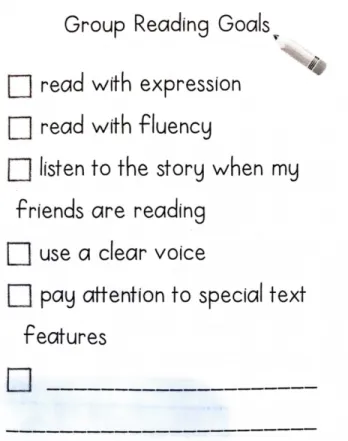
Figure 1. Group reading goals. ... 53
Figure 2. Teacher familiarity with ELs. ... 66
Figure 3. EL word cloud... 68
ACKNOWLEDGEMENTS
I would like to begin by thanking my co-chairs, Diane Durkin and Kim Gomez, for their unwavering support throughout this process. I am grateful to Diane for mentoring me as a writer and researcher over the past 3 years. I have evolved as a teacher and learner because of her guidance. Kim taught me the art of qualitative data analysis and guided me through
understanding the deeper connections in my work. I now see all research differently because of her mentorship. I am also grateful for the support of my committee members, Alison Bailey and Jim Stigler. Alison helped me understand the place of my study in the larger context of EL research, pushing me to think deeper. Jim encouraged me to think critically and intentionally about how I engaged teachers in this work.
This study would not have been possible without the dedication of my nine colleagues at Lakeside School. Their commitment to this work continuously propels me forward. I will forever be grateful for their willingness to stay hours after school and trust this process. Their dedication to their students is palpable. I owe many thanks to Lakeside School as well for not only allowing me to conduct this study, but for acknowledging and accepting the importance of this work.
VITA
2012 B.A. Education with Human Development Focus Brown University
Providence, Rhode Island
2013 M.A. Education with Elementary/Bilingual Focus Multiple Subjects Teaching Credential
Bilingual Authorization (Spanish/English) Stanford University
Palo Alto, California 2013-2014 Teacher Candidate
Mariano Castro Elementary School, Dual Immersion Mountain View, California
2013-2015 Elementary Teacher
Cumberland Elementary School Sunnyvale, California
2015-2016 Elementary Teacher
Citizens of the World Charter School Los Angeles, California
2016-2019 Leadership Council Board Member The Fulfillment Fund
Los Angeles, California 2016-2019 Elementary Teacher
Lakeside School (pseudonym)
CHAPTER ONE: INTRODUCTION
This action research (AR) study guided teachers in the development of a growth mindset approach to reading instruction. To address the emotional needs of emerging readers, teachers developed a new approach to reading instruction with specific growth mindset applications by adapting existing growth mindset programs. Kindergarten through third grade teachers were asked to examine their own mindsets towards their readers, among them ELs, and how they took their students’ specific reading needs into consideration when creating the approach. The approach was researcher-guided and teacher-created. Teachers implemented new reading instruction practices based on growth mindset programs, reflected with their colleagues on the process, and refined their approach. Teachers identified effective instructional practices for the pivotal years in reading development.
Statement of the Problem
Reading ability determines early school achievement and is paramount in students’ future academic success (Chapman, Tunmer, & Prochnow, 2000). Nationally, only 37% of fourth graders are performing at or above the reading proficiency level. In California, that statistic drops to only 25% of third graders fully meeting the standard for understanding stories they read (California Assessment of Student Performance and Progress [CASPP], 2018). The same statistic holds true for LAUSD. A key contributor to low achievement is students’ self-perception of themselves as learners (Chapman et al., 2000).
Although existing reading programs focus on developing phonological awareness and comprehension strategies (Denton et al., 2013), they do not address the role of mindset in reading development. Researchers agree that there is a correlation between practices that focus on students’ socio-emotional wellbeing and academic achievement (Durlak et al., 2011).
Although mindset is a broad term encompassing an individual’s attitudes towards themselves or a task, in this inquiry, I specifically examined the socio-emotional component of learning to read, which included student mindsets. Growth mindset is a unique theory that addresses emotional needs and self-perception through metacognition, combining cognitive and socio-emotional approaches. Students formulate perceptions of themselves as readers as early as kindergarten (Chapman et al., 2000) and are acutely aware of their abilities in comparison to their peers’. An approach that addresses the role of mindset in children learning to read is needed.
Background of the Problem
Educational research indicates that some students, described as resilient, willingly tackle challenges and persevere, whereas others easily give up. The embodiment of these dispositions has a profound impact on a student’s success in school. In their seminal research, Dweck and Leggett (1988) examined why students respond to challenges in varying ways. They found that students hold one of two implicit theories about intelligence: fixed versus growth mindset. Students who viewed intelligence as fixed—something that changes little over time—exhibited less resilience than their peers when confronted with a challenge.
Contrastingly, students who understood intelligence as being flexible—something they had the power to change and develop through effort—were more likely to persevere in the face of challenges. Students who embodied a growth mindset were more likely to succeed
academically when faced with challenges than their fixed-mindset peers.
Since Dweck and Leggett’s (1988) seminal study, research in the field of growth versus fixed mindset continues to demonstrate the importance of mindset in determining resiliency and academic success. Yeager and Dweck (2012) examined how students facing adversity view the
challenge ahead of them, connecting a student’s perception of a challenge and his/her feeling of self-control. Links have also been made between mindset and motivation, correlating a
student’s mindset and his/her ability to remain driven throughout the school year (Haimovitz, Wormington, & Corpus, 2011). Overall, students who embody a growth mindset earn higher grades than their fixed-mindset peers (Blackwell, Trzesniewski, & Dweck, 2007). The
language teachers use and the type of praise they give have been found to have a direct impact on students’ motivation and consequently their academic success (Mueller & Dweck, 1998). Short-term mindset interventions have also been successful in increasing student scores. Eccles, Wigfield, and Schiefele (1998) showed that providing students with a 6-week mindset
intervention program had significant effects on students’ math test scores, as compared to the control group.
Contribution of this Effort to the Current Literature
Although researchers have established a link between mindset and success in school (Haimovitz et al., 2011; McCutchen, Jones, Carbonneau, & Mueller, 2015; Yeager & Dweck, 2012), a review of the literature shows little research has targeted the application of growth mindset in the early elementary years. A closely related area for elementary students that has been examined is resiliency. Few remember learning to read, yet the process requires constant trial and error wherein resiliency is key (McTigue, Washburn, & Liew, 2009). Johnston (2005) recognized the importance of resiliency in reading development, recommending that future literacy screenings include measures to assess student resiliency and self-efficacy. McTigue et al. (2009) suggested that teachers reinforce effort as a way to build resiliency, a key benefit of growth mindset. Past mindset research has looked at both verbal and math standardized scores of middle and high school students, with more focus placed on math due to higher gains
(Blackwell et al., 2007; Eccles et al., 2002; Good, Aronson, & Inzlicht, 2003; Mueller & Dweck, 1998). What is needed is an inquiry that focuses specifically on early reading
development with a growth mindset approach. Such an approach consists of instruction in the malleability of intelligence, an emphasis on effort, and awareness of student mindsets and self-perceptions.
The Project
This study engaged teachers in an AR model that adapted growth mindset research and Mindset Kit, Mindset Coach, and Mindset Math materials to develop a growth mindset
approach to reading instruction. The Mindset Kit is a collection of lessons and programs
created by the PERTS lab at Stanford, a lab with which Carol Dweck collaborates. The Mindset Coach, written by Annie Brock and Heather Hundley (2016), is a month-by-month guidebook of growth mindset implementation for teachers. The Mindset Math program was developed by Jo Boaler and her team at Stanford’s YouCubed. It focuses specifically on instructing math in a way that instills students with a growth mindset towards math, but also includes general
recommendations for building a growth mindset classroom. In this study, teachers also examined growth mindset research and literature about supporting ELs and their cognitive flexibility. Through multiple cycles of collaboration, discussion, observation, action, and reflection, teachers developed a growth mindset reading approach. Although the primary aim of this study was to analyze teachers’ development and implementation of the approach, the study also determined how teachers took EL needs into consideration when designing the approach. Research Questions
1. How do teachers develop a growth mindset approach to reading instruction through participation in action research?
a. How do teachers decide what materials to use as they create and implement the new approach?
b. How are EL needs taken into consideration when creating and implementing the new approach?
c. What, do teachers report, are the elements of a growth mindset approach to reading instruction?
2. How, according to teachers, does developing this new approach result in changes to pedagogies?
Research Design
This study was conducive to AR, as opposed to a standard qualitative study, because of the need for time to reflect collaboratively on practice when implementing a new instructional approach. A core tenet of AR is the participation of those in the organization in the action inquiry process—in this case, teachers. Teachers are more invested in solving the problem at hand when they are involved in creating the roadmap for doing so (Coghlan & Brannick, 2014). A continual series of professional learning cycles allows teachers to develop and implement their own approach to reading instruction, which justifies the need for an AR model.
In this AR study, a group of kindergarten through third grade teachers was guided by the researcher in identifying the key elements of a growth mindset-oriented reading approach and implementing the approach in their classrooms. As the researcher, my role was primarily to facilitate the AR sessions, providing materials for the development of the approach and guiding teachers in critical analysis discussions.
Teachers engaged in multiple cycles of planning changes to their reading instruction using growth mindset research and Mindset Kit, Mindset Coach, and Mindset Math tools. They were observed enacting those changes, reflecting on new practices, and navigating challenges to the approach’s implementation. Changes in teacher practice were documented through classroom observations, recordings of session meetings, post-interview responses, answers to survey questions, and an analysis of documents produced in the sessions. Teachers engaged in weekly meetings in which they learned about the theory of growth mindset, shared experiences with growth mindset implementation, and reflected on changes, if any, in their own mindsets and practice. In between these sessions, teachers were expected to implement changes to their reading instruction and were observed doing so. The cycle then began again, with teachers developing a plan to enact new practices and modifications based on the group reflection. Data Collection
Data pertaining to the research questions were gathered through transcripts of the AR session meetings, two classroom observations of each teacher, post-session survey responses, document analysis, and post-study interviews. Teachers engaged in eight 1-hour collaborative planning sessions, during which they analyzed growth mindset materials and current mindset and EL research, adapted the materials to their own practice, reflected on the implementation, and documented the development of a new instructional approach. Observation notes
(Appendix L) detailed what growth mindset practices teachers enacted during reading
instruction, including specific activities and language used with students. Transcripts, survey responses, document analysis protocols, and observation notes were coded for emerging themes and data were triangulated to identify key findings across all data sources. Initial codes
instructional approach, the adaptation of existing mindset materials, changes to teacher practice, and challenges considering EL needs.
Site Selection
This study was conducted at Lakeside School (pseudonym), an independent elementary school located in the greater Los Angeles area. The criteria for the selection included a site that was not already engaging in growth mindset teaching practices as determined by an analysis of the curriculum and conversations with the Principal. Additionally, the site needed to have a population of readers who were performing below grade level and a desire to implement growth mindset practices within the academic curriculum. The Principal expressed a desire to build on the introduction of growth mindset theory to the faculty in the previous school year and implement growth mindset practices across grade levels. I am a teacher at the site and therefore had access.
The culture and demographics of this site corroborate the need for an approach to reading instruction of this nature. This school has a culture of high-stakes academic success that has led to an increase in the number of students embodying a fixed mindset. The Principal and the faculty have expressed a desire to adopt growth mindset principles to address the needs of the site’s population. Unknowingly, faculty at times use fixed mindset language when talking about student abilities and would benefit from a program of this nature. The EL
population at the school is small, but since there is currently no way of tracking students’ home language(s) and proficiencies, the school does not have data on how many EL students they enroll. As detailed in Finding 4 in Chapter 4, teachers were also unsure of how many EL students were in their classes. EL students do not receive any specific services or supports based on their language and learning needs. AR is meant to identify and address a unique need
at a site, and Lakeside School presents a need for both a growth mindset intervention and an increased awareness of their EL population. If mindsets and practices can be changed within a school culture that has existed for decades, then the findings of this study could be applicable to a wide range of teachers from various school types.
This study involved eight kindergarten through third grade homeroom teachers and one reading specialist. These are the years in which students are mastering basic reading skills, such as phonemic awareness, decoding, and comprehension (Badian, 1995). By the end of
kindergarten, students have already formulated a perception of themselves as learners (Chapman et al., 2000). Therefore, kindergarten through third grade are optimal years for building a growth mindset among early learners.
Public Engagement and Significance
The results of this study are not intended to be generalizable due to its qualitative AR design. However, the characteristics of the site and population are found in many independent schools across the country. Studying the process by which teachers collaboratively create a new approach to reading instruction can provide suggestions for other sites looking to improve early reader mindsets. This study sheds light on how teachers can come together to overcome their own fixed mindsets and work to enact change for early readers at their school sites.
CHAPTER TWO: REVIEW OF THE LITERATURE
This project sought to engage teachers collaboratively in developing a growth mindset approach to reading instruction. Existing early reading practices rely on programmatic and cognitive approaches such as phonemic and phonetic awareness and comprehension, but they lack mindset supports, especially for ELs. It has been established that growth mindset
correlates with academic achievement (Blackwell et al., 2007; Haimovitz et al., 2011;
McCutchen et al., 2015). However, it remains unclear how growth mindset affects ELs in their reading development. These students have specific needs as they learn to read, requiring different levels and types of supports (August, Shanahan, & Escamilla, 2009; Goldenberg, 2010). This review first summarizes national data on current reading achievement. It then examines data on EL reading achievement, largely unchanged from 2003 to 2017, despite increased resources and funding (August et al., 2006; California Department of Education, 2016). The review then summarizes reading theory and targeted interventions, which have not raised achievement scores. I then argue for more classroom-based, collaborative teacher development programs rooted in mindset to address reading discrepancies. I conclude by discussing how the current study was framed by Dweck’s theory of growth mindset and Dewey’s theory of reflective thinking.
Reading Achievement in the United States Statewide and Nationwide
Reading ability determines early school achievement and affects students’ future academic success (Chapman et al., 2000). Nationally, only 37% of fourth graders are performing at or above the reading proficiency level by the end of fourth grade (National Assessment of Educational Progress, 2017). In California, that percentage drops to significantly
below the national average. On the 2018 Smarter Balanced Assessment, 75% of California third and fourth graders did not meet the standard for understanding stories and information they read. The same statistic holds true for LAUSD (CAASPP, 2018). The California
Assessment of Student Performance and Progress (CAASPP) asks students to read grade-level passages and answer comprehension questions. Reading achievement relies on both a student’s ability to decode words and comprehend what they are reading as well—a key life skill. English Learners
The gap in reading achievement is exacerbated for ELs. The national scaled score of fourth grade ELs on the NAEP assessment has remained constant since 2005, between 187-189. This is below what is considered basic proficiency in reading. Nearly one-quarter of students in California are designated as ELs. Of those, 78% are elementary school students (California Department of Education, 2016). On the 2017 California Smarter Balanced Assessment, 94% of ELs in third grade and 96% in fourth grade did not meet the standard for understanding stories and information they read (CAASPP, 2017). Nearly all of California’s ELs are struggling to meet a basic level of reading proficiency in their early elementary years.
History of Early Reading
The debate over best practices in reading instruction spans decades and continues today (Adams 1990; Chall, 1967; Stahl & Miller, 1989), oscillating between two main theories: whole language versus phonics. Whole language, the process of reading words by sight as opposed to sounding them out phonetically, dominated instructional methods until the publication of Jeanne Chall’s 1967 book Learning to Read: The Great Debate. In this work, which combined program evaluations, site visits, and a review of existing research, Chall documented consistent advantages to implementing a systematic phonics program. She found
these advantages to be particularly salient for struggling readers and students from low socio-economic status backgrounds. Since Chall’s seminal work, researchers continue to validate the advantages of a phonetic approach to learning to read in conjunction with reading
comprehension and vocabulary instruction (Adams, 1990; J. Cunningham, 2001). Although phonics is still a widely accepted and implemented approach to teaching reading, there are limitations to developing reading skills through phonics alone. Lacking in the great debate over reading instruction is a focus on student mindsets when learning to read. Phonics instruction alone has not led to improved student outcomes.
To address low reading achievement scores, The National Research Council’s 1998 publication Preventing Reading Difficulties in Young Children outlined key strategies for educators and parents to increase a child’s early reading achievement. Among these strategies are a phonetic approach, more literacy talk at home, vocabulary development, and play-based instruction for kindergarteners. Although the report acknowledges the benefits of an interactive and social approach to reading development for preschool and kindergarten, its
recommendations ignore the social and concentrate on the cognitive and pragmatic as children get older. The National Center for Education Evaluation and Regional Assistance confirmed these recommendations, emphasizing letter-sound awareness and decoding as foundational skills for beginning readers (Institute of Educational Sciences, 2016). Regardless of the approach to reading instruction, reading achievement scores remain low. Over 65% of U.S. fourth graders are still not proficient in reading (National Assessment of Educational Progress, 2017). Existing approaches have ignored the impact of student mindsets when learning to read in favor of the mechanistic, despite insignificant gains in reading achievement over the past decade for all populations.
Reading Development of English Learners History of Research
Despite a growing population of ELs in our nation’s schools (National Center for Education Statistics, n.d.), research on reading in relation to second language learners remained sparse until the early 21st century. The Handbook on Reading Research, a collection of major
studies in the field of reading development, included its first chapter on EL reading in 1991 (Goldenberg, 2010). Since then, research pertaining to EL reading has focused largely on the debate over language of instruction and the development of the first language (Genesee, 2006; Greene, 1997; Rolstad, Mahoney, & Glass, 2005; Slavin & Cheung, 2005). The National Literacy Panel’s report Developing Literacy in Second Language Learners recommended changes to policy and instruction, highlighting the importance of a home-school connection for developing readers (August et al., 2006), but not addressing specific social or emotional needs of ELs. The report hypothesizes that second language learners experience lower self-concept than their English-proficient peers, which may affect literacy development. Although the literature has become more prevalent as the EL population has increased, research lacks focus on how the EL experience of learning to read affects self-perceptions.
Specific Needs of English Learners
ELs make up one of the five major populations deemed at risk for difficulty with reading when entering kindergarten (National Research Council, 1998). Some of the same issues around the whole language versus phonics debate can be applied to ELs’ reading development. ELs benefit from a phonetic approach to reading instruction and require
significantly more support with reading comprehension than their monolingual peers (August et al., 2006; Chall & Jacobs, 1983). Discrepancies in early reading achievement can also be tied to
a lack of background content knowledge as compared to native English speakers (Goldenberg, 2010). Researchers have found various causes for the discrepancy in reading achievement between monolingual and bilingual students. However, responses to these causes have not been successful at eliminating ELs’ underachievement.
Teachers often encounter ambiguity when assessing the needs of their ELs. There is a lack of knowledge and research identifying the factors that distinguish ELs experiencing difficulty with reading achievement due to language acquisition from those with an existing learning difficulty. This can cause hesitance as educators seek to understand the specific learning needs of their ELs and/or refer them for an evaluation. This confusion has led to a disproportionate number of ELs being designated as learning disabled. The type of program in which students were placed also affected special education rates. Students in English
immersion programs, as opposed to bilingual programs, more often received special education services (Klingner, Artiles, & Barletta, 2006). Although there is a need for further research and professional learning surrounding the identification of ELs’ learning needs, valuing a student’s home language consistently leads to more favorable outcomes.
The key to understanding ELs’ specific needs is understanding the cognitive process they experience as a result of operating in two languages. In her seminal work, Cook (1992) argued that multicompetence is a distinct state of mind from monocompetence.
Multicompetence is defined as “the compound state of mind of two grammars” (p. 112), whereas monocompetence refers to one grammar (language). Those who know two languages, or L2s as she refers to them throughout her research, were found to have a different cognitive process than L1s (monolingual people). Children who know two languages do not know these languages as separate entities. The unique combinations of languages in their brains allows
them to code-switch regularly. Both languages live in the same location of the brain, yet one does not exist independently of the other. Students cannot simply turn off one language—they embody a unique combination linguistically and cognitively. Cook stressed the importance of valuing multicompetence instead of abandoning and shutting off the non-English language, which has been the dominant model of EL education in public schools. A recent report published by the National Academies of Sciences, Engineering, and Medicine (2017) stresses the importance of teachers understanding and capitalizing on students’ home languages and the knowledge and assets that come with being a dual language speaker. Existing interventions do not emphasize or train educators in the unique cognitive abilities of children with
multicompetence. Existing Interventions
The debate over language of instruction for ELs during reading instruction continues today. The majority of current programs operate under an English-only model where a
student’s home language is not used in his/her development of reading proficiency in English. Bilingual programs, in contrast, seek to develop both languages concurrently by providing students with opportunities to read in their native language as well. Slavin and Cheung (2005) reviewed 17 studies on language of reading instruction for ELs and concluded that although more longitudinal research is needed, bilingual instruction that provides students with distinct opportunities to read in both their native language and English benefits ELs’ reading
development the most. The National Academies of Sciences, Engineering, and Medicine (2017) urge the importance of promoting the maintenance of a child’s home language while learning English and caution against the cultural costs of losing the primary language.
Proposed interventions to combat gaps in bilingual students’ content knowledge follow a common theme: a rigorous, balanced, universally adopted approach (Cummins, 2007;
Goldenberg, 2010; Jiménez, Rose, Cole, & Flushman, 2010). Researchers argue that often ELs are given explicit instruction in English that involves tasks with low cognitive demand, such as playing hangman or correcting an improperly written sentence (Jiménez et al., 2010). In order to build students’ vocabulary and knowledge about a range of subjects, thus increasing their reading abilities, second language instruction often combines systematic phonics instruction and repeated exposure to texts (Cummins, 2007). Students need direct and explicit instruction in comprehension strategies and literacy components (National Academies of Sciences, Engineering, and Medicine, 2017). Although researchers agree that a balanced approach most benefits language-minority students, achievement rates remain extremely low. These
approaches are highly mechanistic and fail to acknowledge the increased stress many ELs experience when learning to read, speak, and write in a new language.
Socio-Emotional Approaches
Because academic interventions for ELs and struggling readers yielded insignificant results, researchers turned to examining the role of students’ socio-emotional well-being in their academic achievement. Taylor, Oberle, Durlak, and Weissberg (2017) conducted a meta-analysis of 82 socio-emotional learning (SEL) programs that involved 97,406 kindergarten through high school students. Their analysis found that regardless of the school’s location, student race, and socio-economic background, students who participated in a socio-emotional intervention experienced significantly better indicators of socio-emotional well-being and skill level than students who did not receive an intervention. Follow-up, which was conducted beginning 6 months after the intervention and extended to 18 years post intervention, indicated
that students maintained this developed skill level over time. These interventions focused mainly on developing positive self-perceptions and social and emotional skills (conflict resolution, collaboration, etc.), and the majority of interventions were pre-developed programs such as PATHS (Positive Action, Life Skills). Albeit infrequently, interventions were
occasionally intertwined with academic curriculum.
SEL interventions lead to more than solely emotional well-being gains. In their
extensive review of 317 SEL studies involving over 320,000 K-8 students, Payton et al. (2008) found that student participation in SEL had significant academic as well as emotional benefits. Academic achievement of students receiving SEL instruction improved by as much as 17 percentile points and drastically improved students’ self-perceptions, coping abilities, attitudes about others, and conduct. Payton et al. went so far as to conclude that SEL programs are among the most beneficial and influential interventions for school-aged children. Durlak et al. (2011) confirmed these findings in their meta-analysis of 213 school-based SEL programs. Student academic achievement rose by an average of 11 percentile points and the programs greatly improved emotional outcomes for students. Teachers and administrators carried out SEL program implementation effectively, and the research recommends further evidenced-based professional learning on SEL integration (Payton et al., 2008; Durlak et al., 2011). Researchers recommend the adoption of SEL programs into daily academic instruction (Durlak et al., 2011). Most SEL interventions take the form of values education and are taught primarily as a separate subject area (Morcom, 2014). Despite a clear link between SEL and academic achievement, few programs seek to embed the use of mindset-oriented language, activities, and assessments with core content instruction.
Growth Mindset
Researchers agree that a correlation between socio-emotional instruction and academic achievement exists (Durlak et al., 2011; Payton et al., 2008). However, current research in both reading and SEL does not examine the complex social and cognitive process of learning to read. The theory of growth mindset, which is often considered a socio-emotional approach by educational researchers and schools, is unique in that it addresses students’ emotional needs and self-perceptions through the process of metacognition. Existing reading programs focus on developing phonological awareness and comprehension strategies (Denton et al., 2013; Duke & Block, 2012; Horowitz-Kraus & Finucane, 2016), and socio-emotional instruction is taught largely as a separate domain, unrelated to core academic content areas. Yet, students formulate perceptions of themselves as readers as early as kindergarten (Chapman et al., 2000) and are acutely aware of their abilities in comparison to their peers’. A largely unexplored area in the field of SEL is the effect of student self-perceptions and views about intelligence (mindsets) on early academic development. Addressing the role student mindsets play in learning to read is necessary in order to holistically understand the cognitive and emotional process of reading development.
History of Mindset
Growth mindset developed out of several, foundational theories. The theory of academic self-concept (ASC) preceded growth mindset. With the advent of mindset studies, ASC studies have become less common. In their seminal research, Shavelson, Hubner, and Stanton (1976) defined self-concept as a person’s perception of him or herself, formed through his/her experiences. Guay, Marsh, and Boivin (2003) applied this definition to an academic context. Guay et al. studied the causal ordering of ASC—a student’s perception of his/her
academic abilities—and school achievement. Three hundred sixty-five second-through-fourth grade students from 10 elementary schools and a range of socioeconomic backgrounds were involved in the study. Over the course of 3 years, Guay et al. administered a yearly self-perception profile that assessed students’ perceived academic ability. Additionally, teachers reported academic achievement ratings in writing, math, and reading at the same time intervals. Guay et al. found a reciprocal effect between ASC and academic achievement: Students’ ASC affected academic achievement and their academic achievement affected their ASC. This relationship between ASC and achievement did not vary across the age groups, implying that the correlation does not follow a developmental trend.
The concept of ASC has been applied specifically to early reading development. Chapman et al. (2000) examined 152 students’ reading self-concept throughout their first 2 years in school. The researchers specifically examined whether changes in students’ reading performance preceded and/or followed changes in their self-concept. Reading self-concept was assessed three times over the 2-year period and consisted of 30 questions such as, “Are you a good reader?” These questions highlight students’ perceptions of themselves as learners. The researchers found that within the first 8 weeks of school, students had already developed positive or negative reading self-concepts. This finding contradicts previous studies, which stated that children enter school with a positive self-concept and, through their academic experiences over the first 2 years, develop a self-concept that is consistent with their academic abilities. Negative reading self-concepts were correlated with lower scores on beginning reading assessments (phonological sensitivity and letter-name knowledge). This trend persisted into students’ third year of schooling. By the middle of second grade, students with negative reading self-concepts read lower level books and underperformed on word recognition
assessments compared to their peers with positive reading self-concepts. These findings support the theory that students develop either a positive or negative self-concept based on their
academic experiences in school.
Researchers have also established a link between teacher perceptions and student reading self-concept. In their longitudinal study of 1,358 students and 54 teachers, Retellsdorf, Schwartz, and Asbrock (2015) found that teachers’ negative gender stereotypes about boys’ reading achievement may have caused boys to develop a negative self-concept about their reading abilities. Reading is the first major academic task students grapple with in school (Chapman et al., 2000). The self-concept a student develops from early reading experiences influences his/her future academic successes.
Dweck and Leggett’s (1988) seminal work builds on the theory of ASC to examine how students develop attitudes and motivations toward learning. Educational research indicates that some students willingly tackle challenges and persevere, and they are called resilient, whereas others easily give up. Researchers agree that the embodiment of these dispositions has a profound impact on a student’s success in school. In their highly cited research, Dweck and Leggett examined why students respond in varying ways to challenges. Their research found that students hold one of two implicit theories about intelligence: fixed versus growth mindset. Dweck and Leggett discovered that students who viewed intelligence as fixed—something that changes little over time—exhibited less resilience than their peers when confronted with a challenge. Contrastingly, students who understood intelligence as being flexible—something they had the power to change and develop through effort—were more likely to persevere in the face of challenges. Students who embodied a growth mindset were more likely than their fixed-mindset peers to succeed academically when faced with challenges.
Mindset and Achievement
Over the past 2 decades, researchers have used a variety of methods to link academic achievement to the presence of a growth mindset (Blackwell et al., 2007; Haimovitz et al., 2011; McCutchen et al., 2015). The transition from elementary school to junior high is often stressful for students. Blackwell et al. (2007) examined this transition and how a student’s perception of his/her intelligence impacts their seventh and eighth grade academic
performance. Three hundred seventy-three seventh grade students were given a questionnaire that assessed their theory of intelligence and included their beliefs about effort and learning goals. The results from this questionnaire were examined in conjunction with pre and post math assessment scores: one conducted at the beginning of seventh grade and the other at the end of eighth grade. Students who embodied a growth mindset at the onset of junior high experienced an upward trajectory in their math assessment scores, whereas those with a fixed mindset experienced a plateau. Blackwell et al. found that students’ beliefs about their intelligence during a school transitional period is highly predictive of their academic achievement.
The effect of mindset on academic achievement holds true for students not in transition. In McCutchen et al.’s 2015 longitudinal study of 419 third through sixth graders, students were given a mindset questionnaire in the fall and spring of the school year. The set of questions explored students’ views on their abilities in math and reading, asking if they felt their “smarts” were something they could change. Researchers then examined students’ standardized reading and math test scores from fall and spring. Despite a decline among all students in standardized test scores throughout the year, students who exhibited a growth-oriented mindset on the initial questionnaire showed a slower rate of decline than students with fixed notions of intelligence. The researchers determined that the relative success of the students with growth mindsets could
be tied to their higher level of determination and to their focus on learning rather than performance.
Short-term mindset interventions have also proven successful in increasing student scores. Eccles and Wigfield (2002) assessed seventh graders in New York City with declining math scores. Over the course of 6 weeks, students were split into a control group that was taught study skills and a test group that was taught both study skills and growth mindset. The students in the growth mindset group showed a significant rebound in their math test scores, whereas the purely study skills groups continued to show declining scores. Eccles and Wigfield highlighted how short-term growth mindset interventions can immediately influence student achievement.
Confirming studies have shown that teaching interventions effectively increase the presence of growth mindset and subsequently student test scores. Good et al. (2003) studied the effect of mindset intervention on 138 middle school students. In this study, students
participated in one of four interventions: an incremental condition course that taught the malleability of intelligence, an attribution course that emphasized resiliency, a combination course of the above two, or an antidrug control course. Good et al. found that students who received instruction in the malleability of intelligence outperformed students in the antidrug control group on both math and verbal standardized exams. In particular, females in the malleability, resiliency, and combination courses significantly outperformed females in the control group on math assessments with average test scores of 83 versus 73.
The presence of a growth mindset also mitigates the effects of poverty on academic achievement. Claro, Paunesku, and Dweck (2016) conducted a large-scale study on 168,553 of Chile’s public school students. They first concluded that Dweck’s previous work linking
mindset and academic achievement applied to an entire nation of high school students.
Secondly, they found that students living in poverty, who typically under-achieve academically, experienced greater academic gains when embodying a growth mindset. Not only does growth mindset predict academic achievement, but it also has the power to mediate the effect of poverty on learning.
Although the majority of research supports growth mindset and its effect on academic achievement, researchers do acknowledge counterarguments to this theory. Robins and Pals (2002) found that students with fixed mindsets may still experience success in academic areas. However, they noted that students’ successes tend to be on more traditional, formal
assessments such as standardized tests. Mindsets and academic achievement can also vary by domain (Dweck, 2006a). Some students may embody a growth mindset for math and a fixed mindset for reading, and thus exhibit varying levels of success based on the domain.
Underlying the majority of current research is proof of a correlation between mindset and academic achievement across domains.
The presence of a growth mindset can predict more than just academic achievement in school. Haimovitz et al. (2011) studied the correlation between beliefs about intelligence and motivation. In a longitudinal study of 938 third through eighth graders, students were given surveys in the fall and spring of the school year. The questionnaire focused on intrinsic
motivation, beliefs about intelligence being fixed or flexible, and the need to validate academic ability through schoolwork. Haimovitz et al. used the spring data to separate the students into those who reported a decline in intrinsic motivation over the year and those who did not. Students who declined in their intrinsic motivation also reported having a fixed view of
to the survey with growth-oriented views of intelligence. Mindset appears to be a key tool in promoting academic motivation and achievement for middle and high school students. Transforming Student Mindsets through Teacher Practices
Teacher practices are influential in cultivating growth mindsets among students. Although it was not focused on reading achievement for students in early elementary grades, Mueller and Dweck (1998) conducted a study of 128 fifth-graders from urban and suburban schools that examined the link between mindset and math. Students were given a set of 10 problems to solve and upon completion of the problems were given one of three types of praise: praise for intelligence (you are so smart), praise for effort (you worked really hard on that), or no praise at all. When asked to answer a set of follow-up complex math questions, students who were praised for their intelligence lost confidence. Even when they switched to solving simpler problems, their performance continued to suffer. Students who were praised for their effort remained motivated to solve the problems and outperformed the other two test groups. Mueller and Dweck’s work demonstrates that the language teachers use and the type of praise they give can have a direct impact on students’ motivation and consequently their academic success.
A slightly different but related area of study is how parental praise and language affect student mindsets and academic achievement in school. Children who were between 1 and 3 years old were observed interacting with their parents and type of parental praise was documented (process praise versus intelligence praise). Process praise occurs when a child receives positive feedback for engaging in an activity, focusing on his/her exerted effort and resiliency. Intelligence praise, on the other hand, rewards a child for how quickly he/she completed a task or how “smart” he/she is for meeting expectations. Students who received
higher levels of effort praise before attending formal schooling were found to have higher academic achievement in math and reading by second and third grade than those who received intelligence praise (Gunderson et al., 2013). The same research team recently followed-up on this study and found that this trend held true 2 years later. Those students now in fourth grade who were raised with effort praise continued to outperform their intelligence-praised peers academically and were more willing to engage in challenging work (Gunderson et al., 2018). Type of parental praise from a young age affects students’ academic performance in school.
Confirming their initial work on teacher language and mindset, Dweck (2010)
developed strategies for teachers to create a culture of risk-taking in their classrooms. Dweck recommends that teachers verbalize a challenge as a “mystery” and build excitement around tackling something difficult. Teachers should emphasize that easier tasks are boring for the brain and do not help it grow. When a child solves a problem incorrectly, the language a teacher uses in response can affect his/her desire to resolve the problem or give up. By responding with phrases such as “let’s try this mystery again” or “let’s think about why this strategy didn’t work,” teachers equate the process of learning to a detective solving a
mystery—there is always more that can be discovered and learned. Similarly, if a child solves a problem easily, praising his/her quick pace only underscores the problematic notion that
academic success means quick completion. Instead, teachers need to challenge students to step back and view the problem differently, as more of a challenge, to reinforce that learning is a never-ending process.
The language teachers use combined with specific classroom practices can either create a growth-mindset culture or lead to risk-averse behaviors among students. Ability grouping is a common practice in classrooms that directly affects a child’s self-perception of his/her
intelligence. Boaler (2013) asserts that, despite teachers’ attempts to mask the meaning of groupings, students understand their purpose and are acutely aware of their individual ranking. Students compare their performance to that of their peers and infer their level of intelligence based on who is in which group. Researchers confirmed that de-tracking leads to greater
academic achievement, self-esteem, and academic progress among students (Burris, Heubert, & Levin, 2006; Nunes, Bryant, Sylva, & Barros, 2009). Dweck (2006b) found that high-achieving girls are most affected by the notion of some students being “smarter” than others, a fixed-mindset sentiment reinforced by grouping. When these girls encounter a challenge, they perceive it as a discrediting of their intelligence.
Sun (2015) examined which teacher practices led to the existence of a fixed versus growth mindset in students. Specifically with math, teachers who viewed the subject as being one-dimensional, namely based on memorization of algorithms, exhibited fixed mindset practices when engaging with students. In contrast, teachers who perceived math as multi-dimensional more frequently engaged in non-ability grouping and practices that validated all students’ contributions. Park, Gunderson, Tsukayama, Levine, and Beilock (2016) examined how the practices of first and second grade teachers affected student mindsets. They looked at teachers who engaged students in one of two teaching practices: process/learning, in which all students are recognized for their growth, and person/ability in which high-achieving students receive additional praise and privileges. Park et al. found that students in classes with
person/ability practices developed more of a fixed mindset by the end of the year than their peers in process/learning classes.
When specifically examining teacher mindsets, the beliefs teachers held about student intelligence were not found to directly affect student mindsets. Sun (2015) found that although
teachers self-reported embodying a growth mindset and used growth mindset language with students, their practices were often not aligned with this type of thinking. This contradiction led teachers to believe that they were reinforcing growth mindset principles when their actions communicated the opposite. St. Amant (2017) confirmed this finding. When examining teachers’ mindsets of low-tracked students, she found that despite self-reporting growth mindset beliefs, teachers of low-tracked students did not engage frequently in practices that cultivated a risk-taking culture (collaboration, validating all student perspectives, non-ability grouping). To remedy this discrepancy, Sun suggests holding effective trainings for teachers about specific practices to cultivate growth mindset among students.
Dweck (2014) took this recommendation of teacher mindset professional learning a step further by arguing for the need for teachers to examine their own mindsets about their practice. A teacher’s perception of his/her own abilities, particularly about teaching being a natural versus learned skill, has an impact on the mindset he/she relays to students. When teachers embody a true growth mindset about their own abilities as well as that of their students, they foster resiliency in their students—a key component of growth mindset (Brooks & Goldstein, 2008).
Given the historically low and relatively unchanged achievement levels of early readers, particularly ELs, new approaches to reading instruction must be considered. Research suggests that there is an inherently social component of learning to read, yet existing approaches focus on developing students’ phonetic awareness and comprehension (National Research Council, 1998). Growth mindset approaches, however, have proven successful at increasing student achievement across a range of ages and subject areas, including math and science (Blackwell et al., 2007; Haimovitz et al., 2011; McCutchen et al., 2015). ELs specifically benefit
academically from socio-emotional interventions (Taylor et al., 2017). The language teachers use and the tasks they assign students correlate to student perceptions of themselves as learners (Boaler, 2013; Dweck, 2010; Mueller & Dweck, 1998). The development and implementation of growth mindset practices have not been studied at the early reader stage.
Professional Learning
To change student mindsets, teachers must first examine their own mindsets as professionals and learners. Relationship-based models of professional learning provide opportunities for teachers to engage in collaborative, reflective work. A. Cunningham, Etter, Platas, Wheeler, and Campbell (2014) specifically looked at the effect of teacher study groups on emergent literacy development among preschoolers. The study group model, based on the Japanese lesson study model, consisted of collaborative planning, execution, reflection, and troubleshooting. By engaging in this professional learning cycle, teachers experienced an increase in their content knowledge and engaged students in more phonological awareness activities in the classroom. This process resulted in significant gains in student phonological awareness as compared to peers with teachers not engaging in study group-based professional learning. This research emphasized the importance of providing teachers with research-based recommendations while also allowing for pedagogical freedom and self-reflection.
At the heart of influencing teacher practice is working with educators to plan engaging, developmentally appropriate lessons that meet the needs of all learners. The framework of Universal Design for Learning (UDL) uses information about how students learn to guide teachers in developing lessons that engage and sustain students cognitively (Rose & Meyer, 2002). This approach to curriculum design seeks to reach all learners by encouraging educators to use flexible teaching methods that allow for multiple means of access to core content. The
framework encourages the use of cognitive supports, multiple modes of content presentation, and flexible assessment styles to allow all learners to grasp content and demonstrate their knowledge. As neurodiversity in each classroom is more widely recognized (e.g. various learning styles, Attention Deficit Hyperactivity Disorder, Autism Spectrum Disorder, Dyslexia), teachers must be equipped with the pedagogical means to meet the needs of their diverse learners.
Researchers agree that collaborative professional learning is most effective in improving teacher knowledge and learning experiences for students (A. Cunningham et al., 2014; Fernandez & Yoshida, 2009; Wei, Darling-Hammond, Andree, Richardson, & Orphanos, 2009). However, the majority of professional learning in the United States does not follow this format. Although 60% of teachers received some form of professional learning about reading in 2009, 80% of these teachers participated in trainings for 2 days or less (Wei et al., 2009). With regards to EL professional learning, 43% of teachers whose classes had over half ELs received at most one professional in-service about supporting these students (Maxwell-Jolly & Driscoll, 2005). Effective professional learning models must be grounded in inquiry, collaboration, and reflection, and directly connected to teachers’ work with students (Darling-Hammond & McLaughlin, 2011; Gomez et al., 2016).
The Study
An AR cycle grounded in inquiry and reflection facilitated collaborative teacher development of a growth mindset approach to reading instruction. A core tenet of AR is the participation of those in the organization in the action inquiry process—in this case, teachers. Teachers are more invested in solving the problem at hand when they are involved in creating the roadmap for doing so. By engaging in AR, teachers are taking steps toward improving their
practice and approaches to reading instruction at their site (Coghlan & Brannick, 2014). This professional learning cycle allowed teachers to develop and implement their own approach to reading instruction. It provided the time to collaboratively reflect on practice, a necessary process when implementing a new instructional approach.
Conclusion
This AR study guided teachers through developing a new instructional approach to reading that considered the growth mindset needs of emerging readers, among them ELs. Much of the existing work surrounding early reading interventions focuses on the practical skills of learning to read, such as decoding and comprehension. The body of literature fails to
acknowledge the mindset readers hold about themselves, a cognitive and emotional task. Although Dweck’s theory of growth mindset guided the instructional approach of this study, Dewey’s (1933) theory of reflective thinking framed this study’s emphasis on teacher collaborative and reflection to address a current school-site problem. Dewey’s theory posits that problems arise from teachers’ real-time experiences. Data are then gathered about the problem and a hypothesis to solve the problem is formed and tested. This process, very similar to the AR cycles in which teachers engaged throughout this study, emphasizes the importance of reflection in addressing and solving current issues in education.
CHAPTER THREE: METHODOLOGY
Students encounter various challenges when learning to read. Teachers’ perceptions of their students’ abilities affect student mindsets and achievement. This study addressed the problem by guiding teachers through the development of a growth mindset approach to reading instruction. Through two AR cycles, teachers analyzed mindset materials and research and then collaboratively designed a new instructional approach to meet the needs of their students. They engaged in the AR cycle of planning, implementing, reflecting on, and redesigning their instruction multiple times. This study answered the following research questions.
1. How do teachers develop a growth mindset approach to reading instruction through participation in action research?
a. How do teachers decide what materials to use as they create and implement the new approach?
b. How are EL needs taken into consideration when creating and implementing the new approach?
c. What, do teachers report, are the elements of a growth mindset approach to reading instruction?
2. How, according to teachers, does developing this new approach result in changes to pedagogies?
Research Design and Rationale
The primary goal of this study was to guide teachers in collaboratively creating a mindset approach to reading instruction, one that was sensitive to EL needs, and examine the effect, if any, this approach had on teacher pedagogy. A qualitative AR study was appropriate to meet this goal. AR is a participatory process that seeks to bring about organizational change
by engaging participants in a cycle of inquiry and action (Coghlan & Brannick, 2014). This process lends itself to the development of a school-based instructional approach. Through the inquiry process, teachers learned about the key components of mindset instruction while simultaneously working to positively affect change in students’ mindsets towards reading at their site.
This study used qualitative methods as a means to understand how a group of people makes sense of their experiences (Merriam, 2009). At the heart of this study was the
development of a new instructional approach and the modification of existing teaching
materials. Qualitative methods allowed me to describe teachers’ experiences as they developed this instructional approach and understand why they made the instructional decisions that they did.
An AR cycle was the most appropriate qualitative method to investigate the research questions. A goal of this study was to collaboratively create a new instructional approach to meet the needs of early readers. AR methods engage participants—in this case teachers—in the process of collaborative inquiry and change (Coghlan & Brannick, 2014). This method
provided teachers with an opportunity to examine a problem at their site and work together to develop a solution.
Although quantitative methods, such as survey analysis, could also have been used to assess the effectiveness of an instructional approach, they do not capture the experience of teachers engaging in the process of developing the approach. Quantitative methods are not appropriate in describing why teachers choose certain elements to include in their approach over others, how they observe mindsets changing over time, or how the AR cycle supports the development of a new instructional approach. The heart of this study was focused on
understanding the why and how of a collaborative process, thus lending itself to qualitative AR methods.
Strategies of Inquiry Research Site
This study was conducted at Lakeside School, an independent elementary school located in the greater Los Angeles area. The criteria for selection included a site that was not already engaging in growth mindset teaching practices, a population of students reading below grade level, and a desire to implement growth mindset practices within the academic
curriculum. An independent school was chosen because of its flexibility in allowing the
inclusion of growth mindset practices to be interwoven with the academic curriculum. Lakeside School began exploring the theory of growth mindset through faculty meetings last year, and the Principal and faculty expressed a desire to learn more about how to integrate this theory into the curriculum. The site has a population of high achieving students who often perform at or above the national average for their age. However, this culture of high achievement has led to a rise in students expressing fixed mindset beliefs about their intelligence. Teachers at Lakeside are motivated to find ways of addressing this issue. While most students at Lakeside read above what is considered grade-level nationally, a population of students struggling to meet this benchmark does exist. A reading specialist provides small group intervention separate from classroom instruction for students not performing at Lakeside’s benchmark for reading achievement and/or the national benchmark. Teachers at this site have also had experience engaging in professional and personal reflection, which was required for this study.
Given Lakeside’s status as an independent school, they are not required to release statistics or testing information about their population. The only standardized assessment
administered at the school is the Comprehensive Testing Program 5 [CTP5], administered by the Educational Records Bureau [ERB] to students in grades three through five. School or grade-level results from this assessment are not publicized. Besides a student’s report card, there is currently no means of tracking a student’s progress across grade levels, but the school is working on developing data collection methods that would allow for this longitudinal tracking. The school is also not required to administer a home language survey to incoming students, which is required in public schools. This has led to a dearth of information about students’ language proficiencies and language(s) spoken at home. An EL population does exist at the school, but teachers only know about students’ language proficiencies at intake if they ask parents. Teachers may also know of their EL students through classroom interactions, although four out of the nine teachers in the study reported that they were unsure of students’ language proficiencies in their classrooms.
Population
This study involved nine elementary school teachers: three kindergarten teachers, two first grade teachers, one second grade teacher, two third grade teachers, and one Reading Specialist for grades K-3. With the exception of the Reading Specialist, all teachers co-taught in self-contained classrooms with about 24 students. Kindergarten through third grade are the years in which students master basic reading skills, such as phonemic awareness, decoding, and comprehension (Badian, 1995).
Overview of Teacher Participants
Each teacher came to the study with a unique teaching background. Classroom
experience ranged from 5 to 40 years, and tenure at the school ranged from one teacher’s first year to 27 years. At least one teacher from each grade level of lower elementary (K-3)