A University of Sussex
PhD
thesis
Available
online
via
Sussex
Research
Online:
http://sro.sussex.ac.uk/
This
thesis
is
protected
by
copyright
which
belongs
to
the
author.
This
thesis
cannot
be
reproduced
or
quoted
extensively
from
without
first
obtaining
permission
in
writing
from
the
Author
The
content
must
not
be
changed
in
any
way
or
sold
commercially
in
any
format
or
medium
without
the
formal
permission
of
the
Author
When
referring
to
this
work,
full
bibliographic
details
including
the
author,
title,
awarding
institution
and
date
of
the
thesis
must
be
given
I Expect, Therefore I See:
Individual Differences in Visual
Awareness
Nora Andermane
Thesis submitted for the degree of Doctor of Philosophy
School of Psychology
University of Sussex
STATEMENT
This thesis is written in an article format; the middle chapters consist of discrete articles written in a style that is appropriate for publication in peer-reviewed journals in the field. The first chapter comprises an introduction to the theoretical framework that informed this research and an overview of the relevant background research literature, as well an introduction of the research undertaken. The final chapter consists of a discussion of the findings of the present research, their critical evaluation within the context of the field, outstanding questions and future research directions.
Chapter Two is written in the style of an article appropriate for the peer-reviewed journal Neuroscience of Consciousness. The author contributions are as follows: NA was responsible for study design, data collection, analysis, and write-up of the manuscript; JW, JMB, and AKS provided feedback on the study design, analyses, and made corrections to the writing of the manuscript. This paper has been published as:
Andermane, N., Bosten, J. M., Seth, A. K., & Ward, J. (2019). Individual differences in change blindness are predicted by the strength and stability of visual
representations. Neuroscience of consciousness, 2019(1), niy010.
Chapters Three to Five have been written according to American Psychological Association style guidelines and have not been published or submitted for publication. The author contributions for Chapters Three to Five are as follows: NA was responsible for the study design, data collection, and write-up of the manuscripts; JW, JMB, and AKS provided feedback on the study design, analyses, and suggested corrections to the writing of the manuscript.
I hereby declare that this thesis has not been and will not be, submitted in whole or in part to another University for the award of any other degree.
Nora Andermane
14th August 2019
ACKNOWLEDGEMENTS
I would like to give my sincere gratitude to my supervisor Professor Jamie Ward for your encouragement and guidance throughout this project. You taught me a lot about perseverance, kindness, and resilience and your belief in me helped me greatly when I was faced with doubt. I would also like to thank my co-supervisors, Dr Jenny Bosten and Professor Anil Seth, for sharing your knowledge, expertise, and instruction and for inspiring me, and Dr Ryota Kanai for motivating me to explore this interesting area of research. Thank you to the authors who kindly shared their study materials with me: Professor Elizabeth Milne, Dr Yaïr Pinto, Dr Sophie Forster, and Dr David Carmel.
Thank you to my office mates, James, Heather, Amber, Lina, Bence, Vanessa, and fellow PhD students, colleagues, and staff at the School of Psychology and the Sackler centre, Petar, Reny, Mateo, Sophie, Jennifer, Keisuke, Maxine, and Pete, for making my experience at the University of Sussex brighter. Thank you to all of the people who dedicated your time and attention to take part in my long experiments and to Mariyana for helping me collect the data for my final study.
I am very grateful for the kindness, wisdom, and guidance of my mindfulness teacher David, yoga teachers Maria, Maku, Rozy, and Jordan, and counsellors Tim, Emma, Kim, and Clare, who helped me in moments of difficulty and taught me invaluable skills. I would also like to thank my wonderful friends Rita, Lelde, Linda, Veronika, Marta, Evija, Favour, Mariana, Zhadyra, Hatim, Dorka, and Joonas, for our deep conversations and for the happy times. Thank you to my ciba friends. I would also like to thank Dr Sloane; I will always be grateful for your love and support and
remember our conversations about the mind and David Foster Wallace. Finally, thank you to my dear sisters Laura, Anete, and Vika for being my best friends and spiritual guides, and my mom Sandra and dad Aldis for always being there for me.
TABLE OF CONTENTS
STATEMENT ... 1 ACKNOWLEDGEMENTS ... 3 TABLE OF CONTENTS ... 4 LIST OF FIGURES ... 8 LIST OF TABLES ... 10 LIST OF ABBREVIATIONS ... 11 THESIS SUMMARY ... 13INTRODUCTION AND THESIS OVERVIEW ... 16
1.1 Noticing the visual world ... 17
1.2. Visual perception in the predictive brain ... 18
1.2.1 Prediction, prediction error, and attention ... 19
1.2.2 The role of expectation in visual perception ... 24
1.2.3 The role of attention in visual perception ... 27
1.2.4 Summary... 33
1.3. Attention and visual awareness ... 34
1.3.1 Attention: a predictive processing mechanism gating conscious perception . 35 1.3.2. Dissociation between attention and awareness ... 36
1.3.3 Summary... 40
1.4. Predictive processing biases and individual differences in visual awareness ... 41
1.4.1 Change blindness ... 43
1.4.2 Bistable perception ... 45
1.4.3 Atypical perceptual profiles: psychosis ... 47
1.4.4 Atypical perceptual profiles: autism ... 48
1.4.5 Summary... 50
1.5. Thesis overview and aims ... 50
Individual Differences in Change Blindness are Predicted by the Strength and Stability of Visual Representations ... 53
2.1. Abstract ... 54
2.2. Introduction ... 55
2.3.1 Participants ... 60
2.3.2 Materials and Design ... 61
2.3.3 Procedure ... 68
2.4. Results ... 69
2.4.1 Data preparation ... 69
2.4.2 Analyses ... 70
2.5. Discussion ... 79
The Neural Basis of Individual Differences in Visual Awareness... 86
3.1. Abstract ... 87 3.2. Introduction ... 88 3.3. Method ... 97 3.3.1 Participants ... 97 3.3.2 Materials ... 97 3.3.3 Design ... 101 3.3.4 Procedure ... 101 3.4. Results ... 102 3.4.1 Data preparation ... 102 3.4.2 Behavioural analyses ... 104
3.4.3 Voxel-based morphometry analyses ... 106
3.5. Discussion ... 111
3.5.1 Summary of findings ... 111
3.5.2 Structural predictors of individual differences in visual awareness ... 113
3.5.3 Limitations ... 119
3.5.4 Conclusion ... 124
Individual Differences in Reliance on Prior Knowledge ... 128
4.1. Abstract ... 129 4.2. Introduction ... 130 4.3. Experiment 1 ... 136 4.3.1. Method ... 136 4.3.2 Results ... 144 4.3.3. Conclusion ... 152 4.4. Experiment 2 ... 156 4.4.1. Method ... 156 4.4.2. Results ... 157
4.4.3. Conclusion ... 161
4.5 Discussion ... 163
Individual Differences in the Tendency to See the Expected ... 169
5.1. Abstract ... 170
5.2. Introduction ... 171
5.3. Method ... 178
5.3.1 Participants ... 178
5.3.2 Materials and Design ... 178
5.3.3 Procedure ... 186
5.4. Results ... 187
5.4.1 Data preparation ... 187
5.4.2 Descriptive statistics... 189
5.4.3 Catch trial analyses ... 192
5.4.4 Correlations between binocular rivalry conditions ... 195
5.4.5 Factor analysis ... 200
5.4.6 Correlations between expectation-based effects and perceptual experiences and traits ... 203
5.5 Discussion ... 205
5.5.1 Expectation-based and attentional effects on awareness ... 205
5.5.2 The tendency to see the expected – general or method-specific? ... 208
5.5.3 Can attentional and expectation-based effects predict change detection and perceptual traits? ... 211
5.5.4 Expectation, attention, and adaptation ... 213
5.5.6 Conclusion ... 217
GENERAL DISCUSSION ... 219
6.1. Summary of aims and results ... 220
6.2. Chapter-wise findings ... 222
6.3. Change blindness – what do we know now? ... 229
6.3.1. Individual differences in change blindness are predicted by the accuracy of visual short-term memory and attentional control ... 230
6.3.2. Individual differences in change blindness are predicted by perceptual closure and adaptation... 233
6.3.3. No associations between change blindness and brain structure ... 236
6.4. Is there a trait-like predictive processing bias in the general population? ... 238
6.5. Evaluation: limitations, lessons learnt ... 241
6.6. Outstanding questions and future research directions ... 245
6.7. Concluding remarks ... 248 BIBLIOGRAPHY ... 250 APPENDICES... 283 Appendix A: Chapter 2 ... 283 Appendix B: Chapter 4 ... 291 Appendix C: Chapter 5 ... 292
LIST OF FIGURES
Figure 1.1 An illustration of Bayesian inference ... 21
Figure 1.2 The properties of perceptual models that enter visual awareness. ... 36
Figure 1.3 An example of a change blindness display with natural scenes ... 44
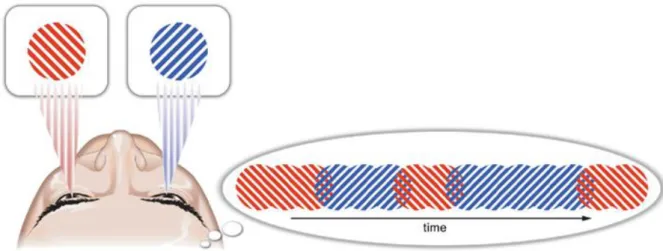
Figure 1.4 An illustration of the phenomenon of binocular rivalry ... 46
Figure 1.5 Two bistable stimuli illustrating the phenomenon of perceptual rivalry ... 47
Figure 2.1 The stimuli and trial structure of the tasks ... 62
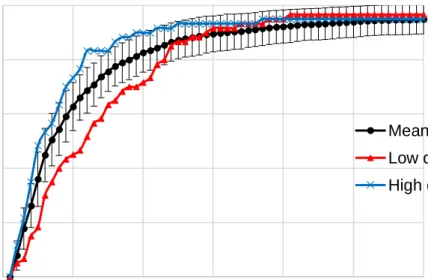
Figure 2.2 The mean cumulative percent correct in the CB task at different time points along with standard deviation error bars and the cumulative percent correct for the highest and lowest performing participants in terms of the β value. ... 70
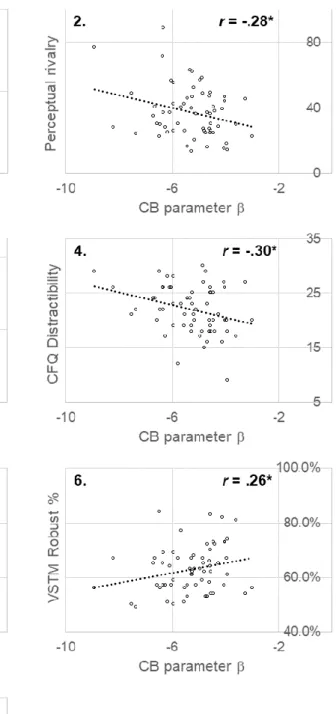
Figure 2.3 Scatterplots illustrating the significant correlations between CB parameter β and the other perceptual and cognitive measures ... 75
Figure 3.1 An illustration of the perceptual rivalry task (A), the parietal regions that are structurally related to rivalry alternation rate (B), and (C) the putative mechanism of perceptual prediction ... 91
Figure 3.2 The MNI coordinates (X, Y, Z) of parietal regions of interest ... 96
Figure 3.3 The stimuli and trial structure of the CB, attentional capture, VSTM, and perceptual rivalry tasks ... 101
Figure 3.4 Scatterplots illustrating the significant correlations between CB parameter β, attentional capture, and fragile VSTM accuracy ... 105
Figure 3.5 Scatterplots illustrating the significant correlations between GM density in the ROIs (left SPL and left PPC) and the behavioural measures; the number of alternations in perceptual rivalry and robust VSTM accuracy ... 111
Figure 4.1 Example of a bias in Bayesian inference ... 132
Figure 4.2 Examples of Mooney face images... 135
Figure 4.3 The ambiguous structure-from-motion sphere of the perceptual rivalry task ... 138
Figure 4.4 The stimuli appearance and trial structure of the CB task ... 139
Figure 4.5 The target and control stimuli in the Mooney task ... 141
Figure 4.6 An example of a colour template in the Mooney task ... 142
Figure 4.8 The average sensitivity (d') and response criterion (C) in the Before and After blocks of the Mooney task ... 149 Figure 4.9 Scatterplots illustrating the relationship between reliance on prior
knowledge and schizotypy ... 150 Figure 4.10 Scatterplots illustrating the correlations between CB parameters,
perceptual closure, and atypical perception ... 151 Figure 4.11 An illustration of the new cropped Mooney templates and targets ... 157 Figure 4.12 The average sensitivity (d') and response criterion (C) in the Before and After blocks of the Mooney task ... 160 Figure 4.13 The relationship between the attention to detail subscale of the AQ and the CAPS score ... 161 Figure 5.1 The stimuli and trial structure of the binocular rivalry task conditions... 182 Figure 5.2 Scatterplots illustrating the nominally significant correlations between the binocular rivalry task conditions ... 199 Figure 5.3 Scatterplots illustrating the significant correlations between the tendency to see the expected and typical and atypical perception ... 204 Figure 7.1 The test-retest reliabilities of percent correct in the CB task at different time points with a sample of 59 participants ... 285 Figure 7.2 Pearson correlations between the measures of the full test battery ... 286 Figure 7.3 The Scree plot for the exploratory factor analysis showing an inflection point at 3rd factor, justifying the extraction of 2 factors ... 290 Figure 7.4 Scatterplots illustrating the correlations between the change in the Mooney task hits and false alarms after seeing the templates and CAPS. ... 291 Figure 7.5 A scatterplot illustrating the correlation between CB parameter α and the percentage of missed changes in the CB task... 294 Figure 7.6 The Scree plot for the exploratory factor analysis showing an inflection point at 4th factor, justifying the extraction of 3 factors ... 294 Figure 7.7 An illustration of the facilitatory (Fac.) and suppressive (Sup.) effects of weak and strong signal primes over time ... 295
LIST OF TABLES
Table 2.1 The summary statistics of the measures ... 71
Table 2.2 Pearson correlations between CB parameter β and selected measures ... 76
Table 2.3 Exploratory factor analysis with varimax rotation ... 79
Table 3.1 The brain regions related to individual differences in visual awareness ... 93
Table 3.2 The expected correlations between GM density in ROIs of the brain and the behavioural measures ... 95
Table 3.3 The summary statistics of the behavioural measures ... 104
Table 3.4 Pearson correlations between CB parameter β and the other measures ... 105
Table 3.5 The observed relationships between the ROIs and the behavioural measures ... 110
Table 4.1 The summary statistics of the measures ... 146
Table 4.2 Pearson correlations between the measures ... 147
Table 4.3 The summary statistics of the measures ... 158
Table 4.4 Pearson correlations between the measures ... 159
Table 5.1 The summary statistics of the performance in the binocular rivalry task conditions ... 190
Table 5.2 The summary statistics of response times in the binocular rivalry task conditions ... 191
Table 5.3 The summary statistics of accuracy on catch trials ... 194
Table 5.4 The summary statistics of response times on catch trials ... 195
Table 5.5 Spearman's correlations between the conditions of the binocular rivalry task ... 198
Table 5.6 Exploratory factor analysis with the nine measures from the binocular rivalry task and two parameters of change detection ... 201
Table 5.7 The summary statistics of the measures of typical and atypical perception. 203 Table 6.1 Measures that predicted better visual change detection in this thesis ... 229
Table 7.1 Stimulus parameters for the CB, attentional capture, VSTM, perceptual rivalry, TOJ, and CS tasks ... 283
Table 7.2 Stimulus parameters of the binocular rivalry task ... 292
Table 7.3 The summary statistics of catch trial accuracy in the binocular rivalry task ... 293
LIST OF ABBREVIATIONS
ADHD – Attention Deficit Hyperactivity DisorderAQ – Autism-Spectrum Quotient ASD – Autism-Spectrum Disorder BOLD – Blood oxygen-level dependent CAPS – Cardiff Anomalous Perceptions Scale CB – Change blindness
CE – Continuity error
CFQ – Cognitive Failures Questionnaire CS – Contrast sensitivity
EEG – Electroencephalography ERPs – Event-related potentials FDR – False discovery rate FEP – Free energy principle
fMRI – functional magnetic resonance imaging FWE – Family wise error
GM – Grey matter
IB – Inattentional blindness IPS – Intraparietal sulcus KMO – Kaiser-Meyer-Olkin MEG – Magnetoencephalography MRI – Magnetic resonance imaging ms – milliseconds
MT – Middle temporal MTL – Medial temporal lobe
MVPA – Multi-voxel pattern analysis PPC – Posterior parietal cortex ROI – Region of interest RT – Response time
rTMS – Repetitive transcranial magnetic stimulation SBB – Structural brain behaviour
SD – Standard deviation
SEM – Standard error of the mean SPL – Superior parietal lobe TIV – Total intracranial volume
TMS – Transcranial magnetic stimulation TOJ – Temporal order judgement
qCSF – Quick contrast sensitivity function V1 – Primary visual cortex
V2 – Secondary visual cortex VSTM – Visual short-term memory
VVIQ – Vividness of Visual Imagery Questionnaire VWM – Visual working memory
WBA – Whole brain analysis WM – Working Memory
THESIS SUMMARY
Predictive processing theories posit that awareness of the visual world emerges as the brain engages in predictive inference about the causes of its sensory input. At each level of the processing hierarchy top-down predictions are corrected by bottom-up sensory prediction error to form behaviourally optimal inferences about the state of the visual world. Research suggests there may be individual differences in predictive
processing mechanisms such that some individuals are more reliant on prior knowledge, whereas others assign more weight to sensory evidence. Predictive processing biases are thought to manifest in a range of typical and atypical perceptual experiences including proneness to perceptual illusions, sensory sensitivity in autism, and hallucinations in psychosis. The overarching aim of this thesis was to investigate whether in the general population predictive processing biases predict individual differences in visual
awareness. Change blindness was selected as the central paradigm of investigation, as it can be conceptualised as a failure to incorporate a novel change into the current
prediction about the state of the visual world.
The empirical work in Chapter 2 aimed to characterise individual differences in visual change detection using naturalistic scenes and to identify the perceptual and cognitive measures that predict noticing ability. There were reliable individual differences in change detection that generalised to ecologically valid displays. The ability to notice visual changes was predicted by the strength and stability of perceptual predictions, as measured by the accuracy of visual short-term memory and attentional control in the face of distractors.
In Chapter 3 I used voxel-based-morphometry to investigate whether inter-individual variability in brain structure predicts inter-individual differences in visual
awareness. The latter was assessed by the change blindness task as well as its strongest predictor measures (visual short-term memory, attentional capture, and perceptual rivalry). Regions of interest (ROIs) were selected in the parietal and visual cortices based on previous evidence that these areas are causally involved in the awareness of visual stimuli. This study aimed to discover whether the average grey matter density in the ROIs predict susceptibility to CB. The ROI-based analyses revealed the average grey matter density in left posterior parietal cortex predicted visual short-term memory accuracy but none of the other hypothesised relationships were significant.
Chapter 4 aimed to measure individual differences in the reliance on prior knowledge by employing the Mooney face detection task. In this task participants disambiguated faces in two-tone degraded images before and after the presentation of the original versions of the images. Better change detection was predicted by Mooney face detection without any prior knowledge of the images, a measure of ‘perceptual closure’ or an ability to generate a gestalt of a scene. The attention to detail subscale of the autism spectrum also predicted superior change detection. Reliance on prior
knowledge in visual perception (assessed by improvement in Mooney face detection after seeing original images) did not consistently predict atypical perceptual experiences associated with the autism spectrum or schizotypy.
Chapter 5 was an investigation into, firstly, whether there is a general predictive processing bias, which manifests across different methods of inducing prior knowledge, or whether such a bias is paradigm-specific and, secondly, whether reliance on priors predicts perceptual experiences and traits. All prior manipulations in this study lead to an increased tendency to see the expected stimulus in a binocular rivalry display, except adaptation, which lead to a suppression of visual awareness. Attentional control,
that the strength of selective attention is closely linked with the facilitatory effect of expectation. The strength of adaptation predicted superior change detection and perceptual priming predicted the propensity to experience perceptual illusions.
Taken together, these findings suggest that there are reliable individual
differences in visual change detection, and these are predicted by the strength of visual short-term memory representations, attentional control, perceptual closure ability, as well as the strength of low-level adaptation. Possessing expectations facilitates the entry of the corresponding percept into awareness, irrespective of the method of prior
induction. The facilitatory effect that priors exert on visual awareness across different methods is closely linked with the ability to exert attentional control. This suggests that the effects of expectations on awareness may be attentional. However, predictive processing biases were method-specific in that a facilitatory effect using one prior induction method will not necessarily predict the magnitude of the effect using a
different method. Some prior effects (e.g., perceptual priming, imagery, and adaptation) yielded correlations with perceptual experiences and traits in the general population. As the research in this thesis is correlational, future studies will need to delineate the effects of expectation, attention, and adaptation on visual awareness and explore the neural representations of these mechanisms.
INTRODUCTION
AND THESIS OVERVIEW
1.1 Noticing the visual world
Our awareness of the visual world seems effortless. Whenever we open our eyes, we have access to a rich, colourful image of our environment that we can freely explore according to our goals. Importantly, we tend to have a belief that we have all the visual information we currently need and will become aware of it if something happens to suddenly change. It may come as a surprise then when we miss large and important changes in our visual environment. This may be a particular issue for some people over others; some of us may be more observant of the environment and notice little details in another person’s appearance, whereas others may be more distractible and get lost in mind-wandering. What may visual change detection reveal about the mechanisms generating the subjective awareness of the visual world? Importantly, can the differences between individuals in their ability to notice tell us something about the processes involved? The evolving theoretical thought regarding the mechanisms of perception points to the idea that visual awareness may not so much depend upon what sensory signal we receive from the environment, but rather the internal explanatory models that we have built about the world. There is growing evidence that our prior knowledge and expectations powerfully shape what we attend to and become aware of. The Bayesian predictive processing framework suggests that what draws our attention likely depends not only on the characteristics of the visual environment but also on our beliefs. In this thesis I aim to investigate if individuals differ in the extent that they rely on expectations when perceiving visual stimuli and how this relates to their ability to notice visual changes. I will start this chapter by introducing predictive processing theories and summarising their central tenets. I will then go on to describe how the interactions between expectation, sensory evidence, and attention are thought to give
rise to visual perception. Following this I will introduce the distinction between unconscious and conscious processing and consider what may be the mechanism that determines which contents enter visual awareness at any given moment. I will then discuss the possibility that individuals may reliably differ in their ability to become aware of visual changes and how such a trait may be underpinned by a tendency to be influenced by expectations. Finally, I will provide the rationale for each of the four studies comprising this thesis.
1.2. Visual perception in the predictive brain
Predictive processing is an influential theoretical framework, which has been gaining recognition in recent years due to the parsimony of its purported mechanisms and its promise to provide a unified theory of the human brain. Its roots can be traced back to Hermann von Helmholtz (Helmholtz, 1860; Westheimer, 2008) who suggested that perception can be understood as a process of unconscious inference. This idea was further developed by Richard Gregory who used the example of visual illusions to argue that the perceptual process has many parallels with the scientific process – perception is a hypothesis that the brain generates in response to sensory stimulation (Gregory, 1968; 1980). Gregory pointed out that no object is purely concrete or sensed directly, as any sensation necessarily involves the prior assumptions and understanding built into the system that perceives it. In its current form the theoretical framework is grounded in Bayesian statistics and comprises several branches, including the free energy principle (FEP) as outlined by Karl Friston (Friston, 2010; Feldman & Friston, 2010) and predictive coding further elaborated by authors such as Jakob Hohwy (Hohwy, 2013) and Andy Clark (Clark, 2013; 2015).According to predictive coding frameworks such as the FEP (Friston, 2010) the mechanism that underpins visual perception is the same one at the core of the central organisational principle of any living organism and has evolved due to the pressure to resist entropy and maintain homeostasis (Seth, 2014; Seth & Tsakiris, 2018). This mechanism is thought to be free energy minimisation (Friston, 2010; Feldman & Friston, 2010) and can be defined as the attempt of the organism to generate a model of the world (including that of itself) in order to infer the causes of its sensory signal, generate evolutionarily adaptive behaviour, and remain in physiological equilibrium. The model is probabilistic and is extrapolated to new sensory data based on prior
knowledge (both in terms of the knowledge generated during an organism’s lifetime and that encoded through its evolutionary history). When a model is generated but it is not optimal for the current environmental context (i.e., the organism finds itself in an unpredicted state), this results in surprise and creates an error signal. This kind of
scenario is energetically costly and thus threatens homeostasis. Due to the outside world being ever-changing and the sensory data being variable and ambiguous the organism has only two strategies to minimise free energy and maintain homeostasis; one is to retain its model by selectively sampling the environment through action and the other is to adjust the model via perception. This is a general principle thought to operate across different perceptual modalities and cognitive domains, although it will be considered in more detail in relation to predictive processing frameworks of visual perception.
1.2.1 Prediction, prediction error, and attention
To generate an optimal visual inference, the brain has developed a strategy of extracting statistical regularities in the sensory signal and predicting its hidden causes based on experience. Predictive processing proposes that there are two opposing
processes at play in the human brain for the purpose of generating and maintaining a model of the visual world. On the one hand, the brain generates top-down predictions, which are the most likely interpretation of the sensory signal. However, the system needs to continuously update these to dynamically represent the visual world.
Therefore, the brain registers any mismatches between the prediction and the sensory signal received and propagates an error signal in the cortical hierarchy in a bottom-up direction. Ultimately, the function of this signal is to reorganise and update any predictions that do not optimally represent the state of the visual world. Note that an optimal visual representation is not necessarily veridical; it is defined as optimal based on whether it is useful to the organism for action, given that perception serves the larger goal of survival and reproduction (Seth & Tsakiris, 2018)
A key aspect of predictive coding frameworks is that the process of perceptual inference is hierarchical (Rao & Ballard, 1999). This means that the same mechanism of prediction and prediction error minimisation operates at each level of the cortical
hierarchy. For example, the neurons at the higher levels in the cortical hierarchy predict the activity of neurons at the lower levels. These representations are then compared and any discrepancy between the two is converted into a prediction error signal, which is sent to the higher-level neurons to adjust their prediction. At each level the prediction error is iteratively minimised, which results in a multi-level prediction that is
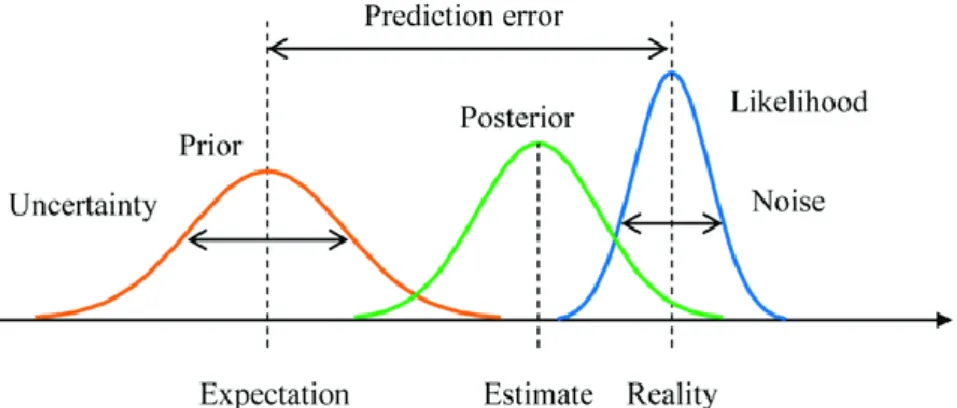
continuously dynamically constrained by sensory evidence. In the domain of visual perception, this hierarchical prediction is equivalent to a perception of the current state of the visual world. In other words, what we perceive at any moment is the visual system’s best estimate, given its prior knowledge and the sensory evidence it receives from the environment (see Figure 1.1 for an illustration of the terms prior and prediction error according to Bayesian statistics).
Figure 1.1 An illustration of Bayesian inference
The prior distribution corresponds to the expectation and its variance with the uncertainty associated with it. The likelihood function corresponds to the sensory evidence and its variance is the associated noise. The prediction error is the difference between the prior and the sensory evidence. The posterior distribution is the estimate corresponding to the current percept and is created by combining the prior with the likelihood, each weighted by their precision (inverse of variance). The posterior is shifted towards the likelihood if the prior is flatter (more uncertain) or the likelihood is sharper (less noisy). The image is taken from Yanagisawa, Kawamata, and Ueda (2019).
Generally, the role of prior knowledge is to prepare the organism to act optimally, given the evidence collected from the environment so far. That is, to anticipate the causes of sensory input based on previous experience. However, this is not only to be taken in the sense that the expectation is a future projection. Within the field of visual perception, whatever we currently perceive is our brain’s best estimate of what the sensory input it receives represents (i.e., the hidden cause), given prior
knowledge. This is continuously adjusted at every level of the hierarchy to minimise the error, as previously described. Our perception of visual stimuli is influenced by priors that have been generated throughout the evolutionary history, for example the
probability of the source of light originating from above and the probability of shadows being cast (Kleffner & Ramachandran, 1992). Our visual system has adjusted to the natural environments we have historically encountered, such that we have a finer
discrimination of cardinal orientations (vertical and horizontal), which are the most commonly seen orientations in natural scenes (Girshick, Landy, & Simoncelli, 2011). However, priors that have been generated by learning in our recent experience can also influence perception. For example, the visual system dynamically adjusts to the
statistics of the colour space of the environment (e.g., Webster, 2011; Bosten, Beer, & MacLeod, 2015). There is evidence that even reliable priors that capture predictable structure of the environment, such as the light-from-above prior, can be re-trained in a short space of time. Adams, Graf, and Ernst (2004) showed that by pairing stimuli that are typically perceived as convex with conflicting haptic feedback indicating a felt concave shape (and vice versa) the inferred position of the light that falls on the
stimulus can be shifted post-training. This training also affected responses to a novel set of stimuli showing that training influences the perceived position of the light source, rather than object-based associations. Furthermore, new priors can be induced such that the typical phenomenology of the visual world can be altered in an entirely novel way. Bor and colleagues (2014) demonstrated that previously non-synaesthetic individuals can begin to experience grapheme-colour synaesthesia after a 9-week colour association training period, such that the trained colour is consistently experienced in the mind’s eye when viewing letters in the outside world (e.g., on signposts). The training also significantly altered responses in behaviour tasks such as the Stroop task, mirroring the behavioural performance of synaesthetes (i.e., improved congruency effects). In sum, visual perception is dependent on prior knowledge and learnt associations and, most importantly, these are plastic so can be dynamically adjusted to affect the corresponding phenomenology.
Within the framework of predictive processing the role of prediction error is to prevent expectations that no longer accurately represent the state of the visual world to
determine perception and influence behaviour. The error signal updates inferences at all levels of the cortical hierarchy, such that deviations from the evidence that are
behaviourally important are registered and work to reorganise the priors. In visual perception, sometimes the errors that are propagated up the visual hierarchy evidently do not succeed in updating the current visual percept. This describes situations where human observers fail to perceive visual information, even though it may be processed to some extent in the brain; the phenomena that illustrate this scenario will be discussed in more detail in the next chapters. The general aim of the error within this framework is to convey information about perceptual change in the visual world for the organism to be able to strike a balance between retaining stable models regarding reliable aspects of reality, whilst dynamically incorporating new information into their moment-to-moment models of the changing visual world.
In addition to coding what is probable (i.e., the hidden causes of sensory input), the visual system also needs to estimate the noise and uncertainty associated with the environment, the context, and the stimuli it perceives. Furthermore, encoding the
probability and precision of visual information subserves the larger behavioural goals of the organism. Some visual stimuli may be very probable but not particularly
behaviourally relevant or informationally rich; others may be improbable but have a strong signal or motivational relevance. In order to support adaptive behaviour, the visual system needs to dynamically estimate the precision of visual stimuli given the context. Under predictive processing frameworks, coding the precision of predictions and prediction errors is the function of attention (Feldman & Friston, 2010; Hohwy, 2012). That is, attention is thought to be a distinct type of inference; not one inferring what probable (as perception does) but one inferring what is precise (Hohwy, 2012). More specifically, attention is thought to be the optimisation of expectations about
precision (i.e., the inverse of variance or uncertainty) of a prior and is encoded as dynamic modulation of post-synaptic gain of prediction error units (Feldman & Friston, 2010). Depending on how much uncertainty is associated with particular stimuli, attention is allocated on a moment-to-moment basis by assigning greater weight to the prediction errors that are expected to have highest signal-to-noise ratio. This dynamic precision adjustment of sensory evidence in turn is thought to depend upon high-level priors, such as motivational states or goals, and expectations (Hohwy, 2012; Kanai, Komura, Shipp, & Friston, 2015). In this way, attention is intimately linked with expectation, in that it dynamically weights up the precision of the most motivationally relevant visual stimuli. Note that both exogenous (i.e., stimulus-driven) and endogenous (i.e., voluntary) attention can be characterised this way, as stimulus-driven attention is still supported by an underlying prior that stimuli with high signal-to-noise ratio have a high relevance for the organism.
1.2.2 The role of expectation in visual perception
There is extensive evidence for the profound influence of priors or expectations on perception (for a recent review see de Lange, Heilbron, & Kok, 2018). Expectations are demonstrated to make the visual system more sensitive to the expected stimulus such that it becomes more likely to be perceived (Chalk, Seitz, & Seriès, 2010; Lupyan & Ward, 2013; Denison, Piazza, & Silver, 2011). For example, under conditions where a manipulation is introduced to suppress awareness (e.g., inter-ocular suppression in continuous flash paradigms) images cued by words are more likely to be detected (Lupyan & Ward, 2013). Expected percepts also enter awareness faster (Chang, Kanai, & Seth, 2015; Denison et al., 2011) and based on weaker sensory evidence (Melloni, Schwiedrzik, Müller, Rodriguez, & Singer, 2011). Discrimination ability is enhanced by
expectation; for example, finer differences between the orientation angles of two gratings can be detected if the first grating is of an expected relative to unexpected orientation (Kok, Jehee, & de Lange, 2012). In terms of signal detection theory, possessing expectations of the upcoming stimulus created by valid cues may indeed boost performance and reaction time, relative to invalid cues; however, it may be that expectations actually slightly reduce sensitivity to the signal and instead shift the criterion towards the expected percept (Rahnev, Lau, & de Lange, 2011). Expectation may be particularly important in scenarios where the visual input is weak, unreliable or ambiguous – these are the cases when perception is biased more towards the direction of prior knowledge (Stocker, & Simoncelli, 2006; Sterzer, Frith, & Petrovic, 2008;
Girshick et al., 2011). For example, Girshick and colleagues (2011) found that when making orientation judgements under conditions of perceptual uncertainty, people are biased towards cardinal (horizontal and vertical) orientations. Additionally, there are demonstrations that after training the expected stimuli can be ‘hallucinated’ even when no physical stimulus is present. For example, individuals perceive motion in expected directions when no stimulus is present (Chalk et al., 2010). These results highlight that expectations boost perception and discriminability of visual stimuli that are physically present, as well as bias perception towards the expected when the stimuli are ambiguous or even entirely absent.
In terms of the neural basis of the effect of expectations, there is a debate in the research literature as to how exactly this process operates. It is generally accepted that expectations of visual stimuli reduce, suppress or attenuate the neuronal activity of visual cortex (Summerfield, Trittschuh, Monti, Mesulam, & Egner, 2008; Summerfield & Egner, 2009). This is usually taken as an indication that the prediction errors
sensory attenuation response could be accomplished through two distinct strategies – sharpening or dampening. A process of sharpening would reduce the activity of neurons coding irrelevant information and retain or even boost the activity of cells coding the expected stimulus. In contrast, dampening would reduce the activity of the neurons involved in the expected representation, which would be consistent with the suppressing or ‘explaining’ away prediction errors (Hohwy, 2013; Friston, 2005). Imaging studies using multi-voxel pattern analysis (MVPA) techniques show evidence for the
sharpening hypothesis, as when a cue validly predicts the orientation of a grating, the overall blood oxygen-level dependent (BOLD) signal in primary visual cortex (V1) is reduced but the pattern of activation associated with that orientation can be decoded with greater accuracy, relative to unexpected orientations (Kok et al., 2012).
Furthermore, activity in voxels preferring the unexpected orientation is lower than in voxels coding the expected stimuli, consistent with the sharpening account. This suggests that expectations suppress the irrelevant features of the signal, whereas the units coding the expected stimulus remain active, thus enhancing sensitivity to it. Possessing expectations regarding an upcoming visual stimulus (e.g., the direction of moving dots) has been shown to activate dorsolateral prefrontal cortex, as well as intraparietal sulcus (IPS), and result in a heightened effective connectivity between these regions and the corresponding sensory areas (in this case, the middle temporal (MT) area) (Rahnev et al., 2011). This suggests that the processing of prior expectations involves recurrent activity (both feed-forward and feedback) between higher order areas and areas coding the sensory representations of the stimulus.
1.2.3 The role of attention in visual perception
Attention is thought to be a limited capacity process that biases the competitive interactions between representations of stimuli such that attended stimuli are prioritised for processing (Desimone & Duncan, 1995; Kastner & Ungerleider, 2000). Attention is defined as a process that represents the salience of information. Broadly, there are two ways information can be salient – motivationally or perceptually. This corresponds to the division of attention into endogenous or voluntary and exogenous or stimulus-driven. A stimulus can be salient in terms of the organism’s motivational state defined by the current task goals and thus attention can be allocated endogenously, that is, at will. Alternatively, a stimulus can be salient by the virtue of being novel or distinct from its surrounding area in terms of perceptual characteristics (e.g., colour, contrast,
temporal contrast) and therefore capture attention exogenously. An example of a perceptually salient stimulus is one with a high temporal contrast – abrupt visual onsets are demonstrated to capture attention involuntarily and may have special status among salient stimuli (Yantis, & Jonides, 1984; Jonides, & Yantis, 1988). The effects of exogenous attention are studied in the attentional capture paradigm developed by Theeuwes (1992). Here, a salient visual stimulus (e.g., a stimulus that stands out in terms of its colour) is prioritised against the volitional goals of individuals, causing interference in the form of delayed response time to a less salient target. Endogenous and exogenous attentional cues have been used to probe the behavioural effects of attention. In the classic Posner paradigm (Posner, 1980) endogenous attention is manipulated by showing a central cue (e.g., an arrow), which informs the individual where the stimulus is likely to occur and therefore where attention should be voluntarily allocated. Exogenous cues are peripheral abrupt onsets leading to attentional capture. Both endogenous and stimulus-driven attentional cues facilitate the processing of visual
stimuli at the location of the cue, as shown by reduced response times (Posner, 1980). Therefore, from a behavioural standpoint the function of attention seems to be to increase the sensitivity to visual signal.
It is important to note here that the distinction between exogenous and
endogenous attention is not entirely straightforward. Salience can be assigned based on other properties besides the relative novelty of perceptual characteristics, for example, emotional relevance – emotion in faces (of both positive and negative valence) also captures attention even when task irrelevant (Hodsoll, Viding, & Lavie, 2011). What captures attention oftentimes is motivationally salient in terms of its evolutionary benefit (i.e., it is behaviourally relevant due to having been so in the past). An example besides emotional cues would be the perceptual salience of the colour red: it may not be currently motivationally salient; however, it has been so in our evolutionary past when foraging for ripe fruit (Snowden, Snowden, Thompson, & Troscianko, 2012). Recent perceptual experiences can also guide attention implicitly. For example, learnt
associations between distractors and targets can guide attention and make visual search more efficient upon repeated presentation of the stimuli, even if the patterns of
associations are not explicitly recognised (Chun, & Jiang, 1999). Similarly, intertrial priming increases attentional capture when the distractors were previously encountered as targets (Pinto, Olivers & Theeuwes, 2005). Visual stimuli held in working memory (WM) can also attract attention and improve performance when they are targets as well as hinder it when they are presented as distractors (Soto, Hodsoll, Rotshtein, &
Humphreys, 2008; Soto, Rotshtein, & Kanai, 2014). These results point to the conclusion that a variety of visual stimuli can drive attention in a bottom-up
(involuntary) way. In all of these cases attention is attracted because there are some prior expectations regarding what is informative given the context (in the terminology
of predictive processing, precision expectations), even if these do not translate into explicit top-down goals. The theoretical distinction between exogenous and endogenous attention is not clear-cut in the sense that attentional capture and implicit attentional guidance frequently depends upon memory and expectations based on recent perceptual experience, as well as long-term priors determined by our evolutionary past. What may define voluntary attention then is the ability to disengage from previously attended stimuli.
In terms of the temporal dynamics of stimulus-driven and voluntary attention in visual perception, it is argued that the initial feed-forward sweep of attention through the visual field is entirely stimulus-driven – the visual system may automatically
determine saliency of objects at different spatial locations of the visual field (Theeuwes, 2010). The location with the highest salience is thought to produce pre-reflexive
attentional capture. This process may only be amenable to volitional control after 100 – 150ms (Theeuwes, Atchley, & Kramer, 2000), at which point the identity of the
stimulus can be ascertained and endogenous attention/executive control can take over in order to disengage from salient locations based on explicit task-related goals. Pre-empting attentional capture may, however, be possible by narrowing the attentional window and focusing attention relative to a more diffuse attentional state (e.g., fixating on the location of the target prior to onset, Yantis, & Jonides, 1990; Belopolsky, Zwaan, Theeuwes, & Kramer, 2007). This may because focusing attention on a particular spatial location prevents salience computations across the rest of the visual field. Developing an attentional set based on particular stimuli features may also mitigate the effects of attentional capture, such that it may not be completely prevented but a stronger attentional set can help to disengage from salient but irrelevant stimuli faster (Belopolsky, Schreij, & Theeuwes, 2010). Note that the attentional set in these
paradigms is typically induced by an expectancy cue regarding the identity or feature of the target (e.g., ‘diamond’), which highlights the close correspondence between
expectation and feature-based attention.
The work by Nilli Lavie (1995; 2010) additionally has demonstrated that attentional capture is dependent on perceptual load. When the complexity of visual information in the environment is high, the perceptual load exhausts attentional resources and salient distractors are not selected for attentional processing. Perceptual load can be defined as the number of items that are relevant for identifying the target or more generally perceptual processing demands (e.g., requiring discrimination instead of simple detection). Free attentional resources are available when perceptual load is low and thus attentional capture by salient distractors can take place. Note that increasing the load of internally maintained visual short-term memory (VSTM) representations also has a similar effect on reducing stimulus-driven attention to irrelevant peripheral distractors (Konstantinou & Lavie, 2013), perhaps due to creating an attentional set based on these representations (Belopolsky et al., 2010). Neuroimaging studies suggest that high perceptual (and VSTM) load results in less attentional capture because the sensory representations of the distractor in visual cortex are activated to a lesser degree (or in some cases not at all) under high relative to low perceptual load (Lavie, 2005; 2010). In contrast, increasing cognitive load by maintaining digits in WM increases attentional capture by irrelevant visual distractors (Lavie, Hirst, De Fockert, & Viding, 2004; Lavie, 2010). This is thought to be because in order to avoid task-irrelevant distraction one needs to exert cognitive control and maintain current task goals. The Load Theory therefore suggests that there are two mechanisms at play for selecting relevant over irrelevant visual stimuli – one is passively using perceptual characteristics of the environment to select salient information and the other is active attentional
control (i.e., through WM) to select task-relevant stimuli and avoid distraction (Lavie et al., 2004). Both processes are complementary and their usefulness for filtering out distractors depends on the nature of the distractors and the environment (high versus low perceptual load).
In sum, during the feed-forward sweep stimulus-driven attention may operate reflexively based on salience estimates, given the properties of the visual stimuli and the surrounding context. The physical characteristics of the stimuli such as their novelty, the complexity of the scene, the emotional relevance of stimuli, and recent exposure and memory-based representations all influence ‘salience maps’ of frontoparietal regions and the allocation of stimulus-driven attention (Corbetta & Shulman, 2002).
Endogenous attention may be defined as a process that enables individuals to develop an attentional set based on expected stimuli features, to voluntarily allocate attention in space, to control the window of attention (e.g., focused versus diffuse), and to disengage from attentional capture once the identity of the stimulus is known and does not accord with the current explicit task goals. Exogenous and endogenous attention are
complementary in that endogenous attention cannot be maintained indefinitely (attentional capture cannot be prevented) but capture cannot last either (Corbetta & Schulman, 2002; Hohwy, 2012).
In terms of the neural correlates of visual attention, the consensus from research using imaging techniques is that attention (exogenous and endogenous) increases the neural activity of visual areas that code the attended features or spatial locations thus increasing sensory gain and perceptibility. For example, transient peripheral attentional cues boost retinotopically specific activity in extrastriate visual areas and increase discrimination of visual stimuli at the cued locations (Liu, Pestilli, & Carrasco, 2005). The baseline activity of location-specific extrastriate visual areas prior to stimulus
presentation is likewise increased after endogenous attentional cueing (Kastner, Pinsk, De Weerd, Desimone, & Ungerleider, 1999). In addition to evidence regarding spatial attention boosting neural activity, feature-based (e.g., shape-specific) endogenous attention too increases baseline activation of feature-specific neural populations in the occipital cortex, as shown using MVPA (Stokes, Thompson, Nobre, & Duncan, 2009). There is in fact evidence that the baseline activity of sensory areas could be the correlate of expected precision, as increased activity in extrastriate areas before the onset of visual stimulus predicts detection sensitivity (i.e., more hits and correct rejections) and baseline activity in fusiform area predicts detection of faces in Rubin’s vase
(Hesselmann, Sadaghiani, Friston, & Kleinschmidt, 2010; Hesselmann, Kell, Eger, & Kleinschmidt, 2008).
In terms of the cortical regions differentially involved in attentional processing, exogenous capture is associated with activity in parietal regions of the cortex, whereas voluntary disengagement from capture may be related to processing in frontal regions (Lavie, 2005). De Fockert, Rees, Frith, and Lavie (2004) investigated the neural basis of the attentional capture task and found that the presence of a singleton distractor was associated with bilateral activation of the superior parietal cortex. This area is known to be involved in spatial shifts of attention (Corbetta & Schulman, 2002), suggesting that it may initiate attentional shifts to salient distractors. Indeed, studies applying repetitive transcranial magnetic stimulation (rTMS) over posterior parietal cortex (PPC) during the attentional capture task show that the magnitude of the singleton interference effect (with and without inter-trial priming) is reduced by the disruption of right PPC
(Hodsoll, Mevorach & Humphreys, 2008). This supports the idea that parietal cortex may encode salience maps that guide attention. Activation of left lateral precentral gyrus was also observed in attentional capture, the magnitude of which was negatively
correlated with the response time delay due to capture (De Fockert et al., 2004). This suggests that activation of frontal cortex may enable to resolution of attentional capture, i.e., disengaging from the irrelevant distractor. A lack of correlation between PPC activity and interference magnitude may reveal that the extent of attentional capture is determined primarily by how easily one can disengage attention rather than salience-based attentional shifts per se.
1.2.4 Summary
To summarise, predictive processing theories propose that the brain dynamically generates a probabilistic model of its sensory input, as well estimates its precision (i.e., inverse of variance or uncertainty), and actively samples the world for evidence of this model. All three of these functions respectively, perception, attention, and action, interact within the visual system to minimise prediction error or free energy in order to avoid surprise (entropy/uncertainty). Under predictive processing, the repertoire of visual inference is: (1) dynamically adjusting the visual representation based on evidence, (2) estimating which sensory evidence is more informative given the high-level goals and low-high-level salience of sensory evidence, and (3) actively directing attention, eye and body movements to gain more evidence for a particular visual representation.
Predictive processing is a promising framework because it can potentially explain an abundance of disparate perceptual, cognitive, and behavioural phenomena in terms of a common mechanism. The explanatory power of this theory may reveal that it accurately describes a process that is central to human cognition. However, there is a need to explore the experimental evidence for and against this theoretical framework further, because it tends to be amenable to post-hoc explanations for unexpected results
by accommodating different and even contrasting findings (Bowers & Davis, 2012). For example, there are reasons to hypothesise that unexpected information will be
particularly salient and draw attention, as it violates an existing belief therefore is surprising (and energetically costly). However, it can also be proposed that expected information will be salient and draw attention, as it confirms an existing belief, so less evidence is required to notice it. In fact, there is empirical evidence for both hypotheses (Itti & Baldi, 2009; de Lange et al., 2018), which complicates interpretation as to what leads to detection – novelty or predictability? It would be necessary to clarify several aspects that are currently under debate or entirely unknown. First, what may distinguish between unconscious and conscious processing within the predictive processing
framework? If all cognitive operations work through the mechanism of prediction and prediction error correction; then what specifically about these processes determine which cognitive operation will enter awareness at any given moment?
1.3. Attention and visual awareness
Although consciousness is thought to be a natural consequence of the prediction error minimisation process, predictive processing does not explicitly differentiate between conscious and unconscious cognitive operations. That is, the same iterative process of prediction and prediction error signalling is thought to be at work throughout the cortical hierarchy (Friston, 2010). Of course, the question arises, what is different about the mechanism that generates an unconscious process as opposed to a percept that reaches conscious awareness? What might be the functional role of conscious awareness of the visual world if statistical regularities in the visual domain can be extracted
implicitly (Turk-Browne, Scholl, Chun, & Johnson, 2009)? Richard Gregory wrote that the existence of consciousness within this process of hypothesis generating and revision
is mysterious; however, he alluded to the idea that consciousness may be particularly necessary when mismatches between inferences and sensory evidence occur (Gregory, 1980). A central process of cognition that may provide an insight with regards to which predictions enter visual awareness and which prediction errors are used to update them is the phenomenon of attention.
1.3.1 Attention: a predictive processing mechanism gating
conscious perception
Attention is conceptualised as a process that dynamically prioritises the
processing of certain internal models relative to others, based on expectations relating to precision of the model given its current context (Hohwy, 2012; Schröger, Kotz, & SanMiguel, 2015). This suggests attention may be the process influencing which perceptual models enter awareness at any given moment. With this in mind, the current contents of visual awareness can be defined as the prediction that is (1) accurate, that is, most probable given the previous experience and current input, and (2) currently
estimated to be most precise, namely, perceptually or motivationally salient, and therefore attended to. There may be exceptions to this, as it has been suggested that conscious perception may still be possible for states that are inaccurate but relatively precise or accurate but not very precise, a possible candidate of latter being gist perception (see Figure 1.2 for an illustration) (Hohwy, 2012). Apart from these exception states, predictive processing mechanisms suggest that a conscious percept will be the internal model that is currently most accurate (i.e., best minimises prediction error) whilst also being most precise. Although various perceptual models may be currently possible, through adjusting the gain of certain prediction error units over
others, attention may be the process that determines which models gain sensory evidence faster and thus are consciously represented.
Figure 1.2 The properties of perceptual models that enter visual awareness.
The first order statistics reflect the inverse amplitude of prediction errors, whereas the second order statistics reflect the inverse amplitude of uncertainty about predictions. The perceptual model that populates visual awareness is the one that has high accuracy (represents the visual world well) but also has high precision (is attended). This does not preclude the possibility that some conscious perceptual states may have relatively less precision but more accuracy or more precision but less accuracy. It does suggest the majority of conscious perceptual states will be both probable and attended. Image taken from Hohwy (2012).
1.3.2. Dissociation between attention and awareness
Given the proposal that attention may gate the access of perceptual models to awareness, it may be worthwhile to consider counter-evidence, as some researchers have suggested that attention and awareness can be dissociated using lab-based
manipulations, and that attention may not be sufficient or even necessary for awareness (Koch & Tsuchiya, 2007). Stimuli that are attended, whether exogenously or
endogenously, are not always consciously registered. For example, spatial attention can lead to enhanced processing of masked primes, as evidenced by the influence of cued masked primes on reaction times in a subsequent target discrimination task with congruent targets (Kentridge, Nijboer, & Heywood, 2008), despite the primes never becoming consciously visible. Additionally, spatial attention is captured by salient stimuli such as nude images that have been rendered consciously invisible by interocular suppression with high contrast noise patches, as evidenced by facilitated subsequent discrimination of visible targets presented in the same location (Jiang, Costello, Fang, Huang, & He, 2006). These examples of attentional selection and processing without awareness demonstrate that attention can be allocated to stimuli that are salient or relevant outside of awareness, and these can lead to improved processing at the associated spatial locations or unconscious priming by the relevant features. Thus, attentional allocation alone may not be sufficient for conscious perception when
masking or other highly disruptive stimuli are introduced.
Furthermore, it has been argued that top-down attention may not be necessary for the initial fast feed-forward sweep of visual processing, which results in the conscious perception of the gist of the scene, as this process occurs very quickly. In predictive processing terms this would correspond to the accurate (probable) but imprecise (not fully attended) state (Hohwy, 2012). For example, Kirchner and Thorpe (2006) found that only about 120ms are required for highly accurate semantic
categorisation of scenes. In this study two natural scenes were flashed side by side for 20ms and subjects had to report the presence of an animal by initiating a saccade to the correct side. This result suggests that the visual processing leading up to conscious detection and categorisation of objects is extremely fast, faster than the speed at which top-down attention can be initiated (i.e., about 100 – 150ms, Theeuwes et al., 2000;
Theeuwes, 2010). Selective attention may be engaged later on to prioritise the processing of particularly relevant locations or features of the extracted gist (Koch & Tsuchiya, 2007).
The necessity of attention for awareness is also called into question by
demonstrations of conscious processing and discrimination of stimuli with near absence of top-down attention in dual task paradigms. Here, discrimination between categories of briefly peripherally presented scenes (e.g., animal present or absent, vehicle present or absent) is still possible when engaging top-down attention in a demanding central task (Li, VanRullen, Koch, & Perona, 2002). Crucially, the accuracy of categorisation is unchanged relative to single task conditions and performance in the central task does not decrease due to the peripheral categorisation. This effect is also present when discriminating between peripherally presented male and female faces in a dual task paradigm, although performance is impaired when categorising computationally easier but ecologically less important stimuli such as green-red or red-green discs (Reddy, Wilken, & Koch, 2004). Together these results seem to indicate that attention may not be required for the initial steps of building a conscious representation of the natural visual scene and extracting its semantic meaning.
However, after a closer consideration of this evidence, it is questionable whether awareness and attention truly dissociate under natural continuous conscious perception of the visual world. It must be noted that in lab-based studies where attended stimuli do not become consciously visible, some manipulation is typically present to prevent the stimuli from entering awareness, such as masking (Kentridge et al., 2008) or interocular suppression (Jiang et al., 2006). Under these conditions, although precision may be initially allocated to the subliminal stimulus, it is then disrupted or masked by a salient distractor. Thus, what these paradigms show is that subsequent performance can benefit
from spatial or feature-based allocation attention even if attentional processing is disrupted by masking and therefore does not lead to awareness. Similarly, it is arguable whether a central task that requires focal attention in dual-task paradigms completely exhausts attentional resources (e.g., covert attention) (Li et al., 2002; Reddy et al., 2004), especially if it is not perceptually complex (Lavie, 1995). The task instruction to detect faces may, for example, serve as an attentional set that increases precision or baseline activity of face representations giving them competitive advantage even when focal attention is engaged in the central task.
It would also be helpful to ascertain whether pre-attentive visual processing, as in the case of fast peripheral presentations under dual task conditions, can lead to a rich conscious experience of the scene to be able to claim visual processing with minimal or absent attentional resources still leads to conscious perception. The initial fast feed-forward sweep of visual processing terminates at high-level cortical areas that have large receptive fields and code abstract, position and viewpoint invariant object representations (Campana & Tallon-Baudry, 2013). This leaves us with a vivid representation in the sense that semantic content of the scene is extracted but the representation is coarse in that consciously it only provides us with the experience of gist. Detailed perception follows from cortical re-current feedback to low-level areas and attentional selection of particular representations for amplification of signal and thus more focused processing (Lamme, 2003). It is questionable whether the gist perception that it sufficient for simple semantic categorisation could sustain conscious awareness if it was not followed-up by cortical feedback mechanisms and selective attentional processing. In fact, disruption of re-current processing typically impairs awareness (Lamme, 2003). Therefore, although attention and awareness can be
dissociated in the lab, the argument that attention is not necessary for conscious detection of visual stimuli is not convincing.
1.3.3 Summary
The debate sketched out here largely corresponds to the division of awareness into phenomenal and access consciousness, whereby the former is described as the phenomenal experience of perceptual content but the latter is defined as the part of this experience accessible for memory, planning, reasoning, and decision-making systems, as well as voluntary action and introspective report (Block, 2005; 2011). The key distinction here is that what is available for phenomenal awareness may not always be possible to access and report, as phenomenal representations are thought to compete for access to the planning and output systems. Although phenomenal awareness or a
percept of a gist may be generated very quickly and possibly in the near absence of attention (Kirchner & Thorpe, 2006; Li et al., 2002; Campana & Tallon-Baudry, 2013), it is unclear if such representations could support conscious detection of visual change. The representations available for phenomenal awareness may be subserved by a
temporally fragile but rich stage of visual STM, which then contributes to the more accessible and robust but limited capacity VSTM (Lamme, 2003; Sligte, Scholte, & Lamme, 2008; Sligte, Scholte, & Lamme, 2009). Attention may be the cognitive
process that determines which contents of phenomenal awareness become accessible for report. This thesis aims to investigate visual change detection and therefore this type of process likely requires access consciousness. Although phenomenal awareness can be supported in the near absence of attention, attention may be necessary in order to become aware of visual stimuli and be able to report them.