CAROLINA CUP-SHARE: INVESTIGATING THE NEED AND POTENTIAL STRATEGIES FOR IMPLEMENTING A CUP-SHARE PROGRAM
AT UNC-CHAPEL HILL
Nicholas J. Byron
An honors thesis submitted to the faculty of the Kenan-Flagler Business School at the University of North Carolina at Chapel Hill
Chapel Hill 2018
ABSTRACT
Nicholas J. Byron
Carolina Cup-share: Investigating the Need and Potential Strategies for Implementing a
Cup-share Program at UNC–Chapel Hill
(Under the direction of Carol Hee)
LIST OF TABLES
Table V-1. Summary of barriers and benefits to participating in aLIST OF FIGURES
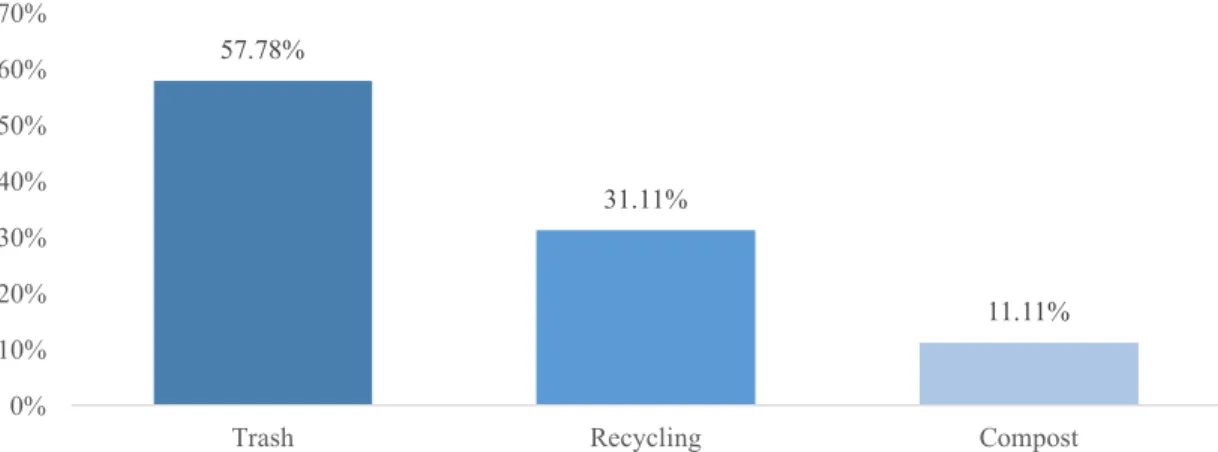
Figure IV-1. Self-reported disposal of paper cups ... 41
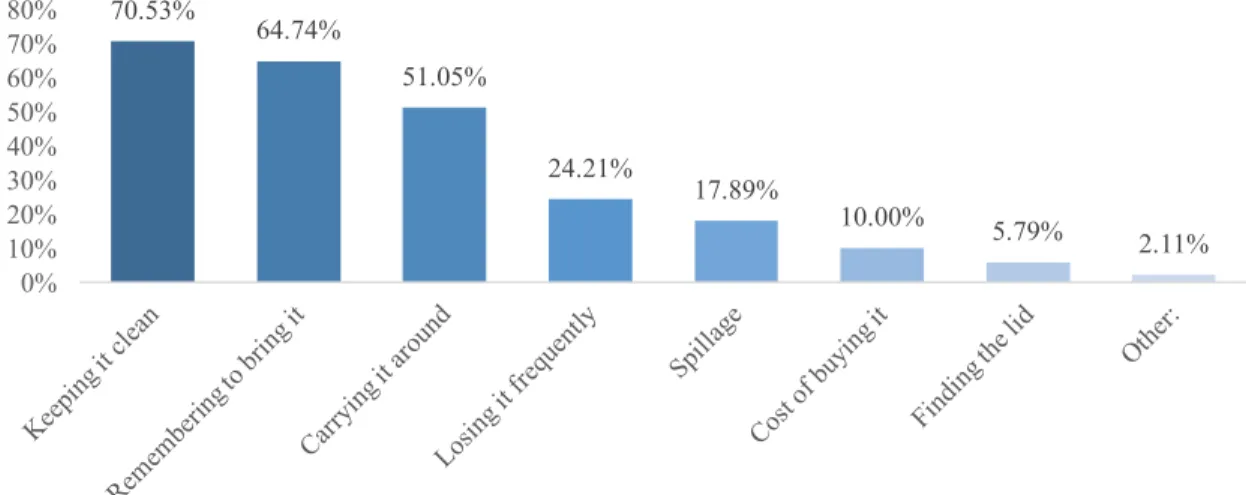
Figure IV-2. Barriers to using a reusable cup ... 43
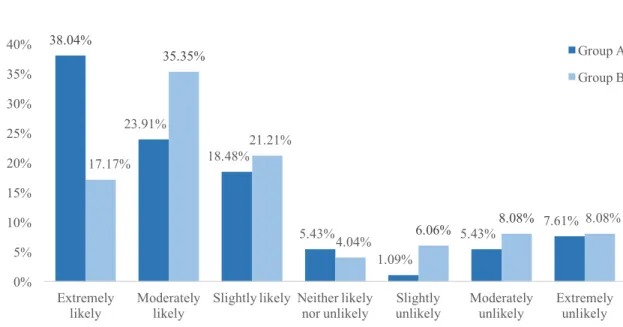
Figure IV-3. Likelihood of participating in a cup-share program ... 44
Figure IV-4. Attitudes toward disposable cup ban ... 45
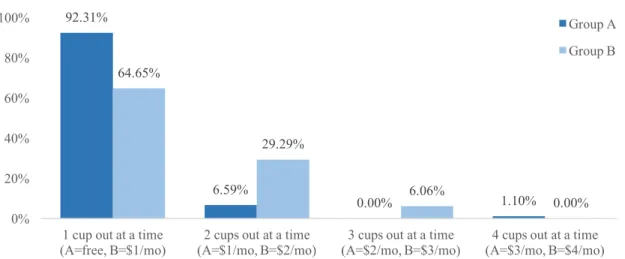
Figure IV-5. Preferred cup checkout options ... 50
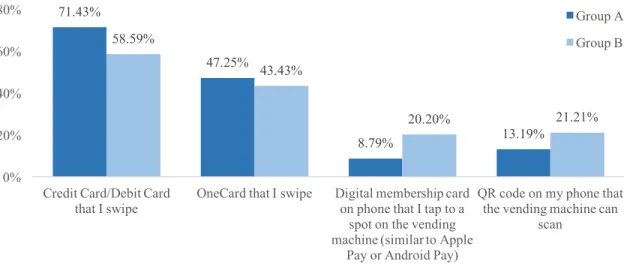
Figure IV-6. Preferred cup payment options ... 51
Figure IV-7. Membership option preferences ... 52
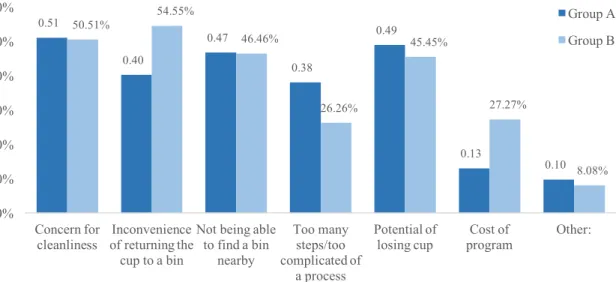
Figure IV-8. Barriers to participating in a cup-share program ... 54
Figure IV-9. Benefits to particpating in a cup-share program ... 55
Figure IV-10. Barriers to using a paper cup ... 56
TABLE OF CONTENTS
ABSTRACT ... ii
LIST OF TABLES ... iii
LIST OF FIGURES ... iv
I. INTRODUCTION ... 1
II. LITERATURE REVIEW ... 7
A. Context of The Disposable Cup Waste Issue ... 7
B. Evaluation of The Alternatives ... 9
i.
Recyclable and Compostable Cups ... 9
ii. Reusable Cups ... 12
C. Using CBSM to Find a Solution to Disposable Cup Waste ... 14
i.
Review of CBSM ... 14
ii. Applying CBSM to the Disposable Cup Waste Issue ... 15
iii. Cup-share Programs ... 16
D. Examination of Additional Strategies ... 18
i.
Incentives ... 19
ii. Prompts ... 21
iii. Social Norms ... 22
iv. Social Diffusion ... 22
v. Convenience ... 23
vii. Commitment ... 25
E. Conclusion ... 25
III. METHODOLOGY ... 27
A. Sampling Locations for Interviews and Questionnaire ... 27
B. Qualitative Data Collection ... 29
i.
Beverage Customers on Campus ... 29
ii. Beverage Location Employees ... 30
iii. Beverage Location Management ... 31
iv. University Dining Services (CDS) Administration ... 31
v. University Administration ... 32
vi. Individuals with Experience Conducting Cup-Share or Similar Projects ... 33
C. Quantitative Data Collection ... 34
i.
Questionnaire of Beverage Consumers at UNC-CH ... 34
ii. Sales Data from Beverage Locations On Campus ... 36
iii.
Survey of Beverage Locations Where Formal Interviews Were Not Conducted ... 36
D. Study Limitations ... 36
IV. RESULTS ... 39
A. Significance of the Disposable Cup Waste Problem at UNC-CH ... 40
i.
Volume of Disposable Cup Waste ... 40
ii. Improper Disposal at UNC-CH ... 40
B. Identifying and Assessing the Success of Current Initiatives at UNC-CH ... 41
C.
Confirming the High Potential of a Cup-share Program Is Applicable to UNC-CH ... 42
D. Likelihood of Adoption for Cup-Share Program and Other Solutions ... 43
ii. Disposable Cup Fee ... 45
iii. Disposable Cup Ban ... 45
iv. Verbal and Visual Prompts ... 46
E. Concerns Regarding Implementing a Cup-Share Program ... 46
F. Suggestions for Implementing a Cup-Share Program ... 49
G. Potential Sources to Fund a Cup-Share Program at UNC-CH ... 51
H.
Assessing the Perceived Barriers and Benefits to Participating in a Cup-Share Program ... 54
I.
Assessing the Perceived Barriers and Benefits to Using a Paper Cup ... 56
V. DISCUSSION AND RECOMMENDATIONS ... 58
A. Reviewing the Potential Solutions That Were Explored ... 59
B. Addressing the Concerns of Management and University Administration ... 60
C.
Barriers and Benefits to Participating in a Cup-Share Program and Using a Paper Cup ... 63
D. Recommendations for Further Research ... 64
VI. APPENDIX APPENDIX A: Map of Beverage Locations on Campus ... 67
APPENDIX B: Number of Cups Sold, Refill Rate, and Discount Offered at Each Beverage Location on UNC-CH’s Campus ... 68
APPENDIX C: Questionnaire Questions and Results ... 70
I.
INTRODUCTION
An estimated 600 billion disposable cups are thrown away around the globe every year ("International Coffee Agreement", 2007). One contributing factor to the immense size of the disposable cup waste problem is that the most common type of disposable cup, the paper cup, has a polyethylene (plastic) lining, which allows it to hold liquid, but is also very difficult to separate from the paper shell. As a result, only a few cities have the recycling facilities that are able to recycle them, so almost all of them end up in a landfill, or worse, in the ocean (Houck, 2018). As a result, the disposable cup has caught the attention of many people in the sustainability field and has become a poster child for those demonstrating the impacts of consumerism on the planet (Fearnley-Whittingstall, 2016). Regardless of the number of studies, design competitions, and campaigns that have been done looking to address the disposable cup waste issue, no one has been able to find a solution with a significant or lasting impact.
Further, even after decades of being in the environmental hot seat, the disposable cup waste issue only caught mainstream media towards the end of 2017. Specifically, the introduction of a proposed “latte levy” in the UK that would require a £0.25 tax on all beverages served in disposable paper cups has brought the disposable cup waste issue into a more public light (Harrabin, 2018). As a result, activists have been capitalizing on this media attention by
announcing a $10M reward to anyone who can provide a more readily recyclable or compostable cup (“Starbucks and Closed Loop Partners to Develop Recyclable”, 2018).
While this proposal by Starbucks may seem like a noble effort to tackle the disposable cup waste issue, promoting recyclable/compostable single-use alternatives is not as sustainable as many think. Several studies have found that compostable alternatives may actually be worse for the environment (Levis and Barlaz, 2011; Song et al., 2009; Van der Harst and Potting, 2013; Vares and Häkkinen, 2010). Additionally, recycling and composting are actually the least preferred method of waste reduction (U.S. EPA, 2017b).
Almost everyone knows the three R’s of waste reduction: reduce, reuse, recycle. However, not as many people are aware that it is a very purposeful hierarchy. When looking at the overall impact on the environment, the best thing people can do is reduce the amount of a resource they consume. This can be done either by simply reducing overall use of a resource or reusing the same resource. Only after these first two options have been exhausted, is recycling or composting the sustainable option (U.S. EPA, 2017b). However, in the 1950s, these three R’s of waste reduction were not around, and the “throwaway living” era had just begun (Cosgrove, 2014). As a result, while reducing and reusing are the preferred methods of waste reduction, in reality, recycling, which has fit most easily with the throwaway lifestyle, has become the preferred option of consumers, who have become used to the convenience and ease of this lifestyle, and of the companies that benefit from this consumeristic lifestyle (Bradbury, 2017).
Starbucks may be able to calm consumer concern by promoting compostable and recyclable alternatives for the time being. However, if they, and other coffee companies alike, want to avoid facing the same criticism in the future when the public realizes that these
reusable cups. However, while efforts to transition consumers to reusable cups have existed for decades, none have achieved any significant or lasting effects.
Community-based social marketing, CBSM, developed by Doug McKenzie-Mohr (2011) in the 90s, draws on insights from the field of psychology to understand why consumers engage in a certain behavior and not another and how their habits might be influenced. Using CBSM as a guide, I came to understand that the main barriers to reusable cup usage had to do with
inconvenience, namely having to remember, carry around, and clean the cup—factors that prior research also found (Alsop et al., 2004; Fairbairn et al., 2008; Wittmer and Price, 2009; Guo et al., 2015; Joongsup, 2016). Further, I discovered that these barriers, which are out of the control of the consumer, according to McKenzie-Mohr (2011), are extremely difficult to overcome and must be explicitly removed before the consumer will change their behavior. These findings helped explain why previous efforts to transition consumers to reusable cups had been so unsuccessful.
Further, these findings led me to conclude that a solution which removed these barriers was needed in order to address the disposable cup waste issue. Fortunately, in researching the issue, I also came across an idea that had the potential to accomplish this: a cup-share program. A cup-share program is similar to a library system for reusable cups. Once signed-up, a user is able to check-out a reusable cup at the location where they are getting their beverage. When they are finished with their beverage, they check it back in at return bins located at all of the participating locations and, ideally, around their community as well. The dirty cups are collected, cleaned, and returned back to the participating locations to be checked out again (Guo et al., 2016; Ruskey et al., 2016; “VESSEL”, n.d.). At full scale, a cup-share program has the potential to completely eliminate the need for disposable cups.
The driving force behind these concepts is capitalization on resources that are typically found to be under-utilized through the creation of services that provides these resources for only when they are needed—often utilizing the resources already owned by others (Albinsson et al., 2018). For example, the bike sitting in your garage, the person sitting on the couch with spare time and a decent black car, the air mattress sitting in your spare bedroom, or the travel mugs sitting in your kitchen cabinet are each a resource that are frequently underutilized. Instead of owning things that we only use a fraction of the time or cannot afford to own, we are increasingly able to rent them from someone else for just the time that we need them (Botsman, 2010).
The ability to create these services has emerged thanks to the growing availability and decreasing cost of internet-enabled devices. The pervasiveness of smartphones, specifically, has made several on-demand services possible by putting instant access to the internet in the palm of consumers (Botsman, 2010; Hassan et al., 2017). Additionally, a new wave of possibilities is emerging with the rise of the ‘Internet of Things’, or IoT. Specifically, advancements in electronic components over the past decade have made devices smaller, cheaper, more power efficient, and more capable, which has made it possible to incorporate them into more products. From smart light bulbs to smart watches, we are increasingly more connected to things we own than we have have been before (Hassan et al., 2017). Further, devices like the Arduino Uno and Raspberry Pi, which pack the capabilities of a mini computer into a package that fits in the palm of your hand and cost less than $50, have significantly lowered the cost of developing new autonomous electronic devices (Richardson, 2016). As a result, developing unique solutions to problems that have been around for decades can be accomplished even with limited resources. Cup-share programs are a prime example of these developments.
1965 in Amsterdam; however, due to theft of the bikes and no way to track the perpetrators down, these programs quickly failed (DeMaio, 2009; McKenzie-Mohr, 2011). With the advances in internet-enabled devices, bikes can now be registered to a known user with a linked payment account, making the user accountable for returning the bike or otherwise paying for the loss. In a cup-share program, the ability to register a cup to a user’s account through an autonomous check-out device has made holding people accountable for the cups possible. Additionally, cheap cellular-enabled chips have made it possible to place autonomous return bins, which have the ability to check a user’s cup back in, in the places where users are used to throwing away their disposable cups. These new possibilities have given cup-share programs the potential to remove the barriers of using a reusable cup and finally address the disposable cup waste issue.
Of course, an idea is not a solution until it has been tested and the success measured. Unfortunately, while a few tech-enabled cup-share programs have been piloted, each of them was significantly limited in scope and results on their success is also limited. Accordingly, my study investigates how a cup-share program along with other strategies could be implemented to address the disposable cup waste problem in my community: The University of North Carolina at Chapel Hill (UNC-CH). My hope is that, in addition to proving the validity of cup-share
programs as a solution to the disposable cup waste issue, a successful cup-share program at UNC-CH can contribute to a new initiative launched at UNC-UNC-CH in the Fall of 2016, called the Three Zeros Initiative. This initiative lays out three goals for sustainability on UNC-CH’s campus: “net zero water usage; zero waste to landfills; and net-zero greenhouse gas emissions” (“Three Zeros Environmental Initiative”, n.d.). Particularly, I believe that a cup-share program falls in line with the priorities of the waste reduction goal, which aims to reduce waste “by first limiting the amount of waste brought on to campus and then by recycling and composting waste that leaves the campus” (“Zero Waste to Landfills”, n.d.).
II.
LITERATURE REVIEW
Disposable cups, especially paper cups that are most commonly used to serve coffee and other beverages at cafes, present a significant barrier towards moving to a waste-minimizing society. Disposable cups make up a significant portion of our waste streams and have become ingrained in our consumption-centric culture (Bradbury, 2017; Houck, 2018). Additionally, the alternatives are not without their own challenges, especially when a change in consumer behavior is necessary. Community-based social marketing (CBSM) presents a framework for
understanding why consumers do not engage in sustainable behaviors as well as how to influence consumers towards these behaviors. In this chapter, I will discuss the context of the disposable cup waste issue; evaluate the alternatives to disposable cups; review CBSM and its application in finding the most effective solutions to the disposable cup waste issue; review the concept of a cup-share program as a potential to be part of the most effective solution; and examine strategies that could be used in conjunction with a cup-share program to further reduce disposable cup waste.
A.
Context of The Disposable Cup Waste Issue
the containers and packaging category (U.S. EPA, 2017a). As a result, disposable cup waste has become a recognized problem both by the public press and the scientific community.
Estimates of the size of the disposable cup waste problem on a broad scale have been frequently referenced in the press, but none of them are tied to any empirical evidence.
Specifically, regarding the number of paper cups consumed every year in the US, the estimates range 25 billion to 60 billion (Frater, 2014; Kottasova, 2016; Green Motion, 2016). Globally, this figure is estimated to be ten times larger at 600 billion ("International Coffee Agreement", 2007). The sources of these estimates, however, do not provide any evidence to back up their
calculations, so the true size of the problem is still not certain. An empirical study estimating the number of paper cups consumed annually in the U.S. or a broader region would help validate the arguments regarding the significance of the disposable cup waste problem.
Several small-scale studies have been conducted on the significance of disposable cups’ contribution to local waste streams. These waste audits have mainly been conducted on university campuses where the waste stream is easier to survey as the sources of waste are contained within a relatively small geographic region. Waste audits done in Canada at Dalhousie University (Alsop
et al., 2004) and the University of Northern British Columbia (Smyth et al., 2010) found that disposable cup waste made up 9% and 7.5% of their overall waste stream, respectively. A study conducted at Seattle University (Wittmer and Price, 2009) found that waste from disposable coffee cups took up the largest volume in the waste bins located in the University’s academic and administrative buildings. These studies indicate that disposable cups, especially paper cups, can contribute significantly to the consumer waste stream, especially on university campuses.
Dalhousie University found that 35% of consumers thought their paper cups were recyclable and were improperly disposing of them as a result (Guo et al., 2015). Improper disposal of paper cups can have major negative impacts on local waste management services. When regular paper cups are improperly placed in recycling or composting receptacles in areas where they cannot be processed, they become a form of contamination that can cause entire batches of collected recycling or compost to be thrown away (Vares and Häkkinen, 2010).
B.
Evaluation of The Alternatives
Three potential alternatives to the most commonly used paper cup exist: more easily recyclable paper cups, compostable cups, and reusable cups. In this section, I will review the factors that must be considered when using one of these options as an alternative disposable cups as well as evaluate which option appears to be the most sustainable.
i.
Recyclable and Compostable Cups
A potential solution to reduce disposable cup waste is to replace paper cups with more readily recyclable or compostable alternatives. While a startup in the UK, called FrugalPac, has started work on developing a more easily recyclable paper cup, this option is not yet
Compostable alternatives seem like simple solutions to the disposable cup waste issue; nevertheless, a life cycle perspective reveals that there are significant problems with these alternatives.
Lifecycle Assessment
While recyclable and compostable alternatives prevent some of the natural resources used to make them from going to waste, they are not without an environmental impact. Specifically, a significant amount of greenhouse gas emissions is generated from the energy and fuel requires to produce, transport, and recycle/compost (Van der Harst and Potting, 2013; Vares and Häkkinen, 2010). To be able to understand how much energy is generated from a product, a lifecycle assessment, or LCA, is needed. An LCA factors in the environmental impacts of a product during its entire lifecycle, from raw material acquisition through manufacturing and consumer use to disposal (Schaubroeck and Rugani, 2017). As a result, LCAs allow for a more accurate comparison of the sustainability between two products. Van der Harst and Potting (2013) examined LCAs of various types of disposable cups, including compostable cups, and found that “no cup material ranks consistently better than other cup materials in all studies, and neither can one cup material be labeled as the most environmentally friendly one.” This study indicates that compostable alternatives are likely no better for the environment than the paper cup they replace.
Improper Disposal
global warming potential as CO2 (Lindeberg and Radiwon, 2017). Consequently, compostable alternatives may actually be worse for the environment (Levis and Barlaz, 2011). Further, since the adoption of these alternatives by cafes and other beverage locations would not be immediately unanimous, the offering of compostable or recyclable alternatives could further the confusion that causes improper disposal and exacerbate the existing issues with paper cup contamination (Ziada, 2009).
Facility Availability
Recycling facilities for paper cups are not available in all locations, nor are the facilities needed to process compostable cups. Compostable cups made with PLA require specific
composting facilities because, in order to break down, PLA must go through an industrial process that includes heating to a temperature of 140 degrees Fahrenheit (Van der Harst and Potting, 2013). As a result, any business that offers compostable cups in areas where this type of composting facilities is unavailable is actually causing harm to the environment because these cups will inevitably end up in anoxic landfills where their decomposition will produce methane.
Legitimizing and Exacerbating a ‘Throwaway Lifestyle’
lifespans have on environmental sustainability, suggests in his book, Longer Lasting Products: Alternatives to The Throwaway Society, that moving away from single-use consumption is the only way for society and a healthy biosphere to coexist in the long term. Since compostable and recyclable alternatives allow consumers to use something once and then discard it, these products reaffirm this kind of unsustainable lifestyle.
Further, Sun and Trudel (2017) found that making products recyclable might make people consume more of a product because the availability to recycle a resource causes people to feel less guilty about wasting that product. Further, they found that the act of recycling a product elicits positive emotions in consumers that can cause the consumer to use more of that resource than they need. Combined, these results indicate that offering a compostable or recyclable alternative would likely cause people to use even more single-use cups than they currently do, which would exacerbate the impacts of a throwaway lifestyle.
ii.
Reusable Cups
Altogether, the conclusions of Cooper (2010), Levis and Barlaz (2011), Sun and Trudel (2017), Van der Harst and Potting (2013), and Ziada (2009) indicate that compostable and recyclable alternatives are not a sustainable alternative to disposable cups and might even be worse for the environment. This conclusion leaves only one option: reusable cups. Nevertheless, the environmental impact of reusable cups and the element of consumer behavior change required still need to be considered.
Lifecycle Assessment
The second LCA study, Woods and Bakshi (2014), aimed to update and correct errors found in Hocking’s study and found similar results but noted that the specific number of times can vary greatly based on the energy efficiency of the dishwasher used to wash the cup, as well as the location where the cup is produced and washed. Location plays a role because the particular mix of clean- and fossil-fuel-based power of a local grid has a significant impact on the greenhouse gases produced as a result of the energy consumed (Woods and Bakshi, 2014). Neither Hocking (1994) nor Woods and Bakshi (2014) included compostable alternatives in their studies; however, Van der Harst and Potting’s (2013) findings suggest that the evidence in favor of reusables
reported by Hocking, Woods, and Bakshi is applicable to compostable cups as well as paper cups. Additionally, despite these favorable conclusions for reusable cups, none of the LCA studies included a stainless steel cup in their analysis. According to multiple studies, the most common reusable cups used to replace paper cups are traditional ceramic mugs and plastic or stainless steel travel mugs (Joongsup, 2016; Ruskey et al., 2016; Ziada, 2009). Additionally, two studies suggest that stainless steel is the preferable reusable cup material amongst consumers (Guo et al., 2016; Ruskey et al., 2016). An LCA on a stainless steel travel mug would be beneficial to understanding the break-even point for all the common types of reusable cups. Further, a study resulting in a formula by which someone can calculate the break-even point of their specific cup (e.g. by inputting material composition, weight, dishwasher model, and location) would be even more useful.
Consumer Behavior Change
never able to achieve more than 1.9% of their beverages being sold in a reusable cup (Starbucks Corp, 2009, 2012, 2016). In fact, in their 2015 sustainability report, Starbucks went as far as to say “we believe this behavior change is ultimately up to customers” (Starbucks Corp, 2016). In order to be able to replace disposable cups with reusable cups, the reasons that Starbucks, the largest coffee shop chain in the nation (Palmer, 2017), concluded that they are unable to switch their customers to reusable cups need to be understood.
C.
Using CBSM to Find a Solution to Disposable Cup Waste
Community-based social marketing, or CBSM, presents a framework for understanding why consumers engage or do not engage in particular behaviors. Further, CBSM presents strategies for fostering pro-environmental behaviors amongst consumers. In this section, I will review the history and theories supporting CBSM as well as review what CBSM suggests regarding the difficulty of switching consumers to reusable cups and the strategies that may be able to address these issues.
i.
Review of CBSM
CBSM is part of the larger field of social marketing, which is the study of marketing for a social good, rather than a consumer good. The father of CBSM, Doug McKenzie-Mohr,
originally published his book on the concept in 1999 with the intent of creating a relatively easy to follow guide for tackling sustainability-related social problems that require a change of consumers’ behavior (McKenzie-Mohr, 2011). McKenzie-Mohr built CBSM off of empirical evidence that showed using traditional, information-intensive advertisements are ineffective at changing consumer behavior to more environmentally-friendly alternatives (See Geller et al., 1983; Jordan et al., 1986).
Rather than using a mass-informing technique, CBSM aims to promote consumer
the problem from a psychological and practical perspective. McKenzie-Mohr organized the CBSM process into five steps: (1) identify the specific behavior that will have the highest impact on the problem, (2) identify the barriers and benefits to the selected behavior as well as the undesirable behavior currently being engaged in, (3) develop strategies to addresses these barriers and benefits, (4) conduct a pilot program implementing those strategies and measure the realized impact, and (5) develop a broad scale implementation plan based off of key learnings from the pilot program (McKenzie-Mohr, 2011). This process has proven successful in numerous studies promoting a wide range of consumer behaviors related to residential energy reduction,
preventative lung cancer diagnosis appointments, public transportation, recycling, and more (see Anda and Temmen, 2014; Athey et al., 2012; Cooper, 2007; Dietz et al., 2009; Flocks et al., 2001; Haldeman and Turner, 2009; Kemp et al., 2005; Kennedy, 2010; Martin et al., 2015; Schuster et al., 2016; Streimikiene and Vveinhardt, 2015).
ii.
Applying CBSM to the Disposable Cup Waste Issue
Regarding reducing disposable cup waste, for step one, the findings of Cooper (2010), Hocking (1994), Levis and Barlaz (2011), Sun and Trudel (2017), Van der Harst and Potting (2013), and Woods and Bakshi (2014) suggest that promoting the use of reusable cups is the behavior with the highest potential impact to address disposable cup waste, since reusable cups are the only truly sustainable alternative. For step two, the results from the surveys conducted by Alsop et al. (2004), Fairbairn et al. (2008), Wittmer and Price (2009), Guo et al. (2015), and Joongsup (2016) indicate that the top barriers to using a reusable cup are the inconveniences of remembering, carrying, and cleaning the cup, and the top benefits are reducing waste and beverage discounts.
need to wash a cup after it’s been used), initiating consumer behavior change is extremely difficult to achieve using conventional techniques. Further, a solution that removes these barriers will be needed for the consumer to engage in the desired behavior, McKenzie-Mohr suggests.
iii.
Cup-share Programs
Fortunately, a new concept referred to as a mug-share, or cup-share, program looks to be able to remove these top barriers to using a reusable cup and potentially provide a real solution to the disposable cup waste problem. Similar to bike-share programs that have been successfully expanding into cities around the world, such as the Citi Bike system in NYC (DeMaio, 2009), a cup-share program allows users to check-out a reusable cup at the location where they are getting their beverage. When customers are finished with their beverage, they can check it back in at return bins located in the same places where they are used to throwing away their disposable cups. The dirty cups are then collected, cleaned, and returned back to the participating locations to be checked out again (Guo et al., 2016; Ruskey et al., 2016). As a result, a cup-share program eliminates the need to remember, carry around, or clean a reusable cup.
The idea is still in its infancy, having only been implemented at limited scale with a few pilot programs, but the commercialization of the concept is catching on. In London, for instance, a cup-share program, called “Cup Club,” is set to launch in 2018 for the entire city center (Hooker, 2017). Another program, Vessel, ran a pilot in NYC; however, the results of their pilot are not published (“VESSEL”, n.d.).
service of collecting and cleaning the containers is not provided (“Welcome to OZZI”, n.d.). However, specific measurements of success for these programs have not yet been published either.
The majority of research that has been done on cup-share programs was conducted at two universities in Canada, specifically Dalhousie University and the University of British Columbia (UBC). The study done at Dalhousie University approached the topic from a consumer behavior change point of view (Guo et al., 2016), while the studies done at UBC (Evans et al., 2016; Ruskey et al., 2016) and UNBC mostly commented on the challenges and implementation options of a cup-share program.
A cup-share program actually introduces an entirely new behavior to address disposable cup waste. In step one of the CBSM process (i.e. identifying the behavior that will have the highest impact on the problem), McKenzie-Mohr says that the behaviors explored should be non-divisible. Non-divisible means the behavior cannot be broken down into sub-actions. Since using a reusable cup can be broken down into “using a personal reusable cup” and “using a reusable cup that is accessed through participation in a cup-share program,” a cup-share program is a separate behavior. Accordingly, step two needs to be revisited, and the barriers and benefits to participating in a cup-share program need to be addressed.
The challenges and insights reported by Evans et al. (2016) and Ruskey et al. (2016) from UBC regarding implementing a cup share program included setting up a tracking system, providing labor to run the program, and finding ways to fund the program.
Evans et al. (2016) and Ruskey et al. (2016) reported that the system for keeping track of cups can be complicated to establish. In a pilot program conducted at the UBC, researchers attempted to use a paper and digital entry system but found that the system laid an undue burden on the cafe staff and frequently resulted in errors. The researchers concluded that a computerized system that could scan in and out cups, either through RFID or barcode technology, would be the best option; however, these technologies add a significant setup expense that might be impractical for a small pilot program.
Second, Evans et al. (2016) and Ruskey et al. (2016) reported a significant amount of labor is required in collecting, cleaning, and redistributing the cups back to the cafes. At UNBC, the program partnered with a local pub to use their industrial dishwasher and set up a volunteer program to supply the labor. Unsurprisingly, the UBC program has not been able to sustain itself for more than a semester due in part to the impractical tracking option and issues faced with staff turnover due to a reliance on student labor, which has a naturally high turnover rate.
Finally, Evans et al. (2016) and Ruskey et al. (2016) reported that it is difficult to ask customers to pay for a cup-share program membership when the paper cup alternative is free, but the lack of generated revenue is likely another reason the UBC program has struggled to sustain itself. The program’s only revenue was a required $5 deposit paid at the time of signup in order to support the set-up costs of the program. A study testing the viability of different revenue sources for a cup-share program would support the argument that cup-share programs are a viable solution to address the top barriers to using a reusable cup.
The third step of the CBSM process involves examining past strategies that have been used to increase engagement in a behavior to see if any may be worth incorporating into a new solution. Specifically, McKenzie-Mohr lists seven types of strategies that should be explored, including incentives, prompts, social norms, social diffusion, convenience, communication, and commitment strategies. Since very little research regarding cup-share programs is available, in this section I will explore each of the strategy types by first briefly explaining what the strategy type involves and then examining how the strategies have been used to increase engagement in other behaviors, specifically reusable cup use as this is the closest behavior to participating in a cup-share program.
i.
Incentives
Incentives: Using rewards or penalties that motivate the individual to engage in the
desired behavior. Incentives should be large enough to actually change the individual’s behavior
and should be presented as close in time as possible to when the desired behavior is completed
(McKenzie-Mohr, 2011).
Alternatively, there is evidence that financial penalties, such as fees or taxes, might be a more incentivizing approach. The traditional theory behind this strategy is called a Pigouvian tax (Pigou, 1933). A Pigouvian tax takes into account the cost the consumer good has on the
environment in terms of a financial figure, which is then used as the amount of the tax on the good. However, as applying this theory would require an LCA for each specific consumer good, which in most cases would be unfeasible, many consider this theory to be impractical to apply in its traditional fashion (Fisher, 2008; Convery et al., 2007; Poortinga et al., 2016).
However, the success of taxing a disposable good in order to incentivize alternatives and reduce its impact on the environment has been seen with single-use, plastic retail bag taxes in Europe. A study conducted in Ireland (Convery et al., 2007) found that the implementation of a €0.15 tax on all single-use plastic retail bags reduced consumption of the bags by 94% within less than a year. Another study was done in the UK (Poortinga et al., 2016) found that a smaller £0.05 tax reduced consumption of plastic bags by 85% also within less than a year. The most profound part of these studies is that surveys of both the retail locations and the consumers found the reactions to the taxes to be overwhelmingly positive (Convery et al., 2014; Poortinga et al., 2016). While growing pressure to implement a similar tax on paper cups, popularly known as the “latte levy,” is present in the UK, their lawmakers have been hesitant to take this step (Harrabin, 2018). A study proving the similar effectiveness of taxing paper cups would help the UK and other areas implement this disincentive strategy.
bringing a reusable cup when they see the additional line item added to their total. One study conducted at an on-campus cafe at Tufts University found this strategy to increase the rate of reusable cup use from about 3% to 8% in just 5 weeks. Similar to the studies on the Irish and UK plastic bag tax, the Tufts study also found the reactions from the cafe staff and customers
regarding the new price structure to be overwhelmingly positive (Fisher, 2008). Price signaling may present a solution to the disposable cup waste problem that does not require the full cooperation of a local or national government; however, a longer study is needed to see if this method can be as effective as the plastic bag taxes were in Ireland and the UK.
ii.
Prompts
Prompts: Reminding people to engage in the desired behavior through visual or audible
cues. Prompts should occur as close in time and distance from the point when and where the
desired behavior will take place (McKenzie-Mohr, 2011).
These results suggest that part of the success of the Tufts study could be due to the need for cashiers to ask whether the customer needed a paper cup for their order (Fisher, 2008).
iii.
Social Norms
Social norms: Displaying evidence of the desired behavior as a social norm. The norms
should be made highly noticeable and should be presented at the time the desired behavior is
likely to occur (McKenzie-Mohr, 2011).
One potential reason verbal prompting has seen such success is the social pressure behind it. For instance, through customer interviews, Ziada (2009) found that several customers thought that other people must be bringing in a reusable cup if the cashier was asking if they needed a cup each time they purchased a beverage. A study done in California in attempt to get residents in a suburban neighborhood to engage in energy-saving activities found that while most people listed environmental appeals as those that contributed the highest to their behavior change, the
correlation between type of appeal and actual decrease in energy consumption was highest for socially normative appeals such as, “in a recent survey of households in your community, researchers at Cal State San Marcos found that 78% of San Marcos residents often use fans instead of air conditioning to keep cool in the summer” (Nolan et al., 2008, p. 918). The idea that this pattern might apply to increasing participation in a cup-share program is supported by the survey results showing reducing waste as the top reason for using a reusable cup (Alsop et al., 2004; Fairbairn et al., 2008; Guo et al., 2015; Joongsup, 2016; Wittmer and Price, 2009), but a study similar to the one conducted in California is needed to prove this idea.
iv.
Social Diffusion
Social diffusion: Encouraging adopters of the desired behavior to promote the behavior
to others. Visual elements, such as stickers, or personal social media posts can be used to
Social diffusion has been used with reusable cup branding to further utilize the effect social pressure has on increasing reusable cup use, but evidence of its effectiveness is lacking. Wittmer and Price (2009) used bright-red cups clearly branded with their campaign slogan, “got mug?” to initiate conversation amongst those who had joined the initiative and those who had not, but Wittmer and Price did not include any metric for determining the effectiveness of this
strategy. Additionally, Starbucks ran a “white cup contest” in 2014 that encouraged customers to submit social media posts sharing their artwork on Starbucks’ new $1 white reusable cups in an effort to generate more awareness of their reusable alternatives. However, Starbucks reported only a 0.1% decrease in reusable cup use during that time period, suggesting that social diffusion may not be an effective strategy for increasing reusable cup use on its own (Starbucks Corp., 2016).
v.
Convenience
Convenience: Implementing tactics to help the individual engage in the desired behavior
more easily. Generally, removing as many of the identified barriers as possible will result in
convenience for the individual (McKenzie-Mohr, 2011).
A cup-share program is inherently the best convenience strategy for increasing reusable cup use, by making reusable cups more convenient. However, like disincentive taxes on
disposable cups, strategies can be used on the undesirable behavior as well. Specifically, several places around the world have turned to banning disposable products that are causing
vi.
Communication
Communication: Captivating the attention of the target population through vivid,
personal, and specific messages. Messages should focus on what the individual is losing if the
customer does not act and be delivered through a medium with the highest chance of reaching the
target population (McKenzie-Mohr, 2011).
Several studies attempting to increase reusable cup use found that one of the largest challenges the researchers encountered was their target population’s awareness of the initiatives (Evans et al., 2016; Fairbairn et al., 2008; Guo et al., 2004; Harris and Probert, 2009; Smyth et al., 2010; Wittmer and Price, 2009; Ziada, 2009). As McKenzie-Mohr (2011) specifies, in order to increase awareness of the issue, communication needs to be vivid, personal, and specific. For instance, Smyth et al. note that the use of discarded paper cups strung together with letters on each spelling out “UNBC sends 5000 disposable cups to landfill each week” was effective at UNBC because the cups made the message stand out and because the statistic used was personal to the audience and specific regarding the impact (Smyth et al., 2010, p. 1014).
However, McKenzie-Mohr (2011) also notes that messages should end with a call to action and focus on what the individual is losing if they do not act—neither of which is present in the UNBC example. Ziada (2009), in contrast, used CBSM as a reference when designing posters encouraging consumers in Toronto to dispose of their coffee cups properly and included as part of his message that the customers should use a reusable cup instead and that if they do not use a reusable cup, they were missing out on a discounted coffee.
Finally, McKenzie-Mohr notes that communication should be delivered through mediums that are likely to reach the target audience. However, regarding the disposable cup waste problem, evidence of a clear target audience does not exist. Accordingly, in the study conducted by
Wittmer and Price (2009), which also followed the CBSM process, a wide variety of
As a result, after only a few months of the campaign running, a majority of the campus was aware of the campaign and its purpose, suggesting many different mediums are important for
communicating initiatives aimed at reducing disposable cup waste. However, a study determining the target population of disposable cup consumers would assist in decreasing the effort and cost of achieving similar awareness.
vii.
Commitment
Commitment: Having consumers make a commitment to engage in a particular behavior.
Commitments should be public, voluntary, and actively involve the person making the
commitment. (McKenzie-Mohr, 2011)
Of all of McKenzie-Mohr’s strategy types, the effectiveness of the commitment strategy in increasing reusable cup use is the least studied. While Wittmer and Price (2009) implemented a small commitment component to their study, because this component was combined with many other strategies, no clear evidence was provided that the commitment component played a significant role in increasing reusable cup use. An empirical study showing a positive, direct correlation between an implementation of a commitment strategy and reusable cup use is needed to support its use in future campaigns to reduce disposable cup waste.
E.
Conclusion
difficult to overcome with traditional approaches and need to be removed before the consumer is likely to use a reusable cup instead of a disposable cup. A cup-share program is a solution that removes these barriers. Accordingly, participating in a cup-share program is the behavior that may have the highest potential to reduce disposable cup waste. Further, combining other strategies to promote behavior change are likely to increase the effectiveness of a cup-share program. The strategies that show the most potential are disposable cup fees, verbal and visual prompts, and a disposable cup ban. Finally, McKenzie-Mohr (2011) suggests the strategies that are ultimately chosen should address not only the barriers and benefits to participating in a cup-share program, but also the barriers and benefits to using a paper cup.
III.
METHODOLOGY
The purpose of my thesis is to understand the need for and possibility of better solutions to the disposable cup waste problem at UNC-CH, the concerns and suggestions held by key stakeholders at UNC-CH for implementing these solutions, and how these solutions might be paid for. In this chapter, I will describe an overview of my research design and procedure.
My study can be considered a mixed methods study because my research design includes collecting both qualitative and quantitative data in the form of interviews of key stakeholders at UNC-CH, a questionnaire of beverage consumers at UNC-CH, a data set of the sales volumes of beverage locations on campus, and a brief survey of the beverage locations’ reusable cup discount policies. My qualitative research provides more in-depth insights that were important due to the subjective and complicated nature of the potential solutions, while my quantitative research provides support for specific conclusions and suggestions (D. O’Gorman et al., 2015). Additionally, my qualitative research helped develop a more concise and useful quantitative questionnaire.
A.
Sampling Locations for Interviews and Questionnaire
along with a short description of the geographic area, the selected beverage location for that area, and the sub-populations that are predominantly represented. Appendix A contains a map showing all beverage locations on campus.
1. North Campus: North Campus is the main section of campus where a majority of lecture
halls and administrative buildings are located.
o Selected Location: Meantime Coffee Co. (located inside of the building called the Campus Y)
o Population: General student, faculty, and staff population. Likely more undergraduate than graduate students.
2. The Pit: The Pit is the main student hub of campus with a dining hall, student union, two
libraries, and the student stores. Although The Pit is technically a part of North Campus, The Pit is distinguished because it has the highest amount of foot traffic of anywhere on campus.
o Selected Locations: Bottom of Lenoir (dining area with several 3rd party food vendors), Student Union (study, meeting, and event space with a bagel and coffee shop and a Wendy’s), and Stone and Leaf (café located inside Student Stores) o Population: General student and faculty population; likely more undergraduate
than graduate students
3. Central/South Campus: Central/South Campus is the part of campus where
underclassman residential halls, athletics facilities, the second dining hall, and administrative buildings are located.
o Selected Location: Starbucks (café located in same building as dining hall) o Population: Largely underclassman, athletes, and administrative and athletic
4. Health Sciences Area: The Health Sciences area is by the Health Science Library, which is near many of UNC’s professional schools related to the health sciences.
o Selected location: Friends Café (inside Health Sciences Library) o Population: Mostly graduate students and faculty
5. Business School: The business school is a professional school for both undergraduate
and graduate students that is largely separated from other parts of campus and contains its own café and gym, which causes many to remain in the same building for their entire workday.
o Selected location: Einstein’s (inside Café McColl)
o Population: Business school undergraduate students, graduate students, and faculty
B.
Qualitative Data Collection
Semi-structured interviews were conducted on six different populations: beverage customers on campus, beverage location employees, beverage location managers, the university dining services administration, other university administration, and individuals with experience conducting a cup-share or similar project. Below is an outline of the justification, collection method, and the number of respondents for each set of interviews.
i.
Beverage Customers on Campus
• Purpose/Justification: I chose to limit my customer interviews to beverage consumers at UNC-CH considering that a cup-share program and other solutions would only involve those that actually purchase beverages on campus, so only this population was relevant to my study.
in a cup-share program, and using a paper cup in order to inform the answer choices to the questions on the questionnaire that would aim to quantify these results. Additionally, questions were included to understand customers’ concerns and suggestions regarding a cup-share program and disposable cup fee/future ban.
• Collection Method: I conducted the semi-structured interviews in person at the beverage locations in Figure III-1 with the exception of the Student Union and the Bottom of Lenoir. Respondents were selected by asking every third person waiting for their order, “Hi, do you have time to answer a few questions related to disposable cup usage on campus?” If the individual responded positively, they received a briefing before the interview began reassuring the confidentiality of their identity and responses, the intended length of the interview, and the voluntary nature of the interview. The respondents were not informed about the exact nature of the study until the end of the interview in order to limit biased responses (D. O’Gorman et al., 2015).
• Number of Respondents: I was able to interview roughly six respondents from five beverage location for a total of 31 respondents.
ii.
Beverage Location Employees
• Purpose/Justification: Beverage location employees were interviewed to provide insight on the current initiatives to reduce disposable cup waste on campus as well as
considerations for the other potential solutions.
• Collection Method: I conducted the semi-structured employee interviews in exactly the same manner as the customer interviews, except respondents were chosen by who was available to be interviewed.
• Number of Respondents: I was able to collect an average of two respondents from five beverage locations for a total of 10 respondents.
iii.
Beverage Location Management
• Purpose/Justification: I chose to interview beverage location management as they likely had the best understanding of the current and past initiatives to reduce disposable cup waste as well as the potential operational challenges of a cup-share program.
• Content of Interview: The questions asked during these interviews were designed to gather an understanding for the current and previous initiatives to reduce disposable cup waste on campus; patterns of reusable cup use on campus; and concerns and suggestions for a cup-share program, disposable cup fee/future ban, verbal prompts, and in-store visual prompts.
• Collection Method: Each manager was contacted through email. They were notified that the purpose of the interview was to understand disposable cup usage and waste reduction initiatives at their location as well as their sentiments regarding other potential initiatives. As a result, each respondent was at least somewhat aware of the nature of the study before the interview began.
• Number of Respondents: I was able to interview four beverage location managers, specifically the managers from Meantime, Starbucks, Einstein’s, and Stone and Leaf.
iv.
University Dining Services (CDS) Administration
operations of almost all beverage locations on campus and likely had a broader understanding of the initiatives to reduce disposable cup waste as well as a broader understanding of the operational challenges to implementing a cup-share program and other potential solutions.
• Content of Interview: The questions asked during this interview were designed to gather an understanding of the current and past initiatives to reduce disposable cup waste at UNC-CH taken by the dining services as a whole; concerns and/or suggestions for a cup-share program as well as other potential solutions; and potential options for funding these solutions.
• Collection Method: The members of the CDS administration were contacted through email with the intention of interviewing them to understand CDS’ initiatives to reduce disposable cup and other waste on campus as well as their thoughts on a cup-share program and other potential solutions. Two members of the CDS administration were available to be interviewed, and their interviews were conducted together at the same time. Similar to the location managers, each respondent was at least somewhat aware of the nature of the study before the interview began.
• Number of Respondents: I interviewed two members of CDS during one interview.
v.
University Administration
• Purpose/Justification: I chose to interview a set of other university administration as they would be able to provide insight on waste management as a whole at UNC-CH and the potential structural and bureaucratic challenges of a cup-share program and other potential solutions.
administration other than CDS, the concerns and/or suggestions for a cup-share program as well as other potential solutions, and potential options for funding these solutions. • Collection Method: Each person was contacted through email with the intention of
interviewing them to understand UNC-CH’s initiatives to reduce disposable cup and other waste on campus as well as their thoughts on a cup-share program at UNC-CH. Similar to the location managers and CDS administrators, each respondent was somewhat aware of the nature of the study before the interview began.
• Number of Respondents: I interviewed one employee from the Sustainability Office, two employees from the Office of Waste Reduction and Recycling, and one university employee from the ‘Three Zeros’ sustainability initiative for a total of 4 respondents.
vi.
Individuals with Experience Conducting Cup-Share or Similar Projects
• Purpose/Justification: I chose to interview individuals with experience conducting similar pilot projects as they would be able to provide the best insights on the specific and unexpected implementation challenges of a cup-share pilot program.
• Content of Interview: The questions asked during these interviews were designed to understand some of the specifics of their programs, the challenges they faced in starting and conducting their programs, and any suggestions they had for implementing and funding a cup-share program.
• Number of Respondents: I was able to interview individuals representing MugShare UBC, Durham GreenToGo, OZZI, and Vessel for a total of four individuals.
The questions for the interviews were developed with the help of the Odum Institute for Research in Social Science to ensure clear wording and avoid biases. The semi-structured format was chosen since it gives interviewees more flexibility to express their thoughts while being easier to administer than a completely unstructured interview. Additionally, I chose an in-person format for the first five sets of interviews as it is preferable when conducting a semi-structured interview because additional information can be collected through the observation of non-verbal communication from the interviewee (D. O’Gorman et al., 2015). Due to travel constraints, in-person interviews could not be conducted for the sixth set of interviews.
Focus groups were also considered for collecting qualitative data, however, I chose interviews as a more appropriate way of getting results from a larger set of individuals on a small budget. Additionally, concern that social influences of a more sustainable group member might bias the responses of the others in a focus group affected my decision (D. O’Gorman et al., 2015).
C.
Quantitative Data Collection
Three sets of quantitative data were collected: a questionnaire of beverage consumers at UNC-CH, sales data of the beverage locations on campus, and a brief survey of beverage locations where formal interviews were not conducted.
i.
Questionnaire of Beverage Consumers at UNC-CH
payment methods for a cup-share program, and attitudes towards a disposable cup ban. I also collected basic demographic information to understand how representative my sample population is of the UNC-CH community. The questions for the survey were also developed with the help of the Odum Institute for Research in Social Science to avoid biases and ensure the validity of results. I used my literature review and the results from the preliminary interviews to inform the answer choices for many of the questions, especially those related to the barriers and benefits to the different behaviors. The full list of questions and results from the questionnaire can be found in Appendix C.
ii.
Sales Data from Beverage Locations On Campus
I also obtained quantitative data in the form of sales volume numbers of the individual sale items at different beverage locations on campus for the calendar year 2017. I used these data to calculate an estimation of annual cups sold, broken down by the type of cup, as well as refill rates at different locations. My procedure included going through each sales item listed in the data sets for each location and categorizing them as one of the following: sold in a paper cup, sold in a paper cup that is known to be compostable, sold in a plastic cup, sold as a refill, and not relevant (e.g. food items and prepackaged items). I totaled each category for each location and aggregated these totals to get an estimate of the total number of cups sold on campus.
iii.
Survey of Beverage Locations Where Formal Interviews Were Not Conducted
The survey of beverage locations where formal interviews were not conducted was for the singular purpose of identifying the discount offered at these locations for bringing in a reusable cup. My procedure included calling or going in person and asking, “What discount do you offer on beverages to people that bring in a reusable cup?”
D.
Study Limitations
Selection Bias for Questionnaire: The proportions of the respondents from each university affiliation demographic group (75.67% undergraduate students, 10.58% graduate students, 6.88% staff, and 4.23% faculty) were statistically different from the known population proportions of UNC-CH: 44.32% undergraduate students, 25.96% graduate students, 20.59% staff, and 9.13% faculty. Accordingly, the results of the questionnaire may be subject to a selection bias,
Unavailable Sales Data: Detailed sales data from some locations was either unavailable or indecipherable due to item labels. Specifically, estimation of the total number of beverages sold in disposable cups did not include:
● Cups used to takeaway coffee from dining halls
● Beverages sold and given away at events on campus, especially athletics events, which are a major producer of disposable cup waste due to a high volume of beverage sales
● Beverages sold and given away at the campus hospital, which contains its own Starbucks
● Beverages sold at Meantime Coffee Co.
● Cups offered for free to faculty, guests, and students
As a result, the true volume of disposable cup waste produced on UNC-CH’s campus in 2017 is likely much larger.
up on the sales spreadsheet. As a result, I was only able to estimate the reusable cup usage at each location by the percent of total beverages sold as refills.
Limited Responses for Disposal Question: Responses to the question asking respondents to choose where they have thrown away their disposable cup in the last three months were limited to a single choice. However, compostable and non-compostable paper cups are both widely
available on campus, so it is likely that more respondents would have selected compost had they been given the option to select more than one answer choice.
Order of answer choices
IV.
RESULTS
In this section, I will review the results and key insights from my data collection, interviews, and customer questionnaire. First, I will briefly review some statistical information regarding the results of my questionnaire. I will then assess the need for a cup-share program and other accompanying solutions by examining the significance of the disposable cup waste problem at UNC-CH; identifying the current initiatives to address disposable cup waste on UNC-CH’s campus and their level of success; and evaluating whether the conclusions that gave a cup-share program the highest potential to reduce disposable cup waste is applicable to the UNC-CH community. I will next review the likelihood of adoption for a cup-share program and other potential solutions as well as the concerns and suggestions that should be considered when planning the implementation and funding of a cup-share program at UNC-CH. Finally, so that further strategies to improve the effectiveness of a cup-share program can be selected in the future, I will review the top reported barriers and benefits to both participating in a cup-share program as well as using a paper cup.
A.
Significance of the Disposable Cup Waste Problem at UNC-CH
In order to assess the significance of the disposable cup waste problem at UNC-CH, I will review the estimated volume of disposable cup waste calculated through data on the beverage sales that occurred on UNC-CH’s campus in 2017. Additionally, I will review the results of the questionnaire that provide insights into the level of improper disposable of cups by UNC-CH beverage consumers.
i.
Volume of Disposable Cup Waste
Using the sales data provided by CDS administration, I calculated that at least 1,200,000 beverages were sold in disposable cups on UNC-CH’s campus in the calendar year of 2017. This figure works out to be approximately 37,440lbs, or 18.72 tons, of solid waste, added to UNC-CH’s waste stream as a result of disposable cup use (U.S. EPA, 2017b). Of these disposable cups, approximately 1,069,000 were paper cups and 132,000 were plastic cups. Further, of the paper cups, approximately 506,000 were known to be compostable.
ii.
Improper Disposal at UNC-CH
that are served in compostable cups, suggesting that efforts taken at UNC-CH and Dalhousie University to avoid improper disposal are ineffective.
Figure IV-1. Self-reported disposal of paper cups. This figure illustrates where beverage consumers are disposing of their disposable cups
B.
Identifying and Assessing the Success of Current Initiatives
at UNC-CH
Through my interviews with Carolina Dining Services (CDS) as well as the management and employees of several of the beverage locations on campus, I found that aside from a few locations that offered “for here” cups, the only initiatives to reduce disposable cup waste on campus were discounts offered on beverages.
These discount initiatives were significantly more successful in certain circumstances than those historically observed by Starbucks (Starbucks Corp., 2016). Comparing the specific discounts offered at each location to the percent of beverages sold as refills (when available), I was able two identify two potential factors that contribute to a higher rate of success amongst these discount initiatives. Specifically, the locations with the largest percent refills were Law Bar located in the law school (34.04%); Einstein’s located in the business school’s Cafe McColl (31.73%); Blue Ram Café located underneath the Campus Y on North Campus (22.98%); and Alpine Bagel Deli located in the Thurston Bowles School of Medicine building (20.67%) (See Appendix A for a map of beverage locations on campus and Appendix B for a list of the refill rates at each beverage location). The next largest percent refill location, Atrium Cafe located in
57.78% 31.11% 11.11% 0% 10% 20% 30% 40% 50% 60% 70%
the Michael Booker Research Center, had a significantly smaller refill rate of 7.02%; however, this number is still rather high, especially when compared to the other locations on campus as well as Starbucks’ international average of less than 2%.
Of the top four, three offered a flat refill price between $1.09 and $1.19 for beverages purchased with a reusable cup compared to the regular $2.05 to $2.35 price for beverages served in a disposable cup (Law Bar, Einstein’s, and Blue Ram Cafe); and three were located in a graduate/professional school building (Law Bar, Einstein’s, and Alpine Bagel Deli). Additionally, Atrium Café is in a graduate/professional school building and is the only other beverage location that was found to offer a $1.19 refill rate; however, this price is only offered for refills purchased after the initial refill, which is offered at the price of a small regular beverage ($1.99). It is highly likely that this particular discount scheme masked the sale of beverages in reusable cups since the first refill is not rung up as a refill, which means Atrium’s actual refill rate is likely larger. These results indicate that the framing of discounts as a flat price per refill that is close to $1.00 less than the regular price of a beverage is the most effective incentive to drive reusable cup use and beverage locations located inside of graduate/professional school buildings are likely to have higher reusable cup use. These conclusions were also reflected in my interview with the manager of Einstein’s and indicate these types of discounts should be incorporated with a cup-share program and, additionally, cup-share pilot programs will likely be most successful when located in graduate/professional school buildings.
C.
Confirming the High Potential of a Cup-share Program Is
Applicable to UNC-CH
has a higher potential to increase reusable cup use because a cup-share program removes the top three barriers to using a reusable cup, which according to McKenzie-Mohr (2011), are very difficult to overcome with other strategies that do not directly remove the barrier. To confirm that this conclusion is applicable to the UNC-CH community, I used my questionnaire to assess the top barriers to using a reusable cup perceived by the UNC-CH beverage consumer population.
Figure IV-2. Barriers to using a reusable cup. This figure illustrates the top barriers to using a reusable cup.
Figure IV-2 indicates that the top reported barriers to using a reusable cup were “keeping it clean” (70.53%), “remembering to bring it” (64.74%), and “carrying it around” (51.05%) with secondary barriers of “losing it frequently” and “spillage” selected by 24.21% and 17.89% of respondents, respectively. These results confirm that the UNC-CH consumer beverage population perceives the same barriers to using a reusable cup as reported by Alsop et al. (2004), Fairbairn et al. (2008), Guo et al. (2015), Joongsup (2016), Wittmer and Price (2009), and that a cup-share program has the highest potential to increase reusable cup use at UNC-CH.
D.
Likelihood of Adoption for Cup-Share Program and Other Solutions
The likelihoods of adoption for a cup-share program as well as a disposable cup fee, a disposable cup ban, and verbal and visual prompts were identified through the customer questionnaire as well as through different sets of interviews.
i.
Cup-share Program
Figure IV-3. Likelihood of participating in a cup-share program. This figure illustrates the proportion of respondents who would be likely or unlikely to participate in a cup-share program depending on the availability of a free membership option.
The results in Figure V-3 indicate that approximately 61.95% of beverage consumers at UNC-CH are at least moderately likely, and 80.43% are at least slightly likely, to participate in the program when there is a free membership option (Group A). These figures are slightly less for Group B when the base membership fee is $1/month at 52.52% and 73.73%, respectively.
However, a one-tailed hypothesis test revealed that the proportion of beverage consumers that are at least somewhat or at least moderately likely to participate is not statistically lower when there is no free membership option (i.e. Group B). However, there is a statistically smaller proportion of respondents that indicated they are extremely likely to participate in Group B than Group A (17.17% vs. 38.04%, p < .01). These results indicate that including a free membership option does not significantly increase the total proportion of beverage consumers likely to participate, but rather increases the proportion of beverage consumers who are likely to participate without much hesitation.
While the minimum proportion of beverage consumers at UNC-CH likely to join a cup-share program is less than that reported by Guo et al. for Dalhousie University (2016) (52% vs
38.04% 23.91% 18.48% 5.43% 1.09% 5.43% 7.61% 17.17% 35.35% 21.21% 4.04% 6.06% 8.08% 8.08% 0% 5% 10% 15% 20% 25% 30% 35% 40% Extremely
likely Moderately likely Slightly likely Neither likely nor unlikely unlikelySlightly Moderately unlikely Extremely unlikely Group A