IMPLEMENTATION OF EVIDENCED-BASED CARE MANAGEMENT PRACTICES AMONG INDEPENDENT PHYSICIAN ASSOCIATIONS SERVING
ELDERLY MEDICARE ADVANTAGE AND DUAL ELIGIBLE PROGRAM BENEFICIARIES
Jennifer N. Dunphy
A dissertation submitted to the faculty of the University of North Carolina at Chapel Hill in partial fulfillment of the requirements for the degree of Doctor of Public Health in the Department of Health Policy and Management of the Gillings School of Global Public
Health.
Chapel Hill 2018
Approved by: Pam Silberman Morris Weinberger Bart Wald
ABSTRACT
Jennifer N. Dunphy: Implementation of Evidenced-Based Care Management Practices among Independent Physician Associations Serving Elderly
Medicare Advantage and Dual Eligible Program Beneficiaries (Under the direction of Pam Silberman)
Problem
Scholars and policy makers have highlighted the importance of preventing hospital admissions and readmissions for individuals with a chronic condition, who account for a large percentage of the nation’s healthcare spending. Providing effective care management strategies can help reduce emergency department use, inpatient admissions or readmissions, thereby reducing rising health care costs. However, implementing effective care management strategies may be more difficult for Independent Physician Associations (IPAs) that contract with multiple insurers and managed care organizations.
Methodology
The research synthesized peer-reviewed literature to identify best practices in
chronic-disease management for Medicare beneficiaries. A series of key informant interviews were conducted to explore barriers and facilitators to adapting two of these best practices, home visits and multi-disciplinary care teams, in IPA settings. The key informant interviews were conducted with executives, medical directors, and care managers who had significant experience in implementing best practices in IPA environments.
Results
optimizing outreach to patients in IPAs that cover large geographic rations, use of provider incentives to increase participation in best practices, and understanding the structure of the revenue model for each IPA.
Recommendations
The research suggests the need to: augment the existing communication strategy between the IPA central administrative office and the provider network, assess the IPA’s revenue model to determine readiness to implement best practices, evaluate the number of high volume providers affiliated with the IPA in order to assess ease of implementation of best practices, employ a robust risk stratification system to determine which patients should receive best practice related interventions, include a social worker and pharmacist on care teams, conduct face-to-face patient visits in the home settings of high-risk patients, incorporate transitional care into best practice interventions, and encourage consistent provider involvement as it relates to best practice interventions.
Additional research is needed among IPAs nationally to further explore the effects of best practices on vulnerable populations. A particular area that needs attention is
This dissertation is dedicated to my parents, Drs. William and Blynn Bunney, who instilled in me at an early age that the pursuit of knowledge, the joy of learning, and the
ACKNOWLEDGEMENTS
I would like to thank UNC and the Gillings School of Global Public Health, who made it possible for me to realize my lifelong aspiration of earning a doctoral degree.
I would also like to express my heartfelt appreciation to my committee chair, Pam Silberman, who took the time to provide extraordinary mentorship, guidance, and support throughout this process, particularly when times were challenging. Pam always demanded excellence, and as such, was instrumental in shaping me to become an improved writer, researcher, and critical thinker.
To the rest of my brilliant committee—Don Crane, Sheila Leatherman, Bart Wald, and Morris Weinberger—you provided me with unwavering support, motivation, and insightful comments and advice every step of the way. Your dedication to my growth as a student and professional will never be forgotten.
I thank my colleagues in Cohort 12, my refuges in the storm, who will remain close friends for life.
TABLE OF CONTENTS
LIST OF TABLES ...x
LIST OF FIGURES ... xi
LIST OF ABBREVIATIONS ... xii
CHAPTER 1: INTRODUCTION ...1
CHAPTER 2: LITERATURE REVIEW ...6
Introduction ...6
Literature Review Methods...7
Results ...16
Discussion ...38
Transitional-Care Models ...50
Intervention Combinations...51
Ineffective Interventions ...52
Limitations ...53
CHAPTER 3: RESEARCH DESIGN METHODOLOGY...57
Conceptual Model ...57
Dissertation Aims and Research Questions ...61
Interviews ...68
Analysis...69
Protections against Conflicts...70
CHAPTER 4: RESULTS ...72
Major Barriers to Implementation of Best Practices Overall...72
Barriers to Implementation: Best-Practice Specific ...81
Facilitators and Supports...83
Part of a Larger Care Management Strategy ...88
Communication Back to PCP ...90
Program Selection and Resource Allocation ...93
Other Areas of Interest ...97
CHAPTER 5: CONCLUSION ...100
Insights ...100
Recommendations ...107
The Shifting Healthcare Landscape ...118
CHAPTER 6: PLAN FOR CHANGE ...120
Part 1: Kotter’s Framework for Instituting Best Practices across the IPA Industry ...122
Diffusion of Innovation Theory ...131
Part 2: Recommendations and Change Model Applied to a Specific IPA ...133
Evaluation of Implementation of Recommendations ...140
Conclusion ...141
APPENDIX A: STUDY RESULT DETAILS ...142
APPENDIX B: DEFINITIONS ...170
APPENDIX C: TOPIC INTRODUCTION ...172
APPENDIX G: FACT SHEET FOR ADULT PARTICIPANTS IN A RESEARCH STUDY, UNIVERSITY OF NORTH
CAROLINA-CHAPEL HILL ...182
APPENDIX H: TELEPHONE OUTREACH SCRIPT ...186
APPENDIX I: PROJECT OVERVIEW ...187
LIST OF TABLES Table
1 Search Terms ...7
2 Description of Meta-Studies ...14
3 Best-Practice Outcomes ...19
4 Summary of Results ...20
5 Best Practice Key Findings ...23
6 Selected CFIR Constructs ...59
7 Key Informants ...68
8 Kappa Statistics by Participant Group ...69
9 Barriers to Implementation: Overall ...73
10 Barriers to Implementation: Best-Practice Specific ...81
11 Facilitators and Supports...84
LIST OF FIGURES
Figure
1 PRISMA diagram...11
2 CFIR conceptual model ...57
3 Adoption of innovation ...121
LIST OF ABBREVIATIONS ACO accountable care organization
CHF congestive heart failure
CM case manager
COPD chronic obstructive pulmonary disease
DCM disease management clinics
ED emergency department
HF heart failure
HMO health maintenance organization IPA independent physician association
IRR incident rate ratio
KII key informant interviews
MCCD Medicare coordinated care demonstrations
MCO managed care organization
MDT multidisciplinary team
NNT number needed to treat
PCP primary care physician
RCT randomized controlled trials
RN registered nurse
CHAPTER 1: INTRODUCTION
The purpose of this dissertation is to learn more about the implementation of best care-management practices among elderly (65 and older) public program beneficiaries. Best practices in outpatient care management are processes that are successfully and reliably able to improve both the quality of health services provided and the associated health care
outcomes. Ideally, these practices also reduce net costs by eliminating unnecessary hospital visits, preventable emergency care, or other unnecessary services. Reduced inpatient utilization has been achieved in different settings by implementing evidence-based care delivery processes that address root drivers of healthcare system utilization at both the individual and population level.
According to the Centers for Medicare and Medicaid Services (CMS), the cost of healthcare nationally grew approximately 5.8% in 2016 to a total of $3.2 trillion in health expenditures. Health care costs are projected to continue growing at this rate until 2025.1 Healthcare spending is expected to outpace Gross Domestic Product (GDP) by 1.2% per year and comprise 19.9% of GDP by 2025. Through 2025, Medicare spending alone is projected to increase by an average of 7.1% per year, and Medicaid spending by an average of 6.0% per year.2 As a national priority, we need reliable methods for more cost-effectively managing the population contributing to a significant portion of this healthcare spending.
individuals with one or more chronic conditions.4 The percentages of enrollees with a chronic condition in 2006 in Medicare and Duals were 88% and 91%, respectively.3 The Agency for Healthcare Research and Quality (AHRQ) cites that two-thirds of Medicare beneficiaries have two or more chronic conditions.5 Ninety-nine percent of spending for Medicare, and 100% of spending for dual beneficiaries in 2010 was attributed to people with chronic conditions.3 Furthermore, 171 million people are expected to have a chronic conditions by 2030, an increase of 37% from 2000.3 According to the United Health Foundation, this is due to both an aging American population and an increase in prevalence in chronic diseases for the same age groups year-over-year.6
The National Public Engagement Campaign on Chronic Illness-Physician Survey, a nationally representative survey of 1500 physicians, indicated that 66% of physicians surveyed reported that they are not adequately prepared to coordinate in-home and
community services for patients with chronic disease, and 64% are not prepared to manage the psychological and social aspects of chronic care.7 In the same survey, a majority of physicians reported that poor coordination in the chronic disease population leads to adverse outcomes, and subsequently higher costs.7 This highlights the need to cost-effectively manage chronic conditions through the implementation of well-designed and targeted care delivery systems that support physicians and other providers and enhance the coordination of services provided.
Family Physician (AAFP), an IPA is a business entity organized and owned by a network of independent physician practices for the purpose of reducing overhead or pursuing business ventures such as contracts with employers, accountable care organizations (ACO) and/or managed care organizations (MCOs).8 Unlike staff or group model Health Maintenance Organizations (HMOs; where the managed care entity employs or has exclusive
arrangements with providers), IPA model MCOs have contractual relationships with physicians which allow the physicians to see patients that originate from different payer sources (including straight fee-for-service Medicare, and health plans). Individual physician practices often have non-exclusive contracts with multiple managed care plans. The managed care organization may only cover (insure) a small proportion of the patients that any specific medical practice has enrolled. Thus, managed care entities have more limited control over how these IPA practices operate. This makes it difficult for both physicians and managed care plans to streamline disease and care management practices, as physicians have less incentive to follow any particular guideline or care management strategy for only a small proportion of their membership panel. Often times, the MCO will develop and implement their own care management system somewhat independently from the physician, further fragmenting care. In managed care, this can happen at the medical group level (contracting with the
physicians), or at the plan level (contracting with the medical group).
in plans through an MCO (70 million in HMO’s, and 90 million in PPO’s), 54% a-re part of an IPA model MCO, while only 23% are part of a staff/group model MCO; the remaining 23% of individuals are in point of service plans, or open-ended HMO’s of which 90% are composed of IPA networks.10,11 Therefore, integration of best practices into the IPA setting will allow for the largest national impact in managed care.
Improved care management can be measured, in part, through the reduction of unnecessary utilization of health services and improved health outcomes including reduced admissions, readmissions, and emergency department (ED) visits. Increased numbers of chronic conditions are positively correlated with an increased number of preventable hospitalizations. Chronic diseases on average increase the likelihood of a preventable admission by 35%, while respiratory and circulatory system chronic diseases increase the likelihood of a preventable admission eight-fold.12 The largest portion of expenses in
Medicare programs can be attributed to hospital admissions and readmissions.13 Although not all admissions or readmissions are preventable, focusing on reducing unnecessary admissions and readmissions can help reduce overall costs in Medicare beneficiaries as well as duals. While there are some studies that show successful strategies to improve care coordination and reduce unnecessary hospitalizations (as discussed more fully below), many of these studies were done in a setting where the organization doing the intervention had increased control over the physician practice. Thus, it is unclear whether these strategies will work equally well in a more fragmented IPA model HMO.
programs and policies, there has been little or no synthesis of available information on chronic disease management for these high-cost populations in IPA settings. This dissertation intends to augment the body of research synthesizing existing high-quality evidence, to support a subsequent set of recommendations for an improved approach to chronic disease management within an IPA setting.
It is essential that we continue to create a robust evidence base for developing, implementing and streamlining best practices in care management and delivery across IPA settings for high-need populations. Adding to this research means that we are continually evaluating what works, why, in what environment, and for which populations. It is important to compile that information so that practitioners can implement best practices in the
appropriate settings. This is particularly important in managed care IPA models which serve high-cost, high-risk public program beneficiaries with chronic disease. Understanding which care management practices are cost-effective and improve quality, and in what settings these practices apply will be imperative to reduce state and national healthcare spending. Because of the number of physicians participating in IPA networks, these model are positioned to reach a large number of patients. Thus, implementing best practices in IPA settings could have a significant impact on costs and quality nationally.
CHAPTER 2: LITERATURE REVIEW Introduction
A literature review was conducted to answer the research question, what evidence-based interventions can IPA model MCOs use to most effectively reduce inpatient utilization in Medicare beneficiaries with chronic disease? The purpose of this literature review was to aggregate information on best practices in case management which reduce net health expenditure and maintain or increase quality within large MCOs. This literature review was intended to aggregate information from high-quality meta-analyses and evidence syntheses with statistically significant cost-savings and/or reduced acute utilization (admissions, readmissions, and emergency department (ED) visits) attributed to effectively managing the delivery of care for elderly, multimorbid chronic disease patients in Medicare or Duals populations.i
Literature Review Methods
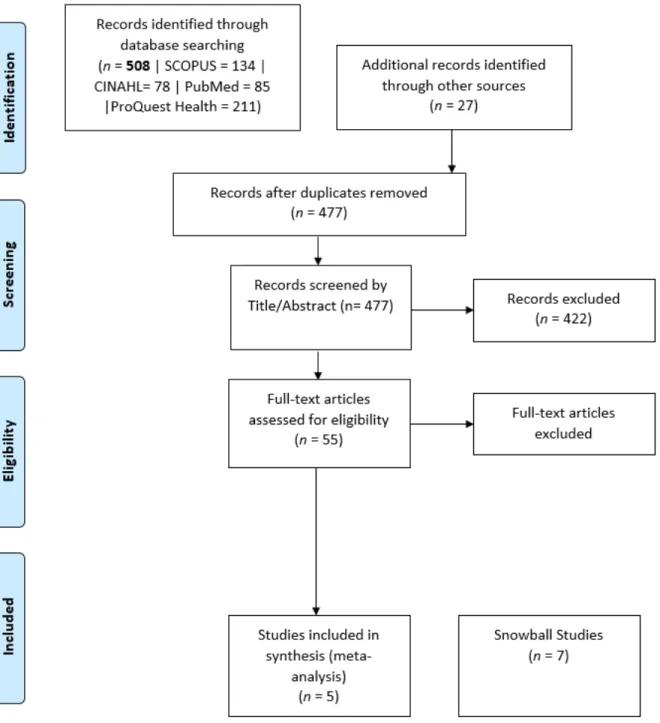
The search strategy for this literature review used the search terms shown in Table 1, within four prominent databases (PubMed, CINHAL and Scopus and ProQuest Health) to acquire the broadest, yet relevant, collection of literature possible. The search identified a total of 508 articles. Articles were subsequently screened for duplicates, title relevance, and then by abstract with five meta-studies remaining for full text inclusion from this literature search.
Table 1 Search Terms
Concept Key words, search terms
Population “Dual eligible” OR Medicaid OR Medicare OR Medi-Cal OR “managed care” OR “high-need patient” OR “complex patient”
AND
Care management “Case management” OR “medical home” OR “integrated care” OR “care management”
AND
Outcomes Utilization OR admission OR re-admission OR “cost-savings” OR “reduced costs” OR “return on investment”
AND
Primary care setting “Primary care provider” OR “primary care” Note. English only.
answer new research questions from the pooled datasets. In contrast, evidence reviews compile and compare data from studies on a particular topic, but do not use quantitative methods to perform further analysis from the underlying data. Collectively, I will refer to the studies included in this review as meta-studies even though they may be either meta-analyses or evidence syntheses.
Another reason meta-studies were targeted in this review is that many of the individual studies that were produced in the literature search were also captured and
reviewed within the meta-studies. The remaining seven meta-studies (in addition to the five already identified through the literature review) were found through the snowball approach (where the citations in other studies recommended additional studies that met the
inclusion/exclusion criteria).
A date range of 2000 to 2017 was used to limit the research to more recent evidence that includes modern (last 15–20 years) technological advances, like that of electronic medical records, which can alter the ways in which health care is delivered.
It is important to note that the date range for included studies (2000–2017) in this literature review spanned the implementation of the Patient Protection and Affordable Care Act (ACA) (2010). This law significantly altered the way that care was delivered nationally. Even though there were significant modifications to how care was delivered, there is no evidence that this law would impact the effectiveness of the best practices extracted from this literature review. In fact, there are reasons to suspect that the information gleaned from this literature review about best practices to reduce costs and improve outcomes have been adopted more widely as a result of some of the ACA provisions moving towards value based purchasing (such as Accountable Care Organizations and bundled payments). Therefore, I do not believe that the implementation of the ACA warrants any material changes to the
recommendations provided in this dissertation. Inclusion criteria are as follows:
• Published in English
• Meta-analysis or evidence synthesis of more than 5 underlying studies
• The criteria for evaluating the quality of study was reported in the publication
• Medicare/dual eligible populations, or populations with characteristics reasonably homogenous to the elderly with occurring chronic diseases
• Qualitative, quantitative or mixed method studies
• At least one cost outcome or relevant proxy for cost was provided. Examples include net cost, or inpatient utilization such as admissions, readmissions and/or ER visits.
• Elderly populations (average age > 65) Exclusion criteria are as follows:
• Pediatric populations
• Populations with known terminal diseases, or hospice eligibility
• Studies that only target mental disease or behavioral health conditions
• Institutionalized populations (psychiatric institutions, or custodial care)
• Studies that target individuals on hospice
• Isolated populations living in environments not generalizable to the US population
• Studies with an N < 100 in each study group
• Studies with less than 30 day follow-up periods
Additional meta-studies were found through the snowball approach for a total of 12.
I examined the following factors in assessing the impact of best practices on outcomes, to the extent they were available in the meta-studies:
1. Timing
a. When did the intervention start? b. How long was the intervention?
c. How long was the study period (including poststudy follow-up)? d. What was the time period for measuring specific metrics (e.g., 30 vs. 60
vs. 90 day admissions) 2. Population selection
a. Did the model use an evidenced-based form of targeting/risk stratification?
b. How was the intervention population selected? (e.g., diagnosis, utilization triggered, geography, cost, insurance source (line of business), through affiliation with a health system, or combination.)
c. How was the control or comparator group selected?
d. Was the selection for population due to a recent utilization pattern, or a chronic diagnosis?
i. chronic diagnoses are more likely to be permanent not temporary increases in intensity of medical care, and this can affect the
sustainability of results: (Ex., chronic disease diagnosis versus 3 ER visits in the past 30 days)
3. Measurement and Baseline/Comparator
a. How were baseline metrics calculated? b. How were comparator metrics calculated? c. Data sources
4. Analytical considerations
e. Post hoc analysis/subgroup comparison quality 5. Setting
a. In what setting was the intervention delivered? (e.g., home, office, clinic, combination)
6. Funding
a. How was the intervention funded?
b. Were certain parties at-risk for positive or negative results?
c. What were the payment mechanisms in relation to standard compensation measures?
7. Availability of information reported on intervention activities a. Frequency of activity
b. Engagement of population in activity (e.g., contact rate for telephonic CM)
c. Differences reported in delivery of activity (e.g., education tools used when engaging in health information education sessions)
d. Reported details of the intervention for ease of comparison among like-interventions
8. Staff
a. Identification of healthcare provider participants b. Training of staff (academic and intervention specific) c. Continuity of staff contact with patients
d. Staff level of engagement with intervention e. Staff turnover
heterogeneity to help ensure the studies measured against one another had as similar characteristics as possible for accurate comparative evaluation.
Table 2
Description of Meta-Studies
Study name Year Author(s) studies # of Type of study
Effectiveness of Outpatient Case Management for Adults With Medical Illness and Complex Care Needs
Research
2013 Hickam et al. 109
Meta-analysis
Working Paper Series Congressional Budget Office Lessons from Medicare's Demonstration Projects on Disease Management and Care Coordination Lessons From Medicare's Demonstration Projects on Disease Management and Care Coordination
2012 Nelson et al. 34
Meta-analysis
Effectiveness of Case Management for “At Risk” Patients
in Primary Care: A Systematic Review and Meta-Analysis 2015 Stokes et al. 36 Meta-Analysis
Models of Care for High-Need, High-Cost Patients: An
Evidence Synthesis. 2015 McCarthy et al. 123 Evidence Review
Caring for High-Need, High-Cost Patients: What Makes
for a Successful Care Management Program? 2014 Hong et al. 18 Evidence Review
Case Management Effectiveness in Reducing Hospital use:
A Systematic Review 2016 Joo et al. 10 Evidence Review
A Systematic Meta-Analysis of the Efficacy and Heterogeneity of Disease Management Programs in Congestive Heart Failure
2006 Göhler, et al. 36
Meta-analysis
Evidence-based Synthesis Program Evidence Brief:
Effectiveness of Intensive Primary Care Programs 2011 Peterson et al. 20 Meta-analysis
Innovative Home Visit Models Associated With Reductions In Costs, Hospitalizations, And Emergency Department Use
2017 Ruiz et al. 6 Evidence
review
Clinical Service Organisation for Heart Failure: A
Cochrane Review 2012 Takeda et al. 25 Meta-analysis
Transitional Care Interventions to Prevent Re-Admissions for Persons With Heart Failure: A Systematic Review and Meta-Analysis
2014 C. Feltner et al. 47
As mentioned previously, several of the meta-studies broke their populations down into subcategories defined by population type. Some subcategories included: older adults (65 and older) with one or more chronic diseases, the frail elderly, patients with dementia,
patients with congestive heart failure, patients with diabetes mellitus, patients with cancer, patients with serious chronic infections and patients with other medical problems. The subcategories that were relevant to the research questions of this dissertation were reviewed and included: older adults with one or more chronic disease, the frail elderly, patients with congestive heart failure, patients with diabetes mellitus, and a subset of relevant studies within the patients with other medical problems category. For example, within the AHRQ analysis, the one or more chronic disease study category was selected because this population contributes most to the increase in healthcare spending.15 This one or more chronic disease category also represents the highest proportion of cost attributed to readmissions and admissions, the outcomes of interest for this review.15,16 Additionally, within the AHRQ analysis, the frail elderly category was selected because this population shares many of the same characteristics as the one or more chronic disease group with the exception of a higher prevalence of functional deficiencies.15
Results
This section summarizes the high-quality meta-analyses and evidence reviews which synthesize results on outpatient care models for elderly populations with comorbid chronic diseases. In this literature review, I reviewed 12 meta-studies, which include a total of 517 individual studies. Eight of these meta-studies were meta-analyses (66%) and four (33%) were evidence reviews (Appendix A).
The studies included in this review vary, in some cases significantly, amongst each other. For example, some studies reported 30-day disease-specific readmission rates (e.g., CHF), whereas other studies reported overall readmission rates over a period of 3–6 months. This is largely a result of no existing standard or widely utilized approach in evaluating care models among populations with varied characteristics and settings. As such, I made attempts to extract conclusions from as similar circumstances as possible from both individual and pooled results.
There were six best practices identified through this literature. These best practices are defined below:
1. stratification of populations into subgroups with defined needs: Risk-stratification refers to targeting interventions to specific patient populations or those most likely to benefit from the intervention (impactable). Risk stratification often included characteristics such as diagnostic history, demographics, and recent utilization.
3. Multidisciplinary teams including two or more health-related professions: Multidisciplinary teams (MDTs) may include nonclinical individuals, but generally require two or more healthcare professionals. Many of the successful interventions included nurse care managers and social workers.
4. Disease-specific care (e.g., COPD and CHF): Disease-based intervention refers to intervention activities that target one specific chronic condition, although more underlying chronic conditions could be and often were present
5. Physician Engagement: Physician engagement is defined as the physician having a role in the intervention in any capacity beyond the standard care that a patient would receive in the absence of the intervention. This role may be active or passive. Passive involvement means the physician (s) are informed about changes in their patient health and kept apprised about intervention/patient status and involvement. This would be considered “beyond standard care” because in the absence of the intervention the physician would not have this information. However, this passive involvement does mean the physician is actively
6. Transitional care models: Transitional care models referenced in this document refer to models which are implemented during the transitional period from inpatient acute facility to the home or community.
The most frequently reported activity that achieved a statistically significant reduction in inpatient utilization was risk stratification of patients by disease acuity, which was
reported as an integral feature in 71% of meta-studies. This was followed by face-to-face contact with patients and MDT interventions with two or more professionals, both reported in
Out of the studies that reported using acuity-based risk stratification, the most
common outcomes achieved were reduced ED visits, and readmissions. Studies that reported face-to-face contact with patients as a salient feature of the intervention most often reported reduced ED visits and readmissions (a good proxy for quality). The studies that reported MDT interventions were more likely to report reduced readmissions, followed equally by both reduced ED visits and admissions. Disease-specific care was reported most frequently associated with the outcome of readmissions. Out of the studies which specifically mention physician engagement as a critical part of the care intervention, the most commonly reported outcomes were reduced readmissions and hospitalizations. Lastly, transitional care
interventions were most correlated with readmissions (summarized in Table 3). Tables 4 and 5 highlight key findings from the meta-studies and for each best-practice.
Table 3
Best-Practice Outcomes
Strategy
% of meta-studies with
activity Most common utilization outcomes Risk-stratification 71 Reduced ED visits/Readmissions Face-to-face contact 59 Reduced ED visits/Readmissions Multidisciplinary team 59 Readmissions
Disease-specific care 53 Readmissions
Physician engagement 41 Readmissions/hospitalizations
Table 4
Summary of Results
Study Intervention Target population Key findings
Effectiveness of Outpatient Case Management for Adults With Medical Illness and Complex Care Needs Research (2013)
Nurse case manager led interventions. Details of intervention varied by group. Frail elderly: Nurse home visits One or more chronic disease: telephonic and nurse home visits
CHF: Provider office and nurse home visits
COPD: Clinical home/clinic visits and self-management training, such as in-person education sessions and follow-up telephone sfollow-upport.
Diabetes: home visits, mostly nonclinical (nutrition counseling, health literacy building, drug management).
Adults with one or more chronic disease, frail elderly, CHF patients, diabetes patients, COPD patients.
Duration of contact with patient, type of contact, intensity of contact and engagement of physician may be associated with decreased inpatient utilization. (Intensity of contact was NOT correlated with improved outcomes in the CHF group). The COPD group was particularly responsive to intervention when compared to other disease states. Pre-intervention training on disease-specific clinical education was also noted by authors to be an important intervention component.
Congressional Budget Office: Lessons from Medicare's
Demonstration Projects on Disease Management and Care Coordination (2012)
Measured effect on reduced utilization from: intensity of patient contact, telephone vs. in-person, program integration with physicians, effects of population stratification.
Individuals with one or more chronic
conditions, high-utilizers of health services, Medicare beneficiary.
Significant outcomes were associated with in-person contact between patient and assigned care team.
Effectiveness of case management for 'at risk' patients in primary care: A systematic review and meta-analysis (2015)
MDT led case selection and assessment, care planning, coordination, and monitoring.
Elderly (mean age of 75), with one or more chronic diseases.
Use of both nurses and social workers were associated with reduced admissions in this population.
Models of Care for High-Need, High-Cost Patients (2015)
The interventions varied substantial across the studies, including multidisciplinary disease management, transitional care focused activities, and education/self-management.
High-cost patients defined as those contributing to more than 50% of costs.
Most notably, improvements in utilization were associated with disease management, home visits, and
Study Intervention Target population Key findings Caring for high-need,
high-cost patients: what makes for a successful care management program? (2014)
Primarily nurse led
intervention, often including community health and social worker on the care team providing face-to-face and telephone support from 1x a week to 1x a month.
Medicare and Medicaid populations.
Significant cost savings (>10%) were achieved in 5/7 models that used risk stratification. Interdisciplinary care teams and meetings were a primary feature in the successful studies.
Case management effectiveness in reducing hospital use: a
systematic review (2016)
Transitional care intervention aimed at preventing
readmission using
multidisciplinary teams. The most common activities were telephonic management, assessment at discharge, referrals to social services and education/self-management.
Individuals with chronic disease, mean age 61.7 and some groups were also targeted to those with social problems (homelessness).
The homeless population had a significant reduction in ED visits among all of the studies. Transitional housing services were provided to this population. The rest of the studies did not have enough statistical reliability to make robust conclusions.
A Systematic Meta-Analysis of the Efficacy and Heterogeneity of Disease Management Programs in Congestive Heart Failure (2006)
Disease management programs focusing on education,
coordination and support post discharge.
Elderly patients (mean age of 72) with the diagnoses of CHF (often with other comorbidities).
The disease
management programs that used face-to-face visits as their primary mode of contact were statistically significant and 3x as effective as telephonic management. MDT based
interventions were also noted a key feature consistent among studies achieving successful results.17 Evidence-based Synthesis Program Evidence Brief: Effectiveness of Intensive Primary Care Programs (2013)
The included studies varied, but a common thread was that they focused on addressing
functional deficiencies in the home and in the clinic setting. Some interventions were nurse led with social workers. Others used a multidisciplinary team approach (physicians, nutritionists, occupational therapists, etc.)
Patients identified as high-risk for hospital admission and/or death. No disease-specific diagnoses was required.
Study Intervention Target population Key findings Innovative Home Visit
Models Associated With Reductions In Costs, Hospitalizations, And Emergency Department Use (2017)
Nurse or health educator led home visitation model. This included care coordination, education, and community-based referrals.
Medicare patients with one or more chronic diseases
The authors note that home-visits were one of the most observable common trends among successful components of the models in terms of reducing ED visits and hospitalizations.
Clinical Service Organisation for Heart Failure: A Cochrane Review (2012)
Intervention models were broken down into post discharge case management (combination of home visits and telephone calls), post discharge clinic, and multidisciplinary.
Elderly (mean age of 67) with at least a diagnosis of CHF.
Case management and MDT interventions with two or more
professionals in different fields may decrease readmissions for patients with heart failure.
Transitional Care Interventions to Prevent Readmissions for Persons With Heart Failure: A Systematic Review and Meta-analysis (2014)
The intervention concentrated on post discharge care differentiated by modality including, tele-monitoring, telephone support, out-patient clinic, education, and home visits.
Elderly (mean age
of 70) with CHF. Home visits evidenced the most significant reduction in all-cause readmissions among transitional care activities. tele-monitoring, telephone support, and pharmacist interventions did not lead to statistically significant reductions in readmission
Comparative Effectiveness of Transitional Care Services in Patients Discharged from the Hospital with Heart Failure: A Systematic Review and Network Meta-analysis (2016)
The intervention focused on transitional care activities including: education,
pharmacist interventions, tele-monitoring, telephone support, nurse home visits, nurse case management and disease management clinics.
Patients with heart failure (usually accompanied by comorbidities). Mean patient age per study ranged from 53-85.
Table 5
Best Practice Key Findings
Best practices Definition Key findings Observations and conclusions
Risk
stratification Risk-stratification refers to targeting interventions to specific patient populations or those most likely to benefit from the intervention (impactable). Risk
stratification often included characteristics such as diagnostic history, demographics, and recent utilization.
Risk-stratification or population targeting, was a consistent themes of cost-savings and/or utilization reducing care
interventions.18 It was
notably absent from interventions that have not resulted in effectively decreasing inpatient utilization.
Significant cost savings (>10%) were achieved in 5/7 models that used risk stratification.19
The authors note particular importance of including acute utilization in the stratification methodology to help target high-risk
members. A successful feature across studies is risk stratification of populations that includes a combination of risk prediction software, chronic disease
identification and utilization in combination with clinician selection of at-risk patients.19
Risk stratification is the most commonly observed best-practice among studies included in literature review. Risk stratification was applied using various methodology. Using clinical data (diagnosis, recent hospitalizations) alone to risk stratify proved to be more effective than using social factors (income level, race, homelessness) in reducing admissions and readmissions, while social data risk stratification was correlated most often with reducing emergency department visits.
Face-to-face
visits Face-to-face interactions involve in-person interactions between the care team and the patient at either a community location, clinic or most frequently, in the home.
Of the 23 programs that did not have substantial in-person contact with patients or physicians, none
experienced a reduction in admissions by more than 6%.20
Face-to-face patient contact as the primary mode of intervention delivery has been consistently associated with the most successful interventions reviewed in this literature search. The authors found that in-person contact evidenced a
Best practices Definition Key findings Observations and conclusions Home-visits were one of the
most observable common trends among successful components of the models in terms of reducing ED visits and hospitalizations.21
The authors discuss the lack of efficacy of remote support in high-risk HF patients, with evidence pointing to face-to-face interactions as more effective transitional care activities.22
The disease management programs that used face-to-face visits as their primary mode of contact were statistically significant and 3x as effective as telephonic
management.17
evidence suggesting a potential link to duration and frequency of the contact and better outcomes.
MDTs MDTs may include
nonclinical individuals, but generally require two or more healthcare
professionals. Many of the successful interventions included nurse care managers and social workers.
Use of social workers as case managers was found to be statistically significant in subgroup analyses for interventions that statistically significantly reduced inpatient utilization in adults with chronic disease.23
Interdisciplinary care teams and meetings were a primary feature in the successful studies.19
The subgroup analysis showed an effect (statistical significance (p<.05) ) for studies that measured a reduction in hospitalizations over 13+ months for case management interventions that employed a social worker as part of the MDTs (MDTs).23
Best practices Definition Key findings Observations and conclusions
Disease-specific care Disease-specific care refers to interventions that are primarily targeted to address one predominant medical condition as opposed to a broad spectrum of
comorbidities. These type of interventions are often coupled with advanced clinical training and practitioners who are well-versed in that particular disease state.
The authors found evidence among the studies which reported these data to suggest that pre-intervention training of clinical and nonclinical staff regarding disease-specific guidelines was correlated with more successful outcomes in reducing costs.15
Studies showed that case management (CM) programs targeted at COPD
populations and separately, chronic homeless
populations, may reduce ED visits and hospitalizations.15
Additionally, CHF- specialist nurse led interventions may be more effective than other team members in reducing readmissions for CHF patients.24
Disease-specific care has been associated with reduced inpatient utilization.
Readmissions were the most common outcome correlated with this best-practice.
Physician
engagement Physician engagement is defined as the physician having a role in the
intervention in any capacity beyond the standard care that a patient would receive in the absence of the intervention. This role may be active or passive. Passive involvement means the physician (s) are informed about changes in their patient health and kept apprised about
intervention/patient status and involvement. This would be considered “beyond standard care” because in the absence of the intervention the physician would not have this information. However, this passive involvement does mean the physician is actively overseeing or modifying the intervention.
Of the 23 programs that did not have substantial in-person contact with patients or physicians, none
experienced a reduction in admissions by more than 6%.20
CM also appears to be most effective when the case manager works closely with patients’ usual care
providers (usually primary care physicians) and/or collaborates with a physician (or multidisciplinary team of health care providers) with expertise in managing the targeted medical condition.15
Best practices Definition Key findings Observations and conclusions An example of passive
enrollment is if the physician isn't provisioning any extra care, but may have a positive effect on intervention results by simply mentioning the intervention to the patient. An active role is when the physician is actively participating or contributing to the intervention by actively provisioning clinical services above what the patient would have received in the absence of the intervention. This may include reviewing the care services delivered to the patient and recommending changes, or visiting the patient themselves in the patient’s home.
Transitional
care Transitional care refers to the effectiveness of care interventions in the period between post hospitalization and pre-stabilization in the community or home setting.
The most common transitional care services were: telephonic management, individual assessments at discharge, referrals to social services and supports, and education or self-management supports.
Overall, home visits combined with the
aforementioned transitional care services appeared to be the most impactful activities when compared with other interventions reviewed in this meta-study.25
The only other relevant models evidencing positive cost savings were
transitional care and interdisciplinary primary care for heart failure patients.18
Transitional care (not broken down into further
subcategories) showed positive outcomes in both use and cost (only expenses not total spending).18
Outpatient case management for adults with medical illness and complex care needs (2013).15 This meta-analysis included 55 studies broken up into several categories based on population. I reported results for the categories that were relevant to the inclusion criteria of this literature review. These categories are older adults with one or more chronic diseases, frail elderly, congestive heart failure (CHF), diabetes and COPD. Conclusions were made by the authors in aggregate (each population overall), and also separately through the analysis of each population subgroups. Fifteen studies included utilization based outcomes of interest. When examining the studies altogether (rather than for specific subgroups), the meta-analysis found that case management programs included in this review for patients with one or more chronic conditions did not reduce hospitalizations (3 studies, moderate
evidence), nor overall Medicare expenditures (17 studies, high evidence). Despite the findings the authors did not conclude statistically significant results overall, there were certain features of the studies, that when analyzed separately, did display significant findings. These features, as quoted by the authors of the review, were as follows:
The results of trials across different clinical conditions suggest that CM effectiveness was greater when the intervention was lengthy, high in patient contact, and included face-to-face (rather than telephone-only) interactions. . . . CM also appears to be most effective when the case manager works closely with patients’ usual care providers (usually primary care physicians) and/or collaborates with a physician (or
multidisciplinary team of health care providers) with expertise in managing the targeted medical condition.15
Studies from this review also showed that CM programs targeted at COPD populations and separately, chronic homeless populations, may reduce ED visits and hospitalizations. COPD was one of the diseases most significantly affected by care
whole more readily than other groups. This may be because of the modifiable nature of CHF related admissions, and/or specific intervention activities targeted towards specific disease-related needs.
Risk stratification using social determinants was not an effective way to identify the patients most likely to benefit from CHF interventions, and that held for most all clinical only interventions. However, risk stratification using social determinants was effective when social issues, as well as clinical issues, were targeted by the intervention. For example, the homeless population responded well to interventions that used social determinants to risk stratify. These interventions concurrently addressed both clinical and social issues—such as securing housing placement.
Clinically based interventions were effective in reducing CHF related-admissions. Additionally, populations with an elevated pre-intervention baseline number of
admissions/readmissions (as compared to average for like population), showed a larger reduction in inpatient utilization overall. Intervening during high-need periods, such as the time period post hospitalization in high-need populations, such as the CHF populations, appears to be an effective targeting strategy leading to better results with reduced utilization or increased return on investment (ROI).
Most studies (30 of 34) used a randomized design. The intervention measured: intensity of patient contact, telephone versus in-person, program integration with physicians and assigned nurse case managers, effects of population stratification on outcomes (reduced net savings and reduced readmissions), training and experience of staff, and the effect of pharmacist led interventions. The authors found that in-person contact evidenced a significant effect in reduced inpatient utilization. Of the 23 programs that did not have substantial in-person contact with patients or physicians, none experienced a reduction in admissions by more than 6%. Physician oversight of care programs (also termed physician engagement), risk
stratification of populations prior to intervention implementation, and training of care
managers were features noted by the authors to be beneficial in reducing inpatient utilization. However, the effectiveness of these features was not statistically validated.
Effectiveness of case management for “at risk” patients in primary care: A systematic review and meta-analysis (2015).23 This meta-analysis included 36 studies looking at the effectiveness of interventions on elderly (average age of 75) with chronic diseases. The overarching objective of this review was to determine the effectiveness of this intervention at the primary care level for at-risk elderly patients, and to evaluate whether this effectiveness is modified by a variety of study characteristics including design and
as follow-up over at least 13 months. There were no other significant findings in the subgroup analyses.
Models of Care for High-Need, High-Cost Patients (2015).18 This evidence
synthesis reviewed 123 studies targeting high-cost patients with complex needs, predicted to be high-cost in the future. There were 15 care models within the 123 studies. The major care models included interdisciplinary primary care (not divided into further subcategories), enhancements to primary care (divided into eight subcategories, including general care management, disease management, preventive home visits, geriatric evaluation and
management, pharmaceutical care, chronic disease self-management, proactive rehabilitation and caregiver education and support), and transitional care (not divided into further
subcategories). The authors found that the enhancements to primary care model showed the most promising results overall in regard to reduced ED visits and hospital admissions. Five out of eight of these primary care enhancement subcategories (disease management, preventative home visits, pharmaceutical care, chronic disease self-management and
caregiver education and support) showed reduced inpatient utilization metrics. The only other relevant models evidencing positive cost savings were transitional care and interdisciplinary primary care for heart failure patients. Additionally, risk-stratification or population targeting based on patient needs was a consistent theme for studies that evidenced cost-savings and/or inpatient utilization reduction.
populations, three out of 10 studies targeted Medicare only populations and two out of 10 targeted both Medicaid and Medicare populations. Seventy percent of the care programs in these 10 studies employed a high-risk stratification strategy to select which populations to care manage. Risk scores were used by six out of seven studies that stratified patients by high-risk. Diagnosis of chronic conditions was used in five studies. Utilization history was used in four, referral by physician in three, and medications in one. The interventions analyzed in this review consisted of the following activities including: identifying and engaging patients who are at high risk for poor outcomes, performing comprehensive health assessments to identify problems that, if addressed through effective interventions, will improve care, and working closely with patients and their care team to respond to changes in patients’ conditions.19
Care teams were predominantly led by a nurse case manager, but harder-to-engage patients with social/behavioral needs may have included a social worker or lay community health worker. Costs savings (at least 10% cost savings) were achieved in five out of seven (71%) of the care models that used high-risk stratification.
Overall the authors identified several successful care intervention strategies from the studies that achieved cost-savings:
• Selecting the right patients for the most appropriate programs. The authors note particular importance of including acute utilization in the stratification
methodology to help target high-risk members
• MDTs that are able to address complex issues in patients with comorbidities
• Shared information platforms
• Risk stratification of populations that includes a combination of risk prediction software, chronic disease identification and utilization in combination with clinical referrals
Case management effectiveness in reducing hospital use: A systematic review (2016).27 This evidence review looked at 10 studies with the objective of evaluating the effectiveness of transitional care management programs internationally, including the United States. Fifty percent of the studies were US based. The studies in this review targeted
individuals with chronic disease and/or social issues for the case management interventions. Examples of studies that targeted particular groups include low-income African American populations with diabetes, elderly individuals with functional impairment and chronic disease comorbidities, and homeless populations with uncontrolled chronic disease. All 10 studies were based around MDTs including physicians, social workers and nurses. Most of the interventions were triggered by a hospitalization and the intervention services were
conducted right after hospital discharge. The most common transitional care services were: telephonic management, individual assessments at discharge, referrals to social services and supports, and education or self-management supports.
Three studies reported a statistically significant reduction in readmissions (studies primarily measured 30-, 60-, or 90-day readmissions.). All three studies which reported significant reduction in readmissions targeted individuals with chronic illness. Three other studies reported reduced readmissions but the change was not statistically significant.
500, and produced statistically significant results were deemed low quality by the authors. The authors of this review did not posit which aspects of the successful studies may have contributed to reduced hospital use when compared to other studies. However, one study that was of high quality and successful in reducing readmissions showed that the home visit plus telephone call intervention group had a lower readmission rate than the telephone only intervention group by 5%. It was not reported whether this difference was statistically significant. This same study evidenced statistically significant reductions in readmissions with a population similar to the target population of this review, however the study only had an N of 281 and was conducted in China, which may both limit the power of the conclusions and generalizability of the applied methods. Overall, home visits combined with the
aforementioned transitional care services appeared to be the most impactful activities when compared with other interventions reviewed in this meta-study.
A systematic meta-analysis of the efficacy and heterogeneity of disease
management programs in congestive heart failure (2006).17 This meta-analysis reviewed 36 studies with the objective of evaluating the effect of disease management programs (DMP) on elderly patients (mean age of 72) with the diagnosis of CHF (usually with the accompaniment of additional morbidities). The DMP’s are primarily led by nurses, and may also include physicians, social workers, pharmacists and PCPs.
calls only, 33% integrated the program with the primary care physician and 25% used medication review. Face-to-face contact interventions achieved a statistically significant difference in reduced readmissions when compared directly to telephonic contact only. Face-to-face contact evidenced a -10.5% decrease in readmissions (NNT of 9), while telephone contact evidenced a -3.6% (NNT of 27) decrease in all-cause readmissions. NNT is the number needed-to-treat to prevent one readmission. In conclusion, disease management programs showed a statistically significant difference in all-cause readmissions for patients with CHF. Programs that were particularly effective at reducing readmissions were those that used face-to-face contact and those that employed MDTs.
Evidence-based synthesis program evidence brief: Effectiveness of intensive primary care programs (2013).28 This meta-analysis included 20 studies. The target population consisted of patients at high-risk for future hospitalization and/or death. Two studies out of the 20 evidenced statistically significant results in populations of interest for this review, GRACE (Geriatric Resources for Assessment and Care of Elders) (N = 951) and PACE (program of all-inclusive care for the elderly) (N = 3889) studies.29,30
services. The GRACE model evidenced a significant reduction in ED visits (in Year 2) (p = .03) for the full sample of patients including the high-risk group, and a statistically significant reduction in hospitalizations in Year 2 (p = .03), but only in the high-risk subgroup.
PACE targeted nursing-home eligible individuals who were 55 or older. The PACE model provided care management through an MDT approach consisting of PCP’s, nurse practitioners, social workers, dieticians, pharmacists, and lay community workers. Services were delivered inpatient, in the home, and in adult day care centers. There were no
statistically significant results for Year 1 outcomes in terms of reduced inpatient utilization in either group. However, the PACE model did significantly decrease acute hospitalizations by 48% over two years.
Innovative home visit models associated with reductions in costs,
to delay nursing home placement and reduce hospitalizations and ED visits. The DASH model included care coordination, education, community-based referrals, and advanced care planning, but not environmental assessment or home re-design. Statistically significant reduction (p < .05) in hospitalizations and ED visits were shown in the DASH model over a 3-year period. The CAPABLE model included care coordination, education, community-based referrals and an environmental assessment and re-design. Medicare expenditures (not net costs) were reported and were significantly reduced for the CAPABLE model (p<.05) over a 2-year period. The authors note that home-visits were one of the most observable common trends among successful models in terms of reducing ED visits and hospitalizations for these populations. No relevant significant findings to this dissertation were reported for the ABC model.
Clinical Service Organisation for Heart Failure: A Cochrane review (2012).24 This meta-analysis included 25 randomized controlled studies targeting adult CHF patients that had been admitted to the hospital for the condition within the past 12 months. The studies were broken up into case management postdischarge interventions (17 studies), postdischarge clinic interventions (6 studies), and multidisciplinary interventions (2 studies). Case management interventions included a combination of postdischarge home visits and follow-up telephone calls. These studies primarily involved telephonic case management support with goals such as weight management and health education. A heart failure
one out of three showed an effect on heart failure related readmissions (p = .04). Six studies reviewed the efficacy of heart failure clinics, of which there were no significant outcomes. There were no other reported significant effects in the subgroup analyses. Overall, the authors concluded that case management and MDT interventions with two or more professionals in different fields may decrease readmissions for patients with heart failure. Additionally, CHF- specialist nurse led interventions may be more effective than other team members in reducing readmissions for CHF patients.
Transitional care interventions to prevent readmissions for persons with heart failure: A systematic review and meta-analysis (2014).31 This meta-analysis included 47 individual studies and focused on the transitional care period post hospitalization from facility-to-community settings in adults hospitalized for HF (heart failure). All studies included in this meta-study involved some type of transitional postdischarge intervention from an acute inpatient facility. The categories of interventions analyzed in this study were differentiated by mode of delivery including home-visitation programs, structured telephone support (with set clinical goals and number of calls), tele-monitoring, outpatient clinic, educational, and other (studies that did not fit into the aforementioned categories). Outcomes were reported in terms of risk ratios. The outcomes of interest reported were HF-specific readmission over 30 days and over 3–6 months, and all-cause readmissions over 30 days and over 3–6 months. The studies did not report all of these outcomes. Nurse case managers primarily conducted the home visits. Home visits were shown to prevent all-cause
that home visitation programs were effective in reducing 30-day all-cause readmissions. No other significant findings were reported.
Comparative effectiveness of transitional care services in patients discharged from the hospital with heart failure: A systematic review and network meta-analysis (2016).22 This meta-analysis included 53 individual studies, and at the time it was published in 2016 represented the largest collection of RCT’s evaluating comparative effectiveness for heart failure (HF) transitional interventions. The transitional care activities were broken down into several categories including education alone (4 studies, 3 U.S. based), pharmacist interventions (4 studies, 1 U.S. based), tele-monitoring (9 studies, 5 U.S. based), telephone support (9 studies, 4 US based), nurse home visits (6 studies, 0 U.S. based), nurse case management (which consists of a variety of activities including both telephone support and home visits; 10 studies, 5 U.S. based), and DMC or disease management clinics (consisted of follow-up visits at a clinic with MDT providers and support staff such as nurses,
cardiologists, geriatricians, dieticians; 10 studies, 1 U.S. based). Readmissions were measured from pooled data across these categories. Overall the authors found that nurse home visits and disease management clinics may reduce all-cause readmissions in heart failure patients after a heart-failure-related hospitalization.
Discussion
Despite these variations, there were six common best practices that were more often associated with positive cost savings, and reductions in readmissions, admissions and ED visits:
• risk stratification;
• face-to-face visits;
• MDTs;
• disease-specific care;
• physician engagement and;
• transitional care.
Within these broader categories there exist a large number of subcategories (often explored through post hoc analyses) which are useful to further understanding the complexities and nuances of these best practices.
Overall, this review elucidated the large number of strategies contributing to acute care utilization reduction. Authors continually noted the difficulty in controlling for all possible confounders. This means that the outcomes may have been mediated or confounded by a host of different factors. Nevertheless, pooling large amounts of data in the form of 517 high-quality studies on elderly patients with chronic diseases, have aided in supporting the conclusions put forth in this review. This literature review provided evidence to substantiate the following conclusions regarding which populations were deriving the most benefits from existing care models implemented over the standard-of-care. Further, the review provided additional confirmation that these benefits were simultaneously tied to cost-savings for payers through reduced acute utilization.
best practices to those strategies that were associated with positive health outcomes in more than 30% of the meta-studies.
Below, each best-practice is discussed as it relates to the results of the literature as well as further implications for answering the proposed research questions.
Risk stratification. Risk-stratification, the process of segmenting populations based on targeted characteristics, has consistently been used in successful care models. Stratifying populations with like-needs can enhance the ability to provide appropriate services to those who can benefit the most. For example, populations who have excellent activities of daily living functionality and are not at risk for falls may not benefit from fall-risk mitigation efforts. Of the 517 studies included in one or more of the meta-analyses, 252 studies noted that risk-stratification was a component of successful initiatives.
Two risk-stratification methods have shown to be successful in segmenting
populations based on need and subsequently achieving the desired outcome of reduced acute utilization. The first is identifying and targeting individuals who recently were hospitalized. Usually, this means selecting individuals who have been in the hospital recently (defined differently by study) has shown to increase the probability that the intervention will achieve statistically significant cost-savings or reduction in utilization when compared to a usual care group. Further, it is not just the recent timing of hospitalization, but the frequency of
hospitalizations that have been observed to make a difference in the ability of an outcome to achieve a successful endpoint. Hospitalizations function as a proxy for risk and are therefore a helpful measure in ascertaining which individuals may benefit from intervention.
A large meta-study (including 109 individual studies and an N of 18,400) noted that one statistically significant characteristic between intervention groups which improved outcomes was the number of hospitalizations at baseline, prior to the implementation of the intervention.15 Intervention groups that had high baseline readmissions and admissions were more likely to show cost-saving positive impacts when compared with groups that had lower baseline utilization rates. This means that measuring the baseline utilization rates of
populations (when compared to similar populations) and selecting populations with high baseline rates for interventions may be an important component in evaluating the potential impact and cost-effectiveness of an intervention.
The second effective method of risk stratification is segmentation of populations based on severity and number of significant medical conditions. The general assumption underlying this method of risk stratification is that populations with specific clinical
attributes and disease conditions are more appropriate for particular interventional strategies. This method is widely used among health organizations to target populations who they believe require more frequent contact with the health system to manage their health and subsequent healthcare costs. Healthcare organizations determine which individuals are appropriate for intervention by using a variety of different data sources including medical claims, diagnostic history, medical utilization, age, and provider referrals. But, there seems to be a point where simply selecting the most ill patients for care management interventions does not return the most benefits for the patient nor the organization. In other words, acuity of patient population and benefit received from intervention is not evidenced to be a
continuous linear relationship.
intervention. A potential explanation may be that the particular intervention was more suited for patients who were sick and high-cost, but not so sick and at-risk that they were eligible for the frail elderly category; and therefore perhaps not as receptive to case management activities. It is my opinion that finding the balance between populations with unmet needs at risk and the intervention’s ability to influence the risk trajectory of the population is key in identifying best practices. Some studies targeted populations based on social factors (homelessness, race, income). These studies were much more likely to achieve reduced utilization for ED visits, with (four) 75% of the studies which used social factors finding a reduced number of emergency department visits when compared to a control group. For comparison, among the nine meta-studies which only used clinical risk stratification (no socially based stratification), only 44% achieved a reduction in ED visits.
In summary, the overall effectiveness of risk stratification in selecting specific populations for care management interventions was the single most consistent component of successful care interventions meeting the endpoint of statistically significantly reduced inpatient utilization for multimorbid elderly throughout this literature review.