CLARIFYING MULTICULTURAL:
THE DEVELOPMENT AND INITIAL VALIDATION OF THE MULTICULTURAL TEACHER
CAPACITY SCALE
Jessie Montana Cain
A dissertation submitted to the faculty of the University of North Carolina at Chapel Hill in partial fulfillment of the requirements for the degree of Doctor of Philosophy in the Educational
Psychology, Measurement, and Evaluation program in the School of Education.
Chapel Hill 2015
Approved by:
Kathleen M. Brown
Gregory J. Cizek, Chair
Jocelyn A. Glazier
Dana C. Griffin
ABSTRACT
Jessie Montana Cain: Clarifying Multicultural: The Development and Initial Validation of the
Multicultural Teacher Capacity Scale
(Under the direction of Gregory J. Cizek)
Multicultural education emerged over three decades ago as a reform movement to address
the inequities in schools that lead to disparate outcomes and experiences among marginalized
students. However, the extent to which these aims have been realized has yet to be assessed.
Although multicultural efforts are common, they are also inconsistent and often superficial
(Banks, 2007; Cochran-Smith, 2003; Gay, 2002; Ladson-Billings, 2004; Sleeter, 2012). This, in
turn, impacts teachers’ ability to address the aims of multicultural education in their classrooms.
Thus, this present study sought first to operationalize what it means to be a multicultural teacher
and then to develop and examine the psychometric properties of the Multicultural Teacher Capacity Scale (MTCS).
The MTCS assesses the extent to which teachers promote equity within their classrooms
and beyond as described by 11 characteristics described along a continuum of five progressive
levels. The instrument development and validation process involved three phases: instrument
construction, instrument review and revision, and instrument evaluation. These three phases
were designed to examine six hypotheses, of which three were adequately supported and three
were not. The 11 characteristics were consistent with culturally relevant and culturally
responsive pedagogies and agreed upon by field experts. The MTCS demonstrated adequate
solution: (1) beyond classroom context and (2) within classroom context. The results from an
Item Response Theory analysis did not sufficiently support the matrix design of the MTCS due
to sample size violations. The characteristics captured a limited range of multicultural teacher
capacity ability levels, with more items needed to capture higher ability levels. Teacher
responses revealed a proclivity towards social desirability.
The MTCS is a reliable and valid measure of multicultural teacher capacity for samples
that mirror the development sample. The instrument should continue to be evaluated and refined
to gather further support for use as a measure of multicultural teacher capacity. At present, the
use of the tool is perhaps best suited for stimulating self-assessment and reflection for educators,
informing teacher preparation programs, and guiding professional development.
To my angels, whose presence was needed and felt—my mother Grace, my grandfather
Ralph, and my grandmother Pearl—who taught me to always be flyy no matter what, to “never get too big for my britches” and to always find beauty in the struggle.
ACKNOWLEDGEMENTS
“...and let us run with perseverance the race that is set before us looking to Jesus the pioneer and perfecter of our faith...” (Hebrews 12: 1b-2a)
Selah.
To God be THE glory. I cannot say that I always ran with endurance, but I. AM. HERE.
I am grateful for the many people whom God has placed in my path along the way.
My committee. Thank you all for your continued support and the challenges that tested
my resilience and strengthened me as a scholar. Dr. Cizek, thank you for guidance in finishing
this whole enchilada. You have pushed and challenged me in ways that I never expected, but I
can also say that you supported me through the process and helped me grow; and for that I am
grateful. Dr. Brown it is only by fate that our paths crossed. I am glad that I saw your name in
that article and that you welcomed me with open arms and have been a source of inspiration ever
since. Your reminders to keep pushing reminded me that there was, indeed, a light at the end of
the tunnel. Dr. Glazier, you are extremely thoughtful and demonstrate what being culturally
reflective looks like in practice. Your transparency allowed me to be more forgiving of myself
as I strive to become the kind of individual that I write out in this dissertation. Dr. Griffin, my
supersister and mentor. Thank you for helping me to pick up the pieces and allowing me to vent,
cry, and laugh. You taught me the importance of self-care and the value of advocating for
myself and others. Co-teaching with you sparked my interest in multicultural education and the
desire to understand the role of teachers. Dr. Penfield, you are an amazing professor. I have
Theory. I thank you for your willingness to travel to Chapel Hill from Greensboro and to meet
with me whenever I needed.
My family. Thank you for sharing me for the past five years with the academy. Landon,
my nephew-son, you always remind me of the importance of work-life balance and the need to
take time away for renewal. Thank you for the requests to drive three hours to South Carolina to
help you with homework, your chores, or any other random thing you could think of. I do what I
do for you and I love you more than words can express. To my sister and my father, thank you
for the words of encouragement, the hugs, and unconditional love.
My sisters from different misters. Shanyce for your unbridled love and countless target
runs, Billye for your othermothering and for talking me off the ledge, Aubrey for your
manupping and keeping me sane, Cassandra for your shenanigans and for reminding me to focus,
Kenya for your sunshing face, Shureka and Kshawna for the literal and figurative rock climbing,
Bri1 and Bre2 for your motivation and fruit loops. Tedra thank you for the laughs and the
sistergirl moments.
My church family at Monument of Faith Church. To the Ma Austin and Daddy Austin
and Jessica for welcoming me into your home and treating me like family. Pastor Bishop
Clarence Laney, Jr. for your motivation and transparency during your own journey.
My work family, EPIC. Thank you for your motivation and ongoing support. During
this transition period you offered me a home, and I am ever grateful.
To those who I may not have listed by name, it is an absence of the mind and not the
TABLE OF CONTENTS
LIST OF TABLES ... xiii
LIST OF FIGURES ... xiv
LIST OF ABBREVIATIONS ... xv
CHAPTER 1: INTRODUCTION TO STUDY ... 1
The Emergence of Multicultural Education ... 2
The Gap Between Intention and Implementation ... 3
Teachers’ (In)Ability to Translate Multicultural Education ... 5
Problem Statement ... 6
Purpose of Study ... 7
Research Questions ... 8
Significance of Study ... 8
Definition of Key Terms ... 9
Organization of Study ... 11
CHAPTER 2: REVIEW OF LITERATURE ... 13
Multicultural Education as a Framework for Educational Reform ... 13
The Purpose of Multicultural Education ... 14
Current Status of Multicultural Education ... 15
Importance of Teacher Characteristics ... 16
Using Multicultural Education to Identify Teacher Characteristics ... 17
Culturally Relevant Pedagogy ... 20
Culturally Responsive Pedagogy ... 22
Culturally Relevant versus Culturally Responsive ... 23
Status of Teacher Assessment in Multicultural Education ... 24
Instrument Review Criteria ... 28
Psychometric Support. ... 31
Instrument Review ... 33
Social Distance Scale ... 33
Cultural Diversity Awareness Inventory ... 35
Quick Discrimination Index ... 37
Pluralism and Diversity Attitude Assessment ... 39
Teacher Multicultural Attitude Survey... 42
Multicultural Teaching Concerns ... 44
Professional and Personal Beliefs About Diversity ... 46
Multicultural Efficacy Scale ... 49
Munroe Multicultural Attitude Scale Questionnaire ... 52
Culturally Responsive Teaching Self-Efficacy and Outcome Expectancy Scale 54 Multicultural Dispositions Index ... 56
Quick-Racial and Ethical Sensitivity Test... 58
Multicultural Teaching Competency Scale ... 60
The Need for a New Instrument ... 62
Theoretical Framework ... 63
Transformative Orientation ... 64
Designed for Personal Growth ... 65
Psychometric Support ... 66
Overall Findings... 66
The Multicultural Teacher Capacity Scale ... 67
CHAPTER 3: METHODOLOGY ... 70
Procedures for Instrument Development and Psychometric Evaluation ... 73
Phase I. Instrument Construction ... 76
Phase II. Instrument Review and Revision ... 80
Phase III. Instrument Evaluation... 85
Ethical Considerations ... 95
CHAPTER 4: RESULTS ... 96
Characteristics of a Multicultural Teacher ... 96
Multicultural Teacher Capacity Scale ... 98
Dispositions... 99
Knowledge ... 101
Skills ... 103
Psychometric Properties of the Multicultural Teacher Capacity Scale ... 105
Sample Description ... 105
Descriptive Statistics ... 109
Factor Analysis ... 111
Reliability Analysis ... 115
Item Response Theory Analyses ... 117
Thematic Analysis of Open-Ended Item ... 125
Summary of Findings ... 126
CHAPTER 5: DISCUSSION ... 130
Overview of the Study ... 130
Summary of Findings ... 131
Limitations of the Study... 136
Implications for Practice and Research... 137
Implications for Teachers ... 138
Implications for Teacher Preparation... 142
Implications for Researchers... 143
Suggestions for Future Research ... 144
Conclusion ... 148
APPENDIX A: THEORETICAL PROPERTIES OF REVIEWED ASSESSMENTS ... 149
APPENDIX B: PSYCHOMETRIC PROPERTIES OF REVIEWED ASSESSMENTS ... 152
APPENDIX C: INVITATION E-MAIL ... 155
APPENDIX D: INFORMED CONSENT ... 156
APPENDIX E: INITIAL CHARACTERISTICS FEEDBACK FORM ... 159
APPENDIX F: FOCUS GROUP PROTOCOL ... 163
APPENDIX G: RECRUITMENT FLYER ... 164
APPENDIX H: MARLOWE-CROWNE (M-C FORM C; REYNOLDS, 1982) ... 165
APPENDIX I: SURVEY ... 166
LIST OF TABLES
Table 1 Overview of Culturally-Centered Approaches ...19
Table 2 Alignment of Multicultural Goals With Culturally Responsive and Relevant Elements ...21
Table 3 Cross Reference of Instruments and Evaluation Criteria ...64
Table 4 Overview of Instrument Development Goals, Hypotheses and Methods ...74
Table 5 Crosswalk of Research Questions and Data Sources ...76
Table 6 Example of Characteristic on Multicultural Teacher Capacity Scale ...80
Table 7 Recruitment Strategies ...88
Table 8 Rating Scale Model (RSM) and Partial Credit Model (PCM) Item Infit Indices Comparison ...94
Table 9 Rating Scale Model (RSM) and Partial Credit Model (PCM) Item Outfit Indices Comparison ...95
Table 10 Mapping Multicultural Characteristics onto Culturally Responsive and Relevant Pedagogies ...99
Table 11 Personal and Professional Demographics of Survey Respondents and National Teaching Force...108
Table 12 Description of Survey Respondents’ School and Classroom Context ...110
Table 13 Descriptive Summary of the Multicultural Teacher Capacity Characteristics ....112
Table 14 Factor Loadings for MTCS Items ...115
Table 15 Inter-Item Correlation Matrix ...117
Table 16 Rating Scale Model Analysis of MTCS Items ...122
Table 17 Comparing Hypothesized to Actual Order of Characteristic Difficulties ...123
LIST OF FIGURES
Figure 1 Instrument Development Over Time ...29
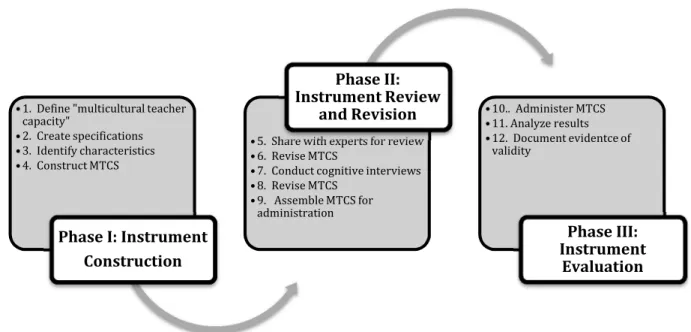
Figure 2 Development and Validation Process of the Multicultural Teacher Capacity Scale ...72
Figure 3 Characteristics of Multicultural Teacher Capacity ...98
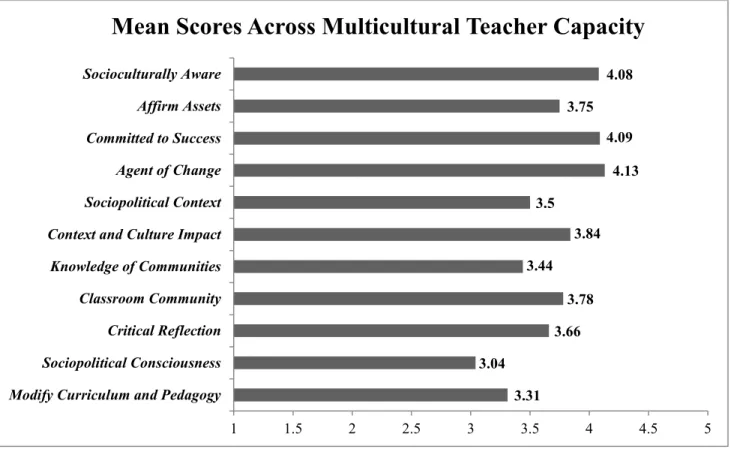
Figure 4 Summary of Means Score Responses Across Characteristics ...111
Figure 5 Principal Components Analysis Scree Plot of Eigenvalues ...113
Figure 6 Two-Factor Model of Multicultural Teacher Capacity ...116
Figure 7 Threshold Structure of the MTCS Using the Rating Scale Model ...120
Figure 8 Person Item Histograms for Factors 1 and 2 Using the Rating Scale Model ...124
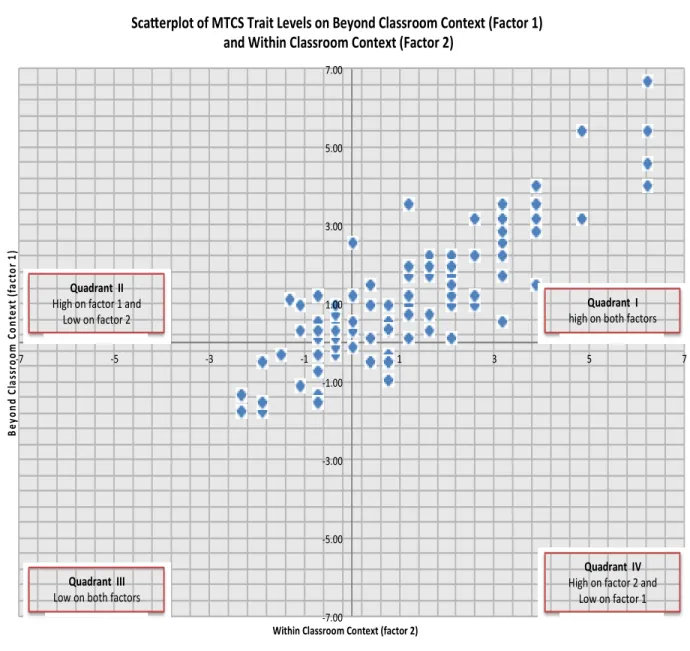
Figure 9 Scatterplot Comparing Performance on Factor 1 and Factor 2 ...125
LIST OF ABBREVIATIONS
CDAI Cultural Diversity Awareness Inventory
CEIS Cultural and Educational Issues Survey
CRTSOE Culturally Responsive Teaching Self-Efficacy and Outcome Expectancy Scale
DDI Diversity Dispositions Index
DRT Standards-based Assessment Tool for Diversity-Responsive Teaching
EFA Exploratory Factor Analysis
INTASC Interstate New Teacher Assessment and Support Consortium
IRB Institutional Review Board
IRF Item Response Function
IRT Item Response Theory
KMO Kaiser-Meyer-Olkin
MC-C Marlowe-Crown Social Desirability Scale
MAQ Multicultural Attitudes Questionnaire
MASQUE Munroe Multicultural Attitude Scale Questionnaire
MDI Multicultural Dispositions Index
MES Multicultural Efficacy Scale
MMY Mental Measurements Yearbook
MSES Multicultural and Special Education Survey
MSS Multicultural Sensitivity Scale
MT Multicultural Teaching Concerns
MTC Multicultural Teaching Competency Scale
NAME National Association of Multicultural Education
NCATE National Council for Accreditation of Teacher Education
PCM Partial Credit Model
PDAA Professional and Personal Beliefs about Diversity
QDI Quick Discrimination Index
Quick-REST Quick-Racial and Ethical Sensitivity Test
RSM Rating Scale Model
RSMD Root Mean Squared Deviation
SDS Social Distance Scale
TBS Teacher Belief Survey
TCBS Teacher Cultural Beliefs Scale
CHAPTER 1: INTRODUCTION TO STUDY
Education has been considered the great equalizer, the beacon of hope for the poor and
the powerless and the way to life, liberty, and the pursuit of happiness (Noguera, 2003). Among
its many promises has been to ensure that all citizens are able to protect their political and
economic rights through the education of the whole population (Spring, 2001). These themes of
equality and equity are echoed in national initiatives such as No Child Left Behind (2001), and
the current Common Core initiative (National Governors Association Center for Best Practices &
Council of Chief State School Officers, 2010).
Despite these initiatives, research suggests that some children are still left behind, and
students’ outcomes and experiences are not common. For example, when compared to the
teachers of White middle-class students, the teachers of Black, Hispanic, and economically
disadvantaged students are more likely to be less qualified (Boyd, Lankford & Wyckoff, 2008;
Ingersoll, 2002) and to hold lower expectations and negative perceptions of their students’
academic ability (Ferguson, 2003; Tenebuam & Ruck, 2007). Further, these students are also
less likely to have access to and enroll in more rigorous coursework (Attewell & Domina, 2008;
Oakes, 1992; Ogbu, 2003) and are more likely to receive harsher disciplinary action (Davis &
Jordan, 1994; Skiba, et al., 2002) than their counterparts. In terms of educational outcomes,
these students drop out of high school at a higher rate and attend (and persist through)
post-secondary institutions at lower rates than White and economically advantaged students (Hurtado,
These findings call into question the educational system and demonstrate that the promise of
equity and equality has yet to be realized.
The Emergence of Multicultural Education
Over three decades ago, and in conjunction with the Civil Rights Movement,
multicultural education emerged as a reform movement to address educational inequities in
schools that lead to disparate experiences and outcomes for students based on their cultural
characteristics and circumstances (Banks, 2007b; Cochran-Smith, 2003; Gay, 2002;
Ladson-Billings; 2004; Sleeter, 2012). Maintaining that all students should have equal opportunities to
learn despite the racial, ethnic, social-class, or gender group to which they belong, multicultural
education seeks to provide equitable education for all students (Banks, 2010). Efforts of the
reform movement challenged the focus in schools on cultural deficits where students and their
families were to blame and advocated for an approach that highlighted students’ cultural
difference where the responsibility was placed on schools—not students and their families—to
address the inequities.
Multicultural education paved the way for significant changes in education such as the
increase in educational programs, teacher education programs, conceptual frameworks, and
curriculum standards that consider the role of culture in education (Cochran-Smith, 2003). One
major area of accomplishment is the evolution of the National Council for Accreditation of
Teacher Education (NCATE) standards, which highlight the roles that teachers play in
educational reform. The role of culture and diversity was among the many changes of the
NCATE standards. The first mention of multicultural in the standards was in 1979, when
institutions were required to show evidence of planning for multicultural education curriculum
multicultural education curriculum. Ten years later, there was a transition from a separate
standard on multicultural education to inclusion among four different standards: field-based and
clinical work; student admission; faculty qualification; and professional studies (Gollnick, 1991).
In the most recent revision of the NCATE standards, teachers are required to demonstrate their
knowledge, skills, and dispositions to help all students learn. They are also required to have
experiences with diverse faculty, candidates, and P-12 students (NCATE, 2010).
The Gap Between Intention and Implementation
Even though multicultural education is a commonly heard phrase, the ways in which it
has been implemented deviate greatly from the intended purpose of addressing the inequities in
schools that lead to disparate outcomes and experiences for students. Many multicultural
education efforts have been sanitized, removing the transformational aspects thereby leading to
faulty and superficial implementation adding to the confusion around what the term multicultural education means. Ideally, multicultural initiatives would instill a sociopolitical consciousness that would raise awareness of and ways to address the inequitable experiences and outcomes of
students; such is not the case. Since the inception of multicultural education studies have been
conducted to better understand how the intended purpose is realized through literature (Sleeter &
Grant, 1987), teaching standards (Akiba, Cockrell, Simmons, Hans, & Agarwal, 2010), and
teacher education courses (King & Butler, 2015).
With the aim of conceptual clarity and evaluation, Sleeter and Grant (1987) synthesized and
analyzed 128 books and articles on multicultural education. They found that among the texts
there were variations in how each approached multicultural education. These five approaches
were developed into a taxonomy ranging from a deficit to a critical perspective. The first
deficient and need to support to fit into mainstream culture. The second approach, human relations, focuses on the appreciation for and understanding of differences between cultural groups as a means to address inequities. The third approach, single-group studies, ignores the multiple forms of diversity by focusing on developing curricular units on one cultural group. In
contrast, the fourth approach, multicultural education, expands that focus to develop a concern for the equitable opportunities and experiences for multiple cultural groups. The fifth approach,
multicultural and social reconstructionist, represents multicultural education as it was intended and builds on the fourth approach by also seeking to develop social and critical consciousness
about the inequities in society. Of the 128 books and articles reviewed, only 10 were
categorized as multicultural and social reconstructionist, which demonstrates how efforts have deviated from the intended purpose of multicultural education. A common critique among the
articles was the lack of instructional guidance. The authors noted that many discussed changes
in curriculum but failed to address how teachers translate these approaches to classroom practice.
Teacher education programs have the potential to play a major role in reforming schools and
impact how teachers conceptualize multicultural education. In a more recent study, Akiba and
her colleagues (2010) examined the diversity requirements included in teacher certification and
program accreditation standards in all fifty states and Washington, DC using the five typologies.
Their findings were similar to Sleeter and Grant’s (1987) study, which was conducted more than
twenty years prior. The multicultural and social reconstructionist approach was the least common approach with only five states. They found that the diversity requirements among the
institutions reviewed emphasized the recruitment of diverse candidates (16 states) or diverse
faculty (13 states) and that it was less common to require an assessment of teacher candidates’
diversity-related courses (6 states). They also described these diversity-related statements as
“ambiguous in nature since they focused on the goals rather than approaches or methods to
achieve the goals” (p. 453).
With weaknesses in multicultural literature and diversity-related standards, it follows
then that diversity-related courses will approach multicultural and diversity-related issues in an
inconsistent and superficial manner. King and Butler (2015) examined how well teacher
education programs addressed issues of diversity in their curriculum. Through a content analysis
of diversity-related courses in a southeastern state for preservice teachers they found that even
though diversity-related courses are increasingly more popular, their importance is relatively
low. None of the fourteen institutions examined threaded multicultural and diversity-related
content throughout their curriculum. In fact, only four required students to have 20% or more of
their course load in courses with an explicit diversity-related or multicultural component and
overwhelming majority (71%) required significantly less than one-fourth.
Taken together, these findings demonstrate the complexity in translating the aims of
multicultural education into practice. If state standards and schools of education are inconsistent
and superficial in their translation of multicultural education, then it turns that teachers will also
be inconsistent and superficial in their implementation of multicultural education in their
classrooms.
Teachers’ (In)Ability to Translate Multicultural Education
Despite the common use of multicultural and the overwhelming presence of diversity
related standards and courses, there is little indication that teachers are actually aware of what it
means to be multicultural and to address diversity-related issues (King & Butler, 2015;
and economically diverse classrooms (Buehler, Gere, Dallavis, & Haviland, 2009; Garmon,
2004; Milner, 2005). In a national survey of teachers, only 41% reported participating in
professional development related to diversity and only 32% of those felt prepared to address the
needs of students from diverse cultural backgrounds (Gruber, Wiley, Strizek, &
Burian-Fitzgerald, 2002).
Further, this lack of preparation is evident in the classroom practices of some teachers.
For example, in 2009, a social studies teacher bound the hands of two Black girls in her
classroom and made them crawl under a desk in order to simulate the experience of slavery
(CBS, 2009). In 2011, a teacher made a Black boy the slave during a mock slave auction
(WBNS-10TV, 2011). In a more recent attempt to create an interdisciplinary lesson between
math and social studies, third grade students were asked questions that included calculating the
number of beatings a slave got in a week and how many baskets of cotton were picked (ABC
News, 2012). It is not enough to say these are poor examples of multicultural education; we
must pursue what it means to also be multicultural, not just do multicultural. Problem Statement
Despite accomplishments in multicultural education to address the cultural diversity of
students, the historically marginalized students that multicultural education was designed to
support still experience disparate educational outcomes. Ogbu (1992) and Zirkel (2005) raised a
question that has yet to be answered: to what extent does multicultural education improve the
academic performance of historically marginalized students? As Cochran-Smith (2003) notes,
current conversations regarding education are centered on outcomes, impacts, evidence, bottom
lines, results, effectiveness, and value-added—and multicultural education has fallen short.
multicultural education (Cochran-Smith, 2003; Ladson-Billings, 1999; Sleeter, 2012), but despite
its contributions, empirical research remains limited. The research that has been conducted has
primarily focused on preservice and not inservice teachers, further limiting the body of evidence
that might support the impact of multicultural education. Sleeter (2012) specifically called for a
valid assessment of teachers’ ability to be multicultural educators.
Banks (2010) describes teachers and not their practices as multicultural. He explains that
multicultural education is not only detrimental, but also ultimately “ineffective in the hands of
teachers who have negative attitudes towards different racial, ethnic, and cultural groups” (p.
22). He argues that multicultural education is effective only to the extent that teachers embody
characteristics, such as an understanding of their own cultural experience, engagement in critical
self-analysis, ability to look beyond physical characteristics, and knowledge of various
diversity-related theories, that are needed to achieve the aims of multicultural education (Banks & Banks,
1995). Herein, these teachers will be referred to as multicultural to refer to a personal
characteristic and orientation, a distinction from the common use to describe the presence of
multiple cultures.
Purpose of Study
One approach to evaluating the impact of multicultural education is to identify
measurable outcomes and to assess the extent to which teachers are multicultural. This study
focuses on the latter. In order help generate the research that is needed and to move from
small-scale studies that focus on student engagement (Sleeter, 2012), a valid assessment of
multicultural teachers is needed. In this study, such a tool was developed and initial evidence of
Although scholars have grappled with assessment within the field of multicultural
education, to date there is no assessment that is grounded in multicultural theory, captures a wide
array of multicultural concerns, focuses on teachers’ professional growth, and has psychometric
support. Therefore, the aim of this study is twofold. The first aim is to provide an operational
definition of a multicultural teacher based on a synthesis of empirical and theoretical literature on
multicultural education and related fields. The second aim is to develop and then examine the
psychometric properties of the Multicultural Teacher Capacity Scale (MTCS) developed in conjunction with the operational definition of a multicultural teacher. Multicultural capacity
refers to the extent to which teachers are multicultural, as defined by a set of theoretically
supported characteristics--knowledge, skills, and dispositions--that promote educational equity.
Research Questions
Operationalizing multicultural and examining the psychometric properties of the MTCS
are the main objectives of this study. To meet these objectives, the following research questions
will be addressed:
1. According to contemporary theory, what are the characteristics of a multicultural teacher,
as defined by dispositions, knowledge, and skills? and
2. What are the psychometric properties of a newly developed assessment of teachers’
multicultural teacher capacity?
Significance of Study
This study contributes to the field of multicultural education in two ways. First, an
extensive literature review and synthesis will help to clarify the concept and definition of
multicultural education. The immediate impact of this study is the consolidation of a vast
what to how. The identification of multicultural teacher characteristics and the development of a self-assessment tool will streamline conversations and provide a common language and tool for
multicultural teacher and teacher educators. The broader impacts of this study include
implications for teacher educators who are charged with preparing teachers for the classroom, for
principals and school administrators who provide professional development for inservice
teachers, and for teachers themselves who are often told what they should do, but not how they should do it.
Second, instrumentation for assessing the construct of multicultural teacher capacity will
move the education field closer to examining the impact of multicultural education on student
outcomes. A theoretically grounded and empirically supported instrument can be used to
identify teachers who are multicultural. These teachers and identified characteristics can then be
used to understand their impact on student experiences and outcomes.
Definition of Key Terms
Culture, sociopolitical context, equity, and equality are key terms that are essential for
understanding multicultural education and the description of a multicultural teacher. Although it
is central to multicultural education, culture is an elusive concept. Culture is often incorrectly
used as a proxy for race or ethnicity. As Ladson-Billings (2006) described, culture is “randomly
and regularly used to explain everything” (p. 104). Even within the vast multicultural literature,
culture is often used without definition or with varying definitions. In this study culture refers to the “ever-changing values, traditions, social and political relationships, and worldview created,
shared, and transformed by a group of people bound together by a combination of factors that
can include common history, geographic location, social class, and religion” (Nieto, 2008, p.
social and political relationships and world view are influenced by characteristics such as race,
ethnicity, gender, social class, ability, sexuality, language, and religion (Ladson-Billings, 2004;
Nieto, 1999; Yosso, 2006). Further, they are embedded in a sociopolitical context. Divorcing culture from the sociopolitical context leads to a merely aesthetic perspective of culture that
focuses on artifacts and holidays, whereas turning attention to the laws, regulations, policies,
practices, and ideologies that influence culture enables a critical perspective (Nieto, 1999).
Taken together, these definitions assert that everyone has a culture and that it is both dynamic
and contextual which lays the foundation for understanding how it influences teachers’ and can
lead to disparate outcomes and experiences for students.
Similar to culture, equality and equity are equally elusive concepts that are often
conflated. Equality refers to equal, or same, standing or treatment regardless of circumstances. However, multicultural education is more than a matter of cultural congruence: Equity is the
ultimate goal, which differs from equality. Equity recognizes that resources are not distributed equally to all and thereby refers to the redistribution of resources to level the playing field. Nieto
(2000), in her seminal text Placing Equity Front and Center, describes equity as the process through which equality is achieved.
Drawing from Banks (2010), multicultural education is defined as a reform movement that involves policies, practices, and people that affirm issues of identity and difference as well
as challenge issues of power and privilege, which is geared toward creating equitable
experiences and outcomes. Thus, a multicultural teacher has the capacity, or the dispositions, knowledge, and skills that lead to more equitable experiences and outcomes in their classrooms
and beyond. Understanding that multicultural is not a binary capacity also implies the ability to
the Multicultural Teacher CapacityScale assesses the extent to which teachers see themselves as multicultural as outlined by a set of key characteristics.
Organization of Study
This study is organized into five chapters. This chapter has provided a brief introduction
to the literature and the need for an assessment to measure multicultural teacher capacity. The
problem statement, purpose, limitations, and significance of the study were also presented.
The second chapter presents a review of the literature and sets the stage for the proposed
study. It begins with a presentation of the rationale for using multicultural education as the
framework to understand teacher characteristics and educational equity, and then focuses on the
need for a valid assessment of teacher characteristics within the field of multicultural education.
A systematic review of existing assessments is provided to support the need for the Multicultural Teacher Capacity Scale. Based on the systematic review of existing assessments, the section concludes with a description of the proposed instrument.
The third chapter describes the methodology of the study. Instrument development and
validation procedures are organized into three phases (in successive order): instrument
development; instrument review and revision; and instrument evaluation. For each phase, the
sample, procedures, and analysis are described.
The fourth chapter reports the findings of the research questions guiding the main study.
Specifically, a description of participants and results from each analysis is included. The
conceptual model for multicultural teacher capacity is presented in detailed to provide a deeper
The final chapter discusses of the findings paired with implications for teachers, teacher
educators, and administrators. Limitations of the study are also addressed in greater detail and
CHAPTER 2: REVIEW OF LITERATURE
In the first chapter, I explained the importance of multicultural education and the need for
assessment of the extent to which teachers possess the characteristics that promote educational
equity. The overall purpose of this chapter is to support the need for the development of a
self-assessment of teachers’ multicultural characteristics. First, I lay a foundation by discussing the
rationale for using multicultural education, among other options, as a framework for educational
reform. Next, I review culturally informed pedagogies broadly and then narrow to a focused
discussion of the two guiding pedagogies: culturally relevant and culturally responsive. I then
summarize the current critiques of multicultural education, and discuss the importance of teacher
characteristics on students’ experiences and outcomes. I conclude with an examination of the
status of assessment related to teachers’ multicultural characteristics order to establish the need
for a new instrument to measure these characteristics.
Multicultural Education as a Framework for Educational Reform
Often multicultural education is introduced by an announcement of the increasing rates of
racial and ethnic diversification, which Ladson-Billings (1999) referred to as the perversity of
diversity. Yet, the history of multicultural education, tied to the Civil Rights movement of the
1960s, reveals a different impetus. At the time of its emergence, the U.S. was undergoing
race-related changes; one of the most significant was the desegregation of schools in 1954 (Brown versus the Board of Education). Prior to Brown,Plessy vs. Ferguson (1896) allowed separate but equal schools to be housed within and serve their racially segregated communities (Tyack &
was not such. Black schools were not afforded the equal resources and staffing of White
schools—a condition that is still evident today. When Brown was implemented, cultural differences and societal factors were not taken into account. In the desegregated classrooms of
post-Brown many teachers (most of whom were White) were not used to Black students in their classrooms and Black students were not used to sharing a classroom space with White students
and being taught by a White teacher thereby leading to alienation for the Black student (Zirkel &
Cantor, 2004). As a result of this desegregation, many Black students were forced to leave their
community and their culturally congruent schools to attend White schools. With the
implementation Brown, cultural differences and societal factors were not taken into account. Rather, the result was a numerical solution to a social problem (Ladson-Billings, 1999) whose
impact continues today.
The Purpose of Multicultural Education
Early multicultural education efforts responded to the deficit-based theories that referred
to students of color as culturally deprived or culturally disadvantaged (Banks, 2004). The
premise of cultural deprivation theory is “the roots of [culturally deprived children’s] problem
may be in large part traced to their experiences in homes which do not transmit the cultural
patterns necessary for the types of learning characteristics of the schools and the larger society”
(Bloom, Davis, & Hess, 1965, p. 4, as cited by Banks, 2004). Ultimately, cultural deprivation
theorists insisted that students and their families were the problem and that it was the school’s
responsibility to fix them. In response, multicultural education turned the conversation from a
theory of cultural deficiency to a theory of cultural difference, thereby placing the onus on the
institution of education to address the inequities in schools instead of blaming students and their
students (Banks, 2004; Gay, 2004; Ladson-Billings, 1999) and lead to disparate experiences and
outcomes.
The overarching aim of multicultural education is to make changes in education so that
students receive a quality education, regardless of their cultural characteristics. Despite the
initial focus on race, multicultural education has expanded to include cultural characteristics such
as gender, ability, social status, religion, language, and sexual orientation (Banks, 2004; 2007).
According to Banks (2010), a quality education is achieved when five outcomes are realized: 1) a
greater self-understanding, 2) development of the knowledge, skills, and attitudes to function in
the community, mainstream society, and across cultures, 3) reduced pain that some feel due to
discrimination based on cultural characteristics, 4) access to cultural alternatives, and 5)
academic skills to function in a global and flat world.
Current Status of Multicultural Education
Even though multicultural education has been praised for calling attention the role
schools in promoting educational equity, a commonly voiced concern is the lack of attention to
assessment. In her reflection on multicultural education in the 21st century, Cochran-Smith
(2003) noted the various contributions related to teacher education and teacher standards, but
also admitted that multicultural education has fallen short. Her argument is that whereas
educational conversations in this era are centered on accountability and student outcomes,
multicultural education has not had the same focus. In defense of multicultural education, Gay
(2004) pointed out that the movement is relatively young and refers to it as “unfinished” (p. 191).
Her claim that the field is moving from a curricular to a pedagogical focus aligns with the current
push for more empirical studies (Ladson-Billings, 1999; Sleeter, 2012; Sleeter & Owuor, 2012).
that most were small-scale or case studies, which do not provide the support necessary to
generalize claims regarding student outcomes.
Importance of Teacher Characteristics
Teachers play a significant role in the success of school reform movements
(Darling-Hammond, 2010). It is therefore important to consider teacher characteristics in the multicultural
education reform movement. The present study does not claim that teachers alone are
responsible for student educational outcomes and experience, because there are societal and
institutional structures in place that also play a role (DeCuir & Dixon, 2004; Nieto, 2000; Nieto
& Bode, 2012). However, of the school factors that affect experiences and achievement, teacher
characteristics and quality instruction have been regarded as the most critical (Hightower,
Delgado, Lloyd, Wittenstein, Sellers, & Swanson, 2011; United States Department of Education,
2011). To that point, Shulman (1983, as cited by Darling-Hammond, 2010) claimed that:
The teacher remains the key. The literature on effective schools is meaningless, debates over educational policy are moot, if the primary agents of instruction are incapable of performing their functions well. No microcomputer will replace them, no television system will clone and distribute them, no scripted lesson will direct and control them, no voucher system will bypass them (p. 302).
Research findings also support the long- and short-term impact of teachers on students’
experiences and outcomes. A meta-analysis of 99 studies revealed that positive student-teacher
relationships have a statistically significant positive impact on school engagement and academic
achievement (Roorda, Koomen, Spilt, & Oort, 2011). In a study examining the impact of teacher
quality on student's long-term outcomes, Chetty and his colleagues (2011) analyzed more than
20 years of data for nearly one million fourth- through eighth-grade students in a large urban
school district. Findings suggested that teacher quality was closely associated with college
Given the importance of teachers, the next section examines the ways in which teacher
characteristics related to multicultural themes have been examined in order to understand the
status of assessment within the field of multicultural education. Of particular interest for this
study are instruments that were developed to assess teacher characteristics related to elements of
multicultural education. I assert that a valid assessment of multicultural teachers will be the first
step to increasing empirically based studies of the impact of multicultural teachers on student
experiences and outcomes.
Using Multicultural Education to Identify Teacher Characteristics
As described, multicultural education emerged as a reform movement to address the
educational inequity in schools that leads to disparate experiences for students because of their
cultural characteristics (Banks, 2007b; Cochran-Smith, 2003; Gay, 2002; Ladson-Billings; 2004;
Nieto, 2000; Sleeter, 2012). However, as it stands, multicultural education is too broad a
concept. Banks (2007b) described multicultural education as three things: an idea, a process, and
a reform movement. It is noteworthy that he did not describe it as a pedagogy, which would
provide teachers with the tools and techniques needed for teaching (Shulman, 1986). To extend
multicultural education several culturally centered pedagogies such as culturally congruent
(Mohat & Erickson, 1981), culturally appropriate (Au & Jordan, 1981), culturally compatible
(Jordan, 1985; Vogt, Jordan, & Tharp, 1987), culturally relevant (Ladson-Billings, 1995),
culturally responsive (Gay, 2002), and culturally sustaining (Paris, 2012) emerged. Although
each of these approaches suggest that culture plays a significant in education, their foundation,
description and elements vary (see Table 1). Culturally relevant and culturally responsive
approaches have emerged as the most widely cited among the various approaches. These two
Table 1
Overview of Culturally Informed Approaches
Foundation Description Elements Citations
Culturally Congruent (Mohatt & Erickson, 1981)
Observation of student teacher interactions with Navajo children
Uses Native American and Anglo language patterns
•Mixed forms of language
227
Culturally Appropriate (Au & Jordan, 1981)
Study of teacher reading practices with Hawaiian students
Incorporates students' cultural backgrounds in reading instruction
•Talk story 623
Culturally Compatible (Jordan, 1985; Vogt, Jordan, & Tharp, 1987)
Successful practices with teachers of Hawaiian students
Use of students culture to guide instruction
•Home and community observations 82 Culturally Relevant (Ladson-Billings, 1995)
Ethnographic study 8 successful teachers of African-American students
Problematizes teaching and encourages teachers to question student-teacher relationships, curriculum, schooling, and society
•Student achievement •Cultural competence •Cultural critique
2264
Culturally Responsive (Gay, 2002)
Synthesis of literature regarding the
underachievement of students of color
Uses the cultural characteristics, experiences, and
perspectives of ethnically diverse students as conduits for teaching for more effective teaching
•Culturally diverse knowledge base •Culturally relevant
curricula •Culturally caring
and learning community •Cross-cultural
communication •Cultural congruity
880
Reality Pedagogy (Emdin, 2011)
Extension of culturally relevant pedagogy and critical pedagogy and build on research in urban science classrooms
Utilizes the reality of students within a classroom and supports the teacher in using their realities as anchors for instruction •Co-teaching •Co-generative dialogues •Cosmopolitanism •Context •Content 10 Culturally Sustaining (Paris, 2012)
Based on a critique of existing culturally centered pedagogies and builds on culturally relevant pedagogy
Seeks to perpetuate and foster linguistic, literate, and cultural pluralism as a counter to
assimilationist practices in education
• Acknowledgement of the plural and evolving nature of identity and culture • Commitment to
embracing culture’s counterhegemonic potential
• Critique of culture’s ability to reproduce systemic inequities
Culturally Informed Approaches
A limitation of multicultural education is the lack of pedagogical guidance, which is
addressed by culturally relevant and culturally responsive pedagogies. As illustrated in Table 2,
the elements of both pedagogies align with the goals of multicultural education. Although these
two pedagogies extend multicultural education and share the goal of addressing inequities in the
classroom, the ways in which they address inequities varies. Despite their distinction, culturally
relevant (Ladson-Billings, 1995) and culturally responsive (Gay, 2002) are often conflated. For
example, Gallavan (1998) used culturally responsive as the umbrella term for all culturally
centered pedagogies. Barnes (2006) lists the elements of culturally relevant pedagogy while
citing Gay (2002); Siwatu (2008) cited Ladson-Billings (1994) for culturally responsive
pedagogy; and, Fitchett, Starker, and Salyers (2012) used culturally responsive in the title of
their manuscript but referred to culturally relevant throughout the body of the text. A distinction
between the two pedagogies is needed in order to understand their contribution to the study. To
accurately summarize and differentiate the pedagogies, the descriptions below rely heavily on
the works of the primary scholars of these theories: Gloria Ladson-Billings (culturally relevant)
and Geneva Gay (culturally responsive). Culturally relevant pedagogy was introduced prior to
Table 2
Alignment of Multicultural Goals With Culturally Responsive and Relevant Elements
Goals of Multicultural Education
Greater self-understanding
Ability to function in community, society and across
cultures Reduced pain due to discrimination Exposure to cultural alternatives Academic Skills
Culturally Relevant Pedagogy
Student
achievement X
Cultural competence
X X X
Critical consciousness
X X X
Culturally Responsive Pedagogy
Culturally diverse knowledge-base
X X X
Culturally relevant curricula
X X X
Culturally caring and learning community
X X
Cross-cultural communication
X
Cultural congruity
X X X
NOTE: Shading indicates the elements of culturally relevant or culturally responsive that overlap with the themes of multicultural education Culturally Relevant Pedagogy
Ladson-Billings (1995) introduced culturally relevant pedagogy to address student
achievement and to also help students accept and affirm their cultural identity, while
simultaneously developing critical perspectives that challenge inequities in schools. Culturally
relevant pedagogy emerged as a grounded theory based on Ladson-Billings’ (1990) ethnographic
work with six successful teachers of African-American students. The impetus for her work was
the increase in literature that described African-American students as disadvantaged. As such,
she based her work on Irvine’s (1990) concept of cultural synchronization, which described the
necessary interpersonal contexts that African-American students need to be successful. Irvine
African-American students and school failure such as teacher-student interpersonal contexts, teacher and
student expectations, institutional contexts, and the societal contexts.
Although the elements of culturally relevant pedagogy are student-centered,
Ladson-Billings (1999) considered an ethic of care to be prerequisite for being a culturally relevant
teacher. In a later article, Ladson-Billings (2011) expanded on the idea of care, describing it as
informed empathy that goes beyond feeling with to feeling for. As she explained, feeling with does not require a sense of accountability, whereas feeling for does. It is presumed that this is a
prerequisite for teachers to work toward the elements of culturally relevant pedagogy.
The first element is to produce students who can achieve academically (Ladson-Billings,
1999). The teachers in her study considered academic success to be one of their primary
responsibilities, which is consistent with Banks’ (2010) goal of students receiving the academic
skills necessary to function in society. In light of the research that found that students’ academic
success came at the expense of their cultural and psychosocial well-being, Ladson-Billings
included cultural competence as the second element. Contrary to other definitions of cultural
competence as knowing others, her definition refers to the maintenance of cultural integrity, or
an understanding and appreciation of self. This element is similar to Banks’ (2010) greater
self-understanding, which may not occur when students’ cultures and identities are absent or
presented negatively. By actively supporting students’ psychosocial well-being, teachers help to
reduce the pain of discrimination as envisioned by Banks (2010). The final element is to develop
students who can understand and critique the current social order, thereby resulting in
sociopolitical consciousness. Successful implementation of culturally relevant pedagogy
“prepare[s] students to combat inequity by being highly competent and critically conscious”
goal of students possessing the ability to function in society and across cultures. Overall,
Ladson-Billings offers a pedagogical approach that is inherently critical and transformative. It
moves beyond interpersonal relationship within the classroom to action within and beyond. Her
approach differs from, but complements, Gay’s (2002) culturally responsive pedagogy. Where
culturally relevant pedagogy focuses on student outcomes and was developed based on the study
of teachers of African-American students, cultural responsive focuses on teacher outcomes and
was developed based on a synthesis of literature on a culturally diverse population.
Culturally Responsive Pedagogy
Gay (2002) designed culturally responsive pedagogy to improve the school success of
ethnically diverse students by providing teachers with the necessary knowledge and skills. She
based her approach on multidisciplinary research, theoretical claims, practical experiences, and
personal stories regarding the underachievement of African-, Asian-, Latin-, and Native
American students. The underlying assumption of this pedagogy is that using students’ cultural
and personal experiences in the classroom will result in improved academic achievement, as
evidenced by increased interest and personal connection.
Implementing culturally responsive pedagogy calls for five essential elements, all of
which align with Banks’ (2010) goals of multicultural education. The first element is developing
a knowledge base about cultural diversity, or the cultural alternatives espoused by Banks (2010).
Gay (2002) recommended explicit knowledge about ethnic groups (e.g., traditions, learning
styles, contributions, etc.) and about multicultural education, theory research and scholarship.
As envisioned, this knowledge would lead to three of Banks’ (2010) goals: increase the academic
success of students, provide them with cultural alternatives, and help them to function in society.
culturally relevant curricula, teachers should be able to assess the multicultural strengths and
weaknesses of curriculum and modify accordingly. By doing so, teachers and students are both
becoming critical consumers of knowledge and improving their academic skills (Banks, 2010).
The third element is the one that is most often associated with culturally responsive teaching:
cultural caring and community building. Recently, Shevalier and McKenzie (2012) extended the
notion of cultural caring and community building by situating it in Noddings’ (2002) care theory.
They noted that teachers have to respond to students in ways that build and sustain meaningful,
positive relationships. Such a response results from caring for students, as opposed to caring
about them. Their rationale is that when teachers care for their students, the result is reciprocity and the student cares for the teacher and this can lead to the reduced pain of discrimination as
envisioned by Banks (2010). The fourth element is cross-cultural communications, which is the
ability to understand diverse cultural discourses (e.g., contextual factors, vocabulary, and
intonation). The fifth element is cultural congruity in classroom instruction. Here, Gay is
referring to matching teaching and learning styles as well as incorporating diverse examples, or
cultural alternatives (Banks, 2010). Gay’s overall focus on the cultural differences steeps from
her belief that “when the cultures of students and teachers are not synchronized, someone loses
out. Invariably, it is the students” (1997, p. 223). As such, she designed the elements of
culturally responsive teaching to bridge that gap between teachers and students by outlining
elements aimed to help teachers understand and support their students.
Culturally Relevant versus Culturally Responsive
The previous subsections described the elements of culturally relevant and culturally
responsive. Table 2 illustrates how the elements are aligned with the goals of multicultural
culture as an asset and the personal and professional relationship between teachers and students
in the classroom, they differ considerably in their specific emphases, orientations and, more
importantly, in the ways in which they depend upon, support, and extend relationships in the
classroom. In its more explicit commitment to advocacy and social justice, culturally relevant
pedagogy identifies and addresses power relations as well as links the classroom as a community
both inside and outside the school. On the other hand, culturally responsive pedagogy has a
stronger emphasis on the relationships and community building within the classroom.
Considering their similarities and differences, using both in tandem supports the identification of
comprehensive framework of teacher characteristics. Both focus on the classroom dynamics
from wide-ranging perspectives: teacher outcomes and student outcomes, success versus
underachievement, and practice versus theory. Although these pedagogies are a step toward
operationalizing the aims of multicultural education, multicultural education is still not without
its critics. One commonly voiced critique is that of the lack of assessment within the field.
Status of Teacher Assessment in Multicultural Education
In this chapter, I established multicultural education as a platform for educational reform
and the impact of teacher characteristics on students’ outcomes and experiences has been
explored. Pairing multicultural education and the importance of teachers, this section explores
efforts to assess teacher characteristics specifically related to multicultural themes. I evaluate
existing instruments according to their theoretical and psychometric properties, which yields a
justification for the development of a new instrument to measure the extent to which a teacher is
multicultural, or possesses the knowledge, skills, and dispositions that promote equity.
To identify relevant peer-reviewed journal articles on the topic, parameters were set for a
Mental Measurements Yearbook, PsycARTICLES, PsycINFO, and Teacher Reference Center).
Terms were divided into four categories relating to the population (e.g., teachers), measurement
(e.g., quantitative, instrument, questionnaire, rubric, inventory, observation, and survey),
multicultural issues (e.g., diversity, multiculturalism, race, culture, cultural, equity), and teacher
characteristics (e.g., competence, values, attitudes, dispositions, and beliefs). No temporal limit
was put in place to explore the development over time. Of interest for this review were articles
that specifically discussed the development, validation, and implementation of instruments
designed to assess teachers characteristics related to multicultural issues. This limitation allowed
for a narrow focus on the intended purpose of the instruments and not on how they may have
been used in subsequent studies, which may be contradictory. Surveys and qualitative
assessments (i.e., interviews and open-ended responses) that did not include scoring criteria (e.g.,
Barry & Lechner, 1995; Cooper, Beare, & Thorman, 1990; Easter, Shultz, Neyhart, & Reck,
1999; Reed, 2009) were excluded. A total of 22 instruments was identified among the reviewed
articles. Instruments developed and utilized outside of the United States were removed (e.g.,
Teacher Cultural Beliefs Scale (Hachfeld, Hahn, Schroeder, Anders, Stanat, & Kunter, 2011). Though similar in aim, the Cross Cultural Adaptability Inventory (Davis & Finney, 2006) is specified to examine the impact of international experiences on preservice teachers (Batey &
Lupi, 2012), which also falls outside the scope of this study.
The remaining 20 instruments were screened for academic presence. Humphreys and his
colleagues (2011) considered the existence of four or more articles in which an instrument was
studied or used be an indication that the instrument had gone beyond basic development and
validation. Employing Humphrey et al’s criterion would have reduced the number of
the field of multicultural education. It was therefore decided to include instruments with at least
one article beyond initial development and validation where the instrument was used or studied.
Each intsrument was entered into Google Scholar to identify additional empirical studies of
teachers or for further validation. Consequently, the following instruments were removed:
Multicultural Attitudes Questionnaire (MAQ; Giles & Sherman, 1982), Multicultural Sensitivity Scale (MSS; Jibaja-Rusth, Kingery, Holcomb, Buckner & Pruitt, 1994), Cultural and
Educational Issues Survey (CEIS; Pettus & Allain, 1999), Teacher Belief Survey (TBS; Easter, Shultz, Neyhart, & Reck, 1999), Standards-based Assessment Tool for Diversity-Responsive Teaching (DRT; Sobel, Taylor, & Anderson, 2003), Diversity Dispositions Index (DDI; Schulte, Edwards, & Edick, 2008), Multicultural and Special Education Survey (MSES; Utley, 2011) and
Teacher Cultural Beliefs Scale (TCBS; Hachfeld, Hahn, Schroeder, Anders, Stanat, & Kunter, 2011). The remaining 13 instruments (5 used in 2 studies, 4 used in 3 studies, 2 used in 4
studies, 1 used in 6 studies, 1 used in 7 studies, and 1 used in 12 studies were reviewed according
to the criteria described in the section that follows.
Listed in chronological order of development, the following 13 insruments were reviewed
Expectancy Scale (CRTSE/OE; Siwatu, 2007), Multicultural Dispositions Index (MDI;
Thompson, 2009), Quick-Racial and Ethical Sensitivity Test (Quick-REST; Sirin, Rogers-Sirin, & Collins, 2010), and Multicultural Teaching Competency Scale (MTC; Spanierman, 2011).
The final set of 13 instruments appeared in a total of 53 studies. All instruments are
self-report, which primarily ask teachers to rate themselves using a Likert-type scale on a variety of
items. The first instrument specifically for teachers was developed in 1982; the oldest
instrument was developed in 1933, but was used to assess preservice teachers much later (Law &
Lane, 1987). As Figure 1 below illustrates various instruments have been developed consistently
with the most recent instrument developed in 2011. The most widely used instrument is the
CDAI (Henry, 1986), with its most recent study in 2014. Whereas most instruments were
developed for teachers broadly, the PDAA was developed for phyical education teachers and the
MSS was developed for school health teachers. To date, there has been no systematic review of
instruments to assess teachers values, attitudes, and beliefs regarding multicultural issues. I
respond to that gap by evaluating each instrument against a set of theoretical and psychometric
Figure 1. Instrument Development over Time Instrument Review Criteria
Prior to reviewing the instruments, they were cross-referenced with the Mental Measurements Yearbook (MMY). The MMY is a series of published technical reviews of instruments voluntarily submitted by their developers and reviewed by experts in the field of
measurement. In addition to the MMY reviews, where available, each instrument was reviewed
according to theory and research in the field of multicultural education and according to relevant
psychometric elements. Theoretical properties include instrument description (i.e., description of
construct, theoretical framework, intended purpose, and test specifications), development (i.e.,
development process and pilot testing results) and sample items. Psychometric properties
include description of the samples studied, validity, and reliability. Each review concludes with
an overall summary and an evaluation according to the five criteria outlined for the instrument
evaluation.
Overall, five features were identified to guide the review. An assessment of teacher
range of multicultural issues, exhibit a transformative orientation, have a focus on personal
growth, and have adequate technical/psychometric support. A preliminary review of instruments
revealed gaps in the aforementioned areas and was subsequently used to guide the current review
of instruments.
Theoretical Foundation. One of the most important features of sound instrument
development is its grounding in a theoretical framework (AERA, APA, NCME, 2014). The
purpose of a theory is to explain and predict some phenomenon. The purpose of measurement is
to understand the phenomenon (Singh, 2004), and instrument validation depends on an explicit
theoretical foundation. Theory guides instrument development and validation as it provides the
framework for the intended purpose and outcomes of the assessment. In this evaluation of
instruments, a particular focus is on values, attitudes and beliefs, yet these concepts are elusive.
Therefore, their association to the construct (e.g., multicultural efficacy and cultural diversity
awareness) and the items need to be explicit and logical. Although a specific theoretical
framework is not highlighted in the evaluation, there are a few characteristics that are key: a
wide range of multicultural issues and a transformative orientation.
Broad Scope of Multicultural Issues. Although multicultural education began as a
social movement spawned by the racial tensions in the United States, it has expanded to address
issues such as ethnicity, gender, social class, ability, sexuality, language, and religion (Banks,
2010; Ladson-Billings, 2004b). Despite this expansion, many studies are often limited to
discussions of race or gender. Similarly, culturally relevant and culturally responsive pedagogies
are not limited to race or gender. In a national study of teacher education programs, Jennings’
(2008) found race and ethnicity to be the most emphasized issues, which is consistent with the