European Cornmunities
4,lt,tlrE
EUROPEAN
PARLIAMENT
Wbrking
Documents
1981
- lgg2
D(rcLIMEI{T
t-zfiltt
Report
drawn up on behalf of the corhmittee on External Economic Relations
I
on;fmde Reladons between fte EEC and tapan
I
Rapporteur: Slr John STEWART{IIIRK
l7*
By
letter of
7 March 1980the
Connnittee on External Economlc Relations requestedauthorization
to
draw upa
report
ontrade
relations
betrteen the EEC and ilapan.By
letter of
23April
1980,the
Presidentof
the
European Paflianent authorisedthe
CorunitteEto
draw uPa
report
onthis
matter.on 24
Aprll
1980the
Connittee on External Economlc Relationa appolntedSir,rohn
Ste\rart-c1ark Rapporteur.on 11 llarch 1981 a t'Iotion
for
a Resolution (Doc. L'966/8Ol tabled bySir
Fred Warner and othersin
accordance.with
Rule 14of
the Ruleeof
procedure, on
current
EEC-Japan economic andtrading
relationgr
w88 reforredto
the
Cornnittee.Itre Conmittee considered the
draft
report
at
Lts
meetingeof
L9 JaDuEq, 1981, 25 February 1981, 14April
1981 and 13 ![ayI98f,
whenit
rutenttoucly adoptedthe
Motlonfor
a ResolutLon and e:tplanatory statement.present:
Sir
Fted Cathenrood, Chtfumani lttrs VYieczore&-Zdil'' Vice-Chattesn,l.lr van Aerssen, Vlce-Chairmani'l,Ir S'eti1
,
Vice-Chtiiraian;"lsit'Jonn'Steitbrt-Clark,Rapporteuri I'IrE Fourcader
!&
GalLuzzL,!{r
E8nsch; Lord Eardar-Nicho1le(deputizlng
for
Sir
Fred Warner);l{r
Jonkeri Dlr Nicolaou, Lozrit O'Ea$an; !4rpelikan;
tilr Radoux; l,!r Rieger;Prinz
zu Sblm-Wittgenetein; &!r Seelerand l,[r Welsh.
CONTENES
A.
B.
MOTION FOR A RESOI.TXf,IO{
E:KPI,ANAIrcRY STATEIIENT
Paqe
,&8
24
2A-31
32
I.
II.
III.
rv.
v.
vI.
VII.
VIII.
rx.
Preface
1rtre
gituation
in
.rapan Trade betweenthe
EEC andDolng businees
in
Japan,rapan
The
role
of
goverrunentin
relation
to
busLncseIndustrial policy
and mErketing strategyCorununity
trade
policy with
,IapanFossible responses by the -EEC
Surunary
of
conclusLone10
10
t1
13
Japan€s€ trade
with
third
countriesJapanese and Conmunity investment
Etre CornmlEgion'
s
re-exanination of,33
x.
xI.
35
39
ANNEX
:
!4otionfor
a Resolution (Doc. L-966/8O)LIST OF If,ABEES
fable I
Cormrunity tradewlth
lapan anal1rced bymain commodity classes
Paqe
!8-26
27
30 L4
I5 Table
II
Tab1e
III
Table IV
Table V
Table
vI
Balance
of
Paymentsof
ilapan L972-1979 ,Iapan's tradewith
main Comnunity countrieein
1979in percentage
...
Inflation
ratesRelative wage rates
Export market shares
in
OECDtrade ...
A.
The Comnittee on External Economic Relations hereby euhdt*},to
the
European Parllamentthe following
Uotionfor
a Resolution, togetherwith
explanatory statement:MOTION FOR A RESOLUTION
on
trade
relations
betweenthe
EEC and .fatrnnThe European ParlLament,
-
concerned bythe persistent
and increasingdeficit in
the Community'ebalance
of
tradewlth
JaPan,-
awarethat thls deficit,
although comparatively smallln
the
contextof
the
Communlty'soverall trade
flgrures
impliesa
severethreat
to
the
Conununltyin
certain specific
sectors, PartlcuLarly
in
Imanufacturing
industry,
'i-
convinc€dthat
a
reductlonof
the
presenttrade
irnlcalance iilrutracontribute
towards abetter overall
understanding between theConmunityand.Tapanwhichwouldgofurtherthanpuralycorutercial
considerations andin
turn
leadto
cloEer cooperationin fields
euchas development
aid,
security,
monetarystability,
energy conservation'and
the
suPPIYof
raw materials,-
recognislngthat it is in
ilapan'sinterest to
work towarde greaterunderstandLng
with
the
conmunityin
viewof
her
vulnerabllity
bothin
termsof
nationa]-security
and energy supplles,-
recognisingthat
the
problemis
one whlch canprimarily
besatlsfac-torily
resolvedby
increaelngthe
competitivenessof
European productsvis-i-vis
the
Japanesein all
markete and stressi-ngtherefore
theneed
for
greater
effort
by European industsyin
tuts
reapect':
--."X"*
r.agio;
trre r i st<that
-protecEl onfgt GaffiFci-iA,
ifr-fatien
E,
lndividual
lrtember States,wtth re'sulEdit
Eerlous
'congeguGnceanot only for
EEC/Japan comnerclalrelations but also tor
*ifid'-Cmrnity
and worldtrade,
and convincedthat thls
can be averted bya greater
degreeof
understanding by iIaPanof
theprobleme
that the
Presenttrade deficit
Poseg both economically andpolitieally for the
comnunltY,-
welcomesthe
fact that
the
Councilof
Mlnistere
at their
rneeting of.17 February 198J. have taken
poeltive
stepsto
createa
Comunitystrategy
towarde itapan,-
recognlaingthat
the
effective
ieeofutton
of tft.
pr"lfems createdby
the
deficit in
the balanceof
trade betweenthe
CormunLty and,rapan can best be achleved by
the
formulation bythe
Comnissionof
a
vigorous common Corununity tradepollcy
towards ilapan,including
-a)
cloeer
cooperatlonand:ffiuovd-,ffii@ai,,*fuauetry
b)
worklng togetherto
eLiminate bothtariff
and non-tar16fbarr
iers,
c).
encouragementr"ofefforto,by
Hrbo1roan expdLtesto
ssciii€'agleater
shareof
the
'Iapanese rnarket,d)
recitrrrocity
in
banklng and inveetmentfacilities,
e)
quantiflable
self-restralnt in
exports byilalnn
ln
specific
sectors,
anda
sub8tantLal increasein lts
inporte
fron
theComnrnity,
,-
realising that
unlessthere
iE
aneffective
regolution
to
Liiedeficit
in
trade,
then pressures upon i,ledber State Governnentg couldforce the
Councllof
Minleters
to
takestringent
action
against ifapan,-
having regardto
the l{otion
for
a Reeolut!.on tabled bySlr
Fred TV}iRNERand
othere
(Doc. L-965/AOI,-
having regardto tle
report
of
the
Conmittee on External Economic Relations (Doc. 1-24O/eLl,1.
R€queststhe councll
anatcli'd comiitdE;Fi.Fqtrrs.ElrryBewreqw*tiee
to:-erEIE€--that
aII
negotlationswith
ilapanwill
be conductedfkmly
and constructiv€Iyand be based
not only
on an undergtandlngof
the
needaof
the
Cornnunity butalgo
of
thoseof
Japan andthe
UgA'who together form theworld's
three mostsigrnificant trading
grouPs and on whoEeeffective
cooperation anylasting
global trade
a,tEatrgenente'nust''d.enan412.
Ca1ls on thecouncil
and cosurriseLon-to ensurethat
any agaeement concludedwill
providefor
reciprocal
measures onthe
part
of
'Iapanin
respectof
E!1yconcessLonE whictr may be granted by
the
cotruouBityto
JaPani3.
Urgeethe
Conunission(a)
to
continueitE effofts to
ensurethe
harmonlzationof
trade policy
measur€s taken
by
individual
lllember Statos and algoto
ensutethat
thd Conmunitywill
speak"with
onevoice"
throughthe
Coumis6ionin itg
deal-ingrs- with' iDaPan't',
(b)
to
ensure,with
respect to-the'Community's competitlonpolicy,
that
the relevant
claueesof
the Treaties
(Artic1esE5'to
94)sre
not
apPll€dwith
the
result
that
industrywithin
the
Comnunltyie
penaligedto
the advantageof
lnduatry'fromt6#a-o6untriai,-
taotuding-56enr-
c) -'
quantftffi
respect
of
the
exportof
sensitive, or potentially
sensitive,
products to' the Conurunity.this wlll
haveto
bea
continuouE process which w111require
close cooperation,at
communityIeveI,
not only
between Commigaion and MernberStates
but
also
bettreenthe
Commisslon and retrxesentatlves of, European lndustry;d)
to
makecrear
to
Japan t-natan .rrure
to .uao.
rytwgz.ffi'
rnrst lead
to
countel-measulee onbehalf
of
the
Contmrnltyie)
to
be prepared, whereit
can be establishedthat non-tarlff
bartierE
to
trade
exist, to
6nt'roduce,at
Conunrnitylevel,
reciprocal
meaEureswithln the
frameworkof
the
GA[[lreconmends
in
thi.s
contextthat
the
CormlgeLon Etrotrld be endor.uedwLth adequate funds
to
instLtute a
Eerviceto
investLgateallegations
of
concealed protectlonleml recognj.ELngthat
industryitself
mayfind difficulty ln
dealingwith
such protectLonism;1o
ue preparedt;-."."Pt
trren-eea
--.
existlng
regulationq anddlrectives
regarding''type
approval'of
manufacturedartlcles,
particularly
motorvehicle
parts, mandatoryrather
than Permiseive;h)
io
take
Etepsto
erisfie-{fraE-anf agreementwlth
ilapanwlll
lncludeprovlslons'ensuring':Iu1f,-fAcipr-6-dtfiifrffi6ffiF*oa-baiinvest-ment
facilitiee
bets€enttrc,ttro parincrsr
anf]arlffiFiffi-ri?g, -
''-\rheth€r, od=6-,frio1[-otr1ffi
ot-joEnf
sT@{1*9;toafrnC@et
hite
---wrLtt€n agir€emente
to
enEtrt "ttraffiffi'SIdffiGilf
oients .
or
iraterLal g uc€d.h'
|rocttct1liln rizrf aiiltt6E\' iooili.S- ana-€EiE reeearch and devetrop€nt t€$dlteen
ire
fn{i'oaucida'a-a'rasurt
Ln-order
to
promore enp'Ioyaar6,-'pige{uleEt-tesi'daai cin4iffiS8ir^S$Snsiontn
the
areaor
region doneinea''-:-- '--'"'i - -*1
i1 'EoT6F-up
a
joint
EEC/JaPan Investment Bureauto facilltate
and
to
encourage approprlate inveetmentfron either
eide.Ttre r61e
of
such an Invegtment Bureau should includqthat
of
coordLnating and exLendlngjolnt
undertakings betweenJapanese and coriuunity countrleE
in third
countries;to
1n
f)
s)
4. Urges
the
representativesof
Europeanindustry,
wherever approprLatein
consultatlonwith
the
Comnisslon,to
cooperateclosely
ln
suchfieldls
as marketing and ReEearch and Development andrationalLzatlon
in
orderto
fLndnot
onty thebest
meansof
penetratlngthe
Japanese rnarketbut
alsoof
achLevingvlable
competltlvenesswith
reepectto
both
Corumrnity andthird
country markets;5. Aslcs
the
JaPanesefor their
Part
-a) to
take
concrete stepsto
eliminate
non-tarlff
barrLersto
trade, whetherintentional or
otho:vd-se;to
facilitate-
iirvestmeni-and -Uan:<ingf"cif itGJ
eountries
i
-
"-for
Communityto
acceptthe
necessityfor full
cooperationwith
thecornmunlty
in
working towBrds monetarystabllization
byworklng towarde monetary cooperation between those l-nduEtrialieed countrLes
with
convertible currencles, including the
EuropeanMonetary Syetem as a
bloc,
andthe
yent-'-;-'-
:111 '?'J":1 :.-
--'\:----to
cooperate \,riththe
Member Statesof
the
Conununityin
working towardsthe
reinvestmentof
the
proftts of
the
oil
producingcountdesi
to
cooperatefull-y with
the
conmtrnityin
acceptingspecific
quantifiable restraints
in
respectof
certain particularly
sensitive
sectorswhile
at
the
same time demonetratingits
willingness
to
accept a reaEonable Levelof
importeof
manu-factured goode from
tlre
Comrrunity;f)
to
cooperatewith
the
Cornrntrnitytn
orderto
coordinate attL-tudes towarde the o€fi6t* EECtra{ing
pdrtnerdiconsiders
that the links
betweenthe hrliarnent
andthe
.IaPaneseDiet
should be strengthened andthe
present exchanges Lntensifiednot only in the llght of the
good understanding andresults
sofar
achievedbut also in
Orderto bring
abouta greater politicaL
awareness
of the
problems whichthe
presenttrade deficit
tr,ose,b)
c)
.l)
e)
6.
f,tu-7.
Instructs
its
Presidentto
forwardthis
reeolution
to
theCommission and
the
Council and,for
informatlon,
to
the
Governmentof
Japan.B.
D(PTAINTORY ETATEDIENT
r.
PR,ERACEl'
B€fore analyslDg the EEc and irqran€se LndustrLar andtradlng
sltua_tl'ons,
an attempt should be madeto
doflne
the probremsof
our
twoComnunltiee. We see tham
as
follqre:
Japan
a)
leggg:segarapan hae
alnost
nonaturar
resoureesof
her
qrn.
sheis
dependentfot
g5%of
her anergirrequireuent'
0* rmports.
Theoil
prr.cerrsee
haveaffecred
her
ro
a greater
exr'nt
tnanetrtrer
westerr-;;r;-]"'an"
,ro.
JaPan's econoELe
groth
and develolrnantaretherefore
totalry
depend€nt on
lrporte'
she Lethe
largest lnportet
Ln the worldof
non-nanufaetur@dgoode and has
to
payfor
Ehese lnporEs byexporte.
ManufrcturLng Le the
only
meansof
obtslninE tbeae exporte si.neethere
18littls
blse
ro
EEu.b)
ggygrlrAlthough alapanese lnduetry nay f,lourLeh, some eections
of
her co6mu_
nLty
areetlu poor.
Eouar.ngr standardsstrll
tendto
belqr
and most roods
are lnadeguhte.
staadardsof llving
havetherefore
roqr
for
inprovernent.
c)
Vulnerabilltv
___-____-_-_G'rapan
feels
vulnerabreboth
ln
termsof
national
seeurity
andof
foreign
r.nfluenee ovEr whtch she has nocontrol.
on
the
defenee side, asthe only
eountry whieh has been subJectedto
a
nucl.ar attack
r.n war,irapan has vowed she
wIll
never produeenor
ourn nucreararttra.
sheis
eons@quent''y
rurlrtar'ly
dependent on theunited
states. rn
termsof
o11ehe has no way
of
eecaprng fromthe
gri.pof
the
opEC countrr.eE andeees
th€
comunr.etthreat
to
theGulf states
asaffeeting
her
very survlval.
Nevertheless, Japan has rtanaged Eo naintar.n econonic
irorth
withqrt
a correaponding increeseln
ol,l. eoneumptlgn. perhapsthere
Lea
1esson herefoi
the ueet.The.ComunLtv
a)
gr9g92'
Thecbmu*,ty
hae been ebnecr,oueof
a growingtrade
Imbalance withJrpan
for
ruany y€ara ,.owobut
hasprwed
incapableof
reducrngr.t.
voruntary-10-
PE G8.474agreenents, suDoLt tBeetl,ng8, mN nogotLat,ions, have
all
faired
to
makGany
lnpact
onthe f,lgurea.
Thedeflclt
hagin fact
increaeed fron1086n EUA
tn
1973to
514?m EUAln
19?9 'dhenthe
irnport/export coverratto
uae
only
47.1*.b) Induatrv
---rhe iraPBnese have coneEntrated
theLr
exportsln
etrncifLc Bectors,notabty
in
nanufacturlnglnduetry.
Today 64%of
her
total
exportsto
th.
conmunlly
ls
ostlmeted
eobc
in
maclrirrory anrt lrarrelxrrt ogrripmont, ;r.d2W
ln
other nanufacturedgoods.
Motor vohLeles, consunor electroniee and esroerasare three
66etorsin
whlch rlapancee exgrcrts ar€. paatLcularlyconcentrated.
fn
consequenco, nany C@Bunltylndustries
ln
thEee fLeldeare witnoeelng
a threat
to thelr
very
exl,atenc6.c)
$e-!:pge9E9_!31!9!Desplte
liberallaatLon
of
trade
restrl,cllone
by ilapan,a
lwer tariff
rate
Lnto Japan than Lntothe
corumunity undercnrr
and a professedwtlllng-nesa
to
weleome foreLgn inveatnent, JEpan remaLnsfor
nost
comtrunltylnduetrlalisEe
andtraders
Bn Ltopenotrablemarket.
Further JapanesgEeaaurGs
to proteet
Eh@ congumor andlhe
envLronnentare
seen as replaclng
trade
Ilbo:allzatLon
by
the iqroeltton
of
newnon-tariff
barrLere.conBequently,
there
exlits
todaya
el.tuatr.on whr.eh, delnndlng upon whether you are ilaprnes€or
EuropeBn, you.lrurveythe
eceneln
hrodlstlnat
llghte.
Thebaslc
causeie,
hmever, the
samo,that is
the
needfor
survlval
in
aworld
neaaced byslng
threat to
p€ac€.II.
lgE
SIIInTTON IN JAP,ANPolltlcel
'
receseion andwith
aninerea-3.
iralrn
is srory
movl.ngtmards a
,oore indetrrndentforelgn
porlcy.Presgureg
oriet
Ln ilapan udrlchare
foreing
Governnentto
takea
moreactlvo
r01eln
internatlonal
hffaire. hny
far-thlnking
irapanesesee
the absolute neceeelty of,
a
closelnrtnerehip
betweenthe unlted
states,
the
Eurotrnancomunlty
and iIatnn and reedgnisethat
all
three
socleties
have an
lnterEst
in
ualntgtntng
eloEepollglcal
cooperatl.qr and rlbsrall.sedlnter:natloral
trade. rt le
recognLeed Ehat we havesrlnilar
baslc atns
ln
wantlng
to
Presorv€ our democratLc systento
avoid war and eoDtrlbuteto
a
moroeqtltabre
balanee bctrnenthe
tnduatrial
andthe
deveroplng worrd.
PE 68.424
/fln.
.t
-Politiear
andeocial
understanding @nnot, hereiveg, ,be broughtatolt
,
'gatLefactorlly
between Japan endthe
Coiununity,if,
trading
and ecoflomLe relut,Lonaare unsEtietaetory.,
Largely becauee of.this.
therEls
b6tub6nthe
European cdnmunl,ty andtl"
ilni.tedstgtes,
onthe
ore hand, and Japah onthe
other, a laclt of
proper conprehenel.otr and courunlcatlon of,.6gchoEhor'a LnteresLs, objectlvea and
aeplrat{one.
ith"rr ts
a
iact
of
rrrtual
understandlng
of
what 6aetr oountry expeete.frm, eh6other siret the
longrua
andshat
ls
inportant
to
lndlviduble
Ln eachcountay.
.?o f,l,nd a'solutLon,
improuedtrhdlng
relaticns
i{:ugt cone about and welnuropeanemuet, mrhd
a
greateueffort to underEtqnd
the:eulture,
t"irt"
andthinklng patterns
of
the
JapFnese. Isatisfactory
tradlng
errangenente ehodld, ue,.:
the
firet
btepteardc
lnproved relati,ons betxrcdn
the
imunlty
and oa$9nin
srrchi".""
as eircrEyand ,raw materiare
pollcyl
devillolment.poltcy
arril d.f,Errae Lgsuescu!.tureaaUEggluEglgrl!&E
l.
i"l
4.
Thehablt
dmongst ,fapeneEeof
extrerne def,efeqceof
behdvlbur andformsllty
emongot thoge who arenot thaLr
closeifrl.ends aae]asgelstasmakes
it
very
dtfflcult for
both itapanese and flretgmoreto
uirderstand oneanother.
xn dealLngwlth
the
ilapanege{t {i
tnnportant,to
tcrl;;-both the
nature andltultatlore of
the
courteay"exSireesed. ,?g,gal,n therespoet
of
the
ilapanesoa
fcelgnir ls
Errp€ated,toroturn
yirltenese.
Tobe
guiet
andputisnt, but
ar
the
lrrne ,tln@to
be, dtrongln
attitude
andeharActer.
The JaPanebe l.nthelr
reaetlon
to
ori€ Lnother t{trgeen gr6(Ipacknarledge eubrtisaf,on
to
th€
atrongar ana aaJsbtmentto.th€ weaker.
It.
Ie of
the
uttnost lfiportancetb
reeogmlset,he iOle
of,dourtesyl-i.on and
strengtti.
.
,,+
:-1.
gggg!9grEurop€ans
with
hlqh
etandards of, gourEesy iho\rld bo abl.bto
uridrrsEtndthe tradltLons
of
eurture
and polltendss whLch aCe, so nuch ar pFrE otr. lsueeesefufly dedling
wlth
the.Ialenese.
. I
!
,'..
Li. Patience
)
:Egually, a prqPorsity
tn
Europefor
takLag rqobetrr* ui
d"riclouit
I'maklng ae eomlrared
to
orr
tuirlaan
frlends,
can,.Fbl'usaa'to aaw4cU$t'. ..The ilapanose
ar€ not
Eceustmedto
qulsk
declslori nahinE"nal
.gr,#;;t
Bnd buoiness dea'ls can
rardly
be forced,thrguEh qglElcly.,-
t2
-'
.t
!
rrr.
!9gg$g!9999If
trntlencels
a
virtue,
peraiatencele
€ven nore soin
relaEionerlth
the ilaPanose. lfhetherlt
be perelstencein
eoring
to
speclfic
tred6agreenents
or
persLetetrcefor
entry
Lntoe
narket- thls ie
a
vl.tal
elemcnt
for
guccess.
'Ehe ilap,anese thenselvee have shmrrthle quallty
tn
galningentry
to
th€'Aner{can, European andlno,
the
chinese narkets.lv.
AesLmilatLon;;. ;"*""". ,.
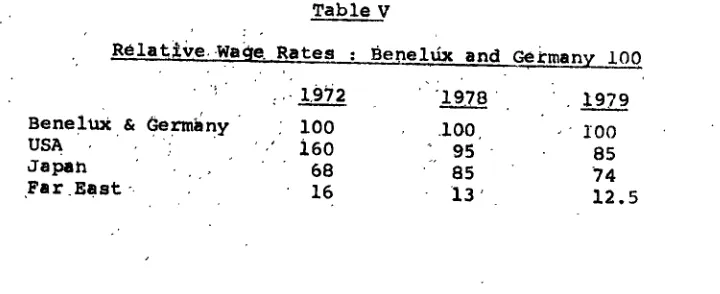
ro
greBt lengrhsro
undersrand and assr.nflare rholangruagee,
tradlng
uethods, sconmLcfactorer
strengths and weakneaaesof
colrtttors, ln
productspeclfloatLors,
narketing methodsetc.
tfhetherln
doing buslneesln
uapanor
Ln negotl.atlngwlth
tirem coneerninglbnet-ratr.on
of thcir
productslnto
the
Cormunl.ty,a close
aectoral knorledgela
neceesary bothof
our'q,n
Lndustry andthat
of
the
Japanese.9.
---
StrenqthAs
a
Cm!flrnJ'tyre
haveto
recognieethat in
negotiatlngwith
theilapaneso, we
shall'onry
garrt what we regul.re whetherin
comtnito
agree-mente oa
voltmtary
aedtrLctlonsof
entry
of
goodolnto
tha
coruuntty oreaeing
entry
of
our
C,n productsinto
irapan,lf
we cannegotlate
froma
postt!.ondf atrength.
strength
needeto
be derlvedfrou
unLtyof
approch whether
ln
the
caeeof
the
Cormunityor ln
Lnduetry and fiom aknoledge
of
wherethe
Japanese themeelves arevulnerable.
One hasto
recogmise
that to
a maJorextent,
statenents madein
general terme conceE-nl'ng exportrestral'nt,
lmportllberallzatLon,€tc,
are
uselees unless theyare
aeccnpaniedby
epecific
undertaklngs on thepart
of
the
Japaneee whl.eh can be meaeuredboth
in
guantity
andln tine
and whichlf not complied.ryith
wlrr
be repaldby
salutary
measures. weshall return
to thie,
but
lt
ig
I'mportant
at
the
outset'that
the necEse!.tyfor
negotiatlqr fron
etrengthJ.s rccognlsed ss belrgr
of
paramount importance.rII.
INEDE BEIIilEENTE
EEC ATqD JAPAN5.
The arapanege sharein
Fotal
worrdtrade,
excludlng intra-EgC trade,is no
around9%.
Thi'ecoq$res
wLth 16%fot
the
us
and 23%for
the
EEc.rn
1979 ccmnunl.ty Lnportcfror
irapan.e€recrly
4.5%of totar
extrE_cornunLty lotrrcrte,
yet orporta,to
ilapan wore a meagre 2.4% of,the
cqmuntty,stotal
export,sto third
countrLes.'e
J6!ra$'s gro6s
dqtestlc
productin
1929 rdas 732.9.bn tuAwlth
snannual grereH 88t€
of
over6#.
ThieiE
abourthe
ilse of
the
cffiine€
GDP
of
the
uK and Gernany. .rapon,s €xpotrtsate
an estfunaGod 10%6f
tt€h GDP.rtrir
lE
uelr
belar'aho
p"oporttorrs exportodby
Franeei @rrueny endthe
United Klngdou, whiehate
t7oA. 22% d,nd 23Sraspectlvelgr but
well aborreth€
usA whooevdgt
domGstic mdrk€t keepg exports dernt6
g"/of
@Dp.Tho
fact
that
90%of
Japan'e GDP rsmairrsat
homeis
sigmlfl.cEnt, uh6n conslderiaEth€
c&0munlty's ef,f,ortsto
inlcroase i,tis expo,fts ,.nto thEtc,ountry.
6.
Bec$en 19?3 and '1979the
trade balence betwednthe
Cdflrtufii.ty an6 and Japandeteriotated
eoneLderably.ouring
thiti
portodthe
Conarunitly,edefl,ci.t
irretet,sedby
37o%f,rm
lrog6m EIIAto
5,147m EUArrrr
1973 tH6 coverrats
ses6ts, ifl
lgzg
it
had reducedto
onLy47i1,
td
trggo th€posi.tion contlnugd,,to worsen and
by
ttre endof
AuguBt che confrunitydeficlt
wlth
ilrpi'n
hed exeeededthdr
for
the hhotcof
197g.Thls
ls
wetl
lltrustf,etedby
rh€
f,ollffilng
Btetigttrcss-[&BI{E..I
quour tpq flT
qm.p qq+reqP*-
arlr opaurt orcs58oerGar gqDDf6ltrt tC tD. hutlg &ttclttl, &i.b &,tlatlnr lufftstrld
(t1 r-' fuC6.r! !! ftdlstfr '
lrr d.fin
lsrl
$odr tcwcatcaalid l.a$5s{* ct o&ala [trrrtuil'tt )rA.irrda dl{tua- odrt tuuttstrr.lr, driri*r, iAPa
ltl Ep.6^fr EGt.trt
l&.
Brt. sdl. trP. Erp. Erl. tdD. E*9. fuI.u.
Sfy. l{lotr!
Lgr4tn,
1t?6 L$t l9?8 19?9 bsrrb,.
ioirsil
,otl ,ds t79 2tO6 2t72 Z'IN ,rl9 t@ ,72'4i,,r2 )
i-Imd
-lGo{
*r*t
, il67t
.iral -{fr! -tt47 t7O23 -!Lcl ll3 t0, It6 131 89 It ?3 3t C' 2ti
lu
a',1 zre s72 497 330 99 t3J 19, 16 ,6t iar tldt ,L4 t4' ze4 r09 rao 37' 194 4n t6t t036 6tB 6t! ?t8$,
2tt! 3tl r32 309 tl!, 401 .83Itt 6
^Ur1 eelg tai2 {t!e !t610 ctxt 31.1' rd64 3rc dr6
, t8t ,eg 9{9
,.7
12?e I 63t t6 l-mO pltOl "ld.8 .1c07 ,tt6d {906 ,6ddg '74t1 ,i^.ris,
i6d$ lgrt ,3{t 1r't9 ,al9 ,c6crr6t I
I to*i $n c6t 1t7 3il idd
rtrt
tila
t,
sti -*tt +?gd rllle .t{tJ -lf?l .tIditIr.
46'
..fr.iJan-.ruc tlig gan-rum fd[o
)72' i7ta, 236 ,r5q 26t ird 410 )a* tt7 2EA UL 416 224 ai^
-14-
pE 6s.474/f{n.
?.
Indleatlons are
that
the trade
funbalanee beLveenthe
EEC and Japanfor
1980 as a wholewtll
htve substsntlalry
exceedad 6r000nEIIA.
The uatn reaeongfot thls
adverieeltuation
c&nbe
foundin
the
irapanese €cononyltself. In
1978 Ehere wasI
healthy expansLonof
dmestle
dernandln
ilapan.
ThLe waa ehcouragedby
increasedpublie
spendlng, enCourage-loentof
private
spendlngl an €:rpanslonist nonetarypolley
andby
imnrolaitterEg
of
loports resulting
f,rona
sharp rLsein
the
yen.
Biports
increasedln
1978by
2o%owhllat
Lnporte lncreasedby r4.5%.
GNp lnereased by5.6% over
the
prevlous!lg!a
agoinet anLnfration
rate
of
onryg.w.
trAELE
II
Balance
of
Palments of, aIatnn US $ntlllon
tfit lttt tna m, rrt
tub@td
IErDcrr
tEEo
Thdc Ulrcl
Slrrlo.trd rEtl.'r Gill
fhog661616t
thElt I
&cc{@r hcurr @l tndrr (Erlr
Cuntd Lhlg - '--'
TAt
lio ir
-7n&l
-tt 4t0 .A
-?O -2J.4l6ca. -136 -0Ot
*
,*1, 79r$ 62g,tt7 3u
-6 39t -2.Ot -t7ntl,
-t94 !0,l3
lot 232
99rtl
I 84t
-t0599 -4 3tt
-4?,il
20tt
-7tt
-87,d, ct6t4
,t 038
u596 -t62 -2cop
-ra|
m
-210
16 r!.
.
Sourc€r OECD SurveyB l9ZZ and l9B0rn
1979the
situatLon changedradicalry.
Although gnowthin
cNPcontlnued
eatr.afactorlry
at
6% and Lnf,latLonrae under.control,
thereras a
substantiEl
f,all in
the balaneeof
palments.
Rapldly extrundLnglndustrlal
production and hme dernand boostedlnports
and redueedlncentLvea
to extort.
A aharp rLeein
Ere prLeeof
imported ensrgy,parttcularly oLI,
atsoilrpd
a
slgmlfioant part.
8.
Tho abovetable
whLchreiere
to
calendar years doaEnot
eh6qlthat
ln
the
flnanclal
year ended3l
lrlarch l98O ilapanesetrade
shcreda
reeorddeficit of
913.4bllllon.
rn
thle
perlod
l.nportsof
crude oL!. aloneaccounted
for
armost 940bllllon,
an increaeeof
66.4% onthe
prevLouey6ar.
ReeultLngfrm
thLesltuatl.on
there uasa
sharp decrlneln
the yen agaLnetthe
usdorrar.
Thef,arr
of
the
yen andthe
attEndant rlekgof
l.nflatLon
causedths
irapaneseto
revlse
their
moneterypollelee in
1979.
BehreenAprll of
that
year and !{areh 1990,the
Bank Rate wasralaed
four tines
to
9*.w
6a.474/trLrr.
!
,, l
9'
eoa
leBult
Ofthe
eecoadt*trol.un crLsis,
the \rapan€B' GoeErtrasntlald den, ln
Dece&€if 1979, nEw eeonqric gui.derlnes whlch lnr!.ude6ut
eqrort drlve
aada
el0ner r.ncr.aser^
r"*i.".
Ehr.s rssul"todtrtr e#Irortr
'
lnereaelng by 23.2%ln
volurns corqrarJ-ng February r98oto
tbb8utry
lg?0.'
rhl,s
haa,of
cguroe, bEenfaeilttited
by the
constderable delrec1"gtoh'
of
ths
yen whleh reotoredEo rlapaneise exporters
ths
prJ.cecoqnttt{v6*
as88thoy
r.ostat
the
endof
1g?gr ratgety
d,n coleequeace oE Ghlllacreaee
tn
exportsl
.rapan'a naDufaeturlng outputroBa thaoughc*rt-lsgh.
partleuiarry
notebre sbs Eherncreasc r.n produatr.@ aruil e*gnrt
of
carar-lorrles
andmotorcycleb.
-or
th€
hotEfront,
despr.te rarge whoresare prr.ee rno"ae""g,retair
galee rose vdgorouoly J.nearly
lgg0,
but
theJ'p.rres. ..rr.rilEoht
rerct.d
to
the nholesare pr,f.ee exprosionby
inpoelngcredit
rcstric_.
tl0ne
and ra,'sr.ng th6 bankrate agai,n.
Econontcgru,th rn Jalrn
Maw
EEa
result
gven noto 6xport depondent.:
10. rt
rc
veryelear
thrt
the
measuros whr.ch the arapanase havettka
to proteet
theli
ooonolhyfron
the
effects
of, cqunodrty f,acsergeo navc
beea
gucceaefirl;
Thera Ls every sl.gnthat
fgg.
wfU
;;T;;*
to
a
helthy
surpluewlth the
lndustrtatr.sed countrr.6ssrth
wbuirrprn
r'8tladrnE.
rhtq
wr'x.r. be dueto
substsnttalry
lnereaoedQonroEt.
-wrtli a
ddciE'E'Eoor: suatuu
(tgo-'fn-
x.&grrrs:'
Eowerrer,-ffitE-rr.t.orit:
cGso aboUt
only
one yearaftcr
irapen agrced, under pr€gsut:olron
tilc,'Enltea states
andthe
EEC,to lrnlt
the
arnountof it'
Q*tosts.11. trt
r.sr thes€f,ofej-'evidentthat
the
Eurotrrean corununr,tymust a60pt
a
strong, creer
and eoordtnatedpolrcy tn
reEardto
irapan so 18to
ensurEthat
ilapan doeanot rn the fliture
assert
ita
aEcendancyover
nuch
of
our
induetry.
To e1r.G,thls
sr.tuatronto
eo,ntinue aeLt ffi
,enlcte
rs to
a110
the
alepaneeoto
usec@unity
uarkets
to protcct
l.he oa
Gcon@y and her'ountndustry.
contrnur.ngrneffectrro
coJiao_
Esaaur€a can
only
Leadto
inrreased uneinprolmentln
th6cqtl,ntty ud
the
dectuatLonof
neny ,of, Lte ,Lmportant lndustrLes.12'
Euroetatetatr'etrss,
whieh conelderatr,onsof
spaceGhe
it
t4naatbte
tb
roprodueehero,
denongtratc
.i
that for
Gt€rmBnytho
transport
and rnachlnerya€ctor represenEed by
far
the
hlgheet p€tcsnt8g6of ite total
exportsto
ilapan, nuch hLgtcr
than
th€ proportion
of
other &renberstates,
exportel
but
stlrl lte
€aports
ln this
aectoronly
amountedta
3l.S%
of ite
Lnporte.
Italy,
m
thGothcr
hand, takee 45%of its totar
lnports
fr.,.
J.pan trlr th*s
It
I
sector
comparedto
60%for
Ge::many, 63%for
France and 70%for Britain.
rtaly
also
hasa
muchlorer
deficlt in lts
tradewith Japan.
consideringthe
hlgh preponderanceof
vehicle
lmport,ainto
the
cornnunity, exceptiftto
rtaly
whieh Lmposesrestrictions
on importsof
cars
from outsldethe
comunlty,lt rold
seenthat
ehb reeeLves conslderabre advantagesfrm
tlresereetrlctlons.
Ttrepoaltion
of
the
unLted Klngdomts
particurarly
serious.
she has
a
rarger shareof
the
comnunity'sdeficit
with.rapan than anyother
country.
rn.,
Paaticular her
exportsin
the
transport
and machinerysector are only
13.2%of
her
imports.
Thls may be dueto
smeextent
to
the
op€nnes.of
theIIK narket compared
to
that
of
eqne other rrtemberstate'.
slBUeruRE OF TRApE
13.
Thebulk
of
the
cqflmunlty,s r.mporte from Japanhas
a*ays
eonsr.stedof
manufaetured produetsl and eincerg73 has aecounted
for
over
go%of
the
total'
Durlngthls
period there
hae beena marked lncrease
in
the categoryof
machlnery andtransport
eguipment up
from
46.4%oftotal
Communlty imports
ln
1973to
64.7%
Ln
LgZg.This
is
1argely dueto
Lrrcreaeed exports
of
cars
andmotorcyeles whlch now
constitute
a
major probremrn
EEc/,lapanrerations
(see
section
of this
report
Eelating to
motor
vehiclee,
paragrraph 5get
seq.).
Durlng
the past
six
yeare therehas
also
beena
further
shift
tqrardshigh
varue,
hrghly automated manufaetured productsat
the expenseof
produete
of
morelabour intenslve
industries.
Japanis at
presentsystemati-carly
rncreaerngits
speeiallzation
in
manufaeturea goocrs
with
priorr.ty
being glven
to
eleetronics,
data proeeseing and .lut.onatLon
(robots).
Theseare
seetorsin
rhich
\rapan has arready estabrisheda
considerable read onthe
EEC.
,^-_.--rr--
,
fn
contrast
to
,Japanese exports, thoeef,rm
the
conrnunlty havenot greatry
ehanged
in
contentsince
1973(Tabre r)
' rn
1979 maehlneryand
transport
eguipment aceountedfor
27.6%of
comnunlty exports asagainst
2g-4%'n
1g73.
AIso most rerevantls
thefact that tn
rgTg community exportsof
maehlneryand
transport
eguip,nentto
.fapan were eguLval,entto
only
20%
ot
JapAnese exportsof
the
same goodsto
the
cqununity-
This eubstantial
gapin
the
seetorof
hlgh varue addedproduets
ie
syuptoratlc
of
the difference
in
eompetitivenesebetween the
EEc and irapan
in
high
technorogyproduets.
---vs"s€s
seEweenEne
,rCountry
Germany
France
UK
rtaly
Others
Tota 1:
T+BLE
III
.fapan's trade
wlth
main Community countriesin
1979in
percentage:%
of
Trade 32.815. t
23.4
8.4
20.3
I00.0
-18-%
qf Deflcit
27.3
16.0
?9.1 1.5 25.9
100.0
l{hat has
to
be doneL4.
Thereis
clearly
a
growing awaren€seln
the
rnstltut,iong
of
the
Comunity,in
national
governmentsof
the
Cornmunity andnot least
in
Capanlteelf,
that
the groring
defLcit with
the
EEC muet be tackled.on
the
poeitlve
sLde we eanpoint
out
that, irapan's customstar{ff
reduetionq under GATI have been
the
higheetof all
partleipant
'eountriea,I
i.e.,
50%is agai.nst 30%in
the
easeof
the
United State8 and25%for
theCorununity. The Japanese average
tariff
rate
is
37" and 5.5%for
produotooriginatlng
in
the
EEC.Nonethelese,
posltlve
sEeps muat be takenby the
comnunity andbueLnessmen
to reetify
the
currenq unsatiefaetorytrading
eituatlon.
Thisreport
endeavoursto
nake eomelrcsitive
reemmendations aEto
hol
businesarelatlons
ean bebetter
establiehed by Communityflrms
with
.Iapan and asEo how
the
Japanese themselvea can make the wayoaeier.
The situaEion bothwith
regardto
tradewith
and investment by itapaneee eorppnieoin
theEuropean Communlty Ls then examined.
IV.
DOING BUSINESS IlT .'APAN15.
The ilapaneeecitizen is
inherently
nationaliatlc
and,with
Eme e:neetrFtions,
wilL
aluost
alwaysprefer to
buya
ilapaneserather
thana
foreiqlnproduct.
By doing eo he sees hlmeeLf ae eupportinghis
country.
rnadditionr
he tendeto
be coneeiousof detall
and appree!.ativeof
guality.
A menufaetured product
wllr
se1l much moreeasily
if it
hae one ora
numberof
the
follelng
characterietiee:I
-
De
jure,
de
f,acto
reductions are
e8timated
by
uNrcE
ae
being
25?c.
It ie
not
yet
ln
producElonin
Japan,It
possesses featuresor
advanced technological specificationsnot
ineorporatad Ln ,Iapanese eguivalent products;ft
can be regarded asa
status
symbol.Manufacturere wishing
to sell in
Japan must beable to
ensureconsiE-tent quality,
gooddelivery
anda Eirst class
back-upservice.
Exportershave
to
be preparedto
sendtheir
executives on repeatedvisits to
.7apanwith the expectatlor of
prolonged stays and some eventual residencein
Japan.
Oftenvisite of the
Chief Execut,j.vehimself are
necessaryto
establlsh
busLness.15.
Foreign businesgmen mugt make assiduoueefforts to
understand notonly thelr
eustomers and Ehelr markets,but also the
goverrun€nt machineryapp€rtainlng
to their buslneee.
Thereare thirteen principal !{inistrLes
and
nine
State Agenoiesin ilapan.
These tendto
be independent andwill
often
holddifferent
viewe aboutindustry, trade
and financein
regard to both domestic andforeign lnterests. It is
importanttherefore
thatbusinessmen
find
out thich
Governmbnt Departmentsare
importantto tlreir
obtaining accessto the
Japanesemarkete.
They should then makedirect
contact aad
try to
dealwlth the
seetions andindividuals
wit,hin thesedeparttmnts who ar6 most dLreet,ly concerned. Acgualntance
with the right
GoverrulAntoffLcials
ona
p€rsonalbasls is
importantif the effort
neceEsary
to
solve problemeis to
bearfruit.
Information and help are mueh morelikely to
cqrre fromofficials in the right Mlnistry
rrho have been'cultivated'
than dl-rect reguestswlthout
abuilding of prior relationships.
In addition to
patience andpersistence,
already mentioned, thebuilding
of
personalrelationships,
howerrer formal these maybe, is vital to
succeas.L7.
One mustalso
rememberthat
bhe Japanese normallyfietd
highquality
negotiating
teams whoare
eontrreterit and extensivelybriefed.
They reguireansrders
to
numerous guestions and ask these again and again on eachsubse-quent
visit.
Everythingis
recorded; no meetingsare held
ona
one-to-onebasie.
ilapanese decision makJ-ngis
reached by consensus, eoneeguently many people may be involvedin the negotiating process. This gives
the Japanege the advantageof
having mqre timeto
evaluatethe foreigner
and double eheckhis facts
andfigures. It resulte in far
more drawn outnegotiations than
are
ugedin
the Yilest,but flts ln well with the
neeessityfor
group decisiontaking
andfreguently for
backstage consultationsbetween ilapanese busineEs and admlnist,ration
officials.
It is,
however,a
fundamentalfact
that
a
businesswill
suecedln
,rapanonJ.y
if it
plays the
game accordingto
Japaneserules
andwith
anunders-tanding
of
the
system.a. b.
- 19-
PE 68.+t+/fLn.
fhe
Dietrlbution
Svatemlg.
oneof
the
mostdlf,flcult
aspeete of,the
,rapanese marketie ite
distrlbut{gn
system.
By Wegtern standardgit ls
moetinef,fLcient.
TheJapaneEe consum€r hae
to
paya very
highprice
for
belng supplied vLa aserles
of
layers
of
wholeealers which servl,ce thousandsof
eroalI 6hotr>kee;rers throughout the
country
(therearo
some department etoresln
oatrnnbut
almost no suPernarkets andretail
chaine ao we kncn*theru).
fhrEher,the blgger wholesalers and department Etores are
usually'controlled
byJapanese manufaeturers
or
banks whoeffectively
hlnder the
saleof
foreigngoodd.
It ls,
therefore,
neeoosaryto
find
amy
roundthe
problo6 t{her€ver possl.ble, glventhe
extremedlfficulty of
gettlng
to
gripg
with
the ,itrapqBeeedlatribution eyeten.
As an example,r
Europeanelectricar
apprLancenanufacturer succeeded
ln
eelling
eoffee makerE through ooffee shopo andelectrl.e
Ehavers through barber ehops, whLlst almoettotatry faillng
in
the
riornaldigtrlbutiql
chain.A
further polnt
is
that
whilst lt
iE
nost
lmportantto
earry out
aeonstant and
detailed
market researeh,in
praetiee
it is dlfficult to
doso beeause
of
the dlstrlbuEion
syeten.19.
H@Ever,whattrr
re Ilke Lt
or
not,
thLadistribution
system exi.ets and exporter8to
iraPan raustlive
with
lt.
llhe rnail.n hopeis
thdt
there are signsthat
the
syetemle
beglnnlngto
ehange under pr€sour6fr@
ilgpanpgaconsumerg themeelves.
There
i.s
therefore nuch which bueinessmen fromtt
e Community ean thenselvee do l-nestablishing
the:i,r businessesin
Japan.
Having sal.d ttpis,hmever,
lt is
upto
the
Jr'rpaneseto
ensure Lhat they providefilrther
assiqLance
to
foreigmers and,ln particular,
gofurther
than they haveuntll
nor
Ln dlsmantLingthe
eonsLderabtrebarriers
to
trade rrhich exi-st.rtle
nl*t
eeetLon of,thts
r€port, examines what these bar.r-j.er.s ar€.Earri€rio
to
trade20.
r'rcmthe
nid
l95osto
the
early
1970s, irapan adopteda
vi.grorousl-yprotectr-onist
attLtude
to trade.
lmports,particularly
of
manufacturedgoodg, were
either
dl.s€ouraged by dLscriminatorytax
barriers or
byeffec-tlv€
Fon-tariff
barriers.
companies were regul-redto
buy from LoeaL suppl.lsps andpubllc
procuremerlt,PoLicies,
partLcularly
in
sensitive
seqtors guchae
tel.acommunicatLons and
railway
eguipment,only
a&oittedrocar
oupprlers.Tday
manyof
thetechnical
barriers
have been removed andtariffs
have been lowered
signlficantly
under GATT. soneeffort,s
have been nade tosimplify
inspection
forraallties,
e.9., in
the
automobilesector,
andin
relation
to
pharmaceutical products andelectrieal
and gas appliances.2L.
Deepitethis there
can belittIe
doubtthat non-tariff barriers
do remain whicheffectively
increasethe difficulty in entering the
market.The main
non-tariff
barriers
can bea)
Cuetomsb)
Product Testinge)
Ilealth
and Safety Standardsd)
Labellinge)
Admlnlstratlve Guidancef)
Governnent Procurement Polieiesa)
customsfound
ln the
follcruing areas:Difficulties
with
Customs procedures are perhaps the most widelyexperienced and moat resented
of non-tariff barriers.
Freguent eompJ-aints are madethat
Customsofficials
tendto
berigid
andarbitrary in
applyingregulations.
Customspreedures are
complex and time consumLng.Explana-tions
for
Cuetons decislonsare often not
made and noeffective
appealsystern
exlsts.
22. It is
importantthat
Community businessmen should be encouraged tochroniele
difflculEies
met aE custqnepoints
andto
submit theseto
thecommunlty
offices
in
Tokyofor investiqation.
The Japanese should cooperatefully in
invest.lgating complaiats made. Aelear
grriclc shouldalso
beptrbllshed Co
help
importers understand what Customs elearance reqrriremcntsare. It
should be drawn upwith
the
direct
involvement and consensueof
the
custonsauthoritles
themseLves. The Japanese Government should be asked coLnstitute
aome formof
trainlng
for
CuEtomsofficials
ro
helpthem
to
adopta less
traditional
time consuming andrestrietive
approachin thelr
dealingswith
i-mporters andthe appllaation
of
Customsrules.
b) Product Eee!1lg
23.
Standardsof guality
andsafety
can reasonably expectto
beset
byany
nation
anxloueto
makeeertain that
goods eominq onto lts
markets dotrol
<'augoharm.
Asfar
flgl)osstlrlo,
hrx"rover, lrrlcrnat iorr.rl l;l.an<lnr.dg ltcr.rl tcl be adoptedto facilitate
worrdtrade.
The Japanese seemto
pursue apolicy in the testlng
andeertLficatlon of
produets whichis
deslgned totlelay,
confuse and dLscourageimporters.
Testing proeedures tendto
beeomplex and Lmplernented
in
such a wayas to
placethe
import-ingmanufae-turer at a distlnct
digadvantage comparedto loeal
Japanese producers.whilst
ful1y
reeognlsingthat
the Japanese havea
ri-grrtto insist
on
consls-tent
and goodquarity
products,it is
entirely
wrongto
broekentry
by
deriberatery compricated
testrng
proceduree anddiserimindtion
in
favourof
local
produets.Once again, as wi.th Cuetois, produet
eertification,
standards and proeeduresof
testLng needto
beslmplifled
so asto
assLst,not
hlnderrthose
foreign
manufaeturers who are abreto
meetthe
gualLty stEndardsregul'red.
Japanese andforeign
compahiss must be affordedsimllar
treat-ment
ln
the type,
nethod andl0cation.of
testlng.
onefurther polnt is
that
producttestlng
ehouldnot regulre
manufaeturersto
diseroselnfor-mation on methods
of
ttadufaetrlre and ecdnposition crfproduets wlthout complete
justification.
c)
gesM_!sg_gessgs_gtesggsg!24'
onceagain, the
Japene8eare
fully entitled to
ensurethat
stdnaldtdg
comply
with
the
reasonabLe expectatl.onsof society. rf
JapaneEe ears Ere madeto
emissr-on standards whlch reducepollution,
thenforeign
rmporter.
need
elso to
conply'
However,it le
altogether
ehother matte,r
for
health andsafety
standards and proeeduresto
be designedto
miliEate
againstforelgn
producersrrlthout
there being anydiscernible
danger
to
the
heaLthor
safety
of
JallEneae consum€rs.Further, the
Japaneseauthorlties
must recognisethet
thelr
systemof
advLeory committ,eesin
eachMinlstry
whiehare
requiredto
vet
standarde,freguently
and unneeessarilycause delays. There
is
a
needfor
a
clear
and coneisebulletin
to
be issuedto
expralhthe
eontentof
and redsonsfor
etandardsshich are
set.
Gulderlnes Ehourd be gLvento
importers and auEhorrbiesarike
onthe
proeeduresto
be follovred
for
submitting and teetLngof
produets.The Japanese having
stated
thelr
wlllingness
to
move tovrarde theaceeptance
of
lntbrnatLonal standards muetbe seen
to
b6actlng
aeeordirtgto their
promises.
The ccnrmrsslon,e ihvolvementis
essentiar
tci makeebrtain
that this is
takrngpraee.
rndeed,the
commidsioh ehould moke
greatdf
ugeof lts
qrn reguratory powerto
pregcrlbestriritar
enforeedbrestandards
for
sueh products as motor vehr.eles and componentswhr.eh are
sold
on EC markets.d) Labellino
25.
Although an apparentlyproduets Eor the ilapanese
is
in
t-he caseof
foods, smallunimportant
subject,
the mattera major