Quality and acceptability of measures of exercise
adherence in musculoskeletal settings: a systematic
review
MCLEAN, Sionnadh <http://orcid.org/0000-0002-9307-8565>, HOLDEN, Melanie, POTIA, Tanzila, GEE, Melanie <http://orcid.org/0000-0001-9149-4314>, MALLETT, Ross, BHANBHRO, Sadiq <http://orcid.org/0000-0003-0771-8130>, PARSONS, Helen and HAYWOOD, Kirstie
Available from Sheffield Hallam University Research Archive (SHURA) at: http://shura.shu.ac.uk/14544/
This document is the author deposited version. You are advised to consult the publisher's version if you wish to cite from it.
Published version
MCLEAN, Sionnadh, HOLDEN, Melanie, POTIA, Tanzila, GEE, Melanie, MALLETT, Ross, BHANBHRO, Sadiq, PARSONS, Helen and HAYWOOD, Kirstie (2017). Quality and acceptability of measures of exercise adherence in musculoskeletal settings: a systematic review. Rheumatology (Oxford, England), 56 (3), 426-438.
Copyright and re-use policy
See http://shura.shu.ac.uk/information.html
Title:
Quality and acceptability of measures of exercise adherence in musculoskeletal settings: A systematic review
Authors:
Dr Sionnadh McLean1 Dr Melanie Holden2
Tanzila Potia1 Melanie Gee3 Ross Mallett1 Sadiq Bhanbhro3 Dr Helen Parsons4 Dr Kirstie Haywood5
Affiliations:
1
Faculty of Health and Wellbeing, Collegiate Campus, Sheffield Hallam University, Sheffield, S10 2BP
2
Arthritis Research UK Primary Care Centre, Keele University, ST5 5BG 3
Centre for Health and Social Care Research, Collegiate Campus, Sheffield Hallam University, Sheffield, S10 2BP.
4
Warwick Medical School; The University of Warwick; Coventry CV4 7AL 5
Royal College of Nursing Research Institute, Warwick Medical School, Warwick University. Coventry. CV4 7AL
Corresponding Author:
ABSTRACT
We reviewed the quality and acceptability of exercise adherence measures applied in published musculoskeletal studies to inform recommendations for use in research and/or routine practice settings. A systematic review of measures was conducted in two phases. Study and measurement quality was assessed against recommended criteria. Phase one identified 313 articles, from which 41 reproducible measures were identified. Published evidence of measurement and practical properties for these measures (phase 2) was limited or unavailable, resulting in nine articles for just six measures: three clinician-reported and three patient-clinician-reported. Four measures were specific to the assessment of exercise adherence and two specific to physical activity. Significant methodological and quality issues were identified, making assessment recommendations difficult. The
conceptual underpinning of exercise adherence is poorly defined. Future research should seek to engage collaboratively with relevant stakeholders to ensure that the way in which exercise adherence is assessed is high quality, relevant and acceptable.
Funding: This work was supported by a grant from the Chartered Society of
Physiotherapy Charitable Trust (grant number PRF 12/13)
Keywords: Acceptability, Adherence, Exercise, Measurement, Musculoskeletal, Physical
Introduction
Musculoskeletal (MSK) injuries or disorders such as arthritis and osteoporosis are common and costly.[1] The associated disability burden is high and second only to mental and behavioural problems.[2] For many, the associated progressive functional limitation in everyday activities, including paid employment, results in significant financial costs for individuals and society (Walsh et al 2008). Increasing age and lifestyle factors such as obesity and physical inactivity negatively impact MSK disorders;[3,4] the ageing population and increasingly sedentary lifestyles suggests that the disease burden will continue to increase.[3]
Exercise can reduce pain, improve physical dysfunction and enhance the quality of life of individuals with a range of MSK disorders;[5-9] clinical guidelines advocate the use of exercise programmes as part of a long-term management strategy.[10-13] However, an individual’s ability to adhere to a recommended exercise programme, defined as “the extent to which a person’s behaviour corresponds with agreed recommendations from a healthcare provider”, is important for success.[14,15] Patients who adhere to regular physical activity are less likely to progress to recurrent, persistent or disabling problems,[16,17] and increasing adherence may derive greater patient benefit than improving aspects of the intervention itself.[15]
cost of care.[22-24] Few strategies for effectively increasing exercise adherence have been identified and guidance for best practice does not exist;[25,26] consequently, further investigation to develop exercise adherence interventions has been prioritised.[27] Evaluations of the relative benefit of these interventions are essential to informing such guidance; however, guidance for the assessment of exercise adherence in MSK clinical trials or routine practice settings does not exist.
Methods
The systematic review was conducted in two phases and reported in accordance
with the Preferred Reporting Items for Systematic Reviews and Meta-Analyses
(PRISMA) guidelines.[36] Phase one identified all clearly reported and reproducible
measures used to assess exercise adherence in published MSK studies. Phase two
reviewed published and unpublished evidence of measurement and practical
properties for shortlisted measures. Study and measurement quality was assessed against the COnsensus-based Standards for the selection of health Measurement INstruments (COSMIN) checklist,[35,37,38] and a transparent appraisal
framework,[39] respectively.
Phase 1: Identifying measures of exercise adherence
Search strategy
A search strategy was developed to identify methods used to assess exercise
adherence in musculoskeletal settings (Appendix 1); all study types were included.
Eight databases were searched (inception - May 2013): Medline, SPORTDiscus, CINAHL Plus, PsycINFO, AMED, Cochrane Library, Embase, and the Web of Science.
Titles, abstracts and full text articles were independently screened for inclusion by
two reviewers (SMc, MH, RM, TP, SB). Disagreement was discussed with a third
independent reviewer (SMc, MH, RM, TP, SB, KH).
Inclusion and exclusion criteria
Articles were included if they focused on adults with a MSK disorder receiving a
therapeutic exercise or physical activity intervention delivered in any therapeutic
setting (inpatient, outpatient, community) and for which assessments of adherence to
exercise or activity (patient- or clinician-reported or exercise diaries (if converted to
an adherence scale)) were completed. Studies were excluded if they were not
written in English, or participants were healthy volunteers, less than 18 years old, or
with non-musculoskeletal conditions.
Reproducible methods of assessment - supported by an appropriate citation or
sufficient text to allow reproduction,[30,31] were listed and categorised as clinician-
or patient-reported. Performance measures (i.e. muscle strength, joint range of
movement), performance of exercise technique and session attendance were
excluded as proxy measures of adherence.
Phase 2: Evidence of quality and acceptability
The names of short-listed measures were combined with a search filter specific to
the identification of studies reporting evidence of measurement and/practical
properties.[40] The search was modified for application in the databases identified
above. The developers of specific measures were contacted to locate additional
evaluative evidence. Titles, abstracts and full text articles were independently
assessed by two reviewers (MH, TP, RM, SMc); a third reviewer resolved any
disagreements (KH). Reference lists of included articles were reviewed for additional
published articles.
Inclusion criteria
Published, English language articles were included if they provided evidence of
assessment development and/or evaluation of the named measure(s) in a MSK
population.
Data extraction and inter-rater reliability
A data extraction form informed by earlier reviews and the COSMIN checklist was
used to capture study- (population, intervention, and setting) and
measurement-specific information: reliability (internal consistency, test-retest, intra-/inter-tester,
measurement error); validity (content, construct, convergent/divergent, and known
group differences); explicit hypothesis testing; conceptual underpinning and aspects
of exercise adherence assessed; responsiveness (criterion-/construct-based);
interpretation (minimal important difference); and precision (data quality, end
respondent burden) and feasibility.[34,35,38] The extent of patient involvement in
measurement development and/or application was also sought.[39]
In accordance with the COSMIN checklist, each measurement property reported by
the study was rated on a 4-point scale (excellent, good, fair, poor).[38] Study
methodological quality was evaluated per measurement property and determined by
the lowest checklist rating.[35,38] Following a group training session, four primary
reviewers (SMc, MH, TP, RM) independently undertook data extraction and applied
the checklist. The reviewers were clinicians and/or researchers with little experience
in assessing measurement properties and no previous exposure to the COSMIN
checklist. The inter-rater agreement (percentage agreement) between two reviewers
was evaluated for all included articles. Following this initial evaluation, where
disagreement existed, consensus was sought through discussion with a third,
experienced reviewer (KH) who independently reviewed all articles.
Data synthesis
Data was qualitatively synthesised to determine the overall quality and acceptability
of each measure.[34,37] The synthesis considered the following factors: i) study
methodological quality (COSMIN scores); ii) number of studies reporting specific
evidence per measure; iii) results for each measurement/practical property per
measure; and iv) consistency between studies.[37] The synthesis score had two
elements: 1) the overall quality of a measurement property was reported as:
for the overall quality of each measurement property was further defined to indicate
‘strong’, ‘moderate’, ‘limited’, ‘conflicting’, or ‘unknown’ evidence.[37]
Results
Identification of studies and measures
Phase 1
Following removal of duplicates, 11981 records were identified. Following title and
abstract screening 313 full-text articles were retrieved and reviewed in full.
A total of 243 approaches to the assessment of exercise adherence were identified.
In order of frequency of reporting these were: exercise logs and diaries (n=102); unnamed questionnaires/ scales (n=51); reproducible or named questionnaires/scales (n=41); pedometers, accelerometers and other objective devices (n=24); interviews (n=17); and calendars/ postcards (n=8). From this total, only the 41 named questionnaires/scales had an appropriate citation or sufficient
detail to allow reproduction.
Phase 2
Evidence for measurement and/or practical properties were sought for the 36
measures. From a total of 3735 unique records, 105 full-text articles were reviewed
These nine articles provide evidence for six clearly defined measures applied as
measures of exercise adherence in an MSK population. Three are clinician-reported:
Hopkins Rehabilitation Engagement Rating Scale (HRERS),[42] Pittsburgh Rehabilitation Participation Scale (PRPS),[43] and the Sport Injury Rehabilitation Adherence Scale (SIRAS).[46] Three are patient-reported: Adherence to Exercise Scale for Older Patients (AESOP),[21] Community Healthy Activities Model Program for Seniors Activities Questionnaire for Older Adults (CHAMPS);[45] and the modified Rehabilitation Adherence Questionnaire (RAQ-M).[44] Attempts to contact measurement developers for further information or examples of the original measure
were largely unsuccessful.
Data extraction: inter-rater reliability
Evidence for 40/107 COSMIN items across 5/10 COSMIN domains (A, B, D, E, F)
was extracted. Agreement exceed 80% for only 20 items (50%).[35) Disagreement
was most often due to poor reporting of evidence in the reviewed papers, associated
interpretation difficulties, reading errors or difficulties applying the checklist.
Study characteristics
Although five studies were adequately sized for evaluative purposes (range 145-249),[38] four included fewer than 100 patients.[21,41,46,48] The ages of patients’
ranged from 18 to 96 years (see Table 1). Studies covered a wide range of MSK
settings: athletes with acquired knee injuries;[44,46-48] general MSK disorders in
outpatient settings;[41] older patients with generalized MSK conditions;[21,43,45]
Adherence measures
Five of the six measures were originally developed as measures of exercise
adherence: the SIRAS and RAQ-M purport to measure adherence to rehabilitation
following sport-related injury; the HRERS and PRPS purport to measure adherence
to or participation in rehabilitation in acute in-patients; the AESOP seeks to evaluate
the ability of older adults to adhere to prescribed home exercise programmes (HEP)
.[21] Although a measure of physical activity in older adults, the CHAMPS has been
used a proxy measure of exercise adherence and hence is included in this
review.[45] With the exception of the RAQ-M which was evaluated in Korean athletes, all measures were developed and evaluated in the United States of
America. The characteristics and measurement properties of all reviewed measures
are summarised below and in tables 1 to 4. Study methodological quality and the
qualitative synthesis is summarised in Table 5.
Clinician-reported
known-groups validity was provided against known-groups defined by a range of external criteria hypothesized to be associated with ‘engagement’ including scores on the Functional Impact Measures (FIM) and rates of therapy absenteeism (Table 3). Small correlations were reported between the HRERS and a range of clinical variables including depression (r=0.24), denial of illness (r=0.30), self-rated negative affect (r =-0.23) and level of functioning (r=0.22)(Table 3);[42] although the authors suggest that hypothesized associations were supported, these were not clearly stated, hence limiting interpretation in support of measurement validity.
The SIRAS is a simple 3-item scale with which the therapist rates their perception of the degree to which a patient exerts them self, follows practitioner’s instructions and advice, and is receptive to changes in the rehabilitation program during a given rehabilitation session (Table 1). The single factor structure of the SIRAS (‘exercise adherence’) is supported by several studies following completion by athletes and the
general MSK population.[41,47] Internal consistency evaluations further support
reporting the SIRAS as a single index valu).[47] Acceptable levels of internal consistency supports application in groups of patients (Cronbach’s alpha range
0.82-0.8).[47,48] Poor to high levels of inter-rater (ICC range=0.57-0.77; RAI
range=0.84-0.94) and acceptable one-week test-retest reliability has been reported
(range=0.63-0.77).[41,47] Evidence in support of known-groups validity is provided following the
assessment of standardized vignettes describing three levels of adherence in
athletes(Table 3).[41,48]
Patient-reported measures
hypothesized associations between variables limits interpretation in support of measurement validity.
The CHAMPS activities questionnaire is a 41-item patient-reported or interview-administered questionnaire. The CHAMPS is a measure of physical activity which has been evaluated for use as a proxy measure of exercise adherence of daily life.[45] The CHAMPS asks about ‘activities that you may have done in the past 4-weeks’. The information is used to calculate a) frequency of activities - the number of minutes of physical activity per week and b) the calories expended per week in all physical activities. Each score can be calculated for 1) moderate and greater activity levels; and b) all activity levels. Hence, four scores are possible. Data from an intervention trial to increase activity levels among community dwelling older people (CHAMPS trial) was assessed for score stability at 6-months (for participants in the non-active treatment or control group and hence not expected to change) and two-week test-retest reliability.[45] Moderate levels of test-retest reliability were reported across the different CHAMP scores (range=0.58-0.67); the authors suggest that the low levels could be influenced by the difficulty in recalling activities. As hypothesized,
patients who were classified as being inactive had statistically significantly lower
CHAMPS scores when compared to more active patients (p<0.001).[45] Correlations between the CHAMPS scores and a range of health measures supported a priori
stated hypotheses, providing acceptable evidence in support of the CHAMPS as a
measure of physical activity in older people. Evidence suggests that the CHAMPS
can detect improvement physical activity levels in a large group of participants
greater for the frequency measures (Effect Size (ES)=0.54 and 0.64) when
compared to the change in caloric expenditure (ES=0.38 and 0.42), suggesting
moderate levels of responsiveness.
Discussion
Despite the large number of approaches to assessing exercise adherence reported in published MSK studies, clear recommendations for the assessment of exercise adherence in this population cannot be made because of poor reporting, inadequate quality and meagre conceptual underpinnings of reviewed measures. Routine
practice and evaluative studies of interventions to enhance adherence to exercise require robust and relevant measures with acceptable evidence of essential measurement and practical properties with which to inform decision-making.[50] However, evidence for the six short-listed measures was mostly limited or not available.
assessment.[51-53] Only three of the reviewed measures were patient-reported; the additional measures were clinician-reported. Discrepancies between patients and health-professionals with regards to understanding or defining a good outcome have been widely reported.[54-57] Although not evident within the development of the reviewed measures, it is likely that patients have different views to clinicians with regards to what is good adherence, the barriers encountered, and hence what should be included in an assessment of adherence. Further qualitative, collaborative exploration of the views of key stakeholders with regards to what should be assessed, by whom, when and in what context is essential to the further development of assessment in this field. A patient-centred, collaborative approach to developing a new measure appropriate to the assessment of exercise adherence in MSK settings is essential to enable a better understanding of the challenges and burden of adhering to exercise and the relative success of interventions designed to enhance adherence to be comprehensively evaluated.[53]
The review is strengthened by use of the PRISMA guidelines.[36] The
methodological and quality concerns highlighted by the review were underpinned by
a transparent evaluation of study (COSMIN) and measurement quality.[37-39] This is
the first study to evaluate the intra-rater reliability of COSMIN 4-point check-list: poor
intra-reviewer agreement between trained, but relatively inexperienced, reviewers
was found. Disagreement was often due to poor quality reporting, associated
interpretation difficulties and challenges applying the checklist; discussion with an
experienced reviewer was essential. These findings highlight the challenge for
reviewers of PROM quality: poor quality reporting often fails to match the rigors of
unpack ‘complicated’ or poor quality papers. We recommend that all reviews include
an experienced reviewer to guide extraction and/or act as arbiter. Moreover, clear
guidance for transparent reporting of PROM quality in published papers is required.
Our extensive search strategy utilised multiple major databases and although limited
to English-language publications, English-language abstracts for non-English
publications were reviewed and, with the exception of three articles excluded due to
language, were excluded due to irrelevance. It is unlikely that any selection bias resulted. The focus of all included studies was adults with MSK conditions, and
hence our results are not necessarily applicable to non-MSK populations.
Whilst not reporting extensive search strategies or transparent appraisal processes,
recent reviews of self-report measures of exercise adherence completed by patients
with long-term health problems and undertaking unsupervised home-based exercise
programmes and used in the assessment of adherence to home-based rehabilitation
have similarly concluded that measures are largely un-reproducible with extremely
limited evidence of essential psychometric properties, thus preventing any clear
PRO-extension seek to encourage more complete and transparent reporting of assessment approaches and outcome data.[60]
In conclusion, we cannot recommend any measure of exercise adherence for MSK settings due to the inadequacy of essential measurement and practical properties for clearly defined measures. The transparency and detail of our review provides a critical insight into the many failings of ‘published’ measures of exercise adherence. In particular, the conceptual underpinnings of what should be assessed, by whom, when and in what context is poorly considered and is an essential requirement for future research. Moreover, the transparency in outcome reporting must be improved.
Key messages: (3key messages, no more than 15 words each)
The poor conceptualization and quality of available measures of exercise
adherence limits current recommendations.
The poor reporting of assessment approaches limits interpretation and must
be addressed in future research.
A collaborative understanding of what to assess, by whom, when and in what
context is required.
Conflicts of interest: The authors have declared no conflict of interest
Funding statement: This work was supported by the Chartered Society of
Physiotherapy Charitable Trust [grant number PRF/12/13].
References:
1. United States Bone and Joint Initiative. The burden of musculoskeletal diseases in the united states. 2014. http://www.boneandjointburden.org/2014-report
2. Hoy DG, Smith E, Cross M, Sanchez-Riera L, Blyth FM, Buchbinder R, Woolf AD, Driscoll T, Brooks P, March LM. Reflecting on the global burden of musculoskeletal conditions: Lessons learnt from the global burden of disease 2010 study and the next steps forward. Ann.Rheum.Dis. 2015;74:4-7.
3. Woolf AD, Pfleger B. Burden of major musculoskeletal conditions. Bull.World Health Organ. 2003;81:646-656.
4. Reginster JY. The prevalence and burden of arthritis. Rheumatology (Oxford) 2002;41 Supp 1:3-6.
5. Fransen M, McConnell S. Exercise for osteoarthritis of the knee. Cochrane Database Syst.Rev. 2008;4.
6. Rodrigues EV, Gomes ARS, Tanhoffer AIP, Leite N. Effects of exercise on pain of musculoskeletal disorders: A systematic review. Acta ortopedica brasileira
2014;22:334-338.
7. Bertozzi L, Gardenghi I, Turoni F, Villafane JH, Capra F, Guccione AA, Pillastrini P. Effect of therapeutic exercise on pain and disability in the management of chronic nonspecific neck pain: Systematic review and meta-analysis of randomized trials. Phys.Ther. 2013;93:1026-1036.
8. Oesch P, Kool J, Hagen KB, Bachmann S. Effectiveness of exercise on work disability in patients with non-acute non-specific low back pain: Systematic review and meta-analysis of randomized controlled trials. J.Rehabil.Med. 2010;42:193-205. 9. Fuentes CJP, Armijo-Olivo S, Magee DJ, Gross DP. Effects of exercise therapy on endogenous pain-relieving peptides in musculoskeletal pain: A systematic review. Clin.J.Pain 2011;27:365-374.
10. Delitto A, George SZ, Van Dillen L, Whitman JM, Sowa G, Shekelle P, Denninger TR, Godges JJ. Low back pain clinical practice guidelines linked to the international classification of functioning, disability, and health from the orthopaedic section of the american physical therapy association. Journal of Orthopaedic & Sports Physical Therapy 2012;42:A1-A57.
Chronic Osteoarthritis Management Initiative of the US Bone and Joint Initiative. Seminars in arthritis and rheumatism: Elsevier; 2014; 43:701-712. WB Saunders. 12. Walsh NE, Brooks P, Hazes JM, Walsh RM, Dreinhöfer K, Woolf AD, Åkesson K, Lidgren L. Standards of care for acute and chronic musculoskeletal pain: The bone and joint decade (2000–2010). Arch.Phys.Med.Rehabil. 2008;89:1830-1845. e4. 13. Childs JD, Cleland JA, Elliott JM, Teyhen DS, Wainner RS, Whitman JM, Sopky BJ, Godges JJ, Flynn TW, Delitto A. Neck pain: Clinical practice guidelines linked to the international classification of functioning, disability, and health from the
orthopaedic section of the american physical therapy association. Journal of Orthopaedic & Sports Physical Therapy 2008;38:A1-A34.
14. Roddy E, Zhang W, Doherty M, Arden NK, Barlow J, Birrell F, Carr A, Chakravarty K, Dickson J, Hay E, Hosie G, Hurley M, Jordan KM, McCarthy C, McMurdo M, Mockett S, O'Reilly S, Peat G, Pendleton A, Richards S. Evidence-based recommendations for the role of exercise in the management of osteoarthritis of the hip or knee--the MOVE consensus. Rheumatology (Oxford) 2005;44:67-73. 15. World Health Organisation. Adherence to long term therapies - evidence for action. Geneva: World Health Organisation; 2003.
16. McLean SM, May S, Moffett JK, Sharp DM, Gardiner E. Prognostic factors for progressive non-specific neck pain: A systematic review. Physical therapy reviews 2007;12:207-220.
17. Hayden JA, Van Tulder MW, Tomlinson G. Systematic review: Strategies for using exercise therapy to improve outcomes in chronic low back pain.
Ann.Intern.Med. 2005;142:776-785.
18. McLean SM, Moffett JAK, Sharp DM, Gardiner E. A randomised controlled trial comparing graded exercise treatment and usual physiotherapy for patients with non-specific neck pain (the GET UP neck pain trial). Man.Ther. 2013;18:199-205.
19. Kolt G, McEvoy J. Adherence to rehabilitation in patients with low back pain. Man.Ther. 2003;8:110-116.
20. Forkan R, Pumper B, Smyth N, Wirkkala H, Ciol MA, Shumway-Cook A. Exercise adherence following physical therapy intervention in older adults with impaired
balance. Phys.Ther. 2006;86:401-410.
21. Hardage J, Peel C, Morris D, Graham C, Brown C, Foushee HR, Braswell J. Adherence to exercise scale for older patients (AESOP): A measure for predicting exercise adherence in older adults after discharge from home health physical therapy. J.Geriatr.Phys.Ther. 2007;30:69-78.
22. Gucciardi E. A systematic review of attrition from diabetes education services: Strategies to improve attrition and retention research. Canadian journal of diabetes 2008;32:53-65.
23. Martin C, Perfect T, Mantle G. Non-attendance in primary care: The views of patients and practices on its causes, impact and solutions. Fam.Pract. 2005;22:638-643.
24. Weinger K, McMurrich SJ, Yi JP, Lin S, Rodriguez M. Psychological
characteristics of frequent short-notice cancellers of diabetes medical and education appointments. Diabetes Care 2005;28:1791-1793.
26. McLean SM, Burton M, Bradley L, Littlewood C. Interventions for enhancing adherence with physiotherapy: A systematic review. Man.Ther. 2010;15:514-521. 27. Rankin G, Rushton A, Olver P, Moore A. Chartered society of physiotherapy's identification of national research priorities for physiotherapy using a modified delphi technique. Physiotherapy 2012;98:260-272.
28. Bollen JC, Dean SG, Siegert RJ, Howe TE, Goodwin VA. A systematic review of measures of self-reported adherence to unsupervised home-based rehabilitation exercise programmes, and their psychometric properties. BMJ Open
2014;4:e005044-2014-005044.
29. Frost R, Williams B, McClurg D, Brady M, Levati S. A systematic review of adherence measurement methods currently used in randomised controlled trials of home-based rehabilitation interventions. Glasgow Caledonian Unuversity, Glasgow: Nursing, Midwifery and Allied Health Professions Research Unit; 2014.
30. Whitehead L, Perkins G, Clarey A, Haywood K. A systematic review of the outcomes reported in cardiac arrest clinical trials: The need for a core outcome set. Resuscitation 2015;88:150-157.
31. Whistance R, Forsythe R, McNair A, Brookes S, Avery K, Pullyblank A. Core outcomes and iNformation SEts iN SUrgical studies-ColoRectal cancer working group. A systematic review of outcome reporting in colorectal cancer surgery. Colorectal Dis 2013;15:e548-e560.
32. Williamson PR, Altman DG, Blazeby JM, Clarke M, Devane D, Gargon E,
Tugwell P. Developing core outcome sets for clinical trials: Issues to consider. Trials 2012;13:1-8.
33. Gargon E, Gurung B, Medley N, Altman DG, Blazeby JM, Clarke M, Williamson PR. Choosing important health outcomes for comparative effectiveness research: A systematic review. 2014: e99111
34. Haywood K, Collin S, Crawley E. Assessing severity of illness and outcomes of treatment in children with chronic fatigue syndrome/myalgic encephalomyelitis (CFS/ME): A systematic review of patient‐reported outcome measures (PROMs). Child: care, health and development 2014;40:806-824.
35. Mokkink LB, Terwee CB, Patrick DL, Alonso J, Stratford PW, Knol DL, Bouter LM, de Vet HC. The COSMIN study reached international consensus on taxonomy, terminology, and definitions of measurement properties for health-related patient-reported outcomes. J.Clin.Epidemiol. 2010;63:737-745.
36. Moher D, Liberati A, Tetzlaff J, Altman DG, PRISMA Group. Preferred reporting items for systematic reviews and meta-analyses: The PRISMA statement.
International Journal of Surgery 2010;8:336-341.
37. Elbers RG, Rietberg MB, van Wegen EE, Verhoef J, Kramer SF, Terwee CB, Kwakkel G. Self-report fatigue questionnaires in multiple sclerosis, parkinson’s disease and stroke: A systematic review of measurement properties. Quality of Life Research 2012;21:925-944.
38. Terwee CB, Mokkink LB, Knol DL, Ostelo RW, Bouter LM, de Vet HC. Rating the methodological quality in systematic reviews of studies on measurement properties: A scoring system for the COSMIN checklist. Quality of Life Research 2012;21:651-657.
encephalomyelitis (CFS/ME): A systematic review. Quality of Life Research 2012;21:35-52.
40. Terwee CB, Jansma EP, Riphagen II, de Vet HC. Development of a
methodological PubMed search filter for finding studies on measurement properties of measurement instruments. Quality of Life Research 2009;18:1115-1123.
41. Kolt GS, Brewer BW, Pizzari T, Schoo AM, Garrett N. The sport injury rehabilitation adherence scale: A reliable scale for use in clinical physiotherapy. Physiotherapy 2007;93:17-22.
42. Kortte KB, Falk LD, Castillo RC, Johnson-Greene D, Wegener ST. The hopkins rehabilitation engagement rating scale: Development and psychometric properties. Arch.Phys.Med.Rehabil. 2007;88:877-884.
43. Lenze EJ, Munin MC, Quear T, Dew MA, Rogers JC, Begley AE, Reynolds CF. The pittsburgh rehabilitation participation scale: Reliability and validity of a clinician-rated measure of participation in acute rehabilitation. Arch.Phys.Med.Rehabil. 2004;85:380-384.
44. Shin JT, Park R, Song WI, Kim SH, Kwon SM. The redevelopment and validation of the rehabilitation adherence questionnaire for injured athletes. Int.J.Rehabil.Res. 2010;33:64-71.
45. Stewart AL, Mills KM, King AC, Haskell WL, Gillis D, Ritter PL. CHAMPS physical activity questionnaire for older adults: Outcomes for interventions. Med.Sci.Sports Exerc. 2001;33:1126-1141.
46. Brewer BW, Daly JM, Van Raalte JL, Petitpas A, Sklar J. A psychometric evaluation of the rehabilitation adherence questionnaire. Journal of Sport and Exercise Psychology 1999;21:167-173.
47. Brewer BW, Van Raalte JL, Petitpas AJ, Sklar JH, Pohlman MH, Krushell RJ, Ditmar TD, Daly JM, Weinstock J. Preliminary psychometric evaluation of a measure of adherence to clinic-based sport injury rehabilitation. Physical Therapy in Sport 2000;1:68-74.
48. Brewer BW, Avondoglio JB, Cornelius AE, Van Raalte JL, Brickner JC, Petitpas AJ, Kolt GS, Pizzari T, Schoo AM, Emery K. Construct validity and interrater
agreement of the sport injury rehabilitation adherence scale. J.Sport Rehab. 2002;11:170-178.
49. Fisher AC. Adherence to sports-injury rehabilitation programs. Physician Sportsmed. 1988;16:47-47.
50. Streiner DL, Norman GR, Cairney J. Health measurement scales: a practical guide to their development and use, Oxford University Press; 2014.
51. Mayer MM. Seeking what matters. The Patient-Patient-Centered Outcomes Research 2012;5:71-74.
52. Haywood K, Brett J, Salek S, Marlett N, Penman C, Shklarov S, Norris C, Santana MJ, Staniszewska S. Patient and public engagement in health-related quality of life and patient-reported outcomes research: What is important and why should we care? findings from the first ISOQOL patient engagement symposium. Quality of Life Research 2015;24:1069-1076.
54. Hewlett SA. Patients and clinicians have different perspectives on outcomes in arthritis. J.Rheumatol. 2003;30:877-879.
55. Kessler L, Ramsey SD. The outcomes of the cancer outcomes research symposium: A commentary. Med.Care 2002;40:III104-8.
56. Kvien TK, Heiberg T. Patient perspective in outcome assessments--perceptions or something more? J.Rheumatol. 2003;30:873-876.
57. Liang MH. Pushing the limits of patient-oriented outcome measurements in the search for disease modifying treatments for osteoarthritis. Journal of Rheumatology-Supplement. 2004:61-65.
58. Schulz KF, Altman DG, Moher D, CONSORT Group. CONSORT 2010
statement: Updated guidelines for reporting parallel group randomised trials. BMC Med. 2010;8:18-7015-8-18.
59. Moher D, Hopewell S, Schulz KF, Montori V, Gøtzsche PC, Devereaux P, Elbourne D, Egger M, Altman DG. CONSORT 2010 explanation and elaboration: Updated guidelines for reporting parallel group randomised trials. International Journal of Surgery 2012;10:28-55.
60. Calvert M, Brundage M, Jacobsen PB, Schunemann HJ, Efficace F. The
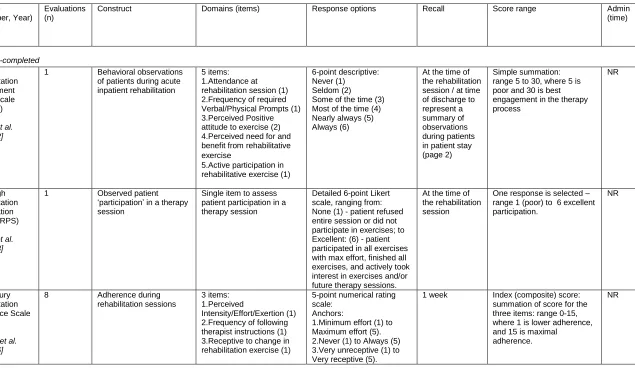
Table 1: Characteristics of reviewed measures used to assess exercise adherence in patients with MSK problems
Measure (Developer, Year)
Evaluations (n)
Construct Domains (items) Response options Recall Score range Admin (time) Clinician-completed Hopkins Rehabilitation Engagement Rating Scale (HRERS) (Kortte et al. 2007)[42]
1 Behavioral observations of patients during acute inpatient rehabilitation
5 items: 1.Attendance at rehabilitation session (1) 2.Frequency of required Verbal/Physical Prompts (1) 3.Perceived Positive attitude to exercise (2) 4.Perceived need for and benefit from rehabilitative exercise
5.Active participation in rehabilitative exercise (1)
6-point descriptive: Never (1) Seldom (2) Some of the time (3) Most of the time (4) Nearly always (5) Always (6)
At the time of the rehabilitation session / at time of discharge to represent a summary of observations during patients in patient stay (page 2)
Simple summation: range 5 to 30, where 5 is poor and 30 is best engagement in the therapy process NR Pittsburgh Rehabilitation Participation Scale (PRPS) (Lenze et al. 2004)[43]
1 Observed patient ‘participation’ in a therapy session
Single item to assess patient participation in a therapy session
Detailed 6-point Likert
scale, ranging from: None (1) - patient refused
entire session or did not participate in exercises; to Excellent: (6) - patient participated in all exercises with max effort, finished all exercises, and actively took interest in exercises and/or future therapy sessions.
At the time of the rehabilitation session
One response is selected – range 1 (poor) to 6 excellent participation. NR Sport Injury Rehabilitation Adherence Scale (SIRAS) (Brewer et al. 1999)[46]
8 Adherence during rehabilitation sessions
3 items: 1.Perceived
Intensity/Effort/Exertion (1) 2.Frequency of following therapist instructions (1) 3.Receptive to change in rehabilitation exercise (1)
5-point numerical rating scale:
Anchors:
1.Minimum effort (1) to Maximum effort (5). 2.Never (1) to Always (5) 3.Very unreceptive (1) to Very receptive (5).
1 week Index (composite) score: summation of score for the three items: range 0-15, where 1 is lower adherence, and 15 is maximal
adherence.
NR
Adherence to Exercise Scale for Older Patients (AESOP) (Hardage et al. 2007){22}
1 Social cognitive theory constructs for predicting home exercise programme (HEP) adherence in older adults: self-efficacy expectations, outcome expectations, and outcome expectancies
42 items:
1. Self-efficacy expectations (15);
2. Outcome expectations (16);
3. Outcome expectancies (11)
5-point agreement : Strongly disagree (1) Disagree (2) No opinion (3) Agree (4) Strongly agree (5)
2 weeks Simple summation: 1. Range 15-75 2. Range 16-80 3. Range 11-55
-lower scores suggest lower levels of adherence.
NR Community Healthy Activities Model Program for Seniors (CHAMPS) (Stewart et al. 2001){45}
1 Types and intensity levels of physical activity
41 items:
Ranging from activities of daily living, work –related, social activities and leisure activities
5-point agreement Strongly disagree (1), Disagree (2) No opinion (3). Agree (4), Strongly agree (5)
4 weeks 1.Frequency of activities per week: number of minutes of physical activity per week across all activities. 2. Calorie expenditure: per week multiply estimated duration of each activity by the MET value and summing across all activities. Both can be calculated for: A.Moderate and greater activity measures. B. All activity measures Therefore, four scores possible. NR Modified - Rehabilitation Adherence Questionnaire (RAQ-M) (Shin et al, 2010)[44]
1 Rehabilitation adherence in injured athletes
25 items:
1. Perceived exertion (3) 2. Pain tolerance (5) 3. Self-motivation (5) 4. Support from significant others (5)
5. Scheduling (4)
6. Environmental conditions (3)
4-point agreement: Strongly disagree (1) Disagree (2) Agree (3) Strongly agree(4)
1 week Simple item summation for each domain:
1. range 3-12 2. range 5-20 3. range 5-20 4. range 5-20 5. range 4-16 6. range 3-12
higher scores reflect greater levels of adherence
NR
Rehabilitation Over-adherence Questionnaire (ROAQ) (Podlog et al 2013)[49]
2 Assessment of over-adherence behaviours and beliefs in injured athletes
2 domains (10 items): 1. Ignoring Practitioner
Recommendations (6) 2. Attempting an
Expedited Rehabilitation (4)
5-point agreement: Never or strongly disagree (1)
to
Always or Strongly agree(5)
n= number of studies evaluating the measurement and practical properties of each measure, NR= Not reported, MET= Metabolic Energy Equivalent,
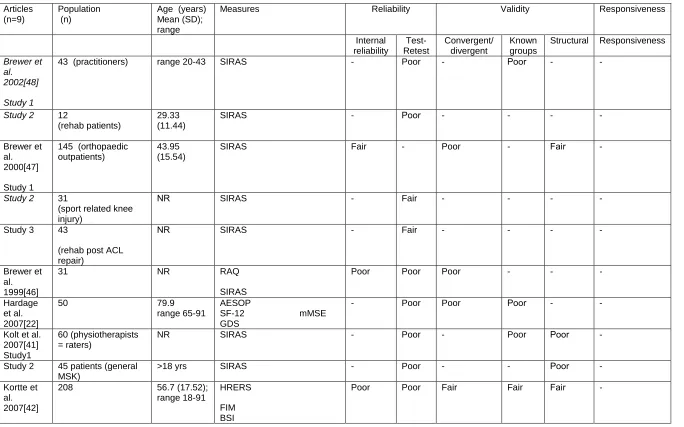
Table 2. Methodological quality and investigated measurement and practical properties per measure per reviewed article
Articles (n=9)
Population (n)
Age (years) Mean (SD);
range
Measures Reliability Validity Responsiveness Internal reliability Test-Retest Convergent/ divergent Known groups
Structural Responsiveness
Brewer et al. 2002[48]
Study 1
43 (practitioners) range 20-43 SIRAS - Poor - Poor - -
Study 2 12 (rehab patients)
29.33 (11.44)
SIRAS - Poor - - - -
Brewer et al. 2000[47] Study 1
145 (orthopaedic outpatients)
43.95 (15.54)
SIRAS Fair - Poor - Fair -
Study 2 31 (sport related knee injury)
NR SIRAS - Fair - - - -
Study 3 43
(rehab post ACL repair)
NR SIRAS - Fair - - - -
Brewer et al. 1999[46]
31 NR RAQ
SIRAS
Poor Poor Poor - - - Hardage
et al. 2007[22]
50 79.9 range 65-91
AESOP
SF-12 mMSE GDS
- Poor Poor Poor - - Kolt et al.
2007[41] Study1
60 (physiotherapists = raters)
NR SIRAS - Poor - Poor Poor -
Study 2 45 patients (general MSK)
>18 yrs SIRAS - Poor - - Poor - Kortte et
al. 2007[42]
208 56.7 (17.52); range 18-91
HRERS
FIM BSI
L-DIQ PANAS CHART
Lenze et al. 2004[43]
242 70.8 (14.8); range 20-96
PRPS FIM-motor
- Fair Poor - - Poor Podlog et
al 2013[49] Study 1
118 injured adolescent athletes
16.0 (1.4); Range 13-18
RAOQ SPSQ AIMS I-PRRS
Fair - Fair - Fair -
Study 2
105 injured collegiate athletes
NR RAOQ SPSQ AIMS I-PRRS
Fair - Fair - Fair -
Shin et al, 2010[44]
240 injured athletes NR RAQ-M SIRAS
Fair Poor Poor Poor Poor Stewart et
al. 2001[45]
249 74.1 range 65-90
CHAMPS
BMI SF-36 domains SPPB 6-min walk
- Good Good Good - Fair
n= population size in included study, SD=standard deviation, NR=Not reported, 6-min walk=Six-minute walking test, BMI=Body Mass Index, BSI=Brief Symptom Inventory, CHART=Craig Handicap Assessment and Reporting Technique), FIM=Functional Impact Measure, GDS=Geriatric Depression Scale, L-DIQ=Levine's Denial of Illness Questionnaire, mMSE=mini-Mental State Examination, PANAS=Positive and Affective Negative State, SF-12=Short-Form 12-item Health Survey, SF-36= Short-Form 36-item Health Survey, SPPB=Short Physical Performance Battery,
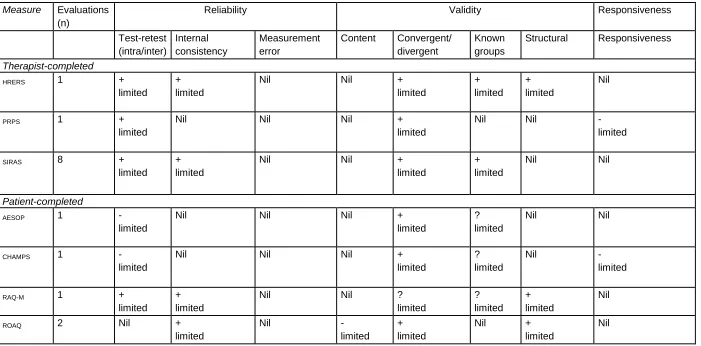
Table 3: Overall quality of measurement properties per reviewed measure of exercise adherence for MSK populations.
Measure Evaluations (n)
Reliability Validity Responsiveness
Test-retest (intra/inter) Internal consistency Measurement error
Content Convergent/ divergent
Known groups
Structural Responsiveness
Therapist-completed
HRERS 1 +
limited + limited
Nil Nil +
limited + limited + limited Nil
PRPS 1 +
limited
Nil Nil Nil +
limited
Nil Nil -
limited
SIRAS 8 +
limited + limited
Nil Nil +
limited
+ limited
Nil Nil
Patient-completed
AESOP 1 -
limited
Nil Nil Nil +
limited
? limited
Nil Nil
CHAMPS 1 -
limited
Nil Nil Nil +
limited
? limited
Nil -
limited
RAQ-M 1 +
limited + limited
Nil Nil ?
limited ? limited + limited Nil
ROAQ 2 Nil +
limited
Nil -
limited + limited
Nil +
limited
Nil
Appendix 1
Search strategy for phase 1
The search strategies used title/abstract words and relevant indexing to capture the concept of exercise adherence in the context of musculoskeletal rehabilitation, for adult patients. The strategies also contained the following exclusions: "cardiac rehabilitation", "pulmonary rehabilitation", "neuro* rehabilitation", "stroke".
To capture exercise adherence: search terms/synonyms for adherence [see below] were searched in proximity (within 3 words) to terms for exercise, in the title/abstract fields; secondly, search terms/synonyms for adherence were searched in
combination (AND) with database subject headings for exercise/therapeutic exercise etc; thirdly, search terms/synonyms for exercise were searched in combination (AND) with database subject headings for patient compliance; finally, the database subject headings for exercise/therapeutic exercise etc. were searched in
combination (AND) with database subject headings for patient compliance. To capture musculosekeletal rehabilitation, the above searches were combined (AND) with the search terms/synonyms in the title/abstract fields and the database headings listed below.
Adherence terms: adher*, nonadher*, complian*, noncomplian*, concordan*,
cooperat*, co-operat*, uncooperat*, unco-operat*, engag*, disengag*, behaviour#, behavior#, MeSH: "Patient Compliance"
Exercise terms: activ*, exercis*, physical n3 train*, weight n3 train*, sport#, rehab*, MeSH: "Therapeutic Exercise+", "Exercise Therapy+", "Exercise+", "Physical
Activity", "Motor Activity"
Musculoskeletal rehabilitation terms: osteopath*, chiropract*, musculoskeletal, msk, physiotherap*, rehabilitat*, osteoarthrit*, spondyl* , osteitis , osteochondritis, arthropathy, bursitis,"shoulder impingement" , myalgia, lordosis, sacroiliac, sciatica, cervicogenic, dyskinesis, tendinitis, tendinopathy, allodynia, hyperalgesia,
subluxation, disc , misalignment, "osteopathic lesion" , "frozen shoulder" ,
"degenerative joint disease", muscular n3 pain, back n3 pain, lumbar n3 pain, lumbo* n3 pain, spine n3 pain, spinal n3 pain, neck n3 pain, cervical n3 pain, knee* n3 pain, hips n3 pain, hip n3 pain, shoulder n3 pain, ankle# n3 pain, foot n3 pain, feet n3 pain, elbow# n3 pain, hand# n3 pain, "flank pain", "buttock pain", "joint pain", "radicular pain", neuralgia, lumbago, arthralgia, "adverse neural tension", "muscle tear#", sprain* n5 musc*, strain* n5 musc*, MesH: "Osteopathy", "Osteopathic
Medicine", "Chiropractic", "Manipulation, Chiropractic", "Musculoskeletal Diseases+", "Sciatica", "Tendinopathy+", "Allodynia", "Hyperalgesia", "Subluxation", "Back
Indicative search strategy (Medline/CINAHL Plus with Fulltext, via EBSCOHost)
# Query
S1
TI ( (adher* or nonadher*) n3 (activ* or exercis* or (physical n3 train*) or (weight n3 train*) or sport# or rehab*) ) OR AB ( (adher* or nonadher*) n3 (activ* or exercis* or (physical n3 train*) or (weight n3 train*) or sport# or rehab*) )
S2
TI ( (complian* or noncomplian*) n3 (activ* or exercis* or (physical n3 train*) or (weight n3 train*) or sport# or rehab*) ) OR AB ( (complian* or noncomplian*) n3 (activ* or exercis* or (physical n3 train*) or (weight n3 train*) or sport# or rehab*) )
S3
TI (concordan* n3 (activ* or exercis* or (physical n3 train*) or (weight n3 train*) or sport# or rehab*) ) OR AB (concordan* n3 (activ* or exercis* or (physical n3 train*) or (weight n3 train*) or sport# or rehab*) )
S4
TI ( (cooperat* or co-operat* or uncooperat* or unco-operat*) n3 (activ* or exercis* or (physical n3 train*) or (weight n3 train*) or sport# or rehab*) ) OR AB ( (cooperat* or co-operat* or uncoco-operat* or unco-co-operat*) n3 (activ* or exercis* or (physical n3 train*) or (weight n3 train*) or sport# or rehab*) )
S5
TI ( (engag* or disengag*) n3 (activ* or exercis* or (physical n3 train*) or (weight n3 train*) or sport# or rehab*) ) OR AB ( (engag* or disengag*) n3 (activ* or exercis* or (physical n3 train*) or (weight n3 train*) or sport# or rehab*) )
S6
TI ( (behaviour# or behavior#) n3 (activ* or exercis* or (physical n3 train*) or (weight n3 train*) or sport# or rehab*) ) OR AB ( (behaviour# or behavior#) n3 (activ* or exercis* or (physical n3 train*) or (weight n3 train*) or sport# or rehab*) )
S7 S1 OR S2 OR S3 OR S4 OR S5 OR S6
S8 TI ( adher* or nonadher* ) OR AB ( adher* or nonadher* )
S9 TI ( complian* or noncomplian* ) OR AB ( complian* or noncomplian* )
S10 TI (concordan*) OR AB (concordan*)
S11 TI ( cooperat* or operat* or uncooperat* or unoperat* ) OR AB ( cooperat* or co-operat* or uncoco-operat* or unco-co-operat* )
S12 TI ( engag* or disengag* ) OR AB ( engag* or disengag* )
S13 TI ( behaviour# or behavior# ) OR AB ( behaviour# or behavior# )
S14 S8 OR S9 OR S10 OR S11 OR S12 OR S13
S15 (MH "Therapeutic Exercise+") OR (MH "Exercise Therapy+")
S16 (MH "Exercise+")
S17 (MH "Physical Activity") or (MH "Motor Activity")
S18 S15 OR S16 OR S17
S19 S14 AND S18
S20
S21 (MH "Patient Compliance")
S22 S20 AND S21
S23 S18 AND S21
S24 S7 OR S19 OR S22 OR S23
S25 (MH "Physical Therapy+") or (MH "Exercise Movement Techniques+") OR (MH "Exercise Therapy+")
S26 MH ("Osteopathy") OR (MH "Osteopathic Medicine")
S27 (MH "Chiropractic") OR (MH "Manipulation, Chiropractic")
S28 TI ( osteopath* or chiropract* or musculoskeletal or msk ) OR AB ( osteopath* or chiropract* or musculoskeletal or msk )
S29 TI ( physiotherap* or rehabilitat* ) OR AB ( physiotherap* or rehabilitat* )
S30 (MH "Musculoskeletal Diseases+")
S31 TI ( osteoarthrit* or spondyl* or osteitis or osteochondritis ) OR AB ( osteoarthrit* or spondyl* or osteitis or osteochondritis )
S32 TI ( arthropathy or bursitis or "shoulder impingement" or myalgia ) OR AB ( arthropathy or bursitis or "shoulder impingement" or myalgia )
S33 TI ( lordosis or sacroiliac or sciatica or cervicogenic ) OR AB ( lordosis or sacroiliac or sciatica or cervicogenic )
S34 (MH "Sciatica")
S35 (MH "Tendinopathy+")
S36 (MH "Allodynia")
S37 TI ( dyskinesis or tendinitis or tendinopathy or allodynia ) OR AB ( dyskinesis or tendinitis or tendinopathy or allodynia )
S38 (MH "Hyperalgesia")
S39 (MH "Subluxation")
S40 TI ( hyperalgesia or subluxation or disc or misalignment ) OR AB ( hyperalgesia or subluxation or disc or misalignment )
S41 TI ( "osteopathic lesion" or "frozen shoulder" or "degenerative joint disease" ) OR AB ( "osteopathic lesion" or "frozen shoulder" or "degenerative joint disease" )
S42 TI muscular n3 pain OR AB muscular n3 pain
S43 TI ( (back or lumbar or lumbo* or spine or spinal) n3 pain ) OR AB ( (back or lumbar or lumbo* or spine or spinal) n3 pain )
S44 TI ( (neck or cervical) n3 pain ) OR AB ( (neck or cervical) n3 pain )
S45 TI ( (knee* or hip or hips or shoulder*) n3 pain ) OR AB ( (knee* or hip or hips or shoulder*) n3 pain )
S47 TI ( "flank pain" or "buttock pain" or "joint pain" or "radicular pain" ) OR AB ( "flank pain" or "buttock pain" or "joint pain" or "radicular pain" )
S48 (MH "Back Pain+")
S49 (MH "Neck Pain")
S50 (MH "Neuralgia+")
S51 (MH "Elbow Pain")
S52 (MH "Arthralgia+")
S53 TI ( neuralgia or lumbago or arthralgia ) OR AB ( neuralgia or lumbago or arthralgia )
S54 TI ( "adverse neural tension" or "muscle tear#" ) OR AB ( "adverse neural tension" or "muscle tear#" )
S55 TI ( (sprain* or strain*) n5 musc* ) OR AB ( (sprain* or strain*) n5 musc* )
S56 (MH "Musculoskeletal System+")
S57 (MS "Pain+")
S58 S56 AND S57
S59
S25 OR S26 OR S27 OR S28 OR S29 OR S30 OR S31 OR S32 OR S33 OR S34 OR S35 OR S36 OR S37 OR S38 OR S39 OR S40 OR S41 OR S42 OR S43 OR S44 OR S45 OR S46 OR S47 OR S48 OR S49 OR S50 OR S51 OR S52 OR S53 OR S54 OR S55 OR S58
S60
TI ( "cardiac rehabilitation" or "pulmonary rehabilitation" or "neuro* rehabilitation" or stroke or cancer or carcinoma ) OR AB ( "cardiac rehabilitation" or "pulmonary rehabilitation" or "neuro* rehabilitation" or stroke or cancer)
S61 TI ( child* NOT adult* ) OR AB ( child* NOT adult* )
S62 TI ( infan* NOT adult* ) OR AB ( infan* NOT adult* )
S63 (MH "Child+") NOT (MH "Adult+")
S64 S60 OR S61 OR S62 OR S63
S65 S59 not S64
Appendix 2
Search strategy for phase 2
For each shortlisted named measure, the name was searched as a word/phrase in the title/abstract fields of each database. Where the results set exceeded 50 records, the 'Sensitive search filter for measurement properties' found in Appendix 2 of
Terwee et al. (2009) [1] was additionally applied.
Search strategy for measurement properties filter (Medline/CINAHL Plus with Fulltext, via EBSCOHost)
S1 (MH "Methods")
S2 Validation Studies
S3 Comparative Study
S4 (MH "Psychometrics")
S5 TI psychometr* OR AB psychometr*
S6 TI ( clinimetr* OR clinometr* ) OR AB ( clinimetr* OR clinometr* )
S7 (MH "Outcome Assessment (Health Care)")
S8 TI "outcome assessment" OR AB "outcome assessment"
S9 TX "outcome measure*"
S10 (MH "Observer Variation")
S11 TI "observer variation" OR AB "observer variation"
S12 (MH "Health Status Indicators")
S13 (MH "Reproducibility of Results")
S14 TI reproducib* OR AB reproducib*
S15 (MH "Discriminant Analysis")
S16 TI ( reliab* OR unreliab* ) OR AB ( reliab* OR unreliab* )
S17 TI valid* OR AB valid*
S18 TI coefficient OR AB coefficient
S19 TI ( homogeneity OR homogeneous ) OR AB ( homogeneity OR homogeneous )
S20 TI "internal consistency" OR AB "internal consistency"
S22 TI ( item AND (correlation* OR selection* OR reduction*) ) OR AB ( item AND (correlation* OR selection* OR reduction*) )
S23 TI agreement OR AB agreement
S24 TI ( precision OR imprecision ) OR AB ( precision OR imprecision )
S25 TI "precise values" OR AB "precise values"
S26 TI test-retest OR AB test-retest
S27 TI ( test AND retest ) OR AB ( test AND retest )
S28 TI ( reliab* AND (test OR retest) ) OR AB ( reliab* AND (test OR retest) )
S29 TI stability OR AB stability
S30 TI ( interrater OR inter-rater ) OR AB ( interrater OR inter-rater )
S31 TI ( intrarater OR intra-rater ) OR AB ( intrarater OR intra-rater )
S32 TI ( intertester OR inter-tester ) OR AB ( intertester OR inter-tester )
S33 TI ( intratester OR intra-tester ) OR AB ( intratester OR intra-tester )
S34 TI ( interobserver OR inter-observer ) OR AB ( interobserver OR inter-observer )
S35 TI ( intraobserver OR intra-observer ) OR AB ( intraobserver OR intra-observer )
S36 TI ( intertechnician OR inter-technician ) OR AB ( intertechnician OR inter-technician )
S37 TI ( intratechnician OR intra-technician ) OR AB ( intratechnician OR intra-technician )
S38 TI ( interexaminer OR inter-examiner ) OR AB ( interexaminer OR inter-examiner )
S39 TI ( intraexaminer OR intra-examiner ) OR AB ( intraexaminer OR intra-examiner )
S40 TI ( interassay OR inter-assay ) OR AB ( interassay OR inter-assay )
S41 TI ( intraassay OR intra-assay ) OR AB ( intraassay OR intra-assay )
S42 S1 OR S2 OR S3 OR S4 OR S5 OR S6 OR S7 OR S8 OR S9 OR S10 OR S11 OR S12 OR S13 OR S14 OR S15 OR S16 OR S17 OR S18 OR S19 OR S20 OR S21 OR S22 OR S23 OR S24 OR S25 OR S26 OR S27 OR S28 OR S29 OR S30 OR S31 OR S32 OR S33 OR S34 OR S35 OR S36 OR S37 OR S38 OR S39 OR S40 OR S41
S43 TI ( interindividual OR inter-individual ) OR AB ( interindividual OR inter-individual )
S44 TI ( intraindividual OR intra-individual ) OR AB ( intraindividual OR intra-individual )
S46 TI ( intraparticipant OR intra-participant ) OR AB ( intraparticipant OR intra-participant )
S47 TI ( kappa OR kappa's OR kappas ) OR AB ( kappa OR kappa's OR kappas )
S48 TI repeatab* OR AB repeatab*
S49 TI ( replicab* AND (measure OR measures OR findings OR result OR results OR test OR tests) ) OR AB ( replicab* AND (measure OR measures OR findings OR result OR results OR test OR tests) )
S50 TI ( repeated AND (measure OR measures OR findings OR result OR results OR test OR tests) ) OR AB ( repeated AND (measure OR measures OR findings OR result OR results OR test OR tests) )
S51 TI ( generaliza* OR generalisa* ) OR AB ( generaliza* OR generalisa* )
S52 TI concordance OR AB concordance
S53 TI ( intraclass AND correlation* ) OR AB ( intraclass AND correlation* )
S54 TI discriminative OR AB discriminative
S55 TI "known group" OR AB "known group"
S56 TI ( "factor analysis" OR "factor analyses" ) OR AB ( "factor analysis" OR "factor analyses" )
S57 TI dimension* OR AB dimension*
S58 TI subscale* OR AB subscale*
S59 TI ( multitrait AND scaling AND (analysis or analyses) ) OR AB ( multitrait AND scaling AND (analysis or analyses) )
S60 TI "item discriminant" OR AB "item discriminant"
S61 TI "interscale correlation" OR AB "interscale correlation"
S62 TI ( error OR errors ) OR AB ( error OR errors )
S63 TI "individual variability" OR AB "individual variability"
S64 TI ( variability AND (analysis OR values) ) OR AB ( variability AND (analysis OR values) ) 62,891
S65 TI ( uncertainty AND (measurement or measuring) ) OR AB ( uncertainty AND (measurement or measuring) )
S66 TI "standard error of measurement" OR AB "standard error of measurement"
S67 TI sensitiv* OR AB sensitiv*
S68 TI responsive* OR AB responsive*
OR clinically) AND (important OR significant OR detectable) AND (change OR difference) )
S70 TI ( small* AND (real OR detectable) AND (change OR difference) ) OR AB ( small* AND (real OR detectable) AND (change OR difference) )
S71 TI "meaningful change" OR AB "meaningful change"
S72 TI "ceiling effect" OR AB "ceiling effect"
S73 TI "floor effect" OR AB "floor effect"
S74 TI "item response model" OR AB "item response model"
S75 TI IRT OR AB IRT
S76 TI ( "differential item functioning" OR DIF ) OR AB ( "differential item functioning" OR DIF )
S77 TI Rasch OR AB Rasch
S78 TI "computer adaptive testing" OR AB "computer adaptive testing"
S79 TI "item bank" OR AB "item bank"
S80 TI "cross-cultural equivalence" OR AB "cross-cultural equivalence"
S81 S43 OR S44 OR S45 OR S46 OR S47 OR S48 OR S49 OR S50 OR S51 OR S52 OR S53 OR S54 OR S55 OR S56 OR S57 OR S58 OR S59 OR S60 OR S61 OR S62 OR S63 OR S64 OR S65 OR S66 OR S67 OR S68 OR S69 OR S70 OR S71 OR S72 OR S73 OR S74 OR S75 OR S76 OR S77 OR S78 OR S79 OR S80
S82 S42 OR S81
References:
1.Terwee CB, Jansma EP, Riphagen II, de Vet HC. Development of a
Appendix 3: Summary of all Exercise Adherence Measures
Measure Developer Primary purpose
(e.g. adherence, physical activity/ population etc)
Brief description of domains measures
The Rapid Assessment of Physical Activity (RAPA)
Topolski et al 2006 [1]
Amount and intensity of physical activity of older adult patients
2 sections: 1 that tests aerobic activities and another for strength and flexibility. 9 yes/ no questions.
Stages of Exercise Change Questionnaire
Dannecker et al. 2003 [2]
Stages of change measure of the Trans-theoretical Model for exercise behavior.
Community Health
Activities Model Program for Seniors (CHAMPS)
Stewart et al. 1998 [3]
Types and intensity levels of Physical activity
41 items measuring activities of daily living, work –related, social activities and leisure activities
Behavioral Risk Factor Surveillance System
Remington et al. 1988 [4]
Health survey Telephonic questionnaire with 20 core modules and 16 optional modules
Sport Injury Rehabilitation Adherence Scale (SIRAS)
Brewer et al 2000 [5]
Adherence during clinic-based rehabilitation programmes
3 item measuring 1) Intensity of effort on
rehabilitation exercise; 2) Frequency of following practitioner’s instructions and advice and 3) receptivity to changes in the physical therapy programme.
Short Questionnaire to Assess health enhancing physical activity
(SQUASH)
Wendel-Vos et al. 2003 [6]
Walking and bicycling habits
Lysolm 1985 [7] ligament injury patient participated in BEFORE INJURY and the highest level that patient is able to participate in CURRENTLY
The Physical Activity Scale for the Elderly questionnaire (PASE)
Washburn et al. 1993 [8]
Physical activity
questionnaire for elderly
Frequency and duration of leisure time, household and work related activity
Minnesota Leisure Time Physical Activity
questionnaire
Periera et al. 1997 [9]
Leisure time activities 2 sections: walking and miscellaneous and conditioning exercise. Yes or No for each activity
Yale Physical Activity Survey (YPAS)
Depietro et al. 1993 [10]
Physical activity of older adults
Frequency and duration of activities
Stanford Brief Physical Activity Survey
Taylor-Piliae et al. 2006 [11]
Physical activity questionnaire
Physical activity on-the-job and during leisure-time during the past year,
Canadian Occupational Performance Measure (COPM)
Law et al. 1990 [12]
Individualized outcome measure designed to detect change in a client's self-perception of occupational performance over time.
NA
Model of Human Occupation Screening Tool (MOHOST)
Parkinson et al. 2004 [13]
Occupational functioning Assesses the volition, habituation, skills, and environment
London Health and Fitness Questionnaire
Rowland et al. 1994 [14]
Physical activity in older adults
Measured peoples exercise knowledge using a series of positive and negative statements on a 5 point likert scale
BRFSS Arthritis Module (PA question)
Remington et al. 1988 [4]
Arthritis related questions 6 questions measured on a 4 point likert scale
motivation to adopt and maintain regular physical activity
Adherence to Exercise Scale for Older Patients (AESOP)
Hardage et al. 2007 [15]
Self-efficacy expectations, outcome expectations, and outcome expectancies for predicting adherence
42 items measuring
1. Self-efficacy expectations (15 items); 2. Outcome expectations (16 items); 3. Outcome expectancies (11 items) Freiburg Questionnaire
of Physical Activity
Frey et al. 1998 [16]
NA NA
PRISCUS Physical Activity Questionnaire
Trampisch et al. 2010 [17]
NA NA
Exercise Self-Efficacy McAuley 1993 [18]
Beliefs in the ability to continue exercise
8 questions that assess beliefs in one’s ability to continue exercising on a three time per week basis at moderate intensities (upper end of one’s perceived exertion range), for 40+ minutes per session in the future.
Confidence in ability to adhere (adaptation of Lorig’s self-efficacy scale
NA NA NA
UCLA Activity Score Zahiri et al.1998 [19]
Current activity level Check one box out of 10 that best describes activity level
Home Exercise
Compliance assessment (HECA)
NA Adherence to home
exercise
Patients record the number of exercise sessions completed during the previous week.
International Physical Activity Questionnaires (IPAQ) short form
Craig et al. 2003 [20]
Physical activity in young and middle aged adults
4 generic items tested
Physical Activity Recall Items
Sallis et al. 1985 [21]
Physical activity Sleep (2 items) and physical activities (7 items) assessed for the past 7 days
Attitudes towards ACL rehabilitation
questionnaire
Niven et al 2012 [22]
Attitudes and adherence behaviours to a
recommended ACL
rehabilitation programme Health Professional
Compliance Evaluation
NA NA NA
Habitual Physical Activity Questionnaire
Baecke et al. 1982 [23]
Physical activity 29 items concerning the following five components: occupation, movement, sport, leisure time activities excluding sport, and sleeping habits.
Correctness of Exercise Performance Scale
NA NA NA
Planning for Exercise Scale
Pender 1996 [24]
Commitment to a plan of physical activity
11 items measuring commitment and strategies to carry out exercise
Stages of Exercise Change questionnaire
Reed et al. 1997 [25]
Intention to change or maintain exercise behaviour
Consists of five items representing one of five primary stages of the Trans-theoretical Model Hopkins Rehabilitation
Engagement Rating Scale
Kortte et al. 2007 [26]
Used in rating behavioural observation during acute in-patient rehabilitation
5 items measuring
1.Attendance at rehabilitation session (1);
2.Frequency of required Verbal/Physical Prompts (1); 3.Perceived Positive attitude to exercise (2) ;4.Active participation in
rehabilitative exercise (1) The Physical Activity
Scale for Individuals with Physical Disabilities
Washburn et al. 2002 [27]
Physical activity 13 questions record the number of days per week and hours per day for participation in leisure time, household, and occupational physical activities over the past 7 days Physical Activity Level
Index
NA NA the summed energy expenditure of all
reported activities divided by 168, the number of hours per week
Arthritis
self-management behaviour scale
Lorig et al 1985 [28]
Evidence suggesting that a chronic disease
self-management program
Aerobics Centre Longitudinal Study Physical Activity Questionnaire (ACLS)
Stofan et al 1998 [29]
Leisure and physical activities
10 questions which assess participation in 10 specific exercise related activities within the last 3 months
Godin Leisure Time Exercise Questionnaire (GLTEQ)
Godin and Sheperd1997 [30]
Leisure time exercise 2 questions
Longitudinal Ageing Study Amsterdam Physical Activity Questionnaire (LAPAQ) Voorips etal. 1991 [31]
Physical activity
Examines the frequency and duration of
specific types of activity in the past two weeks
Pittsburgh Rehabilitation Participation Scale
Lenze et al. 2004 [32]
Observed patient
participation in a therapy session
2 items measuring
1.Perceived Intensity/Effort/Exertion (1) 2. Perceived Self-motivation (1)
Stanford Exercise Behavior Scale
Lorig et al 1996 [33]
Exercise behaviour 6 items which assess amount of exercise activities undertaken during the past week Health promoting
lifestyle profile
Walket et al. 1987 [34]
Health related questionnaire
48 item measures health promoting behaviours in 6 domains: nutrition, exercise, health
responsibility, stress management, interpersonal support, and self-actualization
Health promoting lifestyle II
Walker & Hill-Polerecky 1996 [35}
Health related questionnaire
52 items in a total scale and six subscales to measure behaviors in the theorized dimensions of health-promoting lifestyle: spiritual growth, interpersonal relations, nutrition, physical activity, health responsibility, and stress management
Compliance Behaviour Index
NA NA NA
Modified - Rehabilitation Adherence
Shin et al 1988 [36]
Rehabilitation adherence in injured athletes