RVC OPEN ACCESS REPOSITORY – COPYRIGHT NOTICE
This is the peer-reviewed, manuscript version of an article published in TheVeterinary Journal. The version of record is available from the journal site:
https://doi.org/10.1016/j.tvjl.2018.04.002.
© 2018. This manuscript version is made available under the CC-BY-NC-ND 4.0 license http://creativecommons.org/licenses/by-nc-nd/4.0/.
The full details of the published version of the article are as follows:
TITLE: What has changed in canine pyoderma? A narrative review
AUTHORS: Anette Loeffler, David H. Lloyd
JOURNAL: Veterinary Journal
PUBLISHER: Elsevier
PUBLICATION DATE: 6 April (online)
Review Article 1
2
What has changed in canine pyoderma? A narrative review 3
4 5
Anette Loeffler *, David H. Lloyd 6
7
Department of Clinical Science and Services, Royal Veterinary College, University of London, 8
United Kingdom 9
10 11 12 13
* Corresponding author. Tel.: +44 1707 666333. 14
Abstract 16
Canine pyoderma remains one of the main presentations in small animal practice and 17
frequently leads to prescribing of systemic antimicrobials. A good foundation knowledge on 18
pyoderma was established during the 1970s and 1980s when treatment of infection provided little 19
challenge. However, our ability to treat canine pyoderma effectively is now limited substantially by 20
the emergence of multidrug-resistant, methicillin-resistant staphylococci (MRS) and in some 21
countries, by restrictions in antimicrobial prescribing for pets. The threat from rising antimicrobial 22
resistance and the zoonotic potential of MRS add a new dimension of public health implications to 23
the management of canine pyoderma and urge a revisit and the search for new best management 24
strategies. This narrative review focusses on the impact of MRS on how we manage canine 25
pyoderma, and how traditional treatment recommendations need to be updated in the interest of 26
good antimicrobial stewardship. Background information on clinical characteristics, pathogens and 27
appropriate clinical and microbiological diagnostic techniques are briefly reviewed in so far as they 28
can support early identification of multidrug-resistant pathogens. We examine the potential of new 29
approaches for the control and treatment of bacterial skin infections and highlight the role of owner 30
education and hygiene. Pyoderma patients offer great opportunities for good antimicrobial 31
stewardship by making use of the unique accessibility of the skin through cytology, bacterial culture 32
and topical therapy. For long-term success and to limit the spread of multidrug-resistance, we need 33
to focus on identification and correction of underlying diseases that trigger pyoderma in order to 34
avoid repeated treatment. 35
36
Keywords: Antimicrobial resistance; Staphylococci; MRSA/MRSP; Cytology; Topical 37
Introduction 39
Although good prevalence data for canine pyoderma are lacking, bacterial skin infections 40
were the second most frequent cause for presentation to first opinion practice in a UK survey on 41
canine skin problems (Hill et al., 2006). Rarely life-threatening, pyoderma substantially contributes 42
to canine morbidity through associated pruritus or pain, and potentially widespread and severe 43
inflammatory changes. Because pyoderma is always secondary to underlying disease, unless this is 44
corrected, recurrence is likely requiring repeated therapy, and causing frustration and continuing 45
expense. 46
47
Indeed, pyoderma is one of the main presentations leading to antimicrobial prescription in 48
small animal practice (Hughes et al., 2012). A recent UK first opinion practice survey showed that 49
92% of 683 dogs with pyoderma, either suspected or confirmed, received systemic antibacterial 50
therapy (Summers et al., 2014). With continuing emergence of methicillin-resistant staphylococci, 51
mainly S. aureus (MRSA) and S. pseudintermedius (MRSP), it is necessary to reduce antimicrobial 52
use as a principal driver of multidrug-resistance (MDR) and pyoderma provides excellent 53
opportunities for good antimicrobial stewardship. 54
55
In this narrative review, we focus on how the emergence of MRSP, MRSA and other 56
MDR zoonotic pathogens has changed our approach to the management of canine pyoderma, 57
and on how traditional treatment recommendations need to be adapted to deal with this increasing 58
threat to antimicrobial effectiveness and to public health. 59
60
Foundation knowledge and clinical disease 61
Aetiology and pathogenesis 62
canine skin. It has been suggested that this is partly a consequence of the comparatively thin and 65
compact canine stratum corneum, of the paucity of intracellular emulsion in canine epidermis and 66
of the lack of a sebum plug in the canine hair follicle (Lloyd and Garthwaite, 1982; Mason and 67
Lloyd, 1993). 68
69
The critical question of why pyoderma, particularly superficial pyoderma, develops and 70
frequently recurs, is still incompletely understood. The major role of primary underlying disease in 71
its aetiology is supported by the observation that the predominant staphylococcal pathogens are 72
colonisers of healthy dogs and that most staphylococcal skin infections involve ‘endogenous’ 73
strains, i.e. isolates genetically identical to those of the patient’s healthy cutaneous and mucosal 74
microflora (van Eiff et al., 2001; Pinchbeck et al., 2006 & 2007). 75
76
Common underlying triggers such as ectoparasite infestations, allergic skin diseases and 77
endocrinopathies have long been associated with pyoderma, with allergic disease likely the main 78
driver for recurrent forms (Mason and Lloyd, 1989; Colombo et al., 2007; Bloom, 2014). More 79
specific concepts of quorum sensing, of a minimum infective dose and most recently findings from 80
microbiome studies showing significant changes in diversity and composition during atopic 81
dermatitis have provided new insights on why infection with opportunistic bacteria may develop in 82
skin (Lloyd, 2014; Pierezan et al., 2016; Rodrigues Hoffman et al., 2017). Immunological defects in 83
innate and adaptive immunity were identified in deep pyoderma of German shepherd dogs 84
presenting with widespread, highly inflammatory infections during the 1980s and 1990s (e.g. 85
Wisselink et al., 1988; Chabanne et al., 1995; Shearer and Day, 1997) but could not be conclusively 86
linked to the breed or the occurrence of pyoderma (Rosser, 2006). Fortunately, this devastating 87
disease now seems to be rare, possibly following targeted breeding. 88
The gaps in our understanding remain frustrating but it is important to remember that, when 90
underlying causes are not identified, use of the term “idiopathic pyoderma” does not represent a 91
diagnosis. In such cases diagnostic investigations need to be continued as failure to eliminate or 92
control underlying disease or predisposing factors will lead to recurrence. 93
94
Classification and diagnosis of pyoderma 95
With its secondary aetiology and the need for responsible use of antimicrobials in mind, a 96
diagnosis should always include i) recognition of suggestive skin lesions and likely depth of 97
infection, ii) confirmation of bacterial infection through cytology and iii) identification of 98
underlying primary disease. 99
100
Despite its prevalence, canine pyoderma is often misdiagnosed (Gortel, 2013) leading to 101
inappropriate treatment. Recognition of suggestive skin lesions and their distribution is essential 102
and requires careful inspection of the skin. Since the number of ways skin can react to insult is 103
limited, classifications have been proposed to facilitate morphological diagnosis. The most widely 104
used is based on depth of infection and distinguishes surface, superficial and deep pyoderma, all 105
three associated with typical clinical presentations (Ihrke, 1987; White and Ihrke, 1987) (Fig. 1). 106
107
Surface pyoderma remains the least understood group. It includes frequently seen 108
presentations such as acute moist dermatitis (“hot spots”, pyotraumatic dermatitis), fold pyoderma 109
(intertrigo), and the more recently described microbial/bacterial overgrowth syndrome in which 110
erythema is the only clinical sign but large numbers of bacteria on the inflamed skin can be 111
demonstrated by cytology (Pin et al., 2006). Here, excessive multiplication of bacteria is confined 112
to the skin surface and is seen as a minor player in the pathogenesis, triggered by a dominant 113
Superficial pyoderma involves invasion of the epidermis. Bacterial folliculitis extends into 116
the follicular ostium and epidermal tissue and is likely the most frequent pyoderma type in dogs. It 117
presents with papules, pustules and epidermal collarettes, typically on the ventral abdomen and 118
medial thighs or on the trunk and often associated with areas of alopecia and varying degrees of 119
pruritus; its interfollicular form (impetigo) occurs mostly in puppies. Coat type and immune-status 120
can also influence clinical appearance as in the moth-eaten appearance of superficial pyoderma in 121
short-coated breeds or in the large lesions (collarettes, pustules) associated with bullous impetigo or 122
superficial spreading pyoderma in immune-compromised dogs (Bloom, 2014; Beco et al., 2013a). 123
Mucocutaneous pyoderma is a disease of unknown aetiology. It primarily affects lips and perioral 124
skin, with swelling, erythema and crusting which may lead to fissuring and erosion. It often 125
responds slowly to therapy and can be confused with immune-mediated disease. 126
127
Deep pyoderma is less common but more serious, as its expansion into the dermis and 128
proximity to blood vessels increases the risk of haematogenous spread and bacteraemia. It can be 129
seen with any underlying trigger or acquired immuno-deficiency but is commonly associated with 130
demodicosis (Kuznetsova et al., 2012; Mueller et al., 2012). Lesions include draining sinuses, 131
fistulae, haemorrhagic crusts, nodules and varying degrees of erythema and swelling; pain is not 132
infrequent. Common localised forms of deep pyoderma affect the head (chin acne, muzzle 133
folliculitis and furunculosis) or limbs (interdigital nodules, callus pyoderma, acral lick granuloma). 134
Nodular lesions quite often involve bacteria other than staphylococci and need to be differentiated 135
from non-bacterial infected granulomas, sterile granulomatous disease, neoplasia and foreign body 136
reactions by biopsy, special stains, macerated tissue culture and sometimes molecular techniques. 137
138
For initial diagnosis, cytology from slide or tape impressions, a frequent requirement of 139
reported to have 93% diagnostic sensitivity, based on presence of neutrophils and intracellular cocci 142
(Udenberg et al., 2014) but, despite being rapid and inexpensive (Curtis, 2001), remains underused 143
in general practice (Hill et al., 2006). 144
145
Bacterial culture, on the other hand, is of limited value in the initial diagnosis of pyoderma. 146
It is likely to yield staphylococci from infected and non-infected skin (Doelle et al., 2015), and can 147
therefore not distinguish infected from colonised skin. However, bacterial culture and antimicrobial 148
susceptibility testing are essential for selection of systemic therapy after a diagnosis has been 149
established. It is of note that sampling can be challenging, particularly in deep pyoderma for which 150
surface swabs have been shown to predict relevant pathogens from deep infection in only about 151
30% of cases (Shumaker et al., 2008) and submission of tissue (in saline, not formalin) obtained 152
through biopsy is preferred. 153
154
Pathogens 155
The predominant role of coagulase-positive staphylococci has been long recognised (Ihrke, 156
1987). Originally all such infections were ascribed to S. aureus, but refinement of microbiological 157
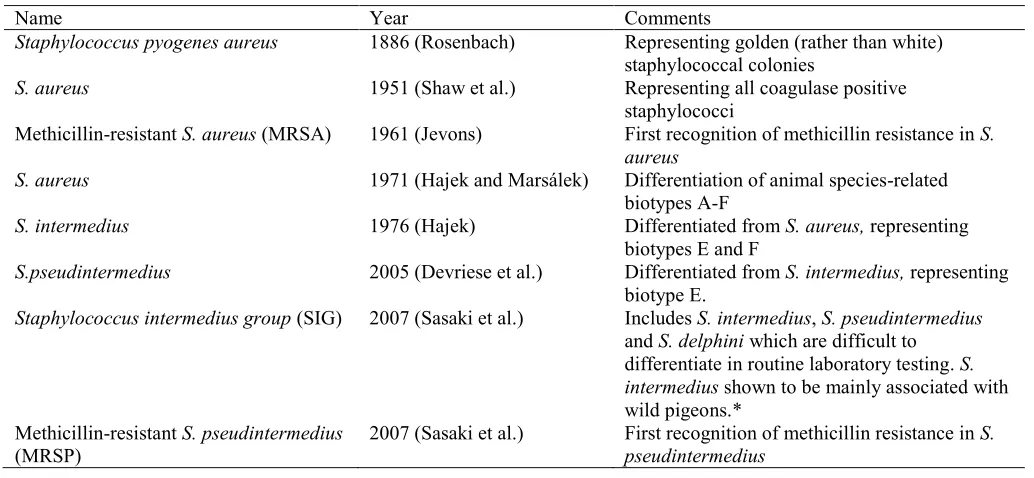
techniques allowed new species including S. intermedius and S. pseudintermedius to be described 158
(Table 1). S. pseudintermedius is recognised to be most commonly involved, particularly in 159
superficial pyoderma (Medleau et al., 1986; Shumaker et al., 2008). Other staphylococci, including 160
S. aureus, S. schleiferi and S. hyicus may be involved in up to 10% of cases. 161
162
Staphylococci have an array of potential virulence factors but despite detailed investigation 163
significant associations between specific virulence genes and disease have not yet been identified, 164
shifting attention again to host factors that may facilitate infection (Bannoehr et al., 2012; Tanabe et 165
isolates of S. pseudintermedius and other veterinary staphylococci (Götz, 2002; Hall-Stoodley et al., 168
2004). 169
170
Many other bacterial pathogens, including Pseudomonas aeruginosa, Proteus spp., 171
streptococci, Burkholderia spp. and Escherichia coli may be difficult to distinguish clinically 172
(Rantala et al., 2004; Hillier et al., 2006; Cain et al., 2015; Tham et al., 2016). Isolation of 173
coagulase-negative staphylococci, such as S. lugdunensis and S. schleiferi subsp. schleiferi, and of 174
Macrococcus spp., can also cause confusion in laboratories that are looking for coagulase-positive 175
bacteria (Cain et al., 2011; Gobeli Brawand et al., 2016; Cotting et al., 2017). Surprisingly, the idea 176
that coagulase-negative staphylococci are non-pathogenic persists even though they are the most 177
common cause of nosocomial bacteraemia in human hospitals (von Eiff et al., 2002; Becker et al., 178
2014) and are increasingly reported in animal infections (e.g. Rook et al., 2012; Frank et al., 2008; 179
Davis et al., 2013; Kern and Perreten, 2013; Ruzauskas et al., 2014). 180
181
Emergence of multidrug-resistance 182
Resistance to antimicrobials within bacterial populations is an ancient phenomenon, vital for 183
bacterial survival (D’Costa et al., 2011; Perron et al., 2015). However, the accumulation of multiple 184
resistance genes in bacterial pathogens, driven by overuse of antimicrobial drugs, has become a 185
chilling threat to human and animal health (Gossens et al., 2005; Costelloe et al., 2010). 186
187
First concerns about MDR in canine pyoderma emerged twenty years ago when MRSA 188
became recognised in sporadic skin and wound infections; later, the more epidemic spread of 189
MRSP overtook it and now presents major challenges to our management of canine pyoderma. In 190
addition, all key multidrug-resistant pathogens of relevance in human medicine, such as 191
Enterobacter spp. (Boucher et al., 2009), are now recognised to be associated with infection in pets 193
(Grobbel et al. 2007; Kuzi et al., 2016; Abdel-Moein et al., 2017). 194
195
Meticillin-resistance in staphylococci 196
Although methicillin is no longer available for clinical use, it still serves as a marker for 197
broad resistance to all β-lactams (excepting some of the latest anti-staphylococcal molecules) and as 198
an indicator of likely nosocomial epidemiology and additional multidrug-resistance. The genetic 199
basis underpinning methicillin-resistance is the presence of the mecA gene held on a large mobile 200
genetic element, the staphylococcal cassette chromosome (SCC). This is similar in all staphylococci 201
and has been extensively studied for MRSA (Lindsay and Holden, 2006). 202
203
Since the first identification of MRSA from pets, isolates from pets and humans have been 204
found genetically identical, providing indirect but good evidence that transmission between these 205
hosts can occur in both directions (reviewed by McCarthy et al., 2012). MRSA was the first 206
multidrug-resistant Staphylococcus to receive attention in animals when pets contaminated by 207
human MRSA patients were shown to be involved in perpetuating human infection or recurrent 208
outbreaks (Scott et al., 1988; Manian, 2003). Since then, sporadic infections, case series and 209
outbreaks have been reported, typically involving skin and wound infections in dogs (Tomlin et al., 210
1999; Paterson et al., 2015; Morris et al., 2017). Most reports are from countries with a high MRSA 211
prevalence in human hospitals, indicating a spill-over from humans; epidemic spread beyond clinic 212
or kennel outbreaks has not been reported. Fortunately, the prognosis in such infections can be 213
considered good, depending on underlying causes, as the great majority of these human hospital-214
associated MRSA remain susceptible to tetracyclines and potentiated sulphonamides and around 215
50% to clindamycin. A less predictable prognosis needs to be considered for rare infections 216
(Rankin et al., 2005; van Duikeren et al., 2005) and those associated with livestock-associated 218
MRSA (Gómez-Sanz et al., 2013). 219
220
A much greater veterinary challenge is the emergence in dogs of MRSP, associated with 221
even broader drug-resistance. Whole genome sequencing shows that only three genetic steps 222
(acquisition of mecA on a SCC, acquisition of a large transposon (Tn5405-like element) carrying up 223
to five resistance genes and genome point mutations for fluoroquinolone and sulphonamide 224
resistance) are required for its rapid evolution to MDR, emphasising the important role of selection 225
pressure (Loeffler et al., 2007; Perreten et al., 2010; Detwiler et al., 2014; McCarthy et al., 2015). 226
227
First reported from dogs in North America in the late 1990s (then MRSI), MRSP accounted 228
for over 30% of staphylococcal isolates from American dogs within less than ten years (Gortel et 229
al.,1999; Morris et al., 2006; Jones et al., 2007) and is now identified worldwide. An even higher 230
prevalence was recently reported from China and Japan with nearly 50% and 70%, respectively 231
(Feng et al., 2012; Kasai et al., 2016). In the UK, where MRSP was first recognised in 2009, the 232
burden seems relatively low with rates below 5% of clinical S. pseudintermedius laboratory 233
submissions reported in 2015 (Maluping et al., 2014; Beever et al., 2015). In contrast, studies from 234
continental Europe, where MRSP had been identified three years earlier, prevalence was soon 235
reported around 30% (Loeffler et al., 2007; DeLucia et al., 2011). 236
237
Substantial percentages of methicillin-resistance have also been reported in coagulase-238
variable S. schleiferi (subspecies schleiferi and subspecies coagulans), some from pyoderma but 239
241
Clinical implications and early identification 242
Clinically, MRS infections in animals are no different from infections involving less 243
resistant staphylococci (Fig. 1) (Morris et al., 2017). In fact, early case-control studies showed that 244
clinical outcome was no worse for MRSA and MRSP infections in pets compared to those 245
involving their susceptible counterparts, provided that a safe antibacterial treatment option was 246
available (Weese et al., 2012; Lehner et al., 2014). Finding treatment options may be troublesome 247
and treatment has been shown to take longer than with susceptible staphylococci (Bryan et al., 248
2012). However, the bigger concern with MRS pyoderma is its potential for spreading these 249
zoonotic, multidrug-resistant pathogens to other animals and people, and into the environment. For 250
MRSP, the risk of zoonotic transmission is generally considered low as low carriage rates of S. 251
(pseud)intermedius have been found in people regularly exposed to dogs (Havey et al. 1994; 252
Goodacre et al., 1997; Han et al., 2016). As for all staphylococci though, the risk is increased for 253
immune-compromised people and individual cases of zoonotic MRSP infection have been reported 254
(Stegman et al., 2010; Somayaji et al., 2016; Lozano et al., 2017). 255
256
Transmission of staphylococci is supported by their ability to survive on dry surfaces and at 257
healthy skin and mucosal carriage sites for many months, equipping them for nosocomial spread 258
(Wagenvoort et al., 2000; Windahl et al. 2016). Early identification of MRS by clinicians is 259
therefore crucial to limit outbreaks but it relies on awareness of risk factors. Risk factors for 260
multidrug-resistant infection in human medicine are well documented and include frequent 261
hospitalisation, length of stay in hospitals, surgical interventions and repeated antimicrobial therapy 262
(Sadfar and Maki, 2002). Unsurprisingly, the same risk factors have been identified for MRSA and 263
MRSP infections in dogs (Soares-Magalhães et al., 2010; Baker et al., 2012; Lehner et al. 2014; 264
266
New focus on laboratory identification 267
Before the emergence of MRS, species identity of a coagulase-positive Staphylococcus was 268
probably of little importance to most clinicians. When MRS are involved, accurate differentiation 269
between MRSA and MRSP is critical for further management as important epidemiological 270
differences exist. Isolation of MRSA from a dog will prompt a focus on human health concerns and 271
the need to inform the owner’s human physician. In contrast, isolation of the dog-adapted MRSP 272
should initiate all appropriate infection control measures recommended for veterinary nosocomial 273
pathogens and advice on limiting contagion to other animals, while only a lower zoonotic risk needs 274
to be considered (Morris et al., 2017). 275
276
Unfortunately, it has also become clear that identification through phenotypic assessment 277
alone is more difficult than text books suggest as subtle morphological and biochemical variation 278
occurs within bacterial populations (Pottumarthy et al., 2004; Sasaki et al., 2007; Geraghty et al., 279
2013; Bond and Loeffler, 2012). Similarly, recognition and accurate identification of coagulase-280
negative staphylococci is important as their pathogenic potential is increasingly recognised; 281
reporting such isolates as ‘consistent with microflora organisms’ is no longer sufficient. Semi-282
automated and automated laboratory procedures help with speciation but are commonly set up for 283
human bacterial pathogens and may lack precision for veterinary isolates. Currently, best accuracy 284
in a diagnostic setting is achieved by Matrix Assisted Laser Desorption/Ionisation Time of Flight 285
Mass Spectrometry (MALDI-TOF) which has been validated for many veterinary pathogens 286
including the very similar SIG species (Decristophoris et al., 2011; Sauget et al., 2016; Somayaji et 287
al., 2016). 288
289
concentrations (MICs) were rarely needed for the management of skin infections in the past but will 292
be helpful in multidrug-resistant infections when a borderline MIC may still be overcome with high 293
doses of an authorised antimicrobial rather than choosing a less safe drug, or when calculating 294
dosages for treatment with an unauthorised agent. Resistance testing against methicillin, nowadays 295
replaced by oxacillin, can also been misleading since mecA-independent mechanisms (other mec 296
types, hyper-penicillinase producers, incomplete expression) can lead to inconsistent results (Morris 297
et al., 2017). Confirmation of phenotypic methicillin-resistance by additional tests (molecular for 298
mecA or by agglutination tests detecting an altered penicillin-binding protein encoded by mec) is 299
desirable before MRS management decisions are initiated (Becker et al., 2014b). 300
301
Management of canine pyoderma 302
In the past, treatment of canine pyoderma was rarely challenging as S. pseudintermedius 303
(formerly S. intermedius) was widely susceptible and broad-spectrum antibacterial agents such as 304
cephalexin, potentiated amoxicillin and enrofloxacin became licensed for use in dogs during the 305
1970s and 1980s, all with an indication for skin infection (Medleau et al., 1986; Kruse et al., 1996; 306
Lloyd et al., 1996; Pellerin et al., 1998; Normand et al., 2000). It was already recognised that 307
isolates from animals that had repeatedly received antimicrobials were likely to show more 308
resistance (Noble and Kent, 1992; Holm et al., 2002) but empirical selection of drugs for systemic 309
treatment of pyoderma was nearly always successful. This situation began to change around 20 310
years ago when methicillin-resistant, multidrug-resistant staphylococci were recognised amongst 311
canine clinical isolates and, in the UK, there is now evidence that resistance to most antimicrobial 312
classes is gradually increasing (Beever et al., 2015). Based on recent data for small animal 313
315
Topical therapy 316
Topical antibacterial therapy has always been advised for surface infections and, in 317
combination with systemic therapy, for superficial and deep pyoderma (Ihrke, 1987; Curtis, 1998 & 318
1999). However, newer studies have provided good evidence that topical therapy can be effective as 319
sole antibacterial treatment in superficial pyoderma, including cases with MRS (Murayama et al., 320
2010; Loeffler et al., 2011; Borio et al., 2015). In situations where pet and owner can be expected to 321
be compliant and where clinicians are prepared to convince owners of its merits, topical treatment 322
can help to reduce overall antimicrobial prescription. 323
324
A wide range of different formulations, such as shampoos, creams, gels and ointments, and 325
more recently foams, is marketed for dogs and includes a variety of antibacterial agents; this can be 326
confusing. A systematic review of topical therapy for canine bacterial skin infections concluded that 327
while evidence from randomised controlled trials was sparse, good evidence supported the use of 328
shampoos containing 2-3% chlorhexidine and, to a lesser extent, benzoyl peroxide (Mueller et al., 329
2012) and these continue to be the mainstay of topical therapy, at least for widespread disease. 330
Localised infections can also be treated with creams or gels containing antibiotics such as fusidic 331
acid, authorised for use in dogs in European countries and in Canada, or mupirocin ointment 332
authorised in the USA for dogs but reserved for use in human medicine in most of Europe (Cobb et 333
al., 2005; BNF, 2017). 334
335
While concern over resistance to topically used antibacterial agents exists, clinical treatment 336
failure of topical anti-staphylococcal therapy has not been conclusively reported, to the authors’ 337
knowledge; MICs for staphylococci from animals have been consistently low and are likely to be 338
further evaluation of alternatives such as hypochlorite (bleach), Manuka honey, of potentially 341
synergistic combinations and of anti-biofilm products will be critical (Walker et al., 2016). 342
343
Combination of topical treatment with systemic treatment is recommended whenever 344
possible to potentially reduce the duration of systemic therapy, and in MRS infections, to reduce 345
environmental contamination and risk of transmission to other hosts. 346
347
Systemic therapy 348
Systemic therapy, required for deep pyoderma and for widespread or severe superficial 349
infections, should follow the concept of ‘as little as possible but as much as necessary’ (RUMA 350
2009). Efficacy depends predominantly on bacterial susceptibility but will also be determined by 351
correct drug administration, appropriate dosing, owner compliance and clinical variables such as 352
severity of infection and causative and concurrent diseases. Surprisingly, despite their universal use, 353
evidence on efficacy of systemic antimicrobial agents is sparse as only few adequate studies 354
documenting outcome exist (Summers et al., 2012). 355
356
While bacterial culture and susceptibility testing would be desirable for every patient and is 357
never contraindicated in pyoderma, realistically, cost, perceived delay of effective treatment and 358
clinical time pressure often motivate empirical drug selection. In countries with low MRS 359
prevalence, empirical selection may still be effective for most superficial pyodermas. In high-MRS 360
prevalence countries, this can no longer be considered reliable or cost-effective. Indeed, repeated 361
testing may be required as antimicrobial therapy has been shown to promote acquisition of MRSP 362
in dogs not previously MRSP-positive (Beck et al., 2012). Recent pyoderma guidelines further 363
specify that culture and susceptibility testing is essential in all dogs with deep pyoderma, those with 364
367
When prescribing antimicrobial drugs for dogs, it is important to remember that most are 368
also used in human medicine, either as identical or related molecules, and that key agents for canine 369
pyoderma are listed by the WHO as ‘critically important antimicrobials’ or ‘highly important for 370
human medicine’ (WHO, 2011). 371
372
For non-MRSP pyoderma, most antimicrobials authorised for use in dogs would be effective 373
if prescribed appropriately. Treatment recommendations have recently been detailed in two free 374
access publications, one on pyoderma by a group of veterinary dermatologists (Beco et al., 2013b), 375
the other on superficial bacterial folliculitis by the International Society for Companion Animal 376
Infectious Disease (ISCAID)(Hillier et al., 2014). Briefly, antimicrobial drugs can be classified into 377
first and second tier/line drugs, depending on the likelihood that they will be effective against 378
staphylococci and their spectrum of activity against Gram-negative pathogens. First-tier drugs, such 379
as clindamycin, first-generation cephalosporins, amoxicillin-clavulanate or potentiated 380
sulphonamides may be chosen empirically in areas with a low prevalence of MRS. Clindamycin, 381
an antimicrobial with good efficacy against most staphylococci, can be considered as a 382
responsible treatment choice due to its relatively narrow spectrum of activity. However, 383
clinicians need to be familiar with their local S. pseudintermedius resistance pattern as 384
differences in resistance have been recognised between countries and between isolates from 385
first-time pyoderma versus those from recurrent pyoderma (Holm et al., 2002; Beever et al., 386
2015; Larsen et al., 2015). Treatment with second-tier agents, such as for example 387
fluoroquinolones, should always be based on bacterial culture and susceptibility results. Readers are 388
referred to these guidelines for more detailed information on dose recommendations and adverse 389
effects. 390
In MRS pyoderma, drugs predicted to be effective by in vitro testing are selected based on 392
national licensing rules, their clinical and safety characteristics, dosing practicalities and cost, with 393
no single drug shown to be better than another. Information specifically on MRS treatment is 394
detailed in recently published open access Clinical Consensus Guidelines on MRS infections 395
(Morris et al., 2017). Specifically on the interpretation of resistance testing, the guidelines point out 396
that no representatives of -lactam antibiotics should be used for MRS infections even if testing 397
indicates susceptibility for individual agents of this class, that testing for inducible resistance to 398
clindamycin is recommended for MRS to avoid treatment failure during therapy, that extrapolation 399
of results for one type of tetracycline to another can be unreliable as resistance is mediated by a 400
number of different genes and that resistance to one fluoroquinolone is likely to indicate resistance 401
to others in MRSP; MIC determination may then help to inform treatment decisions (Kizerwetter-402
Świda et al., 2016). 403
404
When no susceptibilities to clinically relevant and authorised antimicrobials are reported, 405
extended testing is required. Amikacin, rifampicin and chloramphenicol are most frequently 406
mentioned for such infections (Frank and Loeffler, 2012; Papich, 2012) but their use should be 407
preceded by appropriate dose calculations and toxicity monitoring, requires detailed owner 408
education and compliance, and should include advice on infection control measures to limit spread 409
(Morris et al., 2017). In the authors’ opinion, glycopeptides, linezolid and potentially new 410
compounds should be strictly reserved for use in humans. Some institutions may consider these 411
under restriction-of-use protocols but this should rarely be necessary for pyoderma (Weese, 2008). 412
413
Recommendations on how long to treat pyoderma for remain controversial. Traditional 414
advice, based on clinical expertise is three weeks or one week beyond clinical cure for superficial 415
antibiotic courses are typically shorter but recently, even the advice to patients to complete a course 418
after clinical signs have resolved has been questioned (Llewelyn et al., 2017). In the absence of 419
better data, it is prudent to follow advice from ISCAID and adhere to the traditional 420
recommendations but where shorter treatment is prescribed, plans for close monitoring of progress 421
by veterinarian rather than owner should be made (Hillier et al., 2014). In addition, resolution of 422
clinical signs will not signal the end of case management for MRS pyoderma as dogs can become 423
carriers and carry the risk of contagion, including zoonotic transmission, and of self-re-infection. 424
425
Correction of primary triggers, follow-up and prevention 426
After resolution of any type of pyoderma, prevention of recurrence is very important as 427
multidrug-resistance may develop with repeated systemic treatment. Such prevention will depend 428
on elimination or suppression of underlying triggers. A diagnosis of these triggers may not be a 429
priority to owners compared to the urgency of resolving the pyoderma, and will present an extra 430
challenge to communication during busy consultations. Most problematic, in the authors’ 431
experience, are those dogs that in the absence of pyoderma (i.e. when infection has been resolved) 432
present either with no clinical signs suggestive of underlying triggers or with signs compatible with 433
very mild allergic skin disease. In those cases, provided history and signalment are in line with 434
allergic skin disease, empirical treatment with anti-inflammatory medication may help to prevent 435
flares of bacterial infection. If successful, this approach can subsequently be optimised by further 436
investigations into allergic skin disease (Olivry et al., 2015). 437
438
Importantly for MRS infections, once infection has resolved, animals will continue to 439
harbour staphylococci on healthy skin and mucosae. For MRSP, a bacterium well adapted to dogs 440
(Simou et al., 2005), carriage has been shown to continue for up to 11 months after infection has 441
of human MRSA and a similar epidemiology is suspected for MRSP in veterinary settings (Beck et 444
al., 2012; Morris et al., 2017). 445
446
New approaches 447
The growing problem of antimicrobial resistance and the lack of effective, new conventional 448
antimicrobial drugs has promoted the development of different approaches to prevention and 449
control of bacterial infections (Lloyd, 2012; Vale et al., 2016). Staphylococcal vaccines, either S. 450
aureus lysates or autogenous bacterin preparations have been assessed in small studies and warrant 451
further investigations (Glos and Mueller, 2006). Antimicrobial peptides, which are produced by the 452
skin and function as a vital part of cutaneous antimicrobial defence, are now being exploited in 453
veterinary products for dogs. Two promising approaches have been adopted. In the first, plant 454
extracts promoting production of endogenous antimicrobial peptides by the treated skin have been 455
incorporated in shampoos and ear cleaners (Marsella et al, 2013; Santoro et al, 2016). In the second, 456
a synthetic peptide (Cabassi et al, 2013) has been incorporated in shampoo, foam and an ear 457
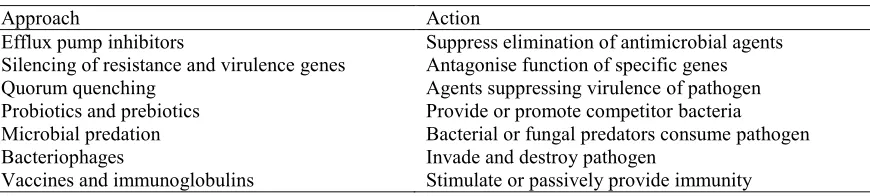
treatment gel. A variety of other approaches are being investigated and developed (Lloyd, 2012) but 458
have not yet led to the development of veterinary products (Table 2). 459
460
It is likely that at least some of these new approaches will prove successful, however we 461
should not expect the development of agents which will allow us to ignore good drug stewardship 462
and the adoption of rigorous hygiene. 463
464
Conclusions 465
Canine pyoderma will need to be managed appropriately to reduce morbidity and to limit 466
the spread of potentially MDR pathogens amongst pets and humans. However, the availability of 467
by legislative restrictions on prescribing by veterinary surgeons. We will likely need to adapt our 470
prescribing practices for all animal species and all affected organs in the future. For canine 471
pyoderma though, the skin as the infected organ can be easily accessed for examination and 472
treatment monitoring, rapid in-house tests and topical therapy. This provides unique opportunities 473
to combine relatively small achievable adaptations in our pyoderma management with good 474
antimicrobial stewardship and effective treatment outcomes. Comprehensive owner education and 475
rigorous hygiene measures need to become an integral part of pyoderma management and will help 476
to limit the spread of antimicrobial resistance and delay the end the Golden Age of Antibiotics 477
(Gould, 2009). 478
479
Highlights 480
1. Management of canine pyoderma is increasingly complicated by multidrug-resistant 481
pathogens such as MRSP and empirical selection therapy is no longer reliable in areas with 482
a high MRSP prevalence. 483
2. Use of in-house cytology can rapidly confirm bacterial infection and support responsible 484
antimicrobial prescribing. 485
3. Topical therapy can be effective on its own in cases of superficial pyoderma, even in those 486
involving MRSP. 487
4. Awareness of risk factors, contagious and zoonotic characteristics, laboratory requirements 488
and necessary hygiene measures are critical in the management of MRSP pyoderma. 489
5. Diagnosis and treatment of underlying diseases needs to replace our reliance on 490
antimicrobial therapy in dogs with recurrent pyoderma. 491
492
Conflict of interest statement 493
496
References 497
Abdel-Moein, K.A., El-Hariri, M.D., Wasfy, M.O., Samir, A. 2017. Occurrence of ampicillin-498
resistant Enterococcus faecium carrying esp gene in pet animals: An upcoming threat for 499
pet lovers. Journal of Global Antimicrobial Resistance 9, 115-117. 500
501
Baker, S.A., Van-Balen, J., Lu, B., Hillier, A., Hoet, A.E., 2012. Antimicrobial drug use in dogs 502
prior to admission to a veterinary teaching hospital. Journal of the American Veterinary 503
Medical Association 241, 210-217. 504
505
Bannhoer, J., Ben Zakour, N.L., Waller, A.S., Guardabassi, L., Thoday, K.L., van den Broek, A.H., 506
Fitzgerald, J.R., 2007. Population genetic structure of the Staphylococcus intermedius 507
group: insights into agr diversification and the emergence of methicillin-resistant strains. 508
Journal of Bacteriology 189, 8685–8692. 509
510
Bäumer, W., Bizikova, P., Jacob, M., Linder, K.E., 2017. Establishing a canine superficial 511
pyoderma model. Journal of Applied Microbiology 122, 331-337. 512
513
Beck, K.M., Waisglass, S.E., Dick, H.L., Weese, J.S., 2012. Prevalence of meticillin-resistant 514
Staphylococcus pseudintermedius (MRSP) from skin and carriage sites of dogs after 515
treatment of their meticillin-resistant or meticillin-sensitive staphylococcal pyoderma. 516
Veterinary Dermatology 23, 369-375. 517
518
Becker, K., Heilmann, C., Peters, G., 2014. Coagulase-negative staphylococci. Clinical 519
Microbiology Reviews 27, 870–926. 520
521
Beco, L., Guaguère, E., Lorente Méndez, C., Noli, C., Nuttall, T., Vroom, M., 2013a. Suggested 522
guidelines for using systemic antimicrobials in bacterial skin infections: part 1- diagnosis 523
based on clinical presentation, cytology and culture. The Veterinary Record 72, 72-78. 524
525
Beco, L., Guaguère, E., Lorente Méndez, C., Noli, C., Nuttall, T., Vroom, M., 2013b. Suggested 526
guidelines for using systemic antimicrobials in bacterial skin infections: part 2- 527
antimicrobial choice, treatment regimens and compliance. The Veterinary Record 172, 528
156-160. 529
530
Ben Zakour, N.L., Beatson, S.A., van den Broek, A.H, Thoday, K.L., Fitzgerald, J.R., 2012. 531
Comparative genomics of the Staphylococcus intermedius group of animal pathogens. 532
Frontiers in Cellular and Infection Microbiology 2, 44. 533
534
Beever, L., Bond, R., Graham, P.A., Jackson, B., Lloyd, D.H., Loeffler, A., 2015. Increasing 535
antimicrobial resistance in clinical isolates of Staphylococcus intermedius group bacteria 536
and emergence of MRSP in the UK. The Veterinary Record, 176:172. 537
538
Bloom, P., 2014. Canine superficial bacterial folliculitis: current understanding of its etiology, 539
diagnosis and treatment. The Veterinary Journal 199, 217-222. 540
541
Boucher, H.W., Talbot, G.H., Bradley, J.S., Edwards, J.E., Gilbert, D., Rice, L.B., Scheld, M., 545
Spellberg, B., Bartlett, J. 2009. Bad bugs, no drugs: no ESKAPE! An update from the 546
Infectious Diseases Society of America. Clinical Infectious Diseases 48, 1-12. 547
548
Borio, S., Colombo, S., La Rosa, G., De Lucia, M., Damborg, P., Guardabassi, L., 2015. 549
Effectiveness of a combined (4% chlorhexidine digluconate shampoo and solution) 550
protocol in MRS and non-MRS canine superficial pyoderma: a randomized, blinded, 551
antibiotic-controlled study. Veterinary Dermatology 26, 339-344. 552
553
British National Formulary. Indications and dose for mupirocin. 554
https://www.medicinescomplete.com/mc/bnf/current/PHP7973-555
mupirocin.htm#PHP45895-indicationsAndDose-topic (accessed 14 October 2017.
556 557
Bryan, J., Frank, L.A., Rohrbach, B.W., Burgette, L.J., Cain, C.L., Bemis, D.A., 2012. Treatment 558
outcome of dogs with meticillin-resistant and meticillin-susceptible Staphylococcus 559
pseudintermedius pyoderma. Veterinary Dermatology 23, 361-368. 560
561
Cabassi, C.S., Taddei, S., Cavirani, S., Baroni, M.C., Sansoni, P., Romani, A.A., 2013. Broad-562
spectrum activity of a novel antibiotic peptide against multidrug-resistant veterinary 563
isolates. The Veterinary Journal 198, 534-537. 564
565
Cain, C.L., Morris, D.O., Rankin, S.C., 2011. Clinical characterization of Staphylococcus schleiferi 566
infections and identification of risk factors for acquisition of oxacillin-resistant strains in 567
dogs: 225 cases (2003-2009). Journal of the American Veterinary Medical Association 568
239, 1566-1573. 569
570
Carlotti, D.N., 1999. Canine pyoderma. http://www.zoovet.ee/product/docs/1219374077.pdf 571
(accessed 7 November 2017). 572
573
Chabanne, L., Marchal, T., Denerolle, P., Magnol, J.P., Fournel, C., Monier, J.C., Rigal, D., 1995. 574
Lymphocyte subset abnormalities in German shepherd dog pyoderma (GSP). Veterinary 575
Immunology and Immunopathology 49, 189-198. 576
577
Clark, S.M., Loeffler, A., Bond, R., 2015. Susceptibility in vitro of canine methicillinresistant and -578
susceptible staphylococcal isolates to fusidic acid, chlorhexidine and miconazole: 579
opportunities for topical therapy of canine superficial pyoderma. Journal of Antimicrobial 580
Chemotherapy 70, 2048-2052. 581
582
Cobb, M.A., Edwards, H.J., Jagger, T.D., Marshall, J., Bowker, K.E., 2005. Topical fusidic 583
acid/betamethasone-containing gel compared to systemic therapy in the treatment of 584
canine acute moist dermatitis. The Veterinary Journal 169, 276-280. 585
586
Colombo, S., Hill, P.B., Shaw, D.J., Thoday, K.L., 2007. Requirement for additional treatment for 587
dogs with atopic dermatitis undergoing allergen-specific immunotherapy. The Veterinary 588
Record 160, 861-864. 589
590
Cotting, K., Strauss, C., Rodriguez-Campos, S., Rostaher, A., Fischer, N.M., Roosje, P.J., Favrot, 591
C., Perreten, V., 2017. Macrococcus canis and M. caseolyticus in dogs: occurrence, 592
Curtis, C., 1998. Use and abuse of topical dermatological therapy in dogs and cats Part 1. Shampoo 596
therapy. In Practice 20, 244-251. 597
598
Curtis, C., 1999. Use and abuse of topical dermatological therapy in dogs and cats. Part 2. In 599
Practice 21, 448-454. 600
601
Curtis, C.F., 2001. Diagnostic techniques and sample collection. Clinical Techniques in Small 602
Animal Practice 16, 199-206. 603
604
Davis, M.F., Cain, C,L,, Amy, M., Brazil, A.M., Rankin, S.C., 2013. Two coagulase-negative 605
staphylococci emerging as potential zoonotic pathogens: wolves in sheep's clothing? 606
Frontiers in Microbiology 4, 123. 607
608
D'Costa, V.M., King, C.E., Kalan, L., Morar, M., Sung, W.W., Schwarz, C., Froese, D., Zazula, G., 609
Calmels, F., Debruyne, R., et al., 2011. Antibiotic resistance is ancient. Nature 477, 457-610
461. 611
612
Decristophoris, P., Fasola, A., Benagli, C., Tonolla, M., Petrini, O., 2011. Identification of 613
Staphylococcus intermedius Group by MALDI-TOF MS. Systematic and Applied 614
Microbiology 34, 45-51. 615
616
De Lucia, M., Moodley, A., Latronico, F., Giordano, A., Caldin, M., Fondati, A., Guardabassi, L., 617
2011. Prevalence of canine methicillin resistant Staphylococcus pseudintermedius in a 618
veterinary diagnostic laboratory in Italy. Research in Veterinary Science 91, 346-348. 619
620
Devriese, L.A., Vancanneyt, M., Baele, M., Vaneechoutte, M., De Graef, E., Snauwaert, C., 621
Cleenwerck, I., Dawyndt, P., Swings, J., Decostere, A., Haesebrouck, F., 2005. 622
Staphylococcus pseudintermedius sp. nov., a coagulase-positive species from animals. 623
International Journal of Systematic and Evolutionary Microbiology 55, 1569-1573. 624
625
Doelle, M., Loeffler, A., Wolf, K., Kostka, V., Linek, M., 2016. Clinical features, cytology and 626
bacterial culture results in dogs with and without cheilitis and comparison of three 627
sampling techniques. Veterinary Dermatology 27, 140-e37. 628
629
Feng, Y., Tian, W., Lin, D., Luo, Q., Zhou, Y., Yang, T., Deng, Y., Liu, Y.H., Liu, J.H., 2012. 630
Prevalence and characterization of methicillin-resistant Staphylococcus pseudintermedius 631
in pets from South China. Veterinary Microbiology 160, 517-524. 632
633
Frank, K.L., Del Pozo, J.L., Patel, R., 2008. From clinical microbiology to infection pathogenesis: 634
how daring to be different works for Staphylococcus lugdunensis. Clinical Microbiology 635
Reviews 21, 111-133. 636
637
Frank, L.A., Loeffler, A., 2012. Meticillin-resistant Staphylococcus pseudintermedius: clinical 638
challenge and treatment options. Veterinary Dermatology 23, 283-291. 639
640
Geraghty, L., Booth, M., Rowan, N., Fogarty, A., 2013. Investigations on the efficacy of routinely 641
used phenotypic methods compared to genotypic approaches for the identification of 642
staphylococcal species isolated from companion animals in Irish veterinary hospitals. Irish 643
Glos, K., Mueller, R.S., 2011. [Treatment of chronic recurrent idiopathic pyoderma in the dog with 646
vaccines containing bacterial antigens]. Tierärztliche Praxis Ausgabe Kleintiere und 647
Heimtiere 39, 425-428. 648
649
Gobeli Brawand, S., Cotting, K., Gómez-Sanz, E., Collaud, A., Thomann, A., Brodard, I., 650
Rodriguez Campos, S., Strauss, C., Perreten, V., 2016. Macrococcus canis sp. nov., a skin 651
bacterium associated with infections in dogs. International Journal of Systematic and 652
Evolutionary Microbiology 67, 621-626. 653
654
Gómez-Sanz, E., Torres, C., Benito, D., Lozano, C., Zarazaga, M., 2013. Animal and human 655
Staphylococcus aureus associated clonal lineages and high rate of Staphylococcus 656
pseudintermedius novel lineages in Spanish kennel dogs: predominance of S. aureus 657
ST398. Veterinary Microbiology 166, 580-589. 658
659
Goodacre, R., Harvey, R.G., Howell, S.A., Greenham, L.W., Noble, W.C., 1997. An 660
epidemiological study of Staphylococcus intermedius strains isolated from dogs, their 661
owners and veterinary surgeons. Journal of Applied and Analytical Pyrolysis 44, 49-64. 662
663
Gortel, K., Campbell, K.L., Kakoma, I., Whittem, T., Schaeffer, D.J., Weisiger, R.M., 1999. 664
Methicillin resistance among staphylococci isolated from dogs. American Journal of 665
Veterinary Research 60, 1526-1530. 666
667
Gortel, K., 2013. Recognizing pyoderma, more difficult than it may seem. The Veterinary Clinics 668
of North America. Small Animal Practice 43, 1-18. 669
670
Götz, F., 2002. Staphylococcus and biofilms. Molecular Microbiology 43, 1367–1378. 671
672
Gould, I.M., 2009. Antibiotic resistance: the perfect storm. International Journal of Antimicrobial 673
Agents, 34 Supplement 3, S2-S5. 674
675
Hajek, V., 1976. Staphylococcus intermedius, a new species isolated from animals. International 676
Journal of Systematic and Evolutionary Microbiology 26, 401-408. 677
678
Hájek, V., Marsálek, E., 1971. [The differentiation of pathogenic staphylococci and a suggestion for 679
their taxonomic classification]. Zentralblatt für Bakteriologie Orig A. 217, 176-182. 680
681
Hall-Stoodley, L., Costerton, J.W.,and Stoodley, P., 2004. Bacterial biofilms: from the natural 682
environment to infectious diseases. Nature Reviews Microbiology 2, 95-108. 683
684
Han, J.I., Yang, C.H., Park, H.M., 2016. Prevalence and risk factors of Staphylococcus spp. carriage 685
among dogs and their owners: A cross-sectional study. The Veterinary Journal 212,15-21. 686
687
Harvey, R.G., Marples, R.R., Noble, W.C., 1994. Nasal carriage of Staphylococcus intermedius in 688
humans in contact with dogs. Microbial Ecology in Health and Disease 7, 225-227. 689
690
Hill, P.B., Lo, A., Eden, C.A., Huntley, S., Morey, V., Ramsey, S., Richardson, C., Smith, D.J., 691
Sutton, C., Taylor, M.D. et al., 2006. Survey of the prevalence, diagnosis and treatment of 692
dermatological conditions in small animals in general practice. The Veterinary Record 158, 693
698
Hillier, A., Lloyd, D.H., Weese, J.S., Blondeau, J.M., Boothe, D., Breitschwerdt, E., Guardabassi, 699
L., Papich, M.G., Rankin, S., Turnidge, J.D. et al., 2014. Guidelines for the diagnosis and 700
antimicrobial therapy of canine superficial bacterial folliculitis (Antimicrobial Guidelines 701
Working Group of the International Society for Companion Animal Infectious Diseases). 702
Veterinary Dermatology 25, 163-175. 703
704
Holm, B.R., Petersson, U., Mörner, A., Bergström, K., Franklin, A., Greko, C., 2002. Antimicrobial 705
resistance in staphylococci from canine pyoderma: a prospective study of first-time and 706
recurrent cases in Sweden. The Veterinary Record 151, 600-605. 707
708
Hughes, L.A., Williams, N., Clegg, P., Callaby, R., Nuttall, T., Coyne, K., Pinchbeck, G., Dawson, 709
S., 2012. Cross-sectional survey of antimicrobial prescribing patterns in UK small animal 710
veterinary practice. Preventative Veterinary Medicine 104, 309-316. 711
712
Ihrke, P.J., 1987. An overview of bacterial skin disease in the dog. British Veterinary Journal 143, 713
112-118. 714
715
Jevons, M., 1961. Celbenin-resistant staphylococci. British Medical Journal 1, 124-124. 716
717
Jones, R.D., Kania, S.A., Rohrbach, B.W., Frank, L.A., Bemis, D.A., 2007. Prevalence of oxacillin- 718
and multidrug-resistant staphylococci in clinical samples from dogs: 1,772 samples (2001-719
2005). Journal of the American Veterinary Medical Association 230, 221-227. 720
721
Kasai, T., Saegusa, S., Shirai, M., Murakami, M., Kato, Y., 2016. New categories designated as 722
healthcare-associated and community-associated methicillin-resistant Staphylococcus 723
pseudintermedius in dogs. Microbiology and Immunology 60, 540-551. 724
725
Kern, A., Perreten, V., 2013. Clinical and molecular features of methicillin-resistant, coagulase-726
negative staphylococci of pets and horses. Journal of Antimicrobial Chemotherapy 68, 727
1256-1266. 728
729
Kizerwetter-Świda, M., Chrobak-Chmiel, D., Rzewuska, M., Binek, M., 2016. Resistance of canine 730
methicillin-resistant Staphylococcus pseudintermedius strains to pradofloxacin. Journal of 731
Veterinary Diagnostic Investigation 28, 514-518. 732
733
Kuzi, S., Blum, S.E., Kahane, N., Adler, A., Hussein, O., Segev, G., Aroch, I., 2016. Multi-drug-734
resistant Acinetobacter calcoaceticus-Acinetobacter baumannii complex infection 735
outbreak in dogs and cats in a veterinary hospital. Journal of Small Animal Practice 57, 736
617-625. 737
738
Kuznetsova, E., Bettenay, S., Nikolaeva, L., Majzoub, M., Mueller, R., 2012. Influence of systemic 739
antibiotics on the treatment of dogs with generalized demodicosis. Veterinary Parasitology 740
188, 148-155. 741
742
Larsen, R., Boysen, L., Berg, J., Guardabassi, L., Damborg, P., 2015. Lincosamide resistance 743
is less frequent in Denmark in Staphylococcus pseudintermedius from first-time 744
canine superficial pyoderma compared with skin isolates from clinical samples with 745
Staphylococcus pseudintermedius (MRSP) infection in dogs and cats in Germany. 750
Veterinary Microbiology 168, 154-160. 751
752
Lindsay, J.A., Holden, M.T. Understanding the rise of the superbug: investigation of the evolution 753
and genomic variation of Staphylococcus aureus. Functional and Integrative Genomics 6, 754
186-201. 755
756
Llewelyn, M.J., Fitzpatrick, J.M., Darwin, E., Tonkin-Crine, S., Gorton, C., Paul, J., Peto, T.E.A., 757
Yardley, L., Hopkins, S., Walker, A.S., 2017. The antibiotic course has had its day. British 758
Medical Journal 358, j3418. 759
760
Lloyd, D.H., Lamport, A.I., Feeney, C., 1996. Sensitivity to antibiotics amongst cutaneous and 761
mucosal isolates of canine pathogenic staphylococci in the UK, 1980–96. Veterinary 762
Dermatology 7, 171-175. 763
764
Lloyd, D.H., Garthwaite. G., 1982. Epidermal structure and surface topography of canine skin. 765
Research in Veterinary Science 33, 99-104. 766
767
Lloyd, D.H., 2014. The role of bacterial agents in the pathogenesis of atopic dermatitis. In: 768
Veterinary Allergy. Eds: C. Noli, A. Foster, W. Rosenkrantz. Wiley Blackwell, Oxford, 769
UK. 770
771
Loeffler, A., Linek, M., Moodley, A., Guardabassi, L., Sung, J.M., Winkler, M., Weiss, R., Lloyd, 772
D.H., 2007. First report of multi-resistant, mecA-positive Staphylococcus intermedius in 773
Europe: 12 cases from a veterinary dermatology referral clinic in Germany. Veterinary 774
Dermatology 18, 412-421. 775
776
Loeffler, A., Baines, S.J., Toleman, M.S., Felmingham, D., Milsom, S.K., Edwards, E.A., Lloyd, 777
D.H., 2008. In vitro activity of fusidic acid and mupirocin against coagulase-positive 778
staphylococci from pets. Journal of Antimicrobial Chemotherapy 62, 1301-1304. 779
780
Loeffler, A., Cobb, M.A., Bond, R., 2011. Comparison of a chlorhexidine and a benzoyl peroxide 781
shampoo as sole treatment in canine superficial pyoderma. The Veterinary Record 169, 782
249. 783
784
Lozano, C., Rezusta, A., Ferrer, I., Pérez-Laguna, V., Zarazaga, M., Ruiz-Ripa, L., Revillo, M.J., 785
Torres, C., 2017. Staphylococcus pseudintermedius Human infection cases in Spain: Dog-786
to-human transmission. Vector Borne and Zoonotic Diseases 17, 268-270. 787
788
Ludwig, C., de Jong, A., Moyaert, H., El Garch, F., Janes, R., Klein, U., Morrissey, I., Thiry, J., 789
Youala, M., 2016. Antimicrobial susceptibility monitoring of dermatological bacterial 790
pathogens isolated from diseased dogs and cats across Europe (ComPath results). Journal 791
of Applied Microbiology 121, 1254-1267. 792
793
Manian, F.A., 2003. Asymptomatic nasal carriage of mupirocin-resistant, methicillin-resistant 794
Staphylococcus aureus (MRSA) in a pet dog associated with MRSA infection in household 795
contacts. Clinical Infectious Diseases 36, e26-8. 796
797
Mason, I.S., Lloyd, D.H., 1989. The role of allergy in the development of canine pyoderma. Journal 802
of Small Animal Practice 30, 216-218. 803
804
Mason, I.S., Lloyd D.H., 1993. Scanning electron microscopical studies of the living epidermis and 805
stratum corneum of dogs. In: Ihrke P.J., Mason I.S., White S.D. eds. Advances in 806
Veterinary Dermatology, Volume 2, 131-39. 807
808
McCarthy, A.J., Lindsay, J.A., Loeffler, A., 2012. Are all meticillin-resistant Staphylococcus 809
aureus (MRSA) equal in all hosts? Epidemiological and genetic comparison between 810
animal and human MRSA. Veterinary Dermatology 23, 267-275. 811
812
McCarthy, A.J., Harrison, E.M., Stanczak-Mrozek, K., Leggett, B., Waller, A., Holmes, M.A., 813
Lloyd, D.H., Lindsay, J.A., Loeffler, A., 2015. Genomic insights into the rapid emergence 814
and evolution of multidrug-resistance in Staphylococcus pseudintermedius. Journal of 815
Antimicrobial Chemotherapy 70, 997-1007. 816
817
Medleau, L., Long, R.E., Brown, J., Miller, W.H., 1986. Frequency and antimicrobial susceptibility 818
of Staphylococcus species isolated from canine pyodermas. American Journal of 819
Veterinary Research 47, 229-231. 820
821
Morris, D.O., Rook, K.A., Shofer, F.S., Rankin, S.C., 2006. Screening of Staphylococcus aureus, 822
Staphylococcus intermedius, and Staphylococcus schleiferi isolates obtained from small 823
companion animals for antimicrobial resistance: a retrospective review of 749 isolates 824
(2003-04). Veterinary Dermatology 17, 332-337. 825
826
Morris, D.O., Loeffler, A., Davis, M.F., Guardabassi, L., Weese, J.S., 2017. Recommendations for 827
approaches to meticillin-resistant staphylococcal infections of small animals: diagnosis, 828
therapeutic considerations and preventative measures.: Clinical Consensus Guidelines of 829
the World Association for Veterinary Dermatology. Veterinary Dermatology 28, 304-e69. 830
831
Muller, G.H., Kirk, R.W., 1969. Small Animal Dermatology, 1st edition. W.B. Saunders Company, 832
Philadelphia. 833
834
Mueller, R.S., Bensignor, E., Ferrer, L., Holm, B., Lemarie, S., Paradis, M., Shipstone, M.A. 835
Treatment of demodicosis in dogs: 2011 clinical practice guidelines. Veterinary 836
Dermatology 23, 86-96. 837
838
Murayama, N., Nagata, M., Terada, Y., Shibata, S., Fukata, T., 2010. Efficacy of a surgical scrub 839
including 2% chlorhexidine acetate for canine superficial pyoderma. Veterinary 840
Dermatology 21, 586-592. 841
842
Noble, W.C., Kent, L.E., 1992. Antibiotic resistance in Staphylococcus intermedius isolated from 843
cases of pyoderma in the dog. Veterinary Dermatology 3, 71-74. 844
845
Normand, E.H., Gibson, N.R., Reid, S.W., Carmichael, S., Taylor, D.J., 2000. Trends of 846
antimicrobial resistance in bacterial isolates from a small animal referral hospital. The 847
Veterinary Record 146, 151-155. 848
849
854
Papich, M.G., 2012. Selection of antibiotics for meticillin-resistant Staphylococcus 855
pseudintermedius: time to revisit some old drugs? Veterinary Dermatology 23, 352-360. 856
857
Paterson, G.K., Harrison, E.M., Murray, G.G., Welch, J.J., Warland, J.H., Holden, M.T., Morgan, 858
F.J., Ba, X., Koop, G., Harris, S.R. et al., 2015. Capturing the cloud of diversity reveals 859
complexity and heterogeneity of MRSA carriage, infection and transmission. Nature 860
Communication 6, 6560. 861
862
Perreten, V., Kadlec, K., Schwarz, S., Grönlund-Andersson, U., Finn, M., Greko, C., Moodley, A., 863
Kania S.A., Frank, L.A., Bemis, D.A. et al., 2010. Clonal spread of methicillin-resistant 864
Staphylococcus pseudintermedius in Europe and North America: an international 865
multicentre study. Journal of Antimicrobial Chemotherapy 65, 1145-1154. 866
867
Perron, G.G., Whyte, L., Turnbaugh, P.J., Goordial, J., Hanage, W.P., Dantas, G., Desai, M.M., 868
2015. Functional characterization of bacteria isolated from ancient arctic soil exposes 869
diverse resistance mechanisms to modern antibiotics. PLoS One 10, e0069533. 870
871
Pierezan, F., Olivry, T., Paps, J.S., Lawhon, S.D., Wu, J., Steiner, J.M., Suchodolski, J.S., 872
Rodrigues Hoffmann, A., 2016. The skin microbiome in allergen-induced canine atopic 873
dermatitis. Veterinary Dermatology 27, 332-e82. 874
875
Pin, D., Carlotti, D.N., Jasmin, P., DeBoer, D.J., Prélaud, P., 2006. Prospective study of bacterial 876
overgrowth syndrome in eight dogs. The Veterinary Record 158, 437-441. 877
878
Pinchbeck, L.R., Cole, L.K., Hillier, A., Kowalski, J.J., Rajala-Schultz, P.J., Bannerman, T.L., 879
York, S., 2006. Genotypic relatedness of staphylococcal strains isolated from pustules and 880
carriage sites in dogs with superficial bacterial folliculitis. American Journal of Veterinary 881
Research 67, 1337-1346. 882
883
Pinchbeck, L.R., Cole, L.K., Hillier, A., Kowalski, J.J., Rajala-Schultz, P.J., Bannerman, T.L., 884
York, S., 2007. Pulsed-field gel electrophoresis patterns and antimicrobial susceptibility 885
phenotypes for coagulase-positive staphylococcal isolates from pustules and carriage sites 886
in dogs with superficial bacterial folliculitis. American Journal of Veterinary Research 68, 887
535-542. 888
889
Pottumarthy, S., Schapiro, J.M., Prentice, J.L., Houze, Y.B., Swanzy, S.R., Fang, F.C., Cookson, 890
B.T., 2004. Clinical isolates of Staphylococcus intermedius masquerading as methicillin-891
resistant Staphylococcus aureus. Journal of Clinical Microbiology 42, 5881-5884. 892
893
Rankin, S., Roberts, S., O'Shea, K., Maloney, D., Lorenzo, M., Benson, C.E., 2005. Panton 894
valentine leukocidin (PVL) toxin positive MRSA strains isolated from companion animals. 895
Veterinary Microbiology 108, 145-148. 896
897
Rantala, M., Lahti, E., Kuhalampil, J., Pesonen, S., Järvinen, A.K., Saijonmaa-Koulumies, L., 898
Honkanen-Buzalski, T., 2004. Antimicrobial resistance in Staphylococcus spp., 899
Escherichia coli and Enterococcus spp. in dogs given antibiotics for chronic 900
dermatological disorders, compared with non-treated control dogs. Acta Veterinary 901
Rodrigues Hoffmann, A., 2017. The cutaneous ecosystem: the roles of the skin microbiome in 904
health and its association with inflammatory skin conditions in humans and animals. 905
Veterinary Dermatology 28, 60-e15. 906
907
Rook, K.A., Brown, D.C., Rankin, S.C., Morris, D.O., 2012. Case-control study of Staphylococcus 908
lugdunensis infection isolates from small companion animals. Veterinary Dermatology 23, 909
476-e90. 910
911
Rosenbach, F.J., 1885. Suppuration and septic diseases. In: W. Watson Cheyne (Ed.), Recent essays 912
on bacteria in relation to disease, The New Sydenham Society, London. 913
914
RUMA. Responsible Use of Medicines in Agriculture Alliance, 2009. Antibiotic use in animal 915
health - ‘as little as possible, but as much as necessary’. The Veterinary Record 164, 444. 916
917
Ruzauskas, M., Siugzdiniene, R., Klimiene, I., Virgailis, M., Mockeliunas, R., Vaskeviciute, L., 918
Zienius, D., 2014. Prevalence of methicillin-resistant Staphylococcus haemolyticus in 919
companion animals: a cross-sectional study. Annals of Clinical Microbiology and 920
Antimicrobials 13, 56. 921
922
Safdar, N., Maki, D.G., 2002. The commonality of risk factors for nosocomial colonization and 923
infection with antimicrobial-resistant Staphylococcus aureus, Enterococcus, gram-negative 924
bacilli, Clostridium difficile and Candida. Annals of Internal Medicine 136, 834-844. 925
926
Santoro, D., Ahrens, K., Bohannon, M., Navarro, C., Gatto, H., Marsella, R., 2016. Evaluation of 927
the effects of 0.1% Peumus boldus leaf and Spiraea ulmaria plant extracts on bacterial 928
colonization in canine atopic dermatitis: a preliminary randomized, controlled, double-929
blinded study. Veterinary Dermatology 27, 78. 930
931
Sasaki, T., Kikuchi, K., Tanaka, Y., Takahashi, N., Kamata, S., Hiramatsu, K., 2007. 932
Reclassification of phenotypically identified Staphylococcus intermedius strains. Journal 933
of Clinical Microbiology 45, 2770-2778. 934
935
Sauget, M., van der Mee-Marquet, N., Bertrand, X., Hocquet, D., 2016. Matrix-assisted laser 936
desorption ionization-time of flight mass spectrometry can detect Staphylococcus aureus 937
clonal complex 398. Journal of Microbiological Methods 127, 20-23. 938
939
Scott, G.M., Thomson, R., Malone-Lee, J., Ridgway, G.L., 1988. Cross-infection between animals 940
and man: possible feline transmission of Staphylococcus aureus infection in humans? 941
Journal of Hospital Infection 12, 29-34. 942
943
Shaw, C., Stitt, J.M., and Cowan, S.T., 1951. Staphylococci and their classification. Journal of 944
General Microbiology 5, 1010-1023. 945
946
Shearer, D.H., Day, M.J., 1997. Aspects of the humoral immune response to Staphylococcus 947
intermedius in dogs with superficial pyoderma, deep pyoderma and anal furunculosis. 948
Veterinary Immunology and Immunopathology 58, 107-120. 949
950
Shumaker, A.K., Angus, J.C., Coyner, K.S., Loeffler, D.G., Ranking, S.C., Lewis, T.P., 2008. 951