Submittedin:December2012 Acceptedin: April2013 Publishedin:January2014
Recommended citation
García-Ruiz, R., González, N. & Contreras, P. (2014). Competencytraininginuniversitiesviaprojectsand
Web2.0tools. Analysisofanexperience. Revista de Universidad y Sociedad del Conocimiento (RUSC).
Abstract
Thisarticlepresentsauniversity-contextteachinginnovationproposalthatcombinesvariousIC T-supportedactivemethodologiestoundertake aproject. Theexperience’sfeatureisthedesignof ablendedlearningcontextbasedonaconstructivistlearningapproach, inwhichtheparticipating students–dividedintothreedifferentgroups–workonthesameprojectandplayanactiverole, andwhoselearningisfosteredbytheuseGoogle+, GoogleDocs, Twitterandablog. Topresentthe experience, adescriptionisgivenofhowtheprojectwasdesignedandundertaken, followedbya presentationoftheresultsobtainedfromtheopinionsofthestudentsthemselves, whowerethe protagonistsoftheirownlearning. Theresultsshowhowthestudentsratedcompetencyacquisition inthisandearlierexperiences, andenabledtheacquiredcompetenciestobeidentifiedforeach methodologicalproposal applied. Theconclusionshighlightthefactthatprojectworkhas many benefits;itimprovesthestudents’activeparticipation, motivationandengagement, andenhances competencydevelopmentandmeaningfullearning. Especiallynoteworthyarethehighratingsgi -ventopeertutoringasaworkmodalityforstrengtheningcompetencydevelopment, andthefact thatthestudentsperceivedthattakingpartinthisprojectallowedthemtoworkandacquirethe proposedcompetenciesmoreeffectivelythaninothereducationalexperiencesthattheyhadunder -takeninthecourseoftheiruniversitystudies. .
Keywords
competencies;projects;activemethodologies;Web2.0tools
La formación en competencias en la universidad a través de proyectos
de trabajo y herramientas 2.0. Análisis de una experiencia
Resumen
En este trabajo se presenta una propuesta de innovación docente en el contexto universitario, en la que se ha optado por la combinación de diferentes metodologías activas con el apoyo de las TIC para desarrollar un proyecto de trabajo. La peculiaridad de la experiencia es el diseño de un contexto de aprendizaje blen-ded e-learning, bajo un enfoque constructivista del aprendizaje, en el que tres grupos de estudiantes dife-rentes participan en un mismo proyecto, mostrando un papel activo y cuyo aprendizaje se ve favorecido por el uso de Google +, Google Docs, Twitter y un blog. Para presentar la experiencia, se muestra el diseño y desarrollo del proyecto, y los resultados, a partir de la opinión de los estudiantes, como protagonistas de su propio aprendizaje. Los resultados nos permiten conocer la valoración del alumnado respecto a la ad-quisición de competencias en esta experiencia y en otras previas, además de identificar las competencias adquiridas en relación con las diferentes propuestas metodológicas aplicadas. De las conclusiones de la experiencia destacamos que el trabajo por proyectos aporta múltiples beneficios al mejorar la participa-ción activa de los estudiantes, su motivaparticipa-ción e implicaparticipa-ción, el desarrollo de competencias y el aprendizaje significativo. Es destacable la alta valoración que recibe la tutoría entre iguales como modalidad de traba-jo para potenciar el desarrollo de competencias, y cómo los estudiantes perciben que la participación en este proyecto ha permitido trabajar o adquirir las competencias planteadas de una manera más eficaz que en otras experiencias educativas que han vivido en su trayectoria universitaria..
Palabras clave
Introduction
Never before has there been so much scientific output on university teaching methodologies, comprisingamultitudeofworks, experiencesandgoodpracticessharedbytheteachingcommunity. Itmakessense, therefore, totakeadvantageoftheseresourcestoinnovateandalignthemwithnew waysoflearninginthedigitalera. ThisarticlepresentsanexperienceundertakenintheFacultyof EducationattheUniversityofCantabria(UC), Spain, inthe2011/2012academicyear, whichwasthe resultofreflectiononandacommitmenttounderstandingtherolesoflecturersandstudents(Filene, 2005). Theobjectiveswereto findouthowourstudentsratedtheexperience, toofferresourcesto enablelecturerstoexperimentintheirclassrooms, andtodisseminatetheresultsinordertonurture teaching, asadvocatedby Hernandoand Aguaded(2012).
An eclectic view of the teaching-learning proposal
Inthisexperience, variousmethodologicalproposalswerecombined, eachofthemhavingunique characteristics, potentialand constraints, while sharing one core principle:the active roleofthe studentsandthedevelopmentofcompetenciesinsteadofsimplylearningaboutthecontent. Allof theseaspectswereorganisedandassembledinaproject.
An eclectic view of the teaching-learning process was the starting point for this innovative project. Itwasbasedonaconstructivistlearningapproachinablendedlearningenvironment, taking theroleofthelecturerandhis/herdispositiontowardsandself-perceptionofdigitalcompetencies –inrelationtotheuseofdigitalmaterials–asakeyfactorofeducationalinnovation(Tirado, Pérez, & Aguaded, 2011).
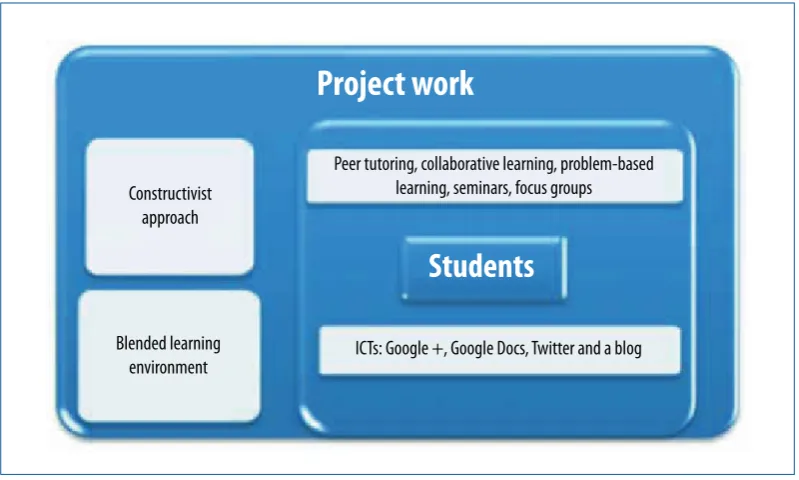
Figure 1:Context in which the experience was undertaken
ICTs: Google +, Google Docs, Twitter and a blog Constructivist
approach
Blended learning environment
Peer tutoring, collaborative learning, problem-based learning, seminars, focus groups
Project work
Inthislearningapproach, theideaistolearnactivelyandtodevelopcompetenciesinaconstructivist environment, whichimpliesstrengtheningthestudents’actions, takingasthepremisethatstudents mustlearnbydoing. Insteadofreproducingknowledgeorlearningsomethingoff byheart, thismeans strengtheningknowledgeconstruction;boostingreflectiononactionsandexperiencesundertaken; fostering collaborative learning or collaborative knowledge construction; proposing research activitiesinorder tosolveproblems;andfosteringmeaningfulresources, contexts andsituations forstudents. Figure 1showsthedesignofthecontextinwhichtheexperiencewasundertaken. After designingthecontextofaction inwhich theexperiencewould beundertaken, several determinantelementsweretakenintoaccount. First, anambitiousyetattainableobjectivewasset toimproveuniversitystudents’competencytraining, toconsolidatetheiractivelearning, tosecure theirparticipationandengagement, andtomaintainmotivationthroughouttheexperience.
Project work: a multidisciplinary view of active learning
Inordertoundertakethisproposal, project-orientedlearningwasselectedasthecompetency-centred learningmethodologyormodality, asproposedbyDeMiguel(2006). Inaccordancewiththisauthor, project-orientedlearningcanbedefinedasamethodologyinwhichstudentsundertakeanassignment proposedbyalecturerinordertoperformaseriesofresearchactivities, applyingappropriateresources and know-how and completingthem within established deadlines, usually to solvea problem.
Therearesimilaritiesbetweenthismethodologyandtheso-called ‘projectmethod’, ‘projectwork’ or ‘projects’, theoriginofwhichisunclearaccordingtoKnoll(1997). Theyareverypopularinpre -schooleducationandtheinitialcyclesofprimaryeducation, andhavebeensuccessfullyemployed insubsequentstagesbecause, asParra(2005)haspointedout, theseprojectsareanintegratedway ofpresentingdidacticcontentandactivitiesthatismuchmoremotivatingforstudents.
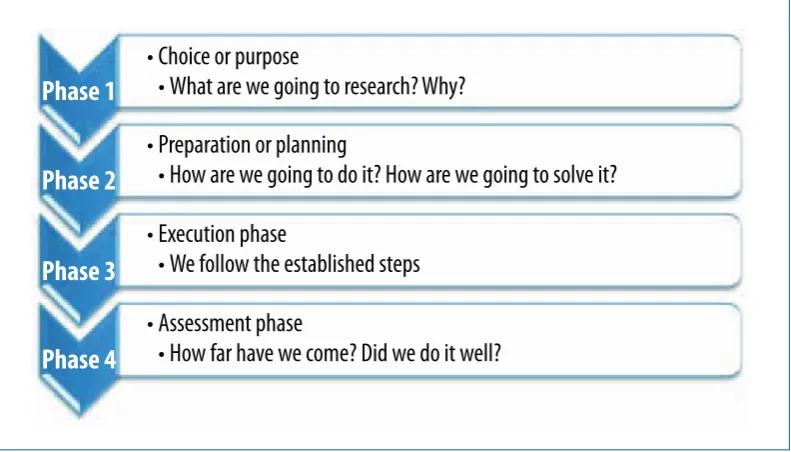
Project work meansthat students are thetrue protagonists of theirexecution and planning becausetheirdecisionspervade everystage ofthewholeprocess(DeMiguel, 2006;Parra, 2005) (Figure2). Studentstakepartinselectingtheactivitythattheyaregoingtoexecute, insearching forinformation, inplanningorpreparingtheactivity, indecidingontheworktools, inarrivingat thepossiblesolutionsoroptionstosolveaproblem, etc.;theytakepartintheimplementationor executionofthedesignedworkplanandtheassessmentphase.
Donoso, Carrasco, López, Hernández, Duarte, andNúñez(2009)considerthatusingthismethodology canhelpstudentstolearnnewconceptsandapplyexistingones, andtodevelopcross-disciplinary competenciesorskills;itcanalsoimprovethestudents’motivation. Rodríguezetal. (2008)advocate itsusetostrengthenactiveparticipatorylearning, thestudents’motivation, thewholenessoflearning, thecross-disciplinarityofcontentandtherelationshiptothesocialcontextinwhichlearningoccurs.
Competency development via project work
Workingoncompetencies–consideringthemasameansratherthananend(Gairín, 2011)–offers many advantages, such as securing the students’active learning and providing them with the opportunitytointerrelatedisciplinesandtoefficientlyapplywhattheyhavelearnedtoaspecific context. AccordingtoZabalaand Arnau(2007), itallowsrealproblemsandsituationstobetaken asthebasis. Inaddition, competency-basedworkimpliesshapingthestudents’professionalismand promoteschangetowardsthembecomingtrainedandqualified(Hernández, Martínez, DaFonseca, & Rubio, 2005).
Inthisexperience, theproposedaimwastoworkonaseriesofcross-disciplinarycompetencies that, basedonLobato(2006), werespecifiedas follows:meaningfullearning;intrinsicmotivation totakepartintheexperiencebyplayinganactiverole;responsibilityforone’sownlearning;social skills;writtenandoralcommunicationskills;thestudents’self-directedlearning, whichhadtohave asignificantresearchcomponent;self-regulationoftime;skillstoworkinadiversegroup, aimedat groupworkandconflictsolvingtoachieveacommongoal;reflectivethinkingtoenhancethelearning process and seek continuing improvement; constructive criticism through reasoning, challenge anddebate;respectforfellowstudents;and finally, digitalcompetencybasedoninteractionwith audiovisualmedia, receiving, analysingandproducingmessages.
Teaching modalities and methods to facilitate competency development.
A shared strategy
Itispossibletodevelopthesecompetenciesviaprojectwork. However, giventhecomplexityofeach competency, therelevanceofapplying otherdidactictoolswas consideredinordertostructure
Figure 2:Project phases
t
Choice or purpose
t
What are we going to research? Why?
t
Preparation or planning
t
How are we going to do it? How are we going to solve it?
t
Execution phase
t
We follow the established steps
t
Assessment phase
t
How far have we come? Did we do it well?
Phase 1
acompletemethodological frameworkthatwouldenableasubsequentanalysisofitssuitability. Thedidacticproposalsthatwecameupwithcombinedvariousteachingmodalitiesandmethods: Teachingalongmoretraditionlinesbasedonlecturestoconveycontentdirectlyfromthelecturer tothestudents;seminarsforanalysingandassessingtheprocessandtheresultsbymeansoffocus groups;orcollaborativeworkamongstudentsbymeansofpeertutoringorproblem-basedlearning asadriverofthestudents’work.
Presentedbelowisasummaryofthefeaturesofthedidacticresourcesused–andratedbythe students–todevelopcompetencies:
Peer tutoring, consideredasaworkmodalitybasedontheformationofpairsorsmallworkgroups withanasymmetricrelationshipbetweenor amongthemembers, inthatonemembertakeson theroleoftutorandtheother(s)theroleoftutee(s);itiscentredoncollaborationandhas many advantages(Durán & Vidal, 2004).
Cooperative learning, asateachingmethodinwhichthelecturertakesontheroleasorganiserof tasksthatthestudentswillsubsequentlydo, alwaysinteractingwithasmallgroupoffellowstudents, thepurposeofwhichistocooperativelydevelopmeaningful, activelearning(DeMiguel, 2006). Itis necessarytocreatealearningnetworkinwhichso-called ‘positiveinterdependence’iscreated, thatis tosay, whereanindividualstudentcannotconsiderataskcompleteuntiltheothershave finishedit. Work seminars, conceived as an organisational modality in which meeting moments are established, ingroupsofbetween5and12students, wheredebate, reflectionandanexchangeof ideasarefosteredaroundanewtopic. Whiletheremaybeseveralmodalities, thereisonlyonegoal: toconstructknowledgebasedonthestudents’activityandinteraction(DeMiguel, 2006).
Web 2.0 tools and their crucial role in this project
FourWeb2.0technologieswereappliedtothisproject:GoogleDocs, Google+, Twitterandablog createdfor theproject. Owingtospaceconstraints, wehavenotgiven anin-depth explanation oftheircharacteristics, thoughfurtherbelow we haveconsideredthefunctionthat theyhadas facilitatorsoflearninganddriversofthewholeprocess.
Description of the experience
Thepracticalapplicationofthisproposalrequiredabalancetobestruckbetweenthediversityof teachingmodalitiesormethodsandthedidacticplanningthatalecturerhadtodofortheintended
purpose.
Theobjectivesthatthisprojectaimedtoattain–shiftingfromateaching-centredmodeltoa
learning-centredmodel–weretodeveloptheactiveroleofthestudentsandto findouthowthe studentsratedtheteachingmodalitiesormethodsforthedevelopmentofcompetencies.
After settingthe objectivestobeattained, thecompetencies tobedeveloped and teaching methodsormodalitiestobeimplemented, attentionthenfocusedonwhichstudentstoworkwith,
bearinginmindthattheywouldbethetrueprotagonistsoftheprocess. Thus, adecisionwastaken toworkwithadiversegroupmadeupofstudentstakingdifferentcourseswhodidnotknoweach
other. Tothatend, aninvitationwasextendedtostudentsofthreedifferentsubjectstovoluntarily takepartintheexperience. Theresultwasagroupformedbythreemaster’sdegreestudents, three
third-yearPre-SchoolEducationteachertrainingqualificationstudentsandthreethird-yearPhysical Educationteachertrainingqualificationstudents, allattendingtheUC. Theteachingteamcomprised
threelecturerswhotaughtthesubjectsthatthestudentsweretakingontheirrespectivecourses. Thestudents’hadapersonalinterestintakingpartintheexperiencebecauseitallowedthemto
findoutaboutothermethodologies, tomeetotherstudentsandlecturers, andtoacquirelearning aboutadifferentactivity. Theirparticipationinthisexperiencewouldnotaffectthegradesofthe
subjectstheyweretaking, andwasinsteadproposedasaparallelactivity.
Theprojectwasundertakeninfourphases. Inthechoice or purpose phase, aninitialseminarwas
heldsothatthestudentscouldmeeteachotherandconsidertheprojectthatwouldbeexecuted. Inthis firstmeeting, theteachingmodalitiesormethodsthatwouldbeappliedwerepresented, as
weretheWeb2.0toolsthattheywouldworkwithinthevirtualenvironment. Inaddition, thetopicor purposeoftheprojectwasconsidered, andanagreementwasreachedtoconductresearchonthe
importanceofinvolvingfamiliesintheirchildren’seducation, specificallyintheregion’sruralareas. Inthisseminar, theworkgroupswerealsoestablished, aswasthedefinitionoftheactivitiestobe
executedinapplyingpeertutoring, asregardsthetutorandthetutees. Thenecessaryagreements and rules for working as cooperative groups weremade, and the competencies that could be
developedinthecourseoftheprojectwereconsidered.
Inthisphase, anagreementwasreachedontheobjectivesthathadtobeattainedandonthe
importanceofthechosentopictotheiruniversityeducationandfutureprofessionaldevelopment. Inthepreparation or planning phase, agreementshadtobereachedontheresourcesrequired
toattaintheobjectivesandonthevariousmodalitiesormethodsthathadtobeapplied. Inthis phase, theroles forimplementingpeer tutoringweredefined, as wereits likelyadvantagesand
disadvantages. Thus, thetasksthatthetutorsandtuteeshadtodowereestablishedinaccordance withtheirpriortrainingandexperience. TheoutcomewasthatthePre-SchoolEducationteacher
students would tutortheir fellow students in the design of ablog for families and teachers to share, bearinginmindthewarningsissuedby Álvarez(2012)aboutthefactthatfulluseofallthe
advantagesisnotproperlymade. Finally, thegroupofmaster’sdegreestudentstookchargeofthe
taskoftutoringtherestofthegroupinproducingthe finaldocumentthattheyhadtodeliver, which wouldcontainanaccountoftheworkdoneandpresentasolutiontotheproblemposed.
Thegroup’splanningofresearchworkwasfundamentalbecause, onthebasisoftheestablished worksituation, thestudentswouldhavetosearchforinformationandselect, organiseandrelateitto
theproblemuntiltheproblemposedhadbeensolved. Theprojectworkwouldthuscausequestions tobeposedandanswerstobesought.
Subsequentface-to-facemeetingsintheformofmonographicandvirtualseminarswereplanned
inthisphase.
Intheexecution phaselastingforaroundsevenmonths, theplannedactivitieswerecarriedout.
Workwasdoneingroupsofthreeinaccordancewiththeallocatedtasks, andtheresultswereshared withthewholegroup. Thelecturersperformedcontinuousmonitoringofthewholeprocess. Inthis
phase, anothertwoseminarswereheldtosharethoughtsandopinions, toanswerqueriesandto checkonthe progressofthewhole groupin termsofattaining theproposedobjectives. In this
phase, Web2.0toolsweresystematicallyused, opinionsandinformationweresharedvia Twitterand
theblog, andgroupmeetingswereheldviaGoogle+ (‘Hangouts’). Thestudentscreateddocuments withGoogleDocsinashared, virtualmanner.
Finally, inthe assessment phase, thesolutiontotheproblemposedwascheckedtoensurethatit wascorrect, andtheprojectexecutionandcompetenciesacquiredwereassessed. Theassessment
oftheprojectrequiredaviewfromanumberofperspectives, soanattemptwasmadetoassess theproject bygetting thestudents’andlecturers’opinionsin afocusgroupheldspecifically for
thepurposeofascertainingwhethertheproposedobjectiveshadbeenattained. Owingtospace
constraints, theoutcomesofthefocusgroupwillbedetailedinanotherarticle.
We canneverthelessreport thatthestudents’opinions confirmed thattheproject workhad
facilitated their responsible, active learning, and that the proposed competencies had been developed bymeans ofthe variousorganisational modalitiesand methodologiesimplemented,
whilemaintainingintrinsicmotivation.
When assessing the competencies acquired in the project, and in keeping with the
recommendations made by Villa and Poblete (2011), we made an overall assessment of them
withoutanalysingeachoftheirrespectiveelements. Thus, theassessmentprocesswasdefined a priori;thestudentsweremonitoredthroughouttheproject;thestudent’sperspectivewasintegrated
bymeansofindividualself-assessment;andaninstrumentsuitedtotheproject-orientedlearning methodologywasapplied, meaningthatthestudentsproduceda finalreportcontainingthesolution
totheproblemposed, whichwasgradedas ‘excellent’.
Bearinginmindthatthestudentsarethetrueprotagonists, theiropinionsweregatheredabout
competencyacquisitionregardingthevariousmethodologicaltoolsorresourcesused. Todothat,
andpeertutoring. Thelevelofcompetencyacquisitioninthisprojectandinotherexperiencesor subjectstakenpreviouslywasalsoratedinanotherquestionnaire.
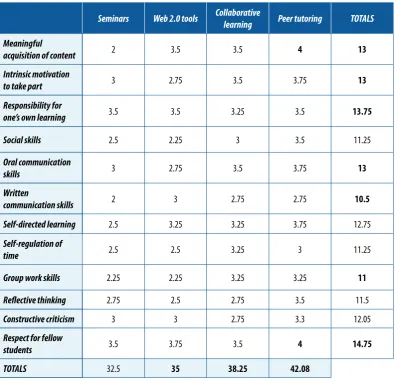
Table1showstheresultsobtainedfortherelationshipexistingbetweeneachpairofvariables, as wellasthetotalforthelevelofacquisitionofeachcompetencyinrelationtothemodality, method ortechniqueused. Itshouldbenotedthatthehighestratedcompetencieswere ‘respectforfellow students’and ‘responsibilityforone’sownlearning’, followedby ‘meaningfulacquisitionofcontent’ and ‘intrinsicmotivation’. Thetablealsoshowsthatcooperativelearningandpeertutoringwerethe mostsuitablemethodsfordevelopingcompetencies, andthesupportprovidedbytheWeb2.0tools usedwasalsoratedpositively.
Table 1.Rating of competency acquisition in relation to the modality or method applied
Seminars Web 2.0 tools Collaborative
learning Peer tutoring TOTALS
Meaningful
acquisition of content 2 3.5 3.5 4 13
Intrinsic motivation
to take part 3 2.75 3.5 3.75 13
Responsibility for
one’s own learning 3.5 3.5 3.25 3.5 13.75
Social skills 2.5 2.25 3 3.5 11.25
Oral communication
skills 3 2.75 3.5 3.75 13
Written
communication skills 2 3 2.75 2.75 10.5
Self-directed learning 2.5 3.25 3.25 3.75 12.75
Self-regulation of
time 2.5 2.5 3.25 3 11.25
Group work skills 2.25 2.25 3.25 3.25 11
Reflective thinking 2.75 2.5 2.75 3.5 11.5
Constructive criticism 3 3 2.75 3.3 12.05
Respect for fellow
students 3.5 3.75 3.5 4 14.75
TOTALS 32.5 35 38.25 42.08
In short, we would underscore that the students considered that they had developed the proposedcompetencies during theproject, andthat the variousmethodological proposalshad helpedtoenrichcompetency-developmentprojectworkandtosecurethestudents’activelearning.
theiracquisitionofallthecompetenciesapartfromreflectivethinking, whichappearedtohavebeen strengthenedinsubjectsthatthestudentshadalreadytakenintheircurricula.
0 0,51 1,52 2,53 3,54 4,5 Con ten t ac quisition In trinsic motiv ation Responsabilit y Social skills O ral c ommunica tion W ritt en c ommunica tion Self-dir ec ted learning Self-r egula
tion of time Group w
ork Reflec tiv e thinking Construc tiv e criticism Respec
t for fello
w studen
ts
Curriculum Innovation project
Chart 1. Competency acquisition comparison between the project and the curriculum
Theseresultshaveinformedourdecisiontocontinuewiththislineofworkbecausetheyconfirmed thatitreallyispossibletosecurethestudents’activeengagementandtoimprovelearning.
Thoughts and Conclusions
Intheuniversitycontext, lecturersplayafundamentalroleinseekingoutnewwaystoimprovethe teaching-learningprocess, usingallthetoolswithintheirreach. Thisarticlepresentedaninnovative proposal combining various teaching methods or modalities to facilitate the students’ active learning, supportedbyWeb2.0tools, toundertakeaprojectinablendedlearningenvironment. The featurethatdistinguisheditfrompreviousworkswastheexecutionofaproject, inaconstructivist environment, byadiversegroupmadeupofstudentstakingdifferentcourses.
Theresultsobtainedandpresentedinthisarticleshowedthatworkingonprojectsinauniversity contextwas possible, thus demonstratingthat theobjectives sethadbeenattained. The results showedthatthevariousteachingmodalitiesandmethodsusedhadfosteredactivelearning, thus coincidingwiththe findingsofDeMiguel(2006).
fundamentalrole, inthesamesenseas thatdescribedbyOsorio(2010), andFloresandDel Arco (2012). Notwithstanding, wealsoagreewithBender(2003), inthattheirinitialusemightcausethe
studentstobecomefrustrated.
TheseconclusionscoincidewiththoseofDonosoetal. (2009)withregardtoimprovedmeaningful
learning, competencydevelopmentandsecuringgreaterstudentmotivation.
Byundertakingthisproject, weenjoyedauniqueexperiencewiththestudentsandthelecturers,
sharing and learning from one another, and conducting research together on real, motivating problemsorsituations. WeagreewithSales(2004)onthebenefitsofprojectworkforthetraining
offutureteachers, inthatitintroducesthemtoamethodologythatissuitedtoworkinginthekind ofinclusiveeducationalmodeltowardswhichwearenowinclined, whichallowsthemtolearnina collaborativeenvironment.
We believe that this project is aninteresting contribution that will partly help toovercome thelackofproposals, asmentionedbyDelMoralandVilaluste(2012), intermsofthepromotion
ofcollaborativelearning. Indeed, itshouldcontinuetobeimplementedinorder toreachits full potential.
References
Aguaded, J. I. (2012). Mediaproficiency, aneducationalinitiativethatcannotwait. Comunicar,39, 7-8. doi:10.3916/C39-2012-01-01
Álvarez, G. (2012). New TechnologiesintheUniversityContext: TheUseofBlogsforDevelopingStu -dents’ReadingandWritingSkills. RUSC. Universities and Knowledge Society Journal, 9(2), 3-17. doi:
10.7238/rusc.v9i2.1160
Bender, T. (2003). Discussion-based online teaching to enhance student learning. Sterling, VA:StylusPu
-blishing.
DeMiguel. M. (Coord.)(2006). Modalidades de enseñanza centradas en el desarrollo de competencias.
Orientaciones para promover el cambio metodológico en el EEES [Teachingmodalitiescentredon competencydevelopment. GuidelinesforpromotingmethodologicalchangeintheEHEA]. Ovie
-do, Spain:UniversidaddeOviedo.
DelMoral, M. E., & Vilalustre, L. (2012). Universityteachinginthe2.0era:virtualcampusteachingcom -petencies. RUSC. Universities and Knowledge Society Journal, 9(1), 36-50. doi:10.7238/rusc.v9i1.1127
Donoso, J. A., Carrasco, A., López, R., Hernández, J. J., Duarte, T., & Núñez, C. (2009). AprendizajeBasa -doenProyectosversus AprendizajeBasadoen Actividades:unaexperienciaenlaelaboracióny
análisisdeestados financieros [Project-basedlearningvs Activity-basedlearning:anexperience intheproductionandanalysisof financialstatements]. In ASEPUC, VI Jornada de Docencia en
Con-tabilidad. Seville, Spain:UniversidaddeSevilla.
Durán, D., & Vidal, V. (2004). Tutoría entre iguales: de la teoría a la práctica. Un método de aprendizaje
Flores, O., & Del Arco, I. (2012). TheImpactofICTsonLecturerandStudentInteractioninUniversity Education Processes. RUSC. Universities and Knowledge Society Journal, 9(2), 31-47. doi:10.7238/
rusc.v9i2.1243
Filene, P. (2005). The joy of teaching. A practical guide for new college instructors. Raleigh, NC: TheUniver -sityofNorthCarolinaPress.
Gairín, J. (2011). Formacióndeprofesoresbasadaencompetencias [Competency-basedteachertra -ining]. Bordón, 63(1).
Hernández, F., & Ventura, M. (1997):La organización del currículum por proyectos de trabajo. El conoci-miento es un calidoscopio [Project-basedcurriculumorganisation. Knowledgeisakaleidoscope].
Barcelona, Spain:Graó-ICE.
Hernández, F., Martínez, P., DaFonseca, P., & Rubio, M. (2005). Aprendizaje, competencias y rendimiento en Educación Superior [Learning, competenciesandperformancein HigherEducation]. Madrid,
Spain: lLaMuralla.
Hernando, A., & Aguaded, J. I. (2012). Publicarlaexperienciaprofesional. Unanecesidadparalaedu
-comunicación [Publishingprofessionalexperience. A necessityforcommunicationeducation]. Aularia. Revista digital de comunicación, 1(1), 23-26. Retrievedfromhttp://www.uhu.es/angel.her
-nando/documentos/2012_Aularia_1.pdf
Knoll, M. (1997). Theprojectmethod:Itsvocationaleducationoriginandinternationaldevelopment. Journal of Industrial Teacher Education, 34(3), 59-80. Retrievedfromhttp://scholar.lib.vt.edu/ejour
-nals/JITE/v34n3/Knoll.html
Lobato, C. (2006). Estudio ytrabajoautónomos delestudiante [The student’sindependentstudy
andwork]. InM. deMiguel(Coord.), Metodologías de enseñanza y aprendizaje para el desarrollo de competencias. Orientaciones para el profesorado universitario ante el EEES [Teachingandlearning
methodologiesforcompetencydevelopment. Guidelinesforuniversityteachingstaff inthelight
oftheEHEA] (pp. 191-223). Madrid, Spain: AlianzaEditorial.
Osorio, L. A. (2010). Características delosambientes híbridosde aprendizaje:estudiode casode
unprogramadeposgradodelaUniversidaddelos Andes [CharacteristicsofBlendedLearning Environments:CaseStudyofaPostgraduateProgrammeinLos AndesUniversity. RUSC.
Universi-ties and Knowledge Society Journal, 7(1). Retrievedfromhttp://rusc.uoc.edu/ojs/index.php/rusc/ article/view/v7n1_osorio/v7n1_osorio
Parra, J. M. (2005). La educación infantil. Su dimensión didáctica y organizativa [Pre-schooleducation.Its
didacticandorganisationaldimension]. Granada, Spain:GrupoEditorialUniversitario.
Rodríguez, C. (Ed). (2008). La lengua escrita y los proyectos de trabajo. Propuestas para el aula [Written
languageandworkprojects. Proposalsfortheclassroom]. Valencia, Spain:Periféricedicions. Sales, A. (2004). Haciaunaescuelainclusivaeintercultural:losproyectosdetrabajocomopropuesta
curricularyformativa [Towardsaninclusive, interculturalschool:workprojectsasformativecurri -cularproposal]. XXI. Revista de Educación, 6, 139-153.
Tirado, R., Pérez, M. A., & Aguaded, J. I. (2011). Blendede-learningenuniversidadesandaluzas [Blen
-dede-learningin Andalusianuniversities]. Aula Abierta, 39(2), 47-58.
-taciones [Evaluationofgenericcompetencies:principles, opportunitiesandlimitations]. Bordón,
63(1), 147-170.
Zabala, A., & Arnau, L. (2008). 11 ideas clave. Cómo aprender y enseñar competencias [Elevenkeyideas.