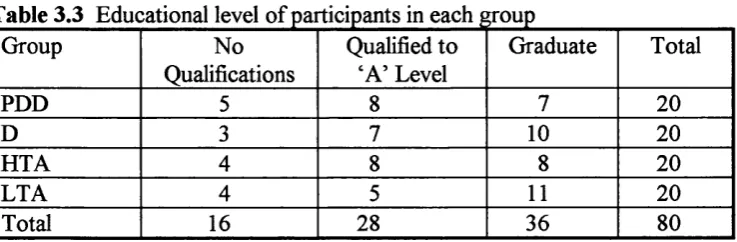
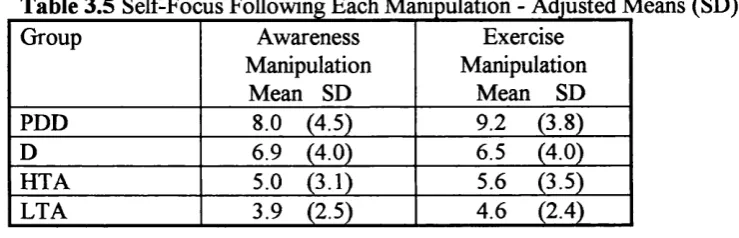
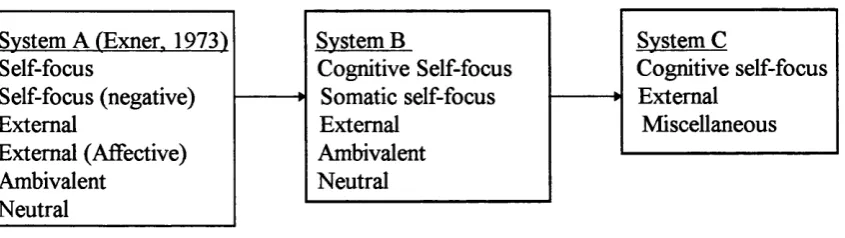
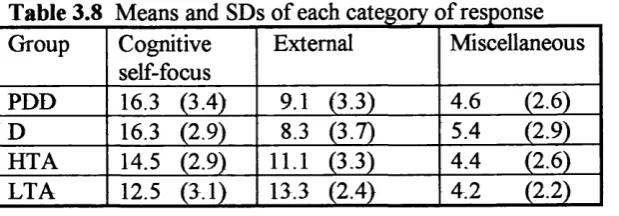
Panic Disorder And Depression
Helen Kirby
This thesis was submitted in partial fulfilment of the requirements of the
degree of D. Clin. Psy.
University College, London
All rights reserved
INFORMATION TO ALL USERS
The quality of this reproduction is dependent upon the quality of the copy submitted.
In the unlikely event that the author did not send a complete manuscript and there are missing pages, these will be noted. Also, if material had to be removed,
a note will indicate the deletion.
uest.
ProQuest 10044601
Published by ProQuest LLC(2016). Copyright of the Dissertation is held by the Author.
All rights reserved.
This work is protected against unauthorized copying under Title 17, United States Code. Microform Edition © ProQuest LLC.
ProQuest LLC
789 East Eisenhower Parkway P.O. Box 1346
I would like to extend grateful thanks to Philip Tata for his excellent supervision and unfailing enthusiasm. Many thanks also to Dr. Val Curran for her comments on the drafts and to Dr. Alan Pickering for help with the analysis.
I am also indebted to all who kindly cooperated with this research. These included staff and patients from the following clinical psychology services: St. Mary’s Hospital,
Page
Abstract
1
Introduction
1.1
Overview of The Study
2
1.2
Background On Panic Disorder
5
1.3
Self-Focused Attention
27
1.4
Design of the Study and Research Questions
47
Method
2.1
Design
58
2.2
Participants
58
2.3
Selection and Recruitment of Participants
59
2.4
Statistical Power
61
2.5
Ethical Procedures
62
2.6
Measures
63
2.7
Procedure
67
Results
3.1
Introduction
69
3.2
Participant Characteristics
70
3.5
Analysis of Questionnaires
87
3.6 Individual Differences
91
3.7 Summary of Results
94
Discussion
4.1
Discussion Of Results
96
4.2 Methodological Critique
120
4.3 Directions F or Further Research
124
4.4
Summary
125
References
127
Appendices
142
Case Reports
1.
Treatment of a chent with OGD.
172
2.
Intervention for behavioural problems in
192
a pre-schooler.
3.
Assessment of dementia.
208
4.
An evaluation of the behefs of a group of mental
health professionals concerning issues of sexual abuse.
226
Several current cognitive models o f panic suggest that hypervigilance for somatic
sensations may contribute to the onset and maintenance of panic disorder. This study uses constructs and methods drawn from the literature on self-focused attention to assess levels of somatic attention in panic disorder. Patients with concurrent panic disorder and
depression (n = 20) were compared with three other groups (patients with depression, high anxiety controls, low anxiety controls, n = 20 per group) on three measures of somatic self-focused attention. Panickers were found to report significantly more
thoughts indicative of somatic attention than any other group of participants. The design allowed the elimination o f depression (which is known to enhance self-focus) as an
explanation for the observed effects and enabled us to test whether any cognitive bias was present as a possible risk factor for psychopathology in high anxiety controls as suggested by Eysenck (1992). Implications of the findings both for theories o f panic and for
1.1 Overview Of The Study
Background
During the past twenty years there has been an increasing interest in cognitive models of psychological dysfiinction. This type o f approach has been applied to panic disorder and a number of models which focus on fear o f the symptoms o f anxiety as a central feature of panic have been developed. (Beck, 1988; Belfer & Glass, 1992; Clark, 1986; 1988; Goldstein & Chambless, 1978). It is plausible that in addition to anxiety about somatic sensations, panic may be characterised by an attentional bias towards physical threat. There have now been a significant number of studies which have attempted to address this issue and these have tended to find evidence o f such a bias. However, whilst this work is of interest, the experimental paradigms which have been used seem inadequate in two respects.
First, in the context both of clinical reports and of the research literature, it is reasonable to suggest that individuals with panic are hyperalert for physical threat in the form of their own somatic sensations. This hypothesis in fact forms one component of several of the cognitive models of panic (e.g.. Beck, 1988; Belfer & Glass, 1992;
Stroop procedures or dot probe tasks in which both stimulus and response are relatively simple. As such, external validity in this kind o f approach may be lacking. That is, individuals with panic tend to report that it is rather complex interplays of their internal, external and social environments which tend to trigger panic and their responses are similarly complex. Thus, tests of selective attention may need to mirror this complexity in both type of information and type of response.
In this thesis, the issue of somatic attention in panic will be investigated in the context of the psychological literature on self-focused attention. Self-focus can be briefly defined as “attention directed inward, the content of which is self-referent” (Wells & Matthews,
1994, p. 203) and selective attention for physical sensations as described above can therefore be seen as a subtype of the self-focus construct. Borden, Lowenbraun, WolfiF & Jones (1993) suggested the term ‘somatic self-focus’ to describe this selective processing of physical sensations and contrasted it with cognitive self-focus which consists of attention to inner thoughts and emotions. Thus, somatic self-focus constitutes one component o f the cognitive models o f panic.
thought-sampling techniques) which have been developed for self-focused attention have tended to be less simplistic than the experimental tasks mentioned above. There have been two studies of somatic self-focus in panic disorder to date (Brown & Cash, 1990; Borden et al., 1993). These reported positive results but both were methodologically flawed in that they did not control for depression which is known to produce enhanced self-focus.
This study therefore attempts to utilise the concepts and methods of the self-focus literature to investigate the attentional component o f current cognitive conceptualisations of panic and to do so with greater methodological rigour than has been achieved in other studies. For the sake of clarity in the discussion which follows a brief summary of the design and methods o f the study is presented at this point.
Description of the study
Measures of both somatic and cognitive self-focus were administered to four groups of participants;
1. Patients with both panic disorder and depression 2. Patients with depression only.
3. Healthy volunteers with high trait anxiety 4. Healthy volunteers with low trait anxiety.
eliminate the possibility that any effects were due to patient status. A group of healthy controls with low trait anxiety was included in order to allow comparison o f the
performance o f the patient groups with normal function on measures o f self-focus. The controls with high trait anxiety were included to assess whether any cognitive bias was present which might constitute a vulnerability factor for the development o f clinical anxiety as proposed by Eysenck (1992).
1.2 Background On Panic Disorder
1.2.1 Phenomenology And Epidemiology Of Panic Disorder
Definition of panic disorder
Panic anxiety has been recognised in the psychological literature for many years - Freud’s (1895) description closely parallels the current description of panic. Individuals with panic repeatedly experience brief episodes o f intense anxiety which include a variety of
unpleasant somatic symptoms in addition to fears o f dying, going mad and so on . Although such attacks tend to occur more frequently in some environments (e.g.,
Psychiatric Association, 1994) definition of panic disorder incorporates the features mentioned above and will be used for the purposes o f this study (see Table 1.1 overleaf). For a diagnosis o f panic disorder an individual must repeatedly experience discrete episodes o f intense anxiety which are not attributable to another psychological disorder. During these episodes, somatic symptoms and anticipation o f some physical or
Panic attacks:
A discrete period of intense fear or discomfort, in which four or more of the following synq)toms developed abruptly and reached a peak within 10 minutes:
(1) palpitations, pounding heart, or accelerated heart rate (2) sweating
(3) trembling or shaking
(4) sensations of shortness of breath or smothering (5) feeling of choking
(6) chest pain or discomfort (7) nausea or abdominal distress
(8) feeling dizzy, unsteady, lightheaded, or feint
(9) derealization (feelings of unreality) or depersonalization (being detached from oneself) (10) fear of losing control or going crazy
(11) fear of dying
(12) parasthesias (numbness or tingling sensations) (13) chills or hot flushes
p. 395
Panic disorder:
A. Both (1) and (2)
(1) recurrent unexpected Panic Attacks
(2) at least one of the attacks has been followed by 1 month (or more) of one (or more) of the following:
(a) persistent concern about having additional attacks.
(b) worry about the implications of the attacks or its consequences (e.g., losing control, having a heart attack, “going crazy”).
(c) a significant change in behaviour related to the attacks.
B. The Panic Attacks are not due to the direct physiological effects of a substance (e.g., a drug of abuse, a medication) or a general medical condition (e.g., hyperthyroidism).
C. The Panic Attacks are not better accounted for by another mental disorder, such as Social Phobia (e.g., occurring on exposure to feared social situations). Obsessive-Compulsive Disorder (e.g., on exposure to dirt in someone with an obsession about contamination), Posttraumatic Stress Disorder (e.g., in response to stimuli associated with a severe stressor), or Separation Anxiety Disorder (e.g., in response to being away from home or close relatives ).
Occasional panic attacks are relatively common in the general population but studies report varying rates according to the diagnostic criteria and reporting methods used. In a review of 23 studies, Norton, Cox & Malan (1992) noted that in community samples, the average proportion o f subjects reporting one or more panic attacks was 27.6%.
Panic disorder in which episodes o f panic recur frequently and cause significant
impairment of function is less common - estimates of lifetime prevalence vary from from 2.1% to 4.1% for women and from 1.0% to 1.5% for men (e.g., Kamo, Hough, Bumam, Escobar, Timbers, Santana, & Boyd, 1987; Katemdahl and Realini, 1993). Thus, a small but significant proportion o f the population can expect to suffer from repeated panic attacks associated with distress and disruption o f activities at some time during their life.
Panic disorder and agoraphobia
Whilst not directly relevant to the focus of the present study some comment on the relationship between panic disorder and agoraphobia is necessary. This has been a source of disagreement in the literature. Clinically, agoraphobic avoidance is seldom seen
without accompanying panic attacks. For example, no case o f agoraphobia without panic occured in five studies which involved a total of 223 agoraphobic patients (Breier,
significance of these findings (e.g., Horwath, Lish, Johnson, Homig & Weissman, 1993) and the issue is not o f crucial importance with regard to this study. However, in reviewing both theoretical models and the empirical literature it needs to be borne in mind that some investigators focus on agoraphobia (and therefore on panic by implication) whereas others focus explicitly on panic.
Panic disorder and depression
In the present study a choice has been made to focus on panic disorder in the context of concurrent depression. One reason for this was that depression is known to affect self focused attention and previous research on panic and self-focus has not adequately taken account o f this. One way to remedy this would have been to compare patients with pure panic disorder with a group o f non-panickers. However, this would have the
disadvantage that any differences could be explicable in terms o f differences in patient status rather than the presence o f panic per se. That is, the disruption and distress of having a psychological disorder meriting treatment may produce differences in cognitive function irrespective of type of diagnosis. The present study compares a patient group with panic disorder and depression with a patient group with pure depression thus allowing a more rigourous test of any selective effects o f panic disorder than has been achieved in other studies to date.
the diagnostic criteria used and the population studied (Breier, Chamey & Heninger, 1984; Lesser, Rubin, Pecknold, Rifkin, Swinson, Lydiard, Burrows, Noyes & DuPont, 1988). However, what is clear from these studies is that a substantial proportion o f individuals with panic also suffer from concurrent depression and this is certainly supported by the clinical experience o f the researcher. Thus, whilst the issues become somewhat more complex, it is at least as useful to pursue an understanding o f patients with dual diagnosis as to investigate panic disorder in its pure form.
Why study panic?
There has been a tendency in the past to view panic disorder as part of the less severe end o f the spectrum o f psychiatric difficulties. However, it can and often does lead to
extensive restrictions in the activities which can be undertaken by the individual in addition to the quite severe emotional distress experienced. Panickers frequently deal with their panic attacks by avoiding trigger situations and eventually this can develop into a pattern o f agoraphobic avoidance which commonly involves difficulties with leaving home, travelling, coping with social situations, and entering environments such as shops, pubs, restaurants and so on. Ormel, Vonkorff, Ustan, Pini, Korten, & Oldehinkel (1994) reported that 58 per cent o f patients with panic disorder showed moderate or severe levels of occupational role dysfunction. This proportion was higher than that shown by
In addition, the treatment o f panic disorder forms a substantial part o f the work of most out-patient adult clinical psychology services. Some medications (e.g.; anti
depressants such as Imipramine) can be beneficial for panic attacks but many patients do not find these fully effective and some form of psychological treatment is required. From this point o f view then, a thorough understanding of panic is desirable in order to guide the development of effective psychological therapies.
1.2.2 Theories O f Panic
This study approaches panic fi’om a cognitive rather than a biological perspective. Consequently, the theoretical review o f panic presented below will focus primarily on current cognitive formulations. However, biological models also have some relevance to the experimental design and will therefore be commented on briefly.
Cognitive Models of Panic
Recent developments in academic cognitive psychology and an increasing clinical interest in cognition have contributed to the development o f cognitive models of panic. The aim o f this study is to extend what is known in this domain. Most researchers in this field have focused either on some version of fear o f anxiety as an explanation for panic or on information-processing biases which may undergird cognitive reactions to the
order to place this study in context and to elucidate the rationale for the research hypotheses.
Most panic patients report that it is the experience of panic itself which is feared rather than the trigger situation per se and for this reason theorists have developed conceptualisations o f panic based on the idea o f ‘fear o f fear’. There have been a number of versions o f this idea as discussed below.
(a) Interoceptive Conditioning (Goldstein & Chambless, 1978)
Goldstein & Chambless in 1978 proposed a model in which fear o f fear is the central element, such that the individual with panic attacks comes to fear the experience o f anxiety itself, as well as the catastrophic social, physical and psychological consequences of anxiety. They contend that fear of fear occurs as a result o f interoceptive conditioning in which the conditioned stimulus is the internal physiological arousal o f the individual. The individual, having suffered one or more panic attacks becomes “hyperalert for their sensations” (p. 55) and begins to interpret physiological arousal as a sign o f an oncoming panic. Since the feared stimulus (arousal) is carried around with the individual, it
generalises widely and different external situations then become anxiety-provoking. Thus, this model postulates a role for bodily self-focus in maintaining recurrent panic attacks.
(b) Catastrophic Misinterpretation (Clark, 1986,1988)
fashion. The sensations that are misinterpreted are mainly those involved in normal anxiety responses (e.g., palpitations, breathlessness, dizziness, paresthesias) but also include some other sensations. The catastrophic misinterpretation involves perceiving these sensations as much more dangerous than they really are and, in particular,
interpreting the sensations as indicative of an immediately impending physical or mental disaster - for example, perceiving a slight feeling of breathlessness as evidence of impending cessation o f breathing and consequent death, perceiving palpitations as evidence of an impending heart attack, perceiving a pulsing sensation in the forehead as evidence of a brain haemorrhage, or perceiving a shaky feeling as evidence o f impending loss of control and insanity” (p. 149). Thus, this model focuses primarily on the
interpretation of physical sensations. The model assumes that during a panic attack attention narrows to focus on somatic sensations but it is not explicitly stated whether this somatic attention is state-specific or whether it constitutes a relatively enduring trait in individuals who panic repeatedly.
(c) Beck’s Cognitive Model (1988)
more explicit in postulating a role for hypervigilance for somatic sensations as a maintaining factor.
(d) Anxiety Sensitivity (Reiss, 1987)
The central suggestion o f this conceptualisation o f panic is that individuals vary in their proneness to regard the symptoms of anxiety with alarm. Thus, panickers are postulated to possess an enduring set of beliefs and attitudes regarding the harmfiilness of symptoms o f anxiety - for example that rapid heartbeats signify an impending heart attack, or that experiencing severe anxiety may damage the heart. This construct is similar to Clark’s (1988) idea of the catastrophic interpretation o f bodily sensations. However, unlike Clark’s model it does not assume that individuals with high anxiety sensitivity misconstrue their symptoms as something else (e.g., palpitations are symptoms o f a heart attack). The suggestion is that such individuals may know perfectly well that such sensations are caused by anxiety but may still become frightened because they believe that such arousal can lead to heart attacks, insanity and so on.
(e) Cognitive-Attentional Model (Belfer & Glass, 1992)
catastrophising sensations are also overattentive to their internal body sensations,
including autonomic arousal, and underattentive to external cues that might be utilized to aid in correctly identifying uncomfortable internal physical feelings. Belfer & Glass propose that:
“Within this cognitive-attentional conceptualization, the agoraphobic individual is seen to excessively scan her or his internal physical environment for any signs of arousal. As the agoraphobic becomes aware o f even relatively low levels of such arousal it is labeled anxiety, in the absence of a more differentiated labeling repertoire for internal experience. In addition, other emotional and physical states (such as anger, grief, sexual arousal, indigestions or physical-exertion related arousal) may be labeled as anxiety.” ( p. 134-5).
(i) Hypervigilance Theory (Eysenck, 1992)
of individuals with high trait anxiety and that the bias constitutes a cognitive vulnerability factor which predisposes the individual to developing clinical anxiety. Although this suggestion is supported by evidence that individuals with high premorbid anxiety require fewer stressful life events to precipitate the onset o f disorder than those with less anxious premorbid personalities (McKeon, Roa & Mann, 1984) it has not yet been adequately validated empirically.
Summary of Cognitive Models of Panic
As discussed above, these conceptualisations vary in some details and in the psychological mechanisms (conditioning or attributions) which are suggested to account for the
Biological Approaches
Although there is a good empirical foundation for the cognitive models described above, there is other evidence which might suggest a physiological underpinning for panic. Such evidence includes the results of genetic studies, panic induction research and the effects of medication.
The results o f studies investigating the prevalence of panic in relatives of panic patients have suggested that there may be some genetic linkage, although the evidence is confusing and contradictory. For instance, (Torgersen, 1983) found much higher concordance for monozygotic than for dizygotic twins in a clinical sample (31% vs 0 % respectively) whereas Kendler, Neale, Kessler, Heath & Eaves (1993) found no
significant difference in concordance (14.5% and 14.6%) in a population-based study. As with genetic research in many fields, most studies suffer fi-om methodological problems which make it difficult to disentangle genetic and environmental components.
A number o f substances have been shown to induce panic attacks in panic patients to a far greater extent than in healthy volunteers. It has been argued (e.g., Klein, 1981) that this suggests some kind of biological vulnerability as the basis for panic. Such substances include lactate infusion, yohimbine, caffeine and carbon dioxide inhalation (reviewed by McNally, 1994, Chapter 3.). However, the literature in this area is fi*aught with
methodological problems including poor control of variables such as demand
explained in terms o f cognitive variables such as misinterpretation o f bodily sensations and this is supported by other studies showing that non-pharmacological challenges such as false heart rate feedback can also induce panic attacks (e.g., Margraf, Ehlers & Roth,
1987).
Finally, several forms of medication (particularly antidepressants such as imipramine, clomipramine and fluvoxamine) have been found to be effective in reducing panic attacks (reviewed in McNally, 1994, Chapter 3.)and this is taken as evidence of some form of physiological dysfunction. It is not clear however whether panic is blocked directly by these medications or whether they act via effects on mood and cognition. The most widely researched biological theories which aim to account for these findings include those which focus on the dysregulation of various neurotransmitter functions in the brain
(particularly those involving noradrenaline, serotonin and GABA), hypersensitivity to carbon dioxide and mitral valve prolapse.
Because antidepressants can be used to treat panic attacks, some researchers have suggested that panic is not a separate disorder but rather is a symptom o f an underlying depressive illness. This point has some bearing on the design o f the present study, which assumes (in line with both the theoretical and the treatment literature based on cognitive models) that panic and depression are etiologically separate.
Some studies have investigated the relationship of panic and depression by assessing rates of depression in first degree relatives of panickers, but the results have been conflicting (e.g., Munjack & Moss, 1981; Noyes, Crowe, Harris, Hamra, McChesney & Chaudhry, 1986). Finally, some panic patients fail to show any depressive symptomatology (and the rates may be higher for non-clinical panickers) and many depressed patients never
experience panic attacks, suggesting that a distinction between the two disorders is valid. To summarise, it has not so far proved possible to isolate a single system or
dysfunction which gives rise to panic attacks and as stated above, much of the evidence can be explained in terms o f cognitive effects or faulty methodology. Whilst biological evidence has given rise to the suggestion that panic forms part o f the depressive spectrum the evidence for this is not strong. Whilst acknowledging that there may be a
physiological component in panic attacks, this study will investigate panic from a cognitive perspective
1.2.3 Information Processing Biases In Panic
Misinterpretation of Symptoms
Any tendency to interpret ambiguous events as threatening ought to increase the likelihood that anxiety will be experienced. Thus, there has been interest in the
interpretations made by panickers of ambiguous scenarios. For example, McNally & Foa (1987) asked agoraphobics and controls to write down the first explanation which came to mind for a number of ambiguous scenarios involving either external events or internal sensations. The agoraphobics interpreted more scenarios as threatening than did the controls. These findings were rephcated in two similar studies (Clark, Salkovskis, Koehler & Gelder, cited in Clark, 1988, p.88; Harvey, Richards, Dziadosz & Swindell,
1993). Comparable results have also been found by Stoler & McNally (1991) using a sentence stem completion task.
Memory Bias
Similarly, studies o f implicit memory using word-stem completion tasks have reported contradictory findings (e.g., Cloitre, Shear, Cancienne & Zeitlin, 1994).
To summarise, it seems that whilst there is fairly robust evidence for a bias in fi'ee recall of threat related information, it is less clear whether other types of memory are similarly affected and further work is needed to clarify this.
Interoceptive Acuity
A further suggestion has been that in addition to being fearful of bodily sensations,
panickers are also more adept at detecting subtle physiological cues. This would increase the likelihood of them detecting feared sensations and so increase the chance that a panic attack would develop. Most studies have focused on cardiac interoception since
palpitations are one of the commonest symptoms o f panic, but again the evidence has been contradictory. Ehlers & Breuer (1992) used a mental tracking task in which subjects were asked to silently count their heartbeats during signalled intervals. Panic patients showed significantly better heart rate perception than non-chnical panickers, simple phobics and normal controls. Similar results were found in a second study which compared panickers with depressed patients (Ehlers & Breuer, 1992).
Sandler, Wilson & Norton (1993) reported negative results using a task in which subjects had to discriminate signals which pulsated either synchronously or dysynchronously with their heart beat. These conflicting findings may arise because accurate cardiac awareness is difficult to achieve under the high levels of external stimulation generated by these experimental methods.
In a review o f interoception in panic disorder Ehlers (1993) discusses alternative interpretations o f the results o f the mental tracking studies and comments in passing that “it is also possible that the group differences within the mental tracking paradigm do not reflect differences in the subjects’general ability to perceive their heart beats, but
differences in the habit of attending to bodily cues.” (p. 11). That is, Ehlers points to the possibility that panickers do not necessarily perceive their sensations more accurately than others but rather that they more frequently direct their attention to internal physiological sensations. This would make sense of the finding of Ehlers, Margraf, Davies, & Roth (1988) that panickers were less influenced by external cues in making judgements about their heartbeat. One of the aims of this study is to investigate whether this kind o f attention-based interpretation has any empirical validity.
Attentional biases
the subject to ignore extraneous stimuli while performing a task unrelated to threat.
Selective processing of threat material is inferred from performance decrements associated with threat distractors.
Commonly used tasks are variants of the Stroop task or versions of the dot-probe task developed by McLeod, Mathews & Tata (1986). The rationale for Stroop
procedures is that if panic patients have a bias towards processing threat cues, they ought to show greater interference in naming the colours of threat words than those of non threat words. The evidence for Stroop interference is strong. For example, Ehlers, Margraf, Davies & Roth (1988) reported that panic patients and non-clinical panickers but not controls showed Stroop interference for words related to physical threat,
embarrassment and separation. Similar findings have been reported by a number of other studies (e.g., McNally, Amir, Louro, Lukach, Riemann & Calamari, 1994, McNally, Riemann & Kim, 1990; McNally Riemann, Louro, Lukach & Kim, 1992). However, the significance o f these studies is not clear. As discussed by MacLeod (1991) there is evidence that it is the specific personal relevance o f words which contributes to the
observed interference effects. That is, Stroop effects may not be specific to threat, rather interference on physical threat words occurs because these have immediate personal relevance for panickers.
instructed to read the top word of each pair and to press the button when they perceive a dot. On some trials one of the words has a threatening meaning. Selective attention is inferred if the subject responds faster to dots which replace threat words. Although this paradigm is superior to the Stroop in that it eliminates response bias it has not been widely used to assess attention in panic. Asmundson, Sandler, Wilson & Walker (1992) using this paradigm found that panic patients responded faster to dots which replaced words related to physical th reat. This effect was selective for physical threat and did not occur with social threat words. Also Beck, Stanley, Averill, Baldwin & Deagle (1992) used a modification o f the dot probe and found that panic patients selectively attended to positive as well as physically threatening whereas healthy volunteers did not.
Whilst the results of these studies of attention in panic disorder are clearly of
significance, they suffer from three important limitations. One serious problem is that is they measure processing of words related to physical threat rather than processing o f physical sensations themselves. This selective attention to verbal threat cues is certainly of interest, but hypervigilance for physical sensations is possibly o f greater significance. This view is supported both clinically - panic patients often report that a physical sensation (rather than a linguistic cue) is the first thing they notice about an oncoming panic, and theoretically - as discussed earher several of the cognitive models o f panic exphcitly postulate enhanced attention for somatic cues in panic disorder.
experimental apparatus). However, the hypervigilance for physical sensations suggested by the cognitive models o f panic necessarily involves a predominantly internal direction of attention in which attention is directed towards the self. As will be discussed later, directing attention inwards towards the self can have significant cognitive, affective and behavioural sequelae and this distinction is therefore of importance.
Finally, these previous studies have tended to use rather simple linguistic probes (words) and simple responses (button press) to measure attention. This may limit their external vahdity, given that the situations which tend to trigger panic tend to be rather complex, involving a variety o f types o f information, including perceptions o f arousal and awareness o f the social environment, in addition to catastrophic cognitions. A more complex and less focused experimental task would therefore provide a more valid context for measuring attentional bias.
Summary Of Evidence For Cognitive Models Of Panic
One of the primary purposes of the present study then is to test the attentional component o f the models of panic proposed by Beck (1988), Belfer & Glass (1992, Goldstein & Chambless (1978) and Eysenck (1992). That is, it aims to verify whether panickers do in fact selectively attend to somatic sensations. There is some evidence that panickers display enhanced attention for linguistic physical threat cues but there has been very httle work on processing of somatic sensations themselves and this forms the central theme of this study. It should be noted also, that this point is not synchronous with the work discussed above on interoceptive acuity. The suggestion is not that panickers are necessarily more accurate in perceiving their sensations, rather that they tend to direct their attention towards bodily sensations with greater frequency than non-panickers,
scanning their bodies for any untoward signals which might herald a heart attack, a faint or a panic attack itself.
The attentional components of the models o f panic reviewed above link in with a body of research on self-focused attention which has grown over the past twenty years. I
1.3 Self-Focused Attention
1.3.1 What Is Self-Focused Attention?
Definitions of self-focused attention
The kind o f hypervigilance for physical sensation cues discussed above can be seen as forming a subset o f the construct of self-focused attention which has been linked with various forms of psychopathology. I shall first discuss how self-focused attention has been defined, showing how a distinction can be made within this construct between cognitive and somatic self-focus. As will be demonstrated this distinction is relevant to panic disorder and forms the basis of the current study.
focused attention), this is generally called ‘self-consciousness’. The terminology used in this study follows this convention
However, despite these difficulties with definition, conceptualisations o f self-focused attention can be said to differ with respect to three dimensions and most theories define self-focus in terms o f these:
(a). Source o f information (b). Content o f ‘the self (c). Attentional processes.
These dimensions are usefiil for describing both the theoretical constructs and their corresponding empirical manifestations, although as will be discussed, the
operationalisations of these constructs are not always precise.
(a) Source of Information
There is some difficulty in maintaining this distinction in that even events that would clearly be classified as external such as looking at a sunset are influenced by the
perceiver’s internal cognitive schemata. Nevertheless, as Carver & Scheier (1981, p.36) have pointed out, although processing can involve both internal and external elements, “the function of this sequence is quite obviously the recognition o f a stimulus input whose point of origin is outside the self’. The question then is what criteria should be used to determine whether a given stimulus originates from an internal or an external source. Sometimes the correct decision is obvious, but at times it will be ambiguous and this can be taken into account in thought-sampling measures o f self-focus by including a category for unclear responses.
(b) The ‘self of self-focused attention
The self has been used in a variety of ways in the psychological literature, making it difficult to specify exactly what constitutes ‘self-relevant’ or ‘self-referent’ content. One way of understanding these different conceptions of self-relevant content is in terms o f the degreee to which the ‘self is considered an object versus a subject o f attentional
processes. Duval & Wicklund’s (1972) description o f self-focus (objective self-
In contrast, Hull & Levy (1979) present the self predominantly as subject. Thus, information is self-relevant insofar as it specifies contingencies related to the individual’s present activities or projects. Self-relevance is determined by the applicability of the information to the individual’s hierarchically arranged goal states.
Most conceptualisations of the self fall around the middle of this object/subject continuum incorporating a wide variety of information that is located within the individual but which need not include experience of the self as an object. For example. Carver & Scheier (1981) consider that self-relevant content can include conceptual knowledge about the self (e.g., one’s attitudes and beliefs), internal stimuli (e.g., emotions and physical symptoms), self-relevant judgements about external stimuh (e.g., does the external event make me happy?). Duval & Wicklund viewed the self as synonymous with the internal source; attention may be directed either toward the self or toward the environment. However, Carver & Scheier (1981) suggested that this dichotomy was not comprehensive regarding internal stimuli. Although the 'se lf dimension incorporates much o f the
Somatic vs Cognitive Aspects of the Self
For the purposes o f this study, a crucial distinction needs to be made between cognitive and somatic aspects of the self. Within the general category o f self-focus, attention may be directed towards cognitive information (thoughts, feelings, behefs, attitudes) or towards somatic information (bodily sensations). This distinction formed the rationale for the development of the Body Consciousness Questionnaire (Miller, Murphy & Buss,
1981) as a measure of physiological awareness comparable to the Self-Consciousness Scale (Fenigstein, Scheier & Buss, 1975) which measures cognitive self-focus. This distinction has also been used by Borden, et al. (1993) in a study on panic. On the basis both of clinical experience and the theoretical models of panic discussed above, it is plausible that somatic self-focus may be of particular importance in individuals with panic disorder.
(c) Attentional Processes
As there are different theories of the structure of general attentional processes, so there have been different notions about the nature of self-focused attention and its experiential correlates. Some investigators have adopted the view o f attention as a fixed, capacity limited mechanism that is directed to stimulus events in a rapidly switching serial manner (Carver & Scheier, 1981; Duval & Wicklund, 1972). Others have made awareness the defining feature of self-focused attention.
Focus of attention on this view is determined by the proportion o f resources directed to a given source and thus self-focus can be considered on a continuum. One advantage of this position is that is enables self-focus to be considered both in terms o f the frequency and intensity o f attention to internally generated, self-relevant material.
Clearly, there is no definitive or correct way to define self-focused attention - the defimtion adopted, depends on the domains of interest o f the investigator, (and it is important to bear this in mind when cross-study comparisons are being made). For the purposes o f this study, a definition was chosen with regard to the dimensions discussed above which best fitted the research questions. This operational definition o f self-focus is discussed in further detail in Section 1.4.1.
1.3.2 Theories Of Self-Focused Attention
Having introduced the nature of panic disorder and clarified what is meant by self-focused attention, the following sections will attempt to draw these two themes together to
demonstrate why it should be of interest to investigate self-focus in relation to panic. The relevance of self-focus to panic disorder can be approached from both a theoretical and an empirical perspective. Thus, I will first consider how a theoretical understanding of self focus may be usefijl, before reviewing the empirical literature on the effects of self-focus and attempting to suggest how these effects may be implicated in panic (Section L3.3).
There are a number of theoretical formulations which vary slightly but share several features in common (Duval & Wicklund, 1972; Carver & Scheier, 1991; Hull & Levy,
self-regulatory role for self-focus was first proposed by Duval & Wicklund (1972) who suggested that self-focus initiates a comparison of the actual state o f the organism with an ideal standard. Any discrepancy between these will motivate behaviour which attempts to reduce the discrepancy. With the exception o f Hull & Levy (1979), other theorists have followed Duval & Wicklund in positing a self-regulatory or self-evaluative role as an integral part o f their theories o f self-focus.
Other commonalities include the assumption that self-focus increases the accessibility o f self-referent information and the idea that inflexibility o f attentional focus is a key dimension in distinguishing normal from dysfunctional attentional patterns. Although attempts have been made to link self-focus with specific psychological disorders, notably depression (Pyszczynski & Greenberg, 1987) and alcohol abuse (Hull & Levy, 1979) it is not usually suggested that self-focus is directly responsible for these difficulties. Rather, self-focus is seen as a non-specific vulnerability factor which interacts with other
characteristics o f the individual (e.g., content of schemas, expectancies of success etc.) to produce a particular dysfunction. Differences between theories include the emphasis placed on the assessment of expectancies o f success in the self-regulatory cycle, the role of affect in motivating discrepancy reducing behaviour and the general theoretical framework used (e.g. drive-reduction, schematic activation, cybernetic, information-processing).
in response to perceived discrepancies between the self-state and the ideal self-state. This is normally useful in motivating the individual to act to reduce the discrepancy. However, if the self-focus becomes too intense or too inflexible it limits the amount o f processing resources which are available for other cognitive functions and so hinders active coping. As the individual high in dispositional self-focus then repeatedly perceives that there are not enough resources to allow successfixl coping, avoidance behaviour becomes more likely. This in itself, it is suggested, increases negative self-beliefs , maintains the perceived discrepancy and so maintains heightened self-focus. Thus, the individual becomes caught in a vicious cycle from which is difficult to escape unless a particularly effective external source o f information is found to divert attention away from the self. In this model the nature of the emotion accompanying the self-focus is determined by the content of the thoughts and beliefs activated during the self-appraisal process.
The majority o f work to date has been directed towards cognitive self-focus. However it is also possible to apply Wells & Matthews’ model to somatic self-focus. With regard to panic then, it is suggested that panickers engage in somatic self-focus with greater frequency than non-panickers and that each time this happens a self- regulatory response is initiated. If an unusual sensation is detected whilst attention is focused on the body, the panicker would become aware o f a discrepancy between actual bodily sensations and those which are believed to be ‘normal’ and would become
motivated to reduce this discrepancy (by seeking medical help, escaping from the
situation, taking medication and so on). Thus, the attentional bias would interact with the individual’s beliefs about the nature of certain physical sensations. Because the
become available (e.g., via the presence of a doctor) or a sufficiently powerfiil distraction may occur.
Cognitive self-focus is also o f interest with regard to panic disorder. Ingram (1990) suggests that self-focus is a non-specific vulnerability factor for all forms of
1.3.3 Effects Of Self-Focused Attention
There is now a signficant body of literature demonstrating a relationship between enhanced self-focused attention and a number of psychological disorders, including depression, alcohol abuse and social anxiety (reviewed by Pyszczyynski, Hamilton, Greenberg & Becker, 1991 pp. 139-142). There is some debate as to the nature of the theoretical basis for this link and it is not yet clear whether elevated self-focus is a factor in all forms of psychopathology. However, what is evident is that self-focus has a number o f effects which could plausibly exert negative effects on mood and behaviour. These effects go beyond the rather simple mechanism proposed by the cognitive models o f panic. These models suggest that a tendency to engage in somatic self-focused attention would give rise to many opportunities for the catastrophic misinterpretation o f sensations in individuals who are prone to panic. The self-focus hterature demonstrates that the effects o f self-focus are in fact far more complex and wide reaching than this and it is plausible to suggest that enhanced self-focus (both cognitive and somatic) may contribute to the cycle of panic in a variety of ways. It should be noted that it is beyond the scope o f this study to investigate causal mechanisms in the link between self-focus and panic disorder. Nevertheless this sections aims to elucidate the rationale for thinking self-focus to be potentiaUy o f significance in understanding panic disorder.
1. Intensification of Sensations and Affect
One o f the most robust effects of focusing attention internally appears to be the
expect that the individual would become more aware of any internal states, including emotions and such states would, therefore be experienced with greater intensity.
This effect was first demonstrated by Scheier (1976) in relation to angry aggression. The intensification of affect found in Scheier’s study has been rephcated with regard to a number of other emotions, including liking, aversion, elation, amusement, anxiety and depression (e g.. Carver, Blaney & Scheier, 1979; Gibbons, Smith, Ingram, Pearce, Brehm & Schroeder, 1985; Porterfield, Mayer, Dougherty, Kredich, Kronberg, Marsee, & Okazaki, 1988; Scheier & Carver, 1977). For the present study, the effects o f self-focus on both anxious and depressive affect are likely to be of importance.
The intensification of anxious affect produced by self-focus obviously has imphcations when thinking about how panic attacks may come to develop and be
maintained. in persons who are chronically self-focused (or who become self-focused in response to anxiety) any anxious emotion (together with the associated physiological arousal) is intensified and magnified to a greater degree than for persons who tend to focus externally then we would expect that self-focus could contribute to panic in two ways. Firstly, chronically self-focused individuals would more frequently reach the threshold for finding their sensations worrying because those sensations would be experienced with alarming intensity. Also, they would be more likely to interpret their experience particularly catastrophically in virtue of being aware o f a rather extreme affective/physiological experience. Self-focus would therefore contribute to an
Several studies have documented the intensification o f anxiety under conditions of high, self-focus (Carver, Blaney & Scheier, 1979; Epstein, Rosenthal & Szpiler, 1978; Gibbons, Smith, Ingram, Pearce, Brehm & Schroeder, 1985; Wells, 1985; Wells, 1991). It therefore seems reasonable to propose that elevated levels o f self-focus may indeed play an important part in predisposing some individuals to the development o f panic. This argument would apply to both the somatic sensations involved in panic anxiety and the associated cognitions. One o f the aims of the present study is to demonstrate elevated levels of somatic self-focus amongst individuals with panic disorder, although it is outside the scope of this study to demonstrate a causal link between elevated self-focus and the postulated mechanisms of action (Le., lowered threshold for finding sensations alarming and enhancement o f catastrophic interpretation because of intense experience).
The second type o f affect which may be relevant to panic is negative or depressed affect. It is now well-established that depressive mood increases the accessibility of negative information of various kinds (reviewed in Williams, Watts, MacLeod & Matthews, 1988). For panickers with concurrent dysphoria/depression, a disposition to self-focus Leading to enhanced negative affect would therefore incease the accessibility of negative information pertaining to their panic symptoms. Such information might include catastrophic interpretations o f physical symptoms, fiightening health-related information seen on television, negative memories o f past episodes o f panic, predictions o f not being able to cope and so on. Thus, chronic self-awareness could feed into the cycle of
experiencing significant depression in addition to panic. A number o f studies have shown that self-focus tends to enhance depressed affect both in non-clinical populations (e.g., Ingram, Johnson, Bemet, Dombeck & Rowe, 1992; Scheier & Carver, 1977) and in groups o f patients (Gibbons, Smith, Ingram, Pearce, Brehm & Schroeder, 1985).
2. Accessibility of Self-Referent Information
Hull & Levy (1979) argued that one effect o f self-awareness is an increase in the
accessibility of self-referent information or an activation of the self-schema. If, as is likely in the case o f an anxious individual, the self-schema incorporates a view o f the self as helpless, non-coping, vulnerable and so on, then anything which activates the schema will contribute to the onset and maintenance o f anxiety. Thus, self-focus may initiate or exacerbate panic via schematic activation.
A broad range o f findings support the suggestion that self-focus activates the self schema. For example, Hull & Levy (1979) showed that private self-consciousness was associated with enhanced recall o f words previously rated for self-descriptiveness but not for words for which other types of judgments had been made. Similarly, Geller & Shaver (1976) reported that self-focused increased interference on a Stroop-colour-word task for self-relevant but not self-irrelevant words (also Franzoi, 1983; Gibbons, Carver, Scheier & Hormuth, 1979; Pryor, Gibbons, & Wicklund, 1977; Turner 1978).
3. Accuracy of Self-Report
Also consistent with the increased-self-access hypothesis is a series of studies
attitudes and behaviour (Franzoi, 1983; Gibbons, Carver, Scheier & Hormuth, 1979; Gibbons, Smith, Ingram^ Pearce, Brehm, & Schroeder, 1985; Pryor, Gibbons, & Wicklund
1977; Scheier, Carver, & Gibbons, 1979; Stephenson & Wicklund, 1983).
Gibbons (1990, p. 157) notes that originally, psychologists thought that accurate self- knowledge is a prerequisite of mental health. However, later research began to reveal that accurate information about the self may in fact be aversive and avoided by mentally
4. Attributions
Tversky & Kahneman (1973) showed that increasing the saUence of an object increases the extent to which it influences inferential processes. Thus, where the self is salient, perceptions of the importance of the self in a given situation are likely to be exaggerated. In the context of panic, this makes sense of the frequency with which panickers perceive themselves as being the centre of attention and that their anxiety symptoms are noticeable to others. It also makes sense of the difficulty panickers seem to experience in dismissing the importance of their physical sensations when interpreting their reaction to a situation.
Research has supported this suggestion, showing that self-focus tends to increase the tendency to make internal or dispositional attributions both for one’s behaviour and for the outcome of situations, (e.g.. Buss & Scheier, 1976; Fenigstein & Levine, 1984; Franzoi & Sweeney, 1986; Greenberg, Pyszczynski, Burling & Tibbs, 1992; Smith & Miller, 1979, Stephenson & Wicklund, 1983; Tversky & Kahneman, 1973). Studies which have not found effects tend to be ones in which self-esteem or self-presentational concerns predominate (e.g., Federoff & Harvey, 1976; Gibbons & Gaeddert, 1984; Gibbons, Smith, Ingram, Brehm & Schroeder, 1985).
5. Avoidance Behaviour
self-focus might contribute to the cycle of panic given that cognitive models of panic emphasize cycles of avoidance and spiralling affect.
6. Decrements in Task Performance
Gibbons (1990, pl55) notes that “Within a performance context, performance anxiety and self-awareness are virtually identical. We all engage in self-awareness and self-evaluation to some extent. However, those with outcome expectancies o f success will not
perseverate in self-assessment but will direct their attention to the task. Those with low expectations are likely to become anxious about the outcome and enter into a self- fbcus/self-evaluative cycle from which it is difficult to exit”. Thus, self-focus combined with low expectations of success is likely to produce performance deficits because attentional resources are diverted away from the task (Wine, 1971). The detrimental effects o f self-focus have been demonstrated in a number o f studies (e.g., Baumeister,
1984; Strack, Blaney, Ganellen & Coyne, 1985).
The individual with panic then, when confi*onted with a trigger situation, such as a supermarket checkout queue, is likely to become caught in a cycle o f anxiety and self focus. This may divert attentional resources away from active coping, produce
1.3.4 Studies O f Self-Focus And Panic
To summarise the argument so far, both somatic and cognitive self-focus are o f theoretical and therapeutic interest in relation to the onset and maintenance of panic. There have been only three studies which have explicitly addressed self-focus in panic disorder and all of these are subject to methodological criticisms. The following section will review the previous relevant work before showing how the present study extends and develops what is already known.
There have been only two studies exphcitly investigating level and content of self focus in panic disorder to date ( Brown & Cash, 1990; Borden et al. 1993). Brown & Cash (1990) showed elevated somatic self-fbcus in a group of non-clinical panickers using a questionnaire measure of dispositional self-focus (Body Consciousness
Questionnaire, Miller, Murphy & Buss, 1981). No difference was found in cognitive self focus as measured by the Self-Consciousness Scale. The results of this study are
encouraging, but only limited the conclusions can be drawn for a number o f reasons. These include the failure to control for depression (which is known to affect self-focus), the use of a non-patient population and the brevity of the questionnaire measures o f self focus which were used.
The most thorough study of panic and self-focus is that by Borden et al. (1993) which used a thought-sampling paradigm to measure direction and content o f attention in both a group o f panickers and a group without panic. Measures were taken under three
and self-focused responses were further divided into cognitive and somatic categories. As would be predicted on the basis of previous research the patient group, showed higher levels of cognitive focus in all three conditions. However, in addition, during the baseline and relaxation phases, the panickers exhibited much, higher levels of physiological self focus than non-panickers. The stressful task appeared to induce a shift towards cognitive self-focus in both groups and the content of responses was predominantly related to performance concerns. This effect was sufficiently potent to override the baseline tendency to physiological self-focus in the panickers. Thus, this study provides
preliminary evidence of selective attention to physiological cues in individuals with panic. However, there were a number of methodological problems which make a definitive interpretation of the findings impossible. Probably the most serious flaw in the Borden et aL (1993) study was the failure to control for depression. Although subjects were
excluded if they met criteria for another DSM III-R Axis I disorder other than
full-blown depressive illness and the failure of the Borden et al. study to recognise this casts doubt on their interpretation of the results. That is, although differences were found between panic patients and normal controls, it is impossible to be certain whether these differences should be attributed to depression (which is known to affect self-focus) or to a selective effect of panic.
In addition to these threa studies which have used the self-focus construct, there have also been other studies on somatic attention in panic. For example, Pauli, Marquardt, Hartl^ Detlev, Nutzinger, Holzl & Strian (1991) investigated cardiac perception in panickers. In this study, a 24 hour ambulatory ECG was recorded in panickers and controls. Participants were asked to report any cardiac perceptions during this period. The incidence of such perceptions was found to be greater in the panickers but the difference was not statistically significant. Thus, these findings do not fully support the positive results reported by the two studies of self-focus described above. However, again no attempt was made to control for depression.
frame task which determines to what extent internal cues are being utilised. It does not seem surprising that agoraphobics did not show differing performance on these tasks, since the type of internal cues used were not of the type thought to be particularly associated with panic (e.g.^ cardiac sensations, breathlessness etc.).
Thus, the literature on attention to somatic cues in panic is by no means extensive and the results of the few existent studies present a somewhat contradictory picture.
1.4. Design Of The Study And Research Questions
In the context of the research discussed above, the present study will aim to extend the literature with regard to both cognitive and somatic self-focus in Panic Disorder and Depression. This chapter aims first to outline an operational definition of self-focused attention, and comment on the choice of measures o f self-focus. The research questions and hypotheses will then be presented together with discussion of the methodological issues involved in answering these questions adequately.
1.4.1 Operational Definition Of Self-Focused Attention
For the purposes o f this study, self-focused attention will be defined with reference to the dimensions discussed earlier in the following way:
be internal and that which is directly derived from the environment is taken to be external. Self-focus necessarily involves an internal focus but the converse is not so. That is, not all internally generated information will be classed as self-focused. If the referent of
information from an internal source is clearly located in the external world (e.g., a thought of a bus) this will be classed as externally focused.
2. Following Carver & Scheier’s (1981) view, the ‘self will be defined rather broadly to include conceptual knowledge about the self (e.g., one’s attitudes and beliefs), internal stimuli (e.g., emotions and symptoms), self-relevant judgements about external stimuli (e.g., does the external event make me happy?). Somatic sensations are also considered to be part of the self. Again, following Carver & Scheier, not all internally generated
information is regarded as self-relevant - mental images which have clear external referents are not regarded as evidence of self-fbcus.
As discussed above, an important distinction which will be made within this category is the separation of cognitive and somatic aspects of the self.
3. Attention is viewed as a pool of resources and focus of attention is therefore defined by the proportion of attention whicliis directed to a particular piece of information.
Inevitably, this will at times be ambiguous and this will be reflected in the inclusion of a category for unclear responses when coding samples o f thoughts. However, this dimension is not of crucial importance with regard to the research questions and a fixed capacity model could, equally well be used.
to follow a well-established definition and the criteria for self-focus for this study have beea chosen to provide the best fi-ameworlc for answering the research questions which are primarily concerned with attention for somatic sensations in relation to panic.
L4.2 Measuring Self-Focused Attention
Measures for use in the study (both for screening and for assessing self-focus) were chosen with regard to the following criteria:
1. Reliability and validity of the measure.
2. Ease of administration/scoring in terms of time and expense.
3. Ethical acceptability with regard to intrusiveness and level of distress likely to be caused.
Because the distinction between cognitive and somatic self-focus has not been widely used it was not easy to find measures which would allow this differentiation and some
adaptation of existing measures was necessary. The discussion which follows reviews the range of measures o f both state and trait self-focused attention in order to justify the choice of measures for this study.
State self-focus
A number of measures of state self-focused attention have been constructed which fall into two main categories:
1. Those measures which infer self-focus on the basis of a structured task.
1. Self-focus as measured by task performance
There are three widely used measures of this type - the Linguistic Implications Form (Wegner & Giuliano, 1980), Linville’s self-complexity task (Linville, 1987) and the Exner Sentence Completion Task (Exner, 1973). The Linguistic Implications Form requires respondents to fill in a blank within a sentence with one o f three pronouns. The choice of pronoun includes first person singular, first person plural or third person singular and subjects are asked to use whichever seems to fit the sentence best.
However, whilst this task has been fiiequently used, it was not suitable for the purposes of testing the hypotheses of the present study since the response categories do not allow a distinction between cognitive and somatic self-focus to be made.
A different type of task has also been developed by Linville (1987). In this task, subjects are required to sort traits into piles that go together in terms of self-description with the rationale that enhanced inward attentional focus should be reflected in the number of aspects of the self that are available to the individual. However, like the Linguistic Implications Form this task does not allow the comparison of cognitive and somatic self focus and was therefore not appropriate for use in this study.
stems than in the Linguistic Implications Form and the task therefore has greater face vahdity as a measure of spontaneous attentional patterns. However, one point of concern is that studies with this measure with depressed subjects have produced somewhat mixed results. In the original study, Exner (1973) found that depressed subjects showed more external than self-responses but Smith, Ingram & Roth (1985) and Greenberg & Pyszczynski (1986) reported significantly more self-focused responses in depressed subjects. The reasons for the unexpected results of Exner's study are not clear.
Nevertheless, despite these concerns, the results of the latter two studies together with considerations of validity and the ease o f including the somatic/cognitive distinction justified the choice of the Exner Sentence Completion for inclusion in the study.
2. Self-focus as measured by the occurrence of self-relevant thoughts
Another class of measures that have been used to investigate attentional focus consists of tasks which provide indications of the conscious content of attention through thought- sampling. The focus of attention is determmed by the source o f the object of
participants were required to report their cognitions verbally to the experimenter during tasks. However, this method was considered to be unsatisfactory in that verbal reporting might be threatening to some participants and social desirability effects would be large. For these reasons, the task used in this study was based on procedures developed by Horowitz & Becker (1971) which were considered to be a less intrusive means of eliciting cognitions.
Trait self-focus (Self-consciousness)
There is only one widely used measure of trait cognitive self-focus - the Self- Consciousness Scale developed by Fenigstein, Scheier & Buss (1975) and this will
therefore be used in this study. This is a twenty three item questionnaire which consists of three subscales. The Private Self-Consciousness subscale measures trait cognitive self focus and is the primary subscale of interest in this study.
1.4.3 Research Questions And Hypotheses
The first three research questions are concerned with the main focus of the study - somatic self-focused attention in concurrent panic and depression. However, two additional issues (cognitive self-focus in panic and attentional bias in high trait anxiety controls) are addressed as subsidiary hypotheses.
1. Do panickers selectively direct attention to their own somatic sensations?
That is, do panickers more frequently focus on their physical sensations compared with non-panickers. This is an explicit part of the models proposed by Beck (1988), Belfer & Glass (1992), Goldstein & Chambless (1978) and but could also form an extension to other cognitive models.
Hypothesis 1. Patients with panic will show greater somatic self-focus than other
participants.
2. Is elevated somatic self-focus specific to panic?
group will be matched for depression with a group of patients with depression only. If enhanced somatic self-focus is found in the depressed panic group but not the depressed group, it will strengthen the evidence that somatic attention is a cognitive variable specific to panic.and therefore likely to be o f theoreticaLsignificance.
This approach has the additional advantage of controlling for patient status. When comparing, clinical populations with non-patient groups there is always a question as to whether any differences are non-specific effects which are due merely to the level of distress and disturbance which prompt referral to mental health services. The use o f a clinical control group enables us to say with greater confidence that any observed
differences are specifically due to the disorder in question ( in this case panic) rather than the general impact of experiencing significant psychological difficulties of whatever kind.
Hypothesis 2. Patients with panic and depression will show more frequent somatic
self-focus compared with patients with depression only.
3. Do alterations in the salience of physical sensations selectively affect levels of
somatic self-focus in individuals with panic?