USF Scholarship: a digital repository @ Gleeson Library |
Geschke Center
Doctoral Dissertations Theses, Dissertations, Capstones and Projects
Summer 8-1-2018
An Attachment-Based Group Intervention
Shannon Dillon
Follow this and additional works at:https://repository.usfca.edu/diss
Part of theChild Psychology Commons,Clinical Psychology Commons,Community Psychology Commons, and thePersonality and Social Contexts Commons
This Dissertation is brought to you for free and open access by the Theses, Dissertations, Capstones and Projects at USF Scholarship: a digital repository @ Gleeson Library | Geschke Center. It has been accepted for inclusion in Doctoral Dissertations by an authorized administrator of USF Scholarship: a digital repository @ Gleeson Library | Geschke Center. For more information, please [email protected].
Recommended Citation
AN ATTACHMENT-BASED GROUP INTERVENTION
A Clinical Dissertation Presented to
The University of San Francisco
School of Nursing and Health Professions
Department of Integrated Healthcare
PsyD Program in Clinical Psychology
In Partial Fulfillment
of the Requirements for the Degree Doctor of Psychology
By Shannon Dillon
i Abstract
This mixed method study aimed to understand and describe the effectiveness of an
intervention and the experiences of mothers raising their children in a transitional living home.
This was achieved through interviewing four mothers in Gilead House. Initially, participants
completed the Depression, Anxiety and Stress scale (DASS-21), the Trauma History Screening
(THS), the Adolescent Adult Parenting Inventory-2 (AAPI-2) and a demographics form. The
first interview was also completed. Interview questions were based on the Working Model of the
Child Interview (WCMI). Following this time 1 meeting an attachment-based group intervention
was utilized for eight weeks. This intervention was based on the Connect Parent Group.
Following the intervention each participant completed an exit interview consisting of the AAPI-2
and an interview with the same questions from time 1.
Mothers raising their children following homelessness and financial instability are more
likely to face additional attachment and mentalization based challenges in their relationships with
their children. A sample of four mothers living in transitional housing with their children
participated in an attachment-based group intervention with the hope that mothers will express
more positive perceptions of their parenting abilities, more appropriate expectations and attitudes
about their children’s behavior, and express an overall improvement in their relationship with
their child(ren).
Quantitative results suggest one significant change in the category of Parental Empathy
toward Children’s Needs in the reverse order as was predicted, that is mothers endorsed less
ii
parenting, were more reflective and sensitive about their children’s experiences and felt more
empowered in themselves following the intervention. The results of the quantitative and
qualitative studies signify participants were able to tolerate a more honest appraisal of self and
other the intervention. Implications of the findings and future research are discussed.
iv
Acknowledgements
Mom, Dad, Keith, Nan and Dennis- thank you for always supporting me in the exact right
way I needed to be supported. It did not go unnoticed or unappreciated. Without your brilliance,
humor, candor and social justice spirit I could not have done this. You all constantly inspire me.
Nicolas- to the love of my life and the only partner who could whole heartedly encourage and
support me in writing this dissertation and planning our wedding, while also writing your own
dissertation and planning our wedding (and make it fun).
Kat- Thank you for spending hours and hours reading through my data. Your help and
support has been tremendously valuable.
The carpool- for getting me through every long bay area drive while simultaneously
providing the space for reflection, exploration, empathy and laughter.
To my mentor and chair, Dr. Ferm, for your continued support of my professional
development.
v
Dedication
This dissertation is dedicated to each parent who is doing their very best to raise their
vi
TABLE OF CONTENTS
Abstract ... i
Signature Page ... iii
Acknowledgements ... iv
Dedication ... v
List of Tables ... xi
CHAPTER I. Introduction to the Study ... 1
Impact of an Adapted Attachment-based Group Intervention ... 2
CHAPTER II. Review of the Literature ... 5
Attachment Theory and Parenting ... 5
Development of Mentalization ... 7
The Role of Mentalization in Parenting ... 9
Factors That Compromise Mentalization and the Parent-Child Relationship ... 10
Parental Trauma ... 11
Maternal Depression and Anxiety ... 12
Parental Substance use ... 13
Homelessness ... 15
Mentalization Difficulties ... 18
Attachment Based Group Interventions ... 19
Connect parent group. ... 22
Researcher Assumptions ... 24
CHAPTER III. Methods ... 25
vii
Intervention ... 25
Measures ... 26
The Depression, Anxiety and Stress scale. ... 27
The Trauma History Screen (THS). ... 27
The Adolescent Adult Parenting Inventory- 2 ... 28
Demographic form ... 29
Procedures ... 29
Sampling. ... 29
Selection criteria. ... 29
Recruitment. ... 30
Informed consent. ... 30
Protection of confidential materials. ... 30
Interview procedure. ... 30
Qualitative Analysis ... 31
The Researchers ... 33
CHAPTER IV. Results ... 34
Participants ... 34
Liz. ... 35
Kendall. ... 37
Amy... 38
Cindy. ... 38
viii
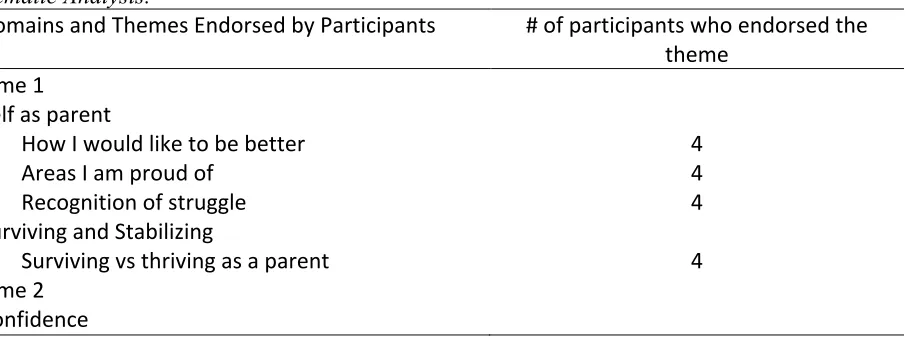
Domains ... 41
Themes ... 42
Domain 1: Self as parent. ... 43
Theme 1: How I would like to be better. ... 43
Theme 2: Areas I am proud of. ... 44
Theme 3: Recognition of struggle. ... 45
Domain 2: Surviving and stabilizing. ... 46
Theme 4: Surviving vs. thriving as a parent. ... 46
Time 2 Themes ... 47
Domain 1: Confidence. ... 47
Theme 1: Progress. ... 48
Theme 2: I feel confident/competent. ... 48
Domain 2: Increased honest reflection on experience as parent. ... 49
Theme 3: I don’t want them to remember the struggle. ... 49
Theme 4: Giving up/ renewed commitment. ... 50
Domain 3: Increase in perceived support. ... 51
Theme 5: Other moms and children. ... 51
Theme 6: Advocacy and empowerment. ... 53
Shared Themes ... 55
Domain: People are unreliable. ... 55
Theme 1: Men are unreliable. ... 55
ix
Theme 3: Shame/ guilt. ... 58
Domain 2: I can see myself in them. ... 59
Theme 4: Over identification with child. ... 59
Theme 5: My favorite part. ... 61
CHAPTER V. Summary, Limitations, Discussion, and Implications ... 65
Purpose ... 65
Quantitative Data ... 65
Domains ... 66
Themes ... 67
Time 1 ... 68
How I would like to be better. ... 68
Areas I am proud of. ... 69
Recognition of mom. ... 70
Surviving vs thriving as a parent. ... 70
Time 2 ... 71
Progress. ... 71
I feel confident/ competent. ... 71
I don’t want them to remember the struggle. ... 72
Giving up/ renewed commitment. ... 73
Other moms and children in the house. ... 74
Advocacy and empowerment. ... 75
x
Men are unreliable. ... 75
Family and friends weren’t there. ... 76
Shame, guilt. ... 77
Over identification with child. ... 78
My favorite part. ... 79
Clinical Implications ... 79
Strengths ... Error! Bookmark not defined. Limitations ... 81
Recommendations for Future Research ... 83
Summary of Discussion ... 83
References ... 85
Appendix A. Outline of Intervention Sessions ... 100
Appendix B. The Depression, Anxiety and Stress Scale (DASS-21) ... 104
Appendix C. The Trauma History Screen (THS) ... 106
Appendix D. The Adolescent Adult Parenting Inventory- 2 (AAPI-2) ... 111
Appendix E. Demograhic Form ... 118
Appendix F. Working Model of Child interview ... 120
xi List of Tables
Table 1. Descriptive Statistics ... 34
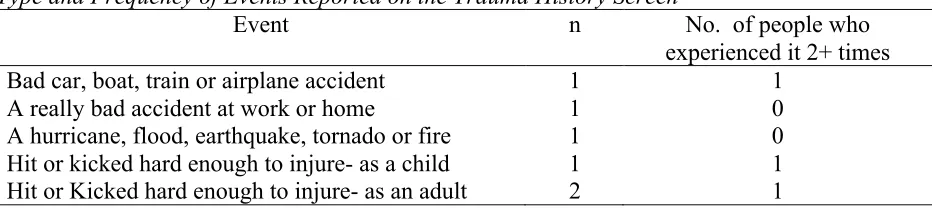
Table 2. Type and Frequency of Events Reported on the Trauma History Screen ... 39
Table 3. Paired T Test Results Between Pre and Post Scores on AAPI ... 40
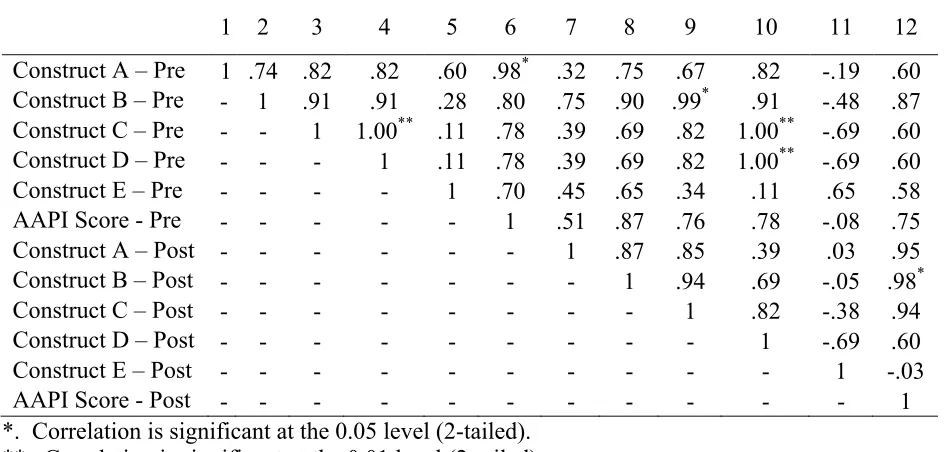
Table 4. Correlations Between Pre and Post Scores on AAPI. ... 41
CHAPTER I
Introduction to the Study
The parent-child relationship is extremely influential in a child’s development.
Attachment is a profound emotional connection between an infant and caregiver that is based on
the quality of interactive experiences with the caregiver (Bowlby, 1969). These connections
with parents serve critical functions throughout infancy and beyond, continuing into adolescence
and adulthood (Raudino, Fergusson, & Horwood, 2013). A positive relationship with parents
throughout adulthood is associated with more positive interpersonal and psychological outcomes,
such as increased relatedness in other relationships, agreeableness, conscientiousness, and lower
scores on depression measures (Ruhl, Dolan, & Buhrmester, 2014). There are many factors that
can negatively affect a mother’s capacity to parent and perceive her child’s behaviors accurately,
such as parental trauma, parental mental illness, substance use and socioeconomic challenges.
Interventions that focus on supporting the parent-child relationship typically focus on improving
attachment and a parent’s ability to sensitively respond to their child’s needs. There are many
Mentalization and attachment-based treatments that have been utilized previously and found to
be successful in promoting sensitive care among mothers (Sadler et al., 2013). Due to the
support and resources granted to participants at the Gilead House, this intervention will provide
an opportunity thus far not afforded to this population.
This study examined the impact of an adapted 8-week attachment-based group
intervention called Connect Parent Group and was implemented with mothers living in a
perceptions and attitudes of mothers living in transitional housing. The broad aim of the
intervention is to enhance mothers’ perception and understanding of their child, which may
ultimately support the mother-child relationship. Specifically, the intervention is hypothesized to
impact mothers’ perceptions of themselves as parents, their perceptions of their children’s
behavior, and their general attitudes about their child. It is expected that following the
intervention, mothers will express more positive perceptions of their parenting abilities, more
appropriate expectations and attitudes about their children’s behavior, and express an overall
improvement in their relationship with their child(ren).
This project aligns closely with the Jesuit mission of social justice as it aims to address a
gap in the availability of services for mothers who have historically been underserved and who
have lacked access to healthcare and psychoeducation regarding the significance of the
attachment relationship. Few, if any transitional housing settings have directly implemented
programming for parents that focuses on improving their mentalization skills and attachment
with their children. This intervention will provide such support to women living in the Gilead
House, and this study will help elucidate the potential impact and implications of providing these
targeted services for this population.
Impact of an Adapted Attachment-based Group Intervention
Parenthood is considered one of the most important roles in an individual’s life trajectory.
Raising children is challenging even in the most supportive of environments. When the
environment is not supportive, or is even dangerous to the relationship between mother and
multiple challenges including, but not limited to, a history of trauma, psychopathology,
substance use/abuse and financial stressors. These challenges can put a mother’s ability and
confidence in parenting at greater risk (Williams & Merten, 2015). The following adapted and
delivered an 8-week intervention for mothers living in transitional housing and assessed how
participation in this intervention impacts mothers’ perceptions of themselves, their children, and
their relationships with their children. The intervention utilized focused on promoting principles
drawn from attachment theory while enhancing Mentalization skills among mothers.
This study includes a theoretical discussion regarding the constructs of attachment and
mentalization and their importance in contributing to parenting and the parent-child relationship.
Attachment is broadly defined as the emotional bond that forms between infant and caregiver
through which the infant gets his/ her primary needs met (Cassidy, 2008). Attachment becomes
the engine of later social, emotional, and cognitive development. For the purposes of this study,
mentalization is defined as a parent’s capacity to think about and understand their child’s
feelings and experiences. Enhanced Mentalization skills help foster and enrich attachment
between mother and child (Fonagy, Gergely & Target, 2007).
Discussed below are the evidence-based regarding factors such as trauma, parental
mental illness, substance use, and financial concerns that may negatively impact one’s capacity
to parent. For this study, one’s overall capacity or competency to parent is indicated by accurate
interpretation and responsiveness to one’s child, the internal representation that one holds of
themselves as a parent, and the quality of the parent-child relationship. Next, there is a detailed
impact of the intervention is reported utilizing a quantitative measure as well as in terms of the
CHAPTER II
The Review of the Literature
Attachment Theory and Parenting
According to Bowlby (1958) and attachment theory, human infants need a consistent
nurturing relationship with at least one caregiver to develop into healthy individuals. Bowlby
(1958) believed that attachment existed as an evolutionary phenomenon in providing safety and
security for the infant, which increased the infant’s chances of survival. Attachment theory
postulates that when the infant feels stressed or threatened, there is a universal need for him or
her to seek proximity to the caregiver (Bowlby, 1958). Parenting attachment behaviors include
responding sensitively and appropriately to the child’s needs. Parents who consistently respond
with sensitive caregiving that is matched to the child’s emotional and physical needs help to
support the creation of a trusting, reliable relationship that fosters a child’s well-being and desire
to engage with their surroundings. Attachment theory is one way to explain how the parent-child
relationship initially forms and can help us understand how this early relationship influences
later development (Bowlby, 1969).
Ainsworth (1970) developed a lab-based procedure called the Strange Situation to
understand differences in attachment styles among 12-month old infants. Her research yielded
three distinct attachment styles, and later a fourth category was added (Main & Soloman, 1986).
Attachment styles include secure, insecure avoidant, insecure ambivalent/ anxious, and
interactions with the child. Each style of attachment was expressed through many behaviors
when the child was left alone and later reunited with the mother (Strange Situation).
Children with secure attachment style comprised most children in the study (Ainsworth,
1970). This style is developed through a relationship with the caregiver in which the parent is
sensitive and attuned to the infant’s signals and responds appropriately. These children are
confident that their caregiver will meet their needs consistently. The parent is used as a secure
base that allows the child to explore his or her environment freely while knowing he or she can
return to the parent in times of distress and they will be comforted. Securely attached infants are
easily soothed and comforted by their caregiver (Ainsworth, 1970).
Children who fall within the insecure styles of attachment fall into three different
categories: insecure- avoidant, insecure- ambivalent and disorganized/disoriented (Ainsworth,
1978; Main & Solomon, 1986). Insecure attachment styles occur when caregiving is
inconsistent, unpredictable or negative (Ainsworth, 1978; Main & Solomon, 1986). These styles
are characterized in children by many different behaviors including dependency and clinginess to
caregiver, rejection of the caregiver, difficulty in being soothed or comforted, or externalizing
behaviors (Ainsworth, 1978; Main & Solomon, 1986; Out et al., 2009). Possible implications for
the future include emotional detachment, lack of trust, and challenges in personal relationships
(Volling, Notaro & Larsen, 1998).
A secure attachment style helps set the framework for the capacity to read one’s own and
other’s mental states, as the mother has modeled this behavior with her infant in a consistent and
ability at risk. Mothers with certain challenges (e.g., psychopathology, substance use,) may be
limited in their capacity to support the development of a secure attachment with their child.
Keeping this in mind, when working on how best to support the mother- child dyad it is crucial
to understand attachment theory and its effects on this relationship.
Mentalization is an ability that allows one individual to understand another’s experience
and feeling states, thus resulting in appropriate and attuned responses. In the parenting domain,
the ability to mentalize ‘well’ is likely linked to the development of healthy attachments between
parents and children. Thus, whereas attachment theory provides a foundation for clinicians who
seek to promote positive parent-child relationships, mentalization is an important capacity that
can be addressed and increased to improve the quality of the parent-child relationship (Slade,
Grienenberger, Bernbach, Levy, & Locker, 2005). As an understanding of attachment theory
helps to set the framework for the intervention, an important part of fostering these relationships
occurs through Mentalization, this ability develops through trust and attachment with the
caregiver. This concept will be further elaborated below.
Development of Mentalization
The opportunity to mentalize is first presented within early attachment relationships, from
the time an infant is born. The ability to mentalize develops in the context of a trusting and
secure relationship with the attachment figure (Ostler, Bahar & Jessee, 2010). The caregiver’s
capacity for reflective functioning provides the foundation for the children’s development of
mentalization abilities. This is done through the interactions between the infant and the primary
to respond to those needs consistently. The caregiver also needs to provide feedback about
feeling states, recognize that their child has a mind of his/her own and use language to make
sense of feeling states (Ostler et al., 2010). For the infant to develop a secure attachment with
the caregiver, it is necessary for the caregiver to have sensitivity and comprehension of the
infant’s internal world.
In infancy, maternal care operates to program behavioral responses to stress in the infant.
Throughout the first two to three years of the child’s life, the child is exposed to the way the
primary caregiver regulates themselves in times of stress. This results in the infant’s mounting
adaptive ability to assess, on an ongoing basis, stressful changes in his or her external
environment, especially in the social environment (Schore, 2001). This allows him or her to
begin to form coherent responses to cope with these stressors. This capacity is not shaped
exclusively by painful or traumatic experiences, but by novel events as well (Schore, 2001).
This means the capacity to adapt and attend to the familiar and to novelty is foundational in the
expansion of the developing system’s ability to learn new information and move toward greater
complexity.
Additional examples of parental and child stress regulation were noted by Gianino and
Tronick (1988), Tronick (2007), and Tronick and Weinberg (1997). These researchers
formulated the Mutual Regulation Model (MRM) to describe mother- infant exchanges as jointly
regulated in attempt to achieve reciprocity, through the process of affective feedback. MRM was
conceptualized to further explain the Still Face Paradigm (Tronick, Als, Adamson, Wise &
mother’s incongruent, contradictory response to the infant’s attempts to relate. When this goes
on for too long, after the infant has tried to re-establish reciprocity multiple times, the infant will
actively avoid the sight of the mother and look away. The infant is thought to be attempting to
self- regulate and avoid stressful stimulus.
A parent’s ability to observe moment to moment changes in a child’s mental state and to
communicate these understandings to the child through gestures, actions and words helps the
child makes sense of his or her own feeling states (Slade, 2005). Utilizing language, children
learn to identify, tolerate and make sense of experiences and feelings. Primarily, children’s
ability to mentalize is supported through dialogue with caregivers, teachers and other guardians.
As they mature, children begin to reflect both on their own feeling states and the feeling states of
others. As these skills continue to develop and the child continues to mature, he or she increases
the ability to reflect upon more complex feeling states (Slade, 2005).
The Role of Mentalization in Parenting
Mentalization is the mechanism utilized by humans to make sense of the social world
(Bateman & Fonagy, 2013). This involves the ability to contemplate relationships with others as
well as the self in terms of emotional and mental states. This process also allows individuals to
understand the behaviors of others as being related to or in direct response to their own internal
thoughts, motivation, feelings, intentions, and desires (Fonagy, Gergely, Jurist & Target, 2002).
This is a natural human behavior in which we make assessments regarding the mental states of
those with whom we regularly interact. Our own mental states are strongly altered by these
sense of self-agency, or the sense of being in control of his or her own behavior. When one can
understand their feelings and the behaviors that result, they naturally feel an understanding of the
self (Allen, Bleigberg, & Haslam-Hopwood, 2003). This can be applied to other relationships as
well. In the parental relationship, caregivers must learn to respond to their infant’s cues and
assume what their needs are. This attuned and congruent care from the caregiver helps to enable
the infant to make meaning of their own physical and emotional states over time.
Mentalization also builds the foundation for sustaining, significant relationships as
Mentalization makes empathy possible which allows a mother to take on the perspective of her
child. This enables a perspective shift that allows for a more thorough assessment and
understanding of the other. To empathize appropriately we must maintain an understanding of
the separateness of the self from the other while also seeing things from their perspective (Allen,
Bleigberg, & Haslam-Hopwood, 2003). Examples of this can be seen in caregiver child dyads
frequently. When a mother responds to her child’s needs by verbally articulating the need and
then following through with the appropriate behavior. These reciprocal interactions allow for a
mutual and healthy attachment relationship. The development of Mentalization ability will be
further discussed below.
Factors That Compromise Mentalization and the Parent-Child Relationship
Women who have a history of trauma, mental illness, poor attachment relationships,
and/or who are simultaneously encountering daily difficulties through financial and housing
hardship are more likely to have difficulties with mentalization. This may lead to less healthy
capacity for promoting secure attachment and Mentalizing abilities are trauma, depression,
anxiety, substance use/abuse, and financial trouble (Suchman, Pajulo, Mirjam, Decoste, &
Mayes, 2012).
Parental Trauma
Trauma can come in many forms; for 20% to 60% of women living in the United States,
trauma can come in the form of domestic violence (Heise, Pitanguy, & Germain, 1994). Women
who have been victimized in cases of domestic violence often display increased anxiety,
depression, cognitive disturbance such as hopelessness and low self-esteem, posttraumatic stress,
dissociation, somatization, sexual problems, substance abuse and suicidality (Briere, 2004).
These symptoms are often life long and unceasing if the violence, or the threat of violence is
present (Crawford & Unger, 2004); this can have implications for the mother- child relationship.
Studies have sought to understand how the mother’s trauma may impact parenting
attitudes and behaviors, and how this may affect outcomes in children (Babcock, Fenerci, Chu, &
DePrince, 2016). Specific parenting attitudes and behaviors among women who reported
betrayal trauma were linked to distinct symptoms categories in school-aged children. Mothers
with more negative attitudes toward parenting were more likely to have children with
internalized trauma symptoms (Babcock et al., 2016). Interestingly, this was also found to be
true of mothers with trauma histories who showed high levels of parenting satisfaction. This
may be explained by parents reporting having a positive experience themselves, or believing they
are meeting their child’s needs when they are meeting their own needs that were unmet as
in children with more externalizing behaviors. These patterns emphasize how mothers’
communication style impacts the child’s emotional development (Babcock et al., 2016). These
findings suggest that interventions focused on supporting interactions within the mother child
dyad while targeting mothers’ attitudes toward parenting and communication may be most
effective in supporting mutual regulation in the relationship.
Maternal Depression and Anxiety
Whereas having a mental illness does not prevent a parent from parenting well, it can
create a variety of challenges that can result in relationship and attachment disruptions (Suarez,
Lafrenière & Harrison, 2016). Symptoms associated with maternal depression such as low
energy, low mood, negative thoughts concerning her infant may hinder a mother’s ability to
mentalize, leading to an interference with responsiveness to her infant’s cues (de Camps
Meschino, Philipp, Israel, & Vigod, 2016). These behaviors include both under-responsiveness
and over-responsiveness to their child’s cues. These mothers may perceive their infant’s
behavior as abnormal which may lead to a lack in confidence in her parenting abilities. These
negative interactions between mothers and their infants can add to and/or be an outcome of
maternal anxiety and depression, which may impact the mother-infant attachment relationship.
These effects on the mother/infant attachment can result in behavioral problems with the infant
as well as neurophysiological and cognitive developmental issues (de Camps Meschino et al.,
2016). Children of depressed women were more likely to be insecurely attached at 1 year than
offspring of non-depressed women (Teti & Gelfand, 1993). Infants of depressed mothers show
regulate affective states than do infants of non-depressed mothers (Campbell, Cohn, & Meyers,
1995).
The possible challenges in the mother child dyad associated with maternal depression can
be decreased by a myriad of factors that can compensate for this risk. Some of these factors
include financial stability, ongoing, stable employment and reliable social support. If maternal
mental illness is combined with other risk factors, however, this creates greater risk to the
mother-child dyad (Weinberg, Beeghly, Olson, & Tronick, 2008).
Parental Substance use
Frequent substance use affects parent-child interaction by increasing the risk of the parent
expressing emotional unavailability, incongruent mirroring and dyadic dysregulation (Ostler,
2010). This interactional pattern over time and the parent’s state of mind at this point means the
child is left to interpret and regulate his or her own affect and ability to make sense of his/her
own and other’s minds. When a caregiver’s response to the child is unpredictable, inconsistent,
or threatening, the “fight or flight” response is more useful than slow consideration and an
attempt to interpret and understand the other. This becomes the lens through which the child
interprets his or her world. S/he is prepared for danger with a state of physical arousal (Ostler et
al., 2010). These patterns early in the child’s life can set a challenging framework for the dyad,
even if the parent later finds sobriety.
Substance use disorders occur in the individual because of multiple factors, such as
heredity, sociocultural and personality factors. Kohut (1977) discusses substance use as a
Kohut (1977), the inability to comfort the self is a consequence of inconsistent parenting and
insecure attachment. This results in the individual searching for this comfort somewhere else, in
this case, substances. The ability to effectively comfort the self in later life results from an
experience of sensitive care and internalized soothing from the primary care giver when in
infancy (Ostler, Bahar, & Jessee, 2010).
According to Allen, Fonagy and Bateman (2008), a bidirectional process exists between
substance abuse and mentalization. First, intoxication and addiction may lead to a lack of
awareness regarding the mental states of others. Second, an inability to mentalize emotion
effectively facilitates the creation of a maladaptive bridge between intense emotional arousal and
substance abuse. That is, due to the individual’s impaired mentalizing capacity, he or she is
more likely to have a rigid, reflexive response to intense emotion that leads to substance use as
opposed to an ability to comfort the self when confronted with intense emotional stimuli.
Impaired mentalizing contributes to conflict in personal relationships. This conflict spawns
greater distress in the individual, which may lead to substance abuse to cope (Ostler et al., 2010).
This can have grave implications in a caregiver/ child dyad.
Barnard (2001) suggested that parental drug dependence in one or both parents results in
unstable, chaotic environments where drugs and other criminal activity may be more likely to
occur on a regular basis. Parents who are substance dependent are often characterized as
providing inconsistent or incongruent care for their children (Kandel, 1990). These parents are
also more likely to endorse an overly authoritarian parenting style, which can result in adverse
these households may be at higher risk for experiencing neglect and exposure to many drug
related activities (Famularo et al., 1992; Hawley et al., 1995). While there may be an association
between drug use and poor parenting skills, many researchers suggest that the drug use itself is
not to blame, but that the range of factors related to drug use may be more to blame (Kettinger et
al., 2000; Suchman & Luthar, 2000).
Children of substance abusing parents face multiple challenges. Some are exposed in
utero to teratogens that can result in a spectrum of problems from severe mental retardation to a
variety of regulatory problems (Söderström & Skårderud, 2009). Frequently, these children are
born into equally challenging social situations that consist of relational problems, inconsistent
employment, child protection issues and an increased incidence of parental mental illness (Pajulo
et al., 2006). They are also placed at greater risk of developing substance use disorders as
adolescents and adults; substance abuse appears to be transmitted to some degree between
generations, with more than half of addicted parents repeating the pattern that was present in
their own childhood, (i.e., growing up with a parent with substance abuse problems) (Lauritzen
et al., 1997). A pattern of absent minded, abusive and threatening behavior in caregiver/ child
interactions can cause severe difficulties in physical, social and psychological development.
Consequently, this can be associated with issues in executive functioning, such as planning,
working memory, impulse control and mental flexibility (Schore, 2001).
Homelessness
The physical, emotional and financial difficulties facing mothers during episodes of
children, mostly women, tend to be inadequately educated, unemployed and lacking the ability or
skills to attain employment. Women are at greater risk for facing homelessness if they have
experienced inappropriate parental care, exposure to parental mental illness or substance abuse,
physical or sexual abuse as children and foster care placement during childhood (David, Gelberg
& Suchman, 2012). Homeless mothers have reported substance abuse, severe mental illness,
suicide and psychiatric hospitalization at higher rates. Due to the traumatic pasts of many of
these mothers, post-traumatic stress disorder (PTSD) presents three times as often in this
population when compared to the general population rate (David et al., 2012). When a mother
and her young children are experiencing homelessness, there are many added challenges.
Children who are homeless are more likely to experience a range of other issues such as poor
health (increase in asthma, ear infections and stomach problems), developmental delays, poor
school performance, poor coordination and behavior problems. Children facing chronic
homelessness are at an increased risk of mental health problems as well, especially internalizing
disorders such as anxiety, depression, social withdrawal and somatic disorders (David et al.,
2012). This occurs due to the multiple stressors the mother is facing and the difficulties that
arise in parenting and cultivating or maintaining secure attachments while homeless.
These challenges begin in pregnancy when the woman is facing many added stressors
according to research that indicates that these women are typically young (adolescents), highly
stressed, anxious, socially isolated and physically unhealthy (malnourished) (David et al., 2012).
Generally, these women are unable to access proper care, shelter or mental health services to
birth. The infant is typically born premature and underweight. Many of these new mothers face
further insecurity in housing, which may mean sleeping on the streets or spending the night in
shelters. Due to the mother’s concerns over basic survival needs, such as a physical safety, food
and finances, the infant may experience a lack of emotional presence and physical contact from
the mother. The absence of a protective and safe physical environment, coupled with an
emotionally unavailable caregiver can result in devastating consequences for the infant’s
development in terms of both short and long term emotional, physical and psychological
outcomes as well as insecure attachment (David et al., 2012). These challenges continue through
each stage of the child’s development. While toddlers, children are learning affect regulation,
which is to age appropriately express and control impulses. At this stage, they need consistent
involvement and responsiveness from caregivers to remain regulated and to learn when certain
responses are appropriate. This testing helps to build a trust in the relationship with the mother
and allows the regulatory system in the toddler to develop more deeply and consistently. If the
parent is unable to provide containment and support, the toddler may feel overwhelmed by his or
her own feelings and impulses (David et al., 2012). For caregivers, raising toddlers is
particularly challenging, which is intensified by the conditions of homelessness, as the mother
must attend to other, more pressing challenges. In preschool years, children are becoming more
aware of their emotional states and become more separate from the parent while becoming more
connected socially to peers and other adults. Homeless mothers are less likely to provide toys,
books and other materials that promote development. The inability to provide resources may
mother child relationship. David et al (2012) points to the fact that mothers facing homelessness
are confronting many extraneous challenges that are likely to negatively impact attachment styles
as well as hinder the child’s ability to learn mentalization.
In sum, historical and ongoing life challenges and psychopathology can negatively
impact a mother’s capacity for mentalization with her child and thus put the attachment
relationship at risk. More research is needed to understand how mothers who are homeless and
living in transitional housing are affected by their circumstances in terms of their parenting
behaviors, perceptions, and attitudes about themselves as parents and about their children.
Additionally, it is important to consider the possibility of providing attachment-based
interventions with mothers living in transitional housing since they have the potential to improve
mentalization abilities and support a positive developmental trajectory for mothers, children, and
their relationship.
Mentalization Difficulties
Mentalization difficulties or deficits are associated with psychological unavailability, lack
of support and lack of sharing from caregivers that are often characteristic of insecure attachment
relationships (Ostler et al., 2010). Parents with mentalizing insufficiencies have trouble holding
a mental representation of their child and may fail to recognize and respond to children’s feeling
states appropriately. When parents fail to respond or provide inappropriate responses, their
children may have limited opportunities to think about and make sense of their own thoughts,
experiences and feelings, as well as the thoughts, experiences and feelings of others. Over time,
language in a way that supports their understanding of internal feelings, thoughts and impulses
(Ostler et al., 2010), or what is more broadly conceptualized as a form of emotional regulation.
The risks of poor emotional regulatory capacities may include pressure to externalize
these non-integrated self-experiences, the tendency to dominate the mind of others, or to engage
in various types of self-harming behavior (Fonagy & Luyten, 2015), all of which compromise
one’s development, well-being, and future capacity for healthy attachments. Impaired
mentalizing skills can activate negative affect in the sense that misreading minds leads to
misunderstandings and disruption and frustration in social communication (Soderstrom &
Skarderud, 2009). Poor mentalization in mothers and in children has been associated with many
ailments including anxiety, depression, disordered eating, psychopathy and most notably
Borderline Personality Disorder (Fonagy & Bateman, 2006).
Attachment Based Group Interventions
Attachment theory suggests that when parents are sensitive to the needs of their children
these children grow up with confidence that their parents will support and protect them, while
also feeling that they are worthy of being loved and protected (Diamond, Russon, & Levy,
2016). From this relationship children can learn to regulate their emotions. Attachment-based
therapy proposes that psychological growth results from a combination of improving
self-reflection and self-understanding shared with promoting new, more positive, experiences in
relationships (Diamond et al., 2016).
Some studies of attachment-based interventions among parents and children have
avoidance trauma symptoms (Lieberman et al., 2005, 2006; Weihrauch et al., 2014). Research
has also found improvements in specific aspects of parenting, such as parental reflective
functioning and caregiver representations of their child because of an attachment- based
intervention (Suchman et al., 2010).
One example of an attachment-based intervention can be explored through the program
Circle of Security (Hoffman, Marvin, Cooper, & Powell, 2006). Circle of Security is an early
attachment- based intervention for parents and children (Hoffman et al., 2006). Circle of
Security notes that successful treatment outcomes result from a secure attachment base that must
include: observational skills informed by a model of children’s needs (developmental stage
specific), reflective functioning (Mentalization), the capacity to engage with children in
regulating their emotions and finally, empathy (Hoffman et al., 2006). Five key goals of the
protocol are: to establish the group and the group leader as a secure base and a safe space
wherein the caregiver can explore her relationship with her child, enhance mother’s sensitivity
and responsiveness to the child by educating mothers on the child’s basic attachment needs;
increase caregivers’ ability and comfort in recognizing and understanding cues utilized by the
child to express their internal states when utilizing the secure base of the mother, build upon
mother’s ability to empathize by supporting reflection about her and the child’s behaviors,
thoughts, and feelings , and help mother increase her own reflection about her developmental
history and how this may play a role in her current parenting skills and behaviors (Hoffman et
al., 2006). An important piece of secure attachment is the ability for the parent to mentalize.
Mentalization based treatment (MBT) is an evidence based, psychodynamically oriented
psychotherapy intervention that was initially developed to help individuals diagnosed with
Borderline Personality Disorder to differentiate their own feelings and thoughts from those
around them (Bateman & Fonagy, 2010). Since MBT was initially designed, it has been further
developed and adapted for use in a variety of client populations (Bateman & Fonagy, 2007).
Many skills taught in MBT have been adapted for attachment-based interventions to enhance
mothers’ ability to mentalize. The aim of these skills is to develop a therapeutic process in
which the parent's perception of one's own mind and the minds of others (her children) becomes
the focus of treatment. The objective is for the mother to discover how she thinks and feels
about herself and her child or children, how that dictates her responses, and how errors in
understanding herself and her children lead to actions that are attempts to retain stability and
make sense of incomprehensible feelings (Eizirik & Fonagy, 2009). Helping parents develop the
ability to mentalize about their children will aid in stopping the intergenerational perpetuation or
insecure attachment and further development of pathology.
Facilitating mentalization abilities in parents has been found to result in positive
outcomes for high-risk young mothers (Sadler, Slade, & Mayes, 2006). Mentalization- based
treatment programs such as Yale University’s, “Minding the Baby,” work with high risk, first
time, adolescent mothers. A team, consisting of a social worker and a nurse, make home visits
during the pregnancy and first two years of the child’s life. These services and visits help to
facilitate a secure attachment between the team and the mother. The mother is taught to
caregiving competence by helping young mothers to keep their babies and themselves in mind
(Sadler et al., 2006). This research suggests that families who participated in the intervention
were more likely to adhere to immunization schedules at 1 year, were less likely to have rapid
subsequent childbearing, and were less likely to have involvement from child protective services
(Sadler et al., 2013). Additionally, mother–infant interactions were less likely to show signs of
disruption at four months when mothers were teenagers, and all infants involved in the
intervention were more likely to be securely attached and less likely to be disorganized at one
year of age. Lastly, the most high-risk mothers experienced an improvement in the ability to
reflect on their own and their child’s experience (Sadler et al., 2013). When utilizing
Mentalization based skills and interventions it is useful for the staff or group leader to model
reflectiveness by showing curiosity about how the child may be feeling and what he or she may
be thinking. Staff should also ask questions that help promote this curiosity about the child’s
thoughts.
Connect parent group. This intervention program will be based on the Connect Parent
Group (Moretti, Holland, Moore & Mckay, 2004). This intervention was originally created to
work with parents of severely conduct-disordered adolescents but has been adapted for work
with this population. The Connect Parent Group focuses on the core components of secure
attachment to promote children’s social, emotional and behavioral adjustment. The Connect
Parent Group helps caregivers understand basic attachment concepts, which can then be applied
across a broad range of situations and relational contexts (Moretti et al., 2004). The Connect
trauma informed practice. The Connect Parent Group focuses on strengthening the foundation of
attachment security. This is done through enhancing caregivers’ sensitivity, caregivers’
reflective functioning, caregivers’ ability to manage difficult emotional states in themselves and
their children (dyadic affect regulation) and shared partnership and mutuality in the
caregiver-child relationship (Moretti et al., 2004). The Connect Parent Group has been offered in many
diverse settings such as schools, community agencies and mental health offices (Moretti et al.,
2004). This program has been adapted for use with many other populations (native, foster
children and transgender population).
While there are many attachment-based therapies, many of them emphasize the
importance of Mentalization ability and reflective functioning among mothers. Considering that
symptoms for many disorders are associated with lower mentalizing capacity and parental stress
is associated with negative parental cognitions about the child and self as a parent it seems
possible that attachment- based interventions that target parental perceptions and representations
may indirectly reduce parental stress and parental mental health problems (Huber, Mcmahon, &
Sweller, 2016). This consideration stresses the importance of utilizing Mentalization based skills
to enhance attachment-based interventions. Integrating an attachment-based treatment with a
focus on enhancing Mentalization skills will likely produce the most beneficial outcomes among
mothers.
Mothers in transitional housing are facing increased current and historical challenges in
raising their children. These challenges may come from a history of trauma, substance use,
and the teaching of life skills (job skills, employment assistance) there are few that specifically
target enhancing mothers’ understanding of attachment and development of Mentalization skills.
The proposed intervention aims to improve parenting perceptions and attitudes about themselves
and their children, and thereby improve the parent-child relationship and developmental
outcomes.
Researcher Assumptions
Due to the implications from the literature review there were many biases held by the
researcher prior to the interviews, intervention and AAPI. The first assumption was that this
intervention will lead mothers to perceive themselves as more attuned and understanding of the
children and their children’s behavior and that this would lead to a greater sense of parental
confidence and possibly, amore mutually rewarding experience. Another assumption was that
mothers will show a greater increase in empathy and understanding of their children’s thoughts,
feelings and behaviors. Additionally, mothers may be more curious about how their child
perceives the world. The final assumption was that following the intervention mothers will
experience an increased understanding as to how different behaviors from their child are an
effort to express an attachment- based need and mothers’ expectations of their children will be
more age appropriate. Through this understanding of age appropriate behavior, mothers will
CHAPTER III
Methods
Overview of Method
This study aimed to understand the subjective experiences of mothers who lived in
transitional housing. This research explored the perspectives, feelings, experiences and beliefs
of mothers living in transitional housing.
This study included two points of data collection. The first occurred prior to the start of
the 8-week intervention, in which mothers were interviewed for approximately 90 to 120 minutes
each, to gain descriptive information and answer questions of a semi-structured interview
regarding their parenting perceptions, attitudes, and the quality of the parent-child relationship.
The second point of data collection occurred within 2-weeks following the end of the
intervention and was approximately 60 to 90 minutes long per participant. All assessments and
interviews were conducted in a private room on the premises to ensure privacy and participant
confidentiality.
Intervention
The intervention program consisted of eight weeks of a parenting group focused on
psychoeducation around attachment principals, increasing mentalization skills, and enhancing
attuned, appropriate responses among mothers.
Each week a new attachment principle was introduced to help mothers understand each
concept and explore how these apply to their relationships with their child. Each session can be
examples of cases to illustrate the attachment issues that may address a particular behavior in the
child, as reported by the mother. Mothers were assisted by the leader (this writer) and group
members to identify and recognize aspects of their child’s behavior that allowed them to respond
in a more appropriate way at the first sign of a challenging interaction cycle (Moretti et al.,
2004). This intervention was adapted to be more generalized for parental application with
children of all ages. There was a focus on psycho education around the developmental stages of
life and typical behaviors associated with those stages. The group worked to enhance mothers’
Mentalization skills by facilitating thought among mothers regarding their child’s thoughts and
perspectives as well as encouraged participants to consider thoughts and feelings of fellow group
members and this group leader. The group created a “group treaty” to encourage empathy and
understanding within the group and to establish some ground rules for how the group should run.
The closing group encouraged discussion about the usefulness of the intervention and hopes for
the future.
The purpose of this was to provide a foundation for mothers to understand their own and
their children’s behavior in a more cohesive and empathic way. It was intended that through
mothers increasing their understanding of their children’s behaviors and attachment needs would
encourage mothers to be more sensitive to their own needs and those of their children, leading to
a greater sense of parental confidence in their parenting skills. These experiences could lead to
the parent feeling that their relationship is more rewarding.
Measures
The Depression, Anxiety and Stress scale. The Depression, Anxiety and Stress scale
(DASS-21, Lovibond & Lovibond, 1995) is a 21- item self- report questionnaire measuring the
severity of symptoms common in both Depression and Anxiety (Appendix B). The individual
completing the DASS is required to indicate the presence of symptoms over the past week. Each
item is scored from 0 to 3. Psychometric analyses of the DASS-21 have provided support for the
internal consistency and convergent and discriminant validity of the three scales (Lovibond &
Lovibond, 1995). It was found that reliability, assessed using Cronbach’s alpha, was acceptable
for the depression, anxiety and stress scales (.91, .84 and .90, respectively) in non- clinical
samples, similar findings were seen in clinical samples, DASS-21 subscales were .94 for
Depression, .87 in Anxiety, and .91 for Stress scales (Antony, Bieling, Cox, Enns, & Swinson,
1998). These findings suggest the DASS is an excellent tool for measuring depression, anxiety
and stress features in clinical and non-clinical populations (Crawford & Henry, 2003). This
measure was administered at time 1 only.
The Trauma History Screen (THS). The Trauma History Screen (THS) is a 14- item
self-report measure used to inquire about 13 types of traumatic events with space for an “other”
category as well (Carlson et al., 2011) (Appendix C). For each item, respondents are asked to
indicate whether the event occurred, using “yes” or “no” responses. Next, respondents are asked
to describe in greater detail the events that “really bothered you emotionally,” age at the time of
the event, actual or threat of death or serious injury, helplessness, dissociation, and a four-point
scale measuring duration of distress time are used. A five-point scale is also utilized to measure
as research. This measure has been administered to many different populations as it utilizes
common language and requires only a low reading level (Carlson et al., 2011; Green, 1996).
Parenting perceptions, and attitudes will be measured through a validated measure as well
as through a semi-structured interview, which are both administered at Time 1 and Time 2.
The Drug History Questionnaire. The Drug History Questionnaire (DHQ; Sobell,
Kwan, & Sobell, 1995) measures the participants self-reported extent and frequency of lifetime
drug use. The DHQ is a one-page form that takes approximately five to ten minutes to complete
and collects data for nine different classes of drugs: alcohol, cannabis, hallucinogens,
depressants, inhalants, narcotics, stimulants, tranquilizers, and other drugs. For each drug class,
the following is collected: was the drug ever used and, if so: (a) number of years used; (b)
whether the drug was ever prescribed; (c) year last used; and (d) frequency of past use during a
typical month.
The Adolescent Adult Parenting Inventory- 2. The Adolescent Adult Parenting
Inventory- 2 (AAPI-2) (Bavolek & Keene, 1999) is an inventory designed to assess parenting
attitudes of adolescent and adult parent and pre- parent populations (Appendix D). This measure
has two forms, A and B. Each form contains 40 items, one is given at time 1 (pretest) and the
other is given at time 2 (posttest). The AAPI 2 utilizes five constructs to assess for risk in child
rearing attitudes and behaviors. They are as follows: construct A - Expectations of Children,
construct B - Parental Empathy towards Children’s Needs, construct C - Use of Corporal
Punishment, construct D - Parent-Child Family Roles, and construct E - Children’s Power and
presented on a five- point Likert Scale of strongly agree, agree, disagree, strongly disagree and
uncertain. Responses to the AAPI-2 for each of the subscales are categorized as Low Risk,
Moderate Risk or High Risk for Child Maltreatment. Each form takes an average of 10 to 15
minutes to complete. The measure is written at a 5th grade reading level. Parents who have
difficulty reading can have the measure administered orally. The reliability for combined Forms
A and B are substantially larger than for each of the individual forms.
Demographic form. Demographic data was collected at Time 1 (Appendix E). This
measure included questions about participants’ age, race/ethnicity, gender, relationship status,
educational attainment, employment status, number of children, number of months living in
household/transitional housing, marital status and substance use history.
Procedures
Sampling. Smith et al. (2009) suggests a sample size of 4 to 11 participants for a
doctoral level IPA study. This researcher recruited seven female- identified caregivers who were
living in transitional housing. Three participants dropped out of the study due to leaving the
program or employment influenced scheduling conflicts.
Selection criteria. To be eligible for the study, participants had to be mothers living
with their children in this setting, they had to speak English, and have an interest in this form of
treatment. This criterion was used primarily to ensure that participants were currently parenting,
had an interest in seeking greater understanding of their children and could easily communicate
with the interviewer. Of the 7 participants originally contacted two could not participate in the
communication between the researcher and the participants could not be reached. One woman
left the program after one week.
Recruitment. This researchers sampling was produced through professional and
academic contacts who had a working relationship with the transitional housing. The researcher
initially met with the inquiring participants to assess for eligibility. The researcher described the
project as an exploration of mothers’ experiences before and during their stay in transitional
housing. The researcher than verbally reviewed the informed consent (See subsection). The
consent forms for participants were copied for each of them. The interviews did not take place
until consent forms were exchanged in person during the scheduled interview appointment.
Informed consent. During the initial meeting the researcher described the research
project, including its aims, benefits and risks to obtain verbal and written consent before moving
forward with the interview. The researcher then explained the nature of the study, interview
process, associated risks, and the measures taken to protect confidentiality. The researcher made
a copy of the consent form for each participant to keep. The consent form is included in
Appendix.
Protection of confidential materials. The interviews were tape recorded.
Confidentiality of personal material was rigorously maintained. Except for the consent forms, all
identifying information was omitted from records and stored securely on a password protected
computer in a locked confidential office.
Interview procedure. The study included a semi-structured interview with each mother
Child Interview (WMCI) (Zeanah, Benoit, Barton & Hirshberg, 1996) (Appendix F). The
WCMI assesses parents' internal working models of the relationship with their children. This
measure was adapted for this study to include more questions encouraging reflection of the
mother’s experience parenting. The aim of the adapted interview was to obtain detailed
descriptive accounts of their subjective experiences of their relationships with their children and
their ability to understand their children. All interviews with mothers were transcribed both at
Time 1, before the start of the group intervention and another version at Time 2, at the end of
treatment, to emphasize the subjective and experienced changes. The initial interviews were
then compared with those at the end of testing. The interview sought to provide insight into the
relationship within the dyad as well as how the mother discussed her child. Interviews were
conducted in private rooms to ensure privacy. Interviews were between 90 to 120 minutes.
Qualitative Analysis
The analysis followed the procedure documented by Smith (1995) and Smith, Jarman,
and Osbourn (1999), which he described as Interpretive Phenomenological Analysis. Data
analysis followed the six-steps described by Smith et al. (2009): (a) reading and re reading, (b)
initial noting, (c) developing emergent themes, (d) searching for connection across emergent
themes, (e) moving to the next transcript, and (f) looking for connections across cases. Each step
is described in more detail below.
Reading and rereading the data is crucial to the analysis as it allows the researcher to
immerse herself in the world of the participant (Smith et al., 2009). Reading each interview and
understand each participant and their experience. Rereading encourages a slower more
thoughtful process. In this case transcripts were again read by Kat Mabalot (see below section).
Initial noting starts as the interviewer becomes familiar with the interview. This can be
the most time- consuming aspect of this method, as notes are made on the transcripts next to any
participants experiences with parenting that appeared relevant or interesting in respect to their
parenting and or the impact of the group intervention. These notes come in several forms, some
are summaries of what the interviewee had stated, others were associations, some were
questions, and some were attempted interpretations. This stage allows the researcher to
understand what is most important to the participant. During this stage, close attention is paid to
the language used.
Developing emergent themes changes the task from note taking to identifying potential
theme ideas or patterns.
The search for connections across emergent themes allowed the researcher to understand
how emergent themes within each interview relate to one another (Smith et al., 2009). There are
many methods used to connect themes in each interview. This may include fitting several
similar themes under one larger theme umbrella.
Moving to the next case means that once this process is completed for one interview, the
researcher simply moves on to the next interview (Smith et al., 2009). The researcher at this step
should be curious about how the preceding interviews may affect her analysis of the next
Looking for patterns across cases starts to look for ideas that exist across interviews were
grouped together as salient themes. As a validity check on the process, Dr. Brent Richard Ferm
and Kat Mabalot audited the documentation for the cases, examining the themes that had been
extracted and the summary documents produced.
The Researchers
The interviews and initial analysis were conducted by Shannon Dillon, who was a 26-
year- old White American woman in her fourth year of her graduate program. Katherine
Mabalot was a 28-year-old Filipino American woman in her fourth year of her graduate program.
Brent Richard Ferm was a psychologist experienced in attachment and mentalization based
therapy. Over the 18- month period Shannon Dillon consulted regularly with Katherine Mabalot
and Dr. Ferm about the content and conduct of the interviews, the interview procedure, the
transcripts, and the emerging themes and understandings. Dr. Selph, a professor and researcher
CHAPTER IV
Results
Participants
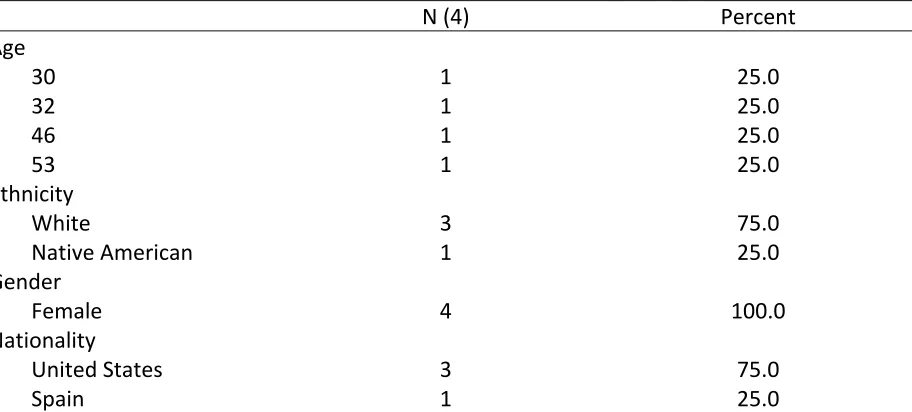
Participants in the study were 4 mothers living in a transitional housing program (Table
1). Participants were between 30 and 53 years of age. The majority (75.0%) of participants
identified themselves as White, were born in the U.S.A. (75.0%), all were single (100.0%), and
50.0% were employed full time. One participant completed 11th grade, another had some
college, another graduated college, and the final participant had a post graduate or above
education. A majority (50.0%) of participants had an income less than $15,000, 75.0%
experienced abuse from within the family, 75.0% had military experience, and 75.0% had 2
children. All participants had at least one child and all children were between the ages of 5 and
15 years at the time of the study.
Table 1.
Descriptive Statistics
N (4) Percent
Age
30 1 25.0
32 1 25.0
46 1 25.0
53 1 25.0
Ethnicity
White 3 75.0
Native American 1 25.0
Gender
Female 4 100.0
Nationality
United States 3 75.0
Marital Status
Single 4 100.0
Employment
Part Time 2 50.0
Full Time 2 50.0
Education
11th Grade 1 25.0
Some College 1 25.0
College Graduate 1 25.0
Post Graduate or Above 1 25.0
Income
< 15,000 2 50.0
15,001 – 25,000 1 25.0
25,001 – 40,000 1 25.0
Experienced Abuse
Within Family 3 75.0
Outside Family 1 25.0
Military
No 3 75.0
Yes 1 25.0
Number of Children
1 1 25.0
2 3 75.0
All participants were interviewed in person. The interviews ranged from 60 to 90
minutes and were audio recorded and transcribed by this researcher. The four participants are
described below, listed in the order in which they were interviewed. Participants’ names have
been changed to preserve anonymity.
Before entering the study, each participant was given a description of the study’s goals
and procedures, and each gave written consent that they understood the research procedure and
the possibility that extracts from their interviews might appear verbatim in published reports.
Liz. Liz is a 32-year-old, single, white woman raising two daughters, ages five and
sensory integration issues. Liz is a college graduate and had worked as a teacher for many years.
Liz reported being in an unstable housing situation due to domestic abuse. A friend of hers from
church told her about Gilead House, where she applied and was accepted.
At time 1 on the DASS21, Liz reported symptoms of depression and anxiety which fell
within the “normal range,” and stress symptoms in the “mild range.” Liz reported multiple
traumas throughout her lifetime when completing the Trauma History Screen. Notably, Liz
reported that she had endured a history of sexual abuse by her father after her parents’ divorce.
She stated that has no recollection of this and is unsure if it is true, as her mother told her about
it. She currently has a relationship with her father and notes that she “has never felt anything
weird.” She does not trust her memory and feels she “represses all memories.” In addition, Liz
reported having been attacked by her former boyfriend’s dog while her children were present.
She was taken to the emergency room for injuries and the dog was euthanized. Her boyfriend
refused to “give up” his other dog, so she and her children moved out. When speaking with this
author she shared a more recent trauma in which she found out that she was pregnant and lost the
baby at four months. She had to have an emergency termination and was now unsure if she
could physically have more children. This was a trauma she largely experienced alone as she
only shared it with this author and the program coordinator.
Regarding her substance use history, Liz reported using marijuana regularly for
approximately four years, with the last time use in 2015. She reported drinking alcohol
recreationally for the past eight years, with the most recent use being in 2017. She also reported