COPYRIGHT AND CITATION CONSIDERATIONS FOR THIS THESIS/ DISSERTATION
o Attribution — You must give appropriate credit, provide a link to the license, and indicate if changes were made. You may do so in any reasonable manner, but not in any way that suggests the licensor endorses you or your use.
o NonCommercial — You may not use the material for commercial purposes.
o ShareAlike — If you remix, transform, or build upon the material, you must distribute your contributions under the same license as the original.
How to cite this thesis
Surname, Initial(s). (2012). Title of the thesis or dissertation (Doctoral Thesis / Master’s Dissertation). Johannesburg: University of Johannesburg. Available from:
INFORMATION AND COMMUNICATIONS
TECHNOLOGY SUPPORT ROLE STUDENTS USING
LEARNING TECHNOLOGIES DURING WORK ―
INTEGRATED LEARNING
FEBRUARY 14, 2019
MPHO IVAN MONGAKE
Student No: 201107325
MINOR DISSERTATION submitted in partial fulfilment of the requirements for the degree:
MAGISTER EDUCATIONIS FACULTY OF EDUCATION UNIVERSITY OF JOHANNESBURG
DECLARATION
I, Mpho Ivan Mongake, declare that the work presented in this minor dissertation is original(except where citations and acknowledgement indicated otherwise).
DEDICATION
I extend my heartfelt appreciation to my mother Elizabeth Mongake and Rebecca Mongake my sister for their encouragement and support through my academic studies. For their belief in me, they motivated and inspired me to complete my studies.
ACKNOWLEDGEMENTS
I would like to express my gratitude to my supervisor, Professor Geoffrey Lautenbach who advised me throughout the research project by providing support, inspiration and encouragement.
I would like to thank Dr Batchelor for providing the study with funding which included HP NETA project funding and National Research Funding (NRF).
Thanks to Jameson Goto for his continuous encouragement during my studies. Thanks to all my students, colleagues from African insights, UJ protection, Campus health, Dr Graham, Gloria Castrilion and Dr Mahomed for their support and prayers when I was hospitalised last year. God bless them.
A word of thanks to the Department of Science and Technology for allowing me to pursue my studies in Masters in Information communication and technology (ICT). This would not have been possible if I was not admitted to this department.
I would also like to thank almighty God for his intervention through my life, strength, wisdom and provision of reliable people who made it possible for completion of this mini-dissertation.
Finally, thanks to the fourth-year ICT support role students who took part in this study. Thanks to my editor Mr Odwora Patrick Jaki.
ABSTRACT
Information and communication technology (ICT) is increasingly widespread, influencing many aspects of social, educational and work lives. It would seem that implementation of technology in an education program would depend strongly upon support and attitudes of teachers, schools, and principals. ICTs in teaching and learning must, however, be used in a way to promote learner-centered and self-regulated learning. The purpose of this study is to understand how pre-service information and communication technology (ICT) support role students use learning technologies during work-integrated learning (WIL). The Technological Pedagogical Content Knowledge Framework (TPACK) as proposed by Mishra & Koehler (2009) is used to determine the ICT use in this study. This framework builds on three kinds of knowledge, namely, technological, pedagogical and content knowledge (Koehler & Mishra, 2009). A qualitative approach was used to investigate the use of ICTs by pre-service ICT support role teachers who were purposefully invited to participate in the interview sessions. These participants were expected to do their teaching practical / WIL for three weeks during first semester and seven weeks during their second semester at schools that are located in Gauteng. During WIL they are expected to have a subject mentor to guide them. ICTs are expected to be used in curriculum integration, lesson planning and the design of ICTs for assessment in the classroom. Teachers are also supposed to guide the participants by providing feedback and emotional support.
Data from the interviews were analysed using Atlas.ti to identify themes. Themes in this study are supported by direct quotations from the interviews. This study identified two broad categories, namely success and failure to use ICTs. Each of these categories is supported by a number of themes that explain why participants either succeed or fail to implement ICTs in their teaching activities.
Keywords: ICTs, Pre-service support role teachers, TPACK, Work-integrated learning.
Table of Contents
Declaration ... i
Dedication ... ii
Acknowledgements ... iii
Abstract ...iv
Figures And Tables ... viii
Chapter 1. Introduction ... 1
Introduction And Background To The Study ... 1
Leading To The Research Problem ... 3
Research Problem ... 5
Research Question ... 7
Aims And Objectives... 7
Research Design ... 8
Sampling, Data Collection And Analysis ... 9
Trustworthiness Of The Study And Ethical Issues ... 10
Structure Of The Research ... 11
Chapter 2. Literature Review ... 12
2.1 Introduction ... 12
2.2 Computer Applications Technology (Cat): An Overview... 12
2.3 The Curriculum And Assessment Policy Statement (Caps) ... 13
A Brief Overview Of The School Ict Support Module ... 14
Teacher Education Programs ... 16
Purpose Of Work-Integrated Learning ... 17
Student And Mentor Responsibilities During Wil ... 17
History Debates On Tpack ... 18
Role Of Mentor Teachers In Promoting The Use Of Icts ... 23
Summary ... 25
Chapter 3. Research Design And Methodology ... 27
Research Methodology ... 27
Data Collection ... 28
Sampling And Research Setting ... 31
A Case Study Design ... 32
Data Analysis ... 34
Measures To Ensure Trustworthiness ... 37
Ethical Considerations ... 38
Summary ... 40
Chapter 4. Findings Of The Inquiry ... 41
Introduction ... 41
Discussion Of Themes ... 41
Success ... 42
Summary ... 60
Chapter 5. Summary, Discussion, Conclusions Recommendations, And A Final Word ... 61
Introduction ... 61
Overview Of The Chapters Once Again ... 61
Brief Summary Of The Study ... 61
Discussion Of The Findings ... 62
Recommendations ... 66
Limitations ... 67
A Final Word ... 67
Appendix A: Ethics Clearance Certificate ... 82
Appendix B: Wil Documents For First Semester ... 83
FIGURES AND TABLES
Table 2.1 Topics And Sub-Topics Of Computer Application Technology (Dbe, 2012) ... 14
Figure 2.2 Tpack Framework (Mishra & Koehler, 2008) ... 19
Figure 3.1 Interview Guide... 30
Figure 3.2 Data Analysis Steps ... 36
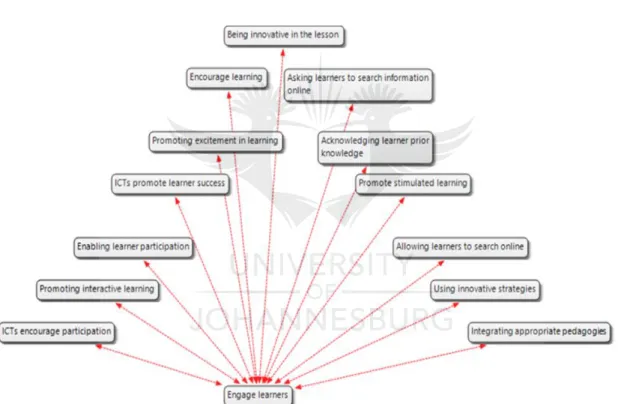
Figure 4.1 Codes For Engaging Learners ... 42
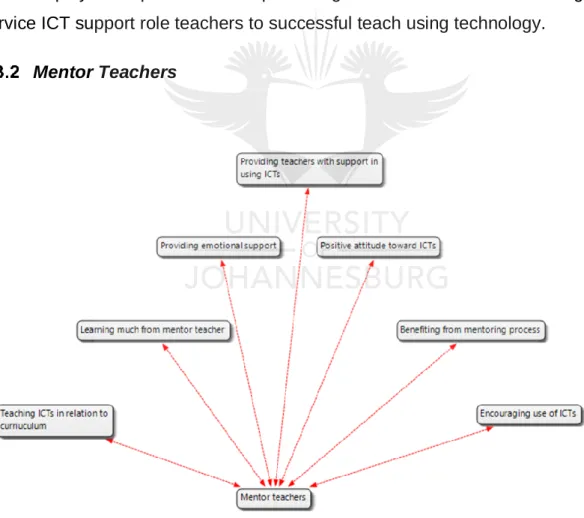
Figure 4.2 Codes Used For The Role Of Mentor Teachers... 44
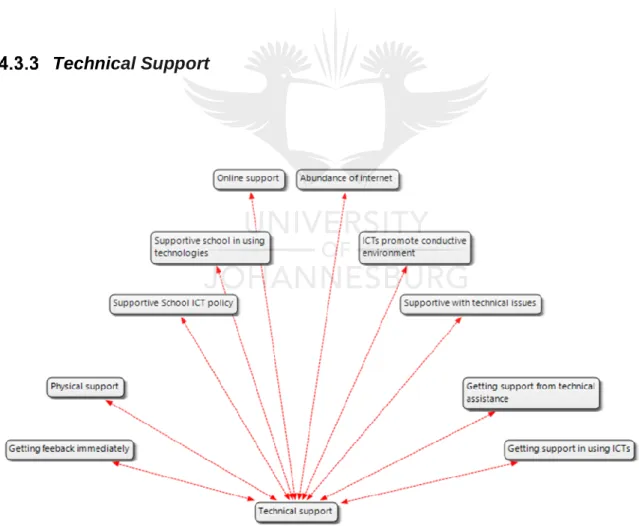
Figure 4.3 Codes Used For Technical Support ... 46
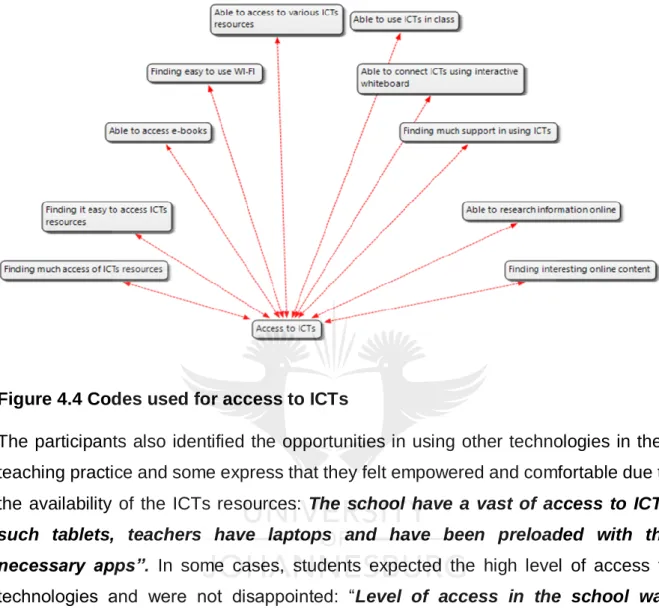
Figure 4.4 Codes Used For Access To Icts ... 48
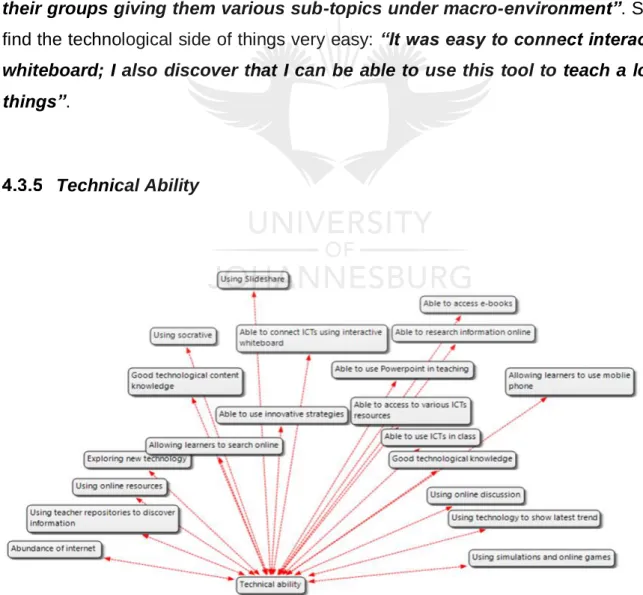
Figure 4.5 Codes Used For Technical Ability ... 49
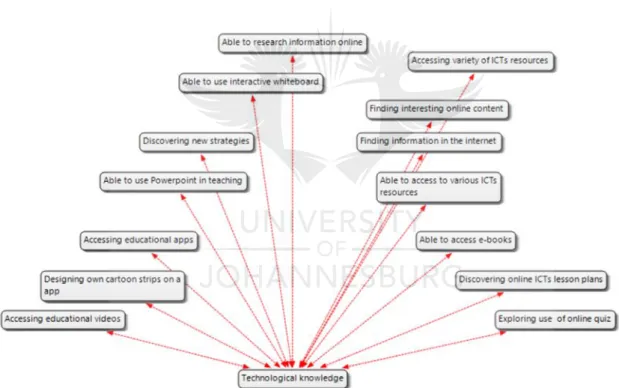
Figure 4.6 Codes Used For Technological Knowledge ... 50
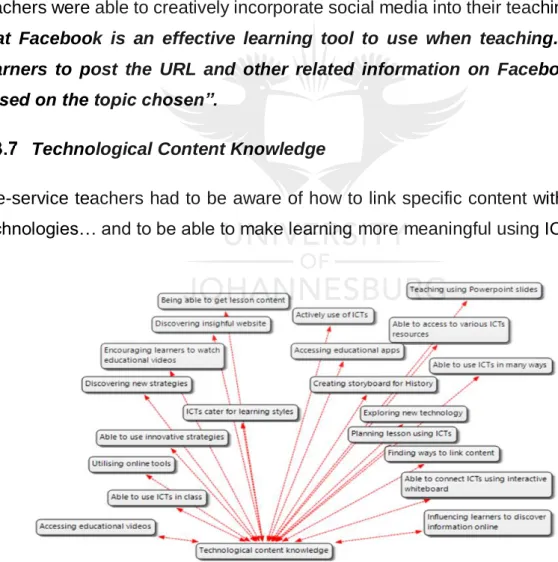
Figure 4.7 Codes Used For Technological Content Knowledge ... 51
Figure 4.8 Codes For Technological Pedagogical Knowledge... 53
Figure 4.9 Codes Used For Lack Of Support ... 54
Figure 4.10 Codes Used For Lack Of Access ... 56
Figure 4.11 Codes Used For Physical Challenge ... 57
CHAPTER 1. INTRODUCTION
INTRODUCTION AND BACKGROUND TO THE STUDY
Teacher education programs often fall short in preparing pre-service teachers to integrate technology into their practice (Belland, 2009; Osa & Walker, 2012; Polly, Mims, Shepard & Inan, 2010). According to Lim & Chai (2008) preparing future teachers is a complex task due to the fast changing nature of learning technologies. These changing technologies provided the researcher with an opportunity to investigate how pre-service Information and Communications Technology (ICT) support role teachers integrate technological affordances with pedagogical approaches in their subject matter during work-integrated learning. In the school context, integration of technology is influenced by a host of contextual factors including the use of ICT, school readiness, mentor teacher’s attitudes (Lim, et.al, 2008), to list only a few. During practicum or work-integrated learning (WIL), pre-service teachers also face various levels of access to a range of technologies, varying degrees of encouragement, and many technical challenges. Much of what they experience during WIL can also be related to what they learn from their mentors.
Mentor teachers in schools should use technology and their role is to guide the pre-service teacher to integrate ICT into the curricula effectively (Judge & O’Bannon, 2007). Previous research on this topic has focused on the mentor-novice relationship between cooperating teachers and students. One study investigated the influence of cooperating teachers’ technology performance and mentoring practice on preparing pre-service teachers for technology integration (Grove, Strudler & Odell, 2004), and another explored professional development options that enhance cooperating mentor teacher’s skills and abilities for effective uses of technology in teaching (Brush, Duhaime, Gartner, Stewart, Katz, Hitt, & Venkataraman, 2003; Sun, Strobel & Newby 2017). It is not known, however, how pre-service teachers actually use learning technologies during WIL.
Pre-service ICT support role teachers who are participating in this research study have been exposed to the use of ICTs during the four-year teacher education program. When exposed to the reality of teaching during WIL they are confronted with the lack
of equipment, lack of access to technical support, and limited internet connectivity (Condie & Livingstone, 2007). It is known that pre-service service teachers experience challenges in integrating ICT during practical’s since they lack technical skills and knowledge of the curriculum (Angeli & Valanides, 2009). The problem grows when the mentor teachers themselves are unable to teach using ICTs. This affects the development of pre-service teachers during work-integrated learning. It is the case that most of the younger generation are more advanced in using technological tools than the older generation (Dundappa, Mhetre & Surywantshi, 2013). Many of the current cohort of pre-service teachers in the research district have been exposed to technologies in the digital age as compared to their mentor teachers who have only recently been introduced to the world of technologies in teaching and learning. Current pre-service teachers can, therefore, in most cases be regarded as digital natives and are quite capable of incorporating ICTs in their teaching. Many educational researchers have asserted that digital natives have different ways of expressing their learning preferences due to their immersion (Prensky, 2001; Tapscott & Barry, 2009). Pre-service ICT support role teachers are potentially digital natives as they have been born into a society where technology prevails. These digital natives seem to think differently, learn differently, and understand technology better (Prensky, 2001; Tapscott, 2010). Pre-service ICT support role teachers, who are the focus of this research project, have an advantage based on their intentions to use ICTs during teaching and learning.
According to Cavenall (2008) pre-service teachers are net generation individuals who possess a history of experience with digital media. They have essential ICT and pedagogical competencies to enable them integrate technology in their teaching and learning (Lim et.al, 2008). The current generation of students are expected to integrate technologies into teaching and learning programs (Thompson, 2007). This gives pre-service ICT support role teachers an edge (and opportunity) to integrate learning technologies well; they have a good background of theory and practice of ICTs from teacher education programs. During initial teacher education programs, these students should have learnt about authentic tasks and 21st Century skills that are
suitable for the classroom context. In other words, they are expected to be proficient in their use of ICT as they go about the task of teaching. However, despite extensive efforts to prepare teachers for technology integration, some pre-service teachers
remain unprepared for technology integration (Brinkerhoff, Ku, Glazewski & Brush, 2002; Brown & Warschauer, 2006). Regardless of the fact that the use of technology in schools is important for creating opportunities for students to learn to operate in an information age (Alharbi, 2012), hindrances to learning using technology abound.
LEADING TO THE RESEARCH PROBLEM
Technology will continue to have a large impact on the future of education. The use of ICT should, therefore, play a prominent role in teacher education (Watson, 2006). Research states that teacher education programs often fall short in preparing pre-service teachers to integrate technology into their practice (Belland, 2009; Oliver et.al, 2012; Polly et al., 2010). Technology integration in education is a complex process for pre-service teachers involving many factors such as technological competencies, lack of time, technical support, curriculum integration, and design of e-assessment (Belland, 2009). Research also reveals that pre-service teachers do not feel prepared to use technology effectively in their classrooms (Sang, Valcke, Van Braak & Tondeur, 2007). It has already been noted that pre-service teachers experience challenges in integrating ICTs during school practical (otherwise known as work-integrated learning or WIL), and in particular they lack the ability and knowledge to link the curriculum with learning content, and some technical skills are still a challenge (Angeli & Valanides, 2009). School ethos might not be supportive of the use of ICT and the school policy might also be underdeveloped. School culture and context have also repeatedly been reported as obstacles to the integration of ICT in education (Chai, Hong & Teo, 2009; Pelgrum, 2001; Tearie, 2003).
It also seems that most pre-service teachers do not integrate ICTs into their classroom activities effectively due to a lack of pedagogical skills and a definite difficulty in integrating ICTs in their subject specialisation (Bullock, 2004; OECD, 2008; Tezci, 2009; Valcke, Rots, Verbeke & Van Braak, 2007). Despite learning a variety of skills, engaging with numerous technological tools and services in their training, pre-service teachers seem to be largely unable to integrate ICT skills into their subject specialisation (Ottenbreit-Leftwich, Glazewski, Newby & Ertmer, 2010). Of course, pre-service teachers encounter various levels of access to technologies, different levels of encouragement, and varied technical support in their placement schools (during WIL) and this will surely affect individual development and engagement. A
numbers of factors that may lead these students to feel unprepared to use technology in their classrooms include insufficient access to technology (Dawson, 2008; Bartlett, 2002), lack of time (Wepner, Ziomek & Tao, 2003; Eifler, Greene & Carroll, 2005), lack of technological skills (Teo, 2009), negative attitudes and beliefs (Angeli & Valanides, 2009), fear of problems (Doering, Hughes & Huffman, 2003; Bullock, 2004), and a clear lack of understanding how to integrate technology into teaching and learning (Cuban, 2001). Similarly, research findings indicate that teachers have a strong desire to use ICTs for their teaching and learning but they are confronted by various barriers such as confidence, competence and accessibility have been found to be the critical components of technology integration (Alharbi, 2012). Some researchers highlighted that technology skills alone do not prepare pre-service teachers for technology integration. For this reason, three components need to be considered in preparing student teachers for technology integration in skill based courses and technology rich field of placements (Schrum, 1999).
Research has reported that pre-service teachers often fail to integrate technology in WIL due to situational complexity (as mentioned briefly above), but more emphasis should be placed on pedagogical difficulties (Dawson & Dana, 2007). Some pre-service teachers have even stated that technology integration required additional planning and preparation that they had no prior knowledge about, or experience with, regarding the design of ICT-supported learning activities (Polly, Mims, Shepherd & Inan, 2010). The gap that exists between what pre-service teachers are taught in their ICT courses and what they expected to do with ICT in a real classroom (Pope, Hare, & Howard, 2002) is also evident in the artefacts (including lesson planning documents and learning activities) that are produced by these students.
During WIL, mentor teachers are meant to shape and foster ICT pedagogical skills of the pre-services teachers (Chen, 2010). Mentor teachers are also expected to support the pre-service teachers and to address the pressures they experience. This is most helpful in difficult teaching situations (Romano & Schwartz, 2008). However, further problems may arise when the mentor teachers lack training or experience in using technologies themselves. Furthermore, some mentor teachers resist using ICTs; this may result in the perpetuation of existing mental models and traditional methods of teaching that are negatively correlated with the use of technology in the classroom.
Work integrated learning has been viewed as a crucial component in education, and schools should promote the use of ICTs during practicum by providing support and adequate access to resources (Brown & Warschauer, 2006). One of the main issues faced by pre-service teachers regarding ICT integration in the classroom is that they do not have much exposure to appropriate pedagogies when using ICTs. In addition, some studies have identified the lack of resources, negative experiences, and negative attitudes and beliefs as reasons that may account for insufficient ICT integration (Angeli & Valanides, 2005).
Research has shown that in spite of many efforts that researchers and educators have invested over years in preparing teachers in the educational use of technology, teachers still lack the skills and knowledge required to teach effectively using technology (Koehler, Mishra & Yahya, 2007; Rodrigues, Marks & Steel, 2003). Pre-service teachers, as well as inexperienced in-Pre-service teachers who are in the first years of the teaching profession, may use ICTs in their classrooms in a limited manner and may have inadequate knowledge about technology integration and utilization (Dawson, 2008; Ertmer, 2005; Ottenbreit-Leftwich, Glazewski, Newby, & Ertmer ;Vanderlinde, Van Braak & Tondeur, 2010). Kenny & Motta (2002) claims that the lack of subject-specific focus in many technology preparation programs remains an issue. Indeed, matters of how technology interacts with the content and content-specific pedagogy are not sufficiently explored in the programs. Programs also fail to adequately prepare teachers to establish pedagogical connections between the affordance of technology and teaching of a particular content domain.
RESEARCH PROBLEM
During WIL pre-service ICT support role teachers are expected to work alongside mentor teachers assigned to them in order to gain insights into teaching and learning. Sadaf, Newby & Ertmer (2012) suggest that today’s pre-service teachers have moderately positive attitude concerning the potential of ICTs application for teaching and learning, however, it is a problem when it comes to actually integrating ICTs into their classroom practice where attitude and approaches are more reserved. Lei (2009) claims that pre-service teachers worldwide have limited abilities to see the possible advantages of different ICTs application for teaching and learning. I will be investigating whether or not this claim is true in the context of a developing country.
Developing countries experience many challenges in using technology because most teachers in schools lack technological competence. This is seen as a main barrier to the acceptance and adoption of ICTs (Pelgrum, 2001). ICTs are pervasive in developed countries, but their use and integration into the school curriculum remains significantly underdeveloped in developing countries (Farrell, Isaacs, Trucano, Hamdy, Hare, Tetang, Tchinda, & Fall, 2007). The act of integrating ICTs into teaching and learning is a complex process (Bingimlas, 2009) and one that may encounter a number of difficulties including the lack of teacher confidence, competence, teacher training, technical support, infrastructure, negative attitudes and the resistance to change (Barfi, 2015). The resistance in the classroom is often blamed on the risk of the teacher losing influence over the value and direction of classroom activities (Nathan & Chan, 2007). This resistance to change is, however, an important barrier faced by teachers in using new technologies in education (Bingimlas, 2009).
Apart from the teachers’ lack of capacity and their negative attitude toward ICT use, infrastructure also remains an obstacle in many developing countries such as South Africa (Howie, Muller & Paterson, 2005). The South African Department of Education, through its ICT in Education Policy (Doe, 2004) and Guidelines for Teacher Training and Professional Development in ICT (Doe, 2007), has formulated guidelines for the distribution and use of digital resources in schools. Compounding this issue, poorer schools are still struggling to keep up with well-resourced schools when adjusting to teaching and learning with ICTs. The poorer schools are still challenged by limited resources; this limitation of resources prevents most of the teachers from effectively using ICTs for educational purposes (Doe, 2007). Wilson-Strydom, Thomson & Hodgkinson-Williams (2005), argues that “increased access to computers alone does not necessarily mean increased implementation of technology-integrated lessons”. The lack of resources cannot, however, be blamed for all implementation issues. Teachers’ attitudes, lack of expertise, autonomy and knowledge to evaluate the use and role of ICTs in teaching are conspicuous factors hindering teacher’s readiness and confidence in using ICTs (Hennessy & Deaney, 2004). Most South African teachers, in public schools, have experienced some ICT training where sessions generally included basic computer skills. These basic skills, however, have proved inadequate to equip teachers with the skills they need to infuse ICTs into subject
teaching (Rashid, Camara & Richero, 2013). Summak (2011) supports this claim that initiatives emphasizing basic skills are not enough to prepare teachers to integrate ICTs pedagogically. Nonetheless, whatever the reasons may be for the use of ICTs in schools, or not, this research will focus on the actual experiences of pre-service teachers as they embark on a session of WIL. The idea is to determine exactly what is going on at the schools and how the participants experience the use of ICTs in any format at their schools.
RESEARCH QUESTION
This research involves fourth year, pre-service ICT support role teachers from the Faculty of Education who are allocated to various schools for their WIL and aims to address issues faced by them during this time. The main research question that guides this inquiry is:
What are the experiences of pre-service ICT support role students regarding the use of ICTs during WIL?
AIMS AND OBJECTIVES
The main aim of this study is to explore how pre-service ICT Support Specialists experience the use of technology for teaching and learning during their work-integrated learning in the final undergraduate year of study.
Some objectives to help to answer the main research question include:
a) To explore the positives of integrating ICTs during work-integrated learning. b) To explore the negatives of integrating ICTs during work-integrated learning. c) To identify how pre-service teachers use ICTs during WIL.
d) To understand the role of the mentor teachers in the promotion of use of ICTs e) To identify pre-service teachers’ pedagogical and innovative strategies that can
lead to technology integration.
f) To provide guidelines for future ICT support specialists entering the WIL phase of their undergraduate training.
RESEARCH DESIGN
Case studies are distinguished from other types of qualitative research in that they are intensive descriptions and analyses of a single unit or bounded system (Creswell, 2007:73). A case study is an exploration of a bounded system or case over time through a detailed, in-depth data collection process involving multiple sources of information and rich-in context (Merriam, 1998). This detailed account will form a thick description of the case that will be incorporated in the study. A descriptive case study is well suited to elaborate on experiences of pre-service ICT support specialist teachers regarding their use of learning technologies during work-integrated learning. The design is suitable for this study as it will allow the researcher to gain rich information on the experience of pre-service ICT support role teachers during final year work -integrated learning. The unit of analysis in this study is the cohort of pre-service ICT Support Specialists experiencing the social phenomenon of using technology for teaching and learning during their work-integrated learning in their final undergraduate year of study.
The research setting is in Gauteng Province. The pre-service teachers range from 23-25 years old and are completing their final year at the University of Johannesburg in the Faculty of Education. These pre-service teachers come from a variety of backgrounds in townships, suburbs, urban, and rural settings. They are required to do their practical in schools provided on a school placement list. These schools range from quintile 1 to quintile 5, or the poorest to the most resourced schools. I chose these participants because they are currently doing an ICT support role module as part of their undergraduate studies. These students are the second cohort doing the ICT support role module, and as such are a largely unknown phenomenon. The specific case under investigation includes these ICT support role students using ICTs during WIL. The students visit their schools for a period of three weeks (first semester) and seven weeks (second semester). During these times, students are expected to fulfil specific tasks and to teach using learning technologies on a daily basis. Students must assist teachers with classroom management and observe learners. The purpose of this observation and teaching is for students to develop their own personal teacher identity. During the visit, the students are provided with mentor teachers for both of their major subjects. They start by observing their mentor teachers and later on, they
are expected to teach. It is assumed that they will be allowed to teach using learning technologies as these students are doing the academic subject named Computer Application Technology (CAT). Pre-service ICT support role teachers are also expected to be evaluated by the head of department (HOD), the mentor teacher, and the lecturer from University of Johannesburg. The interaction between pre-service teacher and mentor teacher is to work together in the process of teaching and learning. The mentor teachers also assist the pre-service teachers by demonstrating how to use lesson planning and how to effectively use ICTs in this process where appropriate.
SAMPLING, DATA COLLECTION AND ANALYSIS
In this study, purposive sampling was used. Participants will have defining characteristics that make them data sources who can provide information to answer the research question (Creswell, 2007). Participants are fourth year ICT support specialists who will be engaging with authentic issues related to ICT integration and use during their seven week WIL in 2017. Selected participants will be approached on completion of the WIL to take part in a focus group interview.
Focus group interviews refer to a group interview where the topic is defined clearly, where there is a focus on enabling and recording an interactive discussion between participants, where it encompasses the need for interactive discussion amongst participants (Carson, Gilmore, Perry & Grønhaug, 2001). Focus groups normally involve between four and eight participants, but in this case I will use a maximum of four at a time due to the nature of the participants. According to Krueger and Casey (2000:25), such participants are information-rich. In this study participants have a common characteristics: they are all enrolled for School ICT Support role (MOFPIA3) module. They will be encouraged to share their points of view in the focus groups without any undue pressure exerted on them to reach a consensus (Krueger & Casey, 2000). Through focus group interviews, I aim to tell a story about the phenomenon through the use of a single open, guiding question. In this context, the participant is seen as the expert in the research, and I the researcher will not interfere. I will promote the flow of information and limit my own biases and opinions. These interviews will be conducted with new groups until data appear to be saturated. According to Deem (2002, p840), in interviews it is important for the researcher to record much detail; therefore, in this study an audio recording will be used to capture the interviews.
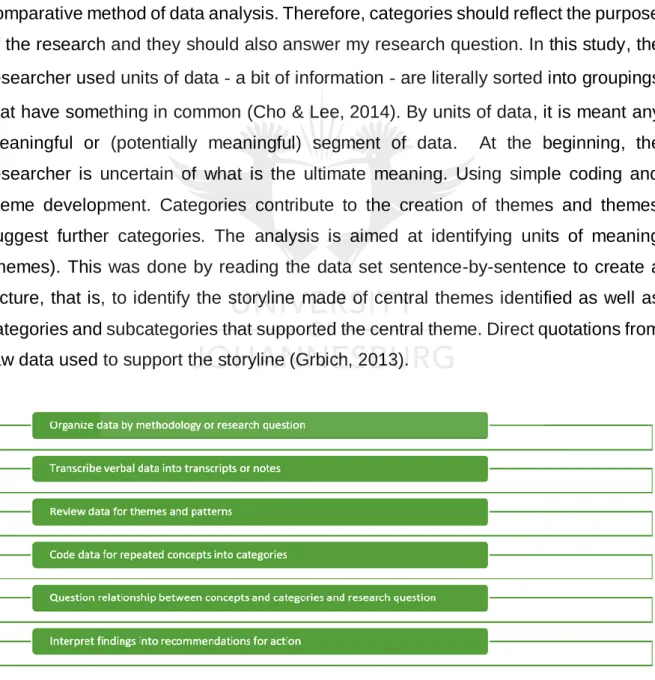
Interviews will be transcribed verbatim and analysis of the qualitative data – the focus group interviews - will be conducted. The data will be analysed using Atlas.ti (Friese, 2012) using simple coding and theme development (Saldaña, 2015). Codes and themes will be supported by direct quotations from the participants (Grbich, 2013).
TRUSTWORTHINESS OF THE STUDY AND ETHICAL ISSUES
Tashakkori & Teddlie (2010:26) refer to trustworthiness as the extent to which the researcher can convince the readers that the findings are worth paying attention to. I will ensure trustworthiness through a variety of methods. I will ensure credibility (Krefting, 1991) by prolonged and varied engagement in the field ― by engaging with participants and allowing them to become accustomed to me. I will be aware of researcher bias by examining situations from various perspectives throughout the study (Kvale, 1992, p189). I will conduct member checks after each focus group to ensure that final presentation of the data is accurate. Good research practices will be implemented guided by my supervisor to build my unique authority as a researcher. Polit and Beck (2008) claim that every researcher should provide accurate and relevant information to all participants during the research process for them to be able to make informed decisions. The researcher will consider three primary ethical principles when conducting the research with participants, namely, beneficence, respect for human dignity and justice (Polit & Beck, 2008). All ethical procedures as proposed by the Faculty of Education Research Ethics Committee (REC) will be followed in this study. All participants will be duly informed both verbally and in writing about their participation to ensure understanding. Participation was voluntary and participants had the right to withdraw from the study at any time, without penalty. Benefits and Risks in the study are highlighted in the ethical application to the REC. It is crucial to request permission from the participants and obtain written consent. Ethical research measures are viewed as important in the field of research. The participants should be protected from harm and should be given the opportunity to withdraw from the research at any time without penalty. Their participation must be voluntary and informed consent must be given. Separate signed consent were requested from the participants for audio recording used during the research process.
The result of this study will be made available to the participants should they desire to see the results.
STRUCTURE OF THE RESEARCH
Chapter 1 Background of the study
This chapter discussed the outline of the study, which entails the introduction, background perspectives, rationale for the study, and the research problem. Also, the aim and objectives and significance of the study are included. The research design, sampling, methods of data collection, data analysis and ethical considerations have been clarified. The trustworthiness of the study has been explained.
Chapter 2: Literature review
This chapter presents an overview of literature relevant to the research question. The aim of this chapter is to demonstrate to the reader that the researcher has read widely in the field of ICTs in education.
Chapter 3: Research methodology
The chapter will shed light on research design and methodology for this study. It will include more on the research paradigm and case study approach. Details on sampling, data collection and data analysis will follow.
Chapter 4: Findings and data analysis
The discussion of the findings of the research will be presented in this section. References will be made to direct quotations from the interviews to support the findings that are proposed.
Chapter 5: Discussions and recommendations
This chapter is an opportunity to make sense of the data and to provide an indication whether the research question has been suitably addressed. In addition, summaries of the main findings will be discussed. A discussion of the potential value of the research and recommendations for further research will be provided. Lastly, a few limitations of the study will be spelt out in this chapter.
CHAPTER 2. LITERATURE REVIEW
2.1 INTRODUCTION
This chapter reviews the literature to better understand the use of ICTs in teaching and learning by pre-service ICT support role teachers. An overview of Computer Application Technology (CAT) is provided as well as an introduction of the Curriculum and Assessment Policy statement (CAPS) in relation to CAT. A brief discussion of the school ICT support role module is also discussed. The chapter contains brief notes on teacher education programs. It will further discuss the purpose of the work-integrated learning. An overview of the student and mentor responsibilities during WIL will be discussed. Technological Pedagogical Content Knowledge (TPACK) as the guiding theoretical framework of the study, Technology Knowledge (TK), Technological Content Knowledge (TCK), and Technological Pedagogical Knowledge (TPK)... Lastly, I discuss the ICT support role module at the university, its aims, and a brief account of the role of mentor teachers in promoting the use of learning technologies. 2.2 COMPUTER APPLICATIONS TECHNOLOGY (CAT): AN OVERVIEW
The DBE (2011, p12) defines CAT as “a study of integrated components of a computer system (Hardware and Software) and practical techniques for their use and application to solve everyday problems”. The solutions to problems in this syllabus are designed, managed and processed via end-user applications and communicated using appropriate ICTs. ICTs are seen as a combination of networks, hardware and software as well as the means of communication, collaboration, and engagement that enable the processing, management and exchange of data, information and knowledge. Computer Applications Technology is responsive for the developmental vision of the country, that all South Africans will be equipped with marketable skills in an information society. The specific aims listed below need to be achieved when teaching CAT. In Computer Applications Technology a learner will:
Use end-user software applications competently to produce solutions to problems within a defined scenario;
Understand the conceptions of ICTs with regard to the technologies that make up a computing system;
Understand the various technologies, standards, and protocols involved in the electronic transmission of data via a computer-based network;
Use the Internet, the World Wide Web (WWW) and understand the role that the Internet plays as part of the global information superhighway;
Find authentic and relevant information, process the information to draw conclusions, make decisions and communicate the findings in appropriate presentation media; and
Recognise the legal, ethical, environmental, social, security and health issues related to the use of ICTs and learn how to use ICTs responsibly (DBE, 2011). 2.3 THE CURRICULUM AND ASSESSMENT POLICY STATEMENT (CAPS)
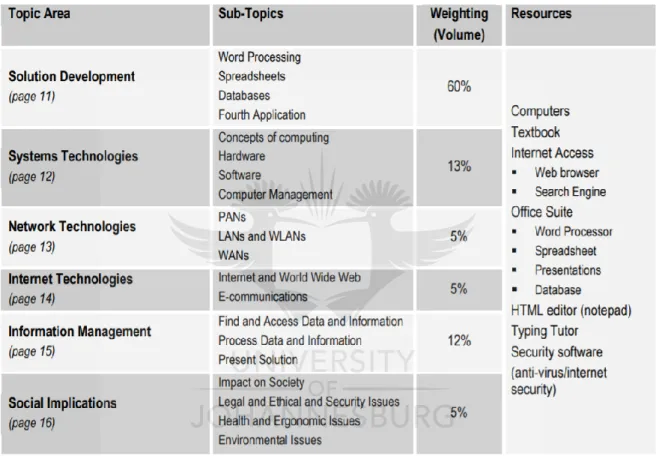
The Curriculum and Assessment Policy Statement (CAPS) is not a new curriculum, it is an amendment to the National Curriculum Statement (NCS) Grade R-12. It therefore still follows the same process and procedures as the NCS Grade R-12 (Pinnock, 2011). In the general aims of the South African curriculum, the NCS (R-12) gives expression to what is regarded to be knowledge, skills and values worth learning. The document stipulates that all children acquire and apply knowledge in ways that are meaningful to their own lives. The curriculum promotes an idea of grounding knowledge in local context, also considering the sensitivity to global imperatives. Pre-service teachers are expected to use the CAPs curriculum daily during WIL. They are expected to teach using the curriculum to encourage independent critical and creative thinking (DBE, 2012). In this regard, learners are able to identify and solve problems using critical and creative thinking, work effectively as individuals and as a member of a group, and organise and manage themselves responsibly (DBE, 2011). Pre-service teachers are expected to teach using the CAPs document as a guide in classroom. During WIL pre-service teachers are also expected to adhere to the time allocation for CAT which is 4 hours per week for 35 weeks. Table 2.1 sets out the topics and sub-topics in the Computer Applications Technology syllabus (Grade 10-12).
It is significant to note that there will continuously be a degree of overlap between topics. Solution development is facilitated by systems technologies in the form of application software. Systems technologies focus mainly on hardware and software.
Network technologies enable the Internet that is used for various applications which include information dissemination and electronic data interchange. Information management is a key idea and a secondary activity in overlapping concepts in many other areas such as solution development and Internet technologies. Information management is enabled by systems technologies. All ICT activities are primarily driven by human involvement, human need and intervention, which in turn results in social and ethical issues (DBE, 2011).
Table 2.1 Topics and Sub-topics of Computer Application Technology (DBE, 2012)
A BRIEF OVERVIEW OF THE SCHOOL ICT SUPPORT MODULE
All learning activities regarding the university module “School ICT support role” are online, but students also have 14 face-to-face contact sessions per semester where topical issues are dealt with in a lecture setting. One aim of this module at the university is to empower the school ICT support specialist role students to teach the school subject called CAT. It is expected from an ICT support role student to be a multi-skilled teacher and possess superior knowledge of computers, learning technologies and other ICTs device. Pre-service ICT support role teachers are also
expected to demonstrate knowledge about applying these tools to varying contexts. The academic coursework on campus is aimed at preparing them for placement in school, but also affords them the opportunity to reflect on school experience in school, and to enrich these experiences through invoking theoretical perspectives, which in turn will initiate the next cycle in the practice-to-theory to practice approach. This module focuses on the CAT school curriculum in Further Education and Training (FET) with reference to pedagogical content knowledge and assessment. Apart from the aims to introduce students to basic skills required to teach the CAT syllabus, students are expected to provide ICT support in a range of other disciplines.
The ever-changing nature of the field of learning technologies and rapid developments in technological tools and services dictate that we adapt the content. School ICT support is creative, innovative and reflective, deriving ideas and suggestions from real problems, formulating relevant concepts and providing solutions using the most appropriate technologies including apps, tools and services. This module gives the ICT support role students an advantage in using ICTs in higher-order thinking.
The broad purpose of this module is to equip the school ICT support role teachers, with pedagogic content knowledge in their field of specialisation to enable them to become experts in using ICTs for teaching and learning. In other words, the aim of this module is to support the ICT support role students in their teaching and professional competence and to develop them as critically reflective practitioners in 21st Century
schools. A practice-to-theory-to-practice approach is followed using an alternation between practical in-school experience, reflection on these experience, relating experience to relevant theoretical perspectives, and bringing these to bear on fresh situations (Korthagen & Kessels, 1999).
At the end of the module the students are expected to demonstrate that they have fulfilled the typical role of an ICT support specialist at the school. This envisaged outcome is slightly different to what the outcomes for other academic disciplines specialist may be. Teachers are appointed at a school to teach a specific subject, however, there is no known job description for school ICT support specialists. Learning outcomes for the School ICT support role include:
Describe the nature and significance of learning technologies in educational contexts;
Describe competencies of 21st Century teacher;
Develop, critique and reflect on your personal teaching;
Interpret, implement and execute the school curriculum into practice;
Development a short term and long term teaching plan based on school curriculum (CAPS);
Design, plan, execute, implement and critique lessons;
Develop and implement effective record keeping strategies for teachers;
Plan practical work, assignments and outing within your field;
Integrate creative and effective teaching methods that utilize ICT and other technologies including indigenous technologies into a lesson;
Identify development needs and set goals for professional development; and
Compile an online teaching profile.
TEACHER EDUCATION PROGRAMS
Koehler & Mishra (2009) reported that in preparing pre-service teachers for effective technology integration, teacher education programs need to support them to build knowledge and good pedagogical practices, technical skills and content knowledge as well as how these concepts relate to one another. Teacher education programs should not only focus on how to use technology but also focus on how technology can be used effectively for teaching and learning. Teacher education programs should provide pre-service teachers with experiences that permit them to successfully integrate technology into teaching and will increase their self-efficacy for technology integration. These programs are crucial in facilitating the adoption of ICT strategies aimed at helping pre-service teachers shift away from traditional beliefs toward the adoption of more learner-centred beliefs and practices (Lim & Chan, 2007). However, teacher education programs are often criticized for failing to facilitate pre-service teachers’ critical re-examination of the connection between the affordances of technology and teaching practice (Angeli & Valanides, 2005; Enochsson & Rizza, 2009; Jang, 2008; Koehler, Mishra & Yahya, 2007; Lim & Chai, 2008; OECD, 2008). Similarly, (Chang, Chien, Chang & Lin, 2012) and Zeichner (1993) also criticized teacher education programs for their failure to provide pre-service teachers with necessary experiences
of how to utilise technology during WIL. The use of technology in teacher education programs has primarily focused on learning about different technologies (Mishra, Koehler & Kereluik, 2009). However, it has been seen that having a strong technical knowledge is not enough for technology integration (Ertmer & Ottenbreit- Leftwich, 2010; Koehler et.al, 2007; Lee & Lee, 2014). In contrast, Enochsson & Rizza (2009) reported that teacher education plays a role in moving pre-service teachers from the role of passive users of technology into active designers of technology.
PURPOSE OF WORK-INTEGRATED LEARNING
WIL is intended to provide student teachers with the opportunity to be part of a school community and to interact with other educators on a professional level. It also aims to develop their own teaching competencies in practice. This platform provides the pre-service teacher the prospects to engage in a range of teaching and learning environments, in which they can explore the variety of opportunities and challenges that exist in schools. The students are also expected to link what they have learned in their subject methodology to the practical realities of teaching. It also provides opportunities for critical reflection and to develop their own teaching philosophy.
STUDENT AND MENTOR RESPONSIBILITIES DURING WIL
Another focus of this practicum is to prepare pre-service ICT support role teachers for a more holistic approach to the development of their content knowledge and teaching skills. These pre-service teachers are given an opportunity to teach for at least 60% of their time during WIL. Students can also be placed with Grade 8 and 9 in their fields of studies, but mostly teach Grade 10-12 CAT during WIL. The remaining 40% of the time should be utilised as follows: 30% of doing research in respective methodologies and 10% for administration. During free periods, students are expected to observe classroom management, learn new teaching strategies, practice inclusion, investigate learning support, and prepare lessons. Students are also expected to observe as many mentors as possible in their subject specialisation, one of which is CAT. During WIL, mentor teachers are to provide the student with critical feedback regarding professional development. The mentor teacher is also expected to complete a developmental report on pre-service teachers at the end of every practical completed by the student.
HISTORY DEBATES ON TPACK
Technological Pedagogical Content Knowledge (TPACK) is an extended view of pedagogical content knowledge (PCK). PCK was originally proposed by Shulman (1986). PCK is about how a given subject or problem is organized and presented in accordance with different interest and skills of learners (Shulman, 1987). Mishra & Koehler’s (2006) formulation of TPACK framework is an extension of Shulman’s framework which is characterized by the teacher knowledge about technology and how it can play a role in effective teaching. The TPACK framework demonstrates the connection between teacher understanding of content, pedagogy and technology, and how these interact in order to produce effective teaching and learning. TPACK is an emergent form of knowledge that goes beyond knowledge of content, pedagogy and technology and expresses them as a dynamic transactional relationship (Dewey & Bentley, 1949; Koehler & Mishra, 2008; Mishra & Koehler, 2006). The TPACK model can be utilised as a theoretical framework for the professional development of both pre-service and in-service teachers as well as for measuring the knowledge of teacher (Schmidt, Baran, Thompson, Mishra, Koehler & Shin 2009).
Teachers and researchers have used this framework to describe components that teachers should develop in order to deal with technology in 21st Century education and
understand to advance teacher’s integration of digital technology in their teaching and learning (Kopcha & Alger 2014). This notion refers to the ability of teachers to combine content knowledge in a specific domain with pedagogical approaches to foster student learning (Voogt, Fisser, Pareja Roblin, Tondeur & van Braak, 2013). In the TPACK framework, teachers need to judiciously consider what and how specific technologies might assist students in making sense of complex ideas and phenomena associated with a particular discipline (Maeng, Mulvey, Smetana & Bell, 2013; International Society for Technology in Education - Nets-T-Standards, 2008). Teachers are further required to understand how technology, pedagogy and content interrelate and TPACK provides a flexible framework that explains how rapid-changing technologies can be effectively integrated with a range of pedagogical approaches and content areas (Koehler & Mishra, 2008; Mishra & Koehler, 2006). It must be remembered that good teaching with technology cannot be achieved only by adding a new piece of technology to the existing structure (Koehler & Mishra, 2005).
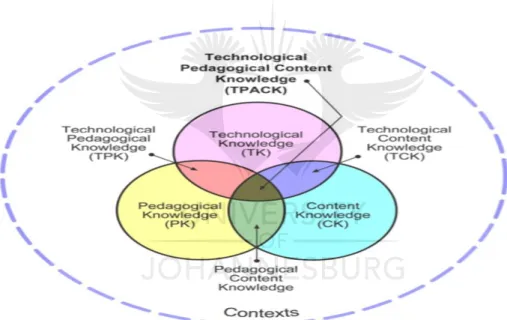
TPACK can be used as a model for measuring technological knowledge that could have an impact on the types of training and professional development experiences that are designed for both pre-service and in-service teachers (Graham, 2011). In this study the researcher will be focusing on Technological Pedagogical Knowledge (TPK), Technological Content Knowledge (TCK) and Technological Knowledge (TK) in order to understand how pre-service ICT support role teachers use learning technologies in their teaching and learning during WIL (See Figure 2.2). This framework is important for this study as it will assist the researcher to see how the pre-service ICT support role teachers were able to use ICTs during WIL and to classify the challenges that they encountered.
The relationship between the elements of TPACK is illustrated in the Figure 2.2:
Figure 2.2 TPACK Framework (Mishra & Koehler, 2008)
Technological Knowledge (TK)
This includes knowledge about certain ways of using educational technology in the classroom. This includes understanding educational technology broadly enough to apply it productively at work and in everyday life, being able to recognize when information technology can assist or impede the achievement of a goal, and being able continually adapt to changes in information technology (Koehler & Mishra, 2009).
Rice (2007) observes that pre-service teachers acquire new knowledge of technologies as they interact with the real-world context during work-integrated learning. Also, most pre-service ICT support role teachers are comprised of students that have grown up with ICTs around them and received most current preparation; therefore, they are expected to integrate learning technologies effective for learning and teaching. Pre-service teachers also use ICTs for planning, management, administration and use of ICTs to also enhance teaching and learning (Isaacs, 2007). They also acquire more skills in using technology such as improving administrative and communication tasks (Palak & Walls, 2009).
Technological Content Knowledge (TCK)
This is “an understanding of the manner in which technology and content influence and constrain one another. Teachers need to master more than the subject matter they teach; they must also have a deep understanding of the manner in which the subject matter (or the kinds of representations that can be constructed) can be changed by the application of particular technologies. Teachers need to understand which specific technologies are best suited for addressing subject-matter learning in their domains and how the content dictates or perhaps even changes the technology— or vice versa” (Koehler & Mishra, 2009).
Pre-service teachers use ICTs as an educational tool, it assists learners to visualize abstract ideas and make it easy to find reliable information and promote knowledge construction within subject specialization (Li, 2007).Pre-service teachers learn how to use technology within their specific content areas, and can more readily transfer that knowledge to their own classroom (Hughes, 2005; Albion & Ertmer, 2002). In their classroom, they can use technology to increase learner’s motivation and confidence since using technology serves as a cognitive tool (Torff & Tirotta, 2010). Pre-service teachers can easily create collaborative activities for learners on the web (Holcomb & Beal, 2010). Some of the positive attitudes towards the use of educational technology can easily provide useful insight about the adoption and integration of ICTs into teaching and learning process.Pre-service teachers use ICT aids to present content, engaging learners, modelling skills and assessing learners’ progress in using learning technologies (Dede, 2008). They also use ICTs in a variety of pedagogies such as promoting active construction of knowledge, collaborative learning, and using ICTs
formative assessment. Pre-service teachers use ICTs tools to support different cognitive skills, including information retrieving such as web search engines and google forms, information analysis and evaluation (spreadsheets, charts, images and video editing tools) and also information construction and communication word processing, mapping tool and educational social networking sites. They use ICTs learned acquired from the teacher education program to teach in the classroom. The use of ICTs benefits learners to develop life-long skills in using ICTs such as self-regulation and problem-solving (Kozma, 2003). Learners can improve their critical thinking (Alharbi, 2012) higher-order thinking and metacognitive skills required for meaningful learning using learning technologies (Wang, Kinzie, McGuire & Pan, 2010). Pre-service teachers also benefit from using technology; it supports and improve their skills and knowledge in practice (Culp, Honey, & Mandinach 2005)
Technological Pedagogical Knowledge (TPK)
TPK can be defined as “An understanding of how teaching and learning can transform when particular technologies are used in specific ways. This includes knowing the pedagogical affordances and restraints of a range of technological tools as they relate to disciplinarily and developmentally appropriate pedagogical designs and strategies” (Koehler & Mishra, 2009).
Pre-service teachers are able to select specific technological applications in line with their selections of other curricular variables and instructional strategies that fit into their educational belief (Tondeur et.al, 2007). The skill of using learning technologies is acquired from teacher education program; it gives them an edge to apply technology in their specific content areas and to use pedagogical approaches (Brush, Duhaime, Gartner, Stewart, Katz, Hitt, & Venkataraman, 2003; Kay, 2006). The positives of using ICTs during WIL is when the pre-service teachers have access to ICT resources that support curriculum delivery, also technology-rich environments and connections to ICTs infrastructure (Langa, Conradie & Roberts, 2006).Zhao, Pugh, Sheldon & Byers (2002) state that in order to integrate technology successfully in a classroom, three knowledge areas associated with digital competence entails technology proficiency, pedagogical compatibility and social awareness.
Pedagogical meaningful use of ICT is about employing appropriate affordance of ICT tools to augment student learning (Sharma, 2008; Lim & Chai, 2008; Loveless, 2007). Pre-service teacher should use ICT meaningfully that involves choosing optimal technology to foster knowledge construction amongst learners. ICTs as a pedagogical tool is regarded as the ICTs facilities in teaching and learning that pre-service teachers use a software application to solve problems, to provoke learner competences, to create e-assessment and share their perspective with the learners (Jonassen, Howland, Marra & Crismond, 2008). They also use ICTs to access information, create solutions, analyses and apply knowledge in teaching and learning processes.
Technological Pedagogical Content Knowledge (TPACK)
“Underlying truly meaningful and deeply skilled teaching with technology, TPACK is different from knowledge of all three concepts individually. TPACK is the basis of effective teaching with technology, requiring an understanding of the representation of concepts using technologies; pedagogical techniques that use technologies in constructive ways to teach content; knowledge of what makes concepts difficult or easy to learn and how technology can help redress some of the problems that students face; knowledge of students’ prior knowledge and theories of epistemology; and knowledge of how technologies can be used to build on existing knowledge to develop new epistemologies or strengthen old ones” (Koehler & Mishra, 2009).
Lambert, Gong & Cuper (2008) showed that pre-service teachers had positive pedagogical beliefs about the importance of computers in education after partaking in educational technology courses. It is thought that these courses enhanced the beliefs of pre-service teachers about the benefit of technology which they were well prepared to use technology effectively. Wu, Hu & Hwang (2008) stated that schools that managed to create a balanced amalgamation between technology and pedagogy were successful in producing a more innovative constructive learning environment. Which, in turn, benefit pre-service teachers to use advanced mediating ICTs tools in teaching and learning. Research studies have shown that pre-service teachers are able to use technology in their teaching in diverse and flexible ways (Bate, 2010).An interactive whiteboard (newer model) allows teachers to move around classrooms and monitor learners during instruction (Robertson & Green, 2012). Therefore, this allows the learner to use iPads and mobile devices during the lesson; these can be
incorporated into classroom lesson to improve learner’s academic performance (Cohen, 2012; Haydon, Hawkins, Denune, Kimener, Mccay & Basham, 2012; Sullivan, 2013). The role of pre-service teachers is to assist learners in class to connect the subject matter to ICTs and arouse questions to use technology effective for learning, using variety of learning strategies in solving problems and discovering ideas in learning technologies (Jonassen, 1996; Salomon & Perkins, 1998).
Due to the development of technological pedagogical content knowledge (TPACK) capabilities should be infused into the entire curriculum so that pre-service teachers can experience a positive way to support teaching and learning (Tondeur, van Braak, Sang, Voogt, Fisser, & Ottenbreit-Leftwich, 2012).
ROLE OF MENTOR TEACHERS IN PROMOTING THE USE OF ICTS
Research has shown that pre-service teachers can attain experience in technology integration by interacting with mentors during practicum (Nilsson & Driel, 2010). Mentors teachers play a role in shaping pre-service teacher beliefs about integrating technology for teaching and also equip them with the required professional skills (Ertmer, 2005). Mentor teachers also foster pre-service teacher’s development to learn important ICTs teaching skills such as designing effective authentic learning activities and also how to assess learner’s prior knowledge of certain topics related to learning technologies. Mentoring in teacher education is one of the most significant strategies to support pre-service teachers to teach (Wang, 2001). It helps to improve confidence, self-esteem and ability to problem solve when using ICTs (Hobson, Ashby, Malderez & Tomlinson, 2009; Mathur, Gehrke & Kim 2013). Taver (1998) observes that both mentors and pre-service teachers mentioned many benefits of the mentoring process, including professional growth, personal growth, as well as reinforcement of existing beliefs and practices. Stanulis & Floden (2009) reported that pre-service teachers who were exposed to an intense level of structured mentoring experience, demonstrate higher levels of student engagement than those who were not mentored. During WIL, it is expected of mentor teachers to provide pre-service teachers with a clear understanding about pedagogically meaningful technology integration (Kay, 2006; Liu, Macintyre & Ferguson 2012; Singer & Maher, 2007; Tondeur, van Braak, Sang, Voogt, Fisser, & Ottenbreit-Leftwich, 2012). It is also important that they are
being mentored to understand ICTs in relation to their pedagogical use and also how they can be integrated into subject specialization during their teaching. The purpose of doing WIL is also to develop a pre-service teachers’ body of knowledge - which is termed ICT-related Pedagogical content knowledge (PCK). It is acquired from the collaboration with mentors (Angeli & Valanides, 2005).
Mentors beliefs influence how the pre-service ICT support role teachers perceive the use of ICTs in the learning context. Kajder (2005) says that the mentor’s pedagogical beliefs, as perceived by pre-service teachers, markedly influence the pre-service teacher’s beliefs about technologies during teaching practice. Mentor teachers should model the use of ICTs in their teaching and learning as modelling addresses the problems of a pre-service teacher’s inability to envision how ICT may be used in the classroom. Modelling may foster deep changes in pre-service teacher’s beliefs (Dexter & Riedel, 2003; Steketee, 2006). Jimoyiannis (2010) claimed that mentors who still cling to traditional methods of teaching have an unfavourable influence on the pre-service teachers in integrating ICTs.
Mentor teachers need to promote ICTs by providing support and adequate access to ICTs to pre-service teachers (Dexter & Riedel, 2003; Brown & Warschauer, 2006). Additionally, mentor teachers are expected to promote pre-service teachers’ competencies for educational technology use in an integrated and cross-curricular manner which is a complex process that demands multiple skills to be applied when using learning technologies (Kay, 2006; Mouza, Karchmer-Klein, Nandakumar, Ozden & Hu, 2014; Polly et.al, 2010). Mentor teachers need to assist pre-service teachers not to only use technology competencies, but to use them in ways that effectively connect with practice and employ critical thinking to support effective learning experience in real-world contexts (Kimmons, 2013). It also appears that mentor teachers in schools that engage in ICT lesson planning are more likely to apply ICTs in an innovative way in their teaching (Kozma, 2003). If exposed to such mentors, students will also learn to do lesson planning, deliver lessons, and use various instructional strategies while using technology.
One aim of mentoring is to transform pre-service teachers from passive users of technology into active designers in the classroom. Benefits of mentoring include emotional support and learning the mechanics of the job from mentor teachers. A
collaborative approach between pre-service teachers and mentors using a combination of technical, instructional and emotional support has been found effective for pre-service teachers (Feiman-Nemser, 1998). However, studies have also shown that mentor teachers lack competencies in the use of ICTs as a pedagogical tool (Nihuka & Voogt, 2011; Alharbi, 2012), or are reluctant or unwilling to explore ICTs (Eteokleous, 2008). The majority of mentor teachers in recent studies could not use ICTs effectively as a pedagogical tool (Tapscott, 2010; Knight, Knight & Teghe, 2006). According to Condie & Livingston (2007) some mentors continue to display a reluctance to engage new technology, while others remain fearful of trying new approaches to teaching using ICTs.
Lou, Abrami & Apollonia, (2001) suggested that teachers may not be using computers to their potential as a cognitive tool due to their lack of experience in the “craft” of computer integration. Some researchers suggested that more teacher training is needed for integrating technology into the classroom in order to move teachers through stages toward integration (Hew & Brush, 2007; McGrail, 2005). If mentor teachers lack exposure to how to use ICTs, it may be problematic for them to be influential to the pre-service teachers regarding technology use. Such issues related to the mentor teacher need to be addressed during teacher training to ensure that students are aware of the possibility of being placed with such a mentor.
Mentor teachers who play a positive role in ICT integration also benefit from a supportive school leadership who promote change as a key factor when it comes to merging ICTs and instruction (Anderson & Dexter, 2000). (Baylor, 2002) also describe school leadership as a critical predictor of ICT integration, since it focuses on promoting the use of ICTs at strategic and activity level.
SUMMARY
This chapter looked at pre-service ICT support role teachers using learning technologies during work-integrated learning. Pre-service teachers stand a better position to use ICTs since they have acquired all skills and capabilities from teacher education programs. The chapter started with defining “CAT, CAPS document, a brief overview of school ICT support role module, what the pre-service teachers are expected to during WIL. The TPACK framework was explained, and how it will be used
to analyse the data later. The role of mentors promoting the use of ICTs was also discussed which can either be positive or negatives, and was reviewed in the literature. Lastly, teacher education programs were discussed on how they played a role in influencing the use of ICTs by pre-service teachers and also how it assisted them in transferring skills and knowledge in bridging the gap between theory and practice. The next chapter will discuss the research methodology that was employed in this study.
CHAPTER 3. RESEARCH DESIGN AND METHODOLOGY
INTRODUCTION
This chapter presents the research design that was employed to investigate the experiences of pre-service ICT support role teachers regarding the use of learning technologies during work-integrated learning. The research project is a qualitative research approach. A case study will be used as the specific route to gather data (Research method) using focus-group interviews.
RESEARCH METHODOLOGY
Research methodology is the approach that the researcher uses to find answers to the research problem (Locke, Silverman & Spirduso, 2009). According to Christensen, Johnson & Vaupel, (2006) research methodology is the general approach the researcher takes in carrying out the research project. The purpose of the research project determines the methodology to be applied (Lundgren, Amodeo, Cohen, Chassler & Horowitz, 2011). For this study, the most suitable approach is qualitative research. The richly descriptive nature of qualitative research is suitable as it is a broad approach to the study of a social phenomenon (Creswell, 2012). It assumes that humans can see, hear and feel to make meaning of social phenomena (Riley & Love 2000). Qualitative research is fundamentally interpretive and naturalist (Flick, Kardorff & Steinke, 2000). It also focuses on description, analysis and interpretation. In qualitative research, the data are rich and tell a whole story about the phenomenon explored. It is conducted in a natural setting rather than a controlled one. Furthermore, it engages the researcher in interviews, conversation, recording and memos which makes the world visible since it involves studying objects in their natural setting (Denzin & Lincoln, 2008). Qualitative research embraces two tensions at the same time as it is drawn to a broad, interpretive and post-experimental, postmodern and critical sensibility (Denzin et.al, 2008). It also implies an emphasis on the qualities of entities, on processes and meaning that are not experimentally examined.
Qualitative researchers stress the socially constructed nature of reality, the intimate relationship between the researcher and what is studied, and situational constraints that shape inquiry (Denzin et.al, 2008). Researchers using a qualitative approach seek