Hepatitis B virus infection
Is patIent taIlored treatment feasIble?
ISBN: 978-90-8559-468-0
Hepatitis B Virus Infection:
Is patient tailored treatment feasible?
Hepatitis B virusinfectie:
is op de patiënt toegespitste behandeling haalbaar?
Proefschrift
Ter verkrijging van de graad van doctor aan de Erasmus Universiteit Rotterdam op gezag van de rector magnificus
Prof.dr. S.W.J. Lamberts
en volgens besluit van het College voor Promoties
De openbare verdediging zal plaatsvinden op vrijdag 19 december 2008 om 09.00 uur door
Wilhelmus François (Wim) Leemans geboren te Amstelveen
PromotIecommIssIe Promotor: Prof. dr. H.L.A. Janssen Co-promotor: Dr. R.A. de Man Overige leden:
Prof. dr. G.J.J. van Doornum Prof. dr. A.C.M. Kroes Dr. R.A. de Man Prof. J.H.P. Wilson
contents
chapter 1A Introduction; Succes and failure of nucleoside and nucleotide analogues in chronic hepatitis B
7
B Rationale and aims of the study 31
chapter 2 The effect of pegylated interferon-α on the treatment of lamivudine resistant chronic HBeAg positive Hepatitis B virus infection
35
chapter 3 Switching patients with lamivudine resistant chronic Hepatitis B virus from tenofovir to adefovir results in less potent HBV DNA suppression
47
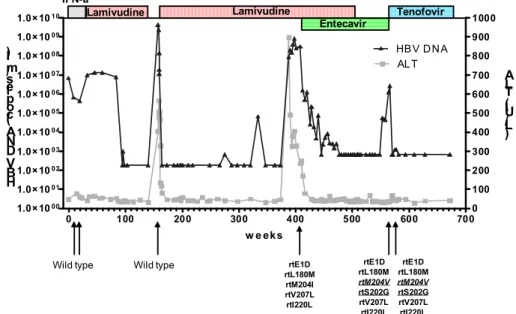
chapter 4 Selection of an entecavir resistant mutant, despite prolonged HBV DNA suppression, in a chronic hepatitis B patient with pre-existent lamivudine resistance: successful rescue therapy with tenofovir
61
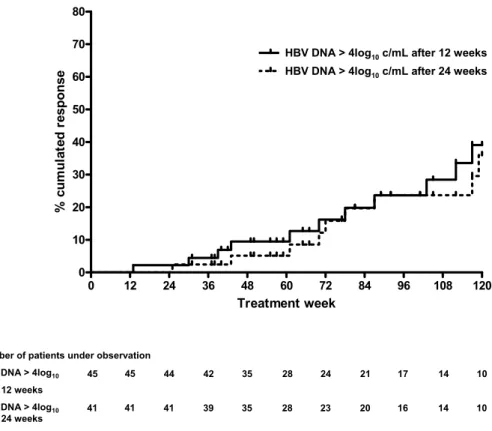
chapter 5 On-treatment monitoring of adefovir therapy in chronic hepatitis B: virologic response can be assessed at 24 weeks
73 chapter 6 Discontinuation of prophylactic Hepatitis B
immunoglobulin therapy is feasible in patients transplanted for acute fulminant Hepatitis B virus infection
89
chapter 7 Discussion 99
chapter 8 Summary and conclusions 129
Samenvatting en conclusies 133
Dankwoord 135
Curriculum Vitae 137
Bibliography 139
1A
introduction
success and failure of nucleoside
and nucleotide analogues
in Chronic Hepatitis b
W.F. Leemans, M.J. ter Borg, R.A. de Man
Department of Gastroenterology & Hepatology, Erasmus MC, University Medical Center, Rotterdam, the Netherlands
Adapted from: Alimentary Pharmacology & Therapeutics, 2007 Dec;26 Supplement 2:171-82
Introduction 9 IntroductIon
The hepatitis B virus (HBV) belongs to the family of hepadna viridae and has a diameter of 42-47 nm. 1 The virus particle encloses a partially double-stranded DNA genome with
a length of approximately 3200 base pairs. Within the viral DNA genome four open read-ing frames (ORFs) can be identified and are termed in analogy of their encodread-ing protein S (surface), C (core), P (polymerase) and X (HBx protein). The ORF S contains 3 regions, the ore S1, pre S2 and S, which encode for the large, middle and small hepatitis B surface glycoproteins depending on the start of the transcription site, respectively. The ORF C is responsible for encoding the hepatitis B e-antigen (HBeAg) and the core antigen (HBcAg). After the binding of the virus particle to the hepatocyte, the HBV viral genome is converted into covalently closed circular DNA (cccDNA) in the hepatocyte nucleus. This cccDNA form the key template for pregenomic RNA in the HBV replication cycle and acts as a reservoir for the HBV. In the hepatocyte cytoplasm, along with the core and polymerase proteins the pregenomic RNA is assembled to virus particles. Sequentially, the RNA is reversed transcribed into a HBV-DNA minus strand, which is finally transcribed by a HBV DNA polymerase into the HBV DNA plus strand. The formed particle can either be excreted via the Golgi apparatus or recycled into the nucleus to form ccc-DNA. 2
As a result of variety in expression of the viral genome, the HBV is divided into 8 different genotypes, A-H. 3, 4 The HBV genotypes are also characterized by different
geographical and demographical distribution. Genotype A is predominantly found in North-West Europe and North America, whereas genotypes B and C are mostly seen in Asian countries. Genotype D is most common in the Mediterranean area. Consequently, Caucasians harbor predominantly genotype A and D, while Asians harbor almost exclu-sively the genotypes B and C. 5, 6
Hepatitis B virus infection is a serious global health problem with more than 350 mil-lion people suffering from chronic hepatitis B virus infection. Approximately, 15-40% of these patients will develop cirrhosis, liver failure or hepatocellular carcinoma (HCC). 7
Chronic HBV infection accounts for 500,000 to 1.2 million deaths each year and is the 10th leading cause of death and the 5th most common cause of cancer related deaths. 8-10
Persistent viral replication is associated with liver disease progression; thus, suppression of viral replication is of uttermost importance. Increasing evidence exists suggesting that persistent viral replication is a risk factor for the development of cirrhosis and HCC. Patients with a viral load of 104-105 copies/ml had an adjusted hazard ratio of 2.5 and 2.3
for the development of cirrhosis or HCC, respectively, increasing to >5 and >6 for patients with over 105 copies/ml. 11, 12 Treatment of active chronic hepatitis B infection prevents
disease progression. 13 Treatment with immunomodulatory agents, interferon-α or its
pegylated form, acts mainly by stimulating the immune system and has a modest direct antiviral effect. Interferon, a cytokine that affects many processes in the body, causes a
10 Chapter 1A
considerable amount of side effects. Interferon therapy is effective in approximately one third of both HBeAg-positive and HBeAg-negative chronic HBV patients and, in general, responders experience long-term inactivation of their chronic infection. 14-16 Another
treatment option for chronic HBV includes the nucleoside and nucleotide analogues, which mainly target the viral polymerase and thereby inhibit viral replication directly. 17
Due to the high replication rate of the virus (up to 1010-1012 virions a day) and the lack of
proofreading by reverse transcriptase, the de novo mutation rate is high. In combination with selection pressure by antiviral drugs, this may select drug resistant mutants. 18, 19 In
this review, we discuss the advantages and disadvantages of nucleoside and nucleotide analogues for the treatment of chronic HBV. Also the diagnosis and management of antiviral resistance to nucleoside and nucleotide analogues is discussed.
LAmIVudIne
Lamivudine (3TC or 2’,3’-dideoxy-3’-thiacytidine) is the first registered nucleoside analogue for the treatment of chronic HBV. It is a cytosine analogue, which has to be phosphorylated to its active metabolite. It directly inhibits the viral polymerase by com-peting with natural thriphosphates for incorporation into the viral DNA by the viral DNA polymerase, thereby terminating chain elongation. 20
Lamivudine proved to be a very well tolerated drug with an excellent safety profile comparable to placebo. With prolongation of therapy, the safety profile does not change. 21-25
Hbeag positive disease
Lamivudine is a strong inhibitor of viral replication and a decline of 5.40 log10 copies/ ml is feasible after one year of treatment. Due to the generally high viral load in HBeAg positive subjects, 36% of the patients will reach a load below the lower limit of detection (LLD 300 copies/ml). Thus, many patients will still experience considerable viral replica-tion as reflected by a mean HBV DNA of about 104 copies/ml. Furthermore, there is a
large variation in viral loads greater than 104 copies/ml in many patients after 1 year
of treatment. Maximum efficacy is reached between weeks 24 and 36 and the viral response weakens thereafter. 21, 23
ALT normalizes in 44-72% of the patients after one year of treatment. 21-23 As a reflection
of viral suppression and decline in ALT levels, necro-inflammation improves in 52-64% of patients. No improvement is observed in 34-42% of patients; of these patients, 7-10% experienced worsening inflammation with paired biopsies. 21-23, 26 The fibrosis score
Introduction 11
HBeAg and the seroconversion to anti-HBe as a sign of partial immunological control occurs in 17-22%. 21-23, 26 Loss of HBsAg is only seen in sporadic cases.
With prolonged treatment, some patients have a sustained on-treatment response while in others, lamivudine loses its efficacy due to the emergence of drug resistant mutants. It is hard to estimate from the published mean HBV DNA data whether the viral load declines further if treatment is prolonged after one year due to the rebound in HBV-DNA levels as a consequence of resistance. In a single cohort study, prolongation of treatment showed an increase in the estimated Kaplan-Meier HBeAg seroconversion rates from 27% to 40% to 47% and to 50% at years 2, 3, 4 and 5 respectively. 25, 27-29
Discontinuation of lamivudine resulted in an increase in HBV DNA levels for the entire group. 21 In a long-term follow-up-up study of patients with HBeAg seroconversion
dur-ing the phase II and III trials, the duration of response was investigated. The median time from the end of the study to enrolment in the follow-up study was 4.3 (0-27) months. At the start of follow-up, 72% had undetectable HBV DNA levels (LLD 7.0 x10⁵ copies/ml)
and this percentage remained 72% at the end of follow-up (median duration 36.6 (4.8-45.6) months). ALT responses diminished as the percentage of patients with normal ALT declined from 73% at baseline to 63% at the end of follow-up. HBeAg seroconversion was sustained in 77% of subjects. 30 The durability of sustained response rates may be
affected by the duration of treatment after HBeAg seroconversion. In a Korean study, patients who received up to two months of therapy after HBeAg seroconversion had a higher relapse rate (74%) compared with those receiving treatment for at least 4 months (37%) of lamivudine after HBeAg seroconversion at year 2 of follow-up. 31 In patients in
which HBV DNA (hybridization assay, LLD 106 copies/ml) and HBeAg were persistently
negative for at least 24 months during lamivudine therapy, cumulative reappearance rates of HBV DNA after cessation of therapy were 15%, 21% and 31% at 6, 12 and 24 months of follow-up. 32 Cumulative reappearance rates of HBeAg were 11%, 13% and
16%. These data suggest that long-term administration of lamivudine might enhance the durability of HBeAg seroconversion. Therefore, it is recommended to continue treatment for at least 3-4 months after HBeAg seroconversion. Viral load, at the time of discontinuation, is a predictor for sustained response. Patients with a low viral load (<200 copies/ml) had significantly lower relapse rates (reappearance of HBV DNA (>5.0 x10⁵ copies/ml and/or HBeAg) (37%) compared to those with a viral load ≥103 copies/ml
(73%) at 2 year follow-up. 33
Resistance is caused by mutations in the viral DNA polymerase (YMDD region) and develops as early as six months after treatment; after one year, 14-32% were lamivudine refractory. 21, 22 With longer treatment duration, the incidence of YMDD mutants increased
to 38%, 53%, 67% and 69% at 2, 3, 4 and 5 years respectively. 25, 28, 29, 34 Over 90% of
12 Chapter 1A
viral load and ALT level remain significantly lower compared to baseline. 21, 28, 35 In some
patients, the emergence of resistance resulted in reversal of their initial histological improvement. 28, 36 A surge of HBV DNA followed by a hepatitis flare with serum ALT >5
upper limit of normal (ULN) occurred in approximately 40% of patients within 1 year after the development of resistance and increased up to >80% by year 5. 37, 38 In
addi-tion, severe hepatitis with hepatic decompensation or even fatality may occur, 37, 39 After
the development of resistance, continuation of lamivudine does not seem beneficial. Hepatic flares and decompensation occurred in 67% and 11%, respectively, in patients continuing lamivudine for 12 months. In patients who discontinued lamivudine, hepatic flares and decompensation occurred in 54% and 7%, respectively. In addition, HBV DNA levels increased in 73% of patients in the continuation arm compared to 33% in the discontinued group.. HBeAg seroconverion occurred in 19% of the group continuing lamivudine and 35% of the patients discontinuing lamivudine. 34
Hbeag negative disease
Treatment of nucleoside naïve HBeAg negative subjects with 100 mg lamivudine once daily resulted in a rapid and strong decline during the first 24 weeks of treatment and a much slower decline until 36 weeks after which there was a slight increase in viral load. After 48 weeks of treatment, the viral load declined by 4.2-4.5 log10 copies/ml. 16, 24
In one study, 89% of the subjects had a viral load less than 7.0 x10⁵ copies/ml and 72%
had undetectable HBV DNA levels (LLD 300 copies/ml). 24 In another study, 85% had a
viral load below 2.0 x10⁴ copies/ml and undetectable levels as determined by PCR (LLD
400 copies/ml) in 73%. 16 ALT levels normalized during treatment; at week 48, 71-73%
had normal ALT levels. 16, 24 Smaller open labeled studies reported ALT normalization in
60-96% of cases after 12 months of treatment. 40-43 Histological improvement, defined
as improvement by at least two points in the Knodell necroinflammatory score with no worsening in the Knodell fibrosis score, occurred in 61%. There was no histological im-provement in 26% of the patients. Despite imim-provement and ALT normalization in most patients, the mean Knodell necroinflammatory score was 4.6 at the end of treatment; there was still some inflammation in many patients at microscopic level. 24 The Ishak
fibrosis score improved in 38%. 44 In patients with severe fibrosis at baseline, the Ishak
fibrosis score improved (≥1 point) in 53%, remained unchanged in 18% and worsened in 5%. 45 Continuation of treatment does not result in significantly improved treatment
outcomes as the percentage of PCR negative subjects increased from 72% to 77% and ALT normalization increased from 71% to 84% after 96 weeks of treatment. 44 Other
stud-ies found a sustained response with prolonged treatment. HBV DNA negativity (<7.0 x10⁵ copies/ml) was 89% after 1 year and 75% after 2 years. ALT levels were normal in
81% after 1 year and in 69% after 2 years of continuous treatment. 46 Others experienced
negativ-Introduction 13
ity dropping by 21-31% between month 12 and 24. 40, 47, 48 ALT responses (normal ALT)
declined over time being 96% at month 12, 59.5% at month 24 and 42.5% with over 30 months of treatment. 40
Discontinuation of therapy frequently results in loss of response. After 6 months of follow-up, HBV DNA suppression was lost in most patients as the percentage of PCR negativity (LLD 400 copies/ml) decreased from 73% to 7% and the subjects with HBV DNA levels <2.0 x10⁵ copies/ml from 85% to 29%. ALT levels increased and 29% lost
their biochemical response and after 6 months 44% had normal ALT levels. 16 A study
with a longer duration of follow-up after treatment cessation showed an 87% relapse rate in initial responders (HBV DNA <1.4 106 copies/ml and normal ALT) and a sustained
response in 15%. 49
Lamivudine resistance emerged in 18-27% after 1 year and increased over time to 44% at year 2 and 60% after 4 years of treatment. 16, 40, 46, 50 The data on the clinical impact
of YMDD mutation are controversial. Some studies suggest little impact on therapeutic response. 46, 50 Others report increases in serum HBV DNA levels and ALT and loss of
histological response in almost all patients. 40, 48, 51, 52 The emergence of resistance can be
associated with clinical significant hepatitis. 40, 52
AdeFoVIr
Adefovir dipivoxil (PMEA or 9-(2-(phosphonomethoxyl)ethyl)-adenine) is an oral prodrug of adefovir which already contains a phosphate group and requires only a final phos-phorylation step before competing for integration into the forming HBV DNA strand resulting in chain termination. The 10 mg dose used for the treatment proved to be safe acutely and chronically. Treatment with higher doses of adefovir increased the risk of nephrotoxicity. 53, 54 Nephrotoxicity is infrequent with the 10 mg dose but dose reduction
is still required with declining kidney function. 55
Hbeag positive disease
Treatment with 10 mg adefovir once daily for 48-52 weeks resulted in a 3.52-4.5 log10 copy decline in viral load and 28-36% reached PCR negativity (LLD 300-400 copies/ ml). 53, 56 Quantitative viral decline of 4 quartiles ((25%) of patients) could be identified;
>4.91 log10 reduction, 3.52-4.91, 2.22-3.51 and <2.22 log10 reduction after 48 weeks of treatment. 57 HBeAg loss occurred in 13-24% of patients and 8-12% had HBeAg
serocon-version at 1 year.
ALT levels declined and, at the end of treatment, 48-79% of ALT levels normalized. The decline in viral load and ALT was also reflected in the improvement of histology. Improvement, defined as a reduction of at least two points of the Knodell
necroinflam-14 Chapter 1A
matory score with no concurrent worsening of the Knodell fibrosis score, occurred in 53% of the patients. The necroinflammatory score improved in 71%, did not change in 15% and worsened in 13%. Fibrosis improved in 41%, remained unchanged in 45% and worsened in 14%. 53
A study investigating the efficacy of prolonged treatment was hampered to some extent, as most patients received ≥1 dose of placebo in the second year due to a dose allocation error. As the length of study follow-up varied, Kaplan-Meier estimates were used. With prolonged treatment, the percentage of patients with a viral load below 103
copies/ml increased from 28% at year 1 to 45% and 56% at years 2 and 3, respectively. ALT levels became normal in 48%, 71% and 81% after 1, 2 and 3 years of treatment, respectively. Rates of HBeAg-loss increased to 42% and 52% and HBeAg seroconversion rates increased to 29% and 43% at year 2 and 3, respectively. 58 A study continuing
treat-ment up to 2 years showed an increase in viral reduction from -4.5 to -5.0 log10 copies/ ml, increase in PCR-negativity (LLD 300 copies/ml) from 28% to 42%, but the percentage of ALT normalization remained unchanged (79% to 78%). The percentage of HBe-loss increased from 13% to 19% and the percentage of patients with HBe-loss and develop-ment of antibodies increased to 15%. 56
In most patients, discontinuation of treatment results in a rapid viral rebound with HBV DNA levels returning to baseline. The increase in viral replication is accompanied by a loss of ALT response and, after 12 weeks of follow-up, 21% had normal ALT levels. 56
However, patients with HBeAg seroconversion had a sustained response in 91% after a median follow-up of 143 months (rang 13-245) with a median HBV DNA of 103 copies/
ml and a viral load <103 copies/ml in 93%. Nine percent lost their initial HBeAg response
and these patients had a shorter duration of adefovir treatment after HBeAg serocon-version, suggesting adefovir should be continued for several months after the HBeAg seroconversion. 59
The occurrence of resistance is low. No adefovir related mutations were found after 1 year of treatment and after two years of treatment resistance was found in 1.3-3%. Little research exists investigating the course of liver disease after the development of resistance, but increases in serum HBV DNA and ALT levels occur and there is also the possibility of severe hepatitis and liver decompensation. 60-62
Hbeag negative disease
Treatment of adefovir for 48 weeks in HBeAg negative subjects resulted in a 3.85-3.91 log10 copies/ml reduction in HBV DNA levels, undetectable HBV DNA levels (LLD 400 cop-ies/ml) in 51% and ALT normalization in 72-80%. 55, 63 Histological improvement, defined
as improvement by at least two points in the Knodell necroinflammatory score with no worsening in the Knodell fibrosis score, occurred in 64% and the Knodell necroinflamma-tory score improved from 8.0 points with a median of 3 points. Necroinflammanecroinflamma-tory scores
Introduction 15
improved in 80%, remained unchanged in 17% and worsened in 3% of patients. The Ishak fibrosis score improved in 48%, remained unchanged in 47% and worsened in 4%. 63
Continuation of treatment up to 2 years, did not lead to much decline in viral load but consolidated the response to adefovir, as 71-75% of the patients had a viral load below 103 copies/ml and 73-79% experienced ALT normalization. Long-term treatment up to
5 years resulted in a viral load below 103 copies/ml in 78-79% at year 3, 65-68% at year
4 and 67% after 5 years of continuous treatment. ALT levels were normal in 69-78% at 3 years, 70-75% at 4 years and 69% after 5 years. 55
Improvement in necroinflammatory scores compared to baseline were also sustained with long term treatment with adefovir. Over 80% of patients showed improvement, with a median decline of necroinflammatory scores of 4.5 and 5.0 after 4 and 5 years of treatment, respectively. Fibrosis improved in time during treatment and 55% had improved Ishak fibrosis scores after 4 years of treatment and 71% had improved scores at year 5. The percentage with worsening necroinflammatory scores or fibrosis score was about 5% with long-term therapy. 64
Discontinuation of therapy after 1 year resulted in a rapid loss of response. HBV DNA levels increased from 103 copies/ml to over 105 copies/ml, but did not return to baseline
values. About 50% lost their ALT response and after a year of follow-up only 30% had normal ALT levels. 55 Even after 4-5 years of treatment, response is not sustained in the
majority of patients as only 30% of patients had a viral load below 104 copies/ml and
56% had HBV DNA levels of over 105 copies/ml after 15 months of follow-up in patients
with a complete response during treatment. ALT levels increased transiently followed by sustained normal levels in 36.4%, were elevated in 33.3% at the end of follow-up and 30.3% had normal ALT levels.
Resistance to adefovir was not detected after 1 year of treatment. With continuous treatment, resistance increased to 3%, 11%, 18% and 28% at year 2, 3, 4 and 5, respec-tively. 65 Little is known about the course of disease after the development of resistance,
but increases in serum HBV DNA and elevation of serum ALT occur. Additionally, severe hepatitis and decompensation have been reported. 60-62
entecAVIr
Entecavir (ETV) is a guanosine analogue and has to be metabolized within hepatocytes to its acitive metabolite entecavir-triphosphate. It acts by directly inhibiting three of the four catalytic activities of the viral polymerase: priming, reverse transcription and DNA-dependent DNA synthesis. Toxicology studies, as well as clinical studies, revealed that entecavir is a safe drug with a safety profile comparable to lamivudine. Safety is preserved with extended treatment.
16 Chapter 1A
Hbeag positive disease
Treatment of nucleoside/nucleotide naïve HBeAg positive subjects with 0.5 mg once daily resulted in a rapid decline in viral load during the first 24 weeks and a slower but continuous decline to week 48, at which the viral load declined to a median of 6.98 log10 copies/ml. PCR negativity occurred in 67% of patients and 91% experienced viral loads <7.0x10⁵ copies/ml. ALT levels normalized in 68% of patients. Histological improvement,
defined as improvement by at least two points in the Knodell necroinflammatory score with no worsening in the Knodell fibrosis score, occurred in 72%. In 8%, the Ishak fibrosis score worsened and the Knodell necroinflammatory score declined from 8.2 to 4.4.
Continuation of entecavir in patients with detectable HBV DNA beyond 48 weeks resulted in a continuous decline in viral load and PCR-negativity increased to 81% after 96 weeks of treatment. 66, 67
Loss of HBeAg occurred in 22% after 48 weeks of treatment and 21% of patients expe-rienced HBeAg seroconversion. In HBeAg-positive patients without continuing therapy, an additional 10% experienced HBeAg seroconversion resulting in an overall HBeAg seroconversion rate of 31% after two years of therapy.
Discontinuation of therapy in responders to entecavir (HBeAg loss, HBV DNA <7.0x10⁵
copies/ml and ALT<1.25 upper limit normal) resulted in a sustained response in 73% of patients. HBeAg loss and load below 7.0x10⁵ copies/ml was sustained in 82% of
patients.
Resistance to entecavir did not occur during 96 weeks of treatment. A total of 12 viral rebounds (≥ 1 log increase from nadir) were documented during clinical trials, but no entecavir-associated mutations could be detected. In addition, no entecavir mutations were identified in patients failing to PCRachieve negativity. In nucleoside-naïve patients, entecavir proved to have a very high genetic barrier to resistance. 67
Hbeag negative disease
Treatment of nucleoside treatment naïve, HBeAg negative subjects with 0.5 mg ente-cavir once daily resulted in a rapid viral decline during the first 24 weeks, after which the majority of patients were PCR negative (LLD 300 copies/ml) and continued to decline to a total of 5.0 log10 copies/ml after 48 weeks of treatment. At this point 90% were PCR negative. ALT levels normalized in 78% of patients. Histological improvement, defined as improvement by at least two points in the Knodell necroinflammatory score, with no worsening in the Knodell fibrosis score occurred in 70% and Ishak fibrosis scores improved in 36%. In 19%, liver histology did not improve. In spite of this improvement, the mean Knodell necroinflammatory score at week 48 was 4.2, indicating some patients still had liver inflammation at a microscopic level.
Treatment discontinuation in patients classified as responders (HBV DNA <7.0x10⁵
Introduction 17
24 weeks of follow-up. Twelve percent experienced an increase in ALT to over 5 times the ULN and 8% experienced a severe flare (ALT >10 times ULN) after discontinuation. 24
In nucleoside-naïve patients, resistance did not occur during the 96-week study pe-riod. Six patients experienced viral rebound (>1 log10 copies/ml increase from nadir), but resistance testing revealed no entecavir-associated mutations.
mAnAgement oF treAtment FAILures
A distinction has to be made in patients failing therapy due to the emergence of drug resistant mutants, or those failing treatment for other reasons.
Definitions have been formulated in order to distinguish the cause of failure. Primary treatment failure is defined as < 1 log10 IU/l (=1.78 log10 copies/ml) decrease in HBV DNA after 12 weeks of treatment. Several factors may contribute; non-compliance, inefficient conversion from the prodrug to its active metabolite, inadequate phosphorylation within the hepatocytes or under dosing of the drug. Under-dosing is particularly an issue with 10 mg adefovir which was selected for safety reasons to prevent nephrotoxicity as docu-mented with the 30 mg dose. 53 However, resistance cannot be ruled out completely as
some nucleoside or nucleotide patients are already resistant to the drug. 68, 69
Secondary treatment failure is defined as an increase of >1 log10 IU/l after an initial decrease of 1 log10 IU/l in HBV DNA as confirmed by two consecutive measurements at a 1-month interval. Factors to be considered are non-compliance and resistance.
Little is known about the causes of treatment failure in non-drug resistant patients. It is not known why some patients experience excellent viral suppression and others sub-optimal suppression. There are predictors of treatment response at baseline: high serum aminotransferase (>5x ULN) levels, high degree of necroinflammatory activity and low serum HBV DNA. 70, 71 A high viral load is probably one of the reasons why treatment
outcomes on viral suppression are less effective in HBeAg-positive subjects compared to HBeAg-negative subjects.
Because viral factors, as well as individual factors, play a role in treatment outcomes, it is difficult to assess the best treatment option for non-responders. In theory, all other nucleoside or nucleotide analogues should be effective. Very little clinical data are avail-able to prove this. Drug sensitivity testing in cell cultures is of little value as it takes only viral factors into account. The sensitivity of wild-type virus is measured and clinical data about the potency is already known from clinical trials. Presuming randomization leads to an equal distribution of individual factors, more potent drugs are expected to sup-press viral replication in subjects failing treatment. Entecavir is a more potent drug than lamivudine in the laboratory setting and proved its higher potency in clinical trial where more entecavir treated subjects had response. 23, 24 In adefovir failures, the more potent
18 Chapter 1A
drug tenofovir proved effective in treating this patients. 72 Also, the addition of another
drug could be feasible. In vitro testing demonstrated the combination of adefovir with an L-nucleoside (lamivudine, telbuvidine, emtricitabine) and exerted additive antiviral effects. 73 Large studies are needed to determine treatment efficacies of antiviral agents
or their combination in non-drug resistant subjects failing antiviral treatment.
rIsk FActors For drug resIstAnce
Risk factors for the development of lamivudine resistance are: prior course of lamivudine, duration of lamivudine therapy, high body weight and body mass index, male sex, high baseline HBV DNA, insufficient HBV DNA suppression and elevated ALT levels during treatment. 35, 74, 75 Risk factors for the development of adefovir resistance are: lamivudine
resistance at start of treatment, high baseline viral load, overlap <1 month of lamivudine + adefovir in case of lamivudine resistance, insufficient HBV DNA suppression during treatment. 76-78 Predictors for entecavir resistance are: lamivudine resistance and
subop-timal suppression of HBV DNA on treatment. 79 Persistent on-treatment viral replication
is a major factor for the development of resistance and this has been shown best in lamivudine treated subjects. A study showed that patients with serum HBV DNA of >103 copies/ml after 6 months had a 63% chance of developing resistance. 75 In another
study in 24 lamivudine treated patients for > 1 year, none of the patients with a nadir HBV DNA <50 copies/ml developed resistance, 2 out of 5 patients had a nadir viral load between 50-300 copies/ml and all 11 patients with a nadir viral load >300 copies/ml developed resistance. 74 A load of 105 copies/ml after 48 weeks of treatment is predictive
for the development of adefovir resistance. However, as resistance is rare, larger groups of adefovir resistant patients have to be studied in order to identify risk factors. 78 About
entcavir, even less is known. Viral load during treatment seems to play a role as 81% of the patients developing resistance had a nadir viral load above 104 copies/ml. 79
detectIon oF drug resIstAnce
Clinically, antiviral resistance has to be suspected when a virological or biochemical breakthrough occurs. A virological breakthrough is not strictly defined, but it is generally agreed to be a 1 log10 increase in viral load either in copies/ml or as IU/l after an initial response in compliant patients. 80-82 The use of sensitive PCR techniques is advised to
monitor the viral load during treatment. The response can be assessed more accurately and an increase in viral load is detected earlier because of the lower level of detection (see fig. 1).
Introduction 19
Biochemical breakthrough is usually defined as an ALT level >1.5 ULN during continu-ing treatment in patients who initially had normal ALT levels. 81, 82 In the majority of cases,
a virological breakthrough precedes a biochemical breakthrough and the time lapse may vary from weeks to months. 83 Compliance should be confirmed, as it may be a more
common cause of treatment failure as expected. In case of non-compliance, this subject has to be reinforced and follow-up is necessary to determine whether the patient is again responsive to therapy. By using the sensitive tests, the chance of detecting viral breakthrough during the time laps to biochemical breakthrough is increased.
Genotypic testing provides information such as which mutations have arisen during treatment and whether these mutations may correlate with the clinical phenotype. This information is useful when determining the treatment strategy, as there might be cross-resistance to other antiviral agents. Resistance testing can be done by direct sequencing of the HBV polymerase/reverse transcriptase gene or reverse hybridization-based assays, such as the line probe assay. Direct sequencing is able to detect new mutations while the line probe assay is designed to interrogate for a selected known mutation associated with drug resistance. The major advantage of the line probe assay is that it is able to detect selected mutations earlier than sequencing techniques, and in patients with low levels of serum HBV DNA. 84, 85
0 10 20 30 40 0 1 2 3 4 5 6 7 8 HBV DNA 0 1 2 3 4 5 6 7 8 ALT Lo g H B V-D N A (I U /m l) A LT (x U LN )
Figure 1. HBV DNA and ALT levels after the initiation of antiviral therapy with nucleos(t)ide analogues in
chronic hepatitis B.
After starting therapy, there is a decline in viral load with a concurrent drop in ALT levels afterwards. When resistance develops, there is a rise in HBV DNA. Subsequently, there is an increase in ALT levels. With sensitive HBV DNA assays, a rise in viral load can be observed soon after the development of resistance. When less sensitive tests are used or only ALT levels are measured to detect antiviral resistance, there is less time to switch to other nucleos(t)ide analogues to manage the developed resistance and to prevent an ALT flare.
20 Chapter 1A
mAnAgement oF drug resIstAnce
lamivudine resistance
Switching to adefovir dipivoxil is an effective treatment for lamivudine resistant chronic hepatitis B and is able to suppress viral load by 4 log10 copies/ml after 48 weeks of treatment. 26% of patients had a viral load below 103 copies/ml (see table 1). 86 There is
controversial data on the addition of adefovir to continuing lamivudine. It seems that there is no benefit in terms of viral suppression for adefovir monotherapy compared to adefovir + lamivudine combination therapy as declines in viral loads are similar. 86, 87
Com-bination therapy of lamivudine and adefovir resulted in negative HBV DNA by PCR assay in 20% (LLD 200 copies/ml), below 103 copies/ml in 35% of HBeAg positive patients, PCR
negativity in 57% (LLD 400 copies/ml) and a viral load below 2.0 x10³ copies/ml in 78%
of HBeAg negative patients at week 48. 86-89 Lamivudine should at least be continued
for 2-3 months after initiation of adefovir as this overlap may prevent the emergence of adefovir resistance. 76 The time of initiation of therapy influences treatment outcomes.
Fewer patients with phenotypic resistance (HBV DNA >106 copies/ml and elevated ALT)
responded to treatment compared to the patients with genotypic resistance (HBV-DNA 104-106 copies/ml) at the time of addition of adefovir to lamivudine. Response in the
former was also slower. 88 This emphasizes the importance of regular HBV DNA testing,
with the use of sensitive tests.
Although adefovir is effective, in lamivudine refractory patients, there is some degree of cross-resistance. Patients who switched to adefovir monotherapy had a higher rate of resistance to adefovir (up to 19% after one year of treatment). 76, 90
Lamivudine and adefovir combination therapy may result in lower resistance rates to adefovir. As lamivudine suppresses the adefovir resistant mutants, adefovir resistance is lower in patients receiving combination treatment compared to those discontinuing lamivudine. 76, 91
Lamivudine resistance confers a dose-dependent cross-resistance to entecavir in a cell culture model; however, lamivudine refractory strains remain sensitive to entecavir. Treatment outcomes of lamivudine resistant patients with 1 mg entecavir once daily were less compared to the nucleoside naïve patients and resulted in a decline of 5.1
Lamividine Adefovir Entecavir Tenofovir
Lamivudine-resistant R S S# S
Adefovir-resistant S R S S
Entecavir-resistant R S R S
table 1. Management of resistance and summary of cross-resistance profiles.
R= resistant, S= sensitive.
Introduction 21
log10 copies/ml and PCR negativity (LLD) in 21% of patients at week 48. ALT normal-ized in 75% of patients and histological necroinflammatory scores improved in 55% of patients. In addition, 34% of patients experienced improvement of fibrosis scores. 92 With
prolonged treatment in HBeAg negative lamivudine refractory patients up to 96 weeks, 30% of patients were PCR-negative (LLD 300 copies/ml), 85% had normal ALT levels and HBeAg seroconversion was observed in 16% of patients. 93 Entecavir requires multiple
mutations and therefore has a high barrier to resistance. Entecavir resistance emerges after additional mutations in lamivudine resistant strains. 94 After 1 year of entecavir, 1%
of lamivudine-resistant patients were resistant to entecavir which increased to 9% after two years. 79
Tenofovir disoproxil fumaraat, an oral prodrug of tenofovir, is licensed for the treat-ment of HIV and possesses potent activity against lamivudine resistant HBV and has no cross-resistance with lamivudine resistance. 95-97 Results look very promising but all
studies were very small and the drug has to be studied in larger groups.
adefovir resistance
In vitro, adefovir resistant mutants are susceptible to lamivudine and might therefore be used to treat adefovir resistance (see table 1). 98 However, little data are available
on this treatment option. 62, 99 The effect of adefovir associated mutations on long-term
lamivudine treatment is unknown and no data is available on lamivudine + adefovir combination therapy. Entecavir and tenofovir have been proven to be effective for ad-efovir resistant mutants, both in vitro and in vivo, as detailed in a number of published case reports. 62, 72, 98, 100 Larger studies are needed to study different treatment options for
patients with adefovir resistance, the same counts for patients resistant to both adefovir and lamivudine.
entecavir resistance
Entecavir resistance is highly cross-resistant with lamivudine as entecavir resistance requires lamivudine resistance (see table 1). 94 These mutant strains are sensitive to
adefovir in vitro and clinical treatment with adefovir resulted in viral load declines. 94, 101
dIscussIon
Over the years, immense progress has been made in the understanding, as well as the treatment of chronic hepatitis B. Most patients with chronic hepatitis B can be treated adequately and as the morbidity and mortality are fairly high especially, in patients with cirrhosis, treatment should be initiated when appropriate. As the field of hepa-titis B quickly evolves, the recommendations for the initiation and type of treatment
22 Chapter 1A
changes. In the coming years, more antiviral agents will be registered for the treatment of chronic hepatitis B. This will extend the arsenal of agents. This will probably result in better treatment options, but on the other hand, treatment may become more complex. Specifically, resistance issues will be challenging. Fortunately, the resistance rate of some antivirals is relatively low, but due the low incidence, it is hard to study resistance because enrolling large groups of patients will be necessary. In vitro testing provides information on the level of cross-resistance and this work should ideally be done for every new mutation found. Also, this work has to be extended to multi-resistant strains, which will emerge with the use of multiple drugs either as sequential monotherapy and combination therapy. Clinical treatment options for resistant strains will have to be evaluated. Although adefovir has been used clinically for several years and large trials with extended treatment durations have been performed in which numerous people developed resistance, very little data are available about the management of adefovir resistance. The same counts for entecavir, but very few resistant cases have been identi-fied thus far. More studies are needed to investigate the basic mechanisms of treatment of non-responders, especially those caused by means other than drug resistance. Some patients will not respond to treatment. The factors involved should be more closely studied, as well as, the response to other agents. We may be on the verge of a change in the treatment of chronic hepatitis B.
Introduction 23 reFerences
[1] Lau JY, Wright TL. Molecular virology and pathogenesis of hepatitis B. Lancet. 1993; 342(8883): 1335-40.
[2] Ganem D, Prince AM. Hepatitis B virus infection--natural history and clinical consequences. N Engl
J Med. 2004; 350(11): 1118-29.
[3] Norder H, Courouce AM, Magnius LO. Complete genomes, phylogenetic relatedness, and structural proteins of six strains of the hepatitis B virus, four of which represent two new genotypes. Virology. 1994; 198(2): 489-503.
[4] Stuyver L, De Gendt S, Van Geyt C, Zoulim F, Fried M, Schinazi RF, et al. A new genotype of hepatitis B virus: complete genome and phylogenetic relatedness. The Journal of general virology. 2000;
81(Pt 1): 67-74.
[5] Lindh M, Andersson AS, Gusdal A. Genotypes, nt 1858 variants, and geographic origin of hepatitis B virus--large-scale analysis using a new genotyping method. The Journal of infectious diseases. 1997; 175(6): 1285-93.
[6] Magnius LO, Norder H. Subtypes, genotypes and molecular epidemiology of the hepatitis B virus as reflected by sequence variability of the S-gene. Intervirology. 1995; 38(1-2): 24-34.
[7] Lok AS. Chronic hepatitis B. N Engl J Med. 2002; 346(22): 1682-3.
[8] Mahoney FJ. Update on diagnosis, management, and prevention of hepatitis B virus infection. Clin Microbiol Rev. 1999; 12(2): 351-66.
[9] Lee WM. Hepatitis B virus infection. N Engl J Med. 1997; 337(24): 1733-45.
[10] Parkin DM, Bray F, Ferlay J, Pisani P. Estimating the world cancer burden: Globocan 2000. Int J Cancer. 2001; 94(2): 153-6.
[11] Chen CJ, Yang HI, Su J, Jen CL, You SL, Lu SN, et al. Risk of hepatocellular carcinoma across a biologi-cal gradient of serum hepatitis B virus DNA level. Jama. 2006; 295(1): 65-73.
[12] Iloeje UH, Yang HI, Su J, Jen CL, You SL, Chen CJ. Predicting cirrhosis risk based on the level of circulating hepatitis B viral load. Gastroenterology. 2006; 130(3): 678-86.
[13] de Franchis R, Hadengue A, Lau G, Lavanchy D, Lok A, McIntyre N, et al. EASL International Consen-sus Conference on Hepatitis B. 13-14 September, 2002 Geneva, Switzerland. ConsenConsen-sus statement (long version). J Hepatol. 2003; 39 suppl 1:S3-25.
[14] Janssen HL, van Zonneveld M, Senturk H, Zeuzem S, Akarca US, Cakaloglu Y, et al. Pegylated inter-feron alfa-2b alone or in combination with lamivudine for HBeAg-positive chronic hepatitis B: a randomised trial. Lancet. 2005; 365(9454): 123-9.
[15] Lau GK, Piratvisuth T, Luo KX, Marcellin P, Thongsawat S, Cooksley G, et al. Peginterferon Alfa-2a, lamivudine, and the combination for HBeAg-positive chronic hepatitis B. N Engl J Med. 2005;
352(26): 2682-95.
[16] Marcellin P, Lau GK, Bonino F, Farci P, Hadziyannis S, Jin R, et al. Peginterferon alfa-2a alone, lami-vudine alone, and the two in combination in patients with HBeAg-negative chronic hepatitis B. N
Engl J Med. 2004; 351(12): 1206-17.
[17] Thomas H, Foster G, Platis D. Mechanisms of action of interferon and nucleoside analogues. J
24 Chapter 1A
[18] Nowak MA, Bonhoeffer S, Hill AM, Boehme R, Thomas HC, McDade H. Viral dynamics in hepatitis B virus infection. Proc Natl Acad Sci U S A. 1996; 93(9): 4398-402.
[19] Locarnini S. Molecular virology of hepatitis B virus. Semin Liver Dis. 2004; 24 suppl 1: 3-10. [20] Doong SL, Tsai CH, Schinazi RF, Liotta DC, Cheng YC. Inhibition of the replication of hepatitis B virus
in vitro by 2’,3’-dideoxy-3’-thiacytidine and related analogues. Proc Natl Acad Sci U S A. 1991; 88(19): 8495-9.
[21] Dienstag JL, Schiff ER, Wright TL, Perrillo RP, Hann HW, Goodman Z, et al. Lamivudine as initial treatment for chronic hepatitis B in the United States. N Engl J Med. 1999; 341(17): 1256-63. [22] Lai CL, Chien RN, Leung NW, Chang TT, Guan R, Tai DI, et al. A one-year trial of lamivudine for
chronic hepatitis B. Asia Hepatitis Lamivudine Study Group. N Engl J Med. 1998; 339(2): 61-8. [23] Chang TT, Gish RG, de Man R, Gadano A, Sollano J, Chao YC, et al. A comparison of entecavir and
lamivudine for HBeAg-positive chronic hepatitis B. N Engl J Med. 2006; 354(10): 1001-10.
[24] Lai CL, Shouval D, Lok AS, Chang TT, Cheinquer H, Goodman Z, et al. Entecavir versus lamivudine for patients with HBeAg-negative chronic hepatitis B. N Engl J Med. 2006; 354(10): 1011-20. [25] Chang TT, Lai CL, Chien RN, Guan R, Lim SG, Lee CM, et al. Four years of lamivudine treatment in
Chinese patients with chronic hepatitis B. J Gastroenterol Hepatol. 2004; 19(11): 1276-82.
[26] Schalm SW, Heathcote J, Cianciara J, Farrell G, Sherman M, Willems B, et al. Lamivudine and alpha interferon combination treatment of patients with chronic hepatitis B infection: a randomised trial. Gut. 2000; 46(4): 562-8.
[27] Liaw YF, Leung NW, Chang TT, Guan R, Tai DI, Ng KY, et al. Effects of extended lamivudine therapy in Asian patients with chronic hepatitis B. Asia Hepatitis Lamivudine Study Group. Gastroenterology. 2000; 119(1): 172-80.
[28] Leung NW, Lai CL, Chang TT, Guan R, Lee CM, Ng KY, et al. Extended lamivudine treatment in patients with chronic hepatitis B enhances hepatitis B e antigen seroconversion rates: results after 3 years of therapy. Hepatology. 2001; 33(6): 1527-32.
[29] Guan R, Lai CL, Liaw YF, Lim SG, Lee CM. Efficacy and safety of 5 years lamivudine treatment of Chinese patients with chronic hepatitis B. J Gastroenterol Hepatol. 2001; 16(Suppl. 1):A60-A1. [30] Dienstag JL, Cianciara J, Karayalcin S, Kowdley KV, Willems B, Plisek S, et al. Durability of serologic
response after lamivudine treatment of chronic hepatitis B. Hepatology. 2003; 37(4): 748-55. [31] Song BC, Suh DJ, Lee HC, Chung YH, Lee YS. Hepatitis B e antigen seroconversion after lamivudine
therapy is not durable in patients with chronic hepatitis B in Korea. Hepatology. 2000; 32(4 Pt 1): 803-6.
[32] Ryu SH, Chung YH, Choi MH, Kim JA, Shin JW, Jang MK, et al. Long-term additional lamivudine therapy enhances durability of lamivudine-induced HBeAg loss: a prospective study. J Hepatol. 2003; 39(4): 614-9.
[33] Lee HC, Suh DJ, Ryu SH, Kim H, Shin JW, Lim YS, et al. Quantitative polymerase chain reaction assay for serum hepatitis B virus DNA as a predictive factor for post-treatment relapse after lamivudine induced hepatitis B e antigen loss or seroconversion. Gut. 2003; 52(12): 1779-83.
[34] Liaw YF, Chien RN, Yeh CT. No benefit to continue lamivudine therapy after emergence of YMDD mutations. Antivir Ther. 2004; 9(2): 257-62.
Introduction 25
[35] Lai CL, Dienstag J, Schiff E, Leung NW, Atkins M, Hunt C, et al. Prevalence and clinical correlates of YMDD variants during lamivudine therapy for patients with chronic hepatitis B. Clin Infect Dis. 2003; 36(6): 687-96.
[36] Dienstag JL, Goldin RD, Heathcote EJ, Hann HW, Woessner M, Stephenson SL, et al. Histological outcome during long-term lamivudine therapy. Gastroenterology. 2003; 124(1): 105-17.
[37] Liaw YF, Chien RN, Yeh CT, Tsai SL, Chu CM. Acute exacerbation and hepatitis B virus clearance after emergence of YMDD motif mutation during lamivudine therapy. Hepatology. 1999; 30(2): 567-72. [38] Lok AS, Lai CL, Leung N, Yao GB, Cui ZY, Schiff ER, et al. Long-term safety of lamivudine treatment
in patients with chronic hepatitis B. Gastroenterology. 2003; 125(6): 1714-22.
[39] de Man RA, Bartholomeusz AI, Niesters HG, Zondervan PE, Locarnini SA. The sequential occurrence of viral mutations in a liver transplant recipient re-infected with hepatitis B: hepatitis B immune globulin escape, famciclovir non-response, followed by lamivudine resistance resulting in graft loss. J Hepatol. 1998; 29(4): 669-75.
[40] Hadziyannis SJ, Papatheodoridis GV, Dimou E, Laras A, Papaioannou C. Efficacy of long-term lamivudine monotherapy in patients with hepatitis B e antigen-negative chronic hepatitis B.
Hepatology. 2000; 32(4 Pt 1): 847-51.
[41] Gaia S, Marzano A, Smedile A, Barbon V, Abate ML, Olivero A, et al. Four years of treatment with lamivudine: clinical and virological evaluations in HBe antigen-negative chronic hepatitis B.
Ali-ment Pharmacol Ther. 2004; 20(3): 281-7.
[42] Scotto G, Fazio V, Campanozzi F, D’Adduzio A. Efficacy of treatment with lamivudine in patients with chronic active E-minus variant hepatitis B virus infection: a non-randomized, open label study. Curr Ther Res. 2000; 61: 321-30.
[43] Rizzetto M. Efficacy of lamivudine in HBeAg-negative chronic hepatitis B. J Med Virol. 2002; 66(4): 435-51.
[44] Shouval D, Lai CL, Cheinquer H, Lok AS, DeHertogh D, Wilber R, et al. Entacavir demonstrates superior histologic and virologic efficacy over lamivudine in nucleoside-naïve HBeAg(-) chronic hepatitis B: results of phase III trial ETV-027. Hepatology. 2004; 40(4, Suppl. 1): 728A.
[45] Simsek H, Schiff E, Goodman Z, Brett-Smith H, Klesczewski K, Kreter B. Effects of entecavir and lamivudine on advanced liver fibrosis after 48 weeks of treatment in patients with CHB infection: results of three pivotal trials. J Hepatoly. 2006; 44(Suppl. 2):S191.
[46] Buti M, Cotrina M, Jardi R, de Castro EC, Rodriguez-Frias F, Sanchez-Avila F, et al. Two years of lamivudine therapy in anti-HBe-positive patients with chronic hepatitis B. J Viral Hepat. 2001; 8(4): 270-5.
[47] Tassopoulos NC, Anagnostopoulos GD. Long-term lamivudine treatment of patients with pre-core mutant profile (HBEAg(-)/Anti-HBe+) chronic hepatitis B. Antiviral Therapy. 2000; 5(Suppl. 1): 34. [48] Dimou E, Papatheodoridis GV, Laras A, Hadziyannis SJ. Efficacy of long-term lamivudine
mono-therapy in HBeAg negative chronic hepatitis B. 2000. 2000; 5(Suppl. 1): 44.
[49] Santantonio T, Mazzola M, Iacovazzi T, Miglietta A, Guastadisegni A, Pastore G. Long-term follow-up of patients with anti-HBe/HBV DNA-positive chronic hepatitis B treated for 12 months with lamivudine. J Hepatol. 2000; 32(2): 300-6.
[50] Tassopoulos NC, Volpes R, Pastore G, Heathcote J, Buti M, Goldin RD, et al. Efficacy of lamivudine in patients with hepatitis B e antigen-negative/hepatitis B virus DNA-positive (precore mutant) chronic hepatitis B.Lamivudine Precore Mutant Study Group. Hepatology. 1999; 29(3): 889-96.
26 Chapter 1A
[51] Rizzetto M, Tassopoulos NC, Goldin RD, Esteban R, Santantonio T, Heathcote EJ, et al. Extended lamivudine treatment in patients with HBeAg-negative chronic hepatitis B. J Hepatol. 2005; 42(2): 173-9.
[52] Fung SK, Wong F, Hussain M, Lok AS. Sustained response after a 2-year course of lamivudine treat-ment of hepatitis B e antigen-negative chronic hepatitis B. J Viral Hepat. 2004; 11(5): 432-8. [53] Marcellin P, Chang TT, Lim SG, Tong MJ, Sievert W, Shiffman ML, et al. Adefovir dipivoxil for the
treatment of hepatitis B e antigen-positive chronic hepatitis B. N Engl J Med. 2003; 348(9): 808-16. [54] Izzedine H, Hulot JS, Launay-Vacher V, Marcellini P, Hadziyannis SJ, Currie G, et al. Renal safety of
adefovir dipivoxil in patients with chronic hepatitis B: two double-blind, randomized, placebo-controlled studies. Kidney Int. 2004; 66(3): 1153-8.
[55] Hadziyannis SJ, Tassopoulos NC, Heathcote EJ, Chang TT, Kitis G, Rizzetto M, et al. Long-term therapy with adefovir dipivoxil for HBeAg-negative chronic hepatitis B. N Engl J Med. 2005; 352(26): 2673-81.
[56] Mao YM, Zheng MD, Yao GB, Xu DZ, Hou JL, Chen YG, et al. Efficacy and safety of two years therapy with adefovir dipixoxil (ADV) in Chinese subjects with HBeAg positive chronic hepatitis B (CHB). J
Hepatology. 2006; 44(Suppl. no. 2):S185.
[57] Durantel S, Werle B, Durantel D, Pichoud C, Currie G, Xiong S, et al. Differnet profiles of response to adefovir dipivoxil and factors that may influence response in patoents with chronic hepatitis B.
Hepatology. 2004; 40(4: Suppl. no.1): 654A.
[58] Marcellini P, Chang TT, Lim SG, Sievert W, Tong M, Arterburn S, et al. Increasing serologic, virologic and biochemical response over time to adefovir dipivoxil (ADV) 10 mg in HBeAg+ chronic hepatitis B (CHB) patients. J Hepatology. 2005; 42(Suppl. no. 2): 31-2.
[59] Chang TT, Schiffman ML, Tong M, Liaw YF, Komolmit P, Sorbel J, et al. Durability of HBeAg serocon-version following adefovir dipivoxil treatment for chronic hepatitis B. J Hepatology. 2006; 44(Suppl. no. 2):S187.
[60] Ratziu V, Thibault V, Benhamou Y, Poynard T. Successful rescue therapy with tenofovir in a patient with hepatic decompensation and adefovir resistant HBV mutant. Comp Hepatol. 2006; 5: 1. [61] Yeon JE, Yoo W, Hong SP, Chang YJ, Yu SK, Kim JH, et al. Resistance to adefovir dipivoxil (ADV) in
lamivudine- resistant chronic hepatitis B patients treated with ADV. Gut. 2006.
[62] Fung SK, Andreone P, Han SH, Rajender Reddy K, Regev A, Keeffe EB, et al. Adefovir-resistant hepatitis B can be associated with viral rebound and hepatic decompensation. J Hepatol. 2005;
43(6): 937-43.
[63] Hadziyannis SJ, Tassopoulos NC, Heathcote EJ, Chang TT, Kitis G, Rizzetto M, et al. Adefovir dipivoxil for the treatment of hepatitis B e antigen-negative chronic hepatitis B. N Engl J Med. 2003; 348(9): 800-7.
[64] Hadziyannis SJ, Tassopoulos NC, Chang TT, Heathcote EJ, Kitis G, Rizzetto M, et al. Two state mod-elin of virological and biochemical efficacy plus liver biopsies demonstrate efficacy of adefovir dipivoxil in HBeAg-negative chronic hepatitis B over 4 or 5 years. J Hepatology. 2006; 44(Suppl. No. 2):S184.
[65] Hadziyannis SJ, Tassopoulos NC, Chang TT, Heathcote EJ, Kitis G, Rizzetto M, et al. Long-term adefovir dipivoxil treatment induces regression of liver fibrosis in patients with HBeAg-negative chronic hepatitis B: results after 5 years of therapy. Hepatology. 2005; 42(No.4 Suppl. !): 754A.
Introduction 27
[66] Gish RG, Chang TT, de Man RA, Gadano A, Sollano J, Han KW, et al. Entecavir results in sustantial virologic and biochemical improvement and HBeAg seroconversion through 96 weeks of treat-ment in HBeAg(+) chronic hepatitis B patients (study ETV-022). Hepatology. 2005; 42(no.4, Suppl. 1): 267A.
[67] Colonno RJ, Rose RE, Baldick CJ, Levine SM, Klesczewski K, Tenney DJ. High barrier to resistance results in no emergence of entecavir resistance in nucleoside-naïve subjects during the first two years of therapy. J Hepatology. 2006; 44(Suppl. 2):S182.
[68] Huang ZM, Huang QW, Qin YQ, He YZ, Qin HJ, Zhou YN, et al. YMDD mutations in patients with chronic hepatitis B untreated with antiviral medicines. World J Gastroenterol. 2005; 11(6): 867-70. [69] Schildgen O, Sirma H, Funk A, Wend UC, Hartman H, Olotu C, et al. Primary resistance of a novel
hepatitis B virus variant to adefovir. J Hepatology. 2006; 44(Suppl. 2):S190.
[70] Chien RN, Liaw YF, Atkins M. Pretherapy alanine transaminase level as a determinant for hepatitis B e antigen seroconversion during lamivudine therapy in patients with chronic hepatitis B. Asian Hepatitis Lamivudine Trial Group. Hepatology. 1999; 30(3): 770-4.
[71] Perrillo RP, Lai CL, Liaw YF, Dienstag JL, Schiff ER, Schalm SW, et al. Predictors of HBeAg loss after lamivudine treatment for chronic hepatitis B. Hepatology. 2002; 36(1): 186-94.
[72] Villeneuve J, Willems B, Zoulim F. Efficacy of tenofovir in patients with chronic hepatitis B and resistance or sub-optimal response to adefovir. Hepatology. 2005; 42(No. 4 Suppl. 1): 588A. [73] Delaney WEt, Yang H, Miller MD, Gibbs CS, Xiong S. Combinations of adefovir with nucleoside
analogs produce additive antiviral effects against hepatitis B virus in vitro. Antimicrob Agents
Chemother. 2004; 48(10): 3702-10.
[74] Ide T, Kumashiro R, Koga Y, Tanaka E, Hino T, Hisamochi A, et al. A real-time quantitative poly-merase chain reaction method for hepatitis B virus in patients with chronic hepatitis B treated with lamivudine. Am J Gastroenterol. 2003; 98(9): 2048-51.
[75] Yuen MF, Sablon E, Hui CK, Yuan HJ, Decraemer H, Lai CL. Factors associated with hepatitis B virus DNA breakthrough in patients receiving prolonged lamivudine therapy. Hepatology. 2001; 34(4 Pt 1): 785-91.
[76] Fung SK, Chae HB, Fontana RJ, Conjeevaram H, Marrero J, Oberhelman K, et al. Virologic response and resistance to adefovir in patients with chronic hepatitis B. J Hepatol. 2006; 44(2): 283-90. [77] Lee CH, Yeon JE, Pyo S, Kim JH, Chung HJ, Gyeonggido Y, et al. More frequent and earlier emergence
of adefovir (ADV) resistance mutations in lamivudine resistant patients treated with ADV com-pared to previously reported nucleoside-treatment naïve patients. Hepatology. 2005; 42(Suppl. 1): 593A.
[78] Locarnini S, Qi X, Arterburn S, Snow A, Brosgart C, Currie G, et al. Incidence and predictors of emergence of adefovir resistant HBV during four years of adefovir dipivoxil (ADV) therapy for patients with chronic hepatitis B (CHB). J Hepatology. 2005; 42(Suppl. no.2): 17.
[79] Colonno R, Rose R, Levine S, Baldick J, Pokornowski K, Plym M, et al. Entecavir two year resistance update: no resistance observed in nucleotide naïve patients and low frequency resistance emer-gence in lamivudine refractory patients. Hepatology. 2005; 42(Suppl. 1): 573A.
[80] Locarnini S, Hatzakis A, Heathcote J, Keeffe EB, Liang TJ, Mutimer D, et al. Management of antiviral resistance in patients with chronic hepatitis B. Antivir Ther. 2004; 9(5): 679-93.
28 Chapter 1A
[82] Lok AS, McMahon BJ. [AASLD Practice Guidelines. Chronic hepatitis B: update of therapeutic guidelines]. Rom J Gastroenterol. 2004; 13(2): 150-4.
[83] Papatheodoridis GV, Dimou E, Laras A, Papadimitropoulos V, Hadziyannis SJ. Course of virologic breakthroughs under long-term lamivudine in HBeAg-negative precore mutant HBV liver disease.
Hepatology. 2002; 36(1): 219-26.
[84] Hussain M, Fung S, Libbrecht E, Sablon E, Cursaro C, Andreone P, et al. Sensitive line probe assay that simultaneously detects mutations conveying resistance to lamivudine and adefovir. J Clin Microbiol. 2006; 44(3): 1094-7.
[85] Sertoz RY, Erensoy S, Pas S, Akarca US, Ozgenc F, Yamazhan T, et al. Comparison of sequence analy-sis and INNO-LiPA HBV DR line probe assay in patients with chronic hepatitis B. J Chemother. 2005;
17(5): 514-20.
[86] Peters MG, Hann Hw H, Martin P, Heathcote EJ, Buggisch P, Rubin R, et al. Adefovir dipivoxil alone or in combination with lamivudine in patients with lamivudine-resistant chronic hepatitis B.
Gastroenterology. 2004; 126(1): 91-101.
[87] Perrillo R, Hann HW, Mutimer D, Willems B, Leung N, Lee WM, et al. Adefovir dipivoxil added to ongoing lamivudine in chronic hepatitis B with YMDD mutant hepatitis B virus. Gastroenterology. 2004; 126(1): 81-90.
[88] Lampertico P, Vigano M, Manenti E, Iavarone M, Lunghi G, Colombo M. Adefovir rapidly suppresses hepatitis B in HBeAg-negative patients developing genotypic resistance to lamivudine. Hepatol-ogy. 2005; 42(6): 1414-9.
[89] Vassiliadis T, Nikolaidis N, Giouleme O, Tziomalos K, Grammatikos N, Patsiaoura K, et al. Adefovir dipivoxil added to ongoing lamivudine therapy in patients with lamivudine-resistant hepatitis B e antigen-negative chronic hepatitis B. Aliment Pharmacol Ther. 2005; 21(5): 531-7.
[90] Lee Y, Suh DJ, Lim YS, Jung SW, Lim KM, Chung Y, et al. Emergence of rtA181V/T and rtN236T muta-tions after 48 weeks of adefovir dipivoxil therapy in patients with lamivudine-resistant chronic hepatitis B. Hepatology. 2005; 42(Suppl. 1): 578A.
[91] Snow A, Thibault V, Qi X, Zhu Y, Westland C, Arterburn S. Combination of adefovir (ADV) and lamivudine (LAM) prevented emergence of adefovir resistance mutations in chronic hepatitis B patients with lamivudine-resistant HBV. Gastroenterology. 2005; 128:M945.
[92] Sherman M, Yurdaydin C, Sollano J, Silva M, Goodman Z, Chen L, et al. Entecavir is superior to continued lamivudine for the treatment of lamivudine-refractory, HBeAg(+) chronic hepatitis B: results of phase III study ETV-026. Hepatology. 2004; 40(4, Suppl. 1): 664A.
[93] Yurdaydin C, Sollano J, Hadziyannis SJ, Kaymakoglu S, Sherman M, Brett-Smith H, et al. Entecavir results in continued virologic and biochemical improvement and HBeAg seroconversion through 96 weeks of treatment in lamivudine-refractory, HBeAg(+) chronic hepatitis B patients (ETV-026).
J Hepatology. 2006; 44(Suppl. 2):S36.
[94] Tenney DJ, Levine SM, Rose RE, Walsh AW, Weinheimer SP, Discotto L, et al. Clinical emergence of entecavir-resistant hepatitis B virus requires additional substitutions in virus already resistant to Lamivudine. Antimicrob Agents Chemother. 2004; 48(9): 3498-507.
[95] Yang H, Qi X, Sabogal A, Miller M, Xiong S, Delaney WEt. Cross-resistance testing of next-generation nucleoside and nucleotide analogues against lamivudine-resistant HBV. Antivir Ther. 2005; 10(5): 625-33.
Introduction 29
[96] van Bommel F, Wunsche T, Mauss S, Reinke P, Bergk A, Schurmann D, et al. Comparison of adefovir and tenofovir in the treatment of lamivudine-resistant hepatitis B virus infection. Hepatology. 2004; 40(6): 1421-5.
[97] Bömmel vF, Mauss S, Zollner B, Schürmann D, Bergk A, Feucht HH, et al. Long-term effect of tenofo-vir in the treatment of lamivudine-resistant hepatitis B tenofo-virus infections in comparison to adefotenofo-vir.
Hepatology. 2005; 42(no. 4, Suppl. 1): 269A.
[98] Brunelle MN, Jacquard AC, Pichoud C, Durantel D, Carrouee-Durantel S, Villeneuve JP, et al. Susceptibility to antivirals of a human HBV strain with mutations conferring resistance to both lamivudine and adefovir. Hepatology. 2005; 41(6): 1391-8.
[99] Angus P, Vaughan R, Xiong S, Yang H, Delaney W, Gibbs C, et al. Resistance to adefovir dipivoxil therapy associated with the selection of a novel mutation in the HBV polymerase. Gastroenterol-ogy. 2003; 125(2): 292-7.
[100] Zoulim F. Combination of nucleoside analogues in the treatment of chronic hepatitis B virus infec-tion: lesson from experimental models. J Antimicrob Chemother. 2005; 55(5): 608-11.
[101] Villet V, Pichoud C, Ollivet A, Villeneuve J, Trepo C, Zoulim F. Sequential antiviral therapy leads to the emergence of multiple drug resistant hepatitis B virus. Hepatology. 2005; 42(Suppl. 1): 581A.
32 Chapter 1B
In the early days of chronic hepatitis B treatment prospects of patients were grim. No effective therapy was available and liver transplantation was the only option for patients who progressed to end-stage liver disease. To worsen matters, HBV infection soon became a contraindication for transplantation as survival was poor due to re-infection of the transplant liver, followed by an aggressive course leading to graft failure in a short time. With the introduction of HBIg therapy post-transplantation recurrence rates dropped and survival increased. This resulted in acceptation of HBV infected patients in the transplant programs again. In the nineties the only treatment available for chronic HBV was interferon. Although many different interferon regimens were explored, treat-ment results were limited with a response in about one third of patients. In addition the therapy was associated with multiple side effects and required thrice weekly injection. Relapse after discontinuation was frequent. Retreatment with interferon yielded even lower success rates. A new era started with the introduction of the oral nucleoside analogues.
With Lamivudine treatment it was possible to control HBV disease in the majority of patients, probably even increasing survival. But optimism was short lived as it soon turned out the resistance barrier of lamivudine was low, resulting in resistance in up to two third to three quarter of patients. Resistance was often accompanied by relapse of viral replication and liver inflammation and thus to progression of disease. Sometimes the hepatic flare after relapse leads to decompensation or even death. New drugs for the treatment of HBV came on the market with increasingly shorter intervals. Treatment with PEG-interferon-α improved sustainability of response with much lower side ef-fects during treatment. New nucleosides and nucleotides are more potent and have a higher barrier to resistance. However, treatment is far from perfect. Only a minority of patients is cured by interferon treatment, which is not likely to happen with nucleoside/ nucleotide treatment. Thus many patients need life-long monitoring and/or treatment. With the availability of several treatment options it became harder to determine the best treatment for the individual patients. In the early days the choice was simple, as little was known about the prognostic factors for treatment outcome and options were limited. Another challenge has emerged in the form of treatment experienced patients, who failed prior therapy as a result of non-response to treatment or development of re-sistance. The best for the patient is patient tailored treatment taking in account variables known to influence treatment outcome.
The question is: “Is patient tailored treatment feasible”?
In this thesis we explore the possibility of patient tailored treatment by reviewing the literature and by research on treatment outcomes in patients with hepatitis B virus infec-tion to add and understand some of the variables influencing treatment outcome.
Rationale and aims of the study 33 AIms oF tHe study:
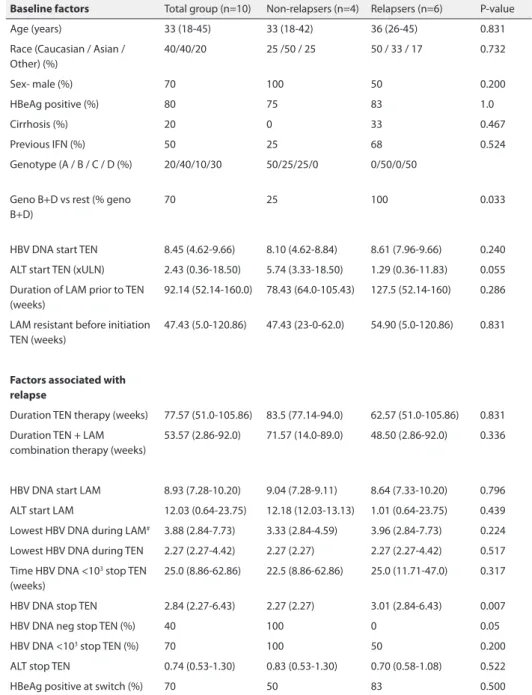
1. To examine the response to PEG-interferon-α in lamivudine experienced patients harbouring mutations in the YMDD-motif associated with resistance to lamivudine. 2. To describe the development of entecavir resistance in a treatment experienced
patient
3. To determine treatment outcomes in patients switched from tenofovir to adefovir. 4. To explore the response to adefovir in an open population, reflecting daily practice.
Outcomes, predictors for response and resistance.
5. To investigate the feasibility of discontinuing HBIg treatment in patients transplanted for acute fulminant hepatitis B virus infection.
2
the effect of pegylated
interferon-α on the treatment
of lamivudine resistant
chronic HBeag positive
Hepatitis B virus infection
W.F. Leemans1, H.J. Flink1, H.L.A. Janssen1, H.G.M. Niesters2, S.W.
Schalm1, R.A. de Man1
Departments of 1Gastroenterology & Hepatology and 2Virology, Erasmus MC, University Medical Center, Rotterdam, the Netherlands
36 Chapter 2
ABstrAct
Objective: To determine the response to pegylated interferon-α treatment of HBeAg-positive hepatitis B patients with proven lamivudine resistance.
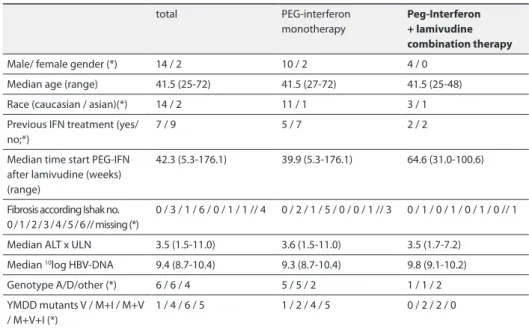
Methods: Sixteen HBeAg-positive HBV patients with YMDD mutations were treated with pegylated interferon. Median treatment duration was 52 weeks (range 20–53), with a 26-week follow up.
Results: Two of 16 (12.5%) patients seroconverted to HBeAg negative and achieved sus-tained virological (HBV-DNA levels below 10log 5 copies/ml) together with biochemical
(normalization of serum ALT levels) responses. Compared with the strong signal in all other patients, only these two patients had a faint signal in the lamivudine resistance assay. For all patients, the median viral load decreased from 10log 9.4 to 7.9 copies/ml
(p=0.001) during treatment but rebounded to a median of 10log 8.7 copies/ml after
treatment cessation. Similarly, elevated median ALT levels at baseline decreased with treatment but rebounded after the end of treatment.
Conclusion: In the largest cohort study to date, pegylated interferon-α therapy sh