Pepperdine Digital Commons
Pepperdine Digital Commons
Theses and Dissertations2014
Determining the effects of employee trust on organizational
Determining the effects of employee trust on organizational
commitment
commitment
Ron FreundFollow this and additional works at: https://digitalcommons.pepperdine.edu/etd
Recommended Citation Recommended Citation
Freund, Ron, "Determining the effects of employee trust on organizational commitment" (2014). Theses and Dissertations. 435.
https://digitalcommons.pepperdine.edu/etd/435
This Dissertation is brought to you for free and open access by Pepperdine Digital Commons. It has been accepted for inclusion in Theses and Dissertations by an authorized administrator of Pepperdine Digital Commons. For more information, please contact [email protected] , [email protected].
Pepperdine University
Graduate School of Education and Psychology
DETERMINING THE EFFECTS OF EMPLOYEE TRUST ON ORGANIZATIONAL COMMITMENT
A dissertation submitted in partial satisfaction of the requirements for the degree of Doctor of Education in Organizational Leadership
by Ron Freund
May, 2014
This dissertation, written by
Ron Freund
under the guidance of a Faculty Committee and approved by its members, has been submitted to and accepted by the Graduate Faculty in partial fulfillment of the requirements for the degree of
DOCTOR OF EDUCATION
Doctoral Committee:
Leo Mallette, Ed.D., Chairperson James DellaNeve, Ed.D.
© Copyright by Ron Freund (2014) All Rights Reserved
TABLE OF CONTENTS
Page
LIST OF TABLES ... vii
LIST OF FIGURES ... viii
ACKNOWLEDGEMENTS ...x
VITA ... xi
ABSTRACT ... xii
Chapter I: Introduction ...13
Background of the Problem ...14
Statement of the Problem ...19
Purpose of the Study ...21
Research Questions ...21
Significance of the Study ...22
Research Approaches to Trust ...24
What is Trust? ...24
Trust-Distrust Continuum Diagram ...27
Stages of Trust Development ...28
Definition of Terms...33
Assumptions ...36
Limitations ...37
Summary ...38
Chapter II: Review of Literature ...39
Discussion ...39
Definition of Trust ...40
Research Approaches to Trust ...41
Trust as a Social Concept ...42
Trust Formation ...43
Stages of Trust Development ...44
Trust – Distrust Continuum ...46
The Decline of Trust ...47
The Repair of Trust ...48
Measurement of Trust ...49
The Importance of Trust ...50
Establishing Trust ...50
Antecedents to Trust ...54
Leadership Antecedents ...61
Leadership Styles ...66
The Trust-Belief Threshold...71
Trustworthy Behaviors...76
Extra-Role Behaviors ...80
Counterproductive Behaviors ...81
Proactive and Enterprising Behaviors ...82
Individual Benefits ...86
Organizational Benefits ...86
Organizational Performance ...87
Employee Retention and Absenteeism ...87
Trust Reinforcement Mechanisms ...89
Conclusion ...91
Chapter III: Research Methodology ...94
Introduction ...94
Research Design and Rationale ...95
Theoretical Framework ...95
Model and Variables ...96
Independent Variables ...96 Trustworthy Attitude ...98 Dependent Variables ...99 Hypotheses ...100 Structural Model ...102 Procedures ...104 Instrumentation ...106
Data Collection and Recording ...109
Data Processing and Analysis ...110
Summary ...111
Chapter IV: Results ...113
Participation ...113
Data Processing and Analysis ...115
Regression Analysis ...119
Hypotheses Testing ...120
Non-hypothesized Significant Correlations ...126
Summary ...131
Chapter V: Conclusions and Recommendations ...133
Hypothesized Relationships Between Trust and Organizational Commitment ...134
Conclusions and Implications ...138
Limitations ...139
Methodological Enhancements ...141
Recommendations for Future Research ...142
Final Summary ...144
REFERENCES ...146
APPENDIX A. Study Information Disclosure Letter ...164
APPENDIX B. Consent to Participate in Study ...165
APPENDIX C. Organizational Trust-Commitment Survey ...166
APPENDIX D. Permission to Use OTI Instrument ...168
APPENDIX E. IRB Approval Letter ...169
LIST OF TABLES
Page
Table 1. References to Organization Antecedents to Trust ... 56
Table 2. References to Leadership Antecedents to Trust ... 70
Table 3. References Creating a Trustworthy State of Mind ... 74
Table 4. References Pertaining to Trustworthy Behavior ... 85
Table 5. References to Benefits Derived from Trustworthy Behavior ... 88
Table 6. Path Diagram Codes ... 102
Table 7. Survey Question Mapping ... 109
Table 8. Demographic Statistics ... 114
Table 9. Trust and Organizational Commitment Descriptive Statistics ... 116
Table 10. OTI Question Correlations... 117
Table 11. Affective Commitment TCM Question Correlations ... 118
Table 12. Normative Commitment TCM Question Correlations ... 118
Table 13. Continuance Commitment TCM Question Correlations ... 119
Table 14. Table of Correlations and Significance ... 120
Table 15. Correlations of Hypotheses. ... 132
LIST OF FIGURES
Page
Figure 1. Authentic leadership to trust relationship diagram. ... 18
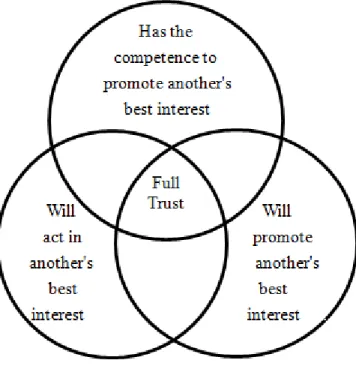
Figure 2. Requirements for full trust. ... 25
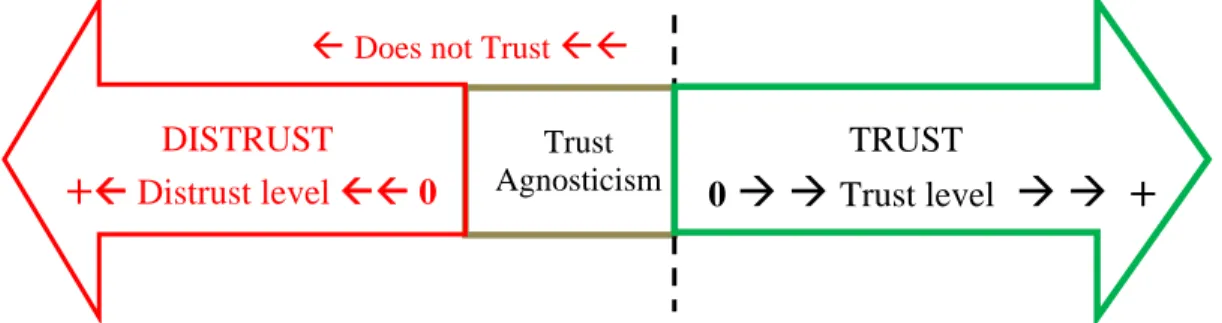
Figure 3. Trust-distrust continuum diagram. ... 27
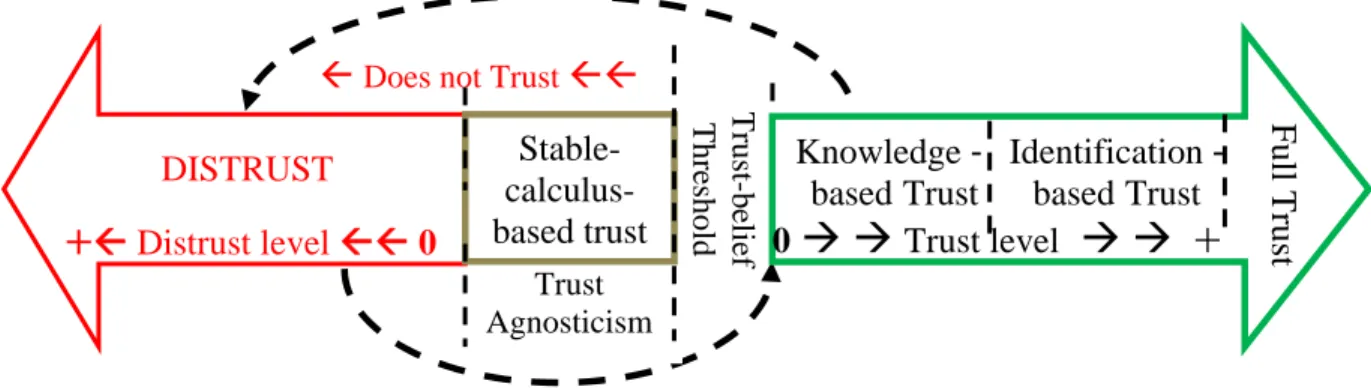
Figure 4. Stages of trust growth diagram ... 29
Figure 5. Decline and repair of trust. ... 32
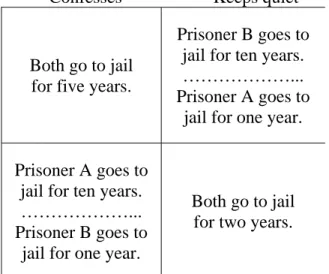
Figure 6. Prisoner’s dilemma matrix. ... 40
Figure 7. Organizational trust system model. ... 53
Figure 8. Theoretical framework of trust and organizational commitment. ... 95
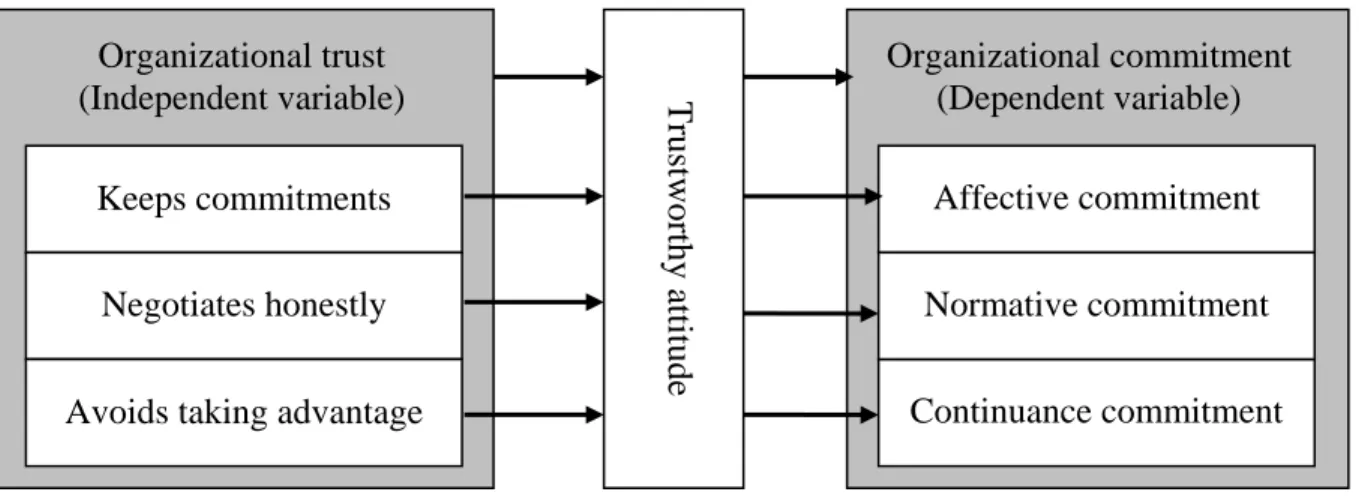
Figure 9. Proposed relationship between trust and commitment. ... 96
Figure 10. Proposed model of organizational trust outcomes. ... 102
Figure 11. Organizational trust path diagram. ... 103
Figure 12. Organizational commitment path diagram. ... 103
Figure 13. Initial model of trust to commitment. ... 103
Figure 14. Research plan. ... 105
Figure 15. Sample survey question. ... 109
Figure 16. Charts of age and seniority ... 114
Figure 17. Charts of gender and position ... 115
Figure 18. TT to TC scatter diagram ... 121
Figure 19. TT to AC scatter diagram ... 122
Figure 20. KC to TC scatter diagram ... 123
Page
Figure 22. TT to CC scatter diagram ... 125
Figure 23. KC to AC scatter diagram ... 126
Figure 24. KC to NC scatter diagram ... 127
Figure 25. KC to CC scatter diagram... 128
Figure 26. NH to AC scatter diagram ... 129
Figure 27. NH to CC scatter diagram ... 130
ACKNOWLEDGEMENTS
I want to express my deepest appreciation to my parents, Bill and Joy Freund. Their unrelenting love, support, and belief in my abilities have given me the confidence to succeed in education, career, and life.
Furthermore, I extend a most heartfelt thanks to my committee chairperson, Dr. Leo Mallette, and my committee members, Dr. Kent Rhodes and Dr. James DellaNeve for their expertise, guidance, and support.
Lastly, I want to express my gratitude to the colleagues in my cohort at Pepperdine University who helped me get through this phase of my academic career through their friendship, support, and inspiration.
VITA EDUCATION
2014 Ed.D. Pepperdine University
Organizational Leadership Malibu, CA
1991 Masters of Science University of Southern California
Systems Management Los Angeles, CA
1987 Bachelors of Science Southern Illinois University
Industrial Engineering Carbondale, IL
1978 Bachelors of Science Cal State University Long Beach
Food Science Management & Administration Long Beach, CA
PROFESSIONAL EXPERIENCE
2007 – Present The Boeing Company - Space and Communications Group Senior Manufacturing Engineer
2005 – 2007 Crane Aerospace and Electronics Senior Manufacturing Engineer
1995 – 2005 Boeing Electron Dynamic Devices, Inc. Manager of Manufacturing Engineering Manager of Production
Senior Manufacturing Engineer
1983 – 1995 Hughes Aircraft Company
Production Supervisor
ABSTRACT
An employee’s trust in their leadership is an important antecedent to organizational commitment. It is commonly believed that committed employees will work harder to achieve organizational objectives, so organizations often try to foster commitment in their employees to achieve
improved organizational performance. The purpose of this qualitative study was to examine the relationship between trust and organizational commitment. The population consisted of 31 employees from 3 high-technology organizations in the United States. The study consisted of 2 research instruments and 5 demographic questions that were administered to employees of 3 high-technology organizations. The survey instrument used to measure trust was Cummings and Brimley’s Organizational Trust Inventory. This instrument separates trust into the 3 dimensions of keeping commitments, negotiating honestly, and not taking advantage. The survey instrument used to measure organizational commitment was Meyer and Allen’s Three Component Model. This second instrument separates organizational commitment into the 3 dimensions of affective commitment, normative commitment, and continuance commitment. The study revealed a strong positive correlation (r =.38) between an employees’ total trust and their total
organizational commitment. The study revealed that 12 of the 16 possible correlations between trust and organizational commitment were positively correlated. The study findings indicate that leadership skills are critical to increasing trust levels that enable organizational commitment. By improving the leadership and organizational antecedents that promote a trustworthy
Chapter I: Introduction
Business leaders of the 21st century, competing in a global economy, face many obstacles. Globalization, downsizing, competition, reengineering, and rapidly changing
technologies are just a few of the factors that are facing the majority of organizations (Friedman, 2006; Lewicki, McAllister, & Bies, 1998; Shockley-Zalabak, Morreale, & Hackman, 2010). Friedman (2006) coined the phrase the world is flat to describe the leveling of the playing field that globalization has created. In The Speed of Trust, Covey and Merrill, (2006) quoted
Friedman stating that “without trust, there can be no flat world, because it is trust that allows us to take down walls, remove barriers, and eliminate friction at borders. Trust is essential for a flat world…” (p. 21). Covey and Merrill (2006) go on to claim that in this flattening world,
American’s are well suited to compete because
…if you wanted to summarize the net effect of these institutions, cultural norms, business practices, and legal systems, it can be reduced to one word: trust. They create and inspire a high level of trust-and a high level of trust is the most important feature any open society can possess. Trust, in many ways, is the product of all the ingredients in America’s secret sauce. (p. 334)
To compete and thrive in this global environment, companies need effective leaders who can motivate followers to achieve organizational goals and objectives. Goldsmith, Greenberg, Robertson, and Hu-Chan (2003) stated that “the leadership models of the past provide little guidance for the business context of the future” (p. 1). Leadership roles need to adapt to meet the demands placed upon them. Leaders are required to have increased communication expertise, visionary thinking, and analytical skills; however “leaders succeed in producing
outstanding results only when they are trusted by their constituents to make changes during uncertainty and lead for a better future” (Shockley-Zalabak et al., 2010, p. 197).
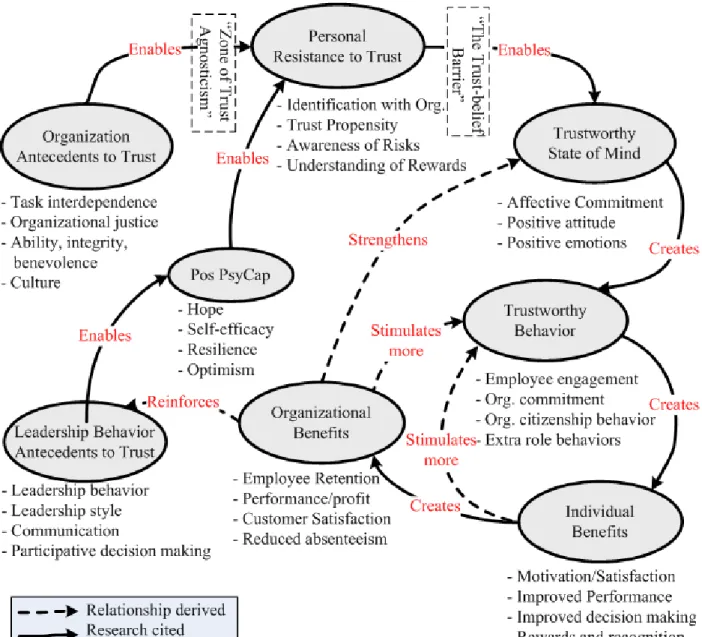
This dissertation provides an overview of how organizational trust is created, reinforced, and weakened. It explains how the characteristics of the leadership and organizational structure are antecedents required to establish an environment that enables trust. It explains how trust is instrumental in creating a trustworthy state of mind that will inspire a willingness of the
employee to provide help and assist others beyond one’s work role, and with no direct reward. This extra-role behavior is a result of an employee’s organizational commitment. These behaviors result in the organizational performance that is critical for success in today’s global environment. The dissertation provides quantitative research data, conducted on a
high-technology organization, which show the effects that organizational trust has on the employees’ organizational commitment.
Background of the Problem
High-technology organizations have employees who work primarily with information or who develop and use knowledge in the workplace (Drucker, 1957). A high-technology
organization is defined by the Congressional Office of Technology Assessment as an organization “engaged in the design, development, and introduction of new products and/or innovative manufacturing processes through the systemic application of scientific and technical knowledge” (Hecker, 2005, p. 57). Typically, these firms use state of the art techniques, devote a high proportion of expenditures to research and development, and employ a high proportion of scientific, technical, and engineering personnel.
High-technology organizations are important because they have an influence on the economy of the world. According to the National Science Board’s Science and Engineering
Indicators (NSBSEI), the global research and development expenditures are growing faster than the United States Gross Domestic Product. The global total expenditures rose from an estimated $522 billion in 1996 to $1.3 trillion in 2009, with both the US and China investing about $400 billion in 2009. The trend in investments by the United States and other countries of the world in the development of more Knowledge-and Technology-Intensive Industries (KTI) is of growing importance (National Science Board, 2012). In a recent National Science Board (2012) report, it was stated that the global value added by KTI totaled $18.2 trillion in 2010, representing 30 percent of the estimated United States gross domestic product. The US high-technology manufacturing industries have a larger share of the global output than any other economy. However, with the United States global share falling from 34% in 1998 to 28% in 2010, and China’s share of the world’s high-technology manufacturing rising from 3% in 1995 to 19% in 2010, there is some reason for the US to become concerned (National Science Board, 2012).
To overcome the effects of increased globalization and world competition, high-technology organizations must be able to adjust to the environmental obstacles in order to maintain a competitive advantage or remain viable. With many organizations becoming leaner in an effort to remain competitive, the workers who remain are given increased responsibility, trained to higher levels, and are therefore more difficult to replace. It is critical for leaders to nurture an environment that elicits the commitment of their employees. Since the decision to trust is based on a belief, it has an affective component. Meyer and Allen (1991) defined
affective commitment as individual employees’ attachment, identification, and involvement with their organization. It is the psychological link between individual employees and the
behaviors and organizational citizenship behavior (Meyer & Allen, 1997; Organ, 1997; Organ & Ryan, 1995; Podsakoff, Whiting, Podsakoff, & Blume, 2009; Smith, Organ, & Near, 1983).
Lewis and Weigert (1985) postulated that interpersonal trust has both affective and cognitive foundations. They contend that affect-based trust is an emotionally based component of interpersonal trust that forms from feelings and intuition, and becomes the basis for affective commitment. It is most commonly created when someone demonstrates his care and concern for another’s welfare. The other type of trust, cognitive-based trust is formed when someone is perceived as responsible, reliable, and competent. By observing these characteristics, we hold the rational belief that the person can be trusted (Lewis & Weigert, 1985).
Organizational trust refers to an employee’s belief that an employer will be honest, straightforward, and follow through on commitments (Gilbert & Tang, 1998). The
characteristics of trust influence how an individual or an organization displays acts of
trustworthy behavior. The elements of trust include expectations or belief and vulnerability— especially when dealing with another person’s intentions or behavior (Lewicki & Bunker, 1996; Lewicki et al., 1998) and the feeling of defenselessness if the trust is violated.
Organizational trust has been shown to create a state of mind that results in organizational commitment that results in behaviors related to individual employee outcomes of performance, reward allocation decisions, and turnover. Additionally, it results in positive organization outcomes. These include; productivity, customer satisfaction, reduced costs, efficiency, and unit-level turnover (Podsakoff et al., 2009).
Organizational citizenship behavior is the willingness of the employee to provide help and assist others beyond one’s work role, and with no direct reward (Organ, 1988). With high-technology organizations being so important to today’s economy, and since there is increased
pressure put on these organizations through globalization, it is important that the US
high-technology organizations achieve high degrees of organizational citizenship behavior. Increased levels of organizational citizenship behavior have been shown to elicit an increased willingness to engage in extra role behaviors, such as creativeness and innovativeness (Katz & Kahn, 1978), improved working relationships, a more comfortable organizational climate, growth, and
organizational survival (Suliman & Iles, 2000).
Trust may be a key component to the development and maintenance of organizational citizenship behavior. It is a logical assertion that employees will not commit themselves to an organization that they do not trust (Hart, Capps, Cangemi, & Caillouet, 1986). How an
employee perceives an organization is largely based on the amount of trust the individual has in leadership (Perry & Mankin, 2007). Likewise, when employees do not trust their leadership or the organization, they will be disengaged. This lack of engagement has been shown to result in poor performance. If the employee actually distrusts his organization, this can lead to
counterproductive behaviors that can have a large impact on an organization’s performance and success. The opposite of commitment would be alienation, which could lead to a distancing of the employee from the organization. As trust decreases, employees will be more likely to engage in counterproductive behaviors (Jensen & Raver, 2012; Lau, Au, & Ho, 2003; Sackett, 2003). This type of dysfunctional behavior can lead to a lack of effectiveness due to miscommunication (Meyer & Allen, 1997).
Employee productivity is affected by the behavioral actions of the leadership, either positively or negatively (Morgeson, 2005). Management may espouse the belief that workers are trustworthy, yet if management’s behavior within the team, both in communications and action, does not reflect that belief, then the behavior will undermine the effort to develop trust and
two-way communication (Senge, 2006). Trust is at the core of all relationships, as many of the inefficiencies in an organization are the result of employees’ distrust in management. Without trust, avenues of communication break down and disagreements become more prevalent. This breakdown in communication and increased conflict will lead to inefficiencies, lack of employee commitment, and loss of organizational productivity (Mishra & Morrissey, 1990).
The amount of trust individuals have in their leaders has emerged as a key concept in several leadership theories. Building trust in their followers is a key aspect of both
transformational and charismatic leadership theories. An employee’s perception that leaders have trust-promoting attributes influences leader effectiveness (Bass, 1990; Hogan, Curphy, & Hogan, 1994). The foundation of effective leadership is when leaders are perceived as having a high degree of trust and are believed to practice ethical behavior. These are characteristics of an authentic leader (Avolio, Gardner, Walumbwa, Luthans, & May, 2004). Authentic leaders are self-confident, feel comfortable with their beliefs, motives, and values, and act on those values and beliefs with transparency. Their followers trust them and believe they are ethical people. The primary quality produced by authentic leadership is trust (Robbins & Judge, 2009). This
relationship is shown in Figure 1.
Figure 1. Authentic leadership to trust relationship diagram.
The behaviors of leadership in high-trust organizations must be consistent with the behaviors that they profess. The leaders must walk the talk when they interact with others, so that they can avoid eroding the trust that others have in them. Covey and Merrill (2006)
identified several key leadership behaviors that high-trust organizations have in common. High-Leaders exhibit ethical
& trustworthy behavior (Authentic leadership)
Employee perceives this and achieves a positive state of mind
Employee begins too trust in leadership and
trust leaders talk straight, demonstrate respect, and create transparency. They right wrongs, show loyalty, get better, practice accountability, and deliver results. They also confront reality, clarify expectations, listen first, keep commitments, and extend trust. These behaviors demonstrate trust within the organization and help train the teams (Covey & Merrill, 2006).
Failing to project the strength of character that inspires trust may result in change and increased certainty of failure (Covey & Merrill, 2006). Developing trust between managers and subordinates will lead to improved relationships, and to employees that are more willing to participate in the decision-making process (Shen & Chen, 2007). This improved relationship becomes an enabler for employees to seek increased efficiencies and actively offer input and ideas, because they view themselves as an important part of the organization (Kolditz, 2007). Statement of the Problem
The problem is that in today’s economic environment there are many pressures put on leaders that may encourage them to act in ways that can cause them to lose the trust of their employees. Competitive pressures make it difficult for them to be honest and transparent with employees, stockholders, suppliers, and competitors. An employee’s trust in his leader is the single most important factor in determining the success or failure of any organization (Covey & Merrill, 2006). As individual employee trust increases, the organization becomes stronger because individuals are better able to cope and adapt to pressures from within and outside the organization. This belief of the importance of trust was summed up by Bennis and Nanus (2003), when they wrote that, "trust is the emotional glue that binds followers and leaders
together" (p. 142). This is a mutual trust that is not just an employee’s trust in the leadership, but it is also a leader’s trust in the employees, the organization’s core values, the shared vision, and in the system itself.
Trust is a basic requirement for collaboration both within and outside of organizations. Without trust, it is difficult to lead effectively and make significant improvements. Managers who are unable to trust others cannot be highly effective. They have a tendency to either
supervise the work of others too closely or do most of the work themselves. Employees listen to and accept guidance from leaders whom they trust. A trusting relationship with leadership has also been shown to improve an employee’s ability to innovate (Ellonen, Blomqvist, &
Puumalainen, 2008; Kouzes & Posner, 2007; Sankowska, 2012; Wang & Ahmed, 2004). In a Pricewaterhouse-Coopers study of corporate innovation, that surveyed all companies listed in the Financial Times 100, it was found that trust was “the number one differentiator” (Kouzes & Posner, 2007, p. 225) between the top 20% of companies surveyed and the bottom 20%. The study also found that high-trust organizations had employees who were better at innovation, had a better understanding of the group’s basic problems and goals, worked more diligently on solutions to problems, believed they had more influence on the outcomes of projects, and were more motivated to take action on decisions, than employees from low-trust organizations. Thus, the presence of a high degree of trust among employees can help facilitate the transformation of strategic goals into reality (Kouzes & Posner, 2007).
There is no exact formula for creating trust in an organization. Trust is a complex assortment of behaviors, actions, beliefs, intentions, motivations, expectations, assumptions, emotions, and feelings (Shockley-Zalabak et al., 2010). It is influenced by organization structure and leadership behaviors, and can be nurtured and grown, but it can also be easily destroyed. Since trust is critical for the success of organizations, leaders need to understand what to do, and not to do, to create a trusting organization. They need to measure trust to determine what
organization structure, environment, and leadership behaviors are creating or inhibiting organizational trust.
Purpose of the Study
Trustworthy behavior occurs when the foundational antecedents of culture and leadership in the working environment reach a point where employees believe that they can trust their leaders and the organization. Trust is the result of the combination of both cognitive and
affective components. An understanding of these components and their effects on organizational commitment will enable leaders to understand if they have the proper antecedents to trust that will enable the trustworthy behaviors that are necessary for organizational performance.
Allen and Meyer (1990) identified three distinct underlying themes to organizational commitment. These are the employee’s affective attachment to the organization (affective commitment), commitment as a perceived cost associated with leaving the organization (continuance commitment), and commitment as an obligation to remain with the organization (normative commitment). Furthermore, they argued that one can achieve a fuller understanding of an employee’s relationship with an organization when all three forms of commitment are considered together.
The purpose of this quantitative correlational study was to identify what relationship, if any, existed between employees' trust in their leader and their organizational commitment, in a high-technology environment. The researcher’s belief was that higher levels of trust would positively correlate with higher amounts of organizational commitment behavior.
Research Questions
To what extent, if at all, is there a relationship between an employee’s trust in his leader and his amount of organizational commitment to the organization?
Three secondary research questions were studied to further define the relationship between trust and each of the three dimensions of organizational commitment as defined by Allen and Meyer (1990). A quantitative research study was used to answer the primary research question as well as the following secondary research questions:
1. To what extent, if at all, is there a relationship between an employee’s trust in his leader and his amount of affective commitment to the organization?
2. To what extent, if at all, is there a relationship between an employee’s trust in his leader and his amount of continuance commitment to the organization?
3. To what extent, if at all, is there a relationship between an employee’s trust in his leader and his amount of normative commitment to the organization?
Significance of the Study
The study potentially has significant value to human resource practitioners and
organization leaders. The study is of interest to HR practitioners because it draws attention to the importance of encouraging behaviors that will increase employee trust and organizational commitment. Numerous studies have documented the organizational benefits that are derived from trustworthy behaviors. Trustworthy behaviors have been shown to influence organizational citizenship behavior (Meyer & Allen, 1997; Organ, 1997; Organ & Ryan, 1995; Podsakoff et al.,
2009; Smith, Organ, & Near, 1983), employee retention (Aryee, Budhwar, & Chen, 2002; Connell, Ferres, & Travaglione, 2003; Hopkins & Weathington, 2006), and performance (Crant, 1996; Robertson, Gockel, & Brauner, 2012; Sulliman & Iles, 2000).
When employees trust their organization, they believe that the organization will treat them fairly and not deprive them of necessary support (Tan & Tan, 2000). This organizational trust fosters motivation and enables employees to focus on their jobs. This improved attitude and attention to detail ultimately results in improved organizational performance (Aryee, Budhwar, & Chen, 2002; Costa, 2003; Goris, Vaught, & Pettit, 2003; Tan & Lim, 2009).
Since trust serves as a foundation of all business dealings, building and restoring trust needs to be a major priority for leaders. Leaders need to start by developing a stronger
foundation of credibility in order to gain the trust of the employees. If leaders espouse one set of values but personally practice another, people find them to be duplicitous. Likewise, if leaders practice what they preach, people are more willing to entrust them with their livelihood and even their lives (Kouzes & Posner, 2007).
Since high-trust organizations have employees that are better at innovation and problem solving, it is in the organization’s best interest to capitalize on the benefits of this behavior in order to successfully compete in the global marketplace. The presence of a high degree of trust among the employees will help facilitate the transformation of strategic goals into reality (Kouzes & Posner, 2007).
This research study can be used to help leadership learn if its leadership style and
organization structure are reaching the production employees at a sufficient level to enable them to trust. This trusting relationship with leadership is expected to have a positive effect on organizational citizenship behavior, which in turn results in improved attitudes (Costa, 2003), motivation (Dirks, 1999; Pool & Pool, 2007), job satisfaction (Costa, 2003; Hopkins & Weathington, 2006; Perry & Mankin, 2007; Pool & Pool, 2007; Robertson et al., 2012;
Shockley-Zalabak, Ellis, & Winograd, 2000), and intention to stay with the organization (Hopkins & Weathington, 2006; Pool & Pool, 2007).
Research Approaches to Trust
The study of trust has been looked at through a variety of different lenses, depending on the discipline of the researchers who performed the study. According to Worchel (1979), the different perspectives can be grouped into three general categories. The first category, used by the personality theorists, focused on an individual’s ability to trust others and on the social and psychological needs that must be met to enable individuals to trust. Their research generally studied how an individual’s early childhood development is the origin of each individual’s readiness to trust. At this level, trust is conceptualized as “a belief, expectancy, or feeling that is rooted in the personality and has its origins in the individual’s early psychosocial development” (Lewicki & Bunker, 1996, p. 115). A second category, comprised of the disciplines of
sociologists and economists, considered trust as an institutional phenomenon. They focused on the observable behaviors that occur within and between institutions and the amount of trust people put in those institutions. The third category was that of the social psychologists, who focused on interpersonal transactions between individuals that create or destroy organizational trust (Lewicki & Bunker, 1996).
What is Trust?
Trust is a difficult term to understand and define. One cannot simply say that I trust or I
distrust a person in all situations. Nor do categories such as conditional or unconditional (Jones
& George, 1998), or strong or weak (Barney & Hansen, 1994), capture it completely. On the surface, one would suppose that anything to do with trust would be positive in nature, but that may not always be true. In fact, the origin of the word itself actually offers an illustration of this
point. The word trust in English originated as the word tryst. The word was actually a hunting term that was used to describe an expected behavior. During a hunt for small game, the animals would be scattered from one end of a meadow towards a hunter at the other end of the meadow who had a club. The hunter was expected to stand tryst and wait for the game to come to him. Standing tryst meant for the hunter to be trustworthy in his assigned role and perform the task that was assigned to him. Even in today’s romantic use of the term, having a tryst with one’s neighbor’s spouse entails a degree of trust between the two misbehavers even while one may be violating the trust of his neighbor (Hardin, 2006). According to Hardin (2004), a person can say that he fully trusts when three causal conditions are met. First, he believes the person will act in his best-interest. Secondly, he believes the person will promote his interests even if the person’s interests do not coincide with his own, and lastly, he believes that the other person has the competence to promote his interests. This relationship is depicted in Figure 2.
For the purposes of this dissertation, full trust was considered as the end point or the optimal degree of trust on a certain matter. The term full here actually qualifies the degree of trust to a certain situation, not a range of situations. In other words, you may fully trust an individual in some issues, but not in others (Hardin, 2004). For example, one may fully trust one’s doctor to provide sound medical advice, but you may not fully trust any legal advice the doctor provides to you (Hardin, 2004). In fact, a person may fully trust in one context, but actually distrust that person in another dimension at the same time (Lewicki et. al., 1998).
Traditionally, scholars have seen trust and distrust as separate and opposite, mutually exclusive conditions. They see trust as good and distrust as bad. They understand distrust to be the expectation that others will not act in the other’s best interest (Barber, 1983). Personality researchers, however, perceive trust and distrust as opposite ends of a single trust-distrust continuum (Rotter, 1971). Lewicki et al., (1998) introduced an enlightened view of the trust-distrust relationship by defining trust and trust-distrust in reciprocal terms. They contend that trust and distrust are not at opposite ends of a single trust-distrust continuum and that the opposite of trust is not distrust. They viewed trust and distrust as separate and distinct constructs.
Researchers have not been consistent when discussing distrust. They used different terms (i.e., lack of trust, distrust, mistrust and suspicion), often interchangeably, to discuss the same concept. Researchers have also theorized distrust in many different ways. It has been
characterized as: violations of trust (Lewicki & Bunker, 1995; McAllister, 1995), low levels of trust (Dirks & Ferrin, 2001), the absence of trust (Gilbert & Tang, 1998), one end of the
continuum of trust (Shockley-Zalabak, Morreale, & Hackman 2010), and as orthogonal to trust (Lewicki, et al., 1998).
The prevailing definition of distrust that is emerging from the literature is similar in construct to that defined by Lewickiet al. (1998) as “confident negative expectations regarding another’s conduct” (p. 439). In this definition, distrust is viewed as the opposite of trust, but exists at opposite ends of the same continuum. There is evidence that positive (trust) and
negative (distrust) attitudes are not opposite ends of a single trust-distrust continuum, but exist in different domains, where distrust is not the opposite of trust (Lewicki et al., 1998). This
relationship of trust and distrust being two separate domains is illustrated in the trust-distrust
continuum diagram is shown in Figure 3 and discussed in the next section.
Figure 3. Trust-distrust continuum diagram.
Trust-Distrust Continuum Diagram
In this model, distrust is shown along a separate and distinct continuum than is the continuum of trust. Both continuums begin with either no trust or no distrust, and are separated by an agnostic zone, where trust ambiguity exists. This system model represents the relationship between trust and distrust, but only the relationship of a single organizational domain. As an example of different domains, the first survey question used to measure organizational trust in the Organizational Trust Inventory (OTI) is: “We think the people in (Organization X) tell the truth in negotiations” (Cummings & Bromiley, 1996, p. 328). In this case, the model can be used to accurately represent the sphere of influence for the relationship of trust and distrust because it is specific in the domain of truth in negotiations. A more complicated model would be necessary
Trust Agnosticism Does not Trust
DISTRUST
+
Distrust level 0Full Trust
0
Trust level
+
to describe domains with multiple constructs, which may contain both positive and negative elements. An example of this might be a statement like: I trust my supervisor. Without
narrowing down the trust to a specific domain, it is not possible to determine where it would fit on the continuum. It is possible that the individual may have a high level of trust his supervisor in some respects, like to be competent, but a low level of trust in another domain, like to be ethical.
Research has shown that it is common for trust and distrust to occur at the same time, resulting in an ambivalent attitude towards both trust and distrust. Ambivalence is a state of attitudinal indifference or uncertainty, a neutral midpoint between extreme perceptions when positive and negative attitudes toward a single target coexist (Priester & Petty, 1996). This is an emotional state where the person is agnostic in his belief of trust and distrust. This area of ambivalence, where there is neither trust nor distrust, is shown as the agnostic zone in Figure 3. The diagram shows that the does not trust zone includes the agnostic zone, but the distrust zone
does not include this area of ambivalence because may not trust, but will not distrust another without a reason.
Stages of Trust Development
Lewicki and Bunker(1995) identified different levels of trust that where extended from the work of Shapiro, Sheppard, & Cheraskin(1992). They defined a model of escalating trust that is based on the premise that the parties are entering into a new relationship, that they have no previous experience or data to taint their feelings, are uncertain about each other, believe they are vulnerable if they disclose too much, and are uncertain about the future of the relationship. They suggest that there are escalating levels of trust that start initially calculus-based trust, turning into knowledge-based trust, andevolving into identification-based trust. The relationship of the
growing nature of trust and the area of full trust as described by Hardin (2004) is illustrated in
the Stages of trust growth diagram is shown in Figure 4 and discussed in the next section.
Figure 4. Stages of trust growth diagram.
Calculus-based trust. Lewicki and Bunker (1995) describe calculus-based trust as the lowest level of trust. This type of trust is based on consistency of behavior, where you can trust another to do what he says he will do. In calculus-based trust, people tend to operate on a reward/punishment basis, where completing their work is not seen as personal satisfaction, but rather because of consequences of not doing so and to protect their reputations. In this level, trust is built very slowly, one step at a time. It is also a fragile form of trust, where, if one perceived violation of trust occurs, it is possible for an individual to immediately slip back several steps back along the continuum of trust and need to begin to rebuild the trust again (Lewicki et al., 1998).
For the purposes of this dissertation, calculus-based trust was not considered to be trust. The individual is not trusting of their own free will of emotional belief and there is no
expectation of goodwill. In Figure 4 this trust level is depicted on the does not trust side of the model because the individual only trusts due to the threat of external sanctions or force and the expectation of compliance. Additionally, this level of trust is only considered trust when the cost-benefit analysis makes it worth-while to do so.
Does not Trust
Trust-belief Threshold Trust Agnosticism
DISTRUST
+
Distrust level Full Trust Knowledge - basedTrust Identification - basedTrust 0
Trust level
+
Stable- calculus- based trust
Trust actually begins when the trust-belief threshold is crossed. This is when the total amount of confidence one has in the other party’s beneficent motives, abilities, and reliability has reached a point that it overcomes the individuals doubt and uncertainty. This inherent lack of trust is referred to as the individual’s propensity to trust (Butler, 1991).
Knowledge-based trust. This beginning trust state, defined as knowledge-based trust, is grounded in an understanding of the other person’s predictability. It presumes that one can anticipate the other’s behavior. It develops over time, largely due to repeated interactions that allow each party to develop an expectancy that the other’s behavior is predictable and
trustworthy (Lewicki et al., 1998; Rotter, 1971). There are three dimensions to knowledge-based
trust. First, as information continues to flow to the other party, predictability improves and trust
increases. Secondly, predictability will increase trust, even if the other is predictability untrustworthy, because the ways the other will violate trust can be predicted. Lastly, accurate understanding requires repeated interactions over multidimensional relationships in order to develop this level of trust (Shapiro et al., 1992). This trust can eventually evolve into a trust state known as identification-based trust.
Identification-based trust. In identification-based trust, parties have come to know and understand the expectations of one another. They have developed the ability to know what one another would want in a given situation, have taken the initiative of acting for each other in certain situations, and through interactions have developed a collective identity. Trust has grown to a point where an individual has not only learned and can predict the other’s needs, choices, and preferences, but also shares those needs, choices, and preferences as their own (Lewicki & Bunker, 1995). Although Lewicki and Bunker identified specific names for the stages of trust,
there are levels of trust within each of these stages. Both trust and distrust get stronger or weaker based on interactions between the trustor and the trustee.
In professional relationships, trust improves gradually as the degree of trust moves along the continuum from one trust level to another. The more one interacts and communicates with another, the more predictable that person becomes and the higher the level of trust becomes. This degree of trust continues to escalate along the continuum as long as a violation of trust does not occur. If a violation does occur, the individual may lose trust or begin to distrust (Hardin, 2001).
Distrust. When an individual lacks the belief that another intends to act in their best interest in a certain matter, they do not trust the other person. However, they may not distrust the other person either. They begin to distrust the other person when they believe that the other person is going to act against their best interest. Notice in the trust-distrust relationship system model that the does not trust zone includes the agnostic zone by beginning at the trust-belief threshold, not at the beginning of the distrust zone.
By trusting somebody else, we open up ourselves to the opportunity to be betrayed, but also to the sense that we cannot be sure of him. According to Hardin (2001), “it would be impossible for individuals in their daily interactions to escape the suspicion of distrust because the suspicion is inherently well grounded” (p. 500). He states four reasons for this skepticism. First, the person may have changed his mind between the time the opinion was formed and the belief was acted upon. Secondly, the person may have tailored his opinion in order to gain advantage over the other person’s sentiment. This does not need to have been by malicious intent, but may be because the person had not fully thought through his opinions on the subject and was merely being supportive at the time. A third possibility is that, if the trust was based on
iterated exchange interactions, the person’s opinion had changed due to a change in the
conditions or a larger incentive. A fourth reason is that, although not attempting to be dishonest, the person may have just been being too nice for social reasons. He was covering the facts, but may not have been articulating his true feelings (Hardin, 2001).
The decline and repair of trust. While it takes time and exchange interactions to progress to higher levels of trust, the decline of trust can happen quickly. When a party in a trusting state perceives that a violation of trust has occurred, the individual assesses the situation on both cognitive and emotional levels and may change his trust belief. If the event can be dismissed as a simple temporary episode or situation caused, then it may be ignored. If not, the individual will revise his state of trust to a new level or, if the perceived violation of trust is severe, then the individual will decide to either not trust or distrust the other. The resulting state will be dependent of the initial level of trust and the seriousness of the violation of trust (Lewicki & Bunker, 1996). This relationship of the loss of trust is illustrated in Figure 5 and discussed in the next section.
Figure 5. Decline and repair of trust.
If a violation of trust does occur, it may be possible to repair the trust. As soon as the violation of trust occurs, the violator must recognize and acknowledge that a violation has
Does not Trust
Trust repair behavior Untrustworthy behavior Trust Agnosticism
DISTRUST
+
Distrust level 0 Stable- calculus- based trust Knowledge - basedTrust Identification - basedTrust Full Trust Trust-belief Threshold 0
Trust level
+
occurred, determine that he was at fault, and admit what caused the violation. A violator of trust must acknowledge that the act was destructive, and accept responsibility for the effects of his actions (Lewicki & Bunker, 1996).
Definition of Terms
The following key terms and definitions are relevant to this study.
Affect-based trust: An emotional connection to someone that develops from a sense of
feelings and motives (Lewis & Weigert, 1985; McAllister, 1995).
Affective commitment: A component of organizational commitment that describes an
employee’s attachment, identification, and involvement with his organization. It is the
psychological link between individual employees and the organization (Meyer & Allen, 1991).
Authentic leadership: A leadership style characterized by leaders who are deeply aware
of how they think and behave and are perceived by others as being aware of their own and others’ values/moral perspectives, knowledge, and strengths; aware of the context in which they operate; and who are confident, hopeful, optimistic, resilient, and of high moral character (Avolio et al., 2004).
Calculus-based trust: Trust due to the threat of external sanctions or force and the
expectation of compliance where there is no expectation of goodwill.
Cognition-based trust: The belief or perception about someone based on knowledge,
history, and experience (Lewis & Weigert, 1985; McAllister, 1995).
Continuance commitment: A component of organizational commitment that refers to an
individual’s awareness of the costs associated with leaving the organization (Meyer, Allen, & Smith, 1993).
Counterproductive behavior: Any intentional behavior by an employee that is viewed as contrary to the organization’s legitimate interests.
Distributive justice: The type of justice conceptualized as fairness associated with
outcomes of decisions and the distribution of resources.
Distrust: The expectation that capable and responsible behavior will not be forthcoming
and one will not act in another’s best interest.
Extra-role behavior: “Behavior that attempts to benefit the organization and that goes
beyond existing role expectations” (Organ, Podsakoff, & MacKenzie, 2006, p. 33).
Full trust: The term used to indicate the highest trust state obtainable (Hardin, 2004). It
is the highest level of identification-based trust.
Identification: The concept that represents the amount that individuals’ identify with the
organization’s goals, norms, values, and beliefs (Shockley-Zalabak et al., 2010).
Interactional justice: The degree of dignity and respect shown to those affected by
decisions, focusing on the interpersonal treatment people receive when procedures are implemented.
Interpersonal trust: The type of justice conceptualized when a person is willing to act
based on the actions, words, and choices of another (McAllister, 1995).
Identification-based trust: Trust that is based on the other’s desires and intentions, where
the parties understand and appreciate each other’s wants.
Knowledge-based trust: Trust that is based on behavioral predictability that comes from a history of interactions.
Normative commitment: A component of organizational commitment that refers to an individual’s feeling of obligation or moral belief to remain with the organization on the basis of sociological experiences (Meyer et al., 1993).
Organizational citizenship behavior: “Performance that supports the social and
psychological environment in which task performance takes place” (Organ, 1997, p. 95).
Organizational commitment: A construct that refers to the psychological attachment an
individual has to the organization. For this study, organizational commitment will be measured using Meyer and Allen’s (1991) multidimensional model comprised of the affective, normative, and continuance commitment.
Organizational commitment scales: An instrument that measure the subscales of
organizational commitment that reflect the amount of affective, continuance, and normative commitment an individual has for an organization (Meyer & Allen, 1991).
Organizational trust: An employee’s belief that an employer will be honest,
straightforward, and follow through on commitments (Gilbert & Tang, 1998).
Organizational Trust Inventory (OTI): A validated survey that measures three
dimensions of organizational trust. It is used to measure an individual’s level of trust in his or her supervisor in an organization (Cummings & Bromiley, 1996).
Positive psychological capital: The positive and developmental state of an individual as
characterized by high self-efficacy, optimism, hope, and resiliency (Luthans & Youssef, 2004).
Procedural justice: The type of justice that is concerned with the fairness and the
transparency of the processes by which decisions are made.
Propensity to trust: The propensity to trust is a stable individual difference that affects
in general (Rotter, 1967; Colquitt, Scott, & LePine, 2007). Some of the factors that affect an employee’s propensity to trust others are based on life experiences, personality type, cultural background, and education (Mayer, Davis, & Schoorman, 1995).
Transformational leadership: A leadership style that enhances the motivation, morale,
and performance of followers by connecting the follower's sense of identity and self, being a role model for followers that inspires them and makes them interested, challenging followers to take greater ownership for their work, and understanding the strengths and weaknesses of followers, so that the leader can align followers with tasks that enhance their performance (Bass, 1990).
Trust: The extent that two or more independent individuals, in a vulnerable situation,
have self-assured expectations of the other with regard to competence, honesty, openness, and reliability (Barber, 1983; Mayer et al., 1995).
Trust agnosticism: There is a state of attitudinal indifference or uncertainty, a neutral
midpoint where a person has not decided to trust or to distrust another in a certain aspect.
Trust-belief threshold: There is a theoretical state of mind that represents the total
reluctance to trust. A point where a person’s propensity to trust, perception of risk, rewards, and identification must be overcome by the antecedents to trust for a trustworthy state of mind to exist.
Assumptions
Some assumptions had to be made so that the study would be feasible. The most salient of these are as follows:
1. The participants were truthful in their responses to the survey questions and did not have personal biases when answering questions.
2. The employee beliefs and behaviors would be consistent across the sampled organization and with other similar organizations.
3. The sample of employees was representative of the organization as a whole. 4. When analyzing the results of the study, it was assumed that the word scale could
be treated as an ordinal scale when performing statistical analysis. Limitations
Creswell (2003) posited that all statistical procedures have limitations. He added that a discussion of such limitations is useful to other researchers who may conduct similar studies. There are numerous aspects of the study that could not be adequately controlled and therefore became limitations inherent to the study. Some of these limitations were:
1. The study would be limited to departments of high technology organizations. The results of the study might or might not be relevant to other organizations, due to different and unknown leadership qualities and subcultures.
2. The results might not be applicable to other organizations because the study was limited to a specific industry.
3. Since the surveys were provided without oversight of the researcher, once the respondent received the survey, it was beyond the researcher’s control. Respondent might attach a different personal meaning to the questions. 4. The results would also be specific to only organizations that have a similar
culture. The study was specific to high-technology organizations with similar cultures, organizational structures, and leadership styles.
5. The results might only be relevant to organizations where the hourly employees are represented by a union.
6. The validity of the data was limited to the information collected in the survey. The study assumed that the employees were honest in their responses and that the responses could be extrapolated to the organization as a whole.
The scope of the study has been limited to high-technology organizations and controls were put in place to ensure that the respondents remained anonymous. It was expected that the study would provide meaningful data on the importance of trust in high-technology
organizations. Summary
Chapter I began with the challenge faced by high technology industries to compete and thrive in this global environment. These organizations need effective leaders who can motivate followers to achieve organizational goals and objectives. Trust was shown to be an antecedent to organizational success. Since the decision to trust is based on a belief, it has an affective
component. It is critical for organization to have an environment that elicits the commitment of its employees. High amounts of trust are antecedents to an employee’s organizational
commitment. Employees who have high levels of organizational commitment will contribute more to the organization than those with lower levels of commitment. Additionally, the chapter explained how productivity is affected, either positively or negatively, by the behavioral actions of the leadership.
Chapter II: Review of Literature Discussion
In today’s economic environment, there are many pressures put on leaders that make it difficult for them to be honest and transparent with employees, stockholders, suppliers, and competitors (Friedman, 2006; Shockley-Zalabak et al., 2010). Being honest and transparent has been shown to increase both interpersonal and organizational trust. Research has shown that trust is the single most important factor in determining the success or failure of any organization (Covey & Merrill, 2006). As organizational trust increases, the organization becomes stronger and more able to cope and adapt to pressures from within and outside the organization. This belief in the importance of trust was summed up by Bennis and Nanus (2003), when they wrote "trust is the emotional glue that binds followers and leaders together" (p. 142). This type of trust is a mutual trust. It is not just a trust in the leadership, but it is also a leader’s trust in the
employees, the organization’s core values, their shared vision, and in the system itself (Bennis & Nanus, 2003).
Organizational trust establishes a foundation that is necessary for productivity and creates an environment that encourages a culture conducive to teamwork and cooperation. This permits employees to focus on the tasks before them (Daley & Vasu, 1998). Trust is a basic requirement for collaboration within and outside of organizations. Without trust, it is difficult to lead
effectively and make significant improvements. Managers who are unable to trust others cannot be effective. They have a tendency to either supervise the work of others too closely or end up doing most of the work themselves. Employees will listen to and accept guidance from leaders that they trust (Kouzes & Posner, 2007).
Definition of Trust
Trust is commonly defined by researchers as the extent that two or more interdependent individuals in a vulnerable situation have self-assured expectations of the other with regard to their competence, honesty and openness, and reliability (Barber, 1983; Mayer et al., 1995; Mishra, 1996). There is no commonly accepted definition of trust. Deutsch (1960) studied the effect of motivational consequences on trusting behavior using a two-person prisoner’s dilemma game. In this scenario, two prisoners were accomplices in the same crime. Each prisoner is offered a deal for implicating the other for the crime and receiving a reduced sentence. The dilemma faced by the prisoners is that, whatever the other does, each prisoner is better off confessing than remaining silent. A theorized example of this relationship is illustrated in the matrix shown in Figure 6.
Prisoner B
Confesses Keeps quiet
Prisoner A
Confesses
Both go to jail for five years.
Prisoner B goes to jail for ten years. ………... Prisoner A goes to
jail for one year.
Keeps quiet
Prisoner A goes to jail for ten years. ………... Prisoner B goes to
jail for one year.
Both go to jail for two years.
Figure 6. Prisoner’s dilemma matrix.
In the prisoner’s dilemma, the outcome obtained when both confess is worse for each than the outcome they would have if both remained silent. Deutsch’s results found that the concepts of expectation and intent would increase the chance of participating in trusting
behavior. Cummings and Bromiley (1996) assert that affective, cognitive, and intended behaviors are three distinguishable components of organizational trust. They further contend that the three behavioral dimensions of whether an individual keeps commitments, negotiates honestly, and avoids taking excessive advantage correlate to those three components.
Research Approaches to Trust
Research into trust has not been consistently studied. It has been studied from the disciplines of psychology (Rotter, 1971), political science (Barber, 1983), sociology (Zucker, 1986), economics (Dasgupta, 1988), and management (Carnevale, 1995; Kramer & Tyler, 1996). Sometimes it was studied as a personal trait (Rotter, 1971), between individuals
(Johnson-George & Swap, 1982), within public institutions (Carnevale, 1995), between organizations (Gulati, 1995), as a general characteristic of different societies (Fukuyama, 1995), or between individuals and social institutions (Zaheer, McEvily, & Perrone, 1998). The various approaches in background, methods, and goals of the researchers have resulted in a conglomerate of ideas and definitions without a solid foundation (Beccerra & Gupta, 1999). Thus the research data represent dyadic relationships between individuals, groups of individuals, organizations, and societies.
Trust has been studied by most of the social sciences, including anthropology, economics, history, political science, psychology, sociology, and sociobiology, with each discipline approaching the studies with its own disciplinary filters (Kramer & Tyler, 1996). These different perspectives can be grouped into three general categories. The first category, used by the personality theorists, focused on an individual’s ability to trust others and on the social and psychological needs that have to be met to enable individuals to trust. Their research generally studied how an individual’s early childhood development is the origin of each
individual’s readiness to trust (Worchel, 1979). A second category is comprised of the
disciplines of sociology and economics, considered trust as observable occurrences that happen within organizations. This is the trust that individuals have within and between organizations. The third category, composed of the social psychologists, who studied how behaviors have an impact on building up or degrading the amount of trust an individual has in other people and in other organizations (Worchel, 1979).
Trust as a Social Concept
Lewis and Weigert (1985) contend that since there is no need to trust outside of a
sociological setting, the primary function of trust is sociological rather than psychological. They postulate that interpersonal trust has cognitive and affective foundations (Lewis & Weigert, 1985). Research has shown that cognition-based trust and affect-based trust represent two distinct forms of interpersonal trust that are positively correlated to improved performance (Erdem & Ozen, 2003; McAllister, 1995). Cognitive trust is formed when someone is perceived as responsible, reliable, and competent. When individuals demonstrate these characteristics others will hold the rational belief that they can be trusted. Affective trust is an emotionally based interpersonal trust that is based mostly on feelings and intuition. It is most commonly formed when someone demonstrates his care and concern for another’s welfare. An individual decides to trust another person (or persons) because that other person (or persons) seems (seem) to have his best interest at heart. However, unlike cognitive trust, the individual is hardly aware of the rational reasons for trusting this person. Affect-based trust is more of an emotional response to be treated in a way that makes the individual feel valued, protected, and cared for.
A common theme in most of the trust literature is that both cognitive and affective roles play a part in developing organizational trust. This is described by Lewis and Weigert (1985) as:
Trusting behavior may be motivated primarily by strong positive affect for the object of trust or by good rational reasons why the object of trust merits trust, or more usually, some combination of both. Trust in everyday life is a mix of feeling and rational thinking. (p. 972)
Interpersonal trust has cognitive and affective foundations (Lewis & Weigert, 1985; McAllister, 1995; Rotter, 1971). Saying that trust is cognition based means that “we choose whom we will trust in which respects and under what circumstances, and that we base the choice on what we take to be ‘good reasons’, constituting evidence of trustworthiness” (Lewis &
Weigert, 1985, p. 970). Cognition-based trust involves using knowledge and judgment to deliberately decide whom to trust and under which circumstances. When researching the theoretical frameworks of trust, Dirks and Ferrin (2001) discovered that trust can both facilitate and hinder behavior and performance. In contrast, the affective or emotional dimension of interpersonal trust is an emotive affiliation between the members of the relationship (Deutsch, 1960). This type of bond is characterized by an emotional attachment, similar to the bonds of friendship and love. Likewise, when a betrayal of trust arises, the result is a defeated state of emotions. This emotional component is present in all types of trust, but it is usually more intense in close interpersonal trust (Lewis & Weigert, 1985; Williams, 2001).
Trust Formation
Researchers have different philosophies on how trust forms in organizations. One perspective is that trust is an element of the leader-member exchange theory (Schriesheim, Castro, & Cogliser, 1999). This theory postulates that leaders attempt to make subordinates feel that they are part of the in-group and, by doing so, avoid the negative implications of being in the out-group (Northouse, 2010). The follower sees the relationship with his leader as one that is
based on trust, goodwill, and the perception of mutual obligations (Blau, 1964). Researchers have used this relationship-based perspective to describe how trust elicits citizenship behavior (Konovsky & Pugh, 1994).
A second perspective, as proposed by Mayer and Gavin, (2005) focused on the leader’s character and how it influences a follower’s sense of vulnerability. They proposed that when followers believe in the integrity, capability, and benevolence of their leader, they will be more comfortable engaging in behaviors that put them at risk. Mayer and Gavin (2005) suggested that when employees believe their leaders cannot be trusted, they will divert their energy to covering their backs, which detracts from their work performance. This is referred to as a character-based perspective. In each of these perspectives, trust is a belief or perception held by the follower. It is not a characteristic of the leader or of the relationship (Dirks & Ferrin, 2002).
Stages of Trust Development
McKnight, Cummings, and Chervany (1998) proposed that at the onset of a new relationship, the amount of trust one has in another will be at a low level, and will gradually increase over a period of time as the relationship develops. The amount of trust one individual has in another requires a series of interactions, within a certain context with another, so that trust can develop. One cannot simply say that I trust or I distrust a person in all situations. Nor do categories such as conditional or unconditional (Jones & George, 1998), or strong or weak
(Barney & Hansen, 1994), capture it completely. The amount of trust an individual has actually lies on a continuum of intensity (Lewicki & Bunker, 1996). This continuum can be categorized into qualities of trust that have general elements to them that can be used to describe the different attributes of both trust and distrust.