HEARD
:
SUPPORTING
OFFENDER
LEARNING
THROUGH
CREATIVE
WRITING
Authorship:
Dr Jane Hurry, Patrice Lawrence,
CONTENTS
In My Imagination - Music. Gold award winner. ...2
Introduction to Write to be Heard ...4
Evaluating the impact of Write to be Heard on hard-to-reach prisoners ...9
Employability and literacy skills ... 25
How can the Virtual Campus support creative writing across prisons? ... 26
How successful was the Write to be Heard model in introducing
new and innovative organisations to prison? ... 29
Who were the writers? ... 30
The challenges for writers new to working in prisons... 34
The responses of prison staff to Write to be Heard? ... 38
How did Write to be Heard contribute to learning about support
networks for artists in prison? ... 41
Creating a Write to be Heard sustainable legacy ... 43
Conclusion ... 45
Key messages ... 48
References ... 51
Appendices ... 53
The Dog and the Cheetah. Gold award winner. ... 71
INTRODUCTION
What is Write To Be Heard?
Write to be Heard is a grant-aided creative writing programme commissioned and funded by the National Offender Management Service (NOMS). Its main objectives were to encourage hard-to-reach offenders to engage with education and arts opportunities in prison, to introduce new and innovative organisations to prisons and to investigate how to create a support network to help arts organisations working in prisons improve the services they offer.
In 2011, ‘Making Prisons Work: Skills for Rehabilitation’, the new offender learning strategy, was published jointly by NOMS and the Department for Business, Innovation and Skills (BIS). The strategy recognised that improving prisoners’ literacy and employability skills is central to the rehabilitation and reducing re-offending agendas. In the strategy, the role of the arts was acknowledged as a key part of the rehabilitation process as it can encourage self-esteem and communication skills. The strategy also asserts that ‘future employment or self employment in, or associated with, the creative arts and crafts can for some represent a potential pathway to life free of crime.’ In addition, the strategy specifies that prison learning contracts should ‘provide an informal adult and community learning offer, including the arts, to support long-term prisoners and those for whom an immediate focus on work is unrealistic.’
Write to be Heard was an opportunity to test the impact of using an arts-based approach to engage hard-to-reach learners. The project encompassed a national creative writing competition: a schedule of creative writing workshops and master-classes: and a series of programmes broadcast on National Prison Radio.
Creative writing resources were also made accessible via the Virtual Campus. However, it was equally important to explore the impact of the project beyond the immediate activities. Were there lessons about how new arts organisations can bring high quality practice into prisons? How can we maximise learning potential across the custodial estate?
The evaluation
The Write to be Heard aims and objectives
Write to be Heard was funded to meet three key aims:• To encourage hard-to-reach offenders to engage with education and arts opportunities in prison
• To introduce new and innovative organisations to prisons
• To investigate how to create a support network to help arts organisations working in prisons improve the services they offer
Encompassed within these aims, were the following project objectives:
• To develop a model of best practice which will encourage a greater number of prison establishments to build sustainable relationships with arts groups and so provide long-term, stable provision of arts related projects to offenders. • To explore how offenders can be involved in recording, editing and providing
radio programmes and Virtual Campus material.
• To explore how more qualifications can be offered to offenders taking part in the arts in prison.
• To suggest ways that the project might harness the potential of the Virtual Campus.
These aims and objectives will be addressed within the body of the report.
The delivery partners
Workshop delivery partner
Media partner
The Prison Radio Association (PRA) is a multi-award-winning charity, established in 2006, to promote and support the development of prison radio projects across the national prison estate. It also developed and launched and now runs the groundbreaking radio station, National Prison Radio (NPR) in partnership with NOMS. NPR is the world’s first and only national radio station for prisoners. It is a ‘by prisoner, for prisoner’ service, with programming inspired, developed, produced and presented by prisoners working alongside a small team of professional radio producers.
Offender learning partner
The Virtual Campus is a highly secure web-based environment which supports alternative methods of delivering learning opportunities. It is currently active in over 100 prisons and is a rich source of information on a range of subjects focussing on employability skills, life skills, education and personal development.
Evaluation partner
The Institute of Education (IOE) is a graduate college of the University of London. The IOE’s mission is to promote excellence in education and related areas of social research and professional practice through advancing knowledge and understanding.
Write to be Heard is managed by the Arts Alliance, a national membership organisation promoting the use of arts in the Criminal Justice System. The membership is made up of artists, arts and Criminal Justice System groups and individuals who work across art-forms with prisoners, those on probation and ex-offenders in the community. There are currently 520 Arts Alliance members benefitting from practice-sharing and networking events as well as opportunities to contribute to policy issues shaping arts interventions in the Criminal Justice System.
Aim One
Aim One: How successful was
the Write to be Heard model in
encouraging hard-to-reach offenders
in prison to engage with education
and arts opportunities?
Write To Be Heard offered opportunities to test new ideas. It was a collaboration that fused the drama and facilitation skills of Geese Theatre Company; the
expertise of the writers; and the reach and prisoner knowledge of National Prison Radio. It was a chance to develop workshops using techniques that engaged with different learning styles and translate this content into a Virtual Campus resource.
The expectation was that as many prisoners as possible would be encouraged to write by participating in the workshops, listening to Write to be Heard programmes on National Prison Radio, accessing the material on the Virtual Campus and entering their writing for the competition.
In order to test the viability of the model as vigorously as possible, it was anticipated that:
• Write to be Heard creative writing workshops would be delivered in at least 25 prisons across different regions, reaching as diverse a group of learners as possible
• Write to be Heard workshops would, wherever possible, aim to reach offenders in prisons that were not benefitting from arts activities
• New artists would bring innovative ideas to creative writing workshops
• The learning opportunities would be maximised by the involvement of National Prison Radio and the Virtual Campus as delivery partners
• The Write to be Heard awards would attract entrants that would not usually enter writing competitions
Evaluating the impact of Write to be Heard on
hard-to-reach prisoners
Although a significant minority of prisoners are adequately or well qualified academically, the majority have weaknesses in their basic skills (Social Exclusion Unit, 2002; Hurry, Brazier and Moriarty, 2005). Longitudinal studies have
2004). However, prisoners can be resistant to education that is too much like school, where they may have experienced failure (Canton, Hine & Welford (2011); Barton, Ivanic, Appelby, Hodge, et al, 2007). Some present behavioural issues that preclude easy engagement with education and learning opportunities (Hurry, Rogers, Simonot and Wilson, 2012). Creative writing offers them an opportunity to engage in literacy activities in a context they may find more engaging.
Tett and colleagues (2012) provide a well-documented and persuasive rationale for the value of prison arts projects, such as drama and creative writing, as vehicles not only for promoting literacy development but also desistance. They cite studies which show the value of art projects for fostering positive relationships between prisoners (Goddard, 2005; Silber, 2005): with prison staff (Menning, 2010): with their families (Boswell, Wedge and Price, 2004; Palidofsky, 2010): with peers (Moller, 2003; Palidofsky, 2010): for personal development through enhancing self-confidence (Cohen, 2009; Goodrich, 2004; Silber, 2005): developing communication and social skills (Cohen 2009; McCue, 2010): and promoting further engagement in education (Anderson and Overy, 2010). It is argued from a desistance perspective that these positive developments are intermediate outcomes for prisoners on what may be a complex journey to rehabilitation (Burrowes, Disley, Liddle, Maguire et al, 2013).
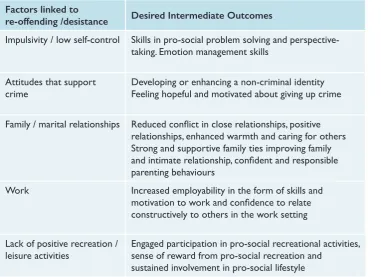
[image:10.595.52.434.489.766.2]Building on a desistance perspective, NOMS (2012) have articulated their policy aimed at reducing re-offending. Nine factors are identified that are linked consistently to both re-offending and desistance. This framework informed the evaluation of Write to Be Heard because it is at the heart of government decision-making on what provision to support. Five of these factors most relevant to the Write to be Heard creative writing programme are listed in Table 1.
Table 1. Factors linked to re-offending and desistance Factors linked to
re-offending /desistance Desired Intermediate Outcomes
Impulsivity / low self-control Skills in pro-social problem solving and perspective-taking. Emotion management skills
Attitudes that support crime
Developing or enhancing a non-criminal identity Feeling hopeful and motivated about giving up crime
Family / marital relationships Reduced conflict in close relationships, positive relationships, enhanced warmth and caring for others Strong and supportive family ties improving family and intimate relationship, confident and responsible parenting behaviours
Work Increased employability in the form of skills and
motivation to work and confidence to relate constructively to others in the work setting
Lack of positive recreation / leisure activities
Engaged participation in pro-social recreational activities, sense of reward from pro-social recreation and
The other four factors (drugs misuse, alcohol misuse, homelessness and a social network also engaged in crime) are not specifically addressed in Write to be Heard. The other four factors (drugs misuse, alcohol misuse, homelessness and a social network also engaged in crime) are not specifically addressed in Write to be Heard. Homelessness and participation in social networks refer largely to community rather than prison contexts. Drug and alcohol misuse could potentially be targeted within a creative writing programme, as part of a reflection on addictive behaviours. Although at least two workshops were delivered with prisoners overcoming addiction issues, the workshop content did not specifically address those problems, though some participants chose to create characters and develop storylines based on their own experiences. In contrast, aspects of both the workshops and the competition included writing for an audience under 10, which can provide a direct connection with family relationships.
There was a particular focus on prisoners who might typically avoid prison education and writing, which is the definition of hard-to-reach adopted here. There was also an intention to have systemic legacies and to this end, to explore how National Prison Radio could encourage prisoners to write and enter the competition: to capture aspects of the workshops for uploading on to the Virtual Campus: to stimulate prisons to make greater use of arts organisations: and to attract writers to work with prisoners. These means were envisioned as providing a legacy which could contribute significantly to sustaining creative writing activities within prisons.
Method
The overall evaluation methodology was a questionnaire survey of workshop participants and competition entrants, which provided some breadth,
supplemented by a small number of workshop observations. The workshops, though limited in number, provided sufficient rich data to lead to a descriptive report: the formulation of a useful model of engagement: and resources to help sustain the activities and approach.
Workshop
Creative writing workshops were delivered in 28 prisons across 10 English regions, plus one in Wales.
Prisoners’ engagement and responses to the workshop were captured in four ways:
1. Attendance registers were completed in the morning and afternoon sessions to document any drop out.
2. In 24 of the 28 prisons where workshops were run, prisoners completed a questionnaire at the end of the workshop. 185 questionnaires were collected. 3. Prisoners were observed by the evaluator in four prisons, chosen to include
two male prisons, one female prison and a Young Offender Institution. Workshops on average contained between nine and ten participants. 4. Prison organisers at the four observed prisons were asked to give follow up
The questionnaire (see Appendix 1) began with 18 items which addressed:
a. The impact of the workshop on intermediate outcomes to desistance listed in Table 1, with a particular focus on writing, but also informed by previous work on art and desistance (McNeill et al, 2011)
[image:12.595.53.421.217.464.2]b. Evaluation of the workshop c. Previous writing experience
Table 2. Location of Write to be Heard workshops
Participants were then given the opportunity to write about the workshop in their own words. To understand the process of the allocation of workshop places they were asked how they were chosen. Prisoners were asked whether or not they were in education in order to assess hard-to-reach status. They were also asked about their engagement in work. Because of the desire to provide legacy through the Virtual Campus there was a question on access to the Virtual Campus. Information on age and ethnicity was also collected.
In the four prisons visited by the evaluator, the range of workshop activities was observed and the ways prisoners engaged with these activities. Prisoners were questioned through the day about how they were chosen to attend the workshops and their previous engagement with writing. At the end of the workshop they discussed their reactions to the day in the group and whether or not they thought they would make use of the skills learnt.
Region Number of prisons Number of prisoners participating
East Midlands 6 62
East of England 1 7
Kent and Sussex 3 16
London 4 43
North East 1 9
North West 4 37
South Central 1 10
South West 1 12
West Midlands 4 27
Yorkshire and Humberside 2 17
Wales 1 9
Competition
Prisoners entering the competition were also asked to complete questionnaires. 186 questionnaires were received from 64 prisons.
The questionnaire was similar to the workshop questionnaire but adapted where necessary to measure views on the competition (see Appendix 2). There were also questions on whether they had entered a writing competition before: how they heard about the competition: whether or not they listened to National Prison Radio: and whether or not they had attended a writing workshop in the previous four months. These questions gave information on hard-to-reach status (previous engagement with writing) and on factors that enabled competition entry, in particular the potential role of prison and education staff, National Prison Radio, writing workshops and the Virtual Campus.
Profile of prisoners attending the workshops
and entering the competition
The age breakdown of workshop participants, competition entrants and the general prison population (Berman and Dar, 2013) are shown in Table 3. Age categories for the workshop/competition samples and available statistics for the total prison population were slightly differently grouped for those aged over 25 years old.
To enable comparisons, the assumption was made for the 30-39 year old age band (total prison population), that half of the population were aged 30-34 and the remainder aged 35-39. With reference to participants aged under 25 years old, the workshop participants matched the profile of the general prison population closely.
25-34 year old participants appear to be slightly over represented amongst workshop participants (42% of the workshop participants were aged between 25 and 34, compared to an estimate of 32% of the general prison population). Competition entrants were significantly older than those who attended the workshops (Chi-square = 36.45, df = 6, p < .001), with around two thirds (64%) being over 35 years old. They were also older compared with the total prison population, where it is estimated that only 44% are over 35 years old.
Table 3. Age by participation in workshop or competition
[image:14.595.54.419.366.613.2]* There is some missing data for Tables 3, 4 and 5. The total N of workshop questionnaires = 185, of competition questionnaires = 186
Table 4. Ethnicity by participation in workshop or competition
95% of the entries were from male prisoners and this reflects the fact that 95% of the prison population is male.
Ethnicity White HeritageMixed Asian or Asian
British
Black or Black British
Chinese Or other
ethnic group
Workshop participants
(N=178) * 61% 11% 4% 20% 4%
Competition entrants
(N=173) 77% 5% 2% 11% 5%
Total prison
population 74% 4% 8% 13% 1%
General population 15+
88% 1% 6% 3% 2%
Age Under 18 18-24 25-34 35-44 45-54 55-64 65+
Workshop participants
(N=178) * 2% 20% 42% 20% 12% 4% 1%
Competition entrants
(N=176) * 0% 14% 22% 21% 25% 11% 7%
25-29 30-39 40-49 50-59 60+
Total prison
Hard-to-reach prisoners
WorkshopsThere was an intention to engage hard-to-reach prisoners in the writing
workshop, “hard-to-reach” being defined as those not attending prison education and/or inexperienced writers. Prison staff were responsible for the selection of prisoners. They were provided with the following criteria by Geese:
The workshops are all-day sessions for up to 12 people, aimed at people who: • Are not regularly involved in Education,
• May never have shared their writing with others, • Haven’t written before but would enjoy giving it a go.
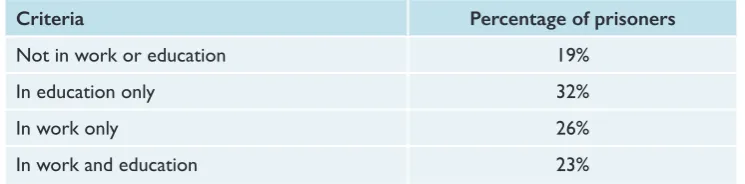
[image:15.595.176.549.346.438.2]Just over half the workshop participants were in education (55%), just under half were not (45%).
Table 5. The participation of hard-to-reach prisoners in workshops.
The writing experience of participants
In three of the four prisons where prisoners were observed, they were a mixture of experienced writers who may have entered competitions before: inexperienced, sometimes nervous, writers: and those who described themselves as non-writers. In the fourth prison, a Young Offender Institution, participants were selected on the basis of an interest in rap and poetry and tended to be comfortable with writing.
Persuading hard-to-reach prisoners to attend workshops was found to be far from straightforward. There had to be at least a willingness on their part to have a go. For example, in one prison, where prisoners had not volunteered to attend the workshop, they were not prepared to cooperate and an alternative group had to be found. The new group engaged enthusiastically and it was felt by all to be a successful day. The selection of prisoners to attend workshops is conducted by prison staff. They may need guidance, beyond the provision of a list of criteria, to support them in how to select and encourage inexperienced or anxious writers to attend such workshops.
A successful example of targeting hard-to-reach prisoners was employed by a chaplain approaching individual fathers to attend a workshop on writing for children under 10 years old. This workshop was well attended by prisoners with little or no writing experience. Follow-up written feedback received from these prisoners corroborates the presumption that some at least were inexperienced writers:
Criteria Percentage of prisoners
Not in work or education 19%
In education only 32%
In work only 26%
In general, the workshops were successful in including hard-to-reach prisoners alongside those already in education or with previous writing experience. This is likely to be a realistic mix.
How did prisoners hear about Write to be
Heard?
[image:16.595.53.418.416.525.2]As the workshops were being scheduled, postcards and posters were sent to governors in every prison in England, with additional information sent to Heads of Learning, Skills and Employment and education providers. Meanwhile, National Prison Radio recorded and broadcast one-minute interviews with writers to raise awareness of Write to be Heard activities.
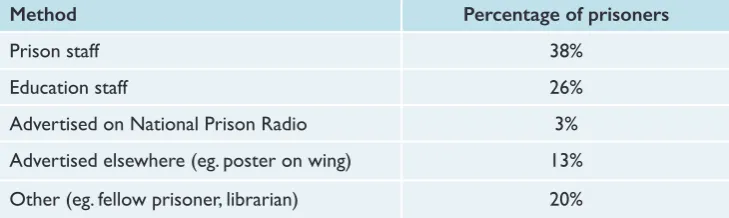
Table 6: How prisoners heard about Write to be Heard workshops
Around a quarter of prisoners heard of the workshops through the Education Departments, though prison staff were central to spreading the word.
The Virtual Campus has the capacity to offer a legacy for prisoners to develop their life skills. Participants were asked if they could use the Virtual Campus if they wanted to. Overall, 41% of participants had access to the Virtual Campus (See Table 7). This was nearly always in Education, so of those participants not in Education, only 30% could access the Virtual Campus.
This suggests that the Virtual Campus is currently limited in its capacity to support the inclusion of hard-to-reach prisoners. However, it does have considerable reach.
‘I have to say I fort I would not enjoy the workshop. But I am glad to say that yes I found it very enjoybal’
‘I strongly belive this workshop should be run reguely as I got a lot out of it and it made me feel closer to my family’.
(spelling is uncorrected)
Method Percentage of prisoners
Prison staff 38%
Education staff 26%
Advertised on National Prison Radio 3%
Advertised elsewhere (eg. poster on wing) 13%
Table 7. Access to Virtual Campus by Education status
Competition
Unsurprisingly, given that workshops targeted hard-to-reach prisoners, competition entrants were less hard-to-reach in terms of education. 69% of entrants were in education compared with 51% of workshop participants, a statistically significant difference. Competition entrants were also slightly more likely to be in work (63% in work) than workshop participants (55%), but this was not statistically significant. Almost half those who entered the competition (47%) had sent something to a writing competition previously, while the remainder were doing this for the first time.
How were prisoners encouraged to enter
work for the awards?
Table 8. How prisoners heard about the awards
The role of National Prison Radio
One of Write to be Heard’s key aims was to engage hard-to-reach prisoners, so it was very valuable to work alongside a media delivery partner that was familiar, credible and relevant to prisoners.
Never heard of VC or no
access
Access in Education
only
Access
elsewhere Total
In Education or Training (N=80)
47% 46% 7% 100%
Not in Education or Training (N=76)
70% 24% 6% 100%
All (N=156) 59% 35% 6% 100%
Method Percentage of prisoners
National Prison Radio 19%
Education staff 39%
Writing workshop 13%
From another prisoner 7%
Other (mainly through Inside Time, but also
[image:17.595.181.544.531.655.2]National Prison Radio content is developed and delivered by prisoners, and is accessible via in-cell TV around the clock. Eighteen specially-commissioned programmes were broadcast to promote the awards, share the learning and celebrate the entrants’ achievements. (See Appendix 3 for details of the
programmes). In 2013, as the Write to be Heard programmes were being broadcast, National Prison Radio was available in over 100 prisons with a potential audience of around 73,000.
Prisoners do not only listen to NPR; they also write to the station. In 2013, nearly 5,300 letters were received by the station.
The Write to Be Heard competition was trailed on National Prison Radio, firstly building awareness of the awards through a series of teasers on heavy rotation from August. Five writing workshops were edited into fifteen minute programmes and one minute spots. These were broadcast throughout October when the awards were open for submission. 53% of competition entrants reported on the questionnaire that they listened to National Prison Radio.
In addition to devising and broadcasting specialist content, National Prison Radio also wrote a Write to be Heard editorial for ‘Inside Time’, the free newspaper
distributed in prisons. The same edition carried the Write to be Heard entry form as a tear-out centrefold. 63,000 copies of ‘Inside Time’ are distributed to all UK prison libraries and over 196,000 read the publication online.
National Prison Radio estimate that 84% of prisoners in England and Wales listen to the station and 35% tune in every day. A recent survey by National Prison Radio revealed that just over 40% of National Prison Radio listeners were aware of the Write to be Heard campaign, around 30,660 prisoners.
Thus radio made a valuable direct contribution to publicising the competition, and an unspecified indirect contribution through word of mouth.
The role of the Virtual Campus
Competition entrants reported a similar level of access to the Virtual Campus as that reported by workshop participants (37% of those entering the competition reported being able to use the Virtual Campus). Where they did have access, as reported by the workshop participants, this was almost always in Education (in 91% of cases). Only two prisoners reported being supported in their entry through the Virtual Campus but at this time no specific content had been launched in this environment.
The role of Education
The role of the workshops
13% of prisoners reported being directly influenced to enter the competition through a writing workshop. The 25 prisons that hosted Write to Be Heard workshops prior to the competition submission deadline represent 17% of the 164 prisons in England and Wales. 35% of the competition entries came from these prisons, so it can be concluded that entrants were twice as likely to come from a ‘workshop’ prison than any other prison.
Prisoners’ reasons for entering
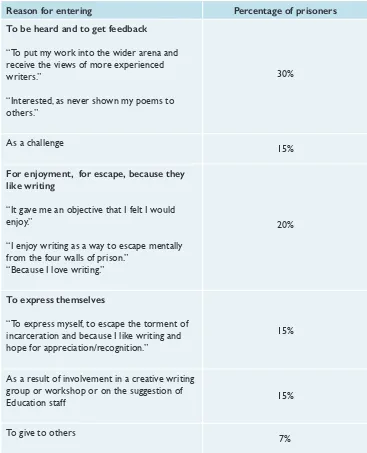
[image:19.595.177.544.296.749.2]Prisoners were asked about their reasons for entering the competition. Their responses varied in complexity. The most common reason was ‘to be heard’.
Table 9. Reasons for entering the competition
Reason for entering Percentage of prisoners
To be heard and to get feedback
“To put my work into the wider arena and receive the views of more experienced writers.”
“Interested, as never shown my poems to others.”
30%
As a challenge 15%
For enjoyment, for escape, because they like writing
“It gave me an objective that I felt I would enjoy.”
“I enjoy writing as a way to escape mentally from the four walls of prison.”
“Because I love writing.”
20%
To express themselves
“To express myself, to escape the torment of incarceration and because I like writing and hope for appreciation/recognition.”
15%
As a result of involvement in a creative writing group or workshop or on the suggestion of
Education staff 15%
Prisoners’ responses to the workshops and
the competition
Workshop
How successful were the workshops in encouraging engagement?
One measure of engagement is whether or not prisoners returned to their workshop in the afternoon. Registers were taken in the morning and afternoon for each workshop (see Appendix 4 for details). 91% of prisoners who attended the workshops returned for the afternoon session. Non-attendance was usually recorded on the registers as due to previous appointments (visits, health appointments etc.) rather than a lack of enthusiasm.
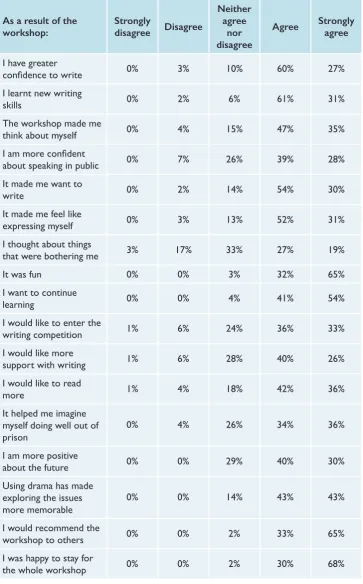
Prisoners’ responses on the questionnaire were overwhelmingly positive (Table 10). Workshops were seen as enjoyable (97% agreed or strongly agreed that it was fun) and were highly recommended to others (98% agreed they would recommend to others). Involving prisoners in positive activities related to writing, traditionally approached with reluctance (Canton, Hine & Welford, 2011; Barton, Ivanic, Appelby, Hodge, et al, 2007; Hurry, Brazier, Wilson, Emslie-Henry & Snapes, 2010), and is challenge enough, so the level of enthusiasm should be seen for what it is: remarkable.
But it was not just about enjoyment. In terms of intermediate outcomes related to desistance:
• 92% agreed or strongly agreed that they had learnt new writing skills • 87% felt the workshop had given them confidence to write
• 82% agreed that the workshop made them think about themselves • 70% could imagine themselves doing well out of prison
To give some overall sense of the response, all 18 items were summed to produce a percentage scale score with a minimum possible score of 0 (negative) and a maximum of 100 (positive). The average score is 78%.
Variations in reactions to the workshops were analysed by whether or not
Forty participants wrote comments at the end of the questionnaire, most of which were positive. In terms of factors linked to desistance (See Table 1), the most frequent type of comment was on the opportunity to learn skills and gain confidence:
“I have learnt more about writing - creative writing to add to what I have just done i.e. English level 1.”
As a result of the
workshop: Strongly disagree Disagree
Neither agree
nor disagree
Agree Strongly agree
I have greater
confidence to write 0% 3% 10% 60% 27%
I learnt new writing
skills 0% 2% 6% 61% 31%
The workshop made me
think about myself 0% 4% 15% 47% 35%
I am more confident
about speaking in public 0% 7% 26% 39% 28%
It made me want to
write 0% 2% 14% 54% 30%
It made me feel like
expressing myself 0% 3% 13% 52% 31%
I thought about things
that were bothering me 3% 17% 33% 27% 19%
It was fun 0% 0% 3% 32% 65%
I want to continue
learning 0% 0% 4% 41% 54%
I would like to enter the
writing competition 1% 6% 24% 36% 33%
I would like more
support with writing 1% 6% 28% 40% 26%
I would like to read
more 1% 4% 18% 42% 36%
It helped me imagine myself doing well out of prison
0% 4% 26% 34% 36%
I am more positive
about the future 0% 0% 29% 40% 30%
Using drama has made exploring the issues more memorable
0% 0% 14% 43% 43%
I would recommend the
workshop to others 0% 0% 2% 33% 65%
I was happy to stay for
[image:21.595.182.546.102.687.2]the whole workshop 0% 0% 2% 30% 68%
The next most frequent comments referred to a feeling of inclusion and
engagement, mapping to pro-social skills and to ‘engaged participation in pro-social recreational activities’.
“Made me feel part of the group.”
“A positive course run by a group of positive and driven people…with a diverse group of (prisoners).”
“The opportunity to express ourselves in a positive manner. There are no opportunities to do this at any other time in this prison.”
There were also comments relating to a ‘non-criminal identity.’
“It made me think more what I want to achieve out of my life and give me more determination to do so, as I spoke openly about myself.”
The impressions gleaned from the questionnaires were strongly supported by the observations. Prisoners’ engagement and self-expression was palpable in every prison. Subsequent feedback from prisoners in two of the observed prisons evidenced a sustained effect on communications with their families, for example:
“I was struggling to write letters home, but the day helped me get my mind working again.”
On ‘non-criminal identity’:
“It was nice not to be treated as a criminal for the day…I was treated as a person in my own right. Something I had not experienced since my sentence started. If similar courses and ethos were employed a lot more in prisons then people would genuinely change within.”
On work-related skills:
“Since I went to the Workshop, I have started a `moving on` course, voluntarily. Its about skills and getting on with life, lots of things.….I`m starting to write short stories and poems. Ive never done anything like that before. Doing things like this will help me when I get out of prison.”
Some participants suggested aspects they would like to have seen in the workshops. They mentioned having more time:
“Shame it is only a one day one off experience.”
Or receiving more support:
“I’d like to enter [the writing competition] but would need help with writing/ spelling.”
“The participants could’ve been asked to bring any of their work along to be critiqued and to be performed.”
One person remarked:
“We need prison radio for the comp winner.”
The point above is worth noting. Although access to National Prison Radio did not necessarily stop prisoners from entering the competition, a number of award-winners were unable to hear their work broadcast. Some were in prisons where National Prison Radio was not installed or activated. In other prisons, technical difficulties prevented National Prison Radio from being accessible on the days of the broadcast. A small number of award winners had left prison by the time the programmes were broadcast.
For case studies of workshops in male and female prisons see Appendix 5.
Competition
The entries came from 65 prisons across the country: 265 entries in total across four categories.
• Writing for an audience under 10 years old • Writing with rhythm and rhyme
• Writing for more than one voice • Telling a story
The most popular category was ‘Writing with Rhythm and Rhyme’, constituting just over 50% of all entries.
30% of entries were submitted for the category ‘Telling a Story’. 10% of entries were for pieces ’For More Than One Voice’.
10% of entries were submitted for the ‘Writing for an Audience Under 10 years old’. For a list of the readers and judges, please see the Appendix 8.
Every entry was read and just over a 30% of entries were commended for a second read by the judges. Every entrant received feedback on their work. The judges awarded:
• 20 Gold Awards • 24 Silver Awards • 17 Bronze Awards
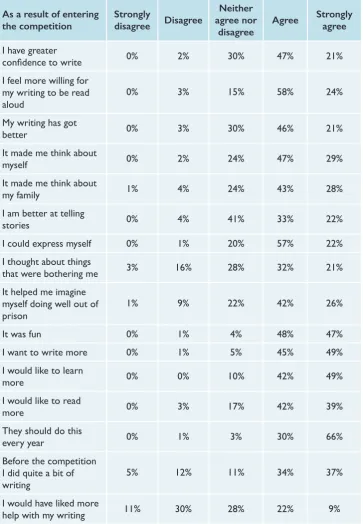
Competition entrants did not on the whole feel that they would have liked more support with their writing. They tended to have done ‘quite a bit of writing’ before the competition (71% agreed or strongly agreed with this statement), and for many writers there may be pleasure in the solitary act of creation. Prisoners who would have benefited from more support may simply not have been able to enter.
Table 11. Prisoners’ responses to the competition
As a result of entering
the competition Strongly disagree Disagree
Neither agree nor
disagree Agree
Strongly agree
I have greater
confidence to write 0% 2% 30% 47% 21%
I feel more willing for my writing to be read aloud
0% 3% 15% 58% 24%
My writing has got
better 0% 3% 30% 46% 21%
It made me think about
myself 0% 2% 24% 47% 29%
It made me think about
my family 1% 4% 24% 43% 28%
I am better at telling
stories 0% 4% 41% 33% 22%
I could express myself 0% 1% 20% 57% 22%
I thought about things
that were bothering me 3% 16% 28% 32% 21%
It helped me imagine myself doing well out of prison
1% 9% 22% 42% 26%
It was fun 0% 1% 4% 48% 47%
I want to write more 0% 1% 5% 45% 49%
I would like to learn
more 0% 0% 10% 42% 49%
I would like to read
more 0% 3% 17% 42% 39%
They should do this
every year 0% 1% 3% 30% 66%
Before the competition I did quite a bit of writing
5% 12% 11% 34% 37%
I would have liked more
Did Write to be Heard have an impact beyond
creative writing skills?
Write to be Heard strengthened some family links, ignited many participants’ desire for reading and writing and encouraged participants to think about themselves in a positive manner.
In addition, there are clear links between the skills practised in Write to be Heard and those required for ‘employability’.
Employability Skills
‘Making Prisons Work: Skills for Rehabilitation’ recognises the importance of employability skills alongside vocational skills. Although there is generally a common understanding of what constitutes ‘vocational’ skills, ‘employability’ feels less easy to define. Broadly speaking, it is the basket of skills and attributes that enable an individual to keep and sustain employment. The National Institute of Adult Continuing Education (NIACE) believes ‘employability’ constitutes wide-ranging skills encompassing communication, team working and organisational skills, as well as problem solving. 1 The UK Commission for Employment and Skills surveyed a number of definitions and developed a model of employability that shares territory with NIACE. The foundation of their model is an individual’s ‘Positive Approach’. Secondly, the individual requires skills related to numeracy, literacy and IT. Finally, the model addresses skills related to behaviour and attitude – self-management, thinking and problem solving, team work and communicating and understanding the business.
There is a gathering body of evidence on the way arts interventions can reduce re-offending and support resettlement. For instance, initiatives such as the Personal Effectiveness and Employability through the Arts Project (PEETA) specifically used arts as a way to support prison learners into employment. PEETA developed and piloted a new BTEC qualification to ‘help those who may find accessing traditional routes to employability challenging’ (Fletcher; 2012).
Even though Write to be Heard can be viewed primarily as a literacy project, like other creative writing programmes, it can draw out a number of other ‘soft’ skills. These include:
Critique skills
• Prisoners gave feedback on publicity material and made recommendations for improvement.
• Prisoners piloted and made recommendations for improving the evaluation questionnaire.
Interviewing skills
• National Prison Radio presenters interviewed the Write to be Heard Coordinator to publicise awards.
• Workshop participants interviewed each other during exercises.
Mutual support skills
• Audiences at radio recording sessions offered support and encouragement to less confident readers.
• Participants at the workshops encouraged each other to share their written work.
1. http://www.niace.org.
For details of how Write to be Heard links with employability skills, please see Appendix 6.
Literacy Skills
There is an obvious fit between creative writing and literacy skills, although literacy is not a requirement for telling a good story. Write to be Heard was set up to encourage participants to write for radio, deliberately focussing on ‘voice’ rather than spelling ability.
However, creative writing programmes such as Write to be Heard clearly resonate with the adult literacy core curriculum. Learners progress from Entry Level to Level 2 by improving their ability to use written and spoken language: to be able to listen and read increasingly complex and abstract language: and to expand their repertoire of vocabulary, genres, registers, grammar and punctuation.2 In addition, the workshops were an opportunity to improve speaking and presentation skills.
Write to be Heard workshops were one-off events, but in terms of activities, were pertinent to the ‘Speaking and Listening’ and ‘Writing’ elements of the core curriculum. For a matrix of how Write to be Heard activities match literacy core curriculum skills, please see Appendix 7.
How can the Virtual Campus support
creative writing across prisons?
An expectation of Write to be Heard was that creative writing materials would be hosted on the Virtual Campus as a resource for prisoners entering the awards. The materials would encompass exercises and work-in-progress by prisoners, as well as an adapted version of the BBC Writersroom. The BBC Writersroom is an online resource which offers interviews with writers of TV and radio drama, a script library and tips for aspiring writers. The Writersroom website has been made available to prisoners via Virtual Campus as part of a developing partnership between the BBC and NOMS.
This aspect of the project was not realised; there was a delay in uploading both sets of resources. This meant that there was no opportunity for prisoners to be involved in developing content in the lead up to and during the competition. However, the Virtual Campus was used to publicise the awards via updates to around 6,000 VC tutors across the custodial estate and award-winners’ work will be published on the Write to be Heard Virtual Campus area. To develop content we were supported by Synergy Theatre and actors who were ex-prisoners.
The Virtual Campus is now live or going live in over 100 prisons and as the project concludes, Write to be Heard creative writing resources and the BBC Writersroom will be available as part of the legacy. The former is a multi-media series of exercises to engage both new and experienced writers, using filmed scenarios and micro-lessons by writers, as well as excerpts from NPR programmes. The topics include ‘Coming up with ideas’, ‘Writing convincing dialogue’ and ‘Creating characters’. The Writersroom on Virtual Campus looks
2. See http://repository.
very similar to the site available in the community but access to other BBC websites, Twitter and E-submissions has been blocked. It is hoped that this will be a tool for prisoners keen to develop their creative writing skills and that it will support prisoners who engaged with Write To Be Heard through workshops or the competition. Prisoners can submit scripts via Writersroom but they would need to do so via their personal officer.
These resources can be used in many ways: by prison writing groups: as a tool for skills and qualifications: by tutors in prison: and to support prisoners who wish to enter other writing competitions, both in prison and in the community.
Aim Two
Aim Two: How successful was
the Write to be Heard model in
introducing new and innovative
organisations to prison?
To ensure new arts organisations were introduced as part of the Write to be Heard project model, the competitive tendering process for the creative writing workshops demanded that at least 50% of the artists involved in the delivery had to be new to a prison setting. Ten applications were received from a range of arts organisations.
Geese Theatre Company (Geese) in collaboration with Writing West Midlands were awarded the grant as they met the criteria most fully, providing assurance that the training of new artists and delivery of workshops put learners at the heart of the creative process. Their method for delivery embraced a multi-agency partnership model and they were keen to collaborate with new writers to develop dynamic workshops that inspired and informed learners to think creatively.
Although Geese has extensive experience working in the Criminal Justice System, their work has focussed on issue-based drama, not creative writing. Write to be Heard was an opportunity to combine Geese’s experience of engaging vulnerable and marginalised prisoners with professional writers bringing new ideas into prisons. Likewise, their understanding of different prison regimes enabled the scheduling and delivery of 28 workshops during the tight time period.
The project brief stipulated a combination of workshops, primarily delivered by writers with no experience; and master-classes by writers with an established career in their genre. Workshop leaders were selected through an open process. The brief was distributed via writing development organisations in London and the West Midlands, the Write to be Heard Coordinator’s contacts and Arts Alliance contacts. The brief stipulated that writers must be new to working in prison but experienced in working with marginalised and vulnerable people. The project also aimed to deliver writing workshops covering a range of genres. Thirteen applications were received, ten writers selected. One of the selected writers subsequently dropped out.
The workshop leaders and one master-class leader attended a briefing day at Geese. The objectives of the day were:
• To provide an overview of the Write to be Heard project and the role of the workshops – including information about the different award categories, definition of ‘hard-to-reach’ etc
• To provide an introduction to the work of Geese Theatre Company
• To consider practical and logistical issues connected with working in custodial settings
• To explore the role of facilitator in a prison context: facilitator’s roles and responsibilities, the importance of maintenance of boundaries and dangers of conditioning / collusion
• To explore potential writing techniques / exercises for use with hard-to-reach prisoners
Writers participated in exercises and activities that could be used as part of their workshops, explored ways of translating Geese mimed scenarios into creative writing prompts and discussed concerns about and strategies for working in the prison environment. Writers were matched with facilitators to develop workshops that built a safe, creative space for participants to gain confidence.
For a list of exercises, please see the Appendix.
Who were the writers?
The survey on the experience of working in prisons was sent to all fourteen writers involved in Write to be Heard; this consisted of nine workshop leaders and five masterclass leaders. Ten writers responded.
The majority of writers who responded were male. (Four writers, two male and two female, did not respond to the survey.)
Table 12. Gender of writers
They covered a range of age groups.
Table 13. Age of writers
[image:30.595.54.423.695.809.2]They were from different ethnic backgrounds, though predominantly white. (Four writers from minority ethnic backgrounds did not respond to the survey).
Table 14. Ethnicity of writers
Gender Response Percent Response Count
Male 40.0% 4
Female 60.0% 6
Age Response Percent Response Count
25 - 34 30.0% 3
35 - 44 20.0% 2
45 - 54 30.0% 3
55 - 64 10.0% 1
65 + 10.0% 1
Ethnicity Response Percent Response Count
Black Caribbean 10.0% 1
Other Black
background 10.0% 1
Dual ethnicity -
Caribbean and White 10.0% 1
The most successful means of recruiting workshop leaders was through Writing West Midlands, the regional literature development agency. Consequently, most of the workshop writers were living in the West Midlands. None of the master-class leaders lived in the West Midlands.
Table 15. Writers’ place of residence
In order to offer different types of workshops, writers were recruited with experience across diverse genres. (Writers were able to indicate a range of experience in different genres in their responses to the question about their writing expertise.)
Place of residence Response Percent Response Count
East Midlands 0.0% 0
West Midlands 70.0% 7
South West 10.0% 1
East of England 0.0% 1
Greater London 10.0% 1
Kent and Sussex 0.0% 0
North West 0.0% 0
South Central 0.0% 0
North East 0.0% 0
Yorkshire and
Humberside 10.0% 1
Wales 0.0% 0
Table 16. Genres in which writers worked
The ‘other’ forms included journalism, life-writing and other non-fiction.
Of the writers who responded, only one had previous experience working in prisons.
Genre Response Percent Response Count
Written poetry 40.0% 4
Performance poetry 30.0% 3
Writing plays 40.0% 4
Writing film/T scripts 10.0% 1
Writing radio scripts 30.0% 3
Short (flash) fiction 30.0% 3
Adult fiction 40.0% 4
Young adult fiction 0.0% 0
Children’s fiction 0.0% 0
Baby and young
children’s books 10.0% 1
[image:31.595.179.548.508.739.2]Table 17. Writers’ experience of working in prison
Why did writers want to be involved with
Write to be Heard?
There were two main reasons. First, there was a keen interest in working with people who are disenfranchised and marginalised. Many of the writers worked with marginalised or vulnerable communities in a teaching role or therapeutically.
Second, writers wanted to improve and develop their own practice and – indeed – to challenge themselves.
How did the writers prepare for the
workshops?
Research and planning were key to success, frequently carried out in collaboration with Geese practitioners. For instance, one writer’s preparations included:
‘a face-to-face meeting with a member of Geese Theatre Company about their previous experiences of the type of prison we were going to (in this case, an open prison) and we discussed a way we could work together creatively’.
Another…
‘…met with the theatre practitioner(s) the night before, and we discussed which exercises might work best, and how they might fit together. We had outlined a few exercises over email beforehand. What we found was that each group was different, so that we often had to change our plans once we went in. But having a pool of exercises and activities to begin with was very helpful.’
The briefing day enabled writers to understand the unpredictable nature of working in prisons. Lack of communication within establishments and the varying regimes and interests of prisoners themselves meant that writers could not be sure about who would attend their workshops. Prison staff were requested to target prisoners not in education, though there was no guarantee that those prisoners would be the ones who attended.
Previous experience
of working in prisons Response Percent Response Count
No, never before 90.0% 9
Writers responded with detailed planning. Such as:
‘- Contacting other authors who’d run ‘Writing for Children’ workshops for adults, for advice/tips/expertise. Finding and collating appropriate fiction to inspire/enthuse the workshop members in printed and audio form. Devising appropriate written exercises on plot / characterisation / ‘voices’/ ideas, which would inspire confidence in members to attempt writing of their own - especially to write stories for children they know. Finding out about writing for radio. Providing ‘planning sheets’ for workshop members to keep.’
Writers were keen to plan for every eventuality, ensuring sufficient material to meet a class of mixed abilities and attention spans. This required -
‘… lots of material and handouts (better to have too much, I thought, than not enough). I also tried to put myself in the position of prisoner so I could think about what might inspire/motivate/interest them. I looked at some collections of writing by prisoners and got some ideas from their work.’
What were the enjoyable aspects of
delivering the project?
The key pleasure for nine out of the ten writers who responded was the prisoners’ progress during the workshops. One writer described:
‘15 hardened criminals getting so deeply and immediately engrossed in the same writing that occupies my day and work and life. Since the sessions, the news that some have entered Write to Be Heard was fantastic.’
Some of those attending that workshop received top awards from the judges.
A different writer agrees:
‘For me it was wonderful to start the morning with a group of men who were withdrawn, defensive and unwilling to show any signs of vulnerability and end the day with them feeling energised and open and willing to take risks. Every day I was struck by the quality of work that was produced and the interaction from the inmates with me and each other.’
Writers were also pleased by the way the workshops benefited specific individuals. For instance:
‘Having one older offender tell me that he didn’t feel he’d been in prison, he’d been somewhere else that day.’
The following writer describes two participants that stood out.
horses as a member of the Travellers community…. When he understood the arc of a story, we were able to show him how to craft one of his accounts into a story…another prisoner was keen to host a writing group in the prison and needed his confidence building - he was particularly keen to have some feedback on a poem he had written, and it was great to see his enthusiasm when I helped him with that and was able to encourage his obvious ability.’
The challenges for writers new to working in
prison
New writers worked with one or two Geese facilitators to deliver the workshops. The facilitators led ice-breaking exercises and activities to help the group to bond. Geese are also renowned for using masks in short theatre pieces to facilitate discussion on issues such as addiction, anger management and domestic violence. As part of the workshops, masked actors mimed short scenarios to help participants develop characters and advance their stories.
Although Geese’s skills and experience provided a ‘cushion’ for new writers, there were still many challenges. Writers knew nothing about the participants until they arrived, including the willingness of participants to be there; and often prisoners did not know the nature of the workshop until attending. In many cases, the prisoners stayed and participated. Writers were disappointed when that was not the case.
One writer experienced:
‘…participants who tried to disrupt sessions or who refused to take part in certain drama exercises that they thought were childish. Encouraging these participants to rejoin the group and make a positive contribution to the session was challenging.’
Geese stipulated that the workshops were for prisoners not engaged in education. The prisoners that attended often ranged from those with low literacy to
experienced writers. For instance, one writer needed to balance the group dynamics of a ‘a mixed ability group - highly literate to barely literate, with two deaf participants and one autistic member fixated on Jimi Hendrix’ with a number of highly regarded poets. Another described the problem of:
‘Not really knowing what to expect - having such a diversity of abilities and backgrounds in one group - ranging from those who could not read or write at all to those (two life-prisoners) who had written novels!’
Another writer was pleased to have the support of the Geese facilitators, but worried about dovetailing Geese’s practice into their own.
a mismatch between the dynamic interaction Geese are all about and the more reflective process of writing creatively. Not sure how this could be resolved.’
Writers were also challenged by the demands of the prison regimes, including scheduling conflicts and the reliance on prison staff to accompany participants to and from the workshops on time.
What support should be available to writers
new to working in prisons?
Based on their own experiences, writers were asked to recommend ways that writers new to prison can be supported. Working with a mentor or organisation experienced in working in prisons was key:
‘I think going in with a group, such as the Geese Theatre Company, was invaluable. To be with people who know how prisons work and who can guide you through safely was very reassuring and I learnt a great deal from them over the four days that we spent together.’
More specifically, a mentor could -
‘ - input into how to offer feedback on work in a constructive way. Any group leadership skills would be valuable to new workers - spotting challenges, covert bullying, problem areas of writing, testing out limits etc.’
Another respondent detailed the information that writers new in prisons need to know:
‘It’s important that writers are told that they need to be flexible; that their sessions should be structured, but allow for any unforeseen changes or time challenges. Writers should also employ an icebreaker as prisoners often arrive with tensions from other sources, and will need to be refocused so that they are ‘present’ in the workshop. Also, writers should not assume that prisoners will know each other, and so introductions are key, as is helping them to leave the session feeling a little more connected to each other.’
Did Write to be Heard increase the
opportunities and enthusiasm for new
writers to work in prisons?
[image:36.595.56.422.241.530.2]All writers would deliver workshops in prison again. Many valued Write to be Heard as an opportunity to explore new ways of delivering workshops, improve their offer and to find new partners with whom to deliver projects.
Table 18. Opportunities for writers’ career development
The responses of staff in the prisons to Write
to be Heard
The interest and enthusiasm of prison staff is central to the success of any project. Prison staff help in many ways including disseminating publicity and other material about projects, selecting and encouraging participants, organising artists’ entry in to prisons (especially if artists are bringing equipment), booking an appropriate space and often, in joining in with the activities. Consequently, we evaluated the impact of Write to be Heard on prison staff.
Method
The workshop team, managed by Geese, worked with someone within each prison to organise the workshop. These prison organisers were asked to complete a questionnaire once the workshop had been delivered. 15 questionnaires were collected. Staff from the prison who attended the workshop also completed
Opportunities for career development Response Percent Response Count
I will develop opportunities working with
Geese Theatre Company 40.0% 4
I will develop opportunities working with
National Prison Radio 10.0% 1
I will develop opportunities with writers I
have met 20.0% 2
I will use it to access funding opportunities 30.0% 3
I will use it to enhance my CV 60.0% 6
I will submit proposals directly to prisons 50.0% 5
It has given me new ideas for teaching and delivering workshops
80.0% 8
I plan to work with other arts organisations
working with offenders 40.0% 4
I have become a member of the Arts Alliance 20.0% 2
It has made no difference 0.0% 0
questionnaires. 27 questionnaires were collected from 24 prisons. Note that the staff in the prison were not necessarily employed by the prison regime, they could, for example, be in the Education Department.
The prison organisers’ questionnaire asked about their role in the prison, followed by ten items concerning the potential impact of the workshop on prisoners, informed by the desistance framework, and their own views on the workshop (See Table 19). Respondents were also given the opportunity to write about the workshop in their own words.
The prison staff questionnaire was similar to the prison organisers’ questionnaire but had nine items and enquired about prisoner engagement and participation on the day (See Table 20).
In the four prisons visited by the evaluator, the evaluator had conversations with prison organisers and staff attending the workshop concerning the selection process of prisoners for the workshop, the extent of creative writing activities in the prison and their access to National Prison Radio and the Virtual Campus.
Prison organisers’ responses to the
workshops
A wide range of roles were represented amongst the prison organisers, demonstrating the complexity of scheduling arts activities in prison: prison librarian; chaplain; Cluster Heads of Learning, Skills and Employment; Education manager; literacy tutor; substance abuse worker; resettlement officer; prison radio personnel; prison officer. As can be seen in Table 19, their responses were on the whole very positive. They mostly agreed or strongly agreed that the workshop would improve prisoner outcomes. They were not so consistently positive on the value for discipline. They all agreed or strongly agreed that they should have more arts workshops and that they would recommend them.
Similarly, the 27 prison staff who attended the workshop and completed questionnaires were universally positive, mostly very positive, reporting that prisoners had been engaged and had participated enthusiastically in writing and storytelling. Over 80% of these prison staff strongly endorsed the value of having more arts events and of the workshop in particular (Table 20).
About the writing
workshop Strongly disagree Disagree
Neither agree
nor disagree
Agree Strongly agree
It will improve prisoners’ self-expression through writing
3 12
It will encourage more positive attitudes in prisoners
5 10
It will increase interest
in work 3 5 7
It will increase interest
in education/training 2 7 6
It will help with
discipline 9 2 4
We should have arts
workshops more often 2 13
I would recommend the workshop to someone else
1 14
More prisoners wanted to come than there were places
1 2 4 3 5
We will promote the
writing competition 15
It would be good to have more than one event to support their writing
Table 20. Prison staff responses to the workshop questionnaire
These positive responses were confirmed in comments made on the
questionnaires. Not only did they feedback that prisoners had benefitted but also on how inspiring and informative they had found it themselves:
“Sometimes… I wonder what I’m doing in prison education. Today’s event reminded me… if there were ever evidence of the method of delivery for engagement and learning: it was provided today.”
Of the four prisons observed by the research team, two were facilitated by the Education Department and in both cases education staff commented that seeing new techniques at the workshops would inform their own practice. Seeing specific activities that had successfully stimulated writing was useful as they could be replicated. More generally, they observed that prisoners were highly engaged in writing activities and contrasted this with the reluctance to write that they often saw when writing tasks were more skills based. It emphasised the value of creative writing.
About the writing
workshop Strongly disagree Disagree
Neither agree
nor disagree
Agree Strongly agree
Prisoners were engaged 2 25
Prisoners participated enthusiastically in activities
7 20
Prisoners did some
story telling / oral work 6 21
Prisoners did some
writing 5 22
It will encourage some to enter the writing competition
1 7 19
It was thought
provoking 7 20
We should have arts
events more often 3 24
I would recommend the workshop to someone else
5 22
Prisoners were happy to
Aim Three
Aim Three: How did Write to be
Heard contribute to learning about
support networks for artists in
prisons?
Write to be Heard is a grant-funded project that met many of its immediate objectives in addressing offender learning issues through creative writing. In the form presented in this report it has run only once (as required by the regulations of the grant applications), though leaving an important legacy of content and materials. There are no plans for continuous funding, in spite of its success. It has enabled the development of learning resources for offenders, contributed towards the career development of writers and facilitators, and enabled prison staff to witness the positive impact of arts interventions in prisons.
However, the economic environment is not an easy one in which to develop new arts projects. A survey by the Arts Alliance3 in 2013 found that the majority of organisations were experiencing or anticipating a decrease of funding while experiencing an increase in people using their services. Both arts organisations and prison staff were finding it increasingly difficult to organise and deliver arts interventions in prison. It is therefore increasingly important for organisations to share knowledge and resources; understand the policy environment and priorities that shape service delivery within the Criminal Justice System; and have a keen understanding of how to gain funding for and evaluate the services provided.
The Write to be Heard project tender was won by the Arts Alliance in an open procurement competition. Delivery of the project was an opportunity to strengthen the evidence base on the impact of delivering arts interventions in prisons. The project also benefitted from being delivered by the Arts Alliance and Clinks as infrastructure organisations providing a support network to practitioners working in the field of arts and criminal justice. Mechanisms exist for disseminating information, networking and sharing knowledge between different areas of expertise, as well as for enabling the engagement of new contributors.
The role of support networks in sharing
expertise
A number of expert groups were set up by the Arts Alliance network to support and guide the implementation of Write to be Heard. Initially a ‘start up’ group, which included Arts Alliance Steering Group members and the Prison Radio Association came together and designed the Workshop Delivery Grant to ensure appropriate artists were commissioned to deliver this vital part of the model. Following the commissioning process, a Write to be Heard Partner Group was implemented, which provided expert guidance and support to ensure successful delivery. The meetings facilitated an opportunity for arts practitioners to come together, share ideas and implement successful strategies across the project. The 3. http://www.artsalliance.
meetings enabled arts organisations to share knowledge specifically around:
• Health and safety in custodial settings
• Partnership working - across and between sectors • Involving prisoners in different aspects of the project • Creative practice/art direction
• Encouraging new artists into the sector • Promoting arts projects in prisons • Engaging hard-to-reach prisoners • Diversity and inclusion
• Utilising the NOMS infrastructure such as the Virtual Campus and National Prison Radio
• Developing a framework for arts in criminal justice
In addition, Arts Alliance members may belong to a variety of networks and be willing to draw in extra expertise. For instance, the Koestler Trust, contributed their extensive knowledge of running an arts awards scheme to the project planning group. Arts Alliance members, Storybook Mums and Dads, were able to promote information about the ‘Writing for Audience Under-10’ category of the awards through their network. The Shannon Trust supports a network of literacy mentors in prison. Writers in Prison Foundation are a member of the Arts Alliance steering group and have several years of experience of delivering creative writing programmes in prison. Synergy Theatre Project supported Write to be Heard by judging the ‘Writing for more than one voice’ category and through recruiting actors and a director for the filmed prompts forming part of the Virtual Campus resource.
The role of support networks in introducing
and supporting organisations new to working
in prisons
The Arts Alliance designed a competitive tendering process for the workshop delivery aspect of the project. The specification demanded that at least 50% of the artists involved in the delivery were new to prison settings. Eleven out of the fourteen writers delivering creative writing workshops had not worked in prisons before. All would like to do so in the future.
Based on the learning from Write to be Heard, networks supporting new organisations have a role in:
Offering opportunities for experienced organisations to mentor new organisations. This includes briefing new artists about how prisons work, offering opportunities to observe workshops in prisons and advising on planning for the uncertainties intrinsic within prison regimes.