Int J Clin Exp Pathol 2017;10(3):2478-2495
www.ijcep.com /ISSN:1936-2625/IJCEP0037909
Original Article
Prospective target gene network of key miRNAs
influenced by long non-coding RNA HOXA11-AS
in NSCLC cells
Yu Zhang1*, Ting-Qing Gan2*, Xiao Wang3, Han-Lin Wang1, Xiu-Ling Zhang1, Yi-Wu Dang1, Su-Ning Huang4, Dian-Zhong Luo1, Ping Li1, Rong-Quan He2, Zu-Yun Li1, Gang Chen1
Departments of 1Pathology, 2Medical Oncology, 4Radiotherapy, First Affiliated Hospital of Guangxi Medical Uni -versity, Nanning, Guangxi Zhuang Autonomous Region, China; 3Department of Orthopedics, China-Japan Union Hospital of Jilin University, Changchun, China. *Equal contributors and co-first authors.
Received August 15, 2016; Accepted August 24, 2016; Epub March 1, 2017; Published March 15, 2017
Abstract: Background: Non-coding RNAs (ncRNAs), like long ncRNAs (lncRNAs) and microRNAs (miRNAs), are con-firmed to play important roles in the tumorigenesis and deterioration of non-small cell lung cancer (NSCLC). Howev-er, the underlying expression profiling and prospective signal pathways of miRNAs associated with lncRNA HOXA11 antisense RNA (HOXA11-AS) in NSCLC remain unknown. Methods: HOXA11-AS was knocked down in A549 cell line and a microarray assay was used to detect the changes of the miRNA profiles. Four miRNA target prediction algorithms were applied to predict the potential target genes of the differentially expressed miRNAs. Bioinformatics analysis including Gene Ontology (GO), Kyoto Encyclopedia of Genes and Genomes (KEGG), protein-protein interac-tions (PPIs) and network analysis, were performed to investigate the potential funcinterac-tions, pathways and networks of the target genes. The different expression of HOXA11-AS between normal lung and NSCLC tissues was further verified by the data in The Cancer Genome Atlas (TCGA). Additionally, the relationship between the expression of HOXA11-AS and clinical diagnostic value was analyzed by receiver operating characteristic (ROC) curve. Results: Among all the miRNAs from the microarray, 43 and 18 miRNAs were upregulated and downregulated in NSCLC, respectively. According to the degree of the fold change, p value and false discovery rate (FDR), the top five upregu-lated and downreguupregu-lated miRNAs were selected for further investigation. GO analysis on the target genes revealed that these de-regulated miRNAs were involved in complex cellular pathways, such as transcription, cell junction and transcription factor activity. KEGG pathway analysis showed that Wnt signaling pathway might be involved in regulating these 10 candidate miRNAs. XRN1 (degree = 23) and EP300 (degree = 20) had highest degree and interactions in the PPI network. Additionally, we found that HOXA11-AS was upregulated in lung adenocarcinoma and squamous cell carcinoma tissues based on TCGA database. The ROC curve revealed that the area under curve (AUC) of HOXA11-AS was 0.727 (95% CI 0.663~0.790) for lung adenocarcinoma and 0.933 (95% CI 0.906~0.960) for squamous cell carcinoma patients. Conclusions: Our results provide significant information on miRNAs related to HOXA11-AS in NSCLC and we hypothesize that HOXA11-AS might play a key role in NSCLC by regulating the expres-sion of miRNAs through Wnt signaling pathway, which would be valuable for further investigation into the possible molecular mechanisms in NSCLC.
Keywords: HOXA11-AS, NSCLC, miRNA, GO, KEGG, pathway
Introduction
Lung cancer has been one of the most com -monly diagnosed cancers in the world, which is responsible for most of cancer death [1-4]. According to the histological type, lung cancer could be classified into two types: small cell lung cancer (SCLC) and non-small cell lung can-cer (NSCLC). About 80%-85% of newly diag
tumori-Prospective target gene network of key miRNAs influenced by HOXA11-AS
genesis and deterioration is of great impor-tance.
important roles by regulating the expression of their target transcripts through interacting with the 3’-untranslated region (3’-UTR) [12-17]. The current researches have shown that miRNAs can play significant roles in NSCLC. Lan et al [18] found that miR-133a could be a tumor-suppressive miRNA in NSCLC, and the down-regulation of miR-133a suggested deteriora -tion in NSCLC patients. Zhang et al [19] revealed that the downexpression of miRNA-320a could promote proliferation and invasion of NSCLC cells by increasing the expression of VDAC1. Zhu et al [20] found that miR-454 could pro -mote the progression of NSCLC by directly tar -geting PTEN. The expression of miRNAs could also be regulated by lncRNA. Therefore, it is urgent to carry out a further exploration into miRNA profiling associated with lncRNA in NSCLC in order to seek novel therapeutic strategies.
[image:2.612.90.377.73.273.2]In this study, we used microarray assay to detect the changes in the miRNA profiles of the A549 cells after HOXA11 antisense RNA (HOXA11-AS) knock-down. And four miRNA tar -get prediction algorithms were applied to pre-Figure 1. A flow chart of this study.
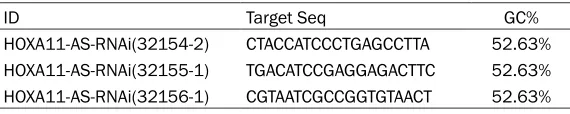
Table 1. The sequences of HOXA11-AS siRNAs
ID Target Seq GC%
HOXA11-AS-RNAi(32154-2) CTACCATCCCTGAGCCTTA 52.63% HOXA11-AS-RNAi(32155-1) TGACATCCGAGGAGACTTC 52.63% HOXA11-AS-RNAi(32156-1) CGTAATCGCCGGTGTAACT 52.63%
Figure 2. Volcano plot for differentially expressed miRNAs after HOXA11-AS knock-down in NSCLC cells. Volcano plot was constructed through fold-change and p values, enabling visualization of the relationship between fold change (magnitude of change) and statistical significance.
Long non-coding RNAs (lnc- RNAs) refer to RNAs without protein-coding capacity and the length of lncRNAs could vary from 200 nucleotides to 100 kilobases [6]. Many lncRNAs have been confirmed to play a part in transcription -al regulation, epigenetic gene regulation or disease develop-ment [7-10]. More important -ly, lncRNAs can regulate the transcription of adjacent ge-nes by combining the poly -merases and transcription factors due to their wide dis -tribution in nucleus [9, 11]. For example, lncRNAs could regulate the expression of miRNAs and their bio-function [6]. Therefore, the aberrant expression of lncRNAs could cause various human diseas-es and disorders [6].
[image:2.612.91.376.327.384.2] [image:2.612.91.288.404.595.2]Prospective target gene network of key miRNAs influenced by HOXA11-AS
dict the potential target genes of the differen -tially expressed miRNAs. Bioinformatics anal-ysis including Gene Ontology (GO), Kyoto Ency-clopedia of Genes and Genomes (KEGG), pro -tein-protein interactions (PPIs) and network analysis, were performed to investigate the potential functions, pathways and networks of the target genes [21-24]. A flow chart of this study was shown in Figure 1.
Materials and methods
Transfection with siRNA to knock-down HOXA11-AS in the NSCLC cell A549
The human NSCLC A549 cell line obtained fr-om the Type Culture Collection of the Chinese Academy of Sciences (Shanghai, China) was cultivated with 10% heat-inactivated fetal bo-vine serum (Invitrogen Corp, Grand Island, NY, USA) in a humidified atmosphere with 5% CO2 at 37°C. Three HOXA11-AS specific siRNAs were synthesized by GenePharma (Shanghai, China) and merged into one siRNA pool (Table 1). The NSCLC A549 cell line was transfected with the HOXA11-AS siRNA for 72 hours. The Lipofectamine™2000 (invitrogen, 11668-019) was utilized for the transfection on the manu -facturer’s instructions.
MiRNA microarray analysis
The sample analysis and miRNA microarray hybridization were performed by Kangchen Bio-tech (Shanghai, China). Briefly, RNA Sample and RNA Sample QC were prepared. Buffer RPE was supplied as a concentrate. RNA was extracted and purified from 1 mg of total RNA
rough the Axon GenePix 4000B microarray scanner. The GenePix pro V6.0 was used to read the raw intensity of the image. Median Normalization Method was applied for quantile normalization and subsequent data process -ing. Differentially expressed miRNAs between the groups of RNAi and the controls were identi -fied as a fold change >1.5, P<0.05 as the cut-off.
MiRNA target prediction
Four miRNA target prediction algorithms were applied to predict the potential target genes of the differentially expressed miRNAs. The four corresponding prediction algorithms were mir-TarBase (available online: http://mirtarbase. mbc.nctu.edu.tw/), miRDB (available online: http://www.mirdb.org/), DIANA-microT (avail-able online: http://www.microrna.gr/microT) and TargetScan (available online: http://www. targetscan.org/). And the comparison and identification of candidate genes were based on Venn diagrams (available online: http://bio -informatics.psb.ugent.be/webtools/Venn/). GO and pathway analysis
[image:3.612.91.387.85.267.2]To better understand the underlying roles of the target genes, GO analysis and KEGG path -way analysis were applied based on biological process (BP), cellular component (CC) and molecular function (MF) as previously described [25]. The enrichment of the potential target genes was analyzed after being uploaded to the datasets of Database for Annotation, Visualization and Integrated Discovery (DAVID: available online: http://david.abcc.ncifcrf.gov/).
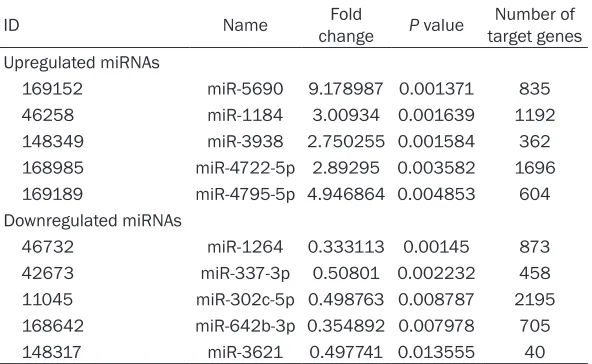
Table 2. The top 5 upregulated and top 5 downregulated miRNAs ID Name changeFold P value target genesNumber of Upregulated miRNAs
169152 miR-5690 9.178987 0.001371 835
46258 miR-1184 3.00934 0.001639 1192
148349 miR-3938 2.750255 0.001584 362
168985 miR-4722-5p 2.89295 0.003582 1696
169189 miR-4795-5p 4.946864 0.004853 604
Downregulated miRNAs
46732 miR-1264 0.333113 0.00145 873
42673 miR-337-3p 0.50801 0.002232 458
11045 miR-302c-5p 0.498763 0.008787 2195
168642 miR-642b-3p 0.354892 0.007978 705
148317 miR-3621 0.497741 0.013555 40
th-Prospective target gene network of key miRNAs Influenced by HOXA11-AS
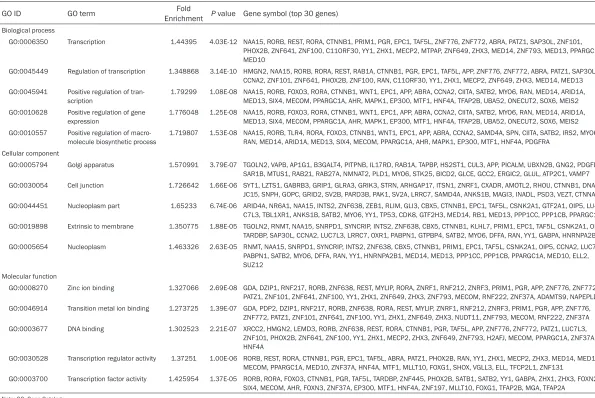
Table 3. GO functional annotation for most significantly related targets of miRNAs
GO ID GO term EnrichmentFold P value Gene symbol (top 30 genes)
Biological process
GO:0006350 Transcription 1.44395 4.03E-12 NAA15, RORB, REST, RORA, CTNNB1, PRIM1, PGR, EPC1, TAF5L, ZNF776, ZNF772, ABRA, PATZ1, SAP30L, ZNF101, PHOX2B, ZNF641, ZNF100, C11ORF30, YY1, ZHX1, MECP2, MTPAP, ZNF649, ZHX3, MED14, ZNF793, MED13, PPARGC1A,
MED10
GO:0045449 Regulation of transcription 1.348868 3.14E-10 HMGN2, NAA15, RORB, RORA, REST, RAB1A, CTNNB1, PGR, EPC1, TAF5L, APP, ZNF776, ZNF772, ABRA, PATZ1, SAP30L, CCNA2, ZNF101, ZNF641, PHOX2B, ZNF100, RAN, C11ORF30, YY1, ZHX1, MECP2, ZNF649, ZHX3, MED14, MED13 GO:0045941 Positive regulation of tran
-scription 1.79299 1.08E-08 NAA15, RORB, FOXO3, RORA, CTNNB1, WNT1, EPC1, APP, ABRA, CCNA2, CIITA, SATB2, MYO6, RAN, MED14, ARID1A, MED13, SIX4, MECOM, PPARGC1A, AHR, MAPK1, EP300, MTF1, HNF4A, TFAP2B, UBA52, ONECUT2, SOX6, MEIS2 GO:0010628 Positive regulation of gene
expression
1.776048 1.25E-08 NAA15, RORB, FOXO3, RORA, CTNNB1, WNT1, EPC1, APP, ABRA, CCNA2, CIITA, SATB2, MYO6, RAN, MED14, ARID1A, MED13, SIX4, MECOM, PPARGC1A, AHR, MAPK1, EP300, MTF1, HNF4A, TFAP2B, UBA52, ONECUT2, SOX6, MEIS2 GO:0010557 Positive regulation of macro
-molecule biosynthetic process
1.719807 1.53E-08 NAA15, RORB, TLR4, RORA, FOXO3, CTNNB1, WNT1, EPC1, APP, ABRA, CCNA2, SAMD4A, SPN, CIITA, SATB2, IRS2, MYO6, RAN, MED14, ARID1A, MED13, SIX4, MECOM, PPARGC1A, AHR, MAPK1, EP300, MTF1, HNF4A, PDGFRA
Cellular component
GO:0005794 Golgi apparatus 1.570991 3.79E-07 TGOLN2, VAPB, AP1G1, B3GALT4, PITPNB, IL17RD, RAB1A, TAPBP, HS2ST1, CUL3, APP, PICALM, UBXN2B, GNG2, PDGFD, SAR1B, MTUS1, RAB21, RAB27A, NMNAT2, PLD1, MYO6, STK25, BICD2, GLCE, GCC2, ERGIC2, GLUL, ATP2C1, VAMP7 GO:0030054 Cell junction 1.726642 1.66E-06 SYT1, LZTS1, GABRB3, GRIP1, GLRA3, GRIK3, STRN, ARHGAP17, ITSN1, ZNRF1, CXADR, AMOTL2, RHOU, CTNNB1, DNA
-JC15, SNPH, GOPC, GRID2, SV2B, PARD3B, PAK1, SV2A, LRRC7, SAMD4A, ANKS1B, MAGI3, INADL, PSD3, VEZT, CTNNA1 GO:0044451 Nucleoplasm part 1.65233 6.74E-06 ARID4A, NR6A1, NAA15, INTS2, ZNF638, ZEB1, RLIM, GLI3, CBX5, CTNNB1, EPC1, TAF5L, CSNK2A1, GTF2A1, OIP5, LU
-C7L3, TBL1XR1, ANKS1B, SATB2, MYO6, YY1, TP53, CDK8, GTF2H3, MED14, RB1, MED13, PPP1CC, PPP1CB, PPARGC1A GO:0019898 Extrinsic to membrane 1.350775 1.88E-05 TGOLN2, RNMT, NAA15, SNRPD1, SYNCRIP, INTS2, ZNF638, CBX5, CTNNB1, KLHL7, PRIM1, EPC1, TAF5L, CSNK2A1, OIP5,
TARDBP, SAP30L, CCNA2, LUC7L3, LRRC7, OXR1, PABPN1, GTPBP4, SATB2, MYO6, DFFA, RAN, YY1, GABPA, HNRNPA2B1 GO:0005654 Nucleoplasm 1.463326 2.63E-05 RNMT, NAA15, SNRPD1, SYNCRIP, INTS2, ZNF638, CBX5, CTNNB1, PRIM1, EPC1, TAF5L, CSNK2A1, OIP5, CCNA2, LUC7L3,
PABPN1, SATB2, MYO6, DFFA, RAN, YY1, HNRNPA2B1, MED14, MED13, PPP1CC, PPP1CB, PPARGC1A, MED10, ELL2,
SUZ12
Molecular function
GO:0008270 Zinc ion binding 1.327066 2.69E-08 GDA, DZIP1, RNF217, RORB, ZNF638, REST, MYLIP, RORA, ZNRF1, RNF212, ZNRF3, PRIM1, PGR, APP, ZNF776, ZNF772, PATZ1, ZNF101, ZNF641, ZNF100, YY1, ZHX1, ZNF649, ZHX3, ZNF793, MECOM, RNF222, ZNF37A, ADAMTS9, NAPEPLD GO:0046914 Transition metal ion binding 1.273725 1.39E-07 GDA, PDP2, DZIP1, RNF217, RORB, ZNF638, RORA, REST, MYLIP, ZNRF1, RNF212, ZNRF3, PRIM1, PGR, APP, ZNF776,
ZNF772, PATZ1, ZNF101, ZNF641, ZNF100, YY1, ZHX1, ZNF649, ZHX3, NUDT11, ZNF793, MECOM, RNF222, ZNF37A GO:0003677 DNA binding 1.302523 2.21E-07 XRCC2, HMGN2, LEMD3, RORB, ZNF638, REST, RORA, CTNNB1, PGR, TAF5L, APP, ZNF776, ZNF772, PATZ1, LUC7L3,
ZNF101, PHOX2B, ZNF641, ZNF100, YY1, ZHX1, MECP2, ZHX3, ZNF649, ZNF793, H2AFJ, MECOM, PPARGC1A, ZNF37A, HNF4A
GO:0030528 Transcription regulator activity 1.37251 1.00E-06 RORB, REST, RORA, CTNNB1, PGR, EPC1, TAF5L, ABRA, PATZ1, PHOX2B, RAN, YY1, ZHX1, MECP2, ZHX3, MED14, MED13, MECOM, PPARGC1A, MED10, ZNF37A, HNF4A, MTF1, MLLT10, FOXG1, SHOX, VGLL3, ELL, TFCP2L1, ZNF131
GO:0003700 Transcription factor activity 1.425954 1.37E-05 RORB, RORA, FOXO3, CTNNB1, PGR, TAF5L, TARDBP, ZNF445, PHOX2B, SATB1, SATB2, YY1, GABPA, ZHX1, ZHX3, FOXN2, SIX4, MECOM, AHR, FOXN3, ZNF37A, EP300, MTF1, HNF4A, ZNF197, MLLT10, FOXG1, TFAP2B, MGA, TFAP2A
Prospective target gene network of key miRNAs Influenced by HOXA11-AS
[image:6.792.89.699.125.240.2]Figure 3. A function network of Gene Ontology (GO) terms for the target genes of 10 miRNAs in NSCLC. A. Biological process (BP). B. Cellular component (CC). C. Molecular function (MF).
Table 4. KEGG pathway enrichment analysis of miRNAs
KEGG ID KEGG term EnrichmentFold P value Gene symbol
hsa04310 Wnt signaling pathway 2.711163 1.70E-08 APC2, CAMK2G, PPP2R5C, DAAM1, TCF7L2, PRKX, TCF7L1, CTNNB1, WNT1, PLCB3, CSNK2A1, WNT3, CACYBP, CAMK2D, FRAT1, NFATC4, NFATC2, FBXW11, NFATC3, CSNK1A1, TBL1XR1, VANGL1, LY6G5B, NLK, CREBBP, TP53, FZD3, FZD4, FZD7, DKK2, EP300, CCND2, GSK3B,
LRP6, PPP2R5E, TBL1X
hsa05213 Endometrial cancer 3.729221 2.09E-06 APC2, PIK3CB, TP53, MLH1, FOXO3, CTNNA1, TCF7L2, TCF7L1, CTNNB1, MAPK1, NRAS, PDPK1, KRAS, CASP9, GSK3B, SOS1, PIK3R1
hsa05215 Prostate cancer 2.905161 3.54E-06 AR, PIK3CB, CREB1, CREBBP, TP53, CREB5, RB1, TCF7L2, TCF7L1, CTNNB1, MAPK1, NRAS, PDPK1, KRAS, EP300, CASP9, GSK3B, SOS1, PDGFRA, MDM2, TGFA, PDGFD, PIK3R1
hsa05200 Pathways in cancer 1.773654 2.72E-05 MITF, MLH1, FGF13, GLI3, PTEN, CTNNB1, WNT1, WNT3, CASP9, TGFA, AR, PLD1, PIK3CB, RUNX1T1, TP53, RB1, CTNNA1, MECOM, FGF20, RAD51, MAPK1, CCDC6, CRKL, EP300, NCOA4, PDGFRA, MDM2, MAPK8, TRAF1, APC2, EGLN3, TCF7L2, TCF7L1, TPM3, KRAS, ITGAV, SOS1, PIK3R1, COL4A4, BMP2, COL4A1, TGFBR1, MET, CREBBP, CBL, FZD3, APPL1, FZD4, FZD7, NRAS, HDAC2, PLCG1, GSK3B, JAK1
Prospective target gene network of key miRNAs Influenced by HOXA11-AS
Prospective target gene network of key miRNAs influenced by HOXA11-AS
Figure 5. The PPI network of DEGs.
Genes with false discovery rate (FDR) ≤0.05 and P<0.05 were identified to be obviously enriched in the target genes.
Construction of protein-protein interaction (PPI) network
The interaction pairs of target genes were in-vestigated through Search Tool for the Retrieval of Interacting Genes (STRING; version 9.0,
http://string-db.org) [26]. STRING was a data -base of known and predicted PPIs. A combined score >0.4 was selected to construct the PPI network.
Additional analysis of the differentially ex -pressed miRNAs in NSCLC from TCGA
-Prospective target gene network of key miRNAs influenced by HOXA11-AS
ing, miRNA-seq, RNA-seq and data DNA meth-ylation, and so on [27]. TCGA could also be applied to analyze complicated cancer genom -ics and clinical parameters [28, 29]. In this study, the original data of RNASeqV2 in lung adenocarcinoma and squamous cell carcinoma were extracted from TCGA. Then the expression level of HOXA11-AS in each case was calculat -ed according to the distribution of exon reads. Also, we extracted the co-genes of HOXA11-AS in TCGA through R Project for Statistical Computing (https://www.r-project.org/). A FDR <0.05 was considered for co-expressed relationship.
Statistical analysis
SPSS 20.0 was used for the statistical analysis. The t-test was applied for comparing the expres -sion of HOXA11-AS in lung adenocarcinoma and squamous cell carcinoma. And the rela-tionship between the expression of HOXA11-AS and clinical diagnostic value was analyzed by ROC curve. P<0.05 was considered statistically significant (two-sides).
Results
MiRNAs profiling associated with lncRNA HOXA11-AS
The transfection efficiency was approximat-ely 100%, and the knock-down efficiency of HOXA11-AS in NSCLC cell lines were over 75% as detected by real time RT-qPCR (data not shown). Then a miRNA microarray assay was performed to detect differential expression profiles of miRNAs between the groups of HOXA11-AS RNAi and control in A549 cell lines in triplicate. Forty-three upregulated and 18 downregulated miRNAs were found differential -ly expressed. A summary of these differential-ly expressed miRNAs was presented in the volca-no plot (Figure 2). The fold changes (HOXA11-AS-RNAi vs. HOXA11-AS-control) and P values were calculated after the expression values were standardized. The top 10 miRNAs were selected as most significant differentially expressed miRNAs (fold change ≥1.5 or <1 and P<0.05), among which, five miRNAs were upreg -ulated and five miRNAs were downreg-ulated (Table 2).
MiRNA target prediction
In this study, four miRNA target prediction algo -rithms (mirTarBase, miRDB, DIANA-microT and
TargetScan) were applied to predict the poten-tial target genes of the differenpoten-tially expressed miRNAs. And Venn diagrams were used to com -pare and identify the candidate genes. The genes predicted by more than two algorithms were selected as the final target candidate genes. And the number of these target candi -date genes of each miRNA was shown in Table 2.
GO and pathway analysis
Among all these target genes, 1914 genes were selected for prediction by more than two miRNAs, and these genes were used to per-form GO and pathway analysis (Supplementary Table 1). The GO analysis identified BP, CC and MF which the target genes may be involved in. The GO functional annotation for most signifi -cantly related targets of miRNAs were shown in
Table 3. And GO analysis showed the most sig -nificant functional groups, such as transcrip -tion, cell junction and transcription factor activ -ity. To better reveal the relevant functions of the target genes, a function network of BP, CC and MF was constructed based on the GO analysis with Cytoscape (Figure 3).
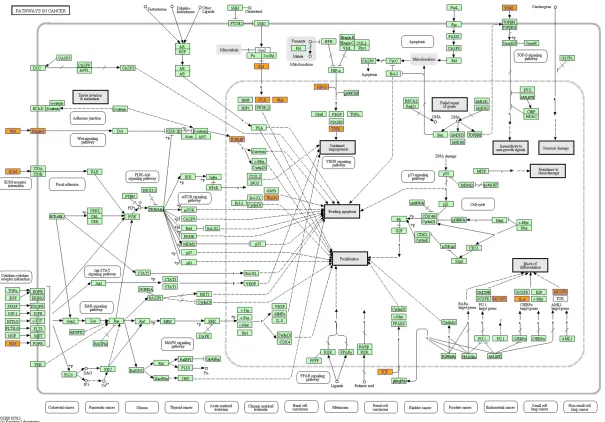
The KEGG analysis showed that the target genes might be involved in different pathways. A total of four relevant pathways were available through the pathway analysis (FDR ≤0.05, P<0.05, Table 4). The two mostly relevant path -ways (Wnt signaling pathway, Path-ways in can -cer) were involved in NSCLC development and progression as previously reported. As was shown in Pathways in cancer (Figure 4), β-catenin activity played an important role in Wnt signaling pathway. An inappropriate activa -tion of the Wnt/β-catenin signaling pathway might lead to the development of human can -cers, such as lung cancer.
PPI network analysis
Prospective target gene network of key miRNAs Influenced by HOXA11-AS
Prospective target gene network of key miRNAs influenced by HOXA11-AS
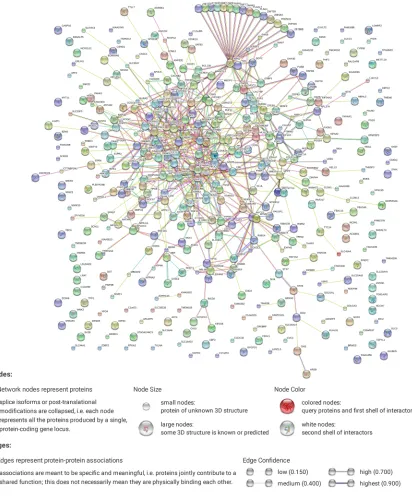
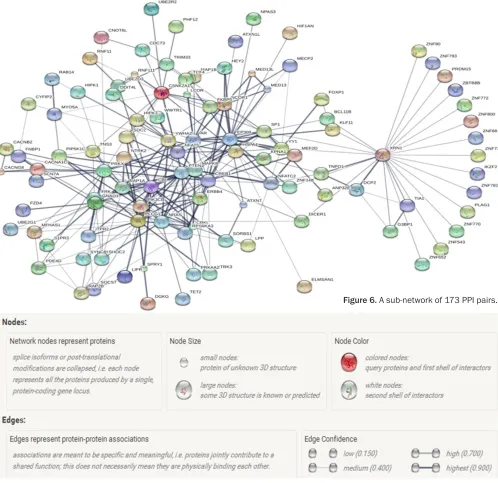
pairs was selected for further analyses, whose connectivity degrees were more than 10 as presented in Figure 6.
Supplementary information from the Cancer Genome Atlas (TCGA) database
In order to reveal the relationship between HOXA11-AS and NSCLC, we performed a clini
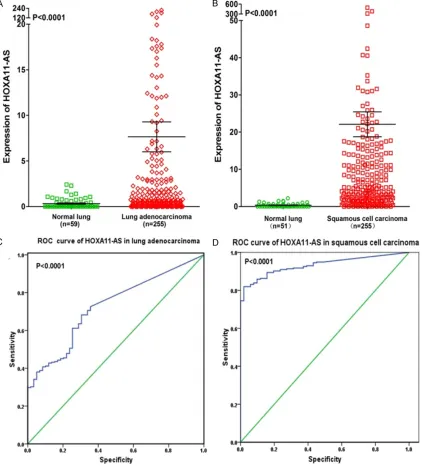
-cal study with the original data in TCGA. We found that HOXA11-AS was upregulated in both lung adenocarcinoma (7.645±1.641 vs. 0.330±0.075) and squamous cell carcinoma (22.090±3.348 vs. 0.353±0.072) compared to non-cancerous lung tissues (both P<0.0001,
[image:11.612.96.518.75.541.2]Prospective target gene network of key miRNAs influenced by HOXA11-AS
enocarcinoma patients and 0.933 (95% CI 0.906~0.960) for squamous cell carcinoma patients (both P<0.0001), which could gain high diagnostic value of HOXA11-AS level in lung cancer (Figure 7C, 7D).
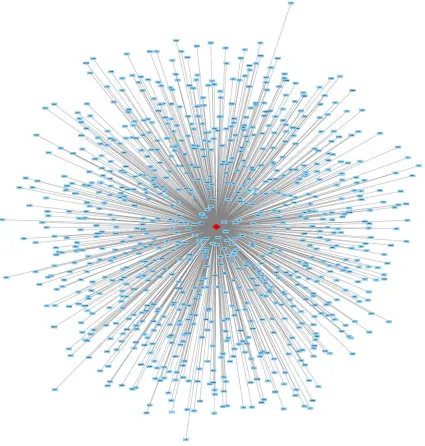
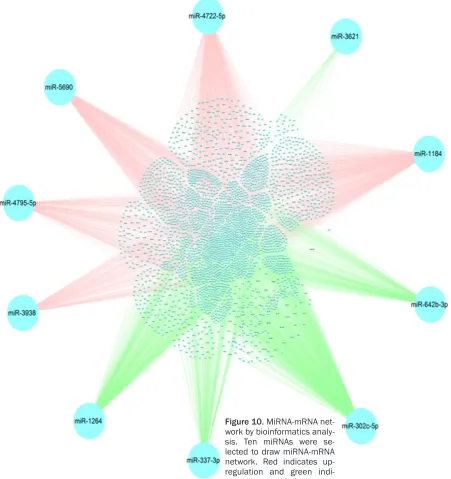
Also, the co-genes of HOXA11-AS in TCGA were extracted through R Project for Statistical Computing. And 397 co-genes were extracted in lung adenocarcinoma and 899 co-genes were extracted in squamous cell carcinoma. Additionally, gene networks of HOXA11-AS and its co-genes, miRNAs and their target genes were constructed in the present study (Figures 8-10). And the relationships between HOXA11-AS and its co-genes, miRNAs and their target genes were easily observed from this network analysis.
Discussion
LncRNAs constitute the majority of the non-coding RNAs. And lncRNAs are novel key ele -ments in regulating different cellular process -es, such as transcription, activity of protein [30]. Also, lncRNAs have been reported to be associated with tumorigenesis and progression of NSCLCs. To date, several lncRNAs have been reported to play a vital part in NSCLC, such as lncRNA TATDN1, RGMB-AS1 and MALAT1, which may relate to cell proliferation, invasion and metastasis of NSCLC [31-33]. And growing evidence has shown that lncRNAs may play sig -nificant roles by regulating miRNAs expression in lung cancer. For example, lncRNA CCAT1 could downregulate miR-218 levels via BMI1 to promote cell cycle transition in cigarette smoke extract-induced lung carcinogenesis [34]. LncRNA UCA1 could perform oncogenic func -tions in NSCLC by targeting miR-193a-3p [35]. HOXA11-AS is a member of the homeobox (HOX) family of genes. Until now, only two stud -ies have reported the relationship between HOXA11-AS and cancer. Richards et al [36] con -ducted various functional experiments and analyzed genome-wide data and then found that HOXA11-AS could inhibit the oncogenic phenotype of epithelial ovarian cancer. Wang et al [37] used a high-throughput microarray and gene set enrichment analysis to demonstrate that HOXA11-AS was a cell cycle-associated
lncRNA and might be a biomarker for identify -ing glioma progression. However, the particular pathogenesis of HOXA11-AS in NSCLC is still vague. Previously, we detected the expression of HOXA11-AS in four NSCLC cell lines (A549, H460, 1299 and PC9) and A549 cell lines gained the highest HOXA11-AS expression level (data not shown). Thus, we designed this study on A549 cells to explore miRNAs expression profile changes after HOXA11-AS knock-down, and clarify the possible molecular mechanisms of HOXA11-AS in NSCLC.
Prospective target gene network of key miRNAs influenced by HOXA11-AS
Figure 9. HOXA11-AS-co-genes network in squamous cell carcinoma by bioinformatics analysis. Eight hundred and ninety-nineco-genes were extracted in lung adenocarcinoma. And the relationships between HOXA11-AS and these co-genes were easily observed from this network analysis.
regulated by lncRNA HOXA11-AS might play important roles in NSCLC tumorigenesis and deterioration via Wnt signaling pathway. But further exploration is still needed to clarify the possible molecular mechanisms of HOXA11-AS in NSCLC tumorigenesis and deterioration. To verify this hypothesis, we plan to perform a series of experiments, including real time RT-qPCR, in situ hybridization, dual luciferase reporter assay, RNA binding protein immuno -precipitation (RIP), RNA pull-down, chromatin
Prospective target gene network of key miRNAs Influenced by HOXA11-AS
indi-Prospective target gene network of key miRNAs influenced by HOXA11-AS
Conclusion
In summary, HOXA11-AS might play an impor -tant role via influencing several key miRNAs in different biological processes of NSCLC by tar -geting their specific target genes. Original data from TCGA further verified the oncogenic role of HOXA11-AS in both lung adenocarcinoma and squamous cell carcinoma. These results could be valuable for further researches on the rela -tionship between HOXA11-AS and the possible molecular mechanisms in NSCLC tumorigene-sis and deterioration.
Acknowledgements
The study was supported by Fund of the Guangxi Provincial Health Bureau Scientific Research Project (Z2013201, Z2014055), Fund of the National Natural Science Fou-ndation of China (NSFC81360327, NSFC815-60469), the Natural Science Foundation of Guangxi, China (2015GXNSFCA139009) and the Scientific Research Project of the Basic Ability Promoting for Middle Age and Youth Teachers of Guangxi Universities (KY2016YB-077). The funders had no role in the study design, the data collection and analysis, the decision to publish, or the preparation of the manuscript. Yu Zhang and Ting-Qing Gan con-tributed equally as co-first authors, and Zu-Yun Li and Gang Chen contributed equally as co-corresponding authors of this paper.
Disclosure of conflict of interest
None.
Address correspondence to: Drs. Zu-Yun Li and Ga- ng Chen, Department of Pathology, First Affiliated Hospital of Guangxi Medical University, 6 Shuang- yong Road, Nanning 530021, Guangxi Zhuang Au- tonomous Region, China. E-mail: [email protected] (ZYL); [email protected] (GC)
References
[1] Xu YJ, Du Y and Fan Y. Long noncoding RNAs in lung cancer: what we know in 2015. Clin Transl Oncol 2016; 18: 660-665.
[2] Kang CG, Lee HJ, Kim SH and Lee EO. Zerum-bone Suppresses Osteopontin-Induced Cell In-vasion Through Inhibiting the FAK/AKT/ROCK Pathway in Human Non-Small Cell Lung Can-cer A549 Cells. J Nat Prod 2016; 79: 156-160. [3] Xu G, Chen J, Pan Q, Huang K, Pan J, Zhang W,
Chen J, Yu F, Zhou T and Wang Y. Long
noncod-ing RNA expression profiles of lung adenocarci-noma ascertained by microarray analysis. PLoS One 2014; 9: e104044.
[4] Choe C, Shin YS, Kim C, Choi SJ, Lee J, Kim SY, Cho YB and Kim J. Crosstalk with cancer-asso-ciated fibroblasts induces resistance of non-small cell lung cancer cells to epidermal growth factor receptor tyrosine kinase inhibi-tion. Onco Targets Ther 2015; 8: 3665-3678. [5] Chen G, Umelo IA, Lv S, Teugels E, Fostier K,
Kronenberger P, Dewaele A, Sadones J, Geers C and De Greve J. miR-146a inhibits cell growth, cell migration and induces apoptosis in non-small cell lung cancer cells. PLoS One 2013; 8: e60317.
[6] Xie X, Pan J, Wei L, Wu S, Hou H, Li X and Chen W. Gene expression profiling of microRNAs as-sociated with UCA1 in bladder cancer cells. Int J Oncol 2016; 48: 1617-1627.
[7] Wilusz JE. Long noncoding RNAs: Re-writing dogmas of RNA processing and stability. Bio-chim Biophys Acta 2016; 1859: 128-138. [8] Yuan X, Wang J, Tang X, Li Y, Xia P and Gao X.
Berberine ameliorates nonalcoholic fatty liver disease by a global modulation of hepatic mRNA and lncRNA expression profiles. J Transl Med 2015; 13: 24.
[9] Ponting CP, Oliver PL and Reik W. Evolution and functions of long noncoding RNAs. Cell 2009; 136: 629-641.
[10] Wei Y and Niu B. Role of MALAT1 as a Prognos-tic Factor for Survival in Various Cancers: A Systematic Review of the Literature with Meta-Analysis. Dis Markers 2015; 2015: 164635. [11] Wang X, Song X, Glass CK and Rosenfeld MG.
The long arm of long noncoding RNAs: roles as sensors regulating gene transcriptional pro-grams. Cold Spring Harb Perspect Biol 2011; 3: a003756.
[12] Bartel DP. MicroRNAs: genomics, biogenesis, mechanism, and function. Cell 2004; 116: 281-297.
[13] He L and Hannon GJ. MicroRNAs: small RNAs with a big role in gene regulation. Nat Rev Gen-et 2004; 5: 522-531.
[14] Tay Y, Zhang J, Thomson AM, Lim B and Rigout-sos I. MicroRNAs to Nanog, Oct4 and Sox2 cod-ing regions modulate embryonic stem cell dif-ferentiation. Nature 2008; 455: 1124-1128. [15] Yang H, Tang Y, Guo W, Du Y, Wang Y, Li P, Zang
W, Yin X, Wang H, Chu H, Zhang G and Zhao G. Up-regulation of microRNA-138 induce radio-sensitization in lung cancer cells. Tumour Biol 2014; 35: 6557-6565.
Prospective target gene network of key miRNAs influenced by HOXA11-AS
[17] Wu S, Shen W, Pan Y, Zhu M, Xie K, Geng L, Wang Y, Liang Y, Xu J, Cao S, Xu W, Chen B, Hu Z, Ma H, Wu J and Shen H. Genetic Variations in Key MicroRNAs are Associated With the Sur-vival of Nonsmall Cell Lung Cancer. Medicine (Baltimore) 2015; 94: e2084.
[18] Lan D, Zhang X, He R, Tang R, Li P, He Q and Chen G. MiR-133a is downregulated in non-small cell lung cancer: a study of clinical sig-nificance. Eur J Med Res 2015; 20: 50. [19] Zhang G, Jiang G, Wang C, Zhong K, Zhang J,
Xue Q, Li X, Jin H and Li B. Decreased expres-sion of microRNA-320a promotes proliferation and invasion of non-small cell lung cancer cells by increasing VDAC1 expression. Oncotarget 2016; [Epub ahead of print].
[20] Zhu DY, Li XN, Qi Y, Liu DL, Yang Y, Zhao J, Zhang CY, Wu K and Zhao S. MiR-454 pro-motes the progression of human non-small cell lung cancer and directly targets PTEN. Biomed Pharmacother 2016; 81: 79-85. [21] Xu X, Wang X, Fu B, Meng L and Lang B.
Dif-ferentially expressed genes and microRNAs in bladder carcinoma cell line 5637 and T24 de-tected by RNA sequencing. Int J Clin Exp Pathol 2015; 8: 12678-12687.
[22] Li Q, Ge X, Xu X, Zhong Y and Qie Z. Compari-son of the gene expression profiles between gallstones and gallbladder polyps. Int J Clin Exp Pathol 2014; 7: 8016-8023.
[23] Jiang CM, Wang XH, Shu J, Yang WX, Fu P, Zhuang LL and Zhou GP. Analysis of differen-tially expressed genes based on microarray data of glioma. Int J Clin Exp Med 2015; 8: 17321-17332.
[24] Chen L, Zhuo D, Chen J and Yuan H. Screening feature genes of lung carcinoma with DNA mi-croarray analysis. Int J Clin Exp Med 2015; 8: 12161-12171.
[25] Ashburner M, Ball CA, Blake JA, Botstein D, Butler H, Cherry JM, Davis AP, Dolinski K, Dwight SS, Eppig JT, Harris MA, Hill DP, Issel-Tarver L, Kasarskis A, Lewis S, Matese JC, Richardson JE, Ringwald M, Rubin GM and Sherlock G. Gene ontology: tool for the unifica-tion of biology. The Gene Ontology Consortium. Nat Genet 2000; 25: 25-29.
[26] Franceschini A, Szklarczyk D, Frankild S, Kuhn M, Simonovic M, Roth A, Lin J, Minguez P, Bork P, von Mering C and Jensen LJ. STRING v9.1: proteprotein interaction networks, with in-creased coverage and integration. Nucleic Ac-ids Res 2013; 41: D808-815.
[27] Bornstein S, Schmidt M, Choonoo G, Levin T, Gray J, Thomas CR Jr, Wong M and McWeeney S. IL-10 and integrin signaling pathways are as-sociated with head and neck cancer progres-sion. BMC Genomics 2016; 17: 38.
[28] Cerami E, Gao J, Dogrusoz U, Gross BE, Sumer SO, Aksoy BA, Jacobsen A, Byrne CJ, Heuer ML,
Larsson E, Antipin Y, Reva B, Goldberg AP, Sander C and Schultz N. The cBio cancer ge-nomics portal: an open platform for exploring multidimensional cancer genomics data. Can-cer Discov 2012; 2: 401-404.
[29] Gao J, Aksoy BA, Dogrusoz U, Dresdner G, Gross B, Sumer SO, Sun Y, Jacobsen A, Sinha R, Larsson E, Cerami E, Sander C and Schultz N. Integrative analysis of complex cancer ge-nomics and clinical profiles using the cBioPor-tal. Sci Signal 2013; 6: pl1.
[30] Bergmann JH and Spector DL. Long non-cod-ing RNAs: modulators of nuclear structure and function. Curr Opin Cell Biol 2014; 26: 10-18. [31] Zequn N, Xuemei Z, Wei L, Zongjuan M, Yujie Z,
Yanli H, Yuping Z, Xia M, Wei W, Wenjing D, Na F and Shuanying Y. The role and potential mechanisms of LncRNA-TATDN1 on metasta-sis and invasion of non-small cell lung cancer. Oncotarget 2016; 7: 18219-28.
[32] Li P, Zhang G, Li J, Yang R, Chen S, Wu S, Zhang F, Bai Y, Zhao H, Wang Y, Dun S, Chen X, Sun Q and Zhao G. Long Noncoding RNA RGMB-AS1 Indicates a Poor Prognosis and Modulates Cell Proliferation, Migration and Invasion in Lung Adenocarcinoma. PLoS One 2016; 11: e0150790.
[33] Guo F, Guo L, Li Y, Zhou Q and Li Z. MALAT1 is an oncogenic long non-coding RNA associated with tumor invasion in non-small cell lung can-cer regulated by DNA methylation. Int J Clin Exp Pathol 2015; 8: 15903-15910.
[34] Lu L, Xu H, Luo F, Liu X, Lu X, Yang Q, Xue J, Chen C, Shi L and Liu Q. Epigenetic silencing of miR-218 by the lncRNA CCAT1, acting via BMI1, promotes an altered cell cycle transition in the malignant transformation of HBE cells induced by cigarette smoke extract. Toxicol Appl Pharmacol 2016; 304: 30-41.
[35] Nie W, Ge HJ, Yang XQ, Sun X, Huang H, Tao X, Chen WS and Li B. LncRNA-UCA1 exerts onco-genic functions in non-small cell lung cancer by targeting miR-193a-3p. Cancer Lett 2016; 371: 99-106.
[36] Richards EJ, Permuth-Wey J, Li Y, Chen YA, Cop-pola D, Reid BM, Lin HY, Teer JK, Berchuck A, Birrer MJ, Lawrenson K, Monteiro AN, Schild-kraut JM, Goode EL, Gayther SA, Sellers TA and Cheng JQ. A functional variant in HOXA11-AS, a novel long non-coding RNA, inhibits the onco-genic phenotype of epithelial ovarian cancer. Oncotarget 2015; 6: 34745-34757.
[37] Wang Q, Zhang J, Liu Y, Zhang W, Zhou J, Duan R, Pu P, Kang C and Han L. A novel cell cycle-associated lncRNA, HOXA11-AS, is transcribed from the 5-prime end of the HOXA transcript and is a biomarker of progression in glioma. Cancer Lett 2016; 373: 251-259.
Prospective target gene network of key miRNAs influenced by HOXA11-AS
lung cancer cell growth and invasion by target-ing LRH-1-mediated Wnt signaltarget-ing pathway. Biochem Biophys Res Commun 2016; 473: 980-986.
[39] Su J, Wu S, Wu H, Li L and Guo T. CD44 is func-tionally crucial for driving lung cancer stem cells metastasis through Wnt/beta-catenin-FoxM1-Twist signaling. Mol Carcinog 2015; [Epub ahead of print].
Prospective target gene network of key miRNAs Influenced by HOXA11-AS
Supplementary Table 1. Potential target genes of 10 miRNAs in NSCLC
CCND2 NDUFB5 HMGN2 GTPBP10 HNF4A RASSF8 OSGEPL1 PPP1R12B ELL2
RTKN2 NXPH1 UNC80 PAFAH1B2 DGCR6 IDE PSTPIP2 RDH11 BCAT1
ATP1B2 ATAD1 AP1AR TRAF1 PPP1R16B SBNO1 DHFRL1 PKN2 THAP6
SOCS7 G6PC2 COBLL1 HJURP RADIL ACSL4 PPP1R2 CNIH3 LHX9
WSB1 B4GALT4 ARHGAP28 AAED1 DAP C10orf32 QTRTD1 FBXO32 ANKRD6
IBA57 ATP9A KSR2 IRGQ C2orf50 PHLPP2 CHD5 KIAA1919 NR4A3
CRKL CSMD1 ABCD3 NDUFS5 ERN1 CRLS1 JAK1 THTPA OTUB2
RAB8B MMP24 C5orf24 EXOSC6 NF2 NUP62CL FAM208A C1orf210 AMOTL2
C17orf85 CACNA1C ALCAM UBXN2A POM121 REST CASP2 DLEU7 HELZ
BICD2 SH3TC2 BAG4 RNF169 TRIM25 FEM1B GTF2H3 DIP2A TMEM132D
GOLGA1 ARIH2 ZNF704 ADIPOQ HEYL VAPB GATM RAD23B C2orf88
PLAGL2 GOLGA3 CARD8 AC023632.1 URM1 ADH7 PDHA1 MAOA DTNA WWTR1 EVC2 FOXN2 ANKRD34C CENPM HIGD1A RNF38 MED14 TBC1D12
TCF4 DGKG FBXO21 C7orf55-LUC7L2 ZNRF1 FAM86C1 PAK1 RPRD1B TCF12
UBN2 TNPO1 KLF7 CHSY1 TMEM239 SLC10A2 GIMAP1 ASAH1 EDIL3
LANCL3 NDFIP1 BEND4 TNKS VPS33A RAN SORT1 FKTN COL4A4
SDC2 KCND3 DNAJC27 LRP10 LAX1 CREB5 ZNF605 SLAMF6 GOLGA4
PANK3 PAIP2B KLHL28 PITPNB C10orf67 ANGPT2 SLC35F1 ELK4 NAV2
TENM1 GXYLT1 GPAM KLHL2 EMP2 DNM3 NRGN METTL6 OPCML
EML6 PHF12 MECOM PPP1R9A NOP9 BCL2L11 NUAK2 AFAP1 TMEM167B
FAM168B ALKBH5 MKX TCF7L1 VASH1 NFIB TC2N ZFP36L1 BCOR
SLC35E2B TNFAIP1 INTU SMAD7 HPS4 IRF5 SETD2 NABP1 EDDM3A
FKBP5 SNX1 DDX6 TMEM41B DGKD TGOLN2 CYLC2 GNB1 LARP4B
DDIT4L KIF21B DDX3X EPG5 IQSEC2 TMEM231 BPTF RSF1 CISH CCDC38 UBE2G1 TEX15 ZNF557 ANKRD52 NPY2R SLC7A5 AC107021.1 SNX16 DDI2 SPTBN4 PCDH18 A4GNT ASAP2 FAM9C ZNF69 LPPR5 CBLL1 RIMS2 TXLNA VGLL3 CD53 RASSF4 PDSS2 CELSR1 FBXL4 GRIP1
TOR1AIP2 HIF1AN QKI OSBP TMEM170A GPA33 SMOC1 AMER2 GPATCH8
NRXN3 PRDM15 GMFB DTWD2 ZNF442 VDAC2 VAMP3 ADD3 ELF1
HIPK1 POLR1A AHR DDX17 SIK2 FRMD4B CLVS1 ENPP4 SP4
KIAA2022 CDKN2D CD200R1 C14orf142 SPATC1 WHSC1 MLEC ZNF230 HNRNPH1
RAP2B TPP1 CGGBP1 RBMS1 MEGF6 CD177 FAM155B CCDC39 NRN1 CLCC1 TMEM260 SMEK1 ATAD2B MDGA1 UQCRQ MSANTD2 CHD6 FAM8A1
SPAST FBXL18 MEIS2 ARHGEF12 TMEM178B C20orf112 FAM49B NCEH1 ZNF624
PURB GNAO1 ABHD2 CANX CGNL1 PTCD2 GSTCD TSHZ2 AGL
VPS13D CTNND1 SMCHD1 ELMOD1 PHC1 MCF2L C17orf105 PEX13 EIF3J
ARSB MFSD4 SLC5A3 TOX FLCN VPS26B PLXNA4 ZCCHC3 PDHX
STX7 GAS7 VKORC1L1 SYNE2 ICMT C6orf89 EXD1 PDIK1L ZNF730
PAK1IP1 TNS3 GABRB3 KIAA1107 CSMD2 CTNNA1 CHP1 SERINC5 ZDHHC21
CCNY ABR FAM169A ITGB3 NCKAP1L TTL ZNF445 ANKRD29 RBM41
UBE2D3 NOS1 SRSF1 ETNK1 PDE7A D2HGDH CHMP5 MLLT10 NXPE3
ZNF451 WNK3 CYLD GPR61 CALN1 ATG12 DOCK8 PHF13 NDUFA5
LIN28B NFATC2 EIF4E3 RAB33B PTPRN SLC30A3 ATP11A FOXO3 ZDHHC2 LNPEP VANGL1 NRARP FAM73A TMED10 LBH TRPV2 NAALAD2 SFPQ
ARL5B TMEM2 MET L2HGDH PTPLB ZNF592 C2CD2 FAM214A PELO
THAP2 AR MMP16 TTC13 ENTPD1 GPC6 ZNF12 DCLK3 N4BP2
RSBN1 AGO2 PDE5A TMEM248 CASP9 LANCL2 SPN RABGEF1 OXCT1
RNF152 SLC30A7 ANKS1B SEPHS1 NPY4R ANKRD17 MARK1 IMPACT CHL1
PLEKHA8 RALGAPB CCPG1 WDR26 ADAM11 FEM1C MTPAP SLC7A11 SENP6
TAOK1 ACSBG1 FLVCR1 TSPAN3 GIGYF1 YAE1D1 TBC1D13 GLCE ABI3BP
TARDBP PLEKHG4B ONECUT2 SLC4A7 APC2 NUDCD3 KIF1C GFPT1 RIMKLB
IKZF2 ATP8A2 COX15 BMPR2 MLXIP AGPAT5 MUC21 MAPK1 STYX
YWHAZ FNBP1 SF3A3 HAPLN1 ANKS1A DPYSL2 ZHX3 RAB3GAP2 ELMOD2
EIF1AX HEG1 OPA3 KLHL9 FBXL12 PHOX2B HS2ST1 GLB1 TYW3
Prospective target gene network of key miRNAs Influenced by HOXA11-AS
G3BP1 KIAA1549 GK5 RUNX1T1 RASL10B KIAA1407 HUS1 ZBTB34 SASS6 ERLIN1 FOXP1 BSDC1 TFAM RAI14 CCDC93 ARHGEF26 HAO1 FAR1
MBNL3 SH3PXD2A ELL RBFOX2 PLCB3 KIAA0947 TLK1 ADAMTS9 BTN3A3
KLF11 KIAA0513 ELP6 NBN DCTN3 UBR7 FAM160B1 CAMK2D SMIM14
SLC45A4 CEP63 C1orf158 LIN54 RGAG4 BAHD1 ATP6V0A2 PPIG SYNPR
FZD4 MPP2 NHS TRABD2A TOM1L2 ATG9A ANKRD40 CFHR4 IER3IP1 SATB2 MEF2D DRAXIN PAX3 FEM1A FARP1 CBLN2 PCYOX1 PTP4A1
XPO4 CASP10 RD3 APBB2 SPEN RELL1 CCDC117 CLTC ZNF131
ZFHX4 CBL EGFLAM LHFPL2 ZNF101 MICA DDI1 PPARA GHR
PLAG1 ZFYVE26 ZSWIM6 SNX6 NR6A1 NOTCH2 NCAM2 VCPKMT CEP170 APPL1 TMEM109 KRI1 IMPAD1 AGFG2 CHCHD5 PALMD RORA SUV39H2
TMEM236 NCR3LG1 GMPPB RP5-1052I5.2 SPECC1 NMT1 USP33 MICAL3 UBXN7 PTPRN2 RNF111 TNS4 AVL9 MTMR10 DUS1L ADH4 DLGAP2 MAP1LC3B
CBX5 SP1 MAP9 PHAX KIAA1875 HOGA1 TMEM243 SS18L1 IL13RA1
ZNF772 TET2 CAMKK2 PURA COA1 IL17RB HAUS3 ST8SIA4 NTS
RPS6KA3 MSRB3 AMZ1 NAP1L5 FAM60A EGLN3 DPPA4 KIAA0408 ZC3H12C
ZNF148 RAG1 USP47 PPP1CB PDE2A TENM4 LYRM7 SGIP1 PRNT
SLC16A6 PALM2-AKAP2 ZNF576 INTS2 SHISA6 TEDDM1 AAK1 MTUS1 TUSC3 MCU UBE2H ANO10 UNC5D ADM2 HLA-DPB1 UTP15 NUDT11 GRID2 SLC44A1 PLCG1 PLEKHO2 SV2A NLRC5 MRE11A LBR ITPRIP COL4A1
BZW1 CNTF SASH1 ZHX1 PEA15 SS18 AP1G1 EDAR RBM39
BRWD1 EHD3 SORCS3 ADSS KREMEN1 HECTD3 PTPLAD1 MEGF9 TOMM20
WHSC1L1 C17orf51 EYA3 FAM13B AC008060.7 FAT3 HBEGF KIAA0040 CNOT4
MFHAS1 SIPA1L2 RAB1A SLC4A4 TTYH2 STK35 PRRG4 LSM11 KRAS
RC3H1 ZNF80 GFRA1 ZADH2 TSPAN9 DNAJC13 IREB2 KAT6B LEPROT
C1orf21 KIAA1456 SOS1 ABL2 QSOX1 PHF20 PRR14L CWC25 LMBRD2
LPP MECP2 SYNRG YIPF4 CYB561D1 OSTN SCD CD28 ZFP30
AMER1 CPEB3 TMCO1 ZBTB38 FAM131B FBXL17 CRISPLD1 ADNP TXNL1
CA13 LCOR RAD51 ITGA1 PARD3B GPR107 SFMBT2 MYO6 GOPC
AK3 KIF5C FRS2 PRKAA1 ETV6 MED8 CNEP1R1 ZNF37A SYT1
LRAT MYT1L NOVA1 ZNF595 LRRC14 CHTF8 DSPP NFATC3 ZNF302
NRAS SCN7A CLDN11 STC1 GGA2 NAA40 RGS5 C5orf63 SEMA3D
KMT2A CCSER1 EXOC8 ANK2 ZNF562 SUZ12 SNPH RORB ARID4A
EBF3 TTLL7 CNTNAP2 USP45 PSMF1 CDH2 CUL5 STXBP5L ALKBH8 TFEC MON2 CTPS2 DOK6 LPPR4 LMAN1 ZFAND3 PRPF38A HNRNPH2
EXOC5 CCDC6 FNBP1L CACNB4 PODXL NRXN1 RASAL2 REL DPY19L1
LDLRAD2 S1PR3 TSPAN31 INPP4B TBC1D16 CDK13 ZMIZ1 LRRFIP2 ZNF347
CYB5B SIX4 OR51E2 UBL3 NUDT8 SRGAP1 ZBTB44 TLL1 COMMD2
SLC24A4 DST MTSS1 ENTPD4 DNPEP ZNF703 MAK GDA MTF1
SNX22 PDS5A LY6K PDZD8 RFFL TCF7L2 RBM43 LRRN1 APP
SLC25A45 HEY2 SIGLEC8 NRIP3 LZTS2 PGM2L1 ZNF638 DCAF4L1 BCLAF1
STX6 FAM217B PPP1R15B FAM133A CAMK2G EFNA5 RAB2A POF1B ZNF548
ZNF783 SOX11 NUTM2G ATP6V0D2 B3GALT4 F2R BTN3A1 LZTFL1 MACC1
URB1 MXRA5 TPM3 RAB11A AP3M1 FBXO38 SMAD9 PAWR RB1
RNF165 TSPAN14 LIMD1 SREK1 USB1 LYRM2 PALM2 FAM49A RPRD2
UBE2R2 PIGN CXorf56 RLIM RSRC2 SLCO4C1 TMEM33 PTPN4 SERPINE1
ORAI2 RAB27A THAP1 TMEM168 DHX35 SAMD4A HLF SETBP1 GAB1
NPLOC4 JAKMIP2 ITSN1 ATP2B1 PCGF3 KBTBD8 ASH1L AHCTF1 ABRA
ELMSAN1 LONRF2 TMEM241 RIN2 TBCEL MMGT1 TSPYL5 AC011294.3 OSBPL8
GNB1L KCNK10 C6orf141 OTUD4 PLGLB1 ZNF441 SNX29 ZC3H14 ANO5
NBPF20 DIP2C OIP5 WNT3 ADARB2 CHORDC1 SSBP2 USP38 FAM204A
GLUL CEP57 C2orf48 C1orf141 LETMD1 DNAJC15 VWC2L THSD7A IDS
DHODH INO80D OGFRL1 FRYL SLC6A4 FOXG1 NUCKS1 FAM19A2 PPARGC1A
CACNB2 PDE4D MDM2 PPP1R12A TTYH3 DUSP3 FTO DZIP1 PAQR3
HRK RNF11 NDRG1 TMEM185B STIM1 NLK MS4A4A TBL1XR1 SERP1
Prospective target gene network of key miRNAs Influenced by HOXA11-AS
MED13L HSPA4 IPCEF1 UBE2K MREG SPATA18 SLC35D1 CHIC1 C2orf69
FAM110B C11orf30 TMEM167A FRMD4A UBE2N TMEM133 MAPRE2 FGF13 CCNA2
CSNK2A1 SCRN1 SLC16A4 HMGCR POP4 ZNF776 LRRC8B ITCH MAN1A1
SMC1A TP53INP2 NR2F6 ZFP62 KIAA1429 TMEM206 NCOA2 MAF ZBTB21
KIAA0232 SCML2 RP11-664D7.4 IL17RD KMT2D XRCC2 KLF13 FPR2 PTPRG
GPCPD1 CDC73 TAF8 RHOU RAD9B ANKRD34B ERGIC2 SOCS5 SLC30A1
FBXO45 CACYBP SHANK2 PHACTR2 CDON CCDC141 SYAP1 ATRNL1 PGR
HTR7 FIGN LY6G5B UTP6 LIN28A TMEM30B DERL3 PSPC1 PEG3
MED13 ZNF793 FAM124A SLC25A36 DNAJB14 BORA WASL COL11A1 KIF3A
CYFIP2 WWC3 DTD2 ADAMTS3 ARID1A ZNF641 GK SLIT2 TMEM50A
GPATCH2L CREB1 ADAT1 SPRY4 ARHGAP17 NAA50 GGA3 BNC2 SH3RF1
MGA TFAP2B SHOX AKAP11 MBTPS1 CDYL2 SFR1 SESTD1 VAMP7
SYT11 CXorf57 MINOS1 MRPS35 TOR1B SF3B1 MAGI3 SRSF12 STMN2 GXYLT2 SLC16A14 KIAA1462 KIAA1549L IVNS1ABP SPRY3 SIGLEC14 ATRX HNRNPU CACNG8 FAM126B HSF5 STK38L SLC6A5 TLR4 RAB6B MNAT1 GULP1 ENPP1 YY1 IFNAR2 TMTC3 TNIP3 HERC4 IRAK3 ATXN7L1 MLLT4
NTRK2 AK2 GPR75 GZF1 ENTPD3 ANKIB1 FAM53C PGRMC2 MAP3K5
ANKRD28 LRP6 WDR73 VEZF1 PLD1 PPP2R5E RBM46 FAM102B MED10
RAB13 CEP78 DARS2 ZYG11B FAM78A WAC MARCKS ZNF721 GPR64 UBE2J1 SORBS1 PHKG2 PCF11 PSEN2 KLHL24 BRIP1 SNRPF LEMD3 ARL6IP5 MTMR12 NFATC4 UBA6 TSC1 NDUFAF4 CLCN5 ATP2C1 CREBL2
MFSD6 MTMR7 TMEM127 TMEM170B STS ARF6 CEP97 PCNX TBL1X
MIER3 KIAA1958 RHD CAB39 ZFAND5 A1CF RECK PIK3C2A ARHGAP18 ESRRG RBM12B ZNF581 RSAD2 SRPR SPRYD7 STEAP2 PRPF4B FAM198B
METTL20 AFF2 PACS2 KCTD16 HSPA12A PWWP2A SLC30A6 FZD7 IBTK
RNF217 KLHL31 PLEKHG2 RBM27 AGFG1 GPR155 TRIM44 PPP2R5C CCDC144NL
STEAP4 NCOA7 TAPBP SALL3 RAB11FIP2 CCNT1 FAM26E WDR36 DPP8
RHOT1 PIK3CB GRSF1 USP6NL TEF TFAP2A FGFR1OP TGFBR1 PRSS16
ZNF681 RAP1A ZNF566 GCLM GALNTL6 PBX2 ZNF708 SLC30A4 RNF212
PPEF2 PRKAA2 EIF2S3 BBS4 ALDH8A1 RASSF3 KLHDC10 KLHL4 USP22
CASC4 PAPD5 ADAMTS4 MKL2 ETFA ZNF197 CYP26B1 LCA5 STMN4 MLH1 TRIM33 APAF1 CSRNP3 UBN1 NUDT7 ZNF100 UBE2B UBE2V2
SOAT1 PHF3 PDPN USP31 ESRP1 FGF20 FAM227A GABPA FAM63B
ZMYM1 JMJD1C PGAM5 NIPA1 RNF41 ZCCHC24 CDK19 GLRA3 KRTAP19-1
ZC3H6 ZDHHC15 H2AFJ ZNF649 GLYCTK DEPTOR PPP1R1C ZCCHC14 EDNRA
SHOC2 FRK PATZ1 EXTL2 AGO1 PEX11A LMX1B DIP2B PKHD1
HPSE EPHA7 MRPL49 PCDH17 TRPS1 SEMA5A ST8SIA2 HNRNPF SCN3A
BVES BCL11B C10orf111 TXNDC15 KPNA6 MVK FAM160A1 GTPBP4 PAX1
APOL6 LUZP1 CYP2B6 GABPB2 ADAM12 C2orf68 NCOA4 SLC9A6 COL8A1
NMNAT2 SLC25A44 ZNF490 SNAP25 LRRK2 OXR1 ZSWIM1 DCUN1D1 FBXO30
SYDE2 EXT1 SYTL3 MMACHC PICALM CDK5R2 MAP3K3 HNRNPDL CREM TSPYL1 ZNF264 CDKAL1 RASSF6 SH3BGRL2 PPM1E ZNF709 JAM2 HNRNPD ZBTB8B XPNPEP3 TMED4 ECE1 VASH2 COPS2 UBE2QL1 LRRC7 TMEM68
TVP23C C20orf197 MDM4 TSN FRAT1 SMYD1 PABPN1 ZNF280B TSPAN12
RASEF ADRBK1 UBB DHX38 FAM149B1 FAM182B FOXN3 FBXW11 SPPL2A
TMEM209 NCOR1 ANKS4B NQO1 SPIRE1 CNTN2 SZT2 PCDH9 YRDC TRIM2 PIP5K1C C3 FRMPD3 HIC2 CIITA SNX11 ARHGEF33 MB21D2
CBFA2T2 KIAA0226 GJB1 NAA15 TMX4 PSD2 ADAR CDC42SE2 UBE3A
GNS KPNA1 ZNF583 ZNF423 TCEANC2 GSK3B MAP3K9 MEX3C COX7C
CTTNBP2NL MAP1B ZNF891 FAM71F2 STK25 IL36RN ALDH4A1 DHX36 TP53RK
CASP16 EP300 CCDC77 AMOT CDK8 GOLGA6L1 RP11-863K10.7 DAAM1 SATB1
LIFR TM9SF3 PSMC4 FAM222B GCC2 PDGFRA SKAP1 MITF USP27X
NUP43 RAB14 GALNT2 PIP4K2C EXOC2 CCNF SPOCK2 TTC37 DCAF17
PDP2 EIF5A2 AQP6 RAPGEF6 CDK17 RBM23 NOS1AP DKK2 AFF1
MBOAT2 CREBZF BROX NOA1 IL6R DGKB NKAIN2 DARS CCDC50
Prospective target gene network of key miRNAs Influenced by HOXA11-AS
RPL37A SYNJ1 SIKE1 NAALADL1 BDP1 C16orf74 RABL2A BAMBI CCDC108
MARVELD2 ULK2 ZNF528 STRIP1 MKLN1 DGKI MOAP1 C5orf47 CACNA1B
GPR158 TNRC6B BPNT1 TRAM2 HHIPL1 HAAO ABCA12 ZFPM2 RAB21
AKAP12 EFCAB11 NHLRC2 NAB2 WDPCP HEMK1 CASQ1 CREBBP GUCY1B3
PTGER3 CADM2 RNASEH2B EMR2 MAN1A2 KPRP CELF2 CTNNB1 TPRXL CLDN12 AKR1C2 AC008394.1 NAA60 SLIT1 TMEM92 SLC29A1 REPS2 NPR3 HELLS THUMPD1 MRPS16 UNC119B GFOD1 DPF2 ABHD17B BMP2 INHBB SERBP1 ACAP2 SSR1 SH3BP2 ACOT11 ALDH6A1 RABL2B IRS2 PDCD10 SLC16A10 ATXN3 CD209 FAM203A FAHD2A SLC25A34 CYP8B1 CHST2 PLCL1
STRN GTF3C4 GDE1 MXRA7 MBTD1 PGGT1B SLC23A2 ARHGAP20 ABI1
ZNF543 ZNF555 LZIC ZNRF3 NUMB C3orf70 TMEM18 EMC2 ELOVL6
MYO5A USP15 AGBL5 TAL1 CLCN3 LIX1L MAP2K6 FNIP2 RANBP2
ZNF652 RAB22A ORC4 ARL5C SOX6 KLHDC8A FSTL4 G3BP2 NRG1
FBXL5 CA5B INADL GRIK3 PIK3R1 SOGA1 CLASP2 PGAP1 WAPAL
ST6GALNAC3 THSD4 ZNF850 MAP3K4 LIN7C TRIM66 FOXK1 CPSF6 H3F3B
XRN1 PLXDC1 SPC24 CCDC85C PTCHD1 BLCAP MSL2 PCMTD1 GGCX
FZD3 CTNND2 AS3MT TSPEAR BTAF1 GOLGA6L6 PRIM1 GSPT1 INSIG1
PHKB GLI3 CD3EAP CCBE1 KIFAP3 SLC7A1 PITPNM3 RAD51AP1 ATXN1L
RNF138 CCDC68 MYADM C10orf105 SLC15A4 CD47 SYT17 TXLNB TEAD1
CNOT6L SMC5 CLPB LRRC27 DYNC1LI2 EIF1AD SERINC1 RRP15 PSD3
LUC7L3 PIP4K2A C5orf45 PDE1B TMEM132C TAF5L ITPKC CAAP1 NTRK3
B4GALT5 SNRPD1 UGGT1 KRBA1 CACUL1 EIF3B TAPT1 IKZF5 NPAS3 DHX40 ZEB1 SFXN2 TMEM110 SIPA1L1 C6orf223 FIBCD1 ABCA1 ITPR2
PRKX PPP1R3D MAB21L3 TRIM62 TGM3 AQP10 MFRP PAPPA EIF2AK2
TBCA AP1S3 KLHL23 NBPF24 MVB12B CSF1 FOXP4 METTL15 ZNF800
SRSF2 KLF6 ZNF141 C17orf103 TPRX1 DTX3L SLC43A2 FBXO33 MAPK8
ZMYM4 FAM210A SLC8A3 C17orf70 DFFA CHRNB4 TFCP2L1 PPP1CC PTEN ANTXR2 SAR1B ZNF665 USP20 DSC3 ABHD15 PLLP ITGAV ANP32E DYNC1I1 KIAA2018 GPI FAM203B ZNF662 UBXN2B RGPD2 SULT2A1 WDFY3
MXD1 KIAA0355 ZNF716 SLC12A6 STX16 MAZ TRIM24 NOX4 BRWD3
RSRC1 DPY19L3 ZNF585B WTIP PEG10 IL2RB CPEB4 NAPEPLD NFAT5
SLC35F5 BAALC CARD6 LZTS1 RFX7 GALNT16 DIO2 TFRC ADAM22
RNF222 SPRED1 SLC27A1 DPYSL5 MTMR11 NDRG3 RNMT EPC1 FXR1
ERBB4 BAZ2A ARL10 TBC1D20 MESDC2 IGSF3 BMPR1A CSNK1A1 CREBRF
KHDRBS2 MOB1B SARM1 MYO18A PIKFYVE CHMP1B NIPSNAP3A ZNF292 SYNCRIP
CLDN1 ZNF440 PDPK1 C7orf65 ERLIN2 DCUN1D5 RNF144B SPIN1 ATXN7 TMEM192 SLC44A5 FAM212B HEATR1 NIPBL TRMT6 ZNF460 SEMA6A AFF4
SEMA3E CUL3 CAMLG PLCXD1 SLC38A4 RAVER1 TMEM106B SAP30L UBE2W SESN3 SOCS4 PER2 KCNH8 IL1RL2 PLEKHG5 CXADR MYLIP POU2F1
CDKN2AIP C5orf51 RPH3AL SNX27 AMMECR1 SFT2D2 RPP14 FAM46A DICER1
NFIA CAMSAP2 RAB36 PREB NEDD4L NUFIP2 TP53 HOMER1 ZNF770
NCAM1 SYNM TXNDC16 PDDC1 C17orf80 TFDP2 GTF2A1 SAP18 SLITRK4
ZNF726 KLF12 BTF3L4 ZSCAN25 VEZT KATNAL1 USP24 HDAC2 HIPK3
SPRY1 MSANTD3-TMEFF1 UBA52 SMG5 FAM91A1 CS CPSF7 TGFA
TTC14 TMEFF1 ZNF674 ANK1 ZBTB24 TCP11L1 C14orf105 GABRA4