IMPLEMENTATION OF A LEAN EMERGENCY ROOM PROCESS
1*
Leonardo Baumworcel,
1Pedro Guilherme Manes Rothman
1Ludmilla da Rocha Freitas Vieitas
1
Leonardo Branco Sartore
1
Hospital Caxias D’Or, Av. Brigadeiro Lima e Silva, 821, Duque de Caxias, Riode Janeiro, Brazil, CEP 25071
2
Universidade Federal do Estado do Rio de Janeiro, Praia Vermelha, Rio de Janeiro, Brazil
ARTICLE INFO ABSTRACT
Some emergency service works with a triage care system to differentiate the urgency level of each patient. The objective is to deploy
intends to screen and begins initial therapeutics in less than twenty minutes of patient arrival in the hospital. This is an analysis from February to December 2014. In the first quarter of
emergence performed around 3400 calls per month and in the last quarter was carried out making more than 5000 calls/month. Protocols for a preferred route were open 90 cases per month, on average. A third of these patients were admitted
hospital spent on human resources less than a half of the spent in the others regular triage emergency services. Changing the emergency room processes to Lean based model is possible.
Copyright © 2015 Leonardo Baumworcel et al. This
unrestricted use, distribution, and reproduction in any medium, provided the original work is properly cited.
INTRODUCTION
Emergency department overcrowding and delays in emergency has several important consequences, such as boarding of admitted patients in the emergency, longer hospital stays, the inability of patients to gain access to appropriate hospital beds, lost opportunities to treat patients due to ambulance diversion, and left without being seen patients. The overcrowding is associated with decreased patient safety and poor quality of care. National Healthcare polices and reimbursement trends, factors beyond the control of most individual physician leaders have contributed to this crisis. Nevertheless, clinical leadership facing this situation at their hospitals can still address the problem by improving departmental operational efficiency. Current research suggests that factors external to the emergency department, such as hospital bed availability, laboratory turnaround, specialist consultation availability and elective surgery schedules may be more important in determining emergency throughput than internal bottlenecks such as emergency staff availability and bed shortages (Vermeulen et al., 2014). The hospital management, by itself, is one of the biggest challenges of management. There is a
*Corresponding author: Leonardo Baumworcel,
Hospital Caxias D’Or, Av. Brigadeiro Lima e Silva, 821, Duque de Caxias, Riode Janeiro, Brazil, CEP 25071-182.
ISSN: 0975-833X
Article History:
Received 08th February, 2015
Received in revised form 23rd March, 2015 Accepted 20th April, 2015
Published online 31st May,2015
Key words:
Emergency department, Lean process, Smart track
Citation:Leonardo Baumworcel, Pedro Guilherme Manes Rothman, Patricia Garcia Romualdo
emergency room process”, International Journal of Current Research,
RESEARCH ARTICLE
IMPLEMENTATION OF A LEAN EMERGENCY ROOM PROCESS
Pedro Guilherme Manes Rothman,
1Patricia Garcia Romualdo
Ludmilla da Rocha Freitas Vieitas,
1Bernardo Pereira Lima de Figueiredo
Leonardo Branco Sartore and
2Annibal Scavarda
Hospital Caxias D’Or, Av. Brigadeiro Lima e Silva, 821, Duque de Caxias, Riode Janeiro, Brazil, CEP 25071
do Estado do Rio de Janeiro, Praia Vermelha, Rio de Janeiro, Brazil
ABSTRACT
Some emergency service works with a triage care system to differentiate the urgency level of each patient. The objective is to deploy Smart Track system in a general emergency. This new care system intends to screen and begins initial therapeutics in less than twenty minutes of patient arrival in the hospital. This is an analysis from February to December 2014. In the first quarter of
emergence performed around 3400 calls per month and in the last quarter was carried out making more than 5000 calls/month. Protocols for a preferred route were open 90 cases per month, on average. A third of these patients were admitted to hospital treatment. Throughout this period, the hospital spent on human resources less than a half of the spent in the others regular triage emergency services. Changing the emergency room processes to Lean based model is possible.
This is an open access article distributed under the Creative Commons Att use, distribution, and reproduction in any medium, provided the original work is properly cited.
Emergency department overcrowding and delays in emergency has several important consequences, such as boarding of admitted patients in the emergency, longer hospital stays, the access to appropriate hospital beds, lost opportunities to treat patients due to ambulance diversion, and left without being seen patients. The overcrowding is associated with decreased patient safety and poor quality of and reimbursement trends, factors beyond the control of most individual physician leaders have contributed to this crisis. Nevertheless, clinical leadership facing this situation at their hospitals can still address the erational efficiency. Current research suggests that factors external to the emergency department, such as hospital bed availability, laboratory turnaround, specialist consultation availability and elective surgery schedules may be more important in ining emergency throughput than internal bottlenecks such as emergency staff availability and bed shortages . The hospital management, by itself, is one of the biggest challenges of management. There is a
,
Brigadeiro Lima e Silva, 821, Duque de
complex network of services that need to interact harmoniously through multidisciplinary and interdisciplinary processes, to sustain quality, safety and the provision of assistance. Each department has this own peculiarity, especially the emergency department. Thought his text will be analyzed the challenge to initiate a new model of patient flow in a new emergency ward with a new crew.
Some aspects of the Brazil Health
The expansion of the private sector in health has occurred in Argentina, Chile and Mexico as in European countries and Asians. In Latin America, this phenomenon has been sponsored by the State in two ways: directly, or through protective legislation specific insurers, either through public funding of private health insurance for workers, and indirectly, as a result of neoliberal adjustment policies that have asphyxiated the public sector in these countries. In the particular case of Brazil, the legislation
responsibility for health of the population in Article 196 of the Federal Constitution 1988 (Ministério da Saúde, 2012) same time, it is ensured space for private initiative in Article 199, where it was stated "assistance health is open to private enterprise. " In addition, as the actions and health services considered as 'public importance' (art. 197) the private sector is
Available online at http://www.journalcra.com
International Journal of Current Research Vol. 7, Issue, 05, pp.16232-16237, May, 2015
INTERNATIONAL
Leonardo Baumworcel, Pedro Guilherme Manes Rothman, Patricia Garcia Romualdo et al. 2015. “Implementation of a lean
International Journal of Current Research, 7, (5), 16232-16237.
z
IMPLEMENTATION OF A LEAN EMERGENCY ROOM PROCESS
Patricia Garcia Romualdo,
Bernardo Pereira Lima de Figueiredo,
Annibal Scavarda
Hospital Caxias D’Or, Av. Brigadeiro Lima e Silva, 821, Duque de Caxias, Riode Janeiro, Brazil, CEP 25071-182
do Estado do Rio de Janeiro, Praia Vermelha, Rio de Janeiro, Brazil
Some emergency service works with a triage care system to differentiate the urgency level of each Smart Track system in a general emergency. This new care system intends to screen and begins initial therapeutics in less than twenty minutes of patient arrival in the hospital. This is an analysis from February to December 2014. In the first quarter of this project, the emergence performed around 3400 calls per month and in the last quarter was carried out making more than 5000 calls/month. Protocols for a preferred route were open 90 cases per month, on to hospital treatment. Throughout this period, the hospital spent on human resources less than a half of the spent in the others regular triage emergency services. Changing the emergency room processes to Lean based model is possible.
is an open access article distributed under the Creative Commons Attribution License, which permits
complex network of services that need to interact harmoniously through multidisciplinary and interdisciplinary processes, to sustain quality, safety and the provision of assistance. Each department has this own peculiarity, especially the emergency department. Thought his text will be analyzed the challenge to initiate a new model of patient flow in a new emergency ward with a new crew.
e aspects of the Brazil Health
The expansion of the private sector in health has occurred in Argentina, Chile and Mexico as in European countries and Asians. In Latin America, this phenomenon has been sponsored by the State in two ways: directly, or through fic insurers, either through public funding of private health insurance for workers, and indirectly, as a result of neoliberal adjustment policies that have asphyxiated the public sector in these countries. In the particular case of Brazil, the legislation defines public responsibility for health of the population in Article 196 of the (Ministério da Saúde, 2012). At the same time, it is ensured space for private initiative in Article 199, where it was stated "assistance health is open to private enterprise. " In addition, as the actions and health services are considered as 'public importance' (art. 197) the private sector is
INTERNATIONAL JOURNAL OF CURRENT RESEARCH
subject to the control and supervision the State. There is no favoritism to the private sector in specific legislation health, except the deductions income tax of private expenditure with health; the impact on funding sector should be further scaled. Here, the expansion of this segment of the health care seems to be related mainly with the collapse of funding public sector observed since 1989. The progressive deterioration public services accentuated the displacement the public services users clientele for the various private insurance arrangements. That commodification of movement of services health is being promoted by the State the underfinanced social security, either directly by cutting spending public, or indirectly through political wage and employment (da Silva et al., 1997). The emergency department is inserted in this chaotic health system. The emergency care is given, even today, predominantly in services that work exclusively for this purpose in the traditional way. Those wards may be properly structured and equipped or not. Open 24 hours a day, these services end up functioning as a gateway-of-entry health system, accepting emergency patients itself, patients with pictures perceived as emergencies, patients stray attention primary and specialized and social needs. Such demands are mixed in emergency units overloading them and compromising the quality of care provided to the population.
This care reality is further aggravated by problems organization of these services; for example, lack of risk screening, determining the service in order of arrival without any prior assessment the case, causing often severe damages to patients. Usually, the bleeding and noisy emergencies are prioritized, but unfortunately, it is common patients with more severe diseases remain just waiting for hours, even being already in an emergency service. The service at Urgent and Emergency services undoubtedly require preparation, the physician must be qualified for such service, and if so it is not, must first be recycled or trained. The thesis acceptance contrary, imply denying the need for expertise, training and preparation of the professional to the specific situation becomes even more imperative. The delay or inability in the required attention can cause irreparable damage to patient.
Training the collaborator skills
Another challenge is the training to keep the team motivated and up to date. Preliminary observations in emergency departments established that the same behaviors employed by highly effective aviation teams could be useful in the Emergency. A retrospective review of emergency department closed claims revealed that failure to engage in one or more of these teamwork behaviors were associated with an adverse event and indemnity payments(Morey et al., 2002). In the majority of cases, teamwork behaviors would have prevented or mitigated the adverse event had they been applied. Similar analyses attribute about 80 percent of anesthesia mishaps to human error and 70 percent of commercial aviation accidents to crew errors.
Triage management
Many hospitals have their physicians mainly deployed in other clinics so their work in the emergency departments only sporadic. This arrangement may negatively impact on
team-work, which in turn may lead to substandard patient care and reduced patient safety, particularly for severely ill patients(Ng et al., 2010). Some emergency departments introduce emergency physicians with the aim of improving emergency care. Different triage models have been introduced with the aim of providing safe care and adequate priorities (Burström et al., 2014). The three most common models used in Sweden are the Rapid Emergency Triage and Treatment System, Adaptive Process Triage, and the Manchester Triage Scale. Assessment studies of such models, including descriptions of how they work, indicate that patient safety and waiting times may be improved when using a triage model. However, the majority of models have been built around a main focus on critically ill patients. Adding lean principles to triage also implies a flow-optimized approach for all patients who come to the emergency services, regardless of the severity of their symptoms. Application of lean principles based on a flow process may shorten the time to first contact with a physician and lead to a shorter stay in the emergency department.
Management thinking
problems shift to adjacent processes. That is why Lean emphasizes a systemic, holistic view of process improvement. Application of Lean thinking may initially focus on improving a single process, the ward, but needs to rapidly diffuse to the total value system, the ward and the following out-patient treatment (Andersen et al., 2014). Otherwise problems are not solved completely and will occur elsewhere in the system. Lean interventions have the potential to make jobs more simple and repetitive or turn them into jobs that require more thinking, planning, and responsibility. These changes affect those who execute these processes (making jobs too simple or repetitive, for example, may lead to resistance and anxiety). Sociotechnical systems theory studies this interaction between
social (human behavioral) and technical elements
(technologies).
Despite this the sociotechnical influence of lean thinking on workers has been subject to explicit criticism. Much of this criticism has centered on the question how a technical system that explicitly promotes standardized repetitive work can still be attractive and motivating to workers. A common opinion is that, even though, lean organizations have some practices that seek to promote worker well-being (e.g. extensive training, internal promotion and pay for performance), ‘respect’ for humans is only a pleasant by-product next to higher productivity and quality. To improve on an operational level, lean makes a distinction between the value and non-value adding activities (Yusof et al., 2012). To achieve this, a ‘patient in process analysis’ can be helpful. In this analysis, a patient’s journey through a health care system is analyzed based on different categories, identifying non-value-adding activities(Carter et al., 2012). The results can be used as a starting point for further improvements.
The case
This hospital is a general hospital intended to be prepared to meet highly complex cases and has adult and pediatric emergencies. The hospital allows easy access even to the inhabitants of other regions form Rio de Janeiro State. It is localized nearby the main state road. The unit was inaugurated
on June 11th, 2013 as the first hospital with 20 beds in this
region, the Baixada Fluminense. It is the third largest hospital of the institution in Rio de Janeiro, with 220 beds, 80 intensive care. This hospital is a part of a corporate. This is the is now the largest independent operator of hospitals in Brazil with presence in Rio de Janeiro, Sao Paulo, Distrito Federal and Pernambuco. Founded in 1977 with the opening of the first Cardiolab unit Labs Group. Today this group continues its expansion strategy. The emergency service works trying to work without triage, under the methodology "Smart Track" management of patient flow. This methodology was designed to offer the first visit to mild cases within 20 minutes, and has trauma rooms and small procedures, a rearguard 15 beds of ICU infrastructure, including a bed for patients in respiratory isolation, and an exclusive elevator to the displacement of critically ill patients directly to the operating room and ICU. The hospital has large operating rooms that have the advanced laminar flow system - technology that creates wind curtains around the surgery table that help prevent the spread of microorganisms and modern beds for intensive care, with
unique scanner, which speeds the diagnosis and makes it simple and safe transport of critically ill patients who need to undergo the examination. The hospital mission is provide assistance to high-quality health, using the best materials available and professionals, focusing on high complexity. The hospital vision is to be recognized as hospital care reference of excellence in the metropolitan region of Rio de Janeiro a two-year horizon. The hospital values is to search the best care to our patients, marked by ethical principles and inspired by respect for human beings. The purpose of this case is to discuss the difficulties of implementing a new team in a new model of care. This team face many challenges to reach the end of the year with quality patient care and financial goals dyed. This should be done within this entire context analyzed before, as working mode supported by the hospital accreditation model, suitable transported the patient until the arrival at emergencies department and destination within the hospital. The purpose of this case is to discuss the difficulties of implementing a new team in a new model of care. This team face many challenges to reach the end of the year with quality patient care and financial goals dyed. This should be done within this entire context analyzed before, as working mode supported by the hospital accreditation model, suitable transported the patient until the arrival at emergencies department and destination within the hospital.
RESULTS
We have some quality goals that we analyze each month, including the first contact with our medical staff in 20 minutes. So we expect that using this teamwork model we can achieve better goals. The result of the proposed changes could be assessed over time in our entire quality goals panel, including our principal one that is the patient receives her first medical judgment in twenty minutes. We made the operation of this new model with those variation between months, days of the week and hours of the day. About this variation, the manager of the emergency ward must organized the team frame with collaborator in the operational field prepared to receive the patients wave. These distribution create a necessity to have different crew number in each month, day of the week and hours of the day. Besides that, also he must challenge the unpredicted waves of patient. Those are the graphics of each variation.
One of the team decision was to advance formal teamwork training by adapting behavioral features to the operational requirements of emergency department and introducing organizational changes to further encourage teamwork behaviors. The training program were divide by the middle manager as tree parts. The first part was the mensal meetings were would be discussed general management problems. Weekly will be the meeting of that middle management team. In these weekly meeting, those collaborators will discuss the strategy to solve problems that occurred in the last week and try to find opportunity’s to best tactics in field. Also were created by those managers the daily basis team training. In this daily basis team training, all crew were trained in field by some operational assistance topic. The advantage of this regular training that each collaborator wail work and study by the side of each person that he would have to solve real problems.
16234 International Journal of Current Research, Vol. 7, Issue, 05, pp.16232-16237, May,2015
Figure 1. Total adult emergency calls in
Figure 2. Distribution of the adult emergency calls in 2014 divided by hour of the day.
Figure 3. Distribution of adult emergency calls in 2014 divided by day of the week Figure 1. Total adult emergency calls in 2014 divided by month
Figure 2. Distribution of the adult emergency calls in 2014 divided by hour of the day.
Figure 3. Distribution of adult emergency calls in 2014 divided by day of the week Figure 2. Distribution of the adult emergency calls in 2014 divided by hour of the day.
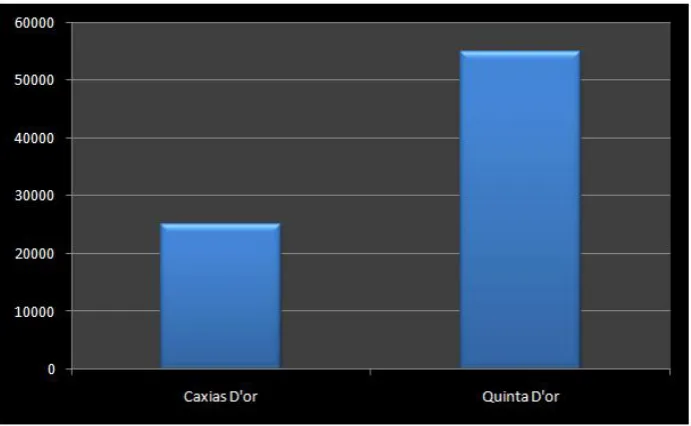
The results from this evaluation show that those intervention led to significant improvement in staff attitudes toward teamwork (Rogers et al., 1999). The crew could take them decision-making process more clearly and effectively. The decision-making process in health is a very difficult skill that all the collaborator must be prepared and have free mind to do it (Baumworcel, 2014). More importantly, the quality of teamwork behaviors observed in the emergency improved without the cost of increased caregiver workload, as assessed through caregiver ratings of their subjective workload. Of particular importance was the finding that the number of received patient complains was significantly reduced(Griffey and Bohan, 2006). Another result of this rearrangement was that compared with the group benchmark, our service spend lass than the half of that spend in the hospital emergency department model. At the beginning of this project our department received almost 4000 patient each month, today we receive more than 6557 patients each mount. We have the same crew number and receive more than 2500 patient each month with the better quality goals that we are doing before, so we have a better result. The lessons learned is that in collaboration with hospital and nursing leadership, physicians can successfully use proven business methodologies, such as Lean, to achieve quantifiable gains in operational efficiency in their emergency departments.
Conclusion
A large and continuing increase in emergency admissions of medical patients over several years has coincided with a reduction in hospital beds, putting the acute medical service under substantial pressure. At the same time the requirement to reduce human resources in hours of work, saving money, and to make the crew training more structured and increasing public expectation that senior doctors will be directly involved in the acute care have necessitated a change in the way acute care is delivered. Work as a team is better for the patient safety and quality of care. The daily work in an emergency environment is stressful for everybody, working as a team we
can offer better outcomes and maybe we can do things easier for the staff team.
REFERENCES
Andersen, H., Rovik, KA. and Ingebrigtsen, T. 2014. Lean thinking in hospitals: is there a cure for the absence of evidence? A systematic review of reviews. BMJ Open; 4(1):e003873–e003873.
Baumworcel, L., Scavarda, A., Colafranceschi, AS. and Guimarães, TF. 2014. Feasibility analysis of changing the decison-making in health management with scarce resources. Bus Manag Rev.; 4(3):189–97.
Burström, L., Letterstål, A., Engström, M-L., Berglund, A. and Enlund, M. 2014. The patient safety culture as perceived by staff at two different emergency departments before and after introducing a flow-oriented working model with team triage and lean principles: a repeated cross-sectional study. BMC Health Serv Res.; 14(1):296.
Carter, PM., Desmond, JS., Akanbobnaab, C., Oteng, RA., Rominski, SD., Barsan, WG. et al. 2012. Optimizing clinical operations as part of a global emergency medicine initiative in Kumasi, Ghana: application of Lean manufacturing principals to low-resource health systems. Acad Emerg Med Off J Soc Acad Emerg Med.; 19(3):338– 47.
Da Silva, LMV., de Souza, LEPF., Cerdeira, A., Pinto, C. and Oliveira, R. 1997. Charcteristics of private health care services in Salvador, Bahia, Brazil. Caderno de Saude Publica do Rio de Janiero; 701–9.
Gill, TG. 2011. Informing with the Case Method: a guide to case method Research, Writing, & Facilitation. 131 Brookhill Court Santa Rosa California 95409 USA: Informing Science Press publishing arm of the Informing Science Institute.
[image:5.595.129.475.59.272.2]Griffey, RT. and Bohan, JS. 2006. Healthcare provider complaints to the emergency departmanet: a preliminary report on a new quality improvement instrument. Quality & Safety in Heakth Care; 344–6.
Figure 4. Comparison between the human resource cost of Hospital Caxias D’Or and the reference hospital for the same total workload
16236 International Journal of Current Research, Vol. 7, Issue, 05, pp.16232-16237, May,2015
Mazzocato, P., Holden, RJ., Brommels, M., Aronsson, H., Bäckman, U., Elg, M. et al. 2012. How does lean work in emergency care? A case study of a lean-inspired intervention at the Astrid Lindgren Children’s hospital, Stockholm, Sweden. BMC Health Serv Res.; 12:28. Ministério da Saúde. DataSUS [Internet]. 2012 [cited 2015 Jan
15]. Available from: http://www2.datasus.gov.br/
DATASUS/index.php?area=04
Morey, JC., Simon, R., Jay, GD., Wears, RL., Salisbury, M., Dukes, KA. et al. 2002. Error reduction and performance improvement in the emergency department through formal teamwork training: evaluation results of the MedTeams project. Health Serv Res.; 37(6):1553–81.
Ng, D., Vail, G., Thomas, S. and Schmidt, N. 2010. Applying the Lean principles of the Toyota Production System to reduce wait times in the emergency department. CJEM.; 12(1):50–7.
Rogers, IR., Evans, L., Jelinek, GA., Jacobs, I., Inkpen, C. and Mountain, D. 1999. Using clinical indicators in emergency medicine: documenting performance improvements to justify increased resource allocation. J Accid Emerg Med.; 16(5):319–21.
Sørup, CM., Jacobsen, P. and Forberg, JL. 2013. Evaluation of emergency department performance - a systematic review
on recommended performance and quality-in-care
measures. Scand J Trauma Resusc Emerg Med.; 21:62. Verbano, C. and Crema, M. 2013. Guidelines for overcoming
hospital managerial challenges: a systematic literature review. Ther Clin Risk Managt; 427.
Vermeulen, MJ., Stukel, TA., Guttmann, A., Rowe, BH., Zwarenstein, M., Golden, B. et al. 2014. Evaluation of an Emergency Department Lean Process Improvement Program to Reduce Length of Stay. Ann Emerg Med.; 64(5):427–38.
Yusof, MM., Khodambashi, S. and Mokhtar, AM. 2012. Evaluation of the clinical process in a critical care information system using the lean method: a case study. BMC Med Inform Decis Mak.; 12(1):150.