University of Warwick institutional repository: http://go.warwick.ac.uk/wrap
A Thesis Submitted for the Degree of PhD at the University of Warwick
http://go.warwick.ac.uk/wrap/57598
This thesis is made available online and is protected by original copyright. Please scroll down to view the document itself.
Information-seeking and Perceptions of
Expertise in an Electronic Network of Practice
Table of Contents
List of Tables and Diagrams... 6
Acknowledgements ... 7
Abstract ... 9
I. INTRODUCTION ... 10
1.1 The Research Aim and its Importance ... 11
1.1.1 Theoretical Basis of ENoPs ... 13
1.2 Research Objectives ... 15
1.3 Key Concepts ... 16
1.3.1 Electronic Networks of Practice ... 16
1.3.2 Information-Seeking ... 17
1.3.3. Perceptions of Expertise ... 17
1.3.4 Expert Nominations ... 18
1.4 Expected Contributions to Knowledge ... 18
1.5 Research Methodology ... 20
1.6 Research Context ... 21
1.6.1 Appropriateness of Context ... 22
1.7 Dissertation Structure ... 23
1.8 Chapter Summary ... 23
II. LITERATURE REVIEW ... 25
2.1 Introduction ... 25
2.2 Online Communities: A Broad Overview ... 27
2.2.1 Membership Structure ... 28
2.2.2 Communication Medium ... 30
2.2.3 Community Norms and Size... 34
2.2.4. Sense of Anonymity ... 35
2.2.5 Offline Relationships ... 36
2.2.6 Motives for Engaging in Online Communities focusing Information ... 39
2.2.6 Information Exchanges in Online Communities ... 44
2.2.7 Concluding thoughts on Online Communities ... 44
2.3 Electronic Networks of Practice: A subset of Online Communities ... 46
2.3.1 A Working Definition of Electronic Networks of Practice ... 47
2.3.2 Early Theoretical Roots of ENoPs... 49
2.3.3 Point of Divergence: ENoP versus Online CoP ... 50
2.3.4 Situating the Electronic Network of Practice ... 52
2.3.5 Networks of Practice: Lessons from Social Network Perspective ... 58
2.3.6 Consequences of Theoretical Positioning for ENoPs ... 60
2.4 Information-Seeking Behaviour in ENoPs ... 62
2.4.2 Information-Seeking Preferences ... 66
2.5 Expertise ... 68
2.5.1 Expertise as knowledge ... 69
2.5.2 Exclusivity and Subjectivity of Expertise ... 71
2.5.3 Types of Expertise and its Properties ... 71
2.5.4 Perceptions of Expertise: Feedback/Reputation systems ... 74
2.6 Research Gap and Theoretical Positioning ... 78
2.7 Development of my research questions ... 82
2.8 Chapter Summary ... 84
III. CONTEXT ... 86
3.1 Engineering as a Discipline ... 86
3.2 Structure of Eng-Tips ... 88
3.2.1 Site Navigation ... 89
3.2.2. Member Connectivity ... 89
3.2.3 Types of Messages ... 90
3.2.4 Other Areas of the Forum ... 90
3.3 Policies of Eng-Tips ... 91
3.3.1 Source of Income for Community ... 91
3.3.2 Community Rules and Guidelines ... 91
3.4 Expert Nominations ... 92
3.5 Community Characteristics ... 94
3.6 Chapter Summary ... 95
IV. METHODOLOGY ... 96
4.1 Introduction ... 96
4.2 Research Community Identification and Access ... 96
4.3 Data Collection ... 98
4.3.1 Informal Observation ... 98
4.3.2 Coding Qualitative Data: Information Seeking ... 100
4.3.3 Gathering Metrics ... 103
4.3.4 Generalizing some of my results to the community as a whole ... 110
4.3.5 Data Collection Summary ... 110
4.4 Data Analysis ... 110
4.4.1 Identifying Information-Seeking ... 111
4.4.2 Partial Correlations and Linear Regression ... 112
4.5 Limitations of the Data Collection ... 117
4.6 Chapter Summary ... 121
VI. RESULTS ... 122
5.1 Introduction ... 122
5.2.1 Total Expert Nominations ... 124
5.2.2 Expert Nominations Given ... 124
5.2.3 Total Contributions ... 124
5.2.4 Average Number of Logins ... 125
5.2.5 Duration of Membership ... 126
5.2.6 Number of Forums Commented in ... 127
5.2.7 Number of Forums with Expert Nominations ... 128
5.2.8 Number of Specialties commented in ... 129
5.2.9 Number of Specialties with Expert Nominations ... 130
5.3 Exploring initial relationships between constructs ... 131
5.3.1 Total Contribution and Expert Nominations ... 131
5.3.2 Expert Nominations Given and Expert Nominations Received ... 133
5.4 What types of information is sought in ENoPs?... 134
5.4.1 Information-seeking within or across specialities? ... 134
5.4.2 Types of questions people ask in ENoPs ... 139
5.5 How is information-seeking perceived in ENoPs? ... 141
5.6 Are the contributions of experts valued in a narrow or broad domain? ... 143
5.6.1 Pattern of Nominations given out ... 143
5.6.2 Expertise and Number of forums Commented in ... 144
5.6.3 Expertise: Multiple Specialities v. Single Domain ... 147
5.7 Characteristics associated with perceived expertise in ENoPs ... 149
5.8 Chapter Summary ... 150
VI. ANALYSIS AND DISCUSSION ... 153
6.1 Introduction ... 153
6.2 Type of Information-Seeking in ENoPs ... 157
6.2.1 Seeking across speciality ... 157
6.2.2Types of Informational Benefits ... 158
6.2.3 Variation in Type of Info Sought ... 166
6.2.4 Ramifications for Theory on Information-seeking ... 167
6.3 Perceptions of Information-seeking in ENoPs ... 171
6.4 Perceived Expertise in ENoPs ... 175
6.4.1 Factors most closely associated with perceived expertise ... 176
6.4.2 Nomination Patterns ... 176
6.5 Information-Seeking and Expertise in ENoPs ... 178
6.6 Theoretical implications for the Practice-Based View ... 180
6.7 Boundaries ... 185
6.8 Interactional Expertise ... 187
6.8.1 Linguistic benefits of Interactional Expertise ... 188
6.9 Concluding thoughts on Practice-based Approach ... 193
6.10 Chapter Summary ... 196
VII. CONCLUSION ... 198
7.1 Introduction ... 198
7.2 Contributions to Knowledge ... 200
7.2.1 Contributions to Theoretical Knowledge ... 201
7.2.2 Contributions to Practical Knowledge ... 204
7.3 Limitations of the Research ... 206
7.4 Recommendations for Further Research ... 207
7.5 Summary ... 210
List of Tables and Diagrams
Table 1: Key Differences between Communities of Practice and Electronic Networks of Practice……….…53 Table 2: Sources of Expertise in Communities of Practice and Electronic
Networks of Practice……….62 Table 3: Focus of inquiry in Situated Learning Theory and Online Networks as
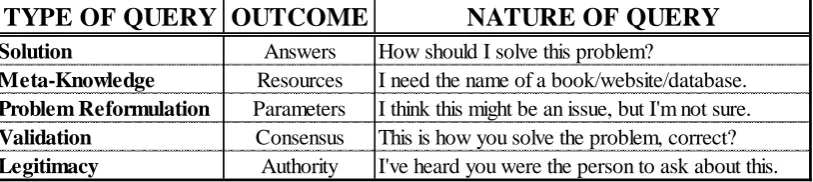
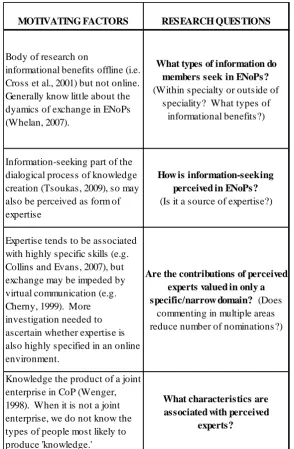
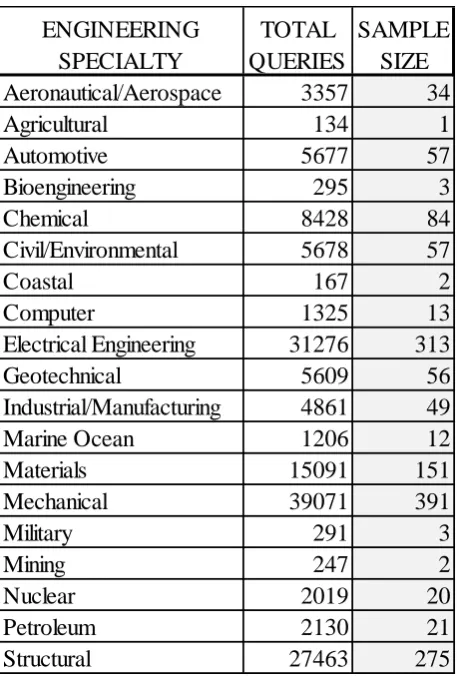
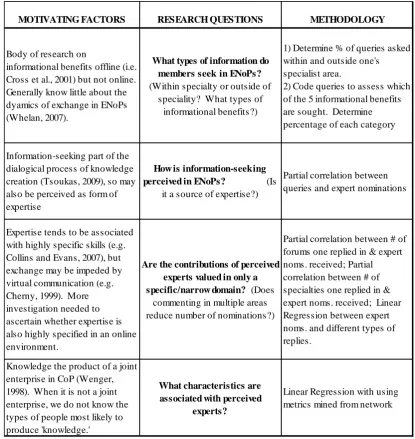
relevant to knowledge-sharing communities……….63 Table 4: Summary of the Five Types of Information-Seeking Benefits……….67 Table 5: Relationship between literature and research questions………85 Table 6: Calculation of Quota-based Sample Size………102 Table 7: Examples of queries coded for the five information-seeking types...104 Table 8: Relationship between literature, research questions, and
methodology………118 Table 9: Relationship between literature, research questions, methodology &
results………..153 Table 10: Relationship between literature, research questions, methodology,
results & theoretical contributions………..197 Figure 1: Relationship between situated learning, Communities of Practice, and
Shared Practice………..16 Figure 2: Relationship between the two main constructs of interest, queries and
perceived expertise………27 Figure 3: The five types of information-seeking that occur in ENoPs…………88 Figure 4: Percentage of queries focusing on a given informational benefit by
query………141 Figure 5: Summary of the relationship between constructs evaluated……...157 Figure 6: Informational benefits identified by Cross et al. (2001)………158 Figure 7: Synopsis of my findings in relation to information-seeking and
Acknowledgements
The work presented in this thesis was not possible without the support and guidance of
several individuals. First of all, I would like to express my heartfelt appreciation to my
supervisors, Jacky Swan and Harry Scarbrough, whose insights, assistance, feedback, and
encouragement were invaluable through the course of my doctorate and the production of
this thesis. I would never have completed this without them. I also would like to express
my gratitude to the other members of the IKON research group for their advice and
inspiration throughout this process. In addition, I would like to thank both IKON and the
University of Warwick for the generous financial support that got me through the past few
years.
I would also like to thank my officemates for their friendship, recommendations, and
camaraderie, and in particular, I’d like to thank June Kyu Choi for his patience, IT wisdom,
and fantastically wry humour.
On a more personal note, I would like to thank my parents and brother for their
continued support during my educational journey and enduring belief in me. Last, but
certainly not least, I would like to thank my husband, Jon Huskisson, for his diligent
Declaration of own work:
I hereby declare that this thesis, titled:
Information-seeking and Perceptions of Expertise in an Electronic Network of
Practice
and submitted in partial fulfilment of the requirements for the degree of Doctor of Philosophy in Business Studies at The University of Warwick, presents my own work and has not been previously submitted to this or any other institution for any degree, diploma or other qualification. All sources of quoted information are acknowledged by means of references.
Abstract
This study assesses information-seeking and perceptions of expertise in Electronic Networks of Practice (ENoPs). ENoPs are a particular type of online community focused on sharing information related to a specific work-related profession (Wasko and Faraj, 2005). To date, there has been little empirical work on the dynamics of information exchange in ENoPs (Whelan, 2007). The little we do know is based on face-to-face communities, which cannot be generalized to online interactions due to changes in size, purpose, and method of communication. Understanding the type and perceived value of information is an important line of theoretical inquiry because it has the potential to identify the specific informational needs these communities fulfil and the types of people most likely to fulfil them.
This research was conducted in an ENoP focusing on the exchange of information related to the practice of engineering. The community studied, Eng-Tips, is a thriving network focusing on the practice of engineering that has produced over 150,000 posts, and is comprised of engineers from twenty-one different specialties. Interactions take place solely through the use of virtually mediated technology, and focus primarily on practice-related issues. The format of interaction is typically based on a query and a stream of ensuing replies. Data were collected through metrics and a coding procedure that allowed me to identify the most common queries in the ENoP.
My data revealed queries in the ENoP tended to focus on obtaining solutions, meta-knowledge, or validation. The high emphasis on validation was similar to that found in face-to-face friendship networks, and was contrary to Cross et al.’s (2001) anticipated results, most likely due to the presence of anonymity. I also found that experience of interacting with multiple specialties (i.e. interactional expertise) was positively associated with perceived expertise. Finally, I discovered that replies, giving out nominations, and frequently logins were positively associated with the number of expert nominations one received in the community.
I.
INTRODUCTION
This thesis examines perceptions of expertise and information-seeking behaviour in virtual communities that are devoted to sharing information in a specific type of occupation or practice. These types of communities are known as Electronic Networks of Practice, and are referred to herein for convenience as ENoPs. ENoPs were first defined by Wasko and Faraj (2005, page 35) as “computer-mediated discussion forums focused on problems of practice that enable individuals to exchange advice and ideas with others based on common interests.” They are characterized by many of the same features of networks of practice, which include a focus on a shared profession and the presence of weak relationships among members (Brown and Duguid, 2000); however, they are completely reliant on virtually mediated technology to broker exchanges. In this thesis, I use predominantly quantitative measures to assess information-seeking patterns in an ENoP, including cross-specialty information seeking, and the relationship between contributors’ usage characteristics, contribution patterns, and perceptions of expertise in the network My objective is to focus greater attention on informational content in ENoPs. Data is based on a rich history of exchanges among members of a virtually-situated engineering community.
cannot fully translate to ENoPs. This study will build theory on ENoPs by exploring in greater detail the types of information sought from the community, and the characteristics of the people most likely to supply that information.
This chapter is divided into eight main parts. The first portion discusses both the aim and importance of this research. The second portion delineates these objectives by describing specific areas of interest. The third part defines several key concepts. The fourth part identifies the research gap this literature seeks to fill and summarizes the intended contributions of this work to theory and practice. The fifth part describes the methodology, the sixth briefly introduces the community, and the seventh portion outlines the structure for the remainder of the thesis, and the final part provides a summary of this chapter
1.1 The Research Aim and its Importance
generalize our knowledge of CoPs to ENoPs, it is not surprising there has been a call for research into “the dynamics of knowledge exchange that occur within these electronic networks” (Whelan, 2007, pg. 5). My objective is to remedy some of this theoretical murkiness by: first, defining and positioning ENoPs in the literature on online communities, and second, exploring some of the dynamics of knowledge exchange that shape patterns of information-sharing and perceptions of expertise. From a practical perspective, practitioners are better situated to capitalize on the benefits of ENoPs when they understand the strengths of these entities, and the information-sharing niche they fill.
Online communities are groups of people who, with the support of technology, interact in a virtual environment; these interactions are guided by norms and policies and may often develop independently of an organizational structure (Preece, 2000; Johnson, 2001). Both the structure and dynamics of these communities vary as a product of the following factors: meeting space (i.e. solely virtual or face-to-face), community purpose, the structure of the virtual interactions (i.e. teleconferencing, bulletin boards, email, etc.), size, duration, life-cycle, culture, and governance structure (Preece, Maloney-Krichmar, and Abras, 2003). The resulting variance in these factors produces a great deal of range and diversity in online communities (Johnson, 2001).
online communities as a valuable way to increase personal knowledge and professional worth, and reinforce occupational identity (Wasko and Faraj, 2000; Ren, Kraut, and Kiesler, 2007). In addition, these communities represent a potential to access unique information that is not commonly held in one’s organization, which may subsequently have a higher degree of perceived value due to its presentation of diverse perspectives (Granovetter, 1973; Reagans and McEvily, 2003). For these reasons, individuals may join practice-based networks that are not situated in any specific organizational context.
1.1.1 Theoretical Basis of ENoPs
What we do know of ENoPs is situated within both a practice-based view and a social network perspective. The former viewpoint emphasizes the production of knowledge as a form of participation that is “continually reproduced and negotiated…it is always dynamic and provisional” (Nicolini et al., 2003, page 3). Since this perspective focuses more on the production of knowledge as an interactive process or joint undertaking, it tends to focus less on the informational diversity present within the group. For this reason, there has not been sufficient attention on understanding centres of expertise in ENoPs. This perspective is affiliated with situated learning theory, which examines how knowledge emerges through shared practice (Lave and Wenger, 1991). Due to its research focus, theory that developed from situated learning—specifically CoPs and ENoPs—have not focused greatly on evaluating differing levels of expertise.
called social network analysis to determine network structure, which is used as a proxy for understanding the most important people and information flows in a given network (Scott, 1988). However, social network analysis may be difficult to conduct when the network is large, its boundaries are indeterminate, and it contains a disproportionate number of weak relationships (Burt and Ronchi, 1994), all conditions exemplified by the ENoP. Furthermore, since network analysis only assesses the presence and strength of a relationship (i.e. structure), it does not assess the directionality of information flow, meaning a network perspective often assumes informational symmetry in exchanges, which may lead to a distorted view of the most valuable contributors in a network (Haythornthwaite, 1996).
Ultimately, the theoretical positioning of ENoPs has consequently restricted our ability to describe, understand, and position ENoPs within the literature on online communities. By understanding how members of ENoPs use the networks to access and communicate diverse information, researchers will have a greater awareness of the individual as an autonomous agent in the information-seeking process and the way these networks are able to fulfil important member needs.
2003). Understanding the information needs of the participants in these communities may help ENoP developers create better communities while helping members raise their profile in the ENoP.
1.2 Research Objectives
The aim of my research is to understand the type of information sought in a particular kind of online community, referred to here as Electronic Networks of Practice (ENoPs), and to identify the factors associated with community members’ perceptions of expertise in these networks. The related objectives are to:
assess the type of information sought in ENoPs;
examine how information-seeking behaviour is related to perceptions of expertise;
understand the characteristics associated with perceptions of expertise in ENoPs;
1.3 Key Concepts
1.3.1 Electronic Networks of Practice
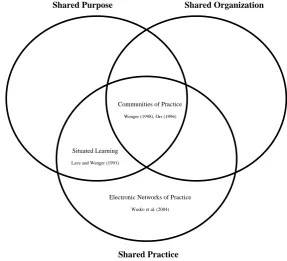
I have previously defined ENOPs in the introductory paragraphs on page 9, so the discussion here will be succinct. Distinguishing features of ENoPs included: a reliance on virtually mediated communication, the pursuit of an individually determined—rather than jointly developed—purpose, presence of a common practice, and a focus on sharing information related to that practice (Wasko and Faraj, 2005). The study of Communities of Practice, and thus the theoretical approach to ENoPs, is rooted in situated learning, which evaluates learning as a social process that leads to the co-creation of knowledge and meaning (Lave and Wenger, 1991). This process is context specific, and the acquisition of knowledge is embedded within a distinct context and environment. Figure 1 focuses on a few key differences concepts discussed thus far, according to the specific authors noted.
Shared Purpose Shared Organization
Shared Practice
Electronic Networks of Practice
Wasko et al. (2004)
Communities of Practice
Wenger (1998), Orr (1996)
Situated Learning
[image:17.595.133.421.467.728.2]1.3.2 Information-Seeking
Information seeking is the process of acquiring knowledge through a systematic—but not necessarily sequential process—which includes engaging in a series of defined stages, involving the identification of a problem, the articulation of information needs, development of a query, and the evaluation of the results of the search (Sutcliffe and Ennis, 1998). The search for information is an imperfect process, with individuals often limited in the amount of cognitive effort they expend to address a query (Simon, 1957). Online communities offer the ability to reduce the effort associated with searching for information by providing rapid access to expert knowledge in a given field (Zhang, Ackerman & Adamic, 2007). There are five types of information-seeking benefits identified in face-to-face communities by Cross et al., (2001), which include: solutions, meta-knowledge—the search for a larger knowledge repository or database, validation—the confirmation of a solution, problem reformulation, and legitimacy. To date, this research on informational benefits has not yet been extended to online communities. My focus here is on information-seeking (as opposed to information giving) because it allows us to understand the type of knowledge people want to obtain from their involvement in the community.
1.3.3. Perceptions of Expertise
are important because they influence a number of factors, including the development of status, power, and reputation in a community (e.g. Dellarocas, 2003, Lampel and Bhalla, 2007). In my thesis, perceptions of expertise are assessed using expert nominations (see below).
1.3.4 Expert Nominations
In the context of the community studied, expert nominations are a form of feedback that publicly acknowledges helpful or constructive contributions, and can be used to determine the most valued community members. In my thesis, expert nominations are extremely simplistic, taking the form of a two-click vote to acknowledge a particularly helpful piece of advice or information. At the most basic level, expert nominations form part of a feedback or ‘reputation’ system that facilitates the development of both reputation and status in online communities (Dellarocas, 2003; Lampel and Bhalla, 2007).
1.4 Expected Contributions to Knowledge
people want to get from the ENoP we are better positioned to understand how these communities meet information needs.
Our knowledge of ENoPs aligns with a based view; the practice-based view does not tend to focus on evaluating levels of expertise, because the object of inquiry here is on how a practice—as a whole—develops and moves forward (e.g. Nicolini et al., 2003). While additional insights are gleaned from the social network perspective, this perspective does not fully consider asymmetries that occur in exchanges, which may distort the picture of the most important contributors in a group (e.g. Borgatti, 2003).
Due to the positioning of ENoPs in situated learning theory and the social network perspective, I suggest there has been insufficient exploration into expertise and information-seeking in ENoPs. While ENoPs are an increasingly popular topic of scholarly research, the focus of that scientific inquiry has tended to be on the factors underlying the motivations to contribute rather than the actual contributions themselves (e.g. Wasko Faraj & Teigland, 2004; Wasko and Faraj, 2005; Ardichivelli, 2008; Ardichivelli Page and Wentling, 2003). Through my research, I hope to shift some empirical attention from ‘who is participating and why’, to the ‘shape and texture’ of that participation. In this way, I hope to illuminate the dynamics of exchange in ENoPs.
those individuals wishing to enhance their professional reputation or perceived worth in the ENoP through an enhanced understanding of the factors related to perceived expertise in ENoPs. Finally, a better understanding of these types of communities allows both employees and management to capitalize on ENoPs to increase the organization’s knowledge base; subsequently enhancing creative potential, and speed of innovation (e.g. Woodman, Sawyer and Griffin, 1993; Tsai, 2001). In this way, my research has the potential to make practical contributions to mangers of ENoPs, members of ENoPs, and organizations.
1.5 Research Methodology
1.6 Research Context
The ideal context for this study is an ENoP that has the capacity to produce information exchanges across a variety of specialities, thus enabling an exploration into the nature of the information sought and its perceived value. Furthermore, the context in question should be focus on an area where knowledge-sharing and the consumption of information is a key characteristic of the profession or practice.
The criteria are fulfilled by the selected context, Eng-Tips, an ENOP, whose members represent a broad range of differing engineering specialities and who work in numerous different organizations. Eng-Tips is a public community that was founded in 1998, and since that time it has accumulated over 154,300 posts, yielding a data-rich environment. It is difficult to determine the actual number of active members because the network is consistently in flux and its loose structure makes it difficult to obtain a reliable measurement. However, there are over several thousand registered members in over 200 countries, with the bulk of members (31.5%) concentrated in the United States, and communicating solely in English. A broad range of engineering specialties are represented (approximately twenty-one), and detailed metrics were available on the frequency of member login, duration of membership, and forum engagement. The community is divided into specialist areas, although members are free to post anywhere on the board.
addressing member enquiries on certain problems encountered in their work. These queries were highly varied in regards to both objectives and length. It is evident that several individuals engage with the community solely to seek an answer to a specific problem, while others engage on a more regular basis, both asking and answering questions, and engaging in the dialogue these questions produce. These differing levels of engagement are characteristic of most networks of practice and hint at discrepancies in the underlying motivations of users.
1.6.1 Appropriateness of Context
Naturally, the largest criterion was that the group I studied represented a true ENoP, meaning that it was a group of people who shared a professional identity and communicated through virtual media. While there were a variety of contexts that fulfilled this requirement, I was particularly drawn to the engineering context. My decision to select an engineering group was based on my desire to study information exchanges in a profession in a practice where the consumption and exchange of information is a fundamental part of the job description. The engineering discipline centres on developing solutions to practical problems, and information plays a vital role in performance—engineers consume more information than they produce, making them an ideal group to study (Shuchman, 1981). While engineers have similar core training, they are primarily specialists, with university training focusing on a specific type of engineering (Leckie, Pettigrew, and Sylvain, 1996). Since Eng-Tips is structured around distinct specialties, it permits an exploration of how individuals use the ENoP to access information outside their immediate specialty.
my objective to assess an ENoP that was not subject to organizational norms or other constraints, because these may unintentionally confound our understanding of community-level interactions and evaluations. My third main criterion was that member exchanges occurred virtually. Not only was this criterion a key defining feature of an ENoP, it allowed me to examine exchanges as they actually occurred.
Eng-Tips not only met the criteria of a robust ENoP, it represented a fairly large profession in which information-sharing was extremely critical to occupational performance. Practical considerations increased the appeal of Eng-Tips, most notably the fact it is a large, thriving community with a long and active history. I had the ability to access a large number of detailed metrics on member engagement (e.g. number of logins, type of post, division posted to, etc.) that allowed me to examine the type of information exchanged, as well as perceived value of that information.
1.7 Dissertation Structure
In this chapter, the research aim, specific objectives, key concepts, and potential contributions of the research have been discussed. The subsequent chapter reviews the academic literature relevant to my thesis, and further highlights the research gap that I will fill. The third chapter discusses the context in greater detail, both that of the engineering industry and Eng-Tips itself. The fourth chapter explains the methodology used to both collect and analyse data. The fifth chapter reports on the specific findings, or results, of my research inquiries, and the sixth chapter analyses these findings in greater detail. The final chapter will offer concluding statements as they relate to my thesis.
II. LITERATURE REVIEW
2.1 Introduction
There is an extensive body of research devoted to online communities, as well as communities focusing on sharing information and knowledge, which will be discussed in depth in this literature review. In this literature review, I focus selectively in the information that is relevant to my thesis and the development of arguments I make in my paper. Therefore, there are several areas of research that are beyond the scope of this review because they not wholly relevant to the sharing of information in the type of online community studied here—Electronic Networks of Practice (ENoPs). Not included in this review is: work on communities that engage for social purposes (e.g. Galegher, Sproull, Kiesler, 1998; Ellison, Steinfeld & Lampe, 2007; Walther et al., 2008), literature that focuses on the correct identification or methodological assessment of expertise (e.g. Shanteau, Weiss, Thomas, and Pounds, 2002; Weis and Shanteau, 2003), and most literature that focuses on the co-development of a specific communal good (e.g. open-source communities, as seen in Jeppesen and Fredericksen, 2006; Roberts, Hann, and Slaughter, 2006; von Hippel, 1994). The literature reviewed here was carefully selected on the basis of relevance to Electronic Networks of Practice, and the information-sharing and perceptions of expertise in those entities.
these communities. Then, I offer more in-depth discussion on how these factors influence knowledge/information-sharing communities in general. I subsequently both define and situate ENoPs in the existing literature on online information-sharing communities, and discuss the theoretical background that gave rise to the study of these entities. Next, I discuss information-seeking behaviour at a more general level. Finally, I discuss perceptions of expertise, focusing on understanding expertise in general, its subjectivity, how it relates to ENoPs, and the way that it is evaluated. Although I discuss these constructs separately, they are interrelated. Together a query and reply make up the dialogue that occurs in the ENoP, while the evaluation of that reply gives rise to the perceptions of expertise in the community. In essence, this type of interaction represents an online dialogue that leads to the production of knowledge (e.g. Tsoukas, 2009). Below, Figure 2 depicts the relationship between these constructs. Given the large body of research related to replies (in the form of understanding motivations to contribute e.g. Wasko and Faraj, 2005; Ardichivelli, Page, and Wentling, 2003), my research focuses more narrowly on queries and perceived expertise.
Figure 2: Relationship between the two main constructs of interest, queries and perceived expertise.
In regards to my literature review, I have three primary objectives. The first is to identify and categorize ENoPs as a distinct form of online organizing, one that was worthy of study in its own right. The second objective is to explore the
Query Reply (Evaluation
of Reply)
[image:27.595.127.526.534.594.2]information-sharing in these networks in greater detail, focusing on understanding how ENoPs might meet information-seeking needs. The final objective is to examine the nature of expertise, specifically the subjectivity of the construct and the ways in which it is evaluated.
2.2 Online Communities: A Broad Overview
Online communities was first defined as “social aggregations that emerge from the [Inter]net…to form webs of personal relations in cyberspace” (Rheingold, 1993, p. 5). This exceedingly broad definition has received criticism for over-inclusivity, which essentially describes a range of activities that occur within the virtual space, consequently diminishing the social complexities associated with this organizational form (Kling and Courtright, 2003). Current conceptualizations of online communities focus more on the cohesiveness of the entity, and describe it as a virtually positioned entity subject to mutual engagement, solidarity, support, and reciprocity (Komito, 1998; Bays and Mowbray, 2001).
2.2.1 Membership Structure
One of the striking features of online communities is that—assuming the absence of barriers to entry—patterns of participation tend to be fairly similar. In healthy communities, which are characterized by a steady stream of contributions, community members tend to fall in one of three categories: the core membership, the peripheral member, and the lurker (Efimova and Hendrick, 2005). These three levels of participants give online communities a distinctive structure and shape.
The core membership group is a small and select group of people who contribute to the community on a regular basis. Membership in this group is voluntary, and comprised of individuals who have assumed a degree of responsibility for the functioning of the community and its output (Wenger, McDermott, & Snyder, 2002). Although core members are a relatively small and select portion of the community, they are typically responsible for the majority of content produced in the community (Hansen, Shneiderman & Smith, 2010). For this reason, the core members can be thought of as the mainstay of the community.
Peripheral members are those individuals who contribute on occasion, but whose activity is markedly less than that of the core contributors. This lower-intensity participation might give way to escalating interaction and commitment (Gehl, 2001), or it may simply be a form of low-intensity, yet legitimate, peripheral participation (e.g. Lave and Wenger, 1991).
group forms the vast majority of online membership, comprise the majority of participants, which are estimated up to 80% (Nonneke and Preece, 2000). Although these individuals do not participate directly in the community, in a way the ‘silent audience’ both validates and reinforces community objectives (e.g. Garton, Haythornthwaite & Wellman, 1997; Hansen, 2009). Furthermore, for those communities who sell advertisement space on their website, this ‘silent audience’ could represent a substantial opportunity to increase cash flow by boosting readership numbers and pageviews.
Attitudes toward lurkers vary to a degree, which is contingent on both the context and the perceiver. Lurking may be viewed positively, as a legitimate form of participation, because the presence of an audience legitimizes the actions of the core and peripheral members (Antin and Cheshire, 2010). On the other hand, lurking may be perceived negatively, as an act of free-riding (Smith and Kollock, 1999). Generally speaking, lurking behaviour often better situates individuals to contribute to the community should they choose to “de-lurk” by creating familiarity with the group norms and practices that might better situate them to make a meaningful contribution (Rafelia, Ravid & Soroka, 2004).
become contributors, and shifting between peripheral and core membership groups (Rafelia, Ravid & Soroka, 2004). As a result of this fluidity in membership, online communities tend to exist in a constant state of flux, with many individuals both engaging and contributing in a sporadic manner. This transient state of membership is exemplified by the fact that the majority of contributors to a user-based community drop out after contributing a single post (Arguello et al., 2006). Thus, in the typical online community, it is often easy to join, but just as easy to leave.
In online communities with forums designed to address user inquiries, there may be a larger proportion of people asking questions than people answering questions; in a Java usenet community approximately 55% of people only asked questions with 30% of people responding to those questions (Zhang, Ackermann, and Adamic, 2007). This structure aligns with the core and peripheral structure, revealing the majority of queries in a group are likely formulated by peripheral members, with core members taking on a greater degree of responsibility in addressing those queries. Core members, peripheral members, and lurkers combine to form the membership of an online community. For communities focusing on knowledge sharing, this means that the majority of produced content will come from a small group, yet the majority of consumers will be a silent audience. This has ramifications for the range of information that is produced by online communities that focus on knowledge sharing.
2.2.2 Communication Medium
we cannot assume the social processes that underpin face-to-face interactions necessarily apply to online communities. Although there is a significant body of research on the type of interactions that occur in Communities of Practice (e.g. Orr 1996; Wenger 1998; Agterberg et al., 2010; Swan, Scarbrough, and Robertson 2002; Thompson, 2005), the extent to which that research can be translated to ENoPs is— in part—restricted due to changes in the medium of communication. Understanding the different types of virtual communication permits an understanding of the way that communication influences interactions among members of an ENoP.
Broadly speaking, virtual communication is categorized into two different types of interaction, synchronous—a pattern of exchange occurring in real-time, and asynchronous—a pattern of exchanges occurring at different times (Preece, 2000). Examples of synchronous exchanges include virtual ‘chats’ or instant messaging systems that require users to interface with the technology simultaneously, or even live-twitter feeds. This type of virtual interaction most closely resembles verbal communication (Condon and Cech, 1992). Although these interactions may occur across large geographical distances, they possess a level of immediacy that occurs from the rapidity of response. Perhaps most notably, synchronous interactions— much like verbal interactions—feature turn-taking and repair, which is the phenomenon of co-creating shared meanings during the course of dialogue (Schegloff, Jefferson, and Sacks 1977; Argyle, 1972). To be more specific, turn-taking involves demonstrating active listening by engaging in sentence completions, affirmative responses or pauses to ensure conversational engagement.
well as providing access to tonal and non-verbal cues (Schegloff, Jefferson, and Sacks 1977; Argyle, 1972). Written conversation, such as those that occur in the typical online community, is a comparatively less rich form of communication because it does not provide access to multiple cues, often occurs asynchronously, and leaves limited ability to build conversational rapport (Cramton 2001; Griffith and Neale, 2001). In addition, there is a limited ability to ‘repair’ conversations, which involves clarifying meanings that ambiguous or potentially misunderstood (Cherny, 1999).
to clarify that information, people may have the tendency to project their own motives and assumptions to fill in the blanks left by inadequate communication; this may increase the possibility of prescribing an inadequate or incorrect course of action (Suler, 2004).
Generally speaking, written messages—such as those typically found in an online community—have greater potential for ambiguity, with a decreased potential to clarify that ambiguity (Rhoads, 2010). Communication lacks many of the features of rich dialogue, which include: immediate feedback, access to multiple cues (e.g. verbal and non-verbal), and the potential to personalize a message to a given context or communication partner (Cherny, 1999). For this reason, written virtual messages may be ill-suited to certain types of high-complexity or intricate exchanges (Herring, 2001). However, with practice and familiarity, individuals can communicate more effectively while using virtual technologies; much like a blind person’s reliance on their other senses, such as smell and hearing, a person familiar with certain medium of exchange will have a greater potential to reap rich rewards from the use of that medium (Carlson and Zmud, 1999). In this way, familiarity with a given medium of exchange can enhance the quality of information transmission by increasing the potential the user will successfully transmit the intended message. Thus, people accustomed to exchanging messages in online communities may acquire the necessary skills to increase the quality of communication.
information exchanged. In regards to my own research, this means the dialogue that occurs in online communities such as ENoPs is likely to as complex as face-to-face interactions, such as in the typical Community of Practice. However, the sheer volume of information available in the ENoP context—and the fact that information can be ‘revisited’ multiple times has strong implications for the way learning and interactions can take place in this context. Specifically, people have the potential to ‘learn’ from interactions that have taken place months, or even years, in the past. What is apparent is that individuals exchanging information in a virtual context will, to some extent, have to develop their ability to use electronic media if they want to communicate effectively in these environments.
2.2.3 Community Norms and Size
In online communities, communication and behaviour is often guided by norms that are developed through repeated interactions among community members (Johnson, 2001). However, in the event these norms are violated, or individuals engage in negative social interaction such as harassment, spamming, misusing resources, or violating community protocol, community behaviour can be regulated through the use of social and electronic controls (Hiltz and Wellman, 1997). In many online communities, there is a group moderator, who guides, corrects, or controls behaviour that violates community norms (Williams and Cothrel, 2000). Generally speaking, in communities that are self-organizing, moderators often emerge from the core group of contributors, providing a social structure to both support and regulate contributions (Jahnke, 2010).
effect, whereby members can notify moderators of infringements. Wasko et al. (2004) suggest the use of controls is likely to be most effective in situations where members have a strong relational attachment to the network itself. Presumably this is due, in part, to the heightened sense of cohesiveness that emerges when members have a greater sense of shared identity and group norms. For members seeking information in communities focusing on knowledge sharing, it is important to understand both the norms and governance of these communities to ensure successful interactions. For individuals seeking information, it is important to follow community protocol when making requests to ensure a request is ‘heard.’ An examination into the relationship between the adherence to group norms and the quality/quantity of information received is beyond the scope of this study; however, it does highlight additional dynamics to consider when discussing information-seeking in an online community.
2.2.4. Sense of Anonymity
this could have consequences in the form of future employment or promotion. Online queries have the potential to access information while maintaining anonymity, which means individuals will not jeopardize the status their status in their organization or offline community.
In addition, the anonymous nature of these online communities has the effect of minimizing visible status cues of interaction partners, such as dress, age, title, and position (Preece, 2000). As a result, the virtual context can promote a sense of egalitarianism, in which all contributors are perceived as equal and evaluated solely on the merits of their contributions. Furthermore, people may be more likely to say what they are really thinking without fear of censure or reprisal (Burnett, 2000). All of these factors likely influence the type of information that is sought in online communities, the way individuals reply to that information-seeking, and how those replies are perceived. In addition, using online communities to access information may actually increase one’s perceived expertise by imbuing them with insights they obtain outside of the organization. For ENoPs, the sense of anonymity is likely to be enhanced by the size of the network, which could have a distinct impact on the way ideas and information are communicated.
2.2.5 Offline Relationships
exchange task-related information and wisdom, and these types of networks are often associated with a degree of task interdependence (Podolny and Baron, 1997). For this reason, there is often an overlap in work function among people exchanging advice in the organization. Practically speaking, this means that relationships in organizations tend to form between people doing similar things (e.g. McPherson et al., 2001).
In regards to the type of information contained in one’s face-to-face networks, there is both knowledge variety and overlap. Knowledge variety is associated with increasing specialization and with unique information; knowledge overlap is associated with a more general understanding of information and a shared competency (Wong, 2007). Although knowledge variety is associated with enhanced performance, it may be more difficult to access knowledge variety in one’s face-to-face network, which tends to be more homophilous (e.g. McPherson et al., 2001). Thus, we might expect a large degree of knowledge overlap to be present in one’s face-to-face social network. This brings to light an important issue, namely the fact that knowledge variety is important for performance, yet, in the workplace, individuals are likely to have relationships with people with whom they work together and share similar perspectives (Feld, 1982). For this reason, accessing informational variety may be difficult to accomplish in the organization, particularly when individuals belong to workgroups that have a great deal of knowledge overlap.
that might supplement existing advice networks by accessing individuals who are outside of one’s own social network; as a result, these individuals are comparatively more likely to possess unique information (McPherson et al., 2001). However, this ability to connect to unique sources of information is counterbalanced by the fact that electronic media is (compared to face-to-face communication) an information-poor source of communication. In online communities, the reduced capacity for turn-taking and repair decreases the potential for shared meaning and context in dialogue (Cherny, 1999). While these potential drawbacks do exist, engagement in online communities can benefit users in a variety of ways.
simple clicks, the ENoP can serve as an inspiration, influencing members’ offline activities and relationships.
2.2.6 Motives for Engaging in Online Communities focusing Information
Online communities can only sustain themselves when there is a constant flow of information and contribution by its members. For this reason, a number of researchers have focused on understanding member motives for both contributing and engaging in online communities that focus on sharing knowledge or information (e.g. Wasko and Faraj, 2005; Wasko and Faraj, 2000; Ardichivelli, Page, and Wentling, 2003; Zboralski, 2009; Ardichivelli, 2008).
The reasons and motivations for contributing to online communities are often complex and multi-faceted, but are frequently related to several of the following factors: identity and esteem needs, professional development, morality, and reciprocity/turn-taking. I divide these reasons into two broad categories: altruistic and ego-centred.
2.2.6.1 Altruistic Motivations for Contribution
McLure, Wasko and Faraj (2000) suggest contributory behaviour is strongly linked to one’s sense of duty or obligation to assist others in need. Contribution is depicted as a moral choice undertaken to help others in need, to advance the community as a whole, and is done with little expectation of direct reciprocity from the individual assisted. Thus, people contribute because ‘helping others’ is the ‘right thing to do.’ In a broader context, assisting others can benefit the practice as a whole. Unlike other forms of exchange, the giving of information does not deprive the giver—they are still in possession of the information (Ljunberg, 2000). Furthermore, they are likely to reap intrinsic rewards that come from helping others who need assistance (Kogut and Metiu 2001).
Assuming responsibility for community output may lead individuals to contribute whenever possible, because group members may be aware that the network’s long-term viability rests on a continued, steady stream of contributions (e.g. Coleman 1988). By contributing, people assume a degree of responsibility for producing community content, and engage in an action that benefits the community as a whole. In essence, the motivation behind contribution lies in the fact that individuals have a degree of ownership over the community, and this commitment to the ENoP guides their contributions (McLure Wasko and Faraj, 2005).
2.2.6.2 Ego-centred Motivations for Contribution
or organizational worth, while simultaneously meeting identity needs. Ego-centred reasons for engaging in the community include identity and esteem needs, professional development, reciprocity, and status (Wasko and Teigland, 2004).
One reason individuals may contribute to a community is to express one’s professional identity (Wellman and Gulia, 1999). Online communities focusing on a specific type of knowledge or practice may reinforce a core identity as a member of a given profession. By contributing to an online community that focuses on a specific practice, one may increase attachment to the profession itself, and/or experience feelings of belongingness to an exclusive group (Tajfel and Turner, 1986). In this way, a participant may feel a greater sense of inclusion in the profession itself.
Contributory behaviour may be linked to a sense of reciprocity, which is the expectation that providing assistance to others will ensure a person will receive assistance should they require it (McLure, Wasko, and Faraj, 2000). By contributing to the community, a person is essentially storing up ‘credit’ that can be redeemed at a later date. Due to the typically widespread structure of online communities, interaction patterns are likely to be transitive, meaning interactions are more generalized to the community and there is little—if any—assumption of direct reciprocity or of equality in exchange (Haythornthwaite, Kazmer, Robins, and Shoemaker, 2000). For example, Person A might receive information from Person B, who—in exchange—receives information from Person C. Patterns of interaction assume a messy iterative process involving multiple actors. However, contributing at some point in the value chain may increase the (perceived or real) possibility of receiving a return on that investment. For some knowledge-sharing communities, exchange based on reciprocity might actually be a strategy to obtain information from these communities.
by a gift-giving or altruistic model alone; therefore, researchers may continue to look to self-interested, status-based models to understand information gift-giving in online communities.
On a final note, contributions may be a way to attain esteem, but only when there is some feedback mechanism that allows individuals to know their contributions are valued (Dellarocas, 2003). These type of feedback mechanisms are extremely important to understand perceptions of expertise, and are discussed later in this literature review in section 2.5.5. This line of research alludes to the importance of understanding perceived expertise in ENoPs. Specifically, if people obtain expert nominations from their engagement with the ENoP, this may lead to a sustained pattern of contribution. For this reason, understanding the characteristics associated with perceived expertise has the potential to speak to the contribution patterns of ENoPs.
In summation, there are many different types of motivations to contribute to online communities, which may be either self-interested or altruistic. Of note, contribution rates in general are influenced by enthusiasm and time spent with the community, presumably because members have both the ability and motivation to develop community resources (Faraj et al., 2011). On the whole, the popularity of understanding motivations for contributing in online communities likely stems from its association with long-term community survival (McLure, Wasko and Faraj 2000). Yet, understanding why people contribute is only part of a bigger equation. The other half of the equation is understanding the type of information individuals seek from their membership in these communities, and the extent to which quality, expert
research on motivations to contribute, it makes sense to next turn the theoretical focus on the quality and content of those contributions.
2.2.6 Information Exchanges in Online Communities
Online communities can facilitate the exchange of information via text-based transmissions or dialogue; generally speaking the exchange of information in these communities is either interactive or non-interactive (Burnett, 2000). Interactive behaviour includes direct postings to the community and develops information through dialogue; this type of behaviour may either be collaborative (e.g. offering ideas and advice, etc.) or tangential (e.g. gossip, engaging in social niceties, etc.) (Wellman and Gulia, 1999; Burnett, 2000). Non-interactive behaviours focus on learning from others via lurking (Nonnecke & Preece, 2003).
Although these broad categories of interaction have been identified (i.e. interactive and non-interactive information-sharing), additional research on the type of information exchanged in practice-based online communities is fairly limited. Although online communities, and in particular, the Electronic Network of Practice has the potential to “transcend traditional barriers to knowledge exchange through the creation of knowledge as a public good, available to all members of the collective” (Wasko and Teigland, 2006, p. 211), how people seek information from these communities is not adequately addressed.
2.2.7 Concluding thoughts on Online Communities
online communities. On the whole, the virtual technologies that power online communities give rise to several commonalities in the shape, texture and dynamics of these groups. However, online communities vary on multiple different dimensions, which leads to the diversity present among this broad category (Wilson and Peterson, 2002). Dube, Bourhis and Jacob (2006) identified twenty-one characteristics on which online communities might vary. These characteristics include: demographics (orientation, life span, age, level of maturity), organizational context (creation process/path, boundary crossing, environment, organizational slack, degree of institutionalized formalization, leadership) membership characteristics (geographic dispersion, member’s selection process, member enrolment, member’s prior community experience, membership stability, member’s literacy in information technologies, cultural diversity, topic’s relevance to members) and technological environment (degree of reliance on information technologies and the availability of those technologies). All of these factors can influence the dynamics of exchange in online communities. One very important source of influence is the underlying purpose of the community.
members to access non-redundant sources of information off-line (Fulk et al., 1996, Markus, 1990, Rafaeli and LaRose, 1993 from Butler, 2001). Thus, there are some clear informational benefits to engaging in online knowledge-sharing communities. Finally, the relative anonymity of interactions in these communities decreases the salience of certain power/status items, including factors such as one’s age, gender, ethnicity, educational background, qualifications, professional status, tenure in the industry and a given organization, and employer status (Wellman et al., 1996). The anonymity in these communities can potentially influence the type of information sought in these communities as well as the way it is perceived.
2.3 Electronic Networks of Practice: A subset of Online Communities
In general, online information-sharing communities have received a great deal of attention in both theoretical and practical fields due to the fact they can provide easy access to information that can enhance knowledge and work performance (Chiu, Hsu, and Wang, 2006; Ma and Argwal, 2007; Lin and Lee, 2004; Oliver and Kandadi, 2006). By connecting people working in similar fields, these communities can reduce the costs associated with searching for information on the internet, and provide expedient and direct access to occupational knowledge and wisdom (Caschera, D’Ulizia, Ferri, and Grifoni, 2008). One of the defining characteristics of ENoPs is that they use virtual technology to communicate, but this feature characterizes all online communities (e.g. Preece, 2000; Rheingold, 1994).
structure (Wasko, Faraj, and Teigland, 2004). Furthermore, ENoPs are distinct from CoPs because they focus on individually-determined (v. shared) objectives. For these reasons, ENoPs are best conceptualized as a specific type of online community that focuses on sharing information related to a specific practice.
2.3.1 A Working Definition of Electronic Networks of Practice
A working definition of Electronic Networks of Practice is not entirely straightforward because multiple authors use a variety of different terminologies used to describe phenomenon that—on the surface—appears fairly similar. I explore these multiple terminologies and identify key differences among them before turning my attention to specifying the term “Electronic Network of Practice” as it is used in this thesis.
in the virtual realm, ones that were loosely organized and comprised of individuals who did not have strong relationships.
The definition of Electronic Networks of Practice (ENoPs) I use in this thesis is that of a self-organizing, open and “loosely knit, geographically distributed of individuals engaged in a shared practice” who rely on virtual media to communicate (Wasko and Faraj, 2005, pp. 37). I believe the term ‘network’ best encapsulates the structure of relationships that exist in the virtual realm. Of note is the fact that members of an ENoP are united by a shared practice rather than a shared organizational identity or specific goals and objectives. This is a very important distinction between ENoPs and CoPs, which tend to focus on jointly-determined goals. Due to the lack of a shared working context in ENoPs, is highly likely that members will pursue individualized objectives.
2.3.2 Early Theoretical Roots of ENoPs
The theoretical basis of ENoPs originates—in part—from theories of situated learning. Situated learning is a theoretical framework that focuses on learning as a social process, in which meaning and knowledge is jointly developed in a specific context and environment (Lave and Wenger, 1991). This work emerged from understandings of how newcomers and novices became legitimate members of a technical specialty through legitimate peripheral participation. This focus on situated learning gave rise to the study of CoPs, an early predecessor of ENoPs.
ought to be comprised of individuals who—in daily life—perform similar functions. This is not to suggest that identical practices are an essential prerequisite to CoPs. CoPs can act as a unifying mechanism to bring people with different technical backgrounds—who may have different perspectives on problems—together to focus on a common overarching problem (Swan, Scarbrough, & Robertson, 2002).
Generally speaking, CoPs typically require a shared context and a focus on a joint problem or issue (Wenger, 1998); this conceptualization of CoPs arises from its early foundations in situated learning (Lave and Wenger, 1991). Specifically, more current research on CoPs focuses on the co-creation of meaning and is rooted in both shared practice and shared problem sets (Wenger, McDermott and Snyder, 2002). The ENoP stands in contrast to both CoPs and situated learning because it is less likely to involve joint enterprise—or the focus on a shared problem—and more likely to involve ephemeral interactions that focus heavily on the transfer of information (Wasko, Faraj and Teigland, 2004). Since the interactions that occur in ENoPs are likely to involve the transfer of information across environment and context, the individuals consuming this information are required to translate or adapt the information to meet the specific needs of the context in which they are embedded (Vaast, 2004). For logistical reasons, the type of information sharing that takes place in ENoPs is likely to focus on a broad professional domain (e.g. lawyers) rather than a highly specific shared practice (e.g. intellectual property law).
2.3.3 Point of Divergence: ENoP versus Online CoP
communities focus on building and enhancing a shared practice, and they also require a great deal of shared knowledge to communicate. Unlike online CoPs, exchanges in ENoPs are likely to take place between individuals who may not know each other and are embedded in a different environmental context. Furthermore, ENoPs lack the development of a shared, jointly developed purpose that that is characteristic of CoPs (Wenger, 1998).
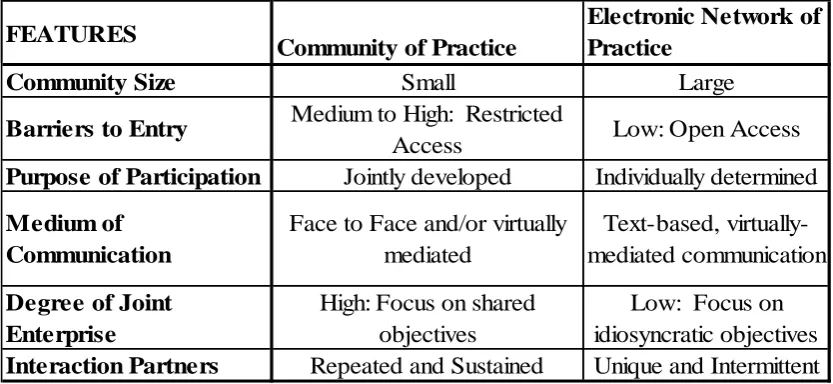
Table 1: Key Differences between Communities of Practice and Electronic Networks of Practice
Some of the distinctiveness associated with ENoPs emerges from the that fact they interact solely in a virtual space. The virtual positioning of the community can lead to a larger size, open access, reliance on text-based computer-mediated communication, individually determined levels of participation, and a greater chance of experiencing unique or one-off interactions with exchange partners. In addition, the CoP, unlike the ENoP, focuses heavily on producing knowledge associated with a joint enterprise.
2.3.4 Situating the Electronic Network of Practice
As research on CoPs developed, there was an increasing emphasis on the CoP as a centre of learning situated within the organization (e.g. Wenger McDermott and Snyder, 2002). To a great extent, this has confounded the original ideas of situated learning by leading to a re-conceptualization of ‘situatedness’ as based on learning exchanges that occur in a shared organizational context, rather than the joint undertaking of a shared problem (Contu and Wilmott, 2003; Roberts, 2006). The appropriateness of redefining situatedness in this way rests beyond the scope of this
FEATURES
Community of Practice
Electronic Network of Practice
Community Size Small Large
Barriers to Entry Medium to High: Restricted
Access Low: Open Access
Purpose of Participation Jointly developed Individually determined
Medium of Communication
Face to Face and/or virtually mediated
Text-based, virtually-mediated communication
Degree of Joint Enterprise
High: Focus on shared objectives
Low: Focus on idiosyncratic objectives
thesis; my focus is on identifying the ramifications of situatedness on the way we understand knowledge-sharing communities in general. In the literature on Communities of Practice, ‘situatedness’ may either refer to a shared physical/environmental context or an organizational context (e.g. Lave and Wenger, 1991; Orr, 1996; e.g. Contu and Wilmott, 2003). In the discussion below, I explore the influence a shared location, organization, and practice has on the different type of online communities devoted to the sharing of information in a specific domain.
Originally, shared location was perceived as a necessary precursor to situated learning, because this term described a pattern of intensive interaction in which people worked together to achieve a collectively desired outcome (Lave and Wenger, 1991). This type of ‘joint enterprise’ required individuals to be located in the same space while learning exchanges occurred. Gradually, with the introduction of online Communities of Practice, there was an emphasis on harnessing virtual technologies to ‘meet’ and engage in collective learning (e.g. Williams and Cothrel, 2000). Originally, online CoPs were rarely described as existing solely in a virtual space, rather the online interactions were used to facilitate relationships that would ordinarily be too difficult to maintain in real life (Johnson, 2001; Wenger, 1998).